
The Comprehensive Guide to Leuzea (Maral Root): Nature’s Premier Adaptogen and Anabolic Secret
Leuzea, scientifically known as Rhaponticum carthamoides and colloquially referred to as Maral Root, stands as one of the most potent and historically significant botanical treasures of the Siberian wilderness. Found primarily in the sub-alpine zones of the Altai Mountains, this perennial herbaceous plant has long been a cornerstone of traditional medicine in Russia, Mongolia, and China. In recent decades, it has transitioned from a folk remedy used by nomadic hunters to a scientifically validated powerhouse in the realms of sports nutrition, cognitive enhancement, and metabolic health. This guide provides an exhaustive analysis of Leuzea, exploring its chemical intricacies, physiological impacts, and practical applications for the modern health-conscious individual.
Botanical Characteristics and Geographic Origin
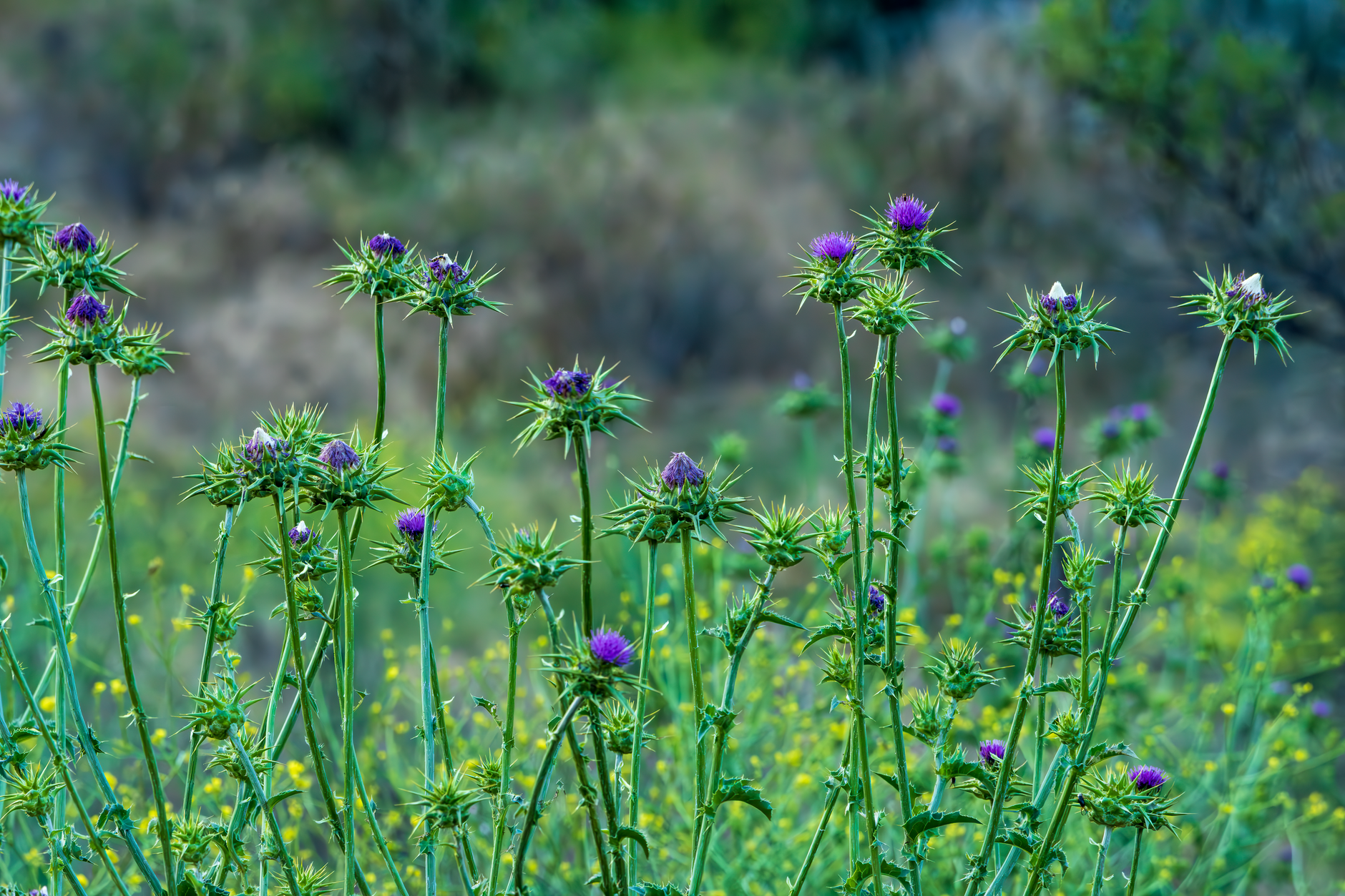
The Rhaponticum carthamoides plant belongs to the Asteraceae family. It is characterized by its robust, thistle-like appearance, reaching heights of up to two meters under optimal conditions. Its most distinctive feature is its massive, woody rhizome and the deep purple, globe-shaped flowers that bloom in the brief Siberian summer. The plant is exceptionally hardy, evolved to survive the extreme temperatures and thin air of high altitudes. This environmental resilience is often cited by herbalists as the source of the plant’s concentrated bioactivity; as the herb fights to survive in harsh climates, it produces secondary metabolites that, when consumed by humans, offer similar resilience to biological and environmental stressors.
The name “Maral Root” originates from the Maral deer, a species of elk native to the region. Indigenous hunters observed that during the mating season or when the animals were injured or exhausted, they would instinctively dig up and consume the roots of this plant. The deer experienced a visible restoration of vigor and strength, leading locals to adopt the root for human use. Historically, it was believed that the root could cure fourteen different ailments and bestow the user with the endurance of a Maral stag. This ethno-botanical history eventually caught the attention of Soviet scientists in the mid-20th century, leading to some of the most rigorous pharmacological studies ever conducted on an adaptogenic plant.
Traditional Uses and Historical Context
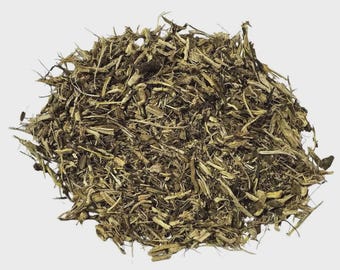
In traditional Siberian folk medicine, Leuzea was primarily utilized as a restorative tonic to combat general fatigue and the physical toll of long, harsh winters. It was frequently prepared as a decoction or a hydro-alcoholic tincture using the dried rhizomes. Beyond general vitality, it was prized for its ability to improve recovery after illness, enhance male libido, and sharpen the senses for long hunting expeditions. In the 1940s and 50s, the Soviet Union integrated Leuzea into the official pharmacopoeia, standardizing its use for “overwork” and cognitive exhaustion.
During the Cold War, Leuzea became a “state secret” of sorts within the Soviet athletic and military spheres. It was famously administered to elite Olympic athletes and cosmonauts to improve physical output and psychological resilience without the side effects associated with synthetic stimulants. Unlike the central nervous system stimulants found in Western medicine at the time, Leuzea was recognized for its ability to increase work capacity while simultaneously calming the nervous system, a hallmark of a true adaptogen. This historical usage paved the way for the modern understanding of its non-hormonal anabolic properties.
Detailed Chemical Composition and Active Bioactive Compounds
The pharmacological potency of Leuzea is attributed to a complex array of bioactive compounds, most notably ecdysteroids. While many plants contain ecdysteroids as a defense mechanism against insects, Rhaponticum carthamoides is unique for its high concentration and variety of these molecules. The most significant compound is 20-hydroxyecdysone (20-E), also known as ecdysterone. Unlike synthetic anabolic steroids, ecdysteroids do not bind to androgen receptors, meaning they do not disrupt the body’s natural hormone balance or cause virilization in women.

In addition to 20-hydroxyecdysone, the chemical profile of Leuzea includes:
- Flavonoids: Such as quercetin and kaempferol, which provide potent antioxidant support and improve vascular health.
- Phenolic Acids: Including chlorogenic and caffeic acids, which contribute to the plant’s anti-inflammatory properties.
- Tannins: Which offer mild astringent properties and support digestive health.
- Polyacetylenes and Triterpene Glycosides: These compounds play secondary roles in immune modulation and cellular protection.
- Essential Oils and Minerals: Leuzea is a natural source of phosphorus, magnesium, and manganese, minerals vital for ATP production and bone density.
The synergy between these compounds creates a multi-targeted effect on the human body, influencing everything from protein synthesis at the ribosomal level to the regulation of neurotransmitters in the brain.
The Anabolic Effect: Muscle Growth and Physical Performance
One of the most researched benefits of Leuzea is its anabolic activity. For decades, athletes have used Leuzea to increase lean muscle mass and accelerate recovery after intense training sessions. The mechanism of action is distinctly different from that of testosterone or its derivatives. 20-hydroxyecdysone appears to stimulate protein synthesis by increasing the activity of polyribosomes—the cellular components where protein assembly occurs. This leads to a positive nitrogen balance, which is the essential state for muscle hypertrophy.
Furthermore, Leuzea has been shown to increase the concentration of glycogen in the muscles and liver. Glycogen is the primary fuel source for high-intensity exercise; by increasing these stores, Leuzea allows for longer, more grueling workouts before the onset of fatigue. It also aids in the rapid clearance of metabolic waste products, such as lactic acid and ammonia, which significantly reduces post-exercise soreness. Because it is non-androgenic, it can be used safely by both men and women without fear of hormonal imbalances, making it one of the few truly effective and safe natural ergogenic aids available today.
Adaptogenic Properties and Stress Management
As a classic adaptogen, Leuzea helps the body maintain homeostasis (internal balance) in the face of various stressors. This is achieved primarily through the modulation of the Hypothalamic-Pituitary-Adrenal (HPA) axis. When the body is under stress, the adrenal glands release cortisol. Chronic elevation of cortisol leads to muscle breakdown, fat accumulation, and immune suppression. Leuzea acts as a buffer, preventing the overproduction of cortisol and ensuring that the body does not enter a state of chronic catabolism.
Beyond the hormonal aspect, Leuzea enhances the cellular response to heat, oxidation, and hypoxia (low oxygen levels). It increases the production of heat shock proteins, which help repair damaged cellular structures. This makes Leuzea particularly valuable for people living in high-stress environments, those suffering from burnout, or individuals recovering from chronic illnesses. It provides a steady, clean energy that is felt as increased alertness and motivation, rather than the jittery spike and crash associated with caffeine or other stimulants.
Cognitive Enhancement and Neuroprotection
Recent neuropharmacological research has highlighted Leuzea’s potential as a nootropic. The compounds in the root have been found to influence glutamate receptors and GABAergic pathways in the brain. Glutamate is the brain’s primary excitatory neurotransmitter, essential for learning and memory, while GABA is the primary inhibitory neurotransmitter, responsible for relaxation. By balancing these systems, Leuzea improves focus, mental clarity, and the ability to handle complex cognitive tasks under pressure.
Leuzea also exhibits neuroprotective qualities. It helps protect neurons from oxidative stress and neurotoxicity, which are major factors in age-related cognitive decline. Some studies suggest that the extract can improve cerebral blood flow, ensuring that the brain receives adequate oxygen and nutrients. This combination of increased energy metabolism in the brain and protection against damage makes Maral Root a compelling supplement for students, professionals, and the elderly alike.
Metabolic Health and Cardiovascular Support
Leuzea’s impact on metabolism extends beyond muscle tissue. It has been observed to improve lipid profiles by lowering LDL (bad) cholesterol and triglycerides while maintaining or increasing HDL (good) cholesterol. This is likely due to the plant’s influence on bile acid metabolism and liver function. Furthermore, Leuzea can help stabilize blood sugar levels by improving insulin sensitivity. This makes it a potential adjunctive therapy for metabolic syndrome and type 2 diabetes management, though more human trials are needed in this specific area.
From a cardiovascular perspective, the flavonoids in Leuzea promote vasodilation and improve the elasticity of blood vessels. This can lead to more efficient circulation and a reduction in blood pressure. Additionally, Leuzea has mild anti-platelet properties, which helps prevent the formation of harmful blood clots without the side effects of traditional blood thinners. By improving the efficiency of the heart and the health of the arteries, Leuzea supports long-term cardiovascular resilience.
Practical Usage: Capsules, Extracts, and Standardization
When looking to incorporate Leuzea into a health regimen, the form and quality of the supplement are paramount. Because the active ecdysteroids are concentrated in the roots and seeds, standardized extracts are generally preferred over raw root powder. Standardization ensures a consistent concentration of 20-hydroxyecdysone, which is the primary driver of the herb’s benefits. Most high-quality supplements are standardized to contain between 5% and 20% ecdysterone.

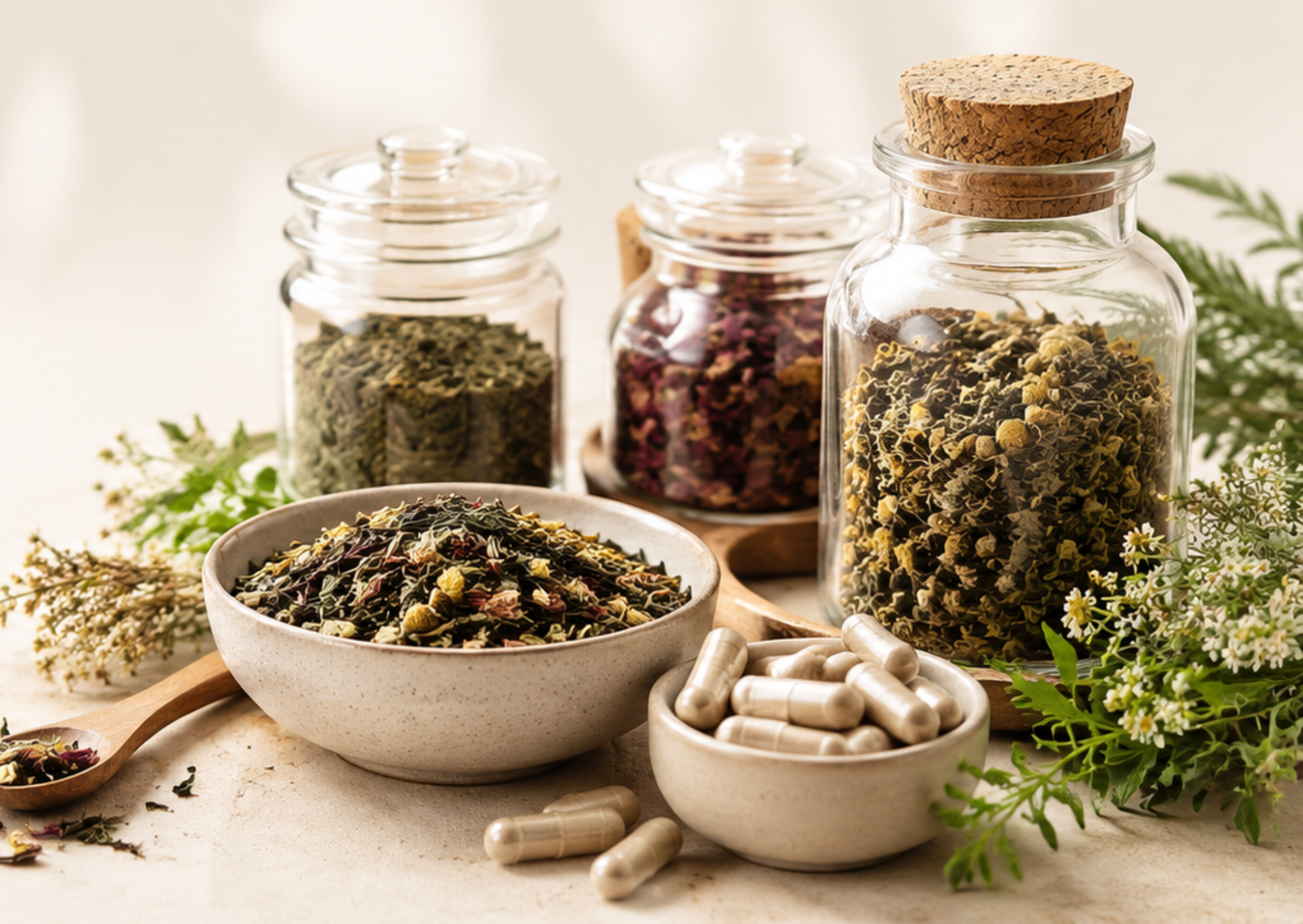
Capsules are the most convenient form for consistent dosing, especially for those using Leuzea for its anabolic or adaptogenic properties. The typical dosage for a standardized extract ranges from 200mg to 500mg, taken once or twice daily. For athletes, it is often recommended to take a dose approximately 30 to 60 minutes before training to maximize the ergogenic effect. Because Leuzea is fat-soluble, taking it with a meal that contains some healthy fats can significantly improve the absorption of the ecdysteroids.
Dosage Guidelines and Safety Profile
Leuzea is remarkably well-tolerated by the human body. In over half a century of documented use in Eastern Europe and Russia, there have been no reports of toxicity or serious adverse effects at standard dosages. Unlike many other performance enhancers, it does not tax the liver or kidneys, nor does it suppress natural hormone production. However, because it is an “activating” herb, some sensitive individuals may experience mild insomnia if taken late in the evening. It is generally best consumed in the morning or early afternoon.

Recommended protocols for Leuzea usage often involve “cycling.” While there is no evidence of dependency, cycling the herb (e.g., 8 weeks on followed by 2 weeks off) is a common practice to maintain the body’s sensitivity to its adaptogenic effects. As with any potent botanical, pregnant or breastfeeding women and individuals on pharmaceutical medications should consult with a healthcare professional before starting supplementation. In particular, those on blood-thinning medications or insulin should be monitored due to Leuzea’s natural effects on blood viscosity and glucose metabolism.
Conclusion: The Future of Rhaponticum carthamoides
In an era where the search for natural, side-effect-free performance and health enhancers is at an all-time high, Leuzea (Maral Root) stands out as an exceptional candidate. Its unique combination of non-hormonal anabolic activity, potent neuroprotection, and systemic adaptogenic support makes it a versatile tool for anyone looking to optimize their physical and mental well-being. As modern science continues to unravel the complexities of ecdysteroids and the other bioactive molecules within this Siberian wonder, Leuzea is poised to move from the fringes of herbalism into the mainstream of functional medicine and elite nutrition. Whether you are an athlete seeking a competitive edge, a professional managing high levels of stress, or simply someone looking to support their longevity, the ancient wisdom of the Maral Root offers a scientifically backed path to resilience and vitality.
Disclaimer: For informational purposes only. Not medical advice. Consult a qualified healthcare professional before use.