Unveiling the Power of Hypericum: An Exhaustive Guide to the Health Benefits of St. John’s Wort
For centuries, humanity has turned to the natural world for healing and solace, often discovering profound medicinal properties hidden within flora. Among these botanical treasures, St. John’s Wort (Hypericum perforatum) stands out as a particularly well-researched and widely utilized herb, renowned primarily for its mood-enhancing capabilities. Far more than just a remedy for the blues, this vibrant yellow-flowered plant boasts a complex phytochemical profile that underpins a diverse array of therapeutic actions, ranging from neurological support to wound healing. This comprehensive guide delves deep into the science, history, and practical applications of St. John’s Wort, aiming to provide an exhaustive resource for anyone seeking to understand the full spectrum of its health benefits.
In an era where holistic health and natural remedies are gaining increasing traction, understanding the intricate mechanisms by which herbs like St. John’s Wort exert their effects is paramount. This article will meticulously explore its rich historical tapestry, elucidate the key bioactive compounds responsible for its efficacy, and dissect the scientific evidence supporting its use for various conditions. From its well-established role in mental well-being to its lesser-known topical applications, we will navigate the multifaceted potential of this remarkable herb, equipping readers with the knowledge necessary to make informed decisions about its integration into a health regimen, always emphasizing the critical importance of professional medical consultation.
A Journey Through Time: The Historical Roots and Etymology of St. John’s Wort
The story of St. John’s Wort is deeply interwoven with human history, stretching back thousands of years to ancient civilizations. Its use can be traced to ancient Greece, where physicians like Hippocrates and Dioscorides documented its medicinal properties. Pliny the Elder, in his monumental work “Natural History,” also referenced Hypericum, noting its utility for various ailments. The name “St. John’s Wort” itself is steeped in tradition and folklore, believed to derive from its propensity to bloom around June 24th, the feast day of St. John the Baptist. The “wort” suffix, an Old English term meaning “plant” or “herb,” further cements its historical significance as a revered medicinal plant.
Throughout the Middle Ages, St. John’s Wort maintained its prominence in European folk medicine. It was often gathered on St. John’s Day, imbued with mystical protective qualities, and hung over doors to ward off evil spirits. Beyond superstition, it was a trusted remedy for melancholy, nerve pain, wounds, burns, and even snake bites. Its vibrant yellow flowers, when crushed, release a reddish oil, which was traditionally used to prepare healing balms and tinctures. This long-standing tradition of use, passed down through generations, laid the groundwork for modern scientific inquiry into its therapeutic potential, bridging the gap between ancient wisdom and contemporary pharmacological understanding.
Botanical Profile: Understanding Hypericum perforatum
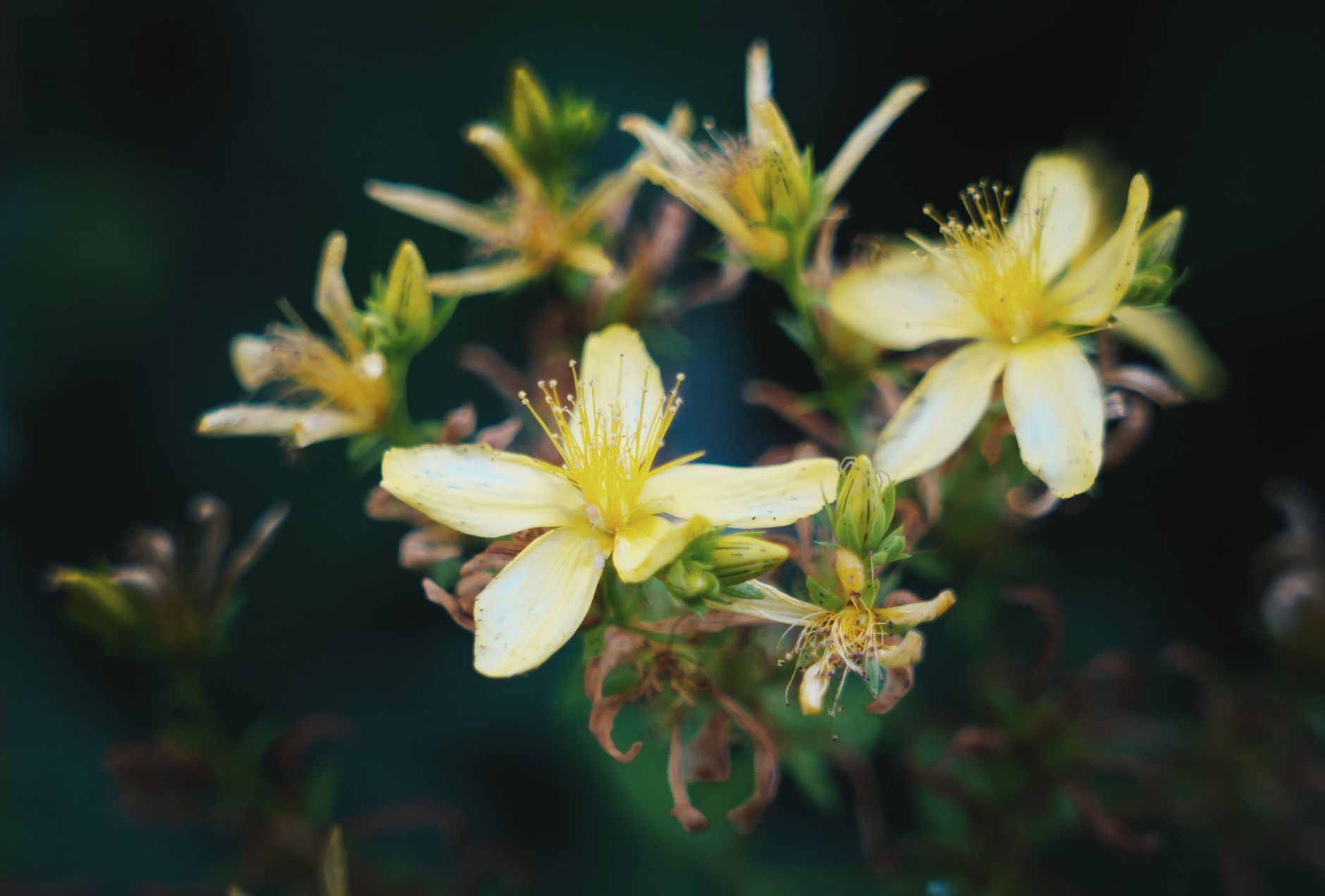
St. John’s Wort, scientifically known as Hypericum perforatum, is a perennial herbaceous plant belonging to the Hypericaceae family. It is easily recognizable by its striking bright yellow, five-petaled flowers, which typically appear in late spring and summer. The plant can grow up to 3 feet (90 cm) tall and features numerous small, oval leaves. A distinctive characteristic, and the origin of its specific epithet “perforatum,” is the presence of translucent dots on its leaves. These “perforations” are actually oil glands that contain many of the plant’s active compounds, becoming visible when held up to the light.
Globally distributed, Hypericum perforatum is native to Europe and Asia but has naturalized in many other temperate regions, including parts of North and South America, Australia, and New Zealand. It thrives in sunny, well-drained soils, often found growing wild in meadows, roadsides, and open woodlands. The medicinal parts of the plant are primarily the aerial parts, particularly the flowers and upper leaves, which are harvested during the flowering season when the concentration of bioactive compounds is at its peak. The careful identification of Hypericum perforatum is crucial, as there are many species within the Hypericum genus, not all of which possess the same medicinal properties.

The Chemical Arsenal: Key Bioactive Compounds and Their Mechanisms of Action
The remarkable therapeutic effects of St. John’s Wort are not attributable to a single compound but rather to a synergistic interplay of various phytochemicals. Modern research has identified several classes of compounds that contribute to its efficacy, with hypericin and hyperforin being the most extensively studied and often standardized in commercial extracts. However, a broader spectrum of constituents, including flavonoids, phloroglucinols, xanthones, and essential oils, also plays a crucial role.
Hypericin: This naphthodianthrone derivative is one of the most iconic compounds of St. John’s Wort, responsible for the reddish pigment released when the flowers are crushed. Historically, hypericin was believed to be the primary active antidepressant compound, primarily due to its weak monoamine oxidase (MAO) inhibitory activity. MAO inhibitors work by preventing the breakdown of neurotransmitters like serotonin, norepinephrine, and dopamine, thus increasing their availability in the synaptic cleft. While early research focused heavily on hypericin, subsequent studies suggest its contribution to antidepressant effects is more nuanced and less dominant than initially thought, particularly when compared to hyperforin.
Hyperforin: Emerging as a more significant contributor to the antidepressant activity, hyperforin is a phloroglucinol derivative. Its primary mechanism of action involves the inhibition of the reuptake of several key neurotransmitters: serotonin, norepinephrine, dopamine, GABA (gamma-aminobutyric acid), and L-glutamate. By blocking the reuptake pumps in neuronal synapses, hyperforin effectively increases the concentration of these neurotransmitters, leading to enhanced mood regulation. Furthermore, hyperforin has been shown to modulate transient receptor potential channel 6 (TRPC6) activity, influencing synaptic plasticity and neuronal signaling, which contributes to its broad psychotropic effects. Its potent induction of cytochrome P450 enzymes (particularly CYP3A4) is also attributable to hyperforin, a critical factor in St. John’s Wort’s well-known drug interactions.
Flavonoids: St. John’s Wort is rich in various flavonoids, including quercetin, kaempferol, and rutin. These compounds are powerful antioxidants, protecting cells from oxidative stress and free radical damage, which can contribute to mood disorders and neurodegenerative processes. Flavonoids also possess anti-inflammatory properties and may contribute to the overall neuroprotective effects of the herb. Their interaction with various enzyme systems and receptor sites further enhances the holistic therapeutic profile of St. John’s Wort.
Xanthones and Proanthocyanidins: These compounds also contribute to the antioxidant and anti-inflammatory effects. Xanthones, like mangiferin, have shown diverse biological activities, including neuroprotection. Proanthocyanidins are potent antioxidants that can help improve vascular health and protect against cellular damage.
The collective action of these compounds, rather than the isolated effect of any single one, is believed to be responsible for the broad spectrum of therapeutic benefits observed with St. John’s Wort, highlighting the complexity and synergy inherent in phytomedicine.

Core Health Benefits: A Deep Dive into Therapeutic Applications
1. Mood Enhancement and Depression Management
The most celebrated and scientifically supported application of St. John’s Wort is its efficacy in addressing symptoms of mild to moderate depression. Numerous clinical trials and meta-analyses have consistently demonstrated that standardized extracts of St. John’s Wort can be as effective as conventional antidepressant medications (such as SSRIs) for these conditions, often with a more favorable side effect profile. The antidepressant mechanism is multifaceted, primarily involving the actions of hyperforin. By inhibiting the reuptake of serotonin, norepinephrine, and dopamine in the brain, it effectively increases the availability of these mood-regulating neurotransmitters in the synaptic cleft. This sustained elevation of neurochemical levels helps to alleviate feelings of sadness, anhedonia (loss of pleasure), and low mood.
Beyond neurotransmitter reuptake inhibition, St. John’s Wort also modulates other crucial pathways. It appears to influence GABAergic and glutamatergic systems, which are vital for neuronal excitability and relaxation. Dysregulation in these systems is implicated in various mood disorders. Furthermore, its anti-inflammatory and antioxidant properties, largely attributed to its flavonoid content, may play a role in neuroprotection and in combating the systemic inflammation increasingly linked to depression. It is imperative to note that while effective for mild to moderate forms, St. John’s Wort is generally not recommended as a monotherapy for severe depression, bipolar disorder, or other serious mental health conditions, which require specialized medical intervention.
2. Alleviation of Anxiety and Stress
Beyond its antidepressant effects, St. John’s Wort has demonstrated anxiolytic (anxiety-reducing) properties. The same mechanisms that contribute to its antidepressant effects – namely, the modulation of neurotransmitters like serotonin, norepinephrine, and GABA – also help to calm the nervous system and reduce feelings of anxiety. By restoring a more balanced neurochemical environment, St. John’s Wort can help individuals cope better with stress, diminish nervous tension, and improve overall emotional resilience. Some studies suggest it can be particularly beneficial for anxiety symptoms that co-occur with depressive states, offering a broader spectrum of mood stabilization. Its adaptogenic qualities, although not as pronounced as some other herbs, may also contribute to the body’s ability to adapt to stressors more effectively.
3. Management of Menopausal Symptoms
The hormonal fluctuations experienced during menopause often lead to a range of challenging symptoms, including hot flashes, mood swings, irritability, and sleep disturbances. St. John’s Wort has shown promise in alleviating some of these menopausal discomforts. Clinical research indicates that it can significantly improve psychological and somatic symptoms associated with perimenopause and menopause, particularly mood changes, anxiety, and sleep problems. While it does not directly impact hormone levels in the same way as hormone replacement therapy, its ability to stabilize mood and improve sleep quality can substantially enhance the quality of life for women navigating this transitional phase. Its mild sedative properties may contribute to better sleep, further reducing the overall burden of menopausal symptoms.
4. Wound Healing and Topical Applications
Historically, St. John’s Wort was highly valued for its external healing properties, a tradition that modern science has begun to validate. The reddish oil extracted from the flowers, rich in hypericin and hyperforin, possesses potent anti-inflammatory, antimicrobial, and antiviral characteristics. When applied topically, St. John’s Wort oil or salve can accelerate the healing of minor wounds, burns, bruises, and skin irritations. It works by reducing inflammation at the site of injury, promoting cell regeneration, and providing a protective barrier against bacterial infection. Its analgesic properties can also help to soothe pain associated with cuts and abrasions. This traditional use continues today, with many natural health practitioners recommending St. John’s Wort-infused oils for skin conditions and nerve pain, such as sciatica or shingles, due to its ability to support nerve tissue regeneration and reduce localized discomfort.
5. Antiviral Potential
Emerging research has explored the antiviral properties of St. John’s Wort, primarily attributed to hypericin. In vitro studies have shown that hypericin can inhibit the replication of various enveloped viruses, including herpes simplex virus (HSV), influenza virus, and even some retroviruses. The exact mechanisms are still being elucidated but are thought to involve interference with viral budding and particle maturation, as well as light-dependent inactivation of viral particles. While these findings are largely from laboratory settings and require further clinical investigation, they underscore another intriguing aspect of St. John’s Wort’s complex pharmacology and its potential for broader therapeutic applications beyond mood disorders.
6. Anti-inflammatory and Antioxidant Effects
The presence of numerous flavonoids, such as quercetin, kaempferol, and rutin, along with other phenolic compounds, imbues St. John’s Wort with significant anti-inflammatory and antioxidant capabilities. Chronic inflammation and oxidative stress are known contributors to a wide range of diseases, including neurodegenerative disorders, cardiovascular disease, and certain cancers. By scavenging free radicals and modulating inflammatory pathways, St. John’s Wort can help mitigate cellular damage and systemic inflammation. This systemic protective effect contributes to its overall therapeutic profile, potentially supporting general health and well-being beyond its more targeted actions on mood and skin.
Forms of St. John’s Wort and Practical Usage
St. John’s Wort is available in various forms, catering to different therapeutic needs and preferences. The choice of form often depends on the specific condition being addressed and the desired potency.
1. Standardized Extracts (Capsules/Tablets)
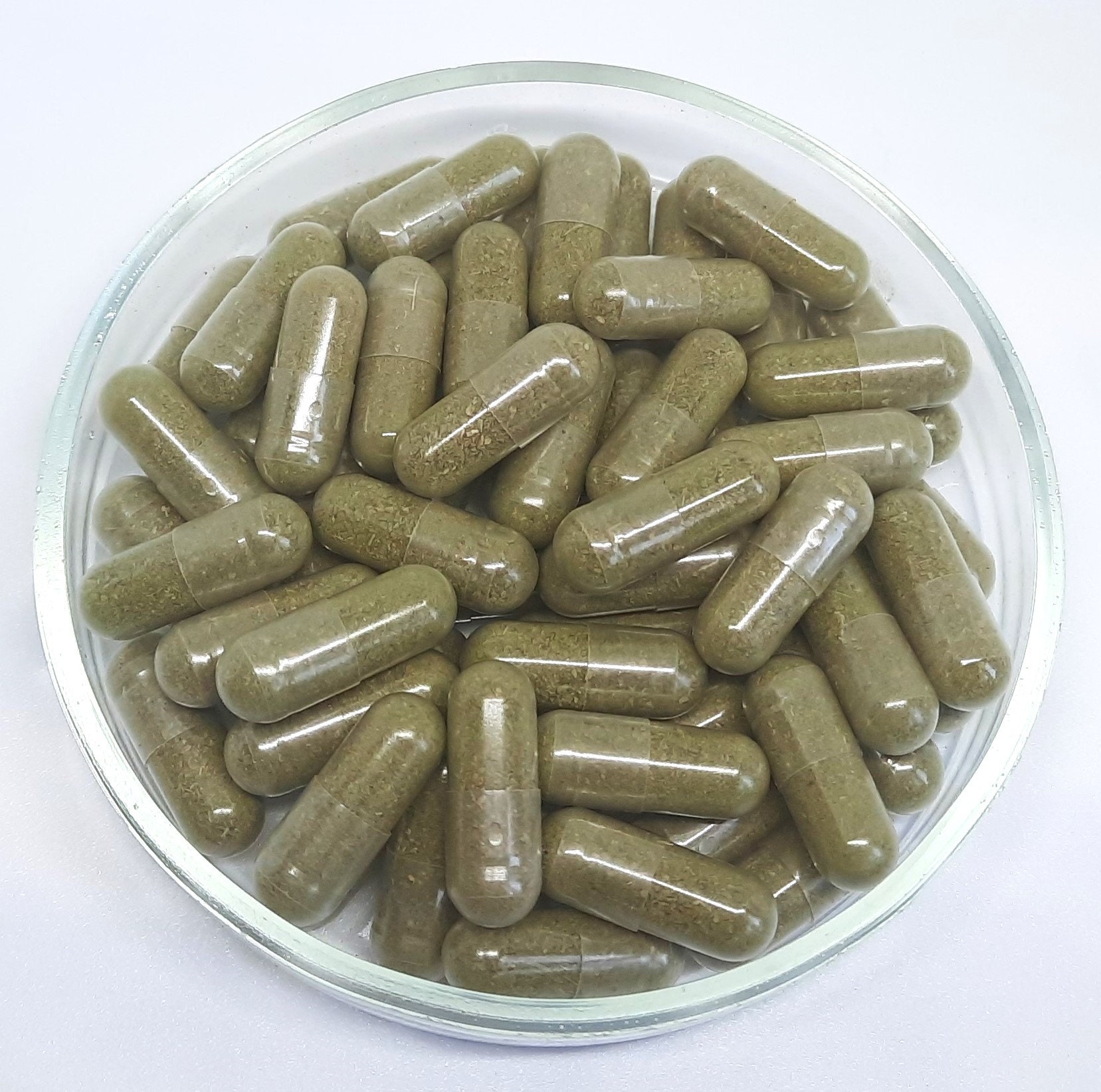
The most common and clinically studied form for internal use, particularly for mood disorders, are standardized extracts found in capsules or tablets. These products are formulated to contain a specific concentration of key bioactive compounds, most commonly hypericin (e.g., 0.3%) or hyperforin (e.g., 2-5%). Standardization ensures consistency in potency and predictable therapeutic effects, which is crucial for safety and efficacy. When selecting a supplement, it is vital to choose a reputable brand that provides clear information about the standardization of its extract. Typical dosages for depression range from 300 mg to 900 mg per day, divided into two or three doses, often taken over several weeks to observe full effects.
2. Dried Herb and Teas
For those who prefer traditional herbal preparations, the dried aerial parts of St. John’s Wort can be used to make infusions (teas). While teas offer a gentler approach and are pleasant for general well-being, the concentration of active compounds can vary significantly, making precise dosing challenging. A typical preparation involves steeping 1-2 teaspoons of dried herb in hot water for 5-10 minutes. Teas are often consumed for mild anxiety, stress reduction, or as a general tonic, but may not provide the standardized therapeutic levels required for clinical depression. They also retain the full spectrum of phytochemicals, which some believe offers a more holistic benefit.

3. Tinctures and Liquid Extracts
Tinctures are concentrated liquid extracts made by macerating St. John’s Wort in alcohol or a glycerin solution. They offer a convenient way to consume the herb, with dosages typically measured in drops. Tinctures can be effective for both internal and external applications and provide a more potent dose than teas. Like standardized capsules, the quality and concentration can vary between brands, so selecting a reputable source is important.
4. Topical Oils and Salves
St. John’s Wort-infused oils and salves are excellent for external use, leveraging the herb’s anti-inflammatory, antimicrobial, and nerve-soothing properties. These preparations are made by infusing dried St. John’s Wort flowers in a carrier oil (like olive or sunflower oil) over several weeks, often in sunlight, which helps extract the reddish pigments and active compounds. The resulting red oil is then used directly or incorporated into salves for minor cuts, burns, bruises, muscle pain, nerve pain (e.g., sciatica, neuralgia), and skin irritations.
Dosage and Administration: A Guide to Responsible Use
When considering St. John’s Wort for therapeutic purposes, particularly for mood disorders, it is paramount to adhere to appropriate dosages and to understand that effects may not be immediate. For mild to moderate depression, a typical regimen involves 300 mg of a standardized extract (e.g., 0.3% hypericin or 2-5% hyperforin) taken three times daily, or 450 mg taken twice daily, totaling 900 mg per day. Some individuals may start with a lower dose and gradually increase it. It can take 2 to 4 weeks to experience the full therapeutic benefits, mirroring the onset time of many conventional antidepressants. Consistent use is key, and abruptly discontinuing treatment is generally not recommended.
For anxiety or generalized stress, lower doses may be sufficient, or it might be combined with other calming herbs. Topical applications, such as oils or salves, can be applied to affected skin areas 2-3 times daily, or as needed for pain relief and wound healing. It is crucial to always follow the specific dosage instructions provided by the manufacturer of the chosen product, as formulations and concentrations can vary. Regardless of the intended use, professional guidance from a healthcare provider is indispensable before initiating St. John’s Wort supplementation, especially if you have underlying health conditions or are taking other medications.
Potential Side Effects and Critical Drug Interactions
While generally well-tolerated, St. John’s Wort is not without potential side effects and, more importantly, significant drug interactions. The most common side effects are usually mild and may include digestive upset, dry mouth, fatigue, restlessness, headaches, and dizziness. Some individuals may experience increased photosensitivity, making them more susceptible to sunburn, especially those with fair skin. It is advisable to use sunscreen and protective clothing when exposed to strong sunlight during St. John’s Wort therapy.
The most critical aspect of St. John’s Wort safety pertains to its potent drug interactions, primarily mediated by hyperforin’s induction of the cytochrome P450 3A4 (CYP3A4) enzyme system in the liver and the P-glycoprotein efflux pump. These systems are crucial for metabolizing and transporting a vast array of medications. By increasing their activity, St. John’s Wort can accelerate the breakdown and elimination of many drugs, drastically reducing their effectiveness. Key interactions include:
- Antidepressants (SSRIs, SNRIs, TCAs): Concomitant use can lead to serotonin syndrome, a potentially life-threatening condition characterized by confusion, agitation, rapid heart rate, high blood pressure, dilated pupils, muscle rigidity, and tremors.
- Oral Contraceptives: St. John’s Wort can reduce the effectiveness of birth control pills, leading to unplanned pregnancies.
- Anticoagulants (e.g., Warfarin): It can decrease the efficacy of blood thinners, increasing the risk of blood clots.
- Digoxin: Reduces the effectiveness of this heart medication.
- Immunosuppressants (e.g., Cyclosporine, Tacrolimus): Can lead to organ transplant rejection by lowering drug levels.
- Antiretroviral drugs (for HIV/AIDS): Significantly reduces the concentration of these vital medications.
- Chemotherapy drugs: May reduce the effectiveness of certain cancer treatments.
- Anxiety medications (Benzodiazepines): Can alter their metabolism.
- Migraine medications (Triptans): Increased risk of serotonin syndrome.
- Statins (cholesterol-lowering drugs): May reduce their effectiveness.
Due to these extensive and potentially serious interactions, it is absolutely essential to consult with a healthcare professional before combining St. John’s Wort with any prescription medication or other supplements. Self-medication without professional guidance can lead to adverse outcomes.
Contraindications and Special Populations
St. John’s Wort is contraindicated in certain individuals and conditions. It should not be used by:
- Individuals taking any of the medications listed above due to interaction risks.
- Pregnant or breastfeeding women, as safety in these populations has not been definitively established.
- Children and adolescents without strict medical supervision.
- Individuals with severe depression, bipolar disorder, schizophrenia, or other serious psychiatric conditions, as it may exacerbate symptoms or interact negatively with prescribed treatments.
- People undergoing surgery, as it can interact with anesthetics and other perioperative medications; discontinuation several weeks prior to surgery is usually recommended.
Individuals with known allergies to plants in the Hypericaceae family should also avoid St. John’s Wort. Always disclose all medications and supplements you are taking to your healthcare provider to ensure safe and appropriate use.
Quality and Standardization: Ensuring Efficacy and Safety
The efficacy and safety of St. John’s Wort supplements are highly dependent on product quality and standardization. Due to variations in cultivation, harvesting, and extraction methods, the concentration of active compounds can differ significantly between products. It is crucial to choose supplements from reputable manufacturers that provide:
- Standardization: Look for products standardized to a specific percentage of hypericin (e.g., 0.3%) or hyperforin (e.g., 2-5%), as these are the compounds primarily linked to its antidepressant effects. Hyperforin standardization is often preferred as it is considered more active.
- Third-Party Testing: Independent laboratory testing helps confirm the purity, potency, and absence of contaminants (e.g., heavy metals, pesticides) in the product.
- Clear Labeling: Labels should clearly list ingredients, dosage, and warnings.
Purchasing from trusted sources helps ensure that you are receiving a product that aligns with clinical research and safety standards.
Conclusion: Harnessing the Therapeutic Potential of St. John’s Wort Responsibly
St. John’s Wort, with its rich historical legacy and scientifically validated therapeutic properties, represents a potent botanical ally in the pursuit of holistic health. Its primary role in alleviating symptoms of mild to moderate depression and anxiety is well-established, underpinned by a complex synergy of bioactive compounds, particularly hyperforin and hypericin, that modulate critical neurotransmitter systems. Beyond its celebrated mental health benefits, St. John’s Wort also offers promising applications in managing menopausal symptoms, promoting wound healing, and exhibiting antiviral and anti-inflammatory effects, showcasing its versatility as a natural remedy.
However, the power of St. John’s Wort comes with significant responsibilities. Its capacity to interact with a broad spectrum of pharmaceutical medications through its influence on the CYP3A4 enzyme and P-glycoprotein necessitates extreme caution and mandatory consultation with a healthcare professional. Photosensitivity and other mild side effects also warrant consideration. By understanding its intricate mechanisms, respecting its potent interactions, and choosing high-quality, standardized products, individuals can responsibly harness the profound health benefits of St. John’s Wort, integrating this remarkable herb into a well-informed and professionally guided wellness strategy.
Disclaimer: For informational purposes only. Not medical advice. Consult a qualified healthcare professional before use.