The Definitive Guide to Hawthorn: Unveiling the Ancient Heart Herb’s Modern Health Benefits
For centuries, nestled within the hedges and woodlands of Europe, Asia, and North America, a unassuming shrub or small tree has offered more than just seasonal beauty. Hawthorn, scientifically known as Crataegus, has long been revered in traditional medicine as a powerful tonic for the heart and circulatory system. From ancient folklore to modern scientific inquiry, its reputation as a “heart herb” has only grown stronger. This exhaustive guide delves into the rich history, intricate botanical profile, sophisticated chemical composition, and profound health benefits of Hawthorn, providing a comprehensive understanding of why this remarkable plant deserves its esteemed place in natural health.
In an era where cardiovascular diseases remain a leading global health concern, the search for natural, supportive therapies is more pertinent than ever. Hawthorn stands out not merely as a historical curiosity, but as a subject of extensive contemporary research, continually affirming its efficacy in promoting cardiovascular wellness, alongside a spectrum of other therapeutic properties. Prepare to embark on a deep dive into the world of Hawthorn, exploring its mechanisms of action, practical applications, and the science that underpins its enduring legacy.
A Journey Through Time: Hawthorn’s Botanical Profile and Historical Significance
The genus Crataegus encompasses hundreds of species, all belonging to the rose family (Rosaceae). Typically a thorny shrub or small tree, Hawthorn is easily identifiable by its deeply lobed leaves, clusters of white or pink flowers in spring, and vibrant red berries (haws) in autumn. These berries, along with the flowers and leaves, are the parts traditionally used for medicinal purposes. Its resilience allows it to thrive in diverse environments, from hedgerows and forest edges to cultivated gardens, making it a ubiquitous presence across its native continents.
Hawthorn’s historical roots run deep. In ancient Greece and Rome, it was associated with hope and fertility, often used in wedding ceremonies. Its wood was considered sacred, believed to ward off evil. However, it was in the Middle Ages that its medicinal properties began to be seriously documented, particularly in Europe. Herbalists and folk practitioners utilized Hawthorn primarily for its astringent qualities, treating digestive issues and kidney stones. It wasn’t until the late 19th and early 20th centuries that its specific affinity for the heart began to be recognized and extensively utilized by Western physicians, earning it the moniker “the heart tonic.” Simultaneously, Traditional Chinese Medicine (TCM) had long embraced Hawthorn (Shan Zha) for centuries, primarily for its ability to aid digestion, particularly of fatty foods, and to invigorate blood circulation, implicitly acknowledging its cardiovascular benefits.

The Chemical Symphony: Unpacking Hawthorn’s Bioactive Compounds
The profound therapeutic effects of Hawthorn are not attributable to a single compound but rather to a complex interplay of various bioactive constituents working synergistically. This intricate chemical profile is what gives Hawthorn its broad spectrum of pharmacological actions, particularly within the cardiovascular system.
The primary active compounds found in Hawthorn are:
- Flavonoids: These are arguably the most significant contributors to Hawthorn’s cardiovascular benefits. Key flavonoids include oligomeric proanthocyanidins (OPCs), vitexin, rutin, hyperoside, and quercetin. OPCs, in particular, are potent antioxidants and are known for their ability to strengthen blood vessels, improve circulation, and reduce inflammation. Vitexin, hyperoside, and rutin contribute to the vasodilation effects and offer significant antioxidant protection.
- Triterpene Acids: Compounds like ursolic acid and oleanolic acid are also present. These triterpenes have demonstrated anti-inflammatory, cardioprotective, and even mild hypotensive (blood pressure-lowering) properties, further complementing the action of the flavonoids.
- Phenolic Acids: Caffeic acid and chlorogenic acid are examples of phenolic acids found in Hawthorn. These compounds possess strong antioxidant capabilities, helping to scavenge free radicals and protect cellular integrity, especially within the cardiovascular system.
- Amines: While less studied than flavonoids and triterpenes, amines such as tyramine and phenethylamine are also present and may contribute to Hawthorn’s effects, though their exact roles in the overall therapeutic profile are still under investigation.
The combination of these compounds provides a multi-targeted approach to heart health, addressing various facets of cardiovascular function from cellular protection to circulatory dynamics.

The Heart of the Matter: Detailed Health Benefits of Hawthorn
Hawthorn’s reputation as a cardioprotective herb is well-earned, supported by decades of research. Its benefits extend far beyond the heart, however, touching upon various other aspects of human health.
1. Comprehensive Cardiovascular Support
This is where Hawthorn truly shines. Its multifaceted action makes it a valuable adjunctive therapy for a range of heart conditions.
- Supporting Congestive Heart Failure (CHF): Numerous clinical trials have demonstrated Hawthorn’s efficacy in improving symptoms and quality of life in patients with mild to moderate CHF. Its mechanisms are complex:
- Positive Inotropic Effect: Hawthorn can subtly enhance the contractility of the heart muscle, leading to a stronger, more efficient pump action. This is achieved without significantly increasing myocardial oxygen demand, a crucial distinction from some conventional cardiac drugs.
- Vasodilation: The flavonoids and OPCs promote the relaxation of smooth muscle in blood vessel walls, leading to vasodilation. This reduces peripheral vascular resistance, making it easier for the heart to pump blood, thereby decreasing cardiac workload.
- Improved Coronary Blood Flow: By dilating coronary arteries, Hawthorn can enhance blood flow to the heart muscle itself, ensuring it receives adequate oxygen and nutrients.
- Anti-arrhythmic Potential: Some research suggests Hawthorn may help stabilize heart rhythm, though more research is needed in this specific area.
Patients often report reduced shortness of breath, less fatigue, and improved exercise tolerance. It’s important to note that Hawthorn is typically used as an adjunct to standard medical therapy, not as a replacement.
- Blood Pressure Regulation: Hawthorn has shown promise in helping to manage hypertension, particularly mild to moderate cases. The vasodilation caused by its compounds, specifically the flavonoids, helps to lower blood pressure. Furthermore, some studies indicate it may exert a mild ACE-inhibitory effect, similar to a class of pharmaceutical drugs used to lower blood pressure. Its gentle diuretic action can also contribute to reduced fluid volume and, consequently, lower blood pressure. This effect is usually gradual and cumulative, making it suitable for long-term supportive care.
- Cholesterol and Lipid Management: While not its primary role, Hawthorn’s antioxidant properties can indirectly benefit cholesterol profiles. By preventing the oxidation of low-density lipoprotein (LDL) cholesterol, it reduces the formation of atherosclerotic plaque, a key factor in heart disease. Some animal studies also suggest it may influence lipid metabolism, potentially lowering total cholesterol and triglyceride levels, though human studies are less conclusive in this area.
- Relief from Angina Pectoris: By improving coronary blood flow and reducing the heart’s workload, Hawthorn can help alleviate the chest pain associated with angina. Increased oxygen delivery to the myocardium combined with reduced oxygen demand translates to less ischemic stress on the heart muscle.
2. Potent Antioxidant Properties
The rich concentration of flavonoids, proanthocyanidins, and phenolic acids makes Hawthorn an exceptionally powerful antioxidant. These compounds actively neutralize free radicals, unstable molecules that can cause oxidative stress and cellular damage throughout the body. Oxidative stress is a major contributor to aging, chronic diseases, and, significantly, the progression of cardiovascular disease. By mitigating oxidative damage, Hawthorn helps protect blood vessels, heart tissue, and other organs from cellular degradation, contributing to overall health and disease prevention.
3. Anti-inflammatory Effects
Chronic inflammation is increasingly recognized as a root cause of many non-communicable diseases, including atherosclerosis. Hawthorn’s bioactive compounds, particularly its flavonoids and triterpene acids, exhibit significant anti-inflammatory properties. They work by modulating inflammatory pathways, reducing the production of pro-inflammatory cytokines and enzymes. This systemic anti-inflammatory action not only supports cardiovascular health by preventing arterial damage but can also benefit other inflammatory conditions within the body.
4. Support for Digestive Health
As noted in TCM, Hawthorn berries (Shan Zha) have a long history of use as a digestive aid. They are particularly known for assisting in the digestion of fats and proteins. The berries contain organic acids and enzymes that can stimulate the production of digestive juices, alleviate indigestion, reduce bloating, and improve nutrient absorption. Their mild astringent properties may also help tone the digestive tract.
5. Anxiolytic and Mild Sedative Effects
Beyond its physical benefits, Hawthorn has been traditionally used to calm the nervous system and reduce anxiety. Some studies suggest that certain compounds in Hawthorn may interact with neurotransmitter systems, such as GABA receptors, to exert mild anxiolytic (anxiety-reducing) and sedative effects. While not as potent as pharmaceutical anxiolytics, it can be a gentle natural option for those experiencing mild anxiety, nervousness, or difficulty sleeping, particularly when associated with heart palpitations or stress.
6. Skin Health and Anti-aging Potential
Through its robust antioxidant and anti-inflammatory mechanisms, Hawthorn may contribute to healthier skin. By protecting skin cells from oxidative damage caused by environmental stressors (like UV radiation and pollution) and reducing inflammation, it can potentially support skin elasticity, reduce signs of aging, and promote a more radiant complexion. Improved circulation, a hallmark of Hawthorn’s benefits, also means better nutrient and oxygen delivery to skin cells, further enhancing skin vitality.
Forms of Hawthorn: From Traditional Brews to Standardized Supplements
Hawthorn is available in various forms, catering to different preferences and therapeutic needs. The choice of form often depends on the desired concentration, ease of use, and specific condition being addressed.
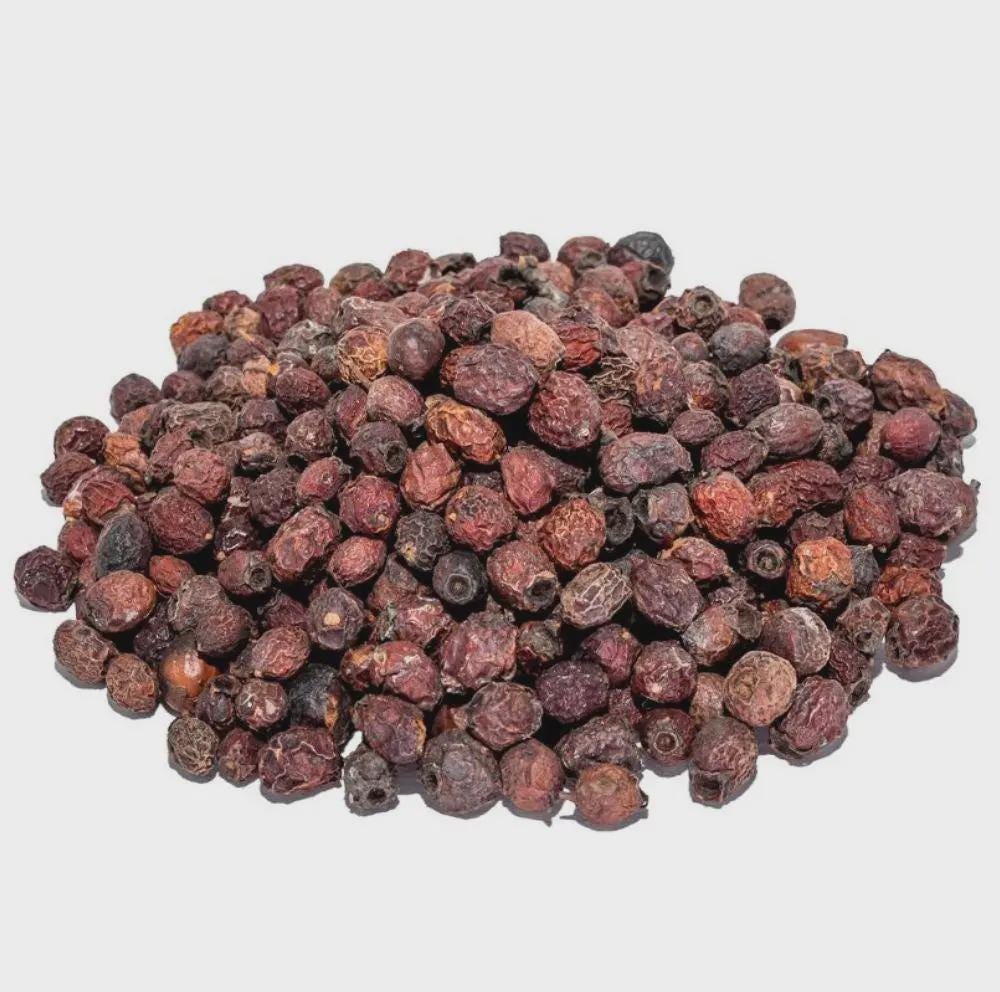
Dried Herb for Teas and Infusions
Traditionally, Hawthorn leaves, flowers, and berries were dried and used to make nourishing teas. A simple infusion involves steeping the dried plant material in hot water. This method provides a gentle way to consume Hawthorn, offering a comforting and mild therapeutic effect. Teas are often preferred for general wellness, mild anxiety, or digestive support.
Liquid Extracts and Tinctures
Tinctures are concentrated alcoholic extracts of Hawthorn, offering a more potent delivery of its active compounds. They are absorbed quickly and allow for flexible dosing. Glycerites, alcohol-free liquid extracts, are also available for those who prefer to avoid alcohol. These forms are often recommended when a stronger, more targeted effect is desired, especially for cardiovascular support.
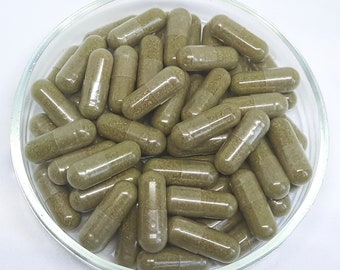
Standardized Capsules and Tablets
For consistent and precise dosing, standardized Hawthorn extracts in capsule or tablet form are widely available. These products are typically standardized to a specific percentage of flavonoids (e.g., 2% total flavonoids or 1.8% vitexin rhamnoside) or oligomeric proanthocyanidins (OPCs). Standardization ensures that each dose contains a consistent amount of the key active compounds, which is crucial for achieving predictable therapeutic outcomes and for studies comparing efficacy. This form is often recommended by healthcare professionals for specific cardiovascular conditions due to its reliability and ease of integration into daily routines.
Practical Usage, Dosage Guidelines, and Safety Considerations
While Hawthorn is generally considered safe for most people, proper usage and awareness of potential interactions are paramount, especially given its potent effects on the cardiovascular system.
General Dosage Guidelines:
- Standardized Extracts (Capsules/Tablets): For cardiovascular support, typical dosages range from 160 mg to 900 mg per day, divided into 2-3 doses. Look for extracts standardized to contain 1.8% to 2.2% vitexin-2″-rhamnoside or 18% to 20% oligomeric proanthocyanidins (OPCs). The higher end of this range (e.g., 300 mg three times daily) is often used in clinical studies for heart failure.
- Tinctures: Doses can range from 1-2 ml, 2-3 times per day, depending on the concentration of the specific product.
- Teas/Infusions: Use 1-2 teaspoons of dried leaves, flowers, or berries per cup of hot water, steeped for 10-15 minutes, 2-3 times daily. This form is less concentrated and more for general wellness.
It is crucial to understand that the effects of Hawthorn are not immediate; they typically build up over several weeks or even months of consistent use. Patience and adherence to the regimen are key to experiencing its full benefits.
Potential Side Effects:
Hawthorn is well-tolerated by most individuals. Mild side effects are rare but can include:
- Nausea
- Stomach upset
- Fatigue
- Dizziness
- Sweating
- Headache
These symptoms are usually transient and often resolve as the body adjusts to the herb.
Contraindications and Drug Interactions:
This is the most critical aspect of Hawthorn usage, especially for individuals with pre-existing heart conditions or those on medication.
- Heart Medications: Hawthorn can potentiate the effects of certain cardiovascular drugs, leading to dangerously low blood pressure or an excessively slow heart rate. This includes:
- Digoxin: Hawthorn can increase the effects of digoxin, a potent heart medication, leading to toxicity.
- Beta-Blockers and Calcium Channel Blockers: Used for blood pressure and heart rate control, Hawthorn can amplify their effects.
- Nitrates: Medications like nitroglycerin for angina can have their hypotensive effects enhanced by Hawthorn.
- Antihypertensives: Hawthorn can augment the blood pressure-lowering effects of other anti-hypertensive drugs.
- Blood Thinners (Anticoagulants): While not definitively proven, some theoretical concerns exist that Hawthorn’s mild anti-inflammatory properties might interact with blood-thinning medications like warfarin, potentially increasing the risk of bleeding.
- Pregnancy and Breastfeeding: Due to a lack of sufficient research, Hawthorn is generally not recommended during pregnancy or breastfeeding.
- Surgery: Discontinue Hawthorn use at least two weeks before any scheduled surgery due to potential interactions with anesthesia and bleeding risk.
Always consult a healthcare professional before starting Hawthorn, especially if you have a heart condition, are on any medications, or are pregnant/breastfeeding. Self-treating serious heart conditions with Hawthorn alone is not recommended and can be dangerous.

Conclusion: Hawthorn – A Time-Tested Ally for Modern Health
Hawthorn stands as a testament to nature’s profound healing capabilities. Its rich history as a folk remedy, coupled with robust modern scientific validation, cements its status as one of the most important cardiovascular herbs available today. From supporting optimal heart function and blood pressure regulation to offering potent antioxidant and anti-inflammatory protection, Hawthorn provides a holistic approach to maintaining health and vitality.
The intricate synergy of its flavonoids, triterpenes, and other compounds offers a gentle yet effective way to support the heart, making it a valuable adjunct in the management of various cardiovascular concerns. Beyond the heart, its benefits extend to digestion, mental well-being, and even skin health, showcasing its versatile therapeutic profile. As research continues to unravel the full spectrum of its actions, Hawthorn remains a beacon of hope for natural health, inviting us to rediscover the enduring power of botanical medicine. However, as with all potent natural remedies, respectful use, informed decision-making, and professional guidance are essential to harness its benefits safely and effectively, ensuring this ancient heart herb continues to nurture wellness for generations to come.
Disclaimer: For informational purposes only. Not medical advice. Consult a qualified healthcare professional before use.