
The Definitive Guide to Chaste Tree Berry (Vitex agnus-castus): Science, History, and Clinical Benefits
Vitex agnus-castus, more commonly known as Chaste Tree Berry, Chasteberry, or Monk’s Pepper, stands as one of the most revered botanical interventions in the history of herbal medicine. For millennia, this Mediterranean native has been utilized to address a broad spectrum of endocrine-related conditions, particularly those affecting the female reproductive system. In the modern era, Chaste Tree Berry has transitioned from a traditional folk remedy to a clinically validated phytotherapeutic agent. Its ability to modulate the pituitary gland and influence the delicate balance of hormones like prolactin and progesterone makes it a cornerstone of natural gynecology. This guide provides an exhaustive exploration into the botanical nature, pharmacological mechanisms, and therapeutic applications of this extraordinary plant.
Botanical Characteristics and Taxonomy
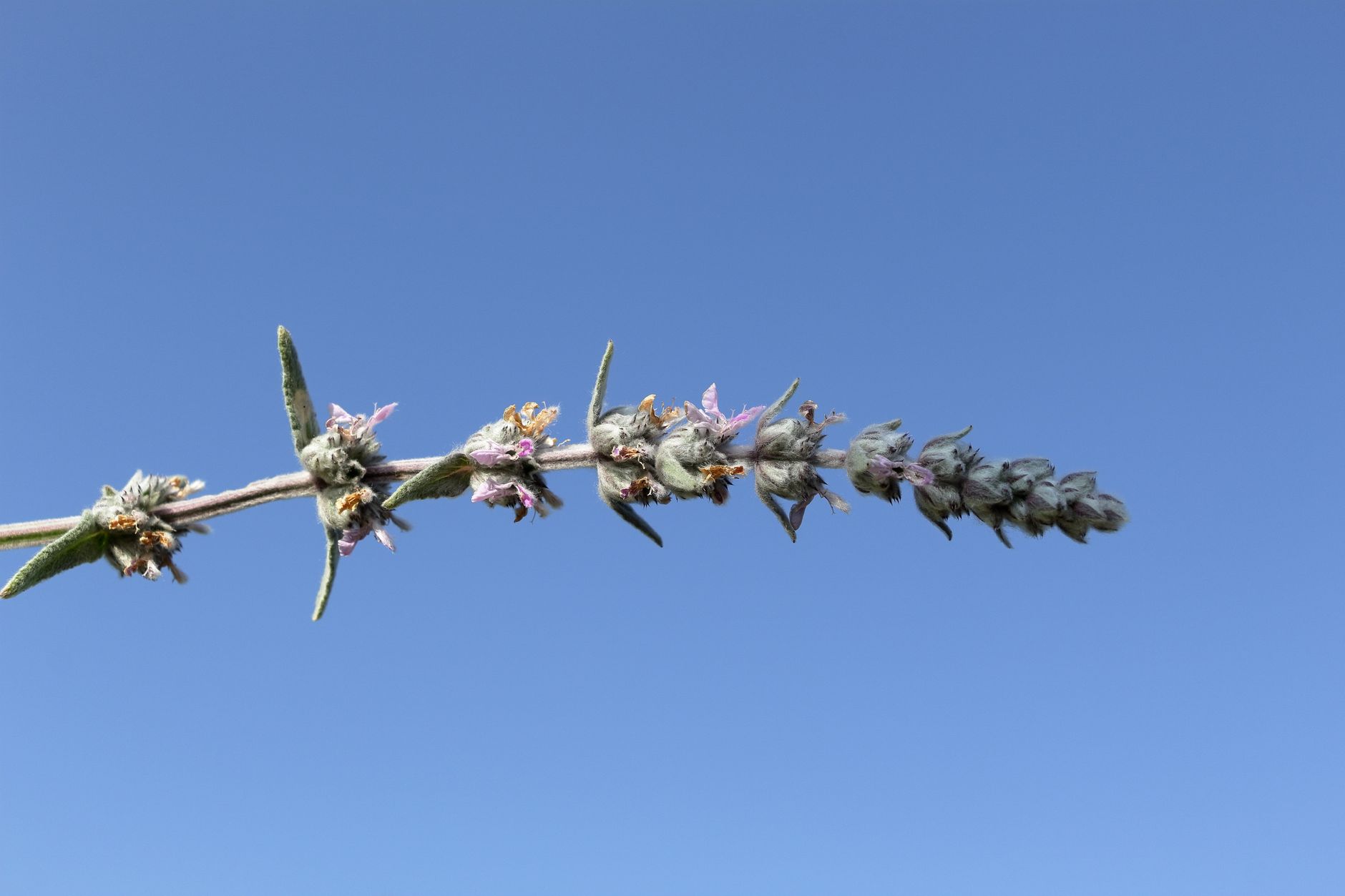
The Chaste Tree is a deciduous shrub belonging to the Lamiaceae family, though it was historically classified within the Verbenaceae family. It is indigenous to the Mediterranean region and parts of Central Asia, thriving in subtropical climates and along riverbanks. The plant is characterized by its palmately compound leaves, which resemble those of the hemp plant, and its striking upright spikes of lavender, blue, or white flowers that bloom in late summer. The therapeutic value of the plant resides primarily in its small, hard fruits—the berries—which are roughly the size of peppercorns and possess a distinct, slightly pungent aroma and peppery flavor.
The resilience of the Chaste Tree allows it to grow in varied soil types, provided there is sufficient drainage and sunlight. Botanically, it is known for its slow-growing nature but long lifespan. The berries are harvested in autumn when they reach peak ripeness, at which point they contain the highest concentration of volatile oils and bioactive secondary metabolites. Understanding the botanical integrity of Vitex is essential for ensuring that extracts used in clinical settings are of the highest quality and provide the specific therapeutic profile required for hormonal modulation.
Historical Context: From Ancient Greece to the Middle Ages
The name “Chaste Tree” and the species epithet “agnus-castus” (derived from the Greek ‘agnos’ and Latin ‘castus,’ both meaning chaste) reflect the plant’s long-standing reputation as an anaphrodisiac. In Ancient Greece, the physician Dioscorides noted that the plant could check the “violent desires of the flesh.” During the festival of Thesmophoria, Greek women would strew their beds with the leaves of the tree to maintain their chastity while their husbands were away at war. This tradition carried over into the Middle Ages, where the ground berries were consumed by monks in monasteries to help them uphold their vows of celibacy, hence the common name “Monk’s Pepper.”
While its reputation as a libido-suppressant in men was its primary historical claim to fame, its use for female ailments was equally documented. Ancient healers used Vitex to clear the uterus, promote menstruation, and treat inflammation of the reproductive organs. Over centuries, the focus shifted toward its efficacy in regulating the menstrual cycle and supporting lactation. Today, the historical use of Chaste Tree Berry serves as a foundation for modern research, which has largely pivoted toward its complex interaction with the hypophyseal-pituitary-ovarian axis.

The Phyto-Chemistry of Vitex: Unlocking the Bioactive Compounds
The pharmacological efficacy of Chaste Tree Berry is not attributed to a single “magic bullet” compound but rather to a synergistic complex of secondary metabolites. Researchers have identified several key classes of constituents within the fruit, including diterpenoids, iridoid glycosides, flavonoids, and essential oils. The most significant of these are the dopaminergic diterpenes, such as rotundifuran and 6β,7β-diacetoxy-13-hydroxy-8(14)-labden, which play a pivotal role in the herb’s ability to inhibit prolactin secretion.
Iridoid glycosides, including agnuside and aucubin, serve as important markers for the standardization of Vitex extracts. While these compounds may not be directly responsible for the hormonal effects, they contribute to the anti-inflammatory and antioxidant profile of the herb. Additionally, the presence of flavonoids like casticin, penduletin, and chrysosplenol D contributes to the modulation of estrogen receptors, albeit with a relatively weak affinity compared to endogenous estrogen. The complex interplay between these compounds allows Vitex to exert a “normalizing” effect on the endocrine system, rather than a strictly stimulatory or inhibitory one.
Mechanism of Action: The Pituitary-Dopamine Connection
Unlike many other herbal remedies for women’s health that contain phytoestrogens, Chaste Tree Berry does not primarily work through direct estrogenic activity. Instead, its primary mechanism of action involves the anterior pituitary gland. The bioactive diterpenes in Vitex act as agonists at the dopamine D2 receptors. In the pituitary gland, dopamine is the primary inhibitor of prolactin secretion. By mimicking the action of dopamine, Vitex effectively lowers elevated levels of prolactin (hyperprolactinemia).
This suppression of prolactin is crucial because high prolactin levels can inhibit the development of the corpus luteum, the structure responsible for producing progesterone after ovulation. By normalizing prolactin, Vitex supports the secretion of Luteinizing Hormone (LH) and subsequently enhances the production of progesterone during the luteal phase of the menstrual cycle. This shift helps correct “estrogen dominance” or luteal phase defects, which are common underlying factors in Premenstrual Syndrome (PMS), infertility, and irregular cycles. Furthermore, Vitex has been shown to interact with opioid receptors (specifically mu and kappa receptors), which may explain its efficacy in reducing the emotional symptoms and pain associated with the menstrual cycle.
Clinical Benefits: Premenstrual Syndrome (PMS) and PMDD
The most widely researched application of Chaste Tree Berry is the management of Premenstrual Syndrome (PMS). Numerous double-blind, placebo-controlled trials have demonstrated that Vitex significantly reduces the severity of PMS symptoms, including irritability, mood swings, anger, headache, and breast fullness (mastalgia). In many European countries, particularly Germany, Vitex is a standard-of-care prescription for these conditions.
The efficacy of Vitex in treating PMDD (Premenstrual Dysphoric Disorder), a more severe form of PMS, has also been explored. Studies comparing Vitex to fluoxetine (a common SSRI used for PMDD) found that while the SSRI was slightly more effective for psychological symptoms, Vitex was superior in managing physical symptoms such as bloating and breast tenderness. The herb’s ability to stabilize the hormonal fluctuations that trigger these symptoms makes it a preferred choice for women seeking a natural alternative to pharmaceutical interventions.
Addressing Cyclical Mastalgia and Breast Tenderness
Cyclical mastalgia, or breast pain that occurs in the days leading up to menstruation, is often linked to latent hyperprolactinemia. Even a slight elevation in prolactin can cause the mammary ducts to swell, leading to significant discomfort. By activating the D2 dopamine receptors in the pituitary, Vitex reduces the secretion of prolactin, thereby alleviating the physiological pressure on breast tissue. Clinical trials have shown that consistent use of Vitex over two to three menstrual cycles can lead to a significant reduction in the intensity and duration of cyclical breast pain.
Support for Infertility and Luteal Phase Defects
For women struggling with infertility related to hormonal imbalances, Chaste Tree Berry offers a promising natural solution. A common cause of infertility is a “luteal phase defect,” characterized by a shortened second half of the menstrual cycle and insufficient progesterone levels. Without adequate progesterone, the uterine lining cannot properly support the implantation of a fertilized egg.
Vitex addresses this by encouraging the pituitary gland to produce more LH, which in turn stimulates the ovaries to produce more progesterone. By extending the length of the luteal phase and improving the progesterone-to-estrogen ratio, Vitex creates a more favorable environment for conception. It is important to note, however, that Vitex is not a “fertility drug” in the sense that it forces ovulation; rather, it works to restore the natural rhythms and balances required for a healthy reproductive cycle.
Managing Menopause and Perimenopause Symptoms
As women transition into menopause, the decline in ovarian function leads to a variety of symptoms, including hot flashes, night sweats, sleep disturbances, and vaginal dryness. While Vitex is traditionally used for younger women, its ability to modulate the pituitary gland can also benefit those in perimenopause. By stabilizing the fluctuations of FSH (Follicle Stimulating Hormone) and LH, Vitex may help mitigate the intensity of vasomotor symptoms. Additionally, its influence on the opioid system can provide much-needed support for the mood disturbances and anxiety that often accompany this life transition.

Acne and Skin Health: The Hormonal Link
Hormonal acne, particularly that which flares up during the premenstrual phase, is often driven by an imbalance in androgens and a relative deficiency in progesterone. By promoting a more balanced progesterone-to-estrogen ratio and potentially influencing androgenic pathways indirectly through the pituitary, Vitex can help clear the skin from the inside out. Unlike topical treatments that address the bacteria or oil on the surface, Vitex targets the endocrine root cause of the breakouts. It is often used in conjunction with liver-supportive herbs to maximize its dermatological benefits.
Forms of Supplementation and Standards of Quality
Chaste Tree Berry is available in several delivery formats, each with its own advantages. Standardized encapsulated extracts are the most common in clinical research, typically standardized to contain a specific percentage of agnuside or casticin. This ensures a consistent dose of the active diterpenes. Tinctures (liquid alcohol extracts) are also highly effective, as the alcohol acts as a potent solvent for the plant’s resins and volatile oils. While Vitex tea can be consumed, the hard berries require a long decoction to extract the active compounds, and the taste can be off-putting to some. Regardless of the form, quality is paramount; consumers should look for products that specify the part of the plant used (the fruit) and avoid those with excessive fillers.
Dosage Guidelines and Timing for Optimal Results
One of the most critical aspects of using Chaste Tree Berry is patience. Unlike pharmaceutical painkillers that work within an hour, Vitex is a “slow-acting” herb that works by shifting the underlying hormonal environment. Most clinical studies suggest that it takes a minimum of three full menstrual cycles to observe significant therapeutic effects. The standard dosage for a 10:1 extract is typically between 200mg and 500mg daily. For tinctures, a dose of 2ml to 4ml daily is common.
Regarding timing, many practitioners recommend taking Vitex once a day in the morning on an empty stomach. This is because the pituitary gland is most responsive to the dopaminergic effects of the herb early in the day. For those using it to regulate the menstrual cycle, it is usually taken continuously throughout the month, although some protocols suggest taking a break during menstruation.
Safety, Side Effects, and Contraindications
Chaste Tree Berry is generally well-tolerated and has an excellent safety profile when used appropriately. Side effects are rare but may include mild nausea, gastrointestinal upset, or a temporary increase in acne as the body adjusts to the hormonal shifts. In some cases, it may cause a slight change in the timing or flow of the menstrual period.
However, due to its potent effect on hormones, certain precautions are necessary. Vitex should not be used by women who are pregnant or breastfeeding, unless under the direct supervision of a healthcare provider. It is also contraindicated for individuals using hormonal contraceptives (such as the birth control pill, patch, or IUD), as it may interfere with the efficacy of the medication. Women with hormone-sensitive cancers (such as certain types of breast or uterine cancer) should exercise caution. Finally, because Vitex acts on the dopamine system, it may interact with medications for Parkinson’s disease or antipsychotic drugs. Always consult with a qualified professional before integrating Vitex into a medical regimen.
Conclusion: The Future of Vitex in Integrative Medicine
The journey of Chaste Tree Berry from an ancient Greek “chastity” herb to a modern endocrine modulator is a testament to the enduring power of botanical medicine. As modern science continues to unravel the complexities of the endocrine system, the role of Vitex as a gentle yet effective regulator becomes increasingly clear. By offering a non-synthetic pathway to hormonal harmony, Vitex empowers women to manage their health through the cycles of life—from the reproductive years through the transition of menopause. In an era where hormonal imbalances are increasingly prevalent due to stress and environmental factors, Chaste Tree Berry remains an indispensable ally in the quest for physiological balance and well-being.
Disclaimer: For informational purposes only. Not medical advice. Consult a qualified healthcare professional before use.
Leave a Reply