
The Comprehensive Guide to Jasmine Flowers: A Deep Dive into Botanical Excellence and Therapeutic Efficacy
The jasmine flower, belonging to the genus Jasminum within the Oleaceae family, is far more than a mere ornamental plant or a fragrant addition to a garden. For millennia, this delicate bloom has been revered across diverse cultures—from the ancient dynasties of China to the Vedic traditions of India—as a potent medicinal herb. Often referred to as the “Queen of the Night” due to its nocturnal fragrance release, jasmine represents a complex pharmacological treasure trove. This guide explores the multifaceted nature of jasmine flowers, examining their botanical characteristics, biochemical complexity, and the extensive range of health benefits supported by both traditional wisdom and contemporary scientific research.
Botanical Taxonomy and Morphological Characteristics
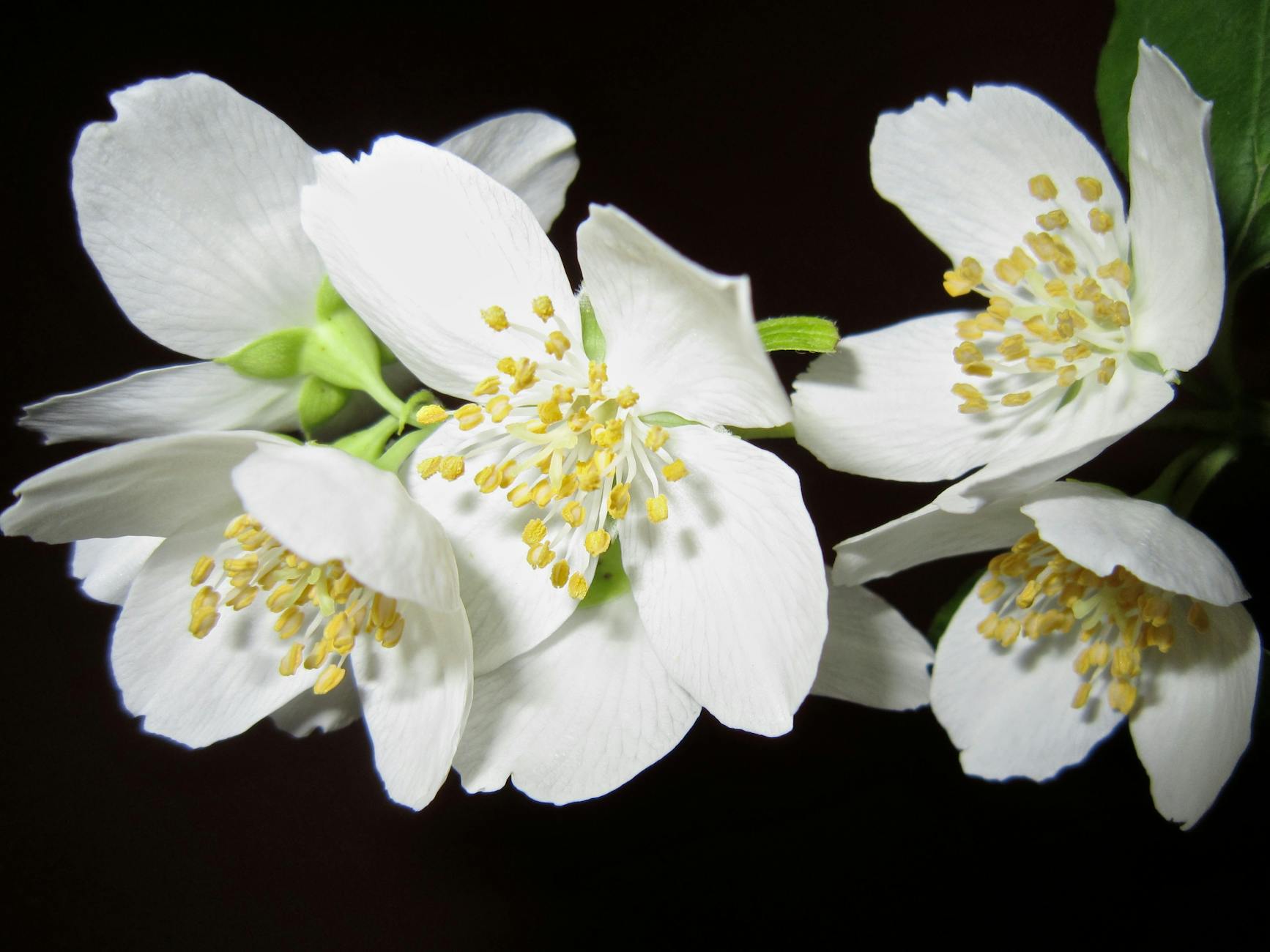
Jasmine encompasses over 200 species of shrubs and vines, primarily native to tropical and warm temperate regions of Eurasia and Oceania. The most commercially and medicinally significant species include Jasminum officinale (Common Jasmine) and Jasminum sambac (Arabian Jasmine). Morphologically, these plants are characterized by their pinnate or simple leaves and salver-shaped flowers, which typically feature five to nine lobes. The white or yellow corollas are the primary source of the plant’s essential oils, which are synthesized within the epidermal cells of the petals.
The growth habit of jasmine is typically climbing or spreading, allowing it to cover significant areas in its native habitats. The physiological process of flowering is highly sensitive to photoperiodism and temperature, with many species reaching their peak aromatic output during the late evening and early morning hours. This circadian rhythm is not merely a biological curiosity; it dictates the harvesting times for medicinal and perfumery purposes, as the concentration of volatile organic compounds (VOCs) is at its zenith during these cooler, darker periods.

Historical Context and Traditional Ethnobotany
The historical trajectory of jasmine is intertwined with the development of traditional medicine systems globally. In Traditional Chinese Medicine (TCM), jasmine flowers, known as Mo Li Hua, have been utilized for centuries to “clear the liver,” resolve depression, and harmonize the stomach. It is frequently prescribed for conditions related to “Qi” stagnation, where emotional distress manifests as physical discomfort. In the Ayurvedic tradition of India, jasmine (referred to as Mallika) is classified as a cooling herb, used to balance the Pitta and Kapha doshas. Ancient practitioners applied jasmine pastes to the skin to treat sores and inflammations, while the tea was consumed to soothe the nervous system.
Beyond the borders of Asia, jasmine found its way along the Silk Road into the Middle East and eventually Europe. The Persians utilized jasmine oil in aromatherapy long before the term was popularized in the West, recognizing its ability to elevate the spirit and enhance libido. This historical longevity is a testament to the plant’s perceived efficacy, providing a foundation for the modern pharmacological investigations that seek to isolate and understand its active constituents.
The Complex Phytochemical Matrix of Jasmine
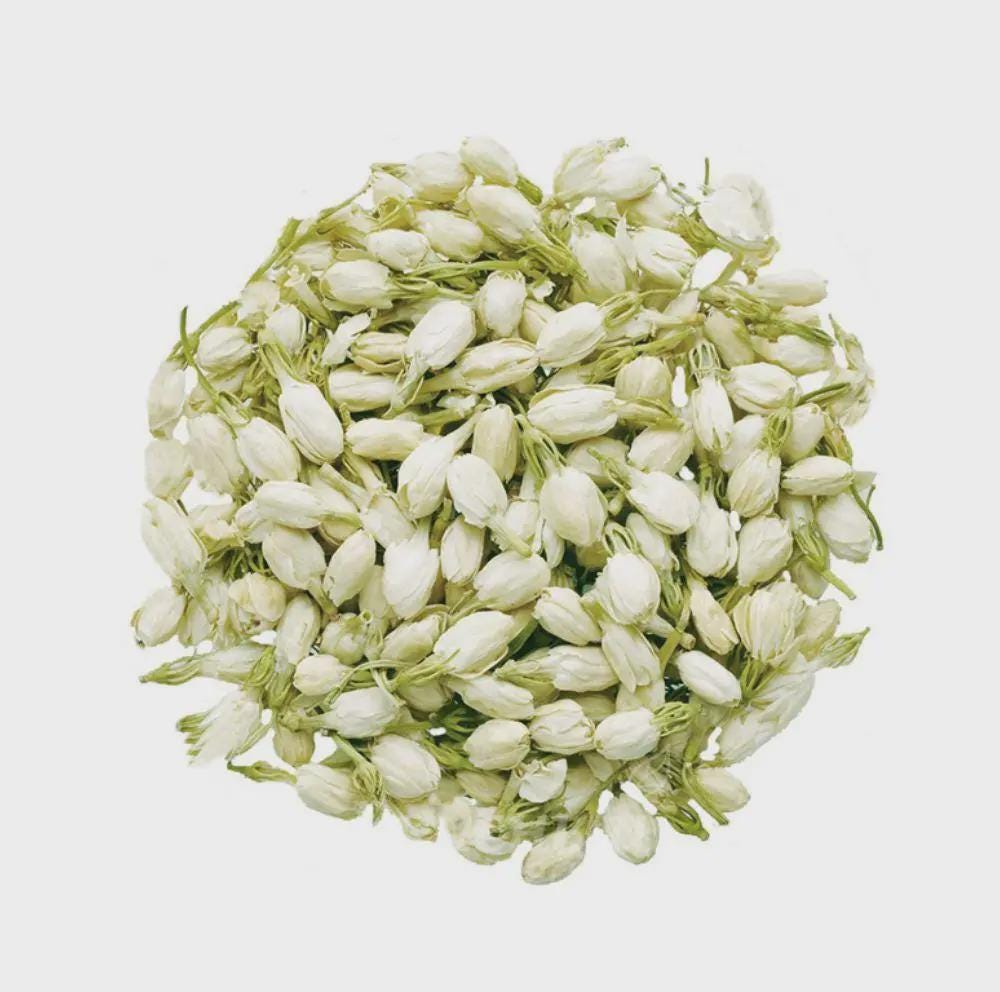
The therapeutic potency of jasmine flowers is derived from a dense concentration of bioactive secondary metabolites. The most prominent among these are the volatile terpenes and esters found in the essential oil. Benzyl acetate, linalool, benzyl alcohol, indole, and jasmone are the primary drivers of jasmine’s aromatic and physiological effects. Linalool, in particular, is a terpene alcohol known for its profound sedative and anxiolytic properties. It acts upon the central nervous system by modulating GABAergic neurotransmission, effectively slowing down overactive neural firing.
Furthermore, jasmine contains a variety of non-volatile compounds, such as flavonoids (quercetin and kaempferol), iridoid glycosides (secoiridoids like oleuropein), and phenolic acids. These compounds provide the plant with its antioxidant and anti-inflammatory capabilities. Recent studies have also highlighted the presence of methyl jasmonate, a plant hormone involved in defense signaling. In laboratory settings, methyl jasmonate has demonstrated remarkable pro-apoptotic activity against certain cancer cell lines, sparking interest in its potential as a complementary oncological agent. This synergy of volatile and non-volatile compounds creates a “whole-plant” effect that is often more effective than isolated components.
Neuroprotective and Psychological Benefits
One of the most well-documented uses of jasmine is in the management of stress and anxiety. The mechanism of action is primarily through the olfactory system, which has a direct link to the limbic system—the brain’s emotional processing center. Inhalation of jasmine fragrance has been shown to increase the secretion of enkephalins and endorphins, the body’s natural “feel-good” chemicals. This neurochemical shift results in a decrease in heart rate and cortisol levels, promoting a state of relaxed alertness rather than total lethargy.
Unlike many synthetic sedatives that can cause cognitive impairment, jasmine appears to enhance mood while maintaining mental clarity. This makes it particularly useful for individuals suffering from mild depression or chronic fatigue syndrome. Research suggests that the stimulation of the autonomic nervous system via jasmine oil can lead to improvements in subjective energy levels and a more positive emotional state. By mitigating the physiological markers of stress, jasmine helps protect the brain from the neurotoxic effects of chronic cortisol exposure, potentially lowering the risk of stress-related cognitive decline.
Antioxidant Capacity and Cellular Longevity
Jasmine flowers are a rich source of polyphenols, which are essential in neutralizing reactive oxygen species (ROS). Oxidative stress is a primary driver of cellular aging and the development of chronic diseases, including cardiovascular disease and neurodegeneration. The catechins and flavonoids present in jasmine tea function as scavengers, donating electrons to unstable free radicals and preventing them from damaging cellular membranes, proteins, and DNA.
Moreover, the consumption of jasmine-infused beverages has been linked to improved metabolic health. The antioxidants in jasmine can inhibit the oxidation of Low-Density Lipoprotein (LDL) cholesterol, a critical step in the formation of arterial plaque. By maintaining the integrity of the vascular endothelium and reducing systemic inflammation, jasmine contributes to long-term heart health. The presence of epigallocatechin gallate (EGCG) in jasmine green tea blends further amplifies these benefits, as EGCG is one of the most potent thermogenic and cardioprotective compounds known to science.
Gastrointestinal Health and Metabolic Regulation
In traditional medicine, jasmine has long been utilized as a carminative and digestive aid. The bitter glycosides found in the petals stimulate the production of digestive enzymes, facilitating more efficient nutrient absorption and reducing symptoms of dyspepsia, bloating, and flatulence. The anti-spasmodic properties of jasmine are also beneficial in treating intestinal cramps and irritable bowel syndrome (IBS), as the active compounds help relax the smooth muscle tissues of the gastrointestinal tract.
Recent pharmacological inquiries have suggested that jasmine may play a role in blood sugar regulation. Certain extracts of Jasminum sambac have demonstrated the ability to inhibit alpha-amylase and alpha-glucosidase, the enzymes responsible for breaking down carbohydrates into glucose. By slowing this enzymatic process, jasmine can help prevent postprandial glucose spikes, making it a valuable dietary adjunct for individuals managing Type 2 diabetes or metabolic syndrome. Furthermore, the anti-microbial properties of jasmine help maintain a healthy gut microbiome by inhibiting the overgrowth of pathogenic bacteria while sparing beneficial flora.
Modern Administration: Capsules and Concentrated Extracts
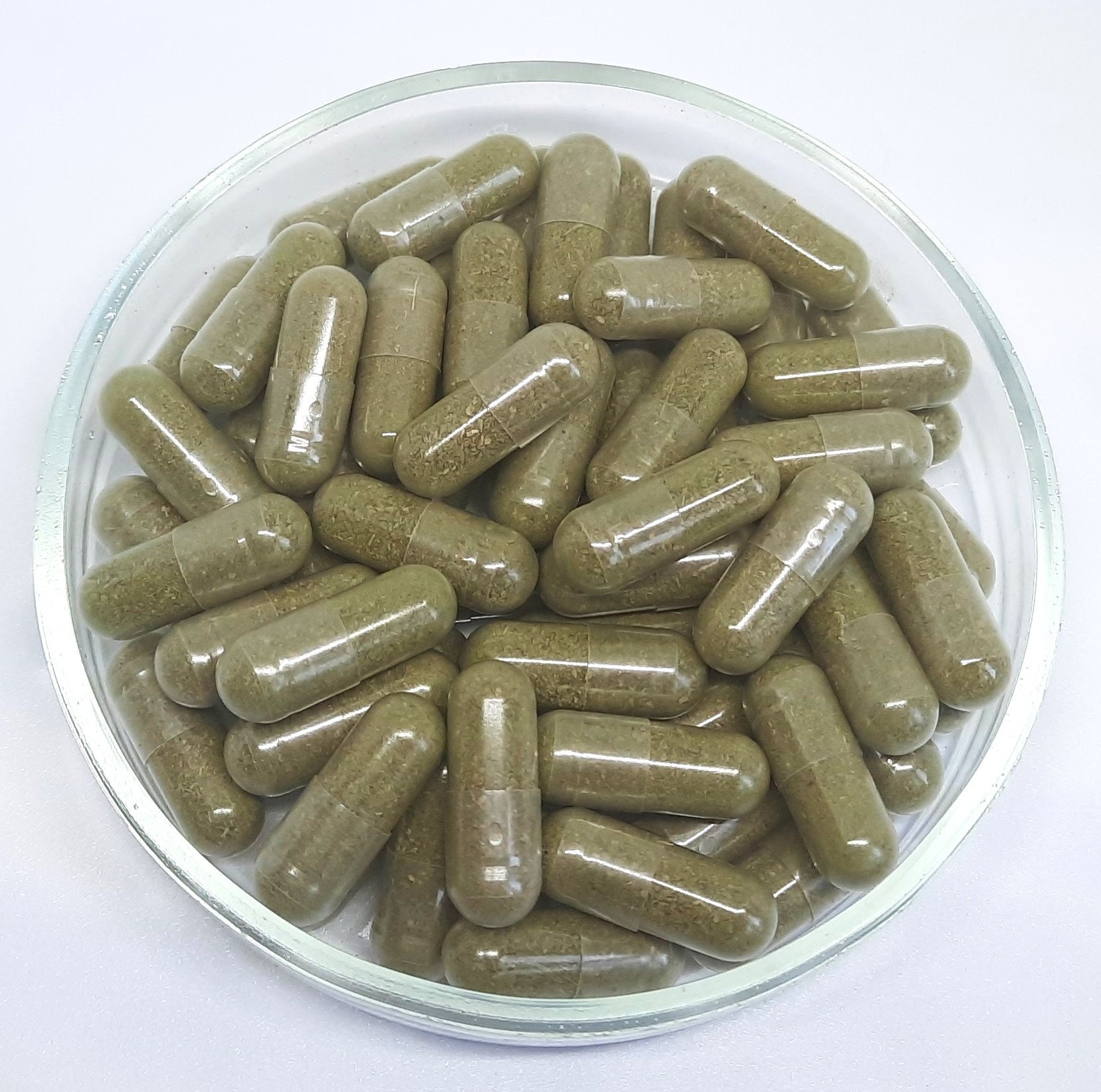
As the demand for standardized botanical medicine grows, jasmine is increasingly available in concentrated capsule forms. These supplements provide a consistent dosage of the plant’s active alkaloids and flavonoids, which can be difficult to achieve through tea alone. Capsules are particularly favored for those seeking the anti-inflammatory and neuroprotective benefits of jasmine without the specific sensory experience of the tea or essential oil. These formulations often utilize standardized extracts of Jasminum officinale to ensure a high concentration of secoiridoids and phenolic compounds.
When choosing jasmine supplements, it is vital to look for products that undergo third-party testing for purity and potency. Because jasmine is often grown in regions where pesticide use is prevalent, organic certification is a significant marker of quality. Supplements offer a convenient way to integrate the therapeutic potential of jasmine into a modern wellness routine, providing systemic support for the nervous system and cellular health with precision and ease.
Dermatological Applications and Skin Vitality
The use of jasmine in skincare is founded on its potent antiseptic and anti-inflammatory properties. Jasmine oil and floral waters (hydrosols) are frequently used to treat dry, brittle, or dehydrated skin. The plant’s natural esters help balance sebum production, making it suitable for both oily and dry skin types. Additionally, the presence of cicatrizant compounds promotes the healing of scars and reduces the appearance of stretch marks by encouraging cellular regeneration and collagen synthesis.
Furthermore, jasmine’s high antioxidant content protects the skin from environmental stressors such as UV radiation and pollution. By neutralizing free radicals on the skin’s surface, jasmine extracts help prevent premature aging, the formation of fine lines, and hyperpigmentation. In clinical aromatherapy, jasmine is often used to treat inflammatory skin conditions like eczema and dermatitis, providing symptomatic relief from itching and redness while addressing the underlying inflammation. Its pleasant aroma provides a secondary benefit, reducing the stress that often exacerbates such skin conditions.
Safety, Dosage, and Practical Usage
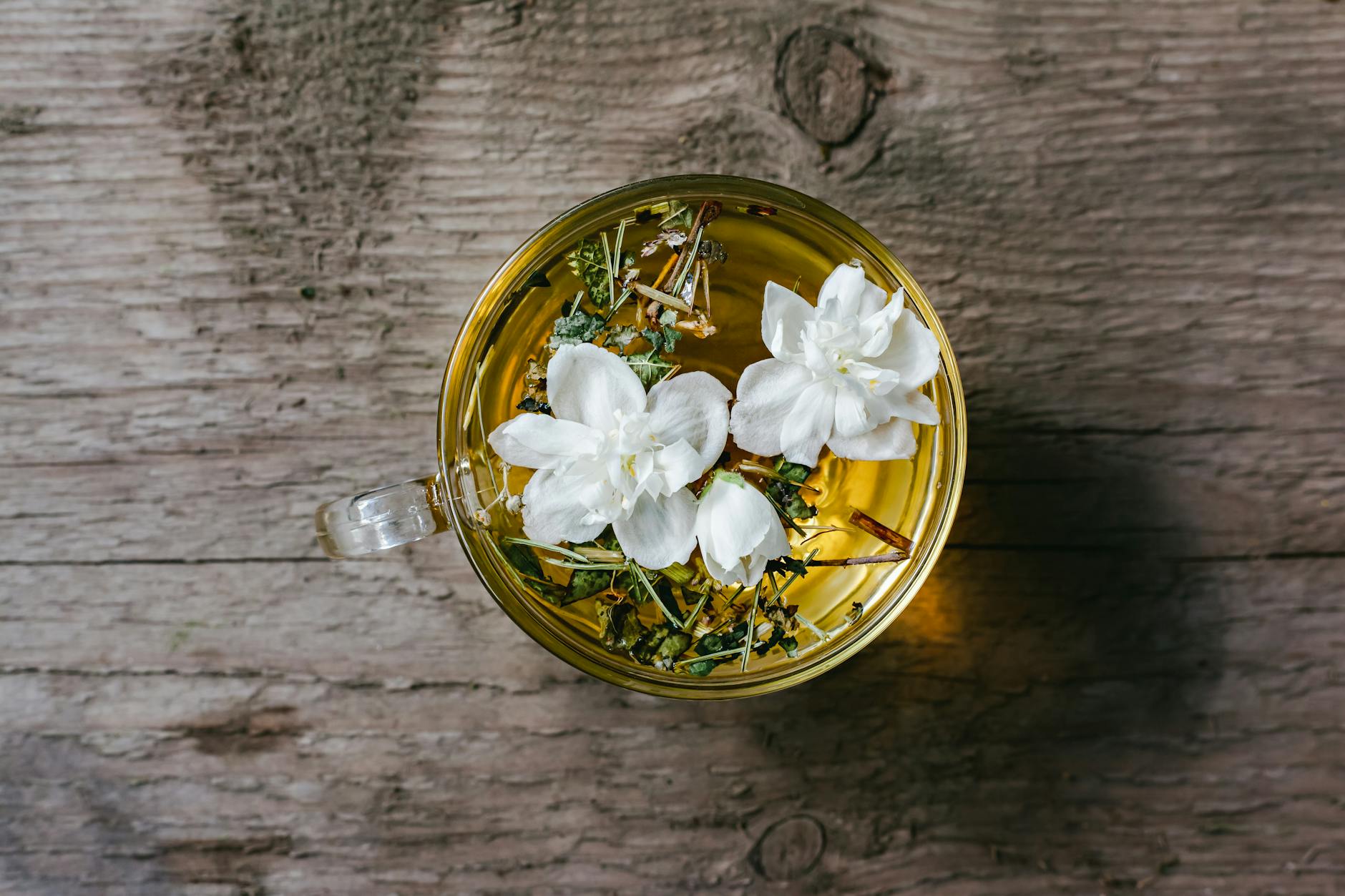
While jasmine is generally recognized as safe (GRAS) for most individuals, certain precautions should be observed. Jasmine essential oil is highly concentrated and should always be diluted in a carrier oil before topical application to avoid skin sensitization. For internal consumption via tea, 1 to 2 teaspoons of dried flowers per cup of water is the standard recommendation. When using jasmine capsules, it is essential to follow the manufacturer’s dosage instructions, typically ranging from 250mg to 500mg daily, depending on the extract concentration.
Pregnant and breastfeeding women should exercise caution and consult a healthcare provider before using jasmine therapeutically, as it has historically been used as an emmenagogue (a substance that stimulates blood flow in the pelvic area). Additionally, because of its sedative effects, jasmine may interact with pharmaceutical sedatives or anti-anxiety medications, potentially magnifying their impact. Always ensure that jasmine is sourced from reputable suppliers to avoid contamination with synthetic fragrances or heavy metals.
Conclusion: The Enduring Legacy of the Jasmine Bloom
The jasmine flower stands as a remarkable example of how traditional ethnobotanical knowledge can be validated through modern scientific inquiry. From its complex molecular structure, rich in linalool and antioxidants, to its profound impact on mental health and metabolic function, jasmine offers a holistic approach to wellness. Whether consumed as a fragrant tea, applied topically for skin rejuvenation, or taken as a standardized supplement, the benefits of this “Queen of the Night” are both vast and deeply transformative. By integrating jasmine into a balanced lifestyle, one can tap into a thousand-year-old legacy of healing that continues to flourish in the contemporary world.
Disclaimer: For informational purposes only. Not medical advice. Consult a qualified healthcare professional before use.
Leave a Reply