Category: Uncategorized

  • The Ultimate Guide to Psyllium Husk: Health Benefits and Uses

    The Definitive Guide to Psyllium Husk: Nature’s Premier Soluble Fiber for Holistic Health

    In the evolving landscape of nutritional science and preventative medicine, few natural substances have maintained such a steadfast reputation as Psyllium husk. Derived from the seeds of the Plantago ovata plant, this remarkable dietary fiber has transcended its traditional origins to become a cornerstone of modern digestive health, metabolic regulation, and cardiovascular support. Unlike many synthetic supplements that flood the market, Psyllium husk offers a purely mechanical and biochemical approach to wellness, leveraging the unique properties of plant-based mucilage to optimize human physiology. This exhaustive guide explores the multi-faceted benefits, complex chemical structures, and historical significance of Psyllium, providing a deep dive into why this “ancient grain” byproduct remains a modern superfood.

    Historical Context and Botanical Origins

    The history of Psyllium, often referred to in traditional texts as “Ispaghula,” is deeply rooted in the Ayurvedic and Persian systems of medicine. For millennia, practitioners in India and the Middle East utilized the tiny seeds of the Plantago genus to treat a variety of gastrointestinal ailments. The name “Psyllium” is derived from the Greek word “psylla,” meaning flea, a reference to the seed’s minute size and shape. While there are over 200 species of Plantago, Plantago ovata is the most commercially and therapeutically significant, primarily grown in the arid regions of Northwest India and parts of the Mediterranean.

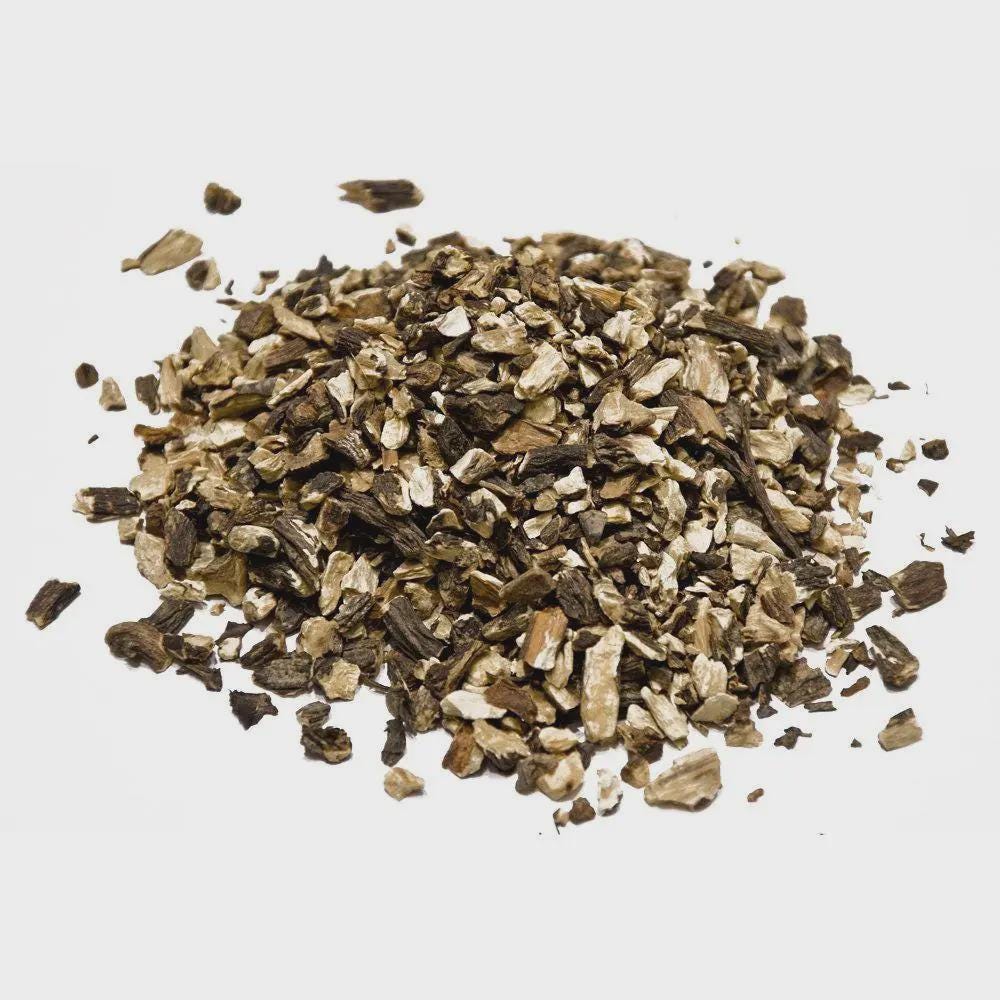
    The plant itself is a low-growing, herbaceous annual that thrives in well-drained, sandy soils. It produces small, white flowers on dense spikes, which eventually yield the seeds. The therapeutic value lies almost exclusively in the seed’s outer coating, or the “husk.” This husk is separated from the seed through a mechanical milling process, resulting in a product that is nearly 100% dietary fiber. Historically, the whole seed was consumed, but modern extraction techniques allow us to isolate the husk, which contains the highest concentration of mucilage, the gelatinous substance responsible for its myriad health benefits.
    Psyllium Husk Botanical Photo

    The Complex Chemistry of Psyllium: Bioactive Compounds and Mucilage

    To understand why Psyllium husk is so effective, one must look at its molecular architecture. Psyllium is classified as a highly soluble, non-fermentable fiber. While many fibers are either soluble (dissolve in water) or insoluble (provide bulk), Psyllium occupies a unique niche because it is exceptionally hydrophilic. It can absorb up to 40 times its weight in water, transforming into a thick, viscous gel. This transformation is driven by its high content of hemicellulose, specifically a complex polysaccharide known as arabinoxylan.

    The chemical composition of Psyllium husk is roughly 70% soluble fiber and 30% insoluble fiber. The soluble fraction is composed of a xylose backbone with highly branched chains of arabinose and other sugars. This specific branching pattern prevents gut bacteria from rapidly fermenting the fiber. Unlike inulin or other prebiotic fibers that can cause significant gas and bloating due to rapid fermentation, Psyllium ferments very slowly. This allows it to maintain its gel-like structure throughout the entire length of the colon, providing consistent lubrication and bulk without the uncomfortable side effects of excessive flatulence.
    Psyllium Husk Plant Profile

    Mechanism of Action: How Psyllium Transforms Digestive Physiology

    The primary mechanism of action for Psyllium is its “bulking” effect. As the husk travels through the digestive tract, it absorbs water and intestinal fluids to form a large, soft mass. In the context of constipation, this increased bulk puts mechanical pressure on the intestinal walls, stimulating peristalsis—the rhythmic contractions that move waste through the system. Because the gel is soft and highly lubricated, it eases the passage of stool, making it an ideal intervention for those suffering from hemorrhoids or anal fissures where straining must be avoided.

    Conversely, Psyllium is equally effective for treating mild to moderate diarrhea. In this scenario, the hydrophilic nature of the fiber works to absorb excess liquid in the bowel, increasing stool viscosity and slowing down transit time. This dual-action capability makes Psyllium a “regulator” rather than just a laxative. It normalizes bowel function regardless of the starting state. Furthermore, the presence of this viscous gel acts as a physical barrier and a “scrubber” for the intestinal lining, potentially binding to toxins and waste products, facilitating their excretion from the body.

    Cardiovascular Benefits: Cholesterol and Lipid Management

    Beyond the digestive tract, Psyllium husk exerts a profound influence on cardiovascular health. Extensive clinical trials have demonstrated that regular supplementation with Psyllium can significantly lower Total Cholesterol and Low-Density Lipoprotein (LDL) cholesterol—the so-called “bad” cholesterol. The mechanism behind this is centered on bile acid sequestration. Bile acids are synthesized in the liver from cholesterol and are essential for fat digestion. Under normal circumstances, bile acids are reabsorbed in the terminal ileum and returned to the liver.

    When Psyllium gel is present in the small intestine, it binds to these bile acids and prevents their reabsorption. Consequently, the bile acids are excreted in the stool. To compensate for this loss, the liver must pull cholesterol from the bloodstream to synthesize new bile acids. This systemic “pull” effectively lowers circulating LDL levels. Research suggests that 10.2 grams of psyllium per day can reduce LDL cholesterol by up to 7-10%, a margin that, while modest, is highly significant when combined with other dietary interventions. This makes Psyllium a valuable tool for individuals managing hyperlipidemia or those looking to reduce their cardiovascular risk profile naturally.

    Metabolic Health and Glycemic Control

    For individuals managing Type 2 Diabetes or metabolic syndrome, Psyllium husk offers a powerful adjunct therapy for glycemic control. The high viscosity of Psyllium gel slows down the gastric emptying process and creates a physical barrier that hinders the rapid absorption of glucose in the small intestine. Instead of a sharp spike in blood sugar following a meal, the presence of Psyllium ensures a more gradual, sustained release of glucose into the bloodstream.

    Clinical studies have shown that taking Psyllium with meals can significantly reduce postprandial glucose levels and improve insulin sensitivity. Over time, this can lead to lower HbA1c levels, a key marker for long-term blood sugar management. Because Psyllium is not absorbed into the bloodstream itself, it provides these metabolic benefits without adding calories or metabolic load, making it a “passive” yet highly effective intervention for weight management and metabolic stability.

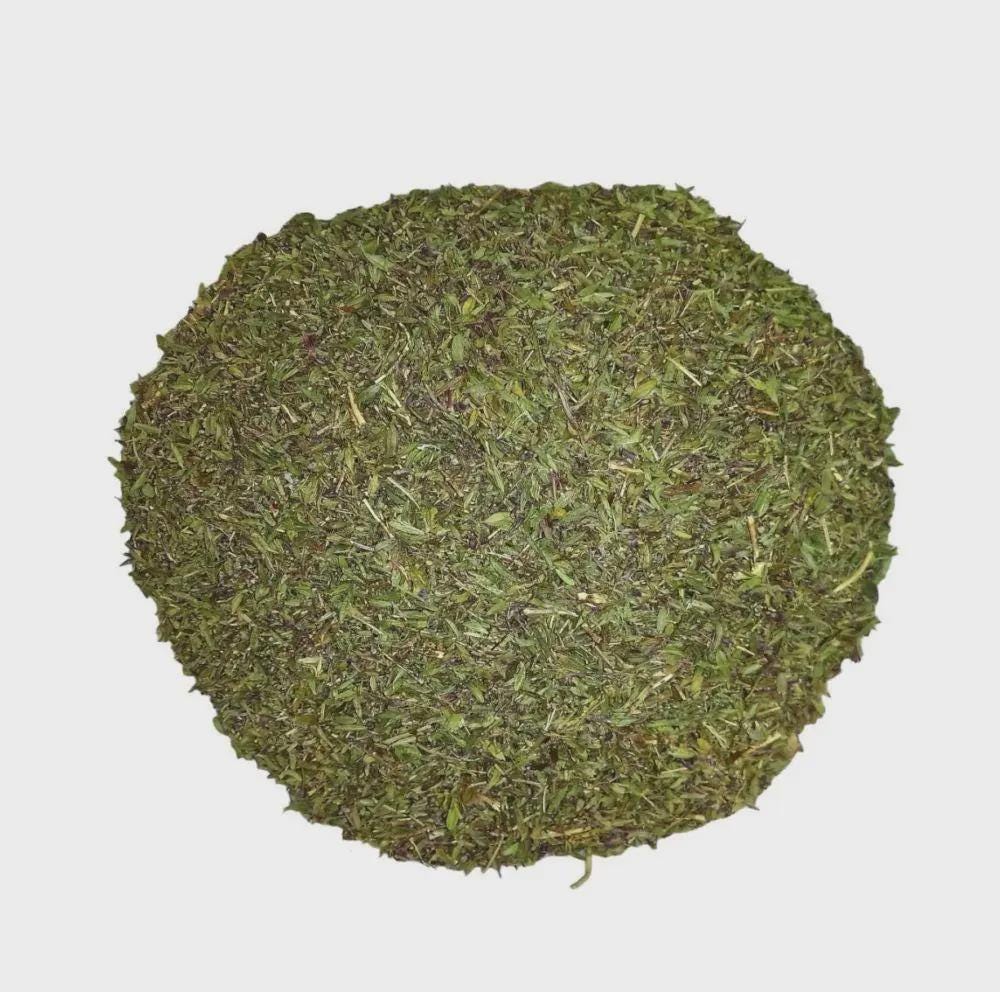
    Psyllium Husk Dried Herb

    Weight Management and Satiety

    The obesity epidemic has spurred interest in natural appetite suppressants, and Psyllium husk stands out as a scientifically backed option. The mechanism is simple but effective: satiety. When Psyllium expands in the stomach, it creates a feeling of fullness that can reduce subsequent calorie intake. By slowing gastric emptying, the “full” feeling persists longer after a meal, reducing the urge for snacking between meals. Furthermore, because it stabilizes blood sugar, it helps prevent the “crashes” that often lead to sugar cravings. Incorporating Psyllium into a weight loss regimen provides a non-stimulant way to manage hunger while simultaneously improving the nutrient density of the diet through increased fiber intake.

    The Role of Psyllium in Irritable Bowel Syndrome (IBS)

    Irritable Bowel Syndrome (IBS) is a complex functional disorder characterized by abdominal pain, bloating, and erratic bowel habits. While many high-fiber foods (like bran or certain vegetables) can actually trigger IBS symptoms due to their high fermentability (FODMAPs), Psyllium is often the preferred fiber source for IBS patients. Because it is a low-fermentation fiber, it provides the benefits of stool regulation without the excessive gas production that causes pain in sensitive individuals. The soluble fiber in Psyllium helps to soothe the gut lining and regulate transit time, which is beneficial for both IBS-C (constipation-predominant) and IBS-D (diarrhea-predominant) subtypes.

    Comparing Forms: Powder, Husk, and Capsules

    Psyllium is available in several commercial forms, each with its own advantages. The most common is the whole husk or the ground powder. The powder is essentially finely milled husk; it gels more quickly and is easier to mix into smoothies or juices, but it requires immediate consumption before it becomes too thick to drink. The whole husk has a coarser texture and may be preferred by those who mix it into foods like oatmeal or yogurt.

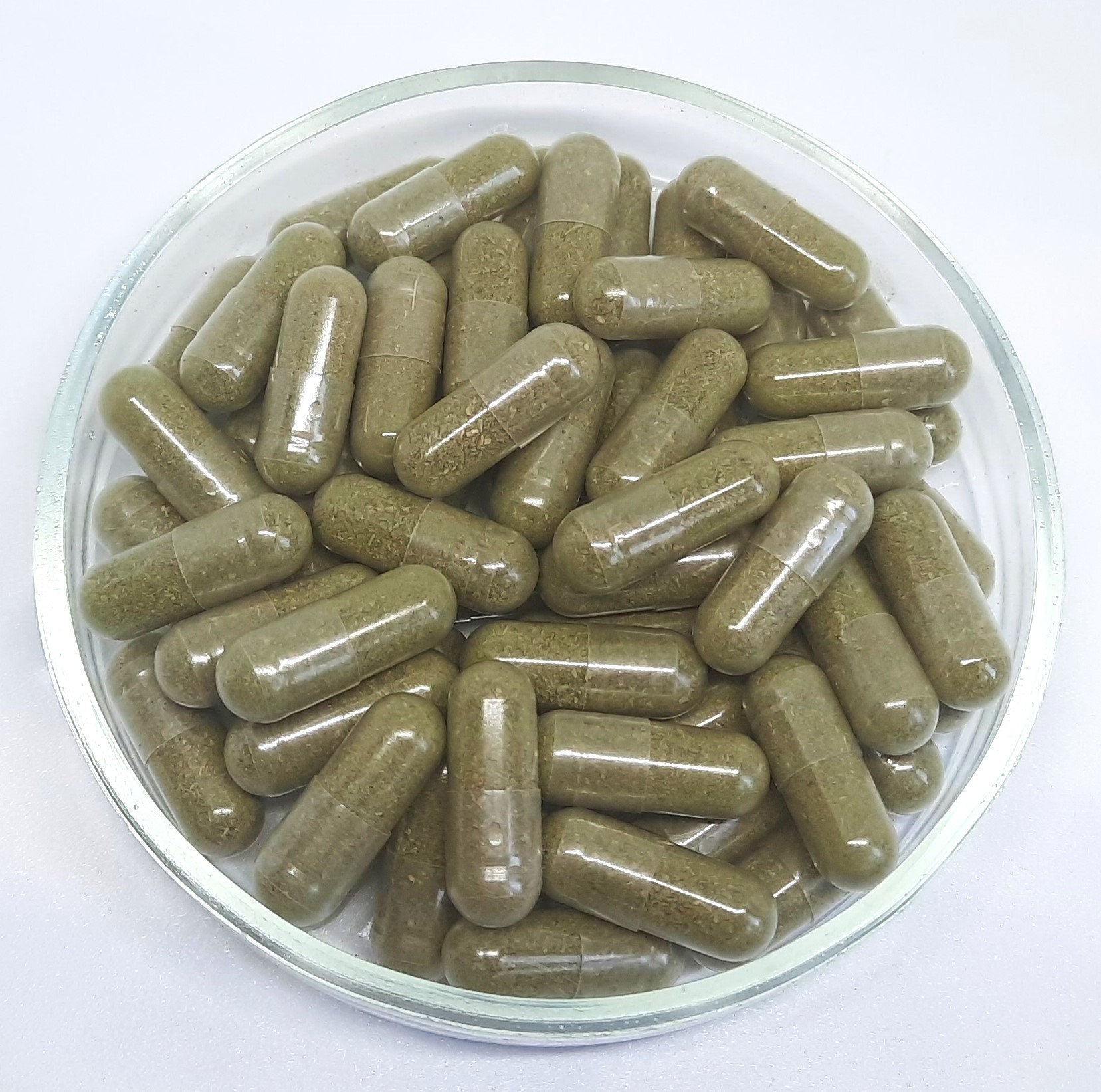
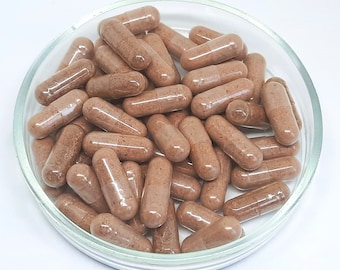
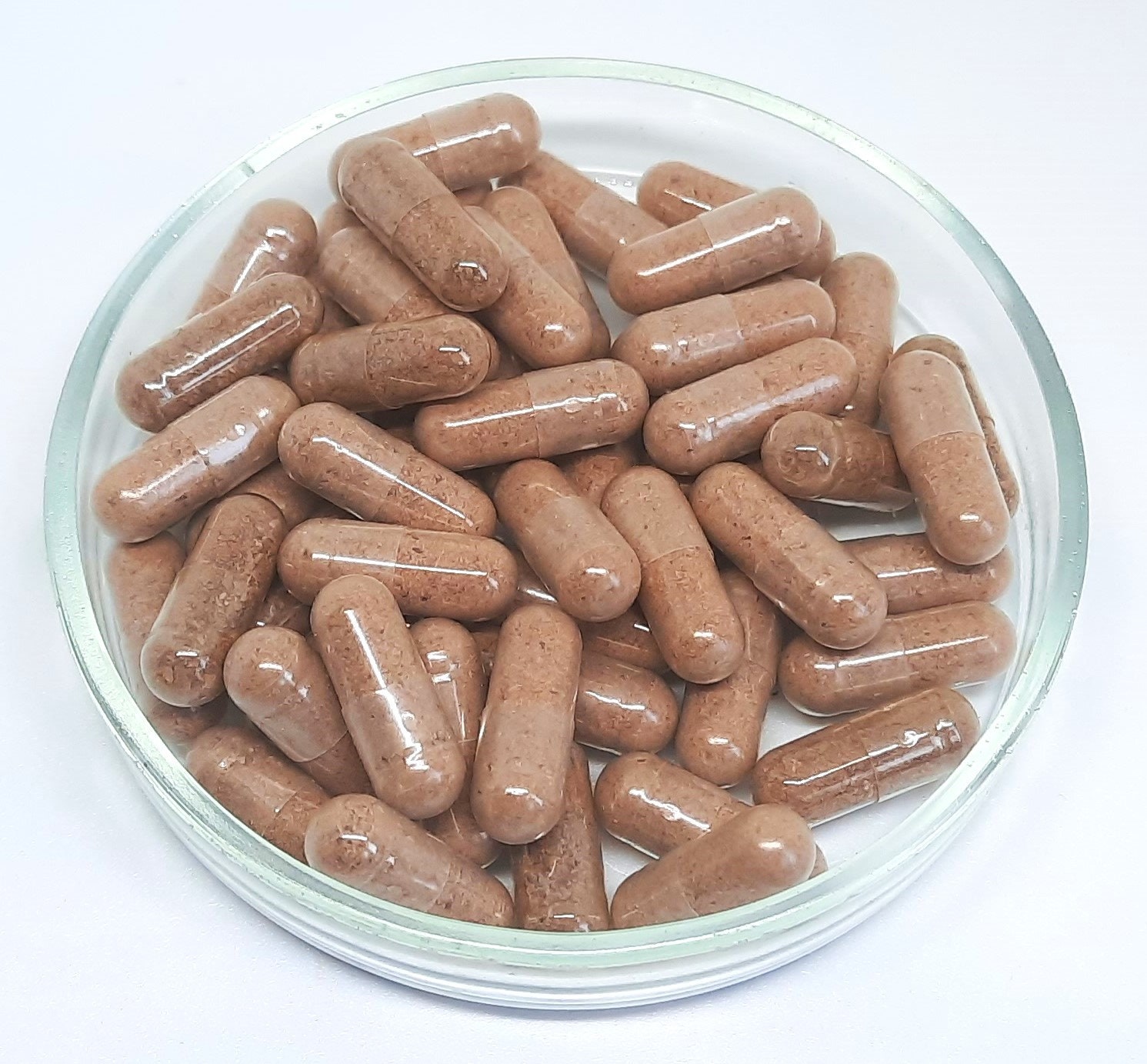
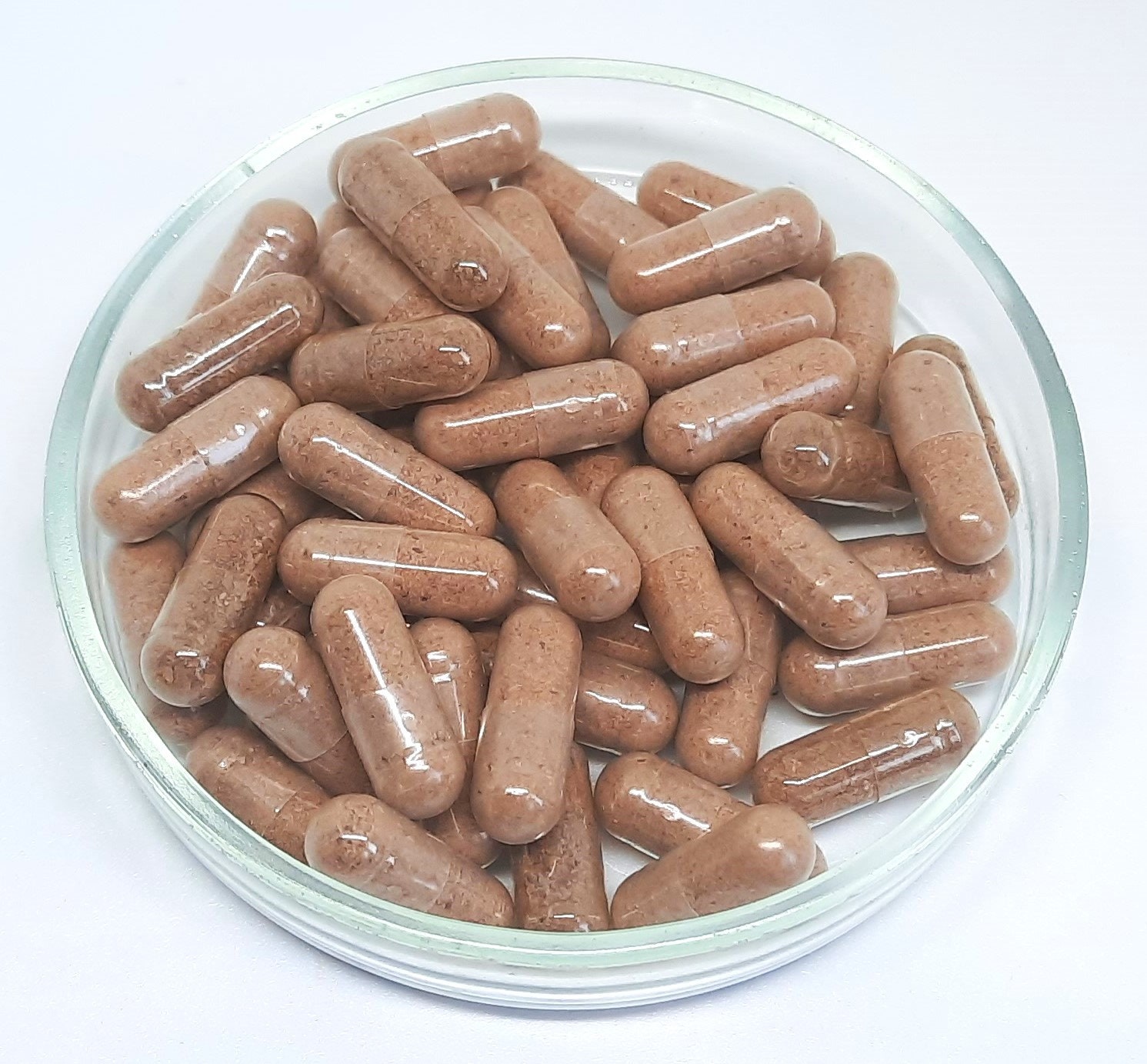
    For those who find the texture or taste of Psyllium unappealing, capsules offer a convenient alternative. Capsules allow for precise dosing and are ideal for travel or busy lifestyles. However, it is critical to remember that because Psyllium requires significant water to function and to prevent esophageal blockage, one must drink a full glass of water with every serving of capsules. Regardless of the form, the biological benefits remain the same, provided the dosage is consistent.
    Psyllium Husk Capsules

    Practical Usage: Dosage and Integration

    Integrating Psyllium husk into a daily routine should be a gradual process. For most adults, a therapeutic dose ranges from 5 to 10 grams per day (approximately one to two tablespoons of husk), though some clinical applications for cholesterol management use up to 15-20 grams. Starting with a small dose—perhaps half a teaspoon—and slowly increasing over two weeks allows the digestive system and the gut microbiome to adapt, minimizing the risk of initial bloating or gas.

    The golden rule of Psyllium consumption is hydration. Because Psyllium is so effective at absorbing water, it can cause constipation if the user is dehydrated. A minimum of 8 ounces of water should be consumed with the dose, followed by adequate hydration throughout the day. Psyllium can also be used in cooking and baking; it is a popular ingredient in gluten-free baking because its gelling properties help mimic the elasticity of gluten, providing structure to breads and muffins.

    Potential Side Effects and Safety Considerations

    While Psyllium is generally recognized as safe (GRAS) by the FDA and other health authorities, there are certain precautions to keep in mind. Due to its ability to slow down digestion, Psyllium can interfere with the absorption of certain medications. It is generally recommended to take Psyllium at least two hours before or after taking other oral medications (such as lithium, carbamazepine, or digoxin) to ensure their efficacy is not compromised.

    Individuals with esophageal narrowing, swallowing difficulties, or prior bowel obstructions should consult a physician before using Psyllium. In rare cases, some individuals may experience an allergic reaction to the dust of the husk, particularly those who handle the bulk product frequently in industrial settings. However, for the vast majority of the population, Psyllium represents a safe, gentle, and highly effective natural intervention.

    Psyllium Husk Natural Herb

    Conclusion: The Multi-Functional Power of a Simple Seed

    Psyllium husk is much more than a simple remedy for constipation. It is a sophisticated, multi-functional dietary tool that addresses some of the most pressing health challenges of the modern era: high cholesterol, unstable blood sugar, and chronic digestive dysfunction. Its unique chemical structure as a non-fermentable, highly viscous soluble fiber allows it to perform tasks that other fibers cannot, providing systemic benefits that extend from the gut to the heart.

    By understanding the botanical history, the rigorous science behind its bioactive polysaccharides, and the practical necessities of its application, consumers can harness the full potential of Plantago ovata. Whether used as a daily supplement for preventative health or as a targeted therapy for metabolic regulation, Psyllium husk remains one of nature’s most reliable and evidence-based contributions to human wellness. As we continue to uncover the intricate links between fiber intake and long-term health outcomes, Psyllium’s role as a fundamental pillar of nutrition is only set to grow.

    Disclaimer: For informational purposes only. Not medical advice. Consult a qualified healthcare professional before use.

  • The Ultimate Guide to Chaste Tree Berry: Health Benefits and Uses

    The Definitive Guide to Chaste Tree Berry (Vitex agnus-castus): Science, History, and Clinical Benefits

    Vitex agnus-castus, more commonly known as Chaste Tree Berry, Chasteberry, or Monk’s Pepper, stands as one of the most revered botanical interventions in the history of herbal medicine. For millennia, this Mediterranean native has been utilized to address a broad spectrum of endocrine-related conditions, particularly those affecting the female reproductive system. In the modern era, Chaste Tree Berry has transitioned from a traditional folk remedy to a clinically validated phytotherapeutic agent. Its ability to modulate the pituitary gland and influence the delicate balance of hormones like prolactin and progesterone makes it a cornerstone of natural gynecology. This guide provides an exhaustive exploration into the botanical nature, pharmacological mechanisms, and therapeutic applications of this extraordinary plant.

    Botanical Characteristics and Taxonomy

    The Chaste Tree is a deciduous shrub belonging to the Lamiaceae family, though it was historically classified within the Verbenaceae family. It is indigenous to the Mediterranean region and parts of Central Asia, thriving in subtropical climates and along riverbanks. The plant is characterized by its palmately compound leaves, which resemble those of the hemp plant, and its striking upright spikes of lavender, blue, or white flowers that bloom in late summer. The therapeutic value of the plant resides primarily in its small, hard fruits—the berries—which are roughly the size of peppercorns and possess a distinct, slightly pungent aroma and peppery flavor.

    The resilience of the Chaste Tree allows it to grow in varied soil types, provided there is sufficient drainage and sunlight. Botanically, it is known for its slow-growing nature but long lifespan. The berries are harvested in autumn when they reach peak ripeness, at which point they contain the highest concentration of volatile oils and bioactive secondary metabolites. Understanding the botanical integrity of Vitex is essential for ensuring that extracts used in clinical settings are of the highest quality and provide the specific therapeutic profile required for hormonal modulation.

    Chaste Tree Berry Botanical Photo

    Historical Context: From Ancient Greece to the Middle Ages

    The name “Chaste Tree” and the species epithet “agnus-castus” (derived from the Greek ‘agnos’ and Latin ‘castus,’ both meaning chaste) reflect the plant’s long-standing reputation as an anaphrodisiac. In Ancient Greece, the physician Dioscorides noted that the plant could check the “violent desires of the flesh.” During the festival of Thesmophoria, Greek women would strew their beds with the leaves of the tree to maintain their chastity while their husbands were away at war. This tradition carried over into the Middle Ages, where the ground berries were consumed by monks in monasteries to help them uphold their vows of celibacy, hence the common name “Monk’s Pepper.”

    While its reputation as a libido-suppressant in men was its primary historical claim to fame, its use for female ailments was equally documented. Ancient healers used Vitex to clear the uterus, promote menstruation, and treat inflammation of the reproductive organs. Over centuries, the focus shifted toward its efficacy in regulating the menstrual cycle and supporting lactation. Today, the historical use of Chaste Tree Berry serves as a foundation for modern research, which has largely pivoted toward its complex interaction with the hypophyseal-pituitary-ovarian axis.

    Chaste Tree Berry Dried Herb

    The Phyto-Chemistry of Vitex: Unlocking the Bioactive Compounds

    The pharmacological efficacy of Chaste Tree Berry is not attributed to a single “magic bullet” compound but rather to a synergistic complex of secondary metabolites. Researchers have identified several key classes of constituents within the fruit, including diterpenoids, iridoid glycosides, flavonoids, and essential oils. The most significant of these are the dopaminergic diterpenes, such as rotundifuran and 6β,7β-diacetoxy-13-hydroxy-8(14)-labden, which play a pivotal role in the herb’s ability to inhibit prolactin secretion.

    Iridoid glycosides, including agnuside and aucubin, serve as important markers for the standardization of Vitex extracts. While these compounds may not be directly responsible for the hormonal effects, they contribute to the anti-inflammatory and antioxidant profile of the herb. Additionally, the presence of flavonoids like casticin, penduletin, and chrysosplenol D contributes to the modulation of estrogen receptors, albeit with a relatively weak affinity compared to endogenous estrogen. The complex interplay between these compounds allows Vitex to exert a “normalizing” effect on the endocrine system, rather than a strictly stimulatory or inhibitory one.

    Chaste Tree Berry Plant Profile

    Mechanism of Action: The Pituitary-Dopamine Connection

    Unlike many other herbal remedies for women’s health that contain phytoestrogens, Chaste Tree Berry does not primarily work through direct estrogenic activity. Instead, its primary mechanism of action involves the anterior pituitary gland. The bioactive diterpenes in Vitex act as agonists at the dopamine D2 receptors. In the pituitary gland, dopamine is the primary inhibitor of prolactin secretion. By mimicking the action of dopamine, Vitex effectively lowers elevated levels of prolactin (hyperprolactinemia).

    This suppression of prolactin is crucial because high prolactin levels can inhibit the development of the corpus luteum, the structure responsible for producing progesterone after ovulation. By normalizing prolactin, Vitex supports the secretion of Luteinizing Hormone (LH) and subsequently enhances the production of progesterone during the luteal phase of the menstrual cycle. This shift helps correct “estrogen dominance” or luteal phase defects, which are common underlying factors in Premenstrual Syndrome (PMS), infertility, and irregular cycles. Furthermore, Vitex has been shown to interact with opioid receptors (specifically mu and kappa receptors), which may explain its efficacy in reducing the emotional symptoms and pain associated with the menstrual cycle.

    Clinical Benefits: Premenstrual Syndrome (PMS) and PMDD

    The most widely researched application of Chaste Tree Berry is the management of Premenstrual Syndrome (PMS). Numerous double-blind, placebo-controlled trials have demonstrated that Vitex significantly reduces the severity of PMS symptoms, including irritability, mood swings, anger, headache, and breast fullness (mastalgia). In many European countries, particularly Germany, Vitex is a standard-of-care prescription for these conditions.

    The efficacy of Vitex in treating PMDD (Premenstrual Dysphoric Disorder), a more severe form of PMS, has also been explored. Studies comparing Vitex to fluoxetine (a common SSRI used for PMDD) found that while the SSRI was slightly more effective for psychological symptoms, Vitex was superior in managing physical symptoms such as bloating and breast tenderness. The herb’s ability to stabilize the hormonal fluctuations that trigger these symptoms makes it a preferred choice for women seeking a natural alternative to pharmaceutical interventions.

    Addressing Cyclical Mastalgia and Breast Tenderness

    Cyclical mastalgia, or breast pain that occurs in the days leading up to menstruation, is often linked to latent hyperprolactinemia. Even a slight elevation in prolactin can cause the mammary ducts to swell, leading to significant discomfort. By activating the D2 dopamine receptors in the pituitary, Vitex reduces the secretion of prolactin, thereby alleviating the physiological pressure on breast tissue. Clinical trials have shown that consistent use of Vitex over two to three menstrual cycles can lead to a significant reduction in the intensity and duration of cyclical breast pain.

    Support for Infertility and Luteal Phase Defects

    For women struggling with infertility related to hormonal imbalances, Chaste Tree Berry offers a promising natural solution. A common cause of infertility is a “luteal phase defect,” characterized by a shortened second half of the menstrual cycle and insufficient progesterone levels. Without adequate progesterone, the uterine lining cannot properly support the implantation of a fertilized egg.

    Vitex addresses this by encouraging the pituitary gland to produce more LH, which in turn stimulates the ovaries to produce more progesterone. By extending the length of the luteal phase and improving the progesterone-to-estrogen ratio, Vitex creates a more favorable environment for conception. It is important to note, however, that Vitex is not a “fertility drug” in the sense that it forces ovulation; rather, it works to restore the natural rhythms and balances required for a healthy reproductive cycle.

    Managing Menopause and Perimenopause Symptoms

    As women transition into menopause, the decline in ovarian function leads to a variety of symptoms, including hot flashes, night sweats, sleep disturbances, and vaginal dryness. While Vitex is traditionally used for younger women, its ability to modulate the pituitary gland can also benefit those in perimenopause. By stabilizing the fluctuations of FSH (Follicle Stimulating Hormone) and LH, Vitex may help mitigate the intensity of vasomotor symptoms. Additionally, its influence on the opioid system can provide much-needed support for the mood disturbances and anxiety that often accompany this life transition.

    Chaste Tree Berry Capsules

    Acne and Skin Health: The Hormonal Link

    Hormonal acne, particularly that which flares up during the premenstrual phase, is often driven by an imbalance in androgens and a relative deficiency in progesterone. By promoting a more balanced progesterone-to-estrogen ratio and potentially influencing androgenic pathways indirectly through the pituitary, Vitex can help clear the skin from the inside out. Unlike topical treatments that address the bacteria or oil on the surface, Vitex targets the endocrine root cause of the breakouts. It is often used in conjunction with liver-supportive herbs to maximize its dermatological benefits.

    Forms of Supplementation and Standards of Quality

    Chaste Tree Berry is available in several delivery formats, each with its own advantages. Standardized encapsulated extracts are the most common in clinical research, typically standardized to contain a specific percentage of agnuside or casticin. This ensures a consistent dose of the active diterpenes. Tinctures (liquid alcohol extracts) are also highly effective, as the alcohol acts as a potent solvent for the plant’s resins and volatile oils. While Vitex tea can be consumed, the hard berries require a long decoction to extract the active compounds, and the taste can be off-putting to some. Regardless of the form, quality is paramount; consumers should look for products that specify the part of the plant used (the fruit) and avoid those with excessive fillers.

    Dosage Guidelines and Timing for Optimal Results

    One of the most critical aspects of using Chaste Tree Berry is patience. Unlike pharmaceutical painkillers that work within an hour, Vitex is a “slow-acting” herb that works by shifting the underlying hormonal environment. Most clinical studies suggest that it takes a minimum of three full menstrual cycles to observe significant therapeutic effects. The standard dosage for a 10:1 extract is typically between 200mg and 500mg daily. For tinctures, a dose of 2ml to 4ml daily is common.

    Regarding timing, many practitioners recommend taking Vitex once a day in the morning on an empty stomach. This is because the pituitary gland is most responsive to the dopaminergic effects of the herb early in the day. For those using it to regulate the menstrual cycle, it is usually taken continuously throughout the month, although some protocols suggest taking a break during menstruation.

    Chaste Tree Berry Natural Herb

    Safety, Side Effects, and Contraindications

    Chaste Tree Berry is generally well-tolerated and has an excellent safety profile when used appropriately. Side effects are rare but may include mild nausea, gastrointestinal upset, or a temporary increase in acne as the body adjusts to the hormonal shifts. In some cases, it may cause a slight change in the timing or flow of the menstrual period.

    However, due to its potent effect on hormones, certain precautions are necessary. Vitex should not be used by women who are pregnant or breastfeeding, unless under the direct supervision of a healthcare provider. It is also contraindicated for individuals using hormonal contraceptives (such as the birth control pill, patch, or IUD), as it may interfere with the efficacy of the medication. Women with hormone-sensitive cancers (such as certain types of breast or uterine cancer) should exercise caution. Finally, because Vitex acts on the dopamine system, it may interact with medications for Parkinson’s disease or antipsychotic drugs. Always consult with a qualified professional before integrating Vitex into a medical regimen.

    Conclusion: The Future of Vitex in Integrative Medicine

    The journey of Chaste Tree Berry from an ancient Greek “chastity” herb to a modern endocrine modulator is a testament to the enduring power of botanical medicine. As modern science continues to unravel the complexities of the endocrine system, the role of Vitex as a gentle yet effective regulator becomes increasingly clear. By offering a non-synthetic pathway to hormonal harmony, Vitex empowers women to manage their health through the cycles of life—from the reproductive years through the transition of menopause. In an era where hormonal imbalances are increasingly prevalent due to stress and environmental factors, Chaste Tree Berry remains an indispensable ally in the quest for physiological balance and well-being.

    Disclaimer: For informational purposes only. Not medical advice. Consult a qualified healthcare professional before use.
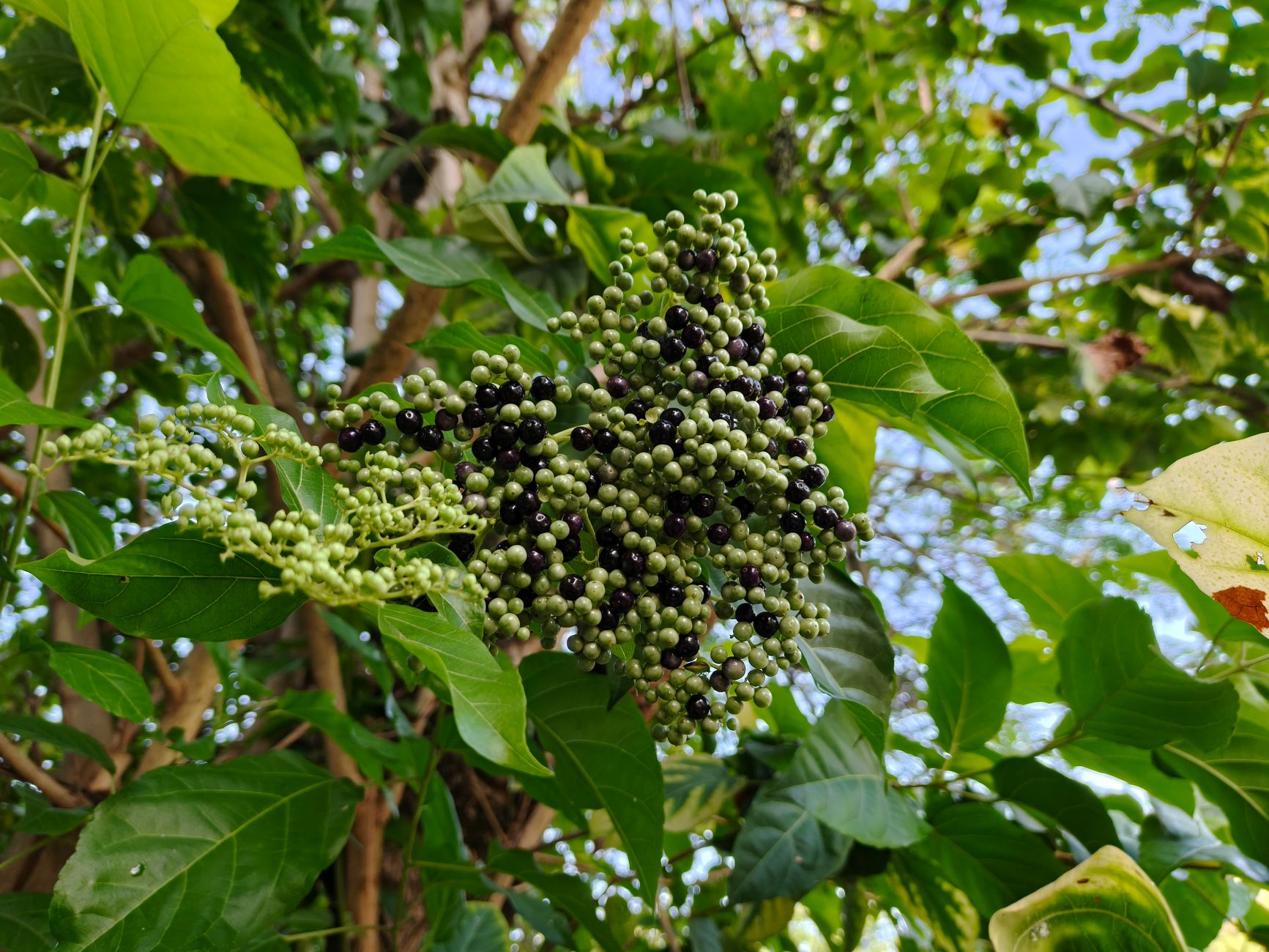
  • The Ultimate Guide to Jasmine Flowers: Health Benefits and Uses

    The Comprehensive Guide to Jasmine Flowers: A Deep Dive into Botanical Excellence and Therapeutic Efficacy

    The jasmine flower, belonging to the genus Jasminum within the Oleaceae family, is far more than a mere ornamental plant or a fragrant addition to a garden. For millennia, this delicate bloom has been revered across diverse cultures—from the ancient dynasties of China to the Vedic traditions of India—as a potent medicinal herb. Often referred to as the “Queen of the Night” due to its nocturnal fragrance release, jasmine represents a complex pharmacological treasure trove. This guide explores the multifaceted nature of jasmine flowers, examining their botanical characteristics, biochemical complexity, and the extensive range of health benefits supported by both traditional wisdom and contemporary scientific research.

    Botanical Taxonomy and Morphological Characteristics

    Jasmine encompasses over 200 species of shrubs and vines, primarily native to tropical and warm temperate regions of Eurasia and Oceania. The most commercially and medicinally significant species include Jasminum officinale (Common Jasmine) and Jasminum sambac (Arabian Jasmine). Morphologically, these plants are characterized by their pinnate or simple leaves and salver-shaped flowers, which typically feature five to nine lobes. The white or yellow corollas are the primary source of the plant’s essential oils, which are synthesized within the epidermal cells of the petals.

    The growth habit of jasmine is typically climbing or spreading, allowing it to cover significant areas in its native habitats. The physiological process of flowering is highly sensitive to photoperiodism and temperature, with many species reaching their peak aromatic output during the late evening and early morning hours. This circadian rhythm is not merely a biological curiosity; it dictates the harvesting times for medicinal and perfumery purposes, as the concentration of volatile organic compounds (VOCs) is at its zenith during these cooler, darker periods.

    Jasmine Flowers Botanical Photo

    Historical Context and Traditional Ethnobotany

    The historical trajectory of jasmine is intertwined with the development of traditional medicine systems globally. In Traditional Chinese Medicine (TCM), jasmine flowers, known as Mo Li Hua, have been utilized for centuries to “clear the liver,” resolve depression, and harmonize the stomach. It is frequently prescribed for conditions related to “Qi” stagnation, where emotional distress manifests as physical discomfort. In the Ayurvedic tradition of India, jasmine (referred to as Mallika) is classified as a cooling herb, used to balance the Pitta and Kapha doshas. Ancient practitioners applied jasmine pastes to the skin to treat sores and inflammations, while the tea was consumed to soothe the nervous system.

    Beyond the borders of Asia, jasmine found its way along the Silk Road into the Middle East and eventually Europe. The Persians utilized jasmine oil in aromatherapy long before the term was popularized in the West, recognizing its ability to elevate the spirit and enhance libido. This historical longevity is a testament to the plant’s perceived efficacy, providing a foundation for the modern pharmacological investigations that seek to isolate and understand its active constituents.

    Jasmine Flowers Dried Herb

    The Complex Phytochemical Matrix of Jasmine

    The therapeutic potency of jasmine flowers is derived from a dense concentration of bioactive secondary metabolites. The most prominent among these are the volatile terpenes and esters found in the essential oil. Benzyl acetate, linalool, benzyl alcohol, indole, and jasmone are the primary drivers of jasmine’s aromatic and physiological effects. Linalool, in particular, is a terpene alcohol known for its profound sedative and anxiolytic properties. It acts upon the central nervous system by modulating GABAergic neurotransmission, effectively slowing down overactive neural firing.

    Furthermore, jasmine contains a variety of non-volatile compounds, such as flavonoids (quercetin and kaempferol), iridoid glycosides (secoiridoids like oleuropein), and phenolic acids. These compounds provide the plant with its antioxidant and anti-inflammatory capabilities. Recent studies have also highlighted the presence of methyl jasmonate, a plant hormone involved in defense signaling. In laboratory settings, methyl jasmonate has demonstrated remarkable pro-apoptotic activity against certain cancer cell lines, sparking interest in its potential as a complementary oncological agent. This synergy of volatile and non-volatile compounds creates a “whole-plant” effect that is often more effective than isolated components.

    Jasmine Flowers Plant Profile

    Neuroprotective and Psychological Benefits

    One of the most well-documented uses of jasmine is in the management of stress and anxiety. The mechanism of action is primarily through the olfactory system, which has a direct link to the limbic system—the brain’s emotional processing center. Inhalation of jasmine fragrance has been shown to increase the secretion of enkephalins and endorphins, the body’s natural “feel-good” chemicals. This neurochemical shift results in a decrease in heart rate and cortisol levels, promoting a state of relaxed alertness rather than total lethargy.

    Unlike many synthetic sedatives that can cause cognitive impairment, jasmine appears to enhance mood while maintaining mental clarity. This makes it particularly useful for individuals suffering from mild depression or chronic fatigue syndrome. Research suggests that the stimulation of the autonomic nervous system via jasmine oil can lead to improvements in subjective energy levels and a more positive emotional state. By mitigating the physiological markers of stress, jasmine helps protect the brain from the neurotoxic effects of chronic cortisol exposure, potentially lowering the risk of stress-related cognitive decline.

    Antioxidant Capacity and Cellular Longevity

    Jasmine flowers are a rich source of polyphenols, which are essential in neutralizing reactive oxygen species (ROS). Oxidative stress is a primary driver of cellular aging and the development of chronic diseases, including cardiovascular disease and neurodegeneration. The catechins and flavonoids present in jasmine tea function as scavengers, donating electrons to unstable free radicals and preventing them from damaging cellular membranes, proteins, and DNA.

    Moreover, the consumption of jasmine-infused beverages has been linked to improved metabolic health. The antioxidants in jasmine can inhibit the oxidation of Low-Density Lipoprotein (LDL) cholesterol, a critical step in the formation of arterial plaque. By maintaining the integrity of the vascular endothelium and reducing systemic inflammation, jasmine contributes to long-term heart health. The presence of epigallocatechin gallate (EGCG) in jasmine green tea blends further amplifies these benefits, as EGCG is one of the most potent thermogenic and cardioprotective compounds known to science.

    Gastrointestinal Health and Metabolic Regulation

    In traditional medicine, jasmine has long been utilized as a carminative and digestive aid. The bitter glycosides found in the petals stimulate the production of digestive enzymes, facilitating more efficient nutrient absorption and reducing symptoms of dyspepsia, bloating, and flatulence. The anti-spasmodic properties of jasmine are also beneficial in treating intestinal cramps and irritable bowel syndrome (IBS), as the active compounds help relax the smooth muscle tissues of the gastrointestinal tract.

    Recent pharmacological inquiries have suggested that jasmine may play a role in blood sugar regulation. Certain extracts of Jasminum sambac have demonstrated the ability to inhibit alpha-amylase and alpha-glucosidase, the enzymes responsible for breaking down carbohydrates into glucose. By slowing this enzymatic process, jasmine can help prevent postprandial glucose spikes, making it a valuable dietary adjunct for individuals managing Type 2 diabetes or metabolic syndrome. Furthermore, the anti-microbial properties of jasmine help maintain a healthy gut microbiome by inhibiting the overgrowth of pathogenic bacteria while sparing beneficial flora.

    Modern Administration: Capsules and Concentrated Extracts

    As the demand for standardized botanical medicine grows, jasmine is increasingly available in concentrated capsule forms. These supplements provide a consistent dosage of the plant’s active alkaloids and flavonoids, which can be difficult to achieve through tea alone. Capsules are particularly favored for those seeking the anti-inflammatory and neuroprotective benefits of jasmine without the specific sensory experience of the tea or essential oil. These formulations often utilize standardized extracts of Jasminum officinale to ensure a high concentration of secoiridoids and phenolic compounds.

    When choosing jasmine supplements, it is vital to look for products that undergo third-party testing for purity and potency. Because jasmine is often grown in regions where pesticide use is prevalent, organic certification is a significant marker of quality. Supplements offer a convenient way to integrate the therapeutic potential of jasmine into a modern wellness routine, providing systemic support for the nervous system and cellular health with precision and ease.

    Jasmine Flowers Capsules

    Dermatological Applications and Skin Vitality

    The use of jasmine in skincare is founded on its potent antiseptic and anti-inflammatory properties. Jasmine oil and floral waters (hydrosols) are frequently used to treat dry, brittle, or dehydrated skin. The plant’s natural esters help balance sebum production, making it suitable for both oily and dry skin types. Additionally, the presence of cicatrizant compounds promotes the healing of scars and reduces the appearance of stretch marks by encouraging cellular regeneration and collagen synthesis.

    Furthermore, jasmine’s high antioxidant content protects the skin from environmental stressors such as UV radiation and pollution. By neutralizing free radicals on the skin’s surface, jasmine extracts help prevent premature aging, the formation of fine lines, and hyperpigmentation. In clinical aromatherapy, jasmine is often used to treat inflammatory skin conditions like eczema and dermatitis, providing symptomatic relief from itching and redness while addressing the underlying inflammation. Its pleasant aroma provides a secondary benefit, reducing the stress that often exacerbates such skin conditions.

    Safety, Dosage, and Practical Usage

    While jasmine is generally recognized as safe (GRAS) for most individuals, certain precautions should be observed. Jasmine essential oil is highly concentrated and should always be diluted in a carrier oil before topical application to avoid skin sensitization. For internal consumption via tea, 1 to 2 teaspoons of dried flowers per cup of water is the standard recommendation. When using jasmine capsules, it is essential to follow the manufacturer’s dosage instructions, typically ranging from 250mg to 500mg daily, depending on the extract concentration.

    Pregnant and breastfeeding women should exercise caution and consult a healthcare provider before using jasmine therapeutically, as it has historically been used as an emmenagogue (a substance that stimulates blood flow in the pelvic area). Additionally, because of its sedative effects, jasmine may interact with pharmaceutical sedatives or anti-anxiety medications, potentially magnifying their impact. Always ensure that jasmine is sourced from reputable suppliers to avoid contamination with synthetic fragrances or heavy metals.

    Jasmine Flowers Natural Herb

    Conclusion: The Enduring Legacy of the Jasmine Bloom

    The jasmine flower stands as a remarkable example of how traditional ethnobotanical knowledge can be validated through modern scientific inquiry. From its complex molecular structure, rich in linalool and antioxidants, to its profound impact on mental health and metabolic function, jasmine offers a holistic approach to wellness. Whether consumed as a fragrant tea, applied topically for skin rejuvenation, or taken as a standardized supplement, the benefits of this “Queen of the Night” are both vast and deeply transformative. By integrating jasmine into a balanced lifestyle, one can tap into a thousand-year-old legacy of healing that continues to flourish in the contemporary world.

    Disclaimer: For informational purposes only. Not medical advice. Consult a qualified healthcare professional before use.

  • The Ultimate Guide to Tribulus Terrestris: Health Benefits and Uses

    The Comprehensive Guide to Tribulus Terrestris: A Deep Dive into the Science, History, and Health Benefits of the Puncture Vine

    Tribulus Terrestris, a small prostrate plant often dismissed as a common weed or referred to by its more menacing names like “Puncture Vine,” “Gokshura,” or “Caltrop,” has occupied a central role in traditional medicine systems for millennia. From the arid regions of southern Europe and Africa to the vast landscapes of Asia and northern Australia, this resilient botanical specimen has proven itself to be much more than a nuisance for cyclists and livestock. Today, it stands as one of the most studied and sought-after herbal supplements in the global health and wellness industry, particularly within the realms of sports nutrition, hormonal balance, and sexual vitality.

    The multifaceted nature of Tribulus Terrestris lies in its complex chemical profile. It is not merely a single-action herb; rather, it is a sophisticated biological factory of secondary metabolites that interact with various physiological systems. As modern science begins to catch up with the ancestral wisdom of Ayurveda and Traditional Chinese Medicine (TCM), the body of evidence supporting its efficacy continues to grow, revealing its potential in managing everything from cardiovascular health and blood sugar regulation to urinary tract function and reproductive performance.

    Botanical Characteristics and Taxonomy

    Tribulus Terrestris belongs to the Zygophyllaceae family. It is a tap-rooted herbaceous perennial that often grows as an annual in colder climates. The plant is characterized by its prostrate growth habit, forming dense mats that can reach up to a meter in diameter. Its leaves are pinnately compound, with small leaflets that give the plant a delicate appearance, contrasting sharply with its notorious fruit. The fruit of the Tribulus Terrestris is a woody burr that splits into five nutlets, each armed with two to four sharp, rigid spines. These spines are the plant’s primary method of seed dispersal, as they easily penetrate the skin of animals or the tires of passing vehicles.

    The resilience of Tribulus Terrestris is remarkable. It thrives in poor soil conditions, including sandy and compacted earth, and is highly drought-tolerant. This environmental stress is often what triggers the plant to produce its high concentrations of protective bioactive compounds. The yellow flowers, which bloom throughout the summer, are relatively small but contribute to the plant’s identification in the wild. Understanding the botanical structure is essential for distinguishing high-quality Tribulus from related species that may not possess the same therapeutic density of saponins and alkaloids.

    Tribulus Terrestris Botanical Photo

    Historical Context: From Ancient Roots to Modern Use

    The historical usage of Tribulus Terrestris is as diverse as the geography it covers. In Ayurvedic medicine, it is known as Gokshura, a name derived from the Sanskrit words ‘Go’ (cow) and ‘Kshura’ (hoof), referring to the fruit’s resemblance to the cloven hoof of a cow and its tendency to get stuck in them. Ayurveda classifies it as a ‘Rasayana’ or rejuvenating herb, particularly valued for its ‘Vrushya’ (aphrodisiac) properties and its ability to balance the three doshas, especially Vata and Pitta. It was traditionally used to treat urogenital diseases, edema, and to enhance overall physical strength.

    In Traditional Chinese Medicine (TCM), the plant is referred to as ‘Bai Ji Li.’ Chinese practitioners historically utilized the fruit to soothe the liver, brighten the eyes, and expel “wind-heat,” a concept used to describe various inflammatory and respiratory conditions. Beyond Asia, ancient Greek physicians like Dioscorides documented the use of Tribulus as a diuretic and a general tonic. The cross-cultural consensus on the plant’s efficacy—despite these civilizations having no contact with one another—serves as a powerful testament to the herb’s observable physiological impact. This historical foundation laid the groundwork for the 1970s resurgence of the herb in Eastern Europe, specifically Bulgaria, where it gained fame as a secret weapon for Olympic weightlifters.

    Tribulus Terrestris Dried Herb

    The Phytochemical Engine: Bioactive Compounds Explained

    The therapeutic potential of Tribulus Terrestris is dictated by its rich concentration of phytochemicals, most notably steroidal saponins, flavonoids, alkaloids, and lignan amides. Among these, the steroidal saponins are considered the primary active drivers. Specifically, a compound known as protodioscin is often used as the standardized marker for quality in Tribulus extracts. Protodioscin is a furostanol saponin that is believed to be the precursor to the plant’s androgenic and pro-erectile effects.

    Research indicates that the concentration of these compounds varies significantly depending on the geographical origin of the plant. For instance, Tribulus harvested in Bulgaria and Turkey typically contains much higher levels of protodioscin compared to varieties found in India or Vietnam. These saponins work by potentially increasing the density of androgen receptors in the brain and peripheral tissues, as well as stimulating the release of nitric oxide in the corpus cavernosum of the penis. Additionally, the plant contains flavonoids like quercetin, kaempferol, and isorhamnetin, which provide potent antioxidant and anti-inflammatory support, protecting cells from oxidative stress and improving vascular health.

    Tribulus Terrestris Plant Profile

    Deep Dive: Hormonal Support and Sexual Health

    One of the most frequent reasons individuals turn to Tribulus Terrestris is for its purported ability to enhance libido and reproductive health. The mechanism of action is multifaceted. In men, while early studies suggested a direct increase in testosterone, more contemporary research suggests that the herb may work more subtly by enhancing the sensitivity of androgen receptors or by increasing the release of Luteinizing Hormone (LH) from the pituitary gland. LH is the primary signal that tells the testes to produce more testosterone. Even in the absence of a massive spike in serum testosterone levels, many users report a significant increase in libido and sexual satisfaction, likely due to the plant’s effect on neurotransmitters and nitric oxide pathways.

    Furthermore, Tribulus has shown promise in improving sperm quality and motility, making it a valuable adjunct for men struggling with fertility issues. In women, the herb has been studied for its ability to improve sexual desire and arousal, particularly in those experiencing hypoactive sexual desire disorder (HSDD) or menopausal symptoms. By helping to balance the hormonal milieu, Tribulus Terrestris offers a natural, non-synthetic approach to reclaiming sexual vitality across different age groups and genders. Its role as an adaptogen in the endocrine system allows it to modulate responses based on the body’s specific needs, rather than forcing a one-size-fits-all hormonal shift.

    Cardiovascular and Metabolic Health Benefits

    While often overshadowed by its reputation in the bedroom and the gym, the cardiovascular benefits of Tribulus Terrestris are profound. The saponins and flavonoids within the plant contribute to its “cardioprotective” profile. Studies have shown that Tribulus can help lower blood pressure by inhibiting Angiotensin-Converting Enzyme (ACE), a mechanism similar to that of certain pharmaceutical antihypertensives. By promoting vasodilation and reducing arterial stiffness, the herb supports a more efficient circulatory system, which in turn reduces the workload on the heart.

    On the metabolic front, Tribulus Terrestris has demonstrated an ability to influence blood glucose levels and lipid profiles. Animal and human trials suggest that the herb may inhibit the activity of alpha-glucosidase, an enzyme responsible for breaking down carbohydrates into glucose. This leads to a slower absorption of sugar into the bloodstream, preventing the sharp insulin spikes that contribute to insulin resistance and Type 2 diabetes. Furthermore, it has been observed to lower total cholesterol and LDL (low-density lipoprotein) while maintaining or slightly increasing HDL (high-density lipoprotein), thereby reducing the risk of atherosclerosis and other cardiovascular complications.

    Athletic Performance, Recovery, and Muscle Growth

    In the fitness community, Tribulus Terrestris is a staple in “testosterone booster” stacks. Athletes and bodybuilders favor it not just for potential hormonal support, but for its role in recovery and physical endurance. The steroidal saponins are thought to enhance protein synthesis and nitrogen retention in the muscles, which are crucial components of hypertrophy (muscle growth) and tissue repair. By mitigating the oxidative damage caused by intense physical exertion, the antioxidant compounds in Tribulus allow for faster recovery times between workouts.

    Moreover, the adaptogenic properties of the herb help the body manage cortisol, the primary stress hormone. Chronic elevation of cortisol—often caused by overtraining or high-stress lifestyles—can lead to muscle wasting and increased fat storage. By helping to modulate the HPA (hypothalamic-pituitary-adrenal) axis, Tribulus Terrestris helps maintain an anabolic state within the body. While it is not a “magic pill” for muscle mass, it serves as a powerful supportive agent that optimizes the physiological environment for physical improvement and athletic longevity.

    Urinary Tract Health and Diuretic Properties

    Tracing back to its roots in Ayurveda, Tribulus Terrestris remains one of the most effective natural diuretics available. It is traditionally used to treat “Mutrakrichra,” or difficulty in urination. Unlike synthetic diuretics that can lead to electrolyte imbalances, Tribulus works as a gentle “aquaretic,” promoting the flow of urine and helping to flush out toxins from the kidneys and bladder without significantly depleting essential minerals. This makes it an excellent choice for individuals prone to urinary tract infections (UTIs) or those looking to reduce water retention and bloating.

    Additionally, research has investigated the plant’s role in preventing the formation of kidney stones (nephrolithiasis). Certain compounds in the herb appear to inhibit the crystallization of calcium oxalate, the most common component of kidney stones. By reducing the concentration of stone-forming salts in the urine and providing a soothing, anti-inflammatory effect on the urinary membranes, Tribulus Terrestris acts as a comprehensive tonic for the entire renal system. This internal “cleansing” effect also contributes to clearer skin and reduced systemic inflammation.

    Supplements, Extractions, and Choosing the Right Product

    Navigating the world of Tribulus supplements requires a discerning eye. Because the plant’s potency is so dependent on its chemical composition, not all supplements are created equal. When searching for a product, it is vital to look for “standardized extracts.” This ensures that each dose contains a specific, guaranteed percentage of the active saponins. A high-quality extract typically ranges from 45% to 95% total saponins, with a focus on high protodioscin content.

    Tribulus is available in several forms, including capsules, tablets, powders, and liquid tinctures. Capsules are the most popular due to their convenience and the ability to mask the herb’s naturally bitter, earthy taste. Powders offer flexibility for those who want to mix the herb into pre-workout shakes, while tinctures provide rapid absorption. Regardless of the form, transparency in sourcing is key. Reputable brands will often specify where the herb was grown, as the geographical variations mentioned earlier play a massive role in the final therapeutic outcome.

    Tribulus Terrestris Capsules

    Practical Usage: Dosage, Cycling, and Safety

    Determining the correct dosage of Tribulus Terrestris depends on the concentration of the extract and the specific health goal. For general libido and health support, a common dosage ranges from 750 mg to 1,500 mg of a standardized extract per day, often split into two or three doses. For athletic performance, some users may lean toward the higher end of that spectrum. It is generally recommended to take Tribulus with meals to avoid any potential gastrointestinal upset, although the herb is usually very well-tolerated.

    Safety and contraindications are paramount. While Tribulus is considered safe for most healthy adults, individuals with hormone-sensitive conditions (such as prostate or breast cancer) should consult with a healthcare professional before use, given the herb’s potential influence on hormonal pathways. Pregnant and breastfeeding women should avoid it entirely. There is also some evidence that Tribulus may interact with blood pressure and blood sugar medications, potentially enhancing their effects. As with any potent botanical, “cycling” the herb (e.g., 8 weeks on followed by 2 weeks off) is a common practice to prevent the body from developing a tolerance and to maintain the sensitivity of the receptors it interacts with.

    Tribulus Terrestris Natural Herb

    Conclusion: The Future of Tribulus Terrestris in Modern Wellness

    Tribulus Terrestris is a remarkable example of how ancient botanical wisdom and modern scientific inquiry can converge to offer powerful health solutions. From its humble beginnings as a “puncture vine” in the wild to its current status as a cornerstone of the supplement industry, its journey is a testament to its efficacy. Whether it is being used to reclaim sexual vitality, push the boundaries of physical performance, or support the intricate systems of the heart and kidneys, Tribulus offers a holistic approach to wellbeing that few other herbs can match.

    As research continues to evolve, we will likely gain an even deeper understanding of the specific molecular pathways through which this plant operates. For now, the evidence suggests that when sourced responsibly and used correctly, Tribulus Terrestris is a safe and effective tool for anyone looking to optimize their health naturally. It serves as a reminder that sometimes the most potent remedies are those that have been growing right under our feet for centuries, waiting for us to unlock their hidden potential.

    Disclaimer: For informational purposes only. Not medical advice. Consult a qualified healthcare professional before use.
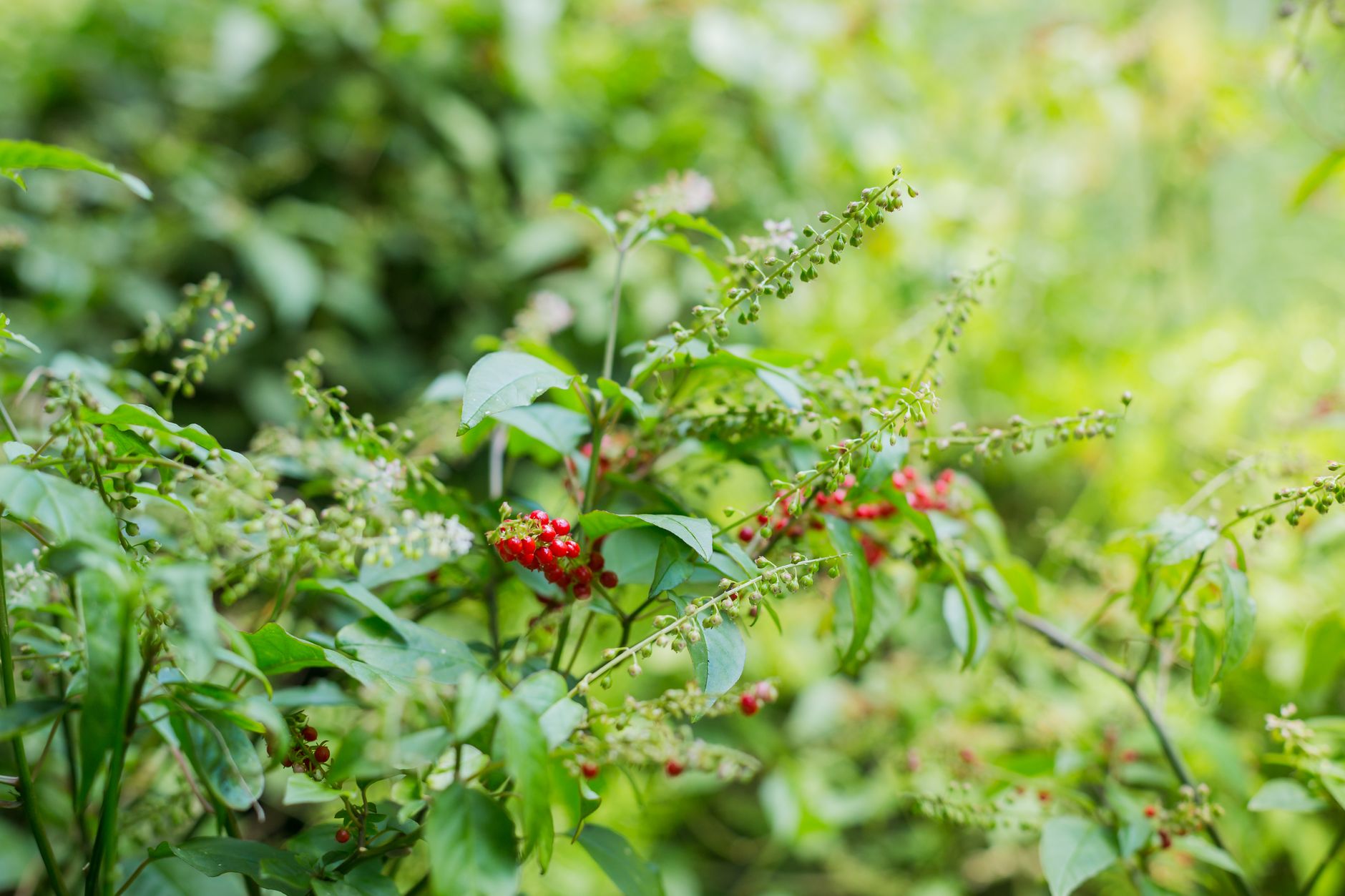
  • The Ultimate Guide to White dead nettle: Health Benefits and Uses

    The Comprehensive Guide to White Dead Nettle (Lamium album): Nature’s Potent Healing Herb

    White dead nettle, known scientifically as Lamium album, is a perennial flowering plant that has occupied a significant place in European and Asian herbalism for centuries. Often mistaken for the common stinging nettle (Urtica dioica) due to its similar leaf structure, the white dead nettle is distinguishable by its beautiful, hooded white flowers and, most importantly, its lack of stinging hairs. This “dead” or “blind” nature is what gives the plant its common name. Beyond its physical appearance, Lamium album is a powerhouse of bioactive compounds, offering a sophisticated array of therapeutic benefits that range from respiratory support to advanced gynecological care.

    The historical significance of white dead nettle cannot be overstated. Since the Middle Ages, it has been recognized as a “vulnerary” herb—one used specifically for healing wounds—and as a primary tonic for women’s reproductive health. As modern pharmacology begins to catch up with traditional wisdom, researchers are uncovering the molecular mechanisms that allow this plant to act as an anti-inflammatory, antimicrobial, and antioxidant agent. This guide provides an exhaustive analysis of everything regarding white dead nettle, from its botanical blueprint to its modern-day clinical applications.

    Botanical Characteristics and Taxonomy

    Belonging to the Lamiaceae family, which also includes mint, sage, and rosemary, white dead nettle is a resilient plant that thrives in hedgerows, meadows, and waste grounds across Europe and temperate Asia. It grows to a height of 20 to 60 centimeters, featuring square stems—a hallmark of its family—and heart-shaped, serrated leaves that grow in opposite pairs. The flowers are arranged in “verticillasters,” which are false whorls around the stem, appearing from late spring through early autumn.

    White dead nettle Botanical Photo

    The ecological role of Lamium album is equally fascinating. Because it blooms early and continues late into the season, it serves as a critical food source for long-tongued bees, particularly bumblebees. Unlike the stinging nettle, which relies on wind pollination, the white dead nettle has evolved a complex relationship with its pollinators. Its nectar is hidden deep within the flower tube, accessible only to specific insects, ensuring targeted pollination. This evolutionary sophistication is mirrored in its chemical complexity, as the plant produces a wide variety of secondary metabolites to protect itself and ensure its survival in diverse environments.

    The Chemical Composition: A Deep Dive into Bioactive Compounds

    The therapeutic efficacy of white dead nettle is derived from its rich profile of phytochemicals. Unlike synthetic medications that focus on a single active molecule, Lamium album works through a synergistic “entourage effect,” where multiple compounds work together to enhance absorption and mitigate side effects. The primary classes of compounds found in the aerial parts of the plant include iridoid glycosides, flavonoids, phenolic acids, triterpene saponins, and mucilages.

    White dead nettle Plant Profile

    Among the iridoid glycosides, lamalbid is the most prominent. These compounds are known for their potent anti-inflammatory and hepatoprotective properties. Flavonoids, such as quercetin and rutin, contribute to the plant’s antioxidant capacity, scavenging free radicals and protecting cellular integrity. Furthermore, the presence of phenolic acids, including chlorogenic acid and rosmarinic acid, provides the plant with its antimicrobial and astringent qualities. The mucilage content in the flowers and leaves is particularly high, which explains its traditional use in soothing inflamed mucous membranes in the throat and digestive tract. Additionally, the plant is a rich source of minerals like potassium, magnesium, and calcium, making it a nutritive tonic as well as a medicinal treatment.

    Therapeutic Benefits for Gynecological Health

    Historically, white dead nettle has been dubbed “the woman’s herb.” Its most celebrated use is in the treatment of various gynecological disorders. It is particularly effective for leucorrhea (abnormal vaginal discharge), where its astringent properties help to tone the uterine tissues and regulate secretions. By reducing congestion in the pelvic region, it also aids in alleviating dysmenorrhea (painful menstruation) and menorrhagia (excessive menstrual bleeding).

    The mechanism of action in these cases is dual-fold. First, the tannins in the herb exert a mild styptic effect, constricting blood vessels and reducing fluid loss. Second, the plant contains phyto-compounds that help balance the endocrine system, though research is still ongoing to identify the exact hormonal pathways involved. In many European traditions, a decoction of the flowers is used both internally and as a sitz bath to provide relief from pelvic inflammatory conditions and to support recovery after childbirth. Its gentle nature makes it a preferred choice over harsher astringents, as it provides relief without causing excessive dryness or irritation.

    Respiratory Support and Anti-Catarrhal Properties

    Beyond its uses in reproductive health, white dead nettle is an exceptional remedy for the respiratory system. The high mucilage content acts as a demulcent, coating the throat and reducing the urge to cough in cases of dry, hacking bronchitis or pharyngitis. Simultaneously, the saponins present in the plant act as expectorants, thinning thick mucus and making it easier to expel from the lungs. This makes it a comprehensive treatment for upper respiratory tract infections, catarrh, and even mild asthma.

    When consumed as a hot infusion, the volatile oils and acids help to reduce inflammation in the bronchial tubes. This systemic approach helps to clear the “dampness” associated with chronic sinus issues and persistent lung congestion. For individuals suffering from seasonal allergies or chronic hay fever, the anti-inflammatory flavonoids in Lamium album can help stabilize mast cells, potentially reducing the release of histamine and mitigating the severity of allergic reactions. Its ability to soothe and clear the respiratory pathways simultaneously is a rare trait among herbal expectorants.

    Traditional Uses and Folk Medicine

    In folk medicine, every part of the white dead nettle has been utilized. In rural Europe, the young shoots and leaves were often consumed as a spring vegetable, similar to spinach, to “cleanse the blood” after a long winter of limited fresh produce. This traditional practice aligns with the modern understanding of the plant’s diuretic and nutritive properties. By stimulating kidney function, it helps the body eliminate metabolic waste products and excess fluids, which can be beneficial for conditions like gout or mild edema.

    White dead nettle Dried Herb

    The dried herb is the most common form for long-term storage and use. It retains its active phenolic compounds well if stored away from direct light and moisture. Traditionally, a “strong water” or tea made from the dried flowers was used as a remedy for “the whites” (leucorrhea) and was even believed to improve the spirits and banish melancholy. This connection between physical health and emotional well-being is a hallmark of traditional herbalism, where plants are seen as agents of holistic balance. The dried leaves are also frequently used in poultices to treat external wounds, burns, and varicose veins, where their antimicrobial and skin-soothing properties accelerate the healing process and prevent infection.

    Digestive and Metabolic Benefits

    The digestive benefits of white dead nettle are often overlooked in favor of its more famous uses. However, its bitter compounds and tannins make it an excellent digestive tonic. It stimulates the secretion of digestive enzymes and bile, improving nutrient absorption and easing symptoms of indigestion and flatulence. Furthermore, the mucilage content provides a protective layer for the gastric mucosa, which can be helpful for individuals suffering from mild gastritis or irritable bowel syndrome (IBS) characterized by inflammation.

    Emerging research also suggests that Lamium album may play a role in metabolic health. Some studies indicate that its antioxidant components can help mitigate oxidative stress in the liver, while its diuretic effect supports the body’s natural detoxification pathways. By reducing systemic inflammation, white dead nettle contributes to a more efficient metabolism and may help in the management of chronic conditions linked to inflammatory states. While not a primary treatment for metabolic syndrome, it serves as a valuable supportive therapy within a broader natural health protocol.

    Modern Delivery Systems: Supplements and Capsules

    In the modern era, the accessibility of white dead nettle has expanded beyond the hedgerow. For those who do not have the time to prepare traditional decoctions or who find the taste of the tea too earthy, capsules and standardized extracts offer a convenient alternative. These supplements often provide a more concentrated dose of the key iridoid glycosides and flavonoids, ensuring consistency in therapeutic outcomes.

    White dead nettle Capsules

    When selecting a supplement, it is crucial to look for products that utilize the aerial parts (leaves and flowers) rather than just the roots, as the highest concentration of active compounds is found in the flowering tops. Modern extraction techniques, such as ethanol or CO2 extraction, are capable of isolating specific fractions of the plant, such as the anti-inflammatory iridoids, for targeted clinical use. Capsules are particularly effective for treating systemic conditions like chronic inflammation or for supporting long-term gynecological health, as they allow for a steady intake of the herb’s bioactive constituents over several weeks.

    Practical Usage and Dosage Guidelines

    Integrating white dead nettle into a wellness routine requires an understanding of proper dosage and preparation. For an infusion (tea), one typically uses 1 to 2 teaspoons of the dried herb per cup of boiling water, allowing it to steep for 10 to 15 minutes. This is usually consumed two to three times daily. For localized issues like throat irritation or menstrual cramps, sipping the tea slowly allows the mucilage and anti-inflammatory compounds to interact directly with the affected areas.

    White dead nettle Natural Herb

    If using a tincture (a liquid alcohol extract), the typical dosage is 2-4 ml, taken three times a day. Tinctures are often preferred for their rapid absorption into the bloodstream and their long shelf life. For topical applications, a strong decoction can be used to soak a cloth for a compress, or the powdered herb can be mixed with a carrier oil to create a soothing salve. Regardless of the form, it is recommended to use the herb consistently for at least several weeks to observe significant improvements in chronic conditions, as its effects are cumulative and gentle rather than immediate and aggressive.

    Safety, Precautions, and Contraindications

    One of the greatest advantages of Lamium album is its excellent safety profile. It is generally considered non-toxic and has no known major drug interactions. Unlike its stinging cousin, it does not cause skin irritation upon contact. However, as with any herbal remedy, there are certain precautions to keep in mind. Pregnant or breastfeeding women should consult with a healthcare professional before use, as the herb’s effect on uterine tone could theoretically impact pregnancy, though no adverse reports exist in the literature.

    Additionally, because of its mild diuretic effect, individuals taking pharmaceutical diuretics or those with significant kidney disease should exercise caution to avoid electrolyte imbalances. It is always advisable to start with a smaller dose to assess individual sensitivity. Because white dead nettle is so effective at clearing mucus, those with very dry, non-productive coughs should ensure they are staying adequately hydrated while using the herb. Overall, white dead nettle remains one of the safest and most versatile plants in the botanical dispensary.

    Conclusion: The Future of White Dead Nettle in Integrative Medicine

    The white dead nettle stands as a testament to the enduring power of traditional herbalism. By combining centuries of anecdotal evidence with modern phytochemical analysis, we can see that Lamium album is much more than a common weed. Its unique ability to support the female reproductive system, clear the respiratory tract, and provide antioxidant protection makes it an invaluable tool for holistic health. As we continue to seek natural alternatives to synthetic pharmaceuticals, plants like the white dead nettle offer a pathway to healing that is both effective and harmonious with the body’s natural processes.

    Whether used as a simple garden tea, a concentrated capsule, or a soothing topical treatment, white dead nettle provides a multi-faceted approach to wellness. Its history as a “vulnerary” and “woman’s tonic” is now being validated by science, ensuring that this modest, stingless plant will continue to be a staple of natural medicine for generations to come. By respecting the botanical integrity of the plant and utilizing it correctly, we can tap into a ancient source of vitality that remains as relevant today as it was a thousand years ago.

    Disclaimer: For informational purposes only. Not medical advice. Consult a qualified healthcare professional before use.

  • The Ultimate Guide to Comfrey Root: Health Benefits and Uses

    The Definitive Guide to Comfrey Root: Nature’s Master Healer and Its Bioactive Power

    Comfrey root, scientifically classified as Symphytum officinale, has occupied a central role in the pharmacopeia of traditional herbalism for over two millennia. Often referred to by evocative folk names such as “knitbone,” “boneset,” and “bruisewort,” this perennial herb belongs to the Boraginaceae family. Its reputation as a potent agent of tissue regeneration is not merely a product of folklore but is rooted in a sophisticated chemical profile that interacts directly with human cellular processes. While modern science has introduced necessary cautions regarding its internal consumption due to specific alkaloid content, the topical and therapeutic applications of comfrey root remains unparalleled in the realm of botanical medicine.

    Historically, the use of comfrey can be traced back to ancient Greece and Rome, where the physician Dioscorides prescribed it to heal heavy wounds and mend fractured bones. Throughout the Middle Ages and the Renaissance, it was a staple in monastery gardens, valued for its ability to reduce swelling and accelerate the recovery of soldiers and laborers alike. Today, as we transition toward integrative health models, comfrey root is being re-examined through the lens of biochemistry to understand how its active constituents stimulate mitosis, suppress inflammation, and provide a protective barrier for damaged skin and underlying connective tissues.

    Botanical Characteristics and Ecological Profile

    The comfrey plant is a hardy, herbaceous perennial that thrives in moist, nitrogen-rich soils across Europe, Western Asia, and North America. It is distinguished by its large, hairy, lance-shaped leaves and its characteristic clusters of bell-shaped flowers, which can range in color from creamy white and pale yellow to deep purple and pink. However, the true medicinal powerhouse lies beneath the surface. The root system of Symphytum officinale is remarkably deep and resilient, often reaching several feet into the earth to extract minerals that other plants cannot access. This “dynamic accumulator” status contributes to its rich mineral content, including significant levels of calcium, potassium, and phosphorus.

    Comfrey Root Botanical Photo

    The root itself is fusiform, featuring a blackish exterior and a fleshy, white, mucilaginous interior. When the root is cut or crushed, it exudes a slippery substance known as mucilage, which provides immediate soothing effects when applied to irritated tissues. The structural integrity of the plant and its ability to regenerate from even a small fragment of root signify its inherent biological “will” to heal—a characteristic that early herbalists believed was a “signature” of its ability to heal the human body. Understanding the botanical robustness of comfrey is essential for recognizing why its extracts are so concentrated and why they must be handled with professional respect.

    The Biochemistry of Comfrey: A Deep Dive into Bioactive Compounds

    The therapeutic efficacy of comfrey root is attributed to a complex synergy of phytochemicals. The most significant of these is allantoin. Allantoin is a diureide of glyoxylic acid, a potent cell-proliferant that stimulates leucocytosis (the production of white blood cells) and promotes the growth of new connective tissue, cartilage, and bone cells. By increasing the rate of mitosis, allantoin allows the body to repair wounds significantly faster than the standard biological timeline. This is the primary reason for comfrey’s success in treating stubborn ulcers, fractures, and deep abrasions.

    Beyond allantoin, comfrey root contains a high concentration of rosmarinic acid. This polyphenolic compound is a powerful antioxidant and anti-inflammatory agent. Rosmarinic acid works by inhibiting the synthesis of prostaglandins and leukotrienes—chemicals in the body that signal pain and trigger the inflammatory response. This makes comfrey an excellent choice for managing chronic inflammatory conditions like osteoarthritis and rheumatoid arthritis. Additionally, the root is rich in tannins, which provide an astringent effect, helping to “knit” tissues together and reduce bleeding, and mucilage, which forms a protective, hydrating layer over wounds to prevent desiccation and external irritation.

    Comfrey Root Plant Profile

    However, no discussion of comfrey’s chemistry is complete without mentioning Pyrrolizidine Alkaloids (PAs). These compounds, specifically symphytine and lasiocarpine, are defense mechanisms for the plant against herbivores. In humans, certain PAs can be metabolized by the liver into toxic pyrroles, which may lead to hepatic veno-occlusive disease if ingested in large quantities or over long periods. This chemical duality—the healing power of allantoin versus the potential toxicity of PAs—is what necessitates the professional guidance and external-focused application modern medicine recommends for comfrey root today.

    Traditional Uses and Historical Significance

    For centuries, the primary method of using comfrey root was through a “poultice.” Fresh or dried roots were grated, boiled, or mashed into a paste and applied directly over broken bones or sprained joints. The historical belief was that the plant’s constituents could penetrate through the skin and periosteum to reach the bone matrix. While modern skeptics once questioned this, recent studies on the permeability of allantoin suggest that topical application does indeed allow for significant absorption into deeper tissue layers. In traditional European medicine, comfrey “bone-sets” were often the only treatment available for complex fractures before the advent of modern orthopedic surgery.

    Comfrey Root Dried Herb

    In addition to musculoskeletal healing, dried comfrey root was used in traditional salves to treat “the King’s Evil” (scrofula), varicose ulcers, and severe burns. The dried herb provides a stable medium for creating infused oils, where the lipid-soluble compounds are extracted over several weeks. These oils were then thickened with beeswax to create “black salve” or “healing unguents.” The versatility of the dried root meant that it could be stored throughout the winter, ensuring that its regenerative properties were available year-round to treat the various injuries associated with agrarian and industrial life.

    Modern Therapeutic Applications: From Salves to Clinical Evidence

    In the contemporary landscape, comfrey root has transitioned from a backyard remedy to a standardized ingredient in high-end topical treatments. Clinical trials have increasingly validated its use. For instance, several double-blind, placebo-controlled studies have demonstrated that comfrey root extract ointments are significantly more effective than placebos in treating acute back pain, muscle aches, and osteoarthritis of the knee. The speed of recovery in patients using comfrey-based creams is often cited as being superior to conventional non-steroidal anti-inflammatory drug (NSAID) gels.

    Furthermore, comfrey is a favorite in the world of sports medicine. Its ability to rapidly reduce perivascular edema (swelling around the blood vessels) makes it an ideal treatment for sprained ankles and ligament tears. By inhibiting the inflammatory cascade while simultaneously promoting fibroblast activity, comfrey ensures that the repair tissue is strong and flexible, rather than brittle and prone to re-injury. This dual action—soothing the pain while actively rebuilding the structure—is what sets Symphytum apart from purely analgesic treatments.

    Comfrey Root Supplements and Industrial Extracts

    While the primary application of comfrey is topical, there remains a specialized market for supplements. It is critical for consumers to understand that oral consumption of comfrey root is strictly regulated in many countries, including the United States, United Kingdom, and Germany. Most reputable manufacturers now produce “PA-free” (Pyrrolizidine Alkaloid-free) extracts. These are products where the beneficial allantoin and rosmarinic acid are preserved, but the potentially hepatotoxic alkaloids have been laboratory-removed. These supplements are often used under clinical supervision for specific gastrointestinal or inflammatory conditions.

    Comfrey Root Capsules

    Capsules containing standardized comfrey extract are frequently sought out for their high allantoin concentration. When used topically as a “broken capsule” paste or when formulated into professional-grade skincare, these supplements offer a convenient and potent way to deliver the herb’s benefits. However, the FDA mandates that any product containing comfrey must carry a warning label regarding its potential for liver toxicity if misused. This serves as a vital reminder that “natural” does not mean “without risk,” and that the potency of comfrey root must be respected through informed usage and adherence to dosage guidelines.

    Safety, Contraindications, and Responsible Usage

    The safety profile of comfrey root is the subject of much debate and significant regulation. The primary concern is the cumulative effect of Pyrrolizidine Alkaloids on the liver. When PAs are processed by liver enzymes, they can cause damage to the endothelial cells of the hepatic veins, leading to obstruction and eventually cirrhosis or liver failure. Consequently, internal use of comfrey (teas, tinctures, or non-certified capsules) is generally discouraged by the modern medical community. This is particularly important for children, pregnant or breastfeeding women, and individuals with pre-existing liver disease.

    Topical application is considered safe, provided it is not applied to deep, open wounds where the alkaloids could enter the bloodstream directly. Most herbalists recommend applying comfrey only to “closed” injuries like bruises, sprains, and fractures, or to superficial abrasions. It is also recommended to limit topical use to no more than 4 to 6 weeks per year to prevent any potential for systemic accumulation. By following these protocols, users can harness the incredible regenerative power of the root while completely mitigating the risks associated with its alkaloid content.

    Practical Usage Guide and Dosage Summary

    For those looking to integrate comfrey root into their natural first-aid kit, several preparations are standard. A comfrey oil infusion is made by macerating dried root in a carrier oil (like olive or jojoba) for 4-6 weeks. This oil can be applied directly to sore joints or used as a base for salves. For a more immediate effect, a poultice can be made by mixing powdered comfrey root with a small amount of warm water to form a thick paste. This paste is applied to the affected area, covered with a clean cloth, and left for 30-60 minutes.

    Comfrey Root Natural Herb

    • Topical Creams/Salves: Apply 2-3 times daily to the affected area for no more than 10 consecutive days for acute injuries.
    • Poultices: Use fresh or powdered root; apply once daily for 3-5 days to reduce significant swelling or accelerate bone knitting.
    • Oil Infusions: Best for chronic joint discomfort; massage gently into the skin to improve circulation and deliver rosmarinic acid to inflamed tissues.
    • Standardized Extracts: Ensure the product is labeled “PA-Free” and follow the manufacturer’s specific dosing instructions precisely.

    Conclusion: The Future of Comfrey in Modern Medicine

    Comfrey root remains one of the most intriguing and powerful tools in the botanical world. It sits at the intersection of ancient wisdom and modern biochemistry, offering a solution for tissue repair that few synthetic alternatives can match. While the discovery of pyrrolizidine alkaloids has necessitated a shift in how we use this herb—moving from a general-purpose tonic to a specialized topical powerhouse—its value has not diminished. By understanding the specific roles of allantoin, rosmarinic acid, and mucilage, we can appreciate why comfrey has earned its place as “nature’s master healer.”

    As research continues into PA-free cultivars and more refined extraction methods, it is likely that comfrey root will see a resurgence in mainstream dermatology and orthopedics. For the informed consumer or herbal practitioner, the key to unlocking the benefits of comfrey lies in education and respect for its potency. Whether it is used to mend a sprained ankle after a long hike or to soothe the discomfort of a chronic joint condition, comfrey root continues to demonstrate the profound healing potential inherent in the natural world.

    Disclaimer: For informational purposes only. Not medical advice. Consult a qualified healthcare professional before use.
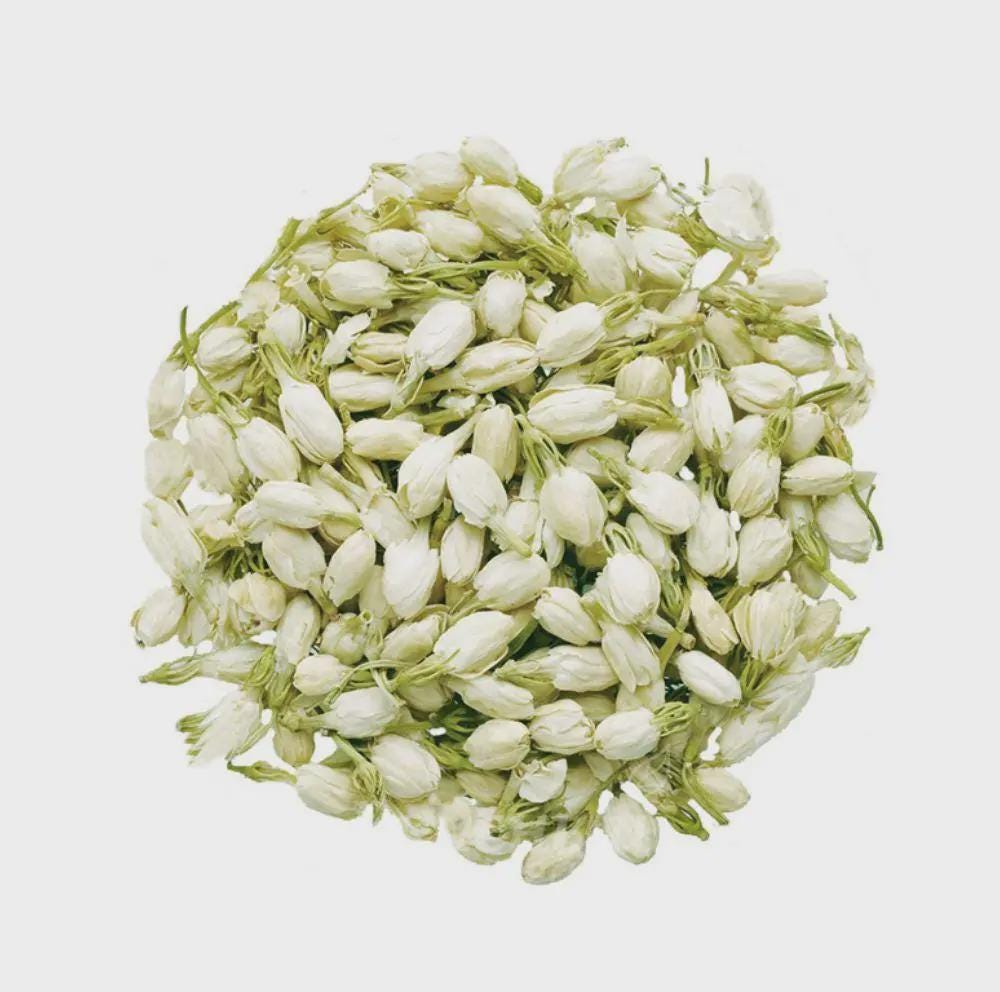
  • The Ultimate Guide to Thyme: Health Benefits and Uses

    The Comprehensive Science of Thyme: A Definitive Guide to Its Health Benefits and Therapeutic Applications

    Thyme, scientifically designated as Thymus vulgaris, is an aromatic perennial evergreen herb that has occupied a central role in both culinary arts and traditional pharmacopeia for thousands of years. Belonging to the Lamiaceae family—which also includes mint, rosemary, and oregano—thyme is native to the Mediterranean region but has successfully naturalized across the globe. Beyond its utility as a seasoning, thyme is a complex botanical matrix containing hundreds of bioactive compounds that exert profound physiological effects on the human body. This guide provides an exhaustive analysis of the health benefits of thyme, detailing its phytochemical profile, historical significance, and the clinical mechanisms through which it promotes wellness.

    Botanical Characteristics and Taxonomy of Thymus Vulgaris

    The genus Thymus consists of approximately 350 species of aromatic herbaceous perennials and subshrubs. Thymus vulgaris, often referred to as Common Thyme or Garden Thyme, is characterized by its woody stems, small, elliptical, grey-green leaves, and clusters of tubular, lilac or white flowers. The plant is exceptionally resilient, thriving in well-drained, alkaline soils and full sunlight, conditions that stimulate the production of its concentrated essential oils. The morphological diversity of thyme varieties—such as Lemon Thyme (Thymus citriodorus) or Wild Thyme (Thymus serpyllum)—often reflects variations in their volatile oil profiles, though T. vulgaris remains the gold standard for medicinal research and therapeutic application.

    Thyme Botanical Photo

    From a botanical perspective, the medicinal potency of thyme is largely concentrated in the glandular trichomes located on the leaf surface. These microscopic structures act as the plant’s chemical laboratories, synthesizing and storing secondary metabolites like thymol and carvacrol. These compounds evolved primarily as defense mechanisms against herbivores and microbial pathogens, yet they provide the foundational chemistry for the herb’s human health applications. Understanding the botanical integrity of the plant is essential for ensuring the quality of extracts used in modern herbalism, as environmental factors like soil quality and altitude can significantly alter the concentration of active constituents.

    Historical Context: From Ancient Embalming to Medieval Protection

    The historical trajectory of thyme usage is as rich as its chemical profile. In Ancient Egypt, thyme was an essential component in the mummification process; its high thymol content acted as a powerful antiseptic and preservative, preventing the decay of tissue. The Greeks associated thyme with elegance and courage, using it as an incense in temples and adding it to bathwater to invigorate the spirit. In fact, the name “thyme” is believed to be derived from the Greek word “thymos,” meaning “perfume” or “spirit,” signifying its role in stimulating the vital life force.

    Thyme Dried Herb

    During the Middle Ages, thyme was placed beneath pillows to ward off nightmares and facilitate restful sleep. In the era of the Black Death, it was utilized by herbalists as a primary defense against the plague. People would carry posies of dried thyme or apply thyme-infused vinegars to their skin to repel insects and neutralize “miasma” or foul air. While these ancient practitioners may not have understood the concept of “pathogens” or “bacteria” in the modern sense, their empirical observations led them to identify thyme as one of the most potent antimicrobial agents available in nature. This historical foundation paved the way for the 19th and 20th-century isolation of thymol, which became a staple in early disinfectant and mouthwash formulations.

    The Phytochemical Matrix: Active Compounds and Mechanisms

    The therapeutic efficacy of thyme is a direct result of its sophisticated phytochemical composition. The primary active constituents are the phenolic monoterpenes, specifically thymol and carvacrol. Thymol, an isomer of carvacrol, is renowned for its potent antiseptic, antibacterial, and antifungal properties. These compounds work by disrupting the cell membranes of pathogens, increasing permeability, and causing the leakage of vital cellular contents, which effectively neutralizes the threat. This mechanism is particularly effective against antibiotic-resistant strains of bacteria, making thyme a focal point for research into natural antimicrobial alternatives.

    Thyme Plant Profile

    In addition to these monoterpenes, thyme contains a wide array of flavonoids, including luteolin, apigenin, and naringenin, as well as phenolic acids like rosmarinic acid. These compounds are powerful antioxidants that scavenge free radicals, protecting cells from oxidative stress and DNA damage. Rosmarinic acid, in particular, is noted for its anti-inflammatory and anxiolytic (anxiety-reducing) effects. Furthermore, thyme is a rich source of terpenoids and saponins which contribute to its expectorant qualities. The synergy between these various compounds—often referred to as the “entourage effect” in botanical medicine—ensures that the whole-plant extract or the essential oil is often more effective than isolated synthetic versions of a single compound.

    Respiratory Health: An Ancient Remedy for Modern Ailments

    One of the most clinically validated uses of thyme is in the treatment of respiratory conditions. Thyme acts as a powerful expectorant and antispasmodic, making it an ideal treatment for bronchitis, pertussis (whooping cough), and the common cold. The mechanisms are twofold: first, the volatile oils stimulate the cilia in the respiratory tract, promoting the upward movement of mucus and facilitating its expulsion from the lungs. Second, thyme compounds like thymol and carvacrol interact with calcium channels in the smooth muscles of the bronchi, leading to muscle relaxation and a reduction in cough frequency and intensity.

    Clinical trials have demonstrated that a combination of thyme and ivy (Hedera helix) is significantly more effective than a placebo in reducing cough severity and duration. This efficacy is attributed to the herb’s ability to reduce inflammation in the bronchial tubes and its direct antimicrobial action against the pathogens responsible for respiratory infections. Furthermore, thyme tea or steam inhalations are frequently recommended for alleviating congestion and soothing sore throats, as the antiseptic nature of the vapors provides immediate relief to the mucous membranes of the upper respiratory tract.

    Antimicrobial and Antifungal Prowess

    Thyme’s antimicrobial properties extend far beyond the respiratory system. It has been extensively studied for its ability to combat foodborne pathogens such as Salmonella, Escherichia coli, and Shigella. The essential oil of thyme can penetrate bacterial biofilms—complex communities of bacteria that are notoriously resistant to traditional antibiotics. By disrupting these biofilms, thyme makes the bacteria more vulnerable to both the body’s immune system and medical interventions. This makes thyme oil a promising candidate for use in natural food preservation and as an additive in oral hygiene products to prevent plaque and gingivitis.

    Additionally, thyme exhibits strong antifungal activity, particularly against Candida albicans. Chronic yeast overgrowth can lead to a variety of systemic health issues, and thymol has been shown to inhibit the transition of Candida from its yeast form to its more invasive hyphal form. This makes thyme an important dietary and supplemental consideration for individuals dealing with gut dysbiosis or recurring fungal infections. Its ability to inhibit the growth of molds like Aspergillus also highlights its potential in maintaining indoor air quality and preventing mycotoxin exposure.

    Cardiovascular and Metabolic Benefits

    Emerging research suggests that thyme may play a significant role in cardiovascular health and metabolic regulation. Studies on hypertensive models have shown that thyme extracts can significantly reduce heart rate and lower blood pressure by promoting vasodilation. This effect is mediated through the herb’s influence on the endothelium—the inner lining of the blood vessels—helping to improve blood flow and reduce the workload on the heart. Furthermore, thyme has been shown to have a positive impact on lipid profiles, helping to lower LDL (low-density lipoprotein) cholesterol while potentially raising HDL (high-density lipoprotein) levels.

    From a metabolic standpoint, thyme contains compounds that may improve insulin sensitivity and glucose metabolism. The antioxidant properties of thyme protect the pancreas from oxidative damage, which is crucial for maintaining proper insulin secretion. Furthermore, carvacrol has been investigated for its potential to inhibit adipogenesis (the formation of fat cells), suggesting that thyme could be a supportive tool in weight management and the prevention of obesity-related metabolic disorders. While more human clinical trials are needed, the preliminary data indicates that thyme is a potent “cardio-protective” herb.

    Immune System Support and Inflammation Control

    The immune-boosting potential of thyme is rooted in its ability to modulate the body’s inflammatory response. Chronic inflammation is a known precursor to many degenerative diseases, including arthritis, cardiovascular disease, and certain cancers. Thyme helps to suppress the production of pro-inflammatory cytokines such as TNF-alpha and IL-6. By inhibiting the NF-κB signaling pathway—a primary driver of the inflammatory response—thyme helps the body maintain a state of homeostasis rather than overreacting to internal or external stressors.

    Furthermore, the high vitamin C and vitamin A content in fresh thyme provides essential nutrients for leukocyte (white blood cell) production and function. These vitamins, combined with the herb’s manganese and iron content, support the structural integrity of the immune system. Regular consumption of thyme tea or the use of thyme supplements during the “flu season” can enhance the body’s innate defense mechanisms, making it more resilient against viral and bacterial invasions.

    Neurological and Psychological Effects: Focus and Calm

    The aromatic profile of thyme does more than just please the senses; it has a direct impact on the central nervous system. Carvacrol, one of the primary phenols in thyme, has been shown to influence neuron activity in ways that improve mood and feelings of well-being. It interacts with neurotransmitter receptors, specifically those related to dopamine and serotonin, which regulate motivation, reward, and emotional stability. This makes thyme an interesting candidate for natural anxiety management and cognitive support.

    In the realm of cognitive health, the antioxidant properties of thyme protect the brain from oxidative stress, which is a major factor in the progression of neurodegenerative diseases like Alzheimer’s and Parkinson’s. By protecting the fatty acids in the brain from lipid peroxidation, thyme helps maintain the integrity of neuronal membranes. Traditionally, thyme was used to improve memory and focus, a practice that is now being explored through the lens of modern neurology to determine how its volatile compounds cross the blood-brain barrier to exert neuroprotective effects.

    Practical Usage: Culinary, Topical, and Supplemental

    Integrating thyme into daily life is remarkably simple given its versatility. In the kitchen, thyme pairs excellently with roasted vegetables, meats, and legumes. Because its flavors are heat-stable, it can be added early in the cooking process, allowing its essential oils to infuse the dish. Fresh thyme is preferred for its higher vitamin content, while dried thyme offers a more concentrated flavor and higher mineral density per gram.

    Thyme Capsules

    For therapeutic purposes, thyme is often consumed as a tea (infusion) or taken in capsule form. Thyme capsules are particularly beneficial for those seeking a standardized dose of thymol and carvacrol without the strong taste of the herb. When using thyme essential oil, it is imperative to dilute it with a carrier oil, as the concentrated phenols can be irritating to the skin and mucous membranes. Topically, diluted thyme oil can be used as a natural antiseptic for minor cuts or as a rub to alleviate muscle aches and arthritic pain. It is also a popular ingredient in natural deodorants and acne treatments due to its ability to neutralize odor-causing bacteria and reduce skin inflammation.

    Safety, Dosage, and Considerations

    Thyme is generally recognized as safe (GRAS) when consumed in culinary amounts. However, when used therapeutically, certain precautions must be observed. Thyme essential oil should never be ingested undiluted, as it can cause significant gastrointestinal distress or toxic reactions in high concentrations. Pregnant and breastfeeding women should stick to culinary amounts, as thyme has historical use as an emmenagogue (a substance that stimulates blood flow in the pelvic area) and its safety in high supplemental doses during pregnancy has not been definitively established.

    Thyme Natural Herb

    Standard dosages for thyme tea typically involve steeping 1 to 2 grams of the dried herb in boiling water three times a day. For standardized capsules, users should follow the manufacturer’s guidelines, which often specify a concentration of essential oil or total phenolic content. Those on blood-thinning medications should consult a healthcare provider before starting a high-dose thyme regimen, as the herb may have mild antiplatelet effects. As with any potent botanical, the key to success lies in consistency and the use of high-quality, organic sources to avoid pesticide contamination.

    Conclusion: The Eternal Relevance of Thyme

    Thyme stands as a testament to the power of botanical medicine. From the ancient embalmers of Egypt to the modern laboratory researchers studying its molecular pathways, this humble herb has consistently proven its value to human health. Its ability to support the respiratory system, combat diverse pathogens, protect the cardiovascular system, and even influence psychological states makes it a truly holistic remedy. Whether enjoyed as a flavorful addition to a meal, sipped as a soothing tea, or taken as a concentrated supplement, thyme offers a sophisticated and effective way to enhance the body’s natural resilience and vitality. As we move further into an era of integrative health, the clinical importance of Thymus vulgaris is only set to grow, bridging the gap between ancient tradition and modern science.

    Disclaimer: For informational purposes only. Not medical advice. Consult a qualified healthcare professional before use.
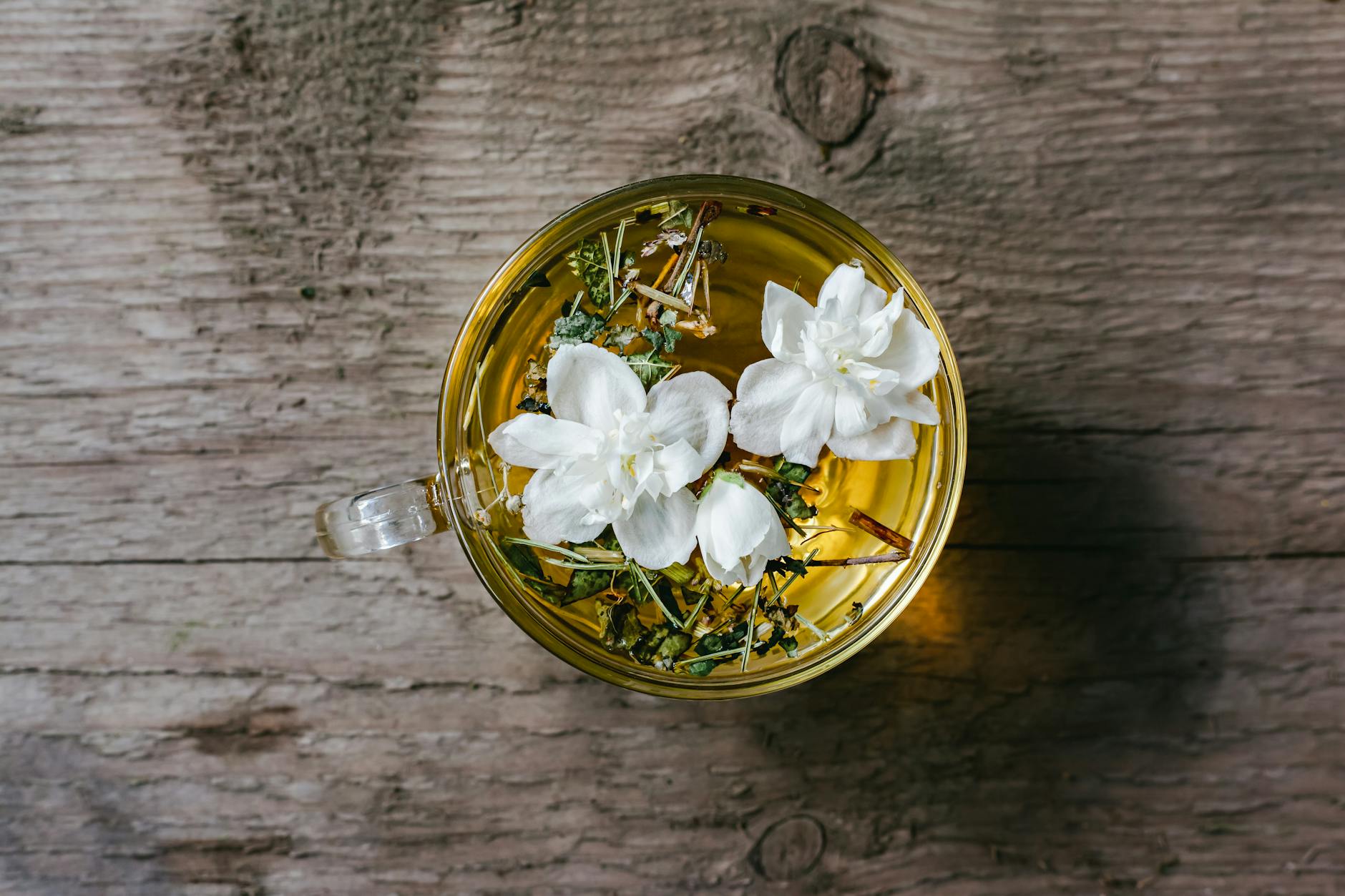
  • The Ultimate Guide to lingonberry leaf: Health Benefits and Uses

    The Ultimate Guide to Lingonberry Leaf: Exploring the Therapeutic Depth of Vaccinium vitis-idaea

    The lingonberry (Vaccinium vitis-idaea), a low-growing evergreen shrub native to the boreal forests and Arctic tundra of the Northern Hemisphere, has long been celebrated for its tart, crimson berries. However, in the realm of clinical herbalism and traditional pharmacopeia, it is the small, leathery leaves of the plant that harbor the most potent medicinal properties. While the berries are nutritional powerhouses, the lingonberry leaf serves as a concentrated source of bioactive polyphenols, specifically arbutin and various tannins, which have been utilized for centuries to treat ailments ranging from urinary tract infections to systemic inflammation. This guide provides an exhaustive exploration into the botanical nature, chemical complexity, and therapeutic applications of lingonberry leaf, establishing it as a cornerstone of natural medicine.

    Botanical Characteristics and Ecological Context

    Vaccinium vitis-idaea belongs to the Ericaceae family, sharing a lineage with blueberries, cranberries, and huckleberries. Unlike many of its deciduous relatives, the lingonberry is an evergreen subshrub, reaching heights of only 10 to 40 centimeters. Its leaves are distinctive: elliptical, slightly revolute (curled at the edges), and remarkably tough, reflecting the plant’s adaptation to harsh, nutrient-poor, and freezing environments. The upper surface of the leaf is a deep, glossy green, while the underside is paler and dotted with small, dark glandular pits.

    From an ecological perspective, the lingonberry leaf’s survival mechanisms contribute directly to its medicinal value. To withstand the intense UV radiation and extreme temperatures of the subarctic, the plant synthesizes a dense array of secondary metabolites. These compounds, which serve as “sunscreen” and “antifreeze” for the plant, translate into powerful antioxidants and antimicrobial agents when consumed by humans. The leaves are typically harvested in late spring before the flowering period or in the autumn after fruit maturation to ensure the highest concentration of active constituents.

    lingonberry leaf Botanical Photo

    The Chemical Blueprint: Unlocking the Bioactive Compounds

    The therapeutic efficacy of lingonberry leaf is predicated on its complex phytochemistry. The primary active ingredient is arbutin (hydroquinone-β-D-glucopyranoside), a glycosylated hydroquinone that can constitute up to 5% to 9% of the leaf’s dry weight. When ingested, arbutin undergoes hydrolysis in the alkaline environment of the urinary tract, releasing hydroquinone. Hydroquinone is a potent antiseptic that targets pathogenic bacteria, making lingonberry leaf a traditional powerhouse for renal and bladder health.

    Beyond arbutin, lingonberry leaves are rich in flavonoids, including quercetin, kaempferol, and myricetin. These flavonoids are renowned for their ability to neutralize free radicals, thereby preventing cellular oxidative stress. The leaves also contain significant levels of catechins and proanthocyanidins (specifically Type-A), which prevent bacterial adhesion to the urothelium. Furthermore, the high tannin content (around 10%) provides astringent properties, which help in “toning” mucous membranes and reducing secretions in inflammatory conditions. Phenolic acids, such as chlorogenic and caffeic acids, further augment the leaf’s anti-inflammatory profile by inhibiting pro-inflammatory enzymes like cyclooxygenase (COX).

    lingonberry leaf Plant Profile

    Lingonberry Leaf for Urinary Tract Health and Renal Support

    The most well-documented application of lingonberry leaf is in the management of urinary tract infections (UTIs) and cystitis. The mechanism of action is multifaceted. First, the hydroquinone released from arbutin acts directly as a bacteriostatic and bactericidal agent against common uropathogens like Escherichia coli and Staphylococcus aureus. Unlike synthetic antibiotics that may disrupt the systemic microbiome, the antiseptic action of lingonberry leaf is highly localized to the urinary tract where the active hydroquinone is excreted.

    Second, the presence of A-type proanthocyanidins provides an anti-adhesive effect. Bacteria like E. coli use p-fimbriae (hair-like appendages) to attach to the walls of the bladder and urethra. Proanthocyanidins effectively “blind” these appendages, preventing the bacteria from colonizing and allowing the body to flush them out through urination. This dual action—killing bacteria while preventing new attachment—makes lingonberry leaf an exceptional preventative and acute treatment for recurring UTIs. Additionally, its mild diuretic effect helps increase urine volume, facilitating the mechanical removal of pathogens and sediment from the kidneys and bladder.

    Historical Context and Traditional Ethnobotany

    In the traditional medicine systems of Scandinavia, Russia, and the indigenous peoples of North America, lingonberry leaf was often preferred over the fruit for chronic conditions. In Siberian folk medicine, decoctions of the leaves were the primary remedy for “stone disease” (urolithiasis) and gout. The leaves were believed to help dissolve uric acid crystals and promote their excretion. In Nordic cultures, a strong tea made from dried lingonberry leaves was a common household staple during the winter months to combat rheumatism and joint pain, leveraging the plant’s systemic anti-inflammatory properties.

    The traditional method of preparation usually involved a long decoction—simmering the dried leaves for 10 to 15 minutes. This process is necessary to break down the tough, fibrous structure of the leathery leaves and extract the high concentration of tannins and glycosides. These traditional uses have paved the way for modern research, which now validates many of these ancestral claims through controlled clinical trials and pharmacological profiling.

    lingonberry leaf Dried Herb

    Anti-Inflammatory and Antioxidant Mechanisms

    Modern science has expanded our understanding of lingonberry leaf’s benefits beyond the urinary system. The high concentration of polyphenols enables the leaf to modulate the body’s inflammatory response. Chronic inflammation is a precursor to various degenerative diseases, including cardiovascular disease, diabetes, and arthritis. The bioactive compounds in lingonberry leaf inhibit the production of cytokines such as tumor necrosis factor-alpha (TNF-α) and interleukin-6 (IL-6), which are key drivers of systemic inflammation.

    Furthermore, the antioxidant capacity of lingonberry leaf is significantly higher than that of many other medicinal herbs. By scavenging reactive oxygen species (ROS), the leaf extract protects vascular endothelial cells from damage. This has implications for heart health, as it may help maintain arterial elasticity and prevent the oxidation of LDL cholesterol. In the context of metabolic health, some studies suggest that lingonberry leaf polyphenols can improve insulin sensitivity and glucose uptake by mimicking certain insulin-signaling pathways, making it a subject of interest for managing Type 2 diabetes and metabolic syndrome.

    Modern Delivery Systems: From Teas to Supplements

    While traditional tea remains a popular way to consume lingonberry leaf, modern supplementation offers standardized dosages that ensure therapeutic levels of arbutin. Capsules and tablets containing concentrated extracts are frequently used by those seeking consistent results for chronic conditions. Standardized extracts typically target a specific percentage of arbutin, providing a more predictable antiseptic effect than variable tea preparations.

    When selecting a supplement, it is crucial to look for “lingonberry leaf extract” (Vaccinium vitis-idaea) rather than just “lingonberry fruit.” While the fruit is excellent for general nutrition, the therapeutic density of arbutin and specific tannins required for urinary and inflammatory support is found primarily in the foliage. Supplements also often bypass the intense astringent taste of the leaf, which can be unpalatable to some when consumed as a potent decoction.

    lingonberry leaf Capsules

    Usage, Dosage, and Safety Considerations

    For those utilizing dried lingonberry leaves, a standard preparation involves using 1 to 2 teaspoons of dried herb per cup of water. Because the leaves are thick, they should be simmered (decocted) for at least 10 minutes rather than simply steeped. For acute urinary issues, herbalists often recommend 2 to 3 cups per day for a limited duration. In capsule form, dosages typically range from 500mg to 1500mg daily, depending on the concentration of the extract. It is often recommended to consume lingonberry leaf with a slightly alkaline diet (rich in vegetables) to maximize the conversion of arbutin to hydroquinone in the bladder.

    Safety is paramount when dealing with potent botanical agents. Due to the hydroquinone content, lingonberry leaf is generally not recommended for continuous, long-term use (beyond a few weeks at a time) without professional supervision. Excessive consumption of hydroquinone can potentially lead to liver strain in sensitive individuals. Furthermore, pregnant and breastfeeding women, as well as young children, should avoid lingonberry leaf extracts unless directed by a healthcare provider. Individuals with pre-existing kidney disease should also exercise caution, as the high tannin and mineral content may place additional load on renal filtration systems.

    lingonberry leaf Natural Herb

    Conclusion: The Enduring Value of Lingonberry Leaf

    The lingonberry leaf stands as a testament to the sophistication of traditional herbal medicine. Far from being a mere byproduct of the berry harvest, the leaf is a complex pharmaceutical laboratory, synthesizing compounds that offer targeted antiseptic action, systemic antioxidant protection, and metabolic support. Whether used in a traditional decoction or a modern standardized capsule, the leaf of Vaccinium vitis-idaea remains one of the most effective natural tools for maintaining urinary tract health and combating oxidative stress. As research continues to delve into its potential for blood sugar regulation and cardiovascular support, the lingonberry leaf is poised to remain a vital component of the modern natural health toolkit.

    Summary of Key Benefits:

    • Potent Urinary Antiseptic: High arbutin content converts to hydroquinone to eliminate bladder bacteria.
    • Anti-Adhesive Properties: Prevents E. coli from attaching to the urinary tract walls.
    • Rich in Antioxidants: Flavonoids and phenolic acids protect cells from oxidative damage.
    • Anti-Inflammatory Action: Reduces systemic inflammation and supports joint health.
    • Metabolic Support: Emerging evidence suggests benefits for insulin sensitivity and glucose management.

    Disclaimer: For informational purposes only. Not medical advice. Consult a qualified healthcare professional before use.
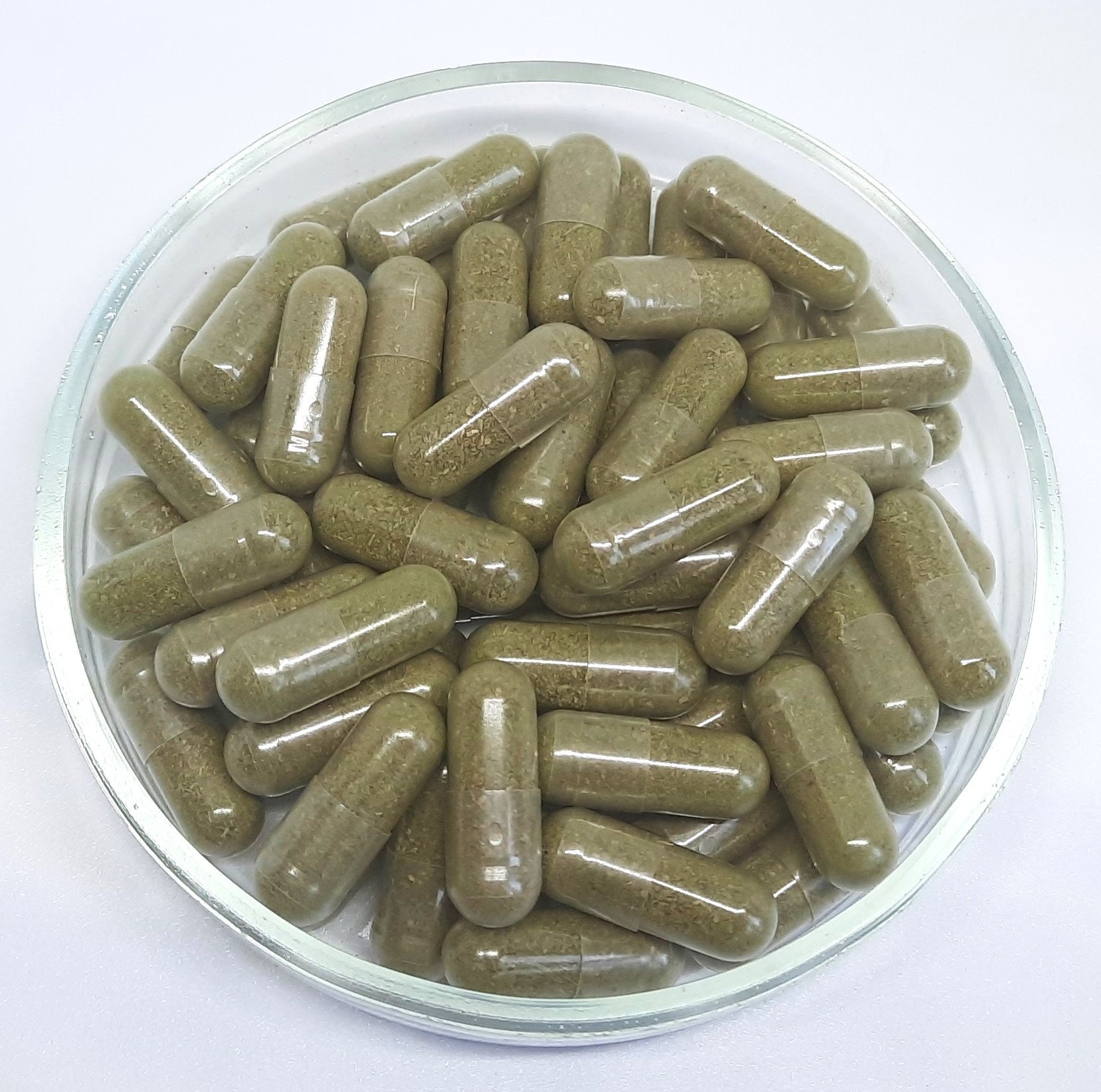
  • The Ultimate Guide to Japanese yam: Health Benefits and Uses

    The Comprehensive Guide to Japanese Yam: Nature’s Potent Tuber for Longevity and Vitality

    The Japanese yam, scientifically known as Dioscorea opposita or Dioscorea polystachya, stands as a cornerstone of East Asian nutrition and traditional medicine. Known in Japan as “Nagaimo” or “Yamaimo,” and in China as “Shan Yao,” this slender, cylindrical tuber has been revered for centuries not just as a staple carbohydrate, but as a “mountain medicine.” Unlike many other tubers that must be cooked to be palatable, the Japanese yam is unique for its ability to be eaten raw, providing a distinct culinary experience and a host of heat-sensitive enzymes that are often lost in conventional cooking processes. In this exhaustive guide, we will explore the intricate botanical profile, the sophisticated chemical composition, and the profound therapeutic benefits that make the Japanese yam a modern-day superfood.

    Botanical Characteristics and Ecological Context

    The Japanese yam belongs to the Dioscoreaceae family, a group of monocotyledonous flowering plants that are primarily found in tropical and warm temperate regions. Specifically, Dioscorea polystachya is a perennial climbing vine that can grow several meters in length. The tuber itself is the primary point of interest; it is typically long, with a thin, light-brown skin covered in fine hairs. Internally, the flesh is stark white, crisp, and characterized by a high concentration of mucilaginous compounds which give it a slippery, viscous texture when grated or sliced. This mucilage is a defensive mechanism for the plant, but for human health, it represents a concentrated source of glycoproteins and soluble fibers.

    Japanese yam Botanical Photo

    Ecologically, these yams thrive in well-drained, loamy soils and are often harvested in late autumn or winter when the nutrients have retreated from the vine into the root system. The cultivation of Japanese yam requires significant patience and labor, as the tubers can grow quite deep into the earth, requiring careful extraction to prevent breakage. This physical depth is often mirrored in the plant’s nutritional depth, as it draws a wide array of minerals from the subsoil layers, concentrating them into a bioavailable form for human consumption.

    Active Bioactive Compounds: The Chemistry of Healing

    The therapeutic efficacy of the Japanese yam is rooted in its complex chemical matrix. While it provides essential macronutrients like complex carbohydrates and proteins, its true power lies in its secondary metabolites. The most significant of these is Diosgenin, a naturally occurring steroid sapogenin. Diosgenin is chemically significant because it serves as a precursor for the semi-synthesis of various steroids used in pharmaceutical applications, including progesterone, dehydroepiandrosterone (DHEA), and cortisone. In the human body, while the conversion of diosgenin into hormones is not a direct metabolic pathway, it is believed to exert “estrogen-like” effects by modulating hormone receptors and supporting the endocrine system’s natural balance.

    Beyond diosgenin, Japanese yams are rich in Allantoin, a nitrogenous compound known for its cell-proliferative and healing properties. Allantoin is frequently used in topical dermatological treatments to speed up the healing of skin irritations, but when consumed internally via the yam, it contributes to the repair of the gastrointestinal lining. Furthermore, the tuber contains high levels of amylase and other digestive enzymes. These enzymes facilitate the breakdown of starches into simpler sugars, which is why Japanese yam is historically prescribed for individuals with weak digestion or those recovering from illness.

    Japanese yam Plant Profile

    The mucilage of the Japanese yam is composed of glycoproteins and polysaccharides. These substances are more than just a textural curiosity; they function as potent prebiotics. By coating the mucosal membranes of the stomach and intestines, they provide a protective barrier against gastric acid and pathogens while simultaneously providing a fermentation substrate for beneficial gut bacteria. This synergistic relationship between the yam’s chemical constituents and the human microbiome is a primary reason for its long-standing reputation as a digestive tonic.

    Historical Context and Traditional Medicine Applications

    In Traditional Chinese Medicine (TCM), Japanese yam (Shan Yao) is categorized as a herb that tonifies the Qi (energy) and nourishes the Yin. It is specifically associated with the Spleen, Lung, and Kidney meridians. TCM practitioners utilize the dried or fresh tuber to treat conditions such as chronic diarrhea, fatigue, lack of appetite, and “wasting and thirsting” syndrome, which modern medicine identifies as symptoms of diabetes. The logic in traditional practice is that the yam provides “dampness” in a beneficial sense—lubricating the lungs to treat dry coughs and fortifying the kidneys to maintain reproductive health and vitality.

    Japanese yam Dried Herb

    In Japanese Kampo medicine, the yam is often included in complex herbal formulas to address the decline of physical strength in the elderly. It was historically considered a “stamina food,” often consumed by warriors and laborers to maintain high energy levels throughout the day. This historical usage is backed by the modern understanding of the yam’s glycemic index; despite being a starchy vegetable, its fiber and mucilage content slow the absorption of glucose, providing a sustained release of energy rather than a sharp spike and crash.

    Health Benefit 1: Hormonal Regulation and Menopausal Support

    One of the most researched aspects of Japanese yam is its impact on the endocrine system. For women transitioning through menopause, the decline in estrogen can lead to a variety of symptoms including hot flashes, night sweats, and mood fluctuations. The diosgenin found in Dioscorea opposita acts as a phytoestrogen. While weaker than human-produced estrogen, these plant compounds can bind to estrogen receptors, effectively “leveling out” the hormonal landscape. When estrogen levels are too low, phytoestrogens provide a mild stimulatory effect; when levels are too high, they can occupy receptors and prevent more potent estrogens from binding, thus providing a balancing effect.

    Furthermore, research suggests that Japanese yam may support the adrenal glands. In periods of chronic stress, the body’s production of cortisol can deplete the precursors needed for other essential hormones. By providing a rich supply of steroid-like building blocks, Japanese yam helps the body maintain its internal homeostasis, potentially improving libido and reducing the physical toll of stress on the reproductive system.

    Health Benefit 2: Digestive Optimization and Gastrointestinal Repair

    The Japanese yam is arguably one of the best functional foods for the digestive tract. The high concentration of the enzyme amylase allows the body to process carbohydrates more efficiently, reducing the fermentative load in the colon that often leads to bloating and gas. However, the most profound benefit comes from the mucilaginous polysaccharides. These compounds have a demulcent effect, meaning they soothe irritated or inflamed tissue.

    For individuals suffering from Gastritis, Peptic Ulcers, or Irritable Bowel Syndrome (IBS), Japanese yam can act as a natural “liquid bandage” for the gut. The allantoin in the tuber stimulates the regeneration of epithelial cells, speeding up the closure of small lesions in the stomach lining. Additionally, the soluble fiber helps regulate bowel movements, making it equally effective for both constipation and mild diarrhea by adding bulk to the stool and lubricating the intestinal passage.

    Health Benefit 3: Cardiovascular Health and Lipid Modulation

    Cardiovascular disease remains a leading global health concern, and dietary interventions are the first line of defense. Japanese yams contribute to heart health through several mechanisms. First, the presence of saponins has been shown to inhibit the absorption of cholesterol in the intestines. Saponins bind with bile salts and cholesterol, facilitating their excretion from the body and thereby lowering LDL (low-density lipoprotein) levels in the blood.

    Second, the high potassium content of the Japanese yam plays a crucial role in blood pressure regulation. Potassium acts as a vasodilator, reducing the tension in the walls of the blood vessels and helping the kidneys flush excess sodium from the system. This electrolyte balance is essential for preventing hypertension and reducing the risk of stroke. Lastly, the antioxidant compounds in the yam—including vitamin C and various flavonoids—protect the vascular endothelium from oxidative stress, preventing the formation of atherosclerotic plaques.

    Modern Adaptations: Capsules and Concentrated Supplements

    While eating fresh Japanese yam is the traditional method of consumption, modern lifestyle constraints and the search for standardized dosages have led to the popularity of Japanese yam supplements. These are typically available as encapsulated powders or concentrated extracts. For those who find the slimy texture of the raw tuber unpalatable, capsules offer a convenient way to ingest concentrated amounts of diosgenin and other bioactive saponins.

    Japanese yam Capsules

    When selecting a supplement, it is crucial to look for “standardized extracts.” This ensures that each capsule contains a specific, guaranteed percentage of diosgenin, which is often the primary metric for quality in pharmaceutical-grade yam products. These supplements are frequently marketed for “hormonal balance,” “digestive support,” or as a “natural DHEA alternative,” though users should always consult with a healthcare professional before beginning a regimen, particularly if they are already on hormone replacement therapy.

    Metabolic Health and Blood Sugar Control

    Emerging research has highlighted the potential of Japanese yam in managing metabolic syndrome and Type 2 Diabetes. The starches in Dioscorea polystachya consist of a high proportion of resistant starch. Resistant starch is not digested in the small intestine; instead, it travels to the large intestine where it is fermented by gut bacteria. This process results in the production of short-chain fatty acids (SCFAs) like butyrate, which improve insulin sensitivity and lower systemic inflammation.

    Furthermore, studies on the glycoprotein components of the yam have shown that they may inhibit certain alpha-glucosidase enzymes. By slowing down the conversion of carbohydrates into glucose, the yam helps prevent post-meal hyperglycemia. This makes it an excellent dietary addition for those looking to manage their weight or stabilize their blood sugar levels throughout the day.

    Skin Health and Anti-Aging Properties

    The benefits of Japanese yam extend beyond internal organs to the body’s largest organ: the skin. Both the internal consumption and topical application of yam extracts have shown promise in dermatology. The high allantoin content is particularly effective at soothing skin irritation and promoting the growth of healthy tissue. In the context of anti-aging, the diosgenin in Japanese yam has been studied for its ability to stimulate collagen production and improve skin thickness, which naturally thins as we age.

    Oxidative stress is one of the primary drivers of skin aging, leading to wrinkles and hyperpigmentation. The Japanese yam contains a variety of antioxidants that neutralize free radicals generated by UV exposure and environmental pollutants. In Japan, it is not uncommon to find “Yamaimo” extracts in high-end cosmetic serums and masks, where it is used to brighten the complexion and provide deep hydration through its natural mucopolysaccharides.

    Practical Usage, Preparation, and Dosage

    Incorporating Japanese yam into a daily routine can be done in several ways. For culinary use, the “Nagaimo” can be grated into a fluffy, white paste known as “Tororo,” which is often served over rice or buckwheat noodles (soba). This raw preparation preserves the maximum amount of enzymes and mucilage. If cooked, the yam takes on a texture similar to a potato but remains slightly sweeter and crispier. It can be added to soups, stews, or even pan-fried into savory pancakes known as “Okonomiyaki.”

    Japanese yam Natural Herb

    In terms of dosage for therapeutic purposes, the following guidelines are generally observed:

    • Fresh Tuber: 50g to 100g daily, ideally consumed raw or lightly steamed.
    • Dried Powder/Herb: 10g to 20g daily, often simmered into a tea or mixed into porridges.
    • Encapsulated Extracts: 500mg to 1000mg daily, standardized to contain 10% to 20% diosgenin, depending on the specific health goal.

    Safety Considerations and Potential Side Effects

    Japanese yam is generally considered safe for the vast majority of the population when consumed as food. However, there are a few considerations to keep in mind. Handling the raw yam can sometimes cause a mild itchy sensation or “contact dermatitis” on the skin due to the presence of calcium oxalate crystals. This is usually temporary and can be avoided by wearing gloves or soaking the peeled yam in a mild vinegar solution.

    From a systemic perspective, because of its phytoestrogenic activity, individuals with hormone-sensitive conditions (such as certain types of breast cancer, uterine fibroids, or endometriosis) should exercise caution. While the effects are mild, they are not non-existent. As with any potent botanical, moderation is key, and it is always advisable to integrate it into a balanced diet rather than relying on it as a solitary treatment for a medical condition.

    Conclusion: The Enduring Legacy of the Mountain Yam

    The Japanese yam is a testament to the wisdom of traditional dietary practices and the power of functional foods. From its complex biochemistry involving diosgenin and allantoin to its multifaceted benefits for the heart, gut, and hormones, it offers a holistic approach to wellness. Whether consumed as a delicious raw topping in a traditional Japanese meal or taken as a concentrated supplement for hormonal support, Dioscorea opposita remains one of nature’s most versatile and effective remedies. As modern science continues to validate the centuries-old claims of East Asian medicine, the Japanese yam is firmly establishing its place in the global pantheon of essential health-promoting plants.

    Disclaimer: For informational purposes only. Not medical advice. Consult a qualified healthcare professional before use.
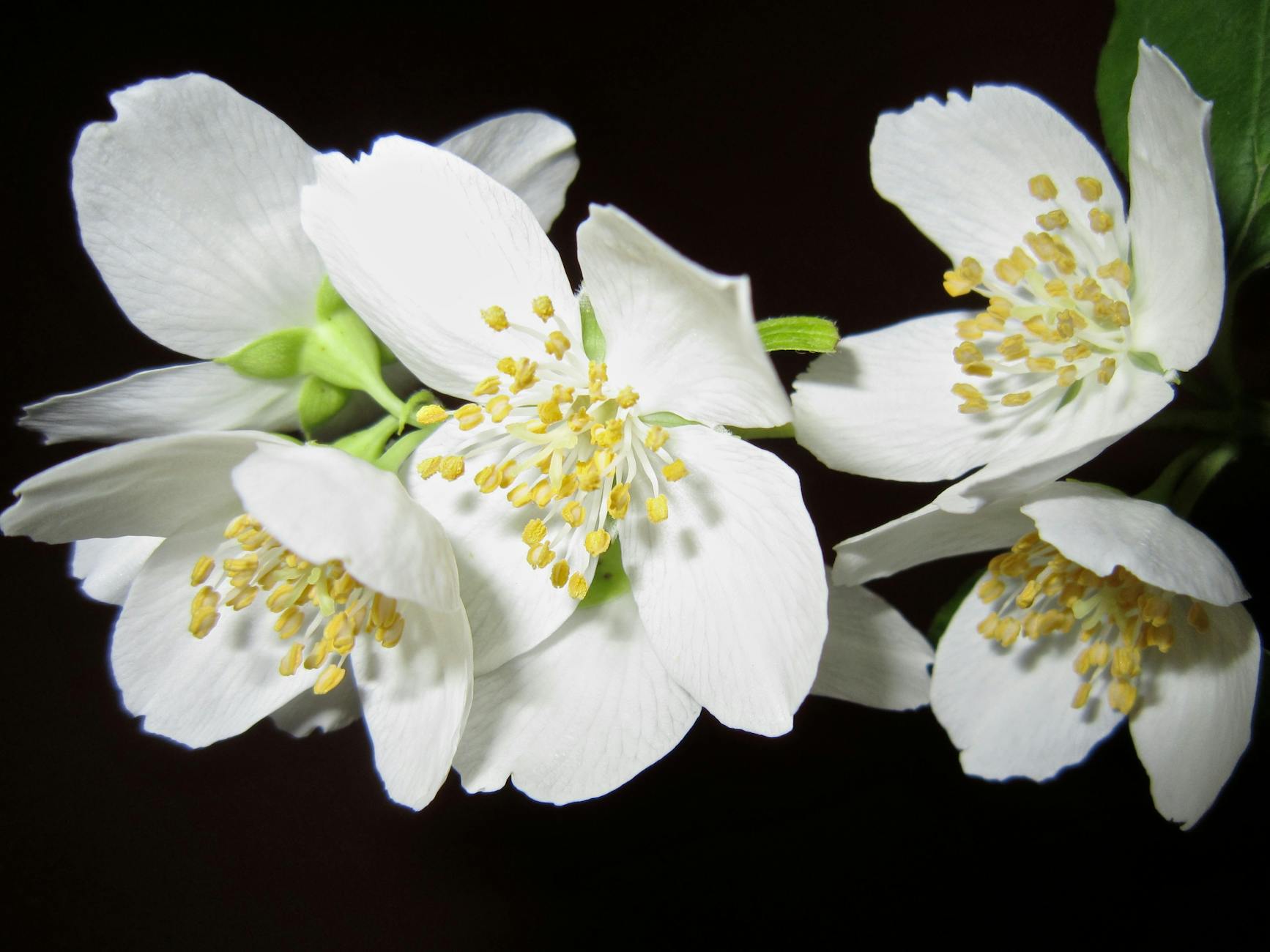
  • The Ultimate Guide to Black Cohosh Root: Health Benefits and Uses

    A Comprehensive Deep-Dive into Black Cohosh Root: The Definitive Guide to Its Health Benefits and Therapeutic Applications

    Black Cohosh (Actaea racemosa, formerly known as Cimicifuga racemosa) stands as one of the most rigorously studied and historically revered botanical remedies in the pharmacopeia of traditional herbal medicine. A member of the Ranunculaceae (buttercup) family, this perennial herb is native to the deciduous forests of North America, stretching from Ontario to Georgia. For centuries, it has been a cornerstone of indigenous healing practices and later became a staple in the 19th-century Eclectic medicine movement in the United States. Today, it is globally recognized as a primary natural alternative for managing the physiological and psychological transitions associated with menopause, though its therapeutic potential extends far beyond hormonal regulation.

    The name “Black Cohosh” is derived from the Algonquian word for “rough,” referring to the gnarled, dark appearance of its rhizomatous root system. While the plant produces tall, elegant spikes of white flowers—often called “fairy candles”—it is the underground rhizome and attached rootlets that contain the dense concentration of bioactive secondary metabolites. As modern pharmacology continues to investigate the plant’s complex chemical profile, Black Cohosh has shifted from a “folk remedy” to a scientifically validated botanical agent used by millions of women and healthcare practitioners worldwide to support endocrine health and neurological well-being.

    The Botanical Profile and Morphology of Actaea Racemosa

    To understand the potency of Black Cohosh, one must first appreciate its botanical complexity. The plant thrives in shaded, moist woodlands, reaching heights of up to eight feet during its flowering season. Its leaves are large, compound, and serrated, providing a lush green canopy in the forest understory. However, the pharmacological value lies entirely within the perennial rhizome. This root system is thick, blackish-brown, and possesses a bitter, acrid taste—a sensory indicator of the presence of protective alkaloids and glycosides designed to ward off forest pathogens.

    Black Cohosh Root Botanical Photo

    The growth cycle of the Black Cohosh plant is slow, often taking several years to develop a rhizome large enough for sustainable harvesting. This slow maturation process allows the plant to accumulate a complex array of phytochemicals. Botanists distinguish Actaea racemosa from its lookalikes, such as Blue Cohosh (Caulophyllum thalictroides), which belongs to an entirely different family and possesses different chemical properties. Understanding these distinctions is critical for safety, as true Black Cohosh lacks the potentially toxic alkaloids found in some of its similarly named counterparts.

    Historical Context: From Indigenous Wisdom to Modern Clinical Use

    The history of Black Cohosh is deeply intertwined with the ethnomedical traditions of Native American tribes, including the Cherokee, Iroquois, and Algonquian peoples. These groups utilized the root for a broad spectrum of conditions, ranging from musculoskeletal pain and fever to respiratory issues and complications related to childbirth. It was famously referred to as “squawroot” (a term now considered archaic and insensitive) due to its profound efficacy in treating “women’s ailments,” including menstrual cramps and the symptoms of menopause.

    By the 19th century, European settlers and American physicians adopted the herb into their own practices. It became a primary ingredient in Lydia Pinkham’s Vegetable Compound, a highly popular patent medicine marketed for female reproductive health in the late 1800s. The Eclectic physicians of the time, who specialized in botanical medicine, expanded its use to include the treatment of “rheumatism” and neurological excitability. This historical trajectory laid the groundwork for the mid-20th-century German researchers who developed standardized extracts, such as the famous Remifemin, which catalyzed the global shift toward using Black Cohosh as a mainstream clinical alternative to Hormone Replacement Therapy (HRT).

    Black Cohosh Root Dried Herb

    Chemical Composition: The Synergy of Bioactive Compounds

    The therapeutic efficacy of Black Cohosh is not the result of a single “magic bullet” compound but rather a synergistic interplay of several classes of phytochemicals. The most prominent among these are the triterpene glycosides, which include actein, 27-deoxyactein, and cimidifugoside. These compounds are often used as “marker compounds” for standardization in commercial extracts, ensuring that the product contains the necessary biological activity to produce clinical results.

    In addition to glycosides, Black Cohosh contains a variety of aromatic acids, such as fukinolic acid and cimicifugic acids, which possess potent antioxidant and anti-inflammatory properties. The presence of formononetin, an isoflavone, was once thought to be the primary driver of its estrogenic effects; however, more recent and sophisticated analytical techniques have shown that formononetin is either absent or present in negligible amounts in true Actaea racemosa. This discovery led to a paradigm shift in how scientists view the herb’s mechanism of action, moving away from a simple “phytoestrogen” model toward a more complex “Selective Estrogen Receptor Modulator” (SERM) and neurotransmitter modulator model.

    Black Cohosh Root Plant Profile

    Mechanisms of Action: How Black Cohosh Affects the Body

    For decades, it was assumed that Black Cohosh worked by mimicking estrogen in the body. While it does interact with the endocrine system, contemporary research suggests its primary impact is on the central nervous system, particularly the hypothalamus. This region of the brain acts as the body’s thermostat and is heavily influenced by neurotransmitters like serotonin and dopamine. During menopause, declining estrogen levels disrupt these neurotransmitter pathways, leading to the “thermoregulatory instability” that manifests as hot flashes and night sweats.

    Black Cohosh appears to exert its effects through several sophisticated pathways:

    • Serotonergic Modulation: Compounds in Black Cohosh bind to serotonin receptors (specifically the 5-HT1A and 5-HT7 subtypes), which helps stabilize the hypothalamus and reduce the frequency and severity of vasomotor symptoms.
    • Dopaminergic Influence: By influencing dopamine pathways, the herb may help improve mood and cognitive function, addressing the “brain fog” and irritability often associated with hormonal shifts.
    • Opioidergic Activity: There is evidence that Black Cohosh interacts with the body’s natural opioid receptors, which may explain its historical use as an analgesic for menstrual cramps and muscle pain.
    • Bone Metabolism: Emerging studies suggest that Black Cohosh may stimulate osteoblasts (bone-forming cells), potentially offering a protective effect against the bone density loss that occurs post-menopause.

    The Primary Health Benefit: Menopause Management

    The most well-documented use of Black Cohosh is in the management of menopausal symptoms. Clinical trials have consistently demonstrated that standardized extracts of the root can significantly reduce the “Kupperman Menopausal Index” score, a standard measurement used to assess the severity of symptoms. Unlike traditional Hormone Replacement Therapy (HRT), Black Cohosh does not appear to stimulate the growth of uterine or breast tissue, making it a potentially safer alternative for women who are concerned about the risks associated with estrogen therapy.

    The herb is particularly effective for “hot flashes”—the sudden sensation of heat that can lead to sweating and heart palpitations. By modulating the thermoregulatory center in the brain, Black Cohosh provides a “cooling” effect. Furthermore, its impact on sleep quality is profound. Because night sweats are a leading cause of sleep disruption during menopause, the reduction of these episodes allows for deeper, more restorative REM sleep, which in turn improves daytime energy levels and emotional resilience.

    Black Cohosh Root Capsules

    Beyond Menopause: Additional Therapeutic Uses

    While menopause is the focal point of Black Cohosh research, its secondary benefits are gaining attention in the medical community. One such area is the management of Polycystic Ovary Syndrome (PCOS). Recent studies have compared Black Cohosh to Clomiphene (a common fertility drug) and found that the herb can help regulate menstrual cycles and improve ovulation rates by balancing the Ratio of Luteinizing Hormone (LH) to Follicle-Stimulating Hormone (FSH).

    Additionally, the herb’s anti-inflammatory properties make it a candidate for treating musculoskeletal conditions. In the 19th century, it was frequently used for “rheumatism” and neuralgia. Modern science identifies the fukinolic and cimicifugic acids in the root as inhibitors of pro-inflammatory cytokines. This means that for individuals suffering from tension headaches, menstrual migraines, or general joint stiffness, Black Cohosh may serve as a gentle, systemic anti-inflammatory agent. Furthermore, its mild sedative properties can help alleviate the “anxiety of transition,” providing a stabilizing effect on the nervous system during times of high stress.

    Safety, Contraindications, and the Hepatotoxicity Debate

    The safety profile of Black Cohosh is generally excellent, but it is not without controversy. In the early 2000s, several case reports suggested a link between Black Cohosh and liver damage (hepatotoxicity). However, extensive reviews by the United States Pharmacopeia (USP) and the European Medicines Agency (EMA) concluded that most of these cases were either due to the consumption of misidentified plant species (adulteration) or pre-existing liver conditions. When high-quality, standardized Actaea racemosa is used, the risk to the liver is extremely low. Nevertheless, individuals with a history of liver disease should consult a physician before use.

    Common side effects are mild and may include occasional gastrointestinal upset or headaches. Because of its influence on the endocrine system, it is generally advised that pregnant or breastfeeding women avoid Black Cohosh, unless under the strict supervision of a midwife or doctor. There is also a theoretical concern regarding its use in women with estrogen-sensitive cancers (such as breast or ovarian cancer); however, many recent studies have shown that Black Cohosh does not promote the growth of these tumors and may even inhibit them in certain laboratory models. Regardless, caution and professional medical advice are paramount in these cases.

    Practical Usage: Dosage, Forms, and Standardization

    For those looking to incorporate Black Cohosh into their wellness routine, the form of the herb is just as important as the dosage. Raw root powder is available but is often less effective than concentrated extracts because the bioactive glycosides are not as bioavailable in their fibrous form. The gold standard for clinical efficacy is a standardized extract containing 2.5% triterpene glycosides.

    Standard dosages typically range from 20mg to 40mg of extract, taken twice daily. Some practitioners recommend higher doses (up to 80mg) for severe symptoms, though consistency is more important than a single high dose. It is important to note that Black Cohosh is not an “instant” fix; it usually takes four to eight weeks of daily use for the compounds to reach therapeutic levels in the body and for the patient to feel the full spectrum of benefits. Tinctures are also an effective delivery method, especially for those who have difficulty swallowing capsules, as the alcohol base helps extract the resins and alkaloids efficiently.

    Black Cohosh Root Natural Herb

    Conclusion: The Future of Black Cohosh in Integrative Medicine

    Black Cohosh Root remains one of the most vital tools in integrative medicine. As we move away from “one-size-fits-all” approaches to hormonal health, the demand for sophisticated, plant-based modulators continues to grow. By acting on both the endocrine and nervous systems, Black Cohosh offers a holistic approach to healing that addresses the root causes of discomfort rather than merely masking symptoms.

    Future research is likely to delve deeper into its potential for neuroprotection and bone health, further solidifying its status as a foundational herb for aging gracefully. Whether used as a primary treatment for menopause or as a supportive agent for neurological balance, Black Cohosh stands as a testament to the enduring power of botanical wisdom, refined and validated by the rigors of modern science. When sourced responsibly and used correctly, it provides a safe, effective, and natural bridge through the many transitions of life.

    Disclaimer: For informational purposes only. Not medical advice. Consult a qualified healthcare professional before use.
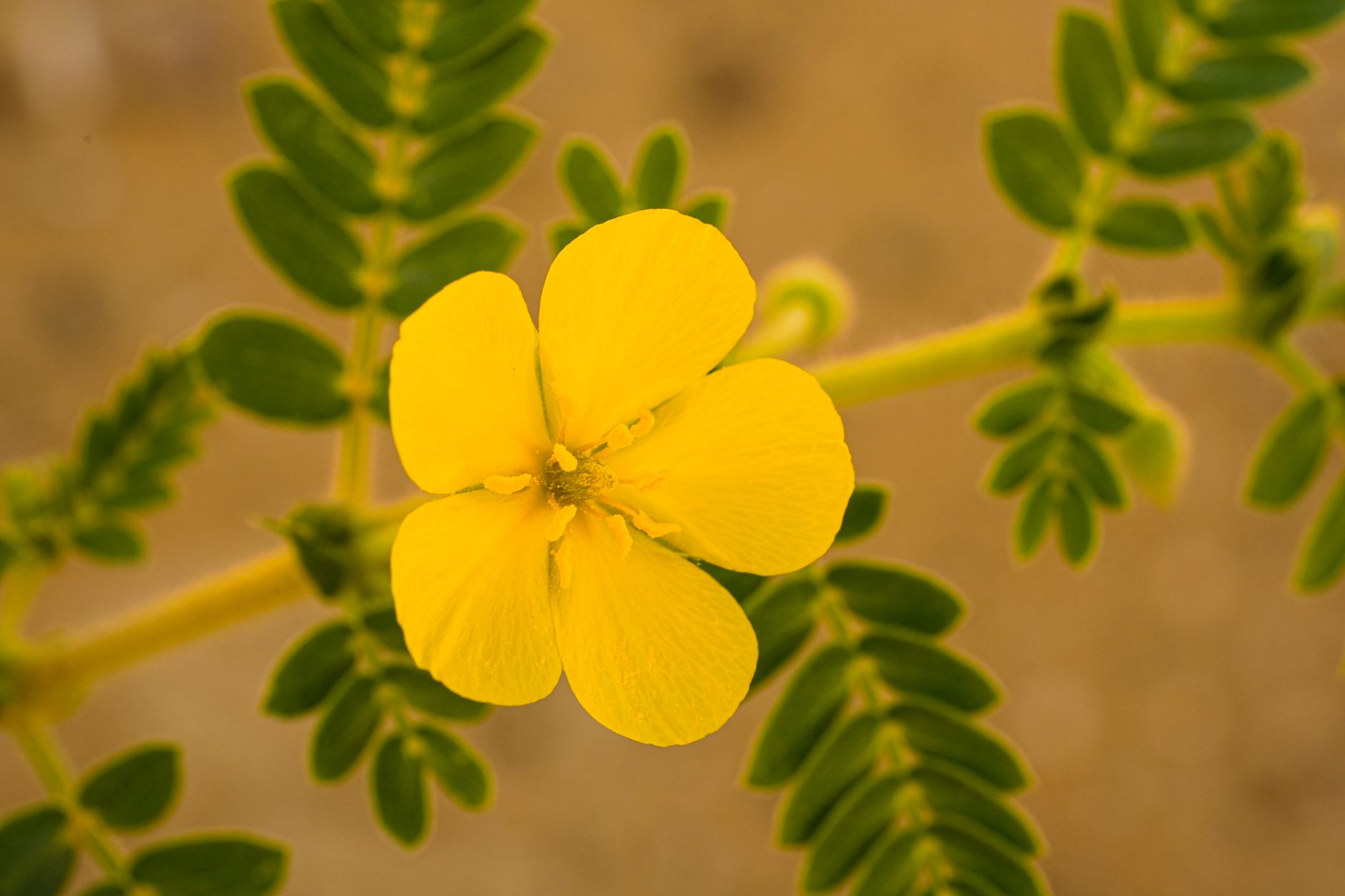
  • The Ultimate Guide to Sunflower Root: Health Benefits and Uses

    The Comprehensive Guide to Sunflower Root: An Undiscovered Powerhouse of Herbal Medicine

    While the sunflower (Helianthus annuus) is globally recognized for its vibrant yellow petals and nutrient-dense seeds, its subterranean anatomy—the root—remains one of the most overlooked treasures in botanical medicine. For centuries, indigenous cultures across North America utilized every part of this towering plant, yet modern commercialization focused primarily on oil production and snacks. However, recent ethnobotanical studies and phytochemical screenings have begun to unveil the profound therapeutic potential of sunflower root. This guide explores the multifaceted benefits of this root, diving deep into its chemical composition, historical significance, and the physiological mechanisms that make it a potent ally for human health.

    The sunflower root system is a complex network of taproots and lateral fibers designed to anchor a plant that can reach heights of over ten feet. Beyond its structural function, the root serves as a storage vessel for secondary metabolites. These compounds are synthesized by the plant to defend against soil-borne pathogens, and it is these very defensive chemicals that provide medicinal benefits to humans. From alleviating the excruciating pain of gout to serving as a topical poultice for snakebites, the sunflower root offers a diverse pharmacopeia that warrants a detailed investigation.

    Botanical Characteristics and Ecological Significance

    To understand the medicinal efficacy of sunflower root, one must first understand its botanical nature. The root system of Helianthus annuus is remarkably efficient at mining minerals and water from the soil, which explains the plant’s rapid growth and resilience. The roots contain high concentrations of lignin and cellulose, but it is the extractable bioactive fractions that interest herbalists and biochemists alike. Unlike the fibrous roots of many annuals, the sunflower root possesses a dense, woody core that requires specific processing—typically drying and grinding—to release its therapeutic agents.

    Sunflower Root Botanical Photo

    The ecological role of the sunflower root is also noteworthy. Sunflowers are known as hyperaccumulators, meaning they can draw heavy metals and toxins out of the soil. While this makes them excellent for environmental phytoremediation (the cleaning of contaminated land), it necessitates extreme caution for those sourcing the root for health purposes. For medicinal use, sunflower roots must be harvested from organic, pristine soils to ensure that the final product is free from lead, arsenic, or cadmium. This sensitivity to its environment is part of what makes the root so potent; it is a concentrated reflection of the earth’s mineral content.

    Phytochemical Composition: The Science Behind the Root

    The therapeutic efficacy of sunflower root is not anecdotal; it is rooted in a complex array of bioactive compounds. Scientific analysis has identified several classes of phytochemicals within the root tissue, including sesquiterpene lactones, phenolic acids, flavonoids, and triterpenes. One of the most significant groups of compounds found in the genus Helianthus are the heliannuols. These are unique allelochemicals that the plant uses to suppress the growth of competing vegetation. In the human body, these same compounds exhibit anti-inflammatory and antimicrobial properties.

    Sunflower Root Plant Profile

    Furthermore, the root is rich in chlorogenic acid and caffeic acid. These phenolic compounds are celebrated for their antioxidant capacity, helping to neutralize free radicals and reduce oxidative stress at the cellular level. Research suggests that these acids may play a role in regulating glucose metabolism and supporting cardiovascular health. Additionally, the presence of coumarins—specifically scopoletin—provides the root with its characteristic ability to modulate inflammatory pathways. These compounds act as mild vasodilators and antispasmodics, which explains the root’s traditional use in treating localized pain and respiratory constriction.

    Historical Context and Traditional Indigenous Use

    Long before the advent of modern pharmacology, Native American tribes such as the Cherokee, Hopi, and Dakota recognized the sunflower as a sacred and medicinal plant. While the seeds provided sustenance, the root was often reserved for acute medical needs. One of the most prominent uses was as a treatment for snakebites and spider bites. The roots were mashed into a warm poultice and applied directly to the wound. It was believed that the root’s constituents could “draw out” the venom and reduce the resulting swelling and necrosis.

    Sunflower Root Dried Herb

    In addition to wound care, traditional healers utilized sunflower root decoctions to treat pulmonary issues. For those suffering from “chest pains” or “tightness of the lungs” (likely what we now identify as pleurisy or bronchitis), a tea brewed from the dried root served as an expectorant and soothing agent. The root was also employed as a febrifuge, helping to break stubborn fevers by inducing diaphoresis (sweating). These historical applications provide a roadmap for modern researchers, many of whom are now validating these uses through clinical observation and laboratory testing.

    The Primary Health Benefit: Managing Gout and Uric Acid

    Perhaps the most celebrated modern application of sunflower root is its role in managing gout and hyperuricemia. Gout is a form of inflammatory arthritis characterized by the accumulation of uric acid crystals in the joints, most commonly the big toe. This leads to episodes of intense pain, swelling, and redness. Sunflower root functions as a natural uricosuric agent, meaning it helps the body eliminate excess uric acid through the renal system. By promoting the excretion of these crystals, the root helps to prevent the formation of “tophi” (the hard lumps of urate crystals) and reduces the frequency of acute flare-ups.

    The mechanism of action involves the inhibition of xanthine oxidase, the enzyme responsible for the production of uric acid in the liver. While medications like allopurinol target this same enzyme, many individuals seek a botanical alternative with fewer side effects. Sunflower root offers a gentler approach, working in harmony with the kidneys to flush the system. Beyond gout, this diuretic and anti-inflammatory effect makes it useful for general joint pain and rheumatoid conditions. By reducing systemic inflammation, the root helps to restore mobility and comfort to those suffering from chronic musculoskeletal issues.

    Kidney Health and Lithontriptic Properties

    In the realm of renal health, sunflower root has been historically classified as a lithontriptic—an agent that can help break down or dissolve stones in the bladder or kidneys. The accumulation of mineral deposits in the urinary tract is not only painful but can lead to severe infections and renal damage. The alkaline-forming nature of sunflower root preparations helps to balance the pH of the urine, creating an environment that is less conducive to the formation of calcium oxalate and uric acid stones.

    Moreover, the root’s mild diuretic property ensures a steady flow of urine, which helps to flush out “gravel” or microscopic crystals before they can coalesce into larger, obstructive stones. When used in conjunction with high water intake, sunflower root decoctions serve as a powerful preventative measure for individuals prone to recurring kidney stones. It is important to note that while the root is effective for prevention and small stones, professional medical consultation is necessary for larger obstructions.

    Modern Delivery Methods: The Rise of Sunflower Root Capsules

    As interest in traditional medicine grows, the supplement industry has adapted to provide sunflower root in more convenient forms. While traditional teas and decoctions are effective, they often have an earthy, somewhat bitter taste that can be off-putting. This has led to the popularity of encapsulated sunflower root. Capsules provide a standardized dose of the root powder, ensuring that consumers receive a consistent amount of the bioactive sesquiterpene lactones and phenolic acids with every serving.

    Sunflower Root Capsules

    For individuals with busy lifestyles, capsules offer a practical way to integrate sunflower root into a daily wellness routine. When choosing a supplement, it is crucial to look for “whole root” powders rather than isolated extracts, as the synergy between the various chemical constituents (the “entourage effect”) is often more effective than a single isolated compound. Furthermore, capsules protect the delicate phytochemicals from oxidation, which can occur when the loose dried herb is exposed to light and air for extended periods. This ensures the potency of the herb remains intact from the point of manufacture to the point of consumption.

    Topical Applications and Skin Health

    The benefits of sunflower root are not limited to internal consumption. Its antimicrobial and anti-inflammatory properties make it an excellent ingredient for topical applications. Historically used as a poultice for wounds, modern herbalists now incorporate sunflower root extracts into salves and balms. These topicals are particularly effective for treating minor abrasions, fungal skin infections, and inflammatory skin conditions like eczema or localized dermatitis.

    The root contains natural tannins which act as mild astringents, helping to “tighten” the skin tissue and promote the healing of open sores. Additionally, the presence of certain fatty acids within the root structure helps to maintain the skin’s lipid barrier, preventing moisture loss and protecting against environmental irritants. Whether used as a wash or an infused oil, sunflower root provides a soothing, natural solution for dermatological recovery.

    Respiratory Support and Anti-Spasmodic Action

    The respiratory system benefits significantly from the antispasmodic qualities of sunflower root. In cases of chronic cough, asthma, or whooping cough, the root acts to relax the smooth muscles of the bronchial tubes. This relaxation reduces the urge to cough and allows for deeper, more efficient breathing. The root also possesses mucolytic properties, meaning it helps to break down thick mucus, making it easier for the body to expel phlegm during a respiratory infection.

    This “dual-action”—the combination of relaxing the airways and clearing mucus—makes sunflower root a comprehensive support for lung health. During the winter months, when viral infections are prevalent, a warm decoction of sunflower root can provide immediate relief from the congestion and chest tightness associated with the common cold or flu. It is a gentle yet effective alternative to over-the-counter expectorants which often contain synthetic dyes and flavors.

    Usage, Preparation, and Dosage Guidelines

    For those interested in utilizing sunflower root in its natural form, the preparation process is a critical factor in its efficacy. Because the root is fibrous and woody, a simple infusion (steeping like tea) is often insufficient to extract the deep-seated medicinal compounds. Instead, a decoction is recommended. This involves simmering the dried, chopped root in water for 20 to 30 minutes. This sustained heat breaks down the tough cellular walls of the root, releasing the alkaloids and resins into the liquid. Typically, one tablespoon of root per cup of water is the standard ratio.

    Sunflower Root Natural Herb

    When using capsules, the standard dosage usually ranges from 400mg to 600mg, taken once or twice daily, depending on the severity of the condition being addressed. For acute gout flares, a higher frequency might be used temporarily under the guidance of a practitioner. It is always advisable to start with a lower dose to assess personal tolerance. As with any botanical supplement, consistency is key; the benefits of sunflower root, particularly for chronic inflammatory conditions, tend to accumulate over several weeks of regular use.

    Safety, Contraindications, and Considerations

    While sunflower root is generally considered safe for most individuals, there are important contraindications to keep in mind. Those with a known allergy to the Asteraceae (Daisy) family—which includes ragweed, marigolds, and daisies—should exercise caution, as cross-reactivity is possible. Additionally, due to its diuretic effects, individuals already taking prescription diuretics (water pills) should consult their healthcare provider to avoid excessive electrolyte loss or dehydration.

    Pregnant and breastfeeding women are generally advised to avoid sunflower root, as there is insufficient clinical data regarding its effects on fetal development and lactation. Furthermore, because of its potential to lower blood sugar and affect uric acid levels, those with diabetes or those on medication for kidney disease should have their levels monitored closely by a medical professional. Always ensure that your source for sunflower root is reputable and provides third-party testing for heavy metals, given the plant’s natural tendency to absorb minerals from its soil environment.

    Conclusion: The Future of Sunflower Root in Wellness

    The sunflower root is a testament to the fact that sometimes the most potent medicines are literally right beneath our feet. As we move toward a more integrated approach to health, blending traditional wisdom with scientific rigor, the sunflower root stands out as a versatile and powerful botanical. Its ability to address complex issues like gout and kidney stones, while offering respiratory and dermatological support, makes it a valuable addition to any natural medicine chest.

    By shifting our perspective from the sunflower’s brilliant bloom to its humble root, we unlock a new dimension of healing. Whether through the convenience of a capsule or the ritual of a brewed decoction, incorporating sunflower root into your wellness regimen offers a bridge to the past and a pathway to a healthier, more balanced future. As research continues to expand, it is likely that we will discover even more ways this resilient plant can support human vitality and longevity.

    Disclaimer: For informational purposes only. Not medical advice. Consult a qualified healthcare professional before use.

  • The Ultimate Guide to Echinacea Root: Health Benefits and Uses

    The Definitive Guide to Echinacea Root: Bioactive Compounds, Therapeutic Mechanisms, and Clinical Applications

    The therapeutic potential of Echinacea root (Echinacea spp.) represents one of the most rigorously studied intersections between traditional indigenous knowledge and modern pharmacological inquiry. As a cornerstone of the botanical pharmacopeia, Echinacea—commonly known as the purple coneflower—has transcended its origins as a Great Plains remedy to become a global staple in the management of immune health. Unlike many botanical supplements that rely on anecdotal evidence, the efficacy of Echinacea root is supported by an expanding body of clinical literature exploring its complex chemistry and its ability to modulate the human immune response. This exhaustive guide explores the botanical intricacies, historical lineage, biochemical profile, and evidence-based health benefits of this remarkable root.

    Botanical Overview and Species Differentiation

    Echinacea is a genus of herbaceous flowering plants in the daisy family, Asteraceae. While there are nine recognized species, only three are utilized extensively for medicinal purposes: Echinacea purpurea, Echinacea angustifolia, and Echinacea pallida. Each species possesses a distinct morphological profile and a unique concentration of bioactive metabolites. Echinacea purpurea is the most widely cultivated and researched, known for its fibrous root system and vibrant flowers. In contrast, Echinacea angustifolia and Echinacea pallida are characterized by their long taproots, which are particularly prized in traditional Western herbalism for their high concentration of specific alkylamides.

    The root of the Echinacea plant serves as its primary storage organ for secondary metabolites. During the late autumn, as the aerial parts of the plant die back, the plant concentrates its defensive compounds within the root system to survive the winter. This concentration is precisely why the root is considered more potent than the leaves or flowers for certain therapeutic applications. The botanical identification of these species is critical, as the pharmacological effects can vary significantly based on the species used and the soil conditions in which they were grown.

    Echinacea Root Botanical Photo

    Modern botanical science emphasizes the importance of using high-quality, sustainably harvested roots. The distinction between the species is often lost in commercial products, but for the discerning practitioner, the “tingle” produced by the alkylamides in E. angustifolia root is a hallmark of quality. This tingling sensation on the tongue, known as a sialogue effect, indicates the presence of active compounds that interact with the nervous system and immune receptors. Understanding these botanical nuances is the first step in appreciating the depth of Echinacea’s medicinal power.

    Historical Context and Traditional Usage

    The history of Echinacea root is deeply rooted in the indigenous cultures of North America. Tribes such as the Lakota, Cheyenne, and Choctaw utilized the plant for a staggering array of ailments long before European settlers arrived. It was employed as a topical poultice for snakebites and stings, a gargle for throat infections, and an internal remedy for systemic “blood poisoning.” The versatility of the root led to it being one of the most widely used medicinal plants among Native American healers, who recognized its ability to stimulate the body’s innate healing mechanisms.

    In the 19th century, Echinacea was introduced to the “Eclectic Medicine” movement in the United States, largely through the efforts of H.C.F. Meyer. Meyer’s “Blood Purifier,” which contained Echinacea, eventually caught the attention of prominent pharmacists like John Uri Lloyd. By the early 20th century, Echinacea had become the most frequently prescribed botanical medicine by Eclectic physicians for infections and inflammatory conditions. Although its popularity waned with the advent of synthetic antibiotics, the latter half of the 20th century saw a massive resurgence of interest, particularly in Germany, where much of the modern clinical research was pioneered.

    Echinacea Root Dried Herb

    The traditional preparation of Echinacea root often involved decoctions—simmering the tough, fibrous root material in water to extract its polysaccharides and water-soluble phenols. Alternatively, alcohol-based tinctures were used to capture the lipophilic alkylamides. This dual approach to extraction remains the gold standard today, ensuring that the full spectrum of the plant’s chemical “intelligence” is preserved. Traditional use emphasizes not just the treatment of symptoms, but the strengthening of the “vital force,” a concept that modern immunology now translates as “immunomodulation.”

    Chemical Composition: The Synergy of Bioactive Compounds

    The efficacy of Echinacea root is not the result of a single “magic bullet” compound but rather a synergistic matrix of several distinct classes of chemicals. The three primary groups of bioactive constituents are alkylamides, phenolic compounds (including caffeic acid derivatives), and high-molecular-weight polysaccharides. Each of these groups targets different aspects of the human physiological response, creating a multi-faceted approach to healing.

    Alkylamides are perhaps the most critical components for the immediate immune-stimulating effects of the root. These molecules are structurally similar to anandamide, an endogenous cannabinoid. Because of this similarity, alkylamides can bind to cannabinoid receptors (specifically CB2 receptors) on immune cells. This interaction helps to regulate cytokine production, effectively “tuning” the immune system’s inflammatory response. This makes Echinacea root unique among immune herbs, as it does not blindly stimulate the system but rather acts as a sophisticated modulator.

    Echinacea Root Plant Profile

    Phenolic compounds, such as echinacoside and chicoric acid, provide potent antioxidant and antiviral properties. Echinacoside, found in high concentrations in E. angustifolia and E. pallida, has been shown to protect collagen from degradation by free radicals and inhibit certain bacterial enzymes. Chicoric acid, more prevalent in E. purpurea, is a known inhibitor of integrase, an enzyme used by certain viruses to replicate. Finally, the polysaccharides and glycoproteins in the root stimulate the activity of macrophages and natural killer (NK) cells, providing a robust first line of defense against pathogens.

    Core Health Benefit: Immunomodulation and Pathogen Defense

    The most celebrated benefit of Echinacea root is its role in supporting the immune system, particularly in the prevention and treatment of upper respiratory tract infections (URTIs) like the common cold and influenza. Extensive meta-analyses of clinical trials suggest that Echinacea root can reduce the risk of catching a cold by over 50% and decrease the duration of an active infection by approximately 1.5 days. However, the timing and dosage are critical; Echinacea is most effective when taken at the very first sign of symptoms.

    The mechanism of action involves the activation of phagocytosis—the process by which white blood cells “eat” and neutralize invading bacteria and viruses. By increasing the number and activity of circulating immune cells, Echinacea root ensures that the body is prepared for a rapid response. Furthermore, it modulates the production of pro-inflammatory cytokines, such as TNF-alpha and Interleukin-6. By preventing an overproduction of these signaling molecules, Echinacea helps avoid the “cytokine storm” that often leads to the most severe symptoms of viral infections, such as fever, aches, and extreme fatigue.

    Beyond the common cold, Echinacea root is increasingly studied for its potential in managing chronic infections and antibiotic-resistant strains. Its ability to enhance the body’s innate immunity makes it a valuable adjunct therapy. It does not replace antibiotics for bacterial infections, but it can support the body’s recovery and potentially reduce the need for repeated antibiotic interventions by strengthening the host’s natural defenses. This systemic support is why Echinacea remains a top-tier recommendation for seasonal wellness.

    Anti-Inflammatory and Skin Health Applications

    While often categorized solely as an “immune herb,” Echinacea root possesses profound anti-inflammatory properties that extend to various tissues, including the skin and joints. The same alkylamides that modulate immune receptors also inhibit the enzymes COX-1 and COX-2, which are the primary targets of non-steroidal anti-inflammatory drugs (NSAIDs) like ibuprofen. This makes Echinacea root a natural alternative for managing low-grade systemic inflammation and localized inflammatory conditions.

    In dermatology, Echinacea root extracts are utilized for their ability to combat acne, eczema, and psoriasis. The root’s antimicrobial properties help suppress the growth of Propionibacterium acnes, the bacteria primarily responsible for acne breakouts. Simultaneously, its anti-inflammatory action reduces the redness and swelling associated with skin lesions. Perhaps most impressively, Echinacea root has been shown to stimulate the production of hyaluronic acid in the skin and protect the skin’s structural integrity by inhibiting hyaluronidase, an enzyme that breaks down the skin’s extracellular matrix. This leads to improved skin hydration and a reduction in the appearance of fine lines.

    Furthermore, recent studies have explored the root’s potential in wound healing. By stimulating fibroblasts—the cells responsible for creating new tissue and collagen—Echinacea root accelerates the repair of damaged skin. Whether applied topically in a cream or taken internally to support systemic tissue health, the root offers a holistic approach to maintaining the body’s largest organ. This versatility highlights the plant’s role not just as a temporary fix for a cold, but as a long-term ally for physiological resilience.

    Psychological Benefits: Anxiety and the Endocannabinoid System

    One of the most exciting and less-known frontiers of Echinacea root research involves its impact on mental health, specifically anxiety. As previously mentioned, the alkylamides in Echinacea root are capable of binding to CB2 receptors. While CB1 receptors are primarily located in the brain and are responsible for the psychoactive effects of cannabis, CB2 receptors are found throughout the immune system and certain areas of the brain involved in emotional regulation.

    Clinical trials have demonstrated that specific Echinacea extracts can significantly reduce anxiety scores in individuals with mild to moderate stress. Unlike benzodiazepines or other pharmaceutical anxiolytics, Echinacea does not cause sedation or impairment. Instead, it seems to modulate the stress response at a cellular level, providing a subtle calming effect. This discovery has positioned Echinacea root as a potential “adaptogen-like” herb, helping the body and mind maintain homeostasis in the face of external pressures.

    This neuro-protective potential is also linked to the root’s high antioxidant content. By reducing oxidative stress in the brain, Echinacea may help protect neurons from damage associated with aging and chronic stress. While more large-scale human trials are needed to solidify these findings, the intersection of immunology and psychology (psychoneuroimmunology) suggests that Echinacea’s ability to “calm” the immune system naturally extends to the nervous system as well.

    Forms, Delivery Methods, and Capsules

    To achieve the therapeutic results seen in clinical studies, the form of Echinacea root consumed is of paramount importance. The market is flooded with various preparations, including dried root for tea, liquid tinctures, and standardized capsules. For many, capsules represent the most convenient and consistent method of delivery, as they allow for precise dosing of active constituents like alkylamides and polyphenols.

    Echinacea Root Capsules

    When selecting a supplement, it is vital to look for “standardized” extracts. Standardization ensures that each dose contains a guaranteed percentage of the bioactive markers associated with clinical efficacy. For example, a high-quality Echinacea root capsule might be standardized to contain 4% echinacoside. Additionally, many practitioners recommend “full-spectrum” products that combine standardized extracts with raw root powder to ensure that the trace co-factors present in the whole plant are not lost during the extraction process. Capsules also bypass the intense, sometimes unpleasant, tingling sensation and earthy taste associated with liquid extracts, making them a preferred choice for long-term use.

    Dosage, Usage Guidelines, and Best Practices

    The dosage of Echinacea root depends heavily on the intent of use—whether it is for acute support or long-term prophylaxis. For acute onset of symptoms (the “first tickle” in the throat), high-frequency dosing is often recommended. This might involve taking a standard dose of 300mg to 500mg of root extract every three to four hours for the first 48 hours of an illness. This “front-loading” strategy aims to saturate the immune receptors and provide the maximum possible stimulation to the macrophage response.

    For preventative use during the winter months, a lower, more consistent dose is typically used. There is a long-standing debate in herbalism regarding whether Echinacea should be “cycled” (e.g., 2 weeks on, 1 week off) to prevent the immune system from becoming desensitized. While modern research suggests that Echinacea can be taken safely for up to eight weeks without a loss of efficacy, many traditionalists still prefer cycling to maintain the “relevance” of the herbal signal to the body. It is always best to consult with a healthcare professional to determine the protocol best suited for your specific constitution.

    Echinacea Root Natural Herb

    It is also worth noting that Echinacea root is often more effective when used in combination with other synergistic herbs. For instance, combining it with Elderberry (Sambucus nigra) provides a dual-action approach: Echinacea stimulates the cellular immune response, while Elderberry prevents viral attachment to host cells. Similarly, combining it with Goldenseal (Hydrastis canadensis) provides localized antimicrobial support for the mucous membranes. These combinations reflect the complexity of natural healing, where the sum is often greater than the parts.

    Safety, Side Effects, and Contraindications

    Echinacea root is remarkably safe for the vast majority of the population. Side effects are rare and generally mild, usually limited to gastrointestinal upset or temporary dizziness. However, because Echinacea is a member of the Asteraceae family, individuals with known allergies to ragweed, marigolds, or daisies should exercise caution, as they may experience an allergic reaction. In rare cases, this can manifest as skin rashes or, extremely rarely, anaphylaxis.

    The most significant contraindication involves individuals with systemic autoimmune disorders, such as lupus (SLE), multiple sclerosis, or rheumatoid arthritis. Because Echinacea root stimulates immune activity, there is a theoretical concern that it could exacerbate the overactive immune response characteristic of these conditions. While clinical evidence of this is sparse, the general medical consensus is to avoid Echinacea in these populations unless supervised by a physician. Similarly, those on immunosuppressant medications (often prescribed after organ transplants) should avoid Echinacea, as it may counteract the effectiveness of their medication.

    For pregnant and breastfeeding women, Echinacea is generally considered one of the safer herbs, with several studies showing no adverse effects on pregnancy outcomes. However, as with any supplement during pregnancy, medical clearance is essential. Ultimately, the safety profile of Echinacea root is one of the cleanest in the herbal world, making it an accessible tool for the average healthy adult looking to fortify their biological defenses.

    Conclusion: The Future of Echinacea Research

    Echinacea root remains a testament to the enduring power of botanical medicine. As we move further into an era where antibiotic resistance and novel viral threats become more prevalent, the role of immunomodulators like Echinacea will only grow in importance. Future research is poised to look deeper into the epigenetic effects of Echinacea—how it might influence gene expression related to inflammation and longevity. We are also beginning to understand the plant’s role in supporting the microbiome, as certain polysaccharides in the root may act as prebiotics for beneficial gut bacteria.

    By integrating Echinacea root into a holistic lifestyle—one that includes proper nutrition, adequate sleep, and stress management—we provide our bodies with a sophisticated, time-tested ally. Whether you choose the traditional decoction, a potent tincture, or the convenience of a standardized capsule, the “purple coneflower” stands ready to support your journey toward resilient health. In the complex dance of human immunity, Echinacea root is more than just a supplement; it is a biological bridge between the wisdom of the past and the scientific rigor of the present.

    Disclaimer: For informational purposes only. Not medical advice. Consult a qualified healthcare professional before use.

  • The Ultimate Guide to Hops Flowers: Health Benefits and Uses

    The Comprehensive Guide to Hops Flowers: Exploring the Therapeutic Potential of Humulus Lupulus

    The hops plant, scientifically known as Humulus lupulus, is a perennial climbing vine belonging to the Cannabaceae family. While most globally recognized as the primary bittering and aromatic agent in the brewing industry, the medicinal legacy of hops flowers extends far beyond the confines of a beer bottle. For centuries, herbalists and traditional healers have utilized the cone-like flowers, known as strobiles, to address a variety of ailments ranging from chronic insomnia to digestive distress. In the modern era, pharmacological research has begun to catch up with traditional wisdom, uncovering a complex profile of bioactive compounds that offer neuroprotective, estrogenic, and anti-inflammatory benefits. This guide provides an exhaustive analysis of the health benefits, chemical architecture, and practical applications of hops flowers.

    Botanical Characteristics and Ecological Origins

    Hops are dioecious plants, meaning they have separate male and female individuals. In medicinal and commercial contexts, the female plants are the focus, as they produce the characteristic cone-shaped flowers or “strobiles.” These cones are composed of overlapping bracts and bracteoles, which house the lupulin glands. These tiny, yellow, resinous glands contain the essential oils and alpha-acids that provide the plant’s distinctive flavor and therapeutic potency. Geographically, Humulus lupulus thrives in temperate climates, requiring specific day-lengths and well-drained soil, which is why regions like the Hallertau in Germany, the Yakima Valley in Washington State, and various parts of the United Kingdom have become historical hubs for hops cultivation.

    Hops Flowers Botanical Photo

    The morphology of the hops plant is specialized for rapid vertical growth. It utilizes “bines”—which differ from vines by using stiff hairs to grip surfaces rather than tendrils—to climb up to 20 feet or more in a single growing season. From a botanical standpoint, the plant is remarkably hardy, with a rhizomatous root system that allows it to survive harsh winters and regenerate annually. Understanding the plant’s biology is crucial because the concentration of active metabolites, such as humulone and lupulone, fluctuates based on the maturity of the flower and the specific cultivar of the plant. Harvesting typically occurs in late summer when the lupulin glands are at their peak aromatic and chemical concentration.

    Detailed Chemical Composition: The Bioactive Powerhouse

    The therapeutic efficacy of hops is attributed to its unique secondary metabolites, which can be broadly categorized into three groups: resins (alpha and beta acids), essential oils, and polyphenolic flavonoids. Each group contributes a specific facet to the plant’s overall health-promoting profile. The alpha-acids, primarily humulone, cohumulone, and adhumulone, are known for their antibacterial properties and their ability to inhibit bone resorption. The beta-acids, including lupulone, provide additional antimicrobial support, particularly against Gram-positive bacteria.

    Hops Flowers Plant Profile

    Beyond the resins, the essential oils of hops—which include myrcene, humulene, and caryophyllene—deliver the plant’s sedative and anti-inflammatory effects. However, the most significant modern discovery in hops chemistry is the presence of prenylated flavonoids. The most notable among these are Xanthohumol and 8-prenylnaringenin (8-PN). Xanthohumol is a potent antioxidant and has shown promise in studies regarding cancer prevention and metabolic syndrome management. Meanwhile, 8-prenylnaringenin is currently recognized as one of the most powerful phytoestrogens known to science, surpassing the estrogenic activity found in soy and red clover. This specific compound allows hops to interact directly with human estrogen receptors, making it a critical subject of study for hormonal health.

    Historical Context and Traditional Medicinal Uses

    Historically, the use of hops as a medicinal herb predates its use in brewing. The first documented mentions of hops appear in early medieval texts, where it was praised for its “blood-cleansing” properties and its ability to reduce melancholy. In traditional European folk medicine, pillows filled with dried hops flowers were a common remedy for restlessness and sleep disorders; the subtle release of volatile oils would be inhaled throughout the night, inducing a state of relaxation. This practice remains a classic example of early aromatherapy.

    Hops Flowers Dried Herb

    In addition to sleep support, traditional healers utilized hops as a bitter tonic to stimulate digestion. The bitter compounds in the plant trigger the secretion of gastric juices and bile, aiding in the breakdown of fats and alleviating symptoms of indigestion and bloating. In North American indigenous medicine, hops were occasionally used for toothaches and as a poultice for skin inflammation. The transition of hops from a general herbal remedy to a specific brewing staple occurred around the 9th century in Germany, largely because its antimicrobial properties helped preserve beer and prevented spoilage before the advent of refrigeration.

    In-Depth Look at Health Benefits

    1. Treatment of Insomnia and Sleep Disorders

    Hops are perhaps best known for their sedative properties. The mechanism of action is believed to involve the modulation of the gamma-aminobutyric acid (GABA) system in the brain. GABA is an inhibitory neurotransmitter that reduces neuronal excitability, effectively “calming” the nervous system. Compounds in hops, specifically the degradation products of alpha-acids like 2-methyl-3-buten-2-ol, appear to enhance the activity of GABA receptors. Many clinical trials have demonstrated that when hops are combined with valerian root, they significantly reduce the time it takes to fall asleep (sleep latency) and improve the overall quality of sleep without the “hangover” effect associated with pharmaceutical sedatives.

    2. Management of Menopausal Symptoms

    The presence of 8-prenylnaringenin (8-PN) makes hops an effective natural intervention for menopause. During the menopausal transition, declining estrogen levels lead to vasomotor symptoms such as hot flashes, night sweats, and vaginal dryness. As a potent phytoestrogen, 8-PN can bind to estrogen receptors (specifically ER-alpha) and mimic the hormone’s effects, thereby stabilizing the body’s thermoregulatory center. Research indicates that standardized hops extracts can significantly reduce the frequency and severity of hot flashes within a few weeks of consistent use, providing a non-hormonal alternative for women who cannot or choose not to undergo traditional Hormone Replacement Therapy (HRT).

    3. Anti-Anxiety and Stress Reduction

    The sedative nature of hops extends to the management of daily stress and mild anxiety. By influencing the central nervous system, hops help to dampen the “fight or flight” response. This makes it particularly useful for “nervous stomach” or tension-related digestive issues. The synergistic effect of the essential oils, particularly myrcene, provides a grounding effect that can help lower cortisol levels over time. Unlike some herbal stimulants, hops promote a quieted mind, making it suitable for evening use to transition from the stresses of the workday into a restful state.

    4. Anti-Inflammatory and Antioxidant Properties

    Chronic inflammation is the root of many modern diseases, including cardiovascular issues and arthritis. Xanthohumol, the primary flavonoid in hops, has demonstrated high efficacy in neutralizing free radicals and inhibiting pro-inflammatory enzymes like COX-2. By reducing oxidative stress, hops extracts help protect cells from DNA damage and support the body’s natural repair mechanisms. Furthermore, preliminary studies suggest that hops resins may inhibit the signaling pathways associated with inflammatory joint pain, making it a potential supplemental treatment for osteoarthritis.

    Modern Delivery Methods: Capsules and Extracts

    For those looking to reap the therapeutic benefits of hops without the bitterness or the alcohol content of beer, modern supplements offer a standardized and convenient solution. Concentrated hops extracts are available in several forms, but capsules remain the most popular for targeted dosages. These supplements are often standardized to contain specific levels of 8-prenylnaringenin or Xanthohumol, ensuring that the user receives a therapeutic dose consistent with clinical research findings.

    Hops Flowers Capsules

    When selecting a capsule, it is important to look for “CO2 extracts” or “standardized extracts.” CO2 extraction is a clean method that preserves the delicate volatile oils and resins without the use of harsh chemical solvents. Capsules are particularly effective for sleep and menopause management because they allow for the accumulation of active compounds in the system. Many high-quality supplements combine hops with other nervine herbs like Passionflower, Lemon Balm, or Valerian to create a synergistic effect that addresses multiple facets of insomnia or anxiety simultaneously.

    Practical Usage, Dosage, and Safety

    Integrating hops into a wellness routine requires an understanding of dosage and potential contraindications. For tea preparation, one should use 1 to 2 teaspoons of dried hops flowers per cup of boiling water, steeping for about 10-15 minutes. Due to the extreme bitterness, many people blend hops with peppermint or chamomile. In tincture form, a common dose is 1-2 ml taken up to three times daily. For standardized capsules, dosages typically range from 100mg to 500mg depending on the concentration of active flavonoids.

    Hops Flowers Natural Herb

    Safety is a paramount consideration. While hops are generally recognized as safe (GRAS) by regulatory bodies like the FDA, their potent phytoestrogenic activity means they should be avoided by individuals with a history of estrogen-dependent cancers, such as certain types of breast or uterine cancer. Additionally, because of their sedative properties, hops should not be used in conjunction with alcohol or pharmaceutical sedatives (like benzodiazepines) as they may dangerously potentiate the effects. Pregnant and breastfeeding women should consult with a healthcare professional before use. Finally, individuals with clinical depression should exercise caution, as the sedative nature of hops can occasionally exacerbate feelings of lethargy or low mood in some people.

    Conclusion: The Future of Hops in Integrative Health

    The hops flower is far more than a mere flavoring agent for the brewing industry; it is a complex pharmacological entity with a diverse range of health applications. From its role as a natural sleep aid to its burgeoning reputation as a savior for menopausal health, Humulus lupulus stands as a testament to the power of botanical medicine. As research continues to delve into the neuroprotective and metabolic benefits of Xanthohumol, it is likely that we will see hops integrated into more therapeutic protocols for a variety of chronic conditions. Whether consumed as a traditional tea, used in a sleep pillow, or taken as a standardized capsule, hops flowers offer a natural, effective, and historically proven way to enhance well-being and restore balance to the body’s systems.

    Disclaimer: For informational purposes only. Not medical advice. Consult a qualified healthcare professional before use.
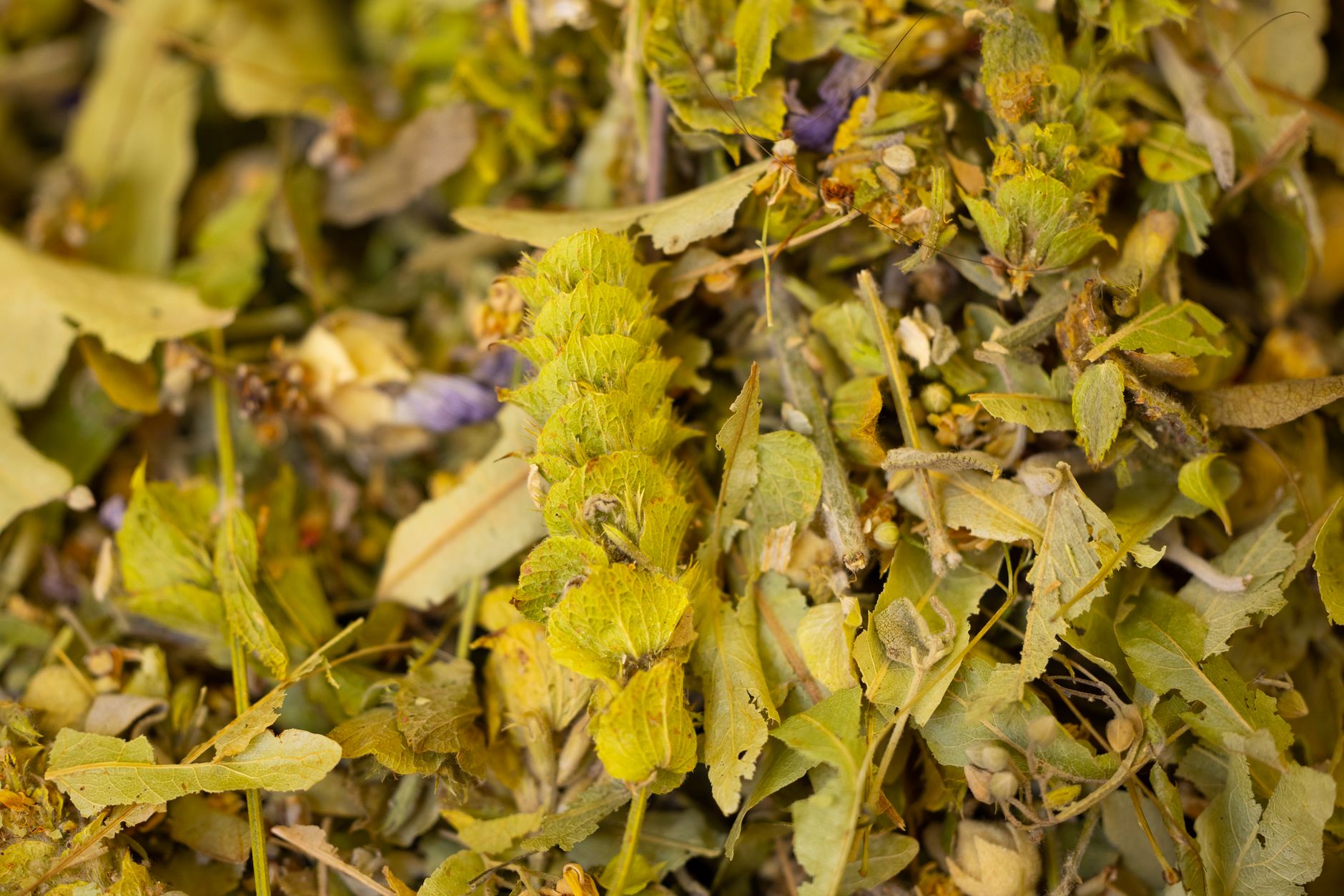
  • The Ultimate Guide to Galangal Root: Health Benefits and Uses

    The Ultimate Guide to Galangal Root: Nature’s Potent Rhizome for Health and Longevity

    Galangal root, a member of the Zingiberaceae family, is a botanical powerhouse that has been revered for centuries in both culinary and medicinal traditions. Often mistaken for its close relative, ginger, galangal offers a distinct phytochemical profile and a unique sensory experience characterized by sharp, citrusy, and pine-like notes. Known scientifically as Alpinia officinarum (Lesser Galangal) and Alpinia galanga (Greater Galangal), this rhizome serves as a cornerstone in Southeast Asian medicine and traditional Chinese pharmacopeia. Unlike common ginger, which provides a pungent heat, galangal delivers a more complex, earthy spice that is matched by its profound therapeutic potential.

    In the modern era, as researchers pivot toward plant-based compounds to address chronic inflammation, oxidative stress, and metabolic disorders, galangal has emerged as a subject of intense scientific scrutiny. The rhizome is not merely a spice but a complex delivery system for bioavailable flavonoids, volatile oils, and phenolic compounds. This comprehensive guide explores the deep-seated history, the intricate chemistry, and the vast array of health benefits that make galangal root an essential component of a holistic wellness regimen.

    Botanical Characteristics and Varieties

    To understand galangal, one must first distinguish between its primary varieties. Greater Galangal (Alpinia galanga) is native to Indonesia and is widely used in Thai and Indonesian cuisine. It features a larger, light-colored rhizome with a milder, more floral scent. In contrast, Lesser Galangal (Alpinia officinarum) originates from the coastal regions of Southern China and possesses a smaller, reddish-brown rhizome with a much more concentrated, pungent flavor and higher medicinal potency. Both varieties share similar therapeutic properties, though Lesser Galangal is frequently preferred in clinical herbalism due to its higher concentration of galangin.

    The plant itself is a perennial herb that thrives in tropical climates. It grows from thick, fibrous rhizomes that branch out horizontally beneath the soil. Above ground, the plant produces long, blade-like leaves and striking white or greenish flowers with red streaks. The resilience of the galangal plant reflects the robust nature of its chemical defenses—compounds that evolved to protect the plant from tropical pathogens and which, coincidentally, offer significant health benefits to humans.

    Galangal Root Botanical Photo

    Historical Significance: From Ancient Trade Routes to Medieval Europe

    The history of galangal is as rich as its flavor. Its use dates back over a millennium, where it was a highly valued commodity along the Silk Road. In Ancient India, Ayurvedic practitioners classified it as “Kulanja,” using it as a stimulant and a remedy for digestive ailments. In Traditional Chinese Medicine (TCM), it was categorized as a “warming” herb, used to dispel cold from the stomach and treat abdominal pain. Its journey to the West began around the 9th century, when it was introduced to Europe by Arab merchants.

    During the Middle Ages, galangal gained significant fame in Europe. The renowned German mystic and herbalist, Hildegard of Bingen, famously referred to galangal as the “Spice of Life,” claiming it was a gift from God to ward off illness. It was frequently used in medicinal wines and tonics to treat everything from “heart failure” (which in historical context referred to various respiratory and circulatory issues) to indigestion. While its culinary use faded in the West over time, its medicinal reputation remained steady among traditional herbalists, eventually leading to its modern-day resurgence in the functional food and supplement industries.

    Galangal Root Dried Herb

    The Phytochemical Blueprint: Why Galangal Works

    The health benefits of galangal are rooted in its extraordinary chemical composition. The rhizome contains a sophisticated matrix of bioactive molecules, the most significant of which is galangin. Galangin is a flavonol that has demonstrated remarkable anti-proliferative and anti-inflammatory activities in laboratory settings. Beyond galangin, the root is rich in other polyphenols such as kaempferol and quercetin, which provide a synergistic antioxidant effect that protects cells from the ravages of oxidative damage.

    The aromatic profile of galangal is derived from its essential oils, which include 1,8-cineole (eucalyptol), alpha-pinene, and methyl cinnamate. These volatile compounds are responsible for the herb’s antimicrobial and expectorant properties. Furthermore, galangal contains diarylheptanoids, a class of compounds also found in turmeric, which are known for their ability to modulate the body’s inflammatory response by inhibiting the NF-kB pathway. This multi-targeted chemical approach is what allows galangal to impact various systems of the body, from the gut to the brain.

    Galangal Root Plant Profile

    Deep Dive into Health Benefits

    1. Potent Anti-Inflammatory and Antioxidant Action

    Inflammation is the underlying driver of most chronic diseases, including arthritis, cardiovascular disease, and metabolic syndrome. Galangal acts as a natural anti-inflammatory agent by suppressing the production of pro-inflammatory cytokines and enzymes such as COX-2. Unlike synthetic anti-inflammatories, which can often cause gastric distress, galangal’s flavonoids provide a protective effect on the mucosal lining. Its antioxidant capacity further bolsters this by neutralizing free radicals, thereby preventing lipid peroxidation and protecting DNA integrity from environmental stressors.

    2. Digestive Health and Gastrointestinal Support

    One of the most traditional uses of galangal is as a “stomachic” and carminative. It stimulates the secretion of digestive enzymes, which aids in the breakdown of complex proteins and fats. It is particularly effective at relieving dyspepsia, bloating, and flatulence. The antibacterial properties of the root also help in balancing the gut microbiome by inhibiting the growth of pathogenic bacteria like H. pylori, which is associated with gastric ulcers. By soothing the smooth muscles of the digestive tract, galangal can also reduce the frequency of stomach cramps and motion sickness.

    3. Cognitive Function and Neuroprotection

    Emerging research suggests that the polyphenols in galangal may have neuroprotective effects. Oxidative stress in the brain is a major factor in age-related cognitive decline. Galangin, the primary flavonoid in galangal, has shown the potential to protect neurons from toxicity and reduce inflammation within the brain’s glial cells. Some studies indicate that regular consumption of galangal-rich extracts may help improve memory and focus, making it a promising natural intervention for maintaining brain health as we age.

    4. Reproductive Health and Male Fertility

    In several clinical trials, galangal has shown significant promise in enhancing male fertility. Specifically, researchers found that supplementation with galangal root extract could increase sperm count and motility. This is believed to be due to its high antioxidant content, which protects sperm cells from oxidative damage, and its ability to stimulate certain hormonal pathways. While more human trials are needed, the existing data suggests galangal is a valuable herb for reproductive vitality.

    5. Immune System Modulation and Antimicrobial Properties

    Galangal is a natural antimicrobial powerhouse. Its essential oils and phenolic compounds are effective against a broad spectrum of bacteria, fungi, and even some viruses. It has been used traditionally to treat respiratory infections, sore throats, and fungal skin conditions. By supporting the immune system’s natural defenses, galangal helps the body mount a more efficient response to pathogens without overstimulating the inflammatory response.

    Modern Delivery Systems: Galangal Supplements

    While fresh galangal is an excellent addition to soups and curries, achieving a therapeutic dose often requires more concentrated forms. The supplement industry has recognized this, offering galangal in several formats, including standardized extracts, dried powders, and encapsulated forms. For those seeking targeted support for inflammation or fertility, capsules provide a controlled dosage of bioactive galangin that is difficult to achieve through diet alone. When choosing a supplement, it is crucial to look for “standardized” extracts to ensure a consistent concentration of the active marker compounds.

    Galangal Root Capsules

    How to Use Galangal Root: Culinary and Medicinal Preparation

    Incorporating galangal into your lifestyle can be both a culinary adventure and a medicinal practice. In the kitchen, fresh galangal should be peeled and either sliced thinly or grated. It is a staple in “Tom Yum” soup and various curry pastes. Its woody texture means it is often used to infuse liquids and then removed, though it can be finely minced and consumed. If fresh root is unavailable, dried slices or powder can be used as a substitute, though the flavor profile will be more concentrated and less “bright.”

    Medicinally, galangal can be prepared as a decoction or tea. To make galangal tea, simmer a few slices of the fresh rhizome in water for 10 to 15 minutes. This extraction method is particularly effective for soothing digestive issues or warming the body during a cold. For topical applications, galangal essential oil, when properly diluted in a carrier oil, can be massaged into sore joints to alleviate inflammatory pain. However, internal use of the essential oil is generally not recommended without professional guidance due to its high potency.

    Dosage, Safety, and Precautions

    Galangal is generally recognized as safe (GRAS) when consumed in culinary amounts. For medicinal supplementation, typical dosages range from 500mg to 2,000mg of the powdered root per day, or 250mg to 500mg of a concentrated extract. As with any potent botanical, there are considerations to keep in mind:

    • Pregnancy and Breastfeeding: There is insufficient data regarding the safety of high-dose galangal during pregnancy. It is best to stick to culinary amounts.
    • Gastric Sensitivity: While it helps many digestive issues, the pungent nature of galangal may exacerbate symptoms in individuals with extremely sensitive stomachs or active peptic ulcers.
    • Drug Interactions: Galangal may interact with antacids or H2 blockers by stimulating stomach acid production. It may also have a mild blood-thinning effect, so those on anticoagulant medications should consult a physician.
    • Quality Control: Always source galangal from reputable suppliers to avoid heavy metal contamination or adulteration with other ginger species.

    Galangal Root Natural Herb

    Conclusion: Integrating the Spice of Life

    The galangal root is far more than a culinary secondary to ginger; it is a sophisticated medicinal herb with a deep history and a promising future in modern integrative medicine. From its ability to quench systemic inflammation and protect the brain to its traditional role in digestive and reproductive health, galangal offers a comprehensive array of benefits. Whether you are adding a few slices to a fragrant Thai broth or taking a standardized capsule to support joint health, you are tapping into a botanical tradition that has stood the test of time.

    As we continue to navigate a world filled with environmental toxins and chronic stress, the protective compounds found within the galangal rhizome provide a natural shield for our cells. By understanding the science behind this ancient root, we can better appreciate its place in our spice racks and medicine cabinets alike. Galangal truly remains the “Spice of Life,” bridging the gap between ancient wisdom and contemporary wellness.

    Disclaimer: For informational purposes only. Not medical advice. Consult a qualified healthcare professional before use.

  • The Ultimate Guide to Birch Buds: Health Benefits and Uses

    The Comprehensive Guide to Birch Buds: Nature’s Potent Spring Elixir for Health and Vitality

    The birch tree, specifically the species Betula pendula (Silver Birch) and Betula pubescens (Downy Birch), has long been revered across Northern Europe, Russia, and parts of North America as more than just a source of timber. In the realm of phytotherapy and traditional pharmacognosy, the most concentrated power of the birch resides in its nascent spring buds. Known botanically as Gemmae Betulae, these resinous, aromatic gems are the biological precursors to leaves and flowers, containing the tree’s vital essence in a highly concentrated form. This guide serves as an exhaustive deep-dive into the multifaceted health benefits, biochemical complexity, and therapeutic applications of Birch Buds, establishing why they remain a cornerstone of herbal medicine in the 21st century.

    Botanical Overview and the Biology of Renewal

    Birch buds represent the dormant life force of the tree, gathered during a very specific window in early spring—just as the sap begins to rise but before the leaves start to unfurl. This phenological stage is crucial because the concentration of bioactive secondary metabolites is at its peak. The buds are typically small, pointed, and covered in protective scales that are saturated with sticky, fragrant resins. These resins serve as a natural defense mechanism for the tree, protecting the delicate embryonic tissues from oxidative stress, fungal pathogens, and fluctuating temperatures.

    From an ecological perspective, the birch is a pioneer species, known for its resilience and ability to thrive in poor soils. This “pioneer” energy is often metaphorically translated into its medicinal profile, where it is viewed as a “cleansing” agent for the human body. The physical characteristics of the buds—their bitterness, resinous texture, and balsamic scent—are direct indicators of the potent phytochemicals contained within. When harvested sustainably, these buds offer a pharmacopeia of nutrients that the tree has spent the entire winter synthesizing in preparation for the spring growth burst.

    Birch Buds Botanical Photo

    The Complex Phytochemistry of Birch Buds

    To understand why Birch Buds are so effective, one must analyze their chemical architecture. Unlike the leaves, which have a high concentration of flavonoids but lower resin content, the buds are rich in essential oils and triterpene alcohols. The primary active constituents include betulin, betulinic acid, and diversoside. Betulin, the compound responsible for the white color of the birch bark, is found in significant quantities in the buds and has been the subject of extensive oncological and dermatological research.

    Beyond triterpenes, Birch Buds contain a significant array of flavonoids such as hyperoside, quercetin, and kaempferol. These polyphenolic compounds are renowned for their antioxidant properties, which help neutralize free radicals and mitigate oxidative damage at the cellular level. Furthermore, the buds contain saponins, tannins, and a unique essential oil characterized by the presence of betulene and caryophyllene. This essential oil provides the buds with their antimicrobial and anti-inflammatory properties, making them effective against various bacterial strains. The synergy between these compounds creates a “totum” effect, where the combined biological activity is greater than the sum of its isolated parts.

    Birch Buds Plant Profile

    The Primary Therapeutic Mechanism: Diuretic and Depurative Action

    Perhaps the most famous application of Birch Buds is their role as a powerful diuretic. In herbal medicine, they are classified as an “aquaretic,” meaning they increase the volume of urine without significantly depleting the body of essential electrolytes like potassium or sodium. This is a critical distinction from synthetic diuretics, which can often lead to mineral imbalances. The flavonoids and essential oils in the buds stimulate the renal parenchyma, encouraging the kidneys to filter out metabolic waste products more efficiently.

    This depurative (blood-purifying) action is particularly beneficial for conditions characterized by water retention (edema), urinary tract infections (UTIs), and the formation of kidney stones. By increasing the flow of urine, Birch Buds help flush out bacteria from the urinary tract and prevent the crystallization of minerals that lead to lithiasis. Additionally, the buds assist in the excretion of uric acid, making them an invaluable natural remedy for gout and hyperuricemia. By reducing the systemic load of toxins, Birch Buds support the overall metabolic health of the individual, leading to improved energy levels and clearer skin.

    Historical Context and Traditional Wisdom

    The use of Birch Buds spans centuries of folk wisdom. In Slavic traditions, the birch tree was considered a sacred entity, a symbol of purity and the feminine spirit. Herbalists would gather the buds in March, using them to create tinctures and infusions to “awaken” the body after the long, stagnant winter months. This traditional practice of “spring cleaning” the body aligns perfectly with our modern understanding of the lymphatic and renal systems’ seasonal needs.

    In Nordic and Baltic cultures, Birch Bud infusions were frequently used as a general tonic to combat scurvy (due to their vitamin C content) and to soothe respiratory ailments. The resinous vapors produced when the buds are steeped in hot water were inhaled to clear the sinuses and soothe inflamed bronchial tubes. This historical usage underscores the versatility of the plant; it was treated as a holistic medicine cabinet capable of addressing everything from internal infections to external skin lesions.

    Birch Buds Dried Herb

    Dermatological and Anti-Inflammatory Benefits

    The anti-inflammatory properties of Birch Buds extend far beyond internal use. When applied topically or consumed as an extract, the betulin and salicylic acid derivatives found in the buds work to reduce redness, swelling, and pain. This makes Birch Bud extracts a common ingredient in high-end dermatological products and traditional salves. They are particularly effective for chronic skin conditions such as eczema, psoriasis, and various forms of dermatitis. The resins in the buds provide a protective barrier while the active compounds promote tissue regeneration and wound healing.

    Furthermore, the high antioxidant content helps combat the signs of aging by protecting the skin’s collagen matrix from UV-induced degradation. In many Eastern European spas, “birch therapy” involves the use of birch infusions in baths to detoxify the skin and improve circulation. The astringent properties of the tannins found in the buds also help to tighten the skin and reduce excess sebum production, making it a natural choice for those struggling with acne or oily complexions.

    Modern Supplementation and Encapsulation

    In the contemporary wellness market, Birch Buds have transitioned from a localized folk remedy to a globally recognized supplement. For many individuals, the bitter taste and intensive preparation required for traditional infusions are a barrier to consistent use. This has led to the rise of Birch Bud capsules and standardized extracts. These supplements offer a controlled dosage of the active triterpenes and flavonoids, ensuring that the therapeutic threshold is met without the variability inherent in raw herbal preparations.

    Capsules are particularly favored for their convenience and shelf-stability. Modern extraction techniques, such as CO2 extraction or hydro-alcoholic maceration, allow manufacturers to isolate the most potent compounds from the buds while discarding the inert woody fibers. This results in a highly concentrated product that supports kidney health, joint mobility, and systemic detoxification with just a daily dose. When choosing a supplement, it is essential to look for products that specify the species of birch and the concentration of active constituents like hyperoside or betulin.

    Birch Buds Capsules

    Preparation Methods and Practical Usage

    For those who prefer the traditional approach, there are several ways to incorporate Birch Buds into a health regimen. The most common method is the preparation of a decoction or a long-steep infusion. To make a potent birch bud tea, one typically uses one tablespoon of dried buds per cup of water. Because the buds are resinous, they benefit from a slow simmer or a long steeping period (at least 15–20 minutes) in a covered vessel to prevent the volatile essential oils from escaping with the steam.

    Another popular method is the creation of a Birch Bud tincture. By macerating the buds in high-proof alcohol for several weeks, the resinous compounds that are not water-soluble (like betulin) can be fully extracted. This tincture can then be used in drop dosages as a concentrated digestive aid or a topical antiseptic. For respiratory relief, the buds can be added to a bowl of steaming water for an herbal inhalation, allowing the balsamic vapors to penetrate deep into the lungs and throat. Regardless of the method, the goal remains the same: to release the complex array of secondary metabolites from the protective bud scales.

    Safety, Contraindications, and Dosage Guidelines

    While Birch Buds are generally considered safe for most people, certain precautions must be observed. Due to their high salicylate content (similar to aspirin), individuals with a known allergy to salicylates should avoid birch products. Furthermore, because of their potent diuretic effect, those with severe heart or kidney failure (where fluid intake is restricted) should consult with a healthcare professional before use. It is also advised to monitor hydration levels, as the increased urine output requires a corresponding increase in water intake.
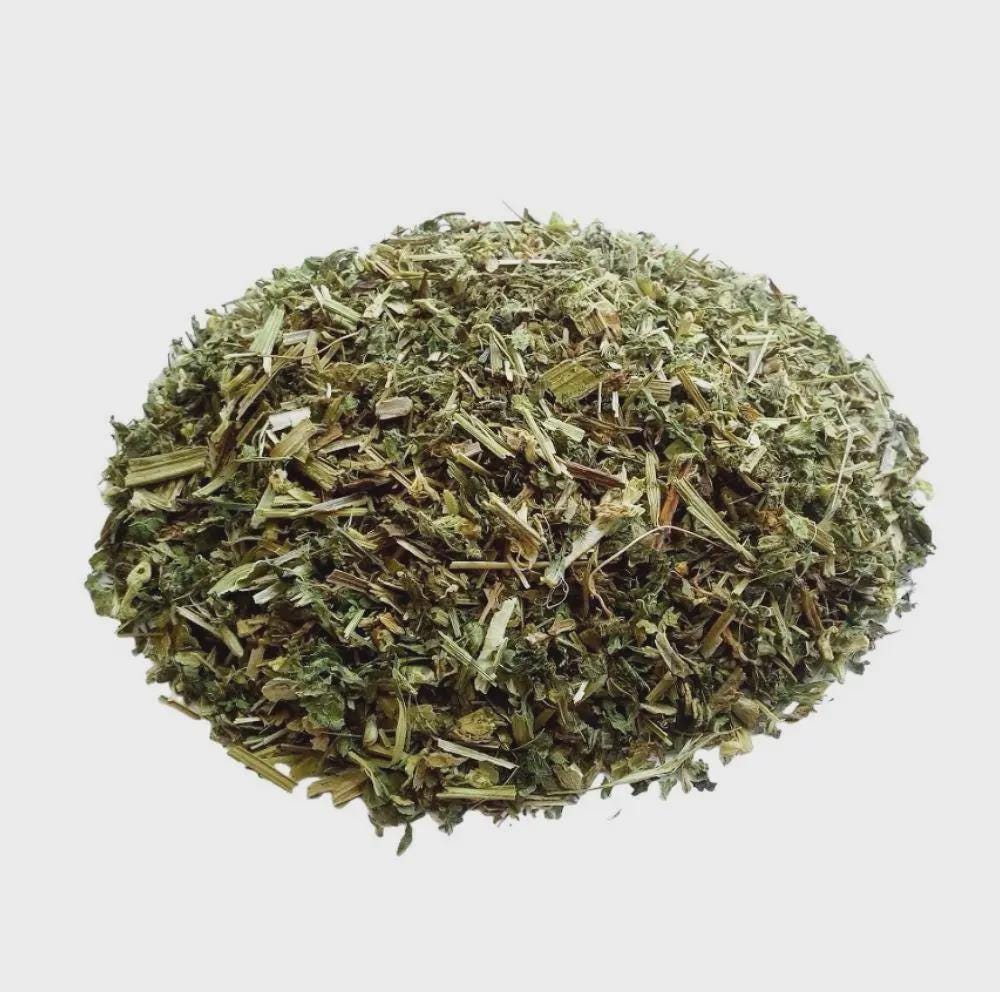
    Standard dosages for dried Birch Buds typically range from 2 to 5 grams per day when taken as an infusion. For tinctures (1:5 ratio), a common dose is 2–4 ml taken three times daily. When using capsules, it is vital to follow the manufacturer’s specific guidelines, as concentrations can vary widely between brands. Pregnant and breastfeeding women are usually advised to avoid birch bud supplements due to a lack of extensive clinical data regarding fetal safety. As with any potent herbal remedy, a “cyclic” approach is often best—using the herb for 2–3 weeks followed by a break to prevent the body from habituating to its effects.

    Birch Buds Natural Herb

    Conclusion: Embracing the Wisdom of the Birch

    Birch Buds are a testament to the sophistication of plant-based medicine. Within these tiny, unassuming structures lies a complex chemical laboratory capable of purifying the blood, soothing inflammation, and protecting the skin. Whether utilized in their raw, dried form for a meditative tea ritual or taken as a high-potency capsule for metabolic support, Birch Buds provide a bridge between ancient tradition and modern pharmacology. By incorporating this spring elixir into our lives, we tap into a cycle of renewal that has sustained both the birch tree and human health for millennia. As we continue to research the profound effects of betulinic acid and other birch-derived compounds, it is clear that Gemmae Betulae will remain a vital tool in the pursuit of holistic well-being.

    Disclaimer: For informational purposes only. Not medical advice. Consult a qualified healthcare professional before use.