
The Comprehensive Guide to White Dead Nettle (Lamium album): Nature’s Potent Healing Herb
White dead nettle, known scientifically as Lamium album, is a perennial flowering plant that has occupied a significant place in European and Asian herbalism for centuries. Often mistaken for the common stinging nettle (Urtica dioica) due to its similar leaf structure, the white dead nettle is distinguishable by its beautiful, hooded white flowers and, most importantly, its lack of stinging hairs. This “dead” or “blind” nature is what gives the plant its common name. Beyond its physical appearance, Lamium album is a powerhouse of bioactive compounds, offering a sophisticated array of therapeutic benefits that range from respiratory support to advanced gynecological care.
The historical significance of white dead nettle cannot be overstated. Since the Middle Ages, it has been recognized as a “vulnerary” herb—one used specifically for healing wounds—and as a primary tonic for women’s reproductive health. As modern pharmacology begins to catch up with traditional wisdom, researchers are uncovering the molecular mechanisms that allow this plant to act as an anti-inflammatory, antimicrobial, and antioxidant agent. This guide provides an exhaustive analysis of everything regarding white dead nettle, from its botanical blueprint to its modern-day clinical applications.
Botanical Characteristics and Taxonomy
Belonging to the Lamiaceae family, which also includes mint, sage, and rosemary, white dead nettle is a resilient plant that thrives in hedgerows, meadows, and waste grounds across Europe and temperate Asia. It grows to a height of 20 to 60 centimeters, featuring square stems—a hallmark of its family—and heart-shaped, serrated leaves that grow in opposite pairs. The flowers are arranged in “verticillasters,” which are false whorls around the stem, appearing from late spring through early autumn.
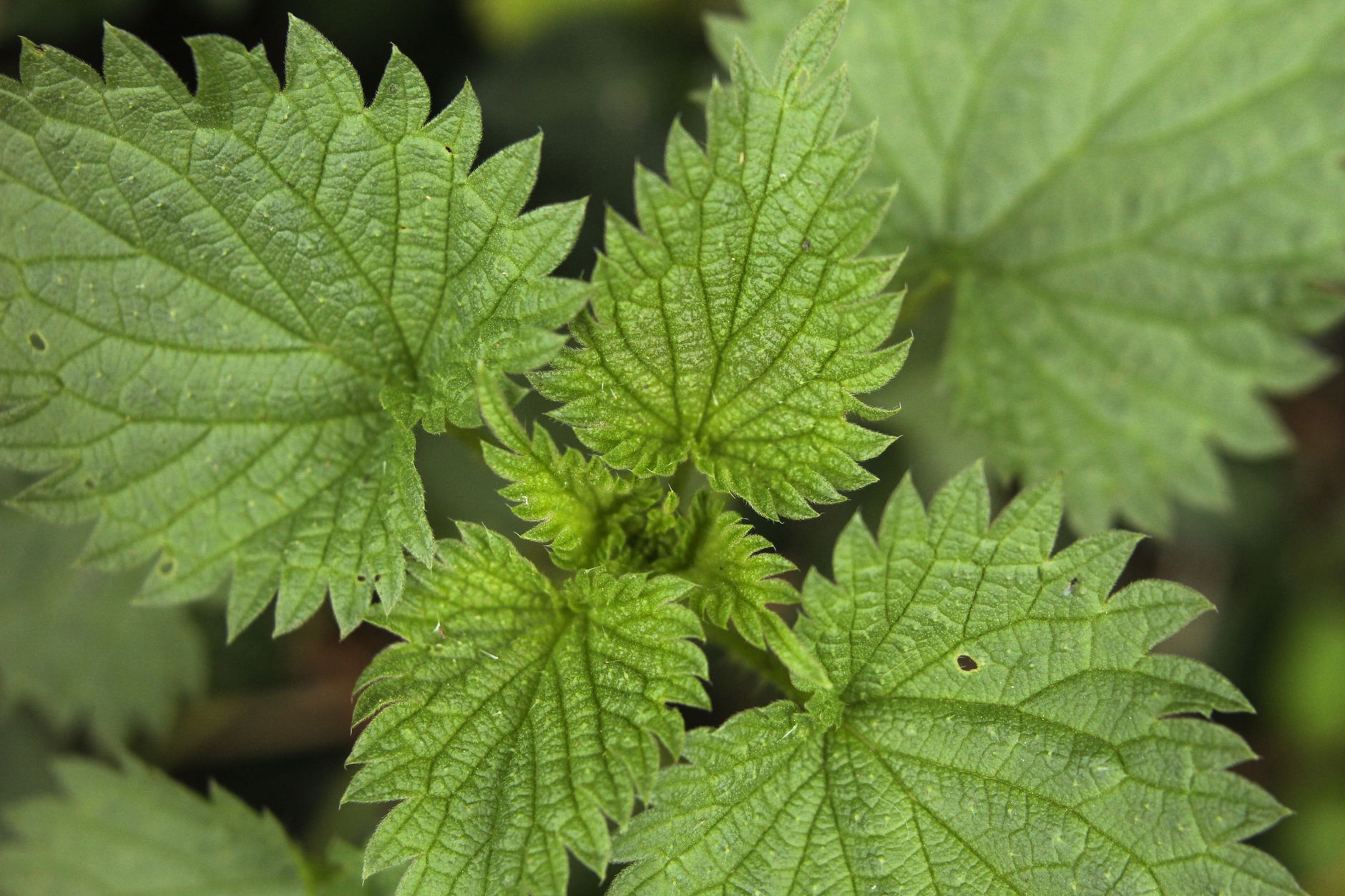
The ecological role of Lamium album is equally fascinating. Because it blooms early and continues late into the season, it serves as a critical food source for long-tongued bees, particularly bumblebees. Unlike the stinging nettle, which relies on wind pollination, the white dead nettle has evolved a complex relationship with its pollinators. Its nectar is hidden deep within the flower tube, accessible only to specific insects, ensuring targeted pollination. This evolutionary sophistication is mirrored in its chemical complexity, as the plant produces a wide variety of secondary metabolites to protect itself and ensure its survival in diverse environments.
The Chemical Composition: A Deep Dive into Bioactive Compounds
The therapeutic efficacy of white dead nettle is derived from its rich profile of phytochemicals. Unlike synthetic medications that focus on a single active molecule, Lamium album works through a synergistic “entourage effect,” where multiple compounds work together to enhance absorption and mitigate side effects. The primary classes of compounds found in the aerial parts of the plant include iridoid glycosides, flavonoids, phenolic acids, triterpene saponins, and mucilages.

Among the iridoid glycosides, lamalbid is the most prominent. These compounds are known for their potent anti-inflammatory and hepatoprotective properties. Flavonoids, such as quercetin and rutin, contribute to the plant’s antioxidant capacity, scavenging free radicals and protecting cellular integrity. Furthermore, the presence of phenolic acids, including chlorogenic acid and rosmarinic acid, provides the plant with its antimicrobial and astringent qualities. The mucilage content in the flowers and leaves is particularly high, which explains its traditional use in soothing inflamed mucous membranes in the throat and digestive tract. Additionally, the plant is a rich source of minerals like potassium, magnesium, and calcium, making it a nutritive tonic as well as a medicinal treatment.
Therapeutic Benefits for Gynecological Health
Historically, white dead nettle has been dubbed “the woman’s herb.” Its most celebrated use is in the treatment of various gynecological disorders. It is particularly effective for leucorrhea (abnormal vaginal discharge), where its astringent properties help to tone the uterine tissues and regulate secretions. By reducing congestion in the pelvic region, it also aids in alleviating dysmenorrhea (painful menstruation) and menorrhagia (excessive menstrual bleeding).
The mechanism of action in these cases is dual-fold. First, the tannins in the herb exert a mild styptic effect, constricting blood vessels and reducing fluid loss. Second, the plant contains phyto-compounds that help balance the endocrine system, though research is still ongoing to identify the exact hormonal pathways involved. In many European traditions, a decoction of the flowers is used both internally and as a sitz bath to provide relief from pelvic inflammatory conditions and to support recovery after childbirth. Its gentle nature makes it a preferred choice over harsher astringents, as it provides relief without causing excessive dryness or irritation.
Respiratory Support and Anti-Catarrhal Properties
Beyond its uses in reproductive health, white dead nettle is an exceptional remedy for the respiratory system. The high mucilage content acts as a demulcent, coating the throat and reducing the urge to cough in cases of dry, hacking bronchitis or pharyngitis. Simultaneously, the saponins present in the plant act as expectorants, thinning thick mucus and making it easier to expel from the lungs. This makes it a comprehensive treatment for upper respiratory tract infections, catarrh, and even mild asthma.
When consumed as a hot infusion, the volatile oils and acids help to reduce inflammation in the bronchial tubes. This systemic approach helps to clear the “dampness” associated with chronic sinus issues and persistent lung congestion. For individuals suffering from seasonal allergies or chronic hay fever, the anti-inflammatory flavonoids in Lamium album can help stabilize mast cells, potentially reducing the release of histamine and mitigating the severity of allergic reactions. Its ability to soothe and clear the respiratory pathways simultaneously is a rare trait among herbal expectorants.
Traditional Uses and Folk Medicine
In folk medicine, every part of the white dead nettle has been utilized. In rural Europe, the young shoots and leaves were often consumed as a spring vegetable, similar to spinach, to “cleanse the blood” after a long winter of limited fresh produce. This traditional practice aligns with the modern understanding of the plant’s diuretic and nutritive properties. By stimulating kidney function, it helps the body eliminate metabolic waste products and excess fluids, which can be beneficial for conditions like gout or mild edema.
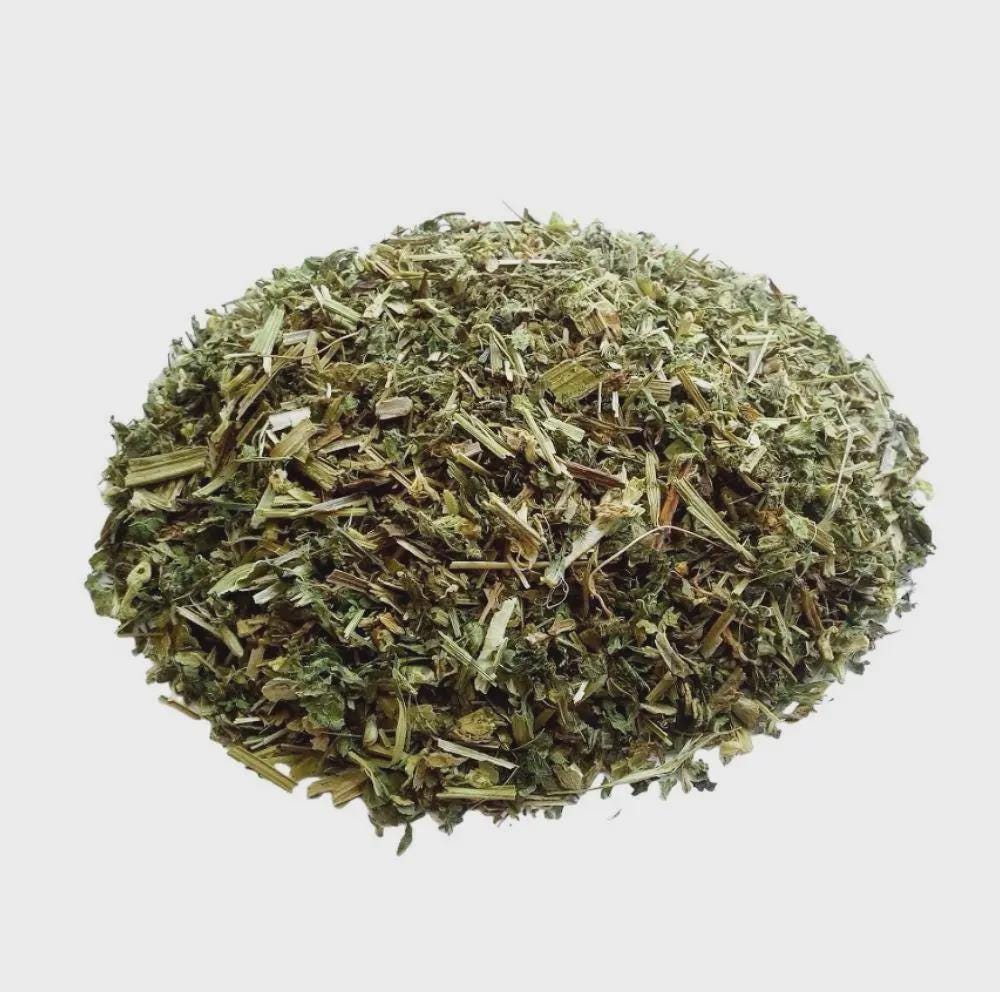
The dried herb is the most common form for long-term storage and use. It retains its active phenolic compounds well if stored away from direct light and moisture. Traditionally, a “strong water” or tea made from the dried flowers was used as a remedy for “the whites” (leucorrhea) and was even believed to improve the spirits and banish melancholy. This connection between physical health and emotional well-being is a hallmark of traditional herbalism, where plants are seen as agents of holistic balance. The dried leaves are also frequently used in poultices to treat external wounds, burns, and varicose veins, where their antimicrobial and skin-soothing properties accelerate the healing process and prevent infection.
Digestive and Metabolic Benefits
The digestive benefits of white dead nettle are often overlooked in favor of its more famous uses. However, its bitter compounds and tannins make it an excellent digestive tonic. It stimulates the secretion of digestive enzymes and bile, improving nutrient absorption and easing symptoms of indigestion and flatulence. Furthermore, the mucilage content provides a protective layer for the gastric mucosa, which can be helpful for individuals suffering from mild gastritis or irritable bowel syndrome (IBS) characterized by inflammation.
Emerging research also suggests that Lamium album may play a role in metabolic health. Some studies indicate that its antioxidant components can help mitigate oxidative stress in the liver, while its diuretic effect supports the body’s natural detoxification pathways. By reducing systemic inflammation, white dead nettle contributes to a more efficient metabolism and may help in the management of chronic conditions linked to inflammatory states. While not a primary treatment for metabolic syndrome, it serves as a valuable supportive therapy within a broader natural health protocol.
Modern Delivery Systems: Supplements and Capsules
In the modern era, the accessibility of white dead nettle has expanded beyond the hedgerow. For those who do not have the time to prepare traditional decoctions or who find the taste of the tea too earthy, capsules and standardized extracts offer a convenient alternative. These supplements often provide a more concentrated dose of the key iridoid glycosides and flavonoids, ensuring consistency in therapeutic outcomes.
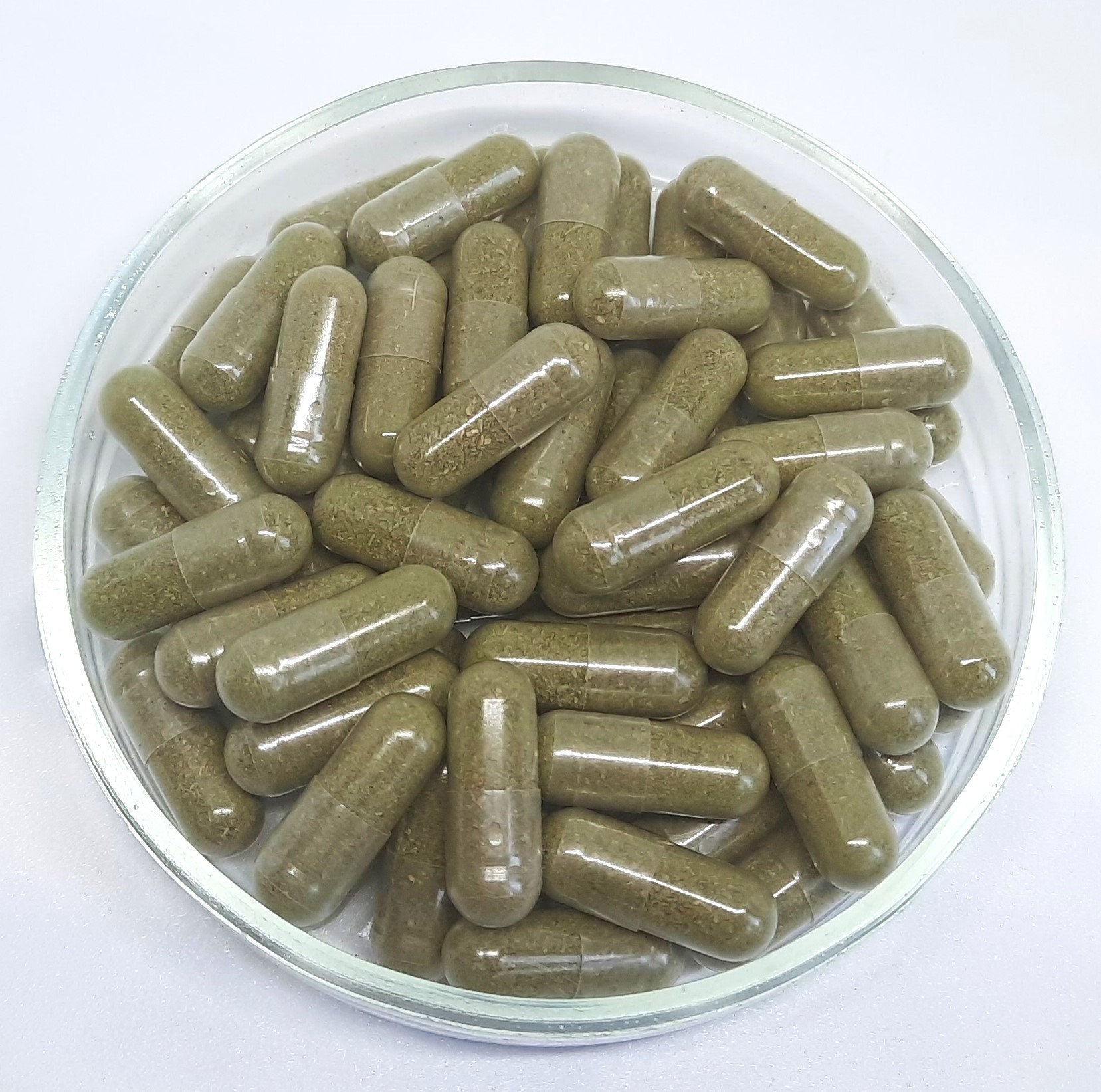
When selecting a supplement, it is crucial to look for products that utilize the aerial parts (leaves and flowers) rather than just the roots, as the highest concentration of active compounds is found in the flowering tops. Modern extraction techniques, such as ethanol or CO2 extraction, are capable of isolating specific fractions of the plant, such as the anti-inflammatory iridoids, for targeted clinical use. Capsules are particularly effective for treating systemic conditions like chronic inflammation or for supporting long-term gynecological health, as they allow for a steady intake of the herb’s bioactive constituents over several weeks.
Practical Usage and Dosage Guidelines
Integrating white dead nettle into a wellness routine requires an understanding of proper dosage and preparation. For an infusion (tea), one typically uses 1 to 2 teaspoons of the dried herb per cup of boiling water, allowing it to steep for 10 to 15 minutes. This is usually consumed two to three times daily. For localized issues like throat irritation or menstrual cramps, sipping the tea slowly allows the mucilage and anti-inflammatory compounds to interact directly with the affected areas.

If using a tincture (a liquid alcohol extract), the typical dosage is 2-4 ml, taken three times a day. Tinctures are often preferred for their rapid absorption into the bloodstream and their long shelf life. For topical applications, a strong decoction can be used to soak a cloth for a compress, or the powdered herb can be mixed with a carrier oil to create a soothing salve. Regardless of the form, it is recommended to use the herb consistently for at least several weeks to observe significant improvements in chronic conditions, as its effects are cumulative and gentle rather than immediate and aggressive.
Safety, Precautions, and Contraindications
One of the greatest advantages of Lamium album is its excellent safety profile. It is generally considered non-toxic and has no known major drug interactions. Unlike its stinging cousin, it does not cause skin irritation upon contact. However, as with any herbal remedy, there are certain precautions to keep in mind. Pregnant or breastfeeding women should consult with a healthcare professional before use, as the herb’s effect on uterine tone could theoretically impact pregnancy, though no adverse reports exist in the literature.
Additionally, because of its mild diuretic effect, individuals taking pharmaceutical diuretics or those with significant kidney disease should exercise caution to avoid electrolyte imbalances. It is always advisable to start with a smaller dose to assess individual sensitivity. Because white dead nettle is so effective at clearing mucus, those with very dry, non-productive coughs should ensure they are staying adequately hydrated while using the herb. Overall, white dead nettle remains one of the safest and most versatile plants in the botanical dispensary.
Conclusion: The Future of White Dead Nettle in Integrative Medicine
The white dead nettle stands as a testament to the enduring power of traditional herbalism. By combining centuries of anecdotal evidence with modern phytochemical analysis, we can see that Lamium album is much more than a common weed. Its unique ability to support the female reproductive system, clear the respiratory tract, and provide antioxidant protection makes it an invaluable tool for holistic health. As we continue to seek natural alternatives to synthetic pharmaceuticals, plants like the white dead nettle offer a pathway to healing that is both effective and harmonious with the body’s natural processes.
Whether used as a simple garden tea, a concentrated capsule, or a soothing topical treatment, white dead nettle provides a multi-faceted approach to wellness. Its history as a “vulnerary” and “woman’s tonic” is now being validated by science, ensuring that this modest, stingless plant will continue to be a staple of natural medicine for generations to come. By respecting the botanical integrity of the plant and utilizing it correctly, we can tap into a ancient source of vitality that remains as relevant today as it was a thousand years ago.
Disclaimer: For informational purposes only. Not medical advice. Consult a qualified healthcare professional before use.
Leave a Reply