
The Definitive Guide to Comfrey Root: Nature’s Master Healer and Its Bioactive Power
Comfrey root, scientifically classified as Symphytum officinale, has occupied a central role in the pharmacopeia of traditional herbalism for over two millennia. Often referred to by evocative folk names such as “knitbone,” “boneset,” and “bruisewort,” this perennial herb belongs to the Boraginaceae family. Its reputation as a potent agent of tissue regeneration is not merely a product of folklore but is rooted in a sophisticated chemical profile that interacts directly with human cellular processes. While modern science has introduced necessary cautions regarding its internal consumption due to specific alkaloid content, the topical and therapeutic applications of comfrey root remains unparalleled in the realm of botanical medicine.
Historically, the use of comfrey can be traced back to ancient Greece and Rome, where the physician Dioscorides prescribed it to heal heavy wounds and mend fractured bones. Throughout the Middle Ages and the Renaissance, it was a staple in monastery gardens, valued for its ability to reduce swelling and accelerate the recovery of soldiers and laborers alike. Today, as we transition toward integrative health models, comfrey root is being re-examined through the lens of biochemistry to understand how its active constituents stimulate mitosis, suppress inflammation, and provide a protective barrier for damaged skin and underlying connective tissues.
Botanical Characteristics and Ecological Profile
The comfrey plant is a hardy, herbaceous perennial that thrives in moist, nitrogen-rich soils across Europe, Western Asia, and North America. It is distinguished by its large, hairy, lance-shaped leaves and its characteristic clusters of bell-shaped flowers, which can range in color from creamy white and pale yellow to deep purple and pink. However, the true medicinal powerhouse lies beneath the surface. The root system of Symphytum officinale is remarkably deep and resilient, often reaching several feet into the earth to extract minerals that other plants cannot access. This “dynamic accumulator” status contributes to its rich mineral content, including significant levels of calcium, potassium, and phosphorus.

The root itself is fusiform, featuring a blackish exterior and a fleshy, white, mucilaginous interior. When the root is cut or crushed, it exudes a slippery substance known as mucilage, which provides immediate soothing effects when applied to irritated tissues. The structural integrity of the plant and its ability to regenerate from even a small fragment of root signify its inherent biological “will” to heal—a characteristic that early herbalists believed was a “signature” of its ability to heal the human body. Understanding the botanical robustness of comfrey is essential for recognizing why its extracts are so concentrated and why they must be handled with professional respect.
The Biochemistry of Comfrey: A Deep Dive into Bioactive Compounds
The therapeutic efficacy of comfrey root is attributed to a complex synergy of phytochemicals. The most significant of these is allantoin. Allantoin is a diureide of glyoxylic acid, a potent cell-proliferant that stimulates leucocytosis (the production of white blood cells) and promotes the growth of new connective tissue, cartilage, and bone cells. By increasing the rate of mitosis, allantoin allows the body to repair wounds significantly faster than the standard biological timeline. This is the primary reason for comfrey’s success in treating stubborn ulcers, fractures, and deep abrasions.
Beyond allantoin, comfrey root contains a high concentration of rosmarinic acid. This polyphenolic compound is a powerful antioxidant and anti-inflammatory agent. Rosmarinic acid works by inhibiting the synthesis of prostaglandins and leukotrienes—chemicals in the body that signal pain and trigger the inflammatory response. This makes comfrey an excellent choice for managing chronic inflammatory conditions like osteoarthritis and rheumatoid arthritis. Additionally, the root is rich in tannins, which provide an astringent effect, helping to “knit” tissues together and reduce bleeding, and mucilage, which forms a protective, hydrating layer over wounds to prevent desiccation and external irritation.

However, no discussion of comfrey’s chemistry is complete without mentioning Pyrrolizidine Alkaloids (PAs). These compounds, specifically symphytine and lasiocarpine, are defense mechanisms for the plant against herbivores. In humans, certain PAs can be metabolized by the liver into toxic pyrroles, which may lead to hepatic veno-occlusive disease if ingested in large quantities or over long periods. This chemical duality—the healing power of allantoin versus the potential toxicity of PAs—is what necessitates the professional guidance and external-focused application modern medicine recommends for comfrey root today.
Traditional Uses and Historical Significance
For centuries, the primary method of using comfrey root was through a “poultice.” Fresh or dried roots were grated, boiled, or mashed into a paste and applied directly over broken bones or sprained joints. The historical belief was that the plant’s constituents could penetrate through the skin and periosteum to reach the bone matrix. While modern skeptics once questioned this, recent studies on the permeability of allantoin suggest that topical application does indeed allow for significant absorption into deeper tissue layers. In traditional European medicine, comfrey “bone-sets” were often the only treatment available for complex fractures before the advent of modern orthopedic surgery.
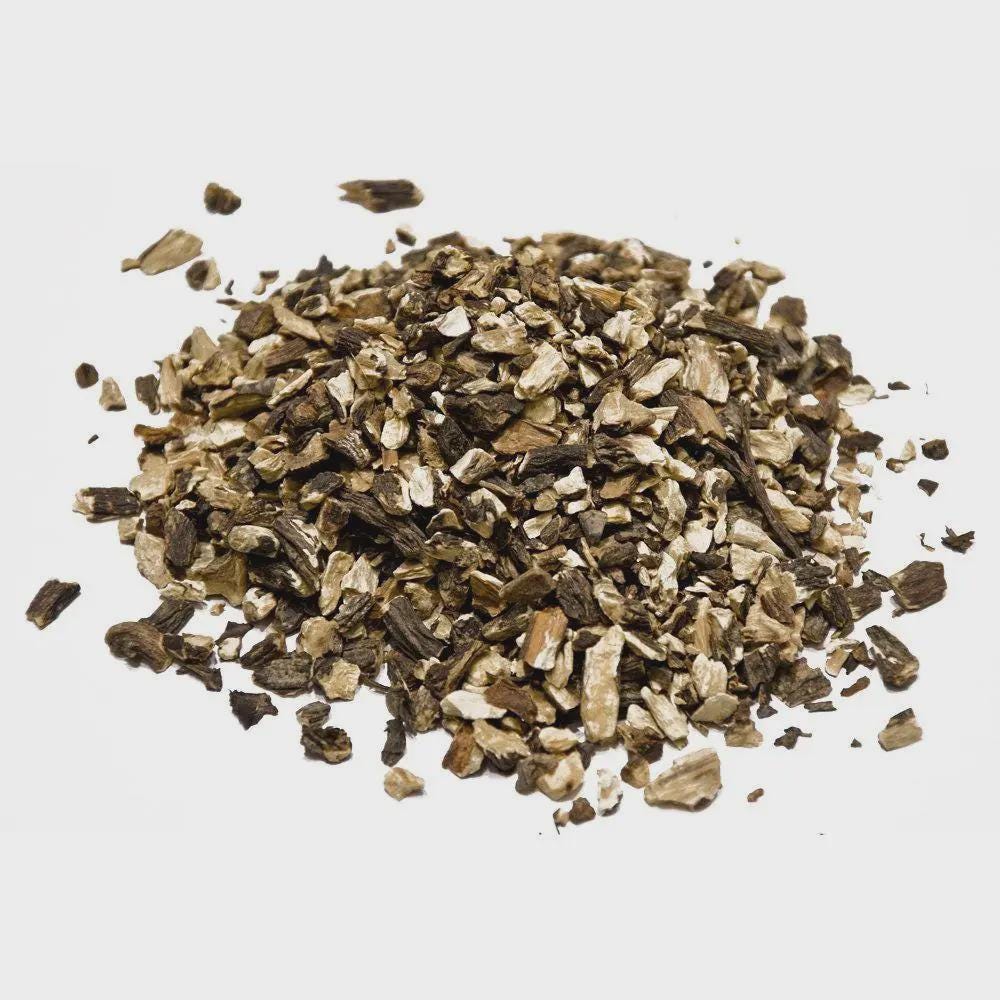
In addition to musculoskeletal healing, dried comfrey root was used in traditional salves to treat “the King’s Evil” (scrofula), varicose ulcers, and severe burns. The dried herb provides a stable medium for creating infused oils, where the lipid-soluble compounds are extracted over several weeks. These oils were then thickened with beeswax to create “black salve” or “healing unguents.” The versatility of the dried root meant that it could be stored throughout the winter, ensuring that its regenerative properties were available year-round to treat the various injuries associated with agrarian and industrial life.
Modern Therapeutic Applications: From Salves to Clinical Evidence
In the contemporary landscape, comfrey root has transitioned from a backyard remedy to a standardized ingredient in high-end topical treatments. Clinical trials have increasingly validated its use. For instance, several double-blind, placebo-controlled studies have demonstrated that comfrey root extract ointments are significantly more effective than placebos in treating acute back pain, muscle aches, and osteoarthritis of the knee. The speed of recovery in patients using comfrey-based creams is often cited as being superior to conventional non-steroidal anti-inflammatory drug (NSAID) gels.
Furthermore, comfrey is a favorite in the world of sports medicine. Its ability to rapidly reduce perivascular edema (swelling around the blood vessels) makes it an ideal treatment for sprained ankles and ligament tears. By inhibiting the inflammatory cascade while simultaneously promoting fibroblast activity, comfrey ensures that the repair tissue is strong and flexible, rather than brittle and prone to re-injury. This dual action—soothing the pain while actively rebuilding the structure—is what sets Symphytum apart from purely analgesic treatments.
Comfrey Root Supplements and Industrial Extracts
While the primary application of comfrey is topical, there remains a specialized market for supplements. It is critical for consumers to understand that oral consumption of comfrey root is strictly regulated in many countries, including the United States, United Kingdom, and Germany. Most reputable manufacturers now produce “PA-free” (Pyrrolizidine Alkaloid-free) extracts. These are products where the beneficial allantoin and rosmarinic acid are preserved, but the potentially hepatotoxic alkaloids have been laboratory-removed. These supplements are often used under clinical supervision for specific gastrointestinal or inflammatory conditions.

Capsules containing standardized comfrey extract are frequently sought out for their high allantoin concentration. When used topically as a “broken capsule” paste or when formulated into professional-grade skincare, these supplements offer a convenient and potent way to deliver the herb’s benefits. However, the FDA mandates that any product containing comfrey must carry a warning label regarding its potential for liver toxicity if misused. This serves as a vital reminder that “natural” does not mean “without risk,” and that the potency of comfrey root must be respected through informed usage and adherence to dosage guidelines.
Safety, Contraindications, and Responsible Usage
The safety profile of comfrey root is the subject of much debate and significant regulation. The primary concern is the cumulative effect of Pyrrolizidine Alkaloids on the liver. When PAs are processed by liver enzymes, they can cause damage to the endothelial cells of the hepatic veins, leading to obstruction and eventually cirrhosis or liver failure. Consequently, internal use of comfrey (teas, tinctures, or non-certified capsules) is generally discouraged by the modern medical community. This is particularly important for children, pregnant or breastfeeding women, and individuals with pre-existing liver disease.
Topical application is considered safe, provided it is not applied to deep, open wounds where the alkaloids could enter the bloodstream directly. Most herbalists recommend applying comfrey only to “closed” injuries like bruises, sprains, and fractures, or to superficial abrasions. It is also recommended to limit topical use to no more than 4 to 6 weeks per year to prevent any potential for systemic accumulation. By following these protocols, users can harness the incredible regenerative power of the root while completely mitigating the risks associated with its alkaloid content.
Practical Usage Guide and Dosage Summary
For those looking to integrate comfrey root into their natural first-aid kit, several preparations are standard. A comfrey oil infusion is made by macerating dried root in a carrier oil (like olive or jojoba) for 4-6 weeks. This oil can be applied directly to sore joints or used as a base for salves. For a more immediate effect, a poultice can be made by mixing powdered comfrey root with a small amount of warm water to form a thick paste. This paste is applied to the affected area, covered with a clean cloth, and left for 30-60 minutes.
- Topical Creams/Salves: Apply 2-3 times daily to the affected area for no more than 10 consecutive days for acute injuries.
- Poultices: Use fresh or powdered root; apply once daily for 3-5 days to reduce significant swelling or accelerate bone knitting.
- Oil Infusions: Best for chronic joint discomfort; massage gently into the skin to improve circulation and deliver rosmarinic acid to inflamed tissues.
- Standardized Extracts: Ensure the product is labeled “PA-Free” and follow the manufacturer’s specific dosing instructions precisely.
Conclusion: The Future of Comfrey in Modern Medicine
Comfrey root remains one of the most intriguing and powerful tools in the botanical world. It sits at the intersection of ancient wisdom and modern biochemistry, offering a solution for tissue repair that few synthetic alternatives can match. While the discovery of pyrrolizidine alkaloids has necessitated a shift in how we use this herb—moving from a general-purpose tonic to a specialized topical powerhouse—its value has not diminished. By understanding the specific roles of allantoin, rosmarinic acid, and mucilage, we can appreciate why comfrey has earned its place as “nature’s master healer.”
As research continues into PA-free cultivars and more refined extraction methods, it is likely that comfrey root will see a resurgence in mainstream dermatology and orthopedics. For the informed consumer or herbal practitioner, the key to unlocking the benefits of comfrey lies in education and respect for its potency. Whether it is used to mend a sprained ankle after a long hike or to soothe the discomfort of a chronic joint condition, comfrey root continues to demonstrate the profound healing potential inherent in the natural world.
Disclaimer: For informational purposes only. Not medical advice. Consult a qualified healthcare professional before use.
Leave a Reply