
The Comprehensive Science of Thyme: A Definitive Guide to Its Health Benefits and Therapeutic Applications
Thyme, scientifically designated as Thymus vulgaris, is an aromatic perennial evergreen herb that has occupied a central role in both culinary arts and traditional pharmacopeia for thousands of years. Belonging to the Lamiaceae family—which also includes mint, rosemary, and oregano—thyme is native to the Mediterranean region but has successfully naturalized across the globe. Beyond its utility as a seasoning, thyme is a complex botanical matrix containing hundreds of bioactive compounds that exert profound physiological effects on the human body. This guide provides an exhaustive analysis of the health benefits of thyme, detailing its phytochemical profile, historical significance, and the clinical mechanisms through which it promotes wellness.
Botanical Characteristics and Taxonomy of Thymus Vulgaris
The genus Thymus consists of approximately 350 species of aromatic herbaceous perennials and subshrubs. Thymus vulgaris, often referred to as Common Thyme or Garden Thyme, is characterized by its woody stems, small, elliptical, grey-green leaves, and clusters of tubular, lilac or white flowers. The plant is exceptionally resilient, thriving in well-drained, alkaline soils and full sunlight, conditions that stimulate the production of its concentrated essential oils. The morphological diversity of thyme varieties—such as Lemon Thyme (Thymus citriodorus) or Wild Thyme (Thymus serpyllum)—often reflects variations in their volatile oil profiles, though T. vulgaris remains the gold standard for medicinal research and therapeutic application.

From a botanical perspective, the medicinal potency of thyme is largely concentrated in the glandular trichomes located on the leaf surface. These microscopic structures act as the plant’s chemical laboratories, synthesizing and storing secondary metabolites like thymol and carvacrol. These compounds evolved primarily as defense mechanisms against herbivores and microbial pathogens, yet they provide the foundational chemistry for the herb’s human health applications. Understanding the botanical integrity of the plant is essential for ensuring the quality of extracts used in modern herbalism, as environmental factors like soil quality and altitude can significantly alter the concentration of active constituents.
Historical Context: From Ancient Embalming to Medieval Protection
The historical trajectory of thyme usage is as rich as its chemical profile. In Ancient Egypt, thyme was an essential component in the mummification process; its high thymol content acted as a powerful antiseptic and preservative, preventing the decay of tissue. The Greeks associated thyme with elegance and courage, using it as an incense in temples and adding it to bathwater to invigorate the spirit. In fact, the name “thyme” is believed to be derived from the Greek word “thymos,” meaning “perfume” or “spirit,” signifying its role in stimulating the vital life force.
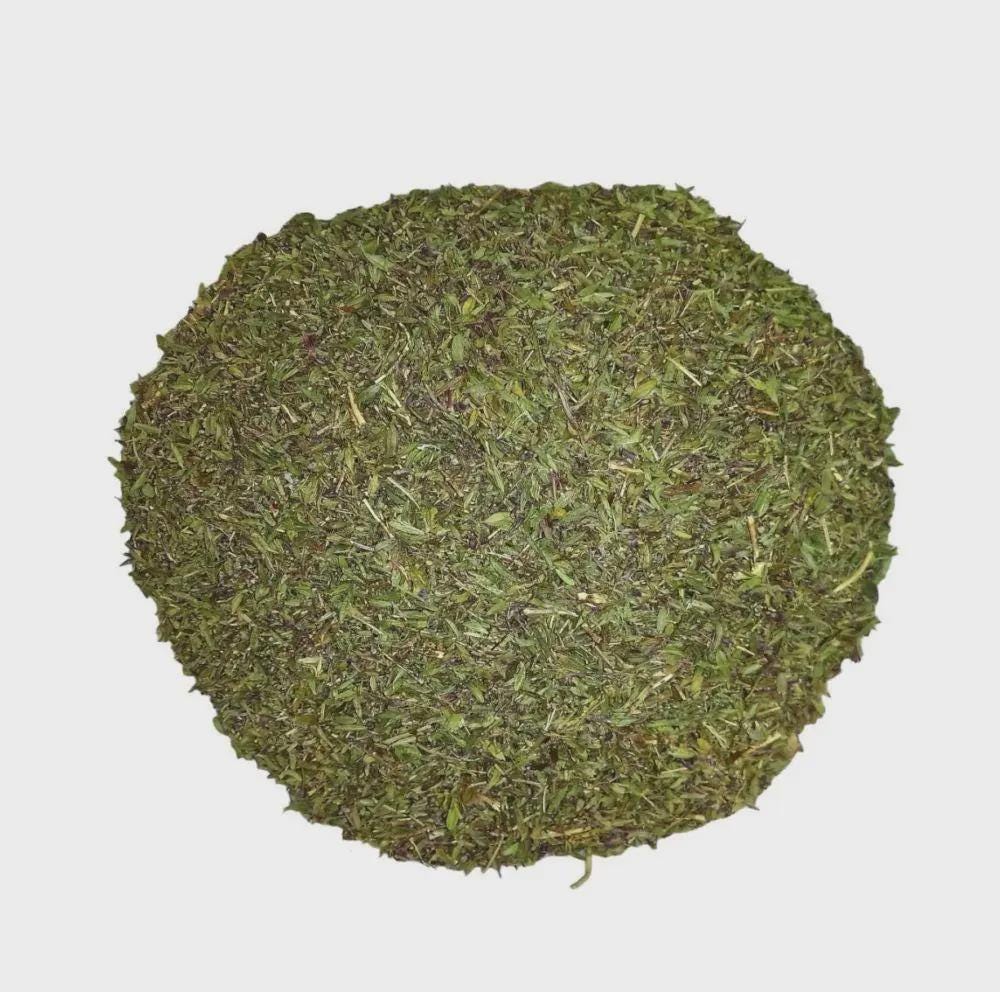
During the Middle Ages, thyme was placed beneath pillows to ward off nightmares and facilitate restful sleep. In the era of the Black Death, it was utilized by herbalists as a primary defense against the plague. People would carry posies of dried thyme or apply thyme-infused vinegars to their skin to repel insects and neutralize “miasma” or foul air. While these ancient practitioners may not have understood the concept of “pathogens” or “bacteria” in the modern sense, their empirical observations led them to identify thyme as one of the most potent antimicrobial agents available in nature. This historical foundation paved the way for the 19th and 20th-century isolation of thymol, which became a staple in early disinfectant and mouthwash formulations.
The Phytochemical Matrix: Active Compounds and Mechanisms
The therapeutic efficacy of thyme is a direct result of its sophisticated phytochemical composition. The primary active constituents are the phenolic monoterpenes, specifically thymol and carvacrol. Thymol, an isomer of carvacrol, is renowned for its potent antiseptic, antibacterial, and antifungal properties. These compounds work by disrupting the cell membranes of pathogens, increasing permeability, and causing the leakage of vital cellular contents, which effectively neutralizes the threat. This mechanism is particularly effective against antibiotic-resistant strains of bacteria, making thyme a focal point for research into natural antimicrobial alternatives.

In addition to these monoterpenes, thyme contains a wide array of flavonoids, including luteolin, apigenin, and naringenin, as well as phenolic acids like rosmarinic acid. These compounds are powerful antioxidants that scavenge free radicals, protecting cells from oxidative stress and DNA damage. Rosmarinic acid, in particular, is noted for its anti-inflammatory and anxiolytic (anxiety-reducing) effects. Furthermore, thyme is a rich source of terpenoids and saponins which contribute to its expectorant qualities. The synergy between these various compounds—often referred to as the “entourage effect” in botanical medicine—ensures that the whole-plant extract or the essential oil is often more effective than isolated synthetic versions of a single compound.
Respiratory Health: An Ancient Remedy for Modern Ailments
One of the most clinically validated uses of thyme is in the treatment of respiratory conditions. Thyme acts as a powerful expectorant and antispasmodic, making it an ideal treatment for bronchitis, pertussis (whooping cough), and the common cold. The mechanisms are twofold: first, the volatile oils stimulate the cilia in the respiratory tract, promoting the upward movement of mucus and facilitating its expulsion from the lungs. Second, thyme compounds like thymol and carvacrol interact with calcium channels in the smooth muscles of the bronchi, leading to muscle relaxation and a reduction in cough frequency and intensity.
Clinical trials have demonstrated that a combination of thyme and ivy (Hedera helix) is significantly more effective than a placebo in reducing cough severity and duration. This efficacy is attributed to the herb’s ability to reduce inflammation in the bronchial tubes and its direct antimicrobial action against the pathogens responsible for respiratory infections. Furthermore, thyme tea or steam inhalations are frequently recommended for alleviating congestion and soothing sore throats, as the antiseptic nature of the vapors provides immediate relief to the mucous membranes of the upper respiratory tract.
Antimicrobial and Antifungal Prowess
Thyme’s antimicrobial properties extend far beyond the respiratory system. It has been extensively studied for its ability to combat foodborne pathogens such as Salmonella, Escherichia coli, and Shigella. The essential oil of thyme can penetrate bacterial biofilms—complex communities of bacteria that are notoriously resistant to traditional antibiotics. By disrupting these biofilms, thyme makes the bacteria more vulnerable to both the body’s immune system and medical interventions. This makes thyme oil a promising candidate for use in natural food preservation and as an additive in oral hygiene products to prevent plaque and gingivitis.
Additionally, thyme exhibits strong antifungal activity, particularly against Candida albicans. Chronic yeast overgrowth can lead to a variety of systemic health issues, and thymol has been shown to inhibit the transition of Candida from its yeast form to its more invasive hyphal form. This makes thyme an important dietary and supplemental consideration for individuals dealing with gut dysbiosis or recurring fungal infections. Its ability to inhibit the growth of molds like Aspergillus also highlights its potential in maintaining indoor air quality and preventing mycotoxin exposure.
Cardiovascular and Metabolic Benefits
Emerging research suggests that thyme may play a significant role in cardiovascular health and metabolic regulation. Studies on hypertensive models have shown that thyme extracts can significantly reduce heart rate and lower blood pressure by promoting vasodilation. This effect is mediated through the herb’s influence on the endothelium—the inner lining of the blood vessels—helping to improve blood flow and reduce the workload on the heart. Furthermore, thyme has been shown to have a positive impact on lipid profiles, helping to lower LDL (low-density lipoprotein) cholesterol while potentially raising HDL (high-density lipoprotein) levels.
From a metabolic standpoint, thyme contains compounds that may improve insulin sensitivity and glucose metabolism. The antioxidant properties of thyme protect the pancreas from oxidative damage, which is crucial for maintaining proper insulin secretion. Furthermore, carvacrol has been investigated for its potential to inhibit adipogenesis (the formation of fat cells), suggesting that thyme could be a supportive tool in weight management and the prevention of obesity-related metabolic disorders. While more human clinical trials are needed, the preliminary data indicates that thyme is a potent “cardio-protective” herb.
Immune System Support and Inflammation Control
The immune-boosting potential of thyme is rooted in its ability to modulate the body’s inflammatory response. Chronic inflammation is a known precursor to many degenerative diseases, including arthritis, cardiovascular disease, and certain cancers. Thyme helps to suppress the production of pro-inflammatory cytokines such as TNF-alpha and IL-6. By inhibiting the NF-κB signaling pathway—a primary driver of the inflammatory response—thyme helps the body maintain a state of homeostasis rather than overreacting to internal or external stressors.
Furthermore, the high vitamin C and vitamin A content in fresh thyme provides essential nutrients for leukocyte (white blood cell) production and function. These vitamins, combined with the herb’s manganese and iron content, support the structural integrity of the immune system. Regular consumption of thyme tea or the use of thyme supplements during the “flu season” can enhance the body’s innate defense mechanisms, making it more resilient against viral and bacterial invasions.
Neurological and Psychological Effects: Focus and Calm
The aromatic profile of thyme does more than just please the senses; it has a direct impact on the central nervous system. Carvacrol, one of the primary phenols in thyme, has been shown to influence neuron activity in ways that improve mood and feelings of well-being. It interacts with neurotransmitter receptors, specifically those related to dopamine and serotonin, which regulate motivation, reward, and emotional stability. This makes thyme an interesting candidate for natural anxiety management and cognitive support.
In the realm of cognitive health, the antioxidant properties of thyme protect the brain from oxidative stress, which is a major factor in the progression of neurodegenerative diseases like Alzheimer’s and Parkinson’s. By protecting the fatty acids in the brain from lipid peroxidation, thyme helps maintain the integrity of neuronal membranes. Traditionally, thyme was used to improve memory and focus, a practice that is now being explored through the lens of modern neurology to determine how its volatile compounds cross the blood-brain barrier to exert neuroprotective effects.
Practical Usage: Culinary, Topical, and Supplemental
Integrating thyme into daily life is remarkably simple given its versatility. In the kitchen, thyme pairs excellently with roasted vegetables, meats, and legumes. Because its flavors are heat-stable, it can be added early in the cooking process, allowing its essential oils to infuse the dish. Fresh thyme is preferred for its higher vitamin content, while dried thyme offers a more concentrated flavor and higher mineral density per gram.

For therapeutic purposes, thyme is often consumed as a tea (infusion) or taken in capsule form. Thyme capsules are particularly beneficial for those seeking a standardized dose of thymol and carvacrol without the strong taste of the herb. When using thyme essential oil, it is imperative to dilute it with a carrier oil, as the concentrated phenols can be irritating to the skin and mucous membranes. Topically, diluted thyme oil can be used as a natural antiseptic for minor cuts or as a rub to alleviate muscle aches and arthritic pain. It is also a popular ingredient in natural deodorants and acne treatments due to its ability to neutralize odor-causing bacteria and reduce skin inflammation.
Safety, Dosage, and Considerations
Thyme is generally recognized as safe (GRAS) when consumed in culinary amounts. However, when used therapeutically, certain precautions must be observed. Thyme essential oil should never be ingested undiluted, as it can cause significant gastrointestinal distress or toxic reactions in high concentrations. Pregnant and breastfeeding women should stick to culinary amounts, as thyme has historical use as an emmenagogue (a substance that stimulates blood flow in the pelvic area) and its safety in high supplemental doses during pregnancy has not been definitively established.

Standard dosages for thyme tea typically involve steeping 1 to 2 grams of the dried herb in boiling water three times a day. For standardized capsules, users should follow the manufacturer’s guidelines, which often specify a concentration of essential oil or total phenolic content. Those on blood-thinning medications should consult a healthcare provider before starting a high-dose thyme regimen, as the herb may have mild antiplatelet effects. As with any potent botanical, the key to success lies in consistency and the use of high-quality, organic sources to avoid pesticide contamination.
Conclusion: The Eternal Relevance of Thyme
Thyme stands as a testament to the power of botanical medicine. From the ancient embalmers of Egypt to the modern laboratory researchers studying its molecular pathways, this humble herb has consistently proven its value to human health. Its ability to support the respiratory system, combat diverse pathogens, protect the cardiovascular system, and even influence psychological states makes it a truly holistic remedy. Whether enjoyed as a flavorful addition to a meal, sipped as a soothing tea, or taken as a concentrated supplement, thyme offers a sophisticated and effective way to enhance the body’s natural resilience and vitality. As we move further into an era of integrative health, the clinical importance of Thymus vulgaris is only set to grow, bridging the gap between ancient tradition and modern science.
Disclaimer: For informational purposes only. Not medical advice. Consult a qualified healthcare professional before use.
Leave a Reply