
The Ultimate Guide to Galangal Root: Nature’s Potent Rhizome for Health and Longevity
Galangal root, a member of the Zingiberaceae family, is a botanical powerhouse that has been revered for centuries in both culinary and medicinal traditions. Often mistaken for its close relative, ginger, galangal offers a distinct phytochemical profile and a unique sensory experience characterized by sharp, citrusy, and pine-like notes. Known scientifically as Alpinia officinarum (Lesser Galangal) and Alpinia galanga (Greater Galangal), this rhizome serves as a cornerstone in Southeast Asian medicine and traditional Chinese pharmacopeia. Unlike common ginger, which provides a pungent heat, galangal delivers a more complex, earthy spice that is matched by its profound therapeutic potential.
In the modern era, as researchers pivot toward plant-based compounds to address chronic inflammation, oxidative stress, and metabolic disorders, galangal has emerged as a subject of intense scientific scrutiny. The rhizome is not merely a spice but a complex delivery system for bioavailable flavonoids, volatile oils, and phenolic compounds. This comprehensive guide explores the deep-seated history, the intricate chemistry, and the vast array of health benefits that make galangal root an essential component of a holistic wellness regimen.
Botanical Characteristics and Varieties
To understand galangal, one must first distinguish between its primary varieties. Greater Galangal (Alpinia galanga) is native to Indonesia and is widely used in Thai and Indonesian cuisine. It features a larger, light-colored rhizome with a milder, more floral scent. In contrast, Lesser Galangal (Alpinia officinarum) originates from the coastal regions of Southern China and possesses a smaller, reddish-brown rhizome with a much more concentrated, pungent flavor and higher medicinal potency. Both varieties share similar therapeutic properties, though Lesser Galangal is frequently preferred in clinical herbalism due to its higher concentration of galangin.
The plant itself is a perennial herb that thrives in tropical climates. It grows from thick, fibrous rhizomes that branch out horizontally beneath the soil. Above ground, the plant produces long, blade-like leaves and striking white or greenish flowers with red streaks. The resilience of the galangal plant reflects the robust nature of its chemical defenses—compounds that evolved to protect the plant from tropical pathogens and which, coincidentally, offer significant health benefits to humans.

Historical Significance: From Ancient Trade Routes to Medieval Europe
The history of galangal is as rich as its flavor. Its use dates back over a millennium, where it was a highly valued commodity along the Silk Road. In Ancient India, Ayurvedic practitioners classified it as “Kulanja,” using it as a stimulant and a remedy for digestive ailments. In Traditional Chinese Medicine (TCM), it was categorized as a “warming” herb, used to dispel cold from the stomach and treat abdominal pain. Its journey to the West began around the 9th century, when it was introduced to Europe by Arab merchants.
During the Middle Ages, galangal gained significant fame in Europe. The renowned German mystic and herbalist, Hildegard of Bingen, famously referred to galangal as the “Spice of Life,” claiming it was a gift from God to ward off illness. It was frequently used in medicinal wines and tonics to treat everything from “heart failure” (which in historical context referred to various respiratory and circulatory issues) to indigestion. While its culinary use faded in the West over time, its medicinal reputation remained steady among traditional herbalists, eventually leading to its modern-day resurgence in the functional food and supplement industries.

The Phytochemical Blueprint: Why Galangal Works
The health benefits of galangal are rooted in its extraordinary chemical composition. The rhizome contains a sophisticated matrix of bioactive molecules, the most significant of which is galangin. Galangin is a flavonol that has demonstrated remarkable anti-proliferative and anti-inflammatory activities in laboratory settings. Beyond galangin, the root is rich in other polyphenols such as kaempferol and quercetin, which provide a synergistic antioxidant effect that protects cells from the ravages of oxidative damage.
The aromatic profile of galangal is derived from its essential oils, which include 1,8-cineole (eucalyptol), alpha-pinene, and methyl cinnamate. These volatile compounds are responsible for the herb’s antimicrobial and expectorant properties. Furthermore, galangal contains diarylheptanoids, a class of compounds also found in turmeric, which are known for their ability to modulate the body’s inflammatory response by inhibiting the NF-kB pathway. This multi-targeted chemical approach is what allows galangal to impact various systems of the body, from the gut to the brain.
Deep Dive into Health Benefits
1. Potent Anti-Inflammatory and Antioxidant Action
Inflammation is the underlying driver of most chronic diseases, including arthritis, cardiovascular disease, and metabolic syndrome. Galangal acts as a natural anti-inflammatory agent by suppressing the production of pro-inflammatory cytokines and enzymes such as COX-2. Unlike synthetic anti-inflammatories, which can often cause gastric distress, galangal’s flavonoids provide a protective effect on the mucosal lining. Its antioxidant capacity further bolsters this by neutralizing free radicals, thereby preventing lipid peroxidation and protecting DNA integrity from environmental stressors.
2. Digestive Health and Gastrointestinal Support
One of the most traditional uses of galangal is as a “stomachic” and carminative. It stimulates the secretion of digestive enzymes, which aids in the breakdown of complex proteins and fats. It is particularly effective at relieving dyspepsia, bloating, and flatulence. The antibacterial properties of the root also help in balancing the gut microbiome by inhibiting the growth of pathogenic bacteria like H. pylori, which is associated with gastric ulcers. By soothing the smooth muscles of the digestive tract, galangal can also reduce the frequency of stomach cramps and motion sickness.
3. Cognitive Function and Neuroprotection
Emerging research suggests that the polyphenols in galangal may have neuroprotective effects. Oxidative stress in the brain is a major factor in age-related cognitive decline. Galangin, the primary flavonoid in galangal, has shown the potential to protect neurons from toxicity and reduce inflammation within the brain’s glial cells. Some studies indicate that regular consumption of galangal-rich extracts may help improve memory and focus, making it a promising natural intervention for maintaining brain health as we age.
4. Reproductive Health and Male Fertility
In several clinical trials, galangal has shown significant promise in enhancing male fertility. Specifically, researchers found that supplementation with galangal root extract could increase sperm count and motility. This is believed to be due to its high antioxidant content, which protects sperm cells from oxidative damage, and its ability to stimulate certain hormonal pathways. While more human trials are needed, the existing data suggests galangal is a valuable herb for reproductive vitality.
5. Immune System Modulation and Antimicrobial Properties
Galangal is a natural antimicrobial powerhouse. Its essential oils and phenolic compounds are effective against a broad spectrum of bacteria, fungi, and even some viruses. It has been used traditionally to treat respiratory infections, sore throats, and fungal skin conditions. By supporting the immune system’s natural defenses, galangal helps the body mount a more efficient response to pathogens without overstimulating the inflammatory response.
Modern Delivery Systems: Galangal Supplements
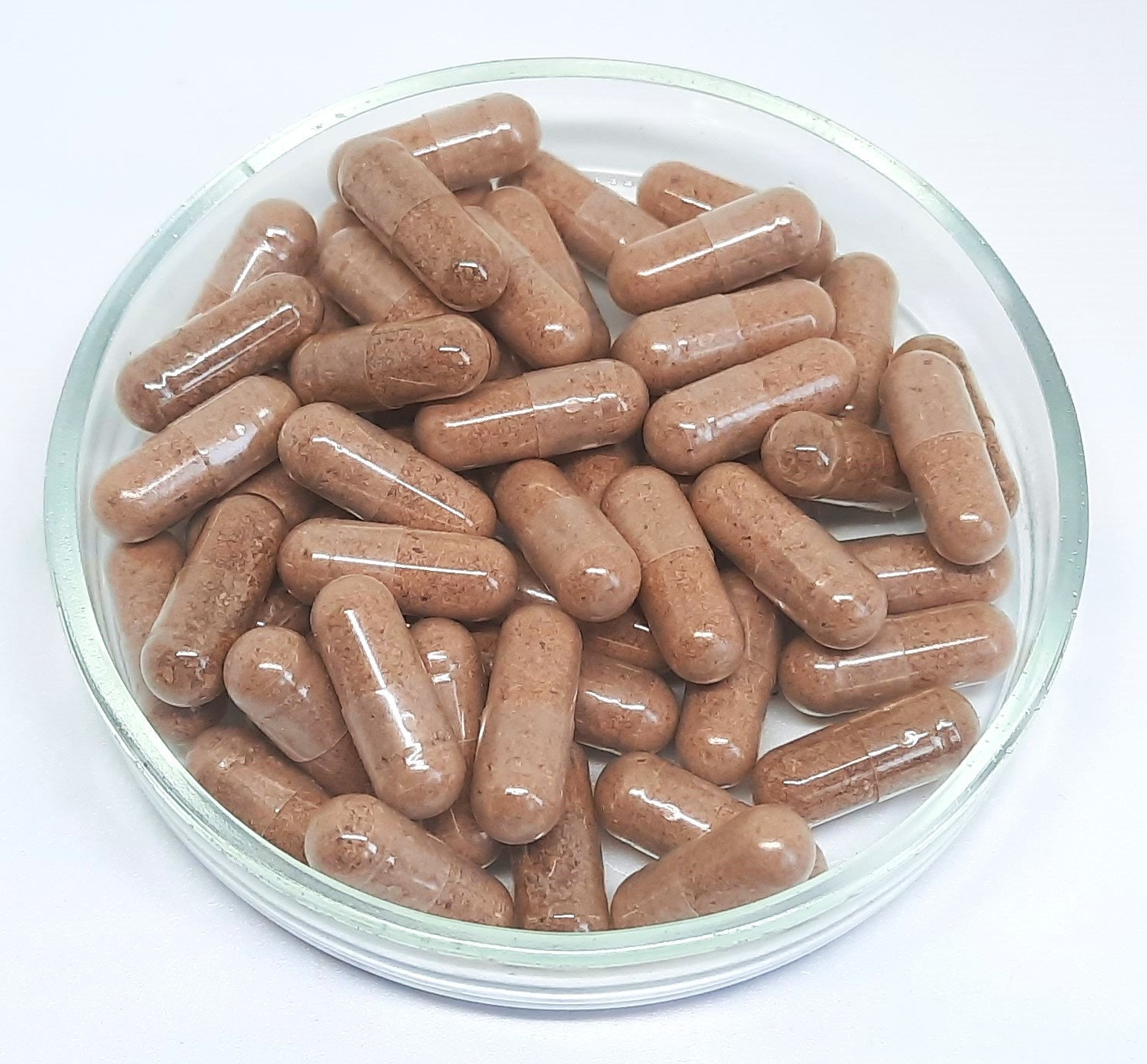
While fresh galangal is an excellent addition to soups and curries, achieving a therapeutic dose often requires more concentrated forms. The supplement industry has recognized this, offering galangal in several formats, including standardized extracts, dried powders, and encapsulated forms. For those seeking targeted support for inflammation or fertility, capsules provide a controlled dosage of bioactive galangin that is difficult to achieve through diet alone. When choosing a supplement, it is crucial to look for “standardized” extracts to ensure a consistent concentration of the active marker compounds.
How to Use Galangal Root: Culinary and Medicinal Preparation
Incorporating galangal into your lifestyle can be both a culinary adventure and a medicinal practice. In the kitchen, fresh galangal should be peeled and either sliced thinly or grated. It is a staple in “Tom Yum” soup and various curry pastes. Its woody texture means it is often used to infuse liquids and then removed, though it can be finely minced and consumed. If fresh root is unavailable, dried slices or powder can be used as a substitute, though the flavor profile will be more concentrated and less “bright.”
Medicinally, galangal can be prepared as a decoction or tea. To make galangal tea, simmer a few slices of the fresh rhizome in water for 10 to 15 minutes. This extraction method is particularly effective for soothing digestive issues or warming the body during a cold. For topical applications, galangal essential oil, when properly diluted in a carrier oil, can be massaged into sore joints to alleviate inflammatory pain. However, internal use of the essential oil is generally not recommended without professional guidance due to its high potency.
Dosage, Safety, and Precautions
Galangal is generally recognized as safe (GRAS) when consumed in culinary amounts. For medicinal supplementation, typical dosages range from 500mg to 2,000mg of the powdered root per day, or 250mg to 500mg of a concentrated extract. As with any potent botanical, there are considerations to keep in mind:
- Pregnancy and Breastfeeding: There is insufficient data regarding the safety of high-dose galangal during pregnancy. It is best to stick to culinary amounts.
- Gastric Sensitivity: While it helps many digestive issues, the pungent nature of galangal may exacerbate symptoms in individuals with extremely sensitive stomachs or active peptic ulcers.
- Drug Interactions: Galangal may interact with antacids or H2 blockers by stimulating stomach acid production. It may also have a mild blood-thinning effect, so those on anticoagulant medications should consult a physician.
- Quality Control: Always source galangal from reputable suppliers to avoid heavy metal contamination or adulteration with other ginger species.

Conclusion: Integrating the Spice of Life
The galangal root is far more than a culinary secondary to ginger; it is a sophisticated medicinal herb with a deep history and a promising future in modern integrative medicine. From its ability to quench systemic inflammation and protect the brain to its traditional role in digestive and reproductive health, galangal offers a comprehensive array of benefits. Whether you are adding a few slices to a fragrant Thai broth or taking a standardized capsule to support joint health, you are tapping into a botanical tradition that has stood the test of time.
As we continue to navigate a world filled with environmental toxins and chronic stress, the protective compounds found within the galangal rhizome provide a natural shield for our cells. By understanding the science behind this ancient root, we can better appreciate its place in our spice racks and medicine cabinets alike. Galangal truly remains the “Spice of Life,” bridging the gap between ancient wisdom and contemporary wellness.
Disclaimer: For informational purposes only. Not medical advice. Consult a qualified healthcare professional before use.
Leave a Reply