
The Definitive Guide to Echinacea Root: Bioactive Compounds, Therapeutic Mechanisms, and Clinical Applications
The therapeutic potential of Echinacea root (Echinacea spp.) represents one of the most rigorously studied intersections between traditional indigenous knowledge and modern pharmacological inquiry. As a cornerstone of the botanical pharmacopeia, Echinacea—commonly known as the purple coneflower—has transcended its origins as a Great Plains remedy to become a global staple in the management of immune health. Unlike many botanical supplements that rely on anecdotal evidence, the efficacy of Echinacea root is supported by an expanding body of clinical literature exploring its complex chemistry and its ability to modulate the human immune response. This exhaustive guide explores the botanical intricacies, historical lineage, biochemical profile, and evidence-based health benefits of this remarkable root.
Botanical Overview and Species Differentiation
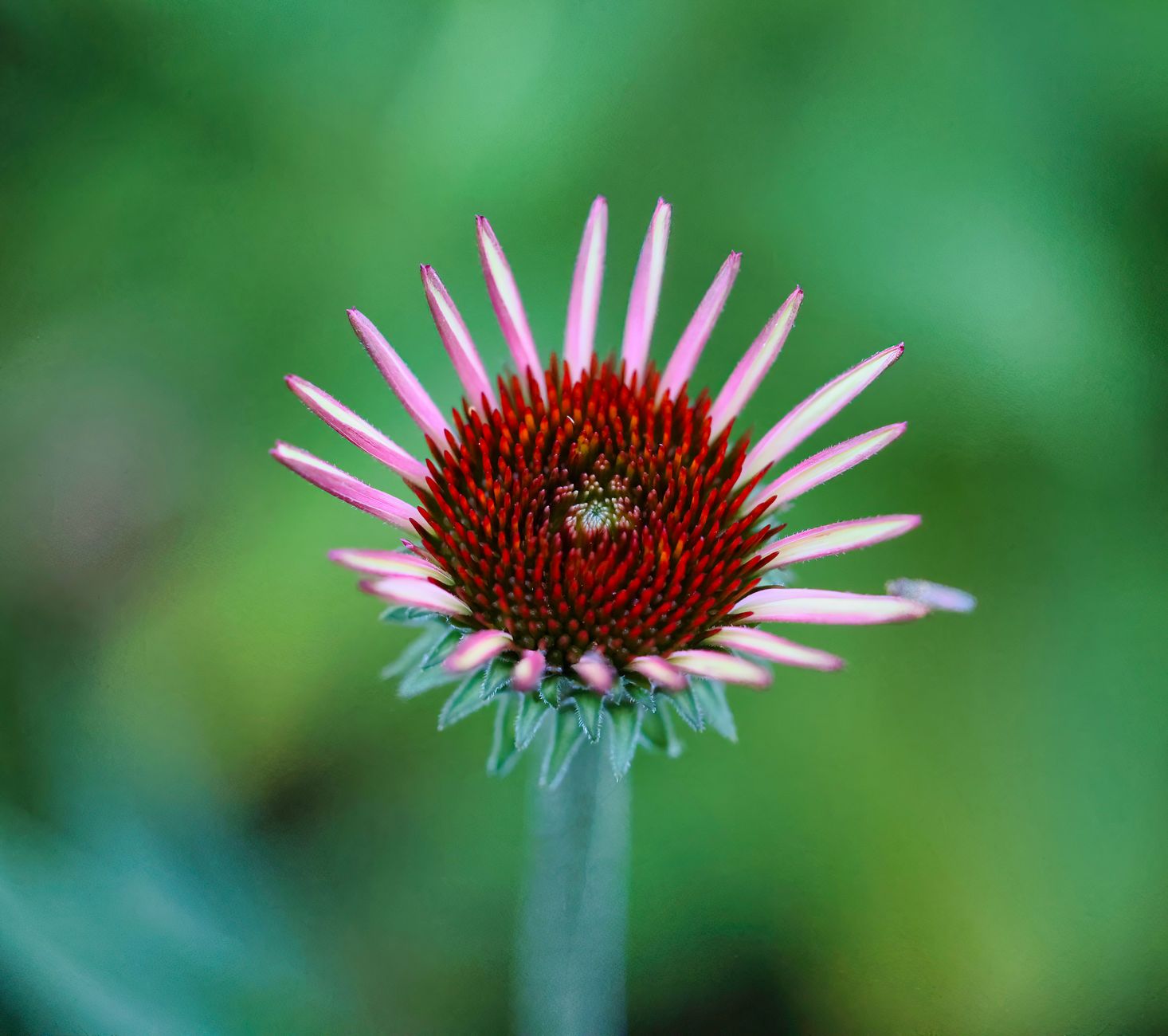
Echinacea is a genus of herbaceous flowering plants in the daisy family, Asteraceae. While there are nine recognized species, only three are utilized extensively for medicinal purposes: Echinacea purpurea, Echinacea angustifolia, and Echinacea pallida. Each species possesses a distinct morphological profile and a unique concentration of bioactive metabolites. Echinacea purpurea is the most widely cultivated and researched, known for its fibrous root system and vibrant flowers. In contrast, Echinacea angustifolia and Echinacea pallida are characterized by their long taproots, which are particularly prized in traditional Western herbalism for their high concentration of specific alkylamides.
The root of the Echinacea plant serves as its primary storage organ for secondary metabolites. During the late autumn, as the aerial parts of the plant die back, the plant concentrates its defensive compounds within the root system to survive the winter. This concentration is precisely why the root is considered more potent than the leaves or flowers for certain therapeutic applications. The botanical identification of these species is critical, as the pharmacological effects can vary significantly based on the species used and the soil conditions in which they were grown.

Modern botanical science emphasizes the importance of using high-quality, sustainably harvested roots. The distinction between the species is often lost in commercial products, but for the discerning practitioner, the “tingle” produced by the alkylamides in E. angustifolia root is a hallmark of quality. This tingling sensation on the tongue, known as a sialogue effect, indicates the presence of active compounds that interact with the nervous system and immune receptors. Understanding these botanical nuances is the first step in appreciating the depth of Echinacea’s medicinal power.
Historical Context and Traditional Usage
The history of Echinacea root is deeply rooted in the indigenous cultures of North America. Tribes such as the Lakota, Cheyenne, and Choctaw utilized the plant for a staggering array of ailments long before European settlers arrived. It was employed as a topical poultice for snakebites and stings, a gargle for throat infections, and an internal remedy for systemic “blood poisoning.” The versatility of the root led to it being one of the most widely used medicinal plants among Native American healers, who recognized its ability to stimulate the body’s innate healing mechanisms.
In the 19th century, Echinacea was introduced to the “Eclectic Medicine” movement in the United States, largely through the efforts of H.C.F. Meyer. Meyer’s “Blood Purifier,” which contained Echinacea, eventually caught the attention of prominent pharmacists like John Uri Lloyd. By the early 20th century, Echinacea had become the most frequently prescribed botanical medicine by Eclectic physicians for infections and inflammatory conditions. Although its popularity waned with the advent of synthetic antibiotics, the latter half of the 20th century saw a massive resurgence of interest, particularly in Germany, where much of the modern clinical research was pioneered.

The traditional preparation of Echinacea root often involved decoctions—simmering the tough, fibrous root material in water to extract its polysaccharides and water-soluble phenols. Alternatively, alcohol-based tinctures were used to capture the lipophilic alkylamides. This dual approach to extraction remains the gold standard today, ensuring that the full spectrum of the plant’s chemical “intelligence” is preserved. Traditional use emphasizes not just the treatment of symptoms, but the strengthening of the “vital force,” a concept that modern immunology now translates as “immunomodulation.”
Chemical Composition: The Synergy of Bioactive Compounds
The efficacy of Echinacea root is not the result of a single “magic bullet” compound but rather a synergistic matrix of several distinct classes of chemicals. The three primary groups of bioactive constituents are alkylamides, phenolic compounds (including caffeic acid derivatives), and high-molecular-weight polysaccharides. Each of these groups targets different aspects of the human physiological response, creating a multi-faceted approach to healing.
Alkylamides are perhaps the most critical components for the immediate immune-stimulating effects of the root. These molecules are structurally similar to anandamide, an endogenous cannabinoid. Because of this similarity, alkylamides can bind to cannabinoid receptors (specifically CB2 receptors) on immune cells. This interaction helps to regulate cytokine production, effectively “tuning” the immune system’s inflammatory response. This makes Echinacea root unique among immune herbs, as it does not blindly stimulate the system but rather acts as a sophisticated modulator.

Phenolic compounds, such as echinacoside and chicoric acid, provide potent antioxidant and antiviral properties. Echinacoside, found in high concentrations in E. angustifolia and E. pallida, has been shown to protect collagen from degradation by free radicals and inhibit certain bacterial enzymes. Chicoric acid, more prevalent in E. purpurea, is a known inhibitor of integrase, an enzyme used by certain viruses to replicate. Finally, the polysaccharides and glycoproteins in the root stimulate the activity of macrophages and natural killer (NK) cells, providing a robust first line of defense against pathogens.
Core Health Benefit: Immunomodulation and Pathogen Defense
The most celebrated benefit of Echinacea root is its role in supporting the immune system, particularly in the prevention and treatment of upper respiratory tract infections (URTIs) like the common cold and influenza. Extensive meta-analyses of clinical trials suggest that Echinacea root can reduce the risk of catching a cold by over 50% and decrease the duration of an active infection by approximately 1.5 days. However, the timing and dosage are critical; Echinacea is most effective when taken at the very first sign of symptoms.
The mechanism of action involves the activation of phagocytosis—the process by which white blood cells “eat” and neutralize invading bacteria and viruses. By increasing the number and activity of circulating immune cells, Echinacea root ensures that the body is prepared for a rapid response. Furthermore, it modulates the production of pro-inflammatory cytokines, such as TNF-alpha and Interleukin-6. By preventing an overproduction of these signaling molecules, Echinacea helps avoid the “cytokine storm” that often leads to the most severe symptoms of viral infections, such as fever, aches, and extreme fatigue.
Beyond the common cold, Echinacea root is increasingly studied for its potential in managing chronic infections and antibiotic-resistant strains. Its ability to enhance the body’s innate immunity makes it a valuable adjunct therapy. It does not replace antibiotics for bacterial infections, but it can support the body’s recovery and potentially reduce the need for repeated antibiotic interventions by strengthening the host’s natural defenses. This systemic support is why Echinacea remains a top-tier recommendation for seasonal wellness.
Anti-Inflammatory and Skin Health Applications
While often categorized solely as an “immune herb,” Echinacea root possesses profound anti-inflammatory properties that extend to various tissues, including the skin and joints. The same alkylamides that modulate immune receptors also inhibit the enzymes COX-1 and COX-2, which are the primary targets of non-steroidal anti-inflammatory drugs (NSAIDs) like ibuprofen. This makes Echinacea root a natural alternative for managing low-grade systemic inflammation and localized inflammatory conditions.
In dermatology, Echinacea root extracts are utilized for their ability to combat acne, eczema, and psoriasis. The root’s antimicrobial properties help suppress the growth of Propionibacterium acnes, the bacteria primarily responsible for acne breakouts. Simultaneously, its anti-inflammatory action reduces the redness and swelling associated with skin lesions. Perhaps most impressively, Echinacea root has been shown to stimulate the production of hyaluronic acid in the skin and protect the skin’s structural integrity by inhibiting hyaluronidase, an enzyme that breaks down the skin’s extracellular matrix. This leads to improved skin hydration and a reduction in the appearance of fine lines.
Furthermore, recent studies have explored the root’s potential in wound healing. By stimulating fibroblasts—the cells responsible for creating new tissue and collagen—Echinacea root accelerates the repair of damaged skin. Whether applied topically in a cream or taken internally to support systemic tissue health, the root offers a holistic approach to maintaining the body’s largest organ. This versatility highlights the plant’s role not just as a temporary fix for a cold, but as a long-term ally for physiological resilience.
Psychological Benefits: Anxiety and the Endocannabinoid System
One of the most exciting and less-known frontiers of Echinacea root research involves its impact on mental health, specifically anxiety. As previously mentioned, the alkylamides in Echinacea root are capable of binding to CB2 receptors. While CB1 receptors are primarily located in the brain and are responsible for the psychoactive effects of cannabis, CB2 receptors are found throughout the immune system and certain areas of the brain involved in emotional regulation.
Clinical trials have demonstrated that specific Echinacea extracts can significantly reduce anxiety scores in individuals with mild to moderate stress. Unlike benzodiazepines or other pharmaceutical anxiolytics, Echinacea does not cause sedation or impairment. Instead, it seems to modulate the stress response at a cellular level, providing a subtle calming effect. This discovery has positioned Echinacea root as a potential “adaptogen-like” herb, helping the body and mind maintain homeostasis in the face of external pressures.
This neuro-protective potential is also linked to the root’s high antioxidant content. By reducing oxidative stress in the brain, Echinacea may help protect neurons from damage associated with aging and chronic stress. While more large-scale human trials are needed to solidify these findings, the intersection of immunology and psychology (psychoneuroimmunology) suggests that Echinacea’s ability to “calm” the immune system naturally extends to the nervous system as well.
Forms, Delivery Methods, and Capsules
To achieve the therapeutic results seen in clinical studies, the form of Echinacea root consumed is of paramount importance. The market is flooded with various preparations, including dried root for tea, liquid tinctures, and standardized capsules. For many, capsules represent the most convenient and consistent method of delivery, as they allow for precise dosing of active constituents like alkylamides and polyphenols.
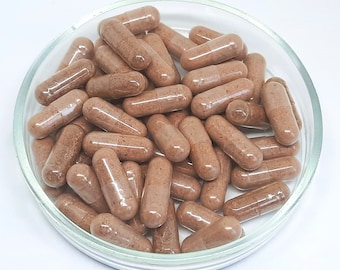
When selecting a supplement, it is vital to look for “standardized” extracts. Standardization ensures that each dose contains a guaranteed percentage of the bioactive markers associated with clinical efficacy. For example, a high-quality Echinacea root capsule might be standardized to contain 4% echinacoside. Additionally, many practitioners recommend “full-spectrum” products that combine standardized extracts with raw root powder to ensure that the trace co-factors present in the whole plant are not lost during the extraction process. Capsules also bypass the intense, sometimes unpleasant, tingling sensation and earthy taste associated with liquid extracts, making them a preferred choice for long-term use.
Dosage, Usage Guidelines, and Best Practices
The dosage of Echinacea root depends heavily on the intent of use—whether it is for acute support or long-term prophylaxis. For acute onset of symptoms (the “first tickle” in the throat), high-frequency dosing is often recommended. This might involve taking a standard dose of 300mg to 500mg of root extract every three to four hours for the first 48 hours of an illness. This “front-loading” strategy aims to saturate the immune receptors and provide the maximum possible stimulation to the macrophage response.
For preventative use during the winter months, a lower, more consistent dose is typically used. There is a long-standing debate in herbalism regarding whether Echinacea should be “cycled” (e.g., 2 weeks on, 1 week off) to prevent the immune system from becoming desensitized. While modern research suggests that Echinacea can be taken safely for up to eight weeks without a loss of efficacy, many traditionalists still prefer cycling to maintain the “relevance” of the herbal signal to the body. It is always best to consult with a healthcare professional to determine the protocol best suited for your specific constitution.
It is also worth noting that Echinacea root is often more effective when used in combination with other synergistic herbs. For instance, combining it with Elderberry (Sambucus nigra) provides a dual-action approach: Echinacea stimulates the cellular immune response, while Elderberry prevents viral attachment to host cells. Similarly, combining it with Goldenseal (Hydrastis canadensis) provides localized antimicrobial support for the mucous membranes. These combinations reflect the complexity of natural healing, where the sum is often greater than the parts.
Safety, Side Effects, and Contraindications
Echinacea root is remarkably safe for the vast majority of the population. Side effects are rare and generally mild, usually limited to gastrointestinal upset or temporary dizziness. However, because Echinacea is a member of the Asteraceae family, individuals with known allergies to ragweed, marigolds, or daisies should exercise caution, as they may experience an allergic reaction. In rare cases, this can manifest as skin rashes or, extremely rarely, anaphylaxis.
The most significant contraindication involves individuals with systemic autoimmune disorders, such as lupus (SLE), multiple sclerosis, or rheumatoid arthritis. Because Echinacea root stimulates immune activity, there is a theoretical concern that it could exacerbate the overactive immune response characteristic of these conditions. While clinical evidence of this is sparse, the general medical consensus is to avoid Echinacea in these populations unless supervised by a physician. Similarly, those on immunosuppressant medications (often prescribed after organ transplants) should avoid Echinacea, as it may counteract the effectiveness of their medication.
For pregnant and breastfeeding women, Echinacea is generally considered one of the safer herbs, with several studies showing no adverse effects on pregnancy outcomes. However, as with any supplement during pregnancy, medical clearance is essential. Ultimately, the safety profile of Echinacea root is one of the cleanest in the herbal world, making it an accessible tool for the average healthy adult looking to fortify their biological defenses.
Conclusion: The Future of Echinacea Research
Echinacea root remains a testament to the enduring power of botanical medicine. As we move further into an era where antibiotic resistance and novel viral threats become more prevalent, the role of immunomodulators like Echinacea will only grow in importance. Future research is poised to look deeper into the epigenetic effects of Echinacea—how it might influence gene expression related to inflammation and longevity. We are also beginning to understand the plant’s role in supporting the microbiome, as certain polysaccharides in the root may act as prebiotics for beneficial gut bacteria.
By integrating Echinacea root into a holistic lifestyle—one that includes proper nutrition, adequate sleep, and stress management—we provide our bodies with a sophisticated, time-tested ally. Whether you choose the traditional decoction, a potent tincture, or the convenience of a standardized capsule, the “purple coneflower” stands ready to support your journey toward resilient health. In the complex dance of human immunity, Echinacea root is more than just a supplement; it is a biological bridge between the wisdom of the past and the scientific rigor of the present.
Disclaimer: For informational purposes only. Not medical advice. Consult a qualified healthcare professional before use.
Leave a Reply