
The Definitive Guide to Psyllium Husk: Nature’s Premier Soluble Fiber for Holistic Health
In the evolving landscape of nutritional science and preventative medicine, few natural substances have maintained such a steadfast reputation as Psyllium husk. Derived from the seeds of the Plantago ovata plant, this remarkable dietary fiber has transcended its traditional origins to become a cornerstone of modern digestive health, metabolic regulation, and cardiovascular support. Unlike many synthetic supplements that flood the market, Psyllium husk offers a purely mechanical and biochemical approach to wellness, leveraging the unique properties of plant-based mucilage to optimize human physiology. This exhaustive guide explores the multi-faceted benefits, complex chemical structures, and historical significance of Psyllium, providing a deep dive into why this “ancient grain” byproduct remains a modern superfood.
Historical Context and Botanical Origins
The history of Psyllium, often referred to in traditional texts as “Ispaghula,” is deeply rooted in the Ayurvedic and Persian systems of medicine. For millennia, practitioners in India and the Middle East utilized the tiny seeds of the Plantago genus to treat a variety of gastrointestinal ailments. The name “Psyllium” is derived from the Greek word “psylla,” meaning flea, a reference to the seed’s minute size and shape. While there are over 200 species of Plantago, Plantago ovata is the most commercially and therapeutically significant, primarily grown in the arid regions of Northwest India and parts of the Mediterranean.
The plant itself is a low-growing, herbaceous annual that thrives in well-drained, sandy soils. It produces small, white flowers on dense spikes, which eventually yield the seeds. The therapeutic value lies almost exclusively in the seed’s outer coating, or the “husk.” This husk is separated from the seed through a mechanical milling process, resulting in a product that is nearly 100% dietary fiber. Historically, the whole seed was consumed, but modern extraction techniques allow us to isolate the husk, which contains the highest concentration of mucilage, the gelatinous substance responsible for its myriad health benefits.
The Complex Chemistry of Psyllium: Bioactive Compounds and Mucilage
To understand why Psyllium husk is so effective, one must look at its molecular architecture. Psyllium is classified as a highly soluble, non-fermentable fiber. While many fibers are either soluble (dissolve in water) or insoluble (provide bulk), Psyllium occupies a unique niche because it is exceptionally hydrophilic. It can absorb up to 40 times its weight in water, transforming into a thick, viscous gel. This transformation is driven by its high content of hemicellulose, specifically a complex polysaccharide known as arabinoxylan.
The chemical composition of Psyllium husk is roughly 70% soluble fiber and 30% insoluble fiber. The soluble fraction is composed of a xylose backbone with highly branched chains of arabinose and other sugars. This specific branching pattern prevents gut bacteria from rapidly fermenting the fiber. Unlike inulin or other prebiotic fibers that can cause significant gas and bloating due to rapid fermentation, Psyllium ferments very slowly. This allows it to maintain its gel-like structure throughout the entire length of the colon, providing consistent lubrication and bulk without the uncomfortable side effects of excessive flatulence.
Mechanism of Action: How Psyllium Transforms Digestive Physiology
The primary mechanism of action for Psyllium is its “bulking” effect. As the husk travels through the digestive tract, it absorbs water and intestinal fluids to form a large, soft mass. In the context of constipation, this increased bulk puts mechanical pressure on the intestinal walls, stimulating peristalsis—the rhythmic contractions that move waste through the system. Because the gel is soft and highly lubricated, it eases the passage of stool, making it an ideal intervention for those suffering from hemorrhoids or anal fissures where straining must be avoided.
Conversely, Psyllium is equally effective for treating mild to moderate diarrhea. In this scenario, the hydrophilic nature of the fiber works to absorb excess liquid in the bowel, increasing stool viscosity and slowing down transit time. This dual-action capability makes Psyllium a “regulator” rather than just a laxative. It normalizes bowel function regardless of the starting state. Furthermore, the presence of this viscous gel acts as a physical barrier and a “scrubber” for the intestinal lining, potentially binding to toxins and waste products, facilitating their excretion from the body.
Cardiovascular Benefits: Cholesterol and Lipid Management
Beyond the digestive tract, Psyllium husk exerts a profound influence on cardiovascular health. Extensive clinical trials have demonstrated that regular supplementation with Psyllium can significantly lower Total Cholesterol and Low-Density Lipoprotein (LDL) cholesterol—the so-called “bad” cholesterol. The mechanism behind this is centered on bile acid sequestration. Bile acids are synthesized in the liver from cholesterol and are essential for fat digestion. Under normal circumstances, bile acids are reabsorbed in the terminal ileum and returned to the liver.
When Psyllium gel is present in the small intestine, it binds to these bile acids and prevents their reabsorption. Consequently, the bile acids are excreted in the stool. To compensate for this loss, the liver must pull cholesterol from the bloodstream to synthesize new bile acids. This systemic “pull” effectively lowers circulating LDL levels. Research suggests that 10.2 grams of psyllium per day can reduce LDL cholesterol by up to 7-10%, a margin that, while modest, is highly significant when combined with other dietary interventions. This makes Psyllium a valuable tool for individuals managing hyperlipidemia or those looking to reduce their cardiovascular risk profile naturally.
Metabolic Health and Glycemic Control
For individuals managing Type 2 Diabetes or metabolic syndrome, Psyllium husk offers a powerful adjunct therapy for glycemic control. The high viscosity of Psyllium gel slows down the gastric emptying process and creates a physical barrier that hinders the rapid absorption of glucose in the small intestine. Instead of a sharp spike in blood sugar following a meal, the presence of Psyllium ensures a more gradual, sustained release of glucose into the bloodstream.
Clinical studies have shown that taking Psyllium with meals can significantly reduce postprandial glucose levels and improve insulin sensitivity. Over time, this can lead to lower HbA1c levels, a key marker for long-term blood sugar management. Because Psyllium is not absorbed into the bloodstream itself, it provides these metabolic benefits without adding calories or metabolic load, making it a “passive” yet highly effective intervention for weight management and metabolic stability.

Weight Management and Satiety
The obesity epidemic has spurred interest in natural appetite suppressants, and Psyllium husk stands out as a scientifically backed option. The mechanism is simple but effective: satiety. When Psyllium expands in the stomach, it creates a feeling of fullness that can reduce subsequent calorie intake. By slowing gastric emptying, the “full” feeling persists longer after a meal, reducing the urge for snacking between meals. Furthermore, because it stabilizes blood sugar, it helps prevent the “crashes” that often lead to sugar cravings. Incorporating Psyllium into a weight loss regimen provides a non-stimulant way to manage hunger while simultaneously improving the nutrient density of the diet through increased fiber intake.
The Role of Psyllium in Irritable Bowel Syndrome (IBS)
Irritable Bowel Syndrome (IBS) is a complex functional disorder characterized by abdominal pain, bloating, and erratic bowel habits. While many high-fiber foods (like bran or certain vegetables) can actually trigger IBS symptoms due to their high fermentability (FODMAPs), Psyllium is often the preferred fiber source for IBS patients. Because it is a low-fermentation fiber, it provides the benefits of stool regulation without the excessive gas production that causes pain in sensitive individuals. The soluble fiber in Psyllium helps to soothe the gut lining and regulate transit time, which is beneficial for both IBS-C (constipation-predominant) and IBS-D (diarrhea-predominant) subtypes.
Comparing Forms: Powder, Husk, and Capsules
Psyllium is available in several commercial forms, each with its own advantages. The most common is the whole husk or the ground powder. The powder is essentially finely milled husk; it gels more quickly and is easier to mix into smoothies or juices, but it requires immediate consumption before it becomes too thick to drink. The whole husk has a coarser texture and may be preferred by those who mix it into foods like oatmeal or yogurt.
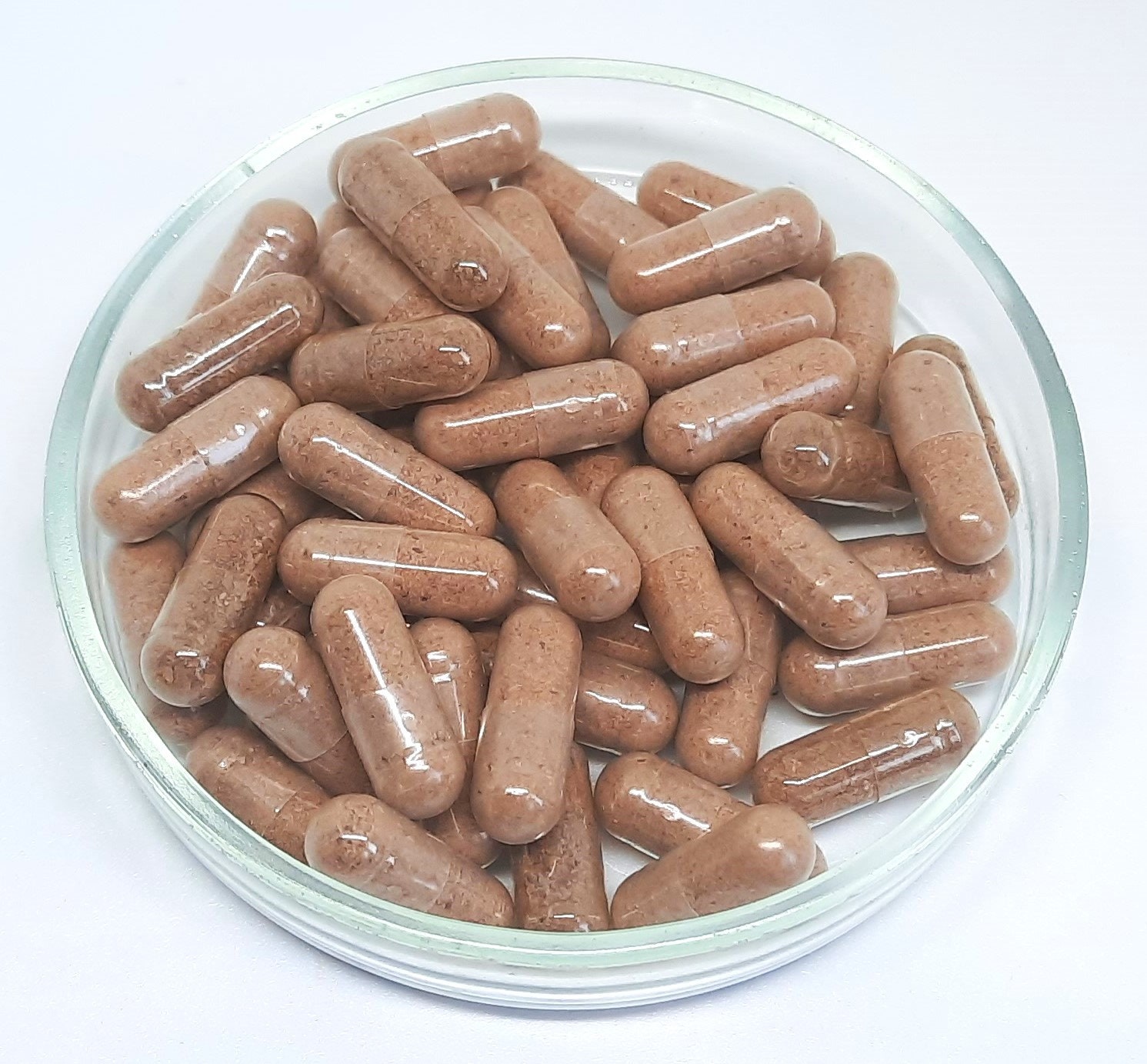
For those who find the texture or taste of Psyllium unappealing, capsules offer a convenient alternative. Capsules allow for precise dosing and are ideal for travel or busy lifestyles. However, it is critical to remember that because Psyllium requires significant water to function and to prevent esophageal blockage, one must drink a full glass of water with every serving of capsules. Regardless of the form, the biological benefits remain the same, provided the dosage is consistent.
Practical Usage: Dosage and Integration
Integrating Psyllium husk into a daily routine should be a gradual process. For most adults, a therapeutic dose ranges from 5 to 10 grams per day (approximately one to two tablespoons of husk), though some clinical applications for cholesterol management use up to 15-20 grams. Starting with a small dose—perhaps half a teaspoon—and slowly increasing over two weeks allows the digestive system and the gut microbiome to adapt, minimizing the risk of initial bloating or gas.
The golden rule of Psyllium consumption is hydration. Because Psyllium is so effective at absorbing water, it can cause constipation if the user is dehydrated. A minimum of 8 ounces of water should be consumed with the dose, followed by adequate hydration throughout the day. Psyllium can also be used in cooking and baking; it is a popular ingredient in gluten-free baking because its gelling properties help mimic the elasticity of gluten, providing structure to breads and muffins.
Potential Side Effects and Safety Considerations
While Psyllium is generally recognized as safe (GRAS) by the FDA and other health authorities, there are certain precautions to keep in mind. Due to its ability to slow down digestion, Psyllium can interfere with the absorption of certain medications. It is generally recommended to take Psyllium at least two hours before or after taking other oral medications (such as lithium, carbamazepine, or digoxin) to ensure their efficacy is not compromised.
Individuals with esophageal narrowing, swallowing difficulties, or prior bowel obstructions should consult a physician before using Psyllium. In rare cases, some individuals may experience an allergic reaction to the dust of the husk, particularly those who handle the bulk product frequently in industrial settings. However, for the vast majority of the population, Psyllium represents a safe, gentle, and highly effective natural intervention.

Conclusion: The Multi-Functional Power of a Simple Seed
Psyllium husk is much more than a simple remedy for constipation. It is a sophisticated, multi-functional dietary tool that addresses some of the most pressing health challenges of the modern era: high cholesterol, unstable blood sugar, and chronic digestive dysfunction. Its unique chemical structure as a non-fermentable, highly viscous soluble fiber allows it to perform tasks that other fibers cannot, providing systemic benefits that extend from the gut to the heart.
By understanding the botanical history, the rigorous science behind its bioactive polysaccharides, and the practical necessities of its application, consumers can harness the full potential of Plantago ovata. Whether used as a daily supplement for preventative health or as a targeted therapy for metabolic regulation, Psyllium husk remains one of nature’s most reliable and evidence-based contributions to human wellness. As we continue to uncover the intricate links between fiber intake and long-term health outcomes, Psyllium’s role as a fundamental pillar of nutrition is only set to grow.
Disclaimer: For informational purposes only. Not medical advice. Consult a qualified healthcare professional before use.
Leave a Reply