
The Comprehensive Guide to Birch Buds: Nature’s Potent Spring Elixir for Health and Vitality
The birch tree, specifically the species Betula pendula (Silver Birch) and Betula pubescens (Downy Birch), has long been revered across Northern Europe, Russia, and parts of North America as more than just a source of timber. In the realm of phytotherapy and traditional pharmacognosy, the most concentrated power of the birch resides in its nascent spring buds. Known botanically as Gemmae Betulae, these resinous, aromatic gems are the biological precursors to leaves and flowers, containing the tree’s vital essence in a highly concentrated form. This guide serves as an exhaustive deep-dive into the multifaceted health benefits, biochemical complexity, and therapeutic applications of Birch Buds, establishing why they remain a cornerstone of herbal medicine in the 21st century.
Botanical Overview and the Biology of Renewal
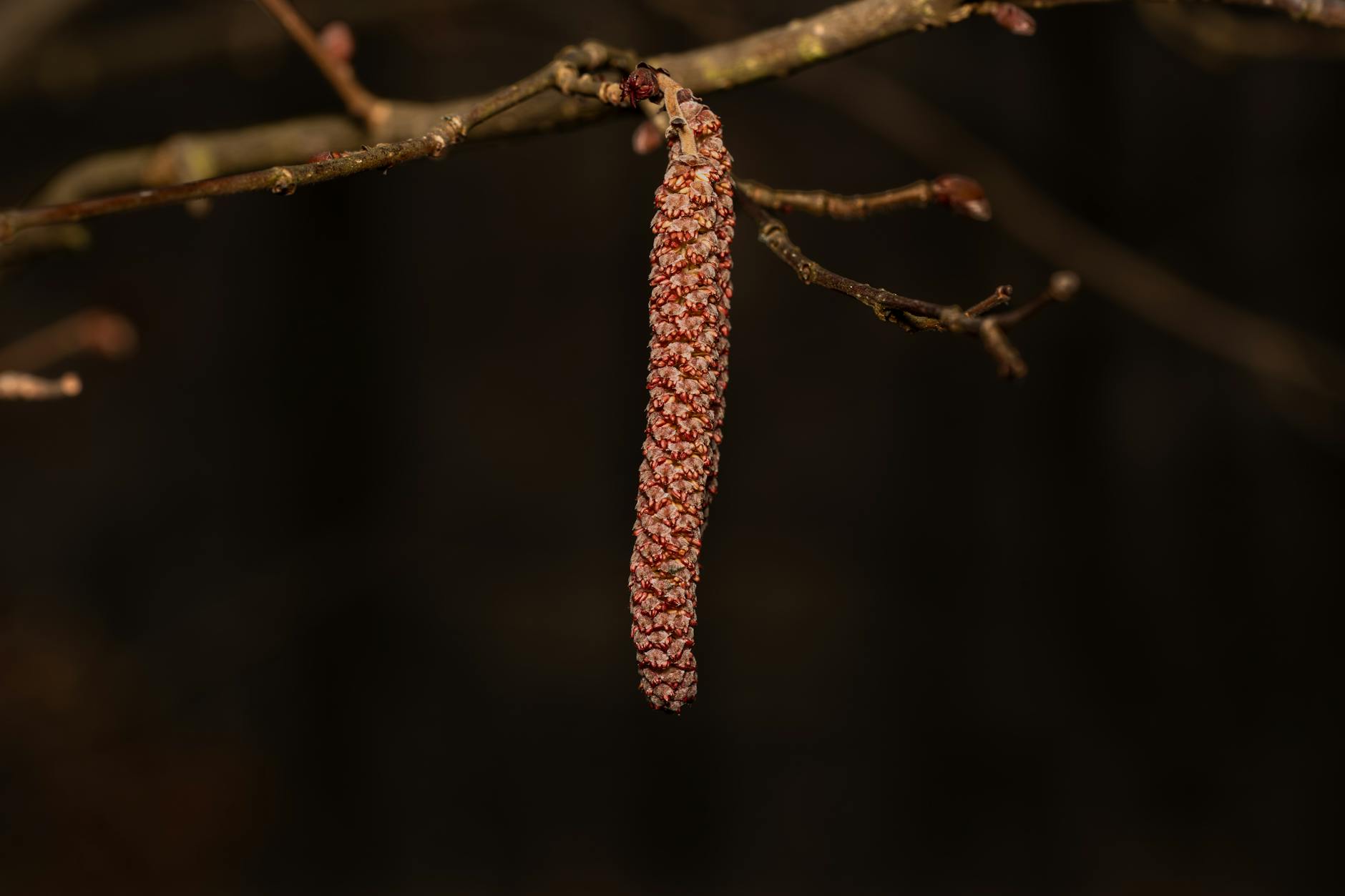
Birch buds represent the dormant life force of the tree, gathered during a very specific window in early spring—just as the sap begins to rise but before the leaves start to unfurl. This phenological stage is crucial because the concentration of bioactive secondary metabolites is at its peak. The buds are typically small, pointed, and covered in protective scales that are saturated with sticky, fragrant resins. These resins serve as a natural defense mechanism for the tree, protecting the delicate embryonic tissues from oxidative stress, fungal pathogens, and fluctuating temperatures.
From an ecological perspective, the birch is a pioneer species, known for its resilience and ability to thrive in poor soils. This “pioneer” energy is often metaphorically translated into its medicinal profile, where it is viewed as a “cleansing” agent for the human body. The physical characteristics of the buds—their bitterness, resinous texture, and balsamic scent—are direct indicators of the potent phytochemicals contained within. When harvested sustainably, these buds offer a pharmacopeia of nutrients that the tree has spent the entire winter synthesizing in preparation for the spring growth burst.
The Complex Phytochemistry of Birch Buds
To understand why Birch Buds are so effective, one must analyze their chemical architecture. Unlike the leaves, which have a high concentration of flavonoids but lower resin content, the buds are rich in essential oils and triterpene alcohols. The primary active constituents include betulin, betulinic acid, and diversoside. Betulin, the compound responsible for the white color of the birch bark, is found in significant quantities in the buds and has been the subject of extensive oncological and dermatological research.
Beyond triterpenes, Birch Buds contain a significant array of flavonoids such as hyperoside, quercetin, and kaempferol. These polyphenolic compounds are renowned for their antioxidant properties, which help neutralize free radicals and mitigate oxidative damage at the cellular level. Furthermore, the buds contain saponins, tannins, and a unique essential oil characterized by the presence of betulene and caryophyllene. This essential oil provides the buds with their antimicrobial and anti-inflammatory properties, making them effective against various bacterial strains. The synergy between these compounds creates a “totum” effect, where the combined biological activity is greater than the sum of its isolated parts.
The Primary Therapeutic Mechanism: Diuretic and Depurative Action
Perhaps the most famous application of Birch Buds is their role as a powerful diuretic. In herbal medicine, they are classified as an “aquaretic,” meaning they increase the volume of urine without significantly depleting the body of essential electrolytes like potassium or sodium. This is a critical distinction from synthetic diuretics, which can often lead to mineral imbalances. The flavonoids and essential oils in the buds stimulate the renal parenchyma, encouraging the kidneys to filter out metabolic waste products more efficiently.
This depurative (blood-purifying) action is particularly beneficial for conditions characterized by water retention (edema), urinary tract infections (UTIs), and the formation of kidney stones. By increasing the flow of urine, Birch Buds help flush out bacteria from the urinary tract and prevent the crystallization of minerals that lead to lithiasis. Additionally, the buds assist in the excretion of uric acid, making them an invaluable natural remedy for gout and hyperuricemia. By reducing the systemic load of toxins, Birch Buds support the overall metabolic health of the individual, leading to improved energy levels and clearer skin.
Historical Context and Traditional Wisdom
The use of Birch Buds spans centuries of folk wisdom. In Slavic traditions, the birch tree was considered a sacred entity, a symbol of purity and the feminine spirit. Herbalists would gather the buds in March, using them to create tinctures and infusions to “awaken” the body after the long, stagnant winter months. This traditional practice of “spring cleaning” the body aligns perfectly with our modern understanding of the lymphatic and renal systems’ seasonal needs.
In Nordic and Baltic cultures, Birch Bud infusions were frequently used as a general tonic to combat scurvy (due to their vitamin C content) and to soothe respiratory ailments. The resinous vapors produced when the buds are steeped in hot water were inhaled to clear the sinuses and soothe inflamed bronchial tubes. This historical usage underscores the versatility of the plant; it was treated as a holistic medicine cabinet capable of addressing everything from internal infections to external skin lesions.

Dermatological and Anti-Inflammatory Benefits
The anti-inflammatory properties of Birch Buds extend far beyond internal use. When applied topically or consumed as an extract, the betulin and salicylic acid derivatives found in the buds work to reduce redness, swelling, and pain. This makes Birch Bud extracts a common ingredient in high-end dermatological products and traditional salves. They are particularly effective for chronic skin conditions such as eczema, psoriasis, and various forms of dermatitis. The resins in the buds provide a protective barrier while the active compounds promote tissue regeneration and wound healing.
Furthermore, the high antioxidant content helps combat the signs of aging by protecting the skin’s collagen matrix from UV-induced degradation. In many Eastern European spas, “birch therapy” involves the use of birch infusions in baths to detoxify the skin and improve circulation. The astringent properties of the tannins found in the buds also help to tighten the skin and reduce excess sebum production, making it a natural choice for those struggling with acne or oily complexions.
Modern Supplementation and Encapsulation
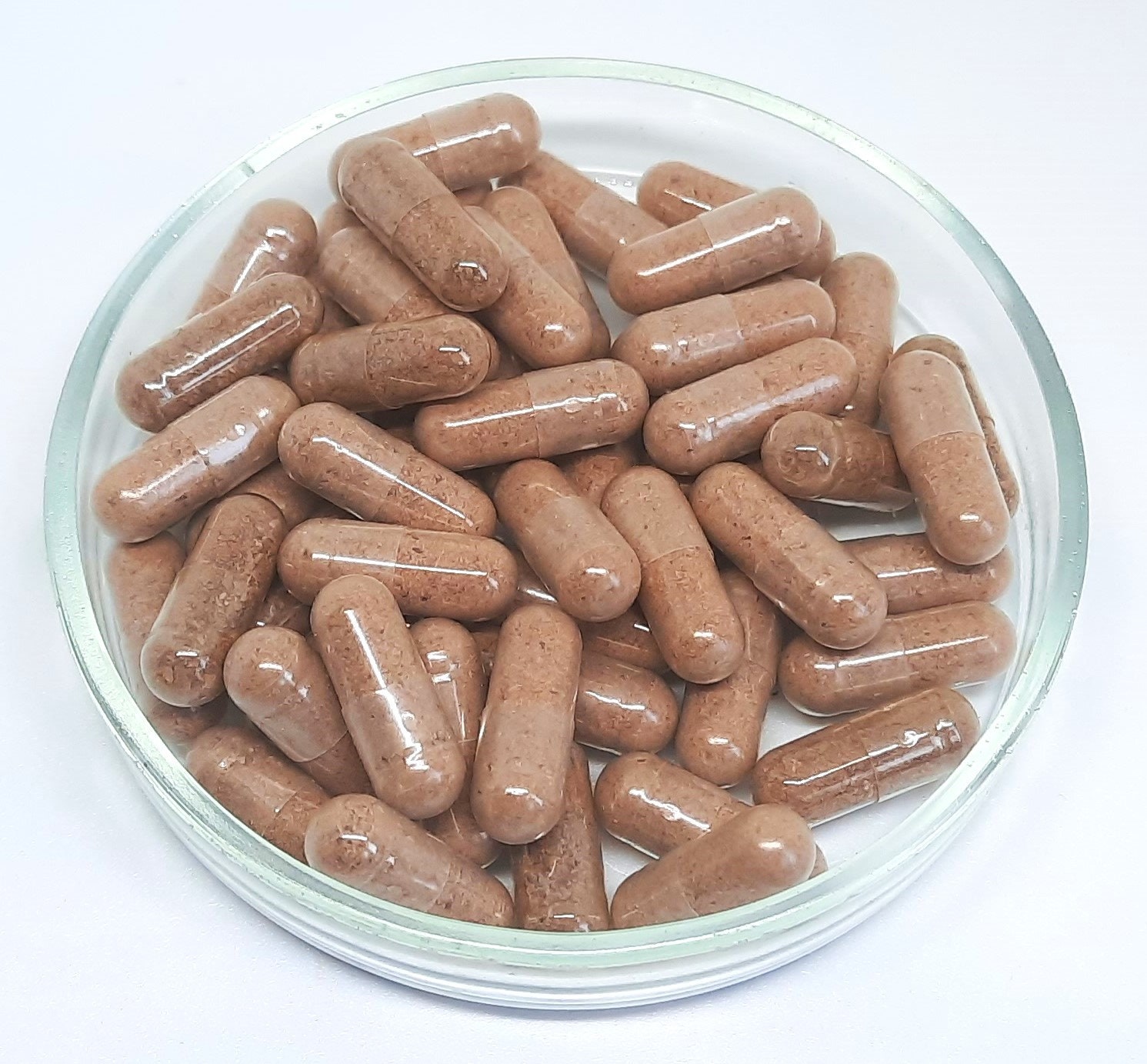
In the contemporary wellness market, Birch Buds have transitioned from a localized folk remedy to a globally recognized supplement. For many individuals, the bitter taste and intensive preparation required for traditional infusions are a barrier to consistent use. This has led to the rise of Birch Bud capsules and standardized extracts. These supplements offer a controlled dosage of the active triterpenes and flavonoids, ensuring that the therapeutic threshold is met without the variability inherent in raw herbal preparations.
Capsules are particularly favored for their convenience and shelf-stability. Modern extraction techniques, such as CO2 extraction or hydro-alcoholic maceration, allow manufacturers to isolate the most potent compounds from the buds while discarding the inert woody fibers. This results in a highly concentrated product that supports kidney health, joint mobility, and systemic detoxification with just a daily dose. When choosing a supplement, it is essential to look for products that specify the species of birch and the concentration of active constituents like hyperoside or betulin.
Preparation Methods and Practical Usage
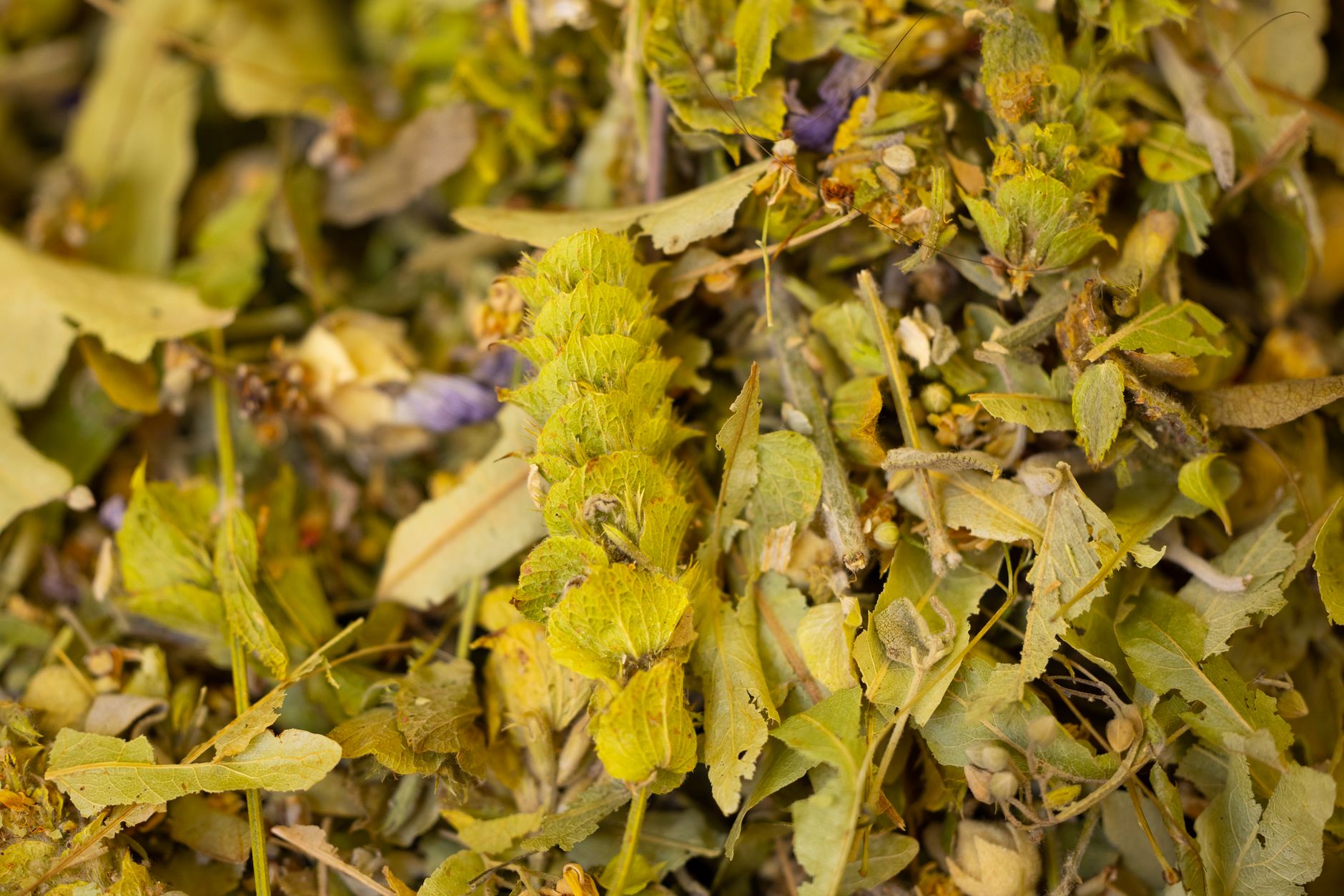
For those who prefer the traditional approach, there are several ways to incorporate Birch Buds into a health regimen. The most common method is the preparation of a decoction or a long-steep infusion. To make a potent birch bud tea, one typically uses one tablespoon of dried buds per cup of water. Because the buds are resinous, they benefit from a slow simmer or a long steeping period (at least 15–20 minutes) in a covered vessel to prevent the volatile essential oils from escaping with the steam.
Another popular method is the creation of a Birch Bud tincture. By macerating the buds in high-proof alcohol for several weeks, the resinous compounds that are not water-soluble (like betulin) can be fully extracted. This tincture can then be used in drop dosages as a concentrated digestive aid or a topical antiseptic. For respiratory relief, the buds can be added to a bowl of steaming water for an herbal inhalation, allowing the balsamic vapors to penetrate deep into the lungs and throat. Regardless of the method, the goal remains the same: to release the complex array of secondary metabolites from the protective bud scales.
Safety, Contraindications, and Dosage Guidelines
While Birch Buds are generally considered safe for most people, certain precautions must be observed. Due to their high salicylate content (similar to aspirin), individuals with a known allergy to salicylates should avoid birch products. Furthermore, because of their potent diuretic effect, those with severe heart or kidney failure (where fluid intake is restricted) should consult with a healthcare professional before use. It is also advised to monitor hydration levels, as the increased urine output requires a corresponding increase in water intake.
Standard dosages for dried Birch Buds typically range from 2 to 5 grams per day when taken as an infusion. For tinctures (1:5 ratio), a common dose is 2–4 ml taken three times daily. When using capsules, it is vital to follow the manufacturer’s specific guidelines, as concentrations can vary widely between brands. Pregnant and breastfeeding women are usually advised to avoid birch bud supplements due to a lack of extensive clinical data regarding fetal safety. As with any potent herbal remedy, a “cyclic” approach is often best—using the herb for 2–3 weeks followed by a break to prevent the body from habituating to its effects.
Conclusion: Embracing the Wisdom of the Birch
Birch Buds are a testament to the sophistication of plant-based medicine. Within these tiny, unassuming structures lies a complex chemical laboratory capable of purifying the blood, soothing inflammation, and protecting the skin. Whether utilized in their raw, dried form for a meditative tea ritual or taken as a high-potency capsule for metabolic support, Birch Buds provide a bridge between ancient tradition and modern pharmacology. By incorporating this spring elixir into our lives, we tap into a cycle of renewal that has sustained both the birch tree and human health for millennia. As we continue to research the profound effects of betulinic acid and other birch-derived compounds, it is clear that Gemmae Betulae will remain a vital tool in the pursuit of holistic well-being.
Disclaimer: For informational purposes only. Not medical advice. Consult a qualified healthcare professional before use.

Leave a Reply