
A Comprehensive Deep-Dive into Black Cohosh Root: The Definitive Guide to Its Health Benefits and Therapeutic Applications
Black Cohosh (Actaea racemosa, formerly known as Cimicifuga racemosa) stands as one of the most rigorously studied and historically revered botanical remedies in the pharmacopeia of traditional herbal medicine. A member of the Ranunculaceae (buttercup) family, this perennial herb is native to the deciduous forests of North America, stretching from Ontario to Georgia. For centuries, it has been a cornerstone of indigenous healing practices and later became a staple in the 19th-century Eclectic medicine movement in the United States. Today, it is globally recognized as a primary natural alternative for managing the physiological and psychological transitions associated with menopause, though its therapeutic potential extends far beyond hormonal regulation.
The name “Black Cohosh” is derived from the Algonquian word for “rough,” referring to the gnarled, dark appearance of its rhizomatous root system. While the plant produces tall, elegant spikes of white flowers—often called “fairy candles”—it is the underground rhizome and attached rootlets that contain the dense concentration of bioactive secondary metabolites. As modern pharmacology continues to investigate the plant’s complex chemical profile, Black Cohosh has shifted from a “folk remedy” to a scientifically validated botanical agent used by millions of women and healthcare practitioners worldwide to support endocrine health and neurological well-being.
The Botanical Profile and Morphology of Actaea Racemosa
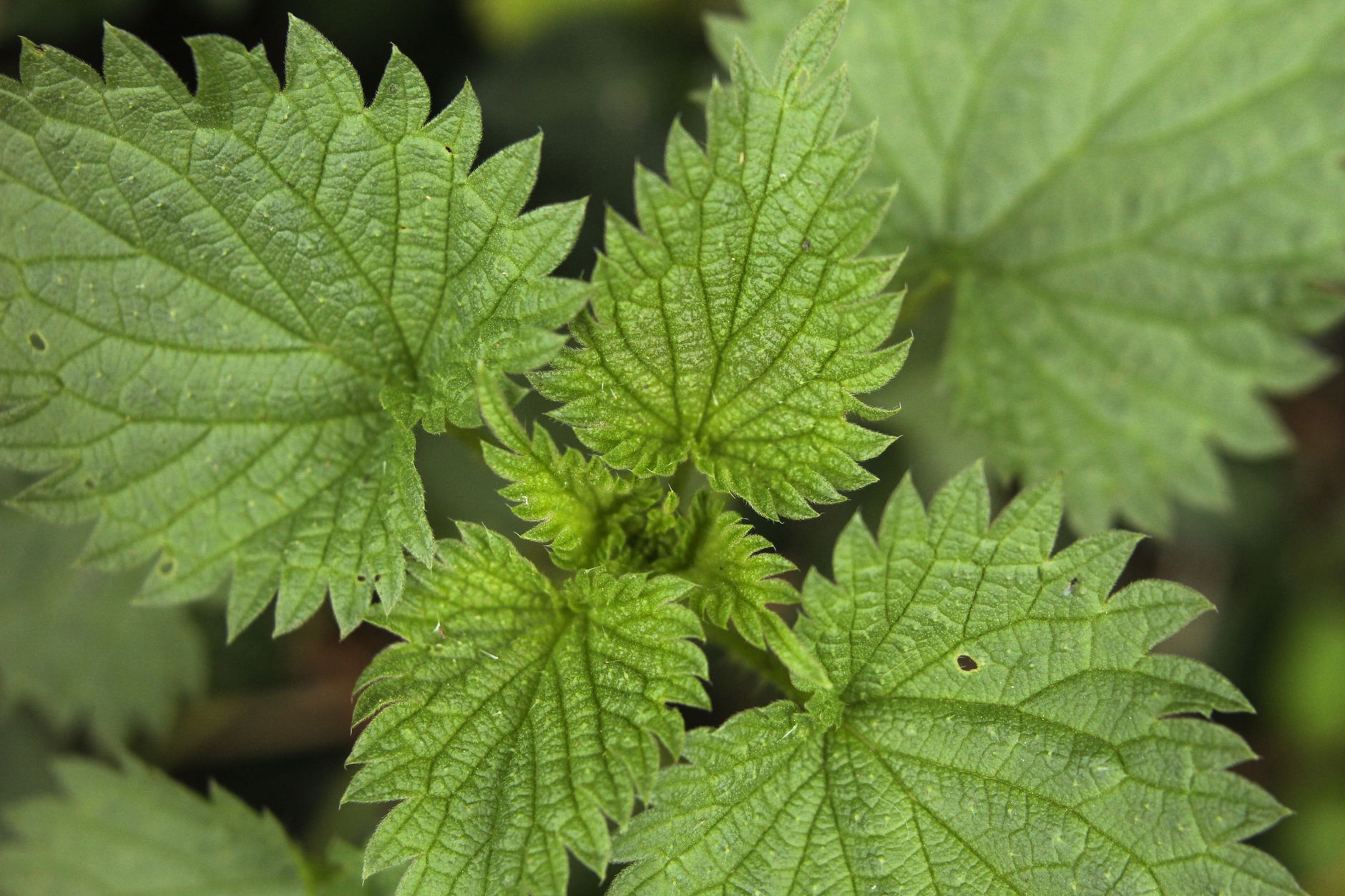
To understand the potency of Black Cohosh, one must first appreciate its botanical complexity. The plant thrives in shaded, moist woodlands, reaching heights of up to eight feet during its flowering season. Its leaves are large, compound, and serrated, providing a lush green canopy in the forest understory. However, the pharmacological value lies entirely within the perennial rhizome. This root system is thick, blackish-brown, and possesses a bitter, acrid taste—a sensory indicator of the presence of protective alkaloids and glycosides designed to ward off forest pathogens.

The growth cycle of the Black Cohosh plant is slow, often taking several years to develop a rhizome large enough for sustainable harvesting. This slow maturation process allows the plant to accumulate a complex array of phytochemicals. Botanists distinguish Actaea racemosa from its lookalikes, such as Blue Cohosh (Caulophyllum thalictroides), which belongs to an entirely different family and possesses different chemical properties. Understanding these distinctions is critical for safety, as true Black Cohosh lacks the potentially toxic alkaloids found in some of its similarly named counterparts.
Historical Context: From Indigenous Wisdom to Modern Clinical Use
The history of Black Cohosh is deeply intertwined with the ethnomedical traditions of Native American tribes, including the Cherokee, Iroquois, and Algonquian peoples. These groups utilized the root for a broad spectrum of conditions, ranging from musculoskeletal pain and fever to respiratory issues and complications related to childbirth. It was famously referred to as “squawroot” (a term now considered archaic and insensitive) due to its profound efficacy in treating “women’s ailments,” including menstrual cramps and the symptoms of menopause.
By the 19th century, European settlers and American physicians adopted the herb into their own practices. It became a primary ingredient in Lydia Pinkham’s Vegetable Compound, a highly popular patent medicine marketed for female reproductive health in the late 1800s. The Eclectic physicians of the time, who specialized in botanical medicine, expanded its use to include the treatment of “rheumatism” and neurological excitability. This historical trajectory laid the groundwork for the mid-20th-century German researchers who developed standardized extracts, such as the famous Remifemin, which catalyzed the global shift toward using Black Cohosh as a mainstream clinical alternative to Hormone Replacement Therapy (HRT).

Chemical Composition: The Synergy of Bioactive Compounds
The therapeutic efficacy of Black Cohosh is not the result of a single “magic bullet” compound but rather a synergistic interplay of several classes of phytochemicals. The most prominent among these are the triterpene glycosides, which include actein, 27-deoxyactein, and cimidifugoside. These compounds are often used as “marker compounds” for standardization in commercial extracts, ensuring that the product contains the necessary biological activity to produce clinical results.
In addition to glycosides, Black Cohosh contains a variety of aromatic acids, such as fukinolic acid and cimicifugic acids, which possess potent antioxidant and anti-inflammatory properties. The presence of formononetin, an isoflavone, was once thought to be the primary driver of its estrogenic effects; however, more recent and sophisticated analytical techniques have shown that formononetin is either absent or present in negligible amounts in true Actaea racemosa. This discovery led to a paradigm shift in how scientists view the herb’s mechanism of action, moving away from a simple “phytoestrogen” model toward a more complex “Selective Estrogen Receptor Modulator” (SERM) and neurotransmitter modulator model.
Mechanisms of Action: How Black Cohosh Affects the Body
For decades, it was assumed that Black Cohosh worked by mimicking estrogen in the body. While it does interact with the endocrine system, contemporary research suggests its primary impact is on the central nervous system, particularly the hypothalamus. This region of the brain acts as the body’s thermostat and is heavily influenced by neurotransmitters like serotonin and dopamine. During menopause, declining estrogen levels disrupt these neurotransmitter pathways, leading to the “thermoregulatory instability” that manifests as hot flashes and night sweats.
Black Cohosh appears to exert its effects through several sophisticated pathways:
- Serotonergic Modulation: Compounds in Black Cohosh bind to serotonin receptors (specifically the 5-HT1A and 5-HT7 subtypes), which helps stabilize the hypothalamus and reduce the frequency and severity of vasomotor symptoms.
- Dopaminergic Influence: By influencing dopamine pathways, the herb may help improve mood and cognitive function, addressing the “brain fog” and irritability often associated with hormonal shifts.
- Opioidergic Activity: There is evidence that Black Cohosh interacts with the body’s natural opioid receptors, which may explain its historical use as an analgesic for menstrual cramps and muscle pain.
- Bone Metabolism: Emerging studies suggest that Black Cohosh may stimulate osteoblasts (bone-forming cells), potentially offering a protective effect against the bone density loss that occurs post-menopause.
The Primary Health Benefit: Menopause Management
The most well-documented use of Black Cohosh is in the management of menopausal symptoms. Clinical trials have consistently demonstrated that standardized extracts of the root can significantly reduce the “Kupperman Menopausal Index” score, a standard measurement used to assess the severity of symptoms. Unlike traditional Hormone Replacement Therapy (HRT), Black Cohosh does not appear to stimulate the growth of uterine or breast tissue, making it a potentially safer alternative for women who are concerned about the risks associated with estrogen therapy.
The herb is particularly effective for “hot flashes”—the sudden sensation of heat that can lead to sweating and heart palpitations. By modulating the thermoregulatory center in the brain, Black Cohosh provides a “cooling” effect. Furthermore, its impact on sleep quality is profound. Because night sweats are a leading cause of sleep disruption during menopause, the reduction of these episodes allows for deeper, more restorative REM sleep, which in turn improves daytime energy levels and emotional resilience.

Beyond Menopause: Additional Therapeutic Uses
While menopause is the focal point of Black Cohosh research, its secondary benefits are gaining attention in the medical community. One such area is the management of Polycystic Ovary Syndrome (PCOS). Recent studies have compared Black Cohosh to Clomiphene (a common fertility drug) and found that the herb can help regulate menstrual cycles and improve ovulation rates by balancing the Ratio of Luteinizing Hormone (LH) to Follicle-Stimulating Hormone (FSH).
Additionally, the herb’s anti-inflammatory properties make it a candidate for treating musculoskeletal conditions. In the 19th century, it was frequently used for “rheumatism” and neuralgia. Modern science identifies the fukinolic and cimicifugic acids in the root as inhibitors of pro-inflammatory cytokines. This means that for individuals suffering from tension headaches, menstrual migraines, or general joint stiffness, Black Cohosh may serve as a gentle, systemic anti-inflammatory agent. Furthermore, its mild sedative properties can help alleviate the “anxiety of transition,” providing a stabilizing effect on the nervous system during times of high stress.
Safety, Contraindications, and the Hepatotoxicity Debate
The safety profile of Black Cohosh is generally excellent, but it is not without controversy. In the early 2000s, several case reports suggested a link between Black Cohosh and liver damage (hepatotoxicity). However, extensive reviews by the United States Pharmacopeia (USP) and the European Medicines Agency (EMA) concluded that most of these cases were either due to the consumption of misidentified plant species (adulteration) or pre-existing liver conditions. When high-quality, standardized Actaea racemosa is used, the risk to the liver is extremely low. Nevertheless, individuals with a history of liver disease should consult a physician before use.
Common side effects are mild and may include occasional gastrointestinal upset or headaches. Because of its influence on the endocrine system, it is generally advised that pregnant or breastfeeding women avoid Black Cohosh, unless under the strict supervision of a midwife or doctor. There is also a theoretical concern regarding its use in women with estrogen-sensitive cancers (such as breast or ovarian cancer); however, many recent studies have shown that Black Cohosh does not promote the growth of these tumors and may even inhibit them in certain laboratory models. Regardless, caution and professional medical advice are paramount in these cases.
Practical Usage: Dosage, Forms, and Standardization
For those looking to incorporate Black Cohosh into their wellness routine, the form of the herb is just as important as the dosage. Raw root powder is available but is often less effective than concentrated extracts because the bioactive glycosides are not as bioavailable in their fibrous form. The gold standard for clinical efficacy is a standardized extract containing 2.5% triterpene glycosides.
Standard dosages typically range from 20mg to 40mg of extract, taken twice daily. Some practitioners recommend higher doses (up to 80mg) for severe symptoms, though consistency is more important than a single high dose. It is important to note that Black Cohosh is not an “instant” fix; it usually takes four to eight weeks of daily use for the compounds to reach therapeutic levels in the body and for the patient to feel the full spectrum of benefits. Tinctures are also an effective delivery method, especially for those who have difficulty swallowing capsules, as the alcohol base helps extract the resins and alkaloids efficiently.
Conclusion: The Future of Black Cohosh in Integrative Medicine
Black Cohosh Root remains one of the most vital tools in integrative medicine. As we move away from “one-size-fits-all” approaches to hormonal health, the demand for sophisticated, plant-based modulators continues to grow. By acting on both the endocrine and nervous systems, Black Cohosh offers a holistic approach to healing that addresses the root causes of discomfort rather than merely masking symptoms.
Future research is likely to delve deeper into its potential for neuroprotection and bone health, further solidifying its status as a foundational herb for aging gracefully. Whether used as a primary treatment for menopause or as a supportive agent for neurological balance, Black Cohosh stands as a testament to the enduring power of botanical wisdom, refined and validated by the rigors of modern science. When sourced responsibly and used correctly, it provides a safe, effective, and natural bridge through the many transitions of life.
Disclaimer: For informational purposes only. Not medical advice. Consult a qualified healthcare professional before use.
Leave a Reply