
The Comprehensive Guide to Hops Flowers: Exploring the Therapeutic Potential of Humulus Lupulus
The hops plant, scientifically known as Humulus lupulus, is a perennial climbing vine belonging to the Cannabaceae family. While most globally recognized as the primary bittering and aromatic agent in the brewing industry, the medicinal legacy of hops flowers extends far beyond the confines of a beer bottle. For centuries, herbalists and traditional healers have utilized the cone-like flowers, known as strobiles, to address a variety of ailments ranging from chronic insomnia to digestive distress. In the modern era, pharmacological research has begun to catch up with traditional wisdom, uncovering a complex profile of bioactive compounds that offer neuroprotective, estrogenic, and anti-inflammatory benefits. This guide provides an exhaustive analysis of the health benefits, chemical architecture, and practical applications of hops flowers.
Botanical Characteristics and Ecological Origins
Hops are dioecious plants, meaning they have separate male and female individuals. In medicinal and commercial contexts, the female plants are the focus, as they produce the characteristic cone-shaped flowers or “strobiles.” These cones are composed of overlapping bracts and bracteoles, which house the lupulin glands. These tiny, yellow, resinous glands contain the essential oils and alpha-acids that provide the plant’s distinctive flavor and therapeutic potency. Geographically, Humulus lupulus thrives in temperate climates, requiring specific day-lengths and well-drained soil, which is why regions like the Hallertau in Germany, the Yakima Valley in Washington State, and various parts of the United Kingdom have become historical hubs for hops cultivation.
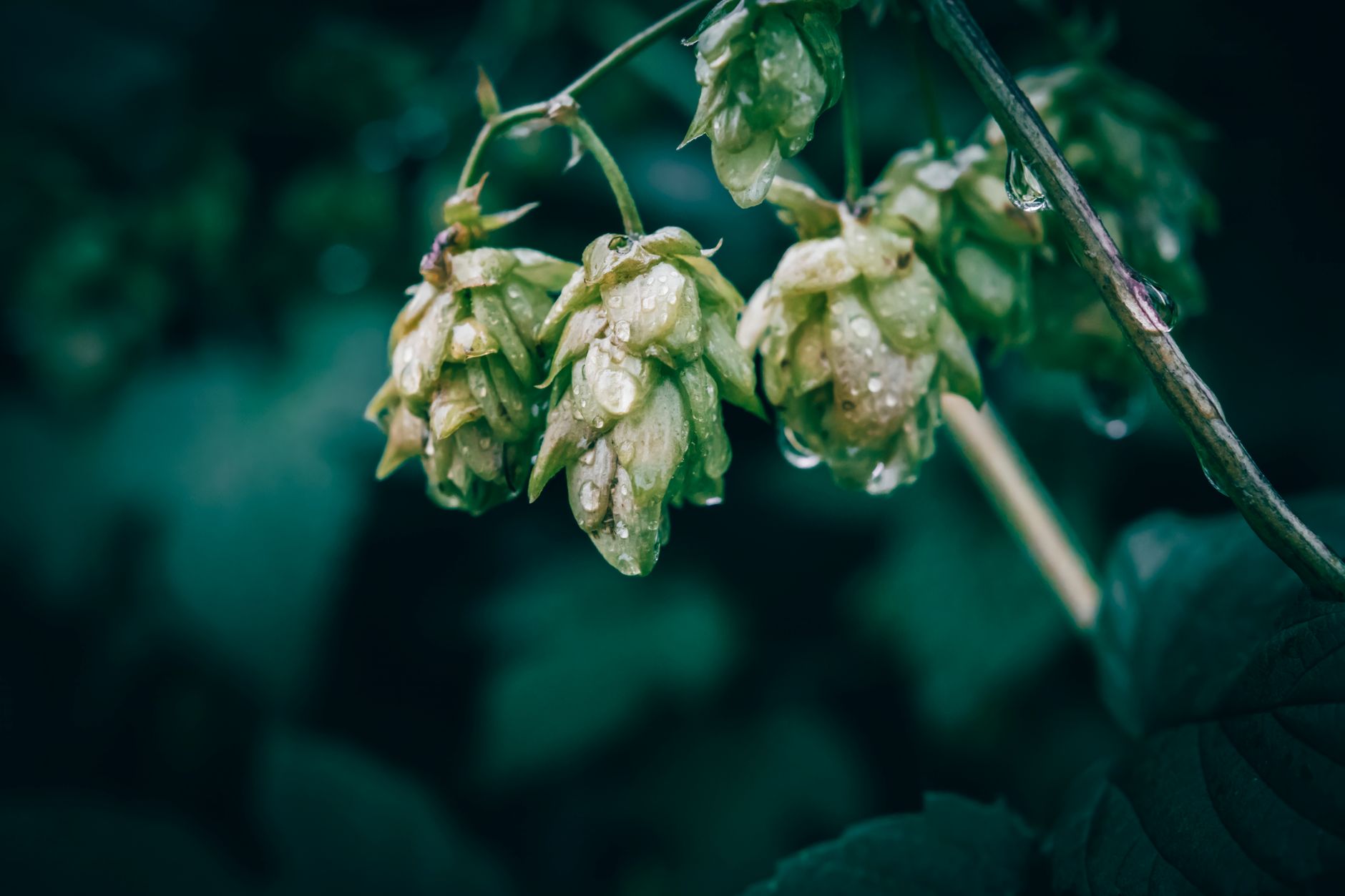
The morphology of the hops plant is specialized for rapid vertical growth. It utilizes “bines”—which differ from vines by using stiff hairs to grip surfaces rather than tendrils—to climb up to 20 feet or more in a single growing season. From a botanical standpoint, the plant is remarkably hardy, with a rhizomatous root system that allows it to survive harsh winters and regenerate annually. Understanding the plant’s biology is crucial because the concentration of active metabolites, such as humulone and lupulone, fluctuates based on the maturity of the flower and the specific cultivar of the plant. Harvesting typically occurs in late summer when the lupulin glands are at their peak aromatic and chemical concentration.
Detailed Chemical Composition: The Bioactive Powerhouse
The therapeutic efficacy of hops is attributed to its unique secondary metabolites, which can be broadly categorized into three groups: resins (alpha and beta acids), essential oils, and polyphenolic flavonoids. Each group contributes a specific facet to the plant’s overall health-promoting profile. The alpha-acids, primarily humulone, cohumulone, and adhumulone, are known for their antibacterial properties and their ability to inhibit bone resorption. The beta-acids, including lupulone, provide additional antimicrobial support, particularly against Gram-positive bacteria.

Beyond the resins, the essential oils of hops—which include myrcene, humulene, and caryophyllene—deliver the plant’s sedative and anti-inflammatory effects. However, the most significant modern discovery in hops chemistry is the presence of prenylated flavonoids. The most notable among these are Xanthohumol and 8-prenylnaringenin (8-PN). Xanthohumol is a potent antioxidant and has shown promise in studies regarding cancer prevention and metabolic syndrome management. Meanwhile, 8-prenylnaringenin is currently recognized as one of the most powerful phytoestrogens known to science, surpassing the estrogenic activity found in soy and red clover. This specific compound allows hops to interact directly with human estrogen receptors, making it a critical subject of study for hormonal health.
Historical Context and Traditional Medicinal Uses
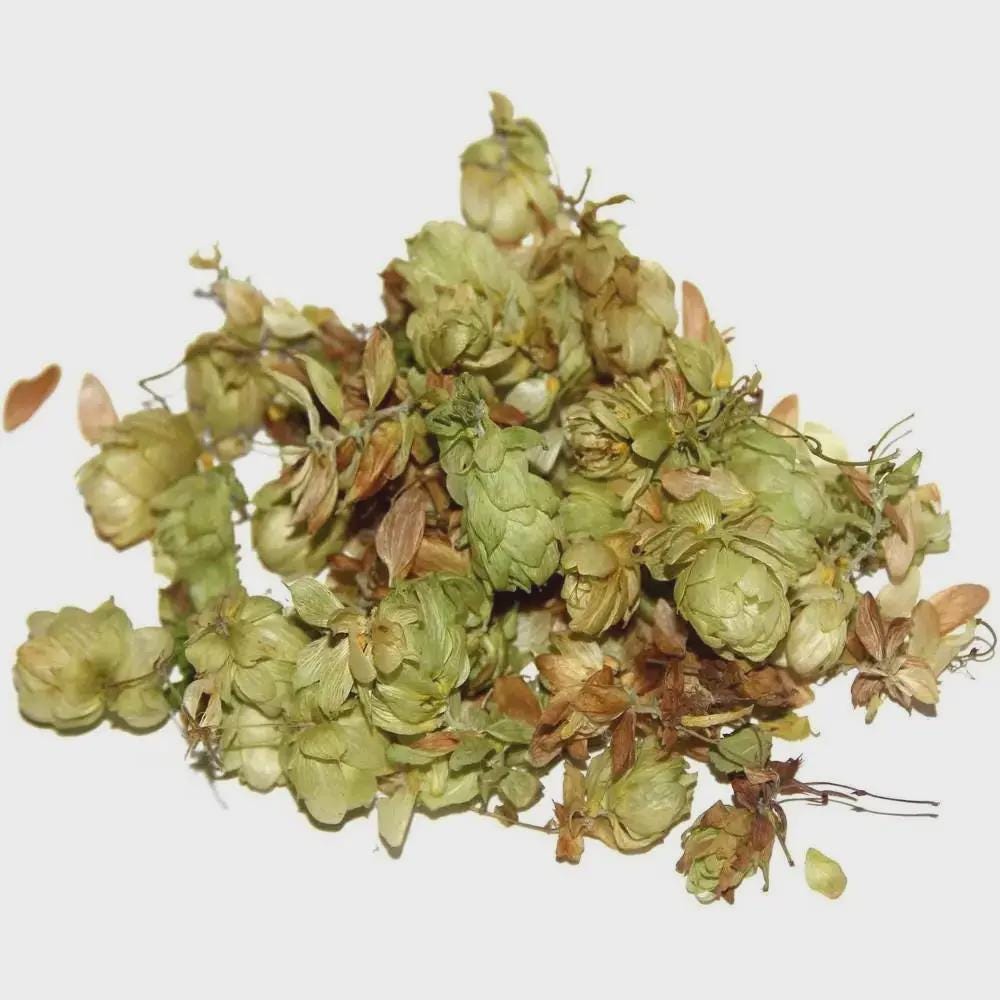
Historically, the use of hops as a medicinal herb predates its use in brewing. The first documented mentions of hops appear in early medieval texts, where it was praised for its “blood-cleansing” properties and its ability to reduce melancholy. In traditional European folk medicine, pillows filled with dried hops flowers were a common remedy for restlessness and sleep disorders; the subtle release of volatile oils would be inhaled throughout the night, inducing a state of relaxation. This practice remains a classic example of early aromatherapy.
In addition to sleep support, traditional healers utilized hops as a bitter tonic to stimulate digestion. The bitter compounds in the plant trigger the secretion of gastric juices and bile, aiding in the breakdown of fats and alleviating symptoms of indigestion and bloating. In North American indigenous medicine, hops were occasionally used for toothaches and as a poultice for skin inflammation. The transition of hops from a general herbal remedy to a specific brewing staple occurred around the 9th century in Germany, largely because its antimicrobial properties helped preserve beer and prevented spoilage before the advent of refrigeration.
In-Depth Look at Health Benefits
1. Treatment of Insomnia and Sleep Disorders
Hops are perhaps best known for their sedative properties. The mechanism of action is believed to involve the modulation of the gamma-aminobutyric acid (GABA) system in the brain. GABA is an inhibitory neurotransmitter that reduces neuronal excitability, effectively “calming” the nervous system. Compounds in hops, specifically the degradation products of alpha-acids like 2-methyl-3-buten-2-ol, appear to enhance the activity of GABA receptors. Many clinical trials have demonstrated that when hops are combined with valerian root, they significantly reduce the time it takes to fall asleep (sleep latency) and improve the overall quality of sleep without the “hangover” effect associated with pharmaceutical sedatives.
2. Management of Menopausal Symptoms
The presence of 8-prenylnaringenin (8-PN) makes hops an effective natural intervention for menopause. During the menopausal transition, declining estrogen levels lead to vasomotor symptoms such as hot flashes, night sweats, and vaginal dryness. As a potent phytoestrogen, 8-PN can bind to estrogen receptors (specifically ER-alpha) and mimic the hormone’s effects, thereby stabilizing the body’s thermoregulatory center. Research indicates that standardized hops extracts can significantly reduce the frequency and severity of hot flashes within a few weeks of consistent use, providing a non-hormonal alternative for women who cannot or choose not to undergo traditional Hormone Replacement Therapy (HRT).
3. Anti-Anxiety and Stress Reduction
The sedative nature of hops extends to the management of daily stress and mild anxiety. By influencing the central nervous system, hops help to dampen the “fight or flight” response. This makes it particularly useful for “nervous stomach” or tension-related digestive issues. The synergistic effect of the essential oils, particularly myrcene, provides a grounding effect that can help lower cortisol levels over time. Unlike some herbal stimulants, hops promote a quieted mind, making it suitable for evening use to transition from the stresses of the workday into a restful state.
4. Anti-Inflammatory and Antioxidant Properties
Chronic inflammation is the root of many modern diseases, including cardiovascular issues and arthritis. Xanthohumol, the primary flavonoid in hops, has demonstrated high efficacy in neutralizing free radicals and inhibiting pro-inflammatory enzymes like COX-2. By reducing oxidative stress, hops extracts help protect cells from DNA damage and support the body’s natural repair mechanisms. Furthermore, preliminary studies suggest that hops resins may inhibit the signaling pathways associated with inflammatory joint pain, making it a potential supplemental treatment for osteoarthritis.
Modern Delivery Methods: Capsules and Extracts
For those looking to reap the therapeutic benefits of hops without the bitterness or the alcohol content of beer, modern supplements offer a standardized and convenient solution. Concentrated hops extracts are available in several forms, but capsules remain the most popular for targeted dosages. These supplements are often standardized to contain specific levels of 8-prenylnaringenin or Xanthohumol, ensuring that the user receives a therapeutic dose consistent with clinical research findings.

When selecting a capsule, it is important to look for “CO2 extracts” or “standardized extracts.” CO2 extraction is a clean method that preserves the delicate volatile oils and resins without the use of harsh chemical solvents. Capsules are particularly effective for sleep and menopause management because they allow for the accumulation of active compounds in the system. Many high-quality supplements combine hops with other nervine herbs like Passionflower, Lemon Balm, or Valerian to create a synergistic effect that addresses multiple facets of insomnia or anxiety simultaneously.
Practical Usage, Dosage, and Safety
Integrating hops into a wellness routine requires an understanding of dosage and potential contraindications. For tea preparation, one should use 1 to 2 teaspoons of dried hops flowers per cup of boiling water, steeping for about 10-15 minutes. Due to the extreme bitterness, many people blend hops with peppermint or chamomile. In tincture form, a common dose is 1-2 ml taken up to three times daily. For standardized capsules, dosages typically range from 100mg to 500mg depending on the concentration of active flavonoids.

Safety is a paramount consideration. While hops are generally recognized as safe (GRAS) by regulatory bodies like the FDA, their potent phytoestrogenic activity means they should be avoided by individuals with a history of estrogen-dependent cancers, such as certain types of breast or uterine cancer. Additionally, because of their sedative properties, hops should not be used in conjunction with alcohol or pharmaceutical sedatives (like benzodiazepines) as they may dangerously potentiate the effects. Pregnant and breastfeeding women should consult with a healthcare professional before use. Finally, individuals with clinical depression should exercise caution, as the sedative nature of hops can occasionally exacerbate feelings of lethargy or low mood in some people.
Conclusion: The Future of Hops in Integrative Health
The hops flower is far more than a mere flavoring agent for the brewing industry; it is a complex pharmacological entity with a diverse range of health applications. From its role as a natural sleep aid to its burgeoning reputation as a savior for menopausal health, Humulus lupulus stands as a testament to the power of botanical medicine. As research continues to delve into the neuroprotective and metabolic benefits of Xanthohumol, it is likely that we will see hops integrated into more therapeutic protocols for a variety of chronic conditions. Whether consumed as a traditional tea, used in a sleep pillow, or taken as a standardized capsule, hops flowers offer a natural, effective, and historically proven way to enhance well-being and restore balance to the body’s systems.
Disclaimer: For informational purposes only. Not medical advice. Consult a qualified healthcare professional before use.
Leave a Reply