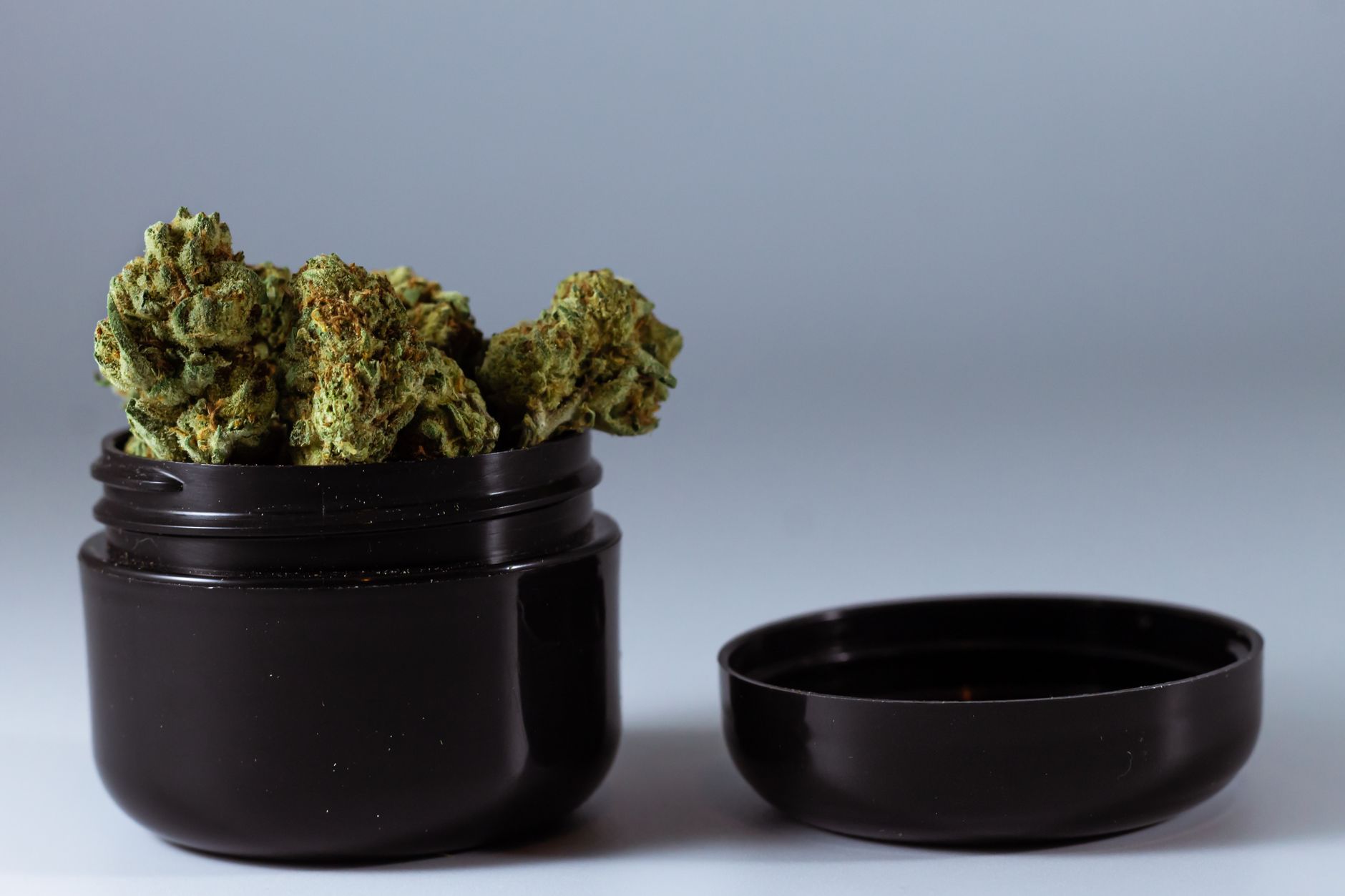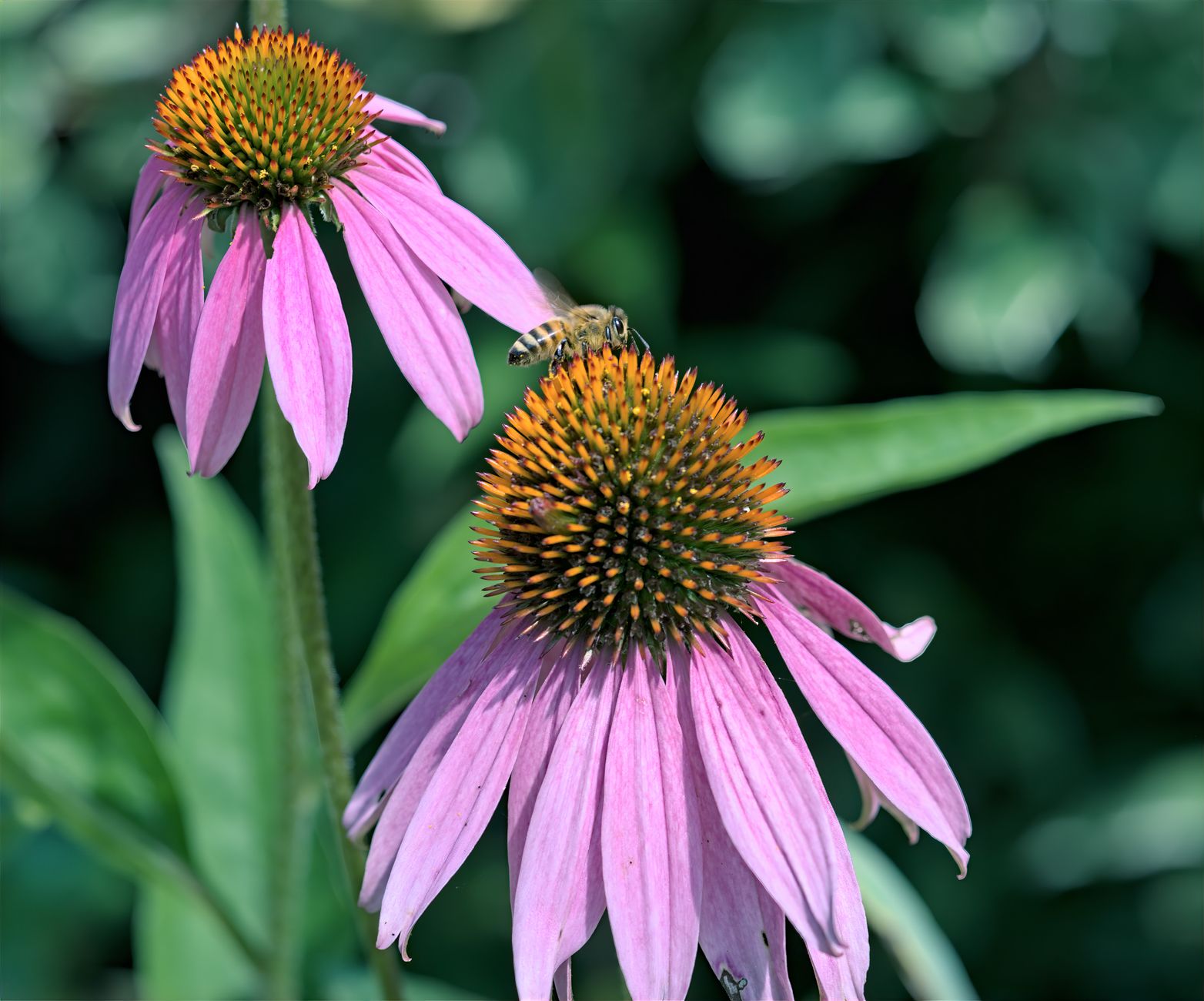
The Ultimate Guide to Bistort Rhizome: Health Benefits and Uses

The Ultimate Guide to Bistort Rhizome: Nature’s Premier Astringent and Gastrointestinal Protector

Bistort rhizome, scientifically classified as Bistorta officinalis (historically recognized as Polygonum bistorta), is one of the most potent, tannin-rich botanicals in traditional European and Asian pharmacopeias. Known colloquially as common bistort, snakeroot, adderwort, or sweet dock, this perennial plant belongs to the family Polygonaceae. The name “bistort” is derived from the Latin bistorta, meaning “twice twisted,” which directly describes the distinct, S-shaped, contorted physical profile of its subterranean rhizome.

For centuries, herbalists, physicians, and indigenous healers have relied on bistort rhizome as a foundational remedy to address conditions characterized by excess fluid discharge, tissue relaxation, acute inflammation, and internal or external hemorrhaging. In this exhaustive deep-dive guide, we will explore the botany, rich history, complex phytochemistry, clinical mechanisms, and modern therapeutic applications of this remarkable botanical root.

Botanical Overview and Ecological Profile

Common bistort is a robust perennial herb native to temperate zones across Europe, Northern Asia, and localized regions of North America. It thrives in damp, nutrient-rich environments such as wet meadows, marshlands, stream banks, peat bogs, and subalpine pastures. The plant features erect, unbranched stems that can grow up to 80 centimeters in height, topped with dense, cylindrical, spike-like racemes of pale pink or occasionally white flowers blooming from late spring through mid-summer.

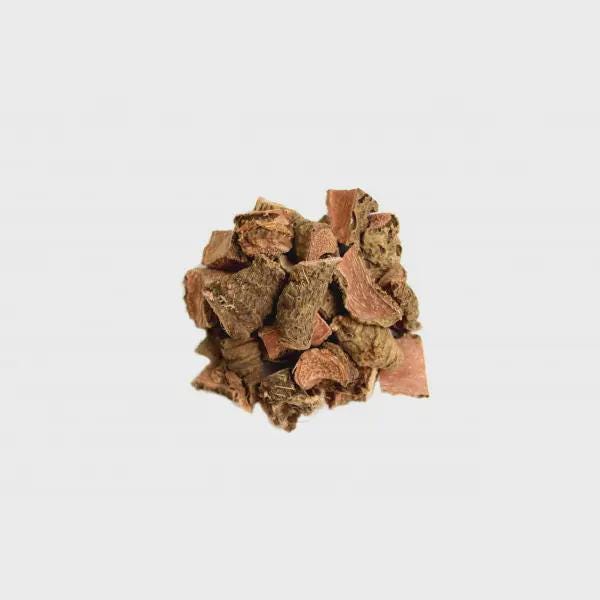
The basal leaves are long, ovate-lanceolate, and wavy-margined, supported by winged petioles, while the upper leaves are stem-clasping. However, the botanical powerhouse of Bistorta officinalis lies hidden beneath the soil. The rhizome is thick, woody, fleshy, and highly contorted, exhibiting a dark purplish-brown outer bark and a pale red or pinkish interior flesh. This subterranean structure functions as the plant’s primary metabolic and energy storage organ, accumulating a highly concentrated profile of secondary metabolites, specifically polyphenols and tannins, designed to defend the plant against soil-borne pathogens and herbivores.

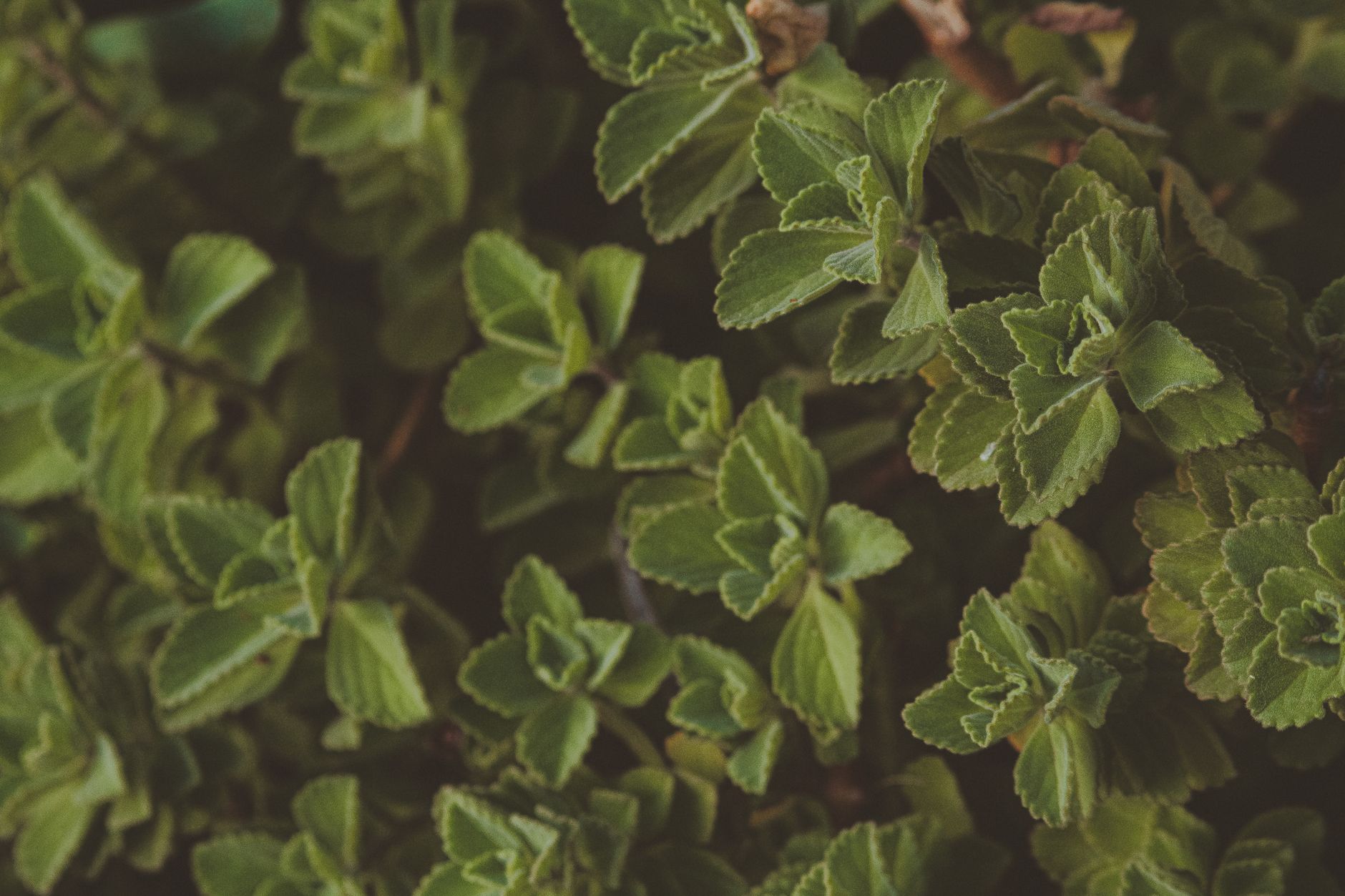
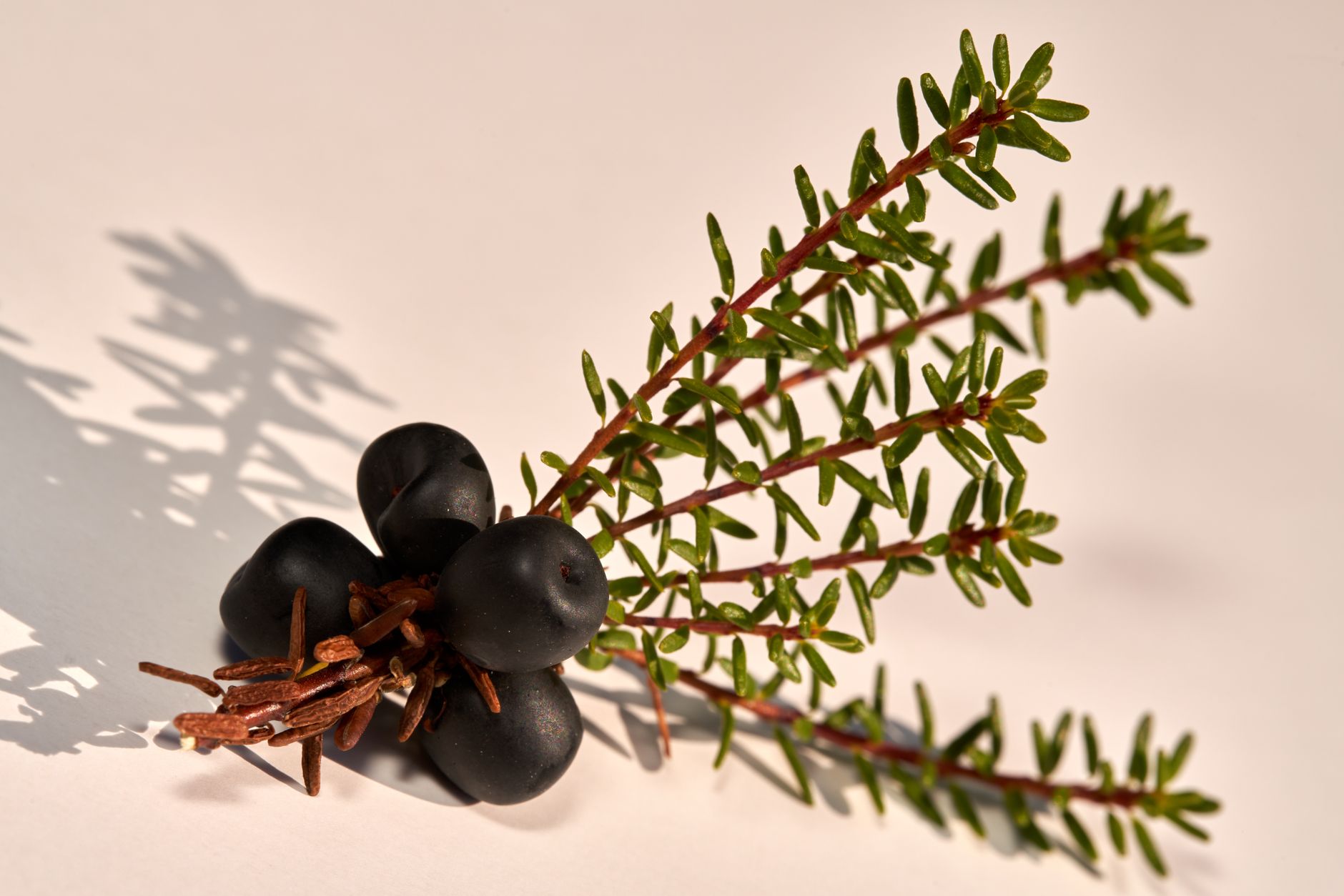
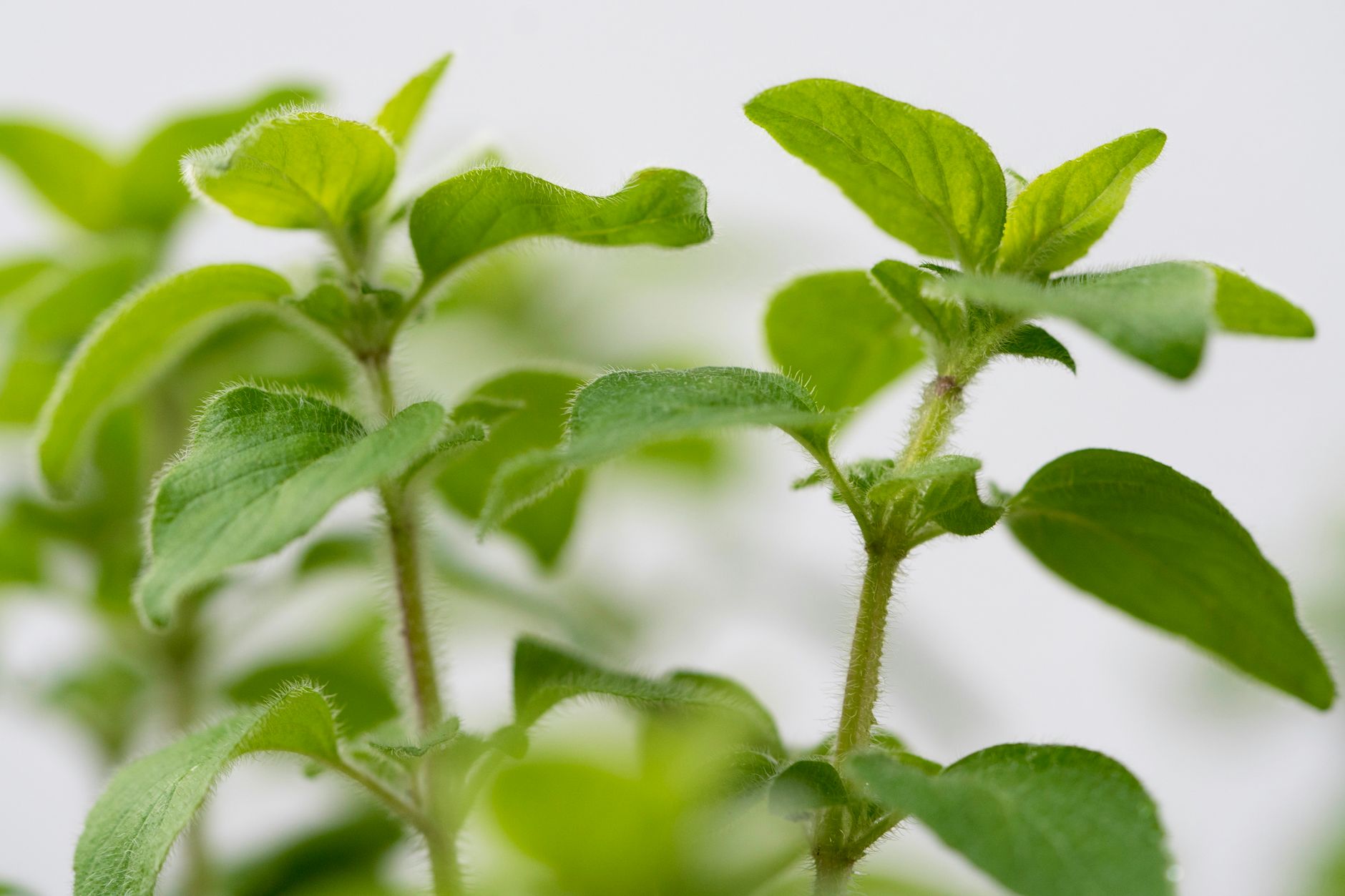
Bistort Rhizome Botanical Photo

Understanding the ecological growth parameters of Bistorta officinalis helps wildcrafters and commercial growers optimize harvest times. The therapeutic potency of the rhizome peaks in autumn, when the aerial parts of the plant begin to wither and die back. During this dormancy transition, the plant translocates its metabolic assets down into the rhizome, dramatically increasing the concentration of active tannins, starches, and minerals.

Historical Context and Traditional Ethnobotany

The ethnobotanical history of bistort rhizome is deeply intertwined with European folklore and early medical practices. Because the twisted root structure resembles a coiled snake, historical practitioners of the “Doctrine of Signatures”—the belief that a plant’s physical characteristics reveal its medicinal utility—concluded that bistort was a sovereign remedy for snake bites and venomous stings. This association earned the plant its common folk names, “snakeroot” and “adderwort.”

In medieval Europe, bistort was highly valued as an anti-pestilential herb. During outbreaks of plague and infectious fevers, physicians formulated complex electuaries containing bistort rhizome to reduce high fevers, stop malignant diarrhea, and halt internal bleeding. The famous 17th-century English physician and herbalist Nicholas Culpeper noted that bistort was “exceeding cold and dry” and possessed a remarkable capacity to “resist all pestilential fevers, poison, and the biting of venomous beasts.” He recommended decoctions of the root in wine or water to bind loose stools, arrest heavy menstrual flow, and heal oral ulcers.
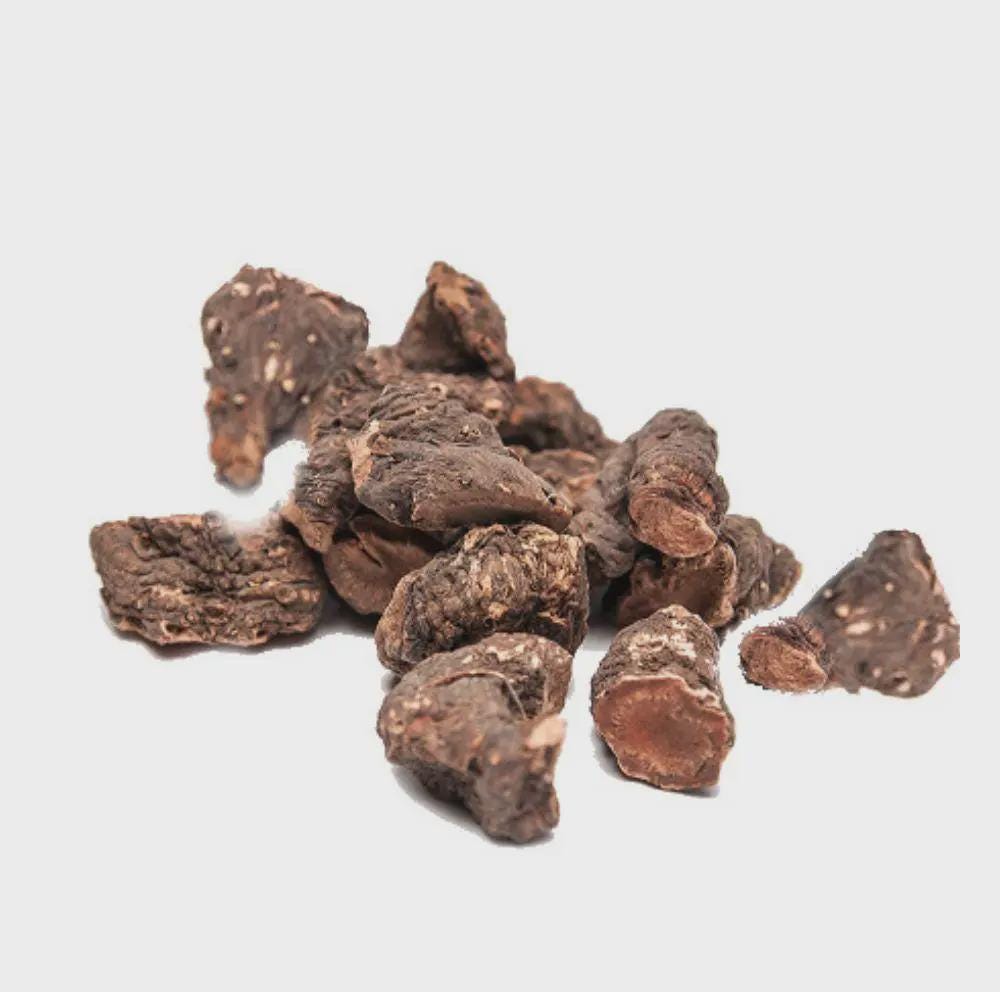
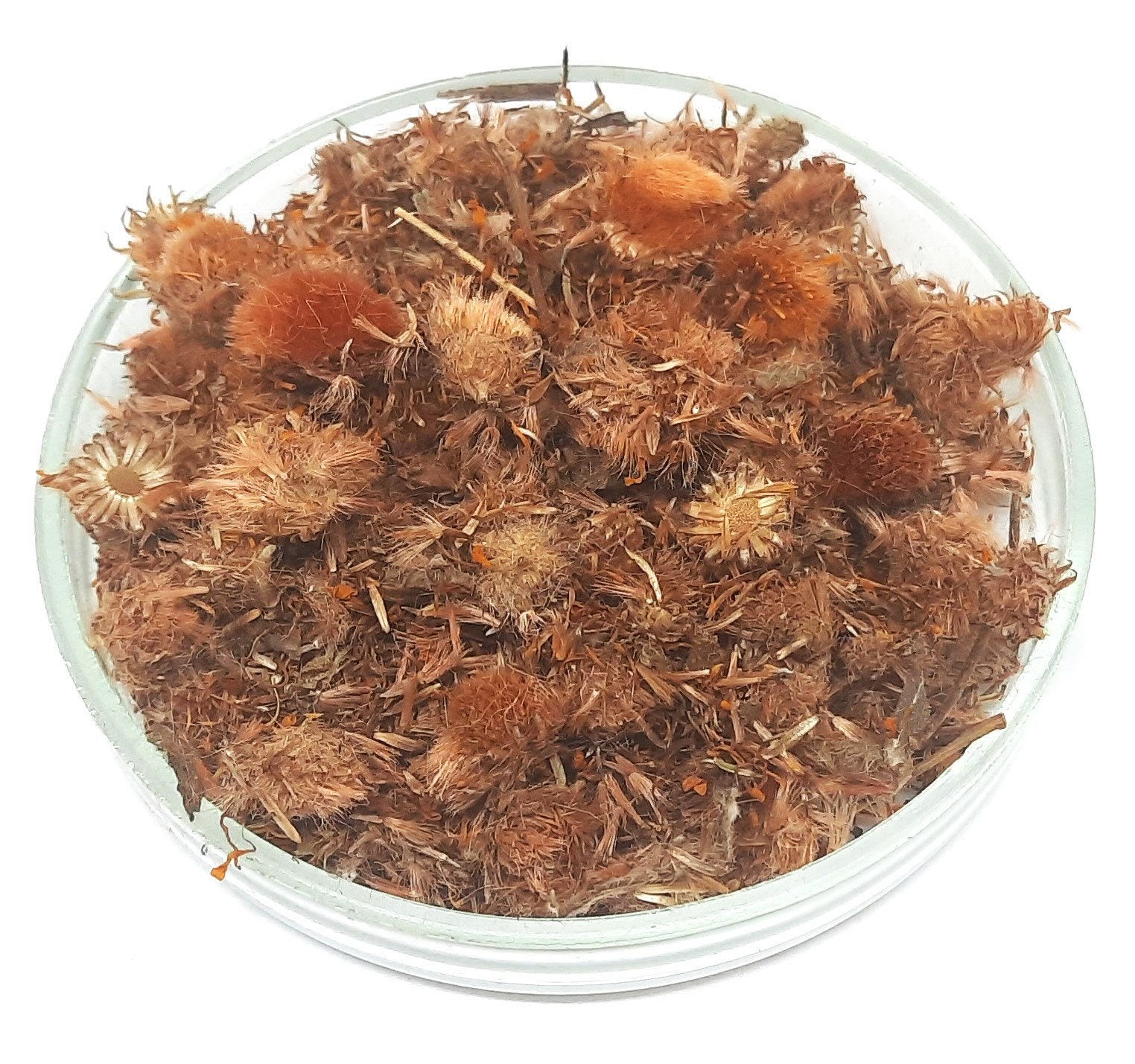
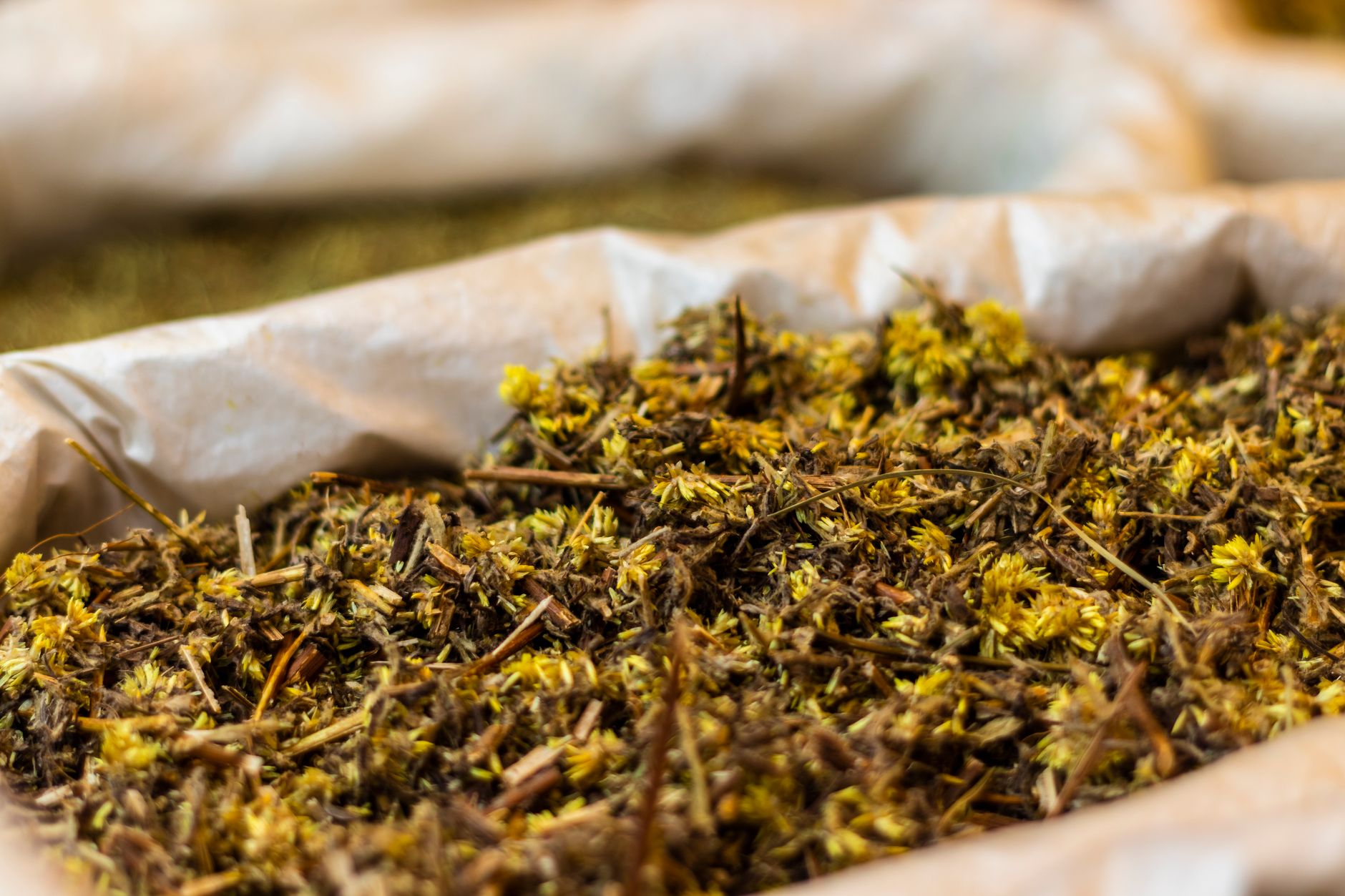
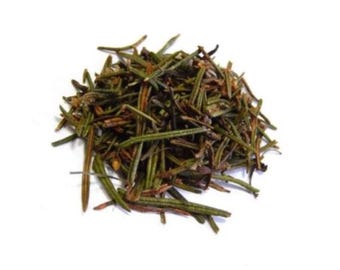
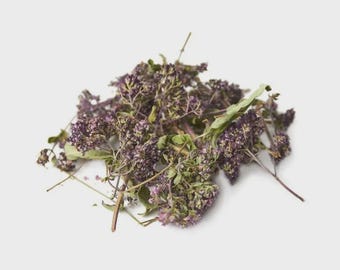
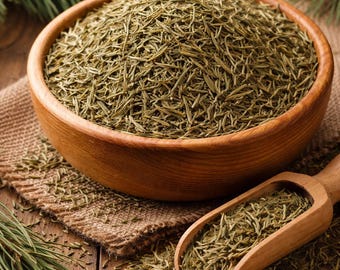
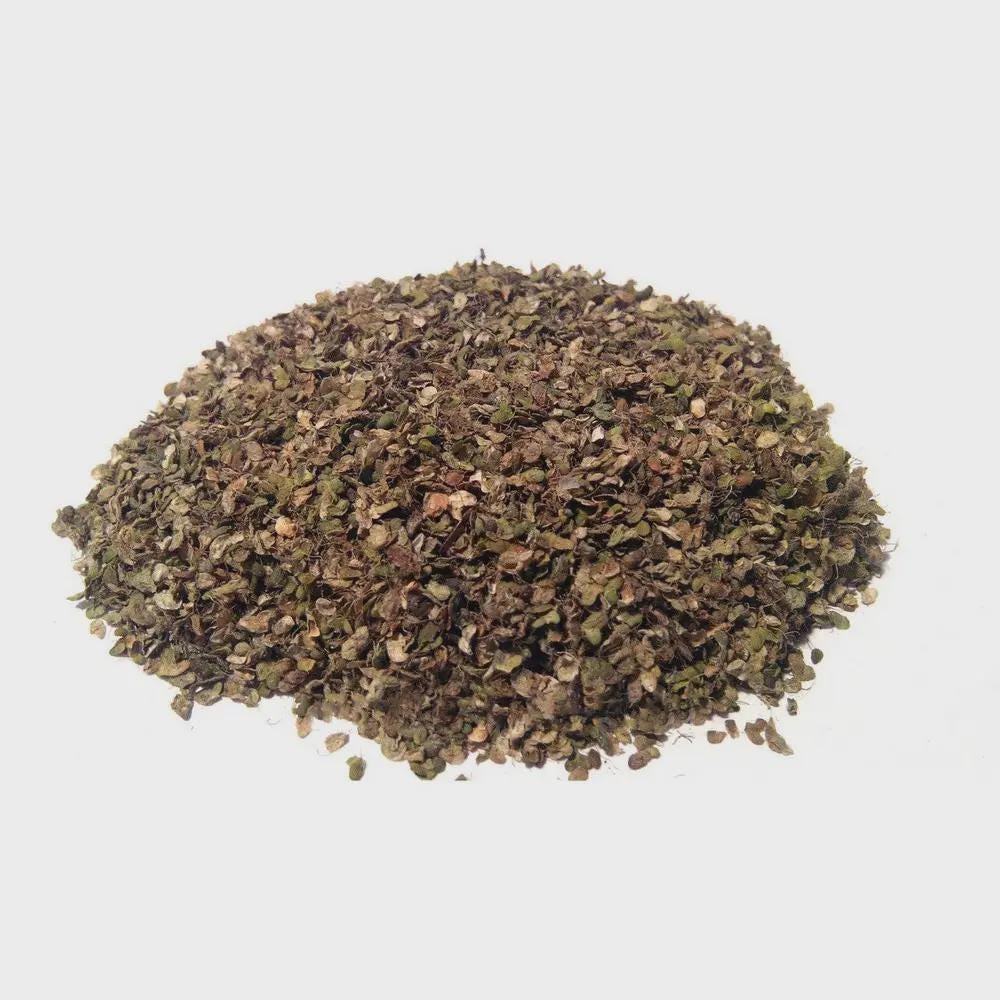
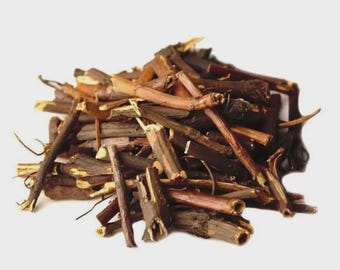
Bistort Rhizome Dried Herb

Beyond its medicinal applications, bistort historically served culinary and survival purposes. In Northern England, particularly in Yorkshire and Cumbria, the young spring leaves of bistort were a key ingredient in “Easter Ledger Pudding” (or “Easter Ledges”), a traditional spring dish containing bistort leaves, oatmeal, barley, and nettles. This bitter, highly nutritive pudding served as a seasonal depurative, cleansing the digestive system and replenishing vital nutrients after a winter devoid of fresh green vegetation. Meanwhile, the starchy, tannin-depleted rhizomes (often soaked repeatedly in water to leach out the bitter tannins) were ground into flour during times of famine to bake bread.

Phytochemical Characterization: The Active Compounds

The profound physiological effects of bistort rhizome are directly attributable to its highly dense and diverse phytochemical matrix. Analytical studies have revealed that the dried rhizome contains between 15% and 36% tannins, representing one of the highest concentrations of these polyphenolic compounds found anywhere in the botanical kingdom. This makes bistort an exceptionally potent astringent.

The biochemical profile of Bistorta officinalis rhizome includes several distinct chemical families:

  • Hydrolyzable and Condensed Tannins: The tannin profile consists of both gallotannins (hydrolyzable) and catechol-type tannins (condensed, also known as proanthocyanidins). These large polyphenolic molecules possess an extraordinary affinity for binding and precipitating proteins, which underpins the plant’s cellular astringency.
  • Catechin and Epicatechin Derivatives: These monomeric flavan-3-ols serve as powerful antioxidants, scavenging reactive oxygen species (ROS) and downregulating inflammatory signaling pathways.
  • Ellagic and Gallic Acids: Free phenolic acids that exhibit strong anti-inflammatory, antimicrobial, and anti-mutagenic properties.
  • Flavonoids: Including quercetin, rutin, and kaempferol glycosides, which stabilize capillaries, reduce vascular permeability, and work synergistically with tannins to alleviate localized inflammation.
  • Anthraquinones: Present in trace quantities, which can exert mild metabolic and regulatory effects on bowel motility.
  • Starch and Calcium Oxalate: The rhizome contains up to 30% starch, providing demulcent properties that partially offset the extreme dryness of the tannins. However, the presence of calcium oxalate crystals requires consideration for individuals prone to renal calculi.
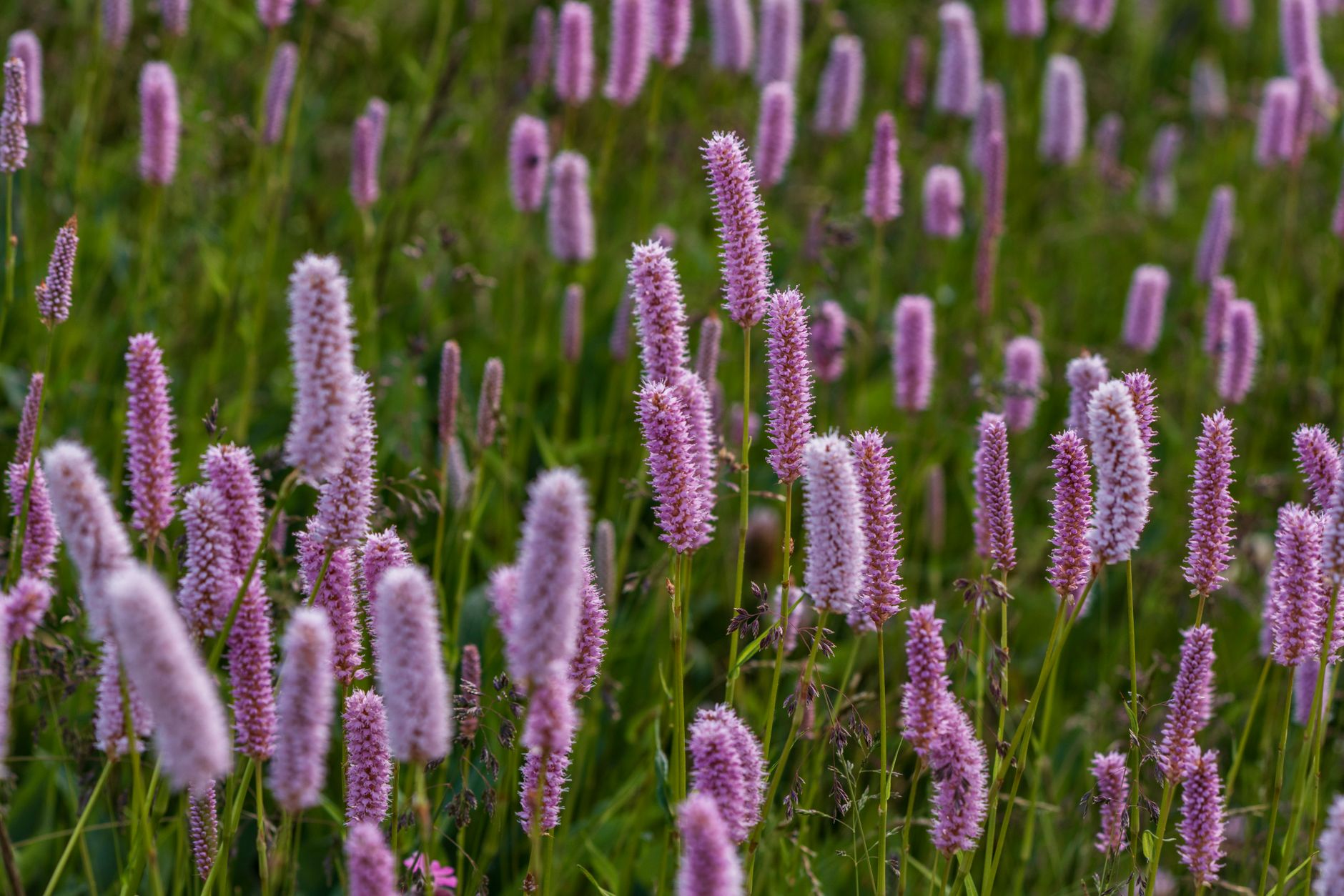
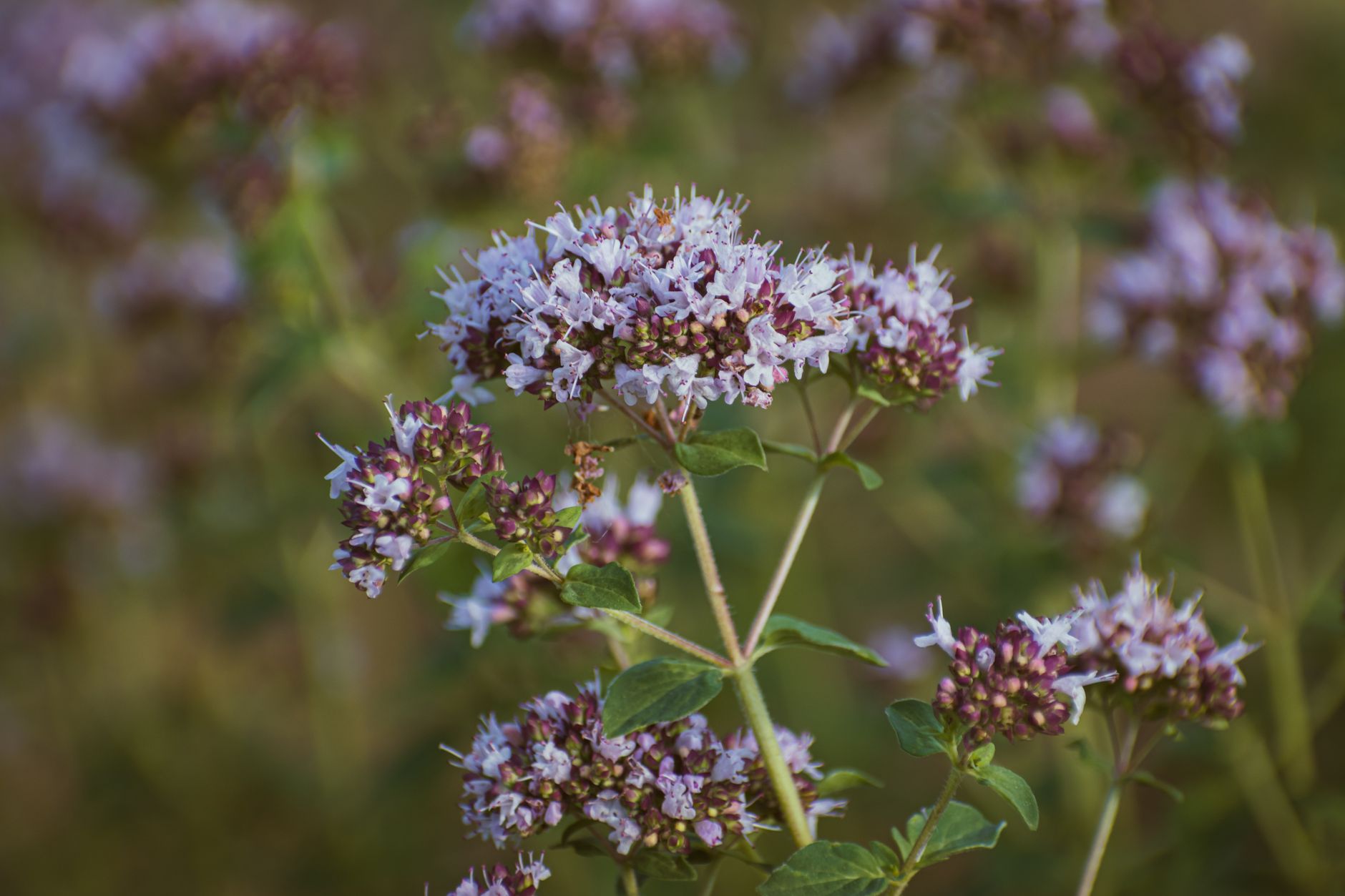
Bistort Rhizome Plant Profile

The synergy between these compounds is what makes bistort rhizome so effective. While the high tannin content creates an immediate, physical protective barrier over inflamed or damaged tissues, the flavonoids and phenolic acids work at a deeper cellular level to inhibit inflammatory enzymes and neutralize oxidative stress.

Deep Dive: Primary Health Benefits and Mechanisms of Action

1. Gastrointestinal Integrity and Anti-Diarrheal Action

The primary clinical application of bistort rhizome is the management of acute, non-specific diarrhea, gastroenteritis, and inflammatory bowel conditions. When a decoction or extract of bistort rhizome is ingested, the active tannins interact with the mucosal proteins lining the gastrointestinal tract. This interaction causes a localized, superficial coagulation of proteins, creating a microscopic, protective, insoluble membrane over the irritated intestinal mucosa.

This biochemical “tanning” process serves multiple therapeutic purposes:

  • Fluid Reduction: It reduces the permeability of the intestinal wall, halting the excessive secretion of water and electrolytes into the bowel lumen, thereby solidifying loose stools.
  • Pathogen Barrier: It prevents enterotoxins, pathogenic bacteria, and viruses from adhering to and penetrating the mucosal lining.
  • Spasmolysis: By desensitizing the sensory nerve endings in the gut wall, bistort relieves hyperperistalsis, easing painful abdominal cramping, spasms, and tenesmus.

2. Powerful Hemostatic and Wound Healing Properties

Bistort rhizome has a long-standing reputation as an excellent styptic (an agent that stops bleeding). Locally applied, it causes rapid vasoconstriction of damaged capillaries and precipitates blood proteins, which accelerates the formation of a stable blood clot. This makes it highly beneficial for treating bleeding hemorrhoids, minor cuts, epistaxis (nosebleeds), and active capillary oozing.

Furthermore, the astringent action promotes tissue contraction. When applied to open wounds, ulcers, or bedsores, a bistort wash or poultice draws the edges of the tissue together, reduces the discharge of inflammatory exudates, and shields the raw wound bed from opportunistic bacterial infections, thereby accelerating the proliferative phase of wound healing.

3. Oral Health, Gingivitis, and Pharyngitis Support

The oral cavity is highly susceptible to localized inflammatory and infectious states, such as gingivitis, periodontitis, aphthous ulcers (canker sores), and pharyngitis. A concentrated gargle or mouthwash formulated from bistort rhizome acts as a natural, non-toxic antiseptic and tissue-toning agent.

As the liquid is swished around the mouth, the tannins bind to the gums, reducing swelling, tightening loose periodontal tissue, and halting localized bleeding of the gums. Simultaneously, the antimicrobial action of gallic acid and catechins targets common oral pathogens, including Streptococcus mutans, reducing biofilm formation and neutralizing the acidic environments that contribute to dental caries and sore throats.

4. Comprehensive Antioxidant and Anti-Inflammatory Pathways

Chronic inflammation and oxidative stress are the primary drivers of tissue degradation. The polyphenols found within bistort rhizome exhibit potent free-radical scavenging activity. Research suggests that these compounds actively downregulate the activation of Nuclear Factor-kappa B (NF-κB), a primary transcription factor that orchestrates the expression of pro-inflammatory cytokines such as Tumor Necrosis Factor-alpha (TNF-α), Interleukin-1 beta (IL-1β), and Interleukin-6 (IL-6).

By suppressing these inflammatory cascades and inhibiting cyclooxygenase (COX) enzymes, bistort rhizome helps reduce systemic inflammatory states, offering potential therapeutic support for chronic inflammatory conditions such as rheumatoid arthritis, ulcerative colitis, and localized skin disorders like eczema and contact dermatitis.

Modern Preparations and Supplementation

As modern scientific interest in standardized, plant-based remedies continues to grow, bistort rhizome has transitioned from a wildcrafted backyard remedy into advanced, quality-controlled formulations. Consumers can now access bistort rhizome in several user-friendly, precise formats designed to maximize the bioavailability of its active polyphenolic compounds.
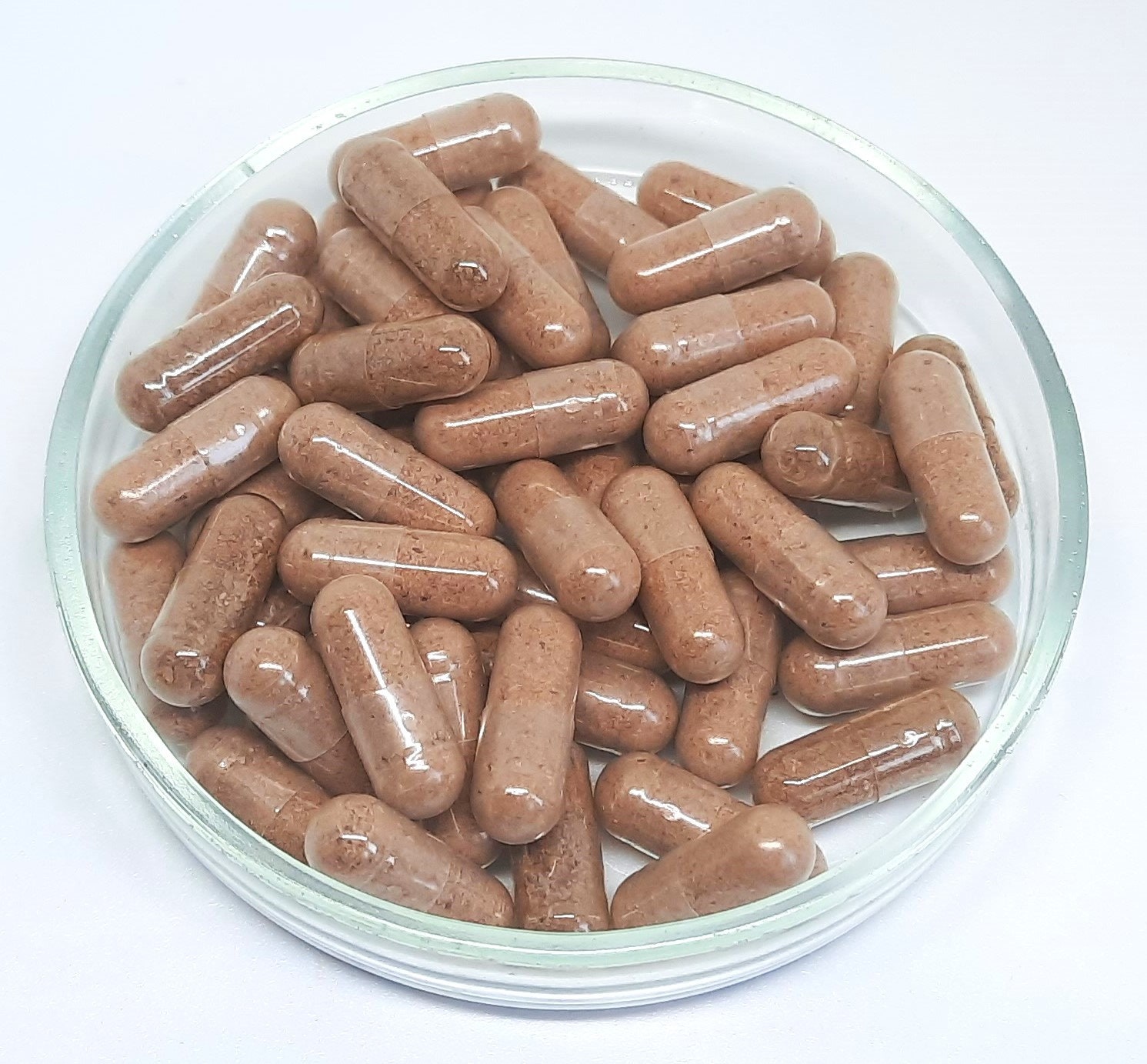
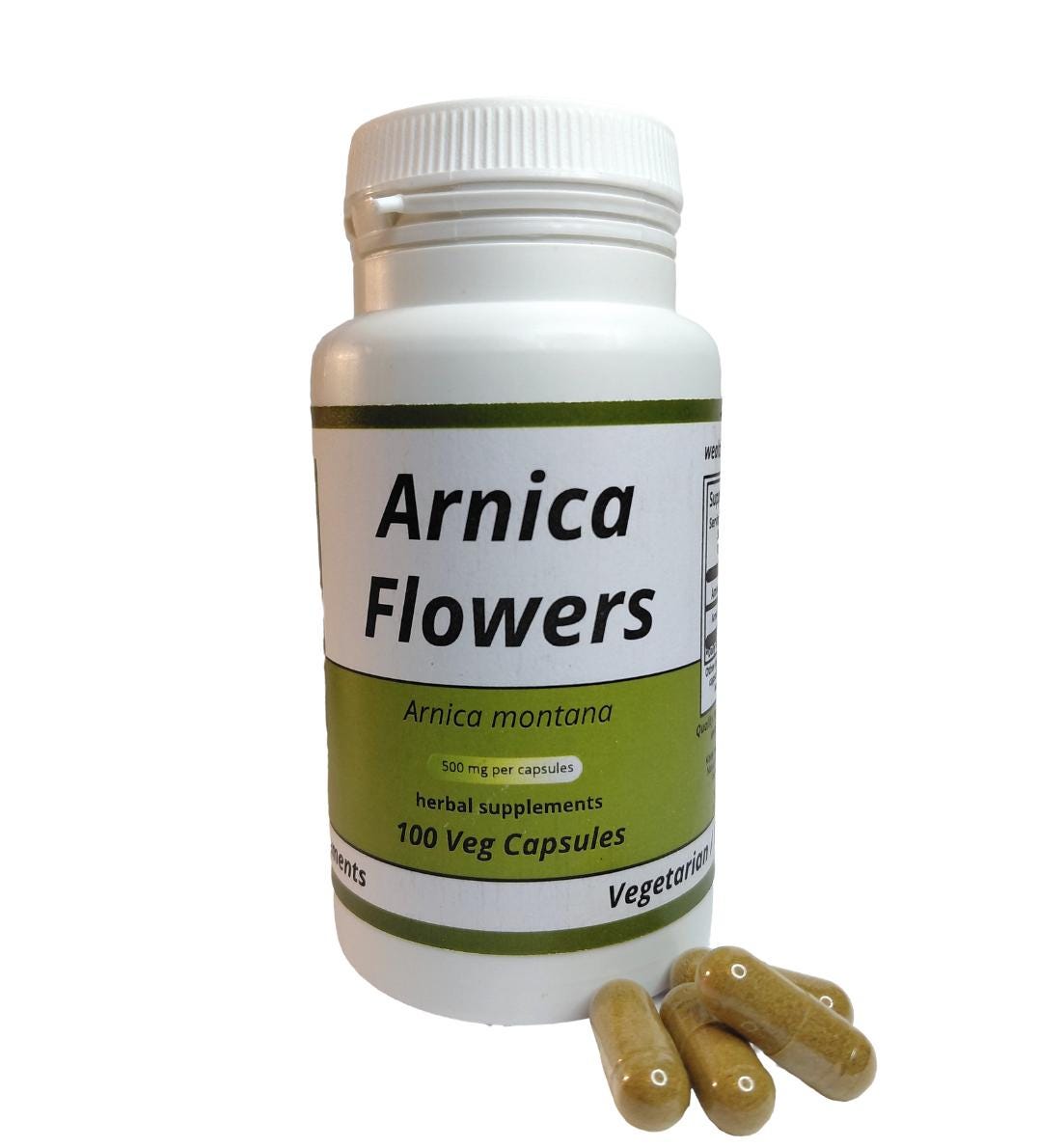
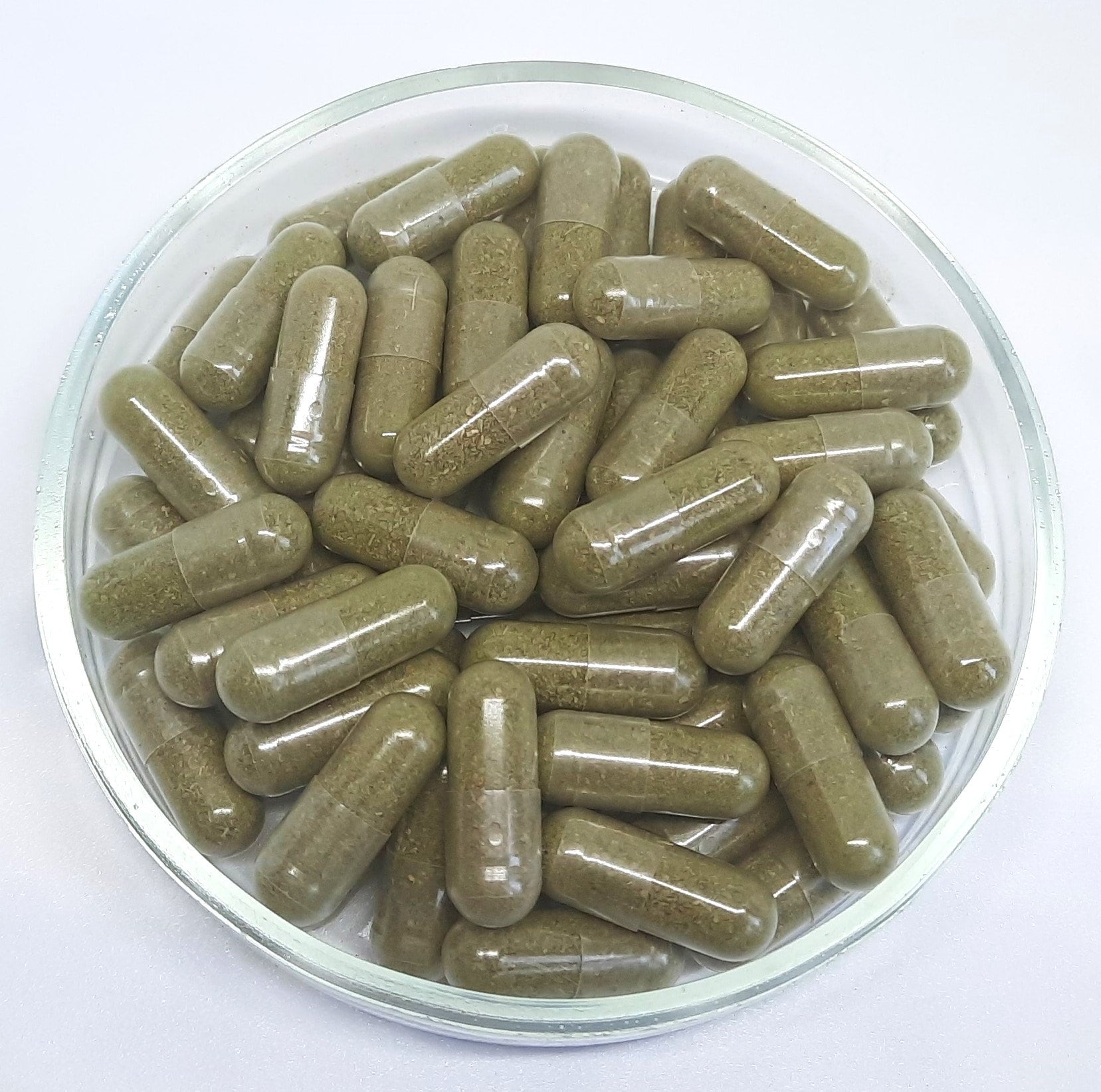
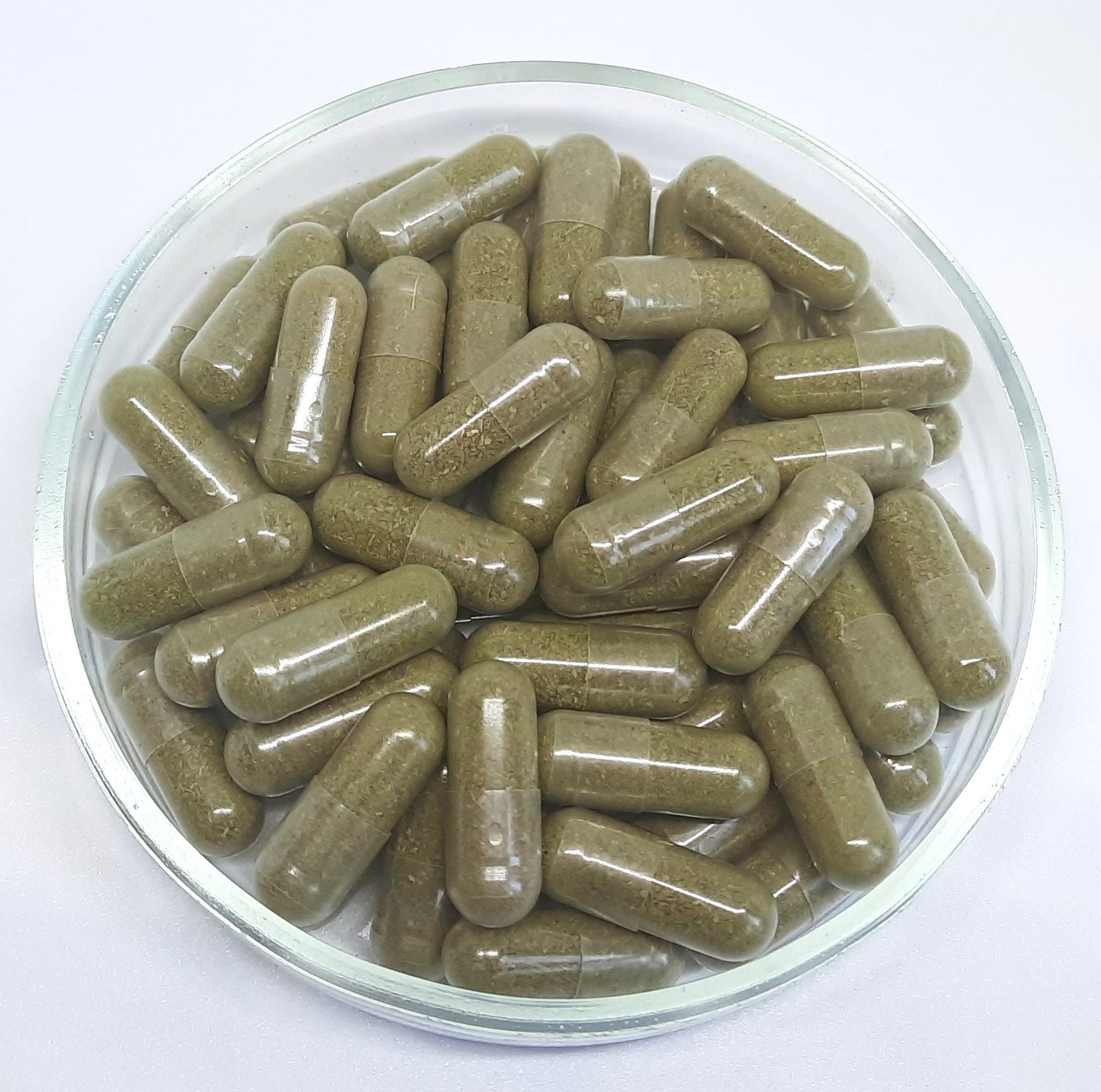
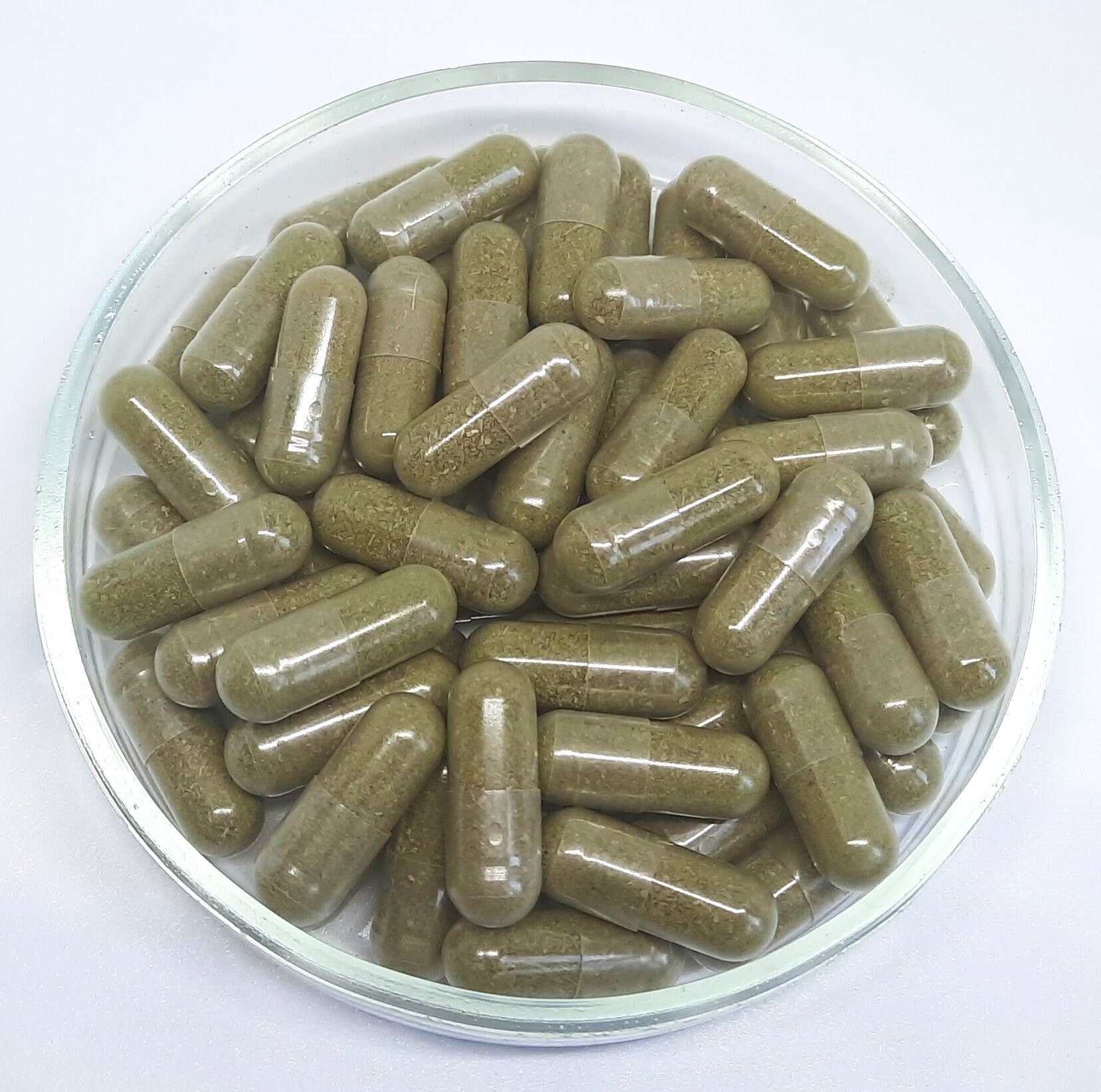
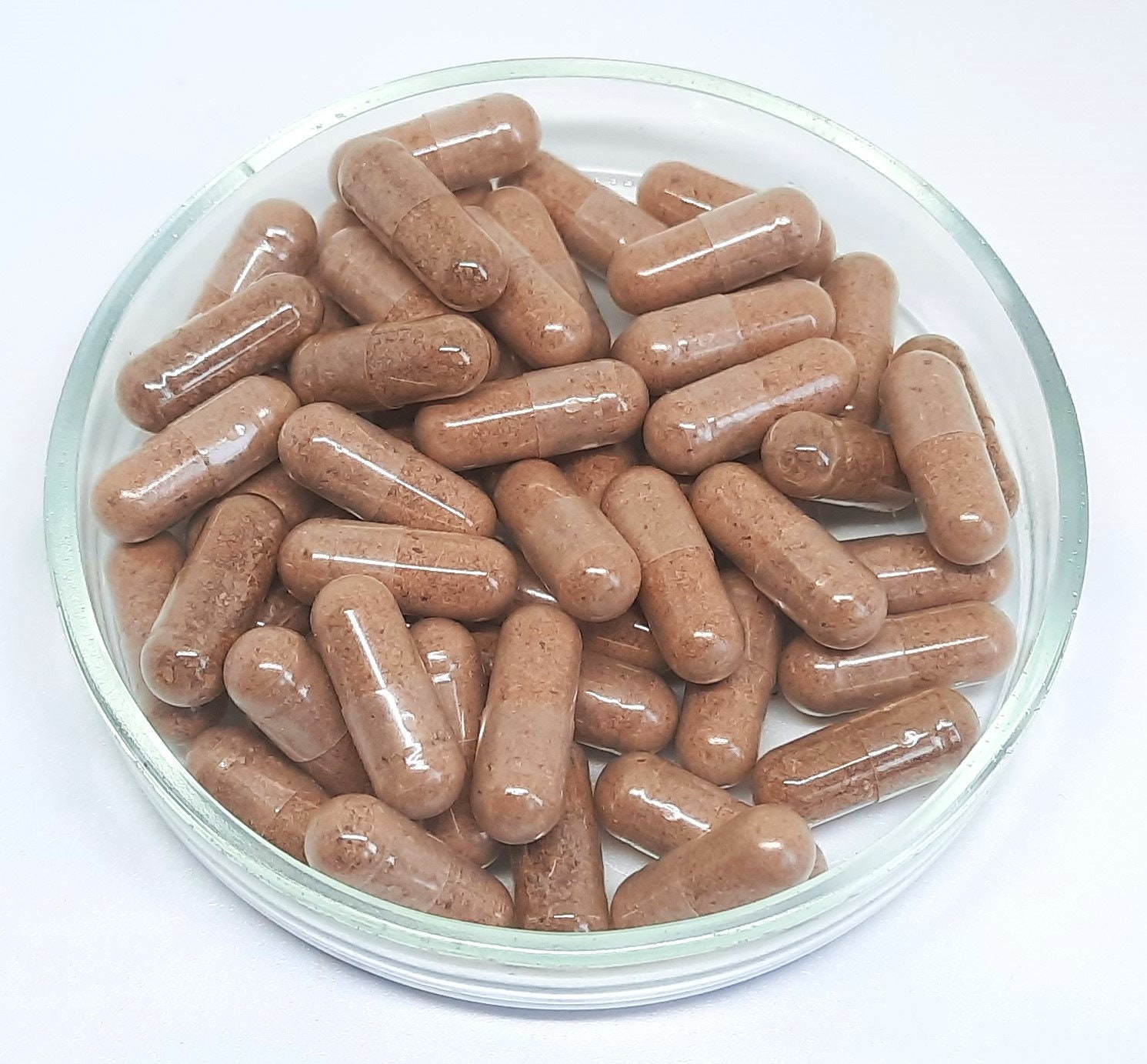
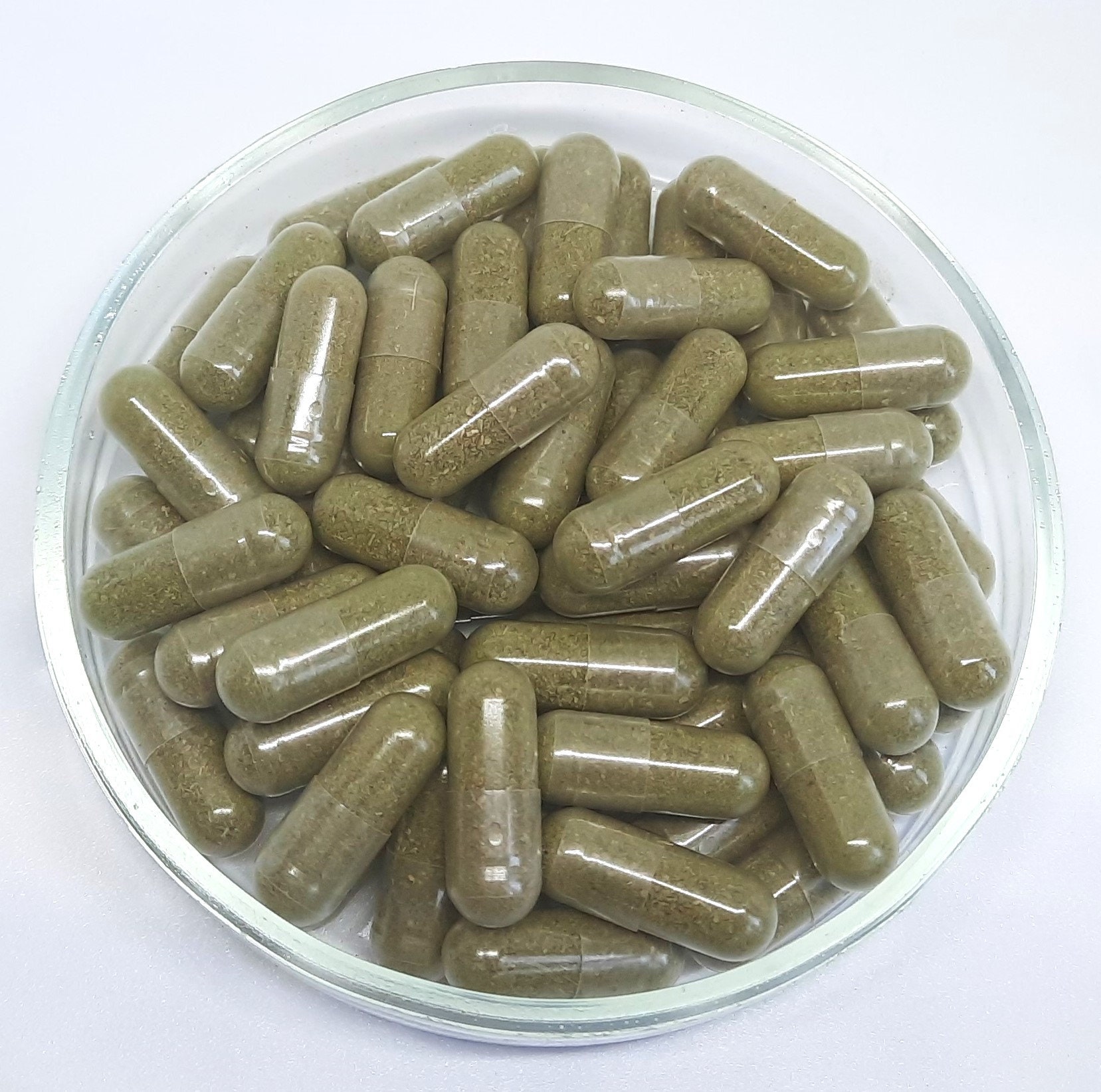
Bistort Rhizome Capsules

For internal therapeutic regimens where taste compliance is a factor, standardized capsules containing dried, finely powdered bistort rhizome or concentrated dry extracts are highly popular. Capsules ensure a consistent, measured dose of active tannins, protecting the sensitive mucous membranes of the esophagus from the intense, immediate astringency of the herb. When looking for high-quality bistort supplements, it is critical to source products from reputable manufacturers who perform rigorous third-party testing for heavy metals, microbial contaminants, and precise active compound verification.

How to Prepare and Use Bistort Rhizome: Practical Recipes

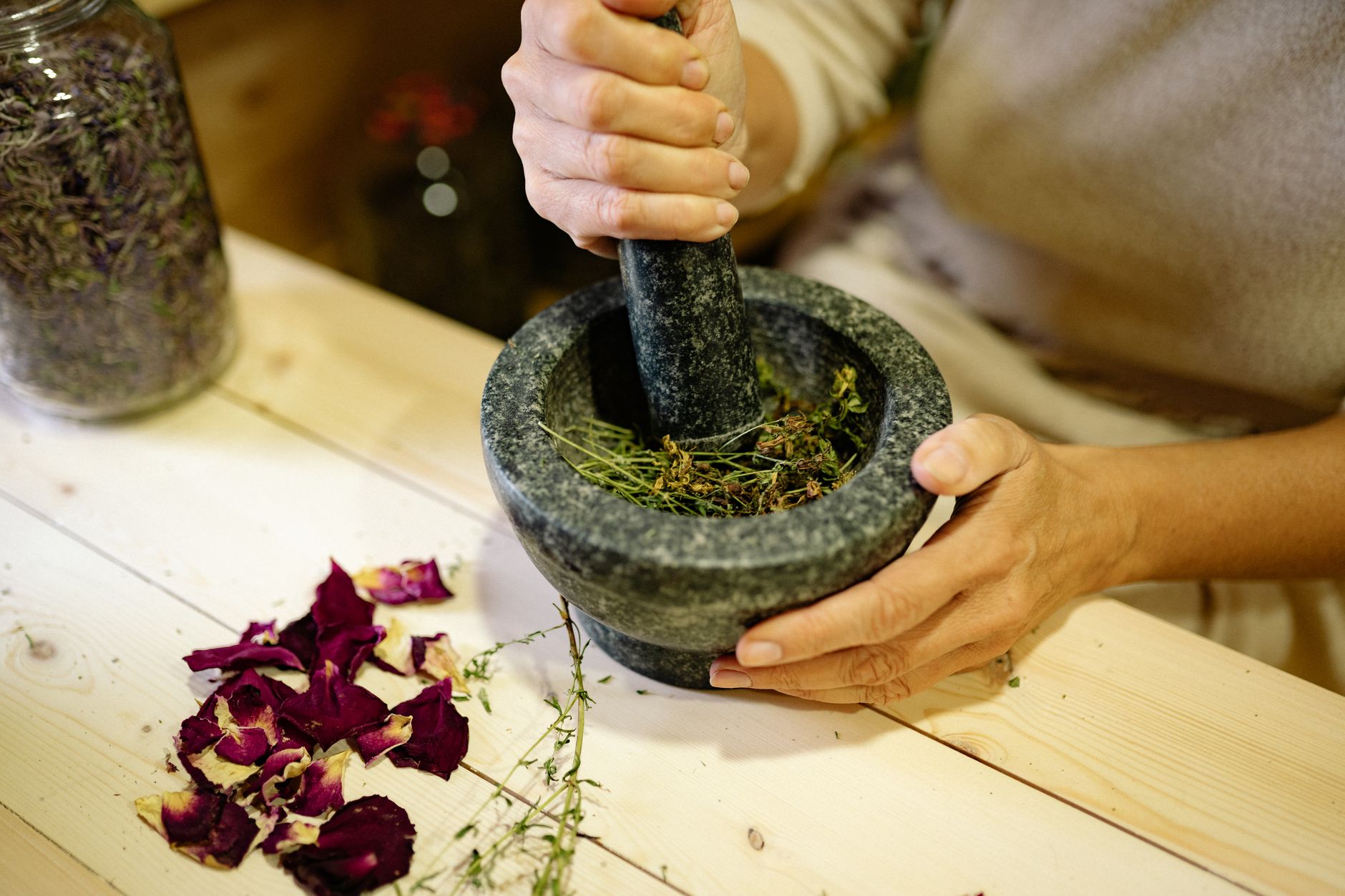
If you prefer using the raw, dried, or cut-and-sifted rhizome, several traditional preparation methods can be easily performed at home to extract its therapeutic compounds:

The Therapeutic Decoction

Because the rhizome is a dense, woody structure, a simple infusion (steeping in hot water) is insufficient to extract its heavy tannins. A decoction is required:

  • Ingredients: 1 to 2 teaspoons of dried, crushed, or sliced bistort rhizome; 2 cups of pure water.
  • Method: Combine the rhizome and water in a small saucepan (preferably stainless steel or glass, avoiding aluminum or iron pots, which react negatively with tannins). Bring the mixture to a boil, then reduce the heat, cover, and let it simmer gently for 15 to 20 minutes. Remove from heat and allow it to steep for an additional 10 minutes before straining.
  • Usage: Drink up to 3 cups per day for acute diarrhea or colitis. Alternatively, allow the decoction to cool completely and use it as a highly effective gargle for sore throats, a mouthwash for bleeding gums, or a topical wash for eczema and minor wounds.

The Liquid Extract / Tincture

A tincture offers a concentrated, shelf-stable preparation that is easily dosed:

  • Ratio: A standard 1:5 ratio (1 part dried herb by weight to 5 parts liquid by volume) using a 40% to 50% alcohol-to-water ratio.
  • Method: Place the dried, crushed rhizome in a clean glass jar and cover with the alcohol mixture. Seal the jar tightly and store it in a cool, dark place for 4 to 6 weeks, shaking daily. Strain the liquid through a fine cloth and store it in an amber glass dropper bottle.
  • Usage: Take 2 to 4 mL (approximately 40 to 80 drops) in a small glass of water up to three times daily.

Bistort Rhizome Natural Herb

Safety, Side Effects, and Contraindications

While bistort rhizome is generally recognized as safe when used appropriately for short-term, acute indications, its high concentration of active tannins requires careful adherence to safety guidelines:

  • Short-Term Use Recommended: Due to the strong protein-binding capacity of tannins, prolonged internal use of bistort rhizome (beyond 10 to 14 consecutive days) can irritate the gastric mucosa, potentially causing nausea, vomiting, or mild constipation. Furthermore, excessive long-term intake of tannins can impair the absorption of essential minerals, particularly iron and calcium, leading to nutritional deficiencies over time.
  • Medication Interactions: Tannins can bind to and precipitate alkaloids and other active pharmaceutical ingredients in the stomach. Therefore, do not take bistort rhizome supplements or decoctions within 2 hours of taking any oral prescription medications, as it may significantly reduce their absorption and therapeutic efficacy.
  • Renal Considerations: Because bistort rhizome contains notable amounts of calcium oxalate, individuals with a history of calcium oxalate kidney stones (renal calculi) or severe kidney disease should avoid internal use.
  • Pregnancy and Lactation: In the absence of safety data regarding the effects of bistort on fetal development and lactation, pregnant or breastfeeding women should avoid using this botanical.

Conclusion

Bistort rhizome stands as a testament to the power of traditional herbal medicine, verified by modern science. Its unparalleled concentration of active tannins, combined with a robust array of anti-inflammatory flavonoids and antimicrobial phenolic acids, makes it an indispensable natural tool for managing acute digestive upsets, supporting oral hygiene, and promoting efficient wound healing. Whether utilized as a traditional home decoction, a topical astringent wash, or a convenient standardized capsule, Bistorta officinalis remains one of the botanical world’s most reliable and effective remedies.

Disclaimer: For informational purposes only. Not medical advice. Consult a qualified healthcare professional before use.
The Ultimate Guide to Nettle Leaf: Health Benefits and Uses

The Definitive Guide to Nettle Leaf: Science, History, and Therapeutic Mechanisms of Urtica dioica

For millennia, natural practitioners and indigenous cultures have turned to the botanical kingdom to source remedies for human ailments. Among the vast array of pharmacologically active plants, few boast a history as rich or a chemical profile as diverse as Urtica dioica, commonly known as stinging nettle. While often dismissed by modern gardeners as an invasive weed or avoided due to its notorious defense mechanism, nettle leaf is a nutritional powerhouse and a potent therapeutic agent. Modern pharmacology is increasingly validating what traditional medicine has long understood: that this resilient plant holds the key to addressing chronic inflammation, seasonal allergies, cardiovascular regulation, prostate health, and metabolic dysfunction.

To fully appreciate the clinical utility of nettle leaf, one must look beyond its surface. Its therapeutic benefits are not the result of a single “miracle” compound, but rather a synergistic matrix of vitamins, minerals, polyphenols, and bioactive lipids. This comprehensive guide provides an exhaustive exploration of Urtica dioica, outlining its botanical characteristics, complex phytochemical structure, historical applications, and the precise molecular pathways through which it exerts its health-promoting effects.

Botanical Profile and Physiological Characteristics

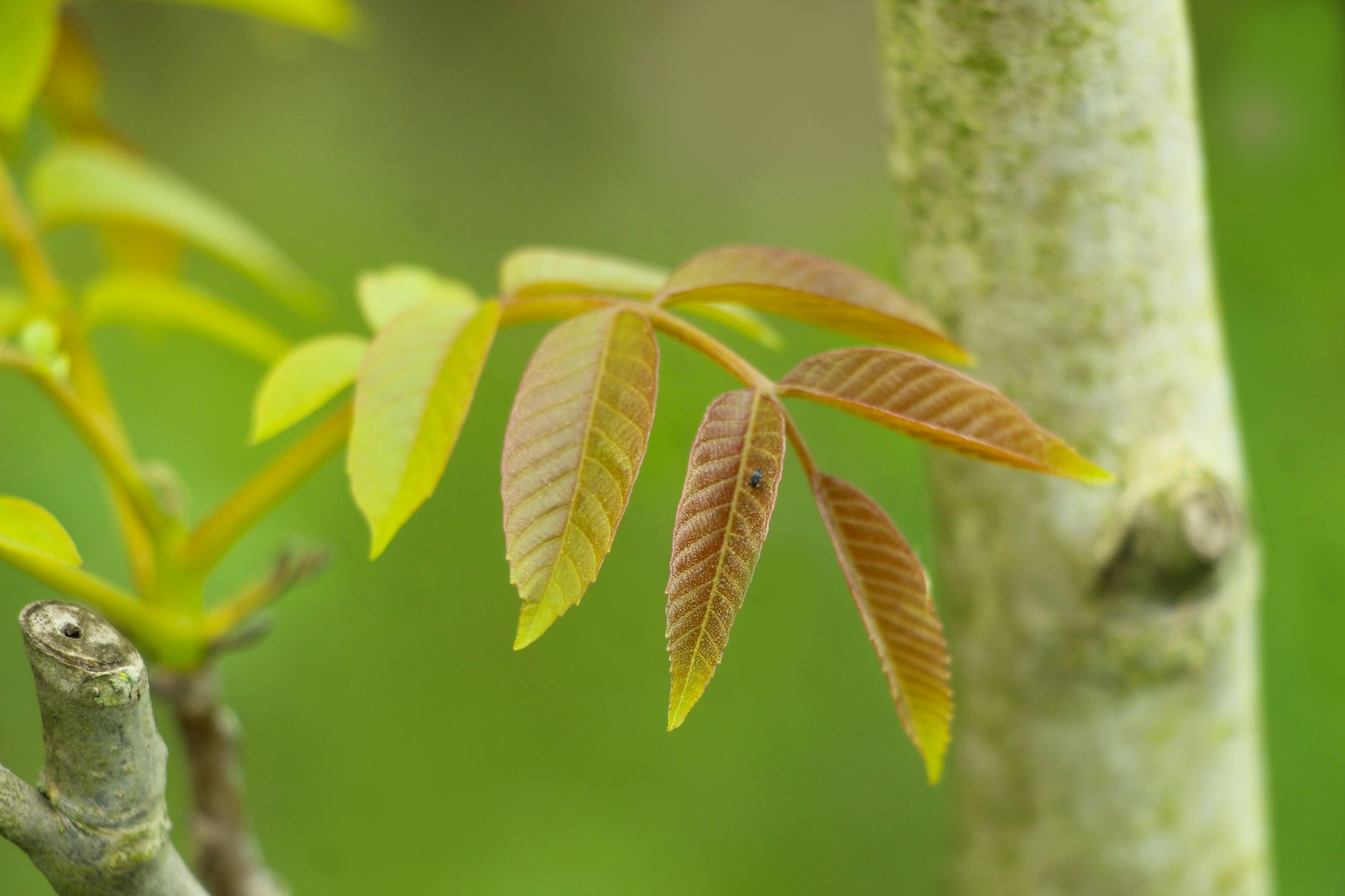
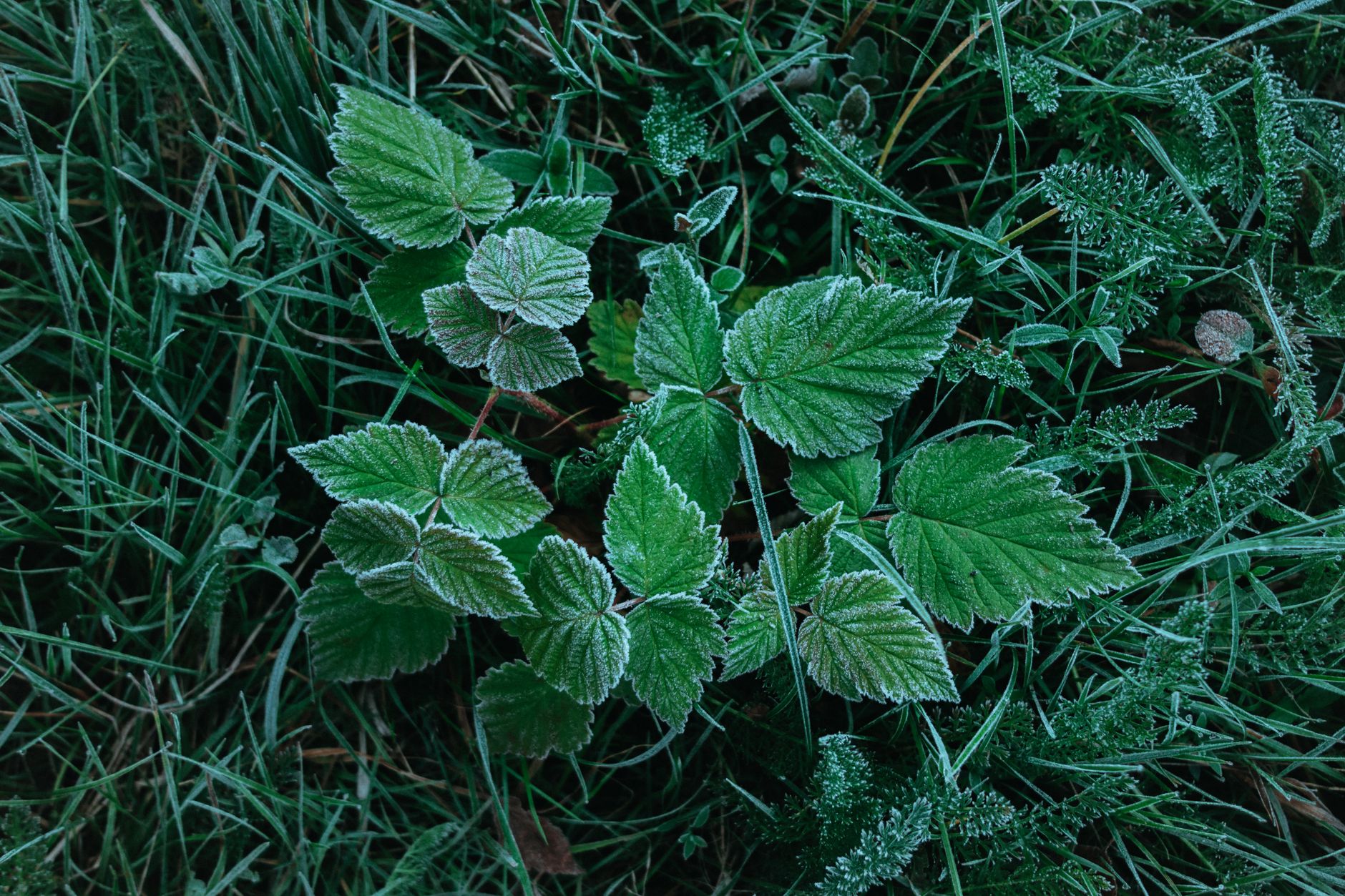
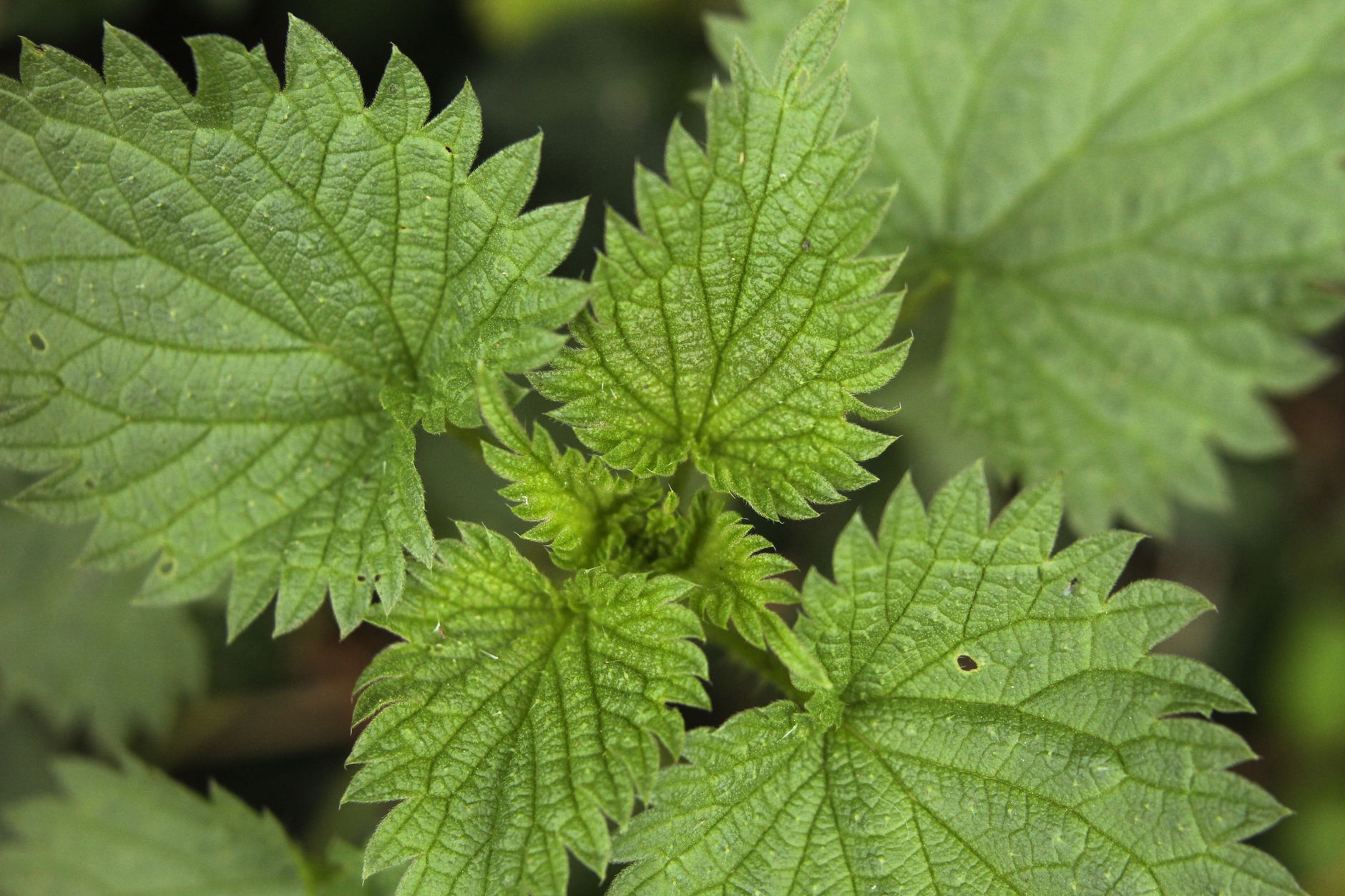
Stinging nettle belongs to the family Urticaceae and is native to the temperate regions of Europe, Asia, and northern Africa, though it is now naturalized globally. It is a herbaceous perennial that thrives in nitrogen-rich, damp soils, often colonizing disturbed ground, riverbanks, and woodland edges. The plant is characterized by its opposite, cordate (heart-shaped) leaves with deeply serrated margins, upright square stems, and inconspicuous green or yellow-tinged flowers that bloom from summer to autumn.

Nettle Leaf Botanical Photo

The defining botanical feature of Urtica dioica is its specialized defense system, consisting of hollow, silica-tipped hairs known as trichomes. These trichomes cover the leaves and stems. When brushed against, the fragile silica tips break off, acting like microscopic hypodermic needles that penetrate the skin. This mechanical action injects a highly irritating cocktail of chemical compounds, including histamine, acetylcholine, 5-hydroxytryptamine (serotonin), and formic acid. Paradoxically, it is this very chemical complexity that underpins many of the plant’s therapeutic virtues. When dried, cooked, or subjected to heat extraction, these volatile irritants are completely neutralized, transforming the stinging plant into a highly nutritious and safe medicinal herb.

Phytochemical Composition: The Molecular Architecture

The health-promoting properties of nettle leaf are directly attributable to its exceptionally dense profile of bioactive compounds. Unlike many cultivated leafy greens, wild nettle leaf retains a concentrated array of secondary metabolites designed to survive environmental stressors, which translates to enhanced therapeutic utility for humans.

Phenolic Acids and Flavonoids

Nettle leaf is rich in polyphenols, particularly phenolic acids and flavonoids, which serve as powerful free radical scavengers. The primary flavonoids found in the leaves include quercetin, kaempferol, and rutin. These compounds are renowned for their ability to stabilize cellular membranes, inhibit lipid peroxidation, and modulate intracellular signaling pathways. Phenolic acids, such as caffeic acid and chlorogenic acid, contribute significantly to the plant’s overall antioxidant capacity, protecting tissues from oxidative stress and mitigating systemic inflammation.

Phytosterols

Among the lipid fractions of Urtica dioica, phytosterols—specifically beta-sitosterol—play a critical role. Phytosterols are structurally similar to cholesterol and have been shown to modulate endocrine function. In nettle leaf, these sterols interact with sex hormone-binding globulin (SHBG) and inhibit key enzymes involved in hormone metabolism, rendering the herb highly effective in supporting reproductive and urological health.

Nettle Leaf Plant Profile

Nutritional Density

From a nutritional standpoint, nettle leaf is an outstanding source of essential micronutrients. It contains high concentrations of macrominerals and trace elements, including calcium, magnesium, iron, potassium, phosphorus, and silica. Additionally, it is rich in vitamins A, C, and K, as well as several B vitamins. The presence of chlorophyll—the green pigment essential for photosynthesis—further enhances its profile, providing antioxidant, deodorizing, and potential hematinic (blood-building) benefits due to its structural similarity to human hemoglobin.

Historical and Ethnobotanical Context

The historical footprint of nettle leaf spans centuries and crosses multiple continents. In ancient Egypt, infusions of nettle were utilized to soothe localized discomfort, particularly joint aches and lower back pain. Hippocrates and his Greek contemporaries documented numerous applications for the plant, classifying it as a “hot and dry” herb capable of purging bodily systems, clearing congestion, and stimulating blood circulation.

Nettle Leaf Dried Herb

During the Roman conquest of Britain, soldiers reportedly rubbed fresh stinging nettles onto their limbs—a practice known as urtication. This intentional stinging stimulated localized circulation, providing warmth and relieving joint stiffness in the cold, damp climate of Northern Europe. In traditional European herbalism, nettle leaf was celebrated as a premier spring tonic. After long winters devoid of fresh produce, the emerging spring nettle shoots provided essential vitamins and minerals, revitalizing the body, promoting lymphatic drainage, and acting as a natural depurative to flush accumulated waste products from the kidneys and liver.

Therapeutic Benefits and Scientific Mechanisms

Modern clinical research has increasingly focused on validating the traditional uses of nettle leaf, uncovering the specific molecular pathways through which this plant exerts its therapeutic effects.

1. Modulation of Chronic Inflammatory Pathways

Inflammation is a primary driver of chronic disease, from osteoarthritis to cardiovascular disease. Nettle leaf acts as a multi-target anti-inflammatory agent. Research demonstrates that extracts of Urtica dioica can inhibit the genetic expression of nuclear factor-kappa B (NF-kB), a master transcription factor that orchestrates the inflammatory response. By preventing the activation of NF-kB, nettle leaf suppresses the production of pro-inflammatory cytokines, including tumor necrosis factor-alpha (TNF-alpha), interleukin-1 beta (IL-1b), and interleukin-6 (IL-6).

Furthermore, nettle leaf inhibits the enzymes cyclooxygenase-1 (COX-1) and cyclooxygenase-2 (COX-2), which are responsible for converting arachidonic acid into pro-inflammatory prostaglandins. This mechanism is highly analogous to that of non-steroidal anti-inflammatory drugs (NSAIDs), such as ibuprofen, but without the associated gastrointestinal or renal toxicity. Clinical studies have shown that patients with osteoarthritis who consume nettle leaf extract are often able to significantly reduce their dosage of conventional pain medications.

2. Relief from Allergic Rhinitis (Seasonal Allergies)

Allergic rhinitis, commonly known as hay fever, involves an IgE-mediated immune response to airborne allergens, resulting in mast cell degranulation and the release of histamine. Nettle leaf has demonstrated remarkable efficacy in mitigating these symptoms through several pathways:

  • Histamine Receptor Antagonism: Bioactive components in nettle act as competitive antagonists at the histamine H1 receptor, effectively blocking histamine from binding to vascular and mucosal cells.
  • Inhibition of Mast Cell Degranulation: Nettle compounds stabilize mast cell membranes, preventing them from ruptures and releasing histamine, tryptase, and other inflammatory mediators in response to allergens.
  • Prostaglandin and Leukotriene Suppression: By blocking the 5-lipoxygenase (5-LOX) pathway, nettle limits the synthesis of bronchoconstrictive leukotrienes, thereby easing respiratory congestion and airway hyperreactivity.

3. Support for Benign Prostatic Hyperplasia (BPH)

Benign Prostatic Hyperplasia (BPH) is a non-cancerous enlargement of the prostate gland common in aging men, leading to lower urinary tract symptoms (LUTS) such as weak urinary flow, nocturnal frequency, and incomplete bladder emptying. While nettle root is more commonly studied for this condition, nettle leaf also plays a supportive role due to its concentration of phytosterols and flavonoids.

The progression of BPH is heavily influenced by dihydrotestosterone (DHT), a potent androgen synthesized from testosterone by the enzyme 5-alpha-reductase. Compounds within Urtica dioica have been shown to inhibit 5-alpha-reductase, thereby reducing intraprostatic DHT levels. Additionally, nettle constituents bind to sex hormone-binding globulin (SHBG), preventing it from interacting with prostatic receptors and stimulating cellular proliferation. The result is a reduction in prostate tissue congestion and an improvement in urinary flow dynamics.

4. Glycemic Regulation and Cardiovascular Health

Metabolic syndrome and Type 2 diabetes present major global health challenges. Nettle leaf has emerged as an effective complementary therapy for improving glycemic control. Studies indicate that nettle leaf contains compounds that can mimic the action of insulin, enhancing glucose uptake by skeletal muscle cells via the translocation of GLUT4 transporters. Additionally, it inhibits alpha-glucosidase, an enzyme in the brush border of the small intestine responsible for breaking down complex carbohydrates into glucose, thereby flattening postprandial blood sugar spikes.

Cardiovascularly, nettle leaf promotes vasodilation and blood pressure regulation. It stimulates the production of nitric oxide (NO) by endothelial cells, which relaxes vascular smooth muscle and lowers systemic vascular resistance. Furthermore, its rich potassium content assists in balancing sodium levels, while its natural diuretic properties reduce blood volume, collectively supporting healthy blood pressure ranges.

5. Renal Support and Detoxification

Historically utilized as a “blood purifier,” nettle leaf’s modern equivalent is its role as a mild, potassium-sparing diuretic and renal protective agent. Unlike synthetic loop diuretics that deplete the body of essential potassium, nettle leaf naturally contains high concentrations of potassium, ensuring electrolyte balance is maintained during increased urine output. This diuretic action is highly beneficial for flushing metabolic waste products, particularly uric acid, from the kidneys. By promoting the excretion of uric acid, nettle leaf helps prevent the crystal deposition that leads to gouty arthritis and kidney stones, while simultaneously supporting overall lymphatic drainage and systemic detoxification.

Practical Usage, Forms, and Dosage

To harness the therapeutic benefits of nettle leaf effectively, consumers can choose from several delivery methods, each offering distinct advantages depending on the clinical objective.

Standardized Capsules and Dietary Supplements

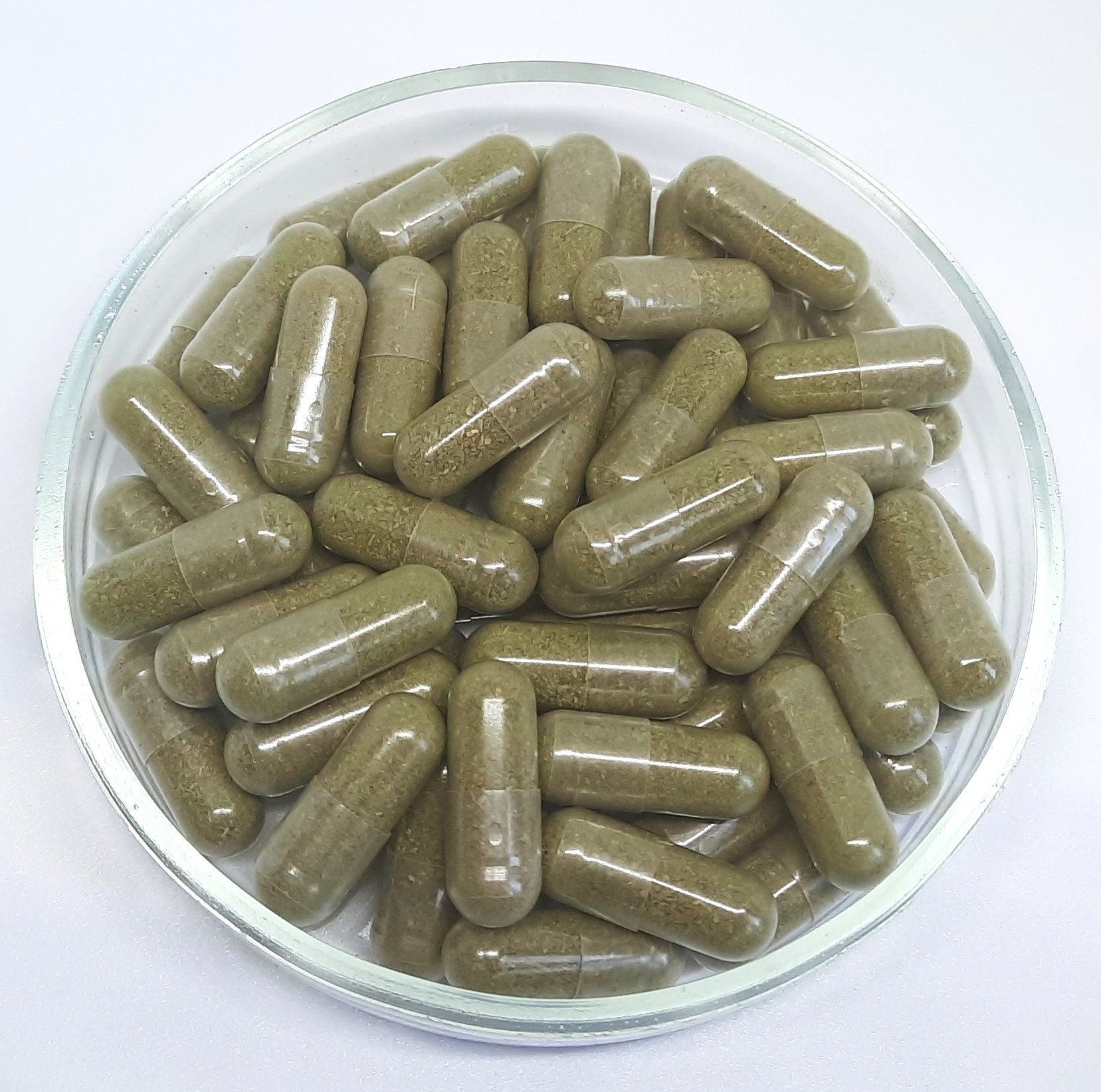
For individuals seeking targeted, therapeutic doses of specific bioactive compounds, standardized capsules or tablets are highly recommended. These preparations ensure a consistent concentration of key marker compounds, such as total phenolic content or specific phytosterols. Standardized capsules bypass the variable taste of the herb and provide a highly bioavailable, convenient option for managing chronic conditions such as osteoarthritis, allergic rhinitis, or BPH.

Nettle Leaf Capsules

When selecting a capsule supplement, look for reputable manufacturers utilizing dry-extract standardization (e.g., standardized to contain 1% to 2% silica or total polyphenols). This ensures you are receiving a clinically relevant dose free from heavy metals or environmental contaminants.

Teas and Nourishing Herbal Infusions

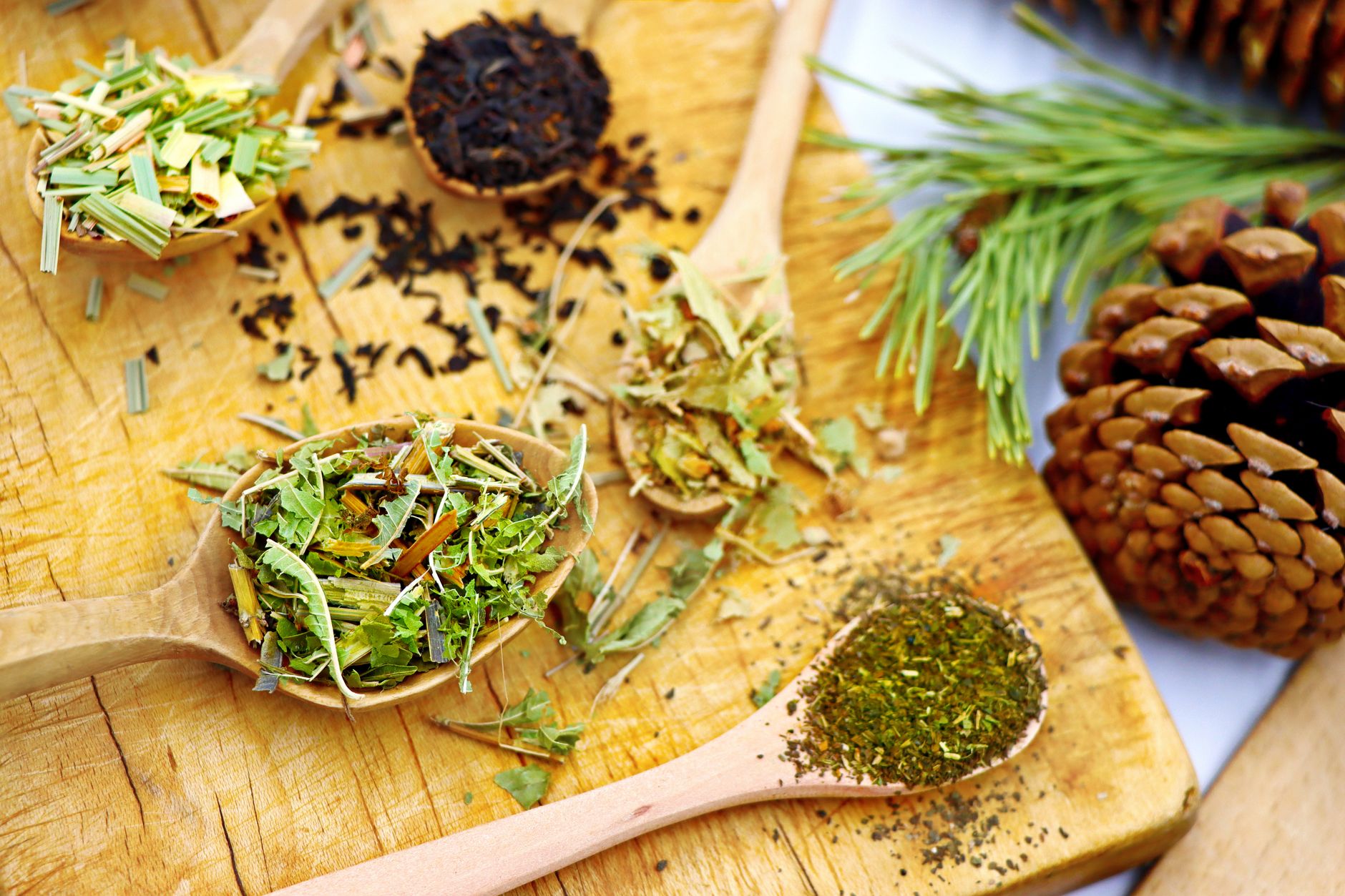
For those interested in the mineral wealth and daily tonic benefits of the plant, water-soluble extractions—such as teas or long-steeped infusions—are ideal. A standard cup of nettle tea is prepared by steeping 1 to 2 teaspoons of dried nettle leaf in boiling water for 10 to 15 minutes.

To extract the dense mineral content (such as calcium and magnesium) and chlorophyll, a “nourishing herbal infusion” is preferred. This involves steeping one ounce of dried nettle leaf in a quart of boiling water inside a sealed mason jar for 4 to 8 hours (often overnight). The resulting dark, rich liquid is highly concentrated and serves as an excellent mineral-dense tonic to support bone density, hair, skin, and nail vitality.

Safety, Contraindications, and Drug Interactions

Nettle leaf is remarkably safe and well-tolerated by the vast majority of individuals, possessing an excellent safety profile in clinical literature. However, because of its physiological activity, certain precautions must be observed:

  • Pregnancy and Lactation: While highly nutritious, nettle leaf can act as a uterine stimulant in very high doses. Pregnant women should consult their obstetrician before consuming medicinal strengths of nettle, though moderate culinary use is generally considered safe.
  • Diuretics and Blood Pressure Medications: Due to its natural diuretic and hypotensive properties, concurrent use of nettle leaf with prescription diuretics (e.g., furosemide) or blood pressure medications (e.g., ACE inhibitors) may potentiate their effects, leading to hypotension or electrolyte imbalances. Monitoring by a healthcare provider is recommended.
  • Blood Thinners: Nettle leaf is naturally rich in Vitamin K1, which plays an essential role in blood coagulation. Individuals taking vitamin K antagonists (such as warfarin) should maintain a consistent intake of vitamin K-rich substances, including nettle, to avoid altering drug efficacy.
  • Diabetes Medications: Because nettle leaf can lower blood glucose levels, individuals taking insulin or oral hypoglycemic agents should monitor their blood sugar closely to avoid hypoglycemia.

Dosage Guidelines and Clinical Summary

Determining the appropriate dosage depends heavily on the form of nettle leaf utilized and the health outcome desired. The following table provides standard clinical recommendations for various preparations:

Preparation Form Standard Clinical Dosage Primary Therapeutic Indications
Standardized Capsule Extract 300 mg to 600 mg, 2–3 times daily Osteoarthritis, allergies, systemic inflammation, BPH support
Nourishing Infusion 1 to 2 cups daily (steeped 4+ hours) Mineral replenishment, hair/nail health, mild detoxification
Liquid Tincture (1:5 extract) 2 mL to 4 mL, 3 times daily Acute allergic reactions, rapid anti-inflammatory support

Nettle Leaf Natural Herb

Conclusion: Integrating Nettle Leaf into Modern Wellness

Stinging nettle stands as a testament to the profound intelligence of nature. Within its stinging, protective exterior lies an unparalleled therapeutic ally capable of addressing some of modern society’s most pervasive chronic health concerns. Whether utilized as a targeted standardized capsule for inflammatory joint pain and allergies, or enjoyed daily as a deeply nourishing, mineral-rich herbal infusion, Urtica dioica offers a holistic, safe, and scientifically validated path toward optimal vitality.

By blending historical wisdom with contemporary, evidence-based science, we can appreciate nettle leaf not as a troublesome weed, but as a premier botanical medicine. As we continue to seek sustainable and integrative approaches to health, the humble stinging nettle undoubtedly deserves a prominent place in our modern herbal apothecary.

Disclaimer: For informational purposes only. Not medical advice. Consult a qualified healthcare professional before use.

The Ultimate Guide to Goldenrod: Health Benefits and Uses

The Ultimate Deep-Dive Guide to Goldenrod: Science, History, and Therapeutic Benefits

For centuries, the vibrant yellow plumes of Goldenrod (genus Solidago) have painted fields and meadows across the globe in brilliant shades of gold. Often misunderstood and unfairly maligned as a major trigger for autumn seasonal allergies, this resilient perennial herb is actually one of the most versatile, chemically rich, and historically significant botanical remedies in traditional herbalism. Far from being a mere weed, Goldenrod represents a powerhouse of natural medicine, boasting a deep profile of bioactive compounds that support the urinary tract, combat inflammation, protect the cardiovascular system, and assist in respiratory health.

To fully appreciate the therapeutic virtues of Goldenrod, one must separate myth from scientific reality, analyze its complex array of secondary metabolites, and explore the clinical applications that make it a cornerstone of modern natural therapy. This definitive, research-based guide explores the multidimensional world of Solidago, providing an exhaustive look at its botany, historical applications, phytochemical makeup, and validated health benefits.

Botanical Profile and the Great Allergy Myth

Goldenrod belongs to the Asteraceae (daisy) family, comprising over 100 distinct species within the genus Solidago. The most clinically studied species include Solidago virgaurea (European Goldenrod), Solidago canadensis (Canadian Goldenrod), and Solidago gigantea (Giant Goldenrod). These plants are characterized by their tall, woody stems, alternate lanceolate leaves, and dense, terminal clusters of small, bright yellow flower heads that bloom from late summer through late autumn.

Before exploring its pharmacological applications, it is critical to address the widespread misconception regarding Goldenrod and seasonal allergies (allergic rhinitis). For generations, Goldenrod has been blamed for the itchy eyes, runny noses, and sneezing fits that plague millions of individuals during the late summer and autumn months. This association is entirely erroneous. The true culprit behind these seasonal allergies is Ragweed (genus Ambrosia), which blooms at the exact same time as Goldenrod and often shares the same geographic habitats.

Goldenrod Botanical Photo

The botanical difference between these two plants lies in their methods of pollination. Ragweed is an anemophilous (wind-pollinated) plant. Its flowers are dull, inconspicuous, and produce millions of microscopic, lightweight pollen grains designed to be carried miles by the wind, directly into human respiratory passages. Conversely, Goldenrod is an entomophilous (insect-pollinated) plant. It produces large, heavy, sticky pollen grains that cannot easily become airborne. Instead, Goldenrod relies on bees, butterflies, and other pollinators to transfer its pollen from flower to flower. Its brilliant yellow color serves as an evolutionary beacon to attract these insects, whereas Ragweed requires no color because the wind is blind. Thus, inhaling airborne Goldenrod pollen is exceptionally rare, and the plant is virtually entirely innocent of causing seasonal hay fever.

The Ethnobotanical Legacy: A History of Healing

The name Solidago is derived from the Latin words solidare or solido, which translate to “to make whole,” “to cure,” or “to consolidate.” This etymology speaks volumes about the plant’s long-standing reputation as a premier vulnerary (wound-healing) herb and systemic restorative. Throughout history, diverse cultures across continents have recognized and harnessed the therapeutic qualities of this golden plant.

In traditional European herbal medicine, Solidago virgaurea was celebrated as an indispensable remedy for kidney ailments, bladder inflammation, and dropsy (edema). During the Middle Ages, it was highly prized as a costly wound herb, often imported and traded as a luxury item. Famed herbalists, including John Gerard and Nicholas Culpeper, documented its ability to stop internal bleeding, dissolve renal calculi (kidney stones), and strengthen weak capillaries. Culpeper famously classified Goldenrod as a plant ruled by Venus, denoting its affinity for the kidneys and urinary system.

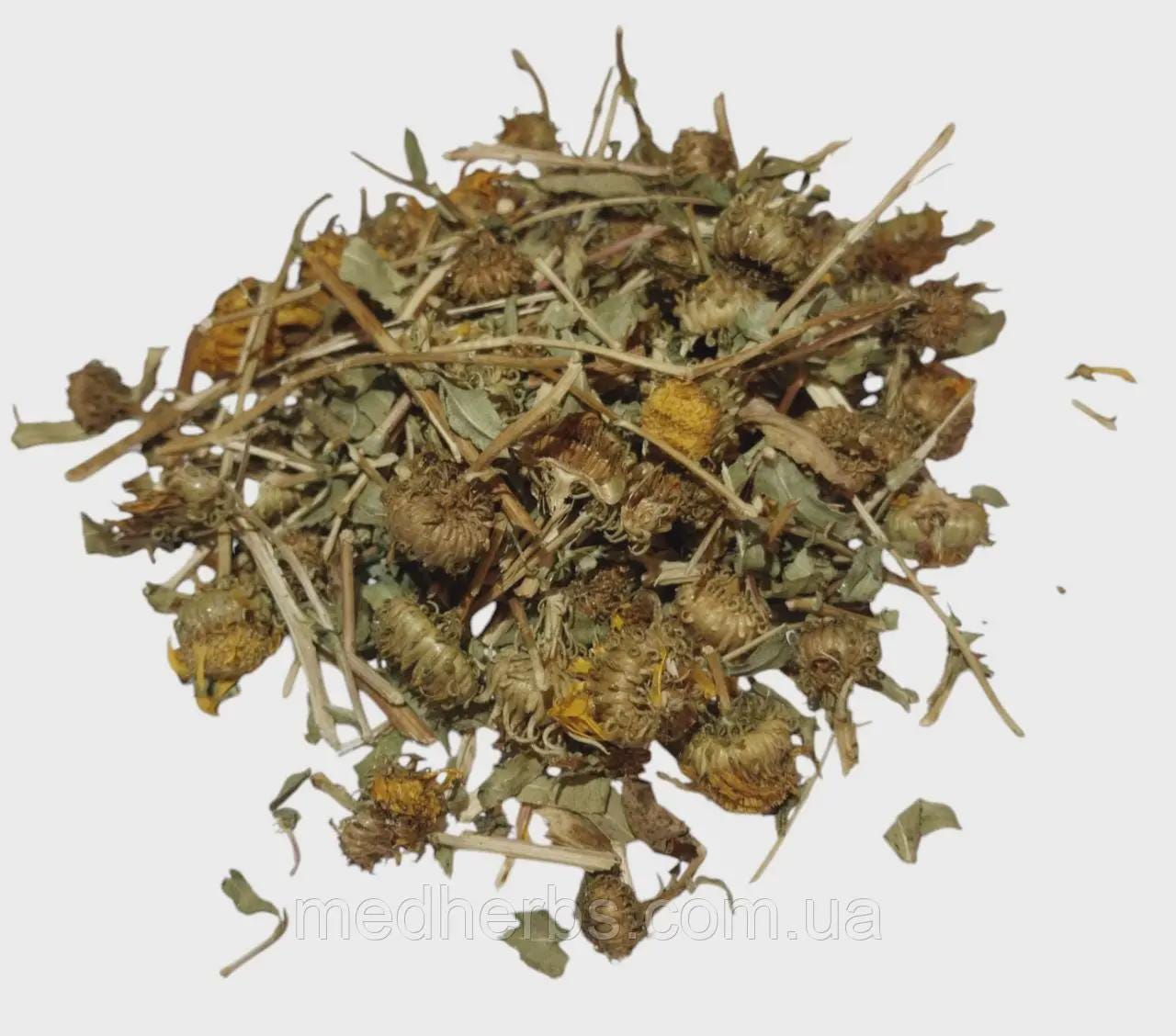
Goldenrod Dried Herb

Across the Atlantic, Native American tribes independently discovered the profound healing properties of indigenous Goldenrod species. The Chippewa, Ojibwe, Cherokee, and Alabama tribes utilized various preparations of the leaves, roots, and flowers. They formulated warm decoctions to reduce fevers, alleviate chest pain, and soothe sore throats. Externally, they applied poultices of crushed leaves to treat burns, bee stings, skin ulcers, and difficult-to-heal wounds. In colonial America, following the Boston Tea Party of 1773, Goldenrod became a highly popular patriotic alternative to imported Chinese black tea, affectionately referred to as “Liberty Tea.” This pleasant-tasting beverage was consumed not only as a political statement but also for its digestive and warming benefits.

The Phytochemical Blueprint of Goldenrod

The therapeutic efficacy of Goldenrod is not the result of a single “magic bullet” compound, but rather the synergistic action of a highly sophisticated matrix of secondary metabolites. Modern pharmacological analysis has isolated and identified several major classes of bioactive compounds within the aerial parts of Solidago species:

  • Flavonoids: Goldenrod is exceptionally rich in antioxidant flavonoids, notably rutin, quercetin, isoquercitrin, astragalin, and kaempferol. These polyphenolic compounds are responsible for the plant’s powerful free-radical scavenging capacity, anti-inflammatory actions, and capillary-stabilizing effects. Rutin, in particular, is renowned for its ability to reduce capillary permeability and fragility, supporting venous health.
  • Triterpenoid Saponins: Principally known as virgaureasaponins (most abundant in Solidago virgaurea), these complex glycosides exhibit significant antifungal, anti-inflammatory, and immunomodulatory activities. In the urinary tract, saponins contribute to the antispasmodic effect, helping to relax smooth muscle tissue.
  • Phenolic Glycosides: Leiocarposide and virgaureoside A are unique, highly studied compounds found within the genus. Leiocarposide is recognized for its documented anti-inflammatory, analgesic, and mild diuretic activities, working in tandem with flavonoids to soothe inflamed mucous membranes.
  • Caffeoylquinic Acids: Compounds such as chlorogenic acid, 3,5-dicaffeoylquinic acid, and caffeic acid provide deep cellular protection by neutralizing reactive oxygen species (ROS) and inhibiting inflammatory enzymes.
  • Essential Oils: Comprising monoterpenes and sesquiterpenes (such as alpha-pinene, beta-pinene, limonene, and germacrene D), these volatile oils contribute to Goldenrod’s characteristic pleasant aroma and possess potent antimicrobial, carminative, and mild expectorant qualities.
  • Tannins: Condensed and hydrolyzable tannins impart a mild astringency to Goldenrod preparations, which helps to tone and tighten lax mucous membranes, reduce excessive secretions, and facilitate wound healing.

Goldenrod Plant Profile

Deep Dive: Verified Health Benefits of Goldenrod

1. Comprehensive Urinary Tract Support and Irrigation Therapy

The most prominent, clinically validated application of Goldenrod lies in its capacity to treat and support the urinary system. In Europe, Goldenrod is officially approved by regulatory bodies, such as the German Commission E and the European Medicines Agency (EMA), for “irrigation therapy.” This therapeutic approach is used to flush the urinary tract in cases of inflammation, bacterial infections (such as cystitis and urethritis), and to prevent and treat renal gravel (kidney stones).

Unlike synthetic loop diuretics, which force the kidneys to rapidly excrete water along with crucial electrolytes like potassium and sodium, Goldenrod acts as a gentle aquaretic. It increases the volume of urine by stimulating renal blood flow and glomerular filtration rate, without disrupting the body’s delicate electrolyte balance. This flushing action is critical during a urinary tract infection (UTI), as it physically sweeps pathogenic bacteria (such as Escherichia coli) out of the bladder and urinary canals, preventing them from adhering to the urothelial lining.

Furthermore, the presence of leiocarposide and flavonoids provides a dual anti-inflammatory and spasmolytic (muscle-relaxing) effect. By relaxing the smooth muscles of the bladder and urethra, Goldenrod significantly alleviates the painful spasms, burning sensations, and frequent urges associated with UTIs. For those prone to chronic kidney stones (urolithiasis), the continuous, gentle flushing action, combined with the plant’s ability to inhibit the crystallization of calcium oxalate, helps prevent micro-crystals from growing into obstructive stones.

2. Potent Anti-Inflammatory and Analgesic Properties

Chronic inflammation is widely recognized as the root cause of many degenerative diseases. Goldenrod contains a robust suite of compounds that systematically downregulate inflammatory pathways. Research indicates that extracts of Solidago inhibit the activity of cyclooxygenase-2 (COX-2) and lipoxygenase (LOX), the primary enzymes responsible for synthesizing pro-inflammatory eicosanoids, such as prostaglandins and leukotrienes.

This mechanism of action is highly comparable to non-steroidal anti-inflammatory drugs (NSAIDs), but without the adverse gastrointestinal side effects commonly associated with synthetic inhibitors. Consequently, Goldenrod is frequently utilized as a supportive therapy for inflammatory musculoskeletal disorders, including osteoarthritis, rheumatoid arthritis, gout, and general joint pain. By reducing systemic inflammatory cytokines and promoting the excretion of uric acid via the kidneys, Goldenrod helps alleviate joint swelling, stiffness, and discomfort.

3. Cardiovascular and Capillary Strengthening

The high concentration of rutin and other bioflavonoids in Goldenrod plays a vital role in maintaining cardiovascular integrity. Rutin is famous for its “vitamin P” activity, which strengthens the endothelial lining of blood vessels and regulates capillary permeability. When capillaries are weak or excessively permeable, fluid can leak into surrounding tissues, resulting in edema (swelling), particularly in the lower extremities.

By reinforcing capillary walls, Goldenrod helps reduce lower leg swelling, varicose veins, and venous insufficiency. Additionally, its rich antioxidant profile prevents the oxidation of low-density lipoprotein (LDL) cholesterol. Oxidized LDL is a major contributor to plaque formation in the arteries (atherosclerosis); by neutralizing the free radicals responsible for this oxidative process, Goldenrod acts as a natural cardioprotective agent.

4. Respiratory and Allergic Relief

While Goldenrod does not cause seasonal allergies, it is paradoxically an exceptional tool for treating them, as well as managing other respiratory challenges. The plant’s rich tannin content provides an astringent quality that dries up excess mucous secretions (catarrh) in the sinus cavities and upper respiratory tract. This makes it highly beneficial for alleviating the symptoms of allergic rhinitis, sinusitis, and common colds.

Simultaneously, the essential oils and saponins present in Goldenrod act as mild expectorants, thinning thick, stubborn mucus in the bronchial tubes and promoting its gentle expulsion. Its antispasmodic properties help soothe irritable, spasmodic coughs and relax restricted airways, providing relief to those suffering from asthma, bronchitis, or persistent post-nasal drip.

5. Antimicrobial, Antifungal, and Wound Healing Capabilities

The traditional use of Goldenrod as a “vulnerary” or wound healer is strongly supported by its antimicrobial profile. Studies have shown that the essential oils, saponins, and tannins in Solidago exhibit broad-spectrum antimicrobial activity against various strains of bacteria and fungi. It has shown particular efficacy against Candida albicans, a common opportunistic yeast responsible for oral thrush, vaginal yeast infections, and systemic dysbiosis.

When applied topically as a wash, poultice, or ointment, Goldenrod’s astringent tannins precipitate proteins at the site of skin damage, creating a protective, localized barrier over the wound. This barrier minimizes minor bleeding, accelerates tissue regeneration, and prevents secondary bacterial infections from taking hold. Its anti-inflammatory compounds simultaneously soothe local redness, heat, and swelling, accelerating the overall healing cascade of cuts, scrapes, insect bites, and minor burns.

Modern Supplementation: Goldenrod Capsules, Extracts, and Teas

To safely and effectively incorporate Goldenrod into a modern wellness routine, consumers have access to several primary delivery methods, each offering distinct therapeutic advantages depending on the target health concern.

For individuals seeking targeted, standardized doses of Goldenrod’s bioactive compounds, dietary capsules and tablets are an outstanding option. Many premium dietary supplement manufacturers offer standardized extract capsules, typically concentrating key active marker compounds such as flavonoids (calculated as rutin or hyperoside) or leiocarposide. Capsules are highly convenient for daily use, particularly for long-term cardiovascular support, vascular integrity, or as a preventative measure against chronic urinary tract issues.

Goldenrod Capsules

When selecting Goldenrod capsules, it is vital to source products from reputable brands that adhere to Good Manufacturing Practices (GMP) and provide transparent third-party testing. Look for supplements that utilize wildcrafted or organically grown Solidago virgaurea or Solidago canadensis to ensure the absence of heavy metals, pesticides, and synthetic fillers. Capsules allow for precise dosing and eliminate the bitter, highly astringent taste of the raw herb, which some individuals find unpalatable in liquid forms.

Dosage Guidelines and Safe Administration

To maximize the therapeutic benefits of Goldenrod while ensuring safety, it is essential to follow established dosage guidelines tailored to the specific preparation being utilized:

1. Herbal Infusion (Tea)

To prepare a classic Goldenrod tea, pour 150 ml (about 5 ounces) of boiling water over 2 to 3 grams (approximately 1 to 2 teaspoons) of high-quality dried Goldenrod aerial parts. Cover the vessel tightly to prevent the therapeutic volatile essential oils from escaping in the steam. Allow the mixture to steep for 10 to 15 minutes, then strain. For active urinary tract irrigation, drink 2 to 4 cups of this warm tea daily, strictly between meals. It is critical to consume abundant amounts of pure water (at least 2 liters per day) alongside this therapy to facilitate the flushing of the kidneys and bladder.

2. Liquid Extract / Tincture

Liquid extracts provide a highly concentrated form of Goldenrod’s water- and alcohol-soluble constituents. When using a 1:5 tincture (prepared with 40-50% ethanol), the typical adult dosage is 2 to 4 ml, taken three times daily in a small glass of water. Liquid extracts are rapidly absorbed by the body, making them highly effective for acute situations, such as the onset of urinary discomfort or sinus congestion.

3. Standardized Capsules

If utilizing standardized dried extract capsules, follow the manufacturer’s specific labeling instructions, as concentrations can vary. A common therapeutic range is 350 to 500 mg, taken 2 to 3 times daily. Ensure the product is standardized to guarantee consistent potency of the active flavonoids.

Goldenrod Natural Herb

Safety, Side Effects, and Contraindications

Goldenrod is widely recognized as a exceptionally safe, non-toxic, and well-tolerated herb for the vast majority of individuals. However, as with any potent botanical medicine, certain precautions and contraindications must be strictly observed:

  • Contraindication in Edema from Cardiac or Renal Insufficiency: This is the most critical contraindication. Irrigation therapy using Goldenrod (or any other aquaretic herb) must not be performed if a person is suffering from edema (fluid retention) that is caused by severe heart failure or compromised kidney function. In these delicate conditions, forcing the body to process and excrete excess fluids can place a dangerous, potentially life-threatening strain on these failing organ systems.
  • Asteraceae Family Allergies: Individuals with known, severe hypersensitivities or allergic reactions to other members of the Asteraceae (daisy/sunflower) family—such as ragweed, chamomile, marigolds, echinacea, or daisies—should exercise caution when first introducing Goldenrod, as cross-reactivity, though rare, is biologically possible. Start with a very small test dose.
  • Pregnancy and Lactation: Due to a lack of comprehensive safety data regarding its effects on developing fetuses and nursing infants, the use of Goldenrod is generally not recommended during pregnancy or breastfeeding, unless explicitly directed and monitored by a qualified healthcare professional.
  • Drug Interactions: Because of its natural diuretic properties, Goldenrod may potentiate (enhance) the effects of synthetic diuretic medications (such as furosemide or hydrochlorothiazide), potentially leading to excessive fluid loss or dehydration. Consult a physician before combining these substances.

Conclusion: Restoring Goldenrod to Its Rightful Place

Goldenrod is a shining example of botanical synergy, bridging the gap between ancient folklore and modern, evidence-based phytotherapy. From its historical role as a highly prized wound-healing herb to its validated modern clinical application as an exceptional aquaretic and urinary tract tonic, this resilient plant offers a safe, effective, and deeply holistic approach to systemic wellness.

By dispelling the allergy myth that has unfairly tarnished its reputation, we can appreciate Goldenrod for what it truly is: a valuable natural ally. Whether consumed as a warming, traditional herbal tea, administered as a concentrated liquid extract, or taken as a convenient standardized capsule, incorporating Goldenrod into your wellness regimen can provide profound support for your kidneys, cardiovascular system, and overall vitality.

Disclaimer: For informational purposes only. Not medical advice. Consult a qualified healthcare professional before use.
The Ultimate Guide to Life everlasting flower: Health Benefits and Uses

The Exhaustive Guide to Life Everlasting Flower: History, Science, and Therapeutic Benefits

In the vast kingdom of botanical medicine, few plants carry a name as poetic and spiritually resonant as the Life Everlasting flower. Botanically classified as Pseudognaphalium obtusifolium (formerly Gnaphalium obtusifolium), and colloquially referred to as sweet everlasting, rabbit tobacco, sweet white balsam, or old field balsam, this resilient wildflower has been a cornerstone of traditional North American herbalism for centuries. With its papery, silver-white blossoms that retain their structure and sweet, maple-like scent long after being harvested, the plant serves as a literal and metaphorical symbol of endurance and vitality.

Today, as modern science increasingly validates ancestral wisdom, Life Everlasting is transitioning from a forgotten folklore remedy to a subject of rigorous pharmacological interest. This comprehensive guide explores the deep-rooted history, complex phytochemical makeup, and multi-faceted health benefits of this remarkable herb, providing you with an authoritative resource for integrating it into a modern wellness regimen.

Botanical Profile and Ecological Classification

To fully appreciate the therapeutic virtues of the Life Everlasting flower, one must first understand its botanical identity and ecological adaptations. Belonging to the Asteraceae (daisy) family, Pseudognaphalium obtusifolium is an annual or biennial herb native to eastern and central North America. It thrives in open, sunny, and dry environments, such as sandy fields, clearings, pastures, and disturbed roadsides. This preference for harsh, nutrient-poor soils is a testament to the plant’s hardiness—a characteristic that is often mirrored in the concentration of its secondary metabolites.

Life everlasting flower Botanical Photo

The plant typically grows to a height of one to three feet. Its stems are erect, clad in a dense, woolly coating of white, felted hairs. This wool-like pubescence is a crucial evolutionary adaptation, reflecting harsh sunlight and conserving moisture in arid conditions. The leaves are alternate, linear-lanceolate, and simple, with wavy margins. While the upper surface of the leaves is a deep green, the underside is covered in the same silvery-white wool as the stem.

The defining feature of Life Everlasting is its inflorescence. Branching flat-topped clusters at the apex of the stem bear numerous small, tubular, cream-colored to pale yellow flower heads. These flower heads are surrounded by dry, papery, overlapping bracts (phyllaries) that are pearly white to pale yellow. Because these bracts do not wither or lose their color when dried, the flower heads appear “everlasting,” retaining their pristine appearance and warm, sweet, balsamic fragrance indefinitely. This unique physical property is what first captured the attention of early botanists and indigenous healers alike.

Historical and Ethnological Context

The history of the Life Everlasting flower is deeply intertwined with the ethnobotanical traditions of Native American tribes, African American healers in the rural South, and Appalachian folk practitioners. For these diverse communities, the plant was not merely a physical cure but a powerful spiritual protector, frequently burned as incense to purify spaces, dispel negative energies, and invite ancestral guidance.

Life everlasting flower Dried Herb

Indigenous nations, including the Cherokee, Creek, Choctaw, and Rappahannock, utilized Life Everlasting to treat a wide array of ailments. The Cherokee, in particular, recognized its profound affinity for the respiratory system. They prepared hot infusions of the leaves and flowers to treat colds, influenza, pneumonia, and asthma. To relieve severe chest congestion, the herb was smoked in pipes or burned over hot coals, allowing the aromatic smoke to act as a direct bronchodilator and expectorant.

In the Gullah-Geechee culture of the Lowcountry and the coastal islands of the American South, Life Everlasting was highly esteemed. Gullah herbalists collected the plant in late autumn, hanging bundles from cabin rafters to dry. It was brewed into a potent, dark tea to combat winter colds, lower fevers, and soothe rebellious stomachs. The herb was also stuffed into mattresses and pillows; not only did this repel pests due to its aromatic oils, but the sweet scent was believed to cure insomnia, calm restless children, and prevent night sweats. Throughout Appalachia, early European settlers adopted these practices, utilizing the plant as an antiseptic poultice for wounds, bruises, and muscular aches, cementing its reputation as a true panacea of the wilderness.

Phytochemical Analysis: The Science Behind the Herb

While historical folklore establishes the clinical utility of Life Everlasting, modern phytochemistry explains why it works. The therapeutic actions of Pseudognaphalium obtusifolium are attributed to a synergistic matrix of bioactive secondary metabolites. These compounds act through diverse physiological pathways to exert anti-inflammatory, antimicrobial, antioxidant, and immunomodulatory effects.

Life everlasting flower Plant Profile

Chemical profiling of the aerial parts of Life Everlasting has revealed several critical classes of compounds:

  • Flavonoids: The plant is rich in flavonoids such as quercetin, luteolin, apigenin, and their glycosides. Flavonoids are premier antioxidant and anti-inflammatory molecules. They stabilize cell membranes, scavenge free radicals, and inhibit pro-inflammatory enzymes like cyclooxygenase (COX-2) and lipoxygenase (LOX), which are central to chronic inflammatory conditions.
  • Terpenoids and Volatile Oils: The characteristic maple-caramel scent of Life Everlasting is due to its complex essential oil profile. This oil contains monoterpenes and sesquiterpenes, including alpha-pinene, beta-caryophyllene, limonene, and humulene. These volatile compounds possess powerful antimicrobial, expectorant, and mild sedative properties. When inhaled, they directly interact with the respiratory mucosa to thin mucus and relax bronchial spasms.
  • Caffeoylquinic Acids: Compounds such as chlorogenic acid and its derivatives are present in significant quantities. These polyphenols are highly bioactive, showing strong antiviral, hepatoprotective, and hypoglycemic activities. They also play a major role in modulating the immune system’s response to pathogens.
  • Tannins: The presence of condensed and hydrolyzable tannins imparts a mild astringency to the plant. Tannins bind to and precipitate proteins, which helps to shrink and soothe inflamed mucous membranes, dry up excessive secretions, and form a protective barrier over damaged skin or intestinal linings.
  • Phytosterols: Compounds like beta-sitosterol contribute to the herb’s anti-inflammatory and lipid-modulating effects, supporting cellular repair and immune homeostasis.

In-Depth Health Benefits of Life Everlasting Flower

1. Superior Respiratory Support and Bronchial Relief

The most celebrated application of Life Everlasting is its ability to heal and protect the respiratory system. It acts as both an expectorant and a mild antispasmodic. The volatile oils and flavonoids work in tandem to relax the smooth muscles of the bronchial tubes, which helps to alleviate the bronchospasms associated with asthma, bronchitis, and chronic obstructive pulmonary disease (COPD).

Furthermore, its expectorant properties help to thin stubborn, viscous mucus in the lungs and sinuses, making it easier to expel. By promoting productive coughing and clearing the airways, Life Everlasting reduces the risk of secondary bacterial infections that can develop when mucus stagnates in the respiratory tract. Its soothing, demulcent-like qualities also coat the throat, relieving the ticklish, dry coughs that often linger after a viral infection.

2. Potent Anti-Inflammatory and Analgesic Actions

Systemic inflammation is the root driver of many modern chronic diseases, including rheumatoid arthritis, cardiovascular disease, and metabolic disorders. The high concentration of luteolin and quercetin in Life Everlasting provides profound systemic anti-inflammatory support. These compounds inhibit the nuclear factor-kappa B (NF-kB) pathway, which is the primary genetic switch that triggers the release of pro-inflammatory cytokines such as tumor necrosis factor-alpha (TNF-alpha) and interleukins.

When applied topically as a poultice, salve, or compress, Life Everlasting acts as a local analgesic. It helps to reduce swelling, increase local circulation, and dull pain signals. This makes it highly effective for treating sprains, joint pain, bruises, muscle strains, and localized skin inflammations.

3. Strong Antimicrobial and Antiviral Defenses

In an era of rising antibiotic resistance, the search for natural antimicrobials has intensified. Life Everlasting has shown promising antibacterial and antifungal activities in laboratory settings. Its essential oils and phenolic compounds disrupt the cell membranes of pathogenic bacteria, preventing them from replicating and forming biofilms.

Historically used to treat colds and shingles, the herb contains specific caffeoylquinic acids that exhibit direct antiviral activity. These compounds prevent viruses from adhering to host cells and replicating, thereby shortening the duration and severity of common viral infections such as influenza and the common cold. Its astringent tannins also create an inhospitable environment for pathogens on mucosal surfaces.

4. Gastrointestinal Healing and Astringency

The astringent nature of Life Everlasting, driven by its tannin content, makes it a valuable ally for digestive wellness. A cooled infusion of the herb can be used to treat diarrhea, dysentery, and mild gastroenteritis. The tannins bind to the inflamed proteins of the gut lining, reducing inflammation, stopping cellular leakage, and drying up excess watery secretions.

Additionally, the herb’s bitter compounds stimulate the secretion of bile and digestive enzymes, promoting efficient digestion, reducing bloating, and relieving gas. Its anti-inflammatory properties also offer comfort to individuals suffering from inflammatory bowel conditions like gastritis or irritable bowel syndrome (IBS).

5. Nervous System Calming and Sleep Promotion

The gentle, sweet aroma of Life Everlasting has a direct, calming effect on the central nervous system. This is likely mediated by the inhalation of volatile monoterpenes, which can cross the blood-brain barrier and interact with neurotransmitter receptors to promote relaxation. Traditionally used in sleep pillows, the herb helps to quiet a hyperactive mind, ease anxiety, and facilitate deep, restorative sleep without the morning grogginess associated with synthetic sleep aids.

Modern Preparations, Formulations, and Supplements

As interest in traditional herbalism continues to grow, Life Everlasting is becoming more widely available in various commercial forms. Depending on your health goals, you can choose from dried loose herbs, liquid extracts, topical salves, or standardized capsules.

Life everlasting flower Capsules

For those seeking a convenient, precise, and taste-neutral way to consume this herb, Life Everlasting capsules are an exceptional choice. Capsules are typically filled with either finely powdered dried aerial parts or a dry, standardized extract. Standardized extracts are particularly advantageous because they guarantee a consistent concentration of key active constituents, such as total flavonoids or chlorogenic acids, in every dose. This delivery method is ideal for systemic applications, such as managing chronic inflammation, supporting daily respiratory health, or boosting overall antioxidant defenses.

If you prefer a more tactile and sensory herbal experience, the dried herb remains highly versatile. It can be used to prepare hot infusions, steam inhalations, or homemade syrups. To make a therapeutic infusion, pour 8 ounces of boiling water over 1 to 2 teaspoons of dried Life Everlasting leaves and flowers. Cover the vessel tightly to prevent the volatile essential oils from escaping in the steam. Let it steep for 10 to 15 minutes, strain, and drink warm. For respiratory congestion, you can breathe in the rising steam of a hot pot of Life Everlasting tea, allowing the volatile oils to make direct contact with your nasal passages and bronchial tree.

Dosage Guidelines and Practical Administration

Because Life Everlasting is not yet as heavily commercialized as herbs like Echinacea or Ginseng, standardized dosing guidelines from regulatory bodies are limited. However, clinical tradition and current herbal practice offer safe, effective parameters for adult use.

Life everlasting flower Natural Herb

The following dosages are generally recommended by professional herbalists:

  • Standard Infusion (Tea): Drink 1 cup, two to three times daily, particularly during acute respiratory infections or digestive upsets.
  • Liquid Tincture (1:5 ratio in 40% alcohol): Take 2 to 4 mL (approximately 40 to 80 drops) in a small amount of water, three times daily.
  • Standardized Capsules: Take 400 mg to 500 mg, once or twice daily, or as directed by the product manufacturer. Always choose products from reputable companies that undergo third-party testing for purity and potency.
  • Topical Compress or Poultice: Steep a large handful of the dried herb in hot water, allow it to cool to a safe temperature, soak a clean cloth in the liquid, and apply it directly to the affected joint or skin area for 15 to 20 minutes.

Safety, Side Effects, and Contraindications

Life Everlasting has an excellent safety profile with no documented cases of severe toxicity. However, as with any bioactive botanical, certain precautions should be observed:

Allergies: Because Life Everlasting belongs to the Asteraceae family, individuals with known hypersensitivities to ragweed, daisies, marigolds, or chrysanthemums should use it with caution, as it may trigger an allergic reaction.

Pregnancy and Lactation: Due to a lack of comprehensive safety data regarding developing fetuses and infants, pregnant or nursing women should avoid using Life Everlasting internally unless supervised by a qualified healthcare professional.

Drug Interactions: While there are no well-documented drug interactions, the herb’s high antioxidant and anti-inflammatory properties could theoretically interact with immunosuppressive medications or anti-inflammatory drugs. Consult your primary physician before combining herbal supplements with prescription pharmaceuticals.

Conclusion: Embracing Ancestral Wisdom for Modern Vitality

The Life Everlasting flower stands as a beautiful bridge between the deep wisdom of historical folk medicine and the analytical rigor of modern phytotherapy. Whether you are seeking a natural, highly effective remedy to soothe a chronic cough, a gentle digestive aid to restore gut harmony, or a potent natural anti-inflammatory to support long-term cellular health, this enduring wildflower offers a safe, time-tested solution.

By incorporating Life Everlasting into your health regimen—whether through the aromatic experience of brewing a hot cup of tea or the modern convenience of standardized capsules—you are participating in a rich, centuries-old lineage of natural healing. As scientific research continues to unveil the molecular mechanisms of this humble plant, the name “Life Everlasting” feels less like an exaggeration and more like a well-deserved tribute to its profound, life-supporting virtues.

Disclaimer: For informational purposes only. Not medical advice. Consult a qualified healthcare professional before use.

The Ultimate Guide to Celandine Herb: Health Benefits and Uses

The Definitive Guide to Celandine Herb: Botanical Profiles, Active Compounds, Historical Uses, and Therapeutic Benefits

Greater Celandine (Chelidonium majus) is a powerful, deeply complex perennial plant that has occupied a revered position in European and Asian herbal medicine for thousands of years. Often distinguished from Lesser Celandine (which belongs to an entirely different botanical family, the Ranunculaceae), Greater Celandine is a member of the poppy family (Papaveraceae). Known for its brilliant yellow flowers, deeply lobed leaves, and a characteristic bright orange-yellow latex that exudes when any part of the plant is broken, this herb is both a potent therapeutic agent and a subject of intense modern pharmacological research. In this exhaustive guide, we will analyze the multi-faceted nature of Celandine, exploring its botany, phytochemical composition, historical legacy, contemporary medical applications, safety profile, and practical usage.

Botanical Classification and Plant Characteristics

To fully appreciate the therapeutic profile of Greater Celandine, one must first understand its botanical identity. Chelidonium majus is native to temperate regions of Europe, Western Asia, and North Africa, and has since been naturalized in North America. It thrives in damp soils, along forest edges, waste ground, and near stone walls. The plant can grow up to 80 centimeters in height, featuring erect, branched stems covered in fine hairs.

Celandine Herb Botanical Photo

The leaves of Greater Celandine are alternate, pinnate, and deeply lobed, exhibiting a soft, bluish-green hue on their undersides. The flowers are bright yellow, consisting of four petals arranged in a cross-like formation, blooming from late spring through early autumn. However, the most defining botanical marker of Chelidonium majus is its intracellular latex system. This laticifer network contains a viscous, bitter, and staining orange-yellow sap. This sap serves as the primary repository for the plant’s highly concentrated defense chemicals, particularly its specialized alkaloids, which are responsible for both its striking physiological actions and its historical use as a topical treatment.

Historical Legacy and Traditional Medicine

The historical narrative of Celandine is rich and deeply intertwined with ancient European folklore, medieval alchemy, and traditional monastic medicine. The genus name Chelidonium is derived from the Greek word “chelidon,” meaning “swallow.” Ancient naturalists, including Pliny the Elder and Dioscorides, observed that the plant bloomed with the arrival of swallows and withered upon their departure. A popular myth suggested that parent swallows used the corrosive orange sap of the plant to restore sight to their blind fledglings—an observation that led to the herb’s early application in treating various eye ailments, such as cataracts and corneal opacity, though modern science strongly advises against placing this caustic sap near the eyes.

Celandine Herb Dried Herb

During the Middle Ages, the Doctrine of Signatures played a dominant role in herbal medicine. This philosophy suggested that the physical characteristics of a plant indicated its therapeutic uses. Because the bright yellow-orange sap of Celandine closely resembled bile, it was widely adopted as a premier remedy for hepatic and biliary disorders, including jaundice, gallstones, and liver congestion. In traditional European herbalism, the dried herb was infused into teas, while the fresh juice was applied topically to eliminate warts, corns, and ringworm. In Eastern European folk medicine, particularly in Russian and Ukrainian traditions, Celandine (known locally as “Chistotel,” meaning “clean body”) was considered an unparalleled systemic purifier, used to clear chronic skin conditions, support lymphatic drainage, and combat internal inflammatory states.

Phytochemical Profile and Active Bioactive Compounds

The remarkable therapeutic utility of Celandine, as well as its potential toxicity, is a direct consequence of its dense and diverse phytochemical matrix. The herb is particularly rich in isoquinoline alkaloids, which constitute up to 2% of the dry weight of the aerial parts and up to 4% of the roots. These alkaloids are synthesized by the plant as defensive compounds against herbivores and pathogens, but when administered in controlled, therapeutic doses, they exert profound pharmacological effects on the human nervous, digestive, and immune systems.

Celandine Herb Plant Profile

To understand how Celandine interacts with human physiology, we must isolate and examine its primary chemical constituents:

  • Chelidonine: The primary alkaloid of Chelidonium majus. Chelidonine acts as a mild central nervous system sedative and exhibits strong spasmolytic (muscle-relaxing) properties. It targets smooth muscle tissues, particularly within the bile ducts and gastrointestinal tract, by inhibiting calcium channels and modulating cholinergic receptors. This action effectively relieves painful spasms and cramping.
  • Sanguinarine and Chelerythrine: These benzophenanthridine alkaloids are renowned for their intense antimicrobial, antifungal, and anti-inflammatory actions. Sanguinarine intercalates into bacterial DNA, disrupting replication and cellular membrane integrity. It is also highly corrosive in concentrated forms, which explains its historical and current efficacy in burning away viral warts and abnormal skin cells.
  • Berberine and Coptisine: These protoberberine alkaloids lend Celandine its bitter taste and vibrant yellow color. Berberine is a highly studied compound known to improve insulin sensitivity, lower systemic inflammation, stimulate bile flow, and exert broad-spectrum antimicrobial activity against gut pathogens.
  • Protopine and Allocryptopine: These compounds contribute to the herb’s sedative, anti-arrhythmic, and antihistaminic properties. They interact with gamma-aminobutyric acid (GABA) pathways to promote relaxation and damp down overactive inflammatory responses.
  • Phenolic Acids and Flavonoids: In addition to alkaloids, Celandine contains caffeic acid, ferulic acid, and various flavonoids. These compounds act as potent antioxidants, scavenging free radicals, protecting hepatic tissues from oxidative stress, and supporting overall vascular integrity.

Comprehensive Health Benefits of Celandine Herb

1. Optimizing Hepatic, Biliary, and Gallbladder Function

Perhaps the most scientifically validated internal use of Celandine is its ability to support the hepato-biliary system. Celandine acts as both a choleretic (stimulating the liver to produce more bile) and a cholagogue (promoting the contraction of the gallbladder to release stored bile into the duodenum). This dual mechanism is primarily driven by the synergistic action of chelidonine, berberine, and phenolic acids.

By increasing the volume and flow of bile, Celandine helps prevent bile stasis (cholestasis), which is a primary predisposing factor for the formation of gallstones. Improved bile flow also facilitates the emulsification and absorption of dietary fats and fat-soluble vitamins (A, D, E, and K), while accelerating the clearance of metabolic waste, heavy metals, and systemic toxins processed by the liver. Clinical studies have demonstrated that standardized Celandine preparations can significantly alleviate symptoms of dyspepsia, upper abdominal pain, bloating, and nausea associated with gallbladder insufficiency.

2. Spasmolytic and Gastrointestinal Relief

The smooth muscles of the gastrointestinal tract are highly sensitive to stress, inflammatory cytokines, and nervous system imbalances, often resulting in painful cramps, irritable bowel syndrome (IBS), and functional dyspepsia. The alkaloid chelidonine exerts a papaverine-like spasmolytic effect. It relaxes the smooth muscles of the digestive tract and the Sphincter of Oddi (the muscular valve controlling the flow of bile and pancreatic juices into the small intestine).

When this valve is tense or spasming, bile backs up, causing intense pain and digestive distress. By gently relaxing this sphincter and the surrounding intestinal walls, Celandine restores natural peristalsis, relieves painful colic, eases cramping, and reduces abdominal pressure. This muscle-relaxing quality makes it a frequent component in advanced herbal digestive tonics designed to manage chronic functional gastrointestinal disorders.

3. Dermatology: Natural Wart and Cutaneous Lesion Therapy

Topically, the fresh orange latex of Celandine has been used as a natural remedy for dermatological complaints for centuries. The primary target of this topical therapy is the human papillomavirus (HPV), which causes common warts, plantar warts, and genital warts. The fresh sap contains a potent mix of proteolytic enzymes and cytotoxic alkaloids (specifically sanguinarine and chelerythrine) that work via a dual action: they directly inhibit viral replication while systematically destroying the abnormal, virally infected skin cells.

When applied precisely to a wart, the sap causes the lesion to cauterize, turn black, and gradually slough off, without damaging the surrounding healthy dermal tissue, provided it is applied with care. Furthermore, Celandine’s anti-inflammatory and antimicrobial properties make diluted extracts highly beneficial for treating chronic eczema, psoriasis, ringworm, and stubborn calluses, as it reduces localized itching and prevents secondary bacterial infections.

4. Antimicrobial, Antiviral, and Antifungal Activity

In an era of increasing antibiotic resistance, researchers are looking closely at the antimicrobial properties of Celandine. Its alkaloids, especially sanguinarine, exhibit powerful activity against a broad spectrum of pathogens, including Gram-positive bacteria such as Staphylococcus aureus and Streptococcus mutans, as well as Gram-negative strains like Helicobacter pylori (the bacterium linked to gastric ulcers). Additionally, Celandine extracts have demonstrated in vitro antiviral activity against herpes simplex virus (HSV), influenza, and retroviruses, as well as strong antifungal activity against Candida albicans and various dermatophytes.

Modern Preparations, Supplements, and Standardized Extracts

As modern herbalism integrates with clinical science, Celandine has transitioned from raw folk preparations to precise, standardized supplements. While traditionalists still value the wild-harvested dried herb for teas and infusions, contemporary users often prefer standardized capsules, liquid phyto-capsules, and liquid extracts (tinctures). Standardizing these preparations is crucial because the concentration of active alkaloids in wild plants can vary significantly based on soil quality, harvest timing, and weather conditions.

Celandine Herb Capsules

Standardized Celandine capsules typically provide a controlled dose of total alkaloids, calculated as chelidonine. This ensures therapeutic efficacy while minimizing the risk of accidental overconsumption. Many premium digestive and liver formulas combine Celandine with complementary herbs like Milk Thistle (for hepatocyte protection), Artichoke Leaf (for additional bile stimulation), and Dandelion Root (for kidney and liver detoxification). When purchasing Celandine supplements, consumers should look for reputable brands that provide transparent third-party testing for heavy metals, pesticides, and microbial contaminants, ensuring a clean and safe therapeutic experience.

Safety Guidelines, Potential Toxicity, and Side Effects

While Greater Celandine offers profound therapeutic benefits, it must be approached with respect and caution. Unlike gentle nutritive herbs like Nettle or Oatstraw, Celandine is a highly active botanical drug. The very alkaloids that make it effective can also cause adverse reactions if used improperly, in excess, or for extended periods.

The primary safety concern associated with the internal use of Greater Celandine is hepatotoxicity (liver damage). Over the past few decades, a small number of clinical cases have documented acute, reversible hepatitis and elevated liver enzymes linked to the consumption of Celandine. In most of these cases, the adverse effects occurred when individuals used excessively high doses or consumed the herb continuously for months without professional supervision. The mechanism behind this hepatotoxicity is thought to be an idiosyncratic metabolic reaction in sensitive individuals, or a cumulative toxic effect of benzophenanthridine alkaloids on hepatocytes.

To ensure a safe and effective therapeutic experience, keep the following safety protocols in mind:

  • Short-Term Cycle Use: Internal use of Celandine should be restricted to short-term cycles, typically lasting no more than 2 to 4 weeks, followed by an equivalent break. This prevents any cumulative stress on the liver.
  • Professional Guidance: Anyone with a history of liver disease, hepatitis, gallstone blockage, or active bile duct obstruction should strictly avoid Celandine unless it is prescribed and monitored by a qualified healthcare professional.
  • Liver Enzyme Monitoring: If using Celandine therapeutically for chronic conditions, it is wise to have a physician perform routine liver function tests (LFTs) to monitor liver health.
  • Pregnancy and Lactation: Due to its strong alkaloidal content and potential uterine-stimulating properties, Celandine must never be used by pregnant or breastfeeding women.
  • Precise Topical Application: When using the fresh sap or strong concentrated liquid extracts for warts or skin lesions, apply the product strictly to the affected area. Avoid surrounding healthy skin, as the sap can cause localized contact dermatitis, redness, and blistering.

Dosage Guidelines and Practical Administration

To safely unlock the therapeutic potential of Greater Celandine, proper dosing is critical. The exact dosage depends heavily on the preparation method, the specific condition being treated, and individual constitution. Below are the standard, conservative dosing guidelines utilized in traditional and clinical herbal medicine:

Celandine Herb Natural Herb

Standardized Liquid Extracts (Tinctures)

For liver support, gallbladder sluggishness, or digestive spasms, a 1:5 liquid extract in 45% ethanol is commonly used. The standard dosage is 1 to 2 milliliters (approximately 30 to 60 drops) taken in a small cup of water, two to three times daily, ideally before meals to stimulate digestive secretions. Do not exceed 5 milliliters per day, and do not use continuously for more than four weeks.

Infusions (Dried Herb Tea)

If preparing an infusion from the dried aerial parts, use 1 to 2 grams of dried herb per cup of boiling water. Let it steep for 10 minutes, strain thoroughly, and drink up to two times daily. The taste of Celandine tea is intensely bitter and somewhat acrid, reflecting its rich alkaloidal profile. It can be blended with gentler herbs like Chamomile, Peppermint, or Fennel to improve flavor and enhance its digestive benefits.

Standardized Capsules and Dry Extracts

When using commercial dry extract capsules, follow the manufacturer’s directions closely, as concentration ratios vary. A common dose is 100 to 200 milligrams, taken up to three times per day, standardized to contain between 2 to 4 milligrams of total alkaloids (calculated as chelidonine) per day. This controlled approach is highly recommended for those who wish to avoid the bitter taste of liquid preparations while ensuring a precise, safe dose.

Topical Application for Warts

For topical applications, dab a drop of fresh orange sap directly from a broken stem, or a drop of concentrated tincture, onto the wart twice daily. Allow it to dry completely. To protect the surrounding healthy skin, you can apply a thin layer of petroleum jelly or castor oil around the wart before applying the Celandine. Continue this process daily until the wart darkens, shrinks, and eventually detaches naturally.

Conclusion: The Balanced Path of a Potent Botanical

Greater Celandine is a remarkable testament to the power of traditional plant medicine and the precision of modern pharmacognosy. By understanding its chemical blueprint, respects its potency, and using appropriate preparation methods, we can safely benefit from its impressive therapeutic properties. Whether utilized as a fast-acting spasmolytic for painful digestive cramping, a targeted liver-and-gallbladder tonic, or a dependable topical remedy for viral warts, Celandine remains one of nature’s most effective tools for restoring balance and promoting deep systemic health.

Disclaimer: For informational purposes only. Not medical advice. Consult a qualified healthcare professional before use.
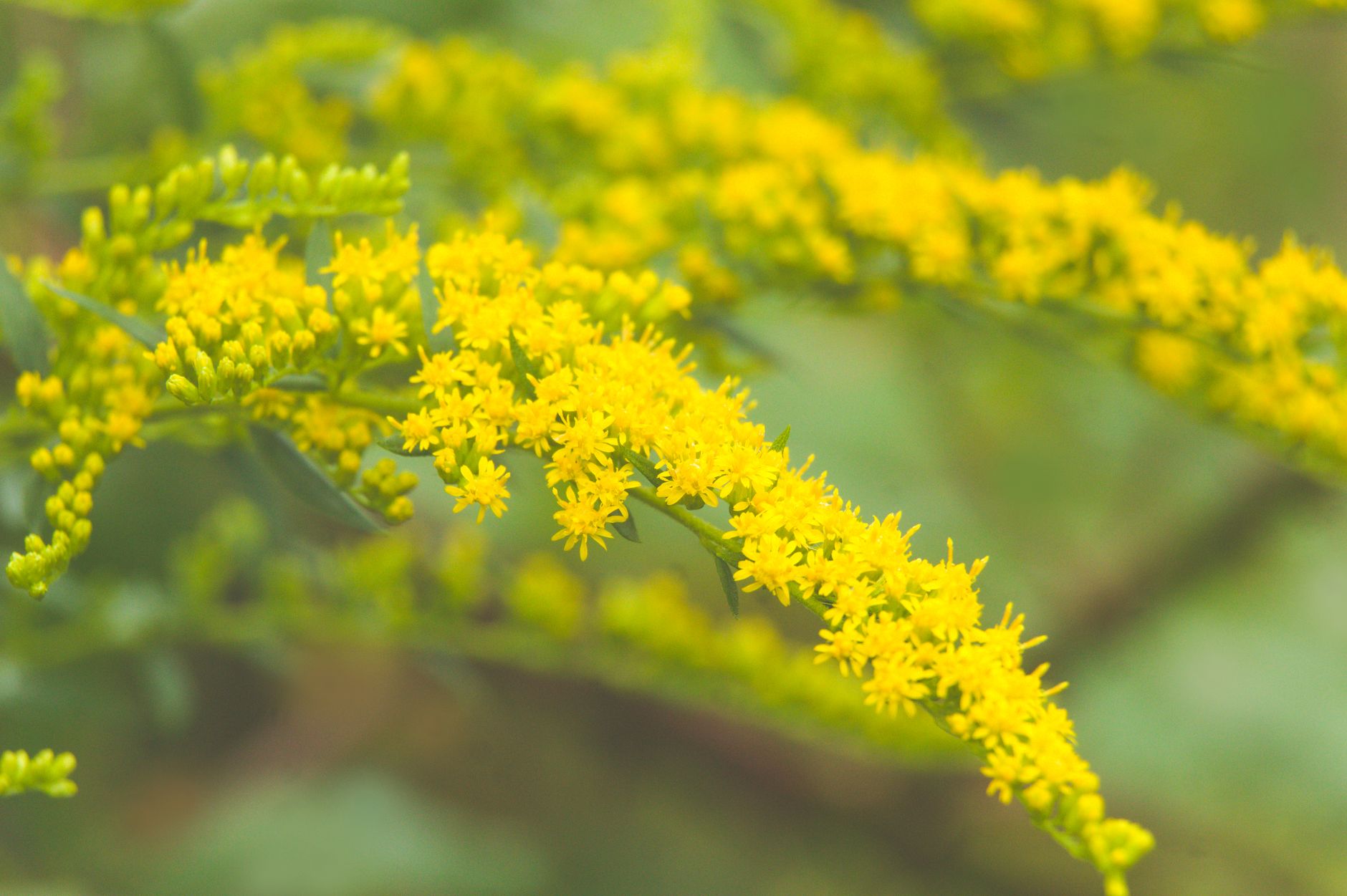
The Ultimate Guide to Buckthorn Bark . Frangula alnus: Health Benefits and Uses

The Definitive Guide to Buckthorn Bark (Frangula alnus): Pharmacological Profile, Health Benefits, and Clinical Applications

Buckthorn bark, derived from the deciduous shrub Frangula alnus (formerly classified as Rhamnus frangula), represents one of the most historically revered and scientifically validated botanical remedies in European herbal medicine. Commonly known as alder buckthorn, glossy buckthorn, or arrowwood, this resilient plant belongs to the Rhamnaceae family. Unlike its botanical cousins, such as Sea Buckthorn (which belongs to an entirely different family, Elaeagnaceae, and yields nutrient-rich berries), Frangula alnus is prized primarily for its pharmacologically active bark. For centuries, traditional healers and modern phytotherapists alike have utilized this specialized bark as a powerful, reliable intervention for gastrointestinal disorders, hepatobiliary congestion, and metabolic imbalances.

To fully appreciate the therapeutic virtues of buckthorn bark, one must navigate its complex chemistry, its strict processing requirements, and the precise physiological pathways through which its active constituents interact with the human body. This comprehensive guide serves as an authoritative deep-dive into the clinical efficacy, biological mechanisms, historical legacy, and safety parameters of Frangula alnus.

Botanical Characteristics and Ecological Distribution

Frangula alnus is native to Europe, Northern Africa, and Western Asia, thriving predominantly in damp, acidic soils, wetlands, open woodlands, and fens. It presents as an upright, thornless shrub or small tree, occasionally reaching heights of up to six meters. The plant is characterized by its dark green, oval, glossy leaves with prominent parallel veins and alternate arrangement—a key distinction from the opposite leaves of common buckthorn (Rhamnus cathartica).

In late spring, small, inconspicuous greenish-white flowers emerge from the leaf axils, eventually yielding globose, fleshy drupes. These berries undergo a striking transition from green to vibrant red, ultimately ripening into a deep purplish-black. However, it is the smooth, dark gray bark of the trunk and older branches, marked by distinctive horizontal, whitish lenticels, that holds the plant’s primary medicinal value. Harvesting this bark requires precise botanical timing and rigorous post-harvest management to unlock its health-promoting properties while neutralizing intrinsic toxicity.

Buckthorn Bark  . Frangula alnus Botanical Photo

The Science of Aging: Converting Toxicity to Therapeutic Efficacy

A cardinal rule in pharmacognosy dictates that fresh buckthorn bark must never be consumed. Freshly harvested bark contains high concentrations of anthrone and anthranol derivatives, specifically reduced monomeric anthranoids. These raw compounds are exceptionally irritating to the gastric and intestinal mucosa. If ingested, fresh bark induces severe abdominal cramping, violent emesis (vomiting), diarrhea, and acute gastrointestinal distress.

To render the bark safe and therapeutically viable, it must undergo a specialized aging or curing process. This is achieved through two distinct methods:

  • Natural Aging: The harvested bark is stored in a dry, well-ventilated environment for a minimum of one year. Over this twelve-month period, atmospheric oxygen slowly and systematically oxidizes the volatile, irritating anthrones into stable, therapeutic anthraquinone glycosides.
  • Accelerated Heat Treatment: To expedite production, the bark can be subjected to controlled thermal processing. Exposing the raw bark to a temperature of approximately 100 degrees Celsius for several hours accelerates the oxidation and hydrolysis of the harsh anthrone precursors, yielding a standardized, safe, and highly effective herbal drug.

This conversion process is a classic demonstration of traditional ecological knowledge aligning perfectly with modern biochemistry. Once cured, the bark transitions from a toxic irritant into a reliable, gentle, and highly therapeutic pharmacological agent.

Chemical Composition and Bioactive Compounds

The therapeutic efficacy of aged buckthorn bark is attributed to its complex phytochemical matrix. The primary active constituents are hydroxyanthracene glycosides, which constitute between 4% and 8% of the dry weight of the cured bark. Understanding these specific molecules is key to understanding how the herb interacts with the human digestive system.

Buckthorn Bark  . Frangula alnus Plant Profile

1. Glucofrangulins (Types A and B)

These are the principal bis-glucosides found in Frangula alnus. Glucofrangulin A contains a rhamnose moiety and a glucose unit attached to an emodin anthrone core, while Glucofrangulin B contains an apiofuranose and a glucose unit. These large, polar molecules are highly stable. Their unique molecular structure prevents them from being absorbed or broken down in the upper gastrointestinal tract (the stomach and small intestine), allowing them to travel safely to the large intestine where their therapeutic work begins.

2. Frangulins (Types A and B)

Frangulins are monoside derivatives formed through the partial enzymatic hydrolysis of glucofrangulins, wherein the terminal glucose molecule is cleaved off. Frangulin A (emodin-1,8-dihydro-3-monorhamnoside) and Frangulin B (emodin-1,8-dihydro-3-monoapioside) contribute significantly to the secondary phase of the herb’s physiological action within the colon.

3. Free Anthraquinones

In smaller quantities, cured buckthorn bark contains free anthraquinones, including emodin, physcion, and chrysophanol. Emodin (1,3,8-trihydroxy-6-methylanthraquinone) is a highly researched compound possessing potent anti-inflammatory, antimicrobial, and antitumor properties, representing a focal point of ongoing oncology and immunology research.

4. Supporting Phytochemicals

Beyond anthranoid derivatives, Frangula alnus contains a rich array of auxiliary compounds:

  • Tannins: These polyphenolic compounds exert a mild astringent effect, helping to tone the mucosal linings of the digestive tract and modulate the hyper-secretory effects of the anthraquinones.
  • Flavonoids: Including kaempferol and quercetin, which provide robust antioxidant defenses, mitigating oxidative stress within the gut tissue.
  • Peptide Alkaloids: Known as frangulanine and related cyclopeptide alkaloids, which display unique secondary metabolic actions.

Primary Health Benefits and Pharmacological Mechanisms

The primary medical applications of buckthorn bark center around the digestive and hepatobiliary systems. Below, we explore the physiological mechanisms behind these health benefits.

1. Treatment of Acute and Chronic Constipation

Buckthorn bark is classified as a stimulating laxative. Its primary therapeutic mechanism is highly localized, occurring exclusively within the colon. Because glucofrangulins are resistant to gastric acid and human digestive enzymes, they pass intact into the large intestine. Upon reaching the colon, the resident microflora (specifically species containing beta-glucosidase enzymes) hydrolyze these glycosides, cleaving off the sugar moieties to release active emodin anthrone.

Emodin anthrone acts directly on the colonic mucosa through a dual-action pathway:

  • Active Fluid and Electrolyte Accumulation: The compound inhibits the basolateral sodium-potassium pump (Na+/K+-ATPase) in the mucosal epithelial cells. This inhibition halts the absorption of sodium, chloride, and water from the intestinal lumen. Simultaneously, it stimulates the secretion of water, sodium, potassium, and calcium into the bowel lumen, dramatically increasing fecal moisture and volume.
  • Stimulation of Peristalsis: Emodin anthrone stimulates the myenteric plexus (Auerbach’s plexus), the intrinsic neural network of the gut wall. This stimulation triggers coordinated, propulsive contractions of the colonic smooth muscle, accelerating intestinal transit time and facilitating smooth, strain-free defecation.

2. Hepatobiliary and Cholagogue Support

By stimulating parasympathetic nerve pathways in the digestive tract, Frangula alnus indirectly promotes the secretion of bile from the gallbladder and liver. Bile acts as a natural endogenous laxative, emulsifying dietary lipids and promoting healthy peristaltic flow. This cholagogue effect makes buckthorn bark valuable for individuals suffering from sluggish digestion, biliary insufficiency, and hepatic congestion.

3. Antimicrobial, Antiviral, and Antifungal Activity

The free anthraquinone emodin isolated from buckthorn bark has demonstrated notable antimicrobial activity in laboratory settings. Research indicates that emodin disrupts cellular membranes in Gram-positive bacteria and inhibits the replication of several viral strains, including herpes simplex virus (HSV) and influenza viruses, by interfering with viral envelope proteins. Furthermore, the bark’s tannin content provides a protective barrier on mucosal surfaces, preventing pathogen adhesion.

4. Anti-Inflammatory and Antioxidant Protection

Chronic low-grade inflammation in the gastrointestinal tract can disrupt systemic health. The flavonoids and polyphenols found in buckthorn bark neutralize reactive oxygen species (ROS), thereby protecting cellular DNA from oxidative damage. Simultaneously, emodin has been shown to downregulate nuclear factor-kappa B (NF-kB), a primary transcription factor responsible for the production of pro-inflammatory cytokines such as tumor necrosis factor-alpha (TNF-a) and interleukin-6 (IL-6).

Traditional Uses and Ethnobotanical History

The utilization of Frangula alnus is deeply woven into the tapestry of European ethnobotany. During the Middle Ages, the bark was known as Cortex Frangulae and was highly valued as a “gentle purge” compared to more violent purgatives of the era, such as mercury-based compounds or drastic botanical toxins like hellebore. It was frequently integrated into monastic medicine, where monks and herbalists formulated decoctions to treat chronic liver stagnation, jaundice, dropsy (edema), and persistent skin disorders like eczema and scabies, which traditional systems of medicine viewed as external signs of internal toxicity.

Buckthorn Bark  . Frangula alnus Dried Herb

In traditional Russian and Slavic herbalism, buckthorn bark decoctions were routinely combined with carminative herbs like fennel, anise, or chamomile. This formulation strategy was highly deliberate: the carminatives relaxed the smooth muscle of the digestive tract, preventing the localized cramping or “griping” that can sometimes accompany the use of anthraquinone-rich stimulants. The dried herb was also applied externally as a wash for slow-healing wounds, minor skin infections, and gum inflammation, utilizing the astringent and antiseptic properties of its tannins.

Modern Clinical Preparations and Supplementation

In modern phytotherapy, buckthorn bark is processed into several distinct formats to accommodate different therapeutic needs. While traditional decoctions remain popular, standardized extract capsules offer maximum precision and convenience.

Buckthorn Bark  . Frangula alnus Capsules

1. Standardized Capsules and Tablets

For individuals seeking reliable relief from constipation without the bitter taste of herbal teas, standardized capsules are the preferred choice. These supplements typically contain dry extracts calibrated to deliver a precise dose of hydroxyanthracene glycosides (calculated as glucofrangulin A). This ensures consistent therapeutic results and minimizes the risk of accidental overdosing.

2. Herbal Teas and Decoctions

Traditional herbalists often recommend a decoction made from dried, aged buckthorn bark. To prepare, 1 to 2 grams of the dried bark is simmered in 150 ml of water for 10 to 15 minutes, then strained. This tea is typically consumed warm before bedtime, as the transit time required for the colonic microflora to activate the anthraquinones results in a predictable bowel movement the following morning (typically 8 to 12 hours post-ingestion).

3. Liquid Extracts and Tinctures

Hydroalcoholic extracts (tinctures) offer a highly bioavailable format. Liquid extracts allow for flexible dosing and are easily blended into broader hepatic or digestive formulas containing bitter herbs like dandelion root, artichoke leaf, or milk thistle seed.

Dosage, Safety Guidelines, and Contraindications

While buckthorn bark is an incredibly effective natural remedy, its potency requires disciplined usage. Adhering to established safety guidelines is crucial to prevent adverse effects and ensure a positive therapeutic experience.

Buckthorn Bark  . Frangula alnus Natural Herb

Recommended Dosage

The standard therapeutic daily dose of hydroxyanthracene derivatives for adults and adolescents over 12 years of age is 15 mg to 30 mg, calculated as glucofrangulin A. The correct individual dose is the smallest amount required to produce a comfortable, soft-formed stool. It is highly recommended to limit continuous use to one to two weeks.

Potential Side Effects

  • Abdominal Cramping: Mild, localized cramping may occur as peristalsis is stimulated. This can be mitigated by combining buckthorn with carminative herbs like peppermint, ginger, or fennel.
  • Electrolyte Imbalance: Prolonged, excessive use can lead to the depletion of essential electrolytes, particularly potassium (hypokalemia). Low potassium levels can cause muscle weakness, cardiac arrhythmias, and kidney dysfunction.
  • Urine Discoloration: Metabolites of anthraquinones may impart a harmless reddish or yellow-brown hue to the urine, depending on pH. This is completely benign and resolves upon discontinuation.
  • Melanosis Coli: Long-term, chronic use (months to years) can lead to a benign, reversible pigmentation of the colonic mucosa known as melanosis coli. This condition typically disappears within a few months after stopping the herb.

Contraindications and Drug Interactions

Buckthorn bark must not be used under the following conditions:

  • Inflammatory Bowel Conditions: Including Crohn’s disease, ulcerative colitis, appendicitis, and undiagnosed abdominal pain.
  • Intestinal Obstruction or Stenosis: Where physical blockages make stimulated peristalsis highly dangerous.
  • Severe Dehydration: Or pre-existing electrolyte imbalances.
  • Pregnancy and Lactation: Anthraquinones can stimulate uterine contractions, potentially inducing premature labor. Furthermore, active metabolites can pass into breast milk, potentially causing diarrhea in nursing infants.
  • Pediatric Use: Contraindicated for children under 12 years of age unless directed by a qualified healthcare professional.

Drug Interactions: Because of its potential to lower potassium levels, buckthorn bark should not be taken concurrently with cardiac glycosides (such as digoxin), antiarrhythmic drugs, diuretics (especially loop and thiazide diuretics), or corticosteroids, as hypokalemia can potentiate the toxicity of these medications.

Conclusion: Integrating Buckthorn Bark into Modern Wellness

Buckthorn bark (Frangula alnus) stands as a premier example of a botanical medicine with a clear, scientifically validated mechanism of action. When harvested responsibly, aged meticulously, and administered with appropriate clinical boundaries, it offers unmatched support for acute constipation, hepatobiliary congestion, and natural digestive detoxification. By respecting its potency and understanding its biochemistry, modern health advocates can safely utilize this ancient remedy to maintain optimal gastrointestinal wellness and systemic vitality.

Disclaimer: For informational purposes only. Not medical advice. Consult a qualified healthcare professional before use.

The Ultimate Guide to Buckthorn Bark . Frangula alnus: Health Benefits and Uses

Understanding Buckthorn Bark (Frangula alnus): The Definitive Guide to Its Therapeutic Potential

Buckthorn Bark, scientifically known as Frangula alnus (and often historically referred to as Rhamnus frangula), is a cornerstone of traditional European herbalism. Often called Glossy Buckthorn or Alder Buckthorn, this deciduous shrub has been a primary resource for apothecaries and herbalists for centuries. Unlike many botanical remedies that offer generalized health support, Buckthorn Bark is highly specialized, primarily recognized for its potent effects on the digestive system and its role as a stimulant laxative. However, its utility extends beyond simple gastrointestinal transit, involving complex biochemical interactions that support liver function and metabolic processes.

To understand Frangula alnus is to understand the balance between nature’s potency and the necessity of pharmacological processing. The raw bark of the tree is actually toxic if consumed fresh; it requires a specific aging process to become the medicinal powerhouse used in modern supplements. This deep-dive guide explores the botanical origins, the intricate chemical makeup, and the evidence-based health benefits of this remarkable plant, providing a comprehensive overview for health enthusiasts and professionals alike.

Botanical Characteristics and Taxonomy

Frangula alnus is native to Europe, Northern Africa, and Western Asia, though it has since naturalized in parts of North America. It is a tall, slender shrub that can grow up to seven meters in height. It is easily distinguished by its dark green, oval, shiny leaves and its characteristic berries, which transition from green to red and finally to a deep, dark purple-black upon ripening. The bark itself is smooth and dark, often marked with white lenticels (small pores), which give it a distinctive appearance in the wild.

In a botanical context, it is crucial to distinguish Frangula alnus from its relative, Rhamnus cathartica (Common Buckthorn). While both possess laxative properties, Frangula alnus is generally considered to have a more predictable and slightly milder profile, making it the preferred choice for standardized herbal preparations. The medicinal value is found exclusively in the bark of the trunk and branches, which is harvested during the spring and early summer when the sap is flowing freely.

Buckthorn Bark  . Frangula alnus Botanical Photo

The harvesting of Buckthorn Bark is only the first step in its journey toward becoming a therapeutic agent. Freshly harvested bark contains high levels of anthrone glycosides, which are potent emetics—substances that induce vomiting and severe abdominal cramping. To mitigate these effects, the bark must be stored for at least one year at room temperature or subjected to a controlled heating and aeration process. This “aging” allows for the oxidation of anthrones into anthraquinones, specifically glucofrangulins, which are the primary active metabolites responsible for the bark’s gentle yet effective laxative action.

The Complex Chemistry of Frangula alnus

The therapeutic efficacy of Buckthorn Bark is rooted in its rich profile of bioactive compounds. The most significant of these are the hydroxyanthracene glycosides, which typically comprise 3% to 7% of the dried bark’s weight. The primary molecules include Glucofrangulin A and B, which are diglycosides. During the digestive process or through botanical processing, these are converted into Frangulin A and B, and ultimately into the active aglycone known as frangula-emodin.

Beyond these primary anthraquinones, Frangula alnus also contains tannins, flavonoids, and various bitter principles. Tannins provide a mild astringent quality that can help tone the intestinal lining, while flavonoids contribute antioxidant properties that protect cells from oxidative stress. The presence of these secondary metabolites creates a synergistic effect, though the focus remains heavily on the anthraquinone content due to its profound impact on human physiology.

Buckthorn Bark  . Frangula alnus Plant Profile

When these compounds reach the large intestine, they undergo a fascinating transformation. They are not absorbed in the upper digestive tract. Instead, they travel to the colon, where the resident microflora (gut bacteria) break the glycosidic bonds, releasing the active emodins. This targeted release ensures that the stimulant effect is localized to the area where it is most needed, minimizing systemic side effects while maximizing the impact on bowel motility.

Mechanisms of Action: How Buckthorn Bark Works

The primary mechanism of Frangula alnus is classified as a stimulant laxative effect. This occurs via two distinct pathways. First, the active emodins stimulate the myenteric plexus, a network of nerves in the wall of the digestive tract. This stimulation triggers peristalsis—the rhythmic, wave-like muscle contractions that move waste through the colon. By increasing the frequency and strength of these contractions, Buckthorn Bark reduces the “transit time,” ensuring that waste is expelled more efficiently.

The second mechanism involves the modulation of electrolyte and water transport. Anthraquinones inhibit the sodium-potassium ATPase pump in the intestinal wall. This inhibition leads to an accumulation of water and electrolytes within the intestinal lumen (the space inside the colon). This osmotic effect softens the stool and increases its volume, which further stimulates the stretch receptors in the bowel wall, reinforcing the urge to evacuate. This dual action—increasing motility and increasing hydration of the stool—makes Buckthorn Bark exceptionally effective for addressing “sluggish” bowels.

The Historical Context of Buckthorn Use

Historically, Buckthorn has been a staple in the European “materia medica” since at least the 13th century. It was frequently cited in the works of medieval herbalists as a “purger of choler,” a term used to describe its ability to clear bile and digestive stagnancy. During the Middle Ages, the bark was often decocted in wine or water to treat various ailments believed to be caused by internal blockages.

By the 16th and 17th centuries, Buckthorn became more widely recognized in official pharmacopoeias. It was often preferred over more aggressive purgatives like scammony or jalap because of its relatively predictable nature. Interestingly, the historical record shows that early healers were well aware of the need to age the bark, noting that the “green” bark caused “great griping of the guts.” This transition from traditional folklore to early modern pharmaceutical science highlights the enduring relevance of Frangula alnus.

Buckthorn Bark  . Frangula alnus Dried Herb

In the modern era, Buckthorn Bark remains a vital component of traditional herbal medicine systems in Germany, France, and the United Kingdom. It is frequently found in “laxative teas” and proprietary herbal blends intended to support detoxification and digestive regularity. Its historical legacy is now backed by modern monographs from organizations like the European Medicines Agency (EMA) and the World Health Organization (WHO), which confirm its efficacy for short-term constipation relief.

Primary Health Benefits and Therapeutic Applications

1. Relief from Chronic and Acute Constipation

The most prominent use of Buckthorn Bark is the treatment of constipation. Unlike bulk-forming laxatives (like psyllium) or osmotic laxatives (like magnesium), Frangula alnus is a stimulant. It is particularly useful for individuals whose digestive systems have become lethargic due to a sedentary lifestyle, low-fiber diets, or travel. By forcing the colon to engage in movement, it provides rapid relief where other methods might fail.

2. Support for Hemorrhoids and Anal Fissures

While Buckthorn does not treat hemorrhoids directly, it plays a critical secondary role. For individuals suffering from anal fissures or hemorrhoids, the act of straining during a bowel movement can be incredibly painful and can exacerbate the condition. By softening the stool and ensuring a smooth passage, Buckthorn Bark reduces the need for straining, allowing the affected tissues time to heal without further irritation.

3. Gallbladder and Liver Support

In traditional medicine, Buckthorn is considered a “cholagogue,” a substance that promotes the discharge of bile from the system. By stimulating the gallbladder, it helps in the digestion of fats and the elimination of fat-soluble toxins. This secondary benefit is why Buckthorn is often included in “liver cleanse” protocols. Improved bile flow not only aids digestion but also prevents the stasis that can lead to the formation of gallstones.

4. Detoxification and “Blood Purification”

While the term “blood purifier” is more of a traditional herbological concept than a clinical one, it refers to the herb’s ability to enhance the body’s natural elimination pathways. By ensuring that the bowels are moving regularly, the body can more effectively clear metabolic waste. This prevents the reabsorption of toxins from the colon back into the bloodstream, a process sometimes referred to as autointoxication.

Buckthorn Bark Supplements and Modern Forms

Today, consumers have access to Buckthorn Bark in various convenient forms. The most common is the standardized capsule, which ensures a consistent dose of glucofrangulins. This is particularly important because the concentration of active compounds can vary significantly in the wild plant depending on soil quality, harvest time, and the aging process. Capsules provide a mess-free, tasteless way to incorporate this herb into a health regimen.

Buckthorn Bark  . Frangula alnus Capsules

In addition to capsules, Buckthorn is often sold as dried cut-and-sifted bark for use in decoctions (herbal teas). For a decoction, the bark is simmered in water for about 10–15 minutes to extract the glycosides. Tinctures and liquid extracts are also available, providing a highly concentrated form that is easily absorbed. Regardless of the form chosen, the quality of the source is paramount; the bark must be certified as aged to ensure safety and efficacy.

Safety Guidelines, Contraindications, and Side Effects

Because Buckthorn Bark is a potent stimulant, it must be used with respect and caution. The most critical safety rule is that it should only be used for short-term relief—typically no longer than 7 to 10 days at a time. Chronic use of stimulant laxatives can lead to “lazy bowel syndrome,” where the colon becomes dependent on the herb to function. Furthermore, long-term use can result in electrolyte imbalances, particularly the loss of potassium (hypokalemia), which can affect heart and muscle function.

Contraindications include pregnancy and breastfeeding, as the anthraquinones can be excreted in breast milk and may stimulate uterine contractions. Individuals with inflammatory bowel diseases (IBD) such as Crohn’s disease or ulcerative colitis, as well as those with intestinal obstructions or undiagnosed abdominal pain, should strictly avoid Buckthorn Bark. As with any potent herbal supplement, consulting with a healthcare professional is essential, especially for those taking medications like diuretics or heart glycosides, as Buckthorn can interact with these drugs.

Practical Usage: Dosage and Preparation

Finding the correct dosage for Buckthorn Bark is a personal process, as individual sensitivity to anthraquinones varies. The goal is to find the smallest dose necessary to produce a comfortable, soft-formed motion. In many clinical guidelines, a daily dose of 20mg to 30mg of hydroxyanthracene derivatives (calculated as glucofrangulin A) is recommended. This usually translates to about 0.5g to 2g of the dried bark per day.

When preparing a tea at home, one teaspoon of the aged bark should be added to a cup of cold water, brought to a boil, and then strained. It is best consumed in the evening before bed, as the effects typically take 6 to 12 hours to manifest, resulting in a bowel movement the following morning. If using capsules, it is vital to follow the manufacturer’s labeling strictly, as concentrations can vary between brands.

Buckthorn Bark  . Frangula alnus Natural Herb

For those looking for a gentler experience, Buckthorn Bark is often blended with carminative herbs like fennel, ginger, or peppermint. These additions help to soothe the digestive tract and reduce the likelihood of the minor cramping that sometimes accompanies stimulant laxatives. Proper hydration is also essential; drinking plenty of water throughout the day will support the herb’s osmotic action and ensure a more comfortable experience.

Conclusion: The Role of Buckthorn Bark in Modern Wellness

Buckthorn Bark (*Frangula alnus*) stands as a testament to the power of traditional botanical medicine when refined by pharmacological understanding. While it is a specialized tool specifically for the lower digestive tract, its impact on overall wellness is significant. By facilitating the body’s natural elimination processes, supporting the gallbladder, and providing an alternative to synthetic laxatives, it remains a valuable asset in the natural health toolkit.

In an era where digestive issues are increasingly common due to dietary and lifestyle factors, having a reliable, plant-based solution for occasional constipation is invaluable. However, the key to benefiting from Buckthorn Bark lies in informed usage: selecting high-quality aged bark, adhering to short-term protocols, and respecting the potency of its bioactive anthraquinones. When used correctly, Frangula alnus is more than just a remedy; it is a time-tested ally for internal balance and gastrointestinal health.

Disclaimer: For informational purposes only. Not medical advice. Consult a qualified healthcare professional before use.
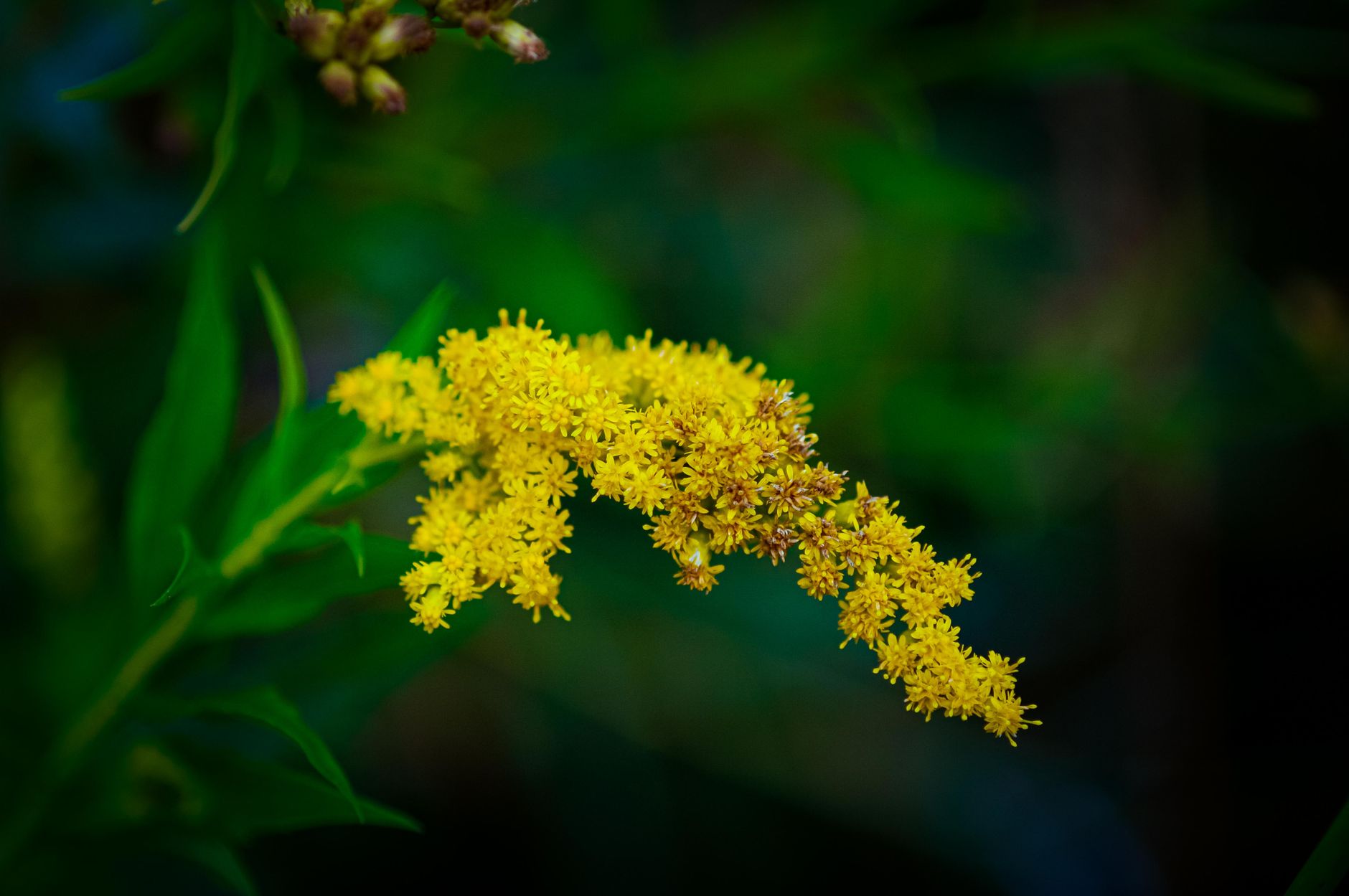
The Ultimate Guide to Arnica: Health Benefits and Uses

The Definitive Guide to Arnica Montana: Nature’s Premier Therapeutic Alpine Herb

Arnica montana, a perennial plant flourishing in the high-altitude meadows of Europe and North America, has long been revered in the annals of ethnobotany and modern phytotherapy. Often referred to as “Mountain Tobacco,” “Leopard’s Bane,” or “Wolf’s Bane,” this vibrant yellow, daisy-like flower belongs to the Asteraceae family. For centuries, mountain dwellers and herbalists have harvested its blossoms to treat a myriad of physical ailments, ranging from blunt force trauma and hematomas to chronic inflammatory conditions. In the contemporary wellness landscape, Arnica has transcended its folk-medicine roots to become a staple in sports medicine, post-surgical recovery, and dermatological formulations. This comprehensive guide explores the botanical intricacies, biochemical complexity, and clinical applications of Arnica montana, providing a professional deep-dive into why this plant remains an indispensable tool in natural medicine.

Botanical Characteristics and Ecological Significance

Arnica montana is a geophyte that prefers the acidic, nutrient-poor soils of alpine and sub-alpine regions, typically thriving at altitudes between 1,200 and 2,800 meters. The plant is characterized by a basal rosette of ovate, velvety leaves and a glandular, hairy stem that can reach up to 60 centimeters in height. Its inflorescence is usually solitary or arranged in small groups, featuring bright yellow ray florets that emanate a distinct, slightly pungent aroma. The resilience of the plant in harsh, high-oxygen, and high-UV environments is believed to contribute to the synthesis of its potent secondary metabolites.

Arnica Botanical Photo

From an ecological standpoint, Arnica is a sensitive species. Due to over-harvesting and habitat loss caused by intensive agriculture and climate change, it is now protected in several European countries. Sustainable sourcing is paramount for the pharmaceutical and cosmetic industries, leading to increased interest in the cultivation of Arnica chamissonis, a hardier relative that possesses similar therapeutic profiles. Understanding the botanical origin is critical for quality control, as the concentration of active compounds can vary significantly based on the altitude, soil composition, and time of harvest.

The Biochemical Architecture of Arnica: Sesquiterpene Lactones and Beyond

The therapeutic efficacy of Arnica montana is not the result of a single compound but rather a synergistic “entourage effect” of various bioactive molecules. The most significant among these are the sesquiterpene lactones, primarily helenalin and dihydrohelenalin, along with their various esters. These compounds are secondary metabolites produced by the plant as a defense mechanism against herbivores and pathogens, but in human physiology, they exert powerful biological effects.

Helenalin is particularly noteworthy for its unique mechanism of action. Unlike traditional non-steroidal anti-inflammatory drugs (NSAIDs) like ibuprofen or aspirin, which inhibit the cyclooxygenase (COX) enzymes, helenalin targets the inflammatory process at a more fundamental level. It selectively inhibits the transcription factor Nuclear Factor-kappa B (NF-κB). NF-κB is a central regulator of the immune response; its activation triggers the expression of numerous pro-inflammatory genes, including cytokines like IL-1, IL-6, and TNF-alpha. By preventing the activation of this pathway, Arnica effectively “turns off” the inflammatory signal at its source, leading to a profound reduction in swelling and pain without the typical systemic side effects associated with COX inhibitors.

Arnica Plant Profile

In addition to sesquiterpene lactones, Arnica contains a rich profile of flavonoids (such as quercetin and luteolin), which provide antioxidant support and capillary-strengthening properties. Essential oils containing thymol and carvacrol offer antimicrobial benefits, while caffeic acid derivatives contribute further to the plant’s anti-inflammatory arsenal. This complex chemical matrix allows Arnica to address tissue damage through multiple physiological pathways simultaneously.

Historical Context and Traditional Ethnomedicine

The historical usage of Arnica can be traced back to the 12th century, with notable mentions in the writings of Hildegard of Bingen. By the 16th century, it had become a cornerstone of Germanic folk medicine. Historically, the entire plant—including the flowers and the rhizome—was utilized in various preparations. Tinctures were applied topically to “dispel congealed blood,” a poetic but accurate description of its ability to accelerate the resorption of hematomas. In mountainous regions, it was often the first line of defense for injuries sustained during arduous physical labor or climbing.

Interestingly, the name “Mountain Tobacco” arose because the dried leaves were occasionally smoked or used as snuff, though this practice is largely obsolete due to the irritating nature of the plant’s hairs. Traditional preparation involved infusing the dried flower heads in oils or high-proof spirits. These macerations were used as liniments for “rheumatism” and “gout,” showcasing an early understanding of the plant’s systemic potential when applied through the skin. This historical foundation paved the way for the rigorous clinical trials that define its modern use today.

Arnica Dried Herb

Clinical Applications: Pain Management and Injury Recovery

Modern clinical research has validated many of the traditional claims surrounding Arnica, particularly regarding musculoskeletal injuries and post-operative care. One of the most common applications is for the treatment of bruises (ecchymosis). When applied topically, Arnica stimulates the circulation of white blood cells, which helps to clear trapped blood and fluid from the site of injury. This accelerated drainage significantly reduces the duration and visibility of bruising.

Management of Osteoarthritis

Studies have compared the efficacy of topical Arnica gel to topical NSAIDs for the treatment of osteoarthritis, specifically in the hands and knees. Remarkably, clinical trials have shown that a high-quality Arnica preparation can be just as effective as ibuprofen gel in improving joint function and reducing pain, with fewer reported adverse effects. This makes Arnica an excellent alternative for individuals who are sensitive to synthetic anti-inflammatories or those who wish to avoid the long-term risks associated with NSAID use, such as gastrointestinal or renal complications.

Post-Surgical and Aesthetic Medicine

In the realm of plastic surgery and dermatology, Arnica is frequently used to manage recovery after procedures like rhinoplasty, facelifts, or dermal filler injections. Surgeons often recommend both topical and homeopathic (highly diluted oral) Arnica to minimize post-operative swelling and discoloration. By modulating the inflammatory cascade early in the healing process, Arnica helps patients return to their daily activities faster and with less discomfort.

Supplements, Homeopathy, and Oral Administration

The delivery method of Arnica is a critical factor in its safety and efficacy. It is essential to distinguish between “herbal” Arnica and “homeopathic” Arnica. Pure, undiluted Arnica should never be ingested orally in its botanical form, as the sesquiterpene lactones (helenalin) are toxic to the heart and can cause severe gastroenteritis, muscle weakness, and organ failure. However, the supplement industry utilizes two specific safe pathways: topical applications and homeopathic dilutions.

Arnica Capsules

Homeopathic Arnica (often sold in pellet or “capsule” form) involves the process of potentization, where the substance is diluted to the point where no toxic molecules remain. These are widely used for systemic support after trauma. In the context of supplements, “Arnica capsules” are almost exclusively homeopathic. They are designed to stimulate the body’s self-healing mechanisms from within. While the scientific community continues to debate the mechanisms of homeopathy, the empirical evidence from millions of users and numerous observational studies suggests a positive role in pain modulation and recovery speed.

Dermatological Benefits and Hair Health

Beyond its role in trauma recovery, Arnica has found a significant place in the skincare industry. Its antimicrobial and anti-inflammatory properties make it a useful ingredient for treating inflammatory skin conditions like acne or rosacea. By reducing redness and soothing irritated tissues, it helps restore the skin’s barrier function. Furthermore, Arnica oil is frequently included in hair care formulations. It is believed to stimulate the scalp’s blood circulation, which can strengthen hair follicles and potentially reduce premature hair loss caused by scalp inflammation or poor nutrient delivery to the roots.

Safety, Precautions, and Proper Usage

Despite its natural origins, Arnica is a potent botanical that must be used with respect. The primary concern is “Arnica dermatitis,” an allergic reaction that can occur in individuals sensitive to the Asteraceae family (which includes ragweed, marigolds, and daisies). It is always recommended to perform a patch test before widespread topical application. Furthermore, Arnica should never be applied to broken skin or open wounds, as systemic absorption through an open incision can lead to irritation or toxicity.

  • Topical Application: Use gels or ointments containing 10% to 25% Arnica tincture. Apply 2-3 times daily to the affected area.
  • Homeopathic Oral Use: Follow the specific “C” or “X” potency instructions on the product label (commonly 30C). Avoid touching the pellets with your hands to maintain their energetic integrity.
  • Pregnancy and Lactation: Consult a healthcare provider before use. While topical use is generally considered low-risk, oral homeopathic use should be monitored.
  • Interactions: Arnica may enhance the effects of anticoagulant and antiplatelet drugs (like warfarin or clopidogrel), so caution is advised for those on blood-thinning medications.

Arnica Natural Herb

Conclusion: The Future of Arnica in Integrative Medicine

As the medical world shifts toward more integrative and holistic approaches, Arnica montana stands as a bridge between ancient wisdom and modern science. Its unique ability to inhibit NF-κB provides a molecular explanation for its efficacy, while its diverse applications in surgery, sports, and chronic pain management highlight its versatility. Whether through the concentrated relief of a topical gel or the systemic support of homeopathic preparations, Arnica continues to offer a natural, effective solution for those seeking to manage pain and inflammation. By adhering to proper dosage and sourcing guidelines, patients and practitioners alike can harness the potent healing energy of this remarkable alpine flower to support the body’s innate capacity for recovery.

Disclaimer: For informational purposes only. Not medical advice. Consult a qualified healthcare professional before use.
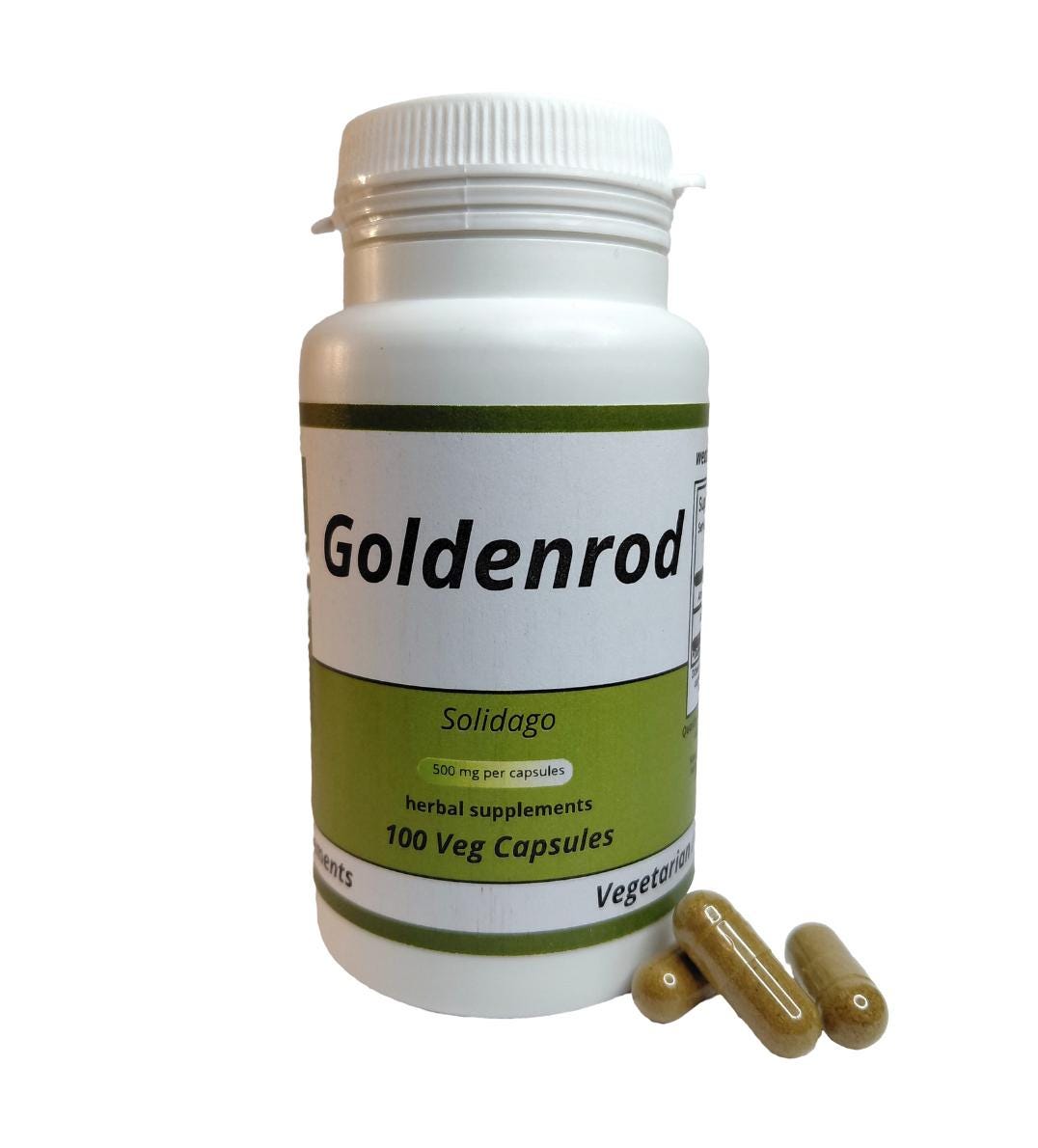
The Ultimate Guide to Damiana Leaf: Health Benefits and Uses

The Ultimate Guide to Damiana Leaf: Nature’s Ancient Tonic for Vitality, Mood, and Sexual Wellness

Damiana (Turnera diffusa) is a small, woody shrub that belongs to the Passifloraceae family, flourishing primarily in the arid and semi-arid regions of Mexico, Central America, the West Indies, and parts of the southwestern United States. For centuries, this aromatic plant has been revered by indigenous cultures as a “magical” botanical, utilized not just for its pleasant, fig-like aroma but for its profound impact on the human nervous system and reproductive health. Known colloquially as the “love potion” of the Aztecs and Mayans, Damiana has transitioned from an ancient folkloric remedy into a staple of modern herbalism and dietary supplementation. To understand the depth of Damiana’s benefits, one must look beyond its surface-level reputation and examine the complex interplay between its bioactive compounds and the human physiological framework.

The plant is characterized by its small, serrated leaves and vibrant yellow flowers, which bloom under the intense sun of the subtropics. Historically, the leaves were harvested, dried, and prepared as a tea or infused into spirits to create potent elixirs. Today, while the traditional tea remains popular, the herb is widely available in more concentrated formats, including standardized extracts, tinctures, and encapsulated powders. This guide explores the multifaceted dimensions of Damiana, detailing its botanical characteristics, historical significance, chemical complexity, and the diverse health benefits that make it one of the most sought-after herbs in the natural wellness industry.

Botanical Characteristics and Ecological Significance

Turnera diffusa is a resilient perennial that thrives in harsh environments where other plants might struggle. It is often found growing in rocky soils and limestone-rich terrains, which suggests a unique mineral uptake that contributes to its secondary metabolite profile. The plant typically reaches a height of one to two meters, featuring woody stems and small, pale green leaves that are densely covered in fine hairs to prevent water loss. These leaves are the primary source of the herb’s medicinal potency, containing the highest concentrations of essential oils and flavonoids.

Damiana Leaf Botanical Photo

The botanical classification of Damiana has historically been a point of interest for taxonomists. While often associated with the Turnera genus, its relationship to the passionflower family (Passifloraceae) explains its subtle sedative and anxiolytic properties. The ecological niche it occupies—high UV exposure and low water availability—forces the plant to produce a suite of protective antioxidant compounds. These compounds, designed to protect the plant from environmental stress, are the very same molecules that provide therapeutic benefits to humans when ingested. The synergistic effect of these botanical elements creates a holistic experience that is difficult to replicate with isolated synthetic chemicals.

The Historical Context of Damiana in Traditional Medicine

The history of Damiana is deeply intertwined with the indigenous cultures of Mexico. The Mayans used the herb primarily as an aphrodisiac and a treatment for “giddiness” or loss of balance. It was also documented as a respiratory aid and a general tonic for the elderly. In the 19th century, Damiana found its way into the United States’ pharmacopoeia, where it was marketed as a powerful “nerve tonic” and a remedy for reproductive system ailments. It was frequently included in “patent medicines” of the era, alongside other well-known botanicals like Coca and Kola nut.

Beyond its medicinal use, Damiana has a significant cultural footprint in the form of traditional Mexican liqueurs. In the Baja California region, Damiana liqueur is still produced today and is a popular ingredient in the “original” Margarita recipes. It was believed that the herb could inspire creativity and improve mood, leading to its frequent use during social gatherings and spiritual ceremonies. This long-standing history of human consumption provides a rich tapestry of anecdotal evidence that has, in recent decades, prompted rigorous scientific investigation into its active constituents.

Damiana Leaf Dried Herb

Deep Dive into Chemical Composition and Bioactive Compounds

The therapeutic efficacy of Damiana leaf is attributed to a complex matrix of phytochemicals. Unlike many herbs that rely on a single dominant alkaloid, Damiana’s benefits arise from the synergy of volatile oils, flavonoids, tannins, and cyanogenic glycosides. Analytical studies have identified over 35 unique compounds within the leaf tissue, each contributing to the herb’s overall pharmacological profile. The essential oil of Damiana is particularly rich in terpenes such as cineole, alpha-pinene, beta-pinene, and p-cymene, which contribute to its anti-inflammatory and antimicrobial properties.

One of the most significant compounds found in Damiana is apigenin. This flavonoid is well-known for its potent anti-anxiety (anxiolytic) effects. Apigenin interacts with the GABA receptors in the brain, helping to calm the central nervous system without the heavy sedation associated with pharmaceutical tranquilizers. Additionally, Damiana contains arbutin, a compound typically found in Uva Ursi, which provides mild antiseptic benefits to the urinary tract. The presence of caffeine and other methylxanthines, though in relatively low amounts, may contribute to the herb’s reputation as a mild stimulant and cognitive enhancer.

Damiana Leaf Plant Profile

Furthermore, Damiana is a source of damianin, a complex bitter principle that stimulates the digestive system and promotes the secretion of gastric juices. This makes it an excellent choice for individuals suffering from sluggish digestion or dyspepsia. The synergistic interaction between these diverse chemical families—terpenoids for inflammation, flavonoids for the nervous system, and bitters for digestion—creates a broad-spectrum herbal tool that addresses the body’s needs on multiple fronts simultaneously.

The Aphrodisiac Effect: Enhancing Sexual Health and Libido

Damiana’s primary claim to fame is its role as a natural aphrodisiac for both men and women. Unlike modern medications that target specific mechanical pathways, Damiana acts on a more holistic level by addressing the psychological and physiological barriers to healthy sexual function. It is classified as a “pro-sexual” herb, meaning it supports the natural desire and physical response mechanisms of the body. For many, sexual dysfunction is rooted in stress and anxiety; Damiana’s ability to relax the mind while stimulating the pelvic nerves makes it a uniquely effective intervention.

In men, Damiana is thought to work by inhibiting the enzyme aromatase, which converts testosterone into estrogen. By modulating this pathway, the herb helps maintain optimal testosterone levels, which is crucial for libido and energy. In women, the herb is often used to support hormonal balance and increase sensitivity in the reproductive organs. Some studies suggest that Damiana may increase nitric oxide levels in the blood, leading to improved circulation to the extremities and the pelvic region. This localized increase in blood flow can enhance arousal and physical sensation, making it a cornerstone of traditional fertility and intimacy blends.

Nervous System Support: Anxiolytic and Antidepressant Properties

Beyond its physical benefits, Damiana is an exceptional “nervine,” a term used in herbalism to describe plants that nourish and tone the nervous system. In the fast-paced modern world, the chronic activation of the “fight or flight” response leads to burnout, fatigue, and low mood. Damiana acts as a gentle buffer, helping to shift the body back into a parasympathetic state (rest and digest). It is particularly effective for those who experience “tired and wired” sensations, where physical exhaustion is paired with mental restlessness.

The antidepressant qualities of Damiana are often described as “lifting the spirit.” It is not a stimulant that provides a sharp peak and a subsequent crash; rather, it provides a subtle, sustained elevation in mood. This is likely due to its ability to modulate neurotransmitters like serotonin and dopamine indirectly. By reducing the baseline level of cortisol—the body’s primary stress hormone—Damiana allows the brain’s natural “feel-good” chemicals to function more efficiently. This makes it a valuable adjunct therapy for mild depression, social anxiety, and stress-induced emotional exhaustion.

Digestive and Metabolic Benefits

While often overshadowed by its effects on mood and libido, Damiana’s impact on the digestive tract is significant. Traditionally, it was used to treat constipation and stomachaches. The bitter compounds in the leaves stimulate the gallbladder to release bile, which is essential for the breakdown and absorption of fats. This cholagogue effect not only aids digestion but also supports liver detoxification. Furthermore, the mild laxative effect of Damiana can help regulate bowel movements without the cramping associated with stronger stimulant laxatives like senna.

Emerging research also points toward Damiana’s potential role in weight management and blood sugar regulation. Some clinical trials have combined Damiana with other herbs like Yerba Mate and Guarana to show a significant delay in gastric emptying. This means the stomach stays full longer, leading to increased satiety and reduced caloric intake. Additionally, certain compounds in Damiana may help lower blood glucose levels, suggesting a future role for the herb in supporting individuals with metabolic syndrome or Type 2 diabetes, though more human-centric research is required in this area.

Forms of Consumption: From Traditional Tea to Modern Supplements

How one consumes Damiana can influence the speed and intensity of its effects. The traditional preparation is a hot water infusion (tea). Steeped for about 10 to 15 minutes, the leaves release their volatile oils and bitter principles. This method is often preferred for those seeking digestive support or a relaxing evening ritual. However, because some of the plant’s active compounds are more soluble in alcohol, tinctures (hydro-ethanolic extracts) are considered by many herbalists to be the most potent way to access the herb’s full spectrum of benefits, especially for its anxiolytic and aphrodisiac properties.

Damiana Leaf Capsules

For convenience and standardized dosing, capsules and tablets are the most common delivery methods in the retail market. Encapsulated Damiana usually consists of either the finely ground dried leaf or a concentrated powdered extract. This form is ideal for those who wish to incorporate Damiana into their daily supplement regimen without the distinct bitter taste of the tea. When choosing a supplement, it is vital to look for products that specify the part of the plant used (leaf) and, if possible, the concentration ratio (e.g., 4:1 extract) to ensure a therapeutic dosage is achieved.

Dosage, Safety, and Potential Contraindications

While Damiana is generally considered safe (GRAS – Generally Recognized As Safe) when used in traditional culinary and medicinal amounts, there are important considerations for its use. A standard therapeutic dose of the dried leaf is typically 2 to 4 grams, taken up to three times per day. For tinctures, a common dose is 2 to 3 ml per serving. Because Damiana may lower blood sugar, individuals taking diabetes medications should monitor their glucose levels closely to avoid hypoglycemia. Similarly, due to its historical use as an emmenagogue (stimulating blood flow to the pelvic area), it is strictly avoided during pregnancy.

In very high doses, there have been rare reports of symptoms similar to strychnine poisoning or “tetanic” convulsions, although these cases are extreme and involve amounts far beyond what is used in normal supplementation. As with any botanical that affects hormone levels or the central nervous system, it is advisable to start with a low dose to assess personal tolerance. Consulting with a healthcare provider or a qualified clinical herbalist is recommended, especially for individuals with pre-existing liver conditions or those undergoing hormonal therapy.

Damiana Leaf Natural Herb

Conclusion: Integrating Damiana into a Modern Wellness Strategy

Damiana stands as a testament to the enduring power of traditional plant medicine. In a world where stress and fatigue are ubiquitous, its dual ability to calm the mind while revitalizing the body makes it a rare and precious resource. Whether used to rekindle a sense of intimacy, manage the pressures of a demanding career, or simply to improve digestive efficiency, Damiana offers a holistic path to wellness that respects the body’s internal balance. Its transition from ancient Mayan ceremonies to modern laboratory analysis has only deepened our appreciation for its complex chemistry and profound therapeutic potential.

By understanding the bioactive mechanisms behind its leaves—ranging from the anxiolytic effects of apigenin to the circulatory benefits of its volatile oils—we can use Damiana more effectively and safely. As research continues to unfold, it is likely that we will discover even more applications for this versatile desert shrub. For now, it remains a cornerstone of herbal vitality, providing a natural, time-tested solution for those seeking to enhance their quality of life through the wisdom of the botanical kingdom.

Disclaimer: For informational purposes only. Not medical advice. Consult a qualified healthcare professional before use.
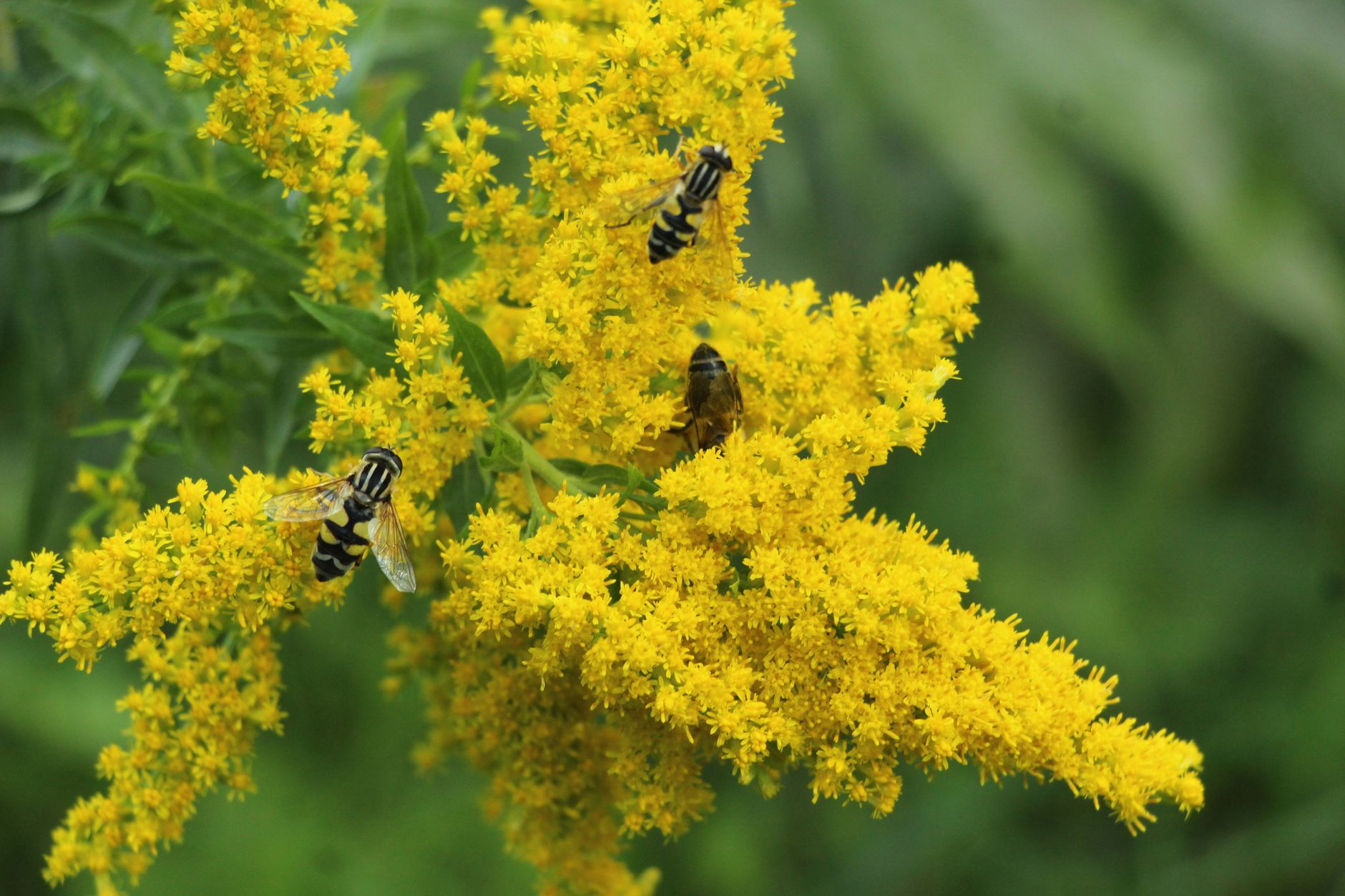
The Ultimate Guide to Fenugreek: Health Benefits and Uses

The Comprehensive Guide to Fenugreek: A Deep Dive into Its History, Chemistry, and Therapeutic Benefits

Fenugreek, scientifically classified as Trigonella foenum-graecum, is a robust annual plant belonging to the Fabaceae family. For millennia, this herb has occupied a dual role in human civilization, serving both as a foundational culinary spice and a cornerstone of traditional pharmacopeia. While its aromatic seeds are a staple in Indian, Middle Eastern, and North African cuisines, the true value of fenugreek lies within its complex biochemical profile. This guide explores the multifaceted nature of fenugreek, moving beyond its surface-level applications to investigate the molecular mechanisms that make it one of the most studied botanical supplements in modern science.

The historical footprint of fenugreek is remarkably broad. Archaeological evidence suggests its use as far back as 4000 BC, with charred seeds discovered in Tell Halal, Iraq. In Ancient Egypt, it was utilized not only as a food source but also in the complex mummification processes and as a remedy for various inflammatory conditions. The Greeks and Romans later adopted it, primarily as cattle fodder—giving rise to its Latin name “foenum-graecum,” which translates literally to “Greek hay.” However, it was within the Ayurvedic and Traditional Chinese Medicine (TCM) systems that fenugreek’s medicinal potential was truly systematized. These ancient practices recognized its ability to clear heat, support digestive “fire,” and bolster reproductive vitality, setting the stage for the rigorous clinical trials conducted today.

Fenugreek Botanical Photo

The Molecular Fingerprint: Bioactive Compounds of Fenugreek

To understand why fenugreek exerts such a wide array of physiological effects, one must look at its diverse chemical composition. The plant is a reservoir of alkaloids, saponins, flavonoids, and soluble fibers, each contributing to its systemic benefits. One of the most significant compounds is 4-hydroxyisoleucine, an unusual non-protein amino acid that has demonstrated potent insulin-sensitizing properties. Unlike many pharmaceutical agents, 4-hydroxyisoleucine appears to stimulate insulin secretion only when blood glucose levels are elevated, thereby minimizing the risk of hypoglycemia.

Furthermore, fenugreek is rich in steroidal saponins, such as diosgenin, yamogenin, and gitogenin. These compounds serve as precursors for the synthesis of various hormones and are believed to be responsible for the herb’s reputation in enhancing libido and regulating testosterone levels. The seeds also contain a high concentration of galactomannan, a soluble fiber that slows the rate of carbohydrate absorption in the digestive tract. This fiber matrix creates a viscous gel in the intestines, which not only aids in glucose regulation but also promotes satiety and supports healthy lipid metabolism by binding to bile acids.

Fenugreek Plant Profile

Metabolic Health and Glycemic Control

Perhaps the most clinically validated benefit of fenugreek is its impact on metabolic health, specifically in the management of Type 2 diabetes and prediabetes. The mechanism of action is twofold. First, the high soluble fiber content (galactomannan) inhibits the activity of digestive enzymes like alpha-amylase and sucrase, which prevents the rapid breakdown of complex carbohydrates into simple sugars. This results in a more gradual rise in postprandial blood glucose levels. Second, the aforementioned 4-hydroxyisoleucine acts directly on the pancreatic beta cells to enhance insulin sensitivity.

Clinical trials have shown that consistent supplementation with fenugreek powder or extract can lead to significant reductions in HbA1c levels, fasting blood glucose, and LDL cholesterol. By improving the body’s ability to utilize insulin, fenugreek helps mitigate the long-term inflammatory damage caused by chronic hyperglycemia. This makes it an invaluable adjunct therapy for individuals looking to manage metabolic syndrome through dietary and botanical interventions.

Hormonal Optimization and Physical Performance

In the realm of sports nutrition and men’s health, fenugreek has gained a reputation as a natural testosterone booster. The mechanism involves the inhibition of enzymes like aromatase and 5-alpha reductase, which are responsible for converting testosterone into estrogen and dihydrotestosterone (DHT), respectively. By slowing these conversion pathways, fenugreek helps maintain higher levels of free, bioavailable testosterone in the bloodstream. This can lead to improvements in muscle mass, strength, and overall vitality.

Beyond testosterone, fenugreek has shown promise in improving libido and sexual function in both men and women. The saponin content interacts with the endocrine system to balance hormone production, which can alleviate symptoms of andropause in men and support hormonal equilibrium in women. For athletes, the anti-inflammatory properties of the herb’s flavonoids also assist in post-exercise recovery, reducing oxidative stress and muscle soreness after intense physical exertion.

Fenugreek Dried Herb

Lactation Support: The Natural Galactagogue

For centuries, fenugreek has been the primary botanical recommendation for nursing mothers struggling with low milk supply. As a “galactagogue,” fenugreek is believed to stimulate the sweat glands, of which the mammary glands are a modified type. While the exact hormonal pathway is still being investigated, many researchers suggest that the phytoestrogens found in fenugreek seeds mimic the body’s natural hormones involved in lactation. Most mothers report a noticeable increase in milk production within 24 to 72 hours of beginning supplementation. However, because of its potency, it is essential for nursing mothers to consult with a healthcare provider to ensure it does not interfere with other maternal health conditions.

Digestive Wellness and Weight Management

Fenugreek’s impact on the digestive system is largely attributed to its mucilaginous fiber content. When ingested, these fibers swell and form a protective coating over the gastrointestinal lining, which can provide relief from heartburn, acid reflux, and gastric ulcers. In fact, some studies suggest that fenugreek fiber is as effective as low-dose over-the-counter antacids in reducing the severity of heartburn symptoms. Additionally, the fiber promotes regular bowel movements and acts as a prebiotic, nourishing the beneficial bacteria in the gut microbiome.

From a weight management perspective, fenugreek helps suppress appetite through two distinct pathways. The high fiber content induces a feeling of fullness by slowing gastric emptying, while the modulation of blood sugar prevents the “crashes” that often lead to sugar cravings and overeating. By stabilizing energy levels throughout the day, fenugreek makes it easier for individuals to adhere to calorie-controlled diets without the psychological burden of constant hunger.

Modern Pharmacology: Fenugreek Supplements and Capsules

While traditional use involves the consumption of raw seeds or brewed tea, modern pharmacology has enabled the creation of concentrated extracts. These extracts are often standardized to contain specific percentages of saponins or 4-hydroxyisoleucine, ensuring that the user receives a therapeutic dose that would be difficult to obtain through diet alone. Capsules provide a convenient way to bypass the bitter, pungent taste of raw fenugreek, which many find unpalatable in large quantities. Furthermore, standardized capsules allow for precise dosing in clinical settings, making it easier to track progress and adjust intake based on individual health goals.

Fenugreek Capsules

Practical Usage, Dosage, and Safety Considerations

Integrating fenugreek into a health regimen requires an understanding of proper dosage and potential interactions. For blood sugar management, research typically suggests a dose of 5 to 15 grams of seed powder daily, often divided across meals. When using concentrated extracts (capsules), the dosage is significantly lower, usually ranging from 500mg to 1,000mg per day. It is vital to consume fenugreek with plenty of water, as its high fiber content requires adequate hydration to move effectively through the digestive tract.

Despite its numerous benefits, fenugreek is not without contraindications. Because it can lower blood glucose, individuals on insulin or oral hypoglycemic medications must monitor their levels closely to avoid hypoglycemia. It may also act as a mild blood thinner, meaning it should be used with caution by those on anticoagulant therapy or scheduled for surgery. Pregnant women are generally advised to avoid medicinal doses of fenugreek, as it has historically been used to induce labor and may act as a uterine stimulant. Finally, individuals with allergies to chickpeas or peanuts may experience cross-reactivity with fenugreek due to shared protein structures in the Fabaceae family.

Fenugreek Natural Herb

Conclusion: The Future of Fenugreek in Integrative Medicine

As we continue to navigate a world where metabolic and hormonal disorders are on the rise, the role of time-tested botanicals like fenugreek becomes increasingly vital. Fenugreek offers a sophisticated, multi-targeted approach to health that pharmaceuticals often lack. By addressing the root causes of insulin resistance, hormonal imbalance, and systemic inflammation, this “Greek hay” proves to be far more than a simple culinary spice. Whether used in its raw form to enhance a traditional dish or as a standardized supplement for targeted therapeutic outcomes, fenugreek remains a pillar of natural health. As research continues to unfold, it is likely that we will discover even more applications for this ancient plant, further cementing its status as a cornerstone of integrative medicine.

Summary Checklist for Fenugreek Benefits:

  • Blood Sugar Regulation: Enhances insulin sensitivity and slows carbohydrate absorption.
  • Hormonal Balance: Supports testosterone levels and improves libido in both genders.
  • Lactation: Effectively increases milk supply in breastfeeding mothers as a natural galactagogue.
  • Digestive Health: Provides a soothing mucilage for the GI tract and functions as a prebiotic fiber.
  • Weight Management: Increases satiety and reduces cravings by stabilizing glucose levels.
  • Cardiovascular Support: Helps lower LDL cholesterol and triglycerides while maintaining HDL levels.

Disclaimer: For informational purposes only. Not medical advice. Consult a qualified healthcare professional before use.
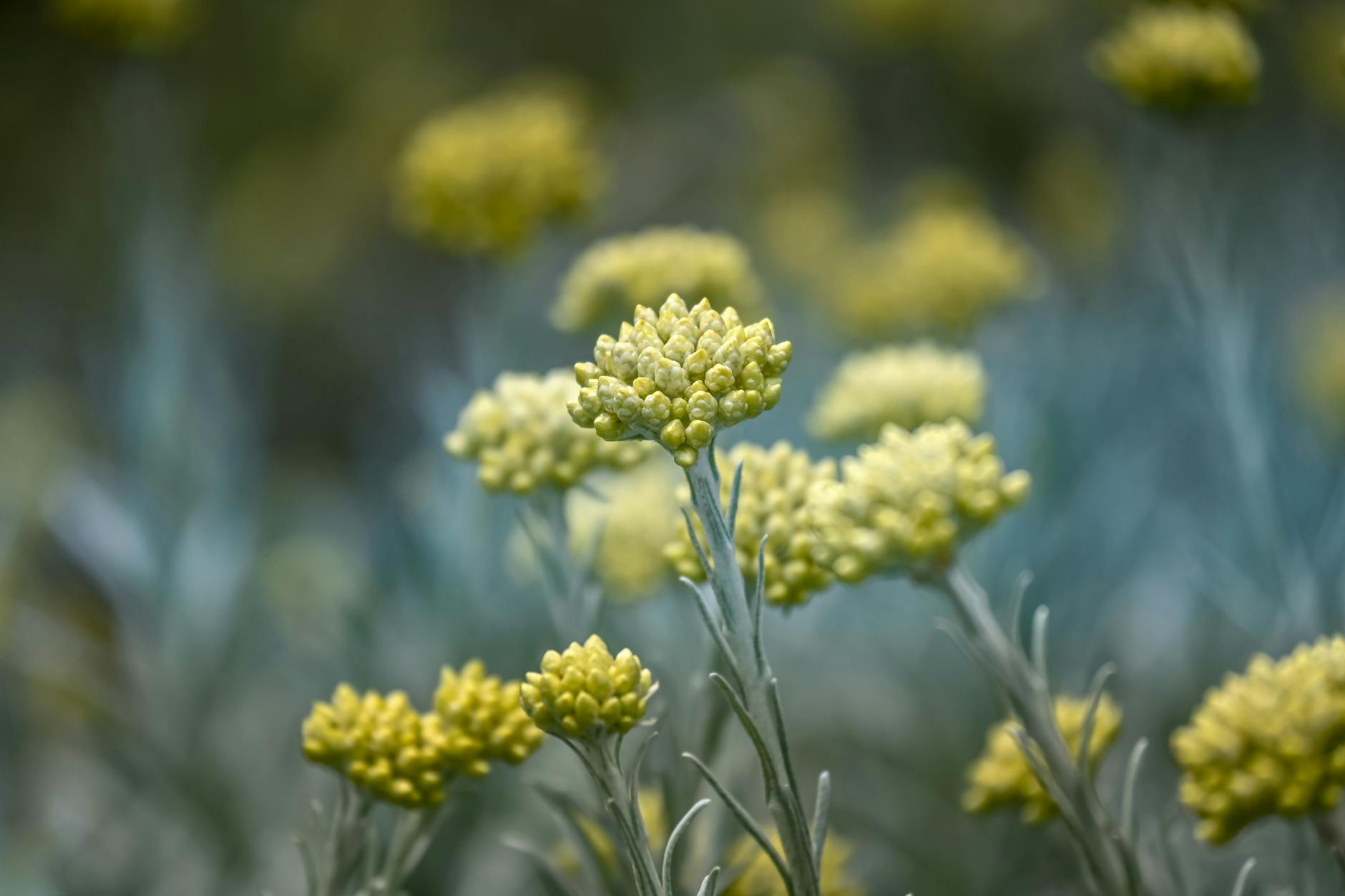
The Ultimate Guide to Black crowberry herb: Health Benefits and Uses

The Comprehensive Guide to Black Crowberry (Empetrum nigrum): A Nutritional and Therapeutic Powerhouse

In the expansive world of ethnobotany and modern nutritional science, few species possess the unique resilience and concentrated bioactive profile of the Black crowberry (Empetrum nigrum). Often overlooked in favor of its more commercially famous relatives like the blueberry or cranberry, the crowberry is a low-growing, evergreen shrub that thrives in the harsh, subarctic climates of the Northern Hemisphere. From the windswept tundras of Scandinavia and Siberia to the rugged landscapes of Northern Canada and Alaska, this small, ink-black berry has served as a vital survival food and medicinal resource for indigenous populations for millennia. Today, emerging research is beginning to validate what traditional healers have long known: the Black crowberry is one of the most potent sources of antioxidants found in nature, offering a wide array of benefits for metabolic health, neuroprotection, and cellular longevity.

Botanical Overview and Ecological Significance

Belonging to the Ericaceae family, the same family as rhododendrons and heaths, the Black crowberry is a dioecious or sometimes monoecious plant known for its ability to survive in nutrient-poor, acidic soils. It is a procumbent shrub, rarely exceeding 15 centimeters in height, but it can form vast, dense mats that stabilize the soil and provide a micro-habitat for various insects. The leaves are needle-like, with edges rolled back to conserve moisture, a vital adaptation for the cold, dry winds of the north. The berries themselves are small drupes, approximately 4 to 6 millimeters in diameter, characterized by their deep, opaque black-purple color and a slightly acidic, astringent taste that becomes sweeter after the first frosts of autumn.

Black crowberry herb Botanical Photo

Ecologically, Empetrum nigrum plays a fundamental role in Arctic and Subarctic ecosystems. It is a pioneer species that often colonizes areas after glacial retreat or disturbances. The plant produces allelopathic compounds, specifically batatasin-III, which it releases into the soil to inhibit the growth of competing vegetation. This chemical warfare ensures the crowberry’s dominance in its niche but also highlights the complex secondary metabolites that contribute to its medicinal potency. Understanding its botanical resilience is key to understanding its nutritional value; the same compounds that protect the plant from extreme UV radiation and sub-zero temperatures are often the same phenolic compounds that provide health benefits to humans when consumed.

Ethnobotanical History and Traditional Medicinal Uses

The historical usage of Black crowberry is deeply rooted in the cultures of the Inuit, Sami, and various First Nations tribes. In these regions, where fresh produce was historically scarce for much of the year, the crowberry was more than just a snack; it was a cornerstone of the diet. Because the berries are high in vitamin C and keep well under a blanket of snow, they were frequently harvested in late winter to prevent scurvy. Traditional preparations often involved mixing the berries with seal oil or reindeer fat, creating a calorie-dense food that provided essential fatty acids and antioxidants simultaneously.

Black crowberry herb Dried Herb

Beyond its use as a food source, the leaves and stems of the Black crowberry were utilized for their astringent and antimicrobial properties. In traditional Russian and Scandinavian medicine, decoctions made from the dried herb were used to treat diarrhea, stop internal bleeding, and address various digestive upsets. The high tannin content in the leaves made them an effective wash for skin irritations and wounds. Furthermore, the berries were often used as a natural dye, producing a deep purple pigment for textiles. The holistic utilization of the plant—from its roots and stems to its fruit—demonstrates a sophisticated understanding of the plant’s chemical versatility long before the advent of modern laboratory analysis.

The Chemical Composition: A Deep Dive into Bioactive Compounds

What sets the Black crowberry apart from other “super-berries” is its extraordinary concentration of anthocyanins. Anthocyanins are water-soluble vacuolar pigments that belong to the parent class of molecules called flavonoids. In crowberries, these pigments are responsible for the intense black color. Research indicates that Empetrum nigrum contains some of the highest recorded levels of anthocyanins in the berry kingdom, often exceeding those found in wild blueberries and blackberries. The specific profile of these compounds is diverse, including delphinidin, cyanidin, petunidin, peonidin, and malvidin glycosides.

Black crowberry herb Plant Profile

In addition to anthocyanins, the chemical profile of the crowberry is rich in phenolic acids, such as p-coumaric acid, caffeic acid, and ferulic acid. These compounds are known for their ability to scavenge reactive oxygen species (ROS) and modulate inflammatory pathways within the body. The plant also contains significant amounts of flavonols, specifically quercetin and its derivatives, which have been studied extensively for their cardioprotective and anti-allergic effects. Proanthocyanidins, also known as condensed tannins, are present in high concentrations, particularly in the seeds and skin. These compounds contribute to the plant’s astringency and are linked to improved urinary tract health and the inhibition of harmful bacterial adhesion.

The Role of Anthocyanins in Human Health

The mechanisms by which crowberry anthocyanins interact with human physiology are multifaceted. When ingested, these compounds undergo complex metabolism in the gut, where they are broken down by microbiota into phenolic metabolites. These metabolites circulate in the blood and exert systemic antioxidant effects. They are known to cross the blood-brain barrier, offering potential protection against oxidative stress in the central nervous system. By upregulating the body’s endogenous antioxidant enzymes, such as superoxide dismutase (SOD) and glutathione peroxidase, crowberry extracts provide a multi-layered defense against the oxidative damage that leads to chronic disease and aging.

Health Benefits of Black Crowberry Herb

1. Superior Antioxidant and Anti-Inflammatory Action

The primary health benefit of Black crowberry is its ability to neutralize free radicals. Chronic inflammation is the root cause of many modern ailments, including heart disease, arthritis, and metabolic syndrome. The polyphenols in crowberry inhibit the production of pro-inflammatory cytokines, such as TNF-alpha and IL-6, by modulating the NF-kB signaling pathway. By dampening this inflammatory response at the molecular level, crowberry help reduce systemic inflammation throughout the body. This is particularly beneficial for athletes or individuals with physically demanding lifestyles, as it aids in muscle recovery and reduces oxidative damage caused by intense physical exertion.

2. Metabolic Health and Glycemic Control

Emerging clinical studies have focused on the crowberry’s potential to assist in the management of Type 2 Diabetes and metabolic syndrome. The anthocyanins in the berry have been shown to inhibit alpha-glucosidase, an enzyme responsible for breaking down carbohydrates into glucose. By slowing this process, crowberry extracts can prevent rapid spikes in blood sugar following a meal. Furthermore, research suggests that these compounds may improve insulin sensitivity by activating the AMPK pathway, which encourages cells to take up glucose more efficiently. This dual action—slowing glucose absorption and enhancing cellular uptake—makes Black crowberry a potent natural tool for metabolic regulation.

3. Neuroprotection and Cognitive Support

The brain is highly susceptible to oxidative stress due to its high oxygen consumption and lipid-rich environment. The delphinidin and cyanidin glycosides found in abundance in Black crowberries have demonstrated neuroprotective properties in several laboratory models. These compounds help protect neurons from the toxicity of amyloid-beta plaques, which are associated with Alzheimer’s disease. Additionally, the improved blood flow resulting from the vasodilatory effects of crowberry flavonoids can enhance cognitive function and memory. There is growing interest in using crowberry as a dietary intervention to slow age-related cognitive decline and maintain mental acuity into later life.

4. Cardiovascular Support and Lipid Management

Crowberries contribute to heart health in several ways. First, their antioxidant profile prevents the oxidation of LDL cholesterol. Oxidized LDL is a key driver in the formation of arterial plaques, leading to atherosclerosis. Second, the anthocyanins promote the production of nitric oxide in the vascular endothelium, which helps relax blood vessels and lower blood pressure. Studies have also indicated that regular consumption of crowberry-derived polyphenols can improve the lipid profile by increasing “good” HDL cholesterol and lowering triglycerides. This comprehensive cardiovascular support reduces the overall risk of stroke and heart attack.

5. Urinary Tract and Kidney Health

Much like its relative, the cranberry, the Black crowberry is rich in A-type proanthocyanidins. These specific tannins prevent bacteria, particularly E. coli, from adhering to the walls of the bladder and urinary tract. This anti-adhesion property makes crowberry an effective natural preventative for urinary tract infections (UTIs). Moreover, its mild diuretic effect helps flush toxins from the kidneys and urinary system without causing the electrolyte imbalances often associated with synthetic diuretics. In traditional Arctic medicine, the leaves were often brewed into a tea specifically to address “gravel” or stones in the kidneys, reflecting its long-standing reputation for renal support.

Modern Usage: Supplements and Concentrated Extracts

In the modern wellness market, Black crowberry is increasingly available in various concentrated forms. While eating the fresh berries provides the most complete nutritional matrix, including fiber and essential minerals like manganese and copper, fresh berries are difficult to find outside of their native northern regions. Therefore, standardized extracts and encapsulated powders have become the preferred method for those seeking the therapeutic dosages of anthocyanins required for clinical benefits.

Black crowberry herb Capsules

Capsules containing freeze-dried crowberry powder or standardized extracts are particularly effective because the freeze-drying process preserves the delicate heat-sensitive polyphenols. When choosing a supplement, it is crucial to look for products that specify the anthocyanin content, as this is the primary marker of quality. High-quality supplements often utilize wild-harvested berries from pristine environments, ensuring that the plant has developed its full array of protective secondary metabolites in response to natural environmental stressors. These supplements are often used by individuals focusing on eye health, as the high anthocyanin content supports the regeneration of rhodopsin in the retina, improving night vision and reducing eye fatigue from digital screen use.

Practical Usage, Dosage, and Preparation

For those who have access to the herb in its dried or whole form, there are several ways to incorporate it into a daily health regimen. A traditional decoction can be made by simmering one to two teaspoons of the dried herb (leaves and stems) in 500ml of water for about 10 minutes. This creates a potent, tannin-rich tea that is excellent for digestive support or as a topical wash. For the berries, a daily intake of 50 to 100 grams of fresh fruit, or 500mg to 1000mg of a concentrated extract, is generally considered a therapeutic range in nutritional literature.

Black crowberry herb Natural Herb

In culinary applications, the berries are best utilized in ways that do not require excessive boiling, which can degrade some of the more sensitive antioxidants. They can be blended into smoothies, added to yogurt, or used to make raw “sun jams.” Because of their low sugar content compared to blueberries, crowberries are an excellent addition to ketogenic or low-carb diets. When using the dried berries, soaking them overnight can help rehydrate the tissues and make the nutrients more bioavailable when consumed.

Safety, Contraindications, and Considerations

Black crowberry is generally regarded as safe for most individuals when consumed in food-equivalent amounts. However, due to its high tannin content, excessive consumption of the leaves or bark may cause stomach upset or constipation in sensitive individuals. As with any potent botanical, pregnant and breastfeeding women should consult with a healthcare professional before beginning a supplementation regimen. Those on blood-sugar-lowering medications or blood thinners should also exercise caution, as the crowberry may enhance the effects of these drugs, potentially leading to hypoglycemia or increased bleeding risk. It is always recommended to start with a low dose and monitor the body’s response.

Conclusion: The Future of Empetrum nigrum

The Black crowberry (Empetrum nigrum) stands as a testament to the biological brilliance of the Arctic flora. Its ability to concentrate life-sustaining antioxidants under the most grueling conditions makes it a premier functional food for the 21st century. As research continues to unravel the specific molecular pathways through which its anthocyanins and phenolic acids operate, we are likely to see this “black pearl of the north” move from the fringes of herbal medicine into the mainstream of clinical nutrition. Whether used for metabolic support, cognitive preservation, or general cellular vitality, the Black crowberry offers a dense, scientifically-backed nutritional profile that few other plants can match. By integrating this resilient herb into our modern lives, we tap into an ancient lineage of northern wisdom and a potent source of natural healing.

Disclaimer: For informational purposes only. Not medical advice. Consult a qualified healthcare professional before use.
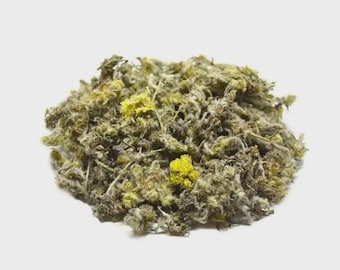
The Ultimate Guide to Bee Pollen: Health Benefits and Uses

The Ultimate Guide to Bee Pollen: Nature’s Most Complete Nutritional Superfood

For millennia, bee pollen has been revered as a foundational pillar of traditional medicine and a concentrated source of life-sustaining nutrients. Often referred to as “nature’s perfect food” or “ambrosia of the gods,” this apitherapeutic marvel is much more than a simple byproduct of the hive. It is a sophisticated biological compound created by the symbiotic relationship between flowering plants and the honeybee (Apis mellifera). As modern science delves deeper into the biochemical intricacies of bee pollen, we are beginning to understand the mechanisms behind its diverse health benefits, ranging from potent antioxidant activity to metabolic regulation and immune system modulation.

In this exhaustive guide, we will explore the multifaceted world of bee pollen. We will analyze its botanical origins, its complex chemical architecture, and the clinical evidence supporting its use in contemporary wellness. Whether you are a health professional seeking a deep dive into bioactive compounds or a wellness enthusiast looking to optimize your nutritional intake, this definitive guide provides the necessary depth to understand why bee pollen remains one of the most studied and respected natural substances in existence.

Botanical Origins and the Alchemy of the Hive

To understand bee pollen, one must first understand its journey from the stamen of a flower to the honeycomb. Bee pollen is not merely the dust-like grains found in flowers; it is a processed product. When a honeybee visits a blossom, it collects microscopic pollen grains. To make these grains easier to transport, the bee mixes them with small amounts of nectar and salivary secretions containing specialized enzymes. These enzymes initiate a fermentation process that begins to break down the tough outer shell of the pollen grain, known as the exine.

The exine is composed of sporopollenin, one of the most chemically resistant organic materials found in nature. Without the enzymatic intervention of the bee and the subsequent fermentation (which results in “bee bread”), the human digestive system would struggle to access the dense nutritional treasure trapped within the pollen grain. The resulting granules are then tucked into “pollen baskets” on the bee’s hind legs and transported back to the hive to serve as the primary protein source for the colony. The botanical diversity of the surrounding flora dictates the color, flavor, and specific nutrient profile of the pollen, which can range from bright yellow and orange to deep purple and black.

Bee Pollen Botanical Photo

The Biochemical Profile: A Detailed Analysis of Bioactive Compounds

The nutritional density of bee pollen is staggering. It contains approximately 250 bioactive substances, including proteins, carbohydrates, lipids, fatty acids, vitamins, minerals, enzymes, and antioxidants. On average, bee pollen consists of 40% carbohydrates, 35% protein (including all essential amino acids), 5% lipids, and a dense concentration of micronutrients. However, its therapeutic value lies predominantly in its secondary metabolites.

Phenolic Compounds and Flavonoids

The most significant contributors to the medicinal properties of bee pollen are its phenolic compounds, specifically flavonoids. These include quercetin, kaempferol, isorhamnetin, and rutin. These molecules act as powerful free-radical scavengers. Quercetin, in particular, is noted for its ability to stabilize mast cells, which explains why bee pollen is frequently researched for its role in mitigating allergic responses. These compounds don’t just neutralize oxidative stress; they modulate cell signaling pathways that govern inflammation and apoptosis.

Enzymes and Coenzymes

Bee pollen is a living food, rich in enzymes such as amylase, catalase, lipase, and various phosphatases. These enzymes act as biological catalysts, facilitating digestive processes and metabolic functions. The presence of coenzymes further enhances the bioavailability of the vitamins found within the pollen, ensuring that the human body can assimilate the nutrients with maximum efficiency. This enzymatic activity is one of the primary reasons why raw, minimally processed bee pollen is considered superior to highly heat-treated versions.

Lipid Content and Essential Fatty Acids

The lipid fraction of bee pollen contains essential fatty acids, including alpha-linolenic acid (an omega-3 fatty acid). These lipids are crucial for maintaining the structural integrity of cell membranes and supporting cardiovascular health. Furthermore, bee pollen contains phytosterols, such as beta-sitosterol, which have been clinically shown to support prostate health and assist in the regulation of blood cholesterol levels by competing with cholesterol for absorption in the intestines.

Bee Pollen Plant Profile

Mechanisms of Action: How Bee Pollen Impacts Human Physiology

The health benefits of bee pollen are not localized to a single organ system; rather, they exert a systemic influence on the body. By understanding the biochemical mechanisms at play, we can appreciate the professional applications of this superfood in clinical nutrition.

Antioxidant Powerhouse and Oxidative Stress Mitigation

Oxidative stress is the underlying driver of chronic diseases, including atherosclerosis, diabetes, and neurodegenerative disorders. Bee pollen acts as a potent antioxidant shield. The high concentration of polyphenols works by donating electrons to unstable free radicals, neutralizing them before they can cause lipid peroxidation or DNA damage. Research has demonstrated that bee pollen can significantly increase the levels of endogenous antioxidants, such as glutathione peroxidase and superoxide dismutase (SOD), reinforcing the body’s internal defense systems.

Anti-Inflammatory and Analgesic Properties

Chronic inflammation is often referred to as the “silent killer.” Bee pollen contains compounds that inhibit the activity of pro-inflammatory enzymes, such as cyclooxygenase-2 (COX-2) and lipoxygenase (LOX). By suppressing these pathways, bee pollen helps reduce the production of inflammatory mediators like prostaglandins and leukotrienes. This mechanism is similar to the action of non-steroidal anti-inflammatory drugs (NSAIDs) but without the common gastrointestinal side effects, making it a valuable tool for managing conditions like rheumatoid arthritis or systemic low-grade inflammation.

Hepatoprotective Effects and Detoxification

The liver is the primary detoxification organ, and it is constantly bombarded by environmental toxins and metabolic byproducts. Bee pollen has shown remarkable hepatoprotective (liver-protecting) qualities. Studies suggest that it can protect liver cells from damage caused by carbon tetrachloride and other industrial toxins. It enhances the liver’s ability to clear toxins by promoting the synthesis of proteins and supporting the regeneration of damaged hepatic tissue. This makes it an excellent supplement for those looking to support long-term metabolic health and liver function.

Historical Context: From Ancient Egypt to Modern Apitherapy

The use of bee pollen dates back to the dawn of human civilization. In ancient Egypt, pollen was described as “life-giving dust” and was buried in the tombs of pharaohs to sustain them in the afterlife. Ancient Greek physicians, including Hippocrates, the father of modern medicine, utilized bee products for their healing properties, often prescribing them for longevity and vitality. In Traditional Chinese Medicine (TCM), bee pollen is classified as a “tonic” food, believed to nourish the Qi (vital energy) and balance the Yin and Yang of the body.

In the Middle Ages, bee pollen was a staple in monastic gardens, used both as a nutrient-dense food source during fasts and as a topical treatment for wounds. The transition from folklore to science began in the 20th century when researchers started isolating the specific vitamins and minerals within the granules. Today, the field of Apitherapy—the medical use of products made by honeybees—is a recognized branch of alternative and complementary medicine, with bee pollen serving as one of its most versatile components.

Bee Pollen Dried Herb

Specific Health Applications: A Targeted Approach

Beyond general wellness, bee pollen has been studied for its efficacy in treating specific health concerns. The depth of its application is a testament to its complex nutrient profile.

  • Immune System Support: Bee pollen exhibits antimicrobial and antiviral properties. It stimulates the production and activity of white blood cells, particularly lymphocytes and macrophages, which are essential for identifying and neutralizing pathogens.
  • Cardiovascular Health: By reducing blood lipid levels and preventing the oxidation of LDL cholesterol, bee pollen helps maintain arterial elasticity and blood flow. This reduces the risk of hypertension and stroke.
  • Menopausal Symptom Relief: Clinical trials have indicated that bee pollen can significantly reduce the frequency and severity of hot flashes and night sweats in menopausal women. It appears to modulate hormonal receptors without the risks associated with synthetic hormone replacement therapy.
  • Athletic Performance and Recovery: Due to its high amino acid content and enzymatic activity, bee pollen is often used by athletes to improve stamina and accelerate muscle recovery. It aids in the efficient conversion of nutrients into energy, reducing the metabolic fatigue associated with intense physical exertion.

Modern Supplementation: Capsules and Extracts

While fresh bee pollen granules are a popular way to consume this superfood, modern technology has allowed for more convenient and concentrated delivery methods. For many, the distinct, earthy taste of raw granules can be polarizing. This is where capsules and standardized extracts become highly beneficial. Encapsulated bee pollen offers a controlled dosage, ensuring that consumers receive a consistent amount of bioactive compounds every day.

Moreover, capsules protect the delicate enzymes and vitamins from oxidation and moisture, extending the shelf life of the product. When choosing a supplement, it is vital to look for “broken cell wall” or “lyophilized” (freeze-dried) options. Because the outer shell of the pollen grain is so resilient, these advanced processing techniques ensure that the nutrients are fully bioavailable upon ingestion. For individuals with busy lifestyles, capsules represent a professional-grade solution to integrating apitherapy into a daily regimen.

Bee Pollen Capsules

Safety, Allergies, and Contraindications

While bee pollen is generally safe for the majority of the population, it is not without its risks. The most significant concern is the potential for allergic reactions. Individuals with a known allergy to bee stings or specific pollens (such as ragweed) must exercise extreme caution. An allergic reaction to bee pollen can range from mild itching and hives to severe anaphylaxis. It is always recommended to perform a “tolerance test” by consuming a single granule and waiting 24 hours to monitor for any adverse symptoms.

Furthermore, pregnant and breastfeeding women are advised to consult with a healthcare professional before adding bee pollen to their diet, as there is insufficient clinical data regarding its effects on fetal development. Additionally, because bee pollen can have a mild blood-thinning effect, individuals scheduled for surgery or those taking anticoagulant medications like Warfarin should discuss its use with their physician to avoid potential interactions.

Practical Usage and Dosage Guidelines

Integrating bee pollen into your life requires a gradual approach to allow the body to adapt to its high nutrient density. For those using the raw granules, a common starting point is half a teaspoon daily, gradually increasing to one to two tablespoons over several weeks. The granules can be added to smoothies, sprinkled over yogurt, or mixed into oatmeal. It is important to avoid heating the pollen, as high temperatures can denature the sensitive enzymes and reduce the potency of the vitamins.

For those utilizing capsules, the standard dosage typically ranges from 500mg to 2,000mg per day, depending on the concentration of the extract. Consistency is key; the benefits of bee pollen—particularly its anti-inflammatory and immune-modulating effects—accumulate over time. Storing bee pollen in a cool, dark place (preferably the refrigerator or freezer) is essential to preserve its nutritional integrity and prevent the lipids from becoming rancid.

Bee Pollen Natural Herb

Conclusion: The Future of Bee Pollen in Wellness

As we move toward a more holistic understanding of health, bee pollen stands out as a bridge between ancient wisdom and modern clinical nutrition. Its unique ability to provide a comprehensive array of vitamins, minerals, proteins, and specialized antioxidants makes it an unparalleled tool for cellular health. By supporting the liver, reducing systemic inflammation, and providing a natural energy boost, bee pollen addresses many of the most common challenges of the modern lifestyle.

While it is not a “magic bullet,” it is a powerful foundational supplement that works in harmony with the body’s natural processes. As more research emerges, we can expect to see even more targeted applications for bee pollen in the realms of gerontology, metabolic health, and immunology. For anyone looking to invest in their long-term vitality, this golden treasure from the hive remains one of the most effective and time-tested options available in the natural world.

Disclaimer: For informational purposes only. Not medical advice. Consult a qualified healthcare professional before use.

The Ultimate Guide to Saltwort Herb: Health Benefits and Uses

The Comprehensive Guide to Saltwort Herb: Nature’s Halophytic Powerhouse for Liver Health and Metabolic Vitality

In the vast kingdom of botanical medicine, few plants possess the resilience and specialized biochemical profile of Saltwort. Primarily known by its scientific classification within the genera Salsola and Suaeda, Saltwort is a halophyte—a plant specifically adapted to thrive in high-salinity environments that would be lethal to most other vegetation. While historically valued for industrial purposes, such as the production of soda ash, modern phytotherapy has rediscovered Saltwort as a potent therapeutic agent. This deep-dive exploration examines the historical lineage, complex chemical composition, and multifaceted health benefits of Saltwort, establishing it as a cornerstone of natural hepatoprotection and metabolic regulation.

Botanical Characteristics and Ecological Resilience

Saltwort species, most notably Salsola collina and Salsola kali, are predominantly found in the arid, saline steppes of Eurasia, the Mediterranean, and parts of North America. These plants are evolutionary marvels; they have developed specialized cellular mechanisms to sequester salt, preventing osmotic stress while maintaining cellular hydration. This environmental stress is precisely what triggers the synthesis of secondary metabolites—bioactive compounds that serve as the plant’s defense mechanism and, conversely, offer profound health benefits to humans.

Visually, Saltwort is characterized by its succulent leaves and rigid, often prickly stems. In many cultures, it is referred to as “Russian Thistle” or “Tumbleweed” in its dried, dispersive stage. However, it is the vibrant, green stage of the plant that holds the highest concentration of nutrients and therapeutic alkaloids. The plant’s ability to survive in nutrient-poor, high-mineral soils allows it to accumulate a unique profile of trace minerals and organic acids that are absent in standard garden herbs.

Saltwort Herb Botanical Photo

Understanding the botanical context of Saltwort is essential for appreciating its potency. The harsh conditions of the saline plains force the plant to produce high levels of antioxidants to combat oxidative stress caused by UV radiation and salt toxicity. When we consume Saltwort extracts, we are essentially harnessing these “stress-response” molecules to bolster our own internal defenses against environmental toxins and metabolic waste.

The Complex Phytochemistry of Saltwort: Active Bioactive Compounds

The therapeutic efficacy of Saltwort is not the result of a single “miracle” molecule, but rather a synergistic matrix of phytochemicals. The most significant among these are the tetrahydroisoquinoline alkaloids, specifically salsoline and salsolidine. These alkaloids are rare in the plant world and have been the subject of intense pharmacological research for their effects on the nervous and cardiovascular systems.

In addition to alkaloids, Saltwort is rich in flavonoids such as quercetin and rutin, which provide robust antioxidant support. It also contains significant concentrations of glycine betaine, an osmolyte that helps maintain cellular fluid balance. Glycine betaine is particularly important for liver health, as it acts as a methyl donor in the methionine cycle, assisting in the detoxification of homocysteine—a compound linked to cardiovascular disease and hepatic inflammation.

Saltwort Herb Plant Profile

Furthermore, Saltwort provides a spectrum of polysaccharides and sterols. These long-chain carbohydrates have been shown to modulate the immune system, enhancing the activity of macrophages and natural killer cells. The presence of phenolic acids, including ferulic and vanillic acids, further adds to the herb’s ability to neutralize reactive oxygen species (ROS), protecting DNA and lipid membranes from oxidative damage.

Historical Context and Traditional Medicinal Use

The history of Saltwort is a fascinating blend of industrial utility and ancient medicine. In Western Europe, particularly during the Middle Ages and the Renaissance, species like Salsola soda were burned to produce “barilla” or soda ash. This substance was a critical ingredient in the manufacture of high-quality glass and soap. However, while the West focused on its industrial value, Eastern traditions were documenting its medicinal virtues.

In Traditional Chinese Medicine (TCM), Saltwort is known as Zhu Mao Hao. It has been traditionally used to treat “Heat” in the liver and to lower blood pressure. Chinese herbalists recognized its cooling properties and its ability to promote bile flow, which was essential for treating jaundice and digestive stagnation. Similarly, in nomadic cultures across Central Asia, Saltwort was used as a restorative tonic for those suffering from exhaustion and liver ailments, often brewed into a potent tea from the dried aerial parts of the plant.

Saltwort Herb Dried Herb

The traditional preparation involved harvesting the herb just before the flowering stage, when the alkaloid content is at its peak. The leaves were then dried in the shade to preserve the volatile compounds. Today, these traditional uses form the backbone of modern clinical trials, which seek to validate the ancient wisdom of Saltwort’s hepatoprotective and antihypertensive properties through the lens of modern science.

Hepatoprotective Benefits: A Shield for the Liver

The most prominent and scientifically validated health benefit of Saltwort is its role in liver protection. The liver is the body’s primary filtration system, constantly bombarded by environmental toxins, alcohol, processed foods, and metabolic byproducts. Saltwort extracts have demonstrated a remarkable ability to stabilize hepatocyte (liver cell) membranes, preventing toxins from penetrating the cells.

One of the primary mechanisms involved is the inhibition of lipid peroxidation. When the liver is overwhelmed, fats within the cell membranes begin to oxidize, leading to cell death and inflammation. Saltwort’s rich antioxidant profile neutralizes the free radicals responsible for this process. Clinical studies have shown that Saltwort can lower elevated liver enzymes, such as ALT (alanine aminotransferase) and AST (aspartate aminotransferase), which are hallmark markers of liver damage. This makes it an invaluable herb for individuals recovering from hepatitis, fatty liver disease (NAFLD), or chemical-induced liver stress.

Furthermore, Saltwort encourages the regeneration of liver tissue. It stimulates protein synthesis within the hepatocytes, allowing the organ to repair itself more efficiently after injury. By promoting the flow of bile (a choleretic effect), Saltwort also ensures that toxins are effectively flushed from the liver into the digestive tract for elimination, preventing the “recirculation” of toxins that can lead to chronic fatigue and systemic inflammation.

Cardiovascular Support and Blood Pressure Regulation

Beyond the liver, Saltwort offers significant benefits for the cardiovascular system. The isoquinoline alkaloids found in the plant, particularly salsolin, have been studied for their vasodilatory properties. Vasodilation is the widening of blood vessels, which directly results in reduced peripheral resistance and lower blood pressure. This makes Saltwort a natural candidate for supporting those with hypertension or “borderline” high blood pressure.

The herb also influences lipid metabolism. High levels of LDL (low-density lipoprotein) cholesterol and triglycerides are major risk factors for atherosclerosis (hardening of the arteries). Bioactive compounds in Saltwort help modulate the enzymes responsible for cholesterol synthesis in the liver. By improving the ratio of HDL (good cholesterol) to LDL, Saltwort helps maintain the elasticity of the vascular walls and prevents the buildup of arterial plaque.

Additionally, the high mineral content of Saltwort, including potassium and magnesium, plays a role in heart health. These electrolytes are essential for maintaining a steady heart rhythm and ensuring proper muscle contraction. The presence of rutin, a flavonoid known for strengthening capillaries, further protects the circulatory system by reducing the permeability and fragility of small blood vessels.

Metabolic Health: Blood Sugar and Weight Management

In the era of metabolic syndrome and Type 2 diabetes, Saltwort is gaining attention for its potential to regulate blood glucose levels. Polysaccharides derived from Saltwort have been shown to improve insulin sensitivity and slow the absorption of carbohydrates in the digestive tract. By preventing sharp spikes in blood sugar, Saltwort helps reduce the workload on the pancreas and minimizes the inflammatory damage associated with hyperglycemia.

Weight management is another area where Saltwort may provide support. Some studies suggest that the herb can inhibit the activity of certain digestive enzymes, such as lipase, which is responsible for the breakdown and absorption of dietary fats. While not a “weight loss pill” in the traditional sense, Saltwort can be a powerful adjunct to a healthy diet, helping to prevent excess fat accumulation and supporting a healthy metabolic rate. Its diuretic properties also help the body eliminate excess water retention, which often accompanies metabolic sluggishness.

Modern Delivery Methods: Capsules and Standardized Extracts

While traditional teas and decoctions are still utilized, the modern consumer often prefers the convenience and precision of standardized capsules. The transition from raw herb to concentrated extract allows for a more consistent delivery of the active alkaloids and flavonoids. When Saltwort is processed into a supplement, it undergoes a rigorous extraction process—often using water or ethanol—to pull out the most therapeutic components while discarding the fibrous bulk of the plant.

Saltwort Herb Capsules

Capsules are particularly beneficial for those targeting liver health, as they allow for a higher “payload” of hepatoprotective compounds than a standard cup of tea could provide. Furthermore, encapsulation protects sensitive phytochemicals from oxidation and stomach acid, ensuring that they reach the small intestine for optimal absorption. When selecting a Saltwort supplement, it is crucial to look for “standardized” labels, which guarantee that each dose contains a specific percentage of active alkaloids, ensuring therapeutic efficacy.

Synergy with Other Herbs

Saltwort is rarely used in isolation in clinical herbalism. Its effects are often amplified when combined with other liver-supportive botanicals. For example, Saltwort and Milk Thistle (Silybum marianum) create a powerful synergistic duo; while Milk Thistle is renowned for its silymarin content, Saltwort provides the unique isoquinoline alkaloids and minerals that complement silymarin’s action. Similarly, combining Saltwort with Dandelion Root can further enhance bile production and kidney filtration, creating a comprehensive “total body” detoxification protocol.

For cardiovascular support, Saltwort may be paired with Hawthorn Berry or Garlic. The vasodilatory effects of Saltwort work alongside Hawthorn’s ability to strengthen the heart muscle, providing a holistic approach to heart health. These combinations illustrate the versatility of Saltwort and its ability to integrate into various therapeutic frameworks, whether the goal is metabolic repair, liver restoration, or circulatory support.

Usage Guidelines, Dosage, and Safety

Integrating Saltwort into a wellness routine requires an understanding of proper dosage and potential contraindications. Because of its potency, a “more is better” approach is not recommended. For standardized extracts in capsule form, a common dosage ranges from 300mg to 600mg, taken one to two times daily, preferably with meals to enhance the absorption of fat-soluble compounds.

For those using the dried herb to make infusions, 1 to 2 teaspoons of dried Saltwort steeped in hot water for 10-15 minutes is the standard preparation. This tea can be consumed up to three times a day. However, users should be aware that Saltwort has a naturally salty and slightly bitter flavor, reflecting its mineral-rich and alkaloid-heavy composition.

Saltwort Herb Natural Herb

Safety is paramount. While Saltwort is generally considered safe for most adults, individuals with certain conditions should exercise caution. Due to its effect on blood pressure, those already taking antihypertensive medications should consult a healthcare provider to avoid potential hypotension (blood pressure that is too low). Similarly, since it affects blood glucose, diabetics should monitor their levels closely when starting a Saltwort regimen. Pregnant and breastfeeding women are advised to avoid Saltwort, as there is insufficient research on its effects during these periods. Lastly, because it is a halophyte, people on strictly sodium-restricted diets should be aware of the natural mineral content of the raw herb, although extracts usually contain negligible amounts of salt.

Conclusion: The Future of Saltwort in Integrative Medicine

Saltwort represents a bridge between ancient botanical tradition and modern pharmacological research. Its unique status as a halophyte gives it a chemical “edge,” providing the body with rare alkaloids and minerals that are difficult to obtain from other sources. As the global burden of liver disease and metabolic syndrome continues to rise, the role of protective herbs like Saltwort becomes increasingly vital.

Whether used as a targeted supplement for liver recovery or as a general tonic for metabolic vitality, Saltwort offers a sophisticated array of benefits. By neutralizing oxidative stress, supporting the structural integrity of vital organs, and facilitating the smooth flow of metabolic processes, this resilient “tumbleweed” of the salt plains proves itself to be a heavyweight in the world of natural medicine. As research continues to unfold, it is likely that Saltwort will take its rightful place alongside the most celebrated herbs in the apothecary, providing a natural, effective solution for the challenges of modern health.

Disclaimer: For informational purposes only. Not medical advice. Consult a qualified healthcare professional before use.
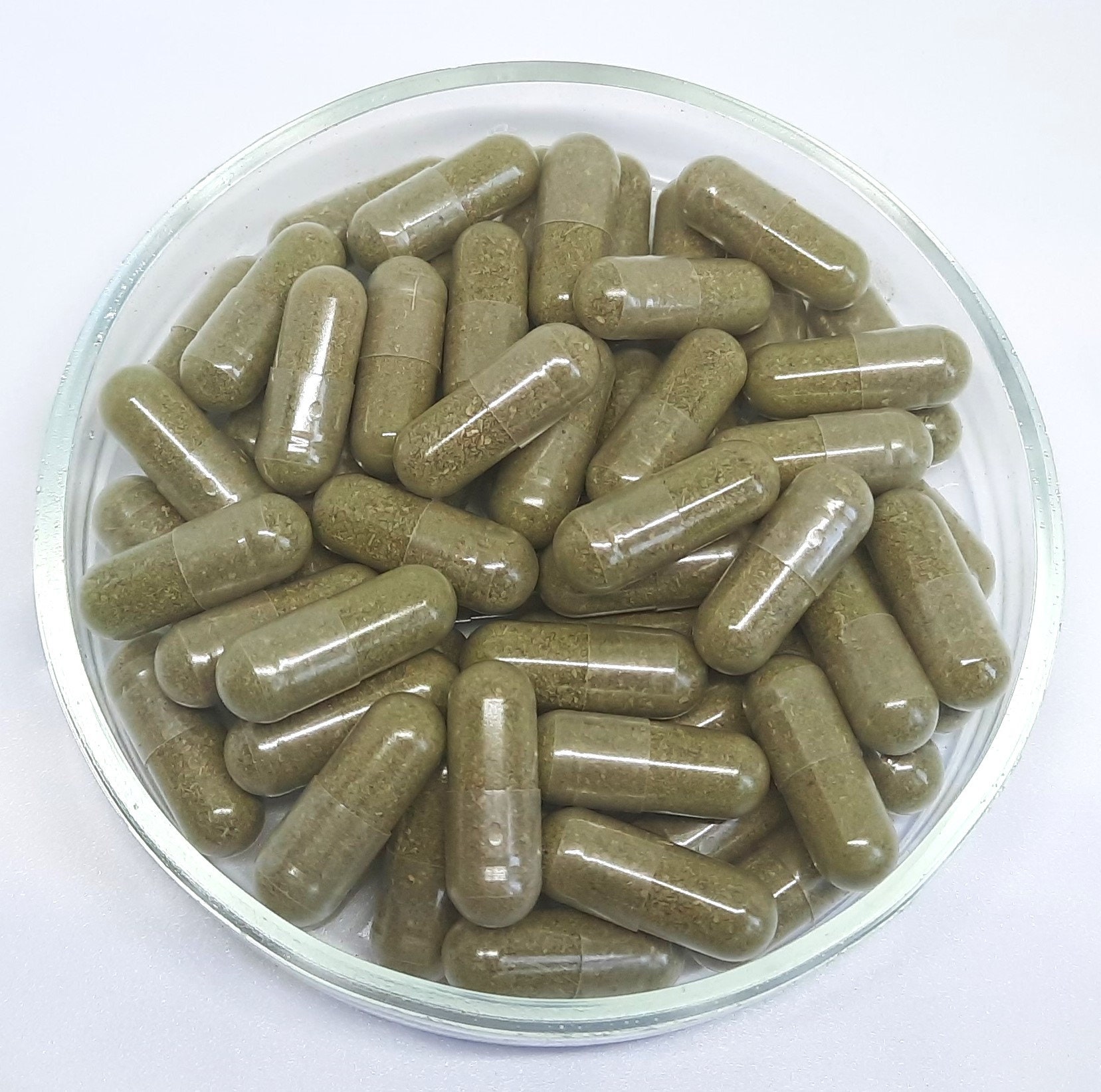
The Ultimate Guide to Oregano: Health Benefits and Uses

The Comprehensive Guide to Oregano: Unveiling the Therapeutic Potency of Origanum Vulgare

For millennia, oregano has been far more than a staple of Mediterranean kitchens; it has served as a cornerstone of traditional pharmacopeias across the globe. Belonging to the Lamiaceae family, the same family that houses mint, rosemary, and lavender, the genus Origanum comprises dozens of species. However, it is Origanum vulgare, often referred to as wild oregano, that holds the most significant pharmacological interest. This perennial herb, known for its pungent aroma and slightly bitter flavor, contains a complex matrix of bioactive compounds that have been the subject of rigorous scientific scrutiny. In this definitive guide, we will explore the botanical origins, historical context, chemical composition, and the vast array of health benefits associated with this remarkable botanical specimen.

Botanical Origins and Evolutionary Context

Oregano is native to the temperate climates of western and southwestern Eurasia and the Mediterranean region. As a hardy perennial, it has evolved to thrive in rocky, well-drained soils, often under intense solar radiation. This environmental stress is precisely what triggers the plant to produce a high concentration of volatile oils and secondary metabolites as a defense mechanism against herbivores and pathogens. These defense mechanisms are exactly what humans leverage for therapeutic purposes. The plant typically grows between 20 to 80 centimeters tall, featuring opposite leaves and spikes of flowers that range from white to purple.

Oregano Botanical Photo

Distinguishing true oregano from its close relative, sweet marjoram (Origanum majorana), is crucial for therapeutic applications. While marjoram is prized for its delicate, sweet aroma, it lacks the high concentrations of carvacrol found in wild oregano, which is the primary driver of the plant’s potent antimicrobial properties. In the wild, the phenotypic expression of oregano can vary significantly based on altitude and soil composition, leading to different “chemovariants”—plants that are genetically similar but produce different ratios of essential oils.

Historical Significance and Ethnobotanical Usage

The history of oregano is steeped in mythology and ancient medicine. The name “oregano” is derived from the Greek words “oros,” meaning mountain, and “ganos,” meaning joy or brightness—literally translated as “joy of the mountain.” Ancient Greeks believed that Aphrodite, the goddess of love, created the herb as a symbol of happiness. Beyond folklore, the Father of Medicine, Hippocrates, utilized oregano extensively in his practice, prescribing it for antiseptic purposes, respiratory ailments, and stomach disorders.

In the Roman Empire, the herb’s popularity spread throughout Europe and North Africa as soldiers and traders carried seeds across the continent. During the Middle Ages, oregano was used not only to flavor food but also to preserve it, as people recognized its ability to delay spoilage—a practical application of its then-unknown antimicrobial properties. It was also utilized as a remedy for toothaches, coughs, and skin infections. In traditional Chinese medicine and Ayurvedic practices, related species were often employed to treat “heat” conditions, fever, and digestive stagnation, showcasing the herb’s global footprint in human wellness.

Oregano Dried Herb

The Phyto-Chemistry of Oregano: A Deep Dive into Bioactive Compounds

The health benefits of oregano are not anecdotal; they are the result of a sophisticated chemical profile dominated by phenolic monoterpenoids and polyphenols. To understand how oregano interacts with human physiology, one must look at the primary active constituents found within its leaves and essential oil. The most prominent of these is carvacrol, a phenolic compound that often accounts for 60% to 80% of the essential oil content in high-quality oregano extracts. Carvacrol is a potent antioxidant and antimicrobial agent that works by altering the permeability of the cell membranes of pathogens.

Accompanying carvacrol is thymol, another phenol with significant antiseptic properties. While carvacrol and thymol are isomers (sharing the same chemical formula but different structures), they work synergistically to provide a broader spectrum of defense against bacteria and fungi. Furthermore, oregano contains rosmarinic acid, a powerful antioxidant that has been studied for its ability to reduce inflammation and support the immune system. Other notable compounds include p-cymene, gamma-terpinene, and various flavonoids like quercetin and kaempferol, which contribute to the herb’s overall neuroprotective and anti-inflammatory effects.

Oregano Plant Profile

Mechanism of Action: Antimicrobial and Antibacterial Power

One of the most remarkable features of oregano is its ability to combat antibiotic-resistant bacteria. Research has demonstrated that oregano oil can be effective against Staphylococcus aureus (including MRSA strains), Escherichia coli, and Salmonella. The mechanism is fascinating: the hydrophobic nature of carvacrol and thymol allows them to integrate into the lipid bilayer of the bacterial cell membrane. This integration causes the membrane to lose its integrity, leading to the leakage of critical ions and molecules, eventually resulting in the death of the bacterial cell.

Unlike synthetic antibiotics, which often target specific metabolic pathways that bacteria can eventually bypass through mutation, oregano’s physical disruption of the cell wall makes it much harder for bacteria to develop resistance. Furthermore, oregano has shown promise in disrupting biofilms—slimy layers that bacteria create to protect themselves from both the immune system and pharmaceutical drugs. By breaking down these biofilms, oregano enhances the body’s ability to clear persistent infections.

Antioxidant Capacity and Cellular Protection

Oxidative stress is a primary driver of aging and chronic diseases, including cancer, cardiovascular disease, and neurodegeneration. Oregano possesses one of the highest Oxygen Radical Absorbance Capacity (ORAC) scores among herbs and spices. This is largely due to its high concentration of rosmarinic acid and flavonoids. These antioxidants neutralize free radicals—unstable molecules that damage DNA and cellular proteins.

Studies have indicated that oregano extracts can inhibit lipid peroxidation, a process where free radicals steal electrons from the lipids in cell membranes, causing cell damage. By stabilizing these lipids, oregano helps maintain cellular health and supports the longevity of various tissues, particularly the skin and liver. This antioxidant activity also plays a role in reducing systemic inflammation, as oxidative stress and inflammation are closely linked in a pathological feedback loop.

Oregano in Modern Supplementation: Capsules and Concentrated Extracts

While culinary use of oregano provides a pleasant flavor and a modest dose of antioxidants, therapeutic results often require higher concentrations of the active compounds. This is where oregano oil capsules and standardized extracts become essential. Oregano oil is produced through steam distillation of the flowering tops and leaves. Because the oil is extremely potent and can be caustic to the mucous membranes if taken undiluted, encapsulation provides a safe and effective delivery method.

Oregano Capsules

In a clinical or supplemental context, oregano capsules are frequently used for Small Intestinal Bacterial Overgrowth (SIBO). SIBO occurs when bacteria that should be in the large intestine migrate to the small intestine, causing bloating, gas, and nutrient malabsorption. Because of its selective antimicrobial action, oregano can help prune excess bacteria in the small intestine while having a less disruptive impact on the beneficial flora of the colon compared to broad-spectrum antibiotics. Additionally, capsules are used to support respiratory health during seasonal challenges, as the volatile oils are partially excreted via the lungs, providing an internal “vapor” effect that can help clear congestion.

Gastrointestinal Health and Digestive Support

Beyond its antimicrobial role, oregano acts as a carminative and a digestive stimulant. It encourages the production of bile and digestive enzymes, which are necessary for the efficient breakdown of fats and proteins. By improving digestion, oregano can reduce the incidence of indigestion and bloating. Furthermore, the anti-inflammatory properties of rosmarinic acid can soothe the lining of the gut, providing relief for individuals dealing with mild inflammatory bowel issues.

Some research also suggests that oregano may have anti-parasitic properties. In a study involving adults with enteric parasites, daily supplementation with emulsified oregano oil for six weeks resulted in a significant reduction or complete disappearance of parasites in many participants. This highlights the herb’s potential as a natural intervention for maintaining a healthy and balanced microbiome.

The Role of Oregano in Immune Modulation

Oregano does not simply “boost” the immune system; it modulates it. An overactive immune system can lead to autoimmune issues and chronic inflammation, while an underactive one leaves the body vulnerable to infection. The compounds in oregano help balance the production of cytokines—signaling molecules that regulate immunity. By inhibiting pro-inflammatory cytokines like TNF-alpha and Interleukin-6, oregano helps keep the immune response measured and effective without causing collateral damage to the body’s own tissues.

During a viral or bacterial infection, oregano supports the activity of white blood cells, particularly natural killer (NK) cells and macrophages, which are the body’s first line of defense. This dual action of attacking the pathogen directly while simultaneously supporting the host’s immune response makes oregano a unique and powerful tool in natural medicine.

Practical Usage, Dosage, and Safety Considerations

Incorporating oregano into a wellness routine can be done through various methods, depending on the desired outcome. For general health maintenance, adding fresh or dried oregano to meals is highly recommended. To maximize the bio-availability of its fat-soluble compounds, oregano should be consumed with healthy fats like olive oil. For targeted therapeutic use, such as treating a cold or digestive upset, oregano oil or capsules are more appropriate.

Oregano Natural Herb

When choosing a supplement, it is imperative to look for a product standardized to contain at least 60-70% carvacrol. For liquid oregano oil, always dilute it in a carrier oil (such as coconut or olive oil) before topical application or oral consumption to prevent irritation. Common dosages for oregano oil capsules range from 100mg to 500mg, taken one to three times daily, but it is best to consult with a healthcare professional before starting a high-dose regimen.

Potential Side Effects and Contraindications

While oregano is generally recognized as safe (GRAS), its potency requires respect. Some individuals may experience “die-off” symptoms, known as the Herxheimer reaction, when first taking oregano oil for gut issues. This occurs as dying bacteria release toxins, leading to temporary fatigue, headaches, or nausea. It is also important to note that oregano oil may interfere with the absorption of iron; therefore, those with anemia should monitor their levels and perhaps take oregano supplements away from iron-rich meals.

Because oregano can have a mild blood-thinning effect, individuals scheduled for surgery should discontinue use at least two weeks prior. Pregnant and breastfeeding women should stick to culinary amounts and avoid high-dose essential oils unless directed by a doctor, as oregano may stimulate uterine contractions in very high doses. Lastly, because it belongs to the Lamiaceae family, individuals with known allergies to mint, sage, or basil should exercise caution.

Conclusion: The Future of Oregano in Integrative Health

As we move toward an era of medicine that increasingly values integrative and natural solutions, oregano stands out as a scientifically validated powerhouse. Its multi-faceted approach to health—combining antimicrobial, antioxidant, and anti-inflammatory properties—makes it a versatile herb for modern living. Whether it is used to season a Mediterranean salad, steeped into a tea for a sore throat, or taken as a standardized capsule for gut health, oregano remains one of nature’s most effective remedies. By understanding the deep chemical and historical roots of this plant, we can better appreciate and utilize the “joy of the mountain” for a healthier, more vibrant life.

Disclaimer: For informational purposes only. Not medical advice. Consult a qualified healthcare professional before use.
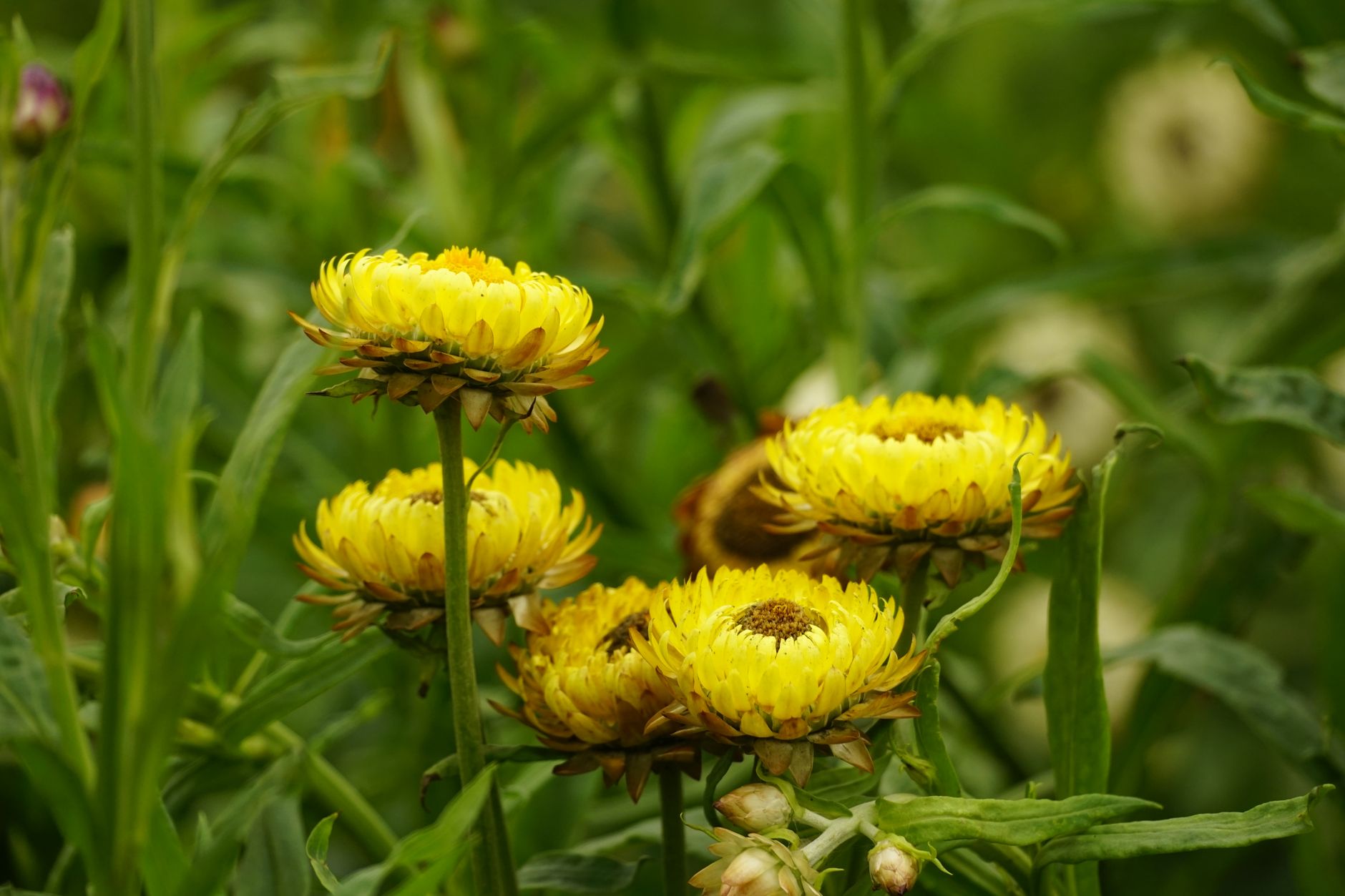
The Ultimate Guide to Corn silk: Health Benefits and Uses

The Comprehensive Guide to Corn Silk: A Deep Dive into the Therapeutic Potential of Stigma Maydis

For centuries, corn (Zea mays) has been celebrated primarily as a staple grain, fueling civilizations across the globe. However, within the golden husks of this ubiquitous plant lies a delicate, thread-like treasure often discarded as agricultural waste: corn silk. Known botanically as Stigma maydis, corn silk is the bundle of silky fibers that grow between the kernels and the husk of an ear of corn. While modern industrial agriculture treats these fibers as a byproduct, traditional medicine systems ranging from Native American healing practices to Traditional Chinese Medicine (TCM) and European herbalism have long recognized corn silk as a potent therapeutic agent. This comprehensive guide explores the botanical intricacies, chemical composition, and multifaceted health benefits of corn silk, establishing it as a cornerstone of natural pharmacopeia.

Botanical Characteristics and Biological Function

Corn silk is essentially the elongated styles and stigmas of the female flowers of the maize plant. Each thread of silk is connected to an individual ovule; for a kernel of corn to develop, a grain of pollen must land on a silk thread and travel down its length to fertilize the ovule. This biological necessity results in a structure that is rich in nutrients and secondary metabolites designed to support the growth and protection of the developing seed. Morphologically, the silk is a yellowish-to-greenish-brown tuft of soft, thin fibers that can reach up to 20 centimeters in length. When fresh, they are slightly succulent, but they are often dried for medicinal applications to concentrate their bioactive constituents.

Corn silk Botanical Photo

In the field of botany, the development of corn silk is a fascinating display of reproductive efficiency. Because the silk is exposed to the environment to catch pollen, it must possess inherent defensive mechanisms against microbial pathogens and oxidative stress. This evolutionary requirement is precisely why corn silk is so dense in phytochemicals. These compounds, which protect the plant from fungi and bacteria, translate into antimicrobial and anti-inflammatory benefits for human health. Understanding the botanical origin of corn silk helps practitioners appreciate the concentrated vitality found in these seemingly humble threads.

The Complex Phytochemical Profile of Stigma Maydis

The health-promoting properties of corn silk are rooted in its complex chemical matrix. Scientists have identified a vast array of bioactive compounds that contribute to its pharmacological activities. The most significant of these are the polyphenols, specifically flavonoids. One of the most unique flavonoids found in corn silk is maysin, a flavone glycoside that has been extensively studied for its antioxidant and insecticidal properties. Beyond maysin, corn silk contains significant concentrations of rutin, quercetin, apigenin, and luteolin. These compounds act as potent antioxidants, neutralizing free radicals and reducing oxidative damage at the cellular level.

Corn silk Plant Profile

In addition to flavonoids, corn silk is a rich source of volatile oils, alkaloids, and saponins. It also contains an impressive mineral profile, particularly high levels of potassium. The high potassium-to-sodium ratio is a key factor in its efficacy as a natural diuretic. Furthermore, corn silk provides vitamins such as Vitamin K, Vitamin C, and several B vitamins. It also contains allantoin, a compound known for its skin-soothing and tissue-healing properties, and various plant mucilages that provide a demulcent effect on the body’s internal linings. The synergy between these diverse chemical groups allows corn silk to modulate multiple physiological pathways simultaneously, from the renal system to the metabolic network.

Renal and Urinary Tract Support: The Primary Therapeutic Application

Historically and clinically, corn silk is most renowned for its impact on the urinary system. It functions as a powerful, non-irritating diuretic. Unlike many pharmaceutical diuretics that can deplete the body of essential electrolytes, corn silk’s high potassium content helps maintain electrolyte balance while promoting the excretion of excess water and sodium. This makes it particularly useful for conditions involving edema (fluid retention) associated with heart or kidney issues. By increasing urine output, corn silk helps flush out toxins and reduces the concentration of minerals that can lead to the formation of kidney stones.

The benefits of corn silk extend to the treatment of Urinary Tract Infections (UTIs) and cystitis. As a demulcent, corn silk contains mucilaginous substances that coat and soothe the irritated lining of the bladder and urethra. This soothing action reduces the burning sensation and urgency associated with infections. Furthermore, its antimicrobial properties inhibit the adhesion of bacteria, such as E. coli, to the walls of the urinary tract. By combining its diuretic and anti-inflammatory effects, corn silk facilitates the physical removal of pathogens while calming the inflammation of the mucosal membranes. Chronic sufferers of prostatitis or urethritis often find relief through the consistent use of corn silk preparations due to this gentle yet effective cleansing action.

Metabolic Regulation and Blood Sugar Management

Modern research has shed light on corn silk’s potential as a metabolic regulator, particularly in the context of Type 2 Diabetes. Studies have demonstrated that corn silk polysaccharides and flavonoids can exert a hypoglycemic effect. These compounds appear to enhance insulin secretion and improve insulin sensitivity in peripheral tissues. Furthermore, corn silk extracts have been shown to inhibit alpha-glucosidase, an enzyme responsible for breaking down carbohydrates into glucose. By slowing this enzymatic process, corn silk can help prevent the sharp spikes in blood sugar that typically occur after meals.

The antioxidant profile of corn silk also plays a defensive role in diabetes management. Hyperglycemia leads to increased oxidative stress, which causes long-term damage to the kidneys (nephropathy) and nerves (neuropathy). The polyphenols in corn silk mitigate this damage by scavenging reactive oxygen species (ROS) and inhibiting the formation of advanced glycation end-products (AGEs). This dual action—improving glycemic control while protecting against secondary complications—positions corn silk as a valuable complementary therapy for metabolic syndrome and glucose intolerance.

Cardiovascular Health and Hypertension

The cardiovascular benefits of corn silk are largely secondary to its diuretic and anti-inflammatory properties. By promoting the excretion of excess fluids, corn silk naturally reduces the volume of blood circulating through the vessels, which in turn lowers blood pressure. This makes it an excellent natural adjunctive for individuals struggling with mild hypertension. Unlike synthetic diuretics that can cause significant side effects like fatigue or cramps, corn silk acts more gently on the system. Furthermore, research suggests that corn silk may inhibit angiotensin-converting enzyme (ACE), a key regulator of blood pressure, mimicking the mechanism of certain pharmaceutical blood pressure medications.

Cholesterol management is another area where corn silk shows promise. Some clinical studies indicate that corn silk extracts can lower “bad” LDL cholesterol and triglycerides while potentially increasing “good” HDL cholesterol levels. This lipid-lowering effect is thought to be driven by the presence of phytosterols, which compete with cholesterol for absorption in the digestive tract. By improving the overall lipid profile and reducing systemic inflammation, corn silk helps protect the integrity of the arterial walls, reducing the risk of atherosclerosis and other cardiovascular diseases.

Traditional Usage and Historical Context

To understand the full spectrum of corn silk’s utility, one must look at its historical applications. In Traditional Chinese Medicine, corn silk is known as Yu Mi Xu. It is classified as a herb that clears “damp-heat,” a TCM concept often associated with infections, inflammation, and fluid stagnation. It was traditionally prescribed for jaundice, gallstones, and hepatitis, reflecting its ability to support the gallbladder and liver in addition to the kidneys. The cooling nature of the herb was utilized to soothe “internal heat” conditions that manifested as irritability or inflammation.

Corn silk Dried Herb

Native American tribes, including the Maya and Aztecs, utilized corn silk for various ailments long before European contact. It was a staple remedy for kidney stones and as a general tonic for the elderly to support bladder control. In European folk medicine, it was frequently used as a “bed-wetting” remedy for children due to its ability to strengthen the urinary system’s tone without being overly aggressive. These historical uses provide a roadmap for modern clinical applications, proving that the efficacy of corn silk is not merely anecdotal but rooted in centuries of successful empirical observation across diverse cultures.

Modern Delivery Systems: Extracts and Capsules

In the contemporary wellness market, corn silk is available in various forms to suit different lifestyle needs. While the traditional tea or infusion remains a favorite for its immediate soothing effects on the urinary tract, concentrated extracts and capsules have gained popularity for their convenience and standardized potency. Capsules are particularly beneficial for those seeking metabolic or cardiovascular support, as they allow for a precise dosage of bioactive flavonoids and polysaccharides that might be lost or diluted in a standard tea preparation.

Corn silk Capsules

When selecting a corn silk supplement, it is crucial to look for products that are organic and non-GMO, as corn is one of the most heavily sprayed crops in modern agriculture. Pesticide residues can accumulate in the silk, potentially negating the health benefits. High-quality capsules often use a concentrated 4:1 or 10:1 extract ratio, ensuring that the therapeutic compounds like maysin are present in significant quantities. Whether using the dried herb for a ritualistic cup of tea or taking a daily capsule for chronic health management, the key to efficacy lies in the purity and concentration of the source material.

Anti-Inflammatory and Antioxidant Mechanisms

The systemic anti-inflammatory effects of corn silk are mediated through the modulation of various signaling pathways. Chronic inflammation is the precursor to most modern chronic diseases, including arthritis, heart disease, and cancer. Corn silk has been shown to inhibit the production of pro-inflammatory cytokines such as tumor necrosis factor-alpha (TNF-α) and interleukins. This inhibition occurs partly because the antioxidants in corn silk neutralize the oxidative stress that triggers these inflammatory cascades. In conditions like gout, the diuretic action of corn silk helps excrete uric acid, while its anti-inflammatory compounds reduce the pain and swelling in the joints.

Furthermore, the high level of Vitamin K in corn silk contributes to its role in blood clotting and bone health. While often overlooked, Vitamin K is essential for the activation of proteins that regulate calcium deposition in the body. By ensuring calcium goes to the bones rather than the arterial walls, corn silk supports both skeletal integrity and cardiovascular health. The antioxidant maysin specifically has been studied for its potential neuroprotective effects, suggesting that corn silk may even play a role in supporting cognitive health by protecting neurons from oxidative damage and inflammation associated with aging.

Practical Usage, Dosage, and Preparation

For those preferring the traditional approach, preparing corn silk tea is straightforward. Two tablespoons of dried corn silk (or a handful of fresh silk) are steeped in boiling water for 10–15 minutes. This infusion can be consumed up to three times a day. The flavor is mild, slightly sweet, and earthy, making it a pleasant addition to a daily wellness routine. For more acute conditions like a UTI, many herbalists recommend a stronger decoction where the silk is simmered for a longer period to extract more of the mucilaginous compounds.

Corn silk Natural Herb

Regarding dosage in supplement form, typical recommendations range from 400mg to 1200mg daily, usually divided into two or three doses. However, because corn silk is a potent diuretic, it is essential to stay well-hydrated while using it. It is also important to note that while corn silk is generally considered safe, certain precautions should be taken. Because of its Vitamin K content, individuals on blood-thinning medications like Warfarin should consult a physician before use. Similarly, because it can lower blood sugar and blood pressure, those already taking medications for these conditions should monitor their levels closely to avoid hypoglycemia or hypotension. Pregnant or breastfeeding women should consult healthcare providers, although corn silk has a long history of safe use as a mild herbal support.

Conclusion: The Future of Corn Silk in Integrative Medicine

Corn silk represents a perfect example of the “waste-to-wealth” paradigm in integrative medicine. What was once discarded by the ton is now being recognized as a sophisticated biochemical warehouse capable of supporting renal health, stabilizing blood sugar, and reducing systemic inflammation. As scientific research continues to validate the traditional uses of Stigma maydis, it is likely that we will see corn silk play an even larger role in the management of metabolic and urinary disorders. Its gentle profile, combined with its profound efficacy, makes it an ideal candidate for long-term health maintenance in a world increasingly burdened by chronic inflammatory conditions.

Ultimately, the story of corn silk is a reminder to look closer at the natural world. Often, the most powerful remedies are hidden in plain sight, tucked away in the very plants we rely on for our basic survival. By integrating corn silk into modern health practices—whether through a simple cup of tea or a standardized extract—we can harness centuries of botanical wisdom to support a more vibrant, balanced life.

Disclaimer: For informational purposes only. Not medical advice. Consult a qualified healthcare professional before use.
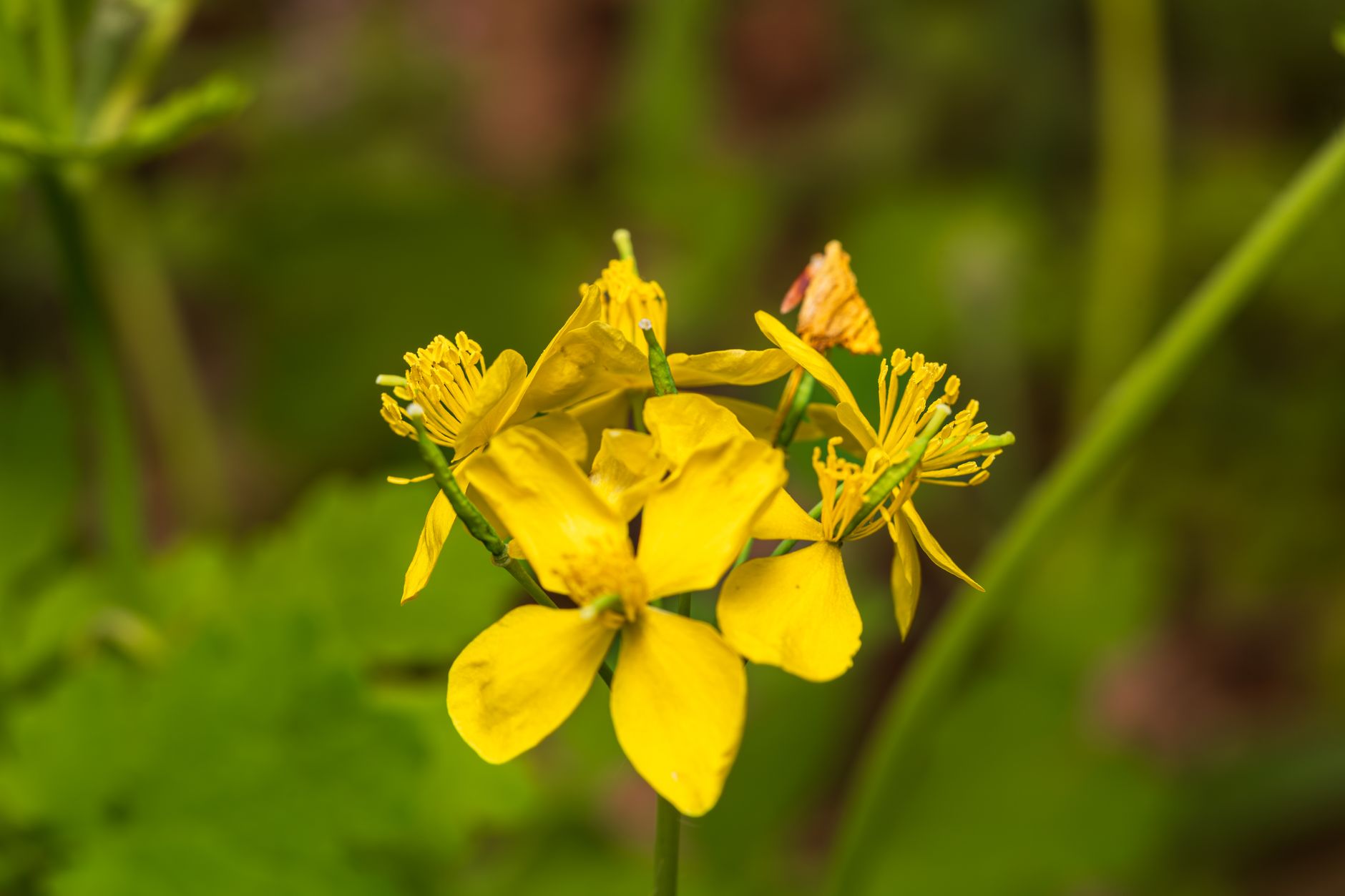
The Ultimate Guide to Walnut Leaf: Health Benefits and Uses

The Comprehensive Guide to Walnut Leaf: Nature’s Potent Therapeutic Powerhouse

The walnut tree, scientifically known as Juglans regia, is widely celebrated for its nutrient-dense nuts. However, in the realm of botanical medicine and pharmacognosy, the leaves of this majestic tree hold a status that is perhaps even more significant than the fruit itself. For centuries, walnut leaves have been utilized across various cultures—from the Mediterranean to Central Asia—as a cornerstone of traditional healing. Often referred to as “the leaf of the kings,” walnut leaves contain a complex matrix of bioactive compounds that offer a wide array of pharmacological benefits, ranging from potent antimicrobial actions to metabolic regulation.

This guide serves as an exhaustive deep-dive into the health benefits of walnut leaf, exploring its botanical characteristics, the intricate chemistry of its secondary metabolites, its historical significance, and the modern clinical understanding of its therapeutic applications. Whether you are looking to improve skin health, manage blood glucose levels, or support your lymphatic system, the walnut leaf presents a versatile and time-tested natural solution.

Botanical Overview and Taxonomical Profile

Juglans regia belongs to the Juglandaceae family. It is a large, deciduous tree reaching heights of up to 25–35 meters. While the tree is native to the region stretching from the Balkans eastward to the Himalayas and Southwest China, it has been cultivated throughout Europe and North America for millennia. The leaves are pinnately compound, typically consisting of 5 to 9 leaflets that possess a characteristic aromatic scent when crushed. This scent is primarily due to the presence of volatile oils and quinones, which act as a defense mechanism for the tree.

Walnut Leaf Botanical Photo

The harvesting of walnut leaves is a precise process. To ensure the highest concentration of active principles, particularly the bitter glycosides and tannins, the leaves are traditionally gathered in early summer, specifically during June and July, before the nuts fully mature. At this stage, the leaves are vibrant green and lack the brown spots that indicate the degradation of their chemical components. Once harvested, they are dried rapidly in the shade to preserve their enzymatic integrity and prevent the oxidation of phenolic compounds.

Active Bioactive Compounds: The Chemistry of Healing

The therapeutic efficacy of walnut leaf is not attributed to a single “miracle” molecule but rather to a synergistic interplay of several classes of secondary metabolites. Understanding these compounds is essential for grasping how walnut leaf interacts with human physiology.

  • Naphthoquinones (Juglone): Perhaps the most famous component of the walnut tree is juglone (5-hydroxy-1,4-naphthoquinone). In the living leaf, juglone exists in a non-toxic, colorless form called hydrojuglone. When the leaf is tissue-damaged or dried, hydrojuglone oxidizes into juglone. This compound is a powerful allelopathic agent, meaning it inhibits the growth of competing plants, but in medicinal contexts, it serves as a potent antifungal, antibacterial, and antiparasitic agent.
  • Polyphenols and Tannins: Walnut leaves are exceptionally rich in ellagitannins and gallotannins (up to 10%). Tannins are known for their astringent properties, which allow them to bind and precipitate proteins. This action is crucial for “tightening” tissues, reducing inflammation, and creating a protective barrier over wounds or irritated mucous membranes.
  • Flavonoids: The leaves contain significant amounts of quercetin, kaempferol, and their glycosides. These flavonoids are potent antioxidants that neutralize reactive oxygen species (ROS), thereby protecting cells from oxidative stress and chronic inflammation.
  • Phenolic Acids: Compounds such as caffeic acid, chlorogenic acid, and ferulic acid contribute to the leaf’s systemic anti-inflammatory and cardioprotective effects.
  • Essential Oils and Vitamin C: While present in smaller quantities, the essential oils provide antiseptic qualities, and the high Vitamin C content supports the immune system and collagen synthesis.

Walnut Leaf Plant Profile

Historical Context and Traditional Medicine

The historical usage of walnut leaf is documented in the texts of ancient Greek and Roman physicians. Dioscorides and Pliny the Elder both referenced the use of walnut preparations for treating skin ailments and intestinal parasites. In traditional European folk medicine, walnut leaf tea was often prescribed as a “blood purifier” or “depurative.” It was believed that the bitter principles within the leaf stimulated the liver and gallbladder, helping the body eliminate metabolic waste more efficiently.

In many Slavic and Germanic traditions, walnut leaf infusions were used as a therapeutic bath for children suffering from rickets or scrofula (a form of tuberculosis affecting the lymph nodes). While modern medicine has replaced these specific uses with targeted antibiotics and vitamins, the underlying premise—that walnut leaf modulates the immune response and supports the lymphatic system—remains supported by contemporary herbal science.

Walnut Leaf Dried Herb

Dermatological Benefits: A Natural Remedy for the Skin

One of the most evidence-based applications of walnut leaf is in dermatology. Because of its high tannin content and the antimicrobial action of juglone, it is an excellent external treatment for various inflammatory skin conditions. The astringent effect of the tannins helps to constrict small blood vessels and reduce the permeability of capillaries, which effectively “dries out” weeping eczema or sores.

Walnut leaf is particularly effective against Staphylococcus aureus and various fungal strains like Candida albicans. For individuals struggling with acne, the leaf’s ability to reduce sebum production while simultaneously killing acne-causing bacteria makes it a dual-action natural toner. Furthermore, it is a traditional remedy for excessive sweating (hyperhidrosis). When used as a foot bath or hand soak, the tannins temporarily shrink the sweat pores and neutralize the bacteria responsible for odor.

Internal Health: Digestion and Glycemic Control

When consumed as a tea or tincture, walnut leaf acts on the digestive tract. Its bitter compounds stimulate the secretion of gastric juices and bile, aiding in the breakdown of fats and improving overall nutrient absorption. It is frequently used to treat mild cases of diarrhea due to its astringent nature, which helps to firm the stool and soothe the lining of the intestines.

Recent pharmacological studies have also focused on the hypoglycemic (blood sugar-lowering) properties of walnut leaf. Extracts of the leaf have been shown to inhibit alpha-glucosidase, an enzyme responsible for breaking down carbohydrates into glucose. By slowing this process, walnut leaf can help prevent rapid spikes in blood sugar levels after meals. Additionally, the antioxidant profile of the leaf helps protect the pancreatic beta-cells from oxidative damage, which is a critical factor in the management of Type 2 diabetes.

Metabolic and Lymphatic Support

The concept of “blood purification” in herbalism often refers to the enhancement of the body’s natural detoxification pathways—specifically the lymphatic system and the kidneys. Walnut leaf is considered a lymphatic stimulant. It helps to move stagnant lymph fluid, which can reduce swelling (edema) and improve the body’s immune surveillance. By promoting the drainage of toxins, it indirectly supports skin clarity and overall energy levels.

Modern Supplementation and Modern Usage

In the modern era, many people prefer the convenience of standardized extracts over traditional tea brewing. Walnut leaf supplements are available in various forms, including concentrated tinctures, liquid extracts, and encapsulated powders. These forms are particularly useful for those seeking a consistent dose of juglone and flavonoids without the bitter taste associated with the raw herb.

Walnut Leaf Capsules

Capsules are often preferred for internal protocols lasting several weeks, such as parasite cleanses or systemic anti-inflammatory regimens. However, it is important to choose supplements that are sourced from high-quality, pesticide-free walnut trees to avoid the ingestion of harmful chemicals that the tree might have absorbed from the soil.

Preparation and Practical Usage

To benefit from walnut leaf at home, there are several preparation methods depending on the intended use:

1. Walnut Leaf Tea (Infusion)

To prepare a therapeutic tea, use 1 to 2 teaspoons of dried walnut leaves per cup of boiling water. Let the mixture steep for 10 to 15 minutes. This infusion can be drunk up to three times a day for digestive issues or used as a gargle for sore throats and inflamed gums. The tannins create a protective layer over the oral mucosa, providing rapid relief from discomfort.

2. External Wash and Compress

For skin issues, a stronger decoction is recommended. Boil 2 tablespoons of leaves in 500ml of water for 5 minutes, then let it sit until cool. Soak a clean cloth in the liquid and apply it to the affected area (eczema, acne, or minor wounds) for 15 minutes. This method ensures maximum contact between the tannins and the skin tissue.

3. Therapeutic Baths

For generalized skin irritation or excessive sweating, add a large pot of strained walnut leaf decoction to your bathwater. Soak for 20 minutes to allow the antimicrobial and astringent properties to work across the entire body.

Walnut Leaf Natural Herb

Dosage, Safety, and Contraindications

While walnut leaf is generally considered safe when used appropriately, there are important considerations to keep in mind. Due to the high tannin content, long-term internal use (longer than 2-4 weeks without a break) can potentially irritate the stomach lining or lead to constipation. It is always best to use walnut leaf in cycles—two weeks on, followed by a one-week break.

Contraindications: Individuals with known allergies to tree nuts should exercise caution, although the leaf does not contain the same proteins as the nut. Pregnant and breastfeeding women should consult a healthcare provider before internal use, as there is insufficient clinical data regarding safety in these populations. Additionally, because of its ability to lower blood sugar, those on diabetes medication should monitor their glucose levels closely to avoid hypoglycemia.

Conclusion

The walnut leaf is a testament to the profound healing potential found in the natural world. From its complex chemical structure involving juglone and tannins to its versatile applications in both internal and external medicine, it remains a vital tool for the modern herbalist. By integrating walnut leaf into a holistic wellness routine—whether through soothing skin washes, digestive teas, or standardized supplements—one can tap into a tradition of health that has supported humanity for thousands of years. As modern research continues to validate these ancient uses, the “leaf of the kings” is likely to remain a staple in the future of natural pharmacology.

Disclaimer: For informational purposes only. Not medical advice. Consult a qualified healthcare professional before use.

The Ultimate Guide to Cleavers Herb: Health Benefits and Uses

The Definitive Guide to Cleavers Herb (Galium aparine): Nature’s Premier Lymphatic Tonic

Cleavers, scientifically known as Galium aparine, is a plant that many gardeners dismiss as a persistent weed. Commonly referred to by names such as goosegrass, stickyweed, catchweed, and bedstraw, this unassuming member of the Rubiaceae family—the same family that includes coffee—holds a position of high esteem in traditional Western herbalism. Characterized by its unique ability to cling to clothing and fur via tiny hooked bristles (retrorse hairs), Cleavers is far more than a garden nuisance. It is a potent medicinal herb with a rich history of use spanning centuries, particularly lauded for its profound effects on the lymphatic system, the kidneys, and the skin.

In the modern era of wellness, where detoxification and systemic inflammation are at the forefront of health discussions, Cleavers is undergoing a significant resurgence. Unlike harsh “detox” products that can strip the body of nutrients, Cleavers works through subtle, physiological pathways to support the body’s natural filtration and elimination processes. This article provides an exhaustive analysis of the botanical properties, chemical constituents, and therapeutic applications of Cleavers, offering a deep dive into why this “sticky” herb deserves a permanent place in the natural pharmacopeia.

Botanical Characteristics and Taxonomy of Galium Aparine

To understand the medicinal efficacy of Cleavers, one must first appreciate its botanical structure and lifecycle. Galium aparine is an annual herbaceous plant that thrives in temperate climates across the Northern Hemisphere. It is easily identifiable by its sprawling, climbing stems that can reach up to six feet in length if supported by surrounding vegetation. The leaves are arranged in whorls of six to eight along the quadrangular (square) stem. Each leaf is lanceolate and tipped with a small point.

Cleavers Herb Botanical Photo

The plant’s most distinctive feature is its “stickiness,” caused by microscopic hooks on the stems and leaves. Evolutionarily, these hooks serve a dual purpose: they allow the plant to climb toward sunlight by anchoring onto other plants, and they facilitate seed dispersal by attaching to the fur of passing animals. The flowers are small, white, and star-shaped, appearing in the leaf axils during the late spring and summer. These eventually give way to small, two-lobed bristly fruits (burrs) that contain the seeds. From a botanical perspective, the entire aerial portion of the plant is used medicinally, preferably harvested just before the plant enters its full flowering stage, as this is when the concentration of bioactive juices is at its peak.

Historical Context and Traditional Ethnobotany

The historical usage of Cleavers is as diverse as its geography. In Ancient Greece, Dioscorides, the famed physician and pharmacologist, documented the use of Cleavers to treat exhaustion and as a method for straining milk, as the dense, hooked stems acted as a natural sieve. This latter use earned it the name “bedstraw,” as it was often used to stuff mattresses; the hooks prevented the straw from shifting, and the pleasant scent of the dried herb provided a rudimentary form of aromatherapy.

Cleavers Herb Dried Herb

In traditional European folk medicine, Cleavers was primarily utilized as a “spring tonic.” After a long winter of consuming preserved, heavy foods and limited physical activity, Cleavers would emerge as one of the first greens of spring. It was consumed as a “succus” (freshly expressed juice) or tea to “thin the blood” and “cleanse the humors.” Native American tribes also recognized its value, utilizing various species of Galium for kidney health and as a topical wash for skin irritations. Its reputation as a lymphatic cleanser has remained consistent across cultures, making it one of the most reliable herbs for addressing stagnation in the body’s fluid systems.

Advanced Phytochemical Composition: The Science of Efficacy

The therapeutic potential of Cleavers is rooted in its complex array of bioactive compounds. Unlike many herbs that rely on a single dominant alkaloid, Cleavers works through a synergistic combination of iridoids, polyphenols, and minerals. Understanding these compounds is essential for grasping how the herb interacts with human physiology.

  • Iridoid Glycosides: These are the hallmark compounds of the Galium genus. Specifically, Cleavers contains asperuloside and aucubin. Iridoids are known for their anti-inflammatory and antimicrobial properties. Asperuloside, in particular, is a precursor to prostaglandins that help regulate the inflammatory response within the lymphatic vessels.
  • Polyphenolic Acids: Cleavers is rich in caffeic acid, gallic acid, and p-coumaric acid. These act as potent antioxidants, neutralizing free radicals that can damage the delicate endothelium of the vascular and lymphatic systems.
  • Flavonoids: Compounds such as luteolin and quercetin are present, contributing to the herb’s ability to reduce capillary permeability and stabilize mast cells, which is why it is effective for allergic skin conditions.
  • Tannins and Coumarins: The tannins provide a mild astringent effect, helping to tone mucous membranes and tissues, while coumarins contribute to the herb’s blood-thinning and lymph-stimulating properties by improving fluid dynamics.
  • Minerals: Cleavers is a notable source of silica, which is vital for the health of connective tissues, skin, hair, and nails. It also contains significant amounts of vitamin C and chlorophyll.

Cleavers Herb Plant Profile

This biochemical profile explains why Cleavers is classified as an “alterative”—an herbal term for a substance that gradually restores proper function to the body and increases the health and vitality of the individual by improving elimination and metabolism.

The Lymphatic Master: Mechanism of Action

The most significant health benefit of Cleavers is its role as a lymphatic tonic. The lymphatic system is a secondary circulatory system responsible for transporting immune cells, removing cellular waste, and maintaining fluid balance. Unlike the cardiovascular system, which has the heart as a pump, the lymphatic system relies on muscle movement and external stimulation to circulate. When the lymph becomes stagnant, it can lead to swollen glands, edema, skin breakouts, and a weakened immune response.

Cleavers acts as a “lymphagogue,” meaning it stimulates the flow of lymph. It works by reducing the viscosity of the lymphatic fluid and enhancing the contractile activity of the lymphangions (the functional units of lymph vessels). By facilitating the movement of lymph, Cleavers helps the body transport metabolic waste products to the lymph nodes, where they can be filtered and neutralized by lymphocytes. This mechanism is particularly beneficial for individuals suffering from lymphadenopathy (swollen lymph nodes), tonsillitis, or chronic congestion. Furthermore, by supporting the drainage of interstitial fluid, Cleavers helps reduce systemic “puffiness” and water retention, often associated with hormonal cycles or sedentary lifestyles.

Renal Support and Diuretic Properties

In addition to its lymphatic benefits, Cleavers is a gentle yet effective diuretic. It supports the urinary system by increasing the volume of urine produced without depleting the body of essential electrolytes. This “aquaretic” effect is crucial for flushing out toxins that have been moved from the lymphatic system into the bloodstream and finally to the kidneys for excretion.

Cleavers is traditionally used to address urinary tract infections (UTIs) and cystitis. Its cooling and soothing properties help to alleviate the burning sensation associated with these conditions. The herb’s antimicrobial constituents work to inhibit the growth of pathogens in the bladder, while its diuretic action ensures that bacteria are flushed out of the system more rapidly. Furthermore, there is anecdotal evidence suggesting that Cleavers may help in the prevention and dissolution of kidney stones and gravel by altering the concentration of minerals in the urine, although clinical data in this area is still emerging.

Dermatological Applications: Cleansing from the Inside Out

The health of the skin is often a direct reflection of the body’s internal filtration capacity. When the liver, kidneys, and lymphatic system are overwhelmed, the skin—the body’s largest organ of elimination—is forced to pick up the slack. This often manifests as acne, eczema, psoriasis, or dermatitis. Cleavers is considered one of the premier herbs for chronic skin conditions because it addresses the root cause: internal toxicity and stagnant fluids.

By purifying the blood and lymph, Cleavers reduces the burden of metabolic waste that irritates the skin. Topically, a poultice or infused oil of Cleavers can be applied to soothe minor burns, abrasions, and insect bites. Its astringent properties help to tighten the skin, while its anti-inflammatory iridoids reduce redness and swelling. For those suffering from “hot” skin conditions, such as inflammatory acne or angry red rashes, the cooling nature of Cleavers (in traditional Chinese medicine terms, it clears heat and resolves dampness) provides significant relief.

Metabolic and Anti-Inflammatory Effects

Recent research into the genus Galium has suggested potential benefits for metabolic health. The iridoid glycosides in Cleavers may have a role in regulating blood sugar levels and improving insulin sensitivity, though most studies are currently in the in vitro or animal model stages. Furthermore, the high concentration of antioxidants in Cleavers offers neuroprotective and cardioprotective benefits by mitigating oxidative stress. Systemic inflammation, a precursor to many chronic diseases, is modulated by the herb’s ability to inhibit pro-inflammatory cytokines, making it a valuable adjunct therapy for those dealing with autoimmune markers or chronic fatigue syndrome.

Cleavers Herb Capsules

Forms of Consumption and Modern Preparation

Choosing the right form of Cleavers depends on the specific health goal. Because many of its active constituents are delicate and some are best captured when the plant is fresh, the method of preparation is vital.

  • Fresh Juice (Succus): Historically considered the most potent form. Freshly harvested Cleavers are blended or pressed to extract the juice. A dose of 5-15ml taken daily is a powerful way to jumpstart the lymphatic system.
  • Infusions (Tea): A standard infusion is made by pouring hot (but not boiling) water over dried or fresh Cleavers. Using boiling water can degrade some of the iridoid glycosides. The tea is mild, slightly grassy, and can be consumed 2-3 times daily.
  • Tinctures: An alcohol-based extract is convenient and has a long shelf life. A 1:5 ratio in 25-40% ethanol is standard. Tinctures are excellent for long-term support of the lymphatic and urinary systems.
  • Capsules and Supplements: For those who find the taste of the tea unpalatable or require a standardized dose of specific constituents, capsules containing powdered herb or concentrated extracts are widely available.
  • Infused Oils and Salves: Used exclusively for topical application to treat skin irritations, swellings, or to use in lymphatic drainage massage.

Dosage Guidelines and Therapeutic Protocols

While Cleavers is generally considered a safe and “low-force” herb, following established dosage protocols ensures maximum efficacy and safety. For a standard infusion, one might use 2-4 grams of the dried herb per cup of water. If using a tincture, a common dose is 2-4ml (roughly 40-80 drops) three times a day. When utilizing Cleavers for a specific “cleanse,” it is often recommended to use the herb for a period of 3 to 6 weeks, followed by a break.

Cleavers Herb Natural Herb

For lymphatic support, Cleavers is frequently combined with other herbs to enhance its effect. For example, it pairs well with Poke Root (Phytolacca americana) for severe glandular swelling, though Poke Root must be used with extreme caution. It is more commonly and safely paired with Calendula (Calendula officinalis) and Red Clover (Trifolium pratense) for a comprehensive lymphatic and skin-supportive formula.

Safety, Contraindications, and Considerations

Cleavers is categorized as remarkably safe, with no known toxicity in standard therapeutic doses. However, certain considerations should be kept in mind:

  • Diabetes: Due to its potential impact on blood sugar and its diuretic nature, individuals with diabetes should monitor their levels closely when starting a Cleavers regimen.
  • Pregnancy and Breastfeeding: While there is no evidence of harm, there is also a lack of rigorous clinical trials regarding Cleavers use during pregnancy. It is generally advised to consult a healthcare provider before use.
  • Contact Dermatitis: Ironically, while it treats skin conditions, some individuals may experience a mild contact rash from the fresh plant’s tiny hooks.
  • Medication Interactions: Because of its diuretic effects, it may potentially interact with pharmaceutical diuretics or medications that have a narrow therapeutic window, such as Lithium, by altering excretion rates.

Conclusion: Integrating Cleavers into a Modern Lifestyle

In a world where we are constantly exposed to environmental toxins and sedentary habits, the role of the lymphatic system has never been more critical. Cleavers offers a gentle, time-tested, and scientifically supported way to enhance the body’s natural detoxification pathways. Whether utilized as a fresh spring juice, a soothing tea, or a convenient supplement, *Galium aparine* stands as a testament to the power of “weeds” in the healing arts. By supporting the kidneys, purifying the blood, and moving the lymph, Cleavers helps restore a state of internal flow and balance, proving that sometimes the best medicine is the one growing right under our feet.

Disclaimer: For informational purposes only. Not medical advice. Consult a qualified healthcare professional before use.
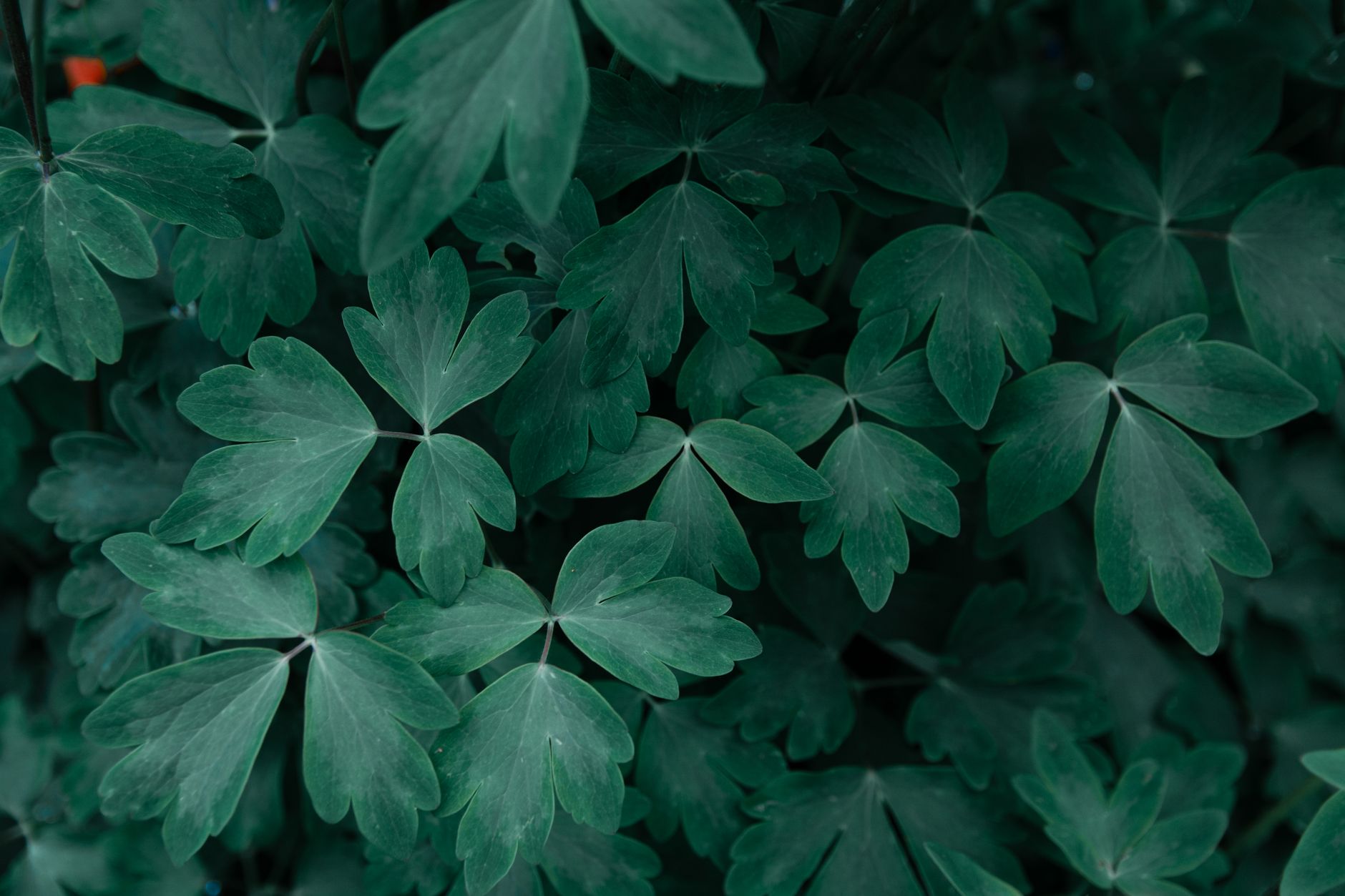
The Ultimate Guide to Pine Needles: Health Benefits and Uses

The Comprehensive Guide to Pine Needles: A Deep Dive into Botanical Synergy and Therapeutic Efficacy

For centuries, the needle-like foliage of the pine tree (genus Pinus) has served as a cornerstone of traditional medicine across the Northern Hemisphere. From the indigenous peoples of North America using white pine to survive harsh winters to the ancient maritime explorers who warded off scurvy with coniferous infusions, pine needles represent one of nature’s most resilient and nutrient-dense pharmacies. In the modern era, scientific scrutiny has begun to validate these ancestral practices, revealing a sophisticated chemical profile rich in volatile oils, potent antioxidants, and unique bioactive compounds like shikimic acid and suramin-like components.

Botanical Taxonomy and Morphological Characteristics

The pine needle is not merely a leaf; it is a highly specialized evolutionary adaptation designed to withstand extreme temperatures and minimize water loss. Belonging to the family Pinaceae, pine trees are characterized by their evergreen nature and the arrangement of their needles in clusters known as fascicles. Identifying the correct species is paramount for therapeutic use. The Eastern White Pine (Pinus strobus), Scots Pine (Pinus sylvestris), and Red Pine (Pinus resinosa) are among the most frequently utilized species for health purposes due to their high concentration of beneficial resins and low toxicity.

Physiologically, pine needles are coated in a thick, waxy cuticle that protects the internal tissues from frost and desiccation. Beneath this protective layer lies a complex vascular system and resin ducts that transport the tree’s defensive chemicals. These chemicals, primarily terpenes and phenols, are the very substances that provide the distinct “pine” aroma and the majority of the plant’s medicinal properties. Understanding the lifecycle of the needle—from the bright green “candles” of spring to the mature, deep-green needles of winter—is essential, as the concentration of specific vitamins and oils fluctuates significantly with the seasons.

Pine Needles Botanical Photo

The Chemical Composition: A Pharmacological Powerhouse

The health benefits of pine needles are a direct result of their intricate chemical architecture. Most notably, pine needles are famous for their incredibly high Vitamin C content—reputedly containing up to five times the concentration found in lemons by weight. This makes them a premier natural source of ascorbic acid, which is vital for collagen synthesis, immune function, and cellular repair. However, the benefits extend far beyond vitamins. Pine needles are rich in fat-soluble Vitamin A (carotenoids), which supports ocular health and mucosal integrity.

The most scientifically intriguing components, however, are the volatile organic compounds (VOCs) and secondary metabolites. These include monoterpenes such as alpha-pinene and beta-pinene, which possess potent anti-inflammatory and bronchodilatory effects. Furthermore, the presence of Shikimic Acid—a primary precursor used in the synthesis of antiviral medications like oseltamivir (Tamiflu)—has garnered significant attention in recent years for its potential role in inhibiting viral replication. Additionally, the needles contain complex proanthocyanidins and flavonoids that act as scavengers of reactive oxygen species (ROS), protecting the body from oxidative stress at a DNA level.

Pine Needles Plant Profile

Respiratory Health and Bronchial Support

One of the most well-documented uses of pine needles is in the treatment of respiratory ailments. When brewed as a tea or inhaled as an essential oil, the terpene profile of pine acts as a natural expectorant. Alpha-pinene, specifically, works by reducing the viscosity of mucus in the bronchial tubes, making it easier for the body to expel pathogens and irritants. This makes pine needle preparations exceptionally effective for managing symptoms of bronchitis, asthma, and the common cold.

Beyond simple expectoration, pine needles exhibit significant antimicrobial activity against several strains of respiratory bacteria. The resinous compounds create an inhospitable environment for microbial growth, while the high antioxidant load helps to soothe inflamed mucous membranes. In traditional European steam therapy, pine needles were boiled to release their oils, providing immediate relief for sinus congestion and helping to clear the lower respiratory tract. This multi-modal approach—thinning mucus while simultaneously fighting infection—is what differentiates pine from synthetic cough suppressants that often only mask symptoms.

Antioxidant Profile and Longevity

The concept of “oxidative stress” is central to modern pathology, linked to everything from cardiovascular disease to neurodegeneration. Pine needles serve as a potent defense mechanism against this internal damage. The polyphenols found in pine needles, particularly procyanidins, have been shown to cross the blood-brain barrier, offering neuroprotective benefits. These compounds work by neutralizing free radicals that would otherwise damage cell membranes and accelerate the aging process.

Moreover, the synergistic effect of Vitamin C and Vitamin A within the needles enhances the body’s endogenous antioxidant systems. For example, Vitamin C helps regenerate Vitamin E, another critical antioxidant. This creates a “cascade effect” of protection. Studies have indicated that regular consumption of pine needle extracts can reduce lipid peroxidation, thereby supporting arterial health and reducing the risk of atherosclerosis. The anti-inflammatory properties of these antioxidants also assist in managing chronic pain conditions, such as arthritis, by inhibiting the production of pro-inflammatory cytokines.

Pine Needles Dried Herb

Immune System Modulation and Antiviral Potential

The role of pine needles in immune modulation is a subject of ongoing clinical interest. The presence of Shikimic Acid is often highlighted because of its role in the shikimate pathway, which is essential for the biosynthesis of aromatic amino acids in plants and microorganisms. While humans do not possess this pathway, the exogenous intake of shikimic acid is thought to interfere with certain viral life cycles, particularly those of the influenza family, by preventing the virus from detaching from host cells.

Furthermore, pine needles contain compounds that may interact with the coagulation cascade and fibrinolytic systems. Historically, pine needle tea was used to treat systemic inflammation and “purify the blood.” Modern interpretations suggest that these effects may be linked to the needles’ ability to support healthy circulation and potentially influence platelet aggregation. While more human clinical trials are required, the anecdotal and preliminary evidence suggests that pine needles provide a robust secondary line of defense for the immune system during periods of high viral load.

Cardiovascular and Circulatory Benefits

Pine needles contribute to cardiovascular wellness through several distinct mechanisms. Firstly, the high concentration of flavonoids helps to improve endothelial function—the ability of blood vessels to dilate and contract efficiently. This is crucial for maintaining healthy blood pressure levels. Furthermore, the compounds in pine needles have been observed to assist in the regulation of cholesterol levels, specifically by inhibiting the oxidation of LDL (low-density lipoprotein), which is a primary driver of arterial plaque formation.

The circulatory benefits also extend to microcirculation. By strengthening capillary walls and reducing systemic inflammation, pine needle extracts can improve blood flow to the extremities and vital organs. This improved circulation ensures better oxygen delivery and waste removal at the cellular level, contributing to overall vitality and energy. For individuals suffering from chronic venous insufficiency or heavy legs, the vascular-strengthening properties of pine needle constituents offer a natural adjunctive therapy.

Pine Needles Capsules

Modern Usage: Tea, Tinctures, and Capsules

In the contemporary wellness landscape, pine needles are consumed in several formats, each offering unique advantages. The most traditional method is Pine Needle Tea. To preserve the heat-sensitive Vitamin C, it is recommended to steep the needles in hot (not boiling) water for 10-15 minutes. This slow extraction draws out the water-soluble vitamins and the lighter volatile oils, resulting in a citrusy, woodsy beverage that is both refreshing and therapeutic.

For those seeking a more concentrated dose, pine needle tinctures and capsules are available. Tinctures, typically made with an alcohol base, are superior for extracting the resinous, fat-soluble compounds and terpenes that may not fully release in a water-based tea. Capsules, on the other hand, provide a standardized dose of dried needle powder or extract, making it convenient for those who wish to incorporate pine’s benefits into a daily supplement regimen without the distinct flavor profile of the tea. Regardless of the form, it is essential to source products derived from high-quality, wild-harvested or organic Pinus species to ensure the absence of pesticides and heavy metals.

Safety, Identification, and Contraindications

While pine needles are generally safe, proper identification is the most critical safety factor. Beginners must be able to distinguish true pines (Pinus) from look-alikes that can be toxic. The Yew tree (Taxus), for instance, has needle-like leaves but is highly poisonous and can be fatal if ingested. Yew “needles” are flat and do not grow in bundles (fascicles), whereas pine needles are always bundled. Additionally, the Norfolk Island Pine (Araucaria heterophylla) and the Ponderosa Pine (Pinus ponderosa) are generally avoided for internal use due to potential toxicity or abortifacient properties in livestock.

Pregnant and nursing women are typically advised to avoid pine needle tea or supplements as a precautionary measure, as certain compounds in specific pine species have been linked to potential complications in animal studies. Furthermore, individuals with known allergies to pine pollen or resin should exercise caution. As with any potent botanical, it is wise to start with a small amount to monitor the body’s reaction and consult with a healthcare professional, especially if you are taking medications for blood pressure or anticoagulation.

Pine Needles Natural Herb

Conclusion: Integrating Pine Needles into a Holistic Lifestyle

Pine needles represent a bridge between ancient survival wisdom and modern nutritional science. Their vast array of benefits—ranging from respiratory support and immune modulation to cardiovascular protection and neuroprotection—makes them an invaluable tool for holistic health. Whether enjoyed as a fragrant tea on a winter afternoon or taken as a targeted supplement, the “spirit of the pine” offers a profound way to reconnect with the healing power of the forest.

By understanding the botanical nuances and the deep chemical complexity of these needles, we can better appreciate why they have remained a staple of the human apothecary for millennia. As we continue to face modern health challenges, returning to these foundational natural remedies provides a resilient path toward wellness, grounded in the enduring strength of the evergreen.

Disclaimer: For informational purposes only. Not medical advice. Consult a qualified healthcare professional before use.

The Ultimate Guide to Orris: Health Benefits and Uses

The Comprehensive Guide to Orris Root: Exploring the Botanical, Chemical, and Therapeutic Dimensions of the “Violet Root”

Orris root, derived from the rhizomes of specific Iris species—primarily Iris germanica, Iris pallida, and Iris florentina—is one of the most enigmatic and valuable botanical materials in the world. Often referred to in antiquity as the “Violet Root” due to its uncanny ability to mimic the scent of violets after a lengthy curing process, Orris is far more than a mere fixative for the perfume industry. Its history stretches back thousands of years, weaving through the medicinal manuscripts of Ancient Greece, the pharmacopeias of the Renaissance, and the sophisticated botanical labs of the modern era. Today, Orris root stands as a multifaceted herb, offering a unique profile of bioactive compounds that support respiratory health, digestive function, and dermatological wellness.

Botanical Characteristics and Ecological Origin

The Orris plant is a perennial herb characterized by its sword-shaped, glaucous leaves and striking flowers that exhibit a complex architecture of “falls” and “standards.” While the flowers are aesthetically magnificent, the true medicinal and aromatic treasure lies beneath the soil. The rhizome, or horizontal underground stem, is where the plant stores its primary energy reserves and develops its potent chemical profile. Unlike many herbs that are harvested and used immediately, Orris requires an arduous preparation period. To develop its signature aroma and therapeutic properties, the rhizome must be harvested, peeled, and aged for a minimum of two to five years. During this period, oxidative processes transform precursor molecules into the highly prized irones that define the plant’s identity.

Orris Botanical Photo

The cultivation of Orris is most prominent in the Mediterranean region, particularly in Italy and Morocco. The Florentine Iris (Iris florentina) is perhaps the most iconic, featured on the coat of arms of Florence. These plants thrive in well-drained, lime-rich soils and require a specific climate to produce high-quality resins. Botanically, the Iris family belongs to the Iridaceae order, and while there are hundreds of species, only a select few possess the genetic blueprint necessary to produce the specific volatile oils used in professional herbalism and perfumery. The slow growth cycle and the labor-intensive harvesting process contribute to Orris being one of the most expensive botanical extracts in existence.

Historical Context: From Ancient Medicine to Modern Aromatics

The historical usage of Orris root is documented in some of the world’s oldest medical texts. The Ancient Egyptians valued the Iris as a symbol of power and used the powdered rhizome in incense and early cosmetic preparations. In Ancient Greece, the physician Dioscorides praised Orris for its ability to clear the lungs and treat “the humors.” It was often blended with honey or wine to create tonics for respiratory distress and digestive complaints. During the Middle Ages and the Renaissance, Orris became a staple in the “Still Rooms” of European households, where it was utilized as a breath freshener, a tooth powder, and a protective agent against environmental toxins.

In the 18th and 19th centuries, Orris root was an essential component of “Potpourri” and sachet powders used by the aristocracy to scent linens and ward off moths. Beyond its fragrance, Victorian herbalists prescribed it as an expectorant and a mild diuretic. Its transition from a medicinal staple to a perfumery icon occurred as chemists began to isolate the “Irones,” the ketones responsible for its scent. This dual identity—as both a high-end luxury fragrance fixative and a potent therapeutic rhizome—makes Orris a unique subject of study in the field of ethnobotany. Its longevity in human use is a testament to its multifaceted efficacy and the deep-seated cultural appreciation for its aromatic profile.

Chemical Composition and Bioactive Compounds

The therapeutic potential of Orris root is a direct result of its sophisticated chemical matrix. The primary bioactive compounds are the irones (alpha, beta, and gamma-irone), which are ketones that do not exist in the fresh plant but develop through the slow oxidation of iridals. These irones are responsible for the anti-inflammatory and aromatic properties of the root. Additionally, the rhizome contains a high concentration of starch (up to 50%), mucilage, tannins, and a fatty oil known as “Orris Butter” (which consists largely of myristic acid).

Orris Plant Profile

Beyond the aromatic ketones, Orris root contains flavonoids such as irisolon, irigenin, and nigricin. These compounds are known for their antioxidant activities, which help neutralize free radicals and reduce oxidative stress within the body. The presence of resins and terpenes further enhances its antimicrobial properties. The synergy between these compounds allows Orris root to act as an effective expectorant, breaking down mucous membranes, while its tannin content provides an astringent effect that can help tone tissues and reduce excessive secretions. Understanding this molecular complexity is crucial for recognizing how Orris interacts with human physiological systems to promote healing and homeostasis.

Detailed Health Benefits of Orris Root

1. Respiratory Health and Expectorant Properties

One of the most well-documented uses of Orris root in traditional Western herbalism is its role as a powerful expectorant. The rhizome contains compounds that help to thin and loosen mucus in the respiratory tract, making it easier to expel. This makes it particularly beneficial for individuals suffering from bronchitis, persistent coughs, or chest congestion. By soothing the mucous membranes of the throat and lungs, Orris root helps reduce the irritation that leads to dry, hacking coughs. Its mild antimicrobial action also assists the body in fighting off secondary infections that can often accompany respiratory ailments.

2. Digestive Support and Hepatic Stimulation

Orris root has traditionally been used to stimulate the production of bile and improve overall liver function. In small, controlled doses, it acts as a carminative, helping to relieve bloating, flatulence, and general digestive discomfort. The bitter principles found within the rhizome stimulate the digestive fire (Agni), promoting more efficient nutrient absorption. Historically, it was also employed as a mild laxative to address occasional constipation, as it encourages peristaltic movement in the intestines. However, its potency in this area requires careful dosing to avoid gastrointestinal irritation.

Orris Dried Herb

3. Oral Hygiene and Gum Health

Long before the advent of modern toothpaste, Orris root was the primary ingredient in oral care powders. Its natural astringency makes it excellent for strengthening the gums and reducing inflammation associated with gingivitis. The mild abrasive quality of the powdered root helps in removing plaque and surface stains from teeth, providing a natural whitening effect. Furthermore, its pleasant, violet-like scent serves as a natural deodorant for the breath, neutralizing odors caused by bacteria in the mouth. Even today, many natural toothpastes and “tooth powders” incorporate Orris root for these specific benefits.

4. Skin Health and Topical Applications

Topically, Orris root is valued for its ability to purify the skin. When used in poultices or facial masks, it helps to draw out impurities and toxins from the pores. Its anti-inflammatory properties make it useful for soothing irritated skin conditions, such as acne or mild dermatitis. In the cosmetic industry, Orris is often used in high-end powders and creams not only for its scent but for its ability to provide a “soft focus” effect on the skin, smoothing out the appearance of fine lines and textures. Its tannin content also provides a slight tightening effect, making it a natural choice for anti-aging formulations.

Orris in Modern Supplementation: Capsules and Extracts

As the interest in traditional herbal medicine has resurged, Orris root has found its way into modern delivery systems such as capsules and standardized extracts. For many, the raw taste of Orris—which can be quite acrid and bitter—is difficult to tolerate. Encapsulation allows users to bypass the palate while still receiving the systemic benefits of the rhizome’s bioactive compounds. When Orris is processed into a supplement, manufacturers typically focus on maintaining the integrity of the irones and flavonoids, ensuring that the finished product provides a consistent therapeutic dose.

Orris Capsules

Capsules are particularly favored for those using Orris for long-term respiratory support or digestive toning. Because Orris can be quite potent, encapsulated forms provide a controlled environment for the body to process the herb. Modern practitioners may suggest Orris capsules as part of a broader herbal protocol for detoxification or as a seasonal aid during high-pollen months to help manage excessive mucous production. It is essential, however, that consumers source these supplements from reputable suppliers who adhere to strict aging protocols, as unaged Orris can be highly irritating to the digestive tract and lack the essential therapeutic ketones found in the cured root.

Pharmacological Mechanisms: How Orris Works

The mechanism of action for Orris root is rooted in its interaction with the body’s inflammatory pathways and secretory tissues. The flavonoids found in the rhizome, such as irigenin, have been shown in laboratory settings to inhibit certain inflammatory cytokines. This explains its efficacy in reducing swelling in the respiratory passages and the skin. Furthermore, the volatile oils stimulate the vagus nerve when ingested in small amounts, which in turn triggers a reflex stimulation of the gastric and bronchial glands. This “reflex expectorant” action is what makes Orris so effective at thinning secretions without requiring large systemic doses.

Additionally, the antioxidant compounds in Orris root work at a cellular level to protect against lipid peroxidation. By shielding cell membranes from oxidative damage, these compounds support the longevity of skin cells and internal tissues alike. The specific interaction of “Orris Butter” (myristic acid) with skin lipids allows it to act as an emollient, while its antimicrobial resins inhibit the growth of common pathogens. This multi-pathway approach—targeting inflammation, secretion, and oxidative stress—renders Orris root a comprehensive therapeutic agent in both traditional and clinical contexts.

Practical Usage, Preparation, and Dosage

In traditional herbalism, Orris root is most commonly used in powdered form or as a tincture. A typical decoction might involve simmering a small amount of the dried rhizome in water, though this is less common today than using the powder as a constituent in a compound formula. For oral health, the powder can be applied directly to a toothbrush or mixed with baking soda and essential oils. In perfumery and aromatherapy, “Orris Butter” (the essential oil) is used in extremely diluted amounts due to its incredible potency and scent-fixing capabilities.

Orris Natural Herb

When it comes to dosage, moderation is the guiding principle. Because Orris contains potent resins, excessive consumption can lead to nausea or vomiting. Traditional dosages for the powdered root range from 500mg to 1 gram, often taken once or twice daily. Tinctures (1:5 ratio) are typically dosed at 1-2 ml, three times per day. It is always recommended to start with a lower dose to assess individual sensitivity. Orris is also frequently used in “teething rings” for infants in some European traditions, though modern pediatricians often advise caution regarding the potential for allergic reactions or irritation to the delicate gums of babies.

Safety, Precautions, and Contraindications

While Orris root is generally considered safe when used appropriately, there are several precautions to keep in mind. The fresh, uncured rhizome contains acrid resins that can cause severe irritation to the mouth, throat, and gastrointestinal tract; therefore, only properly aged and dried Orris should ever be consumed. Some individuals may experience contact dermatitis when handling the root or using products containing its essential oil. A patch test is always recommended for topical applications.

Due to its stimulating effect on the digestive system and its potential to act as a mild emmenagogue, Orris root should be avoided during pregnancy and breastfeeding unless under the direct supervision of a healthcare professional. Individuals with sensitive stomachs or chronic gastrointestinal conditions like Crohn’s disease or ulcerative colitis should use Orris with caution, as its resinous content may exacerbate irritation. As with any potent herb, Orris root should be integrated into a wellness routine with mindfulness and respect for its biochemical power.

Conclusion: The Enduring Legacy of Orris

Orris root remains one of the most fascinating subjects in the world of botany and natural medicine. Its journey from a sacred flower in ancient myths to a sophisticated chemical powerhouse in modern labs highlights the enduring relevance of plant-based therapeutics. Whether used for its ability to clear the lungs, brighten the skin, or provide a fixative base for the world’s most luxurious scents, Orris offers a unique blend of beauty and utility. By understanding the intricate details of its cultivation, chemical composition, and therapeutic mechanisms, we can better appreciate this “Violet Root” as a vital tool for holistic health and a masterpiece of the natural world.

Disclaimer: For informational purposes only. Not medical advice. Consult a qualified healthcare professional before use.

The Ultimate Guide to Menthol Mint: Health Benefits and Uses

The Comprehensive Guide to Menthol Mint: A Pharmacological and Botanical Deep Dive

Menthol mint, primarily derived from Mentha arvensis (Corn Mint) and its cousin Mentha x piperita (Peppermint), stands as one of the most economically and therapeutically significant botanicals in the world. Known for its piercing, cooling aroma and its profound physiological effects, this member of the Lamiaceae family has transitioned from an ancient herbal remedy to a cornerstone of modern pharmaceutical and cosmetic industries. Unlike standard garden mints, menthol-rich varieties are specifically cultivated for their high concentration of menthol, a cyclic monoterpene alcohol that serves as the primary bioactive constituent responsible for the plant’s wide-ranging health benefits.

The therapeutic profile of menthol mint is not merely anecdotal; it is supported by a growing body of clinical evidence that explores its roles as an antispasmodic, analgesic, anti-inflammatory, and antimicrobial agent. To understand the full spectrum of its utility, one must explore the synergy between its botanical characteristics, its complex chemical composition, and the biological pathways it activates within the human body. This guide provides an exhaustive analysis of menthol mint, offering insights into why this plant remains an indispensable tool in natural medicine.

Botanical Characteristics and Taxonomy

Botanically, menthol mint is characterized by the typical features of the mint family: square stems, opposite leaves, and the presence of glandular trichomes. These trichomes are specialized “oil factories” located on the surface of the leaves, where the essential oils are synthesized and stored. Mentha arvensis, often called Japanese Mint or Corn Mint, is particularly prized because its essential oil can contain upwards of 70% to 95% menthol, significantly higher than the 30% to 50% found in standard peppermint.

Menthol Mint Botanical Photo

The plant thrives in temperate climates, requiring moist soils and ample sunlight to maximize oil production. Its morphology—serrated, lanceolate leaves and small, verticillate flower clusters—is designed for resilience and rapid spreading via underground rhizomes. Understanding the botanical origin is crucial for practitioners, as the specific variety determines the “chemotype,” or the dominant chemical profile, which in turn dictates the plant’s therapeutic efficacy. For instance, the high menthol content of Mentha arvensis makes it the ideal candidate for menthol crystal extraction, whereas Mentha x piperita is often preferred for culinary and digestive tea applications due to its more nuanced flavor profile.

The Chemical Powerhouse: Bioactive Compounds and Mechanisms

The health benefits of menthol mint are a direct result of its secondary metabolites. While menthol is the protagonist, it works in concert with a suite of other compounds including menthone, isomenthone, methyl acetate, limonene, and various flavonoids and phenolic acids like rosmarinic acid. Menthol itself exists as several isomers, but L-menthol is the naturally occurring form that exhibits the most potent biological activity.

Menthol Mint Plant Profile

The most famous mechanism of menthol is its interaction with the TRPM8 (Transient Receptor Potential Melastatin 8) receptor. This is a voltage-gated ion channel that responds to cold temperatures. When menthol binds to these receptors on the skin or mucous membranes, it triggers a sensory signal that the brain interprets as a cooling sensation, even though the actual temperature of the tissue remains unchanged. Beyond this sensory trick, menthol acts as a calcium channel blocker. By inhibiting the influx of calcium ions into smooth muscle cells, it facilitates muscle relaxation—a mechanism that is central to its effectiveness in treating gastrointestinal distress and tension headaches.

Historical Context and Traditional Applications

The use of menthol-rich mints spans millennia and continents. In ancient Egypt, mint was so highly valued that it was used as a form of currency and was included in the tombs of Pharaohs to ensure a pleasant transition into the afterlife. In the Ebers Papyrus, one of the oldest medical texts in existence, mint is cited as a remedy for digestive complaints. Similarly, in Traditional Chinese Medicine (TCM) and Ayurveda, Mentha arvensis (known as “Pudina”) has been utilized for centuries to clear “wind-heat” patterns, treat fevers, and soothe the liver.

Menthol Mint Dried Herb

Historically, the dried herb was often prepared as a strong infusion or pulverized into a poultice. These traditional preparations focused on the “opening” quality of the herb—its ability to clear the sinuses, stimulate the appetite, and alleviate the stagnation of “Qi” or energy in the gut. Modern science has largely validated these ancient practices, particularly the use of dried mint leaves for alleviating dyspepsia and nausea, proving that the ancestral wisdom regarding menthol’s carminative properties was biologically grounded.

Gastrointestinal Health: The Antispasmodic Effect

One of the most clinically significant benefits of menthol mint is its impact on the digestive system, particularly in the management of Irritable Bowel Syndrome (IBS). The menthol in the essential oil acts directly on the smooth muscles of the colon. By blocking calcium channels, it prevents the over-contraction of these muscles, which is the primary cause of the cramping, bloating, and pain associated with IBS. Numerous double-blind, placebo-controlled trials have demonstrated that peppermint oil (high in menthol) is more effective than standard antispasmodic medications for long-term symptom relief.

Furthermore, menthol mint acts as a carminative, meaning it aids in the expulsion of gas from the digestive tract and prevents its formation. It also stimulates the flow of bile from the gallbladder, which enhances the digestion of fats and improves overall metabolic efficiency. For those suffering from functional dyspepsia—a condition characterized by upper abdominal pain and fullness—menthol mint provides a natural, non-invasive means of accelerating gastric emptying and reducing discomfort after meals.

Respiratory System Relief and Decongestant Properties

Menthol is perhaps most globally recognized for its role in respiratory health. It is a staple ingredient in cough drops, chest rubs, and inhalants. While many believe menthol is a physical decongestant that shrinks swollen nasal tissues, its primary action is actually neurological. By stimulating the TRPM8 receptors in the nasal passages, it creates the sensation of increased airflow, which can significantly reduce the distress of nasal congestion during a cold or bout of sinusitis.

In addition to this sensory relief, menthol mint possesses antitussive (cough-suppressing) properties. It acts as an expectorant, helping to thin mucus and make it easier to expel from the lungs. The antimicrobial constituents within the mint, such as limonene and alpha-pinene, also provide a secondary defense by inhibiting the growth of certain respiratory pathogens. For individuals with asthma, the smooth-muscle-relaxing properties of menthol can theoretically help bronchodilation, although it should be used with caution as strong aromas can sometimes trigger spasms in sensitive individuals.

Analgesic and Neurological Benefits

The analgesic (pain-killing) properties of menthol mint are highly effective for topical and systemic pain. When applied to the skin in the form of an oil or salve, menthol creates a cooling effect that “distracts” the nerves from pain signals—a process known as the Gate Control Theory of pain. This makes it an excellent remedy for muscle aches, joint pain, and sports injuries. Research has specifically shown that a 10% menthol solution applied to the forehead and temples can be as effective as paracetamol in alleviating tension headaches.

Beyond physical pain, the aroma of menthol mint has been studied for its effects on cognitive function. Inhalation of the essential oil has been linked to increased alertness, improved memory retention, and reduced mental fatigue. This is likely due to the stimulating effect of menthol on the reticular activating system of the brain, making it a valuable tool for students and professionals who require sustained focus and mental clarity.

Supplements, Capsules, and Modern Delivery Systems

In the modern era, the delivery of menthol’s benefits has been refined through supplementation. While tea is excellent for mild digestive issues, concentrated capsules are often required for chronic conditions like IBS. Many of these supplements use enteric coating, a specialized technology that allows the capsule to pass through the stomach’s acidic environment intact, only dissolving once it reaches the small intestine. This prevents the side effect of heartburn or gastroesophageal reflux (GERD) that can occur when menthol relaxes the lower esophageal sphincter.

Menthol Mint Capsules

Capsules offer a standardized dose of menthol, ensuring that the patient receives a therapeutic amount of bioactive compounds consistently. These supplements are often combined with other carminatives like caraway or ginger to provide a synergistic effect on the digestive tract. When selecting a supplement, it is vital to look for high-quality, cold-pressed oils that maintain the integrity of the monoterpenes, as excessive heat during the extraction process can degrade the menthol and reduce its efficacy.

Antimicrobial and Antioxidant Properties

The chemical profile of menthol mint also renders it a potent antimicrobial agent. Studies have demonstrated its ability to inhibit the growth of various bacteria, including Staphylococcus aureus and Escherichia coli, as well as several strains of fungi and yeast like Candida albicans. This makes menthol mint an excellent natural preservative and a common ingredient in oral hygiene products, where it helps combat the bacteria responsible for plaque and halitosis.

From an antioxidant perspective, the flavonoids and phenolic acids found in the mint leaves help neutralize free radicals—unstable molecules that cause oxidative stress and cellular damage. Rosmarinic acid, in particular, is known for its potent anti-inflammatory and antioxidant activities. By reducing oxidative stress, menthol mint may contribute to long-term cellular health and help mitigate the chronic inflammation that underlies many modern diseases, including cardiovascular disease and certain metabolic disorders.

Safety, Dosage, and Practical Usage

While menthol mint is generally recognized as safe (GRAS), its potency requires informed usage. For culinary purposes or mild herbal tea, 1 to 2 teaspoons of dried leaves steeped in hot water is standard. However, for therapeutic purposes using essential oils or capsules, the dosage must be more precise. Typically, 0.2 to 0.4 mL of peppermint oil three times a day in enteric-coated capsules is recommended for IBS symptoms. Topical applications should usually involve diluting the pure essential oil in a carrier oil (such as coconut or jojoba) to a concentration of 3% to 5% to avoid skin irritation.

Menthol Mint Natural Herb

There are certain contraindications to keep in mind. Individuals with severe gastroesophageal reflux disease (GERD) should avoid high doses of menthol, as it can relax the sphincter between the esophagus and stomach, potentially worsening acid reflux. Furthermore, menthol should not be applied to the faces of infants or very young children, as it can trigger a rare but serious reflex that causes breathing difficulties. As with any potent botanical, consultation with a healthcare professional is advised, especially for those with pre-existing gallbladder conditions or those taking medications metabolized by the liver’s cytochrome P450 enzyme system.

Conclusion: The Enduring Legacy of Menthol Mint

Menthol mint is a testament to the power of plant-based medicine. Its ability to interact so precisely with human physiology—from the TRPM8 receptors in our skin to the calcium channels in our gut—highlights a profound biological connection between humans and the botanical world. Whether used as a simple cup of tea to soothe a restless stomach or as a highly engineered enteric-coated capsule for chronic illness, menthol mint offers a versatile and effective solution for a myriad of health concerns.

As research continues to uncover the epigenetic and molecular pathways influenced by menthol and its associated compounds, the role of this ancient herb in modern wellness is only set to expand. By integrating historical usage with rigorous scientific validation, we can appreciate menthol mint not just as a flavoring agent, but as a sophisticated therapeutic tool capable of enhancing human health and quality of life.

Disclaimer: For informational purposes only. Not medical advice. Consult a qualified healthcare professional before use.

The Ultimate Guide to Lemna Minor: Health Benefits and Uses

The Comprehensive Guide to Lemna Minor: Exploring the Therapeutic Potential and Health Benefits of Common Duckweed

In the vast world of botanical medicine, some of the most potent therapeutic agents are found in the most humble of places. Lemna minor, commonly known as common duckweed or lesser duckweed, is a free-floating aquatic plant that belongs to the Lemnaceae family. Often dismissed as a mere pond weed or a nuisance to water features, this minuscule perennial is rapidly gaining recognition in the fields of nutraceuticals, pharmacology, and functional food science. Beyond its ecological role in water purification and as a primary food source for aquatic life, Lemna minor possesses a complex biochemical profile that offers profound implications for human health. This guide provides an exhaustive analysis of Lemna minor, detailing its botanical characteristics, historical context, chemical composition, and the emerging clinical evidence supporting its diverse health benefits.

Botanical Characteristics and Ecological Significance

Lemna minor is characterized by its simplistic structure, consisting of a small, green, leaf-like structure known as a frond, which typically measures between 2 to 4 millimeters in length. From the underside of each frond, a single, translucent root descends into the water column to absorb nutrients. Unlike many terrestrial plants, Lemna minor lacks a traditional stem or complex vascular system, allowing it to dedicate its metabolic energy to rapid asexual reproduction via budding. This efficiency allows populations of duckweed to double their biomass in as little as 16 to 48 hours under optimal conditions.

From an ecological perspective, Lemna minor serves as a biological powerhouse. It is highly efficient at absorbing nitrogen, phosphorus, and even heavy metals from its environment, making it a critical component in bioremediation efforts. However, this same trait necessitates that any Lemna minor intended for human consumption must be cultivated in controlled, ultra-pure environments to ensure it does not contain concentrated toxins. When grown in pharmaceutical-grade conditions, it transforms from an environmental cleanser into a nutrient-dense superfood containing a full spectrum of essential amino acids, vitamins, and minerals.

Lemna Minor Botanical Photo

Ethnobotanical History and Traditional Medicinal Uses

The utilization of Lemna minor in traditional medicine spans centuries and continents. In Traditional Chinese Medicine (TCM), it is known as “Fu Ping” and is traditionally used to address conditions related to “Wind-Heat.” Practitioners have long employed it to promote diaphoresis (sweating) to break fevers, treat skin eruptions such as measles or hives, and reduce edema. Its “cooling” energetic property is believed to vent the skin and release pathogens trapped in the superficial layers of the body.

In European folk medicine, particularly in Germany and Eastern Europe, Lemna minor has been a staple in homeopathic preparations. It was famously highlighted by various herbalists for its specific affinity for the mucous membranes of the upper respiratory tract. Historical texts describe its use in treating chronic rhinitis, nasal polyps, and sinusitis. The plant was often prepared as a fresh plant tincture or a dried herb infusion to alleviate congestion and restore the integrity of the respiratory lining. This historical context provides a foundation for modern investigations into its anti-inflammatory and immunomodulatory properties.

Lemna Minor Dried Herb

Detailed Phytochemical Profile and Bioactive Compounds

The health-promoting properties of Lemna minor are the direct result of its sophisticated chemical makeup. Modern chromatography and mass spectrometry have revealed a wealth of bioactive compounds that contribute to its pharmacological activity. One of the most striking features of Lemna minor is its high protein content, which can reach up to 40% of its dry weight. More importantly, this protein is “complete,” containing all nine essential amino acids in a ratio that closely mirrors the requirements of the human body, similar to animal-based proteins but with the benefits of a plant-based profile.

Beyond macronutrients, Lemna minor is rich in specialized metabolites, particularly flavonoids. It contains high concentrations of orientin, vitexin, and luteolin glycosides. These flavonoids are potent antioxidants that help neutralize reactive oxygen species (ROS) and protect cells from oxidative stress. Additionally, the plant is a significant source of phenolic acids, including caffeic acid and chlorogenic acid, which are known for their anti-inflammatory and metabolic-regulating effects. The presence of phytosterols, such as sitosterol and stigmasterol, further contributes to its ability to modulate lipid profiles and support cardiovascular health.

Lemna Minor Plant Profile

Mechanisms of Action: How Lemna Minor Supports Health

The therapeutic efficacy of Lemna minor is mediated through several biological pathways. Understanding these mechanisms is key to appreciating its role in modern wellness. One of the primary pathways is the inhibition of pro-inflammatory cytokines. Research suggests that extracts of Lemna minor can downregulate the expression of Interleukin-6 (IL-6) and Tumor Necrosis Factor-alpha (TNF-α), which are central drivers of chronic inflammation. By modulating the NF-κB signaling pathway, Lemna minor helps to quench the “inflammatory fire” that contributes to autoimmune conditions and chronic respiratory ailments.

Furthermore, Lemna minor exhibits significant antimicrobial and antifungal activity. This is largely attributed to its unique peptides and secondary metabolites that disrupt the cell membranes of pathogenic organisms. In the context of respiratory health, this action helps to clear secondary bacterial infections often associated with chronic sinusitis. Moreover, its high chlorophyll content acts as a natural internal deodorant and detoxifying agent, binding to toxins in the gastrointestinal tract and promoting their excretion, thereby supporting hepatoprotective (liver-protecting) functions.

Modern Clinical Perspectives on Lemna Minor

Recent scientific inquiries have expanded the scope of Lemna minor beyond its traditional uses. One of the most promising areas of research involves its role in metabolic health. Preliminary studies indicate that Lemna minor may help regulate blood glucose levels. The high fiber content combined with specific polyphenols appears to slow the absorption of carbohydrates and improve insulin sensitivity. This makes it a potential dietary adjunct for individuals managing Type 2 diabetes or metabolic syndrome.

Additionally, the plant’s high concentration of Vitamin B12 (in its bioactive form, depending on cultivation conditions) and Omega-3 fatty acids (specifically alpha-linolenic acid) makes it a valuable supplement for vegans and vegetarians. Unlike many other plant sources, the bioavailability of the nutrients in Lemna minor is remarkably high due to its low lignin content, which allows the human digestive system to easily break down the cell walls and absorb the internal compounds. This high nutrient density and digestibility are why it is often referred to as “the world’s most efficient vegetable.”

Lemna Minor as a Dietary Supplement

For those looking to integrate Lemna minor into their health regimen, supplements offer a convenient and standardized method of delivery. Modern processing techniques, such as freeze-drying or cold-press extraction, preserve the delicate enzymes and volatile compounds found in the fresh plant. Supplementation is particularly beneficial for those seeking targeted relief from upper respiratory issues or those looking to boost their overall protein and micronutrient intake through a whole-food source.

When selecting a Lemna minor supplement, it is crucial to ensure the product is sourced from controlled aquatic environments. Because duckweed is an efficient bio-accumulator, “wild-crafted” versions can be dangerous if the water source is contaminated. Professional-grade capsules and powders are typically produced using vertical farming or closed-loop hydroponic systems, ensuring the highest level of purity and potency. These supplements provide a concentrated dose of the plant’s flavonoids and proteins without the risk of environmental pollutants.

Lemna Minor Capsules

Practical Usage, Dosage, and Preparation

The application of Lemna minor varies depending on the desired health outcome. For chronic rhinitis or sinusitis, homeopathic dilutions (such as 3X or 6X) or mother tinctures are frequently used. A typical homeopathic approach involves taking several drops of the tincture in water three times daily. For those using Lemna minor as a nutritional powerhouse, the dried powder can be added to smoothies, juices, or soups. Because of its mild, slightly sweet, “water-cress” like flavor, it blends seamlessly into various culinary applications.

In terms of dosage for general health support, 500mg to 1500mg of dried Lemna minor powder daily is common. If using a concentrated extract, follow the manufacturer’s specific guidelines, as potency can vary. For topical applications, such as treating minor skin irritations or inflammation, a cold infusion of the dried herb can be applied as a compress. This versatility allows Lemna minor to serve as both a systemic internal treatment and a localized external remedy.

Lemna Minor Natural Herb

Safety, Side Effects, and Contraindications

Lemna minor is generally considered safe for most individuals when consumed in appropriate amounts and sourced from clean environments. There are no well-documented cases of toxicity associated with purified Lemna minor. However, as with any botanical supplement, certain precautions should be observed. Individuals with known allergies to aquatic plants or those with severe hay fever should start with a very low dose to monitor for potential allergic reactions.

Due to its high Vitamin K content, individuals taking blood-thinning medications (such as Warfarin) should consult with their healthcare provider, as Vitamin K plays a significant role in blood coagulation. Pregnant or nursing women should also seek professional medical advice before introducing any new herbal supplement into their routine. Finally, it is worth reiterating the importance of sourcing: never consume duckweed harvested from stagnant ponds or unknown urban water sources, as these may contain harmful bacteria, parasites, or heavy metals.

Conclusion: The Future of Lemna Minor in Modern Wellness

Lemna minor represents a bridge between ancient herbal wisdom and future-forward nutritional science. As we move toward a more sustainable and plant-based global food system, the role of Lemna minor will only grow in importance. Its ability to provide high-quality protein, potent antioxidants, and specific therapeutic benefits for the respiratory and metabolic systems makes it a standout candidate in the world of natural medicine. Whether used as a homeopathic remedy for stubborn sinus issues or as a daily superfood supplement for overall vitality, Lemna minor proves that even the smallest plants can offer the greatest health transformations. By incorporating this “water lens” into our wellness strategies, we tap into a source of vitality that is as ecologically responsible as it is biologically potent.

Disclaimer: For informational purposes only. Not medical advice. Consult a qualified healthcare professional before use.

The Ultimate Guide to grindelia herb: Health Benefits and Uses

An Exhaustive Deep-Dive into Grindelia: The Comprehensive Guide to Gumweed’s Therapeutic Potential

Grindelia, commonly known as “Gumweed” or “Rosinweed,” represents a genus of approximately 30 to 40 species of flowering plants in the aster family, Asteraceae. Native primarily to the arid regions of North and South America, this resilient herb has carved a permanent niche for itself in the annals of botanical medicine. Often characterized by its striking yellow daisy-like flowers and a distinctively sticky, resinous coating that envelopes its flower heads and leaves, Grindelia is far more than a roadside wildflower. It is a complex biochemical factory, producing a unique array of secondary metabolites that have been utilized for centuries to treat a myriad of respiratory, dermatological, and inflammatory conditions. As modern pharmacology continues to investigate the synergy of plant-based compounds, Grindelia has emerged as a subject of intense study, particularly for its mucolytic, antispasmodic, and anti-inflammatory properties.

In this definitive guide, we will explore the multifaceted nature of the Grindelia herb. We will traverse its botanical origins, dissect its intricate chemical profile, and analyze the physiological mechanisms that allow it to provide relief for chronic respiratory ailments and acute skin irritations. Whether you are an herbalist, a healthcare professional, or a wellness enthusiast, understanding the depth of Grindelia’s therapeutic window is essential for appreciating its role in holistic health.

Botanical Overview and Morphological Characteristics

The genus Grindelia is most frequently represented in herbal medicine by species such as Grindelia camporum (Great Valley Gumweed), Grindelia squarrosa (Curly-cup Gumweed), and Grindelia robusta. These plants are typically perennial herbs or shrubs that thrive in dry, open habitats, including prairies, coastal marshes, and disturbed soils. The most defining feature of the plant—and the source of its common name—is the balsamic resin that coats the unopened flower buds. This sticky secretion serves as an evolutionary defense mechanism, protecting the plant from desiccation in harsh sun and deterring herbivorous insects.

The leaves of the Grindelia plant are usually alternate, often clasping the stem, and possess serrated or tooth-like edges. The inflorescence consists of bright yellow ray and disk florets. Below the flower head, the phyllaries (the bracts surrounding the base of the flower) are often recurved or “hooked,” especially in Grindelia squarrosa. From a pharmacological perspective, the aerial parts—specifically the leaves and the flowering tops—are the primary portions used for extraction. The concentration of resin is highest just before the flowers fully bloom, which is the optimal time for harvesting to ensure maximum potency of the bioactive constituents.

grindelia herb Botanical Photo

Historical Context and Traditional Ethnobotanical Uses

The history of Grindelia use is deeply rooted in the indigenous cultures of North America. For centuries, tribes such as the Chumash, Costanoan, and Shoshone recognized the plant’s ability to soothe “labored breathing” and skin afflictions. The Chumash people, for instance, utilized a decoction of the leaves as a wash for poison ivy and other dermatological eruptions. Internally, it was brewed into a tea to treat bronchial congestion and what we now recognize as symptoms of asthma and bronchitis.

Upon the arrival of European settlers, the knowledge of Grindelia’s efficacy was quickly adopted and integrated into Western medical practices. By the 19th century, Grindelia was officially recognized in the United States Pharmacopeia (USP) from 1882 to 1926. It was highly valued as a “sedative-expectorant,” particularly for patients suffering from spasmodic asthma and whooping cough. Its transition from a traditional indigenous remedy to an officially sanctioned pharmaceutical ingredient highlights its profound impact on early American medicine. Even after the advent of synthetic bronchodilators, Grindelia has remained a staple in European phytomedicine, particularly in Germany and France, where it is still frequently included in cough syrups and respiratory teas.

grindelia herb Dried Herb

The Chemical Composition: Unveiling the Bioactive Compounds

The therapeutic efficacy of Grindelia is attributed to a complex mixture of secondary metabolites found within its resinous secretions. The primary bioactive components are labdane-type diterpene acids, most notably grindelic acid. These resins constitute up to 20% of the plant’s dry weight in some species. Grindelic acid and its derivatives are thought to be responsible for the plant’s significant anti-inflammatory and antimicrobial actions. These compounds work by modulating inflammatory pathways, potentially inhibiting the production of leukotrienes and prostaglandins that contribute to bronchial constriction and skin inflammation.

In addition to resin acids, Grindelia contains a diverse profile of flavonoids (such as quercetin and kaempferol), which provide potent antioxidant support and help stabilize mast cells, thereby reducing allergic responses. The presence of saponins contributes to the herb’s expectorant action by irritating the gastric mucosa, which reflexively stimulates the production of thinner, more fluid secretions in the respiratory tract. Essential oils, tannins, and phytosterols also play supporting roles, enhancing the overall synergistic effect of the herb. This multi-compound approach is what distinguishes whole-plant Grindelia extracts from isolated synthetic drugs, as the various constituents work together to balance efficacy with a reduction in potential side effects.

grindelia herb Plant Profile

Grindelia for Respiratory Health: Mechanisms of Action

The most prominent use of Grindelia in modern herbalism is for the management of respiratory conditions characterized by “stuck” mucus and spasmodic coughing. The herb exerts its influence through three primary mechanisms: expectoration, bronchodilation, and direct antimicrobial activity.

As an expectorant, Grindelia helps to liquefy thick, tenacious phlegm that obstructs the airways. This is particularly beneficial in cases of chronic bronchitis where the patient finds it difficult to clear the lungs. The resinous compounds act as a mild irritant to the mucous membranes, triggering a “productive” cough that efficiently removes debris from the bronchial tree. Simultaneously, Grindelia possesses antispasmodic properties. It acts on the smooth muscles of the bronchi, helping to relax the “tightness” associated with asthma and nervous coughs. This dual action—thinning the mucus while relaxing the airway—makes it a unique tool for treating various stages of respiratory distress.

Furthermore, the antimicrobial properties of the resin acids offer an added layer of protection against secondary bacterial infections that often follow viral respiratory illnesses. By creating an environment that is less hospitable to pathogens, Grindelia may help shorten the duration of respiratory infections and prevent complications. It is often combined with other herbs like Thyme or Mullein to create a comprehensive respiratory tonic.

Dermatological Applications: Relief for Poison Ivy and Eczema

Beyond the lungs, Grindelia is a powerhouse for skin health. Its most famous topical application is for the treatment of Rhus dermatitis—the allergic reaction caused by contact with poison ivy, poison oak, or poison sumac. The resins in Grindelia contain compounds that can help neutralize the urushiol (the oily allergen in poison ivy) or at least mitigate the body’s inflammatory response to it. When applied as a wash or a topical extract, it provides immediate relief from itching and helps to dry up the weeping blisters associated with the rash.

The anti-inflammatory and sedative qualities of Grindelia also make it useful for other skin conditions, such as eczema, psoriasis, and insect bites. Its tannins provide an astringent effect, which helps to tone the skin and promote the healing of minor wounds. Its ability to reduce redness and swelling is attributed to its inhibition of inflammatory mediators at the site of application. For those with sensitive skin prone to allergic reactions, Grindelia serves as a natural alternative to hydrocortisone creams, offering a more holistic pathway to skin restoration.

Modern Preparations, Supplements, and Extraction Methods

Today, Grindelia is available in several forms, each suited for specific therapeutic goals. Because the primary active constituents (resins and diterpenes) are not highly water-soluble, traditional teas or decoctions may not be the most efficient way to capture the herb’s full potency. Instead, alcohol-based tinctures or fluid extracts are generally preferred, as the ethanol effectively dissolves the resinous compounds.

For those who prefer a standardized approach, Grindelia capsules are also widely available. These often contain dried, powdered herb or a concentrated dry extract. Capsules are particularly convenient for individuals using Grindelia as a long-term support for chronic conditions like asthma or recurring bronchitis, as they provide a consistent dosage without the strong, somewhat bitter taste of the liquid extract. When choosing a supplement, it is vital to look for products that specify the species (e.g., Grindelia camporum) and ensure the manufacturer adheres to high-quality harvesting and processing standards.

grindelia herb Capsules

Dosage Guidelines and Practical Usage

Determining the appropriate dosage of Grindelia depends on the form being used and the severity of the condition. For a standard 1:5 tincture (using 60-70% ethanol), a typical dose is 1 to 2 milliliters taken three times daily. If using the dried herb in a tea, 2 to 4 grams of the herb steeped in hot water is a common recommendation, though as mentioned, the resin may not fully extract in water alone. Adding a small amount of honey or glycerin can help emulsify the resins and make the tea more palatable.

For topical applications, a fluid extract can be diluted with water (typically 1 part extract to 10 parts water) and used as a soak or a wash for irritated skin. Alternatively, Grindelia can be infused into oil and made into salves for chronic skin issues. It is always advisable to start with a lower dose to assess individual sensitivity, especially for those with known allergies to other members of the Asteraceae family (like ragweed or daisies).

Safety Profile, Contraindications, and Precautions

Grindelia is generally considered safe when used appropriately, but like all potent medicinal herbs, it requires respect and caution. Due to its high resin content, excessive doses may cause irritation to the kidneys or the digestive tract. Therefore, individuals with pre-existing kidney disease or chronic renal failure should avoid using Grindelia without strict medical supervision. Furthermore, its potential to stimulate the gastric mucosa means those with active stomach ulcers or gastritis should use it with care.

As with many herbal remedies, there is insufficient data regarding the safety of Grindelia during pregnancy and breastfeeding; consequently, it is generally recommended to avoid use during these times. Patients taking pharmaceutical medications for heart conditions should also exercise caution, as very high doses of Grindelia have historically been noted to have a slowing effect on the heart rate (bradycardia). Always consult with a qualified healthcare provider before integrating Grindelia into a treatment regimen, particularly if you are taking other prescription medications.

grindelia herb Natural Herb

Conclusion: The Future of Grindelia in Integrative Medicine

In an era where respiratory health has become a global priority, the rediscovery of traditional botanical allies like Grindelia is more pertinent than ever. Its unique ability to address both the physical obstruction of mucus and the physiological distress of bronchial spasms makes it a versatile tool in the herbalist’s apothecary. Beyond its respiratory benefits, its proven track record in treating stubborn skin conditions like poison ivy reaffirms its value as a multi-purpose medicinal plant.

As research into the molecular mechanisms of resin acids and flavonoids progresses, we are likely to see Grindelia gain more recognition within integrative medicine frameworks. By bridging the gap between ancient indigenous wisdom and modern pharmacological analysis, Grindelia stands as a testament to the enduring power of nature’s pharmacy. Whether utilized as a targeted extract for an acute cough or a soothing wash for irritated skin, this “gumweed” remains a potent, reliable, and fascinating herb for the modern age.

Disclaimer: For informational purposes only. Not medical advice. Consult a qualified healthcare professional before use.
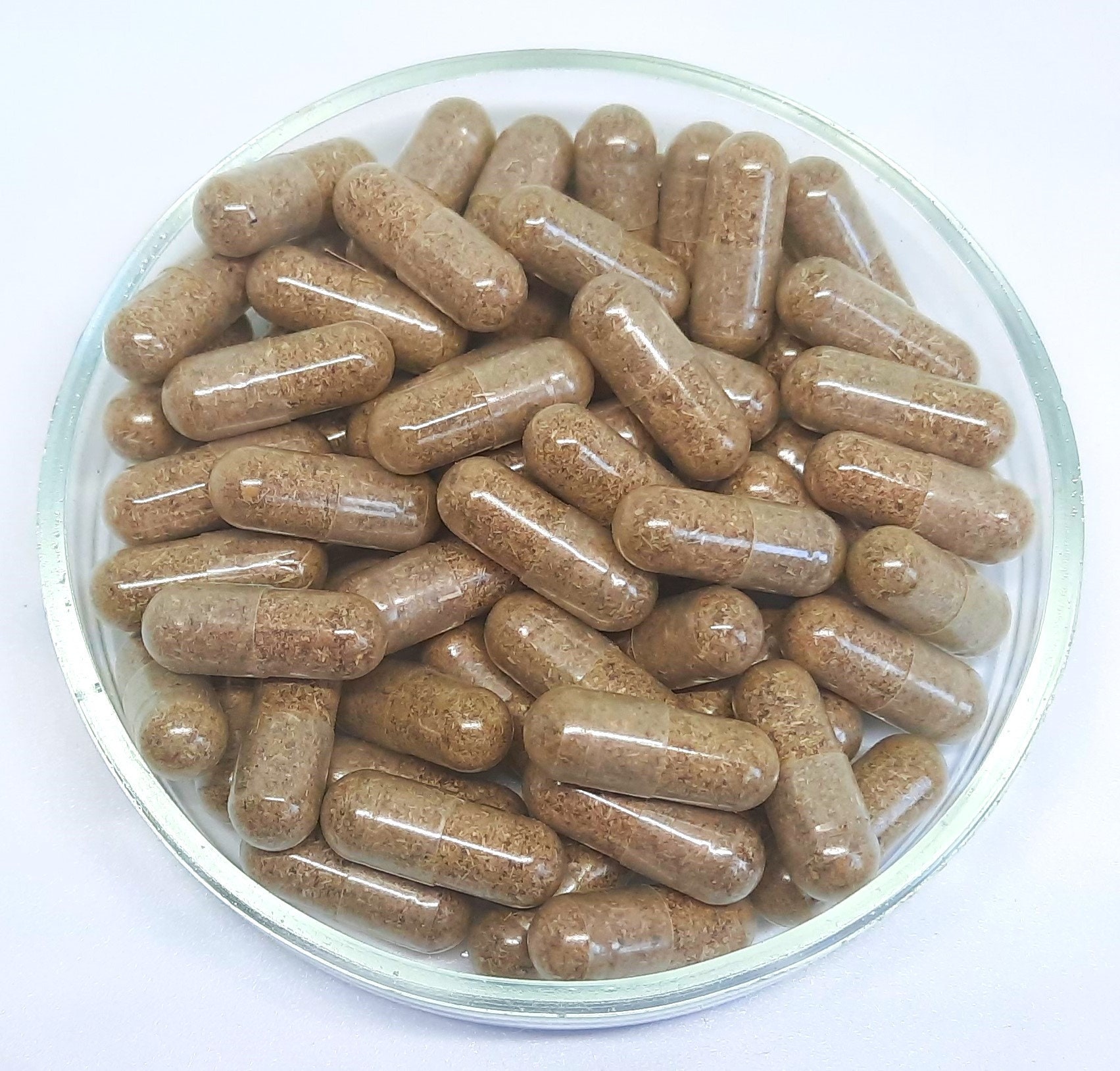
The Ultimate Guide to Marsh Cinquefoil: Health Benefits and Uses

Introduction to Marsh Cinquefoil: Nature’s Hidden Powerhouse

Marsh Cinquefoil, scientifically known as Comarum palustre (formerly Potentilla palustris), is a perennial herbaceous plant that stands as one of the most respected yet underrated treasures of the northern botanical world. Often referred to by names such as Purple Marshlocks, Bog Strawberry, or “Sabelnik” in Eastern Europe, this plant thrives in the acidic, damp environments of bogs, marshes, and lake margins across North America, Europe, and Asia. While many wetland plants are overlooked, Marsh Cinquefoil has long been held in high esteem by herbalists and traditional healers for its profound restorative properties, particularly concerning the musculoskeletal system.

The name “Cinquefoil” is derived from the French “cinque feuilles,” meaning five leaves, referencing the plant’s characteristic palmate foliage. However, it is the subterranean portion of the plant—the long, creeping, woody rhizomes—that contains the highest concentration of therapeutic compounds. These rhizomes have been utilized for centuries to combat chronic inflammation, alleviate joint pain, and support the body’s natural healing processes. As modern science begins to catch up with traditional wisdom, a wealth of research is uncovering the specific bioactive constituents that make Marsh Cinquefoil a formidable ally in the management of degenerative conditions.

Botanical Characteristics and Ecological Significance

Understanding the habitat and morphology of Marsh Cinquefoil provides insight into its hardy nature. The plant is characterized by its sprawling habit, with reddish-brown stems that can reach up to 60 centimeters in length. The leaves are typically composed of five to seven leaflets, which are serrated and glaucous on the underside. Perhaps the most striking feature is its star-shaped, dark purple or maroon flowers, which bloom in the mid-summer months, providing a stark contrast to the verdant greens of the wetlands it inhabits.

Marsh Cinquefoil Botanical Photo

The ecological role of Marsh Cinquefoil is vital; its extensive rhizome network helps stabilize soggy soil and provides cover for various wetland fauna. From a medicinal perspective, the environment in which it grows—saturated with water and often lacking in oxygen—forces the plant to produce a unique array of secondary metabolites to survive and thrive. These evolutionary adaptations translate into the potent antioxidants and anti-inflammatory agents that humans have harvested for generations.

The Complex Phytochemistry of Marsh Cinquefoil

The therapeutic efficacy of Marsh Cinquefoil is rooted in its incredibly complex chemical profile. Unlike many herbs that rely on a single dominant compound, the benefits of Comarum palustre arise from a synergistic matrix of polyphenols, tannins, and essential oils. Extensive phytochemical analyses have revealed that the plant is particularly rich in flavonoids, such as quercetin and kaempferol, which are renowned for their ability to neutralize free radicals and modulate the immune response.

One of the most significant groups of compounds found in Marsh Cinquefoil is the condensed tannins (proanthocyanidins). These molecules are highly effective at cross-linking collagen fibers, which helps to strengthen connective tissues and reduce the permeability of blood vessels. This “astringent” property is not merely topical; when systemic, it aids in the repair of cartilage and the reduction of internal swelling. Furthermore, the presence of phenolic acids, including caffeic and chlorogenic acids, contributes to the plant’s overall anti-inflammatory and antimicrobial profile.

Marsh Cinquefoil Plant Profile

Research has also identified specific triterpenoids within the rhizomes. These compounds are of particular interest to researchers studying autoimmune and inflammatory diseases because they appear to inhibit the production of pro-inflammatory cytokines, such as Tumor Necrosis Factor-alpha (TNF-α) and various interleukins. By suppressing these signaling molecules, Marsh Cinquefoil acts as a natural biological response modifier, potentially reducing the severity of chronic inflammatory cascades without the harsh side effects often associated with synthetic pharmaceuticals.

Historical Context and Traditional Medicine

The history of Marsh Cinquefoil is deeply intertwined with the folk medicine traditions of Northern Europe and Siberia. In these regions, it was often referred to as “The Sabelnik,” a name derived from the word for “saber.” This was a poetic reference to its ability to “cut through” diseases, particularly those that affected mobility and vitality. Traditional healers would harvest the rhizomes in late autumn, when the plant’s energy was concentrated underground, and prepare potent decoctions or alcohol-based tinctures.

In addition to its use for joint issues, historical records show that Marsh Cinquefoil was employed as a remedy for gastrointestinal distress. Its high tannin content made it an effective treatment for diarrhea and internal hemorrhaging. In Scandinavian traditions, the herb was occasionally used to treat scurvy and other vitamin deficiencies due to its vitamin C content, and topical washes were applied to slow-healing wounds and skin ulcers. This multifaceted history demonstrates a deep understanding of the plant’s systemic benefits long before the advent of modern pharmacology.

Marsh Cinquefoil Dried Herb

The dried herb remains a staple in many traditional apothecary kits today. When dried correctly, the rhizome retains its potency for several years, allowing for the year-round preparation of healing teas and compresses. The process of drying actually concentrates the polyphenolic content, making the dried form a highly effective way to consume the herb’s active components in a controlled manner.

Marsh Cinquefoil for Joint Health and Osteoarthritis

The most prominent modern application of Marsh Cinquefoil is in the treatment of osteoarthritis, rheumatoid arthritis, and other degenerative joint diseases. The mechanism of action is twofold: analgesic and regenerative. Unlike many over-the-counter painkillers that simply mask the sensation of pain, the bioactive compounds in Marsh Cinquefoil work to address the underlying causes of joint discomfort. By inhibiting cyclooxygenase (COX-2) enzymes and lipoxygenase (LOX) pathways, the herb effectively reduces the production of prostaglandins that cause pain and swelling.

Moreover, Marsh Cinquefoil has shown promise in protecting the synovial fluid—the lubricant that cushions joints. Chronic inflammation often leads to the breakdown of this fluid, resulting in bone-on-bone friction and increased damage. The antioxidant properties of the herb protect the synovial cells from oxidative stress, helping to maintain the viscosity and health of the joint capsule. For individuals suffering from chronic stiffness, consistent use of Marsh Cinquefoil can lead to improved range of motion and a significant reduction in the “morning stiffness” often associated with arthritis.

Support for Connective Tissue and Cartilage

Beyond its anti-inflammatory effects, Marsh Cinquefoil contributes to the structural integrity of the body. The plant’s high concentration of minerals and specific polyphenols supports the synthesis of collagen, which is the primary protein found in cartilage, tendons, and ligaments. In cases of sports injuries or age-related wear and tear, this support is crucial for the timely repair of micro-tears in the connective tissue. It is often recommended as a complementary therapy alongside physical therapy to accelerate recovery times and prevent the recurrence of chronic inflammation in previously injured areas.

Modern Supplementation: Capsules and Extracts

As the demand for natural alternatives to NSAIDs (non-steroidal anti-inflammatory drugs) grows, Marsh Cinquefoil has become increasingly available in standardized supplement forms. While traditional teas and tinctures are still highly effective, capsules offer a convenient way to ensure a consistent dosage of the plant’s active constituents. Modern extraction techniques, such as CO2 extraction or hydro-ethanolic processing, allow manufacturers to isolate the specific fractions of the rhizome that provide the greatest anti-inflammatory benefits.

Marsh Cinquefoil Capsules

When choosing a Marsh Cinquefoil supplement, it is important to look for products that utilize the rhizome rather than just the aerial parts of the plant. High-quality capsules often specify the concentration of flavonoids or tannins to ensure potency. For those managing chronic conditions, capsules provide a mess-free and taste-neutral option that can be easily integrated into a daily wellness regimen. Many practitioners suggest a “loading dose” followed by a lower maintenance dose to help the body reach a therapeutic threshold for managing systemic inflammation.

Digestive and Metabolic Benefits

While joint health is the primary focus, the secondary benefits of Marsh Cinquefoil should not be overlooked. The astringent nature of its tannins makes it an excellent tonic for the digestive tract. It can help tone the mucosal lining of the intestines, making it beneficial for those with “leaky gut” or inflammatory bowel conditions. By reducing low-grade inflammation within the gut, the herb may also indirectly support the immune system, as a large portion of the body’s immune cells reside in the digestive tract.

Preliminary studies have also suggested that the antioxidant profile of Marsh Cinquefoil may have a positive impact on metabolic health. By reducing oxidative stress in the liver and improving the body’s antioxidant status, it may assist in the detoxification process and help regulate lipid metabolism. While more human clinical trials are needed in this area, the foundational science points to a plant that supports the body’s overall homeostasis rather than just targeting a single symptom.

Usage Guidelines, Dosage, and Preparation

To maximize the benefits of Marsh Cinquefoil, it is essential to understand the proper methods of preparation and dosing. For those using the dried herb, a decoction is the preferred method for the rhizomes. This involves simmering the woody roots in water for 15-20 minutes to break down the tough cellular structures and release the tannins and minerals. A standard ratio is one teaspoon of dried root per cup of water, consumed two to three times daily.

If using a tincture (an alcohol-based extract), the dosage is typically lower but more concentrated. A common recommendation is 20-30 drops diluted in a small amount of water, taken three times a day. Tinctures are often favored for their rapid absorption into the bloodstream. For topical use, Marsh Cinquefoil can be infused into oils or salves and applied directly to painful joints or muscles, providing localized relief through the skin.

Marsh Cinquefoil Natural Herb

Safety is paramount when using any herbal supplement. Marsh Cinquefoil is generally considered safe for most adults when used appropriately. However, due to its high tannin content, excessive consumption may cause minor stomach upset in sensitive individuals. It is also important to note that because it can influence the immune system and blood circulation, individuals on blood-thinning medications or those with autoimmune disorders should consult with a healthcare professional before starting a regimen. Pregnant and breastfeeding women are generally advised to avoid the herb due to a lack of comprehensive safety data for these specific groups.

Conclusion: The Future of Marsh Cinquefoil in Integrative Health

Marsh Cinquefoil represents a bridge between ancient herbal wisdom and modern integrative medicine. Its profound ability to modulate inflammation, protect joint integrity, and provide systemic antioxidant support makes it a valuable tool in the quest for longevity and mobility. As we continue to move away from purely symptomatic treatments and toward holistic approaches that support the body’s innate healing capacity, plants like Comarum palustre will undoubtedly play a more central role.

Whether utilized as a traditional tea, a modern capsule, or a soothing topical balm, Marsh Cinquefoil offers a natural, effective path for those seeking to manage pain and inflammation. By respecting its potent chemistry and historical legacy, we can harness the power of the wetlands to improve our quality of life and maintain our physical vitality well into the future.

Disclaimer: For informational purposes only. Not medical advice. Consult a qualified healthcare professional before use.
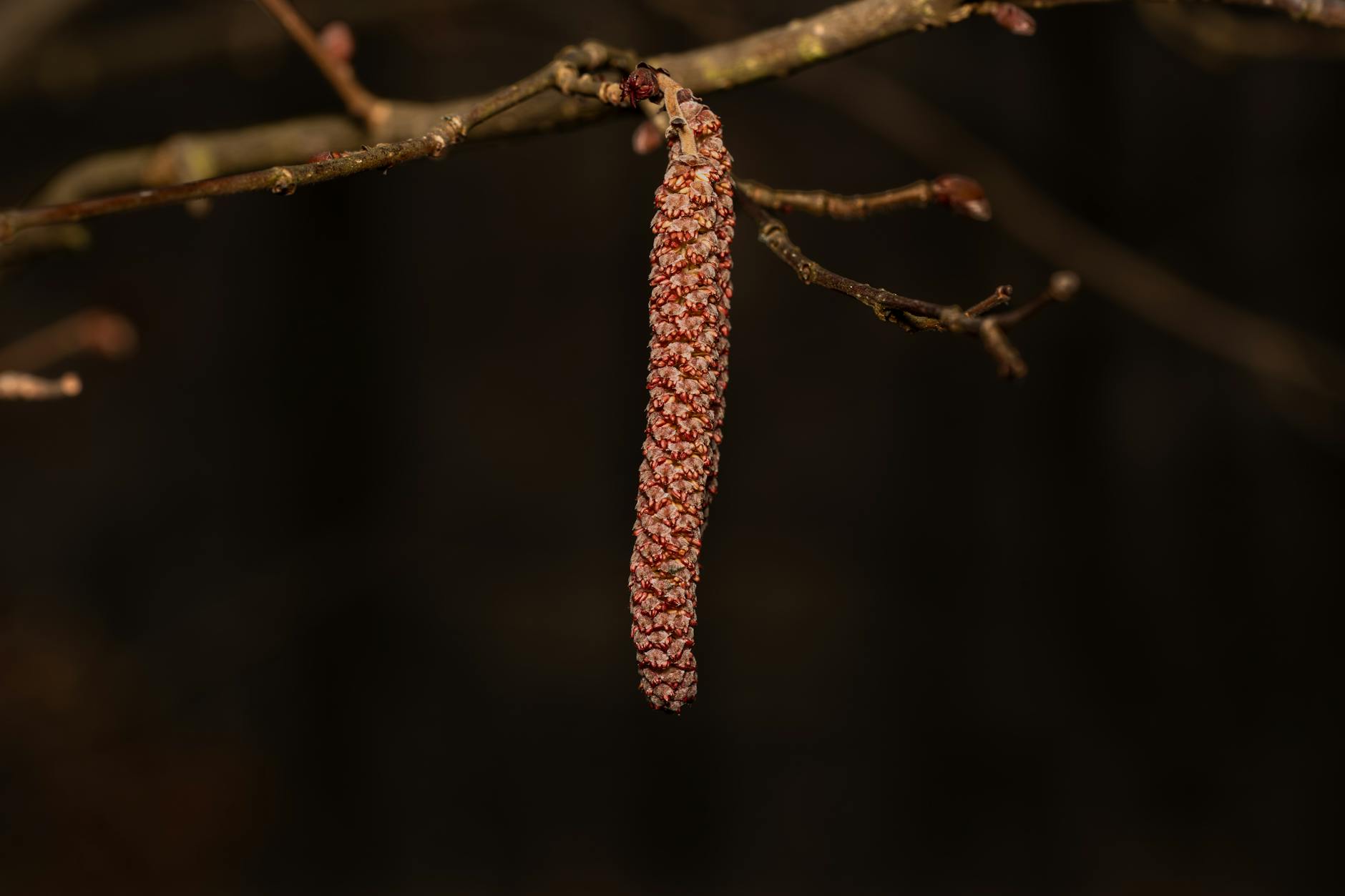
The Ultimate Guide to Dandelion: Health Benefits and Uses

The Comprehensive Guide to Dandelion: A Deep-Dive into the Science and Benefits of Taraxacum Officinale

For centuries, the dandelion (Taraxacum officinale) has been marginalized as a common garden weed, a persistent intruder in manicured lawns and agricultural fields. However, within the realms of botany, pharmacology, and traditional medicine, this resilient perennial is recognized as one of the most versatile and nutrient-dense plants on the planet. From its serrated leaves to its deep-reaching taproot, every part of the dandelion offers a sophisticated array of bioactive compounds that support human health. This guide serves as an exhaustive exploration of the dandelion, detailing its historical context, complex chemical profile, and the myriad of physiological benefits it provides to the human body.

Historical Context and Ethnobotanical Significance

The history of dandelion use spans continents and millennia. Its name is derived from the French “dent de lion,” meaning “lion’s tooth,” a reference to the jagged, deeply indented edges of its leaves. Records of its therapeutic use date back to the 10th and 11th centuries, appearing in the writings of Arabian physicians who utilized the plant for its liver-cleansing and diuretic properties. In Traditional Chinese Medicine (TCM), the dandelion, known as “Pu Gong Ying,” has been employed for over a thousand years to clear heat from the blood and support the health of the liver and stomach. Similarly, in Ayurvedic medicine, it is valued for its cooling properties and its ability to balance the Kapha and Pitta doshas.

European herbalists in the Middle Ages recognized the plant’s effectiveness in treating “dropsy” (edema) and jaundice. This historical lineage transition into the modern era as Western science began to isolate the specific phytochemicals responsible for these traditional observations. Today, the dandelion is no longer viewed merely as a folk remedy but as a legitimate subject of nutraceutical research, with clinical studies investigating its potential in managing chronic inflammatory conditions and metabolic disorders.

Botanical Characteristics and Classification

Dandelions belong to the Asteraceae family, which also includes sunflowers and daisies. They are characterized by a long, sturdy taproot that can reach depths of up to 15 feet in search of moisture and minerals. The plant produces a basal rosette of leaves and a hollow, milky stem topped by a composite yellow flower head made up of numerous individual ray florets. One of the most fascinating aspects of dandelion biology is its ability to reproduce through apomixis, meaning it produces seeds without fertilization, ensuring the genetic stability of successful lineages.

Dandelion Botanical Photo

The botanical resilience of the dandelion is a testament to its nutrient-gathering capabilities. Because the taproot penetrates deep into the subsoil, it draws up minerals that are often inaccessible to shallower plants. This makes the dandelion leaves particularly rich in vitamins A, C, K, and several B-vitamins, while also providing substantial amounts of iron, calcium, magnesium, and potassium. The milk-like sap found in the stems and roots contains latex and various bitter principles that serve as the plant’s defense mechanism and contribute to its medicinal potency.

The Chemical Composition: Bioactive Compounds and Phyto-Nutrients

To understand the health benefits of dandelion, one must delve into its complex biochemistry. The therapeutic efficacy of the plant is not attributed to a single “magic” ingredient but rather to a synergistic matrix of polyphenols, terpenes, and polysaccharides. These compounds act as biological response modifiers, influencing various metabolic pathways in the human body.

Key among these compounds are the sesquiterpene lactones, including taraxacin and taraxacerin. These bitter substances are primarily responsible for the plant’s digestive-stimulating properties. When these compounds touch the tongue, they trigger a reflex that stimulates the secretion of gastric enzymes and bile. Additionally, dandelions are a rich source of phenolic acids, such as chlorogenic acid and caffeic acid, which possess potent antioxidant and anti-inflammatory properties. The roots are particularly high in inulin, a type of prebiotic fiber that supports the growth of beneficial gut bacteria.

Dandelion Plant Profile

Furthermore, dandelions contain phytosterols like taraxasterol and sitosterol. These molecules are structurally similar to cholesterol and may help in regulating lipid profiles by competing for absorption in the intestines. The presence of flavonoids like luteolin and quercetin adds another layer of protection, as these compounds are known to stabilize mast cells and reduce the release of histamine, potentially aiding in the management of allergic responses and systemic inflammation.

Hepatoprotective and Digestive Mechanisms

One of the most well-documented uses of dandelion is for liver and gallbladder health. The dandelion acts as a choleretic (stimulating bile production in the liver) and a cholagogue (promoting the discharge of bile from the gallbladder). By enhancing bile flow, dandelions assist the body in the emulsification and digestion of fats, as well as the elimination of fat-soluble toxins. This process is essential for preventing the formation of gallstones and maintaining a healthy hepatic lipid metabolism.

The hepatoprotective effects are largely attributed to the antioxidant capacity of the plant’s polyphenols. These compounds help neutralize free radicals that would otherwise cause oxidative damage to hepatocytes (liver cells). In studies involving liver injury, dandelion extracts have shown the ability to normalize liver enzymes and reduce lipid peroxidation. Moreover, the high inulin content in the root acts as a prebiotic, fostering a healthy microbiome. A balanced gut flora is intrinsically linked to liver health through the “gut-liver axis,” where reduced intestinal permeability prevents toxins from entering the portal circulation and burdening the liver.

Diuretic Action and Renal Support

In traditional French medicine, the dandelion is colloquially known as “pissenlit,” which translates literally to “bed-wetter.” This name highlights its powerful diuretic properties. Unlike pharmaceutical diuretics (such as loop diuretics) which often cause a significant loss of potassium and other vital minerals, dandelions are unique. They naturally contain exceptionally high levels of potassium. When the plant increases urine output and flushes the kidneys, it simultaneously replenishes the body’s potassium supply, thereby maintaining the critical electrolyte balance and preventing the side effects of hypokalemia.

This diuretic action is particularly beneficial for individuals dealing with hypertension or water retention (edema). By reducing the total fluid volume in the circulatory system, it can help lower blood pressure. Additionally, the frequent flushing of the urinary tract helps prevent the colonization of bacteria, thereby reducing the risk of urinary tract infections (UTIs) and supporting overall renal function.

Anti-Inflammatory and Immune-Modulating Properties

Chronic inflammation is the underlying driver of many modern diseases, including heart disease, diabetes, and autoimmune disorders. Dandelion contains a suite of compounds that inhibit pro-inflammatory cytokines. Specifically, the compound taraxasterol has been shown in laboratory studies to suppress the expression of NF-κB, a protein complex that plays a central role in the body’s inflammatory response. By downregulating these pathways, dandelion may help alleviate the symptoms of inflammatory conditions such as rheumatoid arthritis and inflammatory bowel disease (IBD).

From an immunological perspective, dandelion extracts have demonstrated the ability to enhance the activity of macrophages and natural killer (NK) cells. These are the body’s primary defenders against pathogens and abnormal cell growth. By modulating the immune response, dandelion helps the body maintain a state of “immunosurveillance,” ensuring that the immune system remains vigilant without becoming overactive and causing collateral tissue damage.

Traditional Usage: From Field to Pharmacy

The versatility of the dandelion is reflected in the diverse ways it can be prepared. Traditionally, the young leaves are harvested in early spring to be eaten raw in salads or lightly steamed. At this stage, the bitterness is mild and the vitamin concentration is at its peak. As the plant matures and the flowers bloom, the leaves become increasingly bitter, indicating a higher concentration of sesquiterpene lactones, which are better suited for medicinal infusions.

Dandelion Dried Herb

The root of the dandelion is often dried, roasted, and ground to create a caffeine-free coffee substitute. This “dandelion coffee” provides the digestive benefits of the root while offering a rich, earthy flavor profile. For more concentrated medicinal use, the dried herb or root is often prepared as a decoction—a process of simmering the plant material in water for an extended period to extract the dense minerals and polysaccharides. These traditional methods ensure that the full spectrum of the plant’s chemistry is utilized, rather than isolating single components.

Metabolic Health and Glycemic Control

Emerging research suggests that dandelion may play a significant role in managing type 2 diabetes and metabolic syndrome. The chlorogenic acid and chicoric acid found in the plant have been shown to improve insulin sensitivity and glucose uptake in muscle cells. Furthermore, dandelion extracts can inhibit the activity of alpha-glucosidase, an enzyme responsible for breaking down complex carbohydrates into glucose. By slowing this enzyme, the dandelion helps prevent the rapid spikes in blood sugar that typically occur after a meal.

In addition to glycemic control, the dandelion aids in lipid management. The fibers and phytosterols work together to inhibit the absorption of dietary cholesterol and promote its excretion. This dual action on sugar and fat metabolism makes dandelion an excellent supportive therapy for those looking to manage weight and reduce the risk of cardiovascular complications associated with metabolic dysfunction.

Modern Supplementation: Extracts and Capsules

While eating fresh dandelions is ideal, modern lifestyles often necessitate more convenient forms of consumption. The nutraceutical industry has developed various delivery systems, including tinctures, liquid extracts, and encapsulated powders. Tinctures, which use alcohol or glycerin as a solvent, are particularly effective at extracting the alkaloids and bitter principles. They are often used in small doses before meals to prime the digestive system.

Dandelion Capsules

Capsules and tablets offer a standardized way to consume dandelion, ensuring a consistent dose of specific markers like taraxasterol or flavonoids. This is especially useful for those using dandelion for targeted health goals, such as liver detoxification protocols or managing chronic fluid retention. When choosing a supplement, it is crucial to look for “standardized extracts,” as these guarantee the concentration of active compounds, providing a more predictable therapeutic outcome than simple dried powders.

Usage Guidelines, Dosage, and Safety Precautions

Despite its myriad benefits, dandelion should be used with an understanding of its physiological effects. Because it stimulates bile production, individuals with gallstones or an obstructed bile duct should consult a healthcare professional before use, as the increased bile flow could potentially cause a blockage. Similarly, due to its diuretic nature, those taking pharmaceutical diuretics or lithium should be cautious of potential drug-nutrient interactions.

Dosages vary depending on the part of the plant used and the desired effect. For fresh leaves, 4–10 grams daily is common. For dried root decoctions, 2–8 grams steeped in water three times daily is a standard herbal recommendation. Tinctures (1:5 in 45% alcohol) are typically dosed at 5–10 ml three times daily. While dandelion is generally recognized as safe (GRAS) by the FDA, some individuals may experience allergic reactions, particularly those sensitive to other plants in the Asteraceae family, such as ragweed or marigolds.

Dandelion Natural Herb

Conclusion: Reclaiming the Dandelion

The dandelion is a profound example of the hidden medicine found in nature’s most common occurrences. By shifting our perspective from viewing it as a weed to recognizing it as a powerful botanical ally, we open ourselves to a wealth of health benefits. Whether utilized for its liver-cleansing properties, its ability to balance blood sugar, or its rich nutritional profile, the dandelion stands as a cornerstone of herbal medicine. As modern science continues to validate ancient wisdom, the dandelion remains a resilient, accessible, and highly effective tool for anyone seeking to enhance their health through natural means.

Integrating dandelion into a daily wellness routine—whether through a morning cup of roasted root tea, a fresh spring salad, or a high-quality supplement—offers a systemic boost to the body’s detoxification and inflammatory pathways. In an age of synthetic pharmaceuticals, the humble dandelion serves as a reminder that the most potent solutions are often growing right beneath our feet.

Disclaimer: For informational purposes only. Not medical advice. Consult a qualified healthcare professional before use.

The Ultimate Guide to Buckthorn Bark . Frangula alnus: Health Benefits and Uses

The Definitive Guide to Buckthorn Bark (Frangula alnus): Botanical Properties, Bioactive Mechanisms, and Therapeutic Applications

Buckthorn Bark, scientifically known as Frangula alnus (and formerly Rhamnus frangula), is one of the most respected botanical agents in the traditional European pharmacopoeia. Often referred to as Alder Buckthorn, this deciduous shrub has been a cornerstone of herbal medicine for centuries, primarily utilized for its potent effects on the digestive system. Unlike many modern synthetic interventions, Buckthorn Bark offers a complex chemical profile that works in harmony with the body’s natural physiological processes, provided it is prepared and administered with professional precision. This guide serves as an exhaustive deep-dive into the botanical identity, historical usage, chemical complexity, and clinical applications of this remarkable herb.

Botanical Profile and Geographical Distribution

Frangula alnus is a member of the Rhamnaceae family. It is native to Europe, Northern Africa, and Western Asia, though it has since naturalized in parts of North America. Characteristically, it grows as a tall shrub or small tree, reaching heights of up to 6 meters. One of its most distinguishing botanical features is its bark, which is smooth and dark greyish-brown, marked by prominent horizontal white lenticels. Unlike its close relative, the purging buckthorn (Rhamnus cathartica), the Alder Buckthorn is devoid of thorns, which is a key identification marker for wildcrafters and botanists alike.

The leaves are elliptical, dark green, and possess a characteristic veining pattern that facilitates easy identification during the growing season. However, it is the bark of the stems and branches that contains the concentrated medicinal value. The timing of the harvest and the subsequent processing of the bark are critical factors in its safety and efficacy. In professional herbalism, the bark is collected in the spring and must be aged for at least one year—or heat-treated at specific temperatures—before it is considered fit for human consumption. This aging process is a chemical necessity, as it allows for the oxidation of harsh, emetic compounds into the therapeutic anthraquinones that provide the herb’s beneficial laxative effects.
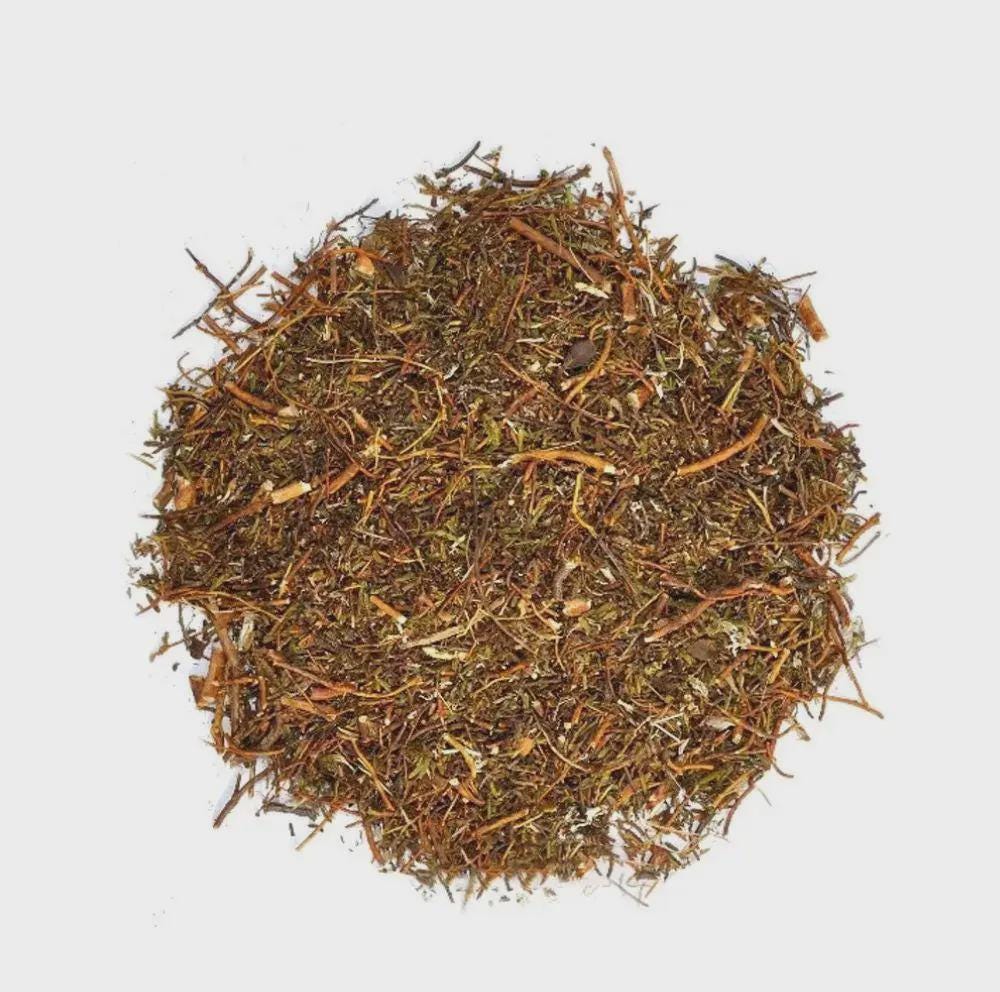
Buckthorn Bark  . Frangula alnus Botanical Photo

Historical Context and Traditional Medicine

The historical usage of Buckthorn Bark dates back to the Middle Ages in Europe. It was frequently cited in the works of early herbalists as a reliable “purgative” or “hydragogue,” terms used to describe substances that help cleanse the bowels and stimulate the movement of fluids. In medieval folklore, the tree was sometimes associated with protection, but its medicinal utility was always its primary draw. Beyond its internal uses, the bark was also historically valued in the textile industry; it produces a vibrant yellow dye when treated with alum and a deep forest green or black when processed with iron salts.

In the 16th and 17th centuries, Buckthorn was a staple in the “simples” (single-herb remedies) used by country healers. It was preferred over more violent purgatives because, when properly aged, it provided a more predictable and manageable effect on the digestive tract. Traditional practitioners often combined it with carminative herbs like fennel or ginger to mitigate the potential for abdominal cramping, a practice that remains common in modern herbal formulations today. Its enduring presence in the British and European Pharmacopoeias underscores its reliability and the deep-seated trust that the medical community once placed in its physiological actions.

Buckthorn Bark  . Frangula alnus Dried Herb

The Chemical Composition: Anthraquinones and Beyond

The therapeutic efficacy of Frangula alnus is attributed to its rich concentration of anthracene derivatives. The primary bioactive compounds are glucofrangulins A and B, which are anthraquinone glycosides. When the bark is fresh, it contains anthrones and anthranols, which are highly irritating to the gastric mucosa and can cause severe vomiting and violent cramping. The mandatory one-year aging process (or accelerated oxidation through heating) converts these irritant anthrones into the safer, therapeutically active anthraquinones, specifically frangulin and emodin.

In addition to these primary glycosides, Buckthorn Bark contains a variety of secondary metabolites that contribute to its overall pharmacological profile. These include tannins, which provide a mild astringent quality that can help tone the intestinal lining, and flavonoids, which offer antioxidant protection. The bark also contains small amounts of peptide alkaloids and various sugars. The synergy between these compounds ensures that the primary laxative effect is supported by phytochemicals that may help protect the gut from excessive inflammation during the transit process. Understanding this chemical transition from fresh “toxic” bark to aged “medicinal” bark is the most critical aspect of Frangula pharmacology.

Buckthorn Bark  . Frangula alnus Plant Profile

Mechanism of Action: How Buckthorn Affects the Gut

The mechanism by which Buckthorn Bark exerts its laxative effect is both fascinating and highly specific. The anthraquinone glycosides (glucofrangulins) are actually “prodrugs.” This means they are pharmacologically inactive when they are ingested. They pass through the stomach and small intestine largely unchanged because the human digestive system lacks the enzymes necessary to break them down in these early stages. However, once they reach the colon, the resident bacterial flora (specifically species with beta-glycosidase activity) hydrolyze the glycosides into their active forms: frangula-emodin and related aglycones.

Once activated in the large intestine, these compounds work via two distinct pathways. First, they stimulate the myenteric plexus (Auerbach’s plexus), which is the network of nerves that controls the rhythmic contractions of the intestinal muscles. This increases peristalsis, the wave-like movement that pushes waste through the colon. Second, they influence the transport of electrolytes and water across the intestinal wall. They inhibit the sodium-potassium ATPase pump, leading to an accumulation of water and electrolytes within the intestinal lumen. This increased volume creates osmotic pressure, softening the stool and further stimulating the urge to evacuate. This dual action makes Buckthorn an exceptionally effective “stimulant laxative.”

Health Benefits: Primary and Secondary Applications

Treatment of Acute and Chronic Constipation

The primary clinical indication for Buckthorn Bark is the short-term treatment of constipation. It is particularly useful in cases where the bowels have become “sluggish” or “atonic,” meaning they lack the muscle tone to move waste effectively. Unlike bulk-forming laxatives (like psyllium) which take days to work, or osmotic laxatives which simply draw water, Buckthorn provides a direct “kick-start” to the intestinal muscles. It is often recommended for patients who need to avoid straining, such as those with hemorrhoids or those recovering from certain anal-rectal surgeries.

Support for Detoxification and Metabolic Waste Removal

In the context of holistic “cleansing” protocols, Buckthorn Bark is frequently used to ensure that the primary exit route for metabolic waste is functioning optimally. By promoting regular bowel movements, it prevents the reabsorption of toxins from the colon back into the bloodstream—a process sometimes referred to as autointoxication in traditional naturopathy. While the term “detox” is often misused in marketing, the physiological reality is that an efficient colon is essential for reducing the toxic load on the liver and kidneys.

Potential Biliary and Hepatic Support

Some traditional systems of medicine utilize Buckthorn Bark to support gallbladder health. It is considered to have mild cholagogue properties, meaning it may stimulate the flow of bile from the gallbladder into the intestine. Improved bile flow is not only essential for the digestion of fats but also serves as a natural lubricant for the stool. However, this application is secondary to its laxative effects and is usually only pursued under the guidance of a clinical herbalist.

Modern Delivery Systems: Capsules and Standardized Extracts

In contemporary herbal medicine, the use of loose dried bark has largely been supplanted by standardized capsules and liquid extracts. This shift is driven by the need for dosage precision. Because the concentration of anthraquinones can vary significantly based on the age of the tree and the specific environmental conditions of its growth, standardized extracts ensure that each dose provides a consistent amount of glucofrangulins. This reduces the risk of taking too much (which leads to severe diarrhea) or too little (which results in no therapeutic effect).

Capsules are the preferred delivery method for many because they bypass the palate. Buckthorn Bark is notoriously bitter—an organoleptic quality associated with many liver and digestive tonics—and can be difficult to consume as a tea. Capsules also allow for the incorporation of “buffer” herbs. For instance, many high-quality Buckthorn supplements include ginger, peppermint, or fennel to relax the smooth muscles of the gut and prevent the “griping” or cramping sensations that can sometimes accompany stimulant laxatives.

Buckthorn Bark  . Frangula alnus Capsules

Safety, Contraindications, and Responsible Usage

While Buckthorn Bark is highly effective, it is a potent botanical that must be used with respect. The most critical safety rule is that it should never be used for more than 7–10 days consecutively. Prolonged use of stimulant laxatives can lead to “lazy bowel syndrome,” where the colon becomes dependent on external stimulation to function. Furthermore, chronic use can lead to electrolyte imbalances, particularly the loss of potassium (hypokalemia), which can have serious implications for heart and muscle function.

A common side effect of long-term anthraquinone use is melanosis coli, a benign (harmless) pigmentation of the intestinal lining that resolves after the herb is discontinued. However, it serves as a visual indicator that the herb is being used too frequently. Buckthorn is strictly contraindicated for individuals with inflammatory bowel diseases (such as Crohn’s disease or ulcerative colitis), appendicitis, intestinal obstruction, or undiagnosed abdominal pain. It should also be avoided during pregnancy and lactation, as the active compounds can potentially stimulate uterine contractions or pass into breast milk, causing colic in infants.

Practical Dosage and Preparation Guidelines

For those using the dried aged bark, a typical decoction is prepared by simmering 0.5 to 2.5 grams of the bark in water for approximately 10 to 15 minutes. This decoction is usually taken before bedtime, as the transit time for anthraquinones to reach the colon and be activated by bacteria is typically 8 to 12 hours. This timing ensures that the therapeutic effect occurs the following morning, mimicking the body’s natural circadian rhythm of elimination.

If using standardized extracts or capsules, it is vital to follow the manufacturer’s instructions or the advice of a healthcare provider. A common standardized dose is calculated to provide 20mg to 30mg of hydroxyanthracene derivatives (calculated as glucofrangulin A) per day. Always start with the lowest possible dose to assess individual sensitivity. Hydration is also paramount; since Buckthorn works by drawing water into the colon, it is essential to increase fluid intake throughout the day to support the process and prevent dehydration.

Buckthorn Bark  . Frangula alnus Natural Herb

Conclusion: The Role of Frangula alnus in Modern Wellness

Buckthorn Bark stands as a testament to the efficacy of traditional herbal knowledge when validated by modern science. Its specific chemical evolution—from the irritating fresh bark to the therapeutic aged bark—highlights the sophisticated understanding early healers had of plant chemistry, even before the advent of laboratory analysis. In an age where digestive issues are rampant due to sedentary lifestyles and processed diets, Frangula alnus remains a vital tool for restoring intestinal transit when used appropriately.

By understanding the dual-action mechanism of increased peristalsis and osmotic regulation, users can better appreciate the “reset” that Buckthorn provides to a sluggish system. However, the ultimate goal of using such a potent herb should always be to bridge the gap toward better long-term digestive habits, including high-fiber intake, proper hydration, and regular physical activity. When used with care, Buckthorn Bark is not just a remedy for constipation, but a powerful ally in maintaining the vital rhythm of the human body.

Disclaimer: For informational purposes only. Not medical advice. Consult a qualified healthcare professional before use.