The Ultimate Guide to WILD CRANBERRY: Health Benefits and Uses

Wild Cranberry: The Definitive Guide to Nature’s Potent Super-Berry

The wild cranberry, primarily known by its botanical name Vaccinium oxycoccos (or Vaccinium macrocarpon in its larger North American wild form), represents one of the most chemically complex and health-dense fruits found in the northern hemisphere. Unlike its commercially cultivated counterparts, the wild cranberry thrives in the nutrient-scarce, acidic environments of peat bogs and wetlands. This survival in harsh conditions forces the plant to produce a higher concentration of secondary metabolites—specifically polyphenols and organic acids—to protect itself from UV radiation and oxidative stress. For the human consumer, these compounds translate into a powerhouse of therapeutic benefits that range from antimicrobial action to profound cardiovascular support.

Historically, the wild cranberry has been a staple in the diets and medicinal kits of indigenous peoples across North America and Northern Europe. Known to the Algonquian people as “sassamanash” and later dubbed “crane berry” by early European settlers who noted the flower’s resemblance to the head of a crane, this fruit was utilized for much more than food. It was a critical survival tool, used in pemmican to prevent spoilage and applied topically as a poultice to draw out toxins from wounds. Today, modern science is finally validating what traditional healers have known for centuries: the wild cranberry is a biological marvel with systemic health implications.

Botanical Profile and Ecological Significance

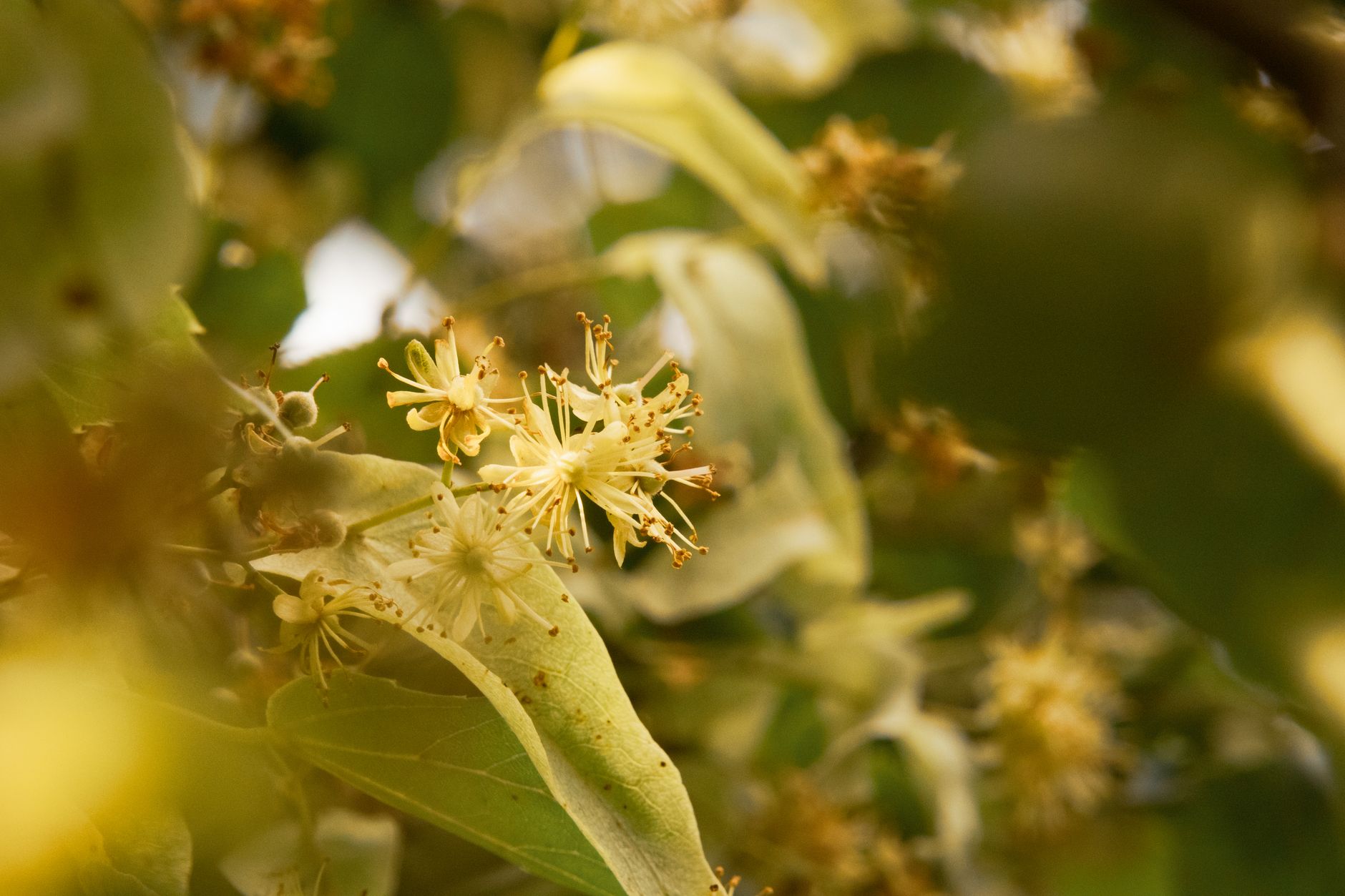
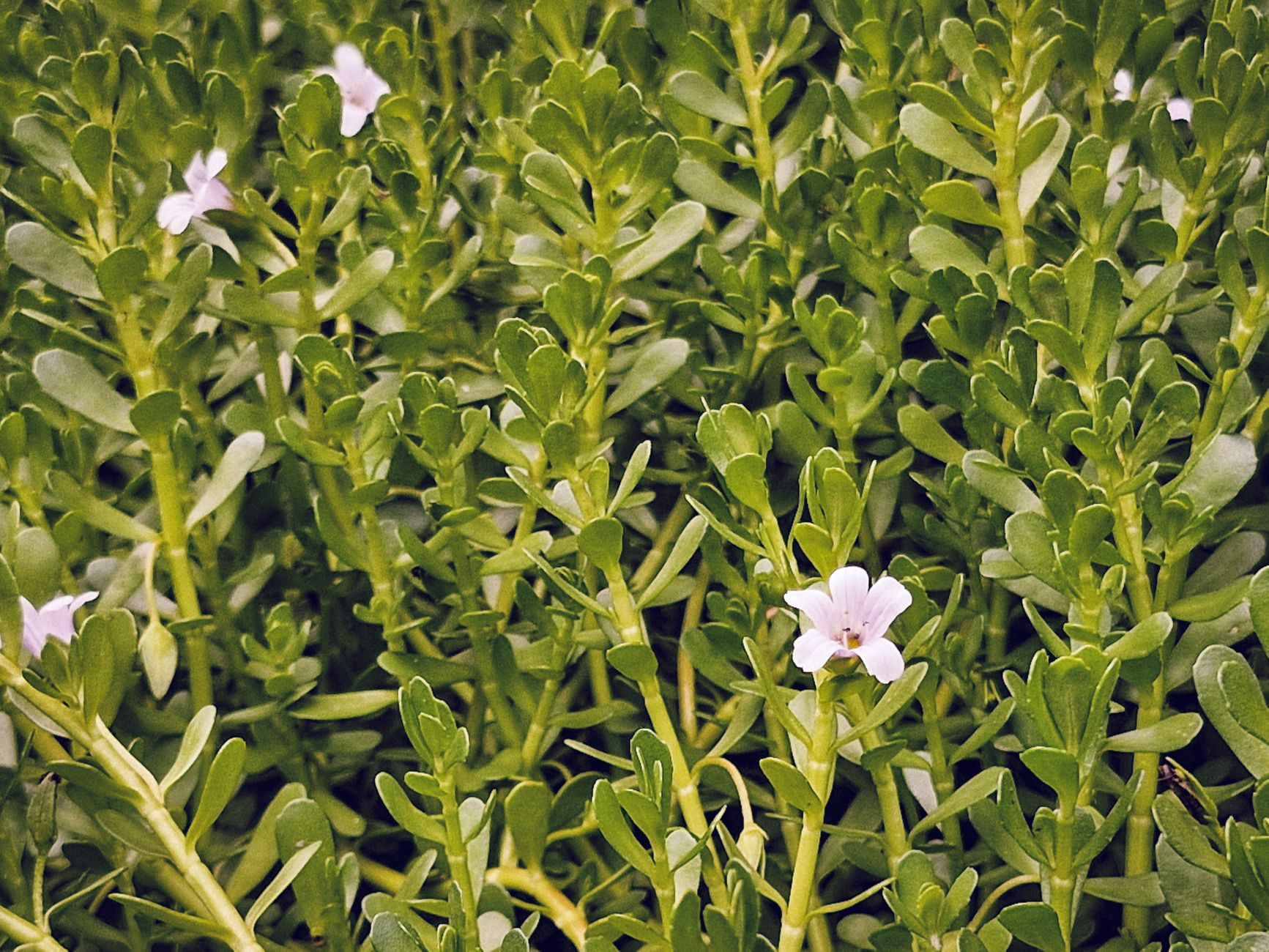
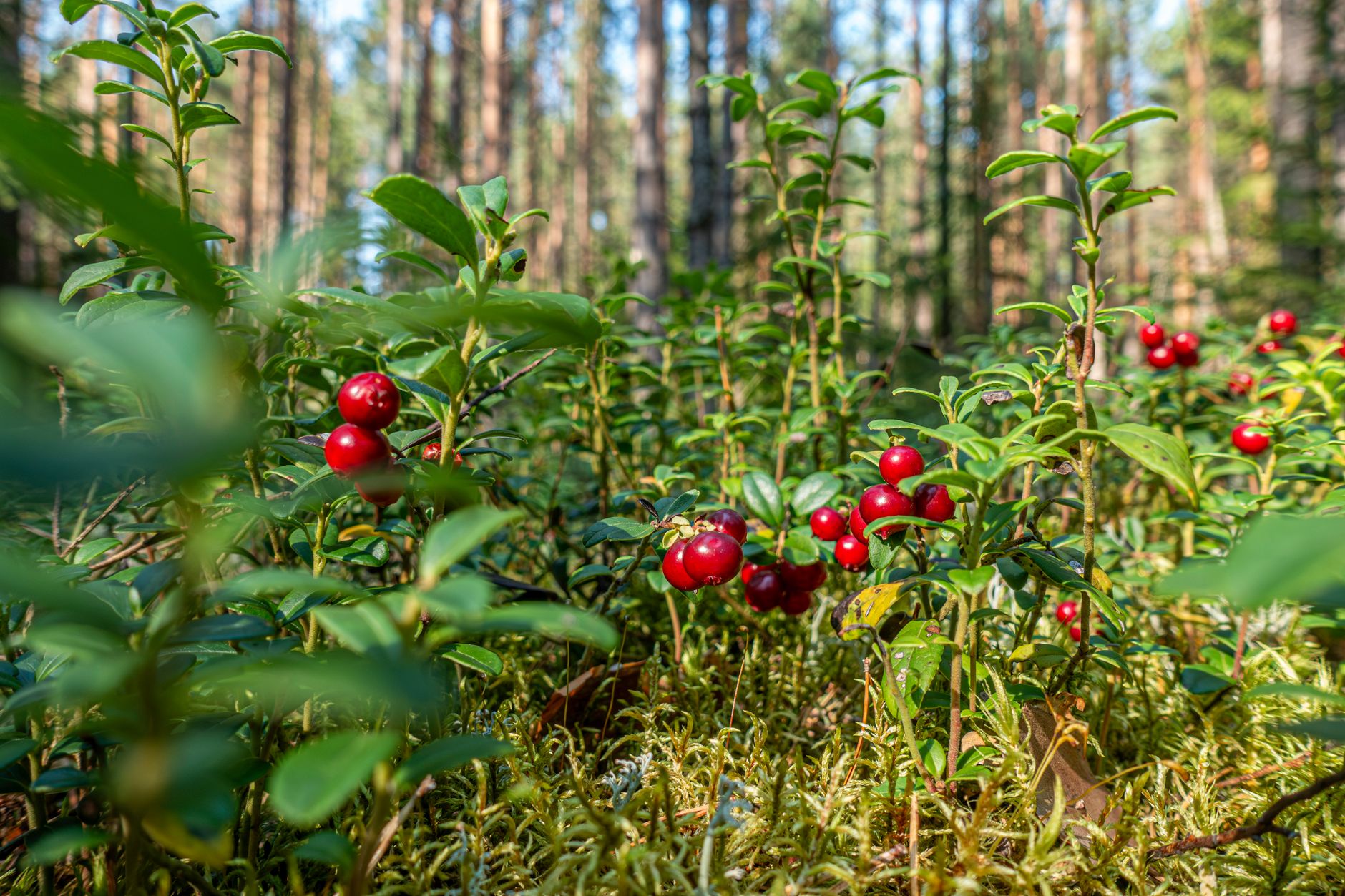
Wild cranberries are low-growing, evergreen shrubs or trailing vines that belong to the Ericaceae family. They are uniquely adapted to temperate and subarctic regions, often found carpeting the mossy floor of sphagnum bogs. The plant is characterized by its small, ovate leaves and delicate, pinkish-white flowers that bloom in early summer. The fruit itself begins as a pale green berry, eventually ripening into a deep, ruby-red orb that persists well into the winter months. This late-season ripening is a crucial ecological feature, providing a vital source of vitamin C and energy for wildlife during the frost-heavy months.
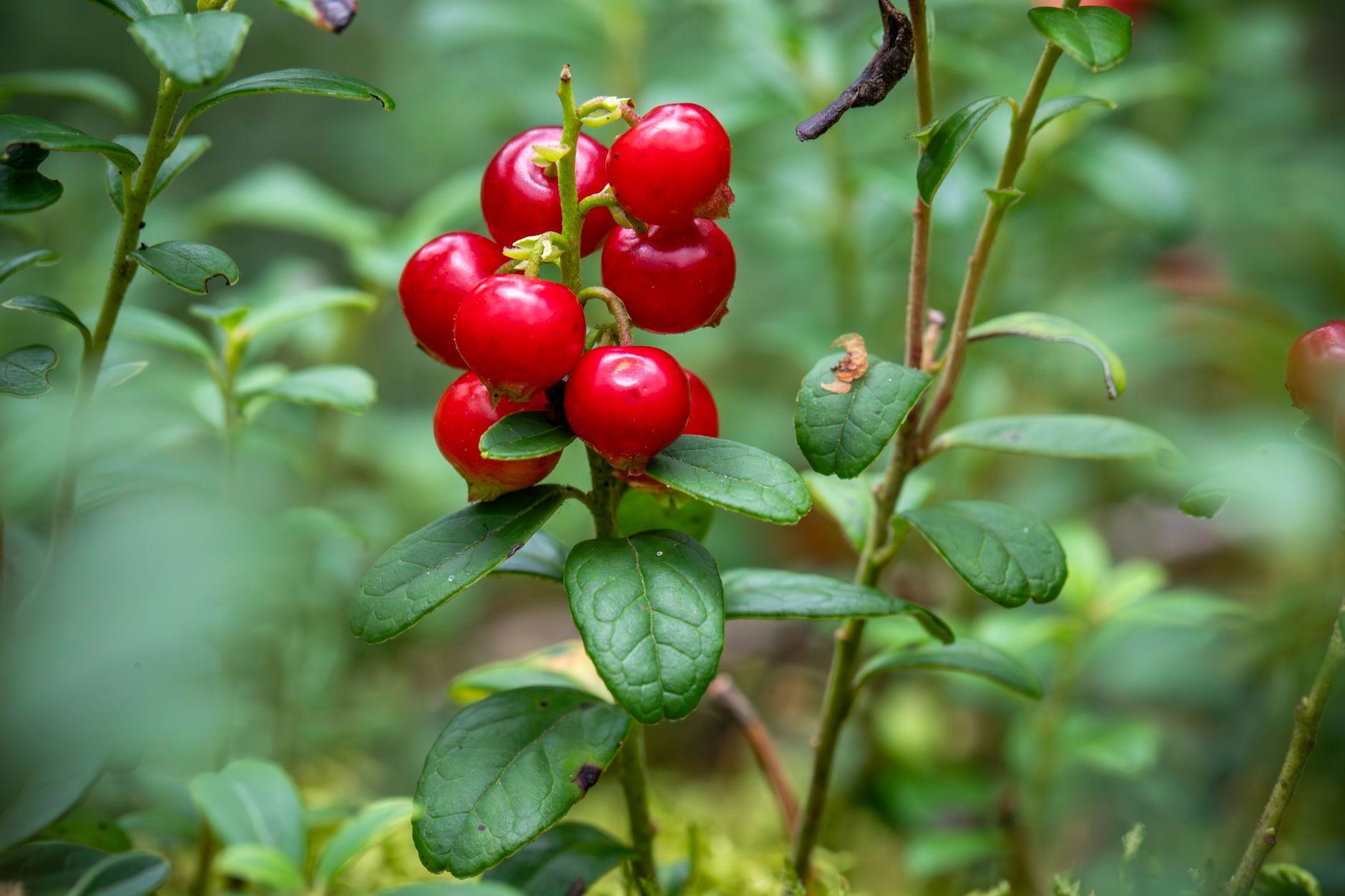
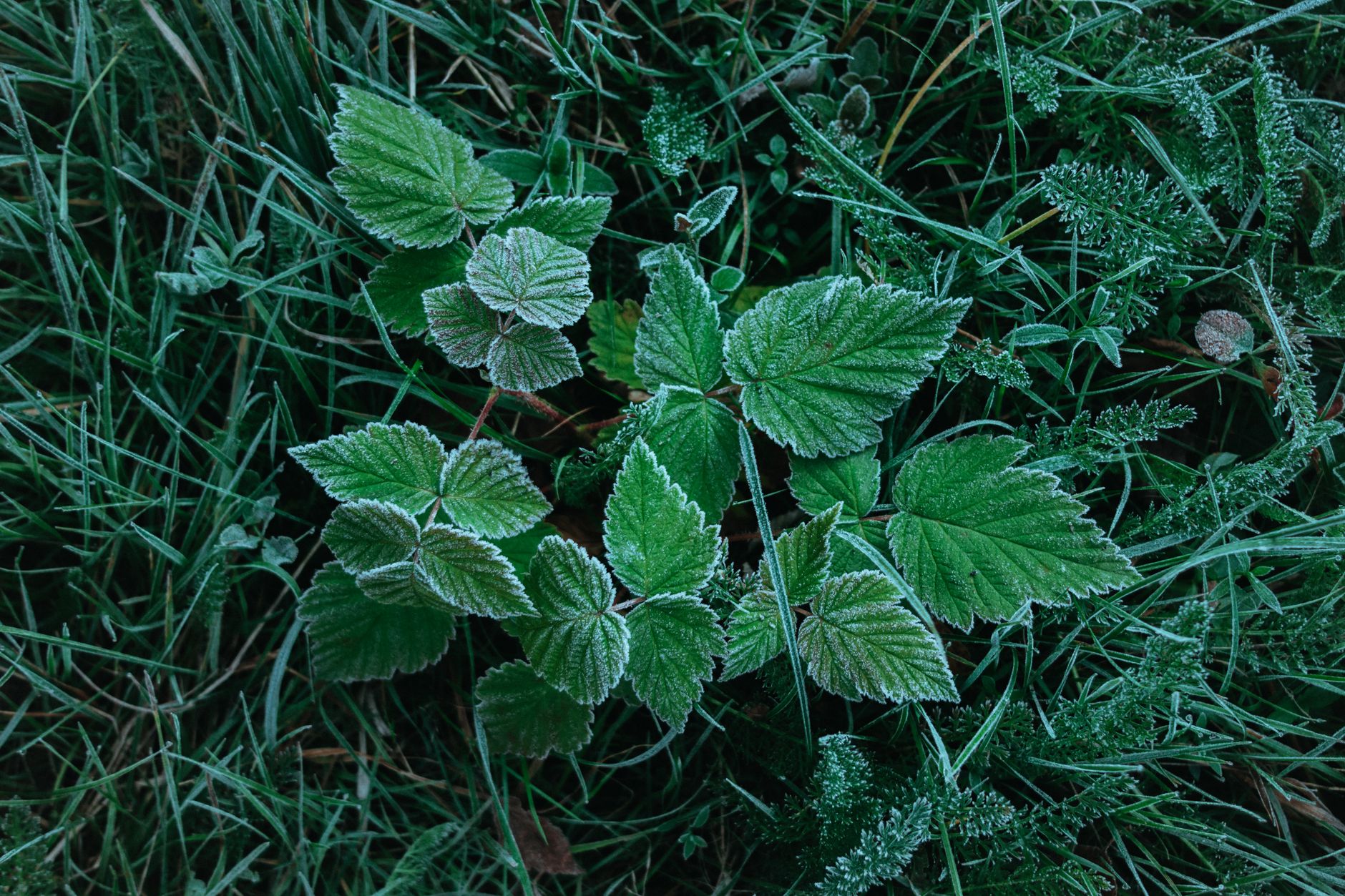
WILD CRANBERRY Botanical Photo

The distinction between wild and cultivated cranberries is not merely a matter of size; it is a matter of chemical density. Wild varieties are typically smaller, containing less water and a higher ratio of skin-to-flesh. Since most of the plant’s protective phytonutrients—anthocyanins and flavonols—are concentrated in the skin, the wild berry offers a more concentrated dose of bioactives per gram. Furthermore, the wild fruit is subjected to natural stressors, including temperature fluctuations and local pests, which triggers the upregulation of defensive compounds like ursolic acid and various phenolic acids, making them superior from a nutraceutical perspective.

The Phytochemical Matrix: Understanding the Bioactive Compounds

The health benefits of the wild cranberry are derived from a sophisticated matrix of bioactive molecules. While many fruits contain antioxidants, the specific configuration of molecules in Vaccinium oxycoccos is unique. The most notable of these are the Proanthocyanidins (PACs). However, unlike the Type-B PACs found in most other fruits and vegetables, cranberries contain rare Type-A linkage PACs. This structural difference is critical because only Type-A PACs possess the specific bioactivity required to inhibit the adhesion of P-fimbriated Escherichia coli to the uroepithelial cells lining the bladder.
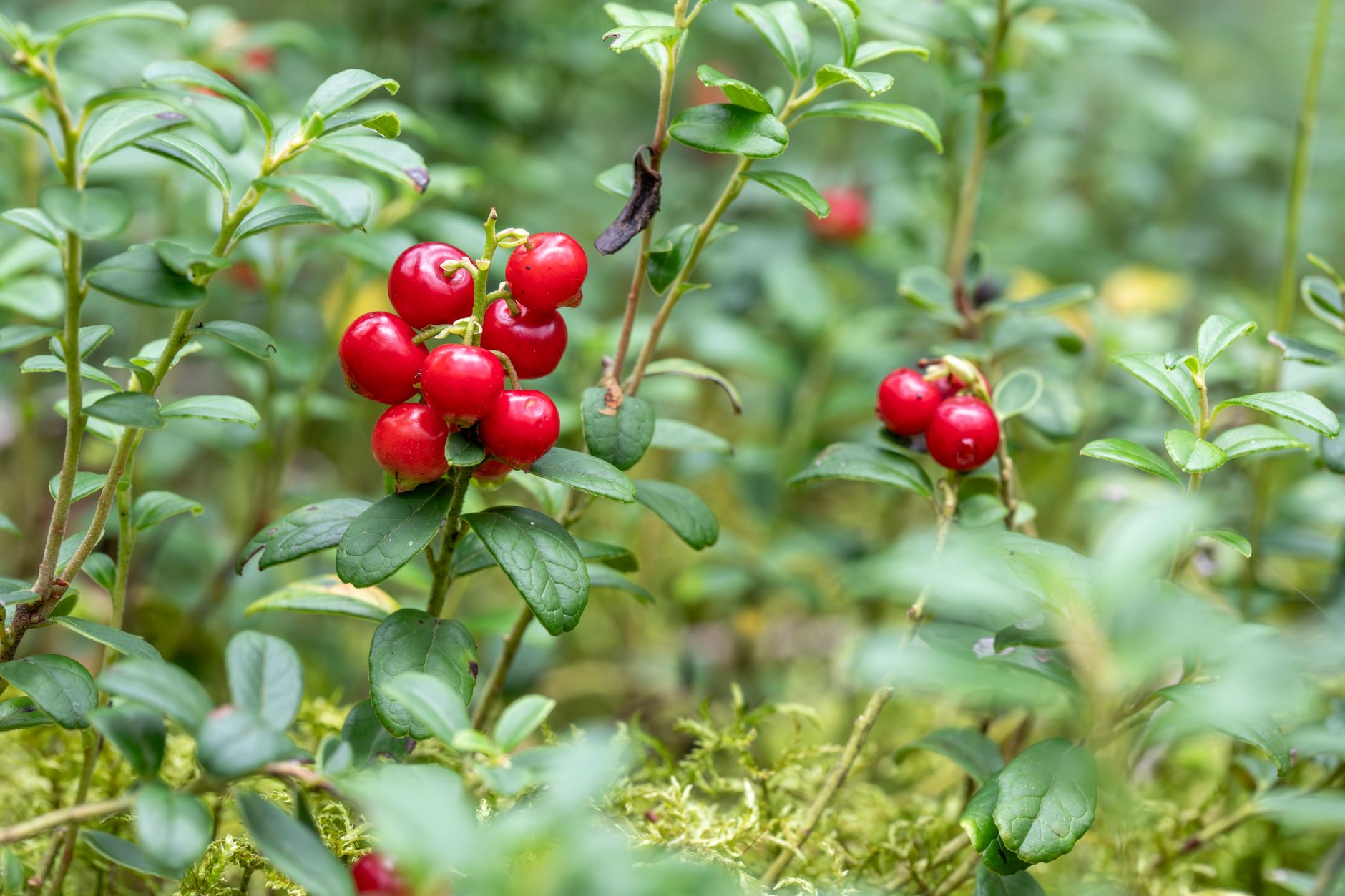
WILD CRANBERRY Plant Profile

In addition to PACs, wild cranberries are rich in Anthocyanins (the pigments responsible for their red color), which serve as potent scavengers of reactive oxygen species (ROS). They also contain significant levels of Quercetin, a flavonol known for its anti-inflammatory and antihistamine properties, and Myricetin, which has shown promise in supporting glycemic control. The presence of organic acids, including citric, malic, quinic, and benzoic acids, contributes to the berry’s signature tartness and plays a role in its antimicrobial and preservative qualities. This chemical complexity ensures that the berry acts on multiple biological pathways simultaneously, rather than offering a singular effect.

Urinary Tract Health: The Gold Standard of Cranberry Therapy

The most widely recognized application of wild cranberry is the prevention and management of Urinary Tract Infections (UTIs). For decades, it was incorrectly assumed that cranberries worked by acidifying the urine to a point where bacteria could not survive. Modern research has corrected this view, demonstrating that the mechanism is actually “anti-adhesion.” Most UTIs are caused by E. coli bacteria that use hair-like projections called fimbriae to “hook” onto the walls of the urinary tract. The Type-A Proanthocyanidins in wild cranberries act as a molecular shield, binding to these fimbriae and preventing the bacteria from establishing a foothold.

Because the bacteria cannot adhere, they are simply washed away during normal urination. This non-lethal mechanism is particularly important in the era of antibiotic resistance. Since the cranberry compounds do not seek to kill the bacteria but rather prevent their colonization, the bacteria do not develop the same survival-based resistance mechanisms they would against traditional antibiotics. Frequent consumption of wild cranberry extract or juice has been shown in clinical trials to significantly reduce the recurrence of UTIs in susceptible populations, including women, the elderly, and pediatric patients.

Traditional Uses and the Transition to Dried Herb

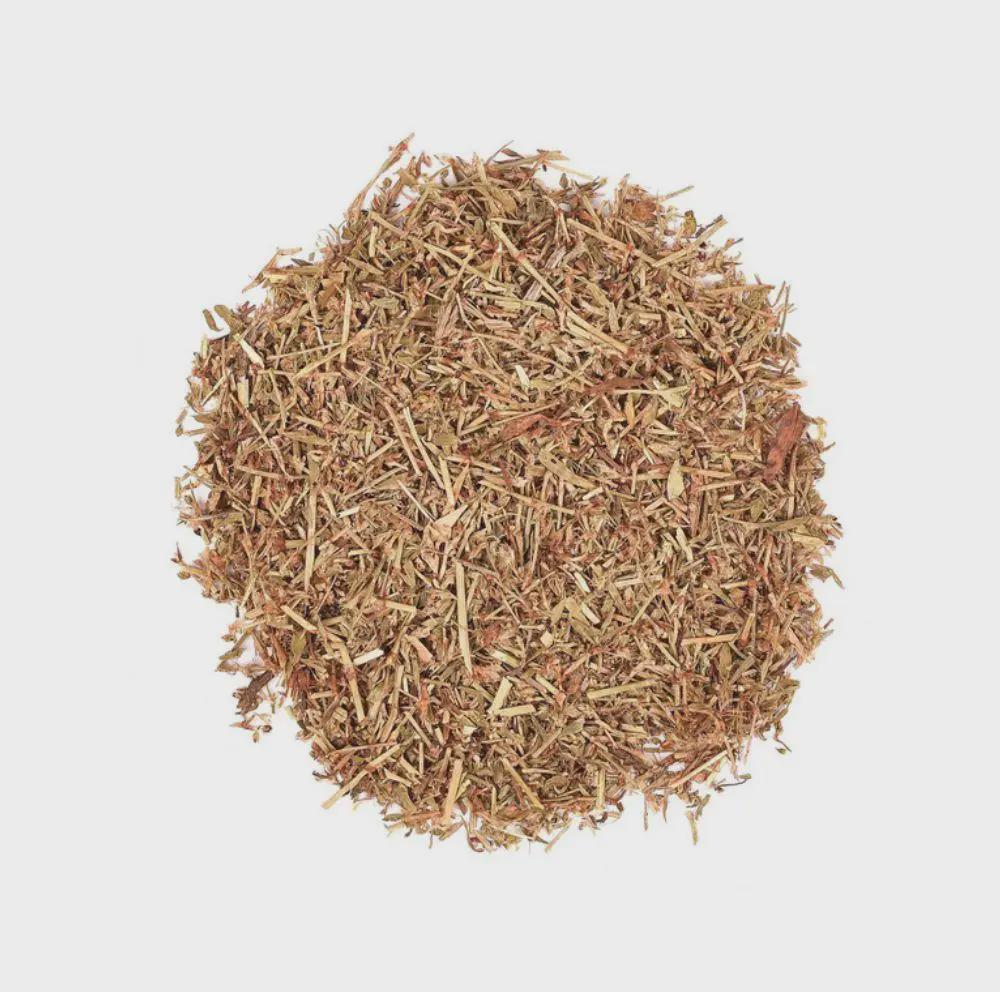
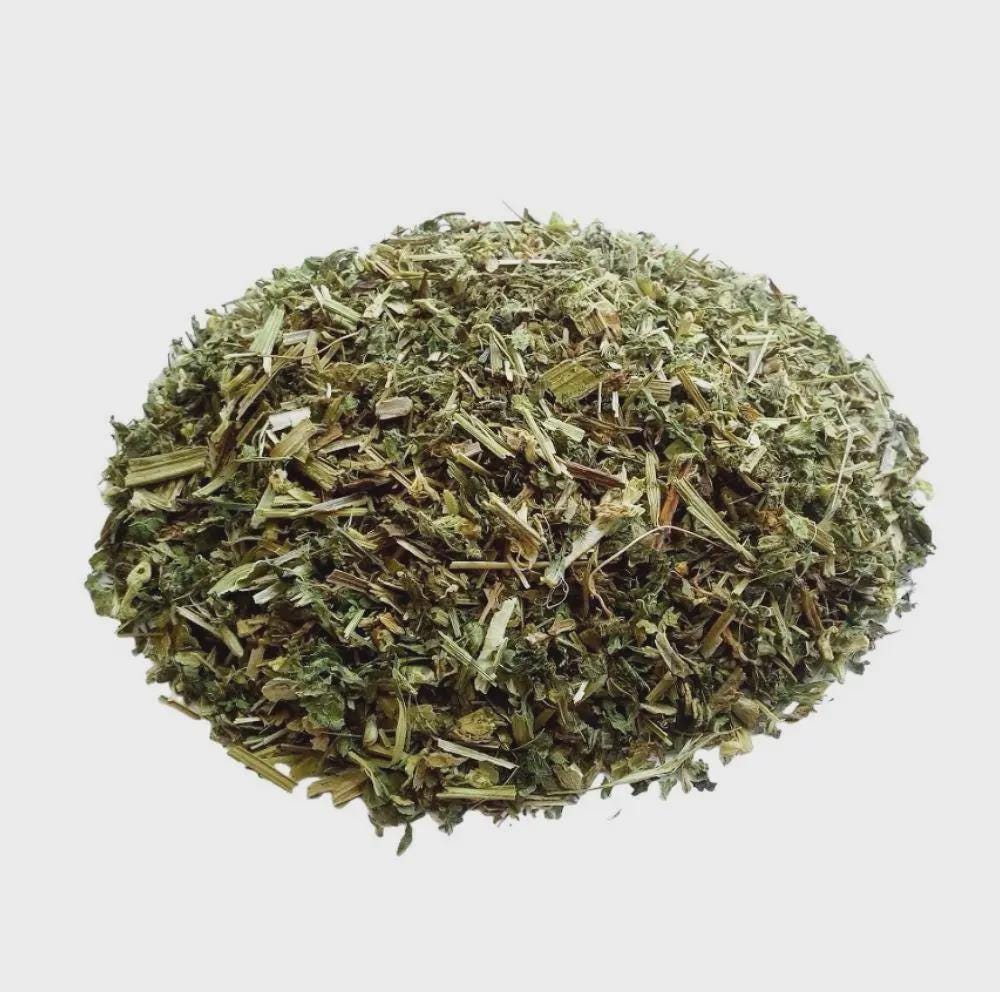
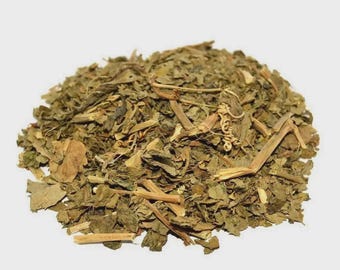
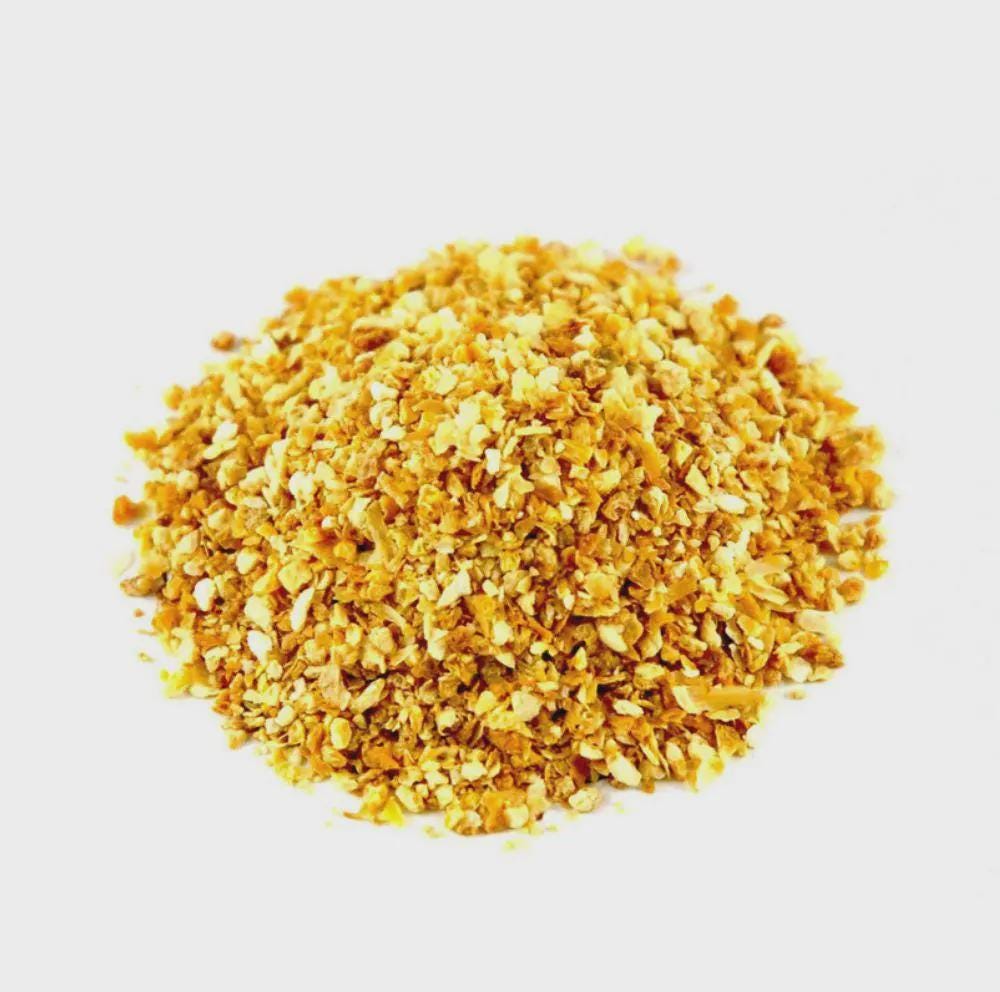
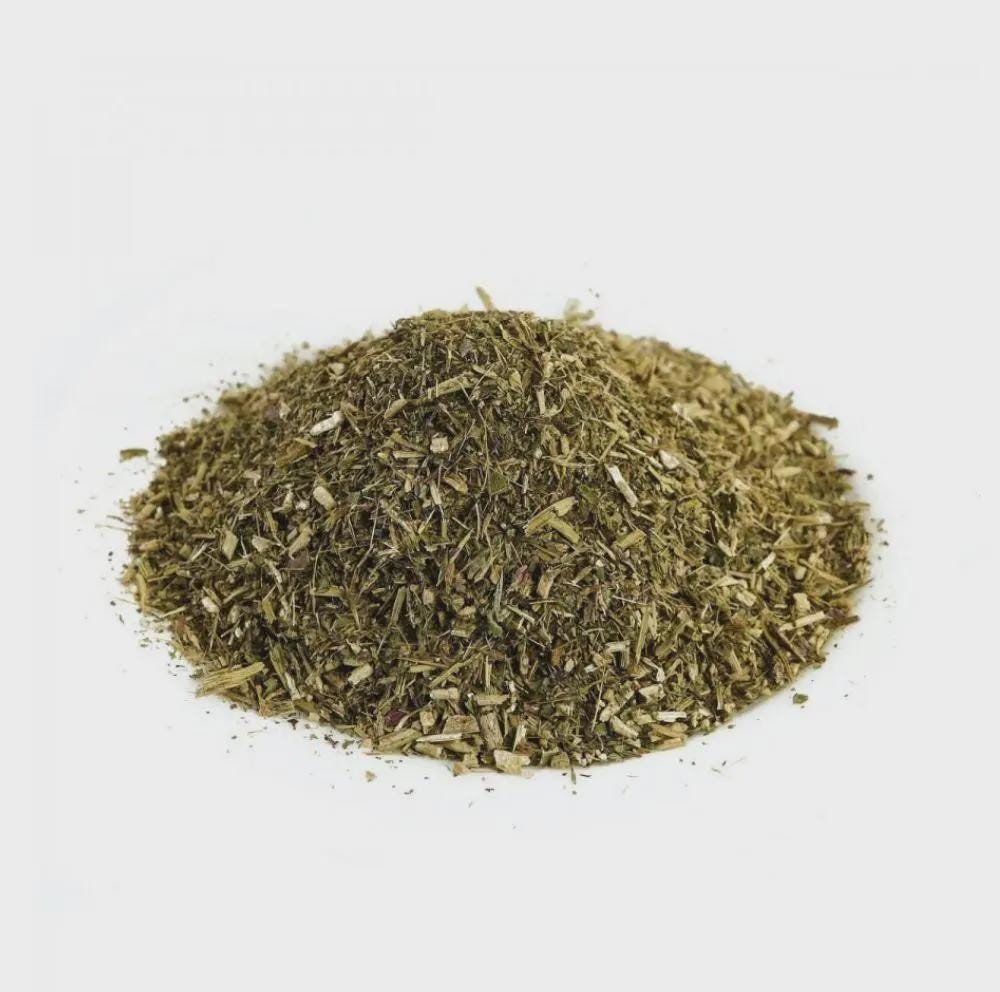
In traditional medicine, the whole fruit was rarely consumed alone due to its intense acidity. Instead, it was often mashed and mixed with honey or fats, or dried for long-term storage. Dried wild cranberry herb and fruit retain a high concentration of the berry’s fiber and skin-bound nutrients. The drying process, when done correctly at low temperatures, preserves the integrity of the delicate polyphenols while concentrating the sugars and acids, making it a portable and potent medicinal food.
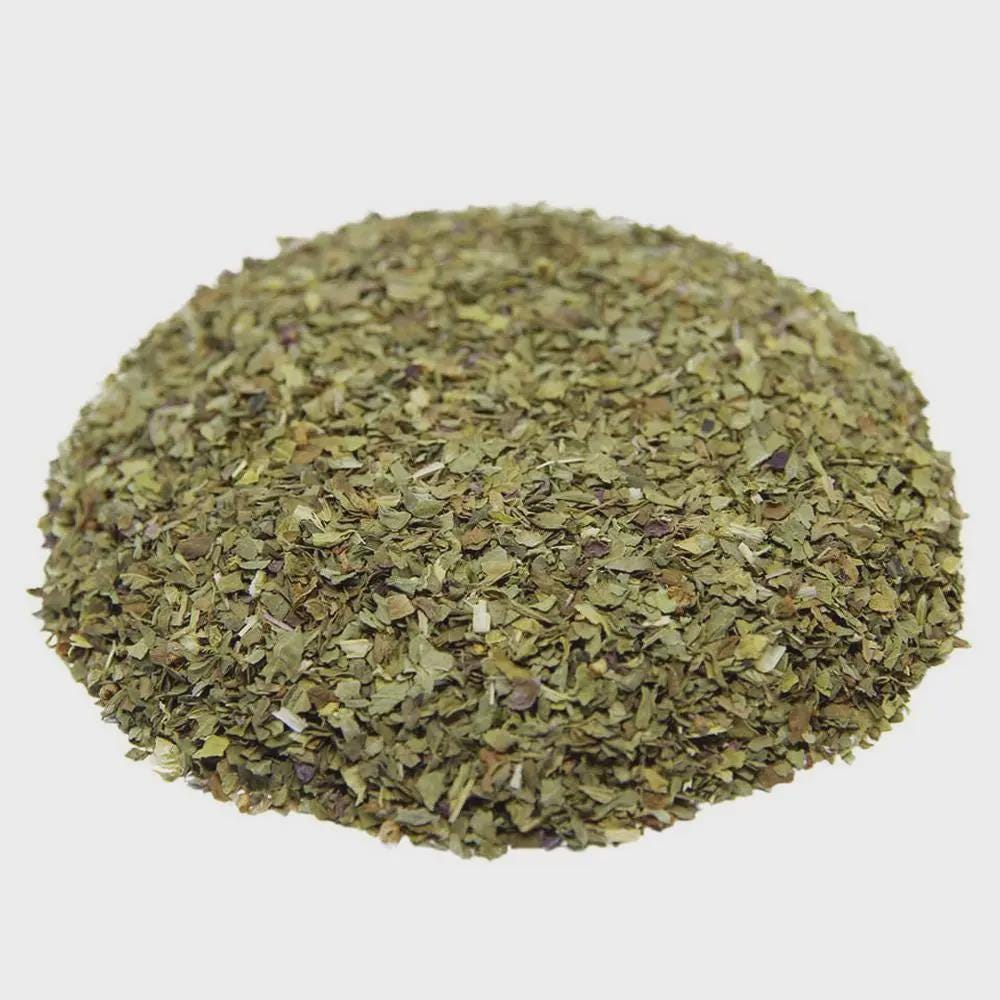
WILD CRANBERRY Dried Herb

Beyond urinary health, traditional practitioners used the dried herb to treat digestive upsets and as a blood purifier. The astringent properties of the tannins in the dried fruit were utilized to settle the stomach and treat mild bouts of diarrhea. Furthermore, the high vitamin C content was essential for preventing scurvy in remote northern regions where fresh citrus was unavailable. The dried form serves as a bridge between culinary use and concentrated supplementation, providing a whole-food source of the berry’s diverse chemical profile.

Cardiovascular and Metabolic Benefits

Emerging research suggests that the benefits of wild cranberry extend far beyond the bladder. The high concentration of polyphenols has a direct impact on cardiovascular health by improving the lipid profile and enhancing endothelial function. Studies have shown that regular intake of cranberry bioactives can lead to an increase in HDL (the “good” cholesterol) and a reduction in the oxidation of LDL (the “bad” cholesterol). Since oxidized LDL is a primary driver of plaque formation in the arteries, the antioxidant protection provided by wild cranberries is a significant factor in atherosclerosis prevention.

Furthermore, the wild cranberry influences nitric oxide production in the vascular endothelium. Nitric oxide is a signaling molecule that causes blood vessels to relax and dilate, which helps maintain healthy blood pressure levels. The anti-inflammatory effects of the berry’s anthocyanins also reduce systemic inflammation markers, such as C-reactive protein (CRP). By dampening the inflammatory response and protecting the vascular walls from oxidative damage, wild cranberry acts as a comprehensive tonic for the circulatory system, supporting long-term heart health and reducing the risk of hypertension-related complications.

Gastrointestinal Health and Oral Hygiene

The anti-adhesion property of wild cranberry is not limited to the urinary tract. Research indicates that these same mechanisms may prevent Helicobacter pylori—the bacteria primarily responsible for stomach ulcers—from adhering to the gastric lining. By reducing the colonization of H. pylori, cranberry consumption may lower the risk of chronic gastritis and peptic ulcers. Additionally, the fiber content and the prebiotic-like effects of cranberry polyphenols support a healthy gut microbiome, encouraging the growth of beneficial bacteria while inhibiting pathogenic strains.

In the oral cavity, wild cranberry offers similar protection. The polyphenols inhibit the enzymes used by Streptococcus mutans to create dental plaque. By preventing the formation of this biofilm, cranberries help reduce the incidence of dental caries and periodontal disease. It is important to note, however, that these benefits are best achieved through unsweetened sources, as the added sugars in many commercial cranberry products can counteract the berry’s natural dental-protective effects.

The Advent of Concentrated Capsules and Extracts

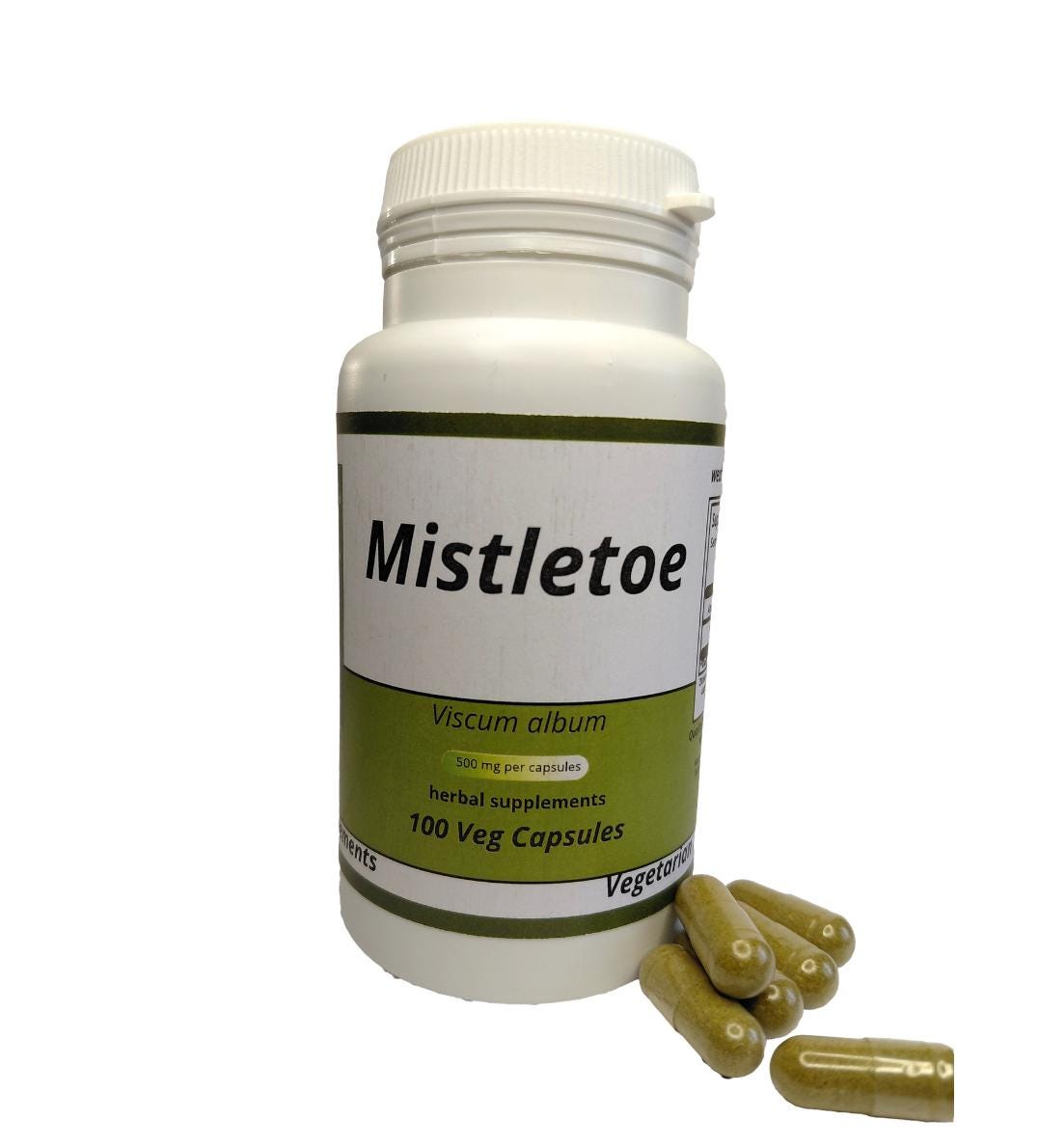
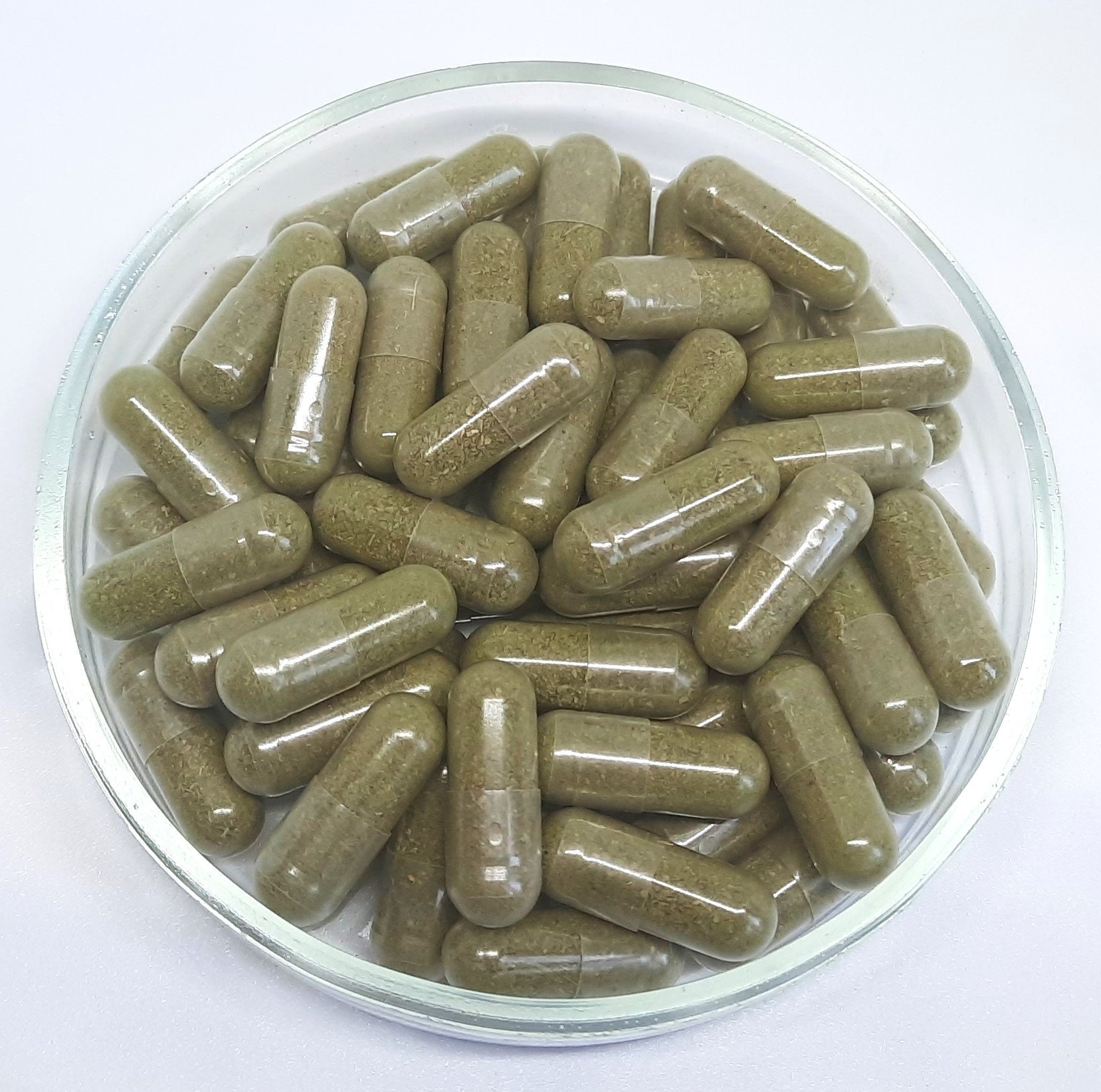
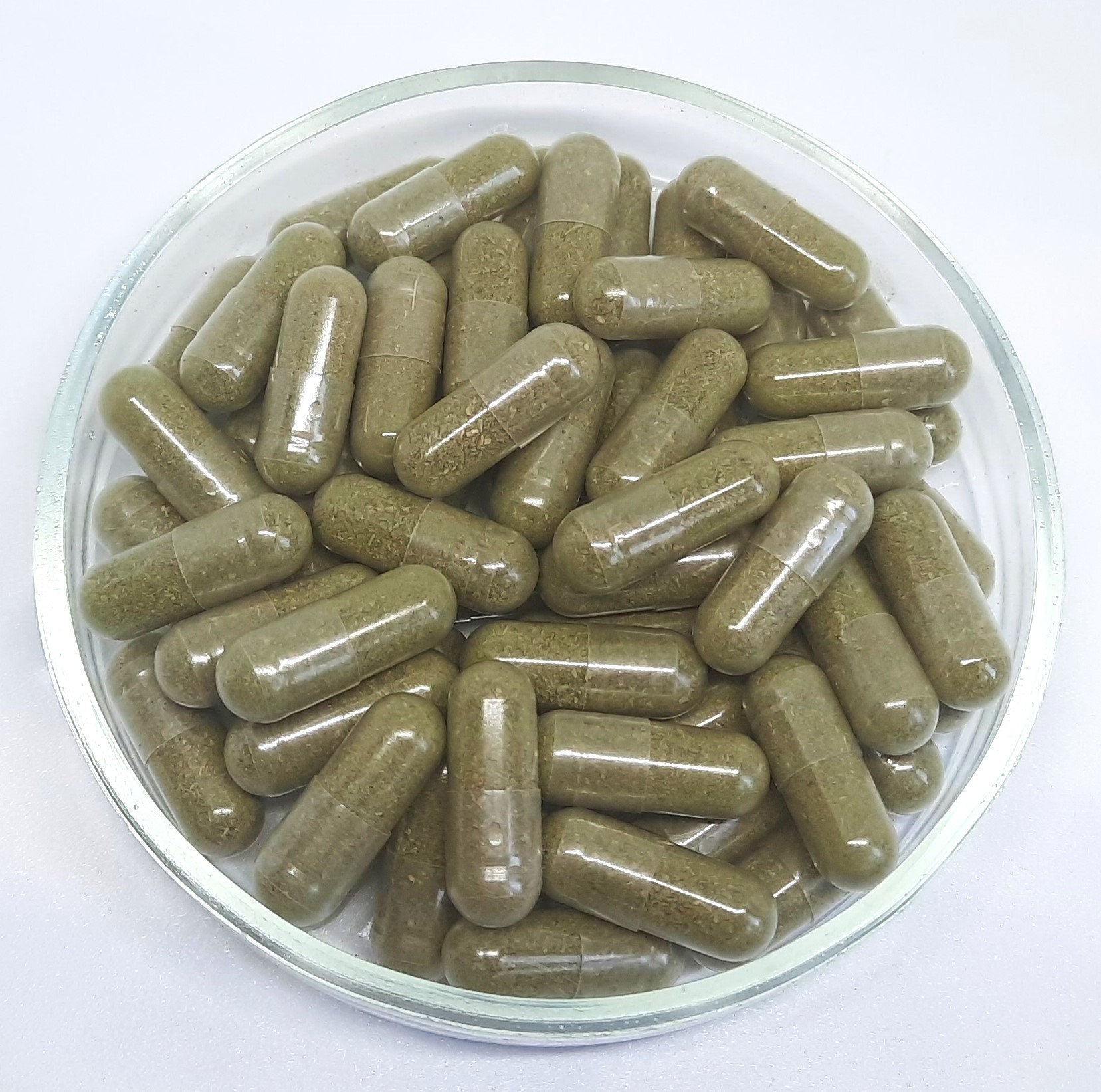
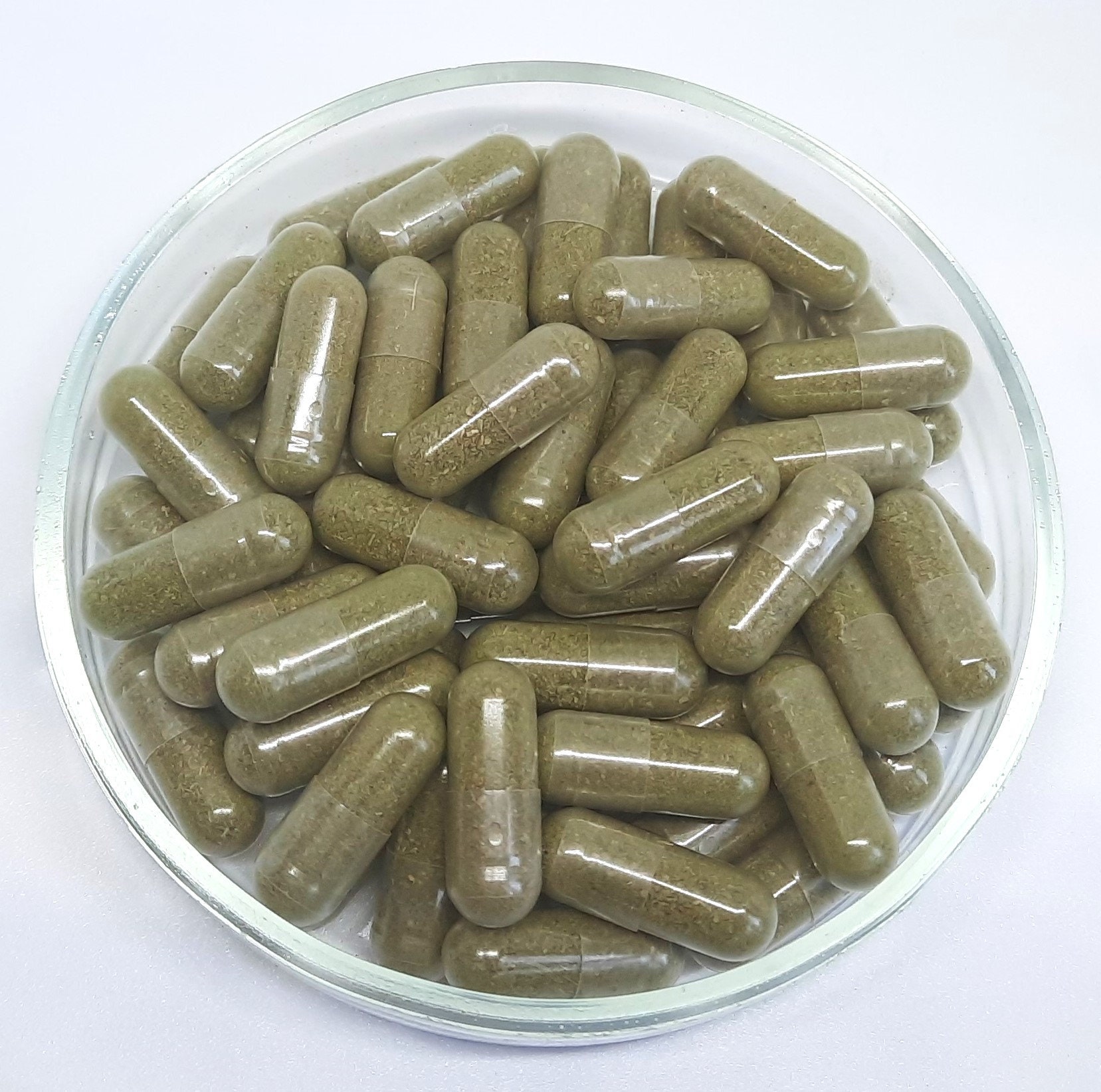
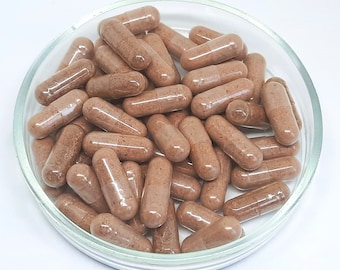
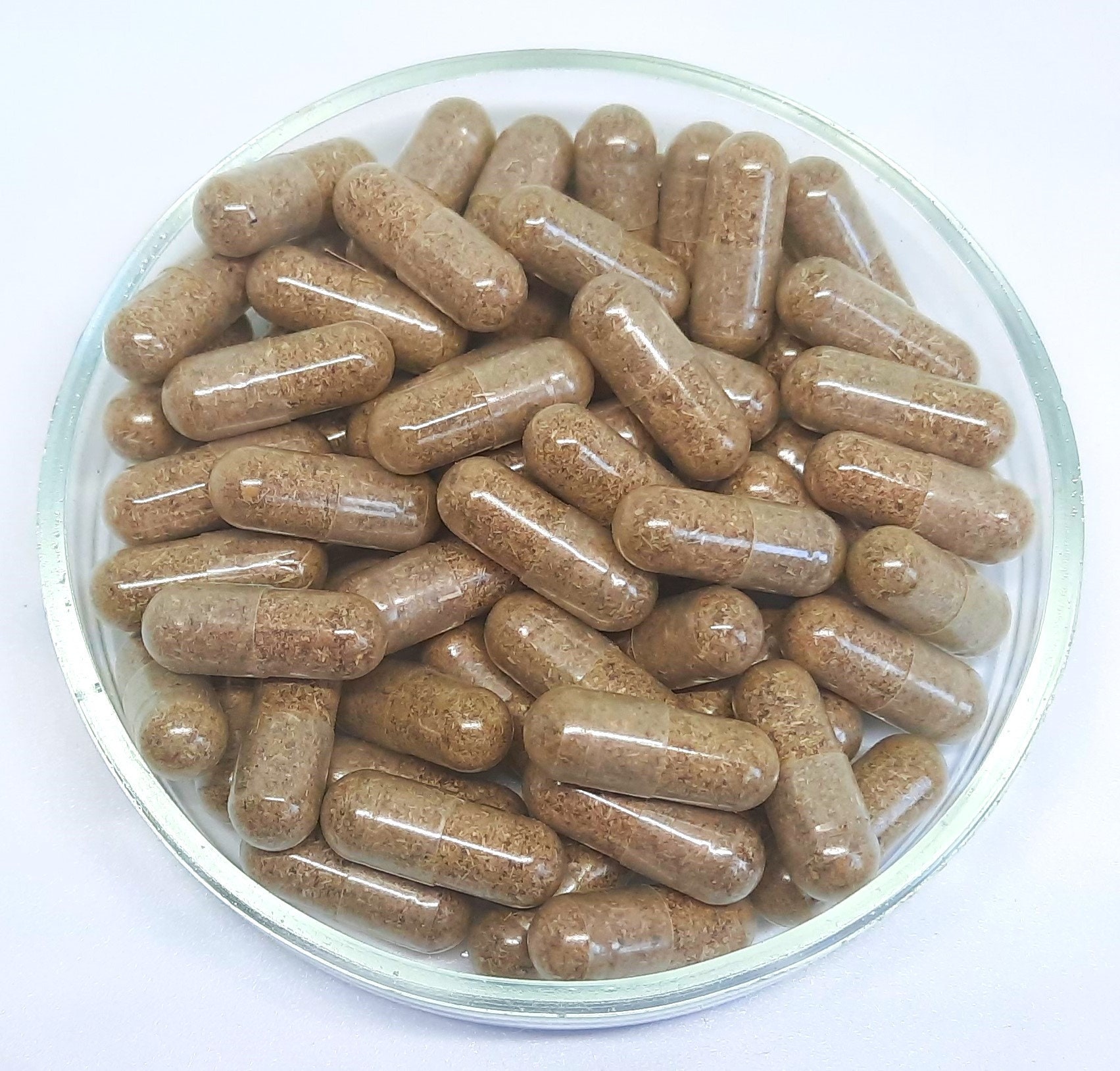
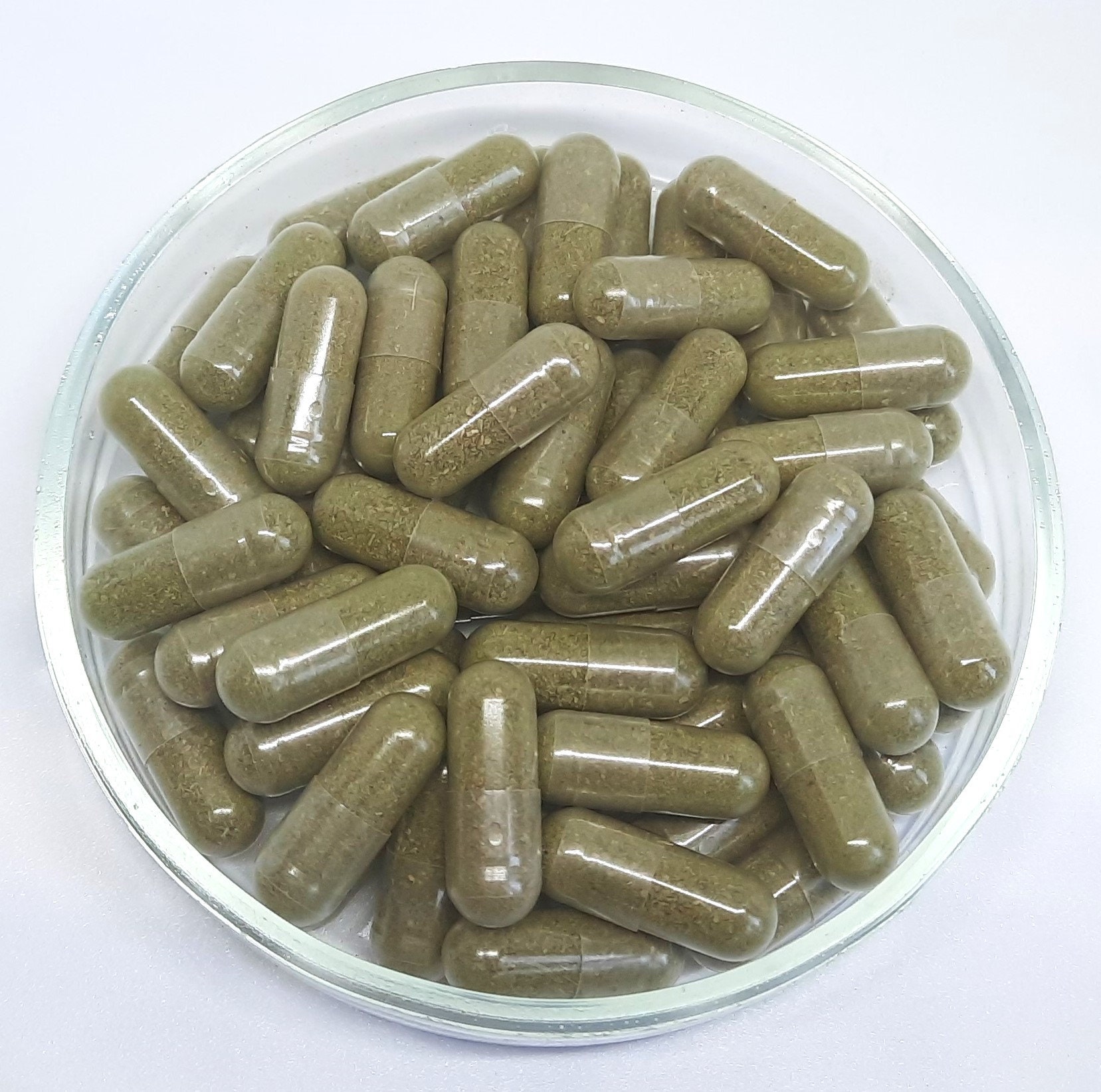
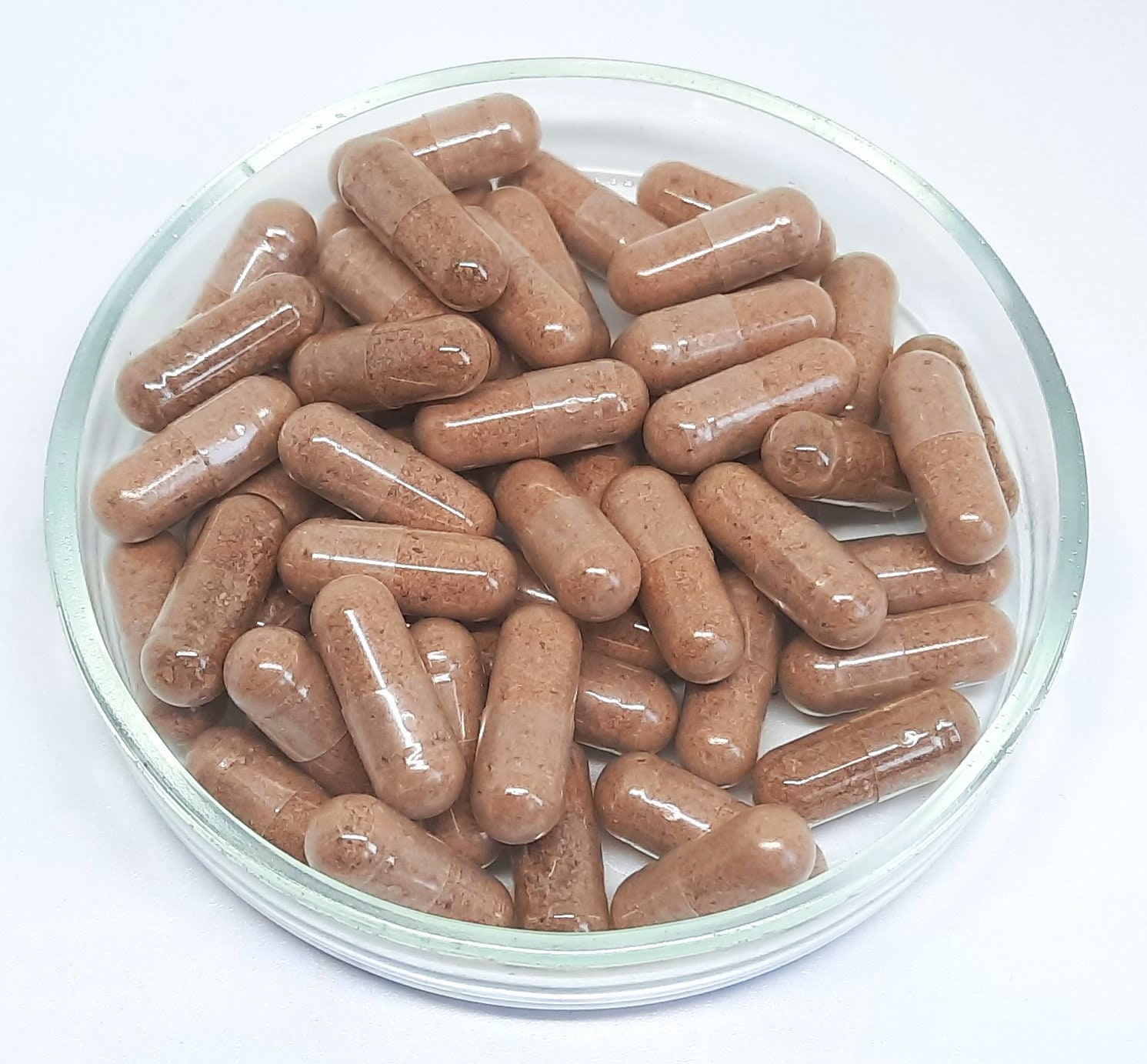
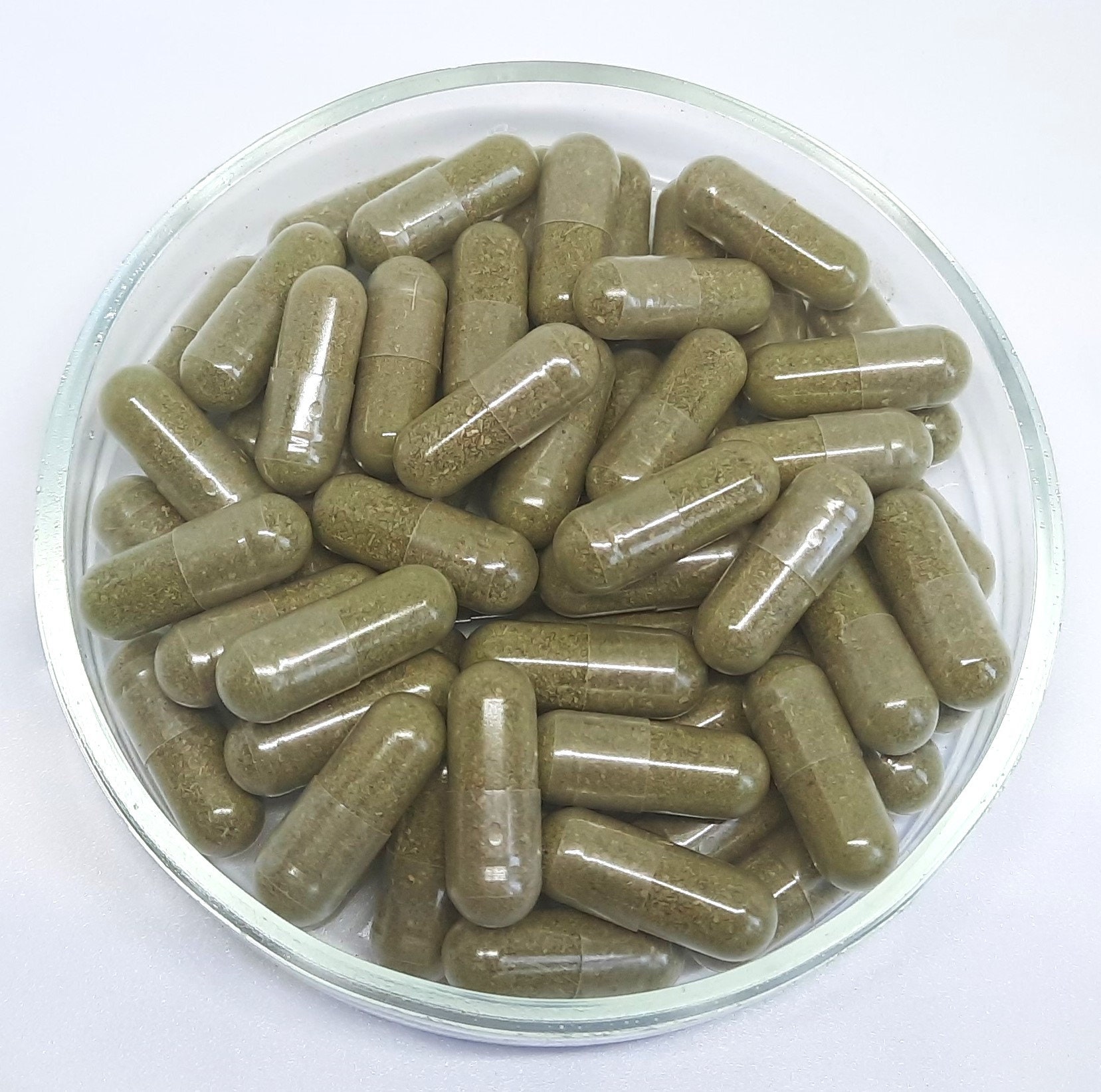
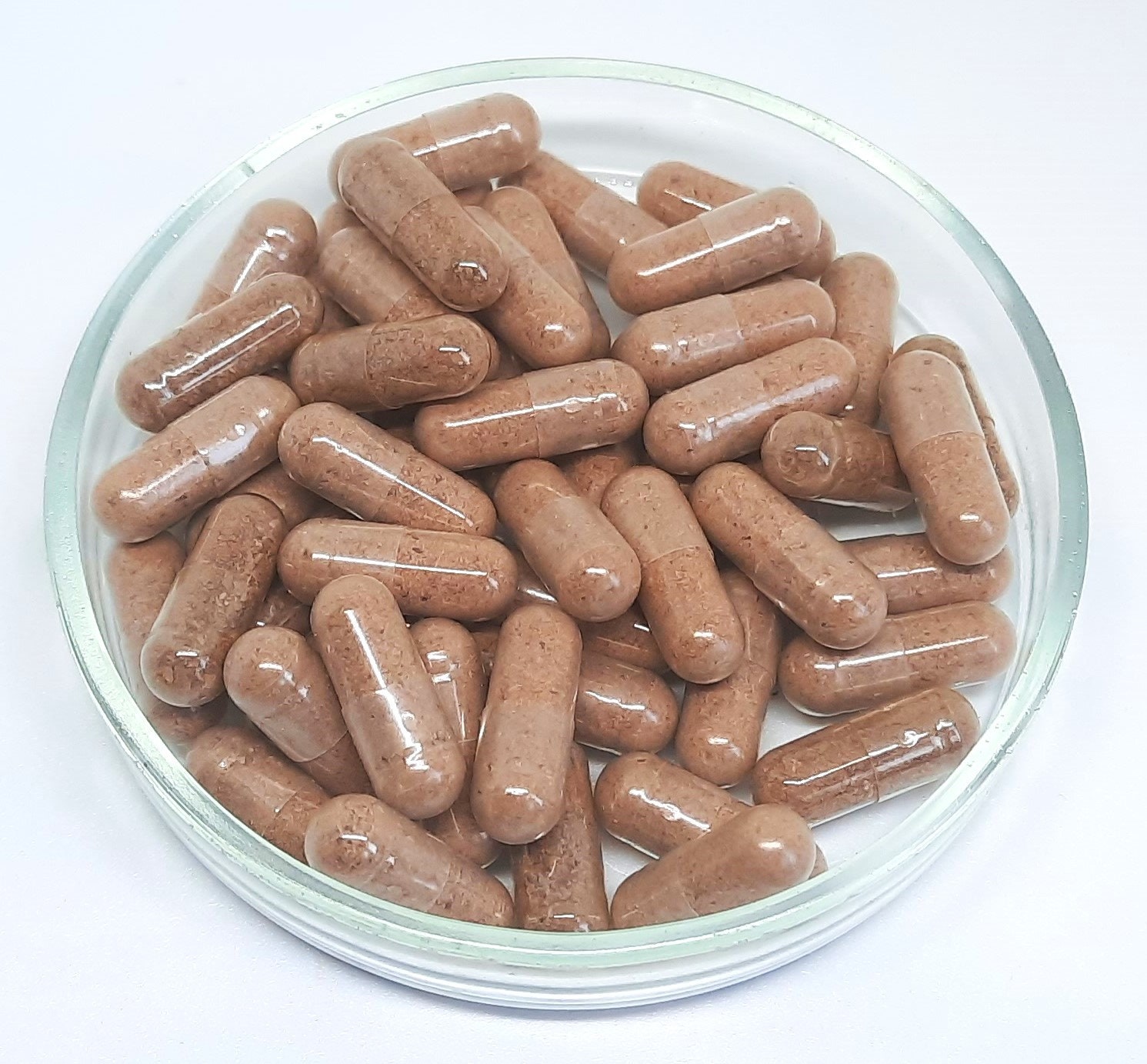
As our understanding of the specific dosages required for therapeutic effects has grown, the supplement industry has developed concentrated wild cranberry capsules. These are particularly beneficial for individuals who require high levels of Type-A PACs but wish to avoid the sugar or acidity associated with drinking large quantities of juice. A high-quality capsule can provide the equivalent of several servings of whole berries in a single, standardized dose.

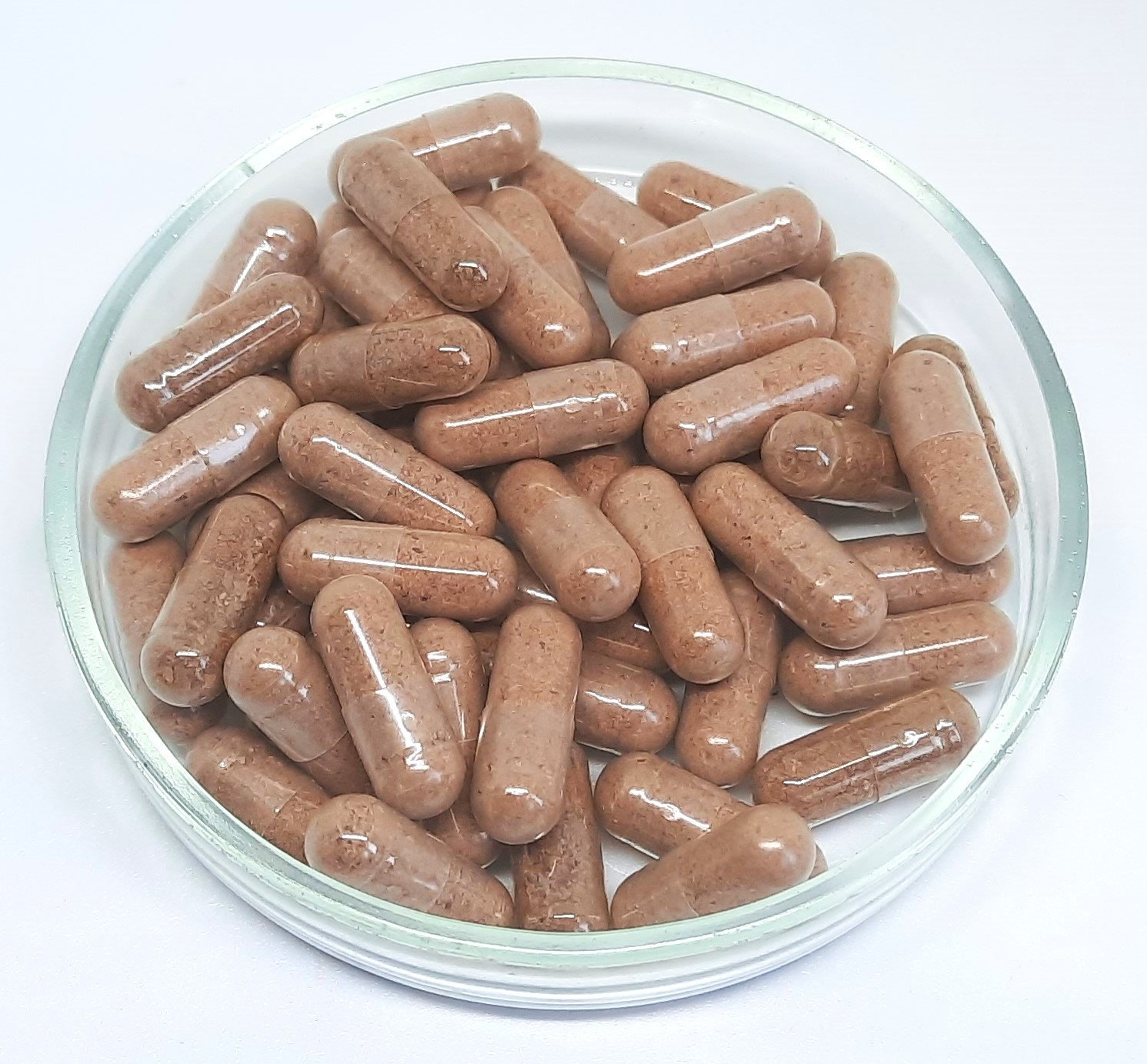
WILD CRANBERRY Capsules

When selecting capsules, it is vital to look for “wild-crafted” or high-potency extracts that specify the PAC content. Many clinical studies suggest that a minimum of 36mg of proanthocyanidins is necessary to achieve the anti-adhesion effect in the urinary tract. Capsules offer a convenient way to ensure consistent delivery of these compounds, making them an essential tool for chronic UTI sufferers and those looking for a daily boost in antioxidant intake without the caloric load of fruit juices.

Anti-Inflammatory and Immune System Support

Wild cranberries are a rich source of Vitamin C, but their immune-supporting capabilities go much further. The high concentration of quercetin and other flavonoids modulates the immune response, helping the body to mount an effective defense against pathogens without overreacting and causing excessive inflammation. This makes the berry an excellent dietary addition during cold and flu season.

The anti-inflammatory effects are also localized in the tissues. Ursolic acid, found in significant amounts in the skin of wild cranberries, has been studied for its ability to inhibit pro-inflammatory enzymes like COX-2 and 5-LOX. This is the same pathway targeted by many over-the-counter anti-inflammatory drugs. While the effect of cranberry is more subtle, its long-term consumption can contribute to a reduction in the chronic “low-grade” inflammation that is often a precursor to metabolic syndrome, type 2 diabetes, and certain autoimmune conditions.

Practical Usage, Dosage, and Selection

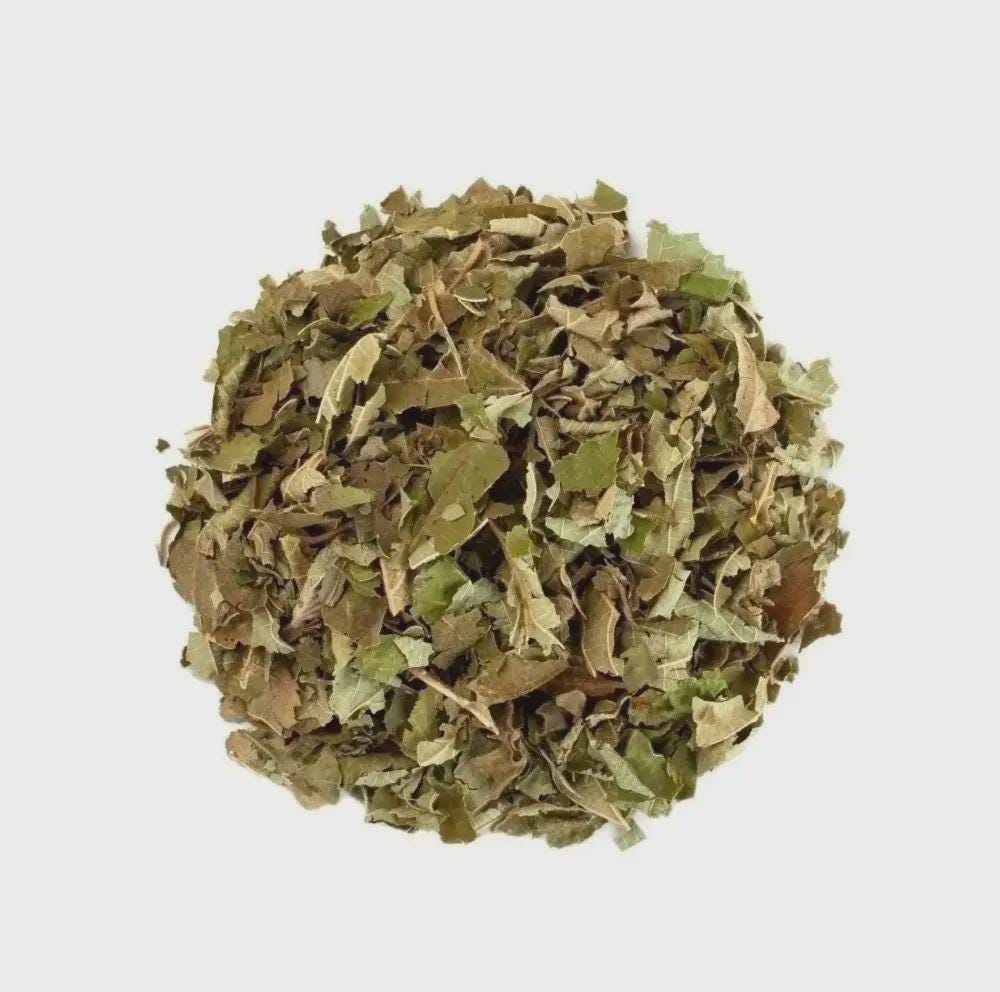
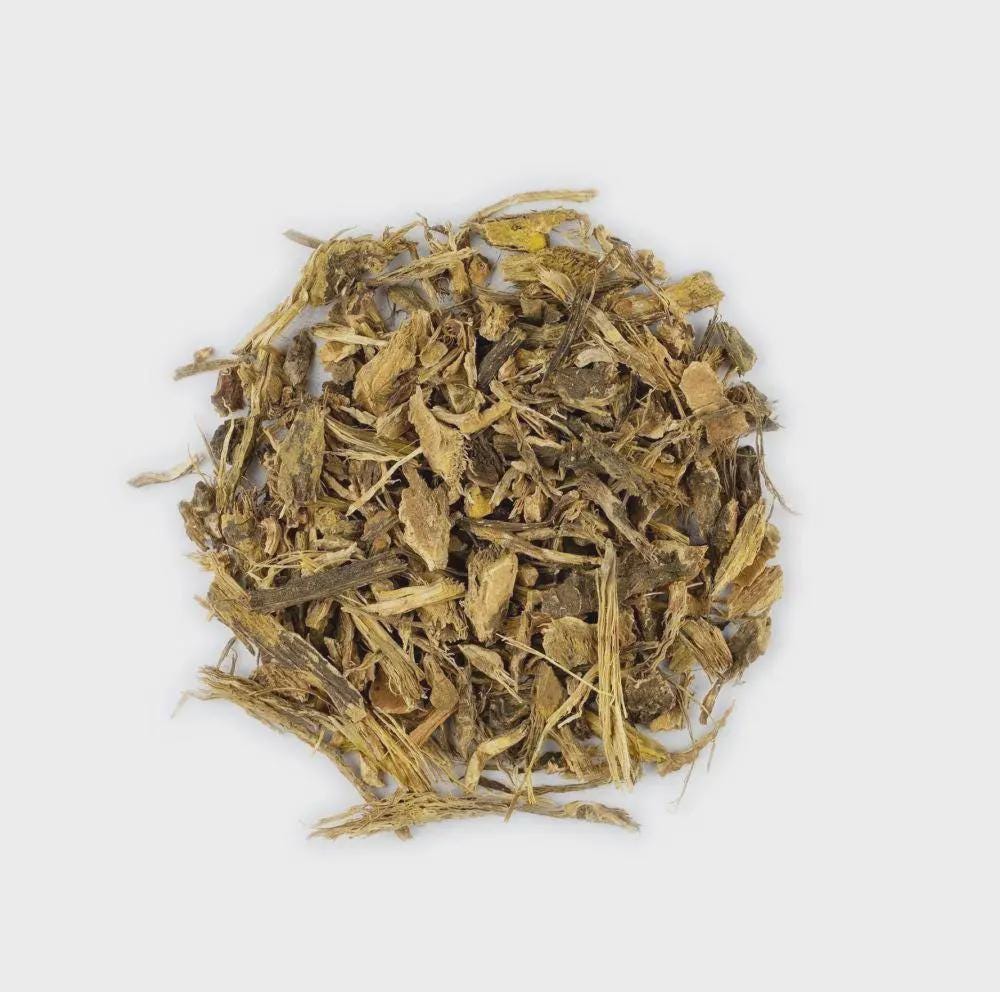
Integrating wild cranberry into a health regimen requires an understanding of the different forms available. For general health maintenance, a handful of dried wild berries added to salads or smoothies provides a whole-food source of nutrients. However, for targeted therapeutic needs, such as UTI prevention or cardiovascular support, more concentrated forms are usually necessary. Pure, unsweetened wild cranberry juice is effective but can be difficult for some to tolerate due to its extreme tartness.
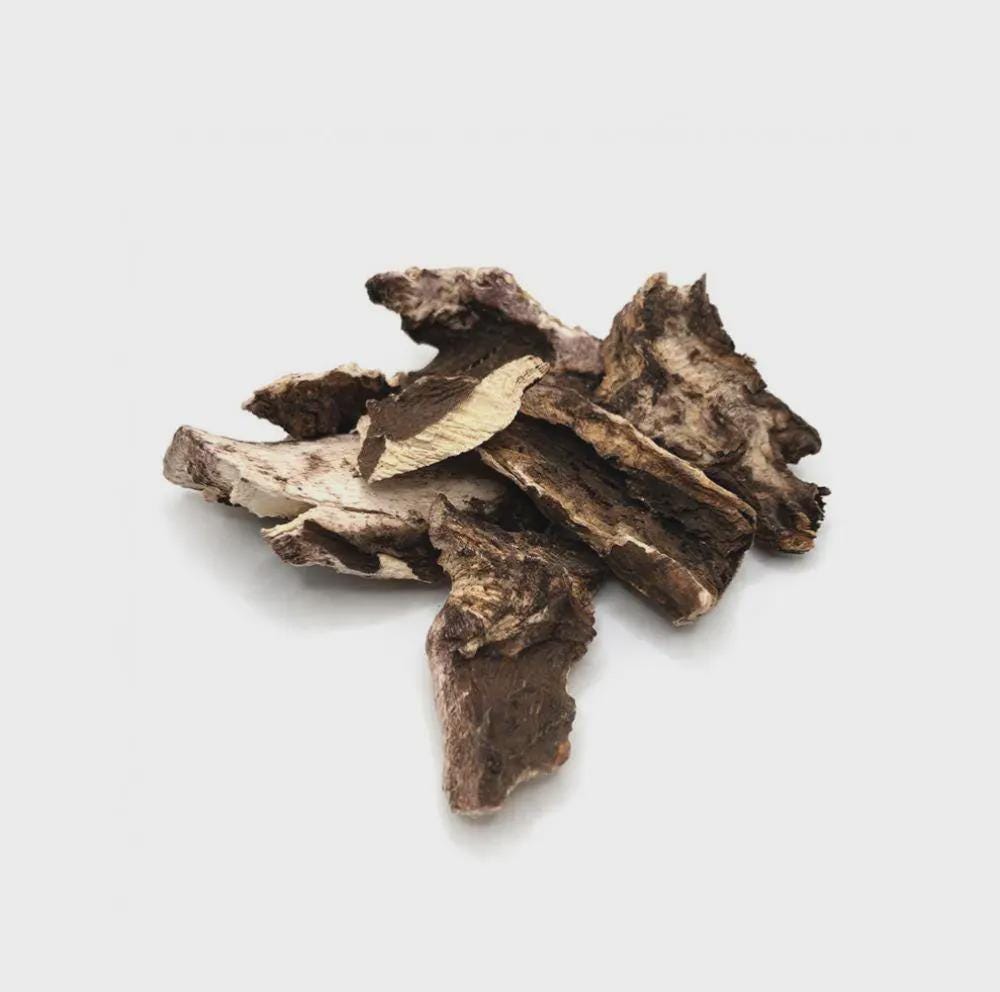
WILD CRANBERRY Natural Herb

Guidelines for Optimal Benefit:

  • UTI Prevention: Aim for 36mg of Type-A PACs daily, typically found in high-quality concentrated capsules or 8-10 ounces of pure, unsweetened juice.
  • Antioxidant Support: Consuming 1/4 cup of dried wild cranberries or a standardized extract daily can help combat oxidative stress.
  • Bioavailability: Take cranberry supplements with water and ideally near a meal to enhance the absorption of fat-soluble components like ursolic acid.
  • Quality Check: Ensure the product is derived from Vaccinium oxycoccos or Vaccinium macrocarpon and is free from excessive fillers or high-fructose corn syrup.

Safety, Side Effects, and Considerations

Wild cranberry is generally recognized as safe for the vast majority of the population. However, there are a few important considerations. Because cranberries are high in oxalates, individuals with a history of calcium-oxalate kidney stones should consult their healthcare provider before significantly increasing their intake, as high doses of cranberry concentrates could theoretically increase the risk of stone formation.

There is also a documented, though rare, interaction between cranberry and the blood-thinning medication Warfarin (Coumadin). Cranberries may increase the anticoagulant effect, leading to an increased risk of bruising or bleeding. Anyone on blood thinners should have their INR levels monitored closely when starting a cranberry regimen. Lastly, the high acidity of the juice may cause temporary stomach upset or acid reflux in sensitive individuals, in which case encapsulated forms are highly recommended to bypass the esophagus and stomach lining.

Conclusion: The Future of Wild Cranberry Research

As we move toward a more integrated approach to medicine, the wild cranberry stands out as a premier example of how traditional ecological knowledge and modern clinical science can converge. We are only beginning to scratch the surface of its potential in areas like neuroprotection and cancer cell signaling. The berry’s ability to interfere with bacterial communication (quorum sensing) and its role in epigenetic modulation are currently hot topics in pharmacological research.

Whether used as a traditional dried herb, a tart culinary addition, or a high-tech concentrated capsule, the wild cranberry remains one of the most effective natural tools for maintaining systemic health. By protecting our urinary systems, supporting our hearts, and fortifying our immune defenses, this small, resilient berry of the northern bogs continues to prove its status as a true wild superfood.

Disclaimer: For informational purposes only. Not medical advice. Consult a qualified healthcare professional before use.

The Ultimate Guide to Echinacea: Health Benefits and Uses

The Definitive Guide to Echinacea: A Deep Dive into Botanical Science, Therapeutic Benefits, and Clinical Applications

Echinacea, a genus of herbaceous flowering plants in the daisy family (Asteraceae), stands as a cornerstone of modern herbal medicine. Often referred to as the “purple coneflower,” this North American native has transitioned from a traditional indigenous remedy to one of the most rigorously studied and commercially successful dietary supplements in the global market. Its reputation as an immune-modulating powerhouse is supported by centuries of anecdotal evidence and an ever-growing body of clinical research. To truly understand Echinacea, one must look beyond its vibrant petals and explore the complex interplay of its phytochemical constituents, its evolutionary history, and the physiological pathways it influences within the human body.

Botanical Classification and Morphological Characteristics

The genus Echinacea comprises nine species, but three are of primary importance in the realm of health and pharmacology: Echinacea purpurea, Echinacea angustifolia, and Echinacea pallida. Each species possesses a unique chemical fingerprint and varying concentrations of active metabolites. Echinacea purpurea is perhaps the most widely cultivated and studied due to its hardy nature and high biomass. It is characterized by its large, spiny central cone and drooping purple ray florets. The name “Echinacea” is derived from the Greek word “echinos,” meaning hedgehog, an apt description of the plant’s prickly seed head.

Botanically, these plants are perennial, often reaching heights of up to 1.2 meters. They thrive in the prairies and open woodlands of the central and eastern United States. The differentiation between the species is not merely aesthetic; it extends to the root structures and the distribution of bioactive compounds. For instance, E. angustifolia typically contains higher levels of certain alkylamides compared to E. purpurea, while the latter is often preferred for its juice and aerial parts. Understanding these botanical nuances is essential for both cultivators and consumers, as the therapeutic efficacy of a supplement often depends on which species—and which part of the plant—was utilized during extraction.

Echinacea Botanical Photo

Historical Context: From Indigenous Wisdom to Global Recognition

The history of Echinacea is deeply rooted in the ethnobotanical traditions of Native American tribes, including the Cheyenne, Choctaw, Dakota, and Pawnee. Long before the advent of modern laboratory analysis, these cultures recognized the plant as a “panacea” or “cure-all.” It was traditionally used to treat a staggering array of ailments, ranging from snakebites and stings to respiratory infections, toothaches, and chronic wounds. The Great Plains tribes were known to use the mashed roots as a poultice for topical infections and the juice of the plant as a systemic treatment for fevers and inflammatory conditions.

Echinacea’s journey into Western medicine began in the late 19th century through the work of H.C.F. Meyer, a German-born physician practicing in Nebraska. Meyer observed the effectiveness of the plant among indigenous populations and eventually introduced it to the Lloyd Brothers, prominent pharmacists in Cincinnati. By the early 20th century, Echinacea had become the most frequently prescribed botanical medicine in the United States, particularly within the Eclectic medicine movement. Although its popularity waned slightly with the rise of synthetic antibiotics in the mid-1900s, it experienced a massive resurgence in the 1970s and 80s, particularly in Europe, where German researchers pioneered the scientific validation of its immune-stimulating properties.

Echinacea Dried Herb

The Phyto-Chemical Landscape: Active Bioactive Compounds

The therapeutic potency of Echinacea is not attributed to a single “magic bullet” molecule but rather to a synergistic matrix of diverse secondary metabolites. These compounds can be categorized into several major groups, each contributing to the plant’s overall biological activity. The most significant are the lipophilic alkylamides, water-soluble polysaccharides, and various caffeic acid derivatives, such as chicoric acid and echinacoside.

Alkylamides are particularly noteworthy for their high bioavailability and their ability to interact with the human endocannabinoid system. Specifically, they bind to the cannabinoid receptor type 2 (CB2), which plays a critical role in regulating immune responses and inflammation. This binding helps to modulate cytokine production, suggesting that Echinacea does not just “boost” the immune system indiscriminately but rather acts as an immunomodulator, bringing the system into balance. Chicoric acid, found in high concentrations in E. purpurea, is a potent antioxidant and has been shown in vitro to inhibit the activity of hyaluronidase—an enzyme that bacteria use to break down cellular barriers—thereby slowing the spread of infection.

Furthermore, the high-molecular-weight polysaccharides, such as arabinogalactans, are known to stimulate the activity of macrophages and natural killer (NK) cells. These cells are the body’s first line of defense, responsible for engulfing pathogens and identifying virally infected cells. By enhancing phagocytosis (the process by which cells “eat” debris and pathogens), these polysaccharides provide a robust foundational defense against environmental stressors. The presence of essential oils, flavonoids, and glycoproteins further enhances the plant’s ability to neutralize free radicals and support cellular integrity.

Echinacea Plant Profile

The Primary Health Benefit: Immune Modulation and Respiratory Defense

The most famous application of Echinacea is its role in preventing and treating the common cold and other upper respiratory tract infections (URTIs). Unlike many over-the-counter medications that merely suppress symptoms, Echinacea aims to enhance the host’s underlying resistance to infection. Meta-analyses of clinical trials have provided a nuanced view of its efficacy. While some studies show mixed results due to variations in dosage and plant species, a significant number of well-designed trials suggest that Echinacea can reduce the risk of catching a cold by over 50% and decrease the duration of symptoms by 1.5 to 2 days.

The mechanism of action involves a dual-pronged approach. First, the plant stimulates the production of interferon, a protein that signals neighboring cells to trigger their viral defenses. Second, it increases the circulation and activity of white blood cells. This proactive stimulation is most effective when taken at the very first sign of a scratchy throat or fatigue. By accelerating the immune response, Echinacea helps the body contain the viral load before it can fully colonize the respiratory mucosa. This is particularly beneficial for individuals with recurring infections or those who are under significant physical or emotional stress, which can suppress natural immune function.

Beyond the Common Cold: Anti-Inflammatory and Metabolic Support

While immune health is the headline benefit, the pharmacological reach of Echinacea extends into chronic inflammation and metabolic health. Chronic inflammation is increasingly recognized as a root cause of numerous modern ailments, including cardiovascular disease, type 2 diabetes, and autoimmune disorders. The compounds in Echinacea, particularly the alkylamides and caffeic acids, exhibit powerful anti-inflammatory effects by inhibiting the enzymes cyclooxygenase (COX) and lipoxygenase (LOX), which are responsible for producing inflammatory mediators like prostaglandins and leukotrienes.

In the realm of metabolic health, emerging research suggests that Echinacea extracts may assist in blood sugar regulation. Studies using E. purpurea have observed that certain compounds can inhibit enzymes that break down carbohydrates into glucose, thereby preventing sharp spikes in blood sugar after meals. Additionally, it may improve the sensitivity of cells to insulin, making it a subject of interest for those managing pre-diabetes. Furthermore, the plant’s potent antioxidant profile helps to mitigate the oxidative stress that often accompanies metabolic dysfunction, protecting vital organs such as the liver and kidneys from long-term damage.

Dermatological and Topical Applications

The skin is the body’s largest organ and its primary physical barrier against the external world. Echinacea has a long-standing history of use in wound healing and skin care. Its antibacterial and antifungal properties make it an excellent choice for treating minor cuts, abrasions, and skin infections. Because it inhibits hyaluronidase, it helps maintain the integrity of the skin’s extracellular matrix, promoting faster tissue repair and reducing the likelihood of scarring.

In modern dermatology, Echinacea extract is increasingly included in topical formulations for acne and eczema. For acne sufferers, the plant’s ability to suppress the growth of Propionibacterium acnes while simultaneously reducing the redness and swelling of lesions is highly effective. For those with inflammatory skin conditions like psoriasis or eczema, Echinacea can help soothe irritation and restore the skin’s natural lipid barrier. Its antioxidant content also provides protection against UV-induced damage, making it a valuable ingredient in anti-aging serums and sunscreens.

Supplements and Preparations: Navigating the Market

Consumers looking to incorporate Echinacea into their wellness routine will encounter a dizzying array of formats, including capsules, tinctures, teas, and standardized extracts. The choice of preparation can significantly impact the therapeutic outcome. Tinctures (alcohol-based extracts) are often favored by herbalists because alcohol is an efficient solvent for extracting the lipophilic alkylamides, which are responsible for the “tingling” sensation on the tongue—a hallmark of high-quality Echinacea. These alkylamides are crucial for the rapid modulation of the immune system.

Capsules and tablets offer convenience and a standardized dose of specific markers, such as 4% echinacoside or 3% chicoric acid. This standardization ensures consistency from bottle to bottle, which is vital for long-term health management. However, it is essential to look for “full-spectrum” extracts that retain the natural balance of the plant’s constituents rather than highly isolated single compounds. The use of both roots and aerial parts provides a broader range of polysaccharides and alkylamides, offering a more comprehensive therapeutic effect than using one part alone.

Echinacea Capsules

Usage, Dosage, and Safety Considerations

To maximize the benefits of Echinacea, timing and dosage are paramount. For acute immune support during the onset of an illness, high doses are typically recommended for a short period. A common protocol involves taking 300mg to 500mg of a standardized extract three times daily for the first 5 to 7 days of symptoms. For preventative use, some individuals choose a lower maintenance dose during the winter months, though many herbalists suggest a “pulsed” approach—taking the herb for two weeks followed by a one-week break—to prevent the immune system from becoming over-sensitized.

Safety is one of Echinacea’s strongest attributes. It is generally well-tolerated by most adults and children. However, because it belongs to the Asteraceae family, individuals with known allergies to ragweed, marigolds, or daisies should exercise caution, as allergic reactions (though rare) can occur. Furthermore, because of its immune-stimulating properties, those with systemic autoimmune diseases such as lupus or multiple sclerosis should consult with a healthcare provider before use, as theoretically, the herb could exacerbate their condition. There are no significant drug interactions reported for most people, but those on immunosuppressant medications should avoid it due to its antagonistic effects.

Echinacea Natural Herb

Conclusion: The Future of Echinacea in Integrative Medicine

As we move deeper into an era of personalized medicine and an increasing awareness of antibiotic resistance, botanicals like Echinacea are poised to play a vital role in public health. The complexity of its chemical makeup allows it to interact with the human body in a multi-faceted way that synthetic drugs rarely can. It doesn’t just target a single symptom; it reinforces the body’s innate biological architecture. Ongoing research into its potential for neuroprotection, anxiety relief (via its interaction with cannabinoid receptors), and even its role in supporting the gut microbiome continues to expand our understanding of this remarkable plant.

Whether used as a traditional tea for its soothing properties or as a high-potency standardized extract for clinical immune support, Echinacea remains a testament to the power of nature. By combining ancient indigenous wisdom with rigorous modern scientific inquiry, we can harness the full potential of the purple coneflower to build a more resilient and balanced state of health. As with any powerful therapeutic agent, quality, sourcing, and informed usage are the keys to unlocking the profound benefits of this botanical treasure.

Disclaimer: For informational purposes only. Not medical advice. Consult a qualified healthcare professional before use.

The Ultimate Guide to Calendula: Health Benefits and Uses

Unveiling the Golden Healer: An Exhaustive Deep Dive into the Health Benefits of Calendula

The vibrant, sun-kissed petals of Calendula officinalis, commonly known as the Pot Marigold, have adorned gardens and graced traditional medicine cabinets for centuries. Far more than just an ornamental flower, Calendula stands as a formidable botanical powerhouse, revered for its profound healing properties and diverse array of health benefits. This definitive guide aims to explore the multifaceted advantages of this golden herb, delving into its rich history, intricate chemical composition, and the scientific mechanisms behind its remarkable efficacy. From soothing skin ailments to bolstering internal health, Calendula continues to capture the attention of both traditional healers and modern researchers, cementing its status as a cornerstone of natural wellness.

Botanical Roots and a Storied Past: The Journey of Calendula

Calendula officinalis belongs to the Asteraceae (daisy) family, a vast and diverse group of flowering plants. Native to southern Europe and the Mediterranean region, its cheerful, bright orange or yellow flowers bloom profusely, often throughout the warmer months, earning it the name “Calendula” from the Latin “kalendae,” meaning “little calendar” or “first day of the month,” possibly referencing its prolonged blooming period. The plant itself is herbaceous, growing up to two feet tall, with aromatic leaves and distinct ray florets, which are the primary part used for medicinal preparations.

Calendula Botanical Photo

Historically, Calendula’s uses stretch back to ancient civilizations. The ancient Romans and Greeks utilized it not only for medicinal purposes but also as a culinary herb, a dye for fabrics and foods, and even in religious ceremonies. Its petals were strewn on altars, and it was associated with protection and prophecy. In Ayurvedic medicine, Calendula has been valued for its wound-healing and anti-inflammatory properties, while traditional Chinese medicine recognized its ability to clear heat and detoxify. Throughout the Middle Ages, it was a staple in European monasteries and apothecaries, employed for everything from smallpox to jaundice, and was famously documented by herbalists like Nicholas Culpeper. The enduring presence of Calendula in various healing traditions across continents underscores its broad spectrum of therapeutic applications and its esteemed position in the natural pharmacopeia.

The Golden Chemistry: Bioactive Compounds Driving Calendula’s Efficacy

The profound therapeutic effects of Calendula are not attributable to a single compound but rather to a complex interplay of diverse phytochemicals working in synergy. This rich biochemical profile is what grants Calendula its unparalleled versatility as a medicinal herb. Understanding these active constituents is key to appreciating the scientific basis of its health benefits.

Calendula Plant Profile

Chief among these are **flavonoids**, powerful antioxidants that include quercetin, rutin, and isorhamnetin. These compounds are renowned for their anti-inflammatory, antiviral, and antioxidant activities, helping to protect cells from oxidative damage caused by free radicals. Flavonoids achieve their anti-inflammatory effects by inhibiting key enzymes in the inflammatory cascade, such as cyclooxygenase (COX) and lipoxygenase (LOX), thereby reducing the production of pro-inflammatory mediators like prostaglandins and leukotrienes.

Another critical group of compounds found in Calendula are **triterpene saponins and glycosides**, particularly derivatives of oleanolic acid. These triterpenoids are largely responsible for Calendula’s potent anti-inflammatory and wound-healing properties. They are believed to modulate cytokine production, stabilize lysosomal membranes, and inhibit histamine release, all of which contribute to reducing swelling and pain, and accelerating tissue repair. Specific triterpene esters, like faradiol monoester, have shown significant efficacy in reducing inflammation and promoting granulation tissue formation during wound healing.

**Carotenoids** are the pigments that give Calendula its characteristic orange and yellow hues. Lutein, zeaxanthin, and beta-carotene are prominent examples. These powerful antioxidants play a crucial role in protecting cells from oxidative stress and are precursors to Vitamin A, which is essential for healthy skin, vision, and immune function. In the context of skin healing, carotenoids can contribute to UV protection and support cellular regeneration.

Furthermore, Calendula contains **volatile oils**, which impart its distinctive aroma and contribute to its antimicrobial properties, helping to fend off bacterial and fungal pathogens. **Polysaccharides** are also present, which have been studied for their potential immunomodulatory effects, meaning they can influence and support the immune system’s response. Finally, various **phenolic acids**, such as caffeic acid and chlorogenic acid, add to the plant’s overall antioxidant and anti-inflammatory capacity. The harmonious interaction of these diverse bioactive compounds makes Calendula a remarkably effective and comprehensive natural therapeutic agent.

The Spectrum of Health Benefits: Why Calendula is a Golden Gift

The rich chemical composition of Calendula translates into an impressive array of health benefits, making it a valuable addition to both topical and internal wellness regimens.

1. Unrivaled Skin Healing and Dermatological Support

Calendula’s most celebrated application lies in its profound ability to heal and protect the skin. Its potent anti-inflammatory, antiseptic, and regenerative properties make it a go-to remedy for a wide range of dermatological concerns. The triterpenoids and flavonoids work synergistically to reduce inflammation, alleviating redness, swelling, and discomfort associated with irritated or damaged skin. This is particularly beneficial for conditions like eczema, dermatitis, and psoriasis, where chronic inflammation is a key factor.

Beyond inflammation, Calendula acts as a powerful wound healer. It stimulates the production of collagen, a vital protein for skin structure, and promotes re-epithelialization, the process by which new skin cells migrate to cover a wound. Furthermore, it encourages angiogenesis, the formation of new blood vessels, which is crucial for delivering nutrients and oxygen to damaged tissues, thereby accelerating the healing process. Its antiseptic qualities, attributed to volatile oils and flavonoids, help prevent infection in cuts, scrapes, minor burns, and insect bites, making it an excellent first-aid topical. For sensitive skin, Calendula is a gentle yet effective treatment for diaper rash, chapped lips, and general skin irritation, providing soothing relief and promoting rapid recovery. The presence of carotenoids also offers a degree of protection against environmental stressors, including UV radiation, aiding in overall skin resilience and repair.

2. Potent Anti-inflammatory Action

The anti-inflammatory prowess of Calendula extends beyond topical applications to systemic benefits. Internally, the triterpenoids, particularly faradiol monoester, and various flavonoids inhibit pro-inflammatory enzymes like COX-2 and 5-LOX, thereby reducing the synthesis of inflammatory mediators. This mechanism can be beneficial in managing internal inflammatory conditions such as gastritis, colitis, and irritable bowel syndrome (IBS), where soothing the inflamed mucous membranes of the digestive tract can significantly alleviate symptoms. By dampening the inflammatory response, Calendula helps to restore physiological balance and reduce tissue damage throughout the body.

3. Antioxidant Powerhouse

With its abundance of flavonoids, carotenoids, and phenolic acids, Calendula is a formidable antioxidant. These compounds actively scavenge free radicals, unstable molecules that cause oxidative stress and cellular damage, which are implicated in aging and the development of chronic diseases like cardiovascular disease, cancer, and neurodegenerative disorders. By neutralizing these harmful free radicals, Calendula helps protect cellular integrity, DNA, and proteins, thereby contributing to overall cellular health and longevity. This robust antioxidant capacity supports the body’s natural defense mechanisms against environmental pollutants and internal metabolic stressors.

4. Immune System Support

The polysaccharides found in Calendula extracts have demonstrated immunomodulatory effects. Research suggests they can activate macrophages, a type of white blood cell crucial for immune defense, enhancing their ability to engulf pathogens and cellular debris. This activation can lead to a more robust immune response, potentially aiding the body in fighting off infections and supporting overall immune function. While not a direct immune booster, its ability to modulate immune activity can contribute to a more balanced and effective immune system.

5. Oral Health Benefits

Calendula’s antimicrobial and anti-inflammatory properties make it an excellent natural remedy for maintaining oral health. Rinses or gargles prepared from Calendula tea can help soothe inflamed gums (gingivitis), reduce the pain of mouth sores and canker sores, and combat oral bacteria and fungi. Its gentle yet effective action can alleviate discomfort after dental procedures and promote healing within the oral cavity, making it a valuable adjunct to conventional dental care.

6. Digestive System Aid

The soothing and anti-inflammatory effects of Calendula extend to the digestive tract. When consumed as a tea or tincture, it can help calm an irritated stomach lining, making it beneficial for those suffering from mild gastric ulcers, dyspepsia, or inflammatory conditions of the gut. Its mild spasmolytic (anti-spasmodic) action can also help relieve cramping and discomfort associated with digestive upset, promoting overall gut comfort and function.

Calendula Dried Herb

7. Antifungal and Antimicrobial Action

The multifaceted chemical composition of Calendula, particularly its triterpenoids, flavonoids, and volatile oils, imparts significant antifungal and antimicrobial properties. It has shown efficacy against various bacterial strains, including Staphylococcus aureus, and fungal pathogens like Candida albicans, a common cause of yeast infections. This makes Calendula a valuable natural agent for topical infections, such as athlete’s foot, ringworm, and vaginal yeast infections when used appropriately in external preparations. Its ability to inhibit microbial growth while simultaneously promoting tissue repair makes it particularly effective in preventing secondary infections in wounds.

Practical Applications and Forms of Calendula

Calendula’s versatility allows it to be used in various forms, catering to different needs and preferences.

Topical Preparations

  • Oils and Balms: Calendula-infused oil is perhaps the most popular topical application. Dried Calendula petals are steeped in a carrier oil (like olive, almond, or jojoba oil) for several weeks, allowing the beneficial compounds to leach into the oil. This infused oil can then be used directly on the skin or incorporated into salves, balms, creams, and lotions. These are ideal for cuts, scrapes, burns, rashes, dry skin, and inflammatory skin conditions.
  • Compresses and Poultices: A strong Calendula tea can be used to soak cloths for warm or cool compresses, applied directly to wounds, bruises, or inflamed areas to reduce swelling and promote healing. A poultice can be made by crushing fresh or rehydrated dried petals and applying them directly.
  • Sitz Baths: For postpartum care, hemorrhoids, or anal fissures, Calendula tea can be added to a sitz bath to provide soothing, anti-inflammatory, and healing benefits to sensitive perineal tissues.

Internal Use

  • Teas/Infusions: A simple and effective way to consume Calendula internally is as a tea. Steep 1-2 teaspoons of dried Calendula petals in a cup of hot water for 10-15 minutes. This tea can be consumed 2-3 times daily for digestive support, immune modulation, or as a general tonic. It can also be used as a gargle for oral health issues.
  • Tinctures: Calendula tinctures are alcohol-based extracts that offer a concentrated form of the herb. They are convenient for internal use, with dosages typically ranging from 1-5 ml (20-100 drops) up to three times a day, diluted in water. Tinctures are often preferred for systemic conditions or when a more potent internal effect is desired.
  • Culinary Uses: Calendula petals are edible and can add a subtle peppery or slightly bitter flavor, along with a beautiful golden hue, to salads, soups, rice dishes, and baked goods. Historically, they were used as a less expensive saffron substitute. While not a primary medicinal delivery method, culinary use provides some level of beneficial compound intake.

Calendula Capsules

  • Capsules/Supplements: For those seeking a standardized dose and convenience, Calendula is available in capsule form as a dietary supplement. These typically contain powdered dried petals or concentrated extracts. Dosages vary widely depending on the concentration, so always follow the manufacturer’s instructions or a healthcare professional’s advice.
  • Dosage, Safety, and Considerations

    While Calendula is generally considered safe for most people, especially when applied topically or consumed in moderate amounts, it’s essential to be aware of potential considerations and recommended dosages.

    Calendula Natural Herb

    **General Dosage Guidelines (always adjust based on product concentration and individual needs):**
    * **Topical:** Apply Calendula cream, oil, or salve 2-3 times daily to affected areas.
    * **Tea:** 1-2 teaspoons of dried flowers steeped in 1 cup hot water, 2-3 times daily.
    * **Tincture:** 1-5 ml (20-100 drops) up to 3 times daily, diluted in water.
    * **Capsules:** Follow product instructions, usually 300-500 mg extract, 1-3 times daily.

    **Potential Side Effects:**
    Calendula is well-tolerated, but some individuals, particularly those with allergies to plants in the Asteraceae/daisy family (e.g., ragweed, chamomile, chrysanthemums), may experience allergic reactions such as skin rashes or itching. It’s advisable to perform a patch test before extensive topical use.

    **Contraindications and Interactions:**
    * **Pregnancy and Breastfeeding:** While traditional use suggests some safety, there is insufficient scientific evidence to definitively confirm its safety during pregnancy and lactation. It’s generally recommended to avoid internal use or consult a healthcare provider. Some sources suggest Calendula may have emmenagogue (menstruation-promoting) effects, which could theoretically pose a risk during pregnancy, though this is not strongly substantiated by clinical data.
    * **Sedatives:** Theoretically, Calendula might have mild sedative properties due to some of its compounds. Therefore, it’s advisable to use caution if taking other sedative medications, as it could potentially enhance their effects. However, this interaction is considered weak and not extensively studied.
    * **Blood Thinners:** There is very limited anecdotal or theoretical concern that Calendula might interact with blood-thinning medications. While not strongly evidenced, it’s prudent to consult a doctor if you are on anticoagulants before starting Calendula internally, especially in large doses, due to its mild anti-inflammatory properties that can sometimes affect platelet aggregation.
    * **Surgery:** Due to potential mild effects on bleeding or sedation, discontinue Calendula at least two weeks before any scheduled surgery.

    Always consult with a qualified healthcare professional or an experienced herbalist before incorporating Calendula, especially internally, into your health regimen, particularly if you have underlying health conditions, are taking medications, or are pregnant or breastfeeding.

    Conclusion: Calendula – A Time-Tested and Scientifically Validated Herbal Ally

    Calendula officinalis, the humble Pot Marigold, stands as a testament to the enduring power and efficacy of botanical medicine. Its rich history of traditional use, spanning millennia and diverse cultures, is now increasingly supported by modern scientific research, which meticulously uncovers the mechanisms behind its profound healing properties. From its remarkable ability to accelerate wound healing and soothe irritated skin to its potent anti-inflammatory, antioxidant, and immunomodulatory effects, Calendula offers a comprehensive approach to natural wellness.

    The synergy of its bioactive compounds – flavonoids, triterpenoids, carotenoids, and more – positions Calendula as a versatile and invaluable herbal ally. Whether integrated into topical balms for skin regeneration, consumed as a comforting tea for digestive health, or taken as a supplement for systemic support, this golden healer continues to prove its worth. As we increasingly turn towards holistic and natural solutions for health maintenance and disease prevention, Calendula officinalis shines brightly, reaffirming its status as a foundational herb in the ever-expanding landscape of natural medicine. Embracing Calendula is not merely adopting an herbal remedy; it is embracing a legacy of natural healing, guided by the wisdom of tradition and the insights of modern science.

    Disclaimer: For informational purposes only. Not medical advice. Consult a qualified healthcare professional before use.

    The Ultimate Guide to Organic oregano herb: Health Benefits and Uses

    The Profound Health Benefits of Organic Oregano Herb: An Exhaustive Deep Dive into Nature’s Potent Healer

    In the vast tapestry of medicinal herbs, few can boast the multifaceted healing prowess and aromatic allure of oregano. Specifically, Organic Oregano Herb stands out not just as a culinary staple that tantalizes taste buds, but as a powerhouse of health-promoting compounds. Revered for centuries across diverse cultures, this humble perennial plant, scientifically known as Origanum vulgare, offers a wealth of therapeutic benefits that are increasingly being validated by modern scientific research. This definitive guide aims to meticulously explore the extensive health benefits of organic oregano, dissecting its rich biochemical composition, tracing its historical significance, and providing practical insights into its various applications, ensuring a comprehensive understanding of why this herb deserves a prime spot in your wellness regimen.

    A Journey Through Time: Historical Context and Etymology

    The story of oregano begins millennia ago, entwined with ancient civilizations that recognized its aromatic qualities and medicinal value. Its very name, “oregano,” derives from the Greek words “oros” (mountain) and “ganos” (joy), translating beautifully to “joy of the mountain.” This poetic moniker speaks to its natural habitat in the Mediterranean highlands and the upliftment it brought to those who discovered its properties. Ancient Greeks, including Hippocrates, the father of medicine, used oregano for a variety of ailments, ranging from respiratory issues and indigestion to skin infections and wounds. They often brewed it as a tea for colds and sore throats, and applied poultices made from its leaves to soothe muscle aches. The Romans, who adopted much of Greek culture, also embraced oregano, using it widely in their cuisine and medicine, believing it brought good health and good fortune.

    Across various cultures, oregano wasn’t just medicine; it held symbolic significance. In Greek mythology, it was said to have been created by the goddess Aphrodite as a symbol of joy and peace. Medieval Europe saw its continued use, particularly for preserving food, warding off evil spirits, and even as a strewing herb to freshen homes. This long and rich history underscores oregano’s enduring reputation as a versatile and valuable herb, a testament to its intrinsic power long before the advent of sophisticated laboratory analysis.

    Botanical Overview and the Essence of Organic Cultivation

    Origanum vulgare belongs to the mint family (Lamiaceae), a botanical group renowned for its aromatic members such as thyme, basil, and rosemary. This hardy perennial typically grows to about 1-3 feet tall, featuring small, oval, olive-green leaves and delicate purple or white flowers that bloom in summer. It thrives in warm climates and well-drained soil, often found growing wild on sunny, rocky hillsides, which contributes to its robust flavor and potency.

    Organic oregano herb Botanical Photo

    The “organic” distinction is crucial when discussing the health benefits of oregano. Organic cultivation practices ensure that the herb is grown without synthetic pesticides, herbicides, or fertilizers. This not only protects the environment but also guarantees that the plant’s delicate bioactive compounds are not contaminated by harmful chemical residues. When oregano is grown organically, it is allowed to develop its full spectrum of phytochemicals naturally, often resulting in a more potent and pure product. This purity translates directly into enhanced therapeutic efficacy and minimizes the risk of consuming undesirable toxins alongside beneficial compounds, making organic oregano herb the superior choice for medicinal and culinary applications.

    The Bioactive Powerhouse: Key Compounds and Their Mechanisms

    The extraordinary health benefits of oregano are primarily attributed to its complex synergy of potent bioactive compounds. While many elements contribute, certain constituents stand out for their profound therapeutic effects. Understanding these compounds is key to appreciating the herb’s healing potential.

    Organic oregano herb Plant Profile

    Carvacrol and Thymol: The Dynamic Duo

    These two phenolic monoterpenoids are the principal active compounds, particularly abundant in oregano essential oil. Carvacrol, often comprising 60-80% of the essential oil, is widely recognized for its potent antimicrobial, antifungal, and antioxidant properties. Its mechanism of action involves disrupting the bacterial cell membrane, increasing its permeability, and leading to the leakage of intracellular components, ultimately causing cell death. Similarly, thymol, while present in smaller quantities (typically 5-10%), complements carvacrol’s actions, demonstrating significant antimicrobial and antiseptic effects. Together, they create a formidable defense against a wide array of pathogens, working synergistically to enhance oregano’s therapeutic efficacy.

    Rosmarinic Acid: A Potent Antioxidant

    Beyond the essential oil components, oregano is rich in phenolic acids, with rosmarinic acid being particularly noteworthy. This powerful antioxidant, also found in rosemary and sage, exhibits exceptional free radical scavenging activity. It helps to neutralize harmful reactive oxygen species (ROS) in the body, thereby reducing oxidative stress, which is a key contributor to chronic diseases, inflammation, and cellular aging. Rosmarinic acid also possesses anti-inflammatory and antiviral properties, further broadening oregano’s therapeutic spectrum.

    Terpenes and Flavonoids: Enhancing Bioactivity

    Oregano also contains a diverse array of terpenes (like p-cymene, gamma-terpinene, and beta-caryophyllene) and flavonoids (such as luteolin, apigenin, and quercetin). Terpenes contribute to the herb’s characteristic aroma and also exhibit anti-inflammatory, analgesic, and antioxidant properties. Flavonoids, well-known plant pigments, are powerful antioxidants and also possess anti-inflammatory, anti-allergic, and immune-modulating effects. These compounds often work in concert with carvacrol, thymol, and rosmarinic acid, creating an “entourage effect” where the combined action of multiple compounds is greater than the sum of their individual effects.

    Vitamins and Minerals: Nutritional Support

    While primarily valued for its phytochemicals, organic oregano herb also provides a respectable amount of essential vitamins and minerals. It is a good source of Vitamin K, crucial for blood clotting and bone health, and a decent source of Vitamin A (beta-carotene), an antioxidant vital for vision and immune function. It also contains minerals such as iron, manganese, calcium, and dietary fiber, contributing to overall nutritional well-being and supporting various bodily functions.

    Profound Health Benefits: A Detailed Exploration

    The impressive array of bioactive compounds in organic oregano translates into a wide spectrum of health benefits, each backed by a growing body of scientific evidence.

    1. Potent Antioxidant Properties: Combating Oxidative Stress

    Oxidative stress, caused by an imbalance between free radicals and antioxidants in the body, is a primary driver of aging and numerous chronic diseases, including heart disease, cancer, and neurodegenerative disorders. Organic oregano is exceptionally rich in antioxidants, particularly carvacrol, thymol, and rosmarinic acid. These compounds effectively scavenge free radicals, neutralizing their damaging effects on cells and DNA. This protective action helps to preserve cellular integrity, reduce inflammation at the cellular level, and support overall cellular health, making oregano a powerful ally in the fight against age-related decline and disease.

    2. Robust Antimicrobial and Antifungal Effects: Nature’s Antibiotic

    Perhaps oregano’s most celebrated benefit is its remarkable ability to combat various pathogens. The synergistic action of carvacrol and thymol endows organic oregano with broad-spectrum antimicrobial properties, effective against bacteria, viruses, and fungi. Studies have shown its efficacy against common bacterial strains like Escherichia coli (E. coli), Staphylococcus aureus (Staph), Salmonella, and even antibiotic-resistant strains. It disrupts bacterial cell membranes, inhibits biofilm formation, and interferes with bacterial replication. Furthermore, its potent antifungal properties make it effective against yeasts like Candida albicans, which can cause oral thrush and other fungal infections. This natural antimicrobial capacity makes oregano a valuable alternative or complementary treatment in managing various infections.

    Organic oregano herb Dried Herb

    3. Powerful Anti-inflammatory Actions: Soothing the System

    Chronic inflammation is a root cause of many modern diseases, including arthritis, heart disease, diabetes, and certain cancers. Organic oregano possesses significant anti-inflammatory properties, primarily due to carvacrol, thymol, and rosmarinic acid. These compounds can modulate inflammatory pathways by inhibiting pro-inflammatory enzymes like COX-2 and lipoxygenase (LOX), and by reducing the production of inflammatory cytokines such as TNF-alpha and interleukins. This action helps to alleviate pain and swelling associated with inflammatory conditions, offering a natural approach to managing chronic inflammation and promoting systemic balance.

    4. Digestive Health Support: Aiding Gut Harmony

    Oregano has been traditionally used to support digestive health, and modern research validates these claims. Its antimicrobial properties can help balance the gut microbiome by reducing the proliferation of harmful bacteria and fungi, which can contribute to digestive discomfort, bloating, and leaky gut syndrome. Furthermore, carvacrol has been shown to have anti-spasmodic effects, which can help relax the smooth muscles of the digestive tract, easing cramps and promoting smoother digestion. The bitter compounds in oregano may also stimulate the production of digestive enzymes, further enhancing nutrient absorption.

    5. Immune System Enhancement: Fortifying Defenses

    A robust immune system is critical for fending off illness. Organic oregano, with its rich array of antioxidants, vitamins, and antimicrobial compounds, acts as a powerful immune booster. The antioxidants protect immune cells from oxidative damage, ensuring their optimal function. Its antiviral properties can help the body combat common colds and flu viruses, potentially shortening the duration and severity of illness. Regular consumption of oregano, particularly during cold and flu season, can help strengthen the body’s natural defenses and enhance its resilience against pathogens.

    6. Respiratory Health Benefits: Clearer Breathing

    For centuries, oregano has been a go-to remedy for respiratory ailments. Its expectorant and anti-inflammatory properties can help soothe irritated airways, reduce congestion, and facilitate easier breathing. When inhaled, the volatile compounds in oregano essential oil can help to loosen mucus and clear nasal passages and bronchial tubes, providing relief from symptoms of colds, coughs, bronchitis, and even asthma. Its antimicrobial action also helps to fight off respiratory infections.

    7. Potential Anti-Cancer Properties: A Promising Frontier

    Emerging research is exploring oregano’s potential in cancer prevention and treatment. Studies, primarily in vitro and in animal models, suggest that carvacrol and thymol can induce apoptosis (programmed cell death) in various cancer cell lines, including those of breast, prostate, colon, and lung cancer, while leaving healthy cells unharmed. These compounds also appear to inhibit tumor growth, suppress angiogenesis (the formation of new blood vessels that feed tumors), and interfere with metastasis (the spread of cancer cells). While more human clinical trials are needed, these findings highlight oregano’s significant promise as a chemopreventive agent and a complementary therapy in oncology.

    8. Cardiovascular Health Implications: Supporting a Healthy Heart

    The antioxidant and anti-inflammatory properties of organic oregano extend to cardiovascular health. By reducing oxidative stress and chronic inflammation, oregano can help protect blood vessels from damage, thereby reducing the risk of atherosclerosis, a major contributor to heart disease. Some research also suggests that certain compounds in oregano may help to modestly lower cholesterol levels and regulate blood pressure, further contributing to a healthy cardiovascular system. Its ability to improve circulation and reduce systemic inflammation indirectly supports overall heart function.

    9. Skin and Hair Health Applications: Topical and Internal Benefits

    Topically, diluted oregano essential oil or infusions can be used for various skin conditions due to its antimicrobial and anti-inflammatory properties. It may help in treating acne, fungal infections like athlete’s foot or ringworm, and soothing insect bites or minor cuts. Internally, the antioxidants in oregano contribute to healthy skin by protecting against environmental damage and promoting cellular regeneration. For hair, its antifungal properties can help combat dandruff and scalp infections, leading to a healthier scalp environment and potentially promoting hair growth when used as a rinse or in hair masks.

    Forms of Organic Oregano and Practical Usage

    Organic oregano herb offers incredible versatility in how it can be incorporated into daily life, whether for culinary delight or targeted therapeutic benefits.

    Fresh vs. Dried Herb

    Both fresh and dried organic oregano are excellent culinary herbs. Fresh oregano has a more delicate, vibrant flavor, perfect for finishing dishes, salads, and garnishes. Dried oregano, however, is often more potent in flavor and contains concentrated levels of its beneficial compounds due to the drying process. It’s a staple in Mediterranean and Mexican cuisines, ideal for sauces, marinades, stews, and seasoning meats. Cooking with dried organic oregano regularly is a simple way to continually introduce its health benefits into your diet.

    Oregano Essential Oil

    This is the most concentrated form of oregano and should be used with extreme caution due to its potency. Oregano essential oil is typically extracted through steam distillation and is incredibly rich in carvacrol and thymol. It is often used therapeutically for its potent antimicrobial and antifungal properties. When ingested, it must be heavily diluted in a carrier oil (like olive oil) or taken in capsule form, and only under the guidance of a healthcare professional. Topically, it must also be significantly diluted before applying to the skin to avoid irritation.

    Organic oregano herb Capsules

    Oregano Capsules/Supplements

    For consistent therapeutic dosing, particularly for specific health concerns, organic oregano extract capsules or oil of oregano softgels are a convenient option. These provide a standardized dose of the active compounds, often focusing on carvacrol content. This form is ideal for those who want to harness oregano’s benefits without the strong flavor or for targeted treatment of conditions like gut dysbiosis or chronic infections. Always opt for reputable brands that clearly state the organic certification and the concentration of active compounds.

    Culinary Uses: Flavor and Function

    Beyond its therapeutic applications, organic oregano is a cornerstone of global cuisine. Sprinkle it fresh over pizzas, pastas, and salads. Incorporate dried oregano into homemade sauces, chili, soups, and marinades for meats and vegetables. It pairs exceptionally well with tomatoes, garlic, and olive oil, creating dishes that are not only delicious but also infused with powerful health-promoting properties.

    Topical Applications: External Healing

    For external uses, an oregano-infused oil can be made by steeping dried organic oregano in a carrier oil (like jojoba or sweet almond oil) for several weeks. This infused oil can then be used for massage to soothe sore muscles, applied to the chest as a decongestant balm, or gently massaged into the scalp to address dandruff. For more acute issues like athlete’s foot, a highly diluted essential oil blend can be applied, always performing a patch test first to ensure no skin irritation.

    Dosage and Safety Considerations: Prudent Use

    While organic oregano herb is generally safe for most individuals, especially in culinary amounts, therapeutic dosages require careful consideration. For dried herb infusions (teas), a common recommendation is 1-2 teaspoons of dried oregano steeped in hot water for 5-10 minutes, consumed 2-3 times daily. For organic oregano essential oil or capsules, follow the manufacturer’s instructions diligently, as concentrations can vary significantly. It is crucial to remember that oregano essential oil is extremely potent and should never be consumed undiluted or in excessive amounts due to its potential to irritate mucous membranes.

    Organic oregano herb Natural Herb

    Precautions and Contraindications:

    • Pregnancy and Breastfeeding: Pregnant and breastfeeding women should avoid therapeutic doses of oregano essential oil due to its potential to stimulate uterine contractions and lack of sufficient safety data. Culinary use is generally considered safe.
    • Bleeding Disorders: Oregano may slow blood clotting, so individuals with bleeding disorders or those taking anticoagulant medications (like warfarin) should use it with caution and consult their doctor.
    • Allergies: Individuals with allergies to plants in the Lamiaceae family (mint, thyme, basil, sage) may experience an allergic reaction to oregano.
    • Diabetes: Some research suggests oregano might lower blood sugar levels. Diabetics should monitor their blood sugar closely if using oregano therapeutically.
    • Children: Oregano essential oil is generally not recommended for internal use in children. Consult a pediatrician for appropriate dosages and forms.
    • Topical Use: Always dilute oregano essential oil with a carrier oil before applying to the skin to prevent irritation or burns. Perform a patch test first.

    Always consult with a healthcare professional before starting any new herbal supplement regimen, especially if you have underlying health conditions or are taking other medications.

    Choosing Quality Organic Oregano: What to Look For

    To maximize the health benefits and ensure safety, selecting high-quality organic oregano is paramount. When purchasing dried herbs, look for products that are certified organic by a recognized authority. This certification guarantees that the herb has been grown and processed without synthetic pesticides, herbicides, or GMOs. For oregano essential oil or supplements, prioritize brands that offer transparency regarding their sourcing, extraction methods, and provide third-party testing for purity and potency (e.g., specifying carvacrol content). Avoid products with artificial additives, fillers, or undisclosed ingredients. A reputable supplier will often provide a certificate of analysis (COA) for their essential oils.

    Conclusion: Embracing the Potency of Organic Oregano

    Organic oregano herb is far more than a mere seasoning; it is a profound gift from nature, brimming with a diverse array of bioactive compounds that offer extensive health benefits. From its robust antioxidant and antimicrobial capabilities to its potent anti-inflammatory and immune-modulating effects, oregano stands as a testament to the healing power of the plant kingdom. Its rich history of traditional use, now fortified by modern scientific inquiry, solidifies its position as an invaluable component of a holistic wellness strategy. Whether incorporated into your culinary creations, brewed as a comforting tea, or utilized in its more concentrated supplemental forms, embracing the “joy of the mountain” can significantly contribute to enhancing overall health, fortifying your body’s natural defenses, and promoting a vibrant, balanced life. By choosing organic, you ensure purity and potency, truly harnessing the unadulterated strength of this extraordinary herb.

    Disclaimer: For informational purposes only. Not medical advice. Consult a qualified healthcare professional before use.

    The Ultimate Guide to Primrose Herb: Health Benefits and Uses

    The Definitive Guide to Primrose Herb: Unveiling Its Profound Health Benefits

    In the vast tapestry of botanical remedies, certain plants emerge as true powerhouses, offering a wealth of therapeutic potential. Among these revered natural assets, the Primrose Herb, most notably Evening Primrose (Oenothera biennis), stands out for its remarkable array of health benefits. Historically cherished and scientifically validated, this unassuming plant has garnered significant attention for its profound impact on hormonal balance, skin health, inflammatory conditions, and overall well-being. This exhaustive guide delves deep into the essence of Primrose Herb, exploring its rich history, intricate chemical composition, diverse mechanisms of action, and practical applications, providing a definitive resource for those seeking to harness its natural potency.

    Botanical Profile and Historical Roots of Primrose Herb

    What is Primrose Herb? Exploring Oenothera Biennis

    While the common garden primrose (Primula vulgaris) is well-known for its vibrant spring blooms, the “Primrose Herb” celebrated for its health benefits primarily refers to Evening Primrose (Oenothera biennis). This biennial plant, native to North America, belongs to the Onagraceae family. It is characterized by its tall, sturdy stalks, lance-shaped leaves, and distinctive pale yellow flowers that famously unfurl their petals in the evening, hence its evocative name. The seeds of the Evening Primrose plant are the true treasure, as they yield a rich oil packed with therapeutic compounds. This oil, often referred to as Evening Primrose Oil (EPO), is the most common and effective form in which the herb’s benefits are typically delivered. Unlike its ornamental cousin, Evening Primrose’s medicinal value lies predominantly in its unique fatty acid profile, which sets the stage for its widespread therapeutic applications.

    Primrose Herb Botanical Photo

    A Journey Through Time: Historical and Traditional Uses

    The use of Primrose Herb in traditional medicine spans centuries and continents, testifying to its enduring therapeutic appeal. Indigenous peoples of North America were among the first to recognize and extensively utilize Evening Primrose for a multitude of ailments. They employed various parts of the plant – the leaves, roots, and seeds – to address diverse health concerns. Crushed seeds were used to treat wounds and skin irritations, while poultices made from the leaves were applied to bruises and skin eruptions. Infusions from the roots were consumed to alleviate gastrointestinal issues, coughs, and even nervous conditions. Early European settlers quickly adopted these traditional practices, incorporating Evening Primrose into their own pharmacopoeia. By the 17th century, it had traveled across the Atlantic and gained popularity in Europe, where it was dubbed “King’s Cure-All,” a testament to its perceived broad-spectrum healing capabilities. Its traditional applications included pain relief, fever reduction, and remedies for various inflammatory conditions. This extensive history of use laid the groundwork for modern scientific inquiry into its mechanisms of action.

    Primrose Herb Dried Herb

    The Science Behind the Benefits: Bioactive Compounds

    Key Phytochemicals: Unveiling the Therapeutic Power of Primrose Herb

    The remarkable health benefits of Evening Primrose Herb are primarily attributable to its unique phytochemical composition, with the star player being Gamma-Linolenic Acid (GLA). GLA is an omega-6 essential fatty acid that is relatively rare in plant sources, making Evening Primrose Oil a particularly valuable dietary supplement. The oil typically contains 7-10% GLA, alongside other beneficial fatty acids such as linoleic acid (LA), oleic acid, palmitic acid, and stearic acid. While LA is also an omega-6 fatty acid, the body converts it into GLA, which is then further metabolized into dihomo-gamma-linolenic acid (DGLA). DGLA serves as a precursor to a class of powerful anti-inflammatory prostaglandins (PGE1 series) and leukotrienes, which are lipid compounds that regulate a wide array of physiological processes, including inflammation, blood clotting, and blood pressure. Unlike arachidonic acid (another omega-6 fatty acid) that can lead to pro-inflammatory prostaglandins (PGE2 series), GLA metabolism shifts the balance towards anti-inflammatory mediators. This unique metabolic pathway is central to understanding how Evening Primrose Herb exerts its profound therapeutic effects. Beyond GLA, Evening Primrose also contains other bioactive compounds, including various phenolic compounds, flavonoids, and triterpenes, which contribute to its antioxidant and potentially other synergistic properties, although GLA remains the most studied and therapeutically significant component.

    Primrose Herb Plant Profile

    Comprehensive Health Benefits of Primrose Herb

    Hormonal Balance and Women’s Health

    One of the most well-researched and celebrated benefits of Primrose Herb, particularly Evening Primrose Oil, lies in its ability to support women’s hormonal health. GLA’s role in synthesizing anti-inflammatory prostaglandins (PGE1) is crucial here. These prostaglandins help to mitigate symptoms associated with hormonal fluctuations. For conditions like Premenstrual Syndrome (PMS), EPO can significantly alleviate a range of symptoms including breast tenderness (mastalgia), bloating, mood swings, irritability, and menstrual cramps. The theory suggests that women experiencing PMS may have an altered fatty acid metabolism or an imbalance of prostaglandins, and GLA supplementation helps to correct this imbalance by promoting the production of beneficial prostaglandins that reduce inflammation and modulate hormonal responses. Similarly, for menopausal symptoms such as hot flashes and night sweats, EPO is thought to work by influencing prostaglandin synthesis, which in turn can help regulate thermoregulation and reduce the severity and frequency of these discomforting episodes. Its capacity to modulate these internal processes makes it an invaluable natural remedy for supporting female physiological comfort throughout different life stages.

    Skin Health and Dermatology

    Primrose Herb is a darling in the realm of dermatological health, especially due to its potent anti-inflammatory and barrier-enhancing properties. The GLA present in Evening Primrose Oil is instrumental in maintaining the structural integrity and function of the skin barrier. It helps to reduce transepidermal water loss, thereby improving skin hydration, elasticity, and overall texture. For individuals suffering from atopic dermatitis (eczema), a chronic inflammatory skin condition, EPO has shown considerable promise. Eczema sufferers often have a deficiency in delta-6-desaturase, an enzyme crucial for converting linoleic acid into GLA. Supplementing with GLA bypasses this metabolic bottleneck, providing the necessary precursor for anti-inflammatory compounds that soothe irritated skin, reduce redness, itching, and scaling. Furthermore, the anti-inflammatory effects of GLA can be beneficial in managing acne by reducing inflammatory lesions and promoting healthier skin cell turnover. Regular supplementation can contribute to a smoother, more resilient, and well-hydrated complexion, demonstrating its versatility in addressing both chronic skin conditions and general skin wellness.

    Inflammation and Autoimmune Conditions

    Beyond its specific benefits for skin and hormonal health, the overarching anti-inflammatory properties of Primrose Herb extend to a broader range of inflammatory and autoimmune conditions. The conversion of GLA to DGLA, and subsequently to the anti-inflammatory PGE1 series, plays a pivotal role in modulating the body’s inflammatory response. This makes EPO a potential adjunctive therapy for conditions like Rheumatoid Arthritis (RA). Studies have indicated that GLA supplementation can help reduce joint pain, stiffness, and swelling associated with RA, allowing for a reduction in reliance on non-steroidal anti-inflammatory drugs (NSAIDs) in some patients. While it may not cure the underlying autoimmune pathology, it significantly improves symptom management by downregulating the production of pro-inflammatory cytokines and shifting the prostaglandin balance. Its ability to modulate inflammation makes it a valuable consideration for anyone seeking natural ways to manage chronic inflammatory states.

    Cardiovascular Health

    The essential fatty acids in Primrose Herb may also offer subtle benefits for cardiovascular health. While not a primary treatment for heart disease, the anti-inflammatory effects of GLA can contribute to overall vascular well-being. Inflammation is a known contributor to the progression of atherosclerosis, and by reducing systemic inflammation, EPO may play a supportive role in maintaining arterial health. Some research suggests a potential for GLA to mildly lower blood pressure, especially in individuals with mild hypertension, though more robust studies are needed in this area. Furthermore, the antioxidant components within the herb can help protect cells from oxidative stress, another factor implicated in cardiovascular disease. By contributing to a healthier inflammatory profile and offering antioxidant support, Primrose Herb indirectly supports a resilient cardiovascular system.

    Nervous System and Mood Regulation

    The influence of Primrose Herb extends to the nervous system, particularly in the context of mood and nerve pain. The same mechanisms that alleviate PMS-related mood swings – the modulation of prostaglandins and their interaction with neurotransmitters – can contribute to a more balanced emotional state. For individuals experiencing nerve pain, such as diabetic neuropathy, some preliminary research has explored GLA’s potential to improve nerve function and reduce symptoms like tingling, numbness, and pain. This is hypothesized to occur through its role in maintaining nerve cell membrane integrity and reducing inflammation that can contribute to nerve damage. While more definitive studies are warranted, the anecdotal evidence and initial scientific explorations suggest a promising role for Primrose Herb in supporting nervous system health and emotional well-being.

    Bone Health

    Emerging research indicates that Primrose Herb might also play a supportive role in bone health. Essential fatty acids, including GLA, are believed to influence calcium absorption and deposition in bones. They may also help reduce bone loss by decreasing chronic inflammation, which can contribute to bone density reduction. While it is not a standalone treatment for osteoporosis, incorporating EPO into a comprehensive bone health strategy, especially when combined with calcium, magnesium, and vitamin D, could offer synergistic benefits, helping to maintain bone mineral density and reduce the risk of fractures over time. This area is still undergoing active investigation, but the preliminary findings are encouraging for those seeking holistic approaches to bone health.

    Immune System Support

    The immune system benefits from Primrose Herb primarily through its modulatory effects on inflammation. A balanced inflammatory response is crucial for optimal immune function. By helping to regulate the production of inflammatory mediators, GLA can support the immune system in responding appropriately to threats without overreacting. This immunomodulatory action means it can help dampen excessive immune responses often seen in autoimmune conditions, while still allowing the body to mount an effective defense against pathogens. This nuanced support for immune balance underscores its potential as a valuable addition to a proactive wellness regimen.

    Practical Application and Usage Guidelines

    Forms of Primrose Herb: From Oil to Capsules

    Primrose Herb, specifically Evening Primrose, is most commonly utilized in the form of its oil, which is extracted from the seeds. This oil is typically encapsulated into softgel supplements, offering a convenient and precise method of dosage. The capsules are widely available in health food stores and pharmacies, standardized to contain a specific amount of GLA. Beyond capsules, the pure oil can sometimes be found for topical application, which is particularly beneficial for localized skin conditions like eczema or dryness. While the dried leaves and roots of the Evening Primrose plant were historically used in teas and poultices, the therapeutic potency of modern preparations primarily resides in the oil-rich seeds, making supplements the most effective delivery method for systemic benefits.

    Primrose Herb Capsules

    Dosage Recommendations and Administration

    The appropriate dosage of Primrose Herb (EPO) can vary depending on the specific condition being addressed, the concentration of GLA in the supplement, and individual factors. For general wellness and mild symptoms, a common dosage ranges from 500 mg to 2000 mg of EPO daily, often divided into two doses. For specific conditions like PMS or breast pain, dosages may range from 1000 mg to 3000 mg daily. For atopic dermatitis, some studies have used higher doses, up to 4000-6000 mg daily, under medical supervision. It is crucial to read the product label for the GLA content, as this is the active ingredient determining efficacy. Consistency is key when taking EPO, as its effects accumulate over time; visible benefits for chronic conditions may take several weeks to months to manifest. Always begin with a lower dose and gradually increase as needed, while closely monitoring your body’s response. Due to its interactions with the body’s complex biochemical pathways, consulting with a healthcare professional before starting any new supplement regimen is strongly recommended, especially for pregnant or breastfeeding individuals, those with pre-existing medical conditions, or those taking other medications.

    Potential Side Effects and Precautions

    While Primrose Herb is generally considered safe for most people, some individuals may experience mild side effects. These are typically gastrointestinal in nature and can include nausea, upset stomach, diarrhea, or soft stools. These symptoms often subside when the dosage is reduced or when the supplement is taken with food. Rare side effects might include headaches. Individuals with bleeding disorders or those taking anticoagulant medications (blood thinners) such as warfarin should exercise caution and consult their doctor, as EPO may theoretically increase the risk of bleeding due, in part, to its effects on prostaglandin synthesis. Similarly, individuals with epilepsy or those taking phenothiazines (medications for psychiatric conditions) should seek medical advice before using EPO, as there have been isolated reports of interactions that could potentially lower the seizure threshold. Pregnant and breastfeeding women should also consult their healthcare provider before using EPO to ensure it is safe for their specific circumstances, despite it generally being considered safe in pregnancy when used under supervision for certain conditions like cervical ripening (though this specific use is still debated and requires medical guidance).

    Integrating Primrose Herb into a Holistic Wellness Plan

    Integrating Primrose Herb into a broader holistic wellness plan can amplify its benefits and contribute to overall health. It works synergistically with a balanced diet rich in other essential fatty acids (like omega-3s from fish oil or flaxseed), fresh fruits, vegetables, and whole grains. Lifestyle factors such as regular exercise, adequate sleep, and stress management techniques (like meditation or yoga) can further enhance the body’s ability to respond to EPO’s therapeutic compounds. For skin health, pairing internal EPO supplementation with topical applications of natural, nourishing creams can yield superior results. When managing chronic conditions, Primrose Herb can complement conventional treatments, but it is vital to maintain open communication with your healthcare team to ensure a cohesive and safe approach to your health. By understanding its mechanisms and integrating it thoughtfully, Primrose Herb can become a valuable cornerstone of a comprehensive, natural health strategy.

    Conclusion: Primrose Herb – A Natural Ally for Modern Wellness

    The Primrose Herb, particularly Evening Primrose, stands as a testament to nature’s profound capacity to provide powerful therapeutic agents. From its ancient roots in traditional medicine to its modern-day scientific validation, its journey reflects a consistent narrative of healing and balance. The unique concentration of Gamma-Linolenic Acid (GLA) within its seeds unlocks a cascade of beneficial effects, offering significant support for hormonal harmony, vibrant skin, reduced inflammation, and general physiological well-being. As we navigate the complexities of contemporary health, Primrose Herb emerges as a natural ally, offering a gentle yet potent path towards improved quality of life, especially for women grappling with hormonal fluctuations and individuals seeking relief from inflammatory conditions. Its widespread availability and established safety profile, when used responsibly, make it an accessible and valuable addition to a discerning wellness seeker’s repertoire. As with all powerful botanical remedies, informed usage, adherence to recommended dosages, and consultation with healthcare professionals remain paramount to safely and effectively harness the full potential of this extraordinary plant.

    Primrose Herb Natural Herb

    Disclaimer: For informational purposes only. Not medical advice. Consult a qualified healthcare professional before use.

    The Ultimate Guide to Astragalus Leaf: Health Benefits and Uses

    The Definitive Guide to Astragalus Leaf: Unearthing its Profound Health Benefits

    In the vast tapestry of traditional herbal medicine, certain plants stand out for their profound and multifaceted therapeutic potential. Among these revered botanicals, Astragalus, particularly its leaf, emerges as a powerhouse of wellness, steeped in centuries of historical use and increasingly supported by modern scientific inquiry. Often lauded as a premier adaptogen, Astragalus Leaf offers a holistic approach to enhancing resilience, fortifying the immune system, and promoting overall vitality. This exhaustive guide delves deep into the intricate mechanisms, rich history, and compelling health benefits of Astragalus Leaf, providing a definitive resource for those seeking to understand and harness its remarkable properties.

    From the ancient herbal pharmacopeias of Traditional Chinese Medicine (TCM) to contemporary scientific laboratories, Astragalus has garnered immense attention for its capacity to bolster various physiological systems. While the root (Radix Astragali) is the most extensively studied part of the plant, the leaf also contains a rich array of bioactive compounds that contribute to its therapeutic profile. This article will meticulously explore the specific advantages associated with Astragalus Leaf, guiding you through its botanical nuances, chemical composition, and practical applications for optimal health.

    Botanical Origins and Historical Reverence of Astragalus

    Astragalus, botanically known as Astragalus membranaceus (or Huang Qi in Chinese), is a perennial flowering plant belonging to the Leguminosae (pea) family. Native to the northern and eastern regions of China, Mongolia, and Korea, it thrives in sandy, well-drained soils, often growing in grassy plains and mountainsides. The plant typically reaches heights of 16 to 36 inches, characterized by its hairy stems, pinnate leaves composed of 12 to 18 leaflets, and small, yellow, pea-like flowers that bloom in summer. While the root is the more commercially prominent part, the leaves, too, have been historically valued in regional folk traditions for their milder, yet potent, properties.

    The journey of Astragalus in traditional medicine spans over two millennia, with its earliest recorded use dating back to the Han Dynasty (206 BCE – 220 CE) in China. In TCM, Astragalus is classified as a fundamental herb, revered for its ability to tonify Qi (life force or vital energy), strengthen the Spleen and Lungs, elevate Yang Qi, and consolidate the Exterior, thereby preventing external pathogenic factors from entering the body. It was traditionally prescribed for conditions characterized by weakness, fatigue, susceptibility to illness, poor digestion, and spontaneous sweating. Ancient texts describe its role in enhancing protective energy, a concept akin to modern immunology, making it a cornerstone in preventing disease and promoting longevity. The leaves, often used in infusions or as a component in food preparations, were appreciated for their subtler energetic qualities and ease of preparation.

    Astragalus Leaf Botanical Photo

    Unveiling the Bioactive Compounds in Astragalus Leaf

    The profound health benefits of Astragalus Leaf are largely attributed to its intricate chemical composition, a symphony of bioactive compounds working synergistically. While the concentration and specific profile might vary slightly compared to the root, the leaves of Astragalus membranaceus are known to contain a rich assortment of polysaccharides, saponins, and flavonoids – the primary constituents responsible for its therapeutic actions. Understanding these compounds is key to appreciating the depth of Astragalus Leaf’s healing potential.

    Astragalus Polysaccharides (APS)

    These complex carbohydrate molecules are among the most well-researched components of Astragalus. APS are known for their profound immunomodulatory effects, acting as potent stimulators of various immune cells. They can enhance the proliferation and activity of T-lymphocytes, B-lymphocytes, and natural killer (NK) cells, crucial players in both adaptive and innate immunity. Furthermore, APS have been shown to stimulate macrophage activity, increasing their phagocytic capacity and cytokine production. Beyond immunity, these polysaccharides contribute significantly to Astragalus’s antioxidant and anti-inflammatory properties, helping to protect cells from damage and modulate the body’s inflammatory responses.

    Astragalosides (Saponins)

    Astragalosides are a group of triterpenoid saponins, with astragaloside IV being the most prominent and extensively studied. These compounds are largely responsible for Astragalus’s adaptogenic qualities, assisting the body in coping with various stressors, whether physical, emotional, or environmental. Astragalosides exhibit powerful anti-inflammatory effects by inhibiting the production of pro-inflammatory cytokines and enzymes. They also play a crucial role in cardiovascular health by supporting endothelial function, improving blood flow, and potentially lowering blood pressure. Emerging research also points to their neuroprotective properties and their ability to influence telomerase activity, a key enzyme involved in cellular aging.

    Flavonoids

    Astragalus Leaf is abundant in various flavonoids, including calycosin, formononetin, and ononin. These polyphenolic compounds are renowned for their potent antioxidant capabilities. Flavonoids scavenge free radicals, neutralize reactive oxygen species (ROS), and reduce oxidative stress, which is a major contributor to cellular damage and the development of chronic diseases. Beyond their antioxidant prowess, flavonoids also contribute to the herb’s anti-inflammatory, antiviral, and cardioprotective effects. They can help strengthen blood vessels, improve microcirculation, and exert a protective effect on various organ systems.

    Astragalus Leaf Plant Profile

    Comprehensive Health Benefits of Astragalus Leaf

    The synergy of its bioactive compounds endows Astragalus Leaf with a remarkable spectrum of health benefits, addressing numerous facets of human physiology. These advantages range from enhancing immune defense to supporting cardiovascular integrity and even influencing the very processes of aging.

    1. Potent Immunomodulatory Effects

    One of the most celebrated attributes of Astragalus Leaf is its profound ability to modulate and strengthen the immune system. Unlike mere immune boosters that might overstimulate the system, Astragalus acts as an adaptogenic immunomodulator, helping to balance immune responses. Its polysaccharides (APS) are central to this action, promoting the proliferation and differentiation of various immune cells, including T-cells, B-cells, and natural killer (NK) cells. These cells are vital for identifying and eliminating pathogens (viruses, bacteria) and abnormal cells (like cancer cells). APS also enhance the activity of macrophages, which engulf foreign invaders, and stimulate the production of antibodies, thereby augmenting both cellular and humoral immunity. This makes Astragalus Leaf particularly beneficial for individuals prone to recurrent infections, seasonal allergies, or those experiencing chronic fatigue syndrome, where immune dysfunction often plays a role.

    2. Powerful Anti-inflammatory Properties

    Chronic inflammation is a silent instigator of numerous diseases, from cardiovascular issues to neurodegenerative disorders. Astragalus Leaf, through its saponins (astragalosides) and flavonoids, exerts significant anti-inflammatory effects. Astragalosides have been shown to inhibit the activation of NF-κB, a protein complex that controls the transcription of DNA, cytokine production, and cell survival, thereby reducing the synthesis of pro-inflammatory mediators such as TNF-α, IL-1β, and IL-6. This modulation of inflammatory pathways helps to alleviate systemic inflammation, potentially offering relief in conditions like arthritis, inflammatory bowel disease, and asthma. By calming excessive inflammatory responses, Astragalus Leaf contributes to cellular repair and tissue regeneration.

    3. Exceptional Antioxidant Defense

    Oxidative stress, resulting from an imbalance between free radicals and the body’s ability to detoxify them, contributes to cellular aging and disease. The flavonoids and polysaccharides in Astragalus Leaf are powerful antioxidants that effectively neutralize these damaging free radicals. They enhance the activity of endogenous antioxidant enzymes, such as superoxide dismutase (SOD), catalase (CAT), and glutathione peroxidase (GPx), which are crucial for cellular protection. By mitigating oxidative damage, Astragalus Leaf helps preserve cellular integrity, supports DNA repair mechanisms, and protects against age-related degeneration and chronic illnesses, including certain cancers and cardiovascular diseases.

    4. Cardiovascular Health Support

    Astragalus Leaf offers significant benefits for cardiovascular well-being. Astragalosides have been shown to improve endothelial function, the health of the inner lining of blood vessels, which is critical for regulating blood pressure and preventing plaque buildup. They can promote vasodilation by increasing nitric oxide production, leading to better blood flow and potentially lower blood pressure. Furthermore, Astragalus has demonstrated properties that help reduce lipid peroxidation, decrease LDL (bad) cholesterol levels, and inhibit platelet aggregation, thereby reducing the risk of atherosclerosis and thrombotic events. Its protective effects extend to the myocardium, helping to shield heart muscle cells from ischemic injury and supporting overall cardiac function.

    5. Renoprotective Effects (Kidney Health)

    For centuries, Astragalus has been used in TCM to support kidney function, and modern research continues to validate these claims. Its active compounds, particularly astragalosides and polysaccharides, exhibit renoprotective effects. They can reduce proteinuria (excess protein in urine), improve kidney function parameters (like creatinine and blood urea nitrogen), and mitigate renal fibrosis, a common complication in chronic kidney disease. These benefits are attributed to their anti-inflammatory, antioxidant, and immunomodulatory actions within the renal system, helping to preserve nephron integrity and slow the progression of kidney damage.

    6. Blood Sugar Regulation

    Emerging research suggests that Astragalus Leaf may play a supportive role in managing blood glucose levels, particularly in the context of insulin resistance and type 2 diabetes. Studies indicate that Astragalus polysaccharides can improve insulin sensitivity, enhance glucose uptake by cells, and protect pancreatic beta-cells from damage. By modulating glucose metabolism and reducing oxidative stress in the pancreas, Astragalus Leaf offers a natural adjunct for individuals seeking to maintain healthy blood sugar balance.

    7. Adaptogenic and Anti-Fatigue Properties

    As a classic adaptogen, Astragalus Leaf helps the body adapt to various forms of stress – physical, mental, and environmental – without over-stimulating or sedating. It enhances the body’s non-specific resistance to stress, restoring physiological balance (homeostasis). This adaptogenic quality contributes to its significant anti-fatigue effects, improving endurance and vitality. It helps optimize adrenal function and reduces the impact of stress hormones like cortisol, making it valuable for individuals experiencing chronic stress, burnout, or generalized weakness.

    8. Potential Anti-Aging and Telomere Support

    One of the more fascinating areas of research involves Astragalus Leaf’s potential role in anti-aging. Astragaloside IV has been studied for its ability to activate telomerase, an enzyme that maintains the length of telomeres. Telomeres are protective caps at the ends of chromosomes that shorten with each cell division, contributing to cellular aging and senescence. By potentially preserving telomere length, Astragalus Leaf may help extend cellular lifespan, offering a promising avenue for supporting healthy aging and longevity.

    Forms of Astragalus Leaf and Practical Usage

    Astragalus Leaf can be incorporated into one’s wellness regimen in several forms, each offering distinct advantages depending on individual preferences and therapeutic goals. While the root is more widely available in commercial preparations, the leaf can also be sourced from specialized herbal suppliers or cultivated in suitable climates.

    Traditional Dried Herb Preparations

    In traditional practices, the dried leaves of Astragalus are often used to make teas, decoctions, or added to soups and stews. This method allows for a gentle extraction of its water-soluble compounds, providing a mild yet consistent therapeutic effect. To prepare a simple tea, steep 1-2 teaspoons of dried Astragalus Leaf in hot water for 10-15 minutes. For a more concentrated decoction, simmer the leaves in water for 20-30 minutes. This form is ideal for daily, long-term use, integrating the herb into a mindful routine for general wellness and immune support.

    Astragalus Leaf Dried Herb

    Modern Supplements and Capsules

    For convenience and standardized dosing, Astragalus Leaf is also available in capsule or tablet form. These supplements often contain powdered dried leaf or extracts standardized to specific levels of active compounds like polysaccharides or astragalosides. Standardized extracts ensure consistent potency and efficacy, which can be particularly important when targeting specific health concerns. Liquid tinctures, which are alcohol-based extractions, offer another convenient option, allowing for rapid absorption of the herb’s beneficial compounds.

    Astragalus Leaf Capsules

    Dosage, Safety, and Considerations

    While Astragalus Leaf is generally considered safe for most individuals when used appropriately, it’s crucial to adhere to recommended dosages and consult with a healthcare professional, especially if you have underlying health conditions or are taking other medications.

    General Dosage Guidelines

    • Dried Leaf (for tea/decoction): Typically 3-9 grams per day, steeped or simmered.
    • Powdered Leaf (capsules/tinctures): Dosages can vary widely based on the extract concentration. For general immune support, common dosages range from 500 mg to 2000 mg of standardized extract, taken 1-3 times daily. Always follow the product label’s instructions or a practitioner’s advice.

    Potential Side Effects

    Astragalus Leaf is well-tolerated, but some individuals may experience mild digestive upset, bloating, or diarrhea, especially with higher doses. Allergic reactions are rare but possible.

    Contraindications and Interactions

    • Autoimmune Diseases: Due to its immune-stimulating properties, individuals with autoimmune diseases (e.g., lupus, rheumatoid arthritis, multiple sclerosis) should exercise caution and consult their doctor. While some research suggests an immunomodulatory, rather than purely immune-stimulating, effect, individualized guidance is essential.
    • Immunosuppressant Medications: Astragalus may interfere with immunosuppressant drugs used post-organ transplant or for autoimmune conditions, potentially reducing their efficacy.
    • Anticoagulants: Theoretically, Astragalus may have mild antiplatelet effects, so caution is advised for those on blood-thinning medications.
    • Pregnancy and Lactation: There is insufficient research on the safety of Astragalus Leaf during pregnancy and breastfeeding. It is generally recommended to avoid use during these periods.
    • Acute Infections (with fever): In TCM, Astragalus is typically avoided during the acute phase of an infection with fever, as it is believed to “hold in” pathogens. It is best used for prevention or recovery.

    Always prioritize quality when selecting Astragalus Leaf products. Opt for reputable brands that provide third-party testing for purity, potency, and absence of contaminants. This ensures you are receiving a high-quality product that aligns with its traditional efficacy.

    Astragalus Leaf Natural Herb

    Conclusion: Embracing the Wellness Power of Astragalus Leaf

    Astragalus Leaf stands as a testament to nature’s profound healing capabilities, offering a wealth of health benefits rooted in both ancient wisdom and contemporary scientific understanding. Its complex array of polysaccharides, saponins, and flavonoids work in concert to deliver powerful immunomodulatory, anti-inflammatory, antioxidant, and adaptogenic effects. From fortifying the body’s defenses against illness and stress to supporting cardiovascular and kidney health, and even hinting at anti-aging potential, Astragalus Leaf truly embodies a holistic approach to wellness.

    As you consider integrating this remarkable herb into your health regimen, remember the importance of personalized guidance. Consulting with a qualified healthcare professional or an experienced herbalist can help you determine the most appropriate form and dosage for your specific needs, ensuring a safe and effective journey toward enhanced vitality and resilience. By embracing the time-honored wisdom and evidence-backed benefits of Astragalus Leaf, you can empower your body’s natural capacity for health and longevity.

    Disclaimer: For informational purposes only. Not medical advice. Consult a qualified healthcare professional before use.
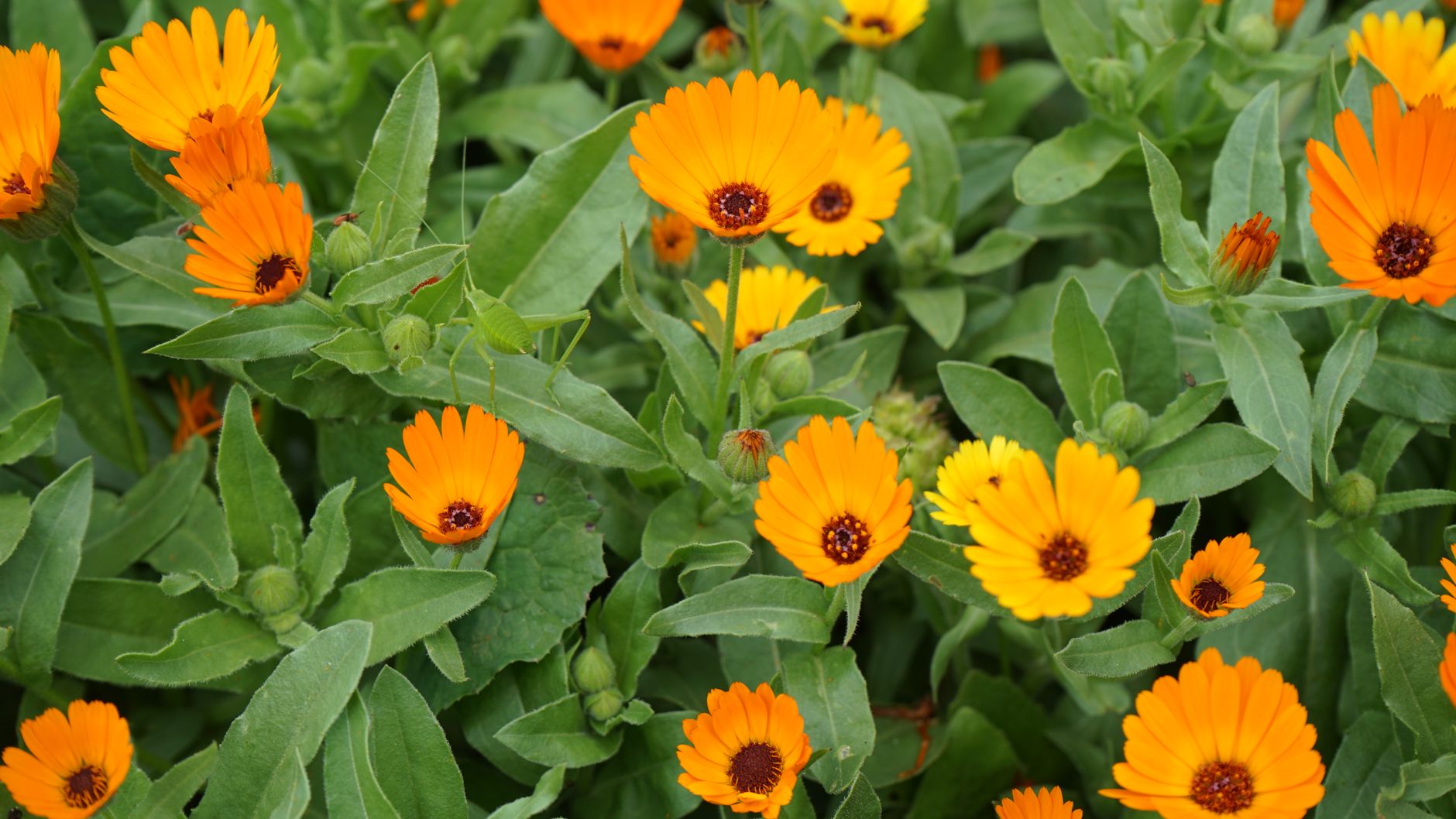
    The Ultimate Guide to Knotgrass Herb: Health Benefits and Uses

    The Ancient Wisdom of Knotgrass Herb: A Definitive Deep Dive into Its Profound Health Benefits

    In the vast tapestry of botanical remedies, certain plants stand out for their enduring legacy and remarkable spectrum of therapeutic properties. Among these revered greens is Knotgrass Herb, scientifically known as Polygonum aviculare. Often overlooked in favor of more exotic superfoods, this common weed possesses an extraordinary profile of bioactive compounds that have been harnessed by traditional medicine systems for centuries. This exhaustive guide delves into the intricate health benefits of Knotgrass Herb, exploring its rich history, sophisticated phytochemistry, and diverse applications, cementing its status as a potent natural ally for holistic well-being.

    Unveiling Knotgrass Herb: Botanical Identity and Ecological Footprint

    Knotgrass (Polygonum aviculare) is a low-growing, annual plant belonging to the Polygonaceae family. Its common names are as diverse as its geographical spread, including birdweed, prostrate knotweed, wiregrass, and stonecrop, reflecting its tenacious nature and widespread presence. Characterized by its slender, wiry stems that often sprawl along the ground, small oval-to-lanceolate leaves, and tiny pinkish-white flowers clustered in the leaf axils, Knotgrass is a true survivor. It thrives in disturbed soils, meadows, roadsides, and cultivated fields across temperate regions of the Northern Hemisphere, from Europe and Asia to North America. Its ubiquity means it’s often dismissed as a mere weed, yet its unassuming appearance belies a powerful medicinal potential.

    Knotgrass Herb Botanical Photo

    A Journey Through Time: Historical Use of Knotgrass Herb in Traditional Medicine

    The therapeutic legacy of Knotgrass Herb is deeply etched into the annals of traditional medicine. Its earliest recorded uses trace back to ancient civilizations, where its readily available nature made it a staple in folk remedies. The ancient Greeks and Romans recognized its astringent and diuretic properties, employing it to address various ailments. Dioscorides, the renowned Greek physician, documented its use for gastrointestinal issues and bleeding. In medieval Europe, Knotgrass was a common ingredient in herbal concoctions designed to treat kidney stones, bladder infections, and respiratory complaints such as coughs and bronchitis. Its ability to staunch bleeding, both internally and externally, also made it a valuable herb for wound healing and managing menorrhagia.

    Beyond the Western world, Knotgrass also found prominence in traditional Chinese medicine (TCM), where it is known as “Bian Xu.” Here, it has been used to clear heat, promote urination, and expel parasites. Its applications ranged from treating urinary tract infections and gallstones to dysentery and skin conditions. This global appreciation underscores Knotgrass’s consistent efficacy across different cultural and medical paradigms, reflecting a collective recognition of its potent healing capabilities derived from empirical observations over millennia.

    Phytochemical Profile: Unveiling the Bioactive Arsenal of Knotgrass Herb

    The remarkable health benefits of Knotgrass Herb are attributable to its rich and complex phytochemical composition. This plant is a veritable pharmacy of bioactive compounds, each contributing synergistically to its therapeutic effects. Understanding these constituents is key to appreciating its medicinal power:

    • Flavonoids: Perhaps the most prominent class of compounds, flavonoids like quercetin, kaempferol, avicularin, and myricetin are abundant in Knotgrass. These potent antioxidants are responsible for much of the herb’s anti-inflammatory, antimicrobial, and free-radical scavenging activities. They play a crucial role in protecting cells from oxidative damage, supporting cardiovascular health, and modulating immune responses.
    • Phenolic Acids: Compounds such as caffeic acid, chlorogenic acid, and gallic acid are strong antioxidants and contribute to the herb’s anti-inflammatory and hepatoprotective (liver-protective) effects. They work to neutralize harmful free radicals and reduce inflammation at a molecular level.
    • Tannins: Knotgrass is rich in tannins, which are responsible for its notable astringent properties. Tannins bind to proteins, forming a protective layer that helps to reduce inflammation, stop bleeding, and tighten tissues. This makes Knotgrass effective for diarrhea, superficial wounds, and mucous membrane inflammation.
    • Coumarins: While present in smaller amounts, coumarins contribute to the herb’s anti-inflammatory and potential anticoagulant (blood-thinning) effects, though this requires careful consideration in medicinal applications.
    • Volatile Oils: Although not a primary component, trace amounts of volatile oils contribute to its aroma and may possess mild antiseptic properties.
    • Mucilage: The presence of mucilage gives Knotgrass a soothing quality, particularly beneficial for irritated mucous membranes in the digestive and respiratory tracts. It can help to coat and protect inflamed tissues, offering relief from irritation.
    • Silica: A significant component, silica (silicic acid) is crucial for the structural integrity of connective tissues, bones, skin, hair, and nails. Its presence in Knotgrass contributes to its traditional use for tissue repair and strengthening, as well as its diuretic properties by irritating the kidney tubules and increasing urine flow.

    Knotgrass Herb Plant Profile

    Comprehensive Health Benefits of Knotgrass Herb: A Deep Dive

    The synergistic action of these phytochemicals bestows upon Knotgrass Herb a wide array of therapeutic properties, addressing numerous health concerns:

    1. Potent Diuretic and Urinary Tract Support

    One of the most celebrated attributes of Knotgrass is its powerful diuretic action. The combination of flavonoids, phenolic acids, and especially silica contributes to this effect. Silica acts as an irritant to the kidney tubules, gently stimulating increased urine production and flow. This increased diuresis aids in flushing out waste products, toxins, and potential pathogenic microorganisms from the urinary system. It is particularly beneficial in preventing the formation of kidney stones (nephrolithiasis) and assisting in their expulsion by increasing the volume of urine and potentially dissolving certain types of stones. Furthermore, its antiseptic and anti-inflammatory properties help soothe the irritated lining of the bladder and urethra, making it a valuable remedy for urinary tract infections (UTIs) and cystitis, reducing discomfort and promoting faster recovery.

    2. Respiratory System Enhancement and Expectorant Action

    Knotgrass Herb offers significant support for the respiratory system, particularly in cases of coughs, bronchitis, and mild asthma. Its expectorant properties help to loosen and expel phlegm and mucus from the airways, easing congestion and making breathing more comfortable. The anti-inflammatory compounds, notably flavonoids, reduce inflammation in the bronchial tubes, which can alleviate symptoms associated with inflammatory respiratory conditions. The soothing mucilage content can also coat irritated throat and bronchial passages, providing relief from persistent coughing and irritation. Traditionally, it has been used to address whooping cough and chronic respiratory ailments, underscoring its efficacy in promoting clearer airways.

    3. Gastrointestinal Health and Digestive Aid

    The astringent nature of Knotgrass, primarily due to its high tannin content, makes it an effective remedy for various gastrointestinal disturbances. Tannins work by contracting and toning the mucous membranes of the digestive tract, which helps to reduce fluid secretion and inflammation. This action is particularly beneficial in managing acute and chronic diarrhea, dysentery, and irritable bowel syndrome (IBS) symptoms characterized by loose stools. Furthermore, its anti-inflammatory properties can help soothe the inflamed lining of the stomach and intestines, potentially offering relief from symptoms of gastritis and peptic ulcers. The presence of mucilage also contributes to its soothing effect, protecting the gastrointestinal lining from further irritation.

    4. Anti-inflammatory and Antioxidant Powerhouse

    Chronic inflammation and oxidative stress are root causes of numerous modern diseases, including cardiovascular disease, diabetes, and neurodegenerative disorders. Knotgrass Herb, with its abundant flavonoids and phenolic acids, acts as a potent anti-inflammatory and antioxidant agent. These compounds effectively scavenge free radicals, neutralizing their damaging effects on cells and tissues. They also modulate inflammatory pathways, inhibiting the production of pro-inflammatory mediators such (e.g., COX-2 enzymes). This dual action helps to mitigate systemic inflammation and protect cellular integrity, potentially reducing the risk of chronic diseases and supporting overall cellular health and longevity.

    5. Skin Health, Wound Healing, and Dermatological Support

    Applied topically, Knotgrass Herb demonstrates remarkable benefits for skin health and wound healing. Its astringent properties, derived from tannins, help to tighten skin tissues, reduce swelling, and stop minor bleeding from cuts and abrasions. The antimicrobial components present in the herb can help prevent infection in open wounds, while its anti-inflammatory action reduces redness and irritation. The high silica content promotes the formation of new, healthy connective tissue, accelerating the healing process of minor burns, insect bites, and various skin irritations like eczema, dermatitis, and rashes. Its ability to support tissue repair makes it a valuable ingredient in natural skincare and first-aid remedies.

    6. Liver Detoxification and Hepatoprotective Effects

    Emerging research suggests that Knotgrass Herb may play a role in supporting liver health and detoxification processes. The phenolic compounds and flavonoids exhibit hepatoprotective effects, helping to shield liver cells from damage caused by toxins, environmental pollutants, and oxidative stress. By supporting the liver’s natural detoxification pathways, Knotgrass can aid in the elimination of harmful substances from the body, optimizing overall metabolic function and contributing to improved vitality. This aspect positions it as a valuable addition to gentle detox protocols.

    7. Potential Blood Sugar Regulation

    While more research is needed, some traditional uses and preliminary studies indicate that Knotgrass Herb might possess properties beneficial for blood sugar management. Certain compounds within the herb may influence glucose metabolism, potentially assisting in maintaining healthy blood sugar levels. This area of research is promising and could open new avenues for its application in metabolic health support, though it should not replace conventional treatments for diabetes.

    Practical Applications and Forms of Knotgrass Herb

    Knotgrass Herb can be incorporated into a wellness regimen through several practical forms, each offering distinct advantages:

    Herbal Tea/Infusion

    This is arguably the most common and accessible way to consume Knotgrass. Dried aerial parts of the herb are steeped in hot water to create a decoction or infusion. The tea is pleasant and offers a gentle yet effective way to deliver its diuretic, anti-inflammatory, and respiratory benefits. It’s particularly soothing for digestive and respiratory irritations.

    Tinctures

    A more concentrated form, tinctures are alcoholic or glycerin-based extracts of the herb. They offer convenience, longer shelf life, and precise dosing. Tinctures are potent for targeting specific conditions like urinary tract support or acute inflammatory responses, as the active compounds are more readily absorbed.

    Knotgrass Herb Capsules

    Supplements (Capsules/Tablets)

    For those seeking convenience and standardized dosages, Knotgrass is available in capsule or tablet form. These supplements often contain powdered dried herb or concentrated extracts, making it easier to integrate into a daily health routine, especially when targeting chronic conditions or for sustained general well-being. Always opt for reputable brands that provide transparency on sourcing and processing.

    Knotgrass Herb Dried Herb

    Topical Applications (Poultices, Compresses, Washes)

    For skin conditions and wound healing, Knotgrass can be used externally. A poultice made from fresh or dried crushed leaves can be applied directly to cuts, bruises, or insect bites. Infusions can be used as washes or compresses for inflamed skin, eczema, or minor irritations, leveraging its astringent, anti-inflammatory, and antimicrobial properties.

    Dosage and Preparation Guidelines

    The appropriate dosage of Knotgrass Herb can vary depending on the form, concentration, and individual health needs. It is always recommended to consult with a qualified healthcare professional or an experienced herbalist before starting any new herbal regimen, especially if you have underlying health conditions or are taking other medications.

    • For Tea/Infusion: Typically, 1-2 teaspoons of dried Knotgrass Herb per cup (250 ml) of hot water. Steep for 10-15 minutes, then strain. Consume 2-3 cups per day. For a stronger decoction (for urinary issues), simmer the herb in water for 10-15 minutes.
    • For Tincture: Generally, 2-5 ml (40-100 drops) of a standard 1:5 tincture, 2-3 times per day. Always follow the manufacturer’s specific instructions.
    • For Capsules/Tablets: Dosages vary widely based on extract concentration. Common recommendations range from 500 mg to 1500 mg of powdered herb per day, often divided into multiple doses. Adhere strictly to the product label instructions.
    • For Topical Use: Prepare a strong infusion or decoction and allow it to cool. Use as a wash or soak a clean cloth to create a compress, applying it to the affected area for 15-30 minutes, several times daily.

    Knotgrass Herb Natural Herb

    Potential Side Effects and Precautions

    Knotgrass Herb is generally considered safe for most individuals when used appropriately. However, certain precautions are warranted:

    • Pregnancy and Breastfeeding: Due to insufficient research on its effects, pregnant and breastfeeding women should avoid Knotgrass or use it only under strict medical supervision.
    • Kidney Conditions: While beneficial for many urinary issues, individuals with severe kidney disease or those on dialysis should avoid Knotgrass due to its diuretic action and potential to alter electrolyte balance.
    • Drug Interactions: Knotgrass may interact with certain medications. Its diuretic effect could potentially amplify the effects of diuretic drugs, leading to dehydration or electrolyte imbalances. Its coumarin content, though small, might theoretically interact with blood-thinning medications (anticoagulants).
    • Allergies: Individuals with known allergies to plants in the Polygonaceae family should exercise caution.
    • Long-term Use: For long-term use, especially with concentrated forms, it is advisable to consult a healthcare professional to ensure continued safety and monitor for any potential adverse effects.

    Conclusion: Embracing the Enduring Power of Knotgrass Herb

    Knotgrass Herb, Polygonum aviculare, stands as a testament to nature’s profound healing capabilities. Far from being a mere weed, its rich historical tapestry of traditional use across diverse cultures, coupled with a sophisticated phytochemical profile, underscores its enduring value in natural medicine. From optimizing urinary tract health and soothing respiratory ailments to bolstering digestive function, mitigating inflammation, and supporting skin repair, Knotgrass offers a multifaceted approach to holistic well-being. As research continues to unveil the intricate mechanisms behind its traditional applications, this humble herb is steadily reclaiming its rightful place as a potent and accessible ally in the pursuit of optimal health. By understanding its benefits, practical applications, and necessary precautions, individuals can thoughtfully integrate Knotgrass Herb into their health regimen, embracing a piece of ancient wisdom for modern vitality.

    Disclaimer: For informational purposes only. Not medical advice. Consult a qualified healthcare professional before use.
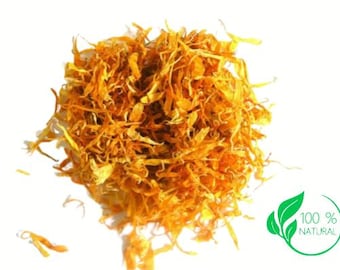
    The Ultimate Guide to Feverfew Herb: Health Benefits and Uses

    The Profound Health Benefits of Feverfew Herb: A Definitive Deep-Dive Guide

    For centuries, humanity has turned to nature’s pharmacopoeia to alleviate suffering and promote well-being. Among the vast array of botanical treasures, the Feverfew herb, scientifically known as Tanacetum parthenium, stands out as a remarkable plant with a rich history of medicinal application and a growing body of scientific validation. Often recognized for its daisy-like flowers and pungent aroma, Feverfew has transcended its humble garden origins to become a cornerstone in traditional herbal medicine, particularly revered for its potent anti-inflammatory and pain-relieving properties. This exhaustive guide delves into the multifaceted health benefits of Feverfew, exploring its historical roots, intricate chemical composition, diverse mechanisms of action, and practical applications, offering an unparalleled resource for understanding this powerful herb.

    From ancient Greek texts to modern clinical trials, Feverfew has consistently been cited for its efficacy in treating conditions ranging from fevers and headaches to chronic pain and inflammation. Its resurgence in popularity in contemporary natural health circles is a testament to its enduring effectiveness and the increasing desire for holistic, plant-based remedies. This article aims to unpack the science behind Feverfew’s therapeutic prowess, providing a comprehensive overview that marries historical wisdom with cutting-edge research, ultimately empowering readers with a deeper understanding of this extraordinary herb.

    Botanical Profile and Historical Significance: Tracing Feverfew’s Ancient Roots

    Feverfew, belonging to the Asteraceae family (the same family as daisies, sunflowers, and chamomile), is a perennial herb characterized by its small, white, daisy-like flowers with yellow centers and aromatic, deeply lobed leaves. Native to the Balkan Peninsula, it has spread throughout Europe, North America, and Australia, thriving in disturbed soils, roadsides, and gardens. The plant typically grows to about 1 to 2 feet in height, blooming from July to October, and emits a strong, distinctive scent when its leaves are crushed. Its botanical name, Tanacetum parthenium, is believed to derive from the Greek word ‘parthenium,’ possibly referring to its historical use by women for various ailments, or from the Parthenon, where it was reputedly used to save a worker who fell from the temple.

    The history of Feverfew as a medicinal plant stretches back over two millennia. Ancient Greek physician Dioscorides, in his seminal work De Materia Medica (1st century AD), recorded its use, although not specifically for migraines. Later, in the 17th century, the renowned herbalist Nicholas Culpeper recommended Feverfew for “all pains in the head,” fevers, and as a digestive aid. Its English name, “Feverfew,” is thought to be a corruption of the Latin word ‘febrifugia,’ meaning “fever reducer,” highlighting one of its earliest and most recognized applications. Throughout medieval Europe, it was a common household remedy for menstrual problems, inflammation, insect bites, and particularly for various forms of headache. This extensive historical context underscores its sustained therapeutic value across diverse cultures and epochs, setting the stage for modern scientific inquiry.

    Feverfew Herb Botanical Photo

    The Biochemical Arsenal: Key Bioactive Compounds and Their Mechanisms

    The therapeutic efficacy of Feverfew is primarily attributed to a synergistic blend of bioactive compounds, with sesquiterpene lactones, particularly parthenolide, being the most extensively studied and potent. However, the herb’s holistic power also stems from a rich array of flavonoids, volatile oils, and other phytochemicals that contribute to its diverse pharmacological actions. Understanding these compounds is crucial for appreciating the depth of Feverfew’s health benefits.

    Parthenolide: The Primary Powerhouse

    Parthenolide is a germacranolide-type sesquiterpene lactone found predominantly in the leaves and flowers of Feverfew. It is considered the major active constituent responsible for many of the herb’s pharmacological effects, particularly its anti-inflammatory and anti-migraine properties. Its mechanisms of action are multifaceted:

    • Inhibition of Prostaglandin Synthesis: Parthenolide acts as a potent inhibitor of cyclooxygenase (COX) enzymes, particularly COX-2, which are crucial for the synthesis of prostaglandins. Prostaglandins are lipid compounds that mediate inflammation, pain, and fever. By blocking their production, parthenolide effectively reduces inflammatory responses and associated pain. This mechanism is similar to that of conventional non-steroidal anti-inflammatory drugs (NSAIDs) but often with fewer side effects.
    • Modulation of NF-κB Pathway: A key aspect of parthenolide’s anti-inflammatory action involves its ability to inhibit the nuclear factor kappa-light-chain-enhancer of activated B cells (NF-κB) signaling pathway. NF-κB is a protein complex that controls transcription of DNA, cytokine production, and cell survival. Its overactivation is implicated in numerous inflammatory and autoimmune diseases, as well as cancer. Parthenolide covalently binds to the NF-κB subunit p65, preventing its nuclear translocation and thus suppressing the expression of pro-inflammatory genes. This provides a profound anti-inflammatory and potentially anti-proliferative effect.
    • Serotonin Release Modulation: Parthenolide has been shown to inhibit the release of serotonin from platelets and mast cells. Serotonin, a neurotransmitter, plays a significant role in the pathophysiology of migraines. During a migraine attack, serotonin levels can fluctuate dramatically, contributing to vasoconstriction and subsequent vasodilation of cranial blood vessels. By stabilizing serotonin release, parthenolide may help prevent the cascade of events that trigger a migraine.
    • Anti-Platelet Aggregation: Feverfew, through its parthenolide content, can inhibit platelet aggregation. Platelets play a role in blood clotting, but their abnormal aggregation can contribute to the constriction of blood vessels in the brain, a factor implicated in the aura phase of migraines. By reducing platelet stickiness, Feverfew may help improve blood flow and prevent vascular changes associated with headaches.

    Other Significant Compounds:

    • Flavonoids: Feverfew contains various flavonoids like apigenin, luteolin, and kaempferol. These compounds are powerful antioxidants, protecting cells from oxidative stress caused by free radicals. They also possess anti-inflammatory, anti-allergic, and anti-carcinogenic properties, contributing to the herb’s overall therapeutic profile.
    • Volatile Oils: The aromatic nature of Feverfew comes from its volatile oils, which include camphor, borneol, and pinene. While present in smaller quantities, these oils can contribute to the herb’s mild antiseptic and potentially calming effects.
    • Other Sesquiterpene Lactones: Beyond parthenolide, Feverfew contains other sesquiterpene lactones which may have synergistic effects, contributing to the herb’s overall bioactivity.

    Feverfew Herb Plant Profile

    Comprehensive Health Benefits of Feverfew Herb

    The intricate cocktail of bioactive compounds in Feverfew translates into a remarkable range of health benefits, making it a valuable adjunct therapy for various conditions. Its primary applications revolve around pain, inflammation, and headache management, but emerging research suggests even broader potential.

    1. Migraine Prevention and Relief: Feverfew’s Signature Benefit

    Feverfew’s most celebrated and well-researched benefit is its efficacy in the prophylaxis and management of migraines. Historically, it was colloquially known as “medieval aspirin” for its ability to alleviate severe headaches. Modern clinical trials have largely supported this traditional use, demonstrating that regular supplementation with Feverfew can significantly reduce the frequency, intensity, and duration of migraine attacks, as well as mitigate associated symptoms like nausea, vomiting, and visual disturbances (aura). The multi-pronged mechanism involves:

    • Anti-inflammatory Action: By inhibiting prostaglandin synthesis and modulating the NF-κB pathway, Feverfew reduces the neuroinflammation often associated with migraine pathogenesis.
    • Serotonin Stabilization: The inhibition of serotonin release from platelets prevents the sudden vasoconstriction and subsequent vasodilation of cranial blood vessels, which are critical events in a migraine attack.
    • Anti-Platelet Effects: By reducing platelet aggregation, Feverfew helps maintain optimal cerebral blood flow and prevents the microvascular changes that can trigger migraine episodes.

    It is important to note that Feverfew is generally more effective as a preventative measure rather than an acute treatment for an ongoing migraine. Consistent daily intake over several weeks or months is typically required to observe significant benefits.

    2. Potent Anti-Inflammatory Properties

    Beyond migraines, Feverfew exhibits robust anti-inflammatory effects throughout the body, largely due to parthenolide’s ability to inhibit pro-inflammatory pathways. This makes it a promising natural remedy for various inflammatory conditions:

    • Rheumatoid Arthritis and Osteoarthritis: The ability of parthenolide to suppress NF-κB activation means it can downregulate the expression of numerous inflammatory cytokines and enzymes (like COX-2 and inducible nitric oxide synthase, iNOS) that contribute to joint pain, swelling, and cartilage degradation in arthritic conditions. While not a cure, it may help manage symptoms and improve quality of life.
    • General Inflammatory Pain: Whether from muscular strain, minor injuries, or other chronic inflammatory states, Feverfew’s anti-inflammatory action can help reduce localized and systemic inflammation, thereby diminishing pain and discomfort.

    3. Effective Pain Management (Analgesic Effects)

    Feverfew’s analgesic properties are closely intertwined with its anti-inflammatory mechanisms. By reducing inflammation, it inherently diminishes inflammatory pain. This makes it useful not only for headaches and joint pain but also for other forms of mild to moderate pain. The modulation of pain pathways through prostaglandin inhibition is a central factor, offering a natural alternative for pain relief without the gastrointestinal risks associated with some synthetic NSAIDs.

    4. Emerging Anticancer Potential

    While still in the early stages of research, parthenolide has garnered significant interest in oncology due to its observed anticancer properties in preclinical studies. Research suggests that parthenolide can:

    • Induce Apoptosis: It has been shown to selectively induce programmed cell death (apoptosis) in various cancer cell lines, including leukemia, breast cancer, and prostate cancer, while sparing healthy cells.
    • Inhibit Cell Proliferation: Parthenolide can halt the uncontrolled growth and division of cancer cells.
    • Target Cancer Stem Cells: Some studies indicate that parthenolide may specifically target and eliminate cancer stem cells, which are believed to be responsible for tumor initiation, recurrence, and resistance to conventional therapies.
    • Inhibit Angiogenesis: It can also interfere with the formation of new blood vessels (angiogenesis) that tumors need to grow and metastasize.

    It is crucial to emphasize that these findings are primarily from *in vitro* and *in vivo* animal studies. Feverfew is not a cancer cure, and more extensive human clinical trials are needed to confirm its role in cancer treatment. However, its potential as a complementary agent is an exciting area of ongoing research.

    5. Gastrointestinal Health and Menstrual Support

    Historically, Feverfew was also used to alleviate digestive upset and stomachaches. Its potential antispasmodic properties may help soothe gastrointestinal discomfort. Furthermore, traditional use for dysmenorrhea (painful menstruation) is supported by its anti-inflammatory and pain-relieving effects, which can help mitigate uterine contractions and associated discomfort during the menstrual cycle.

    6. Antioxidant Activity

    The presence of flavonoids in Feverfew bestows upon it significant antioxidant capabilities. These compounds help neutralize harmful free radicals, which are unstable molecules that can damage cells, contribute to aging, and increase the risk of chronic diseases. By combating oxidative stress, Feverfew contributes to overall cellular health and disease prevention.

    Practical Usage and Forms of Feverfew

    Feverfew can be consumed in various forms, each with its own advantages and considerations. The choice of form often depends on the desired effect, convenience, and individual tolerance.

    Traditional Preparations: Embracing Herbal Simplicity

    Historically, Feverfew was most commonly used in its raw or dried form, allowing direct access to its natural compounds.

    • Fresh Leaves: Some traditional practices involved chewing fresh Feverfew leaves. While effective, this method is known to cause mouth ulcers, irritation, and loss of taste due to the direct contact of high concentrations of parthenolide with mucosal tissues. Therefore, this method is generally not recommended.
    • Dried Herb for Teas/Infusions: The dried leaves and flowers of Feverfew can be steeped in hot water to make an herbal tea. This is a gentler way to consume the herb, though the concentration of active compounds might be less consistent than standardized extracts. For a tea, steep 1-2 teaspoons of dried herb in hot water for 10-15 minutes.
    • Tinctures: Tinctures are concentrated liquid extracts made by steeping the herb in alcohol. They offer a potent and easily absorbed form of Feverfew, allowing for precise dosing by drops.
    • Poultices: For localized pain or inflammation, crushed fresh leaves or a paste made from dried herb can be applied externally as a poultice, though caution is still advised regarding skin sensitivity.

    Feverfew Herb Dried Herb

    Modern Supplements: Convenience and Standardization

    In contemporary herbal medicine, Feverfew is most frequently consumed in standardized supplement forms, which offer convenience and ensure consistent dosing of the active compounds.

    • Capsules and Tablets: This is the most popular and recommended form for Feverfew supplementation. Reputable manufacturers provide standardized extracts, typically guaranteeing a certain percentage of parthenolide (e.g., 0.2% to 0.7%). This standardization is critical for ensuring both efficacy and safety, allowing users to consume a consistent dose of the primary active compound without the risks associated with fresh leaf consumption.
    • Liquid Extracts: Similar to tinctures, liquid extracts are concentrated forms that can be mixed with water or juice. They are quickly absorbed and can be a good option for those who have difficulty swallowing capsules.

    When selecting a Feverfew supplement, it is paramount to choose products from reputable brands that specify the parthenolide content. This ensures you are getting a therapeutically effective and consistent dose.

    Feverfew Herb Capsules

    Dosage, Safety, and Potential Side Effects

    While Feverfew is generally well-tolerated, understanding proper dosage, potential side effects, and contraindications is vital for safe and effective use. As with any herbal supplement, consultation with a healthcare professional is strongly recommended before beginning treatment.

    Typical Dosages

    For migraine prevention, typical dosages of standardized Feverfew extract often range from 50 mg to 125 mg, taken daily, and standardized to contain 0.2% to 0.7% parthenolide. It is important to follow the specific dosage instructions provided by the manufacturer of your chosen supplement or as advised by a qualified healthcare practitioner. Consistency is key, as therapeutic effects for migraine prevention may take several weeks to become noticeable.

    Potential Side Effects

    Although generally safe, some individuals may experience side effects, particularly with higher doses or certain forms:

    • Mouth Ulcers and Irritation: As previously mentioned, chewing fresh Feverfew leaves is highly likely to cause mouth sores, inflammation of the tongue, and loss of taste. This is why standardized encapsulated forms are preferred.
    • Gastrointestinal Upset: Some users may experience mild digestive issues such as nausea, bloating, diarrhea, or abdominal pain.
    • “Post-Feverfew Syndrome”: Discontinuation of Feverfew after prolonged daily use (especially for migraines) can sometimes lead to a withdrawal syndrome characterized by increased headache frequency, anxiety, insomnia, and muscle stiffness. It is advisable to taper off the dosage gradually if discontinuing.
    • Allergic Reactions: Individuals allergic to plants in the Asteraceae family (e.g., ragweed, daisies, marigolds, chrysanthemums) may experience allergic reactions to Feverfew, including skin rashes or asthma.

    Contraindications and Interactions

    Several situations warrant caution or complete avoidance of Feverfew:

    • Pregnancy and Breastfeeding: Feverfew is traditionally known as an emmenagogue (a substance that stimulates menstrual flow) and abortifacient, and should be strictly avoided during pregnancy and while breastfeeding due to the risk of uterine contractions and potential harm to the fetus or infant.
    • Blood Thinners (Anticoagulants): Due to its anti-platelet effects, Feverfew can theoretically increase the risk of bleeding when taken concurrently with anticoagulant medications like warfarin, aspirin, clopidogrel, or NSAIDs.
    • Surgery: It is advisable to discontinue Feverfew at least two weeks before any scheduled surgery to minimize the risk of excessive bleeding.
    • Children: The safety and efficacy of Feverfew in children have not been well-established, and its use is generally not recommended without strict medical supervision.
    • Cyclosporine: Parthenolide may increase levels of cyclosporine, an immunosuppressant, which could lead to adverse effects.

    Always disclose all medications, supplements, and pre-existing health conditions to your healthcare provider before incorporating Feverfew or any new herbal remedy into your regimen. Professional guidance ensures safe and effective integration into your personalized health plan.

    Feverfew Herb Natural Herb

    Conclusion: Feverfew – A Timeless Herbal Ally

    Feverfew herb, Tanacetum parthenium, stands as a testament to the enduring power of natural medicine. From its ancient origins as a folk remedy to its current recognition in scientific literature, its multifaceted health benefits are continually being explored and validated. Primarily celebrated for its remarkable efficacy in migraine prevention, Feverfew’s potent anti-inflammatory, analgesic, and antioxidant properties offer a broad spectrum of therapeutic potential for conditions ranging from arthritis to menstrual discomfort. The key lies in its rich profile of bioactive compounds, particularly parthenolide, which orchestrates a complex interplay of mechanisms to reduce inflammation, modulate pain pathways, and stabilize physiological responses.

    As we navigate an increasingly complex world, the quest for natural, sustainable, and effective health solutions continues to grow. Feverfew represents a powerful bridge between traditional wisdom and modern scientific understanding, offering a compelling option for those seeking natural support for their health. However, as with all potent remedies, responsible use is paramount. By understanding its scientific basis, appropriate forms of consumption, recommended dosages, and potential precautions, individuals can safely harness the profound health benefits of this extraordinary herb, integrating it judiciously into a holistic approach to well-being. Feverfew truly remains a timeless ally in the pursuit of optimal health.

    Disclaimer: For informational purposes only. Not medical advice. Consult a qualified healthcare professional before use.

    The Ultimate Guide to Java Leaf: Health Benefits and Uses

    The Definitive Guide to Java Leaf: Unveiling the Profound Health Benefits of Orthosiphon Stamineus

    In the vast botanical tapestry of traditional medicine, certain plants stand out for their profound therapeutic potential, having been cherished for centuries across various cultures. Among these botanical treasures, Java Leaf, scientifically known as Orthosiphon stamineus, emerges as a powerhouse of natural wellness. Also affectionately referred to as Cat’s Whiskers due to its distinctive flower structure, or Misai Kucing in Malay, this remarkable herb has carved a significant niche in Southeast Asian ethnobotany. Its leaves, steeped in tradition and now increasingly validated by modern science, offer a compelling array of health benefits that extend far beyond simple folklore. This exhaustive guide aims to delve deeply into the intricate world of Java Leaf, exploring its rich history, sophisticated phytochemical profile, and the evidence-backed mechanisms through which it supports human health, providing a definitive resource for enthusiasts and the curious alike.

    The journey of Java Leaf from a wild-growing herb in tropical gardens to a globally recognized health supplement is a testament to its efficacy. Originating from tropical regions, particularly Southeast Asia, its traditional use dates back hundreds of years, primarily employed as a potent diuretic and for addressing various ailments related to the urinary system and metabolic health. As scientific inquiry continues to illuminate the complex interactions between plants and human physiology, Orthosiphon stamineus has become a subject of intense research, revealing a sophisticated biochemical arsenal responsible for its multifaceted therapeutic actions. Understanding these mechanisms is key to appreciating the full spectrum of its health-promoting capabilities and incorporating it wisely into a modern wellness regimen.

    Botanical Profile and Historical Roots of Java Leaf

    Orthosiphon stamineus is a member of the Lamiaceae family, which also includes other well-known aromatic herbs like mint, basil, and rosemary. It is an herbaceous perennial, typically growing to a height of 30 to 60 centimeters, characterized by its square stems, serrated leaves arranged oppositely, and strikingly beautiful white or purplish flowers that resemble cat’s whiskers, hence one of its popular common names. Native to regions including Thailand, Malaysia, Indonesia, and parts of Australia, it thrives in warm, humid climates, often found growing wild in open fields, forests, and cultivated gardens.

    Historically, the use of Java Leaf has been deeply ingrained in the traditional medical systems of indigenous communities across Southeast Asia. In Malaysia and Indonesia, it has been a staple in folk medicine for centuries, primarily brewed as a tea for its diuretic properties to treat kidney and bladder problems, gout, and rheumatism. Traditional practitioners recognized its ability to promote urination, thereby aiding in the expulsion of toxins and excess fluids from the body. Beyond its urological applications, it was also employed for conditions such as diabetes, high blood pressure, and inflammatory diseases, underscoring a holistic understanding of its therapeutic breadth long before modern scientific analysis could explain the underlying mechanisms.

    Java Leaf Botanical Photo

    The Phytochemical Symphony: Unpacking Java Leaf’s Bioactive Compounds

    The remarkable health benefits attributed to Java Leaf are not the result of a single compound but rather a synergistic interplay of a diverse array of bioactive constituents. Modern phytochemical research has meticulously cataloged a rich profile of compounds, including potent flavonoids, phenolic acids, triterpenes, saponins, and essential oils, each contributing to the plant’s therapeutic efficacy. This complex biochemical tapestry is what makes Orthosiphon stamineus such a powerful botanical ally.

    Key Bioactive Compounds and Their Roles:

    • Rosmarinic Acid: This is one of the most prominent phenolic acids found in Java Leaf. Rosmarinic acid is a powerful antioxidant and possesses significant anti-inflammatory properties. It works by inhibiting pro-inflammatory enzymes like cyclooxygenase (COX-2) and lipoxygenase (LOX), as well as suppressing the production of various pro-inflammatory cytokines, thereby reducing pain and swelling.
    • Sinensetin and Eupatorin: These are highly potent lipophilic flavonoids unique to Orthosiphon stamineus. They are critically important for the plant’s diuretic and anti-inflammatory actions. Sinensetin, in particular, has been extensively studied for its ability to increase urinary output without significant electrolyte loss, a common drawback of synthetic diuretics. Both flavonoids also contribute to the plant’s antioxidant capacity.
    • Caffeic Acid: Another significant phenolic acid, caffeic acid contributes to Java Leaf’s antioxidant, anti-inflammatory, and potentially anticarcinogenic properties. It helps neutralize free radicals and modulate immune responses.
    • Triterpenes (e.g., Ursolic Acid, Oleanolic Acid): These compounds are known for their anti-inflammatory, hepatoprotective (liver-protective), and potentially antidiabetic effects. They can help protect cells from damage and support the healthy functioning of various organs.
    • Saponins: While sometimes associated with bitterness, saponins in Java Leaf contribute to its diuretic properties and may also possess cholesterol-lowering and immune-modulating effects.
    • Potassium Salts: A high content of potassium salts is a key factor behind Java Leaf’s reputation as an effective diuretic. Potassium helps maintain fluid balance and supports healthy kidney function, facilitating the excretion of excess sodium and water.
    • Methylripariochromene A (MRC A): A chromene derivative identified as having strong cytotoxic activity against certain cancer cell lines, suggesting potential anti-cancer properties that warrant further investigation.

    Java Leaf Plant Profile

    Profound Health Benefits: A Deep Dive into Java Leaf’s Therapeutic Actions

    The intricate cocktail of phytochemicals in Java Leaf translates into a broad spectrum of health benefits, addressing multiple bodily systems and contributing to overall wellness.

    1. Exceptional Diuretic and Kidney Health Support

    Perhaps the most well-known and traditionally utilized benefit of Java Leaf is its potent diuretic action. Unlike many synthetic diuretics that can lead to significant potassium loss, Java Leaf, particularly due to its high potassium content and the presence of flavonoids like sinensetin, promotes diuresis while helping to maintain electrolyte balance. This natural increase in urine production aids the kidneys in flushing out accumulated toxins, waste products, and excess fluids from the body. This mechanism is crucial for preventing the formation of kidney stones (nephrolithiasis) by increasing the volume of urine and preventing the supersaturation of stone-forming minerals. Furthermore, its ability to cleanse the urinary tract makes it beneficial for preventing and managing urinary tract infections (UTIs) by helping to wash away pathogenic bacteria.

    2. Potent Anti-inflammatory Properties

    Chronic inflammation is a root cause of many modern diseases, from autoimmune conditions to cardiovascular disease and neurodegenerative disorders. Java Leaf offers significant anti-inflammatory benefits, primarily attributed to its rich content of rosmarinic acid, sinensetin, and eupatorin. These compounds work synergistically to modulate inflammatory pathways within the body. Rosmarinic acid, for instance, has been shown to inhibit the activity of pro-inflammatory enzymes such as cyclooxygenase-2 (COX-2) and lipoxygenase (LOX), which are key players in the production of inflammatory mediators. By suppressing these pathways and reducing the release of pro-inflammatory cytokines, Java Leaf can help alleviate symptoms associated with inflammatory conditions like arthritis, gout, and rheumatism, offering a natural approach to pain and swelling management.

    3. Powerful Antioxidant Defense

    Oxidative stress, caused by an imbalance between free radicals and the body’s ability to detoxify them, contributes to cellular damage and accelerates aging and disease progression. Java Leaf is a formidable antioxidant. Its abundant flavonoids and phenolic acids, including rosmarinic acid and caffeic acid, act as scavengers of harmful free radicals. These compounds donate electrons to neutralize reactive oxygen species, thereby protecting cellular components such as DNA, proteins, and lipids from oxidative damage. This robust antioxidant capacity is vital for preventing chronic diseases, supporting cardiovascular health, enhancing immune function, and promoting overall cellular integrity and longevity.

    4. Blood Sugar Regulation for Metabolic Health

    Emerging research suggests that Java Leaf possesses promising antidiabetic properties, making it a valuable adjunct for individuals managing blood sugar levels. Studies indicate that certain compounds within Orthosiphon stamineus may help to improve insulin sensitivity, reduce glucose absorption from the intestines by inhibiting carbohydrate-digesting enzymes (like alpha-glucosidase), and enhance glucose utilization by peripheral tissues. These mechanisms collectively contribute to a more stable blood glucose profile, potentially reducing post-meal sugar spikes and offering a supportive role in the management of type 2 diabetes. While not a replacement for conventional diabetes treatment, its inclusion can be a beneficial part of a holistic approach.

    5. Support for Healthy Blood Pressure

    High blood pressure, or hypertension, is a major risk factor for heart disease and stroke. Java Leaf’s diuretic action plays a significant role in blood pressure management by reducing blood volume, thereby easing the load on the cardiovascular system. Beyond diuresis, some studies suggest that Java Leaf may also exert mild vasodilatory effects, helping to relax blood vessels and improve blood flow. Its antioxidant and anti-inflammatory properties further contribute to cardiovascular health by protecting blood vessels from damage and improving endothelial function, offering a multi-pronged approach to maintaining healthy blood pressure levels.

    6. Hepatoprotective (Liver Protective) Benefits

    The liver is a vital organ responsible for detoxification, metabolism, and nutrient processing. Java Leaf’s rich antioxidant and anti-inflammatory content extends its protective effects to the liver. By combating oxidative stress and inflammation, the active compounds in Java Leaf can help safeguard liver cells from damage caused by toxins, free radicals, and other stressors. This hepatoprotective action supports optimal liver function, aiding in the body’s natural detoxification processes and contributing to overall metabolic health.

    7. Antimicrobial and Antifungal Activity

    Traditional uses of Java Leaf often included its application for various infections. Modern scientific investigations have validated some of these claims, demonstrating that extracts of Orthosiphon stamineus exhibit antimicrobial and antifungal properties against a range of pathogens. While research is ongoing to fully characterize the scope and mechanisms of these effects, the presence of certain flavonoids and phenolic compounds likely contributes to its ability to inhibit the growth of bacteria and fungi, offering another layer of health protection.

    8. Potential for Weight Management Support

    While not a direct weight loss supplement, Java Leaf can contribute to weight management efforts indirectly. Its powerful diuretic properties help reduce water retention and bloating, giving a leaner appearance and alleviating discomfort. Furthermore, its potential role in regulating blood sugar and supporting healthy metabolism can be beneficial in a broader weight management strategy, especially when combined with a balanced diet and regular exercise. By supporting detoxification and metabolic processes, it helps create a more optimal environment for healthy weight maintenance.

    Traditional Usage and Modern Applications of Java Leaf

    Historically, Java Leaf was predominantly consumed as a herbal tea. Fresh or dried leaves were steeped in hot water, creating a mild, earthy-flavored infusion that was consumed regularly for its medicinal benefits. Beyond beverages, it was sometimes used in topical applications or poultices for inflammatory conditions.

    Java Leaf Dried Herb

    Today, while the traditional tea remains popular, modern advancements have made Java Leaf accessible in various convenient forms. These include standardized extracts, tinctures, and capsules, which offer precise dosages and greater bioavailability of its active compounds. Dried Java Leaf is also widely available for home brewing, allowing individuals to experience its benefits in a traditional manner.

    Java Leaf Capsules

    Dosage, Preparation, and Practical Considerations

    For individuals interested in incorporating Java Leaf into their wellness routine, understanding appropriate usage is crucial.

    • Java Leaf Tea: To prepare a traditional infusion, steep 2-3 grams of dried Java Leaf (about 1-2 teaspoons) in 250ml of hot water for 5-10 minutes. It can be consumed 2-3 times daily.
    • Capsules and Extracts: Dosage can vary significantly based on the concentration and standardization of the extract. Typically, doses range from 500mg to 1500mg of dried leaf extract per day, often divided into multiple doses. Always follow the manufacturer’s instructions on the product label. Look for products standardized for key active compounds like rosmarinic acid or sinensetin for assured potency.

    It is always advisable to start with a lower dose and gradually increase it, monitoring your body’s response. Consistency is key to experiencing the full benefits of herbal remedies. As with any powerful herb, consulting with a healthcare professional, especially if you have pre-existing health conditions or are taking other medications, is highly recommended to ensure safe and effective use.

    Potential Side Effects and Precautions

    Java Leaf is generally considered safe for most people when consumed in appropriate doses. However, due to its potent diuretic effect, certain precautions are necessary:

    • Dehydration: Increased urination can lead to dehydration if fluid intake is insufficient. Ensure adequate water consumption throughout the day.
    • Electrolyte Imbalance: While Java Leaf is known to be potassium-sparing, excessive use or use in conjunction with other diuretics could potentially lead to electrolyte imbalances.
    • Medication Interactions: Java Leaf may interact with certain medications.
      • Diuretics: Combining Java Leaf with prescription diuretics could excessively increase urine output and lead to dehydration or electrolyte disturbances.
      • Antidiabetic Drugs: Due to its potential to lower blood sugar, it may enhance the effects of antidiabetic medications, potentially leading to hypoglycemia (low blood sugar).
      • Blood Thinners: Though less common, some herbs with antioxidant properties can theoretically affect blood clotting. Individuals on anticoagulant or antiplatelet medications should exercise caution and consult a doctor.
    • Kidney Conditions: While beneficial for kidney health, individuals with severe kidney disease should use Java Leaf only under strict medical supervision.
    • Pregnancy and Breastfeeding: There is insufficient scientific evidence regarding the safety of Java Leaf during pregnancy and breastfeeding. It is best to avoid use during these periods.

    Java Leaf Natural Herb

    The Future of Java Leaf Research

    As the scientific community continues to explore the vast potential of ethnobotanical remedies, Java Leaf remains a subject of considerable interest. Ongoing research focuses on elucidating further mechanisms of action, identifying novel bioactive compounds, and conducting more extensive clinical trials to solidify its efficacy and safety profile for various health conditions. Its potential roles in metabolic syndrome, cardiovascular disease prevention, and even certain types of cancer are areas ripe for further investigation. This continued scientific scrutiny promises to unlock even more profound applications for this ancient yet remarkably relevant herb.

    Conclusion: Java Leaf – A Pillar of Natural Wellness

    Java Leaf, or Orthosiphon stamineus, stands as a testament to the enduring power of nature’s pharmacy. From its humble origins in the tropical landscapes of Southeast Asia, it has evolved into a globally recognized herb, celebrated for its multifaceted health benefits. Its rich phytochemical composition, characterized by potent flavonoids, phenolic acids, and triterpenes, underpins its well-documented diuretic, anti-inflammatory, antioxidant, and metabolic-regulating properties. Whether steeped as a traditional tea or consumed as a modern supplement, Java Leaf offers a compelling natural solution for supporting kidney and urinary tract health, combating inflammation, protecting against oxidative stress, and aiding in the management of blood sugar and blood pressure. As we continue to navigate the complexities of modern health, the wisdom encapsulated within ancient herbs like Java Leaf provides a vital bridge between traditional knowledge and contemporary scientific understanding, offering a powerful botanical ally in the pursuit of holistic well-being.

    Disclaimer: For informational purposes only. Not medical advice. Consult a qualified healthcare professional before use.

    The Ultimate Guide to Mistletoe: Health Benefits and Uses

    The Profound Health Benefits of Mistletoe: An Exhaustive Deep Dive into an Ancient Remedy

    Mistletoe, often associated with festive holiday traditions and a symbol of peace and fertility, holds a far more profound significance in the realm of natural medicine. Far from being a mere decorative plant, various species of Mistletoe, particularly European Mistletoe (*Viscum album*), have been revered for millennia by traditional healers and are increasingly becoming the subject of rigorous scientific investigation for their remarkable therapeutic potential. This exhaustive guide delves into the rich history, complex botanical profile, potent bioactive compounds, and a myriad of health benefits attributed to this enigmatic parasitic plant, offering a definitive look at why Mistletoe is emerging as a cornerstone of integrative health practices, particularly in oncology.

    A Journey Through Time: Mistletoe’s Historical and Cultural Reverence

    The story of Mistletoe as a medicinal herb is deeply intertwined with human civilization, stretching back to prehistoric times. Its unique growth habit – thriving high in the branches of host trees, seemingly suspended between earth and sky – imbued it with mystical qualities in ancient cultures. The Celtic Druids, renowned for their profound knowledge of herbs and natural remedies, held Mistletoe in immense sacred esteem, believing it to be a divine plant capable of curing diseases, bestowing fertility, and protecting against evil. They harvested it with golden sickles during specific lunar phases, underscoring its ceremonial and medicinal importance.

    Beyond the Celts, Norse mythology featured Mistletoe in the tragic tale of Baldur, further solidifying its complex symbolic status. In ancient Greece and Rome, it was associated with peace and healing, often used to treat epilepsy, ulcers, and various inflammatory conditions. Medieval European folk medicine continued this tradition, employing Mistletoe for a wide array of ailments, including nervous disorders, hypertension, and even as an antidote to poisons. This extensive historical use laid the groundwork for modern scientific inquiry, demonstrating a persistent human intuition regarding its therapeutic properties long before the advent of sophisticated pharmacological analysis.

    Botanical Overview and Diverse Varieties: Understanding the Plant

    Mistletoe refers to a group of hemiparasitic plants that attach to and grow on trees or shrubs. While several species exist globally, the most medically researched and utilized is *Viscum album*, commonly known as European Mistletoe. This evergreen perennial forms dense, spherical bushes, typically reaching up to a meter in diameter. Its distinctive features include leathery, yellowish-green leaves, inconspicuous flowers, and translucent white berries, which are toxic if ingested directly and in large quantities due to their viscotoxin content. The specific host tree (e.g., oak, apple, pine, fir) can influence the phytochemical composition of the Mistletoe extract, a factor that is often considered in therapeutic preparations.

    The parasitic nature of Mistletoe is crucial to its botanical identity. It penetrates the host tree’s bark with a specialized root-like structure called a haustorium, drawing water and nutrients. This unique relationship with its host, coupled with its perennial growth and exposure to various environmental stressors, contributes to the rich and diverse array of bioactive compounds it produces. Different preparation methods also impact the final product, ranging from aqueous extracts used in modern injectables to dried herb preparations for teas or tinctures. Understanding the botanical source and preparation is paramount for both efficacy and safety.

    Mistletoe Botanical Photo

    Unveiling the Chemical Arsenal: Key Bioactive Compounds

    The therapeutic power of Mistletoe stems from its complex cocktail of bioactive compounds, which act synergistically to produce its diverse effects. The two most extensively studied classes of compounds are Mistletoe lectins and viscotoxins, though flavonoids, polysaccharides, phenylpropanoids, and triterpenes also play significant roles.

    • Mistletoe Lectins (MLs): These are glycoproteins, primarily characterized by their ability to bind to specific sugar molecules on cell surfaces. There are several types, notably ML-I, ML-II, and ML-III, each with slightly different carbohydrate specificities and biological activities. ML-I is the most potent and best-researched. Lectins exert their effects through several mechanisms:
      • Cytotoxicity: They can induce programmed cell death (apoptosis) in various cancer cells by inhibiting protein synthesis and activating intrinsic apoptotic pathways. This selective toxicity towards aberrant cells is a cornerstone of Mistletoe’s anti-cancer potential.
      • Immunomodulation: Lectins stimulate the immune system, enhancing the activity of natural killer (NK) cells, macrophages, and cytotoxic T-lymphocytes, which are crucial for recognizing and destroying cancer cells and pathogens. They also promote the release of cytokines like TNF-alpha, interleukins, and interferons, orchestrating a broader immune response.
      • Anti-angiogenic effects: Some research suggests that Mistletoe lectins can inhibit the formation of new blood vessels (angiogenesis) that tumors require for growth and metastasis, effectively starving the cancer.
    • Viscotoxins: These are small, basic proteins unique to *Viscum album*. Like lectins, viscotoxins exhibit cytotoxic effects, primarily by disrupting cell membranes, leading to cell lysis. They can also stimulate immune cells and contribute to Mistletoe’s overall anti-cancer and immune-modulating properties. The exact balance and interaction between viscotoxins and lectins are thought to be critical to the therapeutic efficacy of Mistletoe preparations.
    • Flavonoids: These plant pigments are well-known for their antioxidant, anti-inflammatory, and potentially anti-carcinogenic properties. They help protect cells from oxidative stress and contribute to the overall health-promoting effects of Mistletoe.
    • Polysaccharides: These complex carbohydrates also contribute to Mistletoe’s immunomodulatory effects, enhancing immune cell activity and cytokine production.
    • Triterpenes and Phenylpropanoids: These compounds contribute to the plant’s anti-inflammatory, antioxidant, and potentially anti-cancer activities, further rounding out the broad spectrum of Mistletoe’s pharmacological profile.

    Mistletoe Plant Profile

    Key Health Benefits: A Detailed Exploration

    The scientific literature, particularly in Europe, has extensively explored Mistletoe’s medicinal applications. While research continues to unfold, several key health benefits have garnered significant attention.

    1. Adjuvant Cancer Therapy and Improved Quality of Life

    Perhaps the most prominent and well-researched application of Mistletoe is its role as an adjunctive therapy in cancer treatment. European Mistletoe extracts, administered subcutaneously as injections (e.g., Iscador, Helixor, Abnoba), are widely used in integrative oncology clinics, especially in Germany and Switzerland. The benefits extend beyond direct anti-cancer effects to significant improvements in patients’ quality of life.

    • Direct Cytotoxicity and Apoptosis Induction: Mistletoe lectins and viscotoxins have been shown in preclinical studies to induce apoptosis (programmed cell death) in various cancer cell lines while exhibiting less toxicity to healthy cells. This selective targeting is a major area of ongoing research.
    • Immune System Modulation: Mistletoe extracts powerfully stimulate the immune system. They increase the activity of natural killer (NK) cells, which are vital for identifying and destroying cancer cells, and enhance the proliferation and activity of T-lymphocytes and macrophages. This immune activation helps the body mount a stronger defense against cancer and may prevent recurrence. The release of pro-inflammatory cytokines such as TNF-alpha and interleukins further primes the immune system.
    • Reduction of Chemotherapy/Radiation Side Effects: One of Mistletoe’s most valued benefits in cancer care is its ability to mitigate the debilitating side effects of conventional treatments like chemotherapy and radiation. Patients often report reduced fatigue, nausea, vomiting, hair loss, and improved appetite and sleep patterns. This contributes significantly to maintaining a better quality of life throughout arduous treatment regimens.
    • Pain Management: Cancer patients frequently suffer from chronic pain. Mistletoe therapy has been shown to offer analgesic effects, potentially by influencing inflammatory pathways and modulating pain perception, thereby reducing the need for strong opioid painkillers.
    • Psychological Well-being: Beyond physical symptoms, Mistletoe therapy can positively impact the psychological state of cancer patients, reducing anxiety, depression, and improving overall mood and sense of well-being. This holistic support is crucial for patients facing a life-threatening illness.

    2. Immune System Modulation and Enhanced Defense

    Even outside the context of cancer, Mistletoe is a potent immunomodulator. Its compounds, particularly lectins and polysaccharides, stimulate both innate and adaptive immune responses. This makes it a potential candidate for supporting immune function in individuals with compromised immunity or those seeking to bolster their defenses against common infections. By increasing the number and activity of white blood cells and stimulating cytokine production, Mistletoe helps the body more effectively identify and combat pathogens, contributing to overall immune resilience.

    3. Cardiovascular Health Support

    Historically, Mistletoe was employed to manage cardiovascular issues, particularly hypertension. Modern research supports some of these traditional uses:

    • Blood Pressure Regulation: Certain Mistletoe extracts have demonstrated hypotensive effects, meaning they can help lower blood pressure. This is partly attributed to its vasodilatory properties, helping to relax blood vessels and improve blood flow. The mechanisms involve modulating calcium channels and nitric oxide pathways.
    • Improved Circulation: By reducing blood pressure and potentially having a mild anticoagulant effect, Mistletoe may contribute to improved overall circulation, which is beneficial for cardiovascular health and peripheral blood flow.
    • Anti-atherosclerotic Potential: Some preliminary studies suggest Mistletoe may have properties that inhibit the formation of atherosclerotic plaques, though more research is needed in this area.

    4. Anti-inflammatory Properties

    Chronic inflammation is a root cause of many diseases. Mistletoe contains various compounds, including flavonoids and specific peptides, that exhibit significant anti-inflammatory actions. These compounds can modulate inflammatory pathways, reducing the production of pro-inflammatory cytokines and enzymes. This makes Mistletoe a promising candidate for conditions characterized by chronic inflammation, such as arthritis, though topical or specific preparations might be more relevant for localized inflammation.

    5. Nervous System Support and Stress Reduction

    In traditional medicine, Mistletoe was often used to calm nerves and treat conditions like epilepsy and vertigo. While its use for epilepsy is not widely supported by modern evidence, its adaptogenic and calming properties are gaining attention:

    • Anxiolytic Effects: Mistletoe may help reduce anxiety and promote relaxation, possibly by modulating neurotransmitter systems or directly influencing stress response pathways. This contributes to its overall benefit in improving quality of life for chronically ill patients.
    • Improved Sleep: For individuals struggling with insomnia or disrupted sleep patterns, Mistletoe’s calming properties may aid in promoting more restful sleep, an essential component of healing and overall well-being.

    6. Pain Management Beyond Cancer

    While discussed in the context of cancer pain, Mistletoe’s analgesic properties extend to other types of pain. Its anti-inflammatory effects and potential modulation of pain perception pathways mean it could be a supportive therapy for chronic pain conditions, although direct research outside of oncology is less extensive. Its application in conditions like rheumatism or neuralgic pain aligns with historical uses.

    Mistletoe Dried Herb

    Modes of Administration and Practical Usage

    Mistletoe can be administered in several forms, each with varying potencies and applications. It is crucial to distinguish between them, especially concerning safety and efficacy.

    • Injections (Standardized Extracts): This is the most common and medically accepted form for cancer therapy. European Mistletoe extracts (e.g., Iscador, Helixor, Abnoba) are manufactured under strict pharmaceutical conditions, standardized for their lectin content, and administered subcutaneously by healthcare professionals. These preparations are significantly different from crude plant material and require medical supervision.
    • Dried Herb for Teas or Tinctures: Historically, dried Mistletoe leaves and twigs were steeped to make teas or tinctures. While these preparations contain some bioactive compounds, their concentration is highly variable and significantly lower than standardized injectable extracts. Caution is advised as ingesting raw berries or high doses of crude herb can be toxic due to viscotoxin content. These forms are generally used for mild conditions like hypertension or nervous tension, with careful dosage.
    • Capsules and Supplements: Various dietary supplements containing Mistletoe extract are available, typically in capsule or tablet form. These usually contain standardized extracts of the leaves and stems. They offer a convenient way to consume Mistletoe for general immune support or as part of a broader wellness regimen. However, the quality and standardization can vary widely among brands, and professional guidance is still recommended, especially given the plant’s potent nature.

    Mistletoe Capsules

    Potential Side Effects, Precautions, and Contraindications

    Despite its therapeutic benefits, Mistletoe is a potent herb and carries risks, especially if not used correctly. It is imperative to consult with a qualified healthcare professional before using Mistletoe, particularly for internal consumption or injectable forms.

    • Toxicity: Raw Mistletoe berries and leaves, if ingested in large quantities, are toxic due to their viscotoxin content, causing gastrointestinal upset, bradycardia, and in severe cases, seizures or cardiac arrest. While pharmaceutical extracts are highly refined, improper use of crude preparations can be dangerous.
    • Allergic Reactions: Some individuals may experience allergic reactions, particularly at the site of injection (redness, swelling, pain) or systemic reactions like fever, chills, or headache.
    • Interactions: Mistletoe may interact with certain medications, including immunosuppressants (as it stimulates the immune system), blood pressure medications (due to its hypotensive effects), and potentially anticoagulant drugs.
    • Contraindications: Mistletoe is generally contraindicated in individuals with acute inflammatory diseases, hyperthyroidism, high-grade fever, or progressive autoimmune diseases. It is also not recommended during pregnancy or breastfeeding due to insufficient safety data. Patients with primary brain tumors or metastatic brain tumors are often advised against Mistletoe injections due to potential swelling and pressure.

    Mistletoe Natural Herb

    Dosage and Expert Consultation

    Dosage for Mistletoe preparations varies significantly depending on the form, concentration, and the specific condition being treated. For injectable forms used in cancer therapy, the dosage is meticulously titrated by trained medical professionals, often starting with low doses and gradually increasing. For oral supplements or teas, standardized products provide more reliable dosing, but even then, professional medical advice is non-negotiable.

    Due to its complex pharmacology and potential for toxicity, self-medication with Mistletoe is strongly discouraged. A healthcare provider, ideally one with experience in integrative medicine or anthroposophic medicine, can provide personalized guidance, monitor for side effects, and ensure Mistletoe therapy is safely integrated into a comprehensive treatment plan.

    Conclusion: Mistletoe – A Bridge Between Tradition and Modern Medicine

    Mistletoe stands as a compelling example of an ancient botanical remedy whose traditional uses are now being rigorously validated and expanded upon by modern science. From its sacred origins with the Druids to its current prominent role in European integrative oncology, Mistletoe offers a remarkable spectrum of health benefits. Its potent bioactive compounds, particularly the lectins and viscotoxins, orchestrate complex interactions within the human body, leading to significant immunomodulatory, anti-cancer, anti-inflammatory, and cardiovascular effects.

    While the promise of Mistletoe is immense, especially in improving the quality of life for cancer patients and enhancing immune resilience, it is not a panacea. Its powerful nature demands respect, caution, and, most importantly, professional medical guidance. As research continues to unravel its full potential and refine its applications, Mistletoe promises to remain a vital and fascinating plant, bridging the wisdom of our ancestors with the advancements of contemporary medicine to foster holistic well-being.

    Disclaimer: For informational purposes only. Not medical advice. Consult a qualified healthcare professional before use.

    The Ultimate Guide to Hazel Leaf: Health Benefits and Uses


    The Definitive Guide to Hazel Leaf Benefits: An Exhaustive Deep Dive


    The Definitive Guide to Hazel Leaf Benefits: An Exhaustive Deep Dive into Corylus Avellana’s Healing Power

    In the verdant tapestry of nature, countless plants hold secrets to profound health and well-being. Among these, the humble Hazel Leaf, derived from the common hazelnut tree (Corylus avellana), stands out as a remarkable botanical with a rich history in traditional medicine and a burgeoning profile in modern scientific research. Far more than just the progenitor of the beloved hazelnut, the leaves of this resilient tree offer a treasure trove of bioactive compounds that contribute to a spectrum of health advantages. This comprehensive guide delves deep into the multifaceted benefits of Hazel Leaf, exploring its historical significance, intricate chemical composition, and practical applications for enhancing human health.

    Botanical Overview and Historical Roots of the Common Hazel

    The common hazel, botanically known as Corylus avellana, is a deciduous shrub or small tree native to Europe and Western Asia. Flourishing in woodlands, hedgerows, and garden settings, it is easily recognizable by its broad, ovate, doubly serrated leaves and the distinctive catkins that appear in late winter. While the hazelnut itself has long been celebrated for its nutritional value and culinary versatility, the leaves have historically been overlooked in mainstream discourse, despite their significant role in traditional herbal practices across various cultures. For centuries, herbalists and folk healers have intuitively harnessed the therapeutic properties of hazel leaves, integrating them into remedies for a wide array of ailments.

    Ancient texts and oral traditions reveal that hazel leaves were highly valued for their astringent, anti-inflammatory, and circulatory benefits. In European folk medicine, preparations from hazel leaves were commonly used to address varicose veins, hemorrhoids, and other circulatory disturbances, a testament to their perceived venotonic properties. They were also employed as a digestive aid, an external remedy for skin conditions, and even as a general tonic to bolster overall health. The indigenous wisdom surrounding Corylus avellana leaves suggests a profound understanding of their medicinal potential long before the advent of modern pharmacology. This historical reliance underscores the plant’s efficacy and safety profile, having been a trusted natural remedy for generations.

    Hazel Leaf Botanical Photo

    The Bioactive Powerhouse: Unveiling the Chemical Composition of Hazel Leaf

    The remarkable health benefits attributed to Hazel Leaf are firmly rooted in its rich and diverse phytochemical profile. Scientific investigations have successfully isolated and identified numerous bioactive compounds that work synergistically to exert their therapeutic effects. Understanding these constituents is crucial for appreciating the depth of Hazel Leaf’s medicinal value.

    Flavonoids: Potent Antioxidants and Anti-Inflammatories

    Flavonoids are a class of plant metabolites known for their powerful antioxidant and anti-inflammatory properties. Hazel Leaf is particularly abundant in these compounds, including:

    • Quercetin: One of the most well-studied flavonoids, quercetin is a formidable antioxidant that helps neutralize free radicals, thereby reducing oxidative stress and cellular damage. It also exhibits potent anti-inflammatory effects by inhibiting various enzymes involved in the inflammatory cascade, such as cyclooxygenase (COX) and lipoxygenase (LOX), and by modulating the production of pro-inflammatory cytokines. This makes quercetin a key player in Hazel Leaf’s ability to alleviate inflammatory conditions.
    • Kaempferol: Another prominent flavonoid, kaempferol contributes significantly to the anti-inflammatory and antioxidant capacity of hazel leaves. Research suggests it may also possess anti-cancer properties and support cardiovascular health by improving endothelial function and reducing arterial stiffness.
    • Myricetin: While often present in smaller quantities than quercetin and kaempferol, myricetin enhances the overall antioxidant defense system of the body. It has also been investigated for its potential antidiabetic and neuroprotective effects.
    • Rutin: A glycoside of quercetin, rutin is particularly known for its vasoprotective properties, strengthening capillary walls and improving microcirculation. This compound is critical for Hazel Leaf’s traditional use in addressing circulatory issues like varicose veins and hemorrhoids.

    Tannins: Astringent and Protective Compounds

    Tannins are water-soluble phenolic compounds known for their astringent properties, meaning they can bind to proteins and contract tissues. Hazel Leaf contains significant amounts of hydrolyzable tannins, such as gallotannins and ellagitannins. These compounds contribute to several therapeutic actions:

    • Astringent Action: This property is particularly beneficial for treating conditions involving excessive fluid loss or inflammation. When applied topically, tannins can help dry out weeping skin conditions, reduce swelling, and constrict blood vessels, making them effective for minor cuts, burns, and venous insufficiency. Internally, their astringency can help to firm up loose stools, making hazel leaf preparations a traditional remedy for diarrhea.
    • Antimicrobial Activity: Tannins can inhibit the growth of various bacteria, fungi, and viruses by interfering with their cell walls or metabolic processes. This provides Hazel Leaf with a broad-spectrum protective effect against pathogens.
    • Antioxidant Properties: Like flavonoids, tannins also possess antioxidant capabilities, contributing to the overall free radical scavenging capacity of the plant.

    Phenolic Acids: Complementary Antioxidants

    Beyond flavonoids and tannins, Hazel Leaf also contains a variety of phenolic acids, including caffeic acid and chlorogenic acid. These compounds are powerful antioxidants and contribute to the plant’s anti-inflammatory and potentially anti-diabetic effects. Chlorogenic acid, for instance, is well-known for its ability to modulate glucose metabolism and reduce carbohydrate absorption.

    Other Minor Bioactive Compounds

    While flavonoids, tannins, and phenolic acids are the primary active constituents, Hazel Leaf also contains triterpenes, phytosterols, and trace amounts of vitamins (such as Vitamin C and B vitamins) and minerals (like potassium, calcium, and magnesium). These minor components contribute to the synergistic effects and overall nutritional value of the leaf, supporting various physiological functions.

    Hazel Leaf Plant Profile

    In-Depth Health Benefits of Hazel Leaf: A Scientific Exploration

    Leveraging its rich array of bioactive compounds, Hazel Leaf offers a compelling profile of health benefits that are increasingly being validated by modern scientific inquiry, echoing centuries of traditional use.

    1. Powerful Antioxidant Protection

    The abundance of flavonoids and phenolic acids makes Hazel Leaf an exceptional natural antioxidant. These compounds actively scavenge harmful free radicals, which are unstable molecules that contribute to oxidative stress. Oxidative stress is implicated in the pathogenesis of numerous chronic diseases, including cardiovascular disorders, neurodegenerative conditions, certain cancers, and the aging process itself. By neutralizing these free radicals, Hazel Leaf helps to protect cellular integrity, DNA, and essential proteins from damage, thereby supporting overall cellular health and reducing the risk of chronic disease development. The cumulative antioxidant effect of its diverse phytochemicals is far greater than that of isolated compounds, demonstrating a robust protective mechanism.

    2. Robust Anti-Inflammatory Effects

    Inflammation is a natural immune response, but chronic inflammation underlies a vast number of debilitating conditions. Hazel Leaf exhibits significant anti-inflammatory properties primarily due to its high concentration of quercetin and other flavonoids. These compounds work by interfering with the pathways that initiate and perpetuate inflammation. Specifically, they can inhibit enzymes like COX-1 and COX-2 (the targets of many NSAIDs), reduce the production of pro-inflammatory cytokines such as TNF-α and IL-6, and stabilize mast cells, thereby limiting the release of histamine and other inflammatory mediators. This makes Hazel Leaf a promising natural adjunct for managing conditions like arthritis, inflammatory bowel diseases, asthma, and general aches and pains, offering a gentler alternative or complement to conventional anti-inflammatory treatments.

    3. Cardiovascular Health Support and Improved Circulation

    The cardiovascular benefits of Hazel Leaf are multifaceted and particularly significant. Rutin, a key flavonoid, is renowned for its ability to strengthen capillary walls and improve vascular elasticity. This vasoprotective action helps to reduce capillary fragility, which is crucial for preventing conditions like varicose veins, spider veins, and hemorrhoids—ailments traditionally treated with hazel leaf preparations. Furthermore, the overall antioxidant and anti-inflammatory effects contribute to endothelial health, ensuring the smooth functioning of blood vessels and reducing the risk of atherosclerosis (hardening of the arteries). By enhancing microcirculation and supporting venous tone, Hazel Leaf aids in maintaining healthy blood flow throughout the body, reducing fluid retention and supporting overall circulatory wellness.

    4. Digestive System Health and Astringent Action

    The tannins in Hazel Leaf provide potent astringent qualities that are highly beneficial for the digestive system. By binding to proteins in the gut lining, tannins create a protective barrier that reduces inflammation and decreases fluid secretion, which is particularly effective in alleviating diarrhea. This action helps to firm up stools and soothe an irritated intestinal tract. Beyond its anti-diarrheal effects, the anti-inflammatory compounds in hazel leaf can help calm an inflamed gut, offering potential relief for conditions like irritable bowel syndrome (IBS) or mild gastrointestinal discomfort. The antimicrobial properties of tannins also contribute by helping to combat opportunistic pathogens in the gut, promoting a healthier microbial balance.

    5. Skin Health and Topical Applications

    Hazel Leaf has a long history of external use for various skin conditions, and for good reason. Its astringent, anti-inflammatory, and antimicrobial properties make it an excellent natural remedy for dermatological issues. As an astringent, it can help tighten pores, reduce oiliness, and dry out weeping lesions, making it beneficial for acne, eczema, and minor rashes. The anti-inflammatory compounds soothe irritated skin, reducing redness and swelling. The antimicrobial activity helps to prevent infections in minor cuts, scrapes, and insect bites. When prepared as a compress, poultice, or infused oil, Hazel Leaf can accelerate wound healing, alleviate itching, and provide relief from inflammatory skin conditions, promoting a healthier complexion.

    6. Potential for Blood Sugar Regulation

    Emerging research suggests that certain compounds in Hazel Leaf, particularly phenolic acids like chlorogenic acid and some flavonoids, may play a role in modulating blood sugar levels. Chlorogenic acid, for instance, has been shown to inhibit glucose-6-phosphatase, an enzyme involved in glucose production in the liver, and to reduce carbohydrate absorption in the gut. While more extensive human trials are needed, these preliminary findings indicate that Hazel Leaf could potentially contribute to strategies for blood sugar management, offering a natural adjunct for individuals looking to support healthy glucose metabolism.

    7. Antimicrobial and Antifungal Activity

    The tannins and other phytochemicals present in Hazel Leaf exhibit broad-spectrum antimicrobial and antifungal properties. This natural defense mechanism helps the plant protect itself from pathogens, and these benefits can be transferred to human health. Extracts of Hazel Leaf have demonstrated inhibitory effects against various bacteria and fungi, including some common opportunistic pathogens. This makes it a valuable component in traditional remedies for minor infections and underscores its potential as a natural antiseptic for topical applications, as well as an internal protective agent against microbial imbalances.

    Hazel Leaf Dried Herb

    Practical Ways to Incorporate Hazel Leaf into Your Wellness Routine

    Harnessing the benefits of Hazel Leaf can be achieved through various preparations, ranging from simple home remedies to more concentrated supplemental forms. The method of preparation often dictates the concentration and specific compounds extracted, influencing its therapeutic application.

    1. Herbal Teas and Infusions

    One of the most popular and gentle ways to consume Hazel Leaf is as an herbal tea or infusion. This method is ideal for general wellness, digestive support, and mild inflammatory conditions. To prepare a potent infusion:

    • Method: Steep 1-2 teaspoons of dried Hazel Leaf (or 2-3 fresh leaves) in 8 ounces (240ml) of hot, but not boiling, water.
    • Steeping Time: Allow to steep for 10-15 minutes, covered, to maximize extraction of beneficial compounds.
    • Dosage: Drink 2-3 cups daily. For stronger effects, a decoction can be made by simmering the leaves in water for a longer period.
    • Benefits: Supports digestion, provides antioxidant boost, helps with mild inflammation, and contributes to hydration.

    2. Tinctures

    Tinctures are concentrated liquid extracts made by soaking the leaves in alcohol (or a non-alcoholic glycerin base). They offer a more potent and convenient way to consume Hazel Leaf, as the alcohol effectively extracts a wide range of compounds and acts as a preservative.

    • Preparation: While commercially prepared tinctures are readily available, homemade versions involve steeping fresh or dried leaves in a high-proof alcohol for several weeks, shaking daily, and then straining.
    • Dosage: Typically, a few drops to 1-2 ml, 2-3 times daily, diluted in water. It’s crucial to follow specific product instructions or consult an herbalist for appropriate dosing.
    • Benefits: Ideal for targeted support for circulatory issues, stronger anti-inflammatory action, and systemic benefits.

    3. Topical Applications: Poultices, Compresses, and Salves

    For skin conditions, localized inflammation, or circulatory issues like varicose veins, topical applications are highly effective.

    • Poultice: Crush fresh hazel leaves to form a paste and apply directly to the affected area. Cover with a clean cloth. This is excellent for insect bites, minor wounds, and localized inflammation.
    • Compress: Steep dried leaves in hot water to create a strong infusion, then soak a clean cloth in the liquid. Apply the warm, damp cloth to the skin for conditions like eczema, sprains, or tired legs (due to poor circulation).
    • Salves/Oils: Infuse hazel leaves in a carrier oil (like olive or almond oil) over low heat for several hours or weeks, then strain. This infused oil can be used directly or combined with beeswax to create a soothing salve for dry skin, minor cuts, or to massage into areas with circulatory discomfort.

    4. Hazel Leaf Supplements and Capsules

    For those seeking a standardized dose or a more convenient option, Hazel Leaf supplements are available in capsule form. These often contain powdered leaf material or concentrated extracts.

    • Standardization: Look for products that specify the concentration of active compounds (e.g., flavonoids or tannins) to ensure consistent potency.
    • Convenience: Capsules provide a precise and easy way to incorporate Hazel Leaf into a daily routine, especially for systemic benefits.
    • Quality: Choose reputable brands that conduct third-party testing for purity and potency.

    Hazel Leaf Capsules

    Dosage and Preparation Guidelines

    While Hazel Leaf is generally considered safe for most people, proper dosage and preparation are paramount to ensure efficacy and minimize potential side effects. There is no universally established Recommended Daily Allowance (RDA) for hazel leaf, as it is an herbal remedy, but traditional usage and modern supplemental guidelines offer a framework.

    • For Teas/Infusions: Generally, 1-2 teaspoons of dried herb per 8 oz (240 ml) of hot water, steeped for 10-15 minutes, 2-3 times daily. For stronger effects or for a decoction, up to 1 tablespoon per cup, simmered for 5-10 minutes.
    • For Tinctures: Dosage can vary significantly based on concentration. A common recommendation is 1-2 ml (20-40 drops) of a 1:5 tincture (1 part herb to 5 parts solvent), 2-3 times a day. Always follow the manufacturer’s instructions or a qualified herbalist’s advice.
    • For Capsules/Supplements: Dosage will depend on the concentration of the extract. Typical doses might range from 250mg to 500mg of powdered leaf or standardized extract, 1-3 times daily. Always adhere strictly to the product label.
    • Topical Use: As needed, for poultices, compresses, or salves. Monitor skin for any signs of irritation.

    It is always advisable to start with the lowest effective dose and gradually increase if needed, while observing your body’s response. Consistency is key when using herbal remedies for chronic conditions.

    Hazel Leaf Natural Herb

    Potential Side Effects and Precautions

    While Hazel Leaf is largely regarded as safe for most individuals, awareness of potential side effects and necessary precautions is crucial:

    • Allergies: Individuals with known allergies to hazelnuts or other plants in the Betulaceae family (birch, alder) should exercise caution, as cross-reactivity may occur. Symptoms could include skin rash, itching, or digestive upset.
    • Pregnancy and Breastfeeding: Due to a lack of sufficient scientific data, pregnant and breastfeeding women should avoid using Hazel Leaf preparations, or consult with a healthcare professional before use.
    • Drug Interactions:
      • Blood Thinners: The presence of certain compounds could potentially interact with anticoagulant medications (e.g., Warfarin, Aspirin), increasing the risk of bleeding.
      • Diabetes Medications: Given its potential to influence blood sugar levels, individuals on diabetes medication should monitor their glucose carefully and consult their doctor to avoid hypoglycemia.
      • Blood Pressure Medications: Hypothetically, compounds affecting circulation might interact with blood pressure drugs.
    • Gastrointestinal Upset: In sensitive individuals or at very high doses, the tannins might cause mild stomach upset or constipation, though it is often used to treat diarrhea.
    • Consult a Healthcare Professional: Before incorporating Hazel Leaf into your routine, especially if you have underlying health conditions, are taking medications, or are pregnant/breastfeeding, it is imperative to consult with a qualified healthcare provider or a knowledgeable herbalist. They can provide personalized advice and ensure it is appropriate for your specific health needs.

    Conclusion: Embracing the Natural Potency of Hazel Leaf

    The journey through the health benefits of Hazel Leaf (Corylus avellana) reveals a botanical marvel, deeply rooted in traditional wisdom and increasingly supported by scientific research. From its historical applications as a versatile folk remedy to the modern elucidation of its rich phytochemical profile, hazel leaf stands out as a powerful natural ally for wellness. Its potent antioxidant, anti-inflammatory, and vasoprotective properties make it a valuable resource for supporting cardiovascular health, enhancing digestive function, soothing skin ailments, and bolstering the body’s overall defense mechanisms against oxidative stress and chronic inflammation.

    Whether brewed as a comforting tea, prepared as a concentrated tincture, applied topically for skin relief, or taken as a convenient supplement, Hazel Leaf offers a natural, holistic approach to health. As with all powerful natural remedies, informed usage, adherence to recommended dosages, and consultation with healthcare professionals are key to safely unlocking its full therapeutic potential. By integrating this remarkable herb into a well-considered wellness regimen, individuals can reconnect with nature’s profound healing capacity and cultivate a path towards enhanced vitality and well-being.


    Disclaimer: For informational purposes only. Not medical advice. Consult a qualified healthcare professional before use.
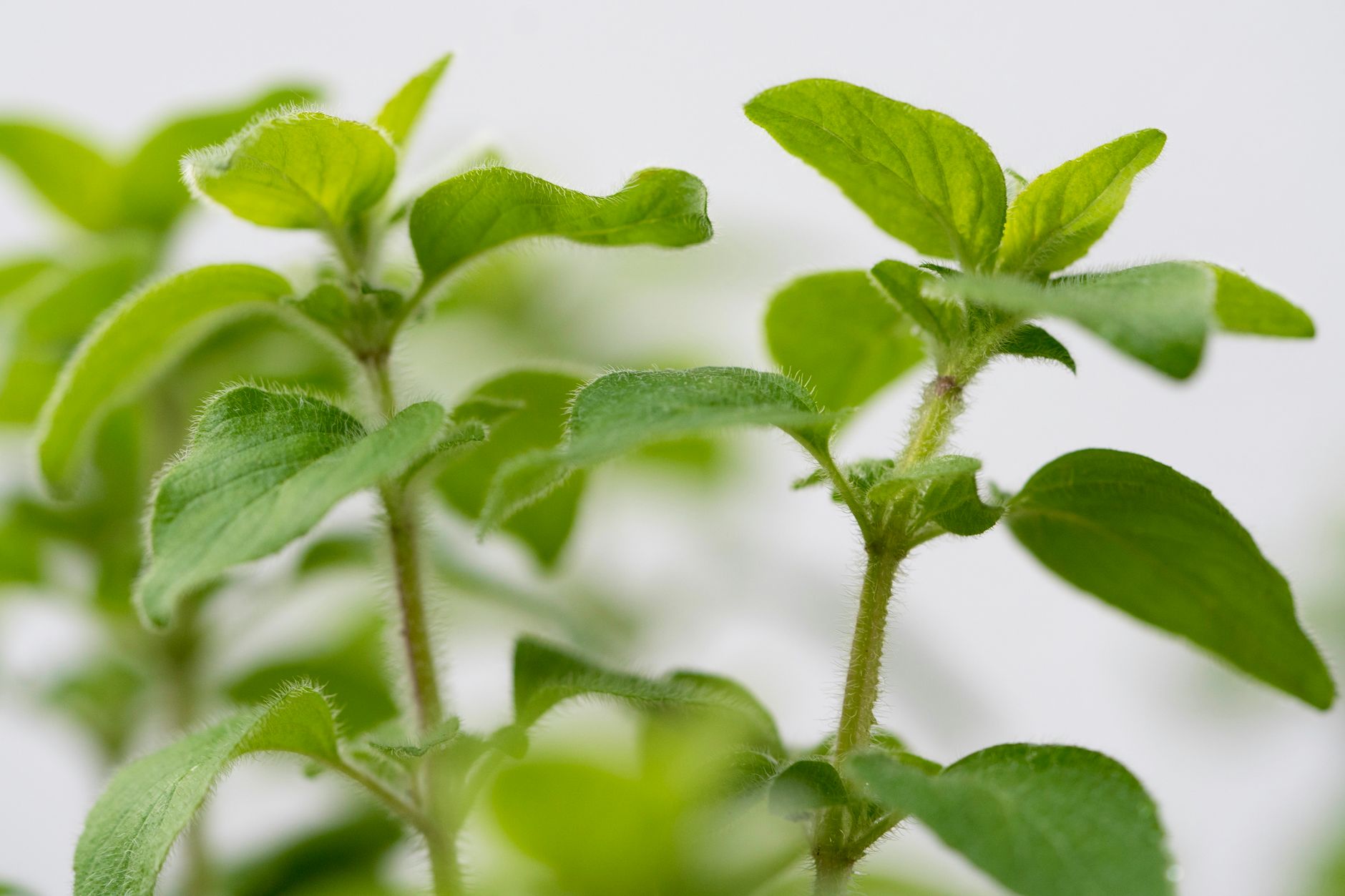
    The Ultimate Guide to BASIL LEAF: Health Benefits and Uses

    The Verdant Elixir: Unveiling the Profound Health Benefits of Basil Leaf

    From the sun-drenched fields of the Mediterranean to the bustling kitchens of Asia, basil (Ocimum basilicum) stands as a culinary cornerstone, revered for its vibrant aroma and distinct flavor. Yet, beyond its gastronomic appeal, this humble herb, often dubbed the “king of herbs,” possesses an astonishing array of health-promoting properties that have been cherished in traditional medicine systems for millennia. More than just a garnish, basil leaf is a potent source of bioactive compounds that offer therapeutic advantages, ranging from robust antioxidant defense to powerful anti-inflammatory and antimicrobial actions. This exhaustive guide delves into the intricate science behind the health benefits of basil leaf, exploring its rich history, complex chemical composition, and diverse applications, solidifying its status as a true superfood for holistic well-being.

    A Journey Through Time: Botanical Profile and Historical Significance

    Basil, belonging to the Lamiaceae (mint) family, is scientifically known as Ocimum basilicum. It is an annual herb characterized by its lush, often glossy green leaves, which can vary in size, shape, and even color across its numerous cultivars, including sweet basil, lemon basil, Thai basil, and purple basil. The plant produces small, white or pinkish flowers arranged in terminal spikes and emits a distinctive, aromatic fragrance that is instantly recognizable. Native to tropical regions stretching from central Africa to Southeast Asia, basil has been cultivated for over 5,000 years, making its way to Europe via ancient trade routes.

    BASIL LEAF Botanical Photo

    The name “basil” itself is derived from the Greek word “basilikón,” meaning “royal,” reflecting its esteemed status. In ancient India, basil, particularly its revered cousin Holy Basil or Tulsi (Ocimum sanctum/tenuiflorum), was considered sacred and an embodiment of the goddess Lakshmi, integral to Ayurvedic medicine for its adaptogenic and healing properties. In ancient Egypt, it was used in embalming rituals, while in Roman and Greek cultures, it symbolized love and fertility, respectively. Its journey across continents saw it integrated into various culinary traditions, from Italian pesto to Thai curries, consistently celebrated not just for flavor but for its perceived medicinal virtues, often used to alleviate digestive issues, fevers, and even snake bites.

    The Chemical Tapestry: Unveiling Basil Leaf’s Bioactive Compounds

    The remarkable health benefits of basil leaf stem from its incredibly rich and complex phytochemical profile. This verdant herb is a veritable pharmacy of bioactive compounds, each contributing to its therapeutic prowess. The most significant contributors to basil’s medicinal properties are its essential oils, flavonoids, polyphenols, and a spectrum of vitamins and minerals. Understanding these components is key to appreciating basil’s multifaceted impact on human health.

    BASIL LEAF Plant Profile

    1. Essential Oils and Terpenes: The Aromatic Powerhouses

    The distinct aroma and many of the pharmacological actions of basil are attributed to its volatile essential oils. The exact composition varies depending on the cultivar, growing conditions, and processing methods, but key compounds include:

    • Linalool: A monoterpene alcohol found in high concentrations, particularly in sweet basil. Linalool is renowned for its calming, anxiolytic (anti-anxiety), and sedative properties. It also exhibits anti-inflammatory and analgesic effects, making it a valuable compound for stress relief and pain management.
    • Estragole (Methyl Chavicol): This phenylpropene gives basil its characteristic anise-like or sweet aroma. While beneficial in moderation, it has been a subject of toxicological studies, though levels in culinary basil are generally considered safe. It contributes to basil’s antimicrobial activity.
    • Eugenol: Abundant in certain basil varieties (e.g., clove basil), eugenol is also a major component of clove oil. It is a powerful anti-inflammatory agent, acting by inhibiting the COX-2 enzyme pathway, similar to NSAIDs. Eugenol also possesses significant antiseptic and analgesic properties.
    • Methyl Cinnamate: Contributing a sweet, balsamic note, this compound also demonstrates antimicrobial and anti-inflammatory activities.
    • 1,8-Cineole (Eucalyptol): Present in some basil types, it is known for its expectorant and anti-inflammatory effects, often found in respiratory remedies.
    • Limonene: A common citrus-scented terpene with antioxidant and anti-inflammatory properties, also studied for its potential anti-cancer effects.
    • Beta-Caryophyllene: This sesquiterpene is unique in its ability to selectively bind to cannabinoid receptor 2 (CB2), exhibiting potent anti-inflammatory effects without psychoactive properties.

    2. Flavonoids: The Antioxidant Defenders

    Basil is rich in various flavonoids, powerful plant pigments that act as antioxidants. Key flavonoids include orientin and vicenin. These compounds are crucial for neutralizing harmful free radicals in the body, protecting cells from oxidative damage, and contributing to basil’s anti-inflammatory and immune-modulating effects.

    3. Polyphenols: Beyond Antioxidants

    Among the polyphenols, **Rosmarinic Acid** is a standout in basil. This potent compound is an ester of caffeic acid and 3,4-dihydroxyphenyl lactic acid. Rosmarinic acid is a highly effective antioxidant and anti-inflammatory agent. It also exhibits antimicrobial, antiviral, and antiallergic properties, making it a significant contributor to basil’s diverse health benefits. It can protect against oxidative damage to lipids and DNA and has been shown to modulate immune responses.

    4. Vitamins and Minerals: Essential Micronutrients

    Basil leaf is a good source of several vital micronutrients, including:

    • Vitamin K: Essential for blood clotting and bone health.
    • Vitamin A (as beta-carotene): A powerful antioxidant crucial for vision, immune function, and skin health.
    • Manganese: An essential cofactor for many enzymes, involved in bone formation, metabolism, and antioxidant defense.
    • Iron: Vital for oxygen transport and energy production.
    • Calcium: Fundamental for bone density and nerve function.
    • Magnesium: Involved in over 300 enzymatic reactions, crucial for muscle and nerve function, blood glucose control, and blood pressure regulation.

    The Comprehensive Health Benefits of Basil Leaf

    The synergy of basil’s bioactive compounds translates into a wide spectrum of health advantages, addressing various physiological systems.

    1. Potent Antioxidant Powerhouse

    One of the most celebrated attributes of basil leaf is its exceptional antioxidant capacity. The high concentrations of flavonoids (orientin, vicenin) and polyphenols (rosmarinic acid), alongside vitamins A and K, provide robust defense against oxidative stress. Oxidative stress, caused by an imbalance between free radical production and the body’s ability to neutralize them, is a major contributor to aging and numerous chronic diseases, including cardiovascular disease, cancer, and neurodegenerative disorders. Basil’s antioxidants work by scavenging these damaging free radicals, preventing cellular damage, lipid peroxidation, and DNA mutations, thereby preserving cellular integrity and promoting overall health at a foundational level.

    2. Robust Anti-inflammatory Properties

    Chronic inflammation is a silent instigator of many modern ailments. Basil leaf emerges as a formidable anti-inflammatory agent, primarily due to compounds like eugenol, linalool, and beta-caryophyllene. Eugenol directly inhibits cyclooxygenase (COX) enzymes, particularly COX-2, which are key mediators in inflammatory pathways, similar to how many over-the-counter pain relievers work. Beta-caryophyllene uniquely interacts with CB2 receptors, reducing inflammation without inducing psychoactive effects. This collective action helps to reduce systemic inflammation, alleviate pain, swelling, and discomfort associated with conditions such as arthritis, inflammatory bowel disease, and various autoimmune disorders, offering a natural approach to managing chronic inflammatory states.

    3. Antimicrobial and Antiseptic Actions

    Basil essential oil exhibits significant antimicrobial activity against a broad spectrum of bacteria, fungi, and even some viruses. Compounds like eugenol, linalool, and estragole are particularly effective in disrupting microbial cell membranes, inhibiting their growth and proliferation. This makes basil a natural antiseptic. Historically, it was used to prevent infections and aid wound healing. Modern research supports its efficacy against common foodborne pathogens like Listeria monocytogenes and Salmonella enteritidis, as well as oral bacteria that contribute to dental plaque and bad breath. Incorporating basil can contribute to better oral hygiene and offers protection against various infectious agents.

    4. Stress Reduction and Adaptogenic Potential

    While Holy Basil (Tulsi) is more widely recognized for its adaptogenic properties, common basil also offers notable stress-reducing benefits. The presence of linalool, in particular, contributes to its calming and anxiolytic effects. Linalool is known to affect neurotransmitter systems, promoting relaxation and reducing feelings of anxiety. Regular consumption of basil, or even aromatherapy with basil essential oil, can help modulate the body’s stress response, potentially lowering cortisol levels and fostering a greater sense of well-being. This adaptogenic potential helps the body cope more effectively with physical and emotional stressors, promoting mental clarity and emotional balance.

    BASIL LEAF Dried Herb

    5. Cardiovascular Health Support

    Basil leaf contributes significantly to cardiovascular health through multiple mechanisms. Its potent antioxidants protect the heart and blood vessels from oxidative damage, which is a key factor in the development of atherosclerosis (hardening of the arteries). Magnesium and potassium content helps regulate blood pressure by promoting vasodilation and maintaining electrolyte balance. Furthermore, some compounds in basil may help lower LDL (“bad”) cholesterol levels and prevent platelet aggregation, thereby reducing the risk of blood clots and improving overall circulatory function. By reducing inflammation and oxidative stress within the vascular system, basil supports a healthy heart and robust circulation.

    6. Digestive Wellness

    Basil has long been employed as a digestive aid in traditional medicine. Its carminative properties help soothe the digestive tract, reduce intestinal spasms, and alleviate symptoms like gas, bloating, and indigestion. The anti-inflammatory compounds can also help reduce inflammation in the gut lining, potentially benefiting individuals with conditions like irritable bowel syndrome (IBS). Moreover, basil’s antimicrobial activity can help maintain a healthy balance of gut flora, discouraging the growth of harmful bacteria and promoting overall digestive comfort and regularity.

    7. Blood Sugar Regulation

    Emerging research suggests that basil leaf may play a role in supporting healthy blood sugar levels. Some compounds found in basil have been shown to inhibit alpha-glucosidase, an enzyme responsible for breaking down complex carbohydrates into glucose, thus slowing down sugar absorption into the bloodstream. This effect, combined with its anti-inflammatory properties that can improve insulin sensitivity, makes basil a valuable dietary addition for individuals managing blood sugar or seeking to prevent metabolic imbalances. While not a cure, it can be a supportive component of a blood sugar-conscious diet.

    8. Skin Health and Anti-Aging Benefits

    The antioxidant and anti-inflammatory power of basil extends to skin health. By combatting free radicals, basil helps protect skin cells from environmental damage, including UV radiation and pollution, which contribute to premature aging. Its anti-inflammatory properties can soothe irritated skin, reduce redness, and potentially help manage conditions like acne due to its antimicrobial action against skin bacteria. Applied topically (usually as an extract or essential oil diluted in a carrier oil), basil can promote a clearer, healthier, and more youthful complexion by supporting cellular regeneration and reducing oxidative stress-induced damage.

    9. Cancer-Fighting Potential (Chemopreventive)

    While research is ongoing and primarily conducted in laboratories, basil leaf shows promising chemopreventive properties. Compounds like eugenol, rosmarinic acid, and other flavonoids have been investigated for their ability to induce apoptosis (programmed cell death) in various cancer cell lines, inhibit tumor angiogenesis (the formation of new blood vessels that feed tumors), and block the activation of carcinogens. The powerful antioxidant and anti-inflammatory actions of basil also contribute to its potential to prevent the initiation and progression of cancer by protecting cellular DNA from damage and modulating immune responses. It’s important to note that these are pre-clinical findings, and basil should be considered a supportive food, not a primary cancer treatment.

    Practical Applications and Usage of Basil Leaf

    Incorporating basil leaf into your daily routine is simple and incredibly versatile, whether you prefer it fresh, dried, or in concentrated forms.

    1. Fresh Basil Leaves

    The most popular way to enjoy basil is in its fresh form. It adds a burst of flavor to salads, sandwiches, pizzas, and pasta dishes. It is the star ingredient in classic Italian pesto. Fresh basil can be minced and added to marinades, stir-fries, or used as a garnish for soups and curries. To maximize its health benefits, add fresh basil towards the end of cooking to preserve its delicate essential oils and heat-sensitive compounds.

    2. Dried Basil Herb

    Dried basil, while less pungent than fresh, still retains many of its beneficial compounds and is a convenient spice for year-round use. It’s excellent in sauces, stews, dry rubs for meats, and seasoning blends. Its flavor becomes more concentrated when dried, so use it judiciously. Dried basil is also ideal for making herbal infusions or teas, which can be particularly soothing for digestion or as a calming beverage.

    3. Basil Essential Oil

    Basil essential oil is a highly concentrated form of the herb’s volatile compounds and should be used with caution. In aromatherapy, it’s diffused to uplift mood, reduce anxiety, and promote mental clarity. Topically, diluted in a carrier oil (like jojoba or almond oil), it can be massaged onto sore muscles to reduce inflammation and pain, or applied to the temples for headache relief. It should never be applied undiluted to the skin and internal consumption should only be under the guidance of a qualified practitioner due to its potency.

    BASIL LEAF Capsules

    4. Basil Supplements and Capsules

    For those seeking a more concentrated dose of basil’s health benefits, supplements in capsule or extract form are available. These products typically contain standardized extracts of basil leaf, ensuring a consistent level of active compounds. They are often used to support general wellness, manage stress, or target specific conditions like inflammation or digestive issues. When choosing a supplement, look for reputable brands that provide third-party testing and clear ingredient labeling. Always consult with a healthcare professional before starting any new supplement regimen, especially if you have underlying health conditions or are taking other medications.

    BASIL LEAF Natural Herb

    Dosage, Precautions, and Potential Side Effects

    While basil leaf is generally considered safe for most people when consumed in culinary amounts, there are a few considerations, especially with concentrated forms:

    • Culinary Use: Enjoying fresh or dried basil in food is safe and encouraged for most individuals. There is no specific dosage recommendation, as it is a food item.
    • Supplements: Doses for basil supplements vary widely depending on the concentration and intended use. Always follow the manufacturer’s instructions or, ideally, consult a healthcare professional.
    • Blood Thinners: Basil is a good source of Vitamin K, which plays a crucial role in blood clotting. Individuals taking anticoagulant medications like warfarin should consume basil in consistent, moderate amounts to avoid interference with medication efficacy, and should consult their doctor.
    • Pregnancy and Breastfeeding: While culinary amounts are safe, concentrated basil extracts or essential oils are generally not recommended during pregnancy or breastfeeding due to insufficient research on their effects.
    • Allergies: Though rare, some individuals may experience allergic reactions to basil, especially if they have allergies to other plants in the mint family.
    • Estragole Content: Basil contains estragole, which has shown carcinogenic potential in very high doses in animal studies. However, the amounts found in culinary basil are considered safe for human consumption, and you would need to consume extremely large quantities of basil or highly concentrated essential oil over a prolonged period for this to be a concern.

    Conclusion

    Basil leaf is far more than just a flavorful herb; it is a nutritional powerhouse steeped in history and validated by modern science. Its intricate composition of essential oils, flavonoids, and polyphenols orchestrates a symphony of health benefits, offering potent antioxidant, anti-inflammatory, and antimicrobial protection. From supporting cardiovascular health and digestive wellness to reducing stress and showing promise in cancer prevention, basil leaf embodies the true essence of food as medicine. By embracing this verdant elixir in its various forms, we can harness its natural potency to enrich our diets, bolster our health, and cultivate a deeper connection to the time-honored wisdom of herbal remedies. Make basil a staple in your kitchen and discover the profound impact of this royal herb on your journey to holistic well-being.

    Disclaimer: For informational purposes only. Not medical advice. Consult a qualified healthcare professional before use.
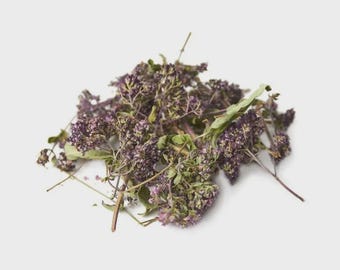
    The Ultimate Guide to Peony: Health Benefits and Uses

    The Profound Health Benefits of Peony: An Exhaustive Deep-Dive into Nature’s Ancient Healer

    For centuries, the resplendent peony has captivated the human imagination, adorning gardens with its magnificent blooms and inspiring artists with its delicate beauty. Beyond its aesthetic appeal, however, lies a botanical powerhouse steeped in therapeutic potential. Revered in traditional medicine systems for millennia, particularly Traditional Chinese Medicine (TCM), the peony root, often referred to as “Bai Shao” (white peony) or “Chi Shao” (red peony), offers a spectrum of health benefits that are increasingly supported by modern scientific research. This comprehensive guide will meticulously explore the multifaceted advantages of incorporating peony into a holistic wellness regimen, delving into its rich history, potent bioactive compounds, and the mechanisms behind its remarkable healing properties.

    A Journey Through Time: The Historical Significance and Cultural Reverence of Peony

    The peony’s journey as a medicinal herb began thousands of years ago in ancient China, where it was first documented in the Shennong Ben Cao Jing, one of the earliest known pharmacopoeias, dating back to 200 AD or earlier. In TCM, peony root is considered a fundamental herb, renowned for its ability to nourish blood, regulate menstruation, calm the liver, and alleviate pain. Its significance extended beyond medicine, becoming a symbol of prosperity, honor, and feminine beauty in Chinese culture, earning it the title “King of Flowers.”

    While most commonly associated with East Asia, various species of peony have also found their way into European folk medicine. For instance, European common peony (*Paeonia officinalis*) was historically used for conditions ranging from epilepsy to gout, highlighting a widespread recognition of its therapeutic attributes across different civilizations. This rich historical tapestry underscores peony’s enduring legacy as a plant of profound cultural and medicinal importance.

    Botanical Overview: Unveiling the Species Behind the Healing

    The genus *Paeonia* encompasses dozens of species, but the primary medicinal varieties are typically derived from two main plants: *Paeonia lactiflora* (often referred to as white peony or common garden peony) and *Paeonia suffruticosa* (tree peony). Both species yield roots that are prized for their medicinal properties, though with subtle differences in their traditional applications and chemical profiles. *Paeonia lactiflora* root (Bai Shao) is traditionally used to nourish blood, regulate menstruation, and alleviate pain, particularly smooth muscle spasms, making it a staple in formulas for gynecological issues and musculoskeletal pain. *Paeonia suffruticosa* root bark (Mu Dan Pi), on the other hand, is known for clearing heat, cooling blood, and reducing stagnant blood, often utilized in inflammatory conditions with fever or rashes.

    The peony plant itself is a striking perennial, characterized by its large, showy flowers, typically blooming in late spring to early summer. Its leaves are deeply lobed, and the root system is robust, storing the valuable compounds responsible for its therapeutic effects. Understanding the specific species and their traditional uses is crucial for appreciating the nuances of peony’s medicinal potential.

    Peony Botanical Photo

    The Chemical Symphony: Key Bioactive Compounds and Their Mechanisms

    The extensive health benefits of peony are attributed to its complex phytochemical profile, a veritable symphony of bioactive compounds working in concert. Among the most extensively studied are monoterpene glycosides, particularly paeoniflorin, and its derivatives such as albiflorin and oxypaeoniflorin. Other crucial components include triterpenoids, flavonoids, tannins, volatile oils, and polysaccharides. Each class of compounds contributes uniquely to peony’s therapeutic repertoire.

    • Paeoniflorin: This is arguably the most significant active compound in peony root, responsible for many of its anti-inflammatory, analgesic, immunomodulatory, and neuroprotective effects. Paeoniflorin acts through multiple pathways, including modulating the arachidonic acid pathway, inhibiting pro-inflammatory cytokines like TNF-α and IL-6, and influencing neurotransmitter systems.
    • Albiflorin: A derivative of paeoniflorin, albiflorin also exhibits significant anti-inflammatory and analgesic properties, often working synergistically with paeoniflorin to enhance therapeutic outcomes.
    • Paeonol: Primarily found in *Paeonia suffruticosa* (tree peony bark), paeonol possesses strong anti-inflammatory, antioxidant, and anti-thrombotic activities. It can inhibit histamine release and suppress various inflammatory mediators.
    • Flavonoids: These powerful antioxidants contribute to peony’s ability to combat oxidative stress, protect cells from damage, and exert anti-inflammatory effects.
    • Tannins: Known for their astringent properties, tannins can help tighten tissues, reduce inflammation, and possess antimicrobial capabilities.
    • Polysaccharides: These complex carbohydrates contribute to peony’s immunomodulatory effects, supporting a balanced immune response.

    The intricate interplay of these compounds explains why whole peony root extracts often demonstrate superior efficacy compared to isolated compounds, leveraging a concept known as synergy or the “entourage effect.”

    Peony Plant Profile

    Unlocking Peony’s Potential: A Deep Dive into its Health Benefits

    1. Potent Anti-inflammatory and Analgesic Effects

    One of peony’s most celebrated attributes is its remarkable ability to combat inflammation and alleviate pain. Chronic inflammation is a root cause of numerous diseases, from autoimmune disorders to cardiovascular disease and neurodegenerative conditions. Peony root, particularly through its paeoniflorin content, intervenes in several critical inflammatory pathways. It has been shown to inhibit the activation of nuclear factor-kappa B (NF-κB), a master regulator of inflammatory genes, thereby reducing the production of pro-inflammatory cytokines such as TNF-α, IL-1β, and IL-6. Furthermore, peony can modulate the activity of cyclooxygenase-2 (COX-2) and inducible nitric oxide synthase (iNOS), enzymes that produce inflammatory mediators like prostaglandins and nitric oxide, respectively. This multi-targeted approach makes peony an effective natural agent for managing inflammatory conditions like rheumatoid arthritis, osteoarthritis, and inflammatory bowel disease, often reducing pain perception without the side effects associated with conventional NSAIDs.

    2. Harmonizing the Immune System: Immunomodulatory Actions

    Beyond simply suppressing inflammation, peony demonstrates sophisticated immunomodulatory properties, meaning it can help balance an overactive or underactive immune system. This makes it particularly valuable for autoimmune conditions, where the immune system mistakenly attacks the body’s own tissues. Research indicates that peony compounds can regulate T-cell and B-cell activity, promote regulatory T-cell differentiation (which helps to suppress autoimmune responses), and modulate cytokine production. For conditions like systemic lupus erythematosus (SLE) and rheumatoid arthritis, peony root has been studied for its potential to reduce disease activity and improve quality of life by subtly shifting the immune response towards a more balanced state, rather than broadly suppressing it.

    3. Nurturing Neurological Health and Mental Well-being

    The therapeutic reach of peony extends to the nervous system, offering significant neuroprotective and anxiolytic (anti-anxiety) benefits. Paeoniflorin can cross the blood-brain barrier and has been shown to protect neuronal cells from oxidative stress and inflammation, key factors in neurodegenerative diseases. It influences various neurotransmitter systems, including GABAergic and serotonergic pathways, which are critical for mood regulation and anxiety reduction. Studies suggest that peony may help alleviate symptoms of anxiety and depression, improve sleep quality, and even offer protection against cognitive decline by enhancing cerebral blood flow and reducing excitotoxicity. This makes it a promising natural adjunct for supporting mental clarity, emotional balance, and overall brain health.

    4. Supporting Cardiovascular Integrity

    Peony’s anti-inflammatory and antioxidant properties contribute to its potential benefits for cardiovascular health. By reducing inflammation in blood vessels and mitigating oxidative stress, peony can help protect against atherosclerosis (hardening of the arteries). Some research also suggests that peony may help to regulate blood pressure and improve microcirculation, potentially due to its ability to relax vascular smooth muscle. In TCM, red peony root (Chi Shao) is specifically used for invigorating blood and dispelling blood stasis, pointing to its historical recognition as a circulatory aid, which aligns with modern understanding of its anti-platelet and anti-thrombotic effects, albeit in a mild and balanced manner.

    5. Women’s Health Ally: From Menstruation to Menopause

    Peony has long been a cornerstone of women’s health in TCM, where it is used to nourish blood, regulate the menstrual cycle, and alleviate gynecological discomfort. White peony root (Bai Shao) is particularly revered for its ability to address conditions related to blood deficiency, irregular periods, premenstrual syndrome (PMS), and menopausal symptoms like hot flashes and night sweats. Its capacity to reduce uterine spasms contributes to its effectiveness in alleviating menstrual cramps (dysmenorrhea). Furthermore, its hormone-balancing properties, though subtle, may support ovarian function and help manage symptoms associated with conditions like Polycystic Ovary Syndrome (PCOS) by regulating androgen levels and improving insulin sensitivity, working synergistically with other herbs.

    Peony Dried Herb

    6. Enhancing Gastrointestinal Wellness

    The anti-inflammatory effects of peony extend to the digestive tract, where it can help soothe inflammation and support gut health. For individuals suffering from inflammatory bowel diseases such as Crohn’s disease and ulcerative colitis, peony may help reduce intestinal inflammation and improve gut barrier function. Its ability to modulate the immune response within the gut lumen and potentially influence the gut microbiome further solidifies its role in promoting digestive comfort and integrity. Moreover, traditional uses often cite peony for its ability to alleviate abdominal pain and spasms, offering relief for conditions like irritable bowel syndrome (IBS).

    7. Skin Health and Anti-Aging Properties

    Peony’s rich antioxidant content, combined with its anti-inflammatory actions, positions it as a beneficial ingredient for skin health. By neutralizing free radicals, it helps protect skin cells from environmental damage and premature aging, contributing to a more youthful and radiant complexion. Its anti-inflammatory properties can also help soothe irritated skin, reduce redness, and alleviate symptoms of inflammatory skin conditions like eczema and psoriasis. Some traditional formulations include peony for improving skin tone and reducing hyperpigmentation, suggesting a role in achieving clearer, more even skin.

    8. Liver Protective Effects

    Emerging research indicates that peony compounds may offer hepatoprotective benefits, safeguarding the liver from damage caused by toxins, inflammation, and oxidative stress. By supporting the liver’s detoxification pathways and reducing inflammatory burdens, peony can contribute to overall hepatic health, which is crucial for metabolism, hormone balance, and systemic detoxification.

    Practical Applications: Traditional Preparations and Modern Supplements

    Historically, peony root has been prepared in various forms, most commonly as decoctions (boiling the dried root in water to extract its compounds), tinctures (alcohol extracts), or incorporated into complex herbal formulas. In TCM, it is rarely used alone but rather as part of a synergistic blend with other herbs to achieve specific therapeutic outcomes, leveraging the wisdom of thousands of years of clinical observation.

    Peony Capsules

    In modern contexts, peony root is widely available as dietary supplements in various forms, including:

    • Capsules or Tablets: These typically contain standardized extracts of white peony root, ensuring a consistent concentration of active compounds like paeoniflorin. This form offers convenience and precise dosing.
    • Tinctures or Liquid Extracts: These provide a concentrated form of peony, often allowing for faster absorption and flexibility in dosing.
    • Dried Root Slices: For those interested in traditional preparation methods, dried peony root is available for brewing teas or decoctions at home.

    When selecting a peony supplement, it is paramount to choose products from reputable manufacturers that provide third-party testing for purity and potency. Standardization to a specific percentage of paeoniflorin is often a good indicator of quality and consistency.

    Dosage, Safety, and Considerations

    While peony is generally considered safe for most individuals when used appropriately, it is crucial to consult with a healthcare professional or a qualified herbalist before initiating any new supplement regimen, especially for those with existing medical conditions, pregnant or breastfeeding women, or individuals taking other medications. The appropriate dosage of peony can vary significantly depending on the form of the herb, the concentration of active compounds, and the specific health concern being addressed. Traditional dosages for dried root typically range from 6 to 15 grams per day in decoction.

    Peony Natural Herb

    Potential side effects are rare but can include mild gastrointestinal upset, such as nausea or diarrhea, particularly at higher doses. In rare cases, allergic reactions may occur. Peony may interact with certain medications, including anticoagulants (blood thinners) due to its mild anti-platelet effects, and potentially drugs metabolized by the liver. Therefore, professional guidance is indispensable to ensure safe and effective use.

    Conclusion: Peony – A Jewel in the Crown of Herbal Medicine

    The peony, a plant celebrated for its breathtaking beauty, is equally distinguished by its profound medicinal properties. From its deep roots in ancient Chinese medicine to its validation through modern scientific inquiry, peony stands as a powerful testament to nature’s healing prowess. Its multifaceted benefits, encompassing potent anti-inflammatory, immunomodulatory, analgesic, neuroprotective, and hormone-balancing effects, make it a valuable asset for a wide array of health conditions. As research continues to unravel the complexities of its bioactive compounds and mechanisms of action, peony’s potential as a holistic wellness aid continues to expand. Embracing this ancient healer, with due diligence and professional guidance, offers a path toward enhanced well-being and a deeper connection to the therapeutic wisdom of the natural world.

    Disclaimer: For informational purposes only. Not medical advice. Consult a qualified healthcare professional before use.
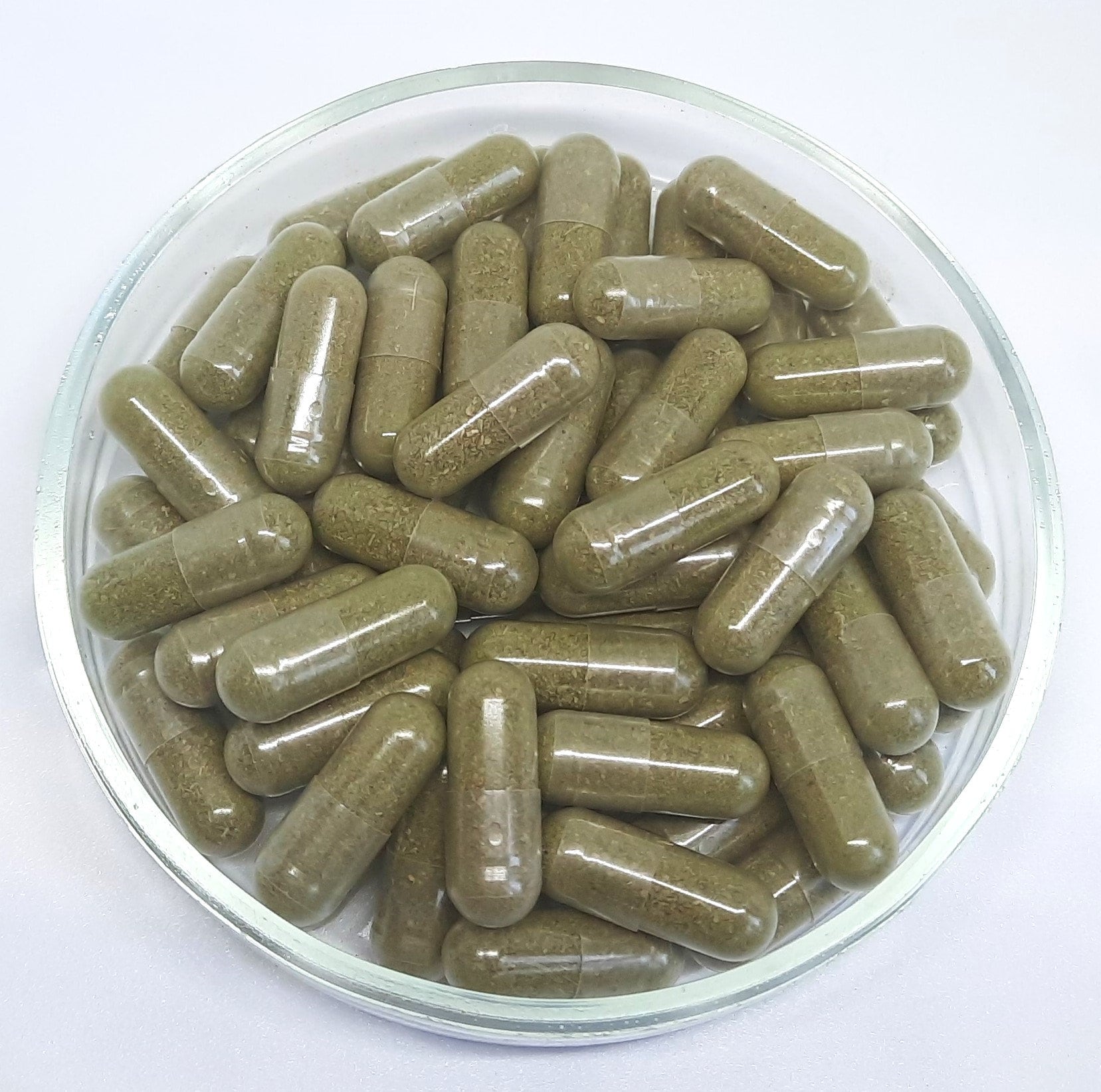
    The Ultimate Guide to Nettle: Health Benefits and Uses

    The Unrivaled Power of Nettle: An Exhaustive Deep-Dive into Its Health Benefits

    For centuries, a plant often dismissed as a prickly weed has secretly been a cornerstone of traditional medicine and a powerhouse of nutrition across cultures worldwide. Known botanically as *Urtica dioica*, but more commonly as Stinging Nettle, this remarkable herb is far more than its infamous sting suggests. From the bustling markets of ancient Rome to the quiet practices of modern herbalists, nettle has commanded respect for its profound and diverse health benefits. In an era where natural remedies are gaining renewed scientific interest, nettle stands out as a subject of extensive research, revealing a complex tapestry of bioactive compounds that underpin its therapeutic prowess. This definitive guide aims to peel back the layers of this extraordinary plant, exploring its rich history, its intricate chemical composition, and the myriad ways it can contribute to human health and well-being.

    A Botanical Profile and Its Storied Past: From Ancient Remedy to Modern Marvel

    Stinging Nettle (*Urtica dioica*) is a herbaceous perennial flowering plant belonging to the Urticaceae family. Indigenous to Europe, Asia, northern Africa, and North America, it thrives in nitrogen-rich soil, often found in woodlands, meadows, and neglected areas. Its distinguishing feature is the presence of hollow, stinging hairs, called trichomes, on its leaves and stems. These trichomes contain a cocktail of chemicals, including histamine, serotonin, acetylcholine, and formic acid, which, upon contact, inject irritants into the skin, causing a characteristic stinging sensation. However, once dried, cooked, or otherwise processed, these stinging compounds are neutralized, rendering the plant safe and highly beneficial for consumption.

    The history of nettle as a medicinal plant is as extensive as its geographical spread. Ancient Egyptians used it for arthritis and back pain. Hippocrates, the father of medicine, listed nettle among his herbal remedies. Roman soldiers reportedly rubbed nettle on themselves to stimulate circulation and keep warm in colder climates – a practice known as “urtication.” During the Middle Ages, nettle was a panacea, used for everything from treating gout and joint pain to addressing digestive issues and promoting lactation. Native American tribes utilized nettle for its diuretic properties, to treat urinary tract infections, and as a nourishing food source. This deep-rooted historical usage is not merely folklore; it provides a compelling context for the scientific investigations that continue to validate its therapeutic claims today.

    Nettle Botanical Photo

    Unveiling Nettle’s Bioactive Arsenal: A Symphony of Compounds

    The profound health benefits of nettle are attributed to its exceptionally rich and complex phytochemical profile. Unlike many herbs that rely on one or two dominant active compounds, nettle boasts a synergistic blend of vitamins, minerals, polyphenols, flavonoids, carotenoids, and other unique constituents. This makes it a true multi-faceted medicinal plant, with its efficacy stemming from the combined action of these diverse elements.

    • Flavonoids: Nettle is a rich source of powerful antioxidants like quercetin, kaempferol, and rutin. These compounds are well-known for their anti-inflammatory, antiallergic, and antioxidant properties. They help neutralize free radicals, reduce oxidative stress, and modulate immune responses, playing a crucial role in reducing systemic inflammation.
    • Carotenoids: Beta-carotene, lutein, and beta-cryptoxanthin contribute to nettle’s vibrant green color and act as potent antioxidants. Beta-carotene is a precursor to Vitamin A, essential for vision, immune function, and skin health, while lutein is vital for eye health.
    • Vitamins: Nettle is packed with essential vitamins. It contains high levels of Vitamin C, a vital antioxidant and immune booster; Vitamin K, crucial for blood clotting and bone health; and several B vitamins (including B1, B2, B3, B5, and B9 or folate), which are critical for energy metabolism and neurological function.
    • Minerals: This herb is an excellent source of vital minerals such as iron (essential for red blood cell formation and preventing anemia), calcium (for strong bones and teeth), magnesium (involved in over 300 enzymatic reactions, muscle and nerve function), potassium (for electrolyte balance and blood pressure regulation), and silica (important for connective tissue, hair, skin, and nails).
    • Polyphenols: Beyond flavonoids, nettle contains other beneficial polyphenols like caffeic acid, chlorogenic acid, and coumarins, which further contribute to its antioxidant and anti-inflammatory effects.
    • Fatty Acids: Nettle also contains beneficial fatty acids, including linoleic acid and alpha-linolenic acid, which are important for cellular function and reducing inflammation.
    • Amines: The stinging hairs contain histamine, serotonin, and acetylcholine. While these cause the initial sting, in processed forms, they may play a role in nettle’s therapeutic effects, particularly in modulating allergic responses and pain perception.
    • Sterols and Lignans: Beta-sitosterol and other plant sterols are particularly notable for their role in prostate health. Lignans are phytoestrogens that can interact with hormonal pathways, offering benefits for hormonal balance.
    • Chlorophyll: The abundant chlorophyll in nettle supports detoxification processes and contributes to its blood-building properties.

    It is this remarkable synergy of compounds that allows nettle to exert such a wide range of beneficial effects on the human body, targeting various systems and pathways simultaneously.

    Nettle Plant Profile

    Key Health Benefits of Nettle: A Detailed Exploration

    1. Potent Anti-inflammatory Properties

    One of nettle’s most celebrated attributes is its powerful anti-inflammatory action. Chronic inflammation is at the root of many diseases, including arthritis, cardiovascular conditions, and autoimmune disorders. Nettle addresses inflammation through multiple mechanisms:

    • Modulation of Inflammatory Pathways: Research indicates that nettle extracts can inhibit the activity of nuclear factor-kappa B (NF-κB), a protein complex that controls transcription of DNA, cytokine production, and cell survival, thereby playing a key role in regulating the immune response to infection and inflammation. By downregulating NF-κB, nettle reduces the expression of pro-inflammatory genes.
    • Inhibition of Pro-inflammatory Cytokines: Nettle has been shown to reduce the production of various pro-inflammatory cytokines, such as Tumor Necrosis Factor-alpha (TNF-α) and Interleukin-1 beta (IL-1β), which are major mediators of inflammation and tissue destruction in conditions like rheumatoid arthritis.
    • Reduction of COX-1 and COX-2 Activity: Similar to NSAIDs (non-steroidal anti-inflammatory drugs), nettle can inhibit cyclooxygenase (COX) enzymes, particularly COX-2, which are responsible for the synthesis of prostaglandins – lipid compounds that mediate inflammatory responses and pain. This mechanism helps alleviate pain and swelling associated with inflammatory conditions.

    These combined effects make nettle a valuable natural remedy for conditions like osteoarthritis, rheumatoid arthritis, gout, and other inflammatory disorders, offering a gentler alternative or complement to conventional treatments.

    2. Relief from Seasonal Allergies (Hay Fever)

    Nettle is a renowned natural antihistamine and anti-allergenic herb, particularly effective against seasonal allergic rhinitis (hay fever). Its mechanisms include:

    • Mast Cell Stabilization: Nettle compounds appear to stabilize mast cells, which are immune cells that release histamine and other inflammatory mediators in response to allergens. By stabilizing these cells, nettle can prevent the cascade of events that lead to allergic symptoms.
    • Inhibition of Histamine Receptor Binding: Certain compounds in nettle may block histamine H1 receptors, reducing the symptoms typically associated with histamine release, such as sneezing, itching, and nasal congestion.
    • Anti-inflammatory Effects on Nasal Passages: Its general anti-inflammatory properties help reduce swelling and irritation in the nasal passages and sinuses, providing symptomatic relief for allergy sufferers.

    Regular consumption of nettle tea or capsules, especially before and during allergy season, can significantly mitigate the discomfort of allergic reactions.

    3. Support for Prostate Health (Benign Prostatic Hyperplasia – BPH)

    The roots of *Urtica dioica* have been extensively studied and clinically proven to be beneficial in managing the symptoms of Benign Prostatic Hyperplasia (BPH), a non-cancerous enlargement of the prostate gland common in older men.

    • Interference with Testosterone Metabolism: Nettle root extract has been shown to inhibit the activity of 5-alpha-reductase, an enzyme that converts testosterone into dihydrotestosterone (DHT). DHT is a potent androgen implicated in prostate growth. By reducing DHT levels, nettle can help slow or reverse prostate enlargement.
    • Modulation of Sex Hormone Binding Globulin (SHBG): Nettle lignans can bind to SHBG, preventing it from binding to sex hormones like testosterone. This mechanism is thought to make more free testosterone available for the body, which paradoxically helps in BPH by potentially reducing the activity of other prostate-stimulating hormones.
    • Anti-inflammatory Effects on Prostate Tissue: The anti-inflammatory compounds in nettle can also reduce inflammation within the prostate gland, which contributes to BPH symptoms such as frequent urination, weak urine flow, and incomplete bladder emptying.

    Nettle root extracts are often used in combination with saw palmetto for enhanced efficacy in BPH management.

    4. Diuretic and Kidney Support

    Nettle has a long-standing reputation as a potent diuretic and urinary tract tonic. It gently increases urine flow, which helps flush out toxins and metabolic waste products from the body.

    • Increased Urine Output: Its diuretic action is attributed to a combination of flavonoids and potassium salts, which promote the excretion of water and sodium without significant potassium loss, unlike some pharmaceutical diuretics.
    • Urinary Tract Health: By encouraging frequent urination, nettle helps prevent the accumulation of bacteria in the urinary tract, making it beneficial for preventing and supporting the treatment of urinary tract infections (UTIs) and kidney stones.
    • Detoxification: The enhanced elimination of fluids helps cleanse the kidneys and bladder, contributing to overall detoxification and reducing fluid retention (edema).

    5. Blood Sugar Regulation

    Emerging research suggests that nettle may play a role in regulating blood glucose levels, offering potential benefits for individuals with diabetes or pre-diabetes.

    • Insulin Secretion and Sensitivity: Studies have indicated that nettle extract can stimulate insulin secretion from pancreatic beta cells and improve insulin sensitivity in peripheral tissues, leading to better glucose uptake and utilization.
    • Reduction of Glucose Absorption: Some components in nettle may also inhibit enzymes involved in carbohydrate digestion, thereby slowing down glucose absorption from the gut and preventing sharp post-meal blood sugar spikes.

    While promising, nettle should be used as an adjunctive therapy under medical supervision for blood sugar management, as it can interact with diabetes medications.

    6. Blood Pressure Management

    Nettle may contribute to healthy blood pressure levels through several mechanisms:

    • Vasodilation: Its compounds, including potassium, can induce vasodilation (widening of blood vessels), leading to reduced peripheral resistance and lower blood pressure.
    • Diuretic Effect: The diuretic action helps reduce blood volume, which can also contribute to a decrease in blood pressure.
    • Reduction of Sympathetic Activity: Some research suggests that nettle may reduce the activity of the sympathetic nervous system, which plays a role in regulating blood pressure.

    These effects make nettle a potentially useful herb for individuals with mild hypertension, though it should not replace prescribed medications without professional advice.

    7. Hair and Skin Health

    Nettle’s rich nutrient profile and anti-inflammatory properties make it a valuable asset for dermatological and hair care applications.

    • Skin Conditions: Its anti-inflammatory and antioxidant compounds can help soothe inflammatory skin conditions like eczema, psoriasis, and acne, reducing redness, itching, and irritation. Topically, nettle preparations can be applied to alleviate these symptoms.
    • Hair Growth and Strength: Nettle is rich in silica, sulfur, and a wide array of vitamins and minerals vital for healthy hair. It is believed to stimulate hair follicles, promote hair growth, and reduce hair loss by inhibiting the production of DHT (dihydrotestosterone), a hormone linked to androgenic alopecia. Nettle rinses and scalp treatments are popular for improving hair luster and reducing dandruff.

    8. Bone Health

    The significant mineral content of nettle, particularly calcium, magnesium, and Vitamin K, makes it an excellent herb for supporting bone health and potentially preventing osteoporosis.

    • Bone Mineral Density: Calcium and magnesium are fundamental building blocks of bone tissue. Vitamin K is crucial for activating proteins involved in bone mineralization, such as osteocalcin.
    • Silica: Silica is a trace mineral that plays a role in collagen formation and bone matrix development, contributing to bone strength and flexibility.

    Incorporating nettle into the diet can provide a natural boost of these essential nutrients for skeletal integrity.

    9. Combating Iron Deficiency Anemia

    Nettle is an exceptional source of non-heme iron, making it a valuable dietary addition for preventing and treating iron deficiency anemia. Its efficacy is further enhanced by:

    • Vitamin C Content: Nettle contains high levels of Vitamin C, which significantly improves the absorption of non-heme iron from plant sources.
    • Chlorophyll: The rich chlorophyll content, often referred to as “green blood,” has a chemical structure similar to hemoglobin and is thought to support blood building and purification.

    Regular consumption can help increase hemoglobin levels and alleviate symptoms of anemia such as fatigue and weakness.

    Practical Usage and Forms of Nettle

    Nettle’s versatility extends to its various forms of consumption, making it accessible for different needs and preferences.

    1. Fresh Nettle

    Harvesting fresh nettle requires caution due to its sting. Gloves are essential. Once blanched, steamed, or cooked, the sting is neutralized. Fresh nettle leaves can be used like spinach in soups, stews, pestos, smoothies, and quiches, adding a nutritious boost and an earthy, slightly spinach-like flavor.

    2. Dried Nettle Herb

    Dried nettle leaves are perhaps the most common form for herbal preparations. They are widely used for:

    • Nettle Tea/Infusion: Steep 1-2 teaspoons of dried nettle leaves in hot water for 5-10 minutes. This is a popular way to consume nettle for general health, allergy relief, and as a diuretic. A stronger infusion, steeped for several hours, can be made for more potent effects.
    • Tinctures: Nettle tinctures are concentrated liquid extracts made by soaking dried nettle in alcohol. They offer a convenient way to consume the herb, typically taken in drops under the tongue or in water.
    • Culinary Uses: Dried nettle can be powdered and added to baked goods, sauces, or sprinkled over meals as a nutrient-dense seasoning.

    Nettle Dried Herb

    3. Nettle Supplements

    For those seeking convenience or higher concentrations of specific compounds, nettle is available in various supplemental forms:

    • Capsules/Tablets: These contain powdered nettle leaf or root extract and are a convenient way to ensure consistent dosage. They are often standardized to contain specific levels of active compounds, particularly for prostate health.
    • Liquid Extracts: Similar to tinctures but often alcohol-free, these provide a concentrated form of nettle that can be added to water or juice.

    Nettle Capsules

    4. Topical Applications

    Nettle can also be used externally:

    • Rinses and Hair Masks: Nettle tea or infusions can be used as a hair rinse to promote growth, reduce dandruff, and add shine.
    • Poultices and Compresses: For skin irritations, joint pain, or bruising, a poultice made from fresh or dried nettle (after processing to remove the sting) can be applied to the affected area.

    Dosage and Important Considerations

    While nettle is generally considered safe for most people when consumed in appropriate amounts, it’s crucial to be aware of potential side effects, contraindications, and interactions. Always consult with a healthcare professional before starting any new herbal supplement, especially if you have underlying health conditions or are taking medications.

    General Dosage Guidelines (vary based on form and concentration):

    • Tea/Infusion: 1-2 teaspoons of dried herb steeped in 8 oz hot water, 2-3 times daily.
    • Capsules: 300-500 mg of standardized extract, 2-3 times daily, or as directed by the product label/healthcare provider. For BPH, doses can be higher, often 600-1200 mg daily.
    • Tincture: 1-4 ml, 2-3 times daily.

    Potential Side Effects:

    Most side effects are mild and include:

    • Mild stomach upset, diarrhea, or constipation.
    • Allergic reactions (rare), such as skin rash or hives.
    • Topical application of fresh nettle will cause a temporary stinging sensation.

    Contraindications and Interactions:

    • Pregnancy and Breastfeeding: Nettle may stimulate uterine contractions and is generally not recommended for pregnant or breastfeeding women.
    • Blood Thinners (Anticoagulants): Nettle’s high Vitamin K content can interfere with blood-thinning medications like warfarin, increasing the risk of blood clots.
    • Diuretics: As a natural diuretic, nettle may potentiate the effects of pharmaceutical diuretics, potentially leading to dehydration or electrolyte imbalance.
    • Blood Pressure Medications: Nettle can lower blood pressure, potentially causing hypotension when combined with antihypertensive drugs.
    • Diabetes Medications: Nettle’s blood sugar-lowering effects can interact with diabetes medications, leading to hypoglycemia (low blood sugar).
    • Lithium: Nettle’s diuretic effect could increase the concentration of lithium in the body, leading to serious side effects.

    Individuals with kidney conditions, heart disease, or a history of allergic reactions should exercise particular caution.

    Conclusion: Embracing the Enduring Legacy of Nettle

    From ancient medicinal lore to modern scientific validation, Nettle (*Urtica dioica*) stands as a testament to the enduring power of natural remedies. Its humble appearance belies a sophisticated chemical profile that offers a comprehensive suite of health benefits, including potent anti-inflammatory effects, significant allergy relief, crucial support for prostate and kidney health, and contributions to blood sugar regulation, blood pressure management, and the vitality of hair, skin, and bones. As a nutrient-dense superfood and a versatile medicinal herb, nettle provides a holistic approach to well-being, addressing various bodily systems through its synergistic blend of vitamins, minerals, antioxidants, and unique bioactive compounds.

    While the infamous sting serves as a protective mechanism, once processed, nettle transforms into a gentle yet powerful ally in health. Whether consumed as a comforting tea, a nutrient-rich culinary ingredient, or a concentrated supplement, incorporating nettle into one’s health regimen can be a profound step towards harnessing the wisdom of nature. As research continues to unravel its full potential, nettle remains a shining example of how traditional knowledge, when illuminated by scientific inquiry, can offer sustainable and effective pathways to enhance our health and quality of life. Embrace the sting and discover the profound gifts of this remarkable plant.

    Nettle Natural Herb

    Disclaimer: For informational purposes only. Not medical advice. Consult a qualified healthcare professional before use.
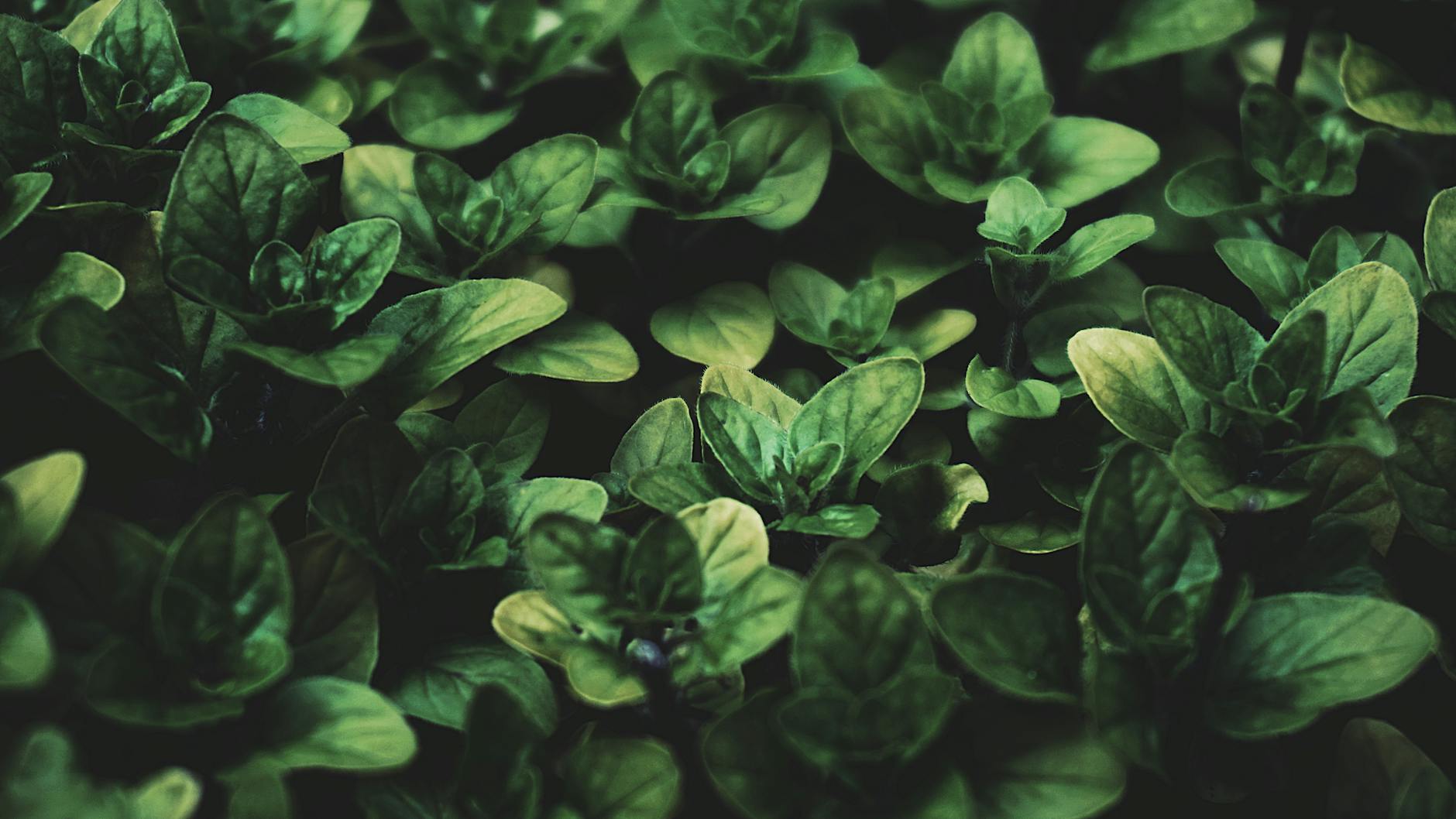
    The Ultimate Guide to Butterfly Pea Flower: Health Benefits and Uses

    Unveiling the Sapphire Secret: A Deep Dive into the Profound Health Benefits of Butterfly Pea Flower (Clitoria Ternatea)

    In the vibrant tapestry of natural botanicals, few plants captivate the senses and intrigue the mind quite like the Butterfly Pea Flower, scientifically known as Clitoria ternatea. Renowned for its breathtaking indigo hue and its magical ability to shift colors with a change in pH, this extraordinary flower is far more than just a visual spectacle. For centuries, across diverse cultures, it has been revered not only for its aesthetic appeal but, more significantly, for its extensive range of purported medicinal properties. As modern science increasingly turns its gaze towards traditional wisdom, the Butterfly Pea Flower is emerging from the shadows of ancient pharmacopoeias to claim its rightful place as a potent superfood and a subject of intense scientific scrutiny. This exhaustive guide delves into the historical legacy, rich chemical composition, and multifaceted health benefits of this remarkable plant, offering a definitive resource for enthusiasts, researchers, and health-conscious individuals alike.

    Botanical Profile: The Enchanting Origins of Clitoria Ternatea

    The Butterfly Pea Flower, a member of the Fabaceae (legume) family, is a perennial herbaceous plant native to equatorial Asia, particularly flourishing in Southeast Asia. Its scientific name, Clitoria ternatea, refers to the flower’s unique morphology, while “ternatea” denotes its origin from the Indonesian island of Ternate. The plant is characterized by its slender, climbing vines, ovate leaves, and, most distinctively, its solitary, vivid blue flowers with a pale yellow or white center. These exquisite blooms, often resembling a butterfly, are the primary part of the plant utilized for both culinary and medicinal purposes. Adaptable and resilient, Clitoria ternatea thrives in various tropical and subtropical climates, making it a common sight in gardens and wild landscapes across its native range and beyond.

    Beyond its striking appearance, the Butterfly Pea Flower plays a crucial ecological role, enriching soil fertility through nitrogen fixation, a characteristic shared with other legumes. This natural ability to improve soil health contributes to its widespread cultivation in traditional farming systems. The plant produces elongated pods containing seeds, which, like the flowers, have been historically used in various traditional practices, although the flowers remain the most celebrated component due to their high concentration of beneficial compounds.

    Butterfly Pea Flower Botanical Photo

    A Tapestry of Tradition: Historical and Ethnobotanical Uses

    The history of Butterfly Pea Flower is deeply interwoven with the traditional medicinal systems and culinary practices of its native lands. In ancient Ayurvedic medicine, it is known as “Shankhapushpi” and revered as a ‘Medhya Rasayana,’ a potent herb believed to enhance intellect and memory. Traditional practitioners prescribed it to alleviate stress, reduce anxiety, and promote mental clarity. Its calming properties were often harnessed to improve sleep quality and soothe nervous disorders.

    Across Southeast Asia, particularly in Thailand, Malaysia, and Vietnam, the flower holds a cherished place in gastronomy. The extract from its petals is a natural food dye, imparting a captivating blue hue to a multitude of dishes, from sticky rice (known as “pulut tai tel” in Malaysia) and various desserts to traditional refreshing beverages. The famous Thai “Nam Dok Anchan” (butterfly pea tea) is a staple, often served with a squeeze of lime to transform its color from indigo to a vibrant purple or pink, a delightful visual and sensory experience. Beyond its aesthetic appeal, these traditional uses inherently leveraged its underlying health benefits, even if the precise scientific mechanisms were not yet understood.

    Butterfly Pea Flower Dried Herb

    The Elixir Within: Key Bioactive Compounds and Their Mechanisms

    The profound health benefits attributed to Butterfly Pea Flower are rooted in its exceptionally rich phytochemical profile. This botanical powerhouse is brimming with a diverse array of bioactive compounds, each contributing synergistically to its therapeutic effects. Understanding these compounds is key to appreciating the depth of its medicinal potential.

    • Anthocyanins (Ternatins): These are the star compounds responsible for the flower’s striking blue-purple pigmentation and its powerful antioxidant properties. Specifically, Butterfly Pea Flower is rich in delphinidin-based anthocyanins, known as ternatins. Ternatins are water-soluble pigments that are incredibly sensitive to pH changes, explaining the flower’s famous color-shifting ability. Beyond their visual charm, ternatins are potent free radical scavengers, protecting cells from oxidative damage, which is a primary driver of aging and numerous chronic diseases. Their antioxidant capacity is critical for mitigating cellular stress and supporting overall cellular integrity.
    • Flavonoids: The flower contains a significant concentration of various flavonoids, including quercetin, kaempferol, and myricetin glycosides. Flavonoids are a vast group of plant secondary metabolites renowned for their anti-inflammatory, antioxidant, and immunomodulatory properties. They work by inhibiting key enzymes involved in inflammatory pathways and by chelating metal ions, further reducing oxidative stress. Quercetin, in particular, is well-studied for its ability to stabilize mast cells and reduce the release of histamine, suggesting potential benefits in allergic reactions.
    • Phenolic Acids: Compounds like p-coumaric acid and caffeic acid also contribute to the antioxidant and anti-inflammatory repertoire of Butterfly Pea Flower. These phenolic acids are known to disrupt lipid peroxidation and protect cellular components from damage.
    • Cyclotides: A unique class of plant peptides, cyclotides are distinguished by their cyclic backbone and knot-like structure, which grants them remarkable stability and resistance to enzymatic degradation. While research is ongoing, cyclotides from Clitoria ternatea have shown various biological activities, including antimicrobial, anti-HIV, and potential neuroprotective effects. Their intricate structure suggests a broad range of potential pharmacological applications that are only just beginning to be explored.
    • Terpenoids and Triterpenoids: These compounds contribute to the plant’s aromatic profile and possess a variety of biological activities, including anti-inflammatory, antimicrobial, and adaptogenic properties.

    The combined action of these compounds creates a powerful synergy, making the Butterfly Pea Flower a holistic agent for health promotion and disease prevention.

    Butterfly Pea Flower Plant Profile

    The Spectrum of Health Benefits: A Detailed Exploration

    1. Cognitive Enhancement and Nootropic Properties (Brain Health)

    One of the most celebrated traditional uses of Butterfly Pea Flower, particularly in Ayurveda, is its role as a nootropic – a substance that can enhance cognitive function. Modern research is beginning to validate these ancient claims. The plant is believed to improve memory, focus, and overall brain health through several mechanisms. It may promote the synthesis of acetylcholine, a vital neurotransmitter crucial for memory and learning. Furthermore, its potent antioxidant compounds, particularly ternatins and flavonoids, protect brain cells from oxidative stress and neuroinflammation, which are significant contributors to neurodegenerative diseases. By safeguarding neuronal integrity and supporting neurochemical balance, Butterfly Pea Flower acts as a formidable ally in maintaining cognitive vitality and potentially mitigating age-related cognitive decline.

    2. Potent Antioxidant Powerhouse

    The high concentration of anthocyanins (ternatins), flavonoids, and phenolic acids makes Butterfly Pea Flower an exceptionally strong antioxidant. Antioxidants are crucial for neutralizing harmful free radicals in the body, which are unstable molecules that can damage cells, DNA, and proteins, leading to oxidative stress. Chronic oxidative stress is implicated in the pathogenesis of numerous chronic diseases, including cardiovascular disease, cancer, diabetes, and neurodegenerative disorders. Regular consumption of Butterfly Pea Flower can significantly bolster the body’s antioxidant defenses, reducing the burden of oxidative damage and promoting cellular longevity and overall well-being. This protective effect extends to various organs and systems, providing a systemic shield against environmental toxins and metabolic byproducts.

    3. Anti-inflammatory Effects

    Inflammation is the body’s natural response to injury or infection, but chronic inflammation is a silent contributor to a vast array of health problems, from autoimmune diseases to metabolic disorders. The flavonoids and ternatins in Butterfly Pea Flower exhibit significant anti-inflammatory properties by modulating various inflammatory pathways. They can inhibit the production of pro-inflammatory cytokines and enzymes, thereby reducing systemic inflammation. This makes the flower a valuable natural remedy for conditions characterized by inflammation, potentially offering relief from pain, swelling, and tissue damage. Its anti-inflammatory action supports gut health, joint health, and contributes to overall physiological balance.

    4. Skin and Hair Health Enhancement

    The beauty benefits of Butterfly Pea Flower are deeply rooted in its antioxidant and anti-inflammatory properties. For skin, its ability to combat free radicals helps protect against premature aging, reducing the appearance of fine lines and wrinkles. Studies suggest that its compounds may stimulate collagen production and improve skin elasticity, leading to a firmer, more youthful complexion. The anti-inflammatory effects can also soothe skin irritations and promote a clearer complexion. For hair, Butterfly Pea Flower is traditionally used to promote hair growth and darken hair. Proanthocyanidins present in the plant are believed to improve blood circulation to the scalp, which nourishes hair follicles and supports stronger, healthier hair growth. Its antioxidant content also protects hair from environmental damage, contributing to luster and vitality.

    5. Support for Eye Health

    Emerging research suggests that Butterfly Pea Flower can also play a role in maintaining optimal eye health. The anthocyanins and proanthocyanidins found in the flower are known to improve blood flow to the capillaries of the eyes. Enhanced microcirculation can help alleviate eye strain, reduce visual fatigue, and potentially contribute to the prevention or management of certain eye conditions like glaucoma and diabetic retinopathy by ensuring adequate nutrient and oxygen supply to ocular tissues. These compounds also provide antioxidant protection to delicate eye structures, shielding them from oxidative damage induced by UV light and environmental stressors.

    6. Stress Reduction and Anxiolytic Properties

    In traditional medicine, Butterfly Pea Flower is widely recognized for its calming and adaptogenic effects. It is believed to help the body adapt to stress, promoting a sense of tranquility and mental well-being. Its anxiolytic (anxiety-reducing) properties are attributed to its ability to modulate neurotransmitter activity and reduce the physiological markers of stress. Regular consumption, often in the form of a soothing tea, can help mitigate symptoms of anxiety, promote relaxation, and improve sleep quality, making it a natural choice for those seeking relief from the pressures of modern life. This adaptogenic action helps balance the body’s stress response system, fostering resilience.

    7. Potential for Blood Sugar Regulation

    Preliminary studies have indicated that Butterfly Pea Flower may possess properties beneficial for managing blood sugar levels. Research suggests that certain compounds in the flower can inhibit alpha-glucosidase, an enzyme responsible for breaking down complex carbohydrates into glucose in the digestive tract. By slowing down carbohydrate digestion and absorption, Butterfly Pea Flower could help reduce post-meal blood sugar spikes, making it a potentially valuable dietary adjunct for individuals managing diabetes or those at risk of developing the condition. This mechanism offers a promising natural approach to supporting metabolic health.

    8. Digestive Health Benefits

    Traditionally, Butterfly Pea Flower has been used as a mild laxative and a remedy for digestive issues. Its anti-inflammatory properties can soothe inflammation in the gut lining, promoting a healthier digestive environment. The presence of cyclotides, with their potential antimicrobial activity, might also contribute to balancing the gut microbiome, though more research is needed in this area. A healthy gut is fundamental to overall health, impacting everything from immunity to mood, making the flower’s contribution to digestive well-being particularly significant.

    9. Cardiovascular Health Support

    The comprehensive antioxidant and anti-inflammatory actions of Butterfly Pea Flower extend to supporting cardiovascular health. By reducing oxidative stress and inflammation within blood vessels, it helps protect against endothelial dysfunction and the development of atherosclerosis. While more research is required, some studies suggest a potential role in modulating cholesterol levels and improving lipid profiles, which are crucial factors in maintaining a healthy heart and circulatory system. Its contribution to reducing overall systemic inflammation indirectly supports a healthy cardiovascular system.

    10. Emerging Role in Weight Management

    While still in the early stages of research, some studies have explored the potential of Butterfly Pea Flower in weight management. It is hypothesized that certain compounds may influence fat metabolism or inhibit adipogenesis (the formation of fat cells). Its potential role in blood sugar regulation also indirectly supports weight management efforts by preventing insulin spikes and promoting more stable energy levels. As the global prevalence of obesity continues to rise, natural remedies that can support healthy weight are gaining significant attention, and Butterfly Pea Flower presents a promising avenue for further investigation.

    Practical Applications and Culinary Versatility

    The allure of Butterfly Pea Flower lies not just in its health benefits but also in its remarkable versatility. It can be enjoyed in various forms, seamlessly integrating into daily routines and culinary explorations.

    • Teas and Infusions: The most common way to consume Butterfly Pea Flower is as a vibrant blue tea. Simply steep dried flowers in hot water. The magic truly happens with a squeeze of lemon or lime, transforming the tea into a gorgeous purple or pink beverage. It can be enjoyed hot or iced, plain or sweetened, making for a refreshing and visually stunning drink.
    • Natural Food Coloring: Its intense blue pigment is a natural and healthy alternative to artificial food dyes. Use it to color rice, pasta, bread, cakes, pastries, smoothies, and cocktails. The color change with acidity makes it a fun ingredient for creating layered drinks or culinary experiments.
    • Culinary Ingredient: Beyond coloring, the fresh flowers can be added to salads, stir-fries, or battered and fried for a unique textural and visual element.
    • Cosmetic Applications: Traditionally, it has been used in homemade hair rinses to promote hair growth and maintain hair color. Its antioxidant properties also make it a popular ingredient in natural DIY face masks and toners.

    Dosage and Supplementation: Navigating Modern Wellness

    While the traditional consumption of Butterfly Pea Flower as a tea offers a gentle and enjoyable way to reap its benefits, its growing popularity has led to the availability of concentrated extracts and supplements. For tea, a general guideline is to steep 5-10 dried flowers in a cup of hot water for 5-10 minutes. This can be consumed once or twice daily.

    When considering supplements, such as capsules or powders, it is crucial to adhere strictly to the manufacturer’s recommended dosage. These forms typically contain a more concentrated dose of the active compounds. Always opt for reputable brands that provide third-party testing and clear ingredient labeling. Consultation with a healthcare professional is advisable before incorporating any new supplement into your regimen, especially if you have underlying health conditions or are taking other medications.

    Butterfly Pea Flower Capsules

    Potential Side Effects and Precautions

    Butterfly Pea Flower is generally considered safe for consumption, with a long history of traditional use without widespread reports of adverse effects. However, as with any potent botanical, certain precautions are warranted:

    • Pregnancy and Breastfeeding: Limited research is available on its safety during pregnancy and lactation. It is generally advised for pregnant and breastfeeding women to avoid excessive consumption or consult a healthcare provider.
    • Medication Interactions: Due to its potential effects on blood sugar, individuals on diabetes medication should exercise caution and monitor their blood glucose levels closely. Similarly, its potential to affect blood thinning properties warrants caution for those on anticoagulants.
    • Allergies: While rare, allergic reactions to any plant are possible. Discontinue use if you experience any adverse symptoms.
    • Moderation: As with any food or herb, moderation is key. Excessive consumption is not recommended, and listening to your body’s response is always important.

    Butterfly Pea Flower Natural Herb

    The Future of Butterfly Pea Flower: Bridging Ancient Wisdom and Modern Science

    The journey of the Butterfly Pea Flower from a cherished traditional herb to a global superfood is a testament to the enduring power of nature. As scientific investigation continues to uncover and validate its vast array of health benefits, its importance in pharmaceuticals, nutraceuticals, and functional foods is only set to grow. Future research will likely focus on elucidating the precise molecular mechanisms of its cyclotides, exploring its full potential in chronic disease prevention, and optimizing extraction methods to maximize the bioavailability of its beneficial compounds. Moreover, efforts in sustainable cultivation and ethical sourcing will be crucial to ensure this extraordinary plant continues to enrich lives for generations to come.

    Conclusion

    The Butterfly Pea Flower (Clitoria ternatea) is a magnificent example of nature’s bounty, offering a captivating blend of beauty, tradition, and profound health benefits. From its striking sapphire hue, indicative of its rich anthocyanin content, to its extensive list of bioactive compounds, this flower stands as a beacon of natural wellness. Whether enjoyed as a vibrant tea, integrated into culinary creations, or consumed as a concentrated supplement, its potential to enhance cognitive function, fortify antioxidant defenses, reduce inflammation, promote radiant skin and hair, and support overall vitality is truly remarkable. As we increasingly seek holistic approaches to health, the Butterfly Pea Flower serves as a compelling reminder that the answers often lie in the ancient wisdom of plants, patiently awaiting modern scientific validation to shine brightly on the global stage.

    Disclaimer: For informational purposes only. Not medical advice. Consult a qualified healthcare professional before use.
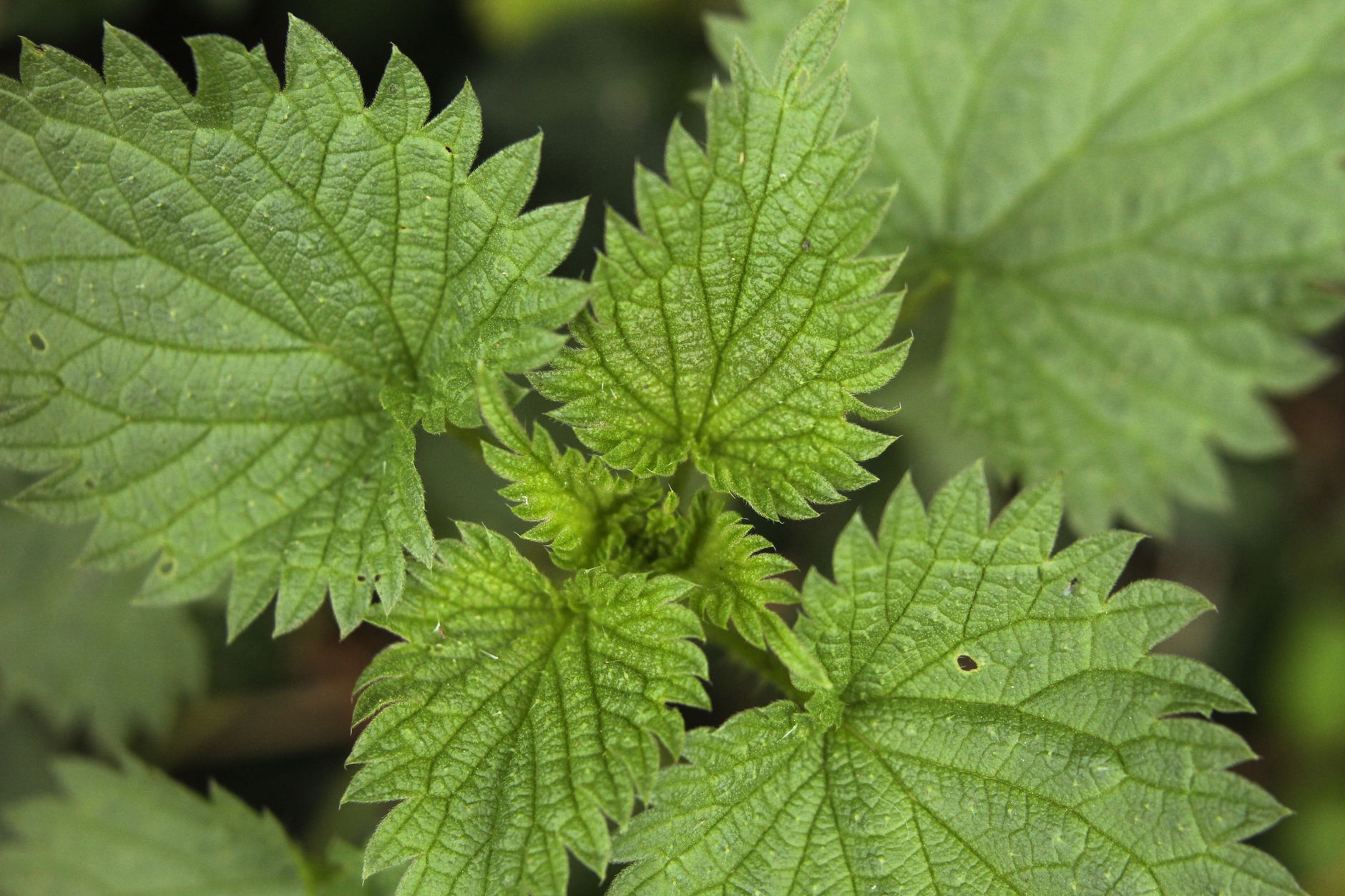
    The Ultimate Guide to Horse Sorrel: Health Benefits and Uses

    The Profound Potency of Horse Sorrel: An Exhaustive Guide to Its Health Benefits

    In the vast tapestry of botanical medicine, some herbs quietly hold immense power, often overlooked by mainstream awareness. Horse Sorrel, scientifically known as Rumex crispus, stands as a prime example of such an unsung hero. More than just a common weed found in fields and disturbed ground, this perennial plant boasts a remarkable array of health benefits, deeply rooted in centuries of traditional use and increasingly supported by modern scientific inquiry. From its potent detoxification properties to its role in supporting digestive health and bolstering the immune system, Horse Sorrel offers a holistic approach to wellness. This definitive guide delves into the intricate world of Horse Sorrel, exploring its rich history, its complex biochemical composition, and the myriad ways it can contribute to a healthier life, establishing itself as a true botanical marvel deserving of deeper appreciation.

    What is Horse Sorrel? A Botanical Overview of Rumex crispus

    Horse Sorrel, also widely recognized by its more common name, Curled Dock, or sometimes Yellow Dock, is a member of the Polygonaceae family, which also includes buckwheat and rhubarb. It is a robust, resilient perennial herb native to Europe and Western Asia, though it has naturalized across much of the world, thriving in temperate regions. The plant is characterized by its distinctive long, narrow leaves with wavy or “crisped” edges, giving it its specific epithet, crispus. These leaves form a basal rosette from which a tall, erect flowering stem emerges, often reaching heights of 1 to 3 feet, topped by clusters of small, greenish-red flowers that mature into distinctive reddish-brown, heart-shaped seeds. The taproot, which is stout and yellowish, is the primary part of the plant historically utilized for medicinal purposes, although the leaves and seeds also possess therapeutic properties. Its adaptability allows it to grow in various soils, making it a ubiquitous presence in meadows, waste grounds, and along roadsides, a testament to its hardy nature and widespread availability.

    Horse Sorrel Botanical Photo

    A Rich Tapestry of History: Horse Sorrel Through the Ages

    The medicinal narrative of Horse Sorrel is as rich and convoluted as the plant itself, woven through the annals of various ancient civilizations and traditional healing systems. Its use dates back millennia, with evidence suggesting its incorporation into ancient Egyptian, Greek, and Roman pharmacopeias. These early cultures valued its laxative and detoxifying properties, often employing it as a purgative to cleanse the body and as a remedy for various skin ailments. During the medieval period in Europe, Horse Sorrel solidified its place in herbal medicine, frequently cited in herbals and treatises as a “blood purifier” and a remedy for digestive complaints. Herbalists like Nicholas Culpeper, in his 17th-century complete herbal, extensively detailed its applications for liver issues, jaundice, and conditions stemming from an “overheated” or “impure” internal environment.

    Beyond Europe, Horse Sorrel found favor in indigenous medicine systems. Native American tribes, particularly in North America where it naturalized, utilized the plant for a broad spectrum of conditions. They prepared decoctions from the root to treat constipation, fevers, and liver complaints, while poultices made from the leaves were applied externally to soothe skin irritations, boils, and swellings. Its reputation as a potent tonic and cleanser persisted through the centuries, evolving from anecdotal folk medicine to a respected component of various herbal traditions, including some subtle influences in Traditional Chinese Medicine (TCM) where related Rumex species are known for their detoxifying and cooling properties. The consistent thread throughout its historical usage has been its perceived ability to cleanse and strengthen the body, making it a perennial staple in natural wellness practices.

    The Potent Pharmacy Within: Bioactive Compounds of Horse Sorrel

    The extensive health benefits attributed to Horse Sorrel are not mere folklore; they are firmly anchored in its complex and diverse phytochemical profile. The plant’s roots, leaves, and seeds are teeming with a synergistic blend of bioactive compounds, each contributing to its remarkable therapeutic efficacy. Understanding these constituents is key to appreciating the depth of its medicinal potential.

    Horse Sorrel Plant Profile

    • Anthraquinones

      Foremost among Horse Sorrel’s active compounds are the anthraquinones, particularly emodin and chrysophanol. These compounds are largely responsible for the herb’s renowned laxative properties. Their mechanism of action involves irritating the lining of the colon, which stimulates peristalsis—the wave-like muscular contractions that move waste through the intestines. Additionally, anthraquinones can increase water content in the stool, making it softer and easier to pass. This gentle yet effective purgative action makes Horse Sorrel valuable for alleviating occasional constipation and promoting bowel regularity, contributing significantly to its reputation as a detoxifying agent by facilitating the elimination of waste products from the body. Beyond their laxative effects, some anthraquinones also exhibit anti-inflammatory and antimicrobial properties, adding to the plant’s broad therapeutic spectrum.

    • Flavonoids

      Horse Sorrel is exceptionally rich in various flavonoids, potent plant pigments celebrated for their antioxidant, anti-inflammatory, and immune-modulating effects. Key flavonoids found include quercetin and rutin. Quercetin is a powerful antioxidant that scavenges free radicals, thereby reducing oxidative stress and protecting cells from damage. It also possesses significant anti-inflammatory properties, inhibiting the release of histamine and other inflammatory mediators, which can be beneficial in managing allergic reactions and inflammatory conditions. Rutin, another prominent flavonoid, is known for its ability to strengthen capillaries and improve circulation, contributing to overall cardiovascular health. These flavonoids collectively fortify the body’s defense mechanisms against cellular damage and chronic disease.

    • Tannins

      The presence of tannins in Horse Sorrel contributes to its astringent properties. Tannins are polyphenolic compounds that bind to proteins, forming a protective layer on mucous membranes. This action helps to tighten and tone tissues, making them useful in treating conditions like mild diarrhea by reducing fluid secretion in the gut. Externally, their astringent nature makes Horse Sorrel valuable in wound healing, where they can help to stop minor bleeding, reduce inflammation, and promote tissue regeneration. They also possess antimicrobial qualities, which can help protect against infections.

    • Oxalic Acid and Oxalates

      While contributing to its characteristic tart taste, oxalic acid and oxalates are also present in Horse Sorrel, particularly in the leaves. These compounds can bind to minerals like calcium and iron, potentially hindering their absorption if consumed in very large quantities. While a moderate intake of Horse Sorrel as part of a balanced diet is generally considered safe for most individuals, those with a history of kidney stones or certain metabolic disorders should exercise caution and consult a healthcare professional due to the potential for oxalate accumulation.

    • Vitamins and Minerals

      Beyond its complex organic compounds, Horse Sorrel is also a nutritional powerhouse. It is a notable source of Vitamin C, a crucial antioxidant and immune booster, and Vitamin A, vital for vision and immune function. Furthermore, it provides essential minerals such as iron, which is critical for red blood cell formation and preventing anemia, and potassium, important for maintaining fluid balance and nerve function. The presence of chlorophyll, the green pigment in plants, further enhances its detoxifying potential by binding to toxins and promoting their elimination.

    Unveiling the Comprehensive Health Benefits of Horse Sorrel

    The intricate synergy of Horse Sorrel’s bioactive compounds culminates in a broad spectrum of health benefits, addressing various aspects of human wellness. Its applications extend from ancient detoxifying practices to modern considerations for immune support and anti-inflammatory action.

    Digestive Health & Detoxification

    Perhaps the most celebrated benefit of Horse Sorrel lies in its profound impact on digestive health and its robust detoxifying capabilities. The anthraquinones, as discussed, exert a gentle laxative effect, stimulating bowel movements and alleviating constipation. This regular elimination is crucial for preventing the reabsorption of toxins from the colon into the bloodstream. Beyond this, Horse Sorrel is a renowned “blood purifier” in traditional medicine. It supports the liver, the body’s primary detoxification organ, by enhancing its ability to process and eliminate metabolic waste products and environmental toxins. Its diuretic properties, though mild, further aid detoxification by increasing urine output, facilitating the removal of water-soluble toxins through the kidneys. This comprehensive action cleanses the entire system, promoting a sense of renewed vitality and supporting optimal organ function.

    Immune System Modulation

    Horse Sorrel significantly contributes to a resilient immune system. Its high Vitamin C content acts as a powerful antioxidant, protecting immune cells from oxidative damage and enhancing their function. Flavonoids like quercetin and rutin further bolster this defense by reducing inflammation, which can otherwise suppress immune responses, and by exhibiting direct antiviral and antibacterial properties. By reducing the overall inflammatory burden on the body and providing essential nutrients, Horse Sorrel helps the immune system to operate more efficiently, making the body more capable of fending off infections and maintaining general health.

    Skin Health & Wound Healing

    The external applications of Horse Sorrel are equally impressive, particularly for skin health. Its astringent tannins are invaluable for soothing irritated skin, reducing inflammation, and tightening pores. Traditionally, poultices made from crushed Horse Sorrel leaves have been applied to boils, abscesses, insect bites, and minor wounds to draw out impurities, reduce swelling, and accelerate the healing process. The anti-inflammatory and antiseptic properties of its compounds work in concert to calm skin conditions, protect against secondary infections, and promote healthy tissue regeneration, leading to clearer, healthier skin.

    Antioxidant Powerhouse

    In an era where environmental pollutants and processed foods expose us to constant oxidative stress, the antioxidant capabilities of Horse Sorrel are more relevant than ever. Its rich flavonoid content, along with Vitamin C and other phenolic compounds, actively scavenges free radicals—unstable molecules that damage cells and contribute to aging and chronic diseases like cancer, heart disease, and neurodegenerative disorders. By neutralizing these harmful radicals, Horse Sorrel helps to protect cellular integrity, reduce oxidative damage, and support long-term cellular health, acting as a formidable shield against internal and external stressors.

    Anti-inflammatory Effects

    Chronic inflammation is a root cause of many modern diseases. Horse Sorrel’s diverse array of anti-inflammatory compounds offers a natural approach to mitigating this systemic issue. Flavonoids like quercetin inhibit various inflammatory pathways, reducing the production of pro-inflammatory mediators. Additionally, some anthraquinones have demonstrated anti-inflammatory actions. This comprehensive anti-inflammatory profile makes Horse Sorrel potentially beneficial for conditions characterized by inflammation, such as arthritis, inflammatory bowel conditions, and general systemic inflammation, contributing to pain relief and improved bodily function.

    Nutritional Value

    Beyond its therapeutic compounds, Horse Sorrel offers significant nutritional benefits. Its leaves are a good source of vital nutrients, including a substantial amount of iron, making it a valuable adjunct for individuals struggling with iron-deficiency anemia, particularly when combined with its Vitamin C content which enhances iron absorption. It also provides dietary fiber, contributing to gut health, and other trace minerals essential for various physiological processes, solidifying its role as a nutritive tonic that supports overall well-being.

    Practical Usage: Incorporating Horse Sorrel into Your Wellness Routine

    Integrating Horse Sorrel into a daily wellness regimen can be done through various traditional and modern forms, offering flexibility based on individual preferences and specific health goals.

    Traditional Preparations

    Historically, Horse Sorrel has been most commonly consumed as a tea or infusion. To prepare a tea, the dried root is typically simmered in water (decoction) to extract its potent compounds. The leaves can also be used for a lighter infusion. This method is excellent for leveraging its detoxifying, digestive, and immune-supporting benefits. Tinctures, which are concentrated alcoholic extracts of the root, offer a more potent and convenient way to consume the herb, requiring only a few drops diluted in water. For external applications, fresh or dried leaves can be macerated to create poultices or compresses, directly applied to the skin to treat wounds, rashes, and localized inflammation. While young Horse Sorrel leaves can be eaten raw in moderation, their tart flavor and oxalate content usually limit their culinary use to small amounts in salads or cooked greens, always with caution.

    Horse Sorrel Dried Herb

    Modern Supplements

    For those seeking a more standardized and convenient method of consumption, Horse Sorrel is readily available in supplement form. Capsules containing powdered dried root or concentrated extracts provide precise dosages and bypass the sometimes bitter taste of the raw herb or tea. Extracts, often liquid, allow for easy integration into daily routines. When choosing supplements, it is crucial to look for reputable brands that provide standardized extracts, ensuring consistent potency and purity. These modern formulations make it easier than ever to harness the extensive benefits of Horse Sorrel without the need for traditional preparation methods.

    Horse Sorrel Capsules

    Dosage, Safety, and Potential Side Effects

    While Horse Sorrel offers an impressive array of health benefits, like all potent herbal remedies, it should be approached with respect and informed caution. The appropriate dosage can vary significantly based on the form of the herb (dried root, extract, tincture), the concentration, and the individual’s health status and sensitivity. General guidelines for dried root tea might involve steeping 1-2 teaspoons of dried root in a cup of hot water, consumed 1-3 times daily. Tincture dosages typically range from 1-4 ml, 2-3 times per day. For capsules, always follow the manufacturer’s recommendations. However, it is paramount to consult with a qualified healthcare professional or a knowledgeable herbalist before starting any new herbal regimen, especially if you have pre-existing health conditions or are taking other medications.

    One of the primary safety considerations for Horse Sorrel is its oxalate content. While moderate consumption is generally safe, excessive intake, particularly of the raw leaves, can potentially contribute to kidney stone formation in susceptible individuals due to the binding of oxalates with calcium. Therefore, those with a history of kidney stones, gout, or specific kidney disorders should exercise extreme caution or avoid Horse Sorrel altogether. Pregnant and breastfeeding women are also generally advised to avoid Horse Sorrel due to insufficient research on its safety during these periods and the potential for anthraquinones to have uterine stimulant effects or pass into breast milk.

    Furthermore, Horse Sorrel’s laxative properties, while beneficial for constipation, can lead to abdominal cramping, diarrhea, or electrolyte imbalances if used excessively or by sensitive individuals. Its potential to interact with certain medications is also a concern. For example, its diuretic effect could amplify the effects of diuretic drugs, and its blood-thinning properties (due to certain constituents) might interact with anticoagulant medications, increasing the risk of bleeding. Always discuss any potential interactions with your doctor. Discontinue use if you experience any adverse reactions, such as allergic responses (skin rash, itching) or severe gastrointestinal discomfort.

    Horse Sorrel Natural Herb

    Conclusion

    Horse Sorrel, or Rumex crispus, stands as a testament to the enduring power of natural medicine. From its historical reverence as a potent detoxifier and blood purifier across continents and cultures to its modern scientific recognition for its rich profile of anthraquinones, flavonoids, and essential nutrients, its health benefits are both extensive and profoundly impactful. It serves as a formidable ally in supporting digestive wellness, bolstering the immune system, promoting healthy skin, and protecting the body against oxidative stress and inflammation. As research continues to unravel the full spectrum of its therapeutic potential, Horse Sorrel is poised to reclaim its rightful place as a cornerstone herb in holistic health. However, embracing this powerful plant requires an informed approach, mindful of proper dosage and potential considerations. When utilized responsibly and under professional guidance, Horse Sorrel offers a profound and natural pathway to enhanced well-being, inviting us to rediscover the wisdom held within the botanical world.

    Disclaimer: For informational purposes only. Not medical advice. Consult a qualified healthcare professional before use.
    The Ultimate Guide to Buckthorn Bark . Frangula alnus: Health Benefits and Uses

    The Profound Health Benefits of Buckthorn Bark (Frangula alnus): A Definitive Deep-Dive Guide

    In the vast and intricate tapestry of herbal medicine, certain plants stand out for their enduring efficacy and historical significance. Among these venerable botanicals is Buckthorn Bark, scientifically known as Frangula alnus (formerly Rhamnus frangula). Often revered for its powerful yet naturally derived therapeutic properties, particularly concerning digestive health, Buckthorn Bark has been a cornerstone in traditional remedies for centuries. This exhaustive guide delves into the rich history, botanical profile, intricate chemical composition, and multifaceted health benefits of this remarkable plant, offering a comprehensive understanding for both the curious individual and the discerning health enthusiast.

    Our exploration will navigate beyond superficial descriptions, venturing into the precise mechanisms by which its bioactive compounds exert their effects, providing a scientifically informed perspective on its traditional uses. From its role as a potent laxative to its potential indirect contributions to overall well-being, we aim to uncover every layer of Frangula alnus, ensuring a thorough and invaluable resource for those seeking natural pathways to health.

    Botanical Overview and Nomenclature: Understanding Frangula alnus

    Frangula alnus, commonly referred to as Buckthorn Bark, Alder Buckthorn, Glossy Buckthorn, or Breaking Buckthorn, is a deciduous shrub or small tree native to Europe, northern Africa, and western Asia. Belonging to the Rhamnaceae family, it typically grows to a height of 3-6 meters, though some specimens can reach up to 10 meters. Its smooth bark, initially reddish-brown, gradually darkens with age, and its branches are often characterized by small, reddish buds and elliptical, untoothed leaves with prominent veins.

    Historically, the plant was classified under the genus Rhamnus, leading to its former scientific name Rhamnus frangula. However, modern botanical classifications have re-categorized it into the genus Frangula due to distinct morphological differences, particularly the absence of thorns (a characteristic feature of many Rhamnus species) and its solitary flowers. This botanical distinction, while seemingly minor, underscores the precise and evolving understanding of plant taxonomy.

    Buckthorn Bark  . Frangula alnus Botanical Photo

    The bark, which is the primary part used therapeutically, must be carefully harvested and properly prepared to mitigate potential adverse effects. The smooth, dark grey bark is collected from the stems and branches and then subjected to an essential aging or curing process before it is deemed safe and effective for medicinal use. This critical preparation step is a testament to the plant’s potent chemistry and the wisdom accumulated over centuries of herbal practice.

    A Journey Through Time: Historical Context and Traditional Uses

    The use of Buckthorn Bark for medicinal purposes dates back centuries, firmly establishing its place in the annals of European folk medicine. Its earliest recorded uses can be traced to the 13th century, where it was documented by herbalists for its purgative properties. Medieval apothecaries and healers frequently prescribed concoctions derived from Buckthorn Bark to address various forms of constipation and to “cleanse” the bowels.

    Throughout the Middle Ages and into the Renaissance, its reputation as a reliable and potent laxative grew. Herbal texts and pharmacopoeias from these periods consistently highlighted Frangula alnus as a go-to remedy for chronic sluggishness of the digestive system. It was also, at times, incorporated into broader detoxification protocols, based on the humoral theory of medicine which posited that purging the body of perceived excess humors was crucial for health maintenance.

    Beyond its primary role as a cathartic, traditional practitioners explored other applications for Buckthorn Bark, albeit with less widespread scientific substantiation. These included uses for liver complaints, jaundice, and even as a vermifuge to expel intestinal parasites. Some historical records also suggest its external application for skin conditions, though this use is less prominent and generally not recommended today due to the potent nature of its compounds. The enduring popularity of Buckthorn Bark through the ages underscores a collective recognition of its effectiveness, even if the underlying scientific mechanisms were not fully understood until more recent times.

    The Power Within: Key Bioactive Compounds and Their Mechanisms

    The therapeutic efficacy of Buckthorn Bark largely hinges on its complex array of bioactive compounds, predominantly a class of natural chemicals known as anthraquinone glycosides. These compounds are responsible for its well-documented laxative properties and are the subject of extensive phytochemical research.

    Buckthorn Bark  . Frangula alnus Plant Profile

    The most significant active constituents include glucofrangulins A and B, and frangulins A and B. These are O-glycosides of emodin and aloe-emodin. It is crucial to understand that these compounds are present in the bark in their inactive glycoside form. When ingested, they pass through the upper digestive tract largely unchanged, resisting degradation by stomach acid and small intestinal enzymes. The magic begins when they reach the large intestine.

    In the colon, the indigenous bacteria possess enzymes (specifically β-glucosidases) that cleave off the sugar part of the glycosides, releasing the active anthraquinones, such as emodin and rhein. These active metabolites then exert a dual effect on the colonic mucosa:

    • Stimulation of Peristalsis: The free anthraquinones directly irritate the smooth muscle of the colon wall, stimulating the myenteric plexus (a network of nerves in the gastrointestinal tract). This irritation leads to increased rhythmic contractions, known as peristalsis, which propels fecal matter through the colon more rapidly. The increased motility reduces the time available for water absorption.
    • Inhibition of Water and Electrolyte Reabsorption: Concurrently, these compounds inhibit the active transport of water and electrolytes (sodium and chloride ions) from the colon back into the bloodstream. This inhibition results in a higher osmotic pressure within the intestinal lumen, drawing more water into the colon. The increased water content softens the stool, increases its bulk, and facilitates easier passage.

    The combination of increased colonic motility and greater stool volume/softness leads to a potent laxative effect, typically occurring 6 to 12 hours after ingestion. This delayed action is precisely why the bark’s active components need to reach the colon before they are activated. Furthermore, the presence of these anthraquinone glycosides in the fresh bark in their precursor forms (gluocfrangulins) is critical; fresh bark contains higher levels of free anthranols which are much harsher and can cause severe cramping and vomiting. The essential aging or heat-treatment process transforms these irritating free forms into the milder glycosides, ensuring a safer and more predictable therapeutic effect.

    The Primary Benefit: A Natural and Effective Laxative

    The most celebrated and scientifically supported health benefit of Buckthorn Bark is its efficacy as a natural stimulant laxative. It is particularly valued for addressing various forms of constipation, both acute and chronic, when other lifestyle modifications have proven insufficient.

    • Relief from Chronic Constipation: For individuals suffering from chronic idiopathic constipation, Buckthorn Bark provides a reliable means to restore regular bowel movements. Its consistent action, when used appropriately, helps to prevent the uncomfortable buildup of fecal matter, alleviating symptoms such such as abdominal discomfort, bloating, and straining. The gentle yet firm stimulation of the colon encourages a natural rhythm without the harshness associated with some synthetic laxatives.
    • Addressing Occasional Constipation: Beyond chronic conditions, Buckthorn Bark is also an excellent option for occasional constipation caused by dietary changes, travel, stress, or certain medications. Its predictable onset of action allows individuals to time its use strategically, ensuring relief when needed most.
    • Preparation for Medical Procedures: In some clinical settings, Buckthorn Bark preparations may be used as part of a bowel preparation regimen before colonoscopies or other gastrointestinal examinations. Its ability to thoroughly cleanse the colon makes it a viable option, often preferred by patients seeking natural alternatives to harsh chemical preparations, though always under medical supervision.

    The advantage of using Buckthorn Bark lies in its natural origin and the relatively predictable, dose-dependent response it elicits. However, it is paramount to reiterate the importance of using properly aged or heat-treated bark to avoid the irritating effects of fresh bark’s free anthranols. This careful preparation ensures that the transition of the active compounds through the digestive system is optimized for efficacy and safety, preventing undue irritation in the stomach and small intestine.

    Buckthorn Bark  . Frangula alnus Dried Herb

    Secondary and Complementary Health Considerations

    While its primary role is as a laxative, historical usage and the complex phytochemistry of Frangula alnus suggest other potential, albeit less extensively studied, benefits. It’s important to approach these with a nuanced perspective, recognizing that scientific evidence for many of these is preliminary or largely based on traditional use.

    • Support for Liver and Gallbladder Function: Traditional herbalism often linked regular bowel function with overall detoxification and organ health, particularly the liver and gallbladder. By promoting regular elimination, Buckthorn Bark indirectly supports these organs by reducing the burden of toxins reabsorbed from a sluggish bowel. Some historical accounts also suggest its use as a cholagogue, stimulating bile flow, which aids in fat digestion and waste elimination. While direct evidence of a cholagogic effect is limited, improved gut motility can certainly contribute to a healthier internal environment.
    • Indirect Impact on Gut Microbiome: While a laxative effect might seem simplistic, its consistent action can have an indirect, positive impact on the gut microbiome. By preventing the prolonged transit time of fecal matter, it reduces the opportunity for dysbiotic bacteria to proliferate and produce harmful metabolites. A quicker transit time can help maintain a healthier balance of gut flora, although Buckthorn Bark is not directly considered a prebiotic or probiotic.
    • Anti-inflammatory Potential (Limited Evidence): Some anthraquinone derivatives found in plants have demonstrated anti-inflammatory properties in in vitro studies. While Frangula alnus contains these compounds, direct evidence for a significant anti-inflammatory effect in humans via oral consumption is scarce. Any potential anti-inflammatory action would likely be secondary to its primary digestive effects and not its main therapeutic indication.
    • Antimicrobial Activity (Historical/Exploratory): Historically, some plant-derived anthraquinones have been explored for potential antimicrobial properties. While certain anthraquinones may exhibit activity against specific bacteria or fungi in laboratory settings, this is not a primary recognized benefit of Buckthorn Bark in current herbal medicine practice, nor is it recommended for treating infections. Its traditional use as a vermifuge, however, hints at some historical understanding of its impact on gut inhabitants.

    Practical Usage: Preparation, Forms, and Dosage

    The safe and effective use of Buckthorn Bark hinges significantly on proper preparation and adherence to recommended dosages. Due to the potent nature of its active compounds, caution and an understanding of its forms are essential.

    Preparation of Dried Bark (Traditional Method)

    The most crucial step in preparing Buckthorn Bark is ensuring it is aged. Fresh bark contains compounds (anthranols) that can cause severe gastrointestinal irritation, cramps, and vomiting. The bark must be stored for at least one year before use, or it can be heat-treated (e.g., baking at low temperatures for several hours) to convert these irritating compounds into the milder, therapeutically active anthraquinone glycosides. Once properly aged or treated, the bark is typically used to prepare a decoction.

    • Decoction: To make a decoction, typically 1-2 grams of dried, aged bark are simmered in about 200-250 ml (one cup) of water for 5-10 minutes. The mixture is then strained, and the liquid is consumed. This method ensures the extraction of the active compounds.
    • Dosage: A common dosage is one cup of decoction, usually taken in the evening before bed. The laxative effect typically manifests within 8-12 hours. It is crucial to start with the lowest effective dose and increase gradually if necessary, never exceeding recommended limits.

    Modern Supplements: Capsules and Standardized Extracts

    For convenience and precise dosing, Buckthorn Bark is also available in modern supplement forms, such as capsules, tablets, and liquid extracts. These products are often standardized to contain a specific amount of active anthraquinone glycosides, ensuring consistent potency and reducing the risk associated with improper preparation of raw bark.

    Buckthorn Bark  . Frangula alnus Capsules

    • Capsules/Tablets: These offer a convenient way to consume Buckthorn Bark without the need for preparation. Dosage will vary significantly between brands and concentrations, so always adhere strictly to the manufacturer’s instructions on the product label. Standardized extracts aim to provide a consistent amount of total hydroxyanthracene derivatives.
    • Liquid Extracts: Tinctures or liquid extracts offer another convenient form, allowing for flexible dosing. Again, follow the product-specific instructions carefully.

    Regardless of the form, the general principle remains the same: use the lowest effective dose for the shortest possible duration. Prolonged use (beyond 1-2 weeks) is generally discouraged without medical supervision due to the risk of dependency and electrolyte imbalance.

    Important Considerations, Precautions, and Potential Side Effects

    While Buckthorn Bark is a natural remedy, its potent action necessitates careful consideration of its contraindications, side effects, and potential drug interactions. It is not suitable for everyone, and responsible usage is paramount.

    • Contraindications: Buckthorn Bark should not be used by individuals with intestinal obstruction, acute inflammatory bowel diseases (such as Crohn’s disease, ulcerative colitis, appendicitis), abdominal pain of unknown origin, dehydration, or electrolyte disturbances. It is also contraindicated in children under 12 years of age, pregnant women, and breastfeeding mothers due to insufficient safety data and the potential for active compounds to pass into breast milk.
    • Side Effects: The most common side effects include abdominal cramps, flatulence, and discomfort, especially with higher doses or unaged bark. Long-term or excessive use can lead to dependency (lazy bowel syndrome), where the colon becomes reliant on stimulation to function. It can also cause significant loss of electrolytes, particularly potassium, leading to electrolyte imbalance, which can be dangerous, especially for individuals with heart conditions or those taking certain medications. Prolonged use can also cause a harmless but noticeable discoloration of the urine (yellow-brown or reddish) and melanin deposits in the colon wall (pseudomelanosis coli), which usually reverses after discontinuation.
    • Drug Interactions: Buckthorn Bark can interact with several medications. Due to its potential to cause potassium depletion, it can potentiate the effects of cardiac glycosides (like digoxin) and antiarrhythmic drugs, increasing the risk of cardiotoxicity. Concurrent use with diuretics or corticosteroids can also exacerbate potassium loss. It may also interfere with the absorption of other orally administered drugs due to accelerated intestinal transit.
    • Dependency and Long-Term Use: It is critical to emphasize that Buckthorn Bark, like other stimulant laxatives, is not intended for long-term daily use. Its continued use can lead to the colon losing its natural tone and function, resulting in laxative dependency. For chronic constipation, a holistic approach involving diet, hydration, exercise, and fiber intake should be prioritized, with Buckthorn Bark serving as a short-term intervention.
    • Professional Consultation: Always consult a healthcare professional before initiating any new herbal remedy, especially if you have underlying health conditions, are pregnant or breastfeeding, or are taking other medications. A medical professional can provide personalized advice on appropriate dosage, duration of use, and potential risks.

    Buckthorn Bark  . Frangula alnus Natural Herb

    Conclusion: A Timeless Herbal Ally with Responsible Application

    Buckthorn Bark (Frangula alnus) stands as a testament to the enduring power of nature’s pharmacy. Its rich history of use, particularly as a highly effective natural laxative, is firmly supported by modern phytochemical understanding, revealing the intricate dance between its anthraquinone glycosides and the human digestive system. By gently yet powerfully stimulating peristalsis and enhancing water retention in the colon, it offers reliable relief from various forms of constipation, helping to restore regularity and comfort.

    However, its potency demands respect and responsible application. The critical step of aging or heat-treating the bark is non-negotiable for safety, transforming potentially irritating compounds into therapeutically beneficial ones. While its primary use is digestive, historical accounts hint at broader systemic benefits, though these remain areas for further scientific exploration.

    In an era where digestive health is increasingly recognized as central to overall well-being, Frangula alnus offers a compelling natural option. When used judiciously, with an understanding of its mechanisms, proper preparation, appropriate dosage, and a clear awareness of contraindications, Buckthorn Bark continues to be a valuable ally in maintaining gastrointestinal harmony. Always prioritize consultation with a qualified healthcare provider to ensure its safe and effective integration into your wellness journey.

    Disclaimer: For informational purposes only. Not medical advice. Consult a qualified healthcare professional before use.
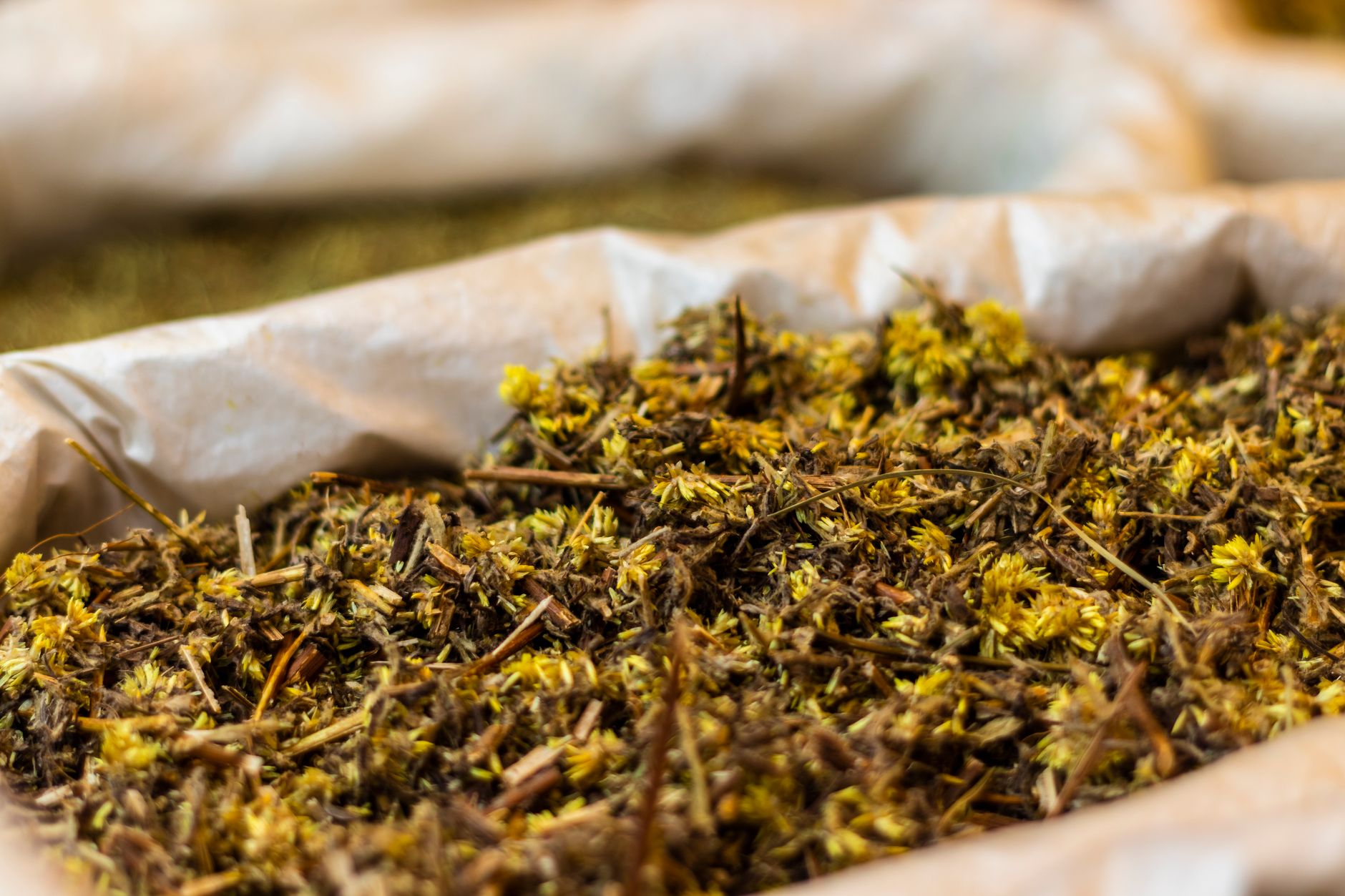
    The Ultimate Guide to Passion Flower Herb: Health Benefits and Uses

    The Profound Health Benefits of Passion Flower Herb: An Exhaustive Deep-Dive Guide

    In the vast botanical tapestry of the world, certain plants distinguish themselves through their remarkable therapeutic properties, revered across centuries and cultures. Among these botanical treasures, the Passion Flower Herb (Passiflora incarnata), stands out as a powerful natural remedy, particularly acclaimed for its profound calming and sedative effects. Often hailed as a cornerstone in natural health for stress, anxiety, and sleep disorders, this exquisite vine offers a holistic approach to well-being. This exhaustive guide delves into the rich history, intricate botanical profile, complex chemical composition, and multifaceted health benefits of Passion Flower, providing a definitive resource for understanding its immense potential.

    A Journey Through Time: Historical Context and Ethnobotany

    The story of Passion Flower begins in the lush rainforests of the southeastern United States, Central, and South America, its native habitat. Its striking, intricate blossoms first captivated European explorers and missionaries in the 16th century, who observed its unique morphology and ascribed profound religious symbolism to its various parts, interpreting them as representations of the Passion of Christ. This interpretation gave the plant its evocative name. Spanish missionaries, particularly, documented its traditional use by indigenous peoples, including the Aztecs, Incas, and various North American tribes, who utilized it for its medicinal qualities long before its botanical classification.

    Indigenous communities traditionally employed Passion Flower as a mild sedative, anxiolytic, and antispasmodic. They used infusions of its leaves and flowers to soothe nervousness, alleviate insomnia, ease pain, and calm digestive spasms. The plant’s ability to induce tranquility without causing heavy narcosis made it a valued part of their herbal pharmacopeia, reflecting a deep intuitive understanding of its pharmacological actions. This rich historical tapestry underscores its enduring legacy as a trusted botanical ally, paving the way for its modern scientific exploration.

    Botanical Profile: Unveiling the Enigmatic Passiflora incarnata

    Passiflora incarnata, commonly known as Maypop, Purple Passionflower, or Wild Apricot, is a perennial vine belonging to the Passifloraceae family. It is distinctively characterized by its climbing habit, tendrils that allow it to cling to other plants, and its deeply lobed, alternate leaves. However, it is the flower itself that truly captures attention and defines its identity.

    Passion Flower Herb Botanical Photo

    The intricate blooms, typically 2-3 inches in diameter, feature five white petals and five white sepals, topped by a prominent fringe-like corona of purple and white filaments. At its center, a distinctive structure arises, comprising five stamens with large anthers and a pistil with three stigmas. These ornate features, which inspired its name, belie the powerful medicinal compounds held within. Following pollination, the flower gives way to an edible, ovoid fruit, the ‘maypop,’ which ripens to a yellowish color and contains numerous seeds embedded in a sweet, aromatic pulp. While the fruit is consumed, it is primarily the aerial parts of the plant – the leaves, stems, and flowers – that are harvested for their therapeutic properties, containing the highest concentration of beneficial phytochemicals.

    The Biochemical Symphony: Bioactive Compounds and Mechanisms of Action

    The therapeutic efficacy of Passion Flower is not attributable to a single compound but rather to a complex interplay of various bioactive constituents, working synergistically to exert its calming and restorative effects. Scientific research has painstakingly identified several key classes of compounds responsible for its pharmacological actions.

    Passion Flower Herb Plant Profile

    Flavonoids: The Calming Crusaders

    Perhaps the most extensively studied and significant group of compounds in Passion Flower are the flavonoids. These plant pigments are renowned for their antioxidant and anti-inflammatory properties, but in Passiflora incarnata, specific flavonoids like vitexin, isovitexin, orientin, and apigenin play a crucial role in its anxiolytic and sedative effects. These compounds are believed to interact with the gamma-aminobutyric acid (GABA) system in the brain. GABA is the primary inhibitory neurotransmitter in the central nervous system, responsible for reducing neuronal excitability and promoting a state of calm. Flavonoids, particularly apigenin, can bind to GABAA receptors, mimicking the action of GABA itself or modulating its effects, thereby leading to decreased nerve activity, reduced anxiety, and improved sleep induction. This interaction is akin to how benzodiazepine drugs work but generally with a milder profile and fewer side effects.

    Alkaloids: Gentle Neuromodulators

    Passion Flower also contains a small amount of indole alkaloids, including harman, harmaline, harmol, and harmine. While these compounds, particularly at higher concentrations found in other plants, are known as monoamine oxidase inhibitors (MAOIs), their presence in typical Passion Flower preparations is usually too low to exert significant MAOI effects. However, they may contribute to the plant’s overall relaxing properties by subtly modulating neurotransmitter levels or interacting with other neural pathways, potentially enhancing the GABAergic effect or contributing to mood stabilization. It’s their synergistic action with flavonoids that is often considered more impactful than their individual contributions.

    Maltol and Ethyl Maltol: Subtle Sedatives

    Other compounds contributing to Passion Flower’s sedative profile include maltol and ethyl maltol. These pyrone derivatives are known for their mild hypnotic and tranquilizing properties. While not as potent as the flavonoids in their direct interaction with GABA receptors, their presence adds another layer to the herb’s ability to promote relaxation and facilitate sleep, working subtly to calm the nervous system and prepare the body for rest.

    Glycosides and Other Constituents

    Beyond these primary compounds, Passion Flower contains various other constituents such as glycosides, phenolic acids, and amino acids, which may further contribute to its overall therapeutic profile. The complex synergy of these diverse phytochemicals underscores the holistic nature of herbal medicine, where the whole plant often offers more comprehensive benefits than isolated compounds.

    Key Health Benefits: A Deeper Dive into Efficacy

    The wealth of bioactive compounds in Passion Flower translates into a broad spectrum of health benefits, primarily centered around its ability to soothe the nervous system and promote tranquility.

    1. Anxiety and Stress Reduction

    This is arguably the most well-known and scientifically supported benefit of Passion Flower. Its anxiolytic effects are attributed to its ability to enhance GABA activity in the brain. By boosting GABA, Passion Flower helps to quiet overactive nerve signals, leading to a profound sense of calm and reduced feelings of apprehension and worry. Clinical studies have demonstrated its effectiveness in alleviating symptoms of generalized anxiety disorder (GAD), reducing restlessness, nervous tension, and improving focus during stressful situations. It offers a gentle alternative to pharmaceutical anxiolytics, often without the pronounced side effects like dependence or severe sedation, making it suitable for daily stress management.

    2. Insomnia and Sleep Improvement

    For individuals struggling with sleep disturbances, Passion Flower offers a natural and gentle solution. Its sedative properties, primarily mediated through GABAergic modulation, help to reduce sleep latency (the time it takes to fall asleep) and improve overall sleep quality. Users often report falling asleep more easily, experiencing deeper and more restorative sleep, and waking up feeling refreshed without the grogginess associated with many conventional sleep aids. It doesn’t induce heavy sedation but rather guides the body into a natural state of relaxation conducive to sleep, making it beneficial for both acute and chronic insomnia.

    3. Pain Relief, Including Neuropathic Pain

    Beyond its calming effects, Passion Flower exhibits analgesic and antispasmodic properties. Its ability to relax muscles and calm the nervous system makes it effective in alleviating various types of pain, particularly those associated with muscle tension, cramps, and even some forms of neuropathic pain. Some research suggests its flavonoids may interact with opioid receptors or other pain pathways, offering relief for conditions like tension headaches, menstrual cramps, and generalized body aches. This provides a complementary approach for pain management, especially when anxiety and stress exacerbate pain perception.

    4. Support for ADHD/ADD Symptoms (Emerging Research)

    While more robust research is needed, preliminary studies and anecdotal evidence suggest Passion Flower may offer benefits for individuals with Attention Deficit Hyperactivity Disorder (ADHD) or Attention Deficit Disorder (ADD). Its calming properties can help reduce hyperactivity, impulsivity, and restlessness, potentially improving focus and concentration, especially in children and adolescents who might be sensitive to stimulant medications. By promoting a calmer state, it may help in managing some of the behavioral aspects associated with these conditions.

    5. Alleviation of Menopausal Symptoms

    For women navigating the physiological and emotional shifts of menopause, Passion Flower may offer relief. Its anxiolytic and sedative effects can help manage mood swings, irritability, and anxiety commonly experienced during this transition. Furthermore, its general calming action may indirectly help with sleep disturbances and hot flashes, contributing to an improved quality of life during menopause. Studies have shown promising results in reducing psychosomatic symptoms associated with menopause.

    6. Management of Withdrawal Symptoms

    Passion Flower has shown promise in managing withdrawal symptoms, particularly from opioids and benzodiazepines. In clinical settings, it has been studied for its ability to reduce the psychological symptoms of opioid withdrawal, such as anxiety, irritability, and restlessness, often in conjunction with other treatments like clonidine. Similarly, its gentle anxiolytic action can be supportive during benzodiazepine tapering, helping to mitigate the rebound anxiety and insomnia that often accompany withdrawal from these medications. It provides a natural, less addictive alternative to ease the transition.

    7. Gastrointestinal Support: Antispasmodic Action

    Traditional uses of Passion Flower often included its application for digestive ailments, and modern understanding supports this. Its antispasmodic properties can help relax the smooth muscles of the gastrointestinal tract, alleviating symptoms such as abdominal cramps, nervous stomach, and irritable bowel syndrome (IBS) exacerbated by stress. By calming the nervous system, it can also reduce the “gut-brain axis” related symptoms of digestive distress.

    8. Antioxidant and Anti-inflammatory Properties

    Like many flavonoid-rich herbs, Passion Flower possesses significant antioxidant capacity. Antioxidants help protect the body’s cells from oxidative stress caused by free radicals, which are implicated in aging and various chronic diseases. Its anti-inflammatory compounds can also help reduce inflammation throughout the body, contributing to overall health and disease prevention, albeit typically in a subtle, supportive role compared to its primary calming effects.

    Practical Usage and Forms of Passion Flower Herb

    Passion Flower is available in several convenient forms, allowing individuals to choose the method of consumption that best suits their needs and preferences.

    Traditional Infusion (Tea)

    One of the most common and traditional ways to consume Passion Flower is as an herbal tea. This method allows for a gentle and relaxing experience, making it ideal for winding down before bedtime or soothing daily stress. To prepare, steep 1-2 teaspoons of dried Passion Flower herb in a cup of hot water for 10-15 minutes, then strain and enjoy.

    Passion Flower Herb Dried Herb

    The delicate, slightly grassy flavor is often enjoyed on its own or blended with other calming herbs like chamomile or lemon balm.

    Tinctures and Liquid Extracts

    Tinctures are concentrated liquid extracts made by steeping the herb in alcohol or glycerin. They offer a potent and rapidly absorbed form of Passion Flower, making them effective for acute anxiety or when a quicker onset of action is desired. Dosages typically range from 20-60 drops (1-3 ml) taken 1-3 times daily, or as directed by a healthcare professional. They can be added to a small amount of water or juice.

    Capsules and Tablets

    For convenience and precise dosing, Passion Flower is widely available in capsule or tablet form, often containing standardized extracts to ensure consistent potency. This is an excellent option for those who prefer not to taste the herb or require a consistent daily dose without preparation. Capsules are particularly popular for long-term management of anxiety or chronic sleep issues.

    Passion Flower Herb Capsules

    Topical Applications

    Though less common, Passion Flower can also be found in some topical preparations, such as creams or salves, aimed at localized pain relief or muscle relaxation. While research in this area is limited, its antispasmodic properties could theoretically offer some benefits for external application.

    Dosage and Administration: Finding Your Balance

    The appropriate dosage of Passion Flower can vary significantly based on the form of the herb, the concentration of the extract, and individual factors such as age, weight, and the specific condition being addressed. It is always advisable to start with the lowest effective dose and gradually increase it if needed, under the guidance of a qualified healthcare professional. General guidelines are:

    • Dried Herb (Tea): 1-2 grams (1-2 teaspoons) steeped in 1 cup of hot water, 2-3 times daily, or 30-60 minutes before bedtime.
    • Liquid Extract/Tincture (1:5 ratio): 1-4 ml, 2-3 times daily.
    • Standardized Extract Capsules: 200-400 mg, 1-3 times daily. Some studies for insomnia used 600-800 mg before sleep.

    Passion Flower Herb Natural Herb

    For sleep, it is generally recommended to take Passion Flower 30-60 minutes before bed. For anxiety, doses can be spread throughout the day. Consistent use over several weeks may be necessary to experience its full therapeutic effects.

    Potential Side Effects and Precautions

    Passion Flower is generally considered safe for most adults when taken in recommended doses. However, like all herbal remedies, it can cause side effects in some individuals. The most common side effects include:

    • Drowsiness or sedation, especially at higher doses.
    • Dizziness.
    • Mild stomach upset (nausea, vomiting).
    • Ataxia (impaired coordination) in rare cases.

    Due to its sedative effects, it is crucial to avoid operating heavy machinery or driving until you understand how Passion Flower affects you. Individuals with a history of liver or kidney disease should use Passion Flower with caution and under medical supervision.

    Contraindications and Drug Interactions

    Despite its gentle nature, Passion Flower is not suitable for everyone and can interact with certain medications:

    • Pregnancy and Breastfeeding: Passion Flower should be avoided during pregnancy and breastfeeding due to a lack of sufficient safety data. Some traditional uses suggest it may stimulate uterine contractions, making it potentially unsafe for pregnant women.
    • Sedatives: It can potentiate the effects of other central nervous system depressants, including prescription sedatives (benzodiazepines, barbiturates), hypnotics, antihistamines, and alcohol. Concurrent use can lead to excessive drowsiness and impaired cognitive function.
    • Antidepressants (especially MAOIs): While the alkaloid content is usually low, there is a theoretical concern about interactions with MAO inhibitor antidepressants. Individuals on antidepressants should consult their doctor before using Passion Flower.
    • Blood Thinners: Some research suggests a theoretical possibility of interaction with blood-thinning medications (anticoagulants/antiplatelets) due to certain compounds, though this is less established than other interactions. Caution is advised.
    • Surgery: Due to its sedative effects and potential for interaction with anesthesia, discontinue Passion Flower at least two weeks before any scheduled surgery.

    Choosing a Quality Passion Flower Product

    The efficacy and safety of any herbal supplement depend heavily on its quality. When selecting Passion Flower products, consider the following:

    • Reputable Brands: Choose products from well-known brands that adhere to Good Manufacturing Practices (GMP) and conduct third-party testing for purity and potency.
    • Organic Certification: Opt for organic products to ensure the herb is free from pesticides and harmful chemicals.
    • Standardized Extracts: For capsules and tinctures, look for products that are standardized to a specific percentage of active compounds (e.g., flavonoids like vitexin), which indicates consistent potency.
    • Form: Decide whether dried herb, tincture, or capsules best suit your needs and lifestyle.

    Conclusion: Embracing the Calming Power of Passion Flower

    The Passion Flower Herb stands as a testament to nature’s profound capacity to heal and soothe. From its ancient roots in indigenous medicine to its modern scientific validation, Passiflora incarnata offers a compelling natural solution for navigating the complexities of stress, anxiety, and sleep disturbances in our fast-paced world. Its intricate blend of flavonoids, alkaloids, and other compounds works synergistically to calm the nervous system, promote relaxation, and enhance overall well-being. By understanding its historical significance, botanical characteristics, and intricate mechanisms of action, individuals can confidently harness the gentle yet potent power of Passion Flower to cultivate a greater sense of peace and restorative health. As always, while Passion Flower is largely safe, consulting with a healthcare professional before integrating it into your regimen, especially if you have underlying health conditions or are taking other medications, is highly recommended to ensure it aligns with your individual health needs.

    Disclaimer: For informational purposes only. Not medical advice. Consult a qualified healthcare professional before use.
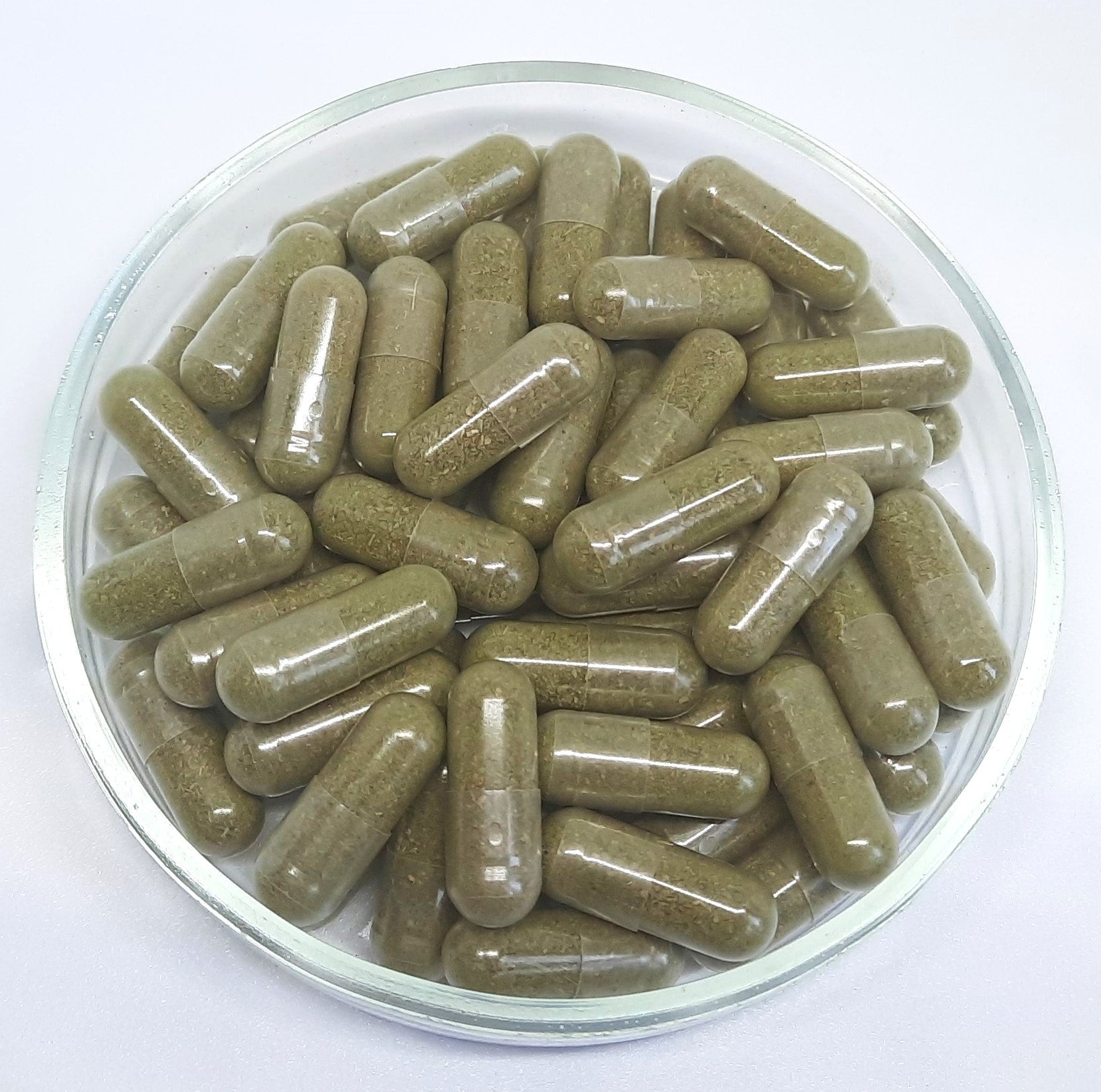
    The Ultimate Guide to Orange peel: Health Benefits and Uses

    Unveiling the Potent Power of Orange Peel: An Exhaustive Guide to Its Profound Health Benefits

    In the vibrant world of citrus fruits, the sweet, juicy flesh of the orange has long been celebrated for its refreshing taste and rich Vitamin C content. Yet, for centuries, a treasure trove of nutritional and medicinal value has often been discarded, overlooked in favor of its succulent interior: the humble orange peel. Far from being a mere fibrous rind, orange peel is a powerhouse of bioactive compounds, an intricate natural pharmacy packed with antioxidants, anti-inflammatory agents, and potent phytochemicals that offer a spectrum of profound health benefits. This comprehensive guide delves deep into the often-underestimated potential of orange peel, exploring its historical significance, intricate chemical composition, and the scientific backing for its myriad advantages, positioning it as a true superfood deserving of a place in our holistic wellness regimens.

    A Journey Through Time: Historical Context and Traditional Uses of Orange Peel

    The utilization of citrus peels, including that of the orange, stretches back millennia, deeply embedded in various traditional medicine systems across the globe. In ancient Chinese medicine, dried orange peel, known as “Chen Pi,” has been revered for its therapeutic properties for over 1,000 years. It was traditionally employed to regulate qi (life force), alleviate digestive discomfort such as bloating, indigestion, and nausea, and to help clear phlegm and congestion in respiratory ailments. Its warm, pungent, and slightly bitter nature was believed to harmonize the spleen and stomach, promoting proper digestion and absorption. Similarly, in Ayurvedic medicine, citrus peels found their application in various formulations aimed at supporting digestion, detoxification, and boosting immunity. European folk medicine also recognized its value, often incorporating it into teas and tinctures for its aromatic and carminative effects. Beyond medicinal applications, orange peel has historically been prized in culinary traditions worldwide, lending its aromatic oils and distinctive flavor to beverages, confectionery, and savory dishes, acting as a natural preservative and flavor enhancer. This rich tapestry of historical use underscores a collective, intuitive understanding of its inherent value long before modern science could unravel its complex chemistry.

    Orange peel Dried Herb

    Botanical Overview: The Anatomy of a Nutritional Marvel

    The sweet orange, Citrus sinensis, belongs to the Rutaceae family, a genus celebrated for its aromatic and medicinal fruits. While the juicy pulp is primarily composed of water, simple sugars, and Vitamin C, the peel, which constitutes roughly 25-30% of the fruit’s total weight, is a distinct biological entity with a significantly different and more concentrated nutritional profile. The peel itself is comprised of two main layers: the outer, colored part called the flavedo (epicarp), and the inner, white, spongy layer known as the albedo (mesocarp). The flavedo is rich in essential oils, pigments like carotenoids, and a high concentration of flavonoids, giving the orange its characteristic color and aroma. The albedo, while often overlooked, is particularly rich in dietary fiber, including pectin, and other beneficial phytochemicals. This structural complexity is directly correlated with its dense array of bioactive compounds, making it a highly concentrated source of beneficial nutrients compared to the fruit’s pulp.

    Orange peel Botanical Photo

    The Nutritional Powerhouse: Deconstructing Orange Peel’s Bioactive Compounds

    The remarkable health benefits attributed to orange peel stem from its incredibly diverse and concentrated array of bioactive compounds. Unlike the pulp, the peel contains significantly higher amounts of certain phytonutrients. Understanding these components is key to appreciating its therapeutic potential.

    Flavonoids: The Cardiovascular and Anti-Inflammatory Guardians

    Orange peel is an exceptional source of flavonoids, a class of polyphenolic compounds renowned for their potent antioxidant and anti-inflammatory properties. Among the most prominent are:

    • Hesperidin: This is one of the most abundant flavonoids in orange peel. Hesperidin plays a critical role in cardiovascular health by strengthening capillary walls, improving blood circulation, and exerting significant anti-inflammatory effects. Research suggests it can help lower high blood pressure and reduce cholesterol levels by inhibiting HMG-CoA reductase, an enzyme involved in cholesterol synthesis. Its antioxidant capabilities also protect blood vessels from oxidative damage, thereby reducing the risk of atherosclerosis.
    • Naringenin: While more prominent in grapefruit, naringenin is also present in orange peel and contributes to its antioxidant and anti-inflammatory profile. It has been studied for its potential in modulating lipid metabolism, improving insulin sensitivity, and exhibiting hepatoprotective effects.
    • Polymethoxyflavones (PMFs): These are unique to citrus peels and are considered among the most potent flavonoids. Tangeretin and nobiletin are two well-known PMFs. PMFs are particularly lauded for their exceptional anti-inflammatory and cholesterol-lowering properties. Studies indicate that PMFs are more effective than other flavonoids in reducing LDL (“bad”) cholesterol without affecting HDL (“good”) cholesterol, making them powerful allies in preventing cardiovascular disease. Their distinct chemical structure allows for enhanced bioavailability and stronger biological activity compared to other flavonoids.

    Terpenes: The Aromatic Protectors

    The characteristic fragrant aroma of orange peel is primarily due to its high concentration of terpenes, especially limonene.

    • Limonene: Constituting over 90% of the essential oil in orange peel, limonene is a monoterpene with a vast array of health benefits. It is a powerful antioxidant and has been extensively studied for its chemopreventive and chemotherapeutic potential against various cancers, including breast, colon, and prostate cancers. Limonene is believed to induce apoptosis (programmed cell death) in cancer cells and inhibit their growth. Furthermore, it possesses anti-inflammatory, gastroprotective, and anxiolytic (anxiety-reducing) properties.

    Vitamin C: The Immune System’s Best Friend

    While the pulp is famous for Vitamin C, the peel also contains significant amounts, often comparable to or even higher per gram than the pulp itself. Vitamin C (ascorbic acid) is a vital water-soluble antioxidant essential for:

    • Immune System Function: It stimulates the production and function of white blood cells, enhancing the body’s ability to fight off infections.
    • Collagen Synthesis: Crucial for healthy skin, blood vessels, bones, and cartilage.
    • Antioxidant Defense: Protects cells from oxidative damage caused by free radicals.

    Dietary Fiber: The Digestive and Metabolic Regulator

    Orange peel is an excellent source of both soluble and insoluble dietary fiber, making it a potent aid for digestive health and metabolic regulation.

    • Pectin: A soluble fiber particularly abundant in the white albedo layer. Pectin forms a gel-like substance in the digestive tract, which can help lower cholesterol, stabilize blood sugar levels by slowing down glucose absorption, and promote satiety, aiding in weight management. It also acts as a prebiotic, feeding beneficial gut bacteria.
    • Insoluble Fiber: Adds bulk to stool, promoting regular bowel movements and preventing constipation. It also helps in cleansing the digestive tract by binding to toxins and facilitating their excretion.

    Carotenoids: Vision and Cellular Health Enhancers

    The vibrant orange color of the peel is due to the presence of carotenoids, powerful antioxidants like beta-cryptoxanthin, beta-carotene, and lutein. These compounds are precursors to Vitamin A and play a crucial role in:

    • Vision Health: Protecting the eyes from oxidative damage and age-related macular degeneration.
    • Immune Function: Supporting overall immune response.
    • Skin Health: Protecting against UV damage and contributing to a healthy complexion.

    Orange peel Plant Profile

    In-Depth Health Benefits: A Scientific Exploration

    With its rich profile of bioactive compounds, orange peel offers a compelling array of health benefits, each underpinned by specific mechanisms of action.

    1. Exceptional Digestive Health Support

    The high fiber content of orange peel, particularly pectin, acts as a formidable ally for the digestive system. Pectin, a soluble fiber, forms a viscous gel in the gut, which can slow down gastric emptying, promoting a feeling of fullness and aiding in weight management. More importantly, it acts as a powerful prebiotic, serving as nourishment for beneficial gut bacteria (probiotics). A healthy gut microbiome is crucial for nutrient absorption, immune function, and even mood regulation. The insoluble fiber in the peel adds bulk to stool, facilitating its passage through the digestive tract and preventing constipation, while also helping to eliminate toxins and waste products more efficiently. Additionally, the essential oils, especially limonene, possess carminative properties that can help alleviate symptoms of indigestion, bloating, and gas, contributing to overall gastrointestinal comfort.

    2. Potent Immune System Fortification

    Orange peel is a significant contributor to a robust immune system. Its high Vitamin C content is crucial for the production and function of white blood cells, which are the body’s primary defense against pathogens. Vitamin C also enhances the production of antibodies, improving the body’s ability to recognize and neutralize threats. Beyond Vitamin C, the array of flavonoids like hesperidin and PMFs exert profound immunomodulatory effects. They bolster immune cell activity, reduce inflammation that can hinder immune responses, and act as powerful antioxidants, protecting immune cells from oxidative stress during the fight against infections. This multi-pronged approach strengthens the body’s natural defenses against common colds, flu, and other infectious diseases.

    3. Advanced Cardiovascular Protection

    The cardiovascular benefits of orange peel are particularly compelling, largely due to its unique flavonoid profile. The Polymethoxyflavones (PMFs) like nobiletin and tangeretin have demonstrated an exceptional ability to lower LDL (“bad”) cholesterol levels and triglycerides without adversely affecting beneficial HDL cholesterol. This occurs through various mechanisms, including inhibiting cholesterol synthesis in the liver and increasing LDL receptor activity, which enhances the clearance of cholesterol from the bloodstream. Hesperidin further contributes by strengthening blood vessel walls, improving blood flow, and reducing inflammation within the arterial system. Its antioxidant properties prevent the oxidation of LDL cholesterol, a critical step in the development of atherosclerosis (hardening of the arteries). Regular consumption can thus contribute to blood pressure regulation, reduced arterial stiffness, and overall heart health, significantly mitigating the risk of heart disease and stroke.

    4. A Powerhouse of Antioxidants

    Oxidative stress, caused by an imbalance between free radicals and the body’s ability to detoxify them, is a major contributor to aging and numerous chronic diseases. Orange peel is an extraordinary source of antioxidants, including Vitamin C, flavonoids (hesperidin, PMFs), carotenoids, and limonene. These compounds work synergistically to neutralize harmful free radicals, protecting cellular structures, DNA, and proteins from oxidative damage. This comprehensive antioxidant defense helps to reduce inflammation throughout the body, supports cellular repair mechanisms, and safeguards against the initiation and progression of diseases associated with oxidative stress, such as cancer, neurodegenerative disorders, and cardiovascular ailments.

    5. Significant Anti-inflammatory Effects

    Chronic inflammation is a silent driver of many modern diseases. Orange peel’s potent anti-inflammatory properties are primarily attributed to its high concentration of flavonoids, particularly PMFs and hesperidin. These compounds interfere with inflammatory pathways in the body, such as the COX-2 and NF-κB pathways, which are central to the production of pro-inflammatory cytokines and enzymes. By modulating these pathways, orange peel can significantly reduce systemic inflammation, thereby offering therapeutic potential in conditions like arthritis, metabolic syndrome, and inflammatory bowel diseases. Limonene also contributes to these effects by exhibiting anti-inflammatory activities, particularly in the gastrointestinal tract and liver.

    6. Promising Anticancer Potential

    Emerging research has highlighted the remarkable anticancer potential of orange peel, primarily linked to limonene and PMFs. Limonene has been extensively studied for its ability to prevent and treat various cancers. Its mechanisms include inducing apoptosis (programmed cell death) in cancer cells, inhibiting angiogenesis (the formation of new blood vessels that feed tumors), and detoxifying carcinogens. PMFs like nobiletin and tangeretin have also shown promise in inhibiting the proliferation of cancer cells, particularly in liver, colon, breast, and prostate cancers. They are believed to interfere with multiple signaling pathways involved in cancer cell growth and survival, making orange peel a compelling natural adjunct in cancer prevention strategies and potentially in supporting conventional cancer therapies.

    7. Enhancing Skin Health and Radiance

    The benefits of orange peel extend to skin health, both through internal consumption and topical application. The high Vitamin C content is critical for collagen synthesis, the structural protein that gives skin its firmness and elasticity, helping to reduce wrinkles and improve overall skin texture. Antioxidants like Vitamin C, flavonoids, and carotenoids protect skin cells from UV radiation-induced damage and environmental pollutants, thereby preventing premature aging, hyperpigmentation, and promoting an even skin tone. Topical applications of orange peel (e.g., in face masks or scrubs) can leverage its mild exfoliating properties (due to fruit acids) and antimicrobial actions to unclog pores, reduce acne, and impart a natural glow. The essential oils also contribute to skin rejuvenation and a refreshing sensation.

    8. Supporting Respiratory Wellness

    In traditional medicine, orange peel, particularly dried Chen Pi, has been valued for its ability to alleviate respiratory issues. Its expectorant properties help to loosen and expel phlegm and mucus from the respiratory tract, providing relief from coughs, colds, and bronchitis. The anti-inflammatory compounds can reduce inflammation in the airways, making breathing easier. The aromatic essential oils can also act as natural decongestants, helping to clear nasal passages and provide comfort during respiratory infections.

    9. Aiding in Weight Management and Blood Sugar Regulation

    The substantial dietary fiber, especially pectin, in orange peel plays a crucial role in weight management. Fiber promotes satiety by absorbing water and expanding in the stomach, reducing overall caloric intake. It also slows down the absorption of sugars into the bloodstream, which helps stabilize blood glucose levels and prevent insulin spikes, a key factor in weight gain and type 2 diabetes development. The flavonoids may also contribute to improved insulin sensitivity and glucose metabolism, further reinforcing its role in metabolic health.

    Orange peel Capsules

    Practical Applications and Diverse Usage of Orange Peel

    Incorporating orange peel into your diet and lifestyle is surprisingly easy and versatile, allowing you to harness its numerous health benefits.

    • Culinary Delights:
      • Zest: The most common application. Finely grated zest adds an intense citrus aroma and flavor to baked goods (cakes, muffins, cookies), salads, marinades, dressings, and savory dishes. It can elevate stir-fries, roasted vegetables, and even cocktails.
      • Candied Peel: A delicious treat made by boiling orange peel until tender, then simmering in sugar syrup. It can be eaten on its own, dipped in chocolate, or used in fruitcakes and desserts.
      • Marmalade & Jams: The pectin in orange peel is essential for the setting of marmalades, imparting a delightful bitter-sweet flavor and firm texture.
      • Infused Oils/Vinegars: Steep dried or fresh orange peel in olive oil or white vinegar to create aromatic infusions perfect for cooking or salad dressings.
    • Herbal Remedies & Beverages:
      • Teas/Infusions: Steep fresh or dried orange peel in hot water to make a soothing, aromatic tea. This is particularly beneficial for digestion, relaxation, and respiratory congestion. Combine with ginger or cinnamon for added benefits.
      • Powdered Form: Dried orange peel can be ground into a fine powder and added to smoothies, yogurts, oatmeal, or used as a spice in cooking. This offers a concentrated dose of its nutrients.
    • Essential Oil:
      • Aromatherapy: Orange peel essential oil, primarily d-limonene, is extracted through cold pressing. It’s widely used in aromatherapy for its uplifting, anxiolytic, and mood-enhancing properties.
      • Topical Use: Diluted in a carrier oil, it can be applied topically for skin benefits, muscle aches, or as a natural insect repellent. Always perform a patch test and use diluted.
    • Supplements & Extracts:
      • For those seeking a more concentrated and consistent dose of specific compounds like hesperidin or PMFs, standardized orange peel extracts or capsules are available. These supplements are often formulated to deliver optimal levels of the key bioactive compounds for targeted health benefits, such as cardiovascular support or antioxidant defense.
    • Household & DIY Applications:
      • Natural Cleaner: Steep orange peels in white vinegar for a few weeks to create an all-natural, fragrant, and effective cleaning spray.
      • Insect Repellent: The essential oils in orange peel can repel ants, mosquitoes, and other pests. Rub fresh peel on skin or leave pieces around problematic areas.
      • Odor Eliminator: Dried orange peels can be used as potpourri or simmered in water to naturally freshen the air.

    Orange peel Natural Herb

    Safety, Dosage, and Important Considerations

    While orange peel offers remarkable benefits, a few considerations are important to ensure safe and effective use:

    • Pesticides: Conventional oranges are often treated with pesticides. For optimal safety, always choose organic oranges when planning to consume the peel. Thoroughly wash the peel before use, even if organic, to remove any surface residues.
    • Bitterness: The peel, especially the albedo, can be quite bitter. Blanching or boiling the peel multiple times can reduce this bitterness, especially for candied peel or marmalades.
    • Allergies: Individuals with citrus allergies should avoid orange peel. Symptoms can include skin irritation, itching, or digestive upset.
    • Drug Interactions: While generally safe, high concentrations of certain compounds in orange peel, particularly essential oils or specific flavonoids, could theoretically interact with certain medications, similar to grapefruit. For instance, some flavonoids might impact drug-metabolizing enzymes. If you are on medication, especially for chronic conditions, consult a healthcare professional before significantly increasing your intake of orange peel or its supplements.
    • Moderation: As with any concentrated food source, moderation is key. While beneficial, excessive consumption may lead to digestive upset in some individuals due to its high fiber content.
    • Essential Oil Use: Orange peel essential oil is highly concentrated. It should always be diluted with a carrier oil (e.g., jojoba, almond oil) before topical application and generally not ingested without expert guidance, as high doses can be toxic.

    Conclusion: Embracing the Underrated Potential of Orange Peel

    From its humble beginnings as a discarded byproduct to its recognition as a potent natural remedy and functional food, orange peel stands as a testament to nature’s profound capacity for providing holistic wellness. Its intricate composition of flavonoids, terpenes, Vitamin C, and dietary fiber orchestrates a symphony of health benefits, ranging from robust cardiovascular protection and digestive harmony to potent antioxidant, anti-inflammatory, and even anticancer properties. By acknowledging its rich historical context and delving into the scientific mechanisms behind its therapeutic actions, we can truly appreciate the untapped potential residing within this fragrant rind. Whether incorporated into culinary creations, steeped into calming teas, or harnessed through advanced supplements, orange peel offers an accessible and powerful pathway to enhancing overall health and vitality. It is time to peel back the layers of misconception and embrace orange peel not as mere waste, but as a valuable and indispensable component of a balanced, health-conscious lifestyle.

    Disclaimer: For informational purposes only. Not medical advice. Consult a qualified healthcare professional before use.
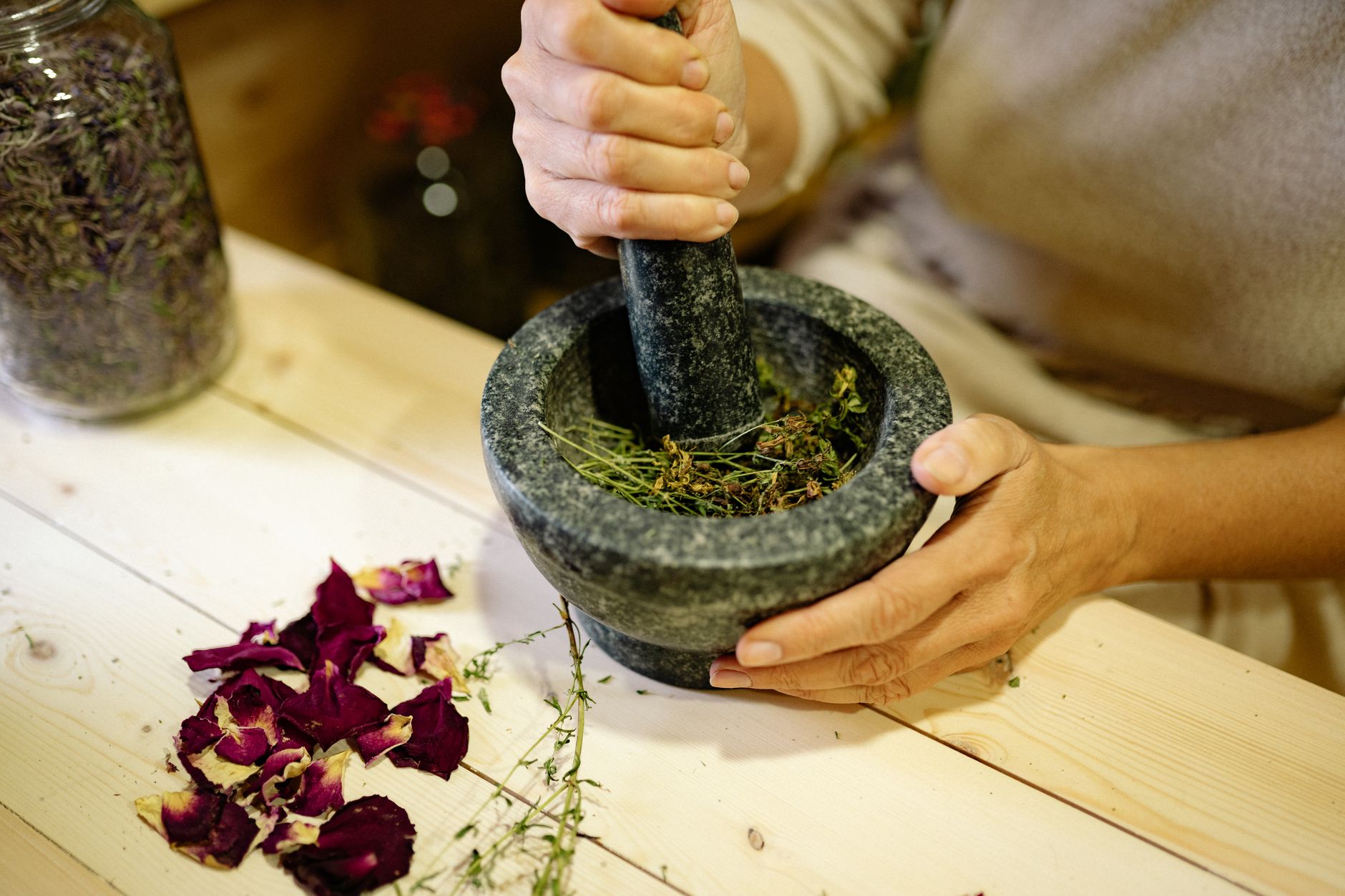
    The Ultimate Guide to Linden Flower: Health Benefits and Uses

    The Profound Health Benefits of Linden Flower: A Definitive Deep-Dive Guide

    For centuries, nestled within the verdant embrace of Europe and North America’s temperate forests, the majestic Linden tree (genus Tilia) has offered more than just shade and beauty. Its delicate, fragrant blossoms, commonly known as Linden flowers or Lime blossoms, have been revered in traditional medicine across diverse cultures as a powerful botanical ally. Far beyond its enchanting aroma, the Linden flower is a treasure trove of bioactive compounds, bestowing a myriad of health benefits ranging from profound calming effects to robust cardiovascular support. This exhaustive guide delves into the intricate science and rich history behind this remarkable herb, unveiling why Linden flower remains a cornerstone of natural wellness.

    The journey into understanding Linden flower’s therapeutic prowess begins with appreciating its botanical identity. Belonging to the Malvaceae family, several species of Tilia are prized for their medicinal flowers, most notably Tilia cordata (Small-leaved Linden) and Tilia platyphyllos (Large-leaved Linden), along with the hybrid Tilia x europaea. These deciduous trees, often gracing avenues and parks, produce small, yellowish-white flowers in clusters, typically in early summer. The flowers are distinctive, often accompanied by a pale green, leaf-like bract, and emit a sweet, nectar-rich fragrance that attracts bees, yielding highly prized Linden honey. Beyond aesthetics, it is this floral bounty that holds the key to its extensive health applications.

    Botanical Heritage and Enduring Historical Significance

    The Linden tree holds a deeply rooted place in the folklore, medicine, and culture of many civilizations. In ancient Germanic and Slavic traditions, the Linden was considered a sacred tree, symbolizing love, fertility, and justice. Village councils often convened beneath its expansive canopy, and its wood was carved into protective amulets. The tree’s longevity and majestic presence led to its association with healing and sanctuary, a belief that extended directly to its medicinal parts.

    Historically, European herbalists have championed Linden flower tea as a primary remedy for nervous tension, insomnia, and the common cold. Its use was documented by ancient Greek physicians like Dioscorides, who recognized its soothing properties. Throughout the Middle Ages, monasteries and apothecaries refined its application, solidifying its role in treating fevers, respiratory ailments, and digestive complaints. Native American tribes also utilized indigenous Tilia species for similar purposes, brewing the inner bark and flowers for various therapeutic benefits, indicating an independent discovery of its inherent healing potential across continents. This enduring legacy across disparate cultures underscores the consistent efficacy of Linden flower as a natural therapeutic agent.

    Linden Flower Botanical Photo

    The Potent Phytochemistry: Unpacking Linden Flower’s Bioactive Compounds

    The therapeutic virtues of Linden flower are not a matter of mere anecdotal belief but are firmly grounded in its complex phytochemistry. This botanical powerhouse boasts an impressive array of bioactive compounds, each contributing synergistically to its wide spectrum of health benefits. Understanding these constituents is paramount to appreciating the depth of its medicinal action.

    Flavonoids: The Antioxidant and Anti-inflammatory Guardians

    Linden flower is particularly rich in flavonoids, which are potent plant pigments renowned for their antioxidant and anti-inflammatory properties. Key flavonoids found in Linden include quercetin, kaempferol, tiliroside, and rutin. These compounds act as powerful free radical scavengers, neutralizing harmful reactive oxygen species (ROS) that contribute to cellular damage, chronic diseases, and accelerated aging. Their anti-inflammatory action involves inhibiting various inflammatory pathways and enzymes, such as cyclooxygenase (COX) and lipoxygenase (LOX), thereby reducing pain and swelling throughout the body. Tiliroside, a unique flavonoid glycoside found specifically in Linden, has been singled out for its notable sedative and anti-inflammatory effects.

    Mucilage: The Soothing and Protective Polysaccharide

    The presence of mucilage, a gel-like soluble fiber, is a significant contributor to Linden flower’s soothing properties. When hydrated, mucilage forms a viscous substance that coats mucous membranes, providing a protective and demulcent layer. This physical barrier helps to alleviate irritation and inflammation in the throat, respiratory tract, and digestive system. Its ability to soothe irritated tissues makes it invaluable in treating coughs, sore throats, and digestive discomfort, creating a comforting sensation and promoting healing.

    Volatile Oils: The Calming Aromatic Essence

    Linden flowers contain a small but significant concentration of volatile oils, primarily farnesol, along with geraniol, eugenol, and limonene. Farnesol is particularly noteworthy for its mild sedative and antispasmodic effects. These aromatic compounds are responsible for the flower’s characteristic sweet scent and contribute to its relaxing and calming properties. When inhaled or ingested, they can interact with the nervous system, promoting a sense of tranquility and easing muscle tension.

    Phenolic Acids: More Antioxidant and Antimicrobial Strength

    Beyond flavonoids, Linden flower also contains various phenolic acids, such as caffeic acid and p-coumaric acid. These compounds further bolster the herb’s antioxidant capacity and exhibit antimicrobial properties, contributing to its efficacy against certain pathogens. Their combined action supports overall cellular health and can play a role in combating infections.

    Tannins: Astringent and Protective Agents

    While less prominent than in other herbs, tannins are present in Linden flowers, contributing to mild astringent properties. Tannins can help to tighten tissues and reduce secretions, which can be beneficial in treating minor skin irritations or mild diarrhea. Their protective effects can also contribute to overall tissue integrity.

    Linden Flower Plant Profile

    Deep-Dive into Linden Flower’s Core Health Benefits

    The synergy of these bioactive compounds translates into a broad spectrum of well-substantiated health benefits, making Linden flower a truly versatile herbal remedy.

    1. Anxiolytic and Sedative Properties: A Natural Remedy for Stress and Insomnia

    Perhaps the most celebrated benefit of Linden flower is its profound ability to calm the nervous system. For centuries, Linden tea has been the go-to remedy for individuals grappling with anxiety, nervous tension, and sleeplessness. The anxiolytic (anxiety-reducing) and sedative effects are primarily attributed to its flavonoid content, particularly tiliroside, and the volatile oils like farnesol. These compounds are believed to interact with gamma-aminobutyric acid (GABA) receptors in the brain, much like certain pharmaceutical sedatives, but in a milder, non-addictive manner. GABA is the primary inhibitory neurotransmitter in the central nervous system, and by enhancing its activity, Linden flower helps to reduce neuronal excitability, leading to a sense of calm and relaxation. This gentle action can ease the racing thoughts associated with stress, mitigate the physical manifestations of anxiety such as muscle tension, and significantly improve sleep quality by promoting a quicker onset of sleep and reducing nocturnal awakenings.

    2. Respiratory Health and Expectorant Action: Soothing Colds, Coughs, and Fevers

    Linden flower is an invaluable ally during cold and flu season, offering comprehensive support for respiratory health. Its mucilage content plays a crucial role here, providing a demulcent effect that coats and soothes irritated mucous membranes in the throat and lungs. This helps to alleviate dry, irritating coughs and sore throats, reducing the discomfort associated with upper respiratory infections. Beyond its soothing properties, Linden flower acts as a mild expectorant, helping to thin and expel mucus, thereby clearing congested airways. Furthermore, its diaphoretic action, meaning it promotes sweating, is highly beneficial in managing fevers. By encouraging perspiration, Linden flower assists the body in cooling down naturally, making it a traditional remedy for breaking fevers and reducing symptoms associated with colds, flu, and even mild bronchitis.

    3. Cardiovascular Support: Promoting Heart Health and Circulation

    Emerging research and traditional use point to Linden flower’s benefits for the cardiovascular system. The rich flavonoid content, with its potent antioxidant and anti-inflammatory properties, plays a crucial role in protecting blood vessels from oxidative damage and inflammation, which are key contributors to atherosclerosis and other heart conditions. Some studies suggest that Linden flower may exert mild hypotensive (blood pressure-lowering) effects, potentially due to its mild diuretic action, which helps to reduce fluid retention and ease the burden on the heart, and its ability to promote vasodilation, improving blood flow. While not a substitute for conventional heart medications, regular consumption of Linden tea can be a supportive measure for maintaining overall cardiovascular wellness and promoting healthy circulation.

    4. Anti-inflammatory and Antioxidant Effects: Cellular Protection and Pain Relief

    The broad spectrum of flavonoids and phenolic acids present in Linden flower provides robust anti-inflammatory and antioxidant capabilities. As discussed, these compounds effectively neutralize free radicals, mitigating oxidative stress which is a fundamental driver of aging and chronic inflammatory diseases. By modulating inflammatory pathways, Linden flower can help reduce systemic inflammation, potentially alleviating symptoms associated with conditions like arthritis, muscle soreness, and general inflammatory discomfort. This cellular protective action contributes to overall health, enhances cellular repair mechanisms, and may play a role in disease prevention, supporting the body’s natural defense systems against environmental stressors and internal imbalances.

    5. Digestive Aid: Easing Indigestion and Gastrointestinal Discomfort

    Linden flower also offers gentle support for the digestive system. Its carminative properties help to relax the smooth muscles of the gastrointestinal tract, which can alleviate spasms, reduce bloating, and soothe abdominal cramps. The mucilage content provides a protective lining for the stomach and intestinal walls, helping to soothe irritation and inflammation. This combination makes Linden tea an excellent natural remedy for indigestion, nervous stomach, flatulence, and mild symptoms of irritable bowel syndrome (IBS), promoting comfort and enhancing digestive function, particularly when digestive upset is linked to stress and anxiety.

    6. Skin Health and Topical Applications: Soothing Irritation and Promoting Healing

    Beyond internal consumption, Linden flower can be harnessed for external applications to benefit skin health. Its anti-inflammatory, astringent, and emollient properties make it ideal for soothing irritated skin. Compresses or washes made from Linden flower infusion can be applied to reduce redness, alleviate itching, and calm conditions like mild rashes, insect bites, or sunburn. The mucilage provides a hydrating and protective layer, while flavonoids assist in reducing inflammation and promoting gentle healing. Furthermore, adding Linden flower infusion to bathwater can create a wonderfully relaxing and skin-soothing experience, benefiting both mind and body.

    Practical Usage and Preparation Methods

    Harnessing the benefits of Linden flower is both simple and deeply satisfying, with various traditional and modern methods available.

    Traditional Linden Flower Tea (Infusion)

    The most popular and arguably most effective way to enjoy Linden flower is as a hot infusion or tea. This method extracts the water-soluble compounds, including mucilage, flavonoids, and some volatile oils, creating a soothing and potent brew. To prepare: steep 1-2 teaspoons of dried Linden flowers in a cup (250ml) of hot (not boiling) water for 5-10 minutes. Cover the cup during steeping to prevent the loss of volatile oils. Strain and enjoy. Honey or lemon can be added for taste, but for maximum therapeutic effect, it’s often preferred plain. For anxiety and sleep, consume 1-3 cups daily, especially before bedtime. For colds and fevers, drink warm tea frequently throughout the day.

    Linden Flower Dried Herb

    Linden Flower Tinctures

    Tinctures are concentrated liquid extracts made by macerating dried Linden flowers in alcohol. This method allows for a higher concentration of certain compounds and offers convenience and a longer shelf life. Tinctures are particularly useful when immediate action is desired or when a precise dosage is needed. They are typically taken in drops mixed with water or juice. Always follow the dosage instructions provided by the manufacturer or a qualified herbalist, as concentrations can vary significantly.

    Linden Flower Baths

    For a truly therapeutic and relaxing experience, a Linden flower bath can be profoundly beneficial. Prepare a strong infusion by steeping a generous handful (approx. 1/2 cup) of dried flowers in about 1-2 liters of hot water for 20 minutes, then strain and add the liquid to your bathwater. The aromatic volatile oils, combined with the soothing mucilage, create a calming ambiance, ease muscle tension, reduce stress, and soothe irritated skin. This is an excellent method for promoting sleep and alleviating general bodily aches.

    Topical Compresses and Washes

    For localized skin irritations, minor burns, or insect bites, a Linden flower compress can provide relief. Prepare a strong infusion, allow it to cool, then soak a clean cloth in the liquid and apply it to the affected area for 15-20 minutes. The anti-inflammatory and soothing properties help reduce redness, swelling, and discomfort. Linden flower washes can also be used as a gentle facial toner for sensitive or inflamed skin.

    Modern Formulations: Linden Flower Capsules and Supplements

    For those seeking convenience or precise dosing, Linden flower is also available in various supplemental forms. These typically include capsules, standardized extracts, and liquid concentrates. Capsules offer a tasteless and easy way to ingest the herb, particularly for individuals who may not enjoy the taste of the tea. Standardized extracts ensure a consistent concentration of key bioactive compounds, providing a more reliable therapeutic effect.

    When choosing Linden flower supplements, it is crucial to opt for reputable brands that prioritize purity, potency, and transparent sourcing. Look for products that specify the species of Tilia used and, if possible, information on standardization for key compounds like flavonoids. While capsules offer convenience, the ritual of preparing and sipping Linden tea can often enhance the relaxing benefits through the sensory experience of warmth and aroma.

    Linden Flower Capsules

    Dosage, Safety, and Potential Considerations

    While Linden flower is generally considered safe for most individuals, understanding appropriate dosages and potential considerations is essential for responsible use.

    General Dosage Guidelines:

    • Tea/Infusion: 1-2 teaspoons of dried flowers per cup, steeped for 5-10 minutes, 1-3 times daily.
    • Tincture: Dosage varies widely by concentration. Always follow manufacturer’s instructions, typically 1-2 ml up to three times daily.
    • Capsules/Extracts: Follow product-specific instructions. Extracts may be standardized to contain a certain percentage of active compounds, making them more potent.

    Potential Side Effects:

    Linden flower is remarkably well-tolerated. Side effects are rare but can include allergic reactions in sensitive individuals, manifesting as skin rashes or mild respiratory symptoms. Excessive consumption of very strong infusions over prolonged periods has, in extremely rare cases, been anecdotally linked to cardiac effects, though this is not well-substantiated by modern research for typical use.

    Contraindications and Precautions:

    • Pregnancy and Lactation: Due to insufficient research, pregnant and breastfeeding women should consult a healthcare professional before using Linden flower.
    • Heart Conditions: Individuals with pre-existing heart conditions, especially those on cardiac medications, should exercise caution and consult their doctor. While generally considered beneficial for the heart, the mild diuretic and hypotensive effects could potentially interact with certain medications or conditions.
    • Drug Interactions: Linden flower may theoretically potentiate the effects of sedative medications due to its calming properties. It could also enhance the effects of diuretic or blood pressure-lowering drugs. Always discuss any herbal remedies with your doctor, especially if you are on prescription medications.

    As with any herbal remedy, it is always advisable to start with a lower dose and observe your body’s response. For chronic conditions or if you are unsure, consulting a qualified healthcare practitioner or herbalist is recommended.

    Linden Flower Natural Herb

    Conclusion: Embracing the Gentle Power of Linden Flower

    The Linden flower, a humble yet potent botanical, stands as a testament to nature’s profound capacity for healing. From its deeply ingrained historical and cultural significance to its meticulously understood phytochemistry, every aspect points to an herb that offers comprehensive support for modern wellness challenges. Its remarkable ability to soothe the nervous system, alleviate respiratory distress, support cardiovascular health, and reduce inflammation makes it an indispensable component of any natural health regimen.

    Whether enjoyed as a comforting evening tea, applied topically for skin complaints, or integrated through modern supplements, Linden flower provides a gentle yet effective path to enhanced well-being. By embracing the gentle power of this ancient remedy, individuals can tap into a legacy of natural healing, fostering a profound sense of calm, comfort, and vitality in an increasingly demanding world. Its continued relevance in both traditional and contemporary herbal medicine firmly establishes Linden flower as a true botanical gem, deserving of its revered status.

    Disclaimer: For informational purposes only. Not medical advice. Consult a qualified healthcare professional before use.

    The Ultimate Guide to Eyebright Herb: Health Benefits and Uses

    The Profound Health Benefits of Eyebright Herb: A Definitive Deep-Dive Guide

    For centuries, humanity has sought solace and healing in the bountiful lap of nature. Among the myriad botanical treasures, one humble plant stands out for its revered legacy in supporting one of our most precious senses: sight. This is Eyebright, scientifically known as Euphrasia officinalis (or often, a collective of species like Euphrasia stricta, Euphrasia rostkoviana, and others), a remarkable herb whose name itself eloquently speaks to its primary traditional application. Far more than a mere folk remedy, Eyebright is a sophisticated botanical powerhouse, replete with an intricate symphony of bioactive compounds that offer a spectrum of health benefits, primarily concentrated on ocular well-being, but extending to other areas of the body. This exhaustive guide delves deep into the science, history, practical applications, and profound therapeutic potential of Eyebright Herb, aiming to illuminate its significant role in natural health.

    Unveiling Eyebright: Botanical Profile and Storied History

    Eyebright is a delicate, semi-parasitic annual plant belonging to the Orobanchaceae family, often found thriving in meadows, pastures, and heaths across Europe, Asia, and North America. Its small, serrated leaves and charming white or lilac flowers, often adorned with purple streaks and a prominent yellow spot, possess an understated beauty. The flowers themselves bear a striking resemblance to tiny eyes, perhaps contributing to its common name and reinforcing its perceived utility. The term “Euphrasia” itself is derived from the Greek word “euphrasia,” meaning “gladness” or “joy,” a testament to the relief and happiness it was believed to bring to those suffering from eye ailments.

    Historically, Eyebright’s reputation as an eye tonic dates back to antiquity. Medieval herbalists, alchemists, and physicians alike documented its efficacy extensively. The renowned 14th-century physician Arnoldus de Villa Nova prescribed it for various eye conditions, praising its ability to “clear the sight.” John Gerard, in his influential 1597 “Herball,” echoed these sentiments, noting its use for “all diseases of the eyes.” Its traditional application was not limited to direct eye treatments; infusions were also consumed internally, suggesting an understanding of systemic benefits that complement topical action. This rich historical tapestry underscores Eyebright’s enduring place in traditional medicine, a legacy now being explored and validated by modern scientific inquiry.

    Eyebright Herb Botanical Photo

    The Chemical Symphony: Key Bioactive Compounds and Mechanisms of Action

    The therapeutic prowess of Eyebright Herb stems from its intricate phytochemistry, a complex blend of compounds working synergistically. Scientific analysis has revealed a treasure trove of biologically active constituents, each contributing to the herb’s celebrated healing properties. Understanding these components is crucial to appreciating Eyebright’s deep impact on health.

    Eyebright Herb Plant Profile

    Flavonoids: Potent Antioxidants and Anti-inflammatories

    Eyebright is rich in various flavonoids, including quercetin, luteolin, apigenin, and glycosides of these compounds. Flavonoids are renowned for their robust antioxidant activity, meaning they can neutralize harmful free radicals that contribute to cellular damage and inflammation. In the context of eye health, this is particularly significant as the eyes are constantly exposed to environmental stressors and light, making them susceptible to oxidative stress. By scavenging free radicals, flavonoids help protect delicate ocular tissues from degradation. Furthermore, these compounds exhibit potent anti-inflammatory effects by inhibiting various inflammatory pathways and enzymes, such as cyclooxygenase (COX) and lipoxygenase (LOX), which are key players in the body’s inflammatory response. This dual action of antioxidant and anti-inflammatory properties makes flavonoids invaluable for reducing redness, swelling, and irritation in the eyes and other mucous membranes.

    Iridoid Glycosides: Astringent, Anti-inflammatory, and Antimicrobial Powerhouses

    Perhaps the most characteristic group of compounds in Eyebright are the iridoid glycosides, such as aucubin, catalpol, and euphroside. These constituents contribute significantly to the herb’s astringent, anti-inflammatory, and antimicrobial actions. Aucubin, in particular, is well-studied for its ability to reduce inflammation and possess mild antiseptic qualities. Iridoids act as astringents by tightening and toning mucous membranes, which helps to reduce fluid secretion and constriction of blood vessels. This effect is crucial for alleviating watery eyes, reducing puffiness, and providing a soothing sensation. Their antimicrobial properties can help combat bacterial or viral infections that often underlie conditions like conjunctivitis, supporting the body’s natural defense mechanisms without resorting to harsh chemicals.

    Phenolic Acids: Reinforcing Antioxidant and Anti-inflammatory Defenses

    Compounds like caffeic acid and ferulic acid are also present in Eyebright. These phenolic acids are potent antioxidants themselves, further bolstering the herb’s capacity to protect against oxidative damage. They also contribute to the overall anti-inflammatory profile, working in concert with flavonoids and iridoid glycosides to modulate the body’s inflammatory responses. Their presence ensures a comprehensive defense against cellular stress and inflammation, particularly beneficial for sensitive tissues like those found in the eyes and respiratory tract.

    Tannins: The Astringent and Protective Agents

    Eyebright contains significant levels of tannins, which are primarily responsible for its pronounced astringent properties. Tannins react with proteins in the superficial layers of tissues, causing them to contract and form a protective layer. This action helps to reduce exudation (weeping) from irritated mucous membranes, decrease swelling, and provide a sense of tightness. In the eyes, this translates to reduced watery discharge and a sensation of soothing relief. Moreover, tannins possess mild antiseptic qualities, which can inhibit the growth of microorganisms on mucosal surfaces, further contributing to the herb’s traditional use in fighting infections.

    Volatile Oils, Vitamins, and Minerals: Holistic Support

    While present in smaller quantities, volatile oils contribute to Eyebright’s characteristic aroma and may offer additional mild antiseptic benefits. The herb also contains trace amounts of vitamins, such as Vitamin C and Vitamin A (in the form of carotenoids), along with minerals like zinc and selenium. These micronutrients are vital for overall cellular health, immune function, and, importantly, specific aspects of vision and eye tissue integrity. Vitamin C is a powerful antioxidant, and Vitamin A is crucial for good vision, while zinc supports enzyme function and immune response in the ocular tissues.

    Comprehensive Health Benefits: A Deep Dive into Eyebright’s Therapeutic Spectrum

    The synergistic action of Eyebright’s diverse chemical constituents translates into a wide array of health benefits, with its primary acclaim rooted in its profound impact on eye health.

    1. Unparalleled Support for Eye Health

    Eyebright’s reputation as the “herb for the eyes” is well-earned, owing to its multifaceted approach to treating various ocular conditions.

    • Conjunctivitis (Pink Eye): Eyebright is highly regarded for its effectiveness against both bacterial, viral, and allergic conjunctivitis. Its iridoid glycosides and tannins provide astringent action, reducing the redness and excessive watering associated with inflammation. The antimicrobial properties help to directly combat infectious agents, while flavonoids and phenolic acids dramatically reduce inflammation and irritation in the conjunctival membrane. When used as a sterile eyewash, it can soothe discomfort, cleanse the eye, and promote faster healing by reducing the inflammatory cascade.
    • Blepharitis: This common condition involves inflammation of the eyelids, often accompanied by redness, itching, and crusting. Eyebright’s anti-inflammatory and astringent properties help to calm the inflamed eyelid margins, reduce swelling, and soothe the irritating sensations. Its mild antiseptic action can also help manage any associated bacterial overgrowth on the lash line.
    • Styes and Chalazia: These painful swellings on the eyelid are often caused by bacterial infection of glands. Eyebright’s anti-inflammatory and antiseptic qualities can help reduce the swelling, relieve pain, and assist in clearing the infection, particularly when applied as a warm compress.
    • Redness, Irritation, and Dry Eyes: For general eye fatigue, redness, and irritation caused by environmental factors (dust, smoke, wind) or extended screen time, Eyebright provides immediate relief. Its astringent action helps to constrict superficial blood vessels, reducing redness, while its soothing compounds alleviate discomfort and dryness by balancing moisture and reducing inflammation. It can offer a sensation of lubrication and freshness, akin to artificial tears but with added therapeutic benefits.
    • Eyestrain and Computer Vision Syndrome: Prolonged visual tasks can lead to eyestrain, blurred vision, headaches, and dry eyes. Eyebright, used as an eyewash or compress, can help to relax the ocular muscles, reduce inflammation, and soothe the tired tissues, providing a rejuvenating effect and mitigating the symptoms of digital eye strain.
    • Supportive for Age-Related Eye Conditions: While not a cure, the potent antioxidant profile of Eyebright, particularly its flavonoids and phenolic acids, offers protective benefits against oxidative stress, a known contributor to age-related macular degeneration and cataracts. By mitigating free radical damage, it supports the long-term health and integrity of ocular structures.

    2. Benefits for Respiratory Health

    Beyond its ocular fame, Eyebright has a historical and contemporary role in addressing respiratory ailments, particularly those affecting the upper respiratory tract.

    • Sinusitis and Hay Fever (Allergic Rhinitis): The astringent and anti-inflammatory properties of Eyebright make it an excellent choice for relieving congestion and irritation in the nasal passages and sinuses. It can help to dry up excessive mucous secretions, reduce swelling of nasal membranes, and alleviate the itching and sneezing associated with allergic reactions. Its antihistamine-like effects, attributed to certain flavonoids, can provide significant relief from hay fever symptoms, including watery and itchy eyes, which are often comorbid with nasal allergies.
    • Colds and Coughs: As a mild expectorant and decongestant, Eyebright can be beneficial for managing symptoms of common colds and coughs. It helps to thin mucus, making it easier to expel, and reduces inflammation in the bronchial passages. The astringent action also soothes irritated throat and respiratory linings.

    3. Potential for Skin Health

    The astringent and antiseptic properties of Eyebright can also extend to topical applications for skin health.

    • Minor Wounds and Irritations: Applied as a poultice or wash, Eyebright can help cleanse minor cuts, scrapes, and skin irritations. Its astringent action promotes tissue contraction and helps to staunch minor bleeding, while its antiseptic qualities can prevent infection. The anti-inflammatory compounds reduce redness and swelling, aiding in faster healing.
    • Acne and Oily Skin: The astringent properties may also benefit individuals with oily or acne-prone skin by helping to tone and tighten pores and reduce excessive sebum production, although this use is less commonly explored than its ocular applications.

    4. Traditional Digestive Support

    Historically, Eyebright was also employed internally for mild digestive complaints, primarily due to its astringent nature. It was sometimes used to help soothe irritated intestinal linings and reduce symptoms of mild diarrhea, though this application is less common in modern herbalism compared to its eye and respiratory uses.

    Eyebright Herb Dried Herb

    Practical Usage and Forms of Eyebright Herb

    Eyebright can be incorporated into a health regimen through various forms, each suited for different applications and desired effects. Purity and sterility are paramount, especially when applying directly to the eyes.

    Eyebright Herb Natural Herb

    1. Herbal Teas and Infusions (Internal and External)

    • Preparation for Internal Use: To make a soothing tea for respiratory or general systemic benefits, steep 1-2 teaspoons of dried Eyebright herb in a cup of hot water for 5-10 minutes. Strain thoroughly and consume up to three times daily. This method primarily delivers the systemic anti-inflammatory and antioxidant benefits.
    • Preparation for Eyewash/Compress (CRITICAL: Sterility is Key): For external eye application, it is absolutely vital to prepare a sterile infusion. Use distilled or filtered water and boil it vigorously. Add 1 teaspoon of dried Eyebright to 1 cup of boiling water. Steep for no more than 5 minutes. Strain the liquid multiple times through a coffee filter or fine cheesecloth to ensure no particulate matter remains. Allow it to cool completely to lukewarm or room temperature before use. Always prepare a fresh batch for each application and discard any unused solution immediately to prevent bacterial growth. Never store homemade eyewashes.
    • Application as Eyewash: Using a sterile eye dropper or an eye cup, apply the cooled, strained infusion directly to the affected eye(s). Blink several times to allow the solution to spread.
    • Application as Compress: Soak a clean, sterile cotton pad or cloth in the cooled infusion, wring out excess liquid, and place it gently over the closed eyelids for 10-15 minutes. This can be particularly effective for blepharitis, styes, and general eye fatigue.

    2. Tinctures

    Alcohol-based tinctures offer a concentrated form of Eyebright that can be taken internally. Typical dosages range from 2-5 mL (40-100 drops) mixed in a small amount of water, 2-3 times daily. Tinctures are convenient for systemic benefits and can be a good alternative for those who dislike teas or require a higher concentration of active compounds. They are generally not recommended for direct eye application due to the alcohol content.

    3. Commercial Eye Drops

    Many commercially prepared Eyebright eye drops are available. These are formulated specifically for ocular use and are manufactured under sterile conditions, making them a safe and convenient option. It is crucial to choose products from reputable brands that adhere to pharmaceutical standards for sterility and purity. These drops are typically used by applying 1-2 drops to each eye, several times a day, as directed by the product label.

    Eyebright Herb Capsules

    4. Capsules and Supplements

    Eyebright is also available in capsule or tablet form for internal consumption. These provide a standardized dosage and are a convenient way to integrate the herb into a daily wellness routine, especially for systemic benefits related to allergies, respiratory health, or general antioxidant support. Typical dosages range from 400-800 mg, taken 1-3 times daily, though this can vary significantly depending on the concentration and specific formulation. Always follow the manufacturer’s instructions or a healthcare provider’s recommendations.

    Dosage and Administration Guidelines

    The appropriate dosage of Eyebright depends on the form of the herb, the concentration of active compounds, and the individual’s specific health needs. It is always recommended to start with a lower dose and gradually increase it if needed, while monitoring for any adverse reactions. For any significant or persistent eye conditions, consulting with an ophthalmologist or a qualified healthcare practitioner is paramount before initiating self-treatment with herbal remedies. They can provide accurate diagnosis and ensure that Eyebright is an appropriate and safe choice, especially if other medical conditions are present or medications are being taken.

    Potential Side Effects and Contraindications

    While Eyebright is generally considered safe when used appropriately, particularly in its well-prepared commercial forms, certain precautions and potential side effects should be considered.

    • Eye Irritation: Homemade eyewashes, if not prepared with absolute sterility or if containing particulate matter, can cause irritation, redness, or even introduce infection. Always prioritize sterile, commercial preparations for direct eye application. Some individuals may also experience mild stinging or irritation even with properly formulated products.
    • Allergic Reactions: As with any botanical, allergic reactions are possible, although rare. Symptoms might include itching, redness, or swelling, particularly in sensitive individuals or those with known allergies to plants in the Orobanchaceae family.
    • Pregnancy and Breastfeeding: There is insufficient scientific evidence regarding the safety of Eyebright use during pregnancy and breastfeeding. Therefore, it is generally advised for pregnant and lactating women to avoid using Eyebright or to do so only under strict medical supervision.
    • Medication Interactions: Eyebright may potentially interact with certain medications, though extensive research is limited. For example, its astringent properties might theoretically impact the absorption of orally administered drugs. If you are taking prescription eye drops or any other medications, consult your doctor or pharmacist before incorporating Eyebright into your regimen.
    • Underlying Conditions: Individuals with glaucoma, cataracts, or other serious eye conditions should not use Eyebright as a substitute for conventional medical treatment. It should be considered a supportive therapy only, under the guidance of an eye care professional.
    • Oral Side Effects: When taken internally, some individuals have reported mild stomach upset, nausea, or sweating, though these are uncommon.

    Conclusion: Eyebright’s Enduring Legacy and Future Promise

    Eyebright Herb stands as a testament to the enduring power and wisdom embedded within traditional herbal medicine. Its rich history of efficacy for ocular complaints, now increasingly supported by scientific insights into its complex phytochemistry, positions it as a valuable natural ally for maintaining and restoring eye health. The synergistic action of its flavonoids, iridoid glycosides, phenolic acids, and tannins provides a comprehensive therapeutic profile that addresses inflammation, oxidative stress, and microbial challenges, not only in the eyes but also in the respiratory tract and on the skin.

    As we navigate an era where digital screens dominate our daily lives and environmental stressors continually challenge our ocular well-being, the gentle yet potent healing touch of Eyebright offers a promising avenue for natural relief and support. Whether utilized in the form of sterile eye drops, soothing compresses, internal teas, or convenient capsules, Eyebright invites us to rediscover the profound connection between nature and our health. However, as with all powerful botanical remedies, respectful and informed usage, coupled with professional guidance for serious conditions, remains the cornerstone of safe and effective application. The journey into Eyebright’s benefits is a journey into holistic well-being, reaffirming the timeless truth that nature often holds the brightest solutions for our deepest needs.

    Disclaimer: For informational purposes only. Not medical advice. Consult a qualified healthcare professional before use.

    The Ultimate Guide to Hibiscus Flower: Health Benefits and Uses

    Unlocking Nature’s Ruby Elixir: An Exhaustive Deep Dive into the Profound Health Benefits of Hibiscus Flower (Hibiscus sabdariffa)

    In the vibrant tapestry of natural wellness, few botanicals shine with the multifaceted brilliance of the Hibiscus flower. Revered across cultures for its striking beauty and tart, refreshing flavor, this remarkable plant, particularly the species Hibiscus sabdariffa, commonly known as Roselle, is far more than a decorative bloom or a mere ingredient in herbal teas. It stands as a veritable powerhouse of bioactive compounds, meticulously crafted by nature to bestow an impressive array of health benefits. From ancient Ayurvedic texts to modern scientific research, the crimson calyces of the Hibiscus flower have consistently demonstrated profound therapeutic potential, positioning it as a cornerstone in holistic health practices and a subject of intense interest in the scientific community.

    This comprehensive guide delves deep into the intricate world of Hibiscus, dissecting its botanical origins, unraveling its rich historical significance, meticulously detailing its unique biochemical composition, and meticulously exploring the extensive spectrum of its scientifically validated health advantages. Our journey will illuminate the mechanisms by which this ruby-red elixir nurtures the human body, providing a definitive resource for anyone seeking to understand and harness the transformative power of the Hibiscus flower for optimal well-being.

    The Ancient Roots and Botanical Splendor of Hibiscus sabdariffa

    The journey of Hibiscus sabdariffa, or Roselle, begins in the heart of West Africa, its ancestral home, where it flourished naturally before spreading its roots across tropical and subtropical regions worldwide. This member of the Malvaceae family, characterized by its striking five-petaled flowers and distinct red calyces (the sepals that enclose the flower bud and later the fruit), is not merely aesthetically pleasing but profoundly functional. While many hibiscus species exist, Hibiscus sabdariffa is the varietal most celebrated for its medicinal and culinary applications, primarily due to the fleshy, crimson calyces that are harvested after the flower blooms and withers.

    Historically, the use of Hibiscus dates back millennia, embedded deeply within the traditional medicinal systems of diverse civilizations. In ancient Egypt, it was revered for its cooling properties, frequently brewed into a refreshing beverage believed to support cardiovascular health and alleviate heat-related ailments. West African cultures utilized it extensively for its diuretic and hypotensive effects, while traditional Ayurvedic and Unani medicine systems in India and Persia incorporated it for its purported benefits in managing blood pressure, promoting digestion, and even enhancing hair health. Across the Caribbean and Latin America, it became a staple ingredient for a vibrant, tangy drink known as “Agua de Jamaica” or “Sorrel,” cherished for both its flavor and its perceived health-promoting attributes. This global embrace underscores a timeless recognition of Hibiscus’s inherent therapeutic value, passed down through generations before being subjected to rigorous modern scientific scrutiny.

    Hibiscus Flower Botanical Photo

    The Bioactive Symphony: Unveiling the Chemical Composition of Hibiscus

    The remarkable health benefits attributed to the Hibiscus flower are not born of singular magic, but rather from a complex and synergistic symphony of bioactive compounds. The distinctive crimson hue, for instance, is a direct indicator of its rich anthocyanin content, potent pigments belonging to the flavonoid family. Beyond anthocyanins, the calyces of Hibiscus sabdariffa are a treasure trove of other phytochemicals, each contributing to its profound medicinal profile.

    • Anthocyanins: These water-soluble pigments, including delphinidin-3-sambubioside and cyanidin-3-sambubioside, are perhaps the most celebrated compounds in Hibiscus. They are exceptionally powerful antioxidants, responsible for scavenging free radicals, mitigating oxidative stress, and reducing cellular damage. Their role extends to contributing to the anti-inflammatory and cardiovascular protective effects.
    • Organic Acids: Hibiscus is rich in various organic acids such as hibiscus acid, citric acid, malic acid, and tartaric acid. These compounds not only impart the characteristic tart flavor but also contribute to its diuretic properties and may play a role in inhibiting alpha-amylase activity, which is relevant for blood sugar and weight management.
    • Polyphenols (Flavonoids and Phenolic Acids): Beyond anthocyanins, other flavonoids like quercetin and kaempferol, along with phenolic acids such as protocatechuic acid and caffeic acid, are abundant. These compounds bolster the antioxidant capacity, exert anti-inflammatory effects, and contribute to the plant’s potential role in cancer prevention and overall cellular health. Protocatechuic acid, in particular, has been studied for its strong antioxidant and anti-cancer properties.
    • Polysaccharides: Certain complex carbohydrates found in Hibiscus contribute to its immune-modulating properties and may have prebiotic effects, supporting gut health.
    • Vitamins and Minerals: While not the primary active compounds, Hibiscus also contains modest amounts of Vitamin C, B vitamins, and essential minerals such as iron and calcium, further enhancing its nutritional value.

    It is the intricate interplay and synergistic actions of these diverse compounds that unlock the full therapeutic potential of Hibiscus, allowing it to address a wide spectrum of health concerns with remarkable efficacy.

    Hibiscus Flower Plant Profile

    Comprehensive Health Benefits: A Deep Dive into the Therapeutic Power

    The compelling evidence supporting the health benefits of Hibiscus spans a broad spectrum, ranging from cardiovascular support to metabolic health and beyond. Each benefit is underpinned by the sophisticated actions of its bioactive constituents.

    1. Cardiovascular Health: A Cornerstone of Hibiscus’s Efficacy

    The most extensively researched and celebrated benefit of Hibiscus is its profound impact on cardiovascular health, particularly its ability to manage blood pressure and cholesterol levels.

    • Blood Pressure Regulation (Antihypertensive Effects):

      Numerous clinical studies have unequivocally demonstrated that regular consumption of Hibiscus tea or extract can significantly reduce both systolic and diastolic blood pressure in individuals with pre-hypertension and mild to moderate hypertension. The mechanisms behind this potent antihypertensive action are multifaceted. Firstly, Hibiscus acts as a natural ACE (Angiotensin-Converting Enzyme) inhibitor. ACE is an enzyme that narrows blood vessels, increasing blood pressure. By inhibiting ACE, Hibiscus helps to relax blood vessels, facilitating smoother blood flow. Secondly, its rich organic acid content, particularly hibiscus acid, contributes to its diuretic effect, promoting the excretion of sodium and water from the body, which directly helps to lower blood volume and, consequently, blood pressure. Thirdly, the anthocyanins and other flavonoids exert vasodilatory effects, meaning they help to widen blood vessels, further easing the pressure on arterial walls. Finally, the potent antioxidant activity mitigates oxidative stress in blood vessel linings, preserving endothelial function and preventing arterial stiffness, both critical factors in maintaining healthy blood pressure.

    • Cholesterol Management (Hypolipidemic Effects):

      Beyond blood pressure, Hibiscus also shows promising potential in modulating lipid profiles. Studies suggest that its consumption can lead to a reduction in levels of low-density lipoprotein (LDL) cholesterol, often referred to as “bad” cholesterol, and triglycerides, while potentially increasing high-density lipoprotein (HDL) cholesterol, or “good” cholesterol. The antioxidant compounds play a crucial role here by preventing the oxidation of LDL cholesterol, a key step in the development of atherosclerosis (hardening of the arteries). Additionally, some research indicates that Hibiscus may interfere with the absorption of dietary fats and cholesterol in the gut, further contributing to its hypolipidemic effects. These combined actions make Hibiscus a valuable ally in the comprehensive strategy for cardiovascular disease prevention.

    2. Potent Antioxidant Powerhouse

    The vibrant color of Hibiscus is a visual testament to its exceptional antioxidant capacity. The abundance of anthocyanins, phenolic acids, and flavonoids provides a formidable defense against oxidative stress. Oxidative stress, an imbalance between the production of free radicals and the body’s ability to detoxify them, is a foundational factor in the pathogenesis of countless chronic diseases, including cardiovascular disease, neurodegenerative disorders, certain cancers, and accelerated aging. By actively scavenging free radicals, Hibiscus compounds protect cellular structures, DNA, and proteins from damage. This robust antioxidant activity not only helps prevent disease but also supports overall cellular health and resilience, contributing to a sense of vitality and well-being.

    3. Anti-inflammatory Properties

    Chronic inflammation is another silent contributor to a wide array of health issues, from autoimmune diseases to metabolic syndromes. The bioactive compounds in Hibiscus, particularly its anthocyanins and other polyphenols, exhibit significant anti-inflammatory properties. They achieve this by modulating various inflammatory pathways and reducing the production of pro-inflammatory cytokines and enzymes. By calming systemic inflammation, Hibiscus can potentially alleviate symptoms associated with inflammatory conditions and contribute to the prevention of diseases where inflammation plays a central role.

    4. Liver Health Support

    The liver, a vital organ for detoxification and metabolism, can greatly benefit from the protective effects of Hibiscus. Research suggests that Hibiscus extract can support liver health by reducing oxidative damage and inflammation within liver cells. It has shown promise in reducing liver fat accumulation, particularly in cases of non-alcoholic fatty liver disease (NAFLD). The antioxidant properties help neutralize toxins and prevent their harmful effects on hepatocytes, while its ability to modulate lipid metabolism contributes to a healthier liver fat profile. These hepatoprotective effects underscore its potential as a natural adjunct for maintaining optimal liver function.

    5. Weight Management Potential

    While not a magic bullet, Hibiscus has garnered attention for its potential role in supporting weight management strategies. Several mechanisms contribute to this benefit. The organic acids, specifically hibiscus acid, have been shown in some studies to inhibit alpha-amylase, an enzyme responsible for breaking down complex carbohydrates into simple sugars. By inhibiting this enzyme, Hibiscus may reduce the absorption of carbohydrates, thereby potentially contributing to lower post-meal blood sugar spikes and reduced caloric intake. Furthermore, its diuretic properties can help reduce water retention, contributing to a temporary reduction in body weight. The overall metabolic-regulating effects, coupled with its antioxidant and anti-inflammatory actions, create a conducive environment for healthy weight management, especially when combined with a balanced diet and regular exercise.

    6. Digestive Health Support

    Historically, Hibiscus has been employed as a mild laxative and digestive aid in various traditional medicine systems. While modern research is still emerging in this area, its potential benefits for digestive health are multifaceted. The presence of certain polysaccharides may act as prebiotics, fostering the growth of beneficial gut bacteria, which is crucial for a healthy microbiome and efficient digestion. Its anti-inflammatory properties can also soothe an irritated digestive tract, and its mild diuretic effect may indirectly support the elimination of waste products. Furthermore, its rich antioxidant content helps protect the delicate lining of the gastrointestinal tract from oxidative damage.

    7. Antimicrobial and Immune Support

    Early laboratory studies have indicated that Hibiscus possesses antimicrobial properties, showing potential activity against certain bacteria, fungi, and even some viruses. These effects are attributed to its diverse phytochemical profile. By inhibiting the growth of harmful microorganisms, Hibiscus may contribute to overall immune resilience and help the body ward off various infections. Its high Vitamin C content, though not the primary active compound, further bolsters its immune-supporting capabilities by enhancing immune cell function and acting as a vital antioxidant in its own right.

    8. Skin and Hair Health

    Beyond internal benefits, Hibiscus has a cherished place in natural beauty routines. Its antioxidant and anti-inflammatory properties make it beneficial for skin health, helping to combat signs of aging by protecting against free radical damage, promoting collagen production, and soothing irritated skin. When applied topically, it can improve skin elasticity and evenness. For hair, Hibiscus is celebrated for its ability to strengthen hair follicles, promote hair growth, prevent premature greying, and add natural shine. It is often used in hair masks and oils, capitalizing on its rich content of amino acids and vitamins to nourish the scalp and hair strands.

    Hibiscus Flower Dried Herb

    Practical Usage: Incorporating Hibiscus into Your Wellness Routine

    The versatility of Hibiscus allows for its integration into daily life in numerous forms, catering to various preferences and needs.

    Traditional Brews and Infusions (Hibiscus Tea)

    The most popular method of consumption is undoubtedly Hibiscus tea. To prepare a potent infusion, simply steep 1-2 teaspoons of dried Hibiscus calyces in 8 ounces of hot water for 5-10 minutes. The longer the steep, the deeper the color and more pronounced the tart flavor. It can be enjoyed hot or chilled, often sweetened with honey or a natural sweetener, and a slice of lime or ginger can enhance its flavor profile. For therapeutic purposes, a daily intake of 1-3 cups is commonly recommended, but individual needs may vary.

    Culinary Delights

    Beyond tea, the tart and vibrant flavor of Hibiscus lends itself beautifully to culinary applications. The dried calyces can be used to make jams, jellies, sauces, and syrups. Its unique flavor pairs exceptionally well with both sweet and savory dishes, from fruit salads and desserts to marinades and chutneys. In many cultures, it’s used to create refreshing aguas frescas and cocktails, capitalizing on its natural tartness and stunning color.

    Hibiscus Flower Capsules

    Hibiscus Extracts and Supplements

    For those seeking a more concentrated or convenient form, Hibiscus extracts and encapsulated supplements are readily available. These often come in standardized forms, ensuring a consistent dose of active compounds like anthocyanins. When opting for supplements, it is crucial to choose reputable brands that provide third-party testing and clear labeling regarding potency and ingredients. Dosage can vary significantly between products, so always adhere to the manufacturer’s recommendations or consult with a healthcare professional.

    Safety, Precautions, and Dosage Considerations

    While generally considered safe for most healthy adults when consumed in moderate amounts, it is imperative to approach Hibiscus with an understanding of its potential interactions and side effects.

    • Hypotension: Given its well-documented blood pressure-lowering effects, individuals who already have low blood pressure (hypotension) or those on antihypertensive medication should exercise caution. Concurrent use with blood pressure-lowering drugs could lead to an excessive drop in blood pressure, necessitating careful monitoring by a healthcare provider.
    • Drug Interactions: Hibiscus may interact with certain medications. It can increase the excretion of some drugs due to its diuretic properties. It might also interfere with the metabolism of certain medications, including acetaminophen (paracetamol), and could potentially affect blood sugar levels, which is a consideration for individuals on anti-diabetic medications.
    • Pregnancy and Lactation: There is insufficient scientific evidence regarding the safety of Hibiscus consumption during pregnancy and breastfeeding. Some traditional uses suggest emmenagogic properties (stimulating menstrual flow), which could be a concern during pregnancy. Therefore, pregnant and lactating women are generally advised to avoid therapeutic doses of Hibiscus or to consult their doctor before use.
    • Dosage: For general health maintenance, 1-3 cups of Hibiscus tea daily is a common recommendation. For specific therapeutic effects, such as blood pressure management, clinical studies often use doses equivalent to 10 grams of dried calyces per day, typically divided into multiple servings. However, individual responses can vary, and it is always best to start with lower doses and gradually increase while monitoring your body’s response.
    • Consultation: As with any herbal supplement or significant dietary change, particularly if you have pre-existing health conditions or are taking medications, it is highly recommended to consult with a qualified healthcare professional before incorporating Hibiscus into your routine.

    Hibiscus Flower Natural Herb

    Conclusion: Embracing the Holistic Potential of Hibiscus

    The Hibiscus flower, a stunning botanical wonder, stands as a testament to nature’s profound capacity to provide both beauty and potent medicine. Its rich history of traditional use, now extensively corroborated by modern scientific research, solidifies its status as a remarkable natural health enhancer. From its well-established role in promoting cardiovascular health through blood pressure and cholesterol regulation, to its powerful antioxidant and anti-inflammatory actions, liver protective qualities, and emerging benefits in weight management and immune support, Hibiscus offers a holistic approach to well-being.

    As we continue to explore the intricate mechanisms of its bioactive compounds, the future of Hibiscus as a staple in functional foods, beverages, and natural therapeutics appears increasingly promising. By understanding its comprehensive benefits, proper usage, and necessary precautions, individuals can confidently and safely integrate this ruby-red elixir into their daily lives, harnessing the timeless wisdom of nature to cultivate optimal health and vitality. The Hibiscus flower is truly a gift from the plant kingdom, inviting us to sip, savor, and thrive.

    Disclaimer: For informational purposes only. Not medical advice. Consult a qualified healthcare professional before use.
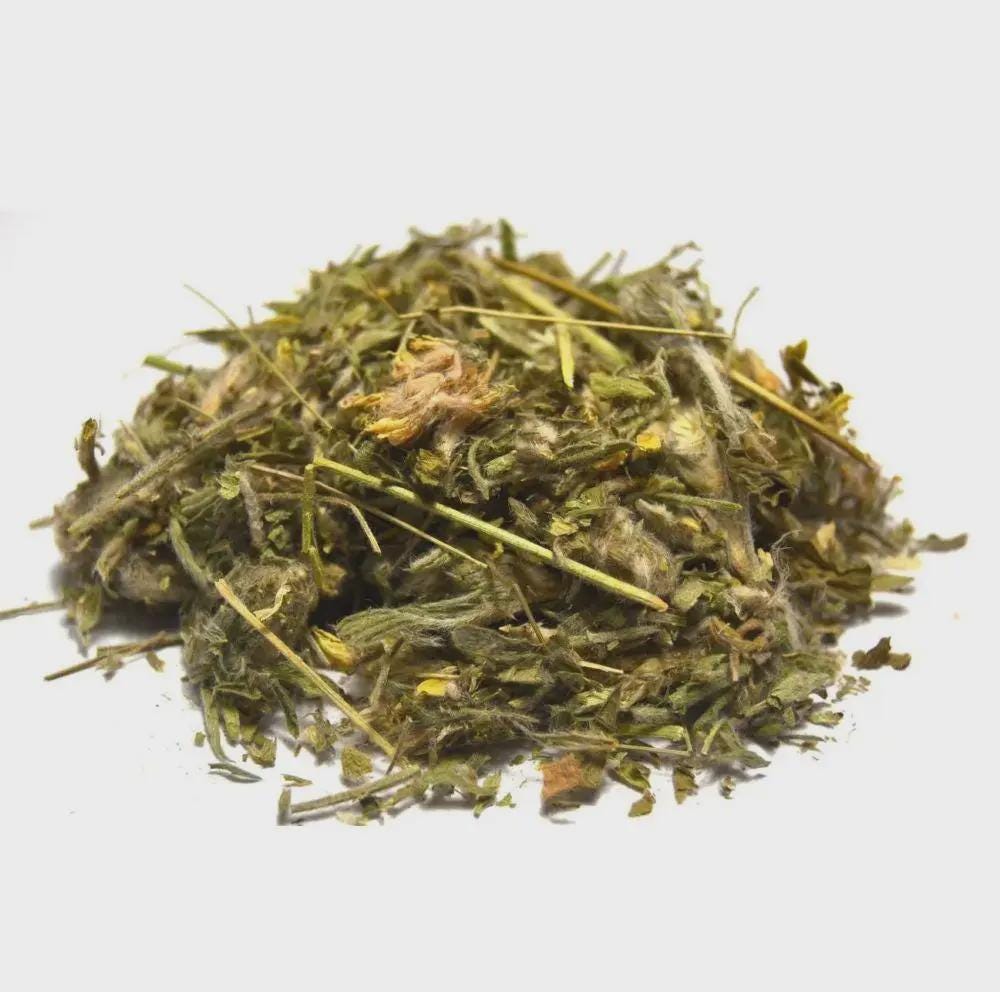
    The Ultimate Guide to Anise Hyssop: Health Benefits and Uses

    Anise Hyssop: Unveiling the Profound Health Benefits of Agastache foeniculum

    In the expansive and diverse realm of herbal medicine, certain plants stand out for their multifaceted benefits, captivating both the culinary enthusiast and the wellness seeker. Anise Hyssop (scientific name: Agastache foeniculum), a fragrant member of the mint family (Lamiaceae), is precisely one such botanical treasure. Often celebrated for its distinct licorice-like aroma and sweet, subtle flavor, this remarkable herb offers far more than just sensory delight. From ancient indigenous traditions to modern scientific inquiry, Anise Hyssop has consistently demonstrated a rich tapestry of health-promoting properties. This exhaustive guide delves deep into the mechanisms, historical uses, and contemporary applications of Anise Hyssop, revealing why it deserves a prominent place in any natural health regimen.

    Our exploration will traverse its botanical identity, uncover its potent bioactive compounds, and meticulously detail its extensive range of health benefits, including digestive support, respiratory relief, anti-inflammatory action, and immune modulation. We aim to provide a definitive resource for anyone seeking to understand and harness the full potential of this extraordinary plant, solidifying its reputation not merely as a garden ornamental, but as a powerhouse of natural wellness.

    Botanical Profile: The Distinctive Charms of Agastache foeniculum

    Anise Hyssop, also known as Blue Giant Hyssop, Fragrant Giant Hyssop, or Licorice Mint, is a perennial herb native to much of North America. It thrives in open woodlands, prairies, and disturbed areas, displaying a remarkable adaptability. As a member of the Lamiaceae family, it shares characteristic features with its mint relatives, including square stems and oppositely arranged leaves. However, its aesthetic and aromatic profiles are uniquely captivating.

    The plant typically grows to a height of 2 to 4 feet, adorned with spikes of vibrant lavender-blue flowers that bloom from mid-summer to early autumn. These inflorescences are not only beautiful but also highly attractive to pollinators, particularly bees, earning Anise Hyssop a reputation as an excellent “honey plant.” The leaves are ovate to lanceolate, finely toothed, and release a strong, sweet scent reminiscent of licorice or anise when crushed – a characteristic due to the presence of anethole and methyl chavicol (estragole) in its essential oils. This delightful fragrance is a tell-tale sign of its identity and a prelude to its rich medicinal properties.

    Anise Hyssop Botanical Photo

    A Glimpse into History: Traditional Uses Across Cultures

    The medicinal and culinary legacy of Anise Hyssop stretches back centuries, deeply rooted in the traditions of various indigenous communities across North America. Native American tribes, including the Cheyenne, Cree, and Ojibwe, revered Anise Hyssop for its versatile healing properties. They utilized nearly every part of the plant – leaves, flowers, and roots – for a multitude of ailments. Teas made from the leaves and flowers were commonly employed to alleviate respiratory conditions such as coughs, colds, and sore throats, leveraging its expectorant and soothing qualities.

    Beyond respiratory relief, it was also valued as a digestive aid, used to soothe upset stomachs, reduce bloating, and calm intestinal discomfort. Some tribes incorporated it into poultices for external applications, addressing skin irritations or minor wounds. Furthermore, Anise Hyssop played a role in ceremonial practices and was sometimes used as a mild sedative to promote relaxation. Its sweet flavor also made it a popular culinary herb, incorporated into stews, teas, and as a flavoring agent. European settlers later adopted many of these uses, integrating Anise Hyssop into their own herbal pharmacopeia and culinary traditions, further cementing its status as a valuable medicinal and gastronomic resource.

    The Chemical Canvas: Key Bioactive Compounds and Their Actions

    The profound health benefits of Anise Hyssop are intrinsically linked to its complex phytochemical profile, particularly its rich essential oil content and an abundance of flavonoids and phenolic acids. Understanding these compounds is crucial to appreciating the herb’s therapeutic potential.

    Essential Oils: The Aromatic Powerhouses

    • Methyl Chavicol (Estragole): This phenylpropene is the primary constituent responsible for Anise Hyssop’s distinctive licorice-like scent and flavor. While common in tarragon, its presence in Anise Hyssop contributes significantly to its carminative (gas-reducing) and antispasmodic properties, helping to relax smooth muscles in the digestive tract and alleviate cramping.
    • Anethole: Though typically found in higher concentrations in true anise (Pimpinella anisum) and fennel, anethole also contributes to Anise Hyssop’s aroma and some of its expectorant and antimicrobial effects. It has been studied for its potential estrogenic and anti-inflammatory activities.
    • Limonene: A monoterpene commonly found in citrus peels, limonene is present in Anise Hyssop and is known for its antioxidant properties and potential to support detoxification pathways.
    • Pulegone: While found in smaller quantities, pulegone contributes to the minty notes and has some insecticidal properties.
    • Carvone: Often associated with spearmint, carvone also appears in Anise Hyssop’s essential oil, offering mild antimicrobial and calming effects.

    Flavonoids and Phenolic Acids: The Antioxidant and Anti-inflammatory Brigade

    Beyond essential oils, Anise Hyssop is a rich source of polyphenolic compounds, which are renowned for their antioxidant and anti-inflammatory capabilities:

    • Rosmarinic Acid: This potent phenolic acid is a superstar in the mint family. It is a powerful antioxidant, effectively neutralizing free radicals and protecting cells from oxidative damage. Rosmarinic acid also exhibits significant anti-inflammatory and antiviral properties, contributing to Anise Hyssop’s efficacy in immune and inflammatory conditions.
    • Luteolin and Apigenin: These are well-known flavonoids with robust anti-inflammatory, antioxidant, and even potential anticancer activities. They can modulate various signaling pathways involved in inflammation and cellular proliferation.
    • Quercetin: Another ubiquitous flavonoid, quercetin, is present in Anise Hyssop and is celebrated for its antihistamine, anti-inflammatory, and antioxidant effects, which are particularly beneficial for allergic reactions and immune support.

    The synergistic interaction of these diverse compounds creates a holistic therapeutic effect that is often greater than the sum of its individual parts, making Anise Hyssop a true gem in the herbal world.

    Anise Hyssop Plant Profile

    The Extensive Health Benefits of Anise Hyssop

    Armed with a deeper understanding of its chemical constituents, let’s explore the specific and profound health benefits that Anise Hyssop offers.

    1. Digestive System Support: A Natural Carminative and Antispasmodic

    Anise Hyssop’s most celebrated traditional use is its remarkable ability to soothe and support the digestive system. The essential oils, particularly methyl chavicol and anethole, act as potent carminatives, meaning they help to expel gas from the intestines, thereby reducing bloating, flatulence, and general abdominal discomfort. These compounds also exhibit antispasmodic effects, relaxing the smooth muscles of the gastrointestinal tract. This relaxation can alleviate cramps, intestinal spasms, and the discomfort associated with conditions like irritable bowel syndrome (IBS) or indigestion. By promoting smoother muscle function, Anise Hyssop can facilitate more efficient digestion and nutrient absorption, making it an excellent post-meal digestive aid.

    2. Respiratory Health: Expectorant, Antitussive, and Soothing Agent

    For centuries, Anise Hyssop has been a go-to remedy for various respiratory ailments, and its efficacy is supported by its phytochemical makeup. It functions as an expectorant, helping to thin and loosen mucus in the respiratory passages, making it easier to cough up and expel. This mucolytic action is particularly beneficial for productive coughs, bronchitis, and congestion associated with colds and flu. Furthermore, its demulcent (soothing) properties help to coat and calm irritated mucous membranes in the throat and lungs, offering relief from dry, scratchy coughs and sore throats. The antimicrobial compounds present may also help combat the underlying pathogens contributing to respiratory infections, while its anti-inflammatory properties can reduce swelling in the airways, making breathing easier.

    3. Potent Anti-inflammatory Properties

    Chronic inflammation is a root cause of numerous modern diseases, from arthritis and cardiovascular issues to neurodegenerative disorders. Anise Hyssop stands out for its impressive anti-inflammatory capabilities, largely attributable to its rich flavonoid and phenolic acid content, especially rosmarinic acid, luteolin, and quercetin. These compounds work through various mechanisms to dampen the inflammatory cascade. They can inhibit the activity of pro-inflammatory enzymes like cyclooxygenase (COX) and lipoxygenase (LOX), thereby reducing the production of inflammatory mediators such as prostaglandins and leukotrienes. Additionally, they can modulate the expression of pro-inflammatory cytokines, essentially signaling the body to reduce its inflammatory response. This makes Anise Hyssop a valuable herb for managing inflammatory conditions throughout the body.

    4. Antioxidant Powerhouse: Combating Oxidative Stress

    Oxidative stress, caused by an imbalance between free radical production and the body’s ability to neutralize them, leads to cellular damage and is implicated in aging and numerous chronic diseases. Anise Hyssop is exceptionally rich in antioxidants, particularly rosmarinic acid and various flavonoids. These compounds act as potent free radical scavengers, directly neutralizing harmful reactive oxygen species. By protecting cellular components like DNA, proteins, and lipids from oxidative damage, Anise Hyssop helps preserve cellular integrity and function. Regular consumption can contribute to a stronger defense against age-related degeneration, support overall cellular health, and potentially reduce the risk of chronic diseases associated with oxidative stress.

    5. Nervous System Support and Stress Reduction: A Mild Nervine

    In today’s fast-paced world, finding natural ways to support mental well-being is increasingly important. Anise Hyssop offers mild nervine properties, contributing to a sense of calm and relaxation. While not a strong sedative, the essential oils and other compounds can help soothe the nervous system, reduce mild anxiety, and promote restful sleep. Its aromatic qualities alone, when inhaled as a tea or diffused essential oil, can have an immediate calming effect, helping to alleviate tension and improve mood. This makes it a lovely herb for winding down after a stressful day or gently preparing the mind and body for sleep.

    6. Antimicrobial and Antifungal Activity

    The essential oils of Anise Hyssop possess significant antimicrobial properties, demonstrating efficacy against a range of bacteria and fungi. Studies have indicated that compounds like methyl chavicol and anethole can disrupt the cell membranes of pathogenic microorganisms, inhibiting their growth and proliferation. This broad-spectrum activity makes Anise Hyssop a useful internal and external agent for combating various infections. It can support the body’s natural defenses against bacterial illnesses and may even play a role in managing superficial fungal infections when applied topically.

    7. Immune System Modulation

    Beyond specific antimicrobial actions, Anise Hyssop contributes to overall immune system health. Its antioxidant content helps protect immune cells from damage, ensuring they can function optimally. The anti-inflammatory properties reduce systemic inflammation, which can otherwise suppress immune responses. By supporting a balanced immune response and protecting the body from oxidative damage, Anise Hyssop helps to strengthen the body’s natural defenses, making it more resilient to infections and illnesses. Regular use can be part of a proactive strategy for maintaining robust immune function.

    Practical Applications and Usage

    Anise Hyssop’s versatility extends to its myriad applications in daily life, ranging from traditional herbal preparations to modern culinary delights.

    Herbal Teas and Infusions

    The most common and perhaps simplest way to enjoy the health benefits of Anise Hyssop is by preparing a soothing herbal tea. An infusion made from the fresh or dried leaves and flowers offers a pleasant, licorice-scented beverage that is both calming and therapeutically active. It can be particularly effective for digestive upset, respiratory congestion, or simply as a relaxing evening drink.

    Anise Hyssop Dried Herb

    Tinctures and Extracts

    For a more concentrated and potent form, Anise Hyssop can be prepared as an alcohol-based tincture. Tinctures allow for a higher extraction of the herb’s beneficial compounds and offer a convenient way to administer specific dosages. They are excellent for consistent, long-term therapeutic use, especially for conditions requiring sustained support, such as chronic digestive issues or immune modulation.

    Culinary Uses

    Anise Hyssop’s unique flavor profile makes it a delightful addition to the kitchen. The leaves and flowers can be used fresh in salads, fruit salads, and desserts, imparting a delicate licorice-mint note. It can also be incorporated into baked goods, syrups, jams, and jellies. Infused into honey or vinegar, it creates gourmet condiments. Its versatility allows for creative culinary experimentation, enhancing dishes with both flavor and subtle health benefits.

    Aromatherapy and Topical Applications

    The essential oil of Anise Hyssop, though not as widely available as some other essential oils, can be used in aromatherapy. Diffusing the oil can help clear respiratory passages, uplift mood, and create a calming atmosphere. Topically, infused oils or poultices made from the leaves can be applied to soothe minor skin irritations, insect bites, or muscular aches, leveraging its anti-inflammatory and antimicrobial properties.

    Modern Supplementation: Capsules and Powders

    For individuals seeking a convenient and standardized approach to incorporating Anise Hyssop into their wellness routine, encapsulated forms or powdered extracts are available. These supplements typically contain dried and ground herb or concentrated extracts, offering a precise dosage. This method is particularly suitable for those who may not enjoy the taste of herbal teas or who require a higher, consistent therapeutic dose. When choosing supplements, it’s crucial to select reputable brands that provide transparency regarding sourcing and manufacturing processes to ensure purity and potency.

    Anise Hyssop Capsules

    Cultivation: Bringing Anise Hyssop to Your Garden

    One of the many joys of Anise Hyssop is its ease of cultivation. It is a resilient and adaptable plant, tolerant of a wide range of soil types, though it prefers well-drained soil and full sun to partial shade. It is drought-tolerant once established and generally pest-free, making it an ideal choice for both novice and experienced gardeners. Its attractive flowers and aromatic foliage add beauty to any garden, while also serving as a vital food source for pollinators like bees and butterflies, contributing to local biodiversity and ecological health. Growing Anise Hyssop at home ensures a fresh, readily available supply of this beneficial herb for culinary and medicinal uses.

    Potential Side Effects, Precautions, and Dosage Guidelines

    While Anise Hyssop is generally considered safe for most individuals when consumed in moderate amounts, it is always prudent to be aware of potential precautions and consult with a healthcare professional before incorporating any new herbal remedy into your routine, especially if you have underlying health conditions or are taking medications.

    Precautions:

    • Pregnancy and Breastfeeding: Due to the presence of methyl chavicol and anethole, which in very high doses can have mild estrogenic effects, pregnant and breastfeeding women should exercise caution and consult a doctor before using Anise Hyssop.
    • Allergies: Individuals with known allergies to plants in the mint family (Lamiaceae) may experience allergic reactions.
    • Drug Interactions: While unlikely with typical consumption, very high doses could theoretically interact with blood-thinning medications or sedatives due to its mild calming properties. Always discuss with your doctor if on medication.

    General Dosage Guidelines (these are approximations and should be adjusted based on individual sensitivity and product concentration):

    • Tea/Infusion: Steep 1-2 teaspoons of dried Anise Hyssop leaves and flowers in 8 ounces of hot water for 5-10 minutes. Drink 1-3 cups per day.
    • Tincture: 2-4 ml (approximately 40-80 drops) of a 1:5 ratio tincture, 2-3 times per day.
    • Capsules: Follow manufacturer’s instructions, usually 500-1000 mg of dried herb or extract, 1-2 times daily.

    It is always recommended to start with the lowest effective dose and gradually increase if needed, observing your body’s response. Quality and concentration of herbal products can vary significantly, so choose reputable sources.

    Anise Hyssop Natural Herb

    Conclusion: Anise Hyssop – A Pillar of Herbal Wellness

    Anise Hyssop (Agastache foeniculum) emerges not just as a plant of exquisite beauty and delightful fragrance, but as a formidable ally in the pursuit of natural health and well-being. Its rich historical legacy, deeply rooted in Native American traditions, is now increasingly supported by modern scientific understanding of its potent bioactive compounds. From its remarkable ability to soothe digestive distress and alleviate respiratory discomfort to its powerful antioxidant, anti-inflammatory, and immune-modulating effects, Anise Hyssop offers a holistic approach to wellness.

    Whether enjoyed as a comforting tea, a potent tincture, a flavorful culinary herb, or a convenient supplement, this versatile plant seamlessly integrates into diverse lifestyles, offering tangible benefits for mind and body. As we continue to rediscover the profound wisdom of nature, Anise Hyssop stands as a shining example of an accessible, effective, and truly comprehensive herbal remedy. Its continued cultivation and use promise to enrich our gardens, our tables, and most importantly, our health for generations to come, solidifying its place as a definitive pillar of herbal wellness.

    Disclaimer: For informational purposes only. Not medical advice. Consult a qualified healthcare professional before use.
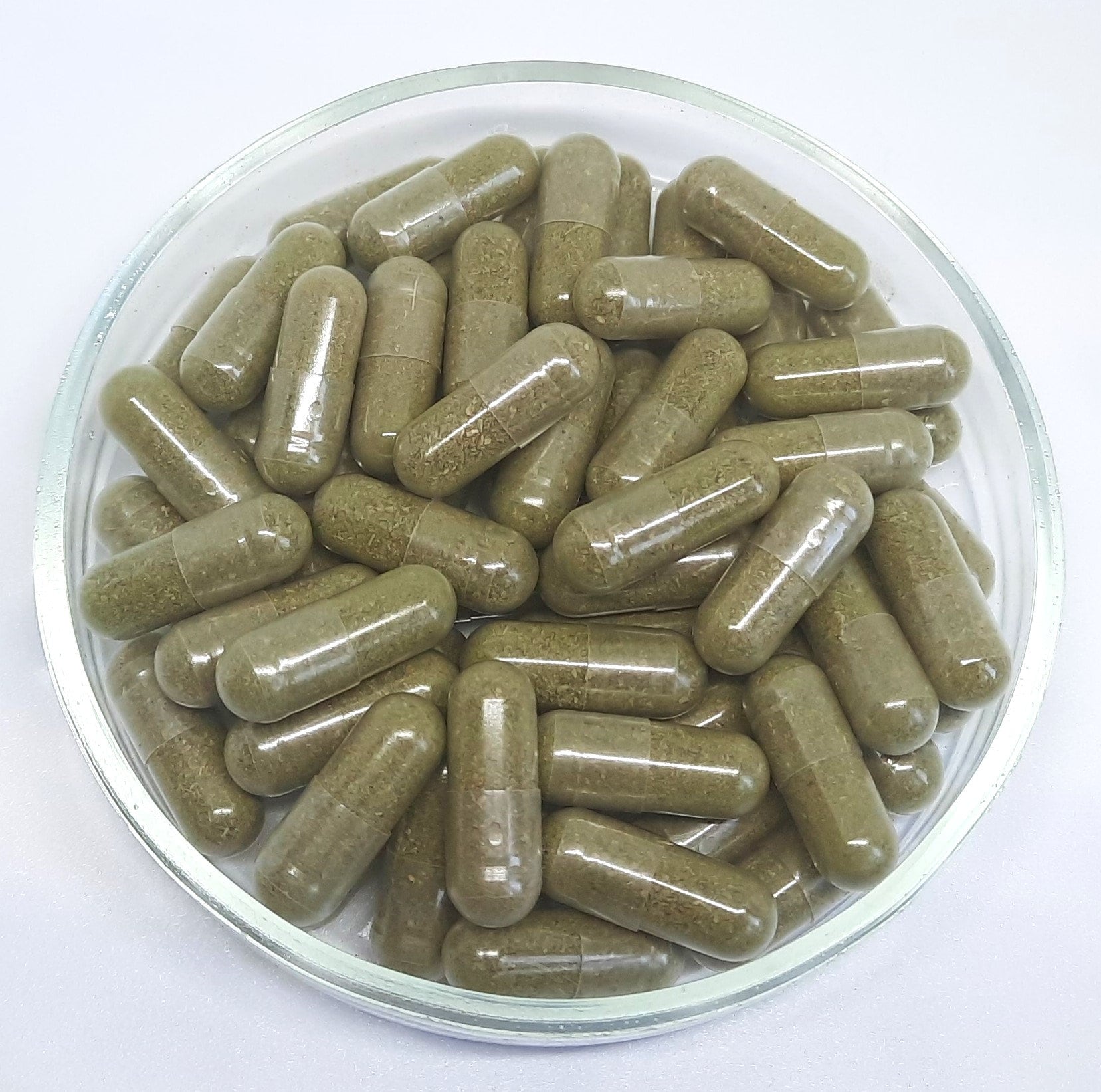
    The Ultimate Guide to Fumitory Herb: Health Benefits and Uses

    The Profound Health Benefits of Fumitory Herb: A Definitive Deep-Dive Guide

    In the vast and intricate tapestry of natural remedies, certain herbs stand out for their enduring legacy and remarkable spectrum of therapeutic properties. Among these venerable botanical treasures is Fumitory Herb, scientifically known as Fumaria officinalis. For centuries, this unassuming plant with its delicate flowers and feathery foliage has been revered in traditional medicine systems across Europe, Asia, and North Africa. Often overlooked in modern discourse, Fumitory is a powerhouse of bioactive compounds, offering a wealth of health benefits, particularly for liver function, skin health, and digestive well-being. This exhaustive guide delves into the botanical wonders of Fumitory, exploring its historical significance, intricate chemical composition, and the scientific basis for its diverse therapeutic applications, aiming to provide a definitive resource for anyone seeking to understand and harness the profound potential of this ancient herb.

    Botanical Profile and Characteristics of Fumitory Herb

    Fumaria officinalis, commonly known as Common Fumitory, Earth Smoke, or Beggary, belongs to the Papaveraceae family (formerly classified under Fumariaceae), a botanical group renowned for its alkaloid-rich members. This annual herbaceous plant is characterized by its slender, sprawling stems, finely dissected, greyish-green leaves that resemble smoke (hence its common name “earth smoke”), and delicate clusters of small, tubular, purplish-pink flowers. These flowers, often tipped with a darker red or purple, bloom from spring to autumn, adding a subtle beauty to its often-weedy presence in disturbed soils, cultivated fields, and gardens across temperate regions.

    Fumitory typically grows to a height of 10 to 50 centimeters, displaying a rather delicate appearance that belies its robust medicinal capabilities. Its leaves are bipinnate or tripinnate, giving them a fern-like or smoky texture, which contributes to its whimsical nomenclature. The fruit is a small, single-seeded nutlet, globular in shape, which aids in its widespread propagation. Understanding its botanical identity is crucial, as its unique chemical profile, developed through its evolutionary lineage within the Papaveraceae family, directly underpins its therapeutic efficacy. The plant thrives in nitrogen-rich soils and can often be found growing as a beneficial companion plant in agricultural settings, naturally attracting pollinators while offering its medicinal bounty.

    Fumitory Herb Botanical Photo

    A Rich Tapestry of History: Traditional Uses of Fumitory

    The medicinal use of Fumitory Herb dates back to antiquity, with its properties meticulously documented by some of the earliest pioneers of Western medicine. Ancient Greek physicians like Dioscorides and Galen recognized its therapeutic value, primarily as a blood purifier and a remedy for various skin afflictions. Its Latin name, Fumaria, is thought to derive from “fumus terrae” meaning “smoke of the earth,” possibly referring to the slightly smoky or ashy appearance of its foliage, or perhaps the belief that its vapor could irritate the eyes, similar to smoke.

    Throughout the Middle Ages and into the Renaissance, Fumitory maintained its prominent position in European herbal pharmacopoeias. Herbalists such as John Gerard and Nicholas Culpeper extensively detailed its use for liver and gallbladder complaints, digestive disorders, and a wide array of dermatological issues, including eczema, scabies, and leprosy. It was often prescribed as a “depurative” herb, believed to cleanse the blood and lymphatic system, thereby improving overall health and vitality. This concept of internal purification was deeply entrenched in humoral theory, where imbalances in bodily fluids were thought to cause disease, and Fumitory was a prime agent for restoring equilibrium, particularly in cases linked to an excess of “black bile,” associated with melancholic temperaments and skin conditions.

    Traditional Chinese Medicine (TCM) also features species of Fumaria, though often different specific species than F. officinalis, for similar purposes, particularly for promoting bile flow and addressing pain. This cross-cultural recognition underscores the fundamental efficacy of the plant’s constituents across diverse healing traditions, highlighting its universal appeal as a potent detoxification and digestive aid. Its consistent historical application provides a robust anecdotal foundation for its continued use and scientific investigation.

    Unveiling the Chemical Wonders: Bioactive Compounds in Fumitory Herb

    The remarkable therapeutic effects of Fumitory Herb are directly attributable to its complex array of bioactive compounds, particularly its rich concentration of isoquinoline alkaloids. These nitrogen-containing organic compounds are characteristic of the Papaveraceae family and are responsible for many of the herb’s pharmacological actions. The principal alkaloid found in Fumaria officinalis is protopine, also known as fumarine, which is often considered the most significant contributor to its choleretic and spasmolytic properties. Other notable alkaloids include cryptopine, sinactine, sanguinarine, chelerythrine, and fumaric acid, each playing a distinct yet synergistic role.

    Beyond alkaloids, Fumitory also contains a significant profile of other beneficial phytochemicals:

    • Flavonoids: Compounds like quercetin and rutin contribute to its antioxidant and anti-inflammatory effects, scavenging free radicals and protecting cellular integrity.
    • Phenolic Acids: Such as caffeic acid and ferulic acid, further enhance its antioxidant capacity and may contribute to its hepatoprotective properties.
    • Tannins: Provide astringent qualities, which can be beneficial for skin conditions and internal mucous membranes.
    • Mucilage: Offers soothing and protective effects on the digestive tract.
    • Fumaric Acid: While not an alkaloid, this organic acid is noteworthy. It plays a role in the Krebs cycle (cellular energy production) and has been historically used in some dermatological preparations for conditions like psoriasis, suggesting specific cellular regulatory functions.

    The synergistic interaction of these diverse compounds—alkaloids, flavonoids, phenolic acids, and organic acids—creates a holistic therapeutic effect that often surpasses the action of isolated compounds. Protopine, for instance, has been extensively studied for its ability to regulate smooth muscle tone, which explains Fumitory’s efficacy in addressing spasms of the gastrointestinal tract and bile ducts. Cryptopine and sanguinarine contribute to its antimicrobial and anti-inflammatory activities, further broadening its spectrum of action. This intricate biochemical orchestra underscores Fumitory’s profound impact on various physiological systems.

    Fumitory Herb Plant Profile

    Comprehensive Health Benefits: The Therapeutic Spectrum of Fumitory

    Fumitory Herb’s rich phytochemical composition translates into a wide array of documented health benefits, addressing multiple bodily systems and conditions. Its traditional uses are increasingly supported by contemporary pharmacological research.

    1. Unlocking Liver and Gallbladder Health: The Cholagogue and Choleretic Power

    Perhaps Fumitory’s most celebrated benefit lies in its profound impact on liver and gallbladder function. It is classified as a powerful cholagogue and choleretic agent.

    • Choleretic Action: This refers to its ability to stimulate the production of bile by the liver. Bile is essential for the digestion and absorption of fats and fat-soluble vitamins. By increasing bile synthesis, Fumitory aids the liver in its crucial detoxification processes, helping to flush out metabolic waste products and toxins from the body.
    • Cholagogue Action: This describes its capacity to promote the flow and release of bile from the gallbladder into the small intestine. Many of the alkaloids, particularly protopine, exhibit spasmolytic effects on the sphincter of Oddi, the muscular valve that controls bile and pancreatic fluid release into the duodenum. By relaxing this sphincter, Fumitory facilitates smoother and more efficient bile excretion, preventing stasis and reducing the risk of gallstone formation or sludge buildup.

    This dual action makes Fumitory invaluable for individuals suffering from sluggish liver function, mild liver congestion, or gallbladder issues, such as indigestion, bloating, and discomfort after fatty meals. It supports the liver’s natural detoxification pathways, contributing to overall metabolic health and systemic purification.

    2. Nurturing Skin Health: A Natural Remedy for Dermatological Conditions

    Fumitory’s traditional use as a skin remedy finds strong support in its internal and external mechanisms of action. Its efficacy in treating conditions like eczema, psoriasis, acne, and other inflammatory dermatoses stems from several key properties:

    • Anti-inflammatory Effects: The flavonoids and certain alkaloids within Fumitory help modulate inflammatory responses, reducing redness, swelling, and irritation associated with chronic skin conditions. By dampening the inflammatory cascade, it can provide symptomatic relief and promote healing.
    • Antipruritic (Anti-itch) Properties: The soothing action of some of its compounds can alleviate the intense itching often accompanying eczema and other dermatoses, preventing scratching that can exacerbate skin damage and lead to secondary infections.
    • Antioxidant Protection: Free radicals contribute significantly to skin aging and damage. Fumitory’s antioxidant profile helps protect skin cells from oxidative stress, supporting skin integrity and repair processes.
    • Detoxification through Liver Support: Many skin conditions are viewed as external manifestations of internal imbalances, particularly related to liver overload or impaired detoxification. By enhancing liver function and systemic detoxification, Fumitory helps address the root causes of certain dermatological issues from within, promoting clearer, healthier skin.
    • Topical Application: When applied topically as a compress or wash, its astringent tannins and soothing mucilage can help dry weeping lesions, reduce inflammation, and provide a protective barrier.

    3. Optimizing Digestive Well-being: Aiding Indigestion and Spasms

    The herb’s benefits extend significantly to the digestive system, where it acts as a gentle yet effective tonic:

    • Spasmolytic Action: Protopine and other alkaloids exert a relaxant effect on the smooth muscles of the gastrointestinal tract. This makes Fumitory highly effective in relieving intestinal cramps, spasms, bloating, and discomfort associated with irritable bowel syndrome (IBS) or general indigestion. By reducing hypermotility, it helps normalize gut function.
    • Mild Laxative Effect: By promoting bile flow and gently stimulating intestinal peristalsis, Fumitory can help alleviate mild constipation, ensuring regular bowel movements without harsh laxative effects. This is particularly beneficial for constipation linked to sluggish bile production.
    • Appetite Stimulant: In traditional practices, Fumitory was sometimes used to stimulate appetite, likely due to its bitters that enhance digestive secretions and prepare the gut for nutrient absorption.

    By addressing both the mechanical (spasms) and biochemical (bile flow) aspects of digestion, Fumitory provides comprehensive support for a healthy gut.

    4. Potent Anti-inflammatory and Antioxidant Effects

    Systemic inflammation and oxidative stress are underlying factors in a multitude of chronic diseases. Fumitory’s rich phytochemical profile offers robust protection:

    • Anti-inflammatory Action: Beyond skin conditions, the flavonoids and specific alkaloids in Fumitory can help modulate inflammatory pathways throughout the body. This can be beneficial in alleviating symptoms of inflammatory conditions and supporting overall cellular health.
    • Antioxidant Defense: The presence of numerous phenolic compounds, flavonoids, and other antioxidants means Fumitory actively scavenges free radicals, protecting cells and tissues from oxidative damage. This cellular protection is fundamental to preventing chronic diseases, supporting healthy aging, and maintaining overall physiological function.

    5. Diuretic and Depurative Qualities

    Fumitory is traditionally recognized for its diuretic and depurative (blood-purifying) properties.

    • Diuretic Effect: It gently increases urine production, helping the body eliminate excess fluids and metabolic waste products through the kidneys. This supports kidney function and helps to reduce water retention and mild edema.
    • Depurative Action: By enhancing both liver detoxification (bile production) and kidney excretion (diuresis), Fumitory acts as a systemic cleanser. It aids in purifying the blood, removing toxins, and supporting the body’s natural waste elimination processes. This ‘blood cleansing’ effect is integral to its traditional use for improving overall vitality and addressing conditions thought to stem from internal toxicity.

    Fumitory Herb Dried Herb

    Practical Usage and Forms of Fumitory Herb

    Fumitory Herb can be incorporated into health regimens in various forms, catering to different preferences and needs. The choice of form often depends on the specific health concern and desired potency.

    1. Herbal Infusion (Tea)

    One of the most traditional and gentle ways to consume Fumitory is as an herbal tea. This method is ideal for supporting digestion, liver function, and systemic detoxification.

    • Preparation: Typically, one to two teaspoons of dried Fumitory herb are steeped in a cup (250ml) of hot water for 5-10 minutes. It’s often recommended to cover the cup during steeping to prevent the volatile compounds from escaping.
    • Dosage: Generally consumed 2-3 times a day, ideally before meals to stimulate bile flow and aid digestion. The taste is distinctly bitter, a characteristic often associated with its choleretic properties.

    2. Tinctures

    Tinctures are concentrated liquid extracts made by macerating the herb in alcohol or a mixture of alcohol and water. They offer a more potent and convenient method of delivery, as the alcohol extracts a broader spectrum of active compounds, including the less water-soluble alkaloids.

    • Preparation: Tinctures are usually commercially prepared, ensuring consistency and proper extraction. They are also sometimes made by experienced herbalists.
    • Dosage: Dosages vary widely depending on the concentration of the tincture, but typically range from 20-60 drops (1-3 ml), 2-3 times daily, diluted in a small amount of water. It is crucial to follow the manufacturer’s specific instructions.

    3. Topical Applications

    For skin conditions, Fumitory can be applied externally to soothe inflammation and promote healing.

    • Compresses/Washes: A strong infusion of the herb can be cooled and then used as a wash or applied as a compress to affected skin areas. This is particularly beneficial for eczema, psoriasis, and other itchy or inflamed dermatoses.
    • Ointments/Creams: Some herbal formulations incorporate Fumitory extract into topical creams or ointments for targeted skin treatment.

    4. Capsules and Supplements

    For those who prefer convenience or dislike the bitter taste of the tea, Fumitory is available in capsule or tablet form. These supplements often provide standardized extracts, ensuring a consistent dosage of active compounds.

    • Advantages: Capsules offer a precise and pre-measured dose, making it easier to manage intake. They are also discreet and travel-friendly.
    • Dosage: Follow the specific instructions on the product label, as concentrations can vary between brands. Typical dosages might range from 250mg to 500mg, 1-3 times daily.

    Fumitory Herb Capsules

    Dosage, Administration, and Important Considerations

    While Fumitory Herb offers numerous benefits, responsible usage is paramount. General dosage guidelines exist, but individual needs and health conditions may necessitate adjustments. It is always advisable to consult with a qualified healthcare professional or an experienced herbalist before initiating any new herbal regimen, especially if you have pre-existing health conditions or are taking other medications.

    General Dosage Guidelines:

    • Dried Herb for Tea: 1-2 teaspoons per cup of hot water, steeped for 5-10 minutes, consumed 2-3 times daily.
    • Tincture (1:5 @ 25% alcohol): 1-3 ml (20-60 drops), 2-3 times daily.
    • Capsules/Tablets: Refer to product-specific instructions, typically 250-500mg, 1-3 times daily, often with meals.

    It is generally recommended to start with a lower dose and gradually increase it to assess tolerance and efficacy. Continuous use of Fumitory is usually for specific periods, often with breaks, rather than indefinite daily consumption.

    Potential Side Effects and Contraindications:

    Fumitory is generally considered safe when used appropriately and within recommended dosages. However, some individuals may experience mild side effects:

    • Gastrointestinal Upset: Some people may experience mild stomach upset, nausea, or diarrhea, especially with higher doses or on an empty stomach due to its bitter nature and choleretic action.
    • Allergic Reactions: As with any plant, allergic reactions are possible, though rare. Symptoms might include skin rash, itching, or respiratory issues.

    There are specific contraindications where Fumitory should be avoided or used with extreme caution:

    • Pregnancy and Breastfeeding: Due to insufficient research on its effects, Fumitory is generally not recommended for pregnant or breastfeeding women.
    • Bile Duct Obstruction: Individuals with an acute obstruction of the bile ducts (e.g., large gallstones blocking bile flow) should avoid Fumitory, as its cholagogue action could worsen the obstruction and cause severe pain.
    • Severe Liver Disease: While beneficial for mild liver support, individuals with severe liver damage or active liver disease should use Fumitory only under strict medical supervision.
    • Drug Interactions: Fumitory may interact with certain medications, particularly those affecting liver enzymes or bile production. Consult a healthcare provider if taking prescription drugs.
    • Children: Use in children should be under the guidance of a healthcare professional.

    Always prioritize professional medical advice to ensure safety and efficacy, especially when dealing with chronic conditions.

    Fumitory Herb Natural Herb

    Current Research and Future Perspectives

    While Fumitory’s traditional uses are well-established, modern scientific research continues to unravel the precise mechanisms behind its therapeutic actions. Studies are actively investigating the individual and synergistic effects of its alkaloids, flavonoids, and other compounds. Research is particularly focused on:

    • Further elucidating the exact pathways through which protopine and other alkaloids exert their spasmolytic and choleretic effects.
    • Exploring the anti-inflammatory and immunomodulatory potential of Fumitory in autoimmune skin conditions like psoriasis, moving beyond anecdotal evidence to clinical trials.
    • Investigating its potential antimicrobial properties against various pathogens, which have been suggested by some preliminary studies.
    • Delving into its role in liver detoxification at a cellular and enzymatic level, potentially identifying novel hepatoprotective applications.

    As analytical techniques become more sophisticated, the full spectrum of Fumitory’s biochemical interactions and therapeutic applications is likely to be revealed, potentially opening new avenues for its integration into mainstream medicine and dietary supplements. This ongoing research promises to solidify Fumitory’s position as a valuable botanical in evidence-based natural health practices.

    Conclusion: Reclaiming the Power of Fumitory Herb

    Fumitory Herb, Fumaria officinalis, stands as a testament to the enduring wisdom of traditional herbal medicine. Its journey from ancient pharmacopoeias to modern scientific inquiry highlights its consistent efficacy in addressing a range of health concerns, particularly those related to the liver, gallbladder, skin, and digestive system. The complex interplay of its rich bioactive compounds, notably its isoquinoline alkaloids, underpins its well-documented choleretic, cholagogue, spasmolytic, anti-inflammatory, and antioxidant properties.

    As we navigate an increasingly complex health landscape, the natural depurative and supportive actions of Fumitory offer a compelling option for promoting internal balance and enhancing overall well-being. Whether consumed as a traditional tea, a concentrated tincture, or a convenient capsule, Fumitory provides a holistic approach to detoxification and systemic health. However, it is imperative to approach its use with knowledge, respect, and professional guidance. By understanding its profound benefits and observing responsible usage, individuals can confidently reclaim the historical power of Fumitory Herb, integrating this remarkable botanical into a proactive and health-conscious lifestyle.

    Disclaimer: For informational purposes only. Not medical advice. Consult a qualified healthcare professional before use.
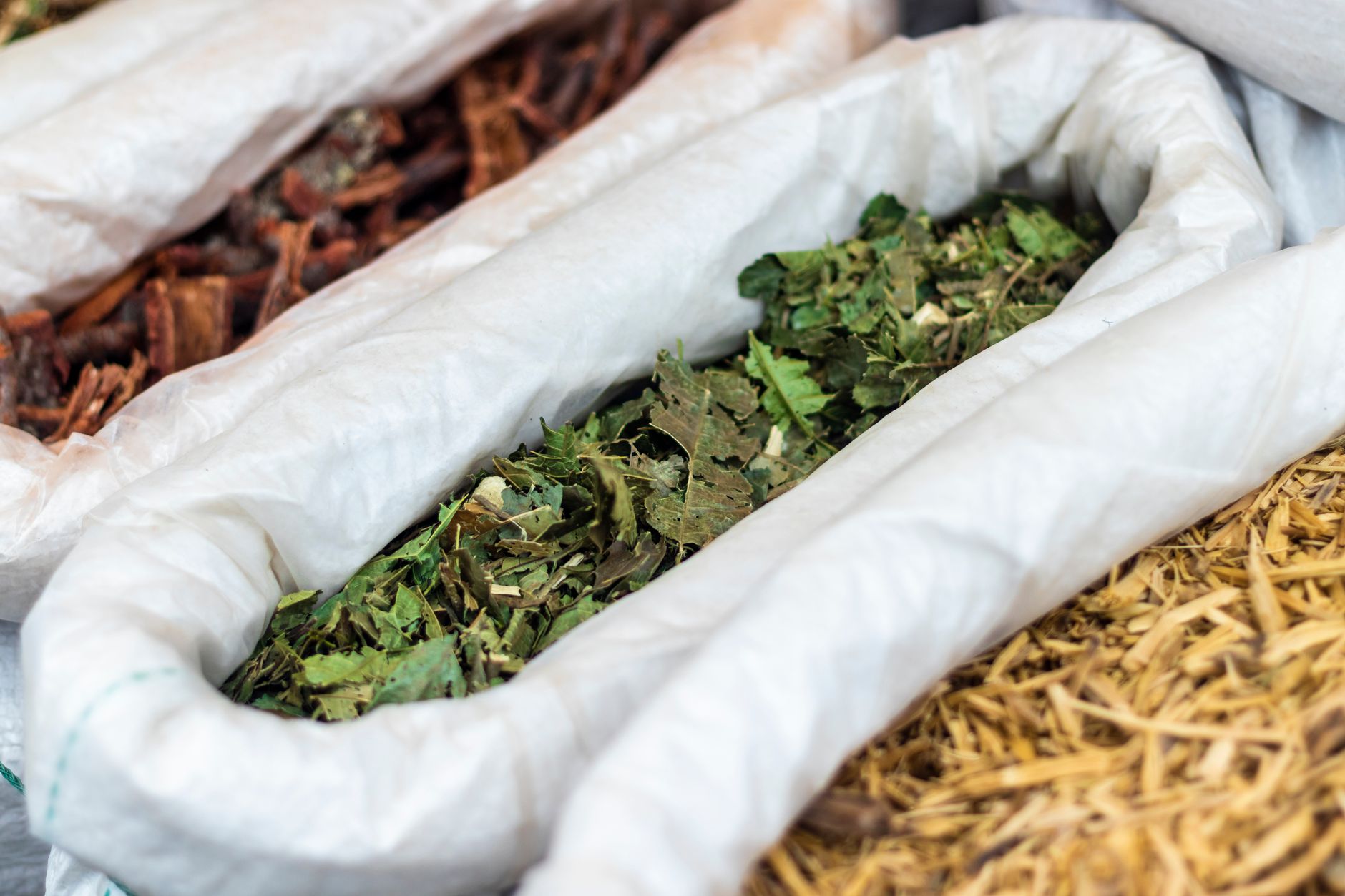
    The Ultimate Guide to ARNICA FLOWER: Health Benefits and Uses

    The Golden Healer: An Exhaustive Guide to the Health Benefits of Arnica Flower

    Deep within the sun-drenched meadows and alpine regions of Europe and Siberia flourishes a botanical marvel known as Arnica montana, commonly referred to as Arnica Flower, Leopard’s Bane, or Mountain Tobacco. This vibrant yellow daisy-like bloom has transcended centuries, earning a revered status in traditional medicine and modern pharmacology alike for its profound therapeutic properties. Renowned primarily for its potent anti-inflammatory and pain-relieving capabilities, Arnica has become a cornerstone in natural healing, offering a holistic approach to managing various physical discomforts, from athletic injuries to post-operative recovery. This comprehensive guide delves into the historical legacy, intricate chemical composition, diverse health benefits, and practical applications of the extraordinary Arnica Flower, providing an unparalleled understanding of this golden healer.

    A Journey Through Time: The Historical and Cultural Significance of Arnica

    The story of Arnica Flower is etched into the annals of herbal medicine, stretching back hundreds of years. Its earliest recorded uses trace back to the 16th century in European folk medicine, where it was extensively documented by botanical and medicinal texts. Swiss naturalist and physician Paracelsus, a pioneer in toxicology and a keen observer of herbal remedies, was among the first to formally recognize Arnica’s medicinal value. He noted its efficacy in treating bruises, sprains, and wounds, particularly amongst mountaineers and those suffering from the physical toll of rigorous activity – hence its moniker, “Leopard’s Bane,” alluding to its ability to soothe muscle and joint discomfort from vigorous movements akin to a leopard’s agility.

    Throughout subsequent centuries, Arnica’s reputation grew exponentially, becoming a household staple across Germany, France, and other European nations. It was a preferred remedy for soldiers, athletes, and anyone enduring physical trauma. The flower’s bright, resilient appearance, often found clinging to steep, rocky terrain, seemed to mirror the very restorative qualities attributed to it – a symbol of healing and robust endurance. This rich history underscores not just a fleeting trend but a sustained, empirical validation of its benefits, passed down through generations before modern science began to unravel its complex mechanisms.

    Botanical Profile and Characteristics: Unveiling Arnica Montana

    Arnica montana is a perennial herbaceous plant belonging to the Asteraceae (daisy) family. It typically grows to a height of 1 to 2 feet, boasting distinctive bright yellow-orange flowers that bloom in mid-summer. These captivating flowers, which are the primary medicinal part of the plant, feature numerous ray florets surrounding a central disc. The plant prefers nutrient-poor, acidic soils and can be found thriving in mountainous regions, meadows, and heaths, particularly at higher altitudes across temperate Europe and Russia. Its habitat choice further contributes to its mystique and perceived hardiness.

    The leaves of Arnica are somewhat hairy, forming a basal rosette, with smaller, sparser leaves ascending the stem. Its rhizomatous root system allows it to spread and establish robust colonies. Identifying genuine Arnica montana is crucial due to potential confusion with other similar-looking species, some of which lack its medicinal properties or may even be toxic. The distinct scent of its flowers, a subtle, aromatic fragrance, can also aid in identification. Its striking visual appeal, combined with its historical importance, makes it a truly iconic plant in the world of natural medicine.

    ARNICA FLOWER Botanical Photo

    Phytochemical Composition: The Bioactive Powerhouse of Arnica

    The therapeutic prowess of Arnica Flower stems from its rich and diverse phytochemical profile, a complex symphony of bioactive compounds working in concert. The most extensively studied and pharmacologically active constituents are the sesquiterpene lactones, particularly helenalin and dihydrohelenalin. These compounds are largely responsible for Arnica’s potent anti-inflammatory effects.

    • Sesquiterpene Lactones (especially Helenalin): These are the true stars of Arnica’s medicinal chemistry. Helenalin, in particular, has been shown to exert its anti-inflammatory action by inhibiting the activation of Nuclear Factor-kappa B (NF-κB), a pivotal transcription factor involved in regulating the expression of pro-inflammatory genes. By suppressing NF-κB, helenalin effectively reduces the production of various inflammatory mediators, such as cytokines (e.g., TNF-α, IL-1β) and adhesion molecules, thereby dampening the inflammatory cascade. This mechanism is crucial in reducing swelling, pain, and redness associated with inflammation. Furthermore, helenalin can also inhibit the activity of cyclooxygenase-2 (COX-2), an enzyme responsible for producing prostaglandins, which are key players in pain and inflammation.
    • Flavonoids: Quercetin, kaempferol, and their glycosides are present in Arnica. Flavonoids are well-known for their antioxidant properties, helping to neutralize free radicals that contribute to cellular damage and inflammation. They can also enhance capillary strength and permeability, which is beneficial in reducing bruising and swelling by preventing leakage of blood into surrounding tissues.
    • Phenolic Acids: Caffeic acid and chlorogenic acid are examples found in Arnica. These compounds also contribute to the plant’s antioxidant and anti-inflammatory activities, further supporting the overall therapeutic effect.
    • Coumarins: Umbelliferone and scopoletin, while present in smaller quantities, may contribute to some of Arnica’s anticoagulant and anti-inflammatory properties.
    • Essential Oils: Comprising thymol and its derivatives, essential oils give Arnica its characteristic aroma and may possess antiseptic and local stimulating effects, enhancing blood flow to the application area.

    It is the synergistic interplay of these compounds, rather than any single constituent, that imbues Arnica with its remarkable healing capabilities. The diverse chemical tapestry ensures a multi-pronged approach to addressing pain and inflammation, making it a highly effective natural remedy.

    ARNICA FLOWER Plant Profile

    The Core Health Benefits of Arnica Flower: A Deep Dive

    The therapeutic applications of Arnica Flower are extensive, primarily revolving around its powerful anti-inflammatory, analgesic, and tissue-healing properties. Its benefits are most commonly realized through topical application, though highly diluted homeopathic forms are taken internally.

    1. Potent Anti-inflammatory Properties

    Arnica’s reputation as a supreme anti-inflammatory agent is well-earned. The sesquiterpene lactones, particularly helenalin, are at the forefront of this action. As detailed, helenalin’s ability to inhibit NF-κB activation directly reduces the synthesis and release of pro-inflammatory cytokines such as TNF-α, IL-1β, and IL-6. This inhibition curtails the entire inflammatory cascade at an early stage, effectively diminishing swelling, redness, heat, and pain that characterize inflammatory responses. For conditions ranging from blunt trauma and contusions to chronic inflammatory issues like arthritis, topical Arnica can provide significant relief by locally dampening the inflammatory process in affected tissues.

    2. Effective Pain Relief (Analgesic Effects)

    Beyond its anti-inflammatory action, Arnica also exhibits direct analgesic effects. By reducing inflammation, it inherently alleviates pain caused by tissue swelling and nerve irritation. Furthermore, some research suggests that Arnica compounds may directly interfere with pain signaling pathways, although the precise mechanisms are still under investigation. Users often report a noticeable reduction in soreness and discomfort following the application of Arnica-based preparations, making it a valuable adjunct for muscle aches, strains, sprains, and generalized musculoskeletal pain. Its ability to reduce post-exertion muscle soreness is particularly valued by athletes and active individuals.

    3. Accelerated Bruising and Swelling Reduction

    Perhaps one of Arnica’s most famous applications is its remarkable ability to reduce the appearance and duration of bruises and to alleviate swelling (edema). Bruises, or ecchymoses, occur when small blood vessels beneath the skin rupture, leading to blood leakage into surrounding tissues. Arnica, through its anti-inflammatory properties, helps to prevent and reduce this leakage. The flavonoids present may also contribute by strengthening capillary walls, making them less prone to breakage. Additionally, Arnica is thought to stimulate phagocytic activity, helping the body to reabsorb pooled blood more efficiently, thus speeding up the fading of discoloration and the resolution of swelling. This makes it a go-to remedy for black eyes, surgical bruising, and accidental impacts.

    4. Support for Post-Operative Recovery

    The benefits of Arnica extend significantly into the realm of post-operative care. Numerous clinical studies have explored its efficacy in reducing pain, swelling, and bruising following various surgical procedures, including cosmetic surgery (rhinoplasty, liposuction), dental extractions, and orthopedic surgeries. Patients who use Arnica topically, or in highly diluted homeopathic forms as prescribed by a healthcare professional, often experience a faster resolution of post-surgical edema and ecchymosis, leading to quicker recovery times and improved comfort. This can be particularly beneficial in enhancing patient satisfaction and reducing reliance on conventional pain medications.

    5. Enhanced Wound Healing (Topical, on Intact Skin)

    Historically, Arnica was used for wound healing. While it should *never* be applied to broken skin or open wounds due to its potential for irritation and systemic toxicity if absorbed internally, its benefits for promoting healing on *intact* skin surrounding an injury are significant. By reducing inflammation and promoting circulation in the area, Arnica can create an optimal environment for the body’s natural healing processes. This can aid in the recovery of closed wounds, such as those caused by blunt trauma or post-surgical incisions that have fully closed, by mitigating swelling and pain, indirectly contributing to faster tissue repair.

    6. Joint Health and Arthritic Support

    For individuals suffering from joint conditions such as osteoarthritis, bursitis, or tendonitis, topical Arnica preparations can offer symptomatic relief. Its potent anti-inflammatory action helps to reduce the swelling and pain associated with inflamed joints. While it doesn’t cure the underlying degenerative processes, regular application can significantly improve joint mobility and reduce discomfort, thereby enhancing the quality of life for those with chronic joint pain. This makes it a valuable complementary therapy for managing musculoskeletal conditions without the systemic side effects often associated with oral anti-inflammatory drugs.

    7. Antimicrobial Potential

    While not its primary therapeutic application, some studies have indicated that Arnica extracts possess mild antimicrobial properties. The essential oils and certain sesquiterpene lactones may exhibit activity against various bacteria and fungi. This property, in conjunction with its anti-inflammatory effects, could theoretically contribute to preventing secondary infections in minor skin irritations, although its use in this context is secondary to its main benefits and should not replace standard antiseptic care for open wounds.

    Traditional and Modern Applications of Arnica Flower

    The versatility of Arnica has led to its incorporation into various forms, catering to both traditional practices and modern preferences.

    Traditional Uses: Poultices, Infused Oils, and Tinctures

    Historically, Arnica was often prepared as a poultice from dried flowers, mixed with a carrier like water or oil, and applied directly to the skin for bruises, sprains, and muscle soreness. Arnica-infused oils and tinctures (alcoholic extracts) were also common, allowing for easier application and greater potency. These traditional methods highlight the long-standing recognition of Arnica’s efficacy in direct topical application to the affected area.

    ARNICA FLOWER Dried Herb

    Modern Formulations: Creams, Gels, Ointments, and Homeopathic Remedies

    Today, Arnica is widely available in various convenient forms designed for topical use. Creams, gels, and ointments are the most common, offering a pleasant texture and easy application. These formulations often combine Arnica extract with other soothing ingredients like witch hazel or essential oils to enhance their efficacy. Homeopathic Arnica, available in pellet form (often 30C or 200C dilutions), is a highly diluted preparation taken orally and is a popular choice for generalized trauma, shock, and bruising, following the principles of homeopathy where “like cures like” with infinitesimal doses.

    ARNICA FLOWER Capsules

    While most Arnica products are topical, some dietary supplements are marketed as oral capsules or tablets containing Arnica extract, often standardized to specific concentrations of active compounds. These are distinct from homeopathic dilutions and are intended for systemic effects. However, extreme caution must be exercised with such products, as the undiluted plant material is toxic when ingested, and the safety and efficacy of oral Arnica supplements are less well-established compared to its topical use or homeopathic forms. Always consult a healthcare professional before considering oral supplements containing Arnica extract.

    Practical Usage Guidelines and Dosage Considerations

    Safe and effective use of Arnica hinges on understanding appropriate application methods and concentrations.

    Topical Application

    • Creams, Gels, Ointments: Apply a thin layer to the affected area 2-4 times daily, or as directed by the product manufacturer. Gently massage until absorbed. Always apply to intact skin only; never use on open wounds, cuts, or abraded skin. Wash hands thoroughly after application.
    • Concentration: Commercial topical products typically contain Arnica extract in concentrations ranging from 10% to 25%. Follow the specific product’s instructions.

    Homeopathic Arnica (Oral)

    • Pellets/Tablets: These are highly diluted and considered safe for internal use. Common potencies are 6C, 30C, or 200C. Follow dosage instructions provided by a homeopathic practitioner or the product label. Typically, 3-5 pellets are dissolved under the tongue multiple times a day, especially after trauma or surgery.

    ARNICA FLOWER Natural Herb

    Safety, Side Effects, and Contraindications: Crucial Considerations

    Despite its widespread benefits, Arnica is a potent herb that requires careful and informed use. The un-diluted Arnica plant is toxic when ingested due to its high concentration of sesquiterpene lactones, which can cause severe gastrointestinal distress, cardiac issues, and nervous system disorders. Therefore, raw Arnica or non-homeopathic Arnica extracts should *never* be taken internally unless specifically formulated and approved for oral use under medical supervision.

    • Topical Use:
      • Skin Irritation: Some individuals may experience allergic reactions, such as dermatitis, itching, redness, or swelling, especially with prolonged use or in those sensitive to plants in the Asteraceae family (e.g., ragweed, marigolds). Discontinue use if irritation occurs.
      • Broken Skin: Never apply Arnica to open wounds, cuts, scrapes, or mucous membranes, as systemic absorption through broken skin can lead to toxicity.
    • Internal Use (Non-Homeopathic):
      • Toxic: Ingestion of undiluted Arnica can lead to severe poisoning, characterized by vomiting, diarrhea, dizziness, tremors, heart palpitations, and even death. This is why it is critical to distinguish between safe homeopathic dilutions and toxic herbal extracts.
    • Pregnancy and Breastfeeding: Due to insufficient safety data and the potential for toxicity, Arnica (topical or oral non-homeopathic) should be avoided during pregnancy and breastfeeding. Homeopathic Arnica may be considered under professional guidance.
    • Children: Use with caution in children, always under the guidance of a healthcare professional. Topical application should be limited to small areas.
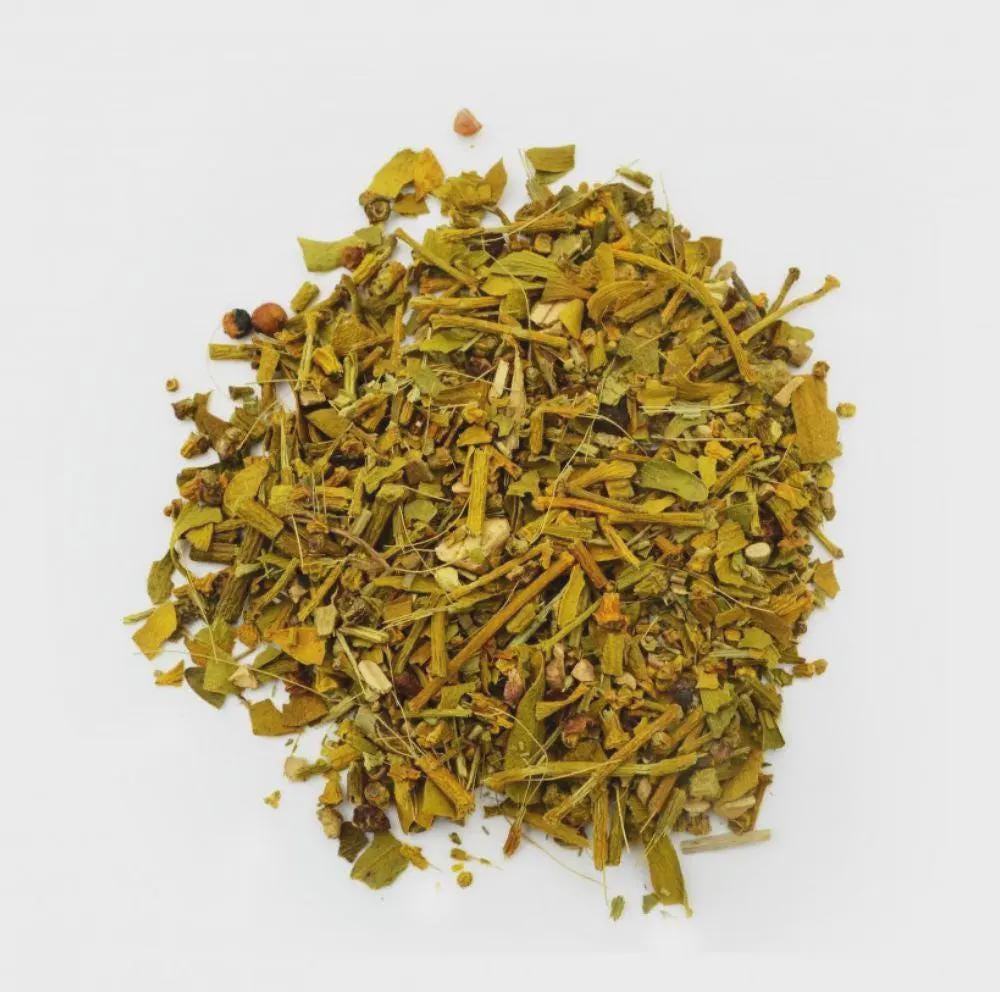
    • Drug Interactions: Arnica may theoretically interact with anticoagulant or antiplatelet medications (blood thinners) due to its potential anti-clotting effects, increasing the risk of bleeding. Consult a doctor before use if on such medications.
    • Surgery: Discontinue Arnica use (especially oral forms) at least two weeks before any scheduled surgery to minimize the risk of increased bleeding.

    Conclusion: Embracing the Healing Power of Arnica Flower

    The Arnica Flower stands as a testament to the enduring power of natural medicine. Its vibrant history, intricate botanical chemistry, and diverse health benefits – particularly its renowned anti-inflammatory and pain-relieving properties – cement its place as a quintessential natural remedy. From alleviating muscle soreness and accelerating bruise resolution to aiding in post-operative recovery and supporting joint health, Arnica offers a compelling alternative or complement to conventional treatments.
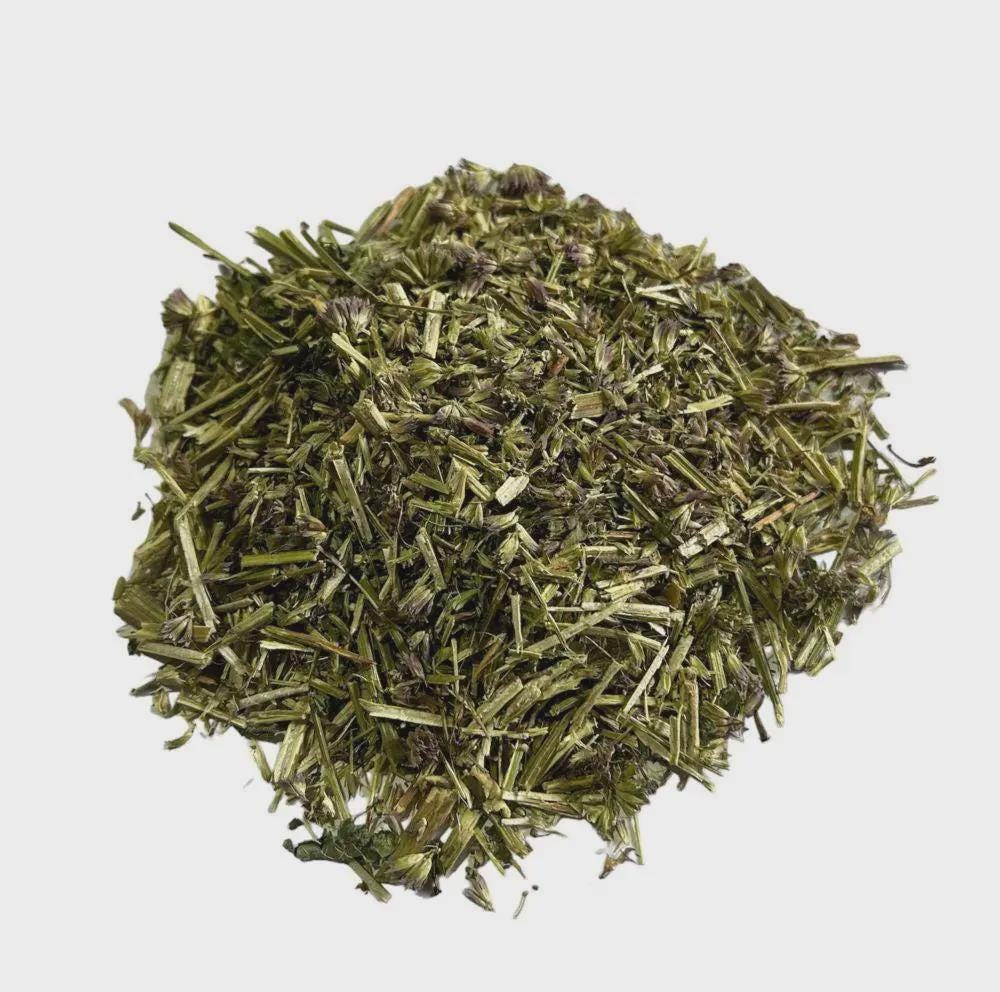
    However, its potency demands respect and responsible usage. By adhering to guidelines for topical application on intact skin and understanding the crucial distinction between herbal extracts and highly diluted homeopathic forms, individuals can safely harness the remarkable healing potential of this golden healer. As research continues to uncover the nuances of its mechanisms, Arnica Flower will undoubtedly remain a vital component in the pursuit of natural health and wellness, offering a gentle yet powerful touch from the heart of the mountains to alleviate human suffering.

    Disclaimer: For informational purposes only. Not medical advice. Consult a qualified healthcare professional before use.