The Ultimate Guide to Lovage: Health Benefits and Uses

Unveiling the Ancient Elixir: An Exhaustive Guide to the Health Benefits of Lovage (*Levisticum officinale*)

In the vast apothecary of nature, certain herbs stand out not only for their distinctive flavor but also for a rich tapestry of therapeutic properties honed over centuries of human use. Among these revered botanicals is Lovage, scientifically known as *Levisticum officinale*. Often celebrated for its unique, celery-like aroma and taste, this robust perennial has graced kitchens and traditional medicine cabinets across continents, yet its profound health benefits remain a lesser-known secret to many. This comprehensive guide delves deep into the multifaceted advantages of Lovage, exploring its botanical essence, historical significance, potent bioactive compounds, and a myriad of ways it can enrich health and well-being. Prepare to uncover why Lovage is far more than just a culinary herb; it is a venerable source of natural wellness.

Botanical Profile and A Rich Historical Tapestry

To truly appreciate Lovage, one must first understand its botanical identity and its enduring journey through human history.

What is Lovage? (*Levisticum officinale*)

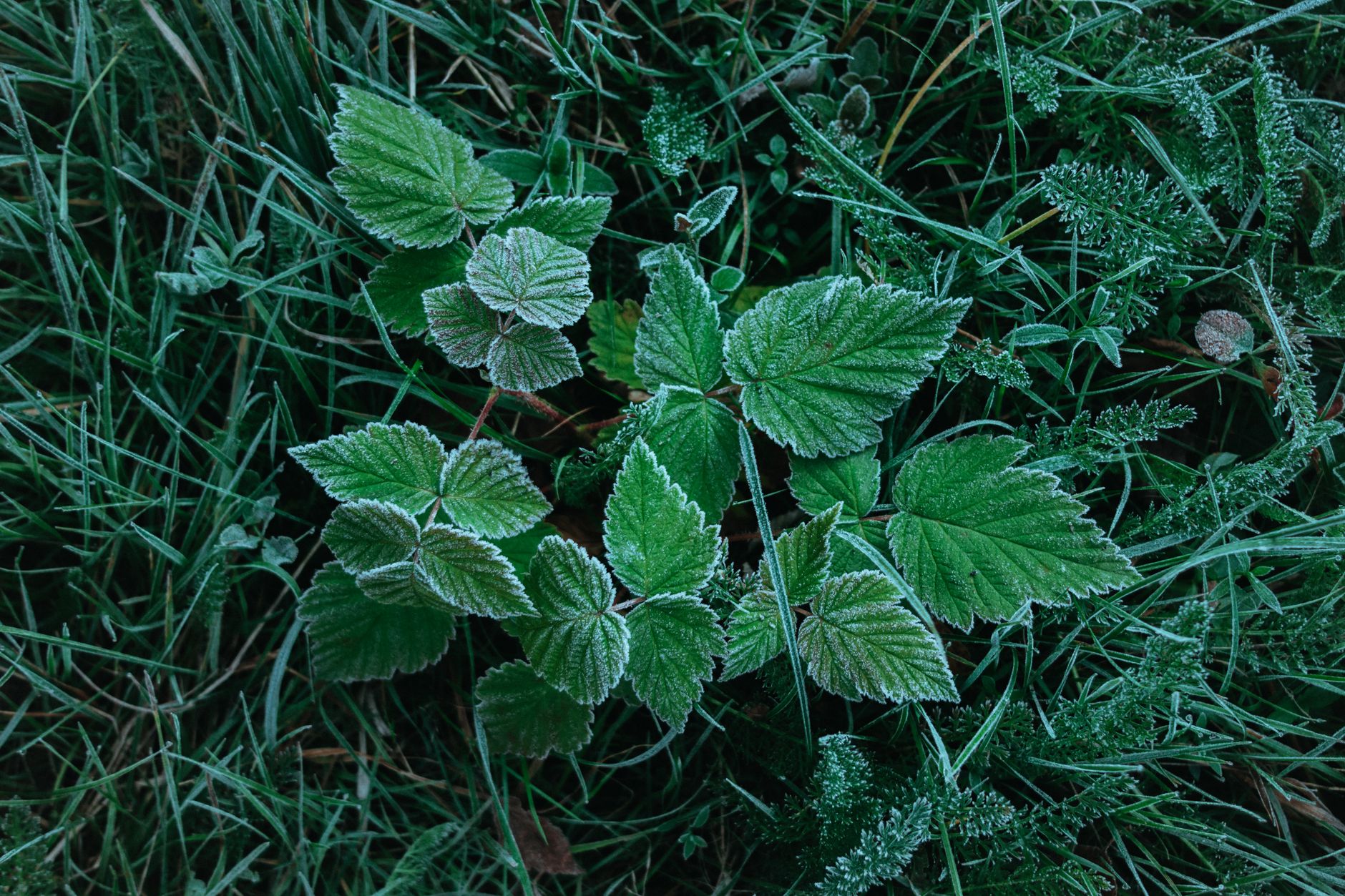
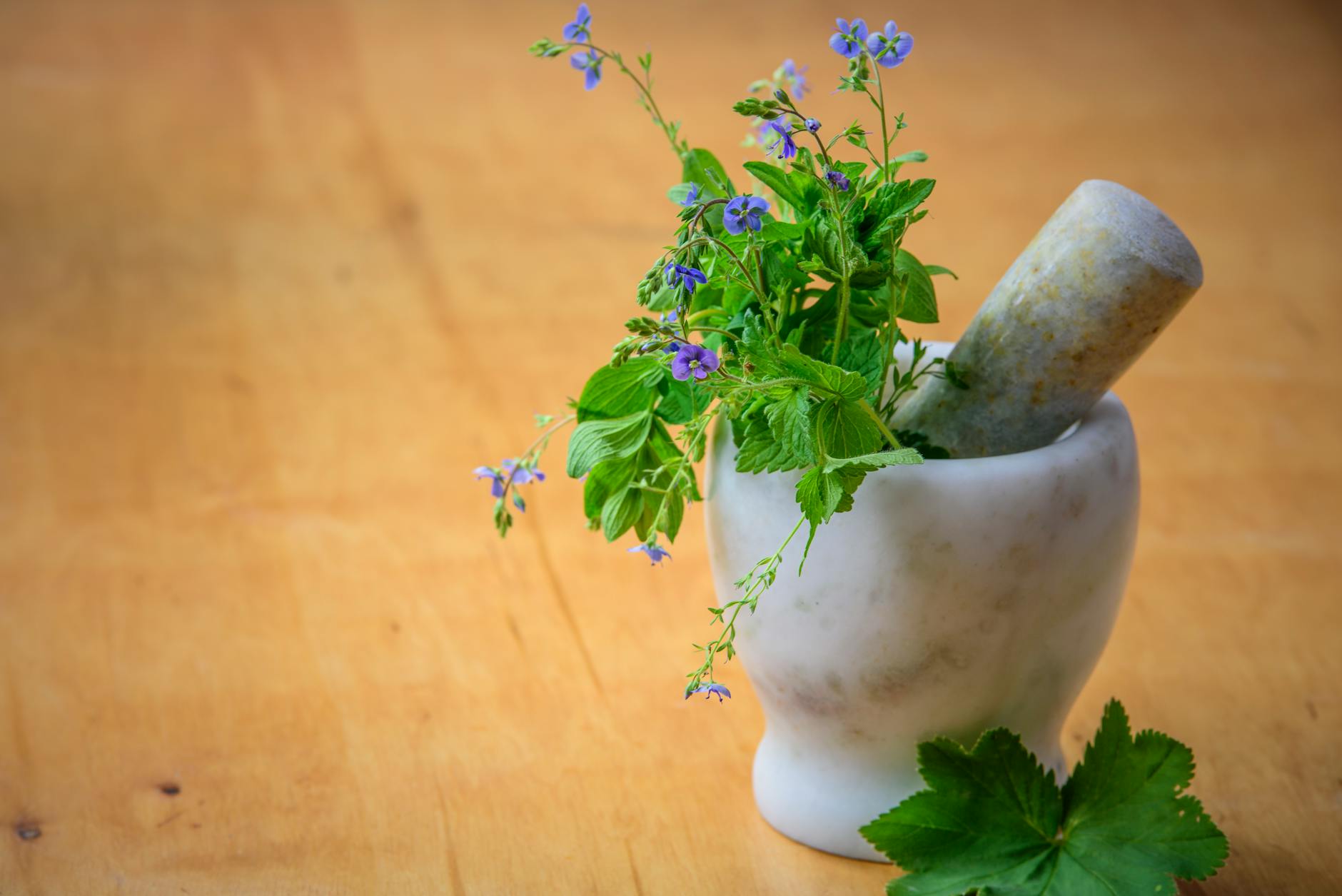
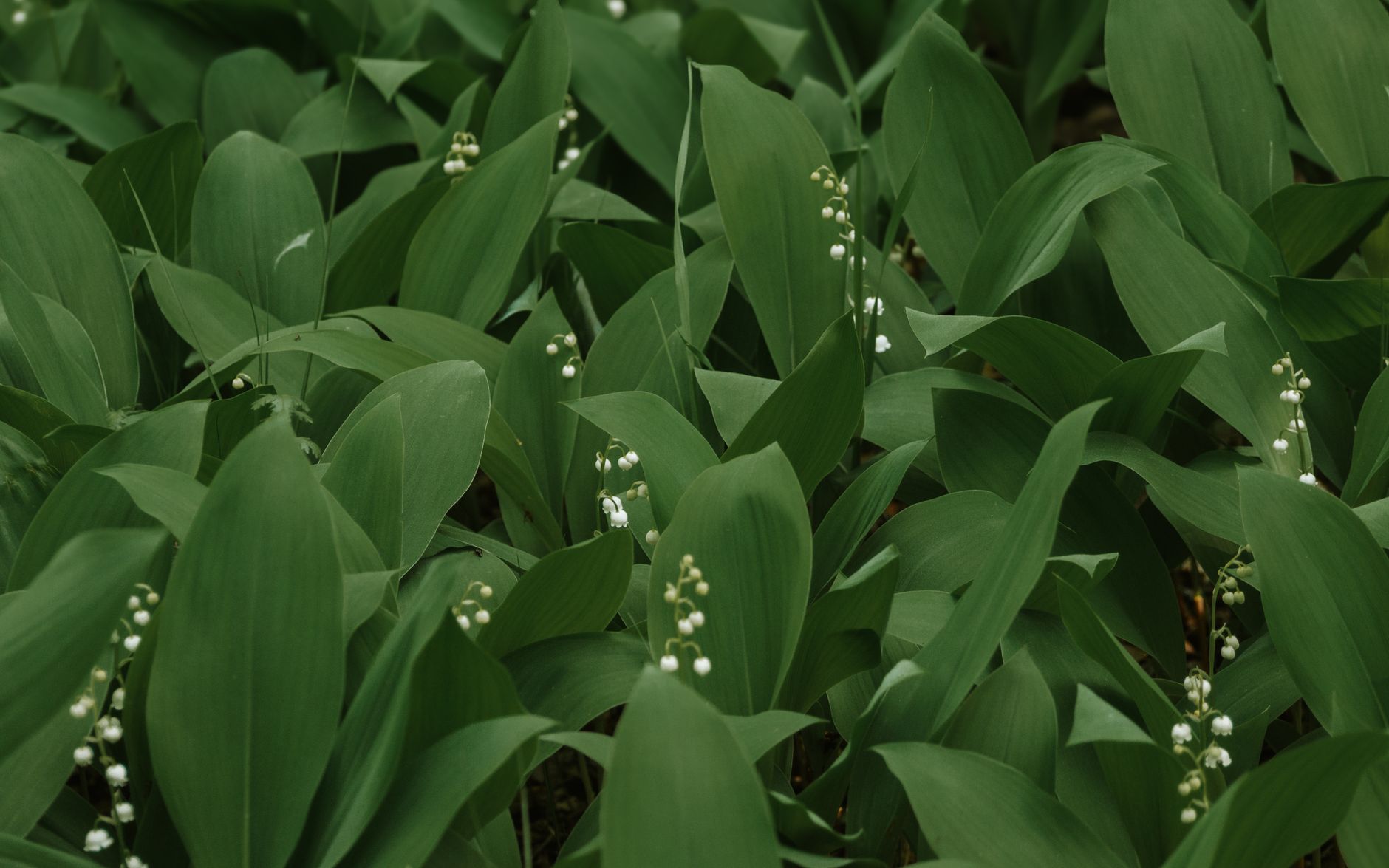
Lovage belongs to the Apiaceae family, a distinguished group that includes familiar plants like parsley, celery, carrots, and dill. Native to parts of Europe and Asia, particularly the Mediterranean region, it has since been cultivated globally for its aromatic and medicinal qualities. *Levisticum officinale* is characterized by its impressive stature, often reaching heights of 4 to 6 feet, with hollow, stout stems. Its dark green leaves are glossy, bipinnate or tripinnate, and resemble those of celery, contributing to its common moniker, “celery-leafed lovage.” In mid-summer, the plant produces distinctive umbels of small, yellowish-green flowers, which eventually give way to small, ribbed fruits (seeds). Every part of the Lovage plant – from its robust roots and succulent stems to its fragrant leaves and potent seeds – emits a strong, unique aroma, a complex blend of celery, parsley, and a hint of yeast, indicative of its rich chemical composition. Its deep, taproot system allows it to draw a wealth of nutrients from the soil, contributing to its therapeutic potency.
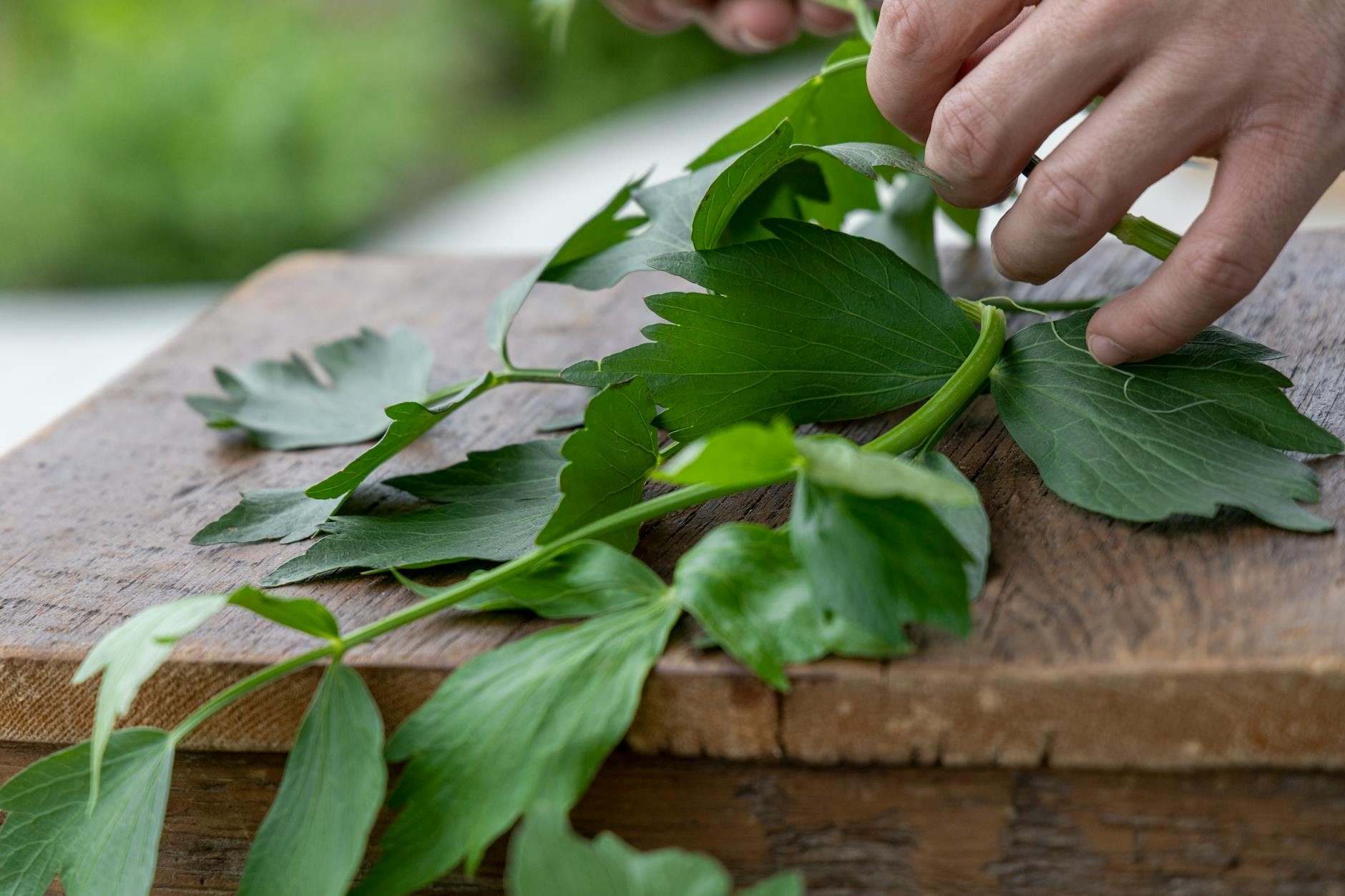
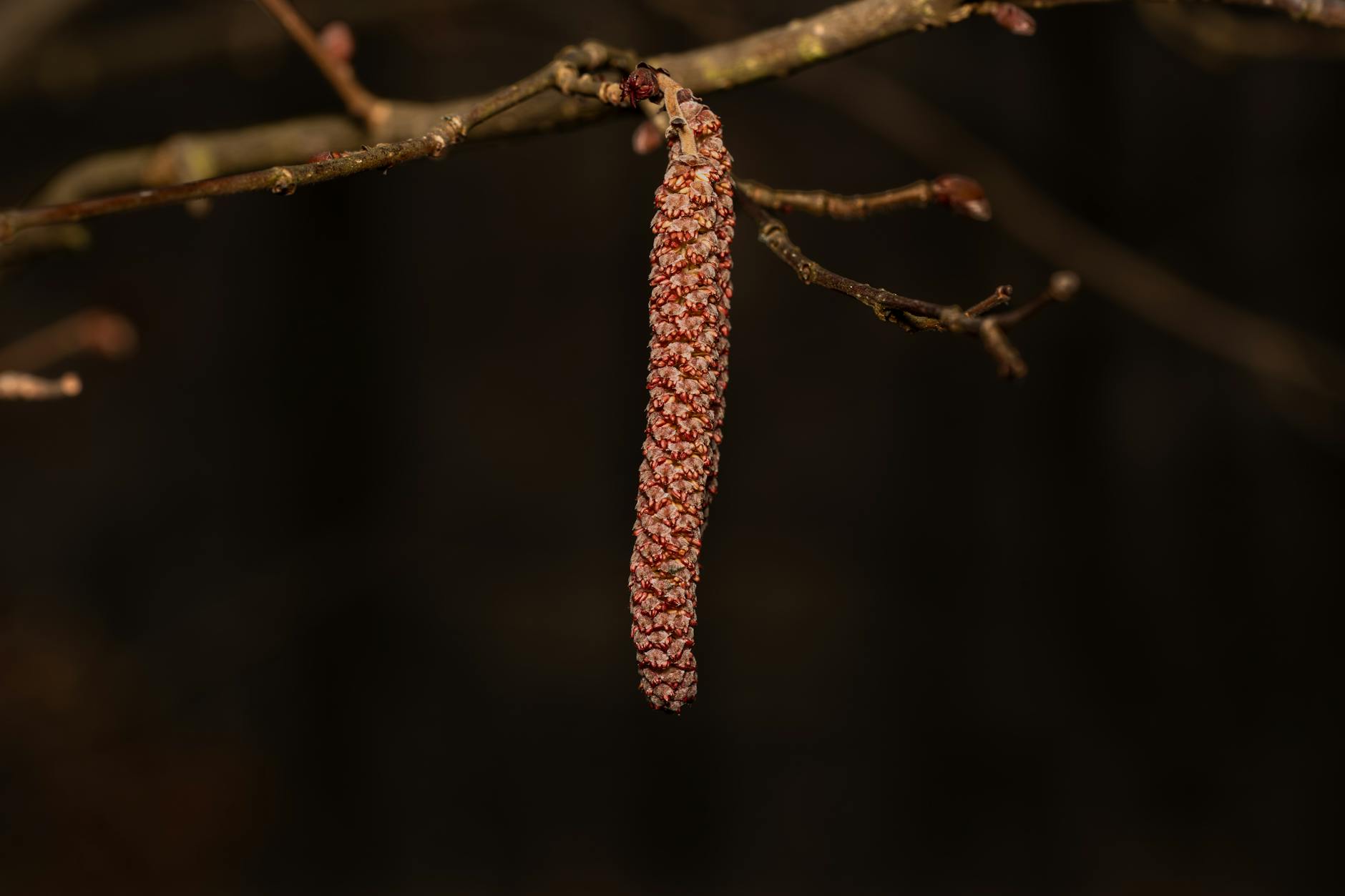
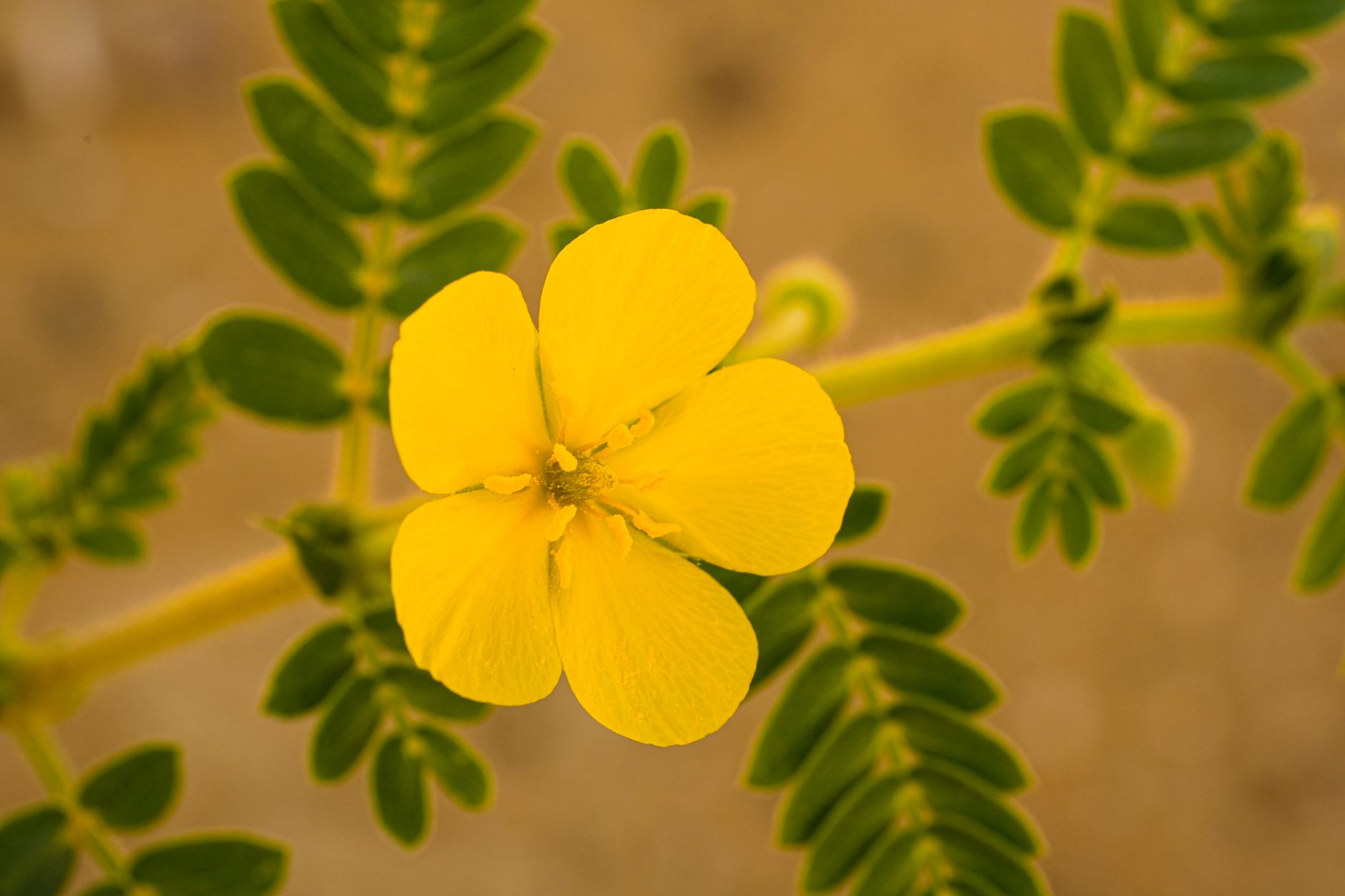
Lovage Botanical Photo

A Journey Through Time: Historical and Traditional Uses

The reverence for Lovage is not a modern phenomenon; its roots delve deep into antiquity. The ancient Romans highly prized Lovage, not only as a culinary flavoring agent but also for its perceived medicinal virtues, particularly as a digestive aid and a diuretic. Roman texts describe its use in various dishes, including their renowned “moretum,” a type of cheese and herb paste.

During the Middle Ages, Lovage found a prominent place in monastic gardens across Europe, becoming a staple in traditional herbal medicine. It was often referred to as “love root,” believed to possess aphrodisiac properties, and was incorporated into love potions and charms. Beyond romantic folklore, it was seriously employed for a wide array of ailments. Herbalists and apothecaries prescribed Lovage to expel worms, alleviate fever, treat respiratory conditions like coughs and sore throats, and as a diaphoretic to promote sweating. Its reputation as a potent diuretic and carminative (gas-expelling) made it a go-to remedy for urinary tract issues and digestive complaints. Some historical accounts even suggest its use in warding off the plague due to its strong aromatic properties and perceived purifying effects. The persistent belief in its ability to detoxify the body and stimulate various bodily functions ensured its continued presence in European folk medicine right up to the modern era, where it continues to enjoy a revival for its scientific backing and traditional efficacy.

The Bioactive Powerhouse: Unveiling Lovage’s Chemical Composition

The remarkable health benefits of Lovage are not arbitrary; they are intricately linked to a complex symphony of bioactive compounds present in its roots, leaves, and seeds. Understanding these constituents provides a scientific basis for its traditional uses and modern applications.

Primary Active Compounds

Lovage is a treasure trove of phytochemicals, each contributing to its unique therapeutic profile. The most significant classes of compounds include:

  • Phthalides: These are arguably the most distinctive and pharmacologically significant compounds in Lovage, responsible for its characteristic aroma and many of its health benefits. Key phthalides include butylphthalide, ligustilide, senkyunolide, Z-ligustilide, and E-ligustilide. These compounds are known for their potent antispasmodic effects, which can relax smooth muscles, thereby alleviating cramps and spasms in the digestive tract and other areas. Furthermore, research indicates their anti-inflammatory properties and potential neuroprotective actions, suggesting benefits for brain health and mitigating inflammatory responses throughout the body. Ligustilide, in particular, has been studied for its potential to improve blood circulation and reduce platelet aggregation.
  • Coumarins: Lovage contains various coumarins such as bergapten, psoralen, and osthole. Coumarins are known for their diverse biological activities, including anti-inflammatory, antioxidant, and anticoagulant properties. Bergapten and psoralen are particularly noteworthy for their photosensitizing effects, meaning they can increase skin sensitivity to sunlight. While this requires caution, these compounds also contribute to the plant’s overall therapeutic spectrum. Osthole has shown promise in studies for its bronchodilatory and vasodilatory effects.
  • Essential Oils: The volatile essential oil extracted from Lovage, particularly from its roots, is rich in terpenes like alpha-terpineol, limonene, sabinene, and cineole. These volatile compounds are responsible for Lovage’s intense aroma and contribute significantly to its antimicrobial, carminative, and expectorant properties. They can help inhibit the growth of various microorganisms and aid in expelling mucus from the respiratory system.
  • Flavonoids: Like many potent herbs, Lovage is rich in flavonoids such as quercetin and kaempferol. These polyphenolic compounds are powerful antioxidants, crucial for neutralizing harmful free radicals in the body, thereby reducing oxidative stress and protecting cells from damage. Flavonoids also exert significant anti-inflammatory and cardioprotective effects, supporting overall cellular health and cardiovascular function.
  • Other Compounds: Beyond these primary classes, Lovage also contains phenolic acids (e.g., caffeic acid, ferulic acid), polyacetylenes, and a good profile of vitamins (especially Vitamin C and B-complex vitamins) and minerals (notably potassium), all of which contribute to its nutritional value and therapeutic efficacy. The high potassium content, for instance, naturally supports its diuretic actions.
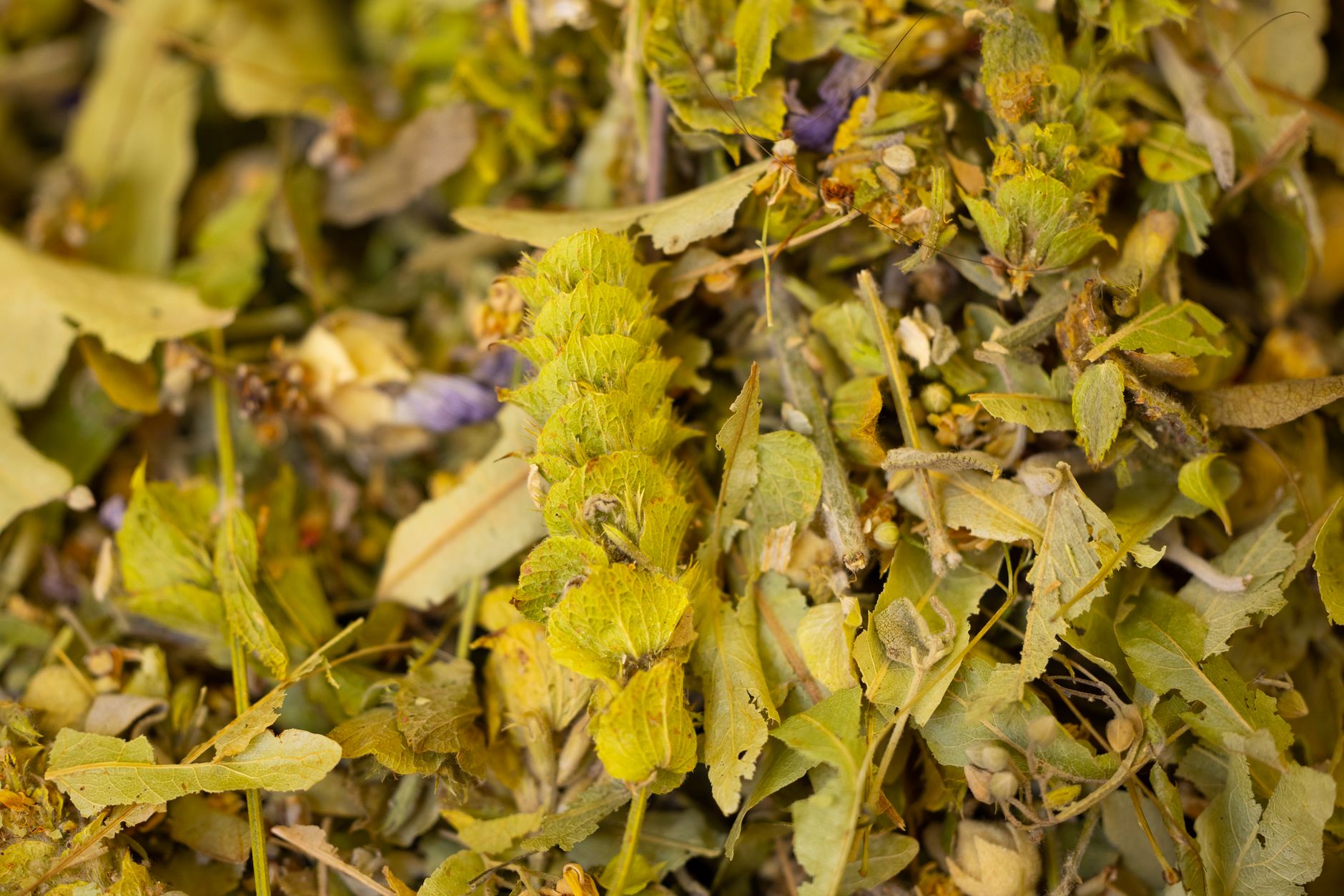
Lovage Plant Profile

Synergistic Effects

It is critical to understand that the health benefits of Lovage are rarely attributable to a single compound. Instead, it is the synergistic interplay of these numerous bioactive constituents that creates a holistic therapeutic effect. For instance, the combination of phthalides and essential oils contributes to its antispasmodic and digestive benefits, while flavonoids and coumarins enhance its anti-inflammatory and antioxidant capabilities. This “entourage effect” is a cornerstone of herbal medicine, where the whole plant often offers greater efficacy than isolated components.

Profound Health Benefits of Lovage: A Deep Dive

Armed with a comprehensive understanding of its chemical makeup, we can now explore the specific health benefits that make Lovage a remarkable natural remedy.

Diuretic and Kidney Health

One of Lovage’s most acclaimed and historically recognized benefits is its powerful diuretic action. The essential oils, particularly the phthalides and terpenes, stimulate the kidneys to increase the production and excretion of urine. This physiological process is invaluable for several reasons:

  • Flushing Toxins: By promoting increased urine output, Lovage helps the body efficiently flush out metabolic waste products, toxins, and excess salts from the system. This detoxification process supports the overall burden on the kidneys and liver.
  • Kidney Stone Prevention: The enhanced urine flow can help prevent the formation of kidney stones (nephrolithiasis) by reducing the concentration of stone-forming minerals in the urine. It can also aid in passing existing small stones by increasing fluid pressure.
  • Urinary Tract Infection (UTI) Relief: Increased urination helps to cleanse the urinary tract, making it more difficult for bacteria to adhere to the bladder walls and multiply, thus assisting in the prevention and management of UTIs.
  • Reducing Edema: For individuals suffering from fluid retention (edema) due to conditions like mild heart failure, premenstrual syndrome (PMS), or simply prolonged standing, Lovage can help alleviate swelling by promoting the excretion of excess fluids. The high potassium content also helps balance electrolyte levels, supporting proper fluid balance without depleting essential minerals.

Digestive Aid and Gut Health

Lovage has long been revered as a supreme digestive tonic, working through multiple mechanisms to soothe and support the gastrointestinal system.

  • Carminative Properties: The essential oils in Lovage are potent carminatives, meaning they help to reduce the formation of gas in the digestive tract and facilitate its expulsion. This alleviates common complaints like bloating, flatulence, and abdominal discomfort.
  • Antispasmodic Effects: The phthalides, particularly ligustilide, exert antispasmodic effects on the smooth muscles of the gut. This helps to relax an overly contracted stomach or intestinal wall, easing cramps, spasms, and the pain associated with conditions like irritable bowel syndrome (IBS) or indigestion.
  • Stimulating Digestive Enzymes: Lovage is believed to stimulate the secretion of digestive juices and enzymes, enhancing the breakdown and absorption of nutrients from food. This can lead to improved appetite in those with digestive sluggishness and more efficient digestion overall.
  • Liver and Gallbladder Support: Traditionally, Lovage has been used to support liver and gallbladder function, promoting bile flow which is crucial for fat digestion and detoxification processes.

Anti-inflammatory and Pain Relief

Chronic inflammation is a root cause of many modern diseases. Lovage offers a natural approach to mitigating inflammatory responses.

  • Inhibition of Inflammatory Pathways: The coumarins and flavonoids in Lovage, such as quercetin and kaempferol, exhibit significant anti-inflammatory activity. They work by inhibiting key inflammatory mediators and pathways, similar to how some non-steroidal anti-inflammatory drugs (NSAIDs) function, but often with fewer side effects.
  • Alleviating Aches and Pains: This anti-inflammatory action makes Lovage beneficial for reducing pain and swelling associated with conditions like arthritis, gout, and general muscle aches. Its antispasmodic properties also contribute to pain relief, particularly for muscle spasms.
  • Menstrual Cramp Relief: For women experiencing dysmenorrhea (painful menstrual cramps), the antispasmodic and anti-inflammatory properties of Lovage can provide considerable relief by relaxing uterine muscles and reducing inflammation.

Respiratory Support

Lovage’s essential oils lend it expectorant and antispasmodic properties beneficial for the respiratory system.

  • Expectorant Action: When consumed, Lovage can act as an expectorant, helping to loosen and thin mucus in the respiratory passages. This makes it easier to clear phlegm and provides relief from productive coughs associated with colds, bronchitis, or allergies.
  • Bronchial Relaxation: The antispasmodic effects can extend to the bronchial tubes, potentially offering a mild bronchodilatory effect that may help soothe airways and reduce irritation, although it should not replace prescribed medications for severe respiratory conditions like asthma.

Antioxidant Powerhouse

The presence of flavonoids and phenolic acids makes Lovage a notable source of antioxidants.

  • Scavenging Free Radicals: Antioxidants are vital for combating oxidative stress, a process caused by an imbalance between free radicals and the body’s ability to detoxify them. Lovage’s antioxidants effectively scavenge these harmful free radicals, protecting cellular structures, DNA, and proteins from damage.
  • Cellular Protection: This cellular protection is fundamental for preventing premature aging, supporting immune function, and reducing the risk of numerous chronic diseases, including cardiovascular diseases, certain cancers, and neurodegenerative disorders.

Cardiovascular Health

Emerging research and traditional use suggest Lovage may offer benefits for the heart and circulatory system.

  • Vasodilation and Blood Pressure: Some compounds, particularly certain phthalides and coumarins, have been observed to possess mild vasodilatory effects, meaning they can help relax blood vessels. This can contribute to better circulation and potentially a modest reduction in blood pressure.
  • Anti-coagulant Properties: The coumarins in Lovage may also exhibit mild anticoagulant (blood-thinning) properties. While this can be beneficial for preventing clots, it also necessitates caution, especially for individuals on anticoagulant medications.

Antimicrobial Properties

The essential oil components of Lovage, especially terpenes, have demonstrated antimicrobial activity against various bacteria and fungi in vitro. This suggests that Lovage could play a role in supporting the immune system and potentially helping to combat certain infections, contributing to overall health resilience.

Skin Health and Topical Uses

Beyond internal consumption, Lovage has traditional applications for skin conditions.

  • Soothing Irritations: Due to its anti-inflammatory and antiseptic properties, poultices or compresses made from Lovage leaves can be applied topically to soothe minor skin irritations, insect bites, and rashes.
  • Wound Healing: Its potential antimicrobial effects may also contribute to a clean environment for minor wounds, potentially aiding in the healing process.

Neuroprotective Potential

Recent scientific interest has focused on the neuroprotective potential of phthalides found in Lovage. These compounds are being investigated for their ability to cross the blood-brain barrier and exert beneficial effects on neuronal health, including reducing inflammation in the brain and potentially protecting against neurodegenerative processes. While research is still in its early stages, it highlights another exciting dimension of Lovage’s therapeutic promise.

Practical Applications: Integrating Lovage into Your Lifestyle

Embracing the benefits of Lovage can be a delightful journey, whether through culinary experimentation or specific herbal preparations.

Culinary Uses

Lovage is a chef’s secret ingredient, renowned for its ability to deepen and complexify flavors, especially savory dishes. Its taste is often described as a richer, more intense version of celery, with hints of parsley and an earthy undertone.

  • Leaves: Fresh or dried Lovage leaves are excellent additions to soups, stews, broths, and stocks, imparting a depth of flavor often compared to bouillon cubes (hence its nickname “Maggi herb”). They can also be chopped and added to salads, potato dishes, omelets, and sauces. Use sparingly, as its flavor is potent.
  • Roots: The roots can be peeled and added to vegetable dishes, roasted, or grated into salads for a more pungent flavor. They are also excellent infused into spirits or used in stocks.
  • Seeds: Lovage seeds are highly aromatic and can be used as a spice, particularly in baking, bread-making, or pickling. They can also be ground and added to spice rubs for meats.

Herbal Preparations

For therapeutic purposes, Lovage can be prepared in various forms:

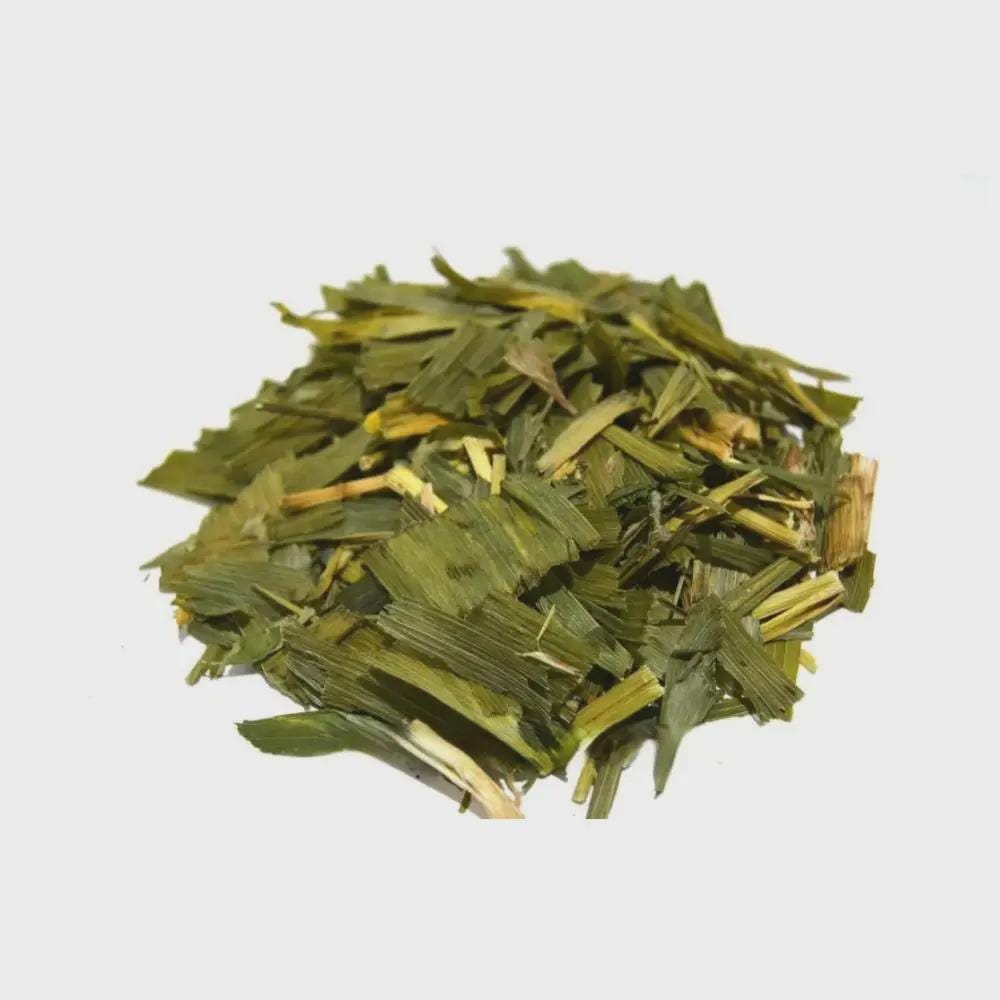
  • Teas/Infusions: A popular method, especially for digestive and diuretic benefits. To prepare, steep 1-2 teaspoons of dried Lovage leaves or root (or a few fresh leaves) in a cup of hot water for 10-15 minutes. Strain and drink up to three times a day. For stronger effects, particularly from the root, a decoction (simmering the herb in water) might be preferred.
  • Tinctures: Lovage tinctures are concentrated liquid extracts made by soaking the herb in alcohol. They offer a convenient and potent way to consume Lovage. Dosages typically range from 1-5 ml, 1-3 times daily, but should always follow product instructions or professional advice.
  • Poultices/Compresses: For topical application, fresh Lovage leaves can be crushed and applied directly to the skin as a poultice for minor irritations, or a strong tea can be used as a compress.
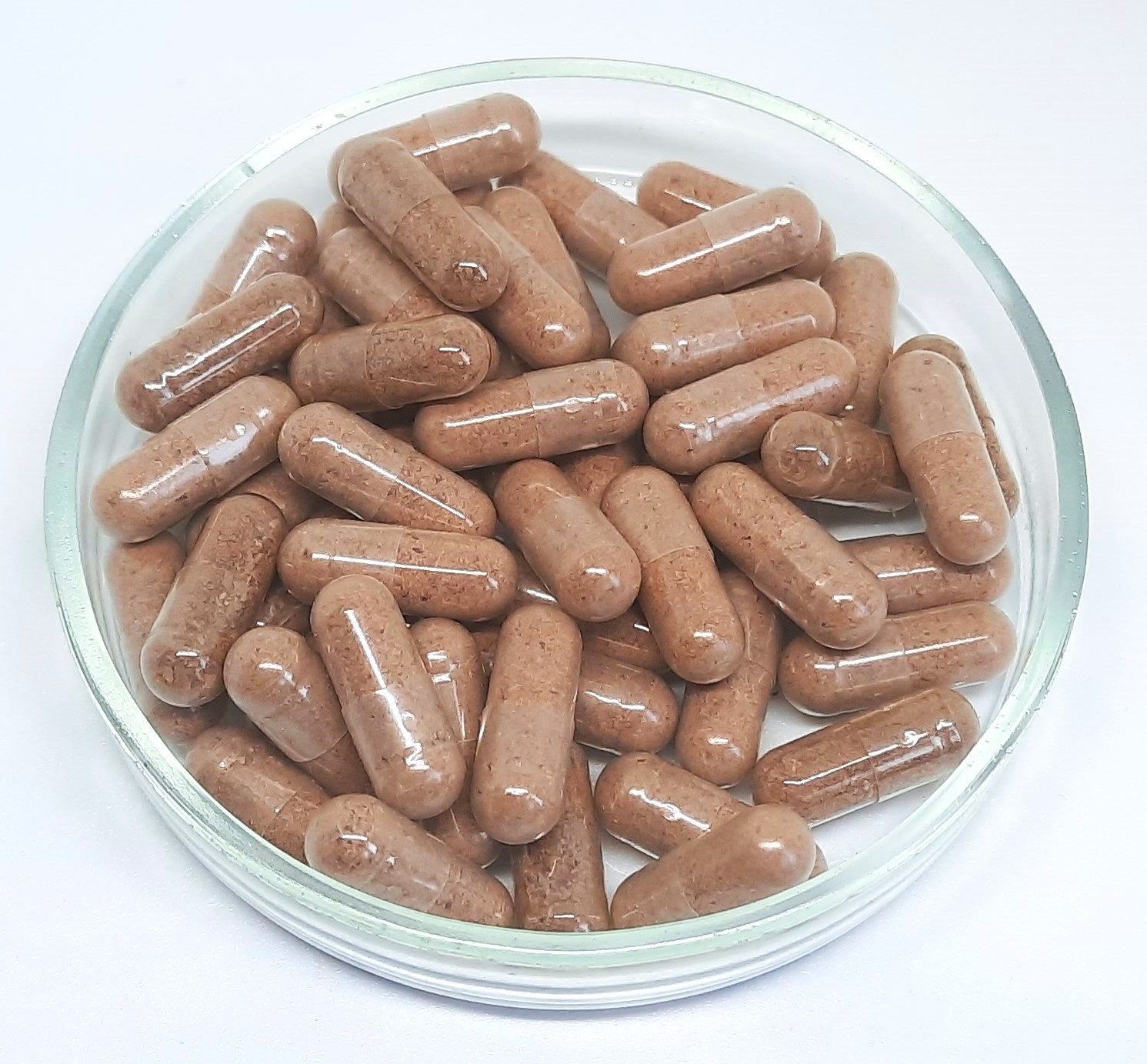
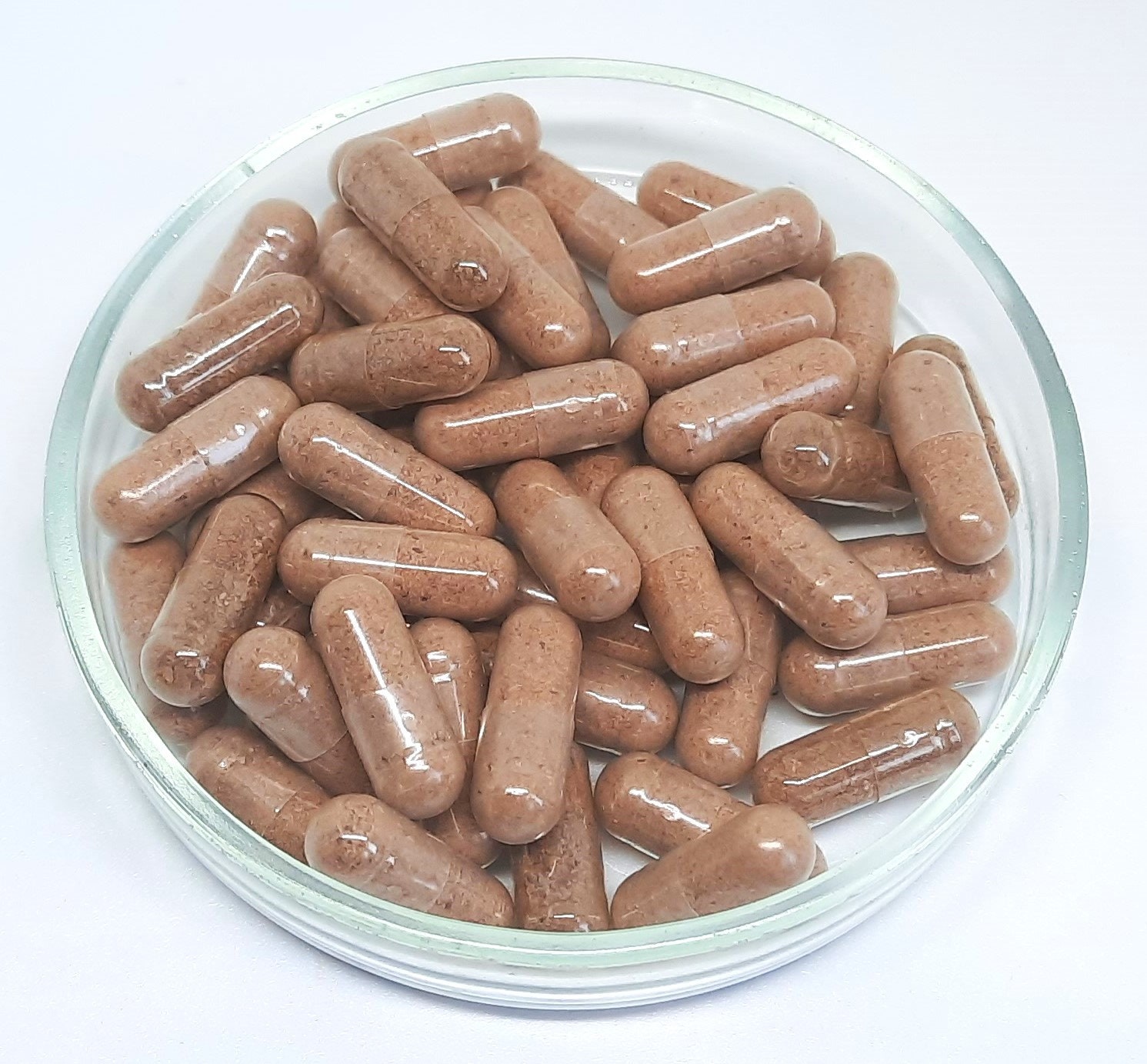
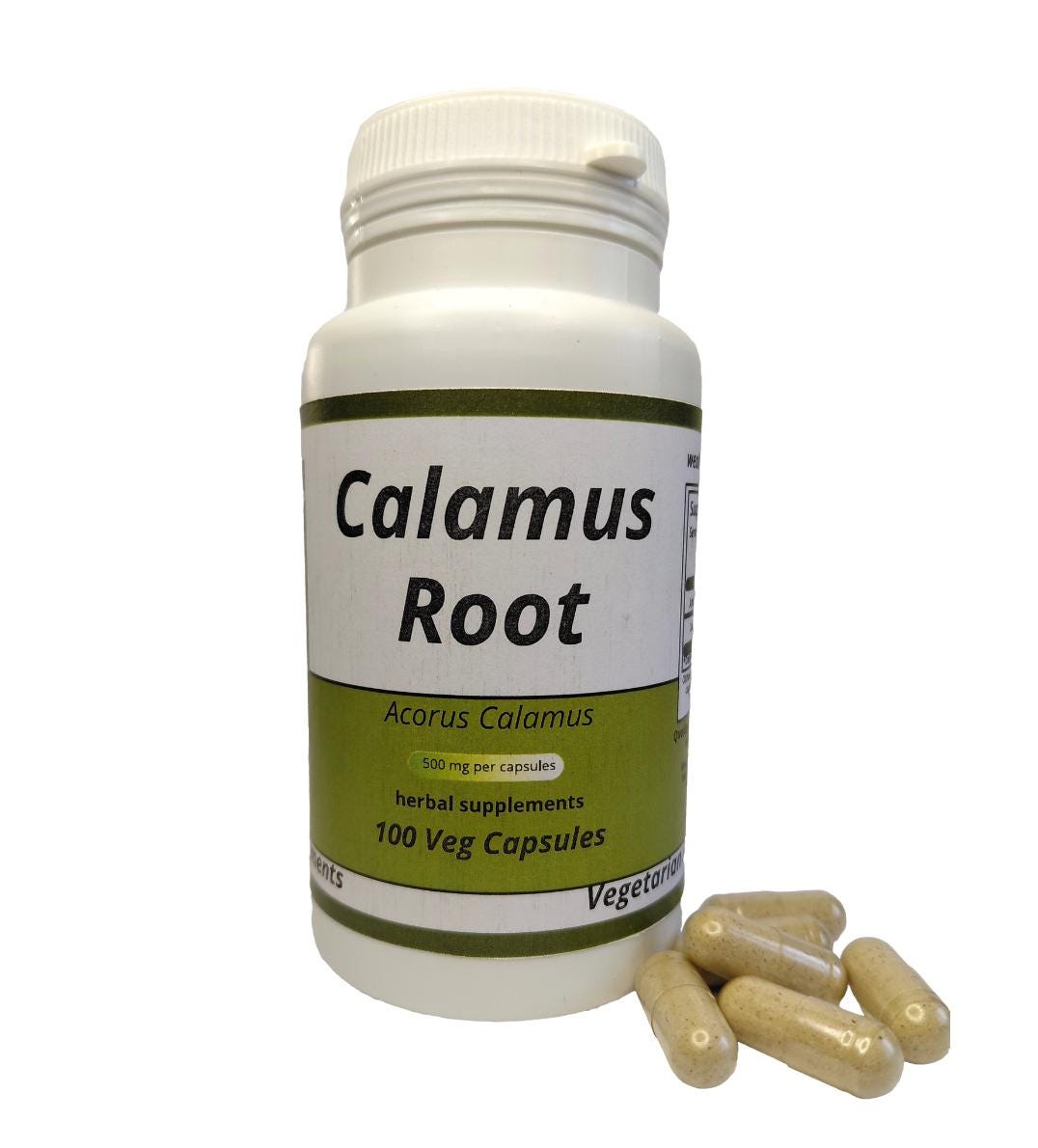
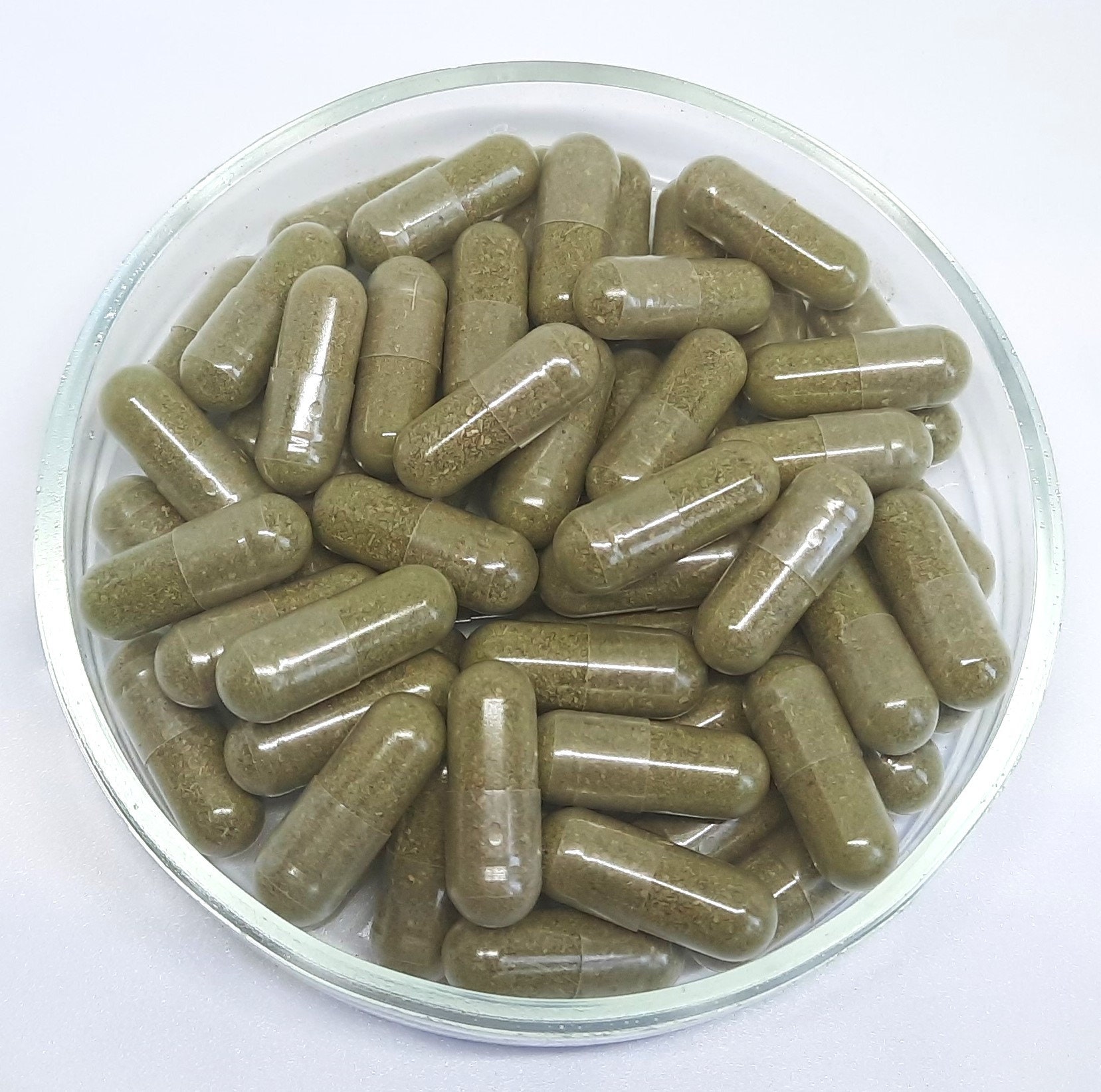
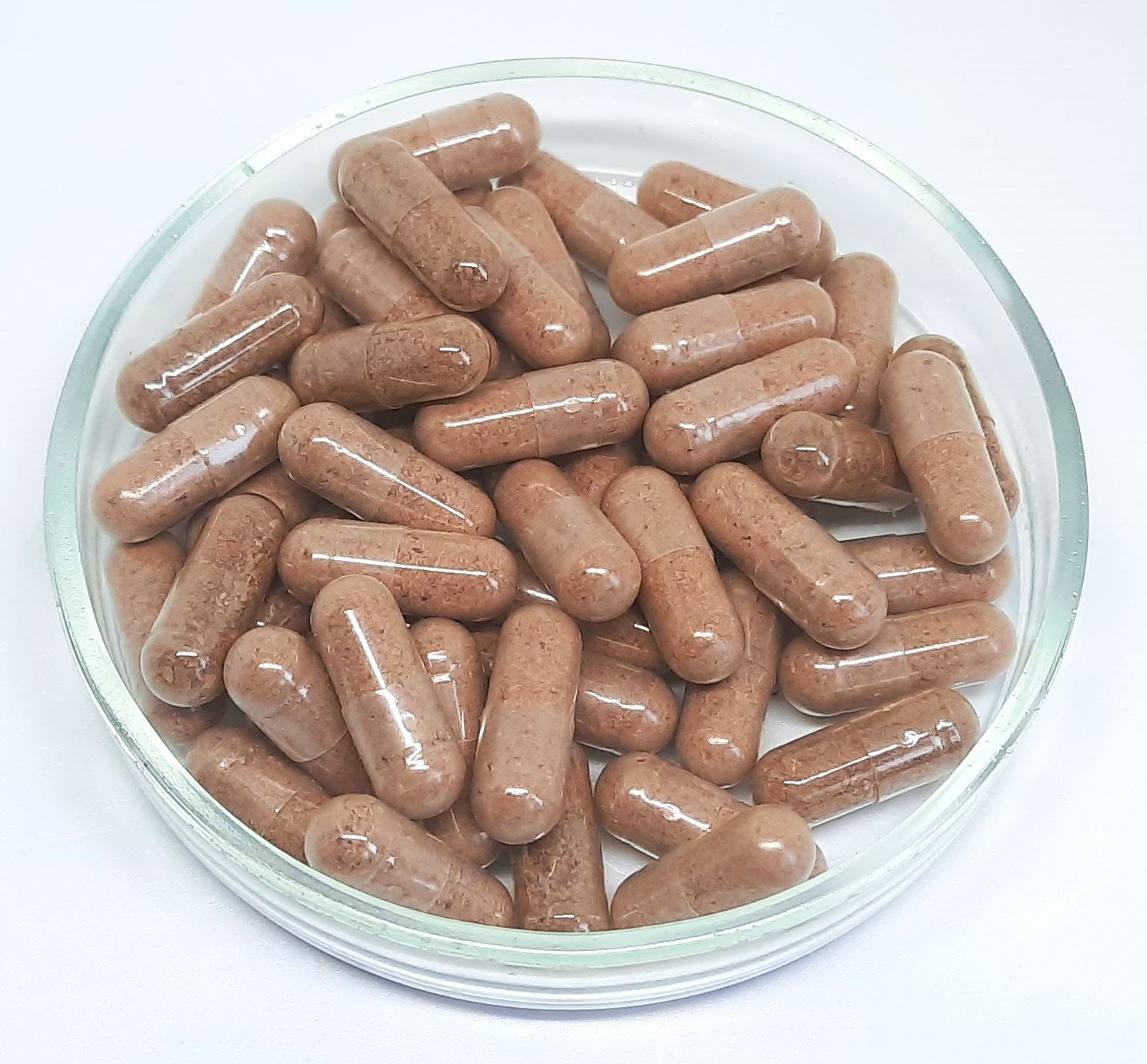
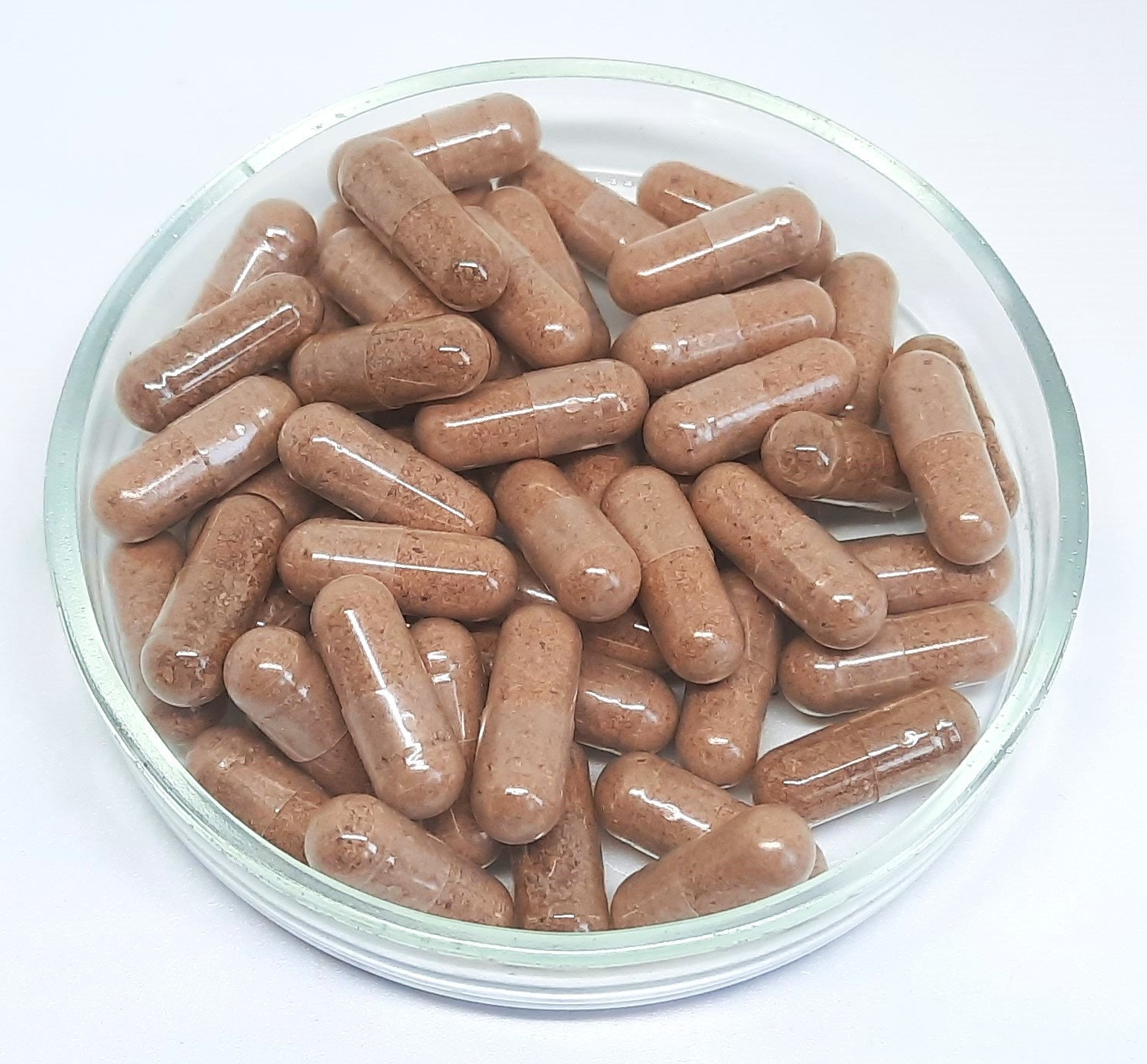
Lovage Capsules

Supplements and Extracts

For those seeking consistent dosages or specific concentrations of Lovage’s active compounds, supplements are available.

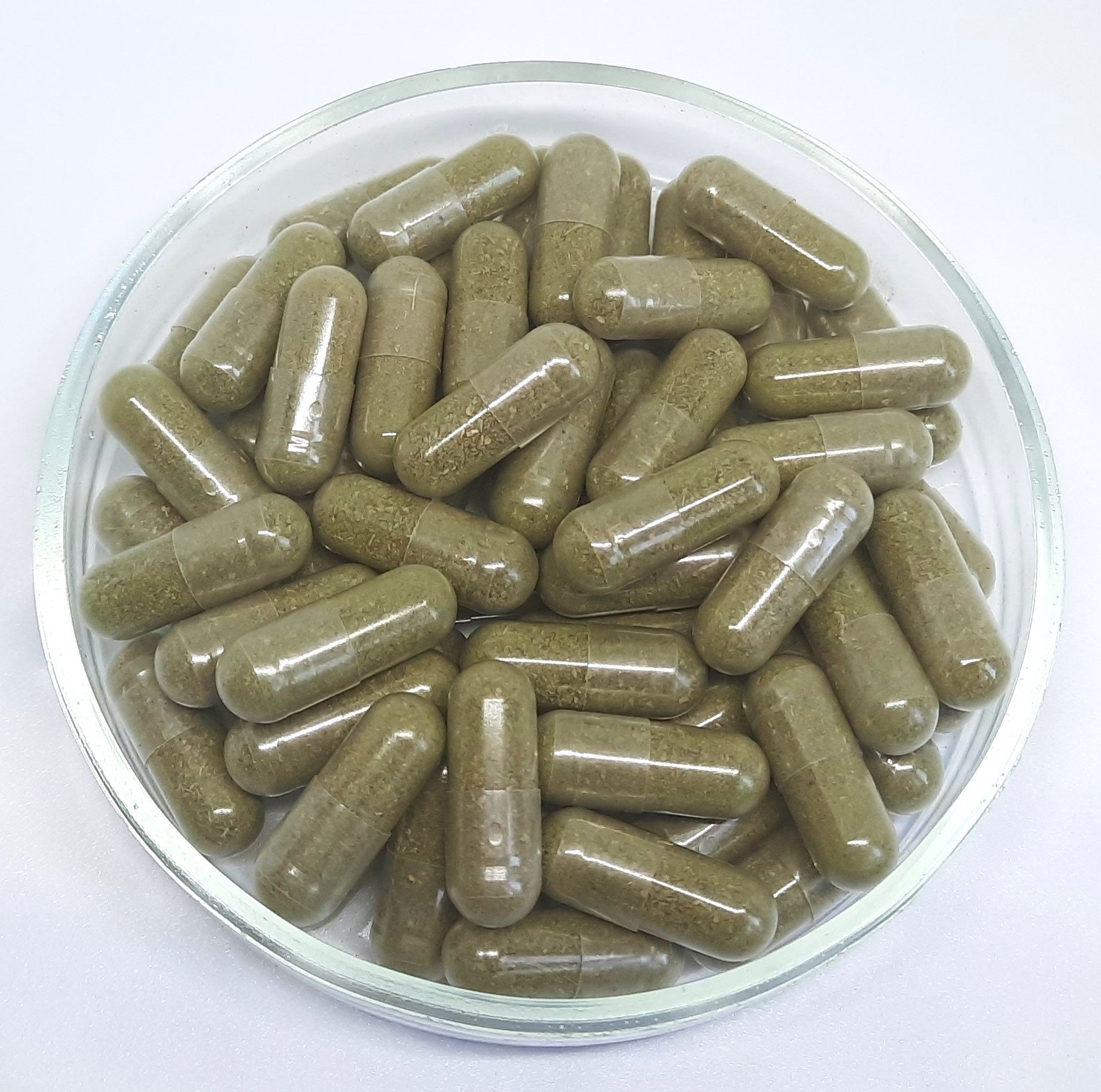
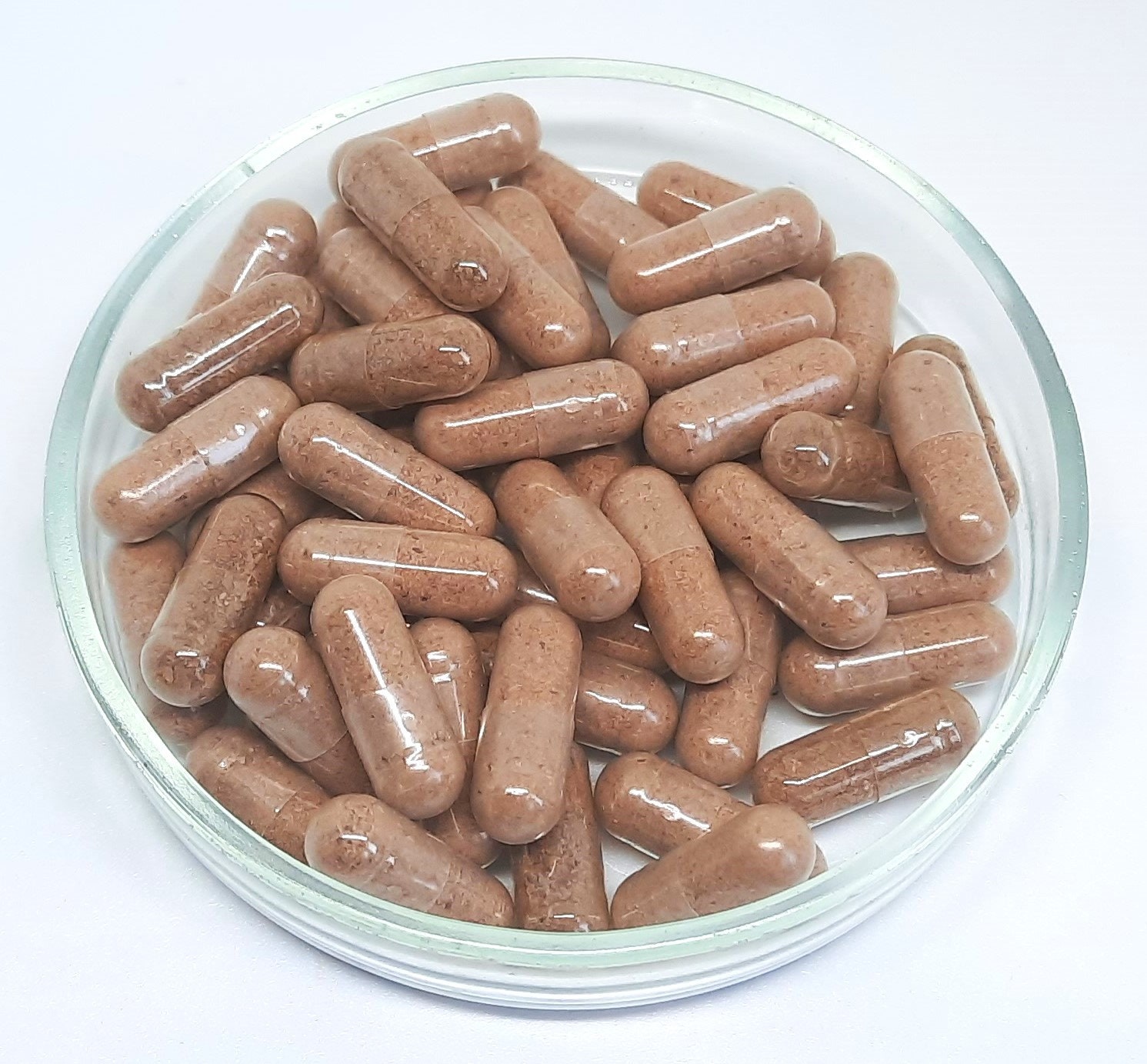
  • Capsules: Lovage root or leaf powder is often encapsulated, providing a convenient way to consume the herb without its strong taste. These are typically standardized to ensure a consistent level of active ingredients.
  • Liquid Extracts: Similar to tinctures but sometimes alcohol-free, liquid extracts offer an alternative for precise dosing and quick absorption.
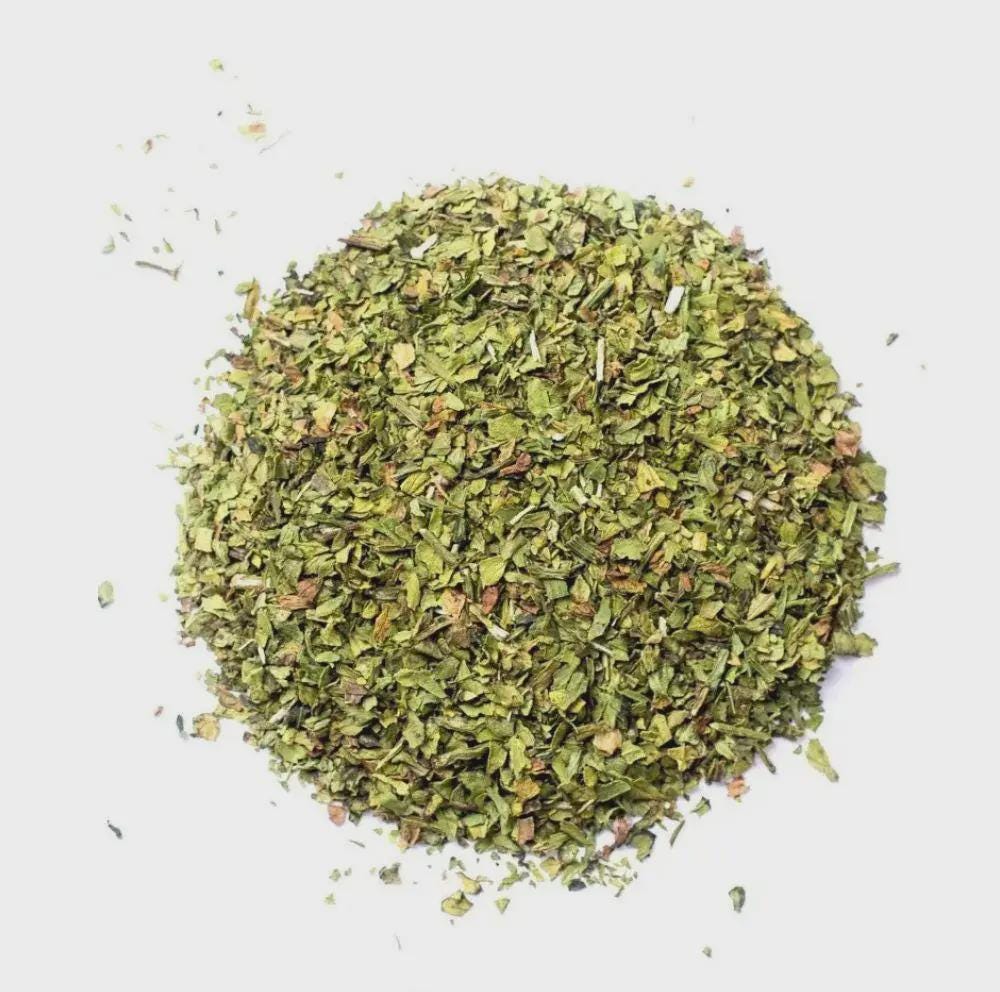
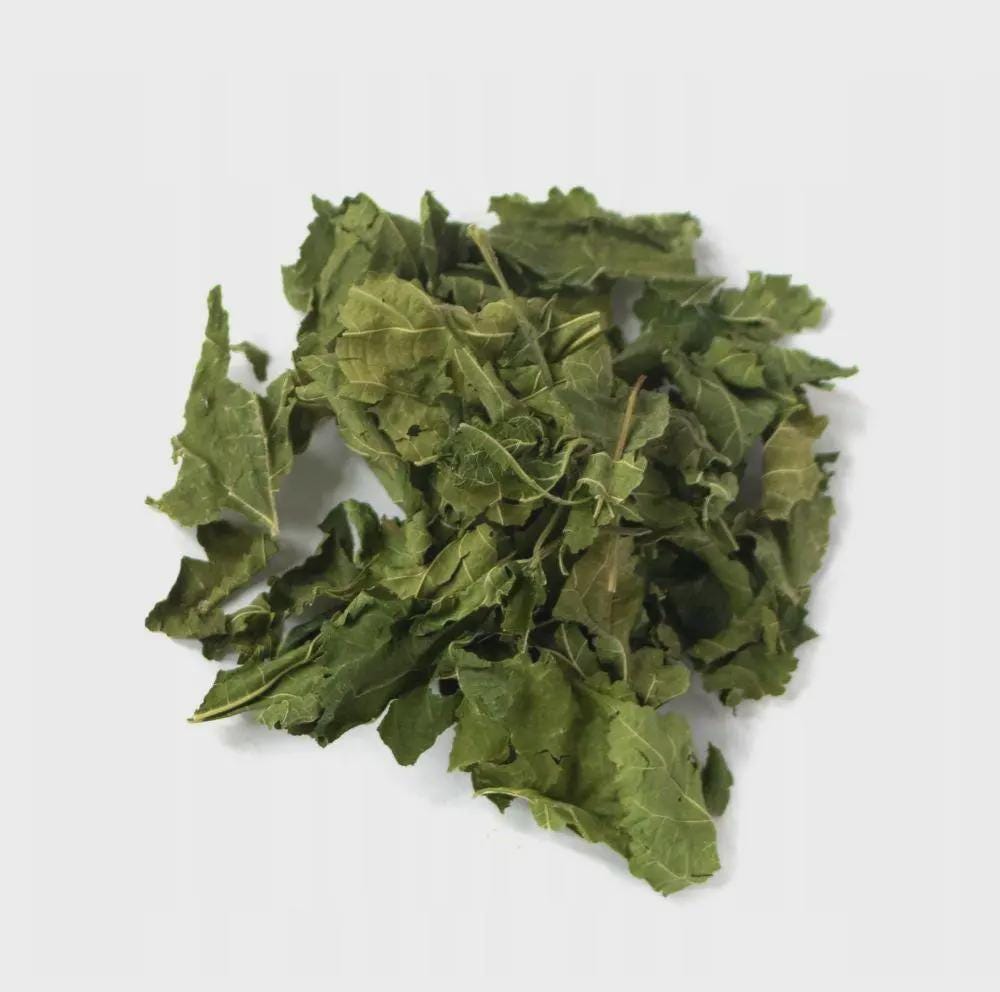
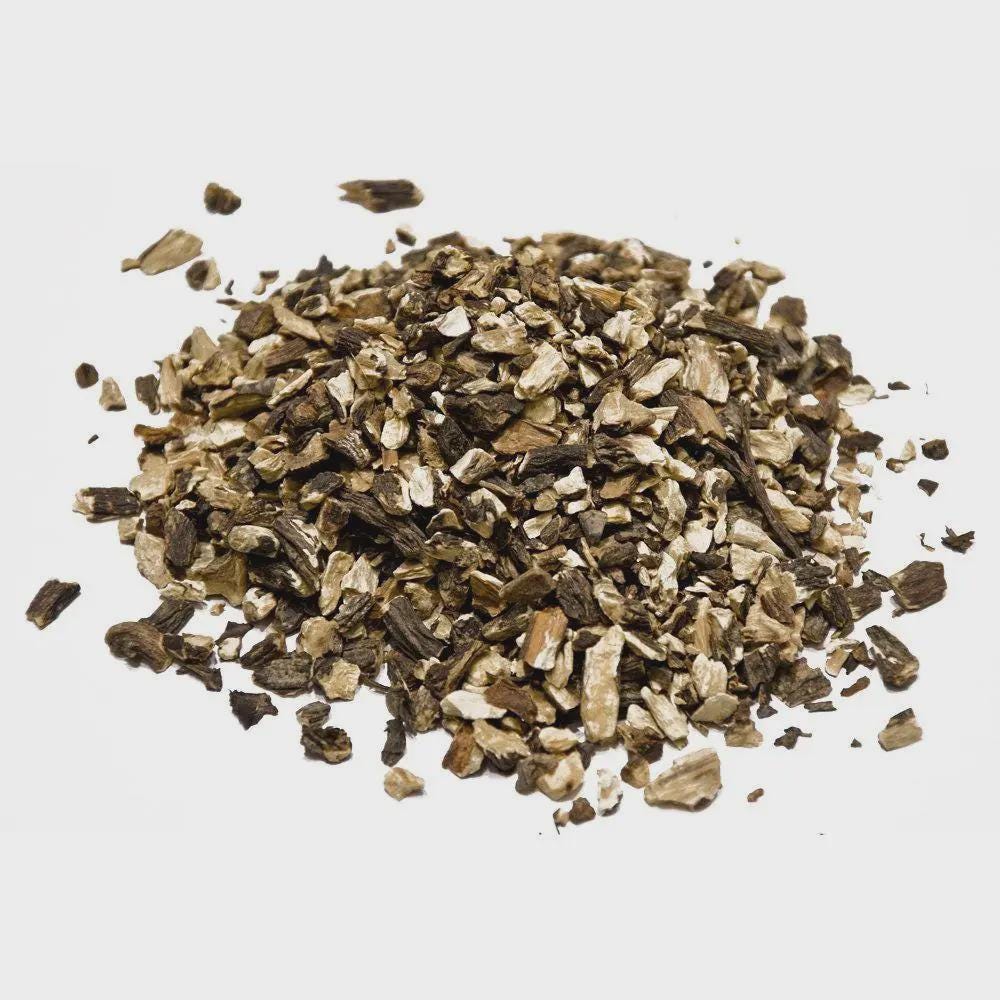
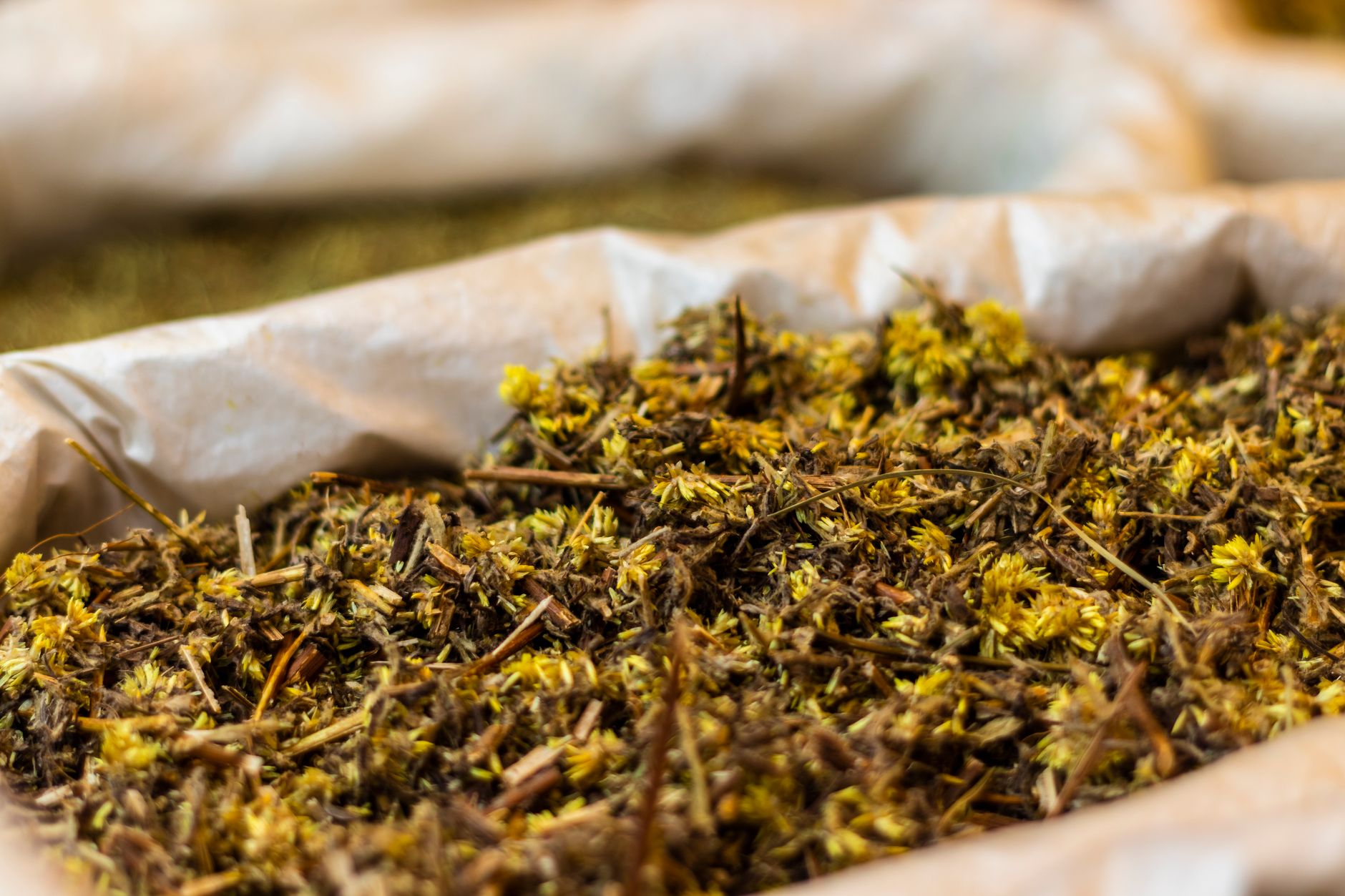
Lovage Dried Herb

Dosage, Safety, and Precautions

While Lovage is generally considered safe for most healthy adults when consumed in culinary amounts, its potent medicinal properties warrant careful consideration, especially when used therapeutically.

General Guidelines

It is always prudent to start with a low dose and gradually increase it, observing how your body responds. For specific health concerns, consulting a qualified healthcare professional or a certified herbalist is highly recommended to determine the appropriate dosage and preparation, as this can vary significantly based on the form (fresh, dried, extract, capsule), individual health status, and the specific condition being addressed.

Potential Side Effects

  • Photosensitivity: The most significant concern with therapeutic doses of Lovage, especially the root, is its coumarin content (bergapten and psoralen), which can increase skin sensitivity to ultraviolet (UV) light. This can lead to sunburn or skin rashes if exposed to strong sunlight or tanning beds after consumption. Individuals should exercise caution and use sunscreen when using Lovage internally at higher doses.
  • Gastrointestinal Upset: While generally beneficial for digestion, very high doses may occasionally cause mild stomach upset in sensitive individuals.

Contraindications

Certain individuals should avoid Lovage or use it with extreme caution:

  • Pregnancy and Breastfeeding: Lovage is traditionally considered an emmenagogue (a substance that stimulates menstrual flow) and may act as a uterine stimulant in high doses. Therefore, it is generally advised to avoid Lovage during pregnancy. Due to insufficient research, it is also best to avoid during breastfeeding.
  • Kidney Conditions: While beneficial for many kidney-related issues, individuals with active kidney inflammation (e.g., pyelonephritis), severe kidney disease, or kidney failure should avoid Lovage, as its diuretic action might put undue strain on already compromised kidneys. Always consult a nephrologist.
  • Bleeding Disorders or Anticoagulant Medication: Due to its coumarin content and potential mild blood-thinning effects, Lovage should be used with extreme caution or avoided by individuals with bleeding disorders or those taking anticoagulant medications (e.g., Warfarin, Aspirin), as it could potentiate the effects and increase the risk of bleeding.
  • Allergies: Individuals with known allergies to plants in the Apiaceae family (e.g., celery, parsley, carrot, dill, caraway) may experience allergic reactions to Lovage.

Interactions

  • Anticoagulants: As mentioned, Lovage may interact with blood-thinning medications, potentially increasing their effects and the risk of bleeding.
  • Diuretics: Combining Lovage with pharmaceutical diuretics may lead to an additive effect, potentially causing excessive fluid loss or electrolyte imbalances.
  • Lithium: Due to its diuretic properties, Lovage may increase the concentration of lithium in the body, potentially leading to increased side effects.

Always inform your healthcare provider about all herbs and supplements you are taking.
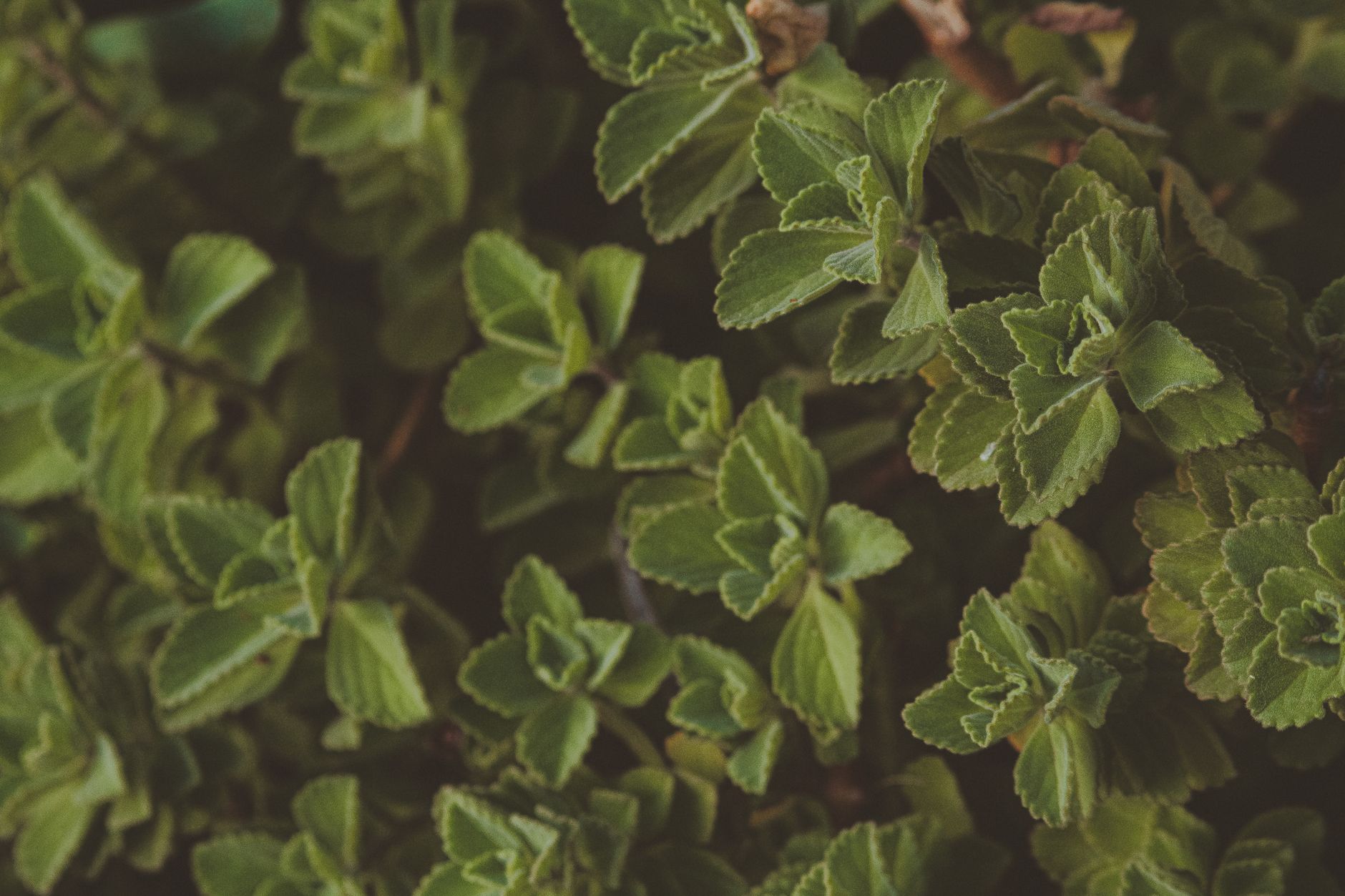
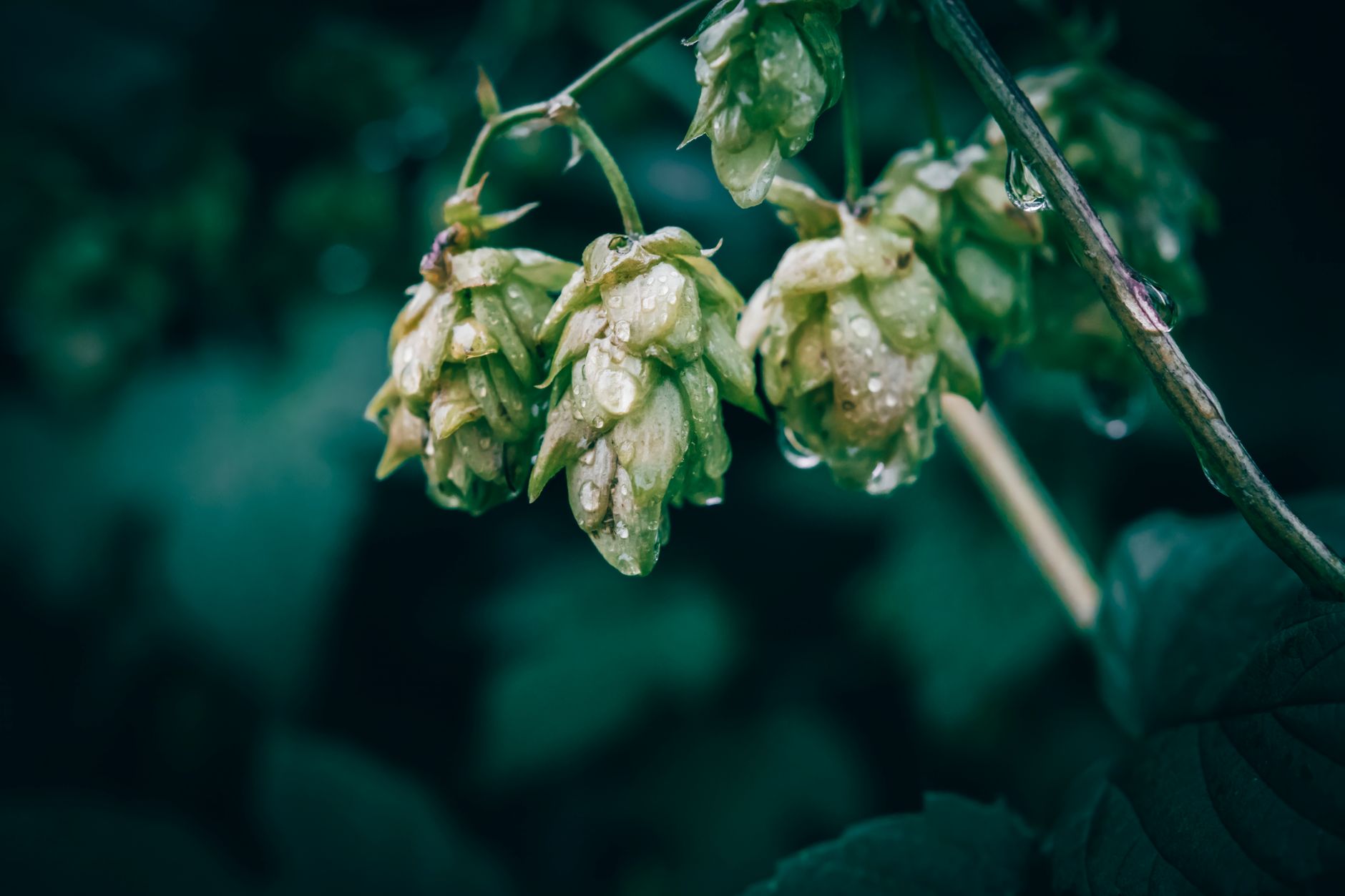
Lovage Natural Herb

Conclusion

Lovage (*Levisticum officinale*) stands as a testament to the enduring power of botanical medicine, a verdant marvel whose historical reverence is now increasingly validated by modern scientific inquiry. From its distinctive culinary presence to its profound therapeutic applications, Lovage offers a spectrum of health benefits rooted in its rich profile of bioactive compounds. Its remarkable ability to act as a natural diuretic, a potent digestive aid, an effective anti-inflammatory agent, and a source of powerful antioxidants makes it a truly versatile herb.

As we navigate an increasing interest in natural health solutions, Lovage emerges as a compelling contender, bridging the gap between ancient wisdom and contemporary wellness. However, like all potent remedies, responsible and informed use, coupled with professional guidance, is paramount. By understanding its botanical nuances, delving into its chemical complexities, and respecting its potential interactions, individuals can mindfully integrate Lovage into their lives, harnessing the full potential of this magnificent “love root” for enhanced vitality and well-being. Embrace Lovage, and discover a natural path to better health.

Disclaimer: For informational purposes only. Not medical advice. Consult a qualified healthcare professional before use.
The Ultimate Guide to ROSE PETALS: Health Benefits and Uses

The Ancient Elixir: Unveiling the Profound Health Benefits of Rose Petals

For millennia, the rose has captivated humanity with its unparalleled beauty, intoxicating fragrance, and symbolic richness. Beyond its aesthetic appeal, however, lies a botanical treasure trove – the humble rose petal. Far from being merely a decorative flourish, rose petals, particularly from species like Rosa damascena, Rosa centifolia, and Rosa gallica, have been revered across cultures for their remarkable medicinal properties. This definitive guide delves deep into the science, history, and practical applications of rose petals, uncovering the exhaustive array of health benefits that make this delicate bloom a powerhouse of natural wellness.

From ancient Ayurvedic texts and Traditional Chinese Medicine to modern pharmacological research, the therapeutic potential of rose petals is consistently highlighted. Rich in an intricate symphony of bioactive compounds, they offer a holistic approach to health, impacting everything from skin vitality and digestive harmony to emotional well-being and immune defense. Join us as we explore the multifaceted advantages of integrating rose petals into your health regimen, transforming a timeless symbol of love into a potent ally for vitality.

A Botanical Marvel: Understanding the Rose at Its Core

The genus Rosa, belonging to the family Rosaceae, encompasses hundreds of species and thousands of cultivars, each boasting unique characteristics. While all roses hold a certain charm, it is specific species that are primarily cultivated for their petals’ medicinal and aromatic virtues. The Damask rose (Rosa damascena) stands out as the most prized variety, originating from Persia and renowned for its intensely fragrant petals, which yield the highly coveted rose essential oil and rose water. Other significant species include the Cabbage rose (Rosa centifolia), known for its numerous petals and sweet scent, and the French rose (Rosa gallica), historically used in traditional herbal medicine.

These particular species are distinguished by their rich concentration of volatile compounds, flavonoids, anthocyanins, and other polyphenols, which collectively contribute to their profound therapeutic effects. The meticulous cultivation and harvesting processes, often undertaken at dawn to preserve their delicate compounds, underscore the value placed on these petals. Understanding the botanical distinctions is crucial, as not all rose petals offer the same spectrum of health benefits, making the choice of species paramount for therapeutic applications.

ROSE PETALS Botanical Photo

A Glimpse Through Time: The Historical and Cultural Significance of Rose Petals

The journey of rose petals as a healing agent stretches back thousands of years, interwoven with the tapestry of human civilization. Ancient Egyptians used roses in their rituals, cosmetics, and medicinal preparations, recognizing their soothing and beautifying properties. Cleopatra herself is famously said to have used rose petals to scent her baths and living spaces, believing in their power to enchant and heal. The Greeks and Romans similarly revered roses, associating them with goddesses of love and beauty, and employing their petals in culinary delights, perfumery, and therapeutic concoctions to treat ailments ranging from digestive issues to nervous disorders.

In Persia, the birthplace of rose water distillation, roses were central to medicine, cuisine, and spiritual practices. Avicenna, the renowned Persian physician, extensively documented the medicinal uses of roses in his Canon of Medicine around the 10th century, detailing their efficacy as a tonic for the heart, brain, and digestive system. Traditional Chinese Medicine (TCM) considers rose petals (Mei Gui Hua) to be energetically warming and sweet, used to regulate Qi (vital energy), invigorate blood, alleviate stagnation, and soothe liver Qi, particularly beneficial for women’s health and emotional balance. Ayurveda, the ancient Indian system of medicine, classifies roses as having cooling properties (virya) and a sweet post-digestive effect (vipaka), making them ideal for pacifying Pitta dosha, promoting emotional tranquility, and supporting skin health. Across medieval Europe, monastic gardens cultivated roses for their medicinal value, utilizing them in poultices, tinctures, and teas to combat infection, reduce inflammation, and calm the nerves. This rich historical narrative underscores a consistent, cross-cultural appreciation for the rose petal’s profound therapeutic gifts.

The Chemical Symphony: Bioactive Compounds in Rose Petals

The remarkable health benefits of rose petals stem from their complex and synergistic phytochemical profile. Far from a simple flower, rose petals are a sophisticated blend of bioactive compounds, each contributing to their overall therapeutic efficacy. Understanding these constituents provides a scientific basis for their traditional and modern applications.

ROSE PETALS Plant Profile

  • Flavonoids: Quercetin, Kaempferol, Anthocyanins, and Catechins
    These powerful plant pigments are largely responsible for the antioxidant and anti-inflammatory properties of rose petals. Quercetin, for instance, is a potent antioxidant that helps scavenge free radicals, reducing oxidative stress and protecting cells from damage. Kaempferol exhibits anti-inflammatory, antioxidant, and anti-cancer effects. Anthocyanins, which give some rose varieties their vibrant red and purple hues, are strong antioxidants and have been linked to cardiovascular health and improved cognitive function. Catechins, also found in green tea, further bolster the antioxidant defense system and contribute to anti-inflammatory processes by inhibiting pro-inflammatory enzymes and pathways.

  • Terpenes and Terpenoids: Geraniol, Citronellol, Nerol, and Farnesol
    These volatile organic compounds are the primary components responsible for the rose’s characteristic fragrance and are found in high concentrations in rose essential oil. Beyond their aromatic appeal, terpenes possess significant therapeutic properties. Geraniol and citronellol exhibit potent antimicrobial activities, making them effective against a range of bacteria and fungi. Nerol contributes to the calming and antidepressant effects, while farnesol plays a role in skin cell regeneration and has anti-inflammatory capabilities. These compounds contribute to the holistic healing potential, especially in aromatherapy and topical applications.

  • Phenolic Acids: Gallic Acid, Caffeic Acid, and Ellagic Acid
    Phenolic acids are another class of antioxidants found in abundance in rose petals. Gallic acid, for example, is a powerful astringent and antioxidant, known for its ability to protect cells from oxidative damage and exhibit anti-inflammatory and antimicrobial properties. Caffeic acid is recognized for its strong antioxidant capacity and potential anti-cancer effects. Ellagic acid is a notable antioxidant and anti-mutagenic compound, contributing to cellular protection and overall health maintenance. These compounds work synergistically to enhance the overall protective and healing benefits of rose petals.

  • Vitamins: Vitamin C, B-complex Vitamins, and Vitamin K
    Rose petals are a natural source of several essential vitamins. Vitamin C (ascorbic acid) is a critical antioxidant, vital for immune function, collagen synthesis, and skin health. Its presence in rose petals contributes to their anti-aging and wound-healing properties. B-complex vitamins support cellular metabolism, energy production, and nervous system health. Vitamin K is essential for blood clotting and bone health. While not present in quantities as high as in some fruits, their presence adds to the overall nutritional and therapeutic value.

  • Minerals: Calcium, Potassium, Magnesium, and Iron
    Trace amounts of essential minerals are also found in rose petals. Calcium supports bone health and nerve function, potassium is crucial for blood pressure regulation and fluid balance, magnesium plays a role in over 300 enzymatic reactions, and iron is vital for oxygen transport. These minerals contribute to the broader nutritional support offered by rose petals.

  • Pectins and Other Polysaccharides
    These dietary fibers contribute to digestive health by acting as a mild laxative and supporting a healthy gut microbiome. Pectins can form a gel-like substance, aiding in detoxification and promoting regular bowel movements. Their presence also provides a prebiotic effect, nourishing beneficial gut bacteria.

The Myriad Health Benefits of Rose Petals: A Deep Dive

The intricate blend of these bioactive compounds translates into a wide array of scientifically supported and traditionally recognized health benefits:

Antioxidant Powerhouse: Combating Oxidative Stress

One of the most significant benefits of rose petals is their exceptional antioxidant capacity. The high concentration of flavonoids, anthocyanins, and phenolic acids enables rose petals to effectively neutralize free radicals, which are unstable molecules that can cause oxidative stress. Oxidative stress is a primary contributor to cellular damage, accelerated aging, and the development of chronic diseases such as cardiovascular disease, neurodegenerative disorders, and various cancers. By scavenging these harmful free radicals, rose petals help protect cellular integrity, reduce inflammation, and support the body’s natural defense mechanisms. This protective action is crucial for maintaining overall cellular health and longevity.

Potent Anti-inflammatory Properties

Beyond their antioxidant effects, rose petals exhibit remarkable anti-inflammatory capabilities. Compounds like quercetin, kaempferol, and gallic acid modulate inflammatory pathways within the body. They can inhibit the production of pro-inflammatory cytokines and enzymes (such as COX-2), thereby reducing systemic inflammation. This makes rose petals beneficial for a range of inflammatory conditions, from soothing irritated skin and alleviating joint discomfort to potentially mitigating inflammation in the gastrointestinal tract. Their ability to calm inflammatory responses contributes significantly to their therapeutic value, offering relief and promoting healing across various bodily systems.

Digestive Health and Gut Harmony

Rose petals have long been used in traditional medicine to support digestive wellness. They act as a mild natural laxative, helping to relieve constipation and promote regular bowel movements without harsh side effects. This effect is partly attributed to their pectin content, which adds bulk to stool and facilitates its passage. Furthermore, rose petals possess anti-spasmodic properties, which can help soothe an irritated digestive tract, alleviate cramps, and reduce bloating. Their gentle cleansing action also supports a healthy gut microbiome, potentially acting as a prebiotic that nourishes beneficial gut bacteria. The anti-inflammatory compounds further reduce inflammation in the gut lining, contributing to overall digestive comfort and optimal nutrient absorption.

Skin Rejuvenation and Dermatological Aid

The benefits of rose petals for skin health are legendary and deeply rooted in historical cosmetic practices. Their rich vitamin C content is crucial for collagen production, helping to maintain skin elasticity and reduce the appearance of wrinkles, thus contributing to anti-aging effects. The astringent properties of gallic acid and tannins help to tighten pores, tone the skin, and reduce excess oiliness, making rose petals excellent for balancing complexion. Their anti-inflammatory and antimicrobial properties make them effective in soothing irritated skin conditions such as eczema, rosacea, and acne. Rose water, derived from rose petals, is an exceptional hydrator, helping to maintain the skin’s moisture barrier and imparting a healthy, radiant glow. It can also reduce redness and provide a cooling sensation, offering immediate relief to sun-exposed or sensitive skin.

Mood Enhancement and Stress Reduction (Anxiolytic Effects)

The delicate aroma of rose petals is more than just pleasant; it possesses profound therapeutic effects on the mind and nervous system. Rose essential oil, derived from the petals, is widely used in aromatherapy for its anxiolytic (anxiety-reducing) and antidepressant properties. Inhaling the scent of roses can stimulate the limbic system, a part of the brain associated with emotions, memory, and motivation. This interaction can lead to a reduction in cortisol levels (the stress hormone), promote relaxation, alleviate symptoms of anxiety and depression, and improve sleep quality. Rose tea, too, offers a calming effect, helping to soothe nervous tension and promote a sense of well-being. This ability to positively influence mood and stress makes rose petals a valuable tool for mental and emotional balance.

Immune System Support

The presence of Vitamin C, along with other antioxidants like flavonoids, contributes to the immune-boosting properties of rose petals. Vitamin C is a well-known immune enhancer, stimulating the production and function of white blood cells, which are crucial for fighting off infections. The antimicrobial compounds, particularly terpenes like geraniol and citronellol, further provide a protective layer against various pathogens, including bacteria and fungi. Regular consumption or use of rose petal preparations can help strengthen the body’s natural defenses, making it more resilient against common illnesses.

Menstrual Health and Hormonal Balance

For centuries, rose petals have been utilized in traditional medicine to support women’s health. They are often recommended to alleviate symptoms of premenstrual syndrome (PMS), such as cramping, bloating, and mood swings, due to their anti-inflammatory and mood-balancing effects. Rose petals are considered a uterine tonic, helping to regulate menstrual cycles and ease discomfort. The gentle calming action can also help to mitigate emotional fluctuations associated with hormonal changes, promoting a greater sense of equilibrium during menstrual cycles.

Cardiovascular Health

Emerging research suggests that the antioxidant and anti-inflammatory compounds in rose petals may contribute to cardiovascular health. By reducing oxidative stress and inflammation, they can help protect blood vessels from damage and improve endothelial function. Some studies indicate that certain rose extracts may help in modulating blood pressure and cholesterol levels, although more extensive research is needed in this area. The cumulative effect of these beneficial compounds supports overall heart health and circulatory system integrity.

Antimicrobial and Antiseptic Actions

The significant concentration of terpenes (like geraniol and citronellol) and phenolic compounds (like gallic acid) endows rose petals with potent antimicrobial and antiseptic properties. These compounds have been shown to inhibit the growth of various bacteria, fungi, and even some viruses. This makes rose petal preparations useful for preventing and treating minor infections, both internally and externally. Rose water can be used as a gentle antiseptic for wounds or as a mouthwash to combat oral bacteria, while internal consumption can support the body’s fight against internal pathogens.

Wound Healing

Due to their astringent, anti-inflammatory, and antimicrobial properties, rose petals can aid in wound healing. The astringent effect helps to constrict tissues and reduce bleeding, while the anti-inflammatory compounds reduce swelling and pain. The antimicrobial actions prevent infection, and the presence of Vitamin C supports collagen formation, which is crucial for tissue repair and regeneration. Topically applied rose petal preparations or rose water can accelerate the healing process of minor cuts, abrasions, and burns, promoting faster and cleaner recovery.

Practical Applications and Forms of Rose Petal Usage

The versatility of rose petals allows for their incorporation into daily life through various forms, each offering unique benefits and applications:

Rose Tea (Infusion)

One of the simplest and most comforting ways to consume rose petals is as an herbal tea. Dried rose petals are steeped in hot water, releasing their soluble compounds. Rose tea is particularly beneficial for digestive health, stress reduction, and as a gentle immune booster. It offers a subtle, aromatic flavor profile and can be enjoyed warm or chilled. The act of preparing and sipping rose tea itself can be a meditative, calming ritual, enhancing its anxiolytic effects.

Rose Water

Rose water is produced by steam distillation of rose petals and is perhaps the most widely recognized and versatile rose product. It retains many of the water-soluble therapeutic compounds and the delicate fragrance of the rose. Topically, it serves as a natural toner, hydrator, and soothing agent for the skin, reducing redness and irritation. It can be used as a facial mist, added to baths, or incorporated into homemade cosmetics. Internally, a small amount of food-grade rose water can be added to beverages and desserts for its flavor, digestive aid, and calming properties. It is also used as a gentle eye wash to soothe tired or irritated eyes.

Rose Essential Oil

Extracted through steam distillation, rose essential oil is a highly concentrated and potent form of rose petals’ volatile compounds. It is one of the most precious and expensive essential oils due to the vast quantity of petals required for production. Rose essential oil is primarily used in aromatherapy for its profound effects on mood, stress, and emotional balance. It is a powerful antidepressant, anxiolytic, and aphrodisiac. When used topically, it must be diluted in a carrier oil (like jojoba or almond oil) due to its potency. It can be massaged into the skin for anti-aging benefits, or applied to pulse points for a calming effect. Its antimicrobial properties also make it useful for minor skin irritations when appropriately diluted.

Rose Petal Jam, Syrup, and Culinary Uses

Beyond medicinal applications, rose petals are a cherished ingredient in culinary traditions, especially in Middle Eastern and Indian cuisines. Rose petal jam or preserves offer a delightful way to enjoy their flavor and benefits, often served with bread or pastries. Rose syrup can be added to drinks, desserts, or even salad dressings. Incorporating fresh or dried rose petals into various dishes not only adds a unique floral aroma and taste but also imbues the food with their antioxidant and nutritional properties. They can be used in teas, infused oils, vinegars, and baking, providing a fragrant and healthful twist.

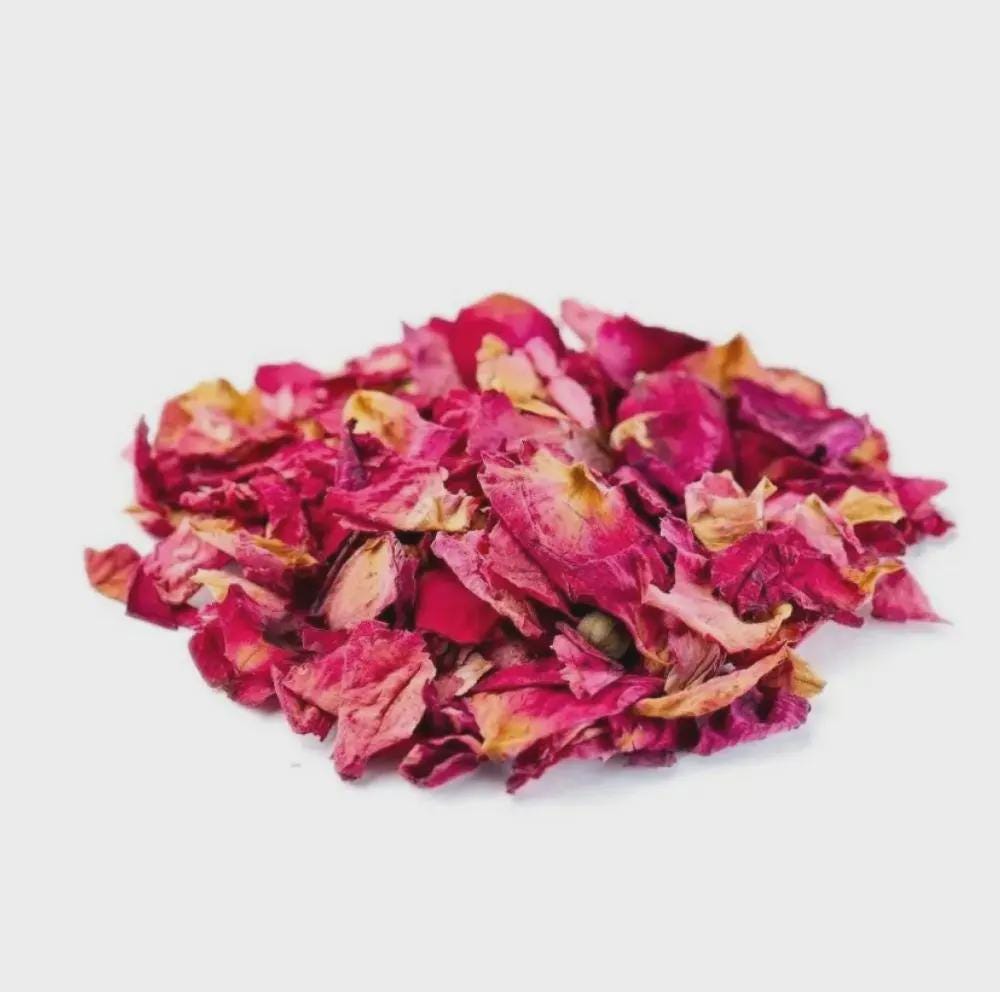
ROSE PETALS Dried Herb

Dried Rose Petals for Baths and Potpourri

Dried rose petals can be used to create luxurious and therapeutic bath soaks. Adding a handful of dried petals to warm bath water releases their essential oils and soluble compounds, providing a calming and skin-softening experience. The aromatic steam contributes to mood enhancement and stress relief. Beyond the bath, dried rose petals are a classic component of potpourri, naturally scenting living spaces and creating a pleasant, uplifting atmosphere, drawing on their inherent aromatherapeutic properties without direct ingestion or topical application.

ROSE PETALS Capsules

Rose Petal Capsules/Supplements

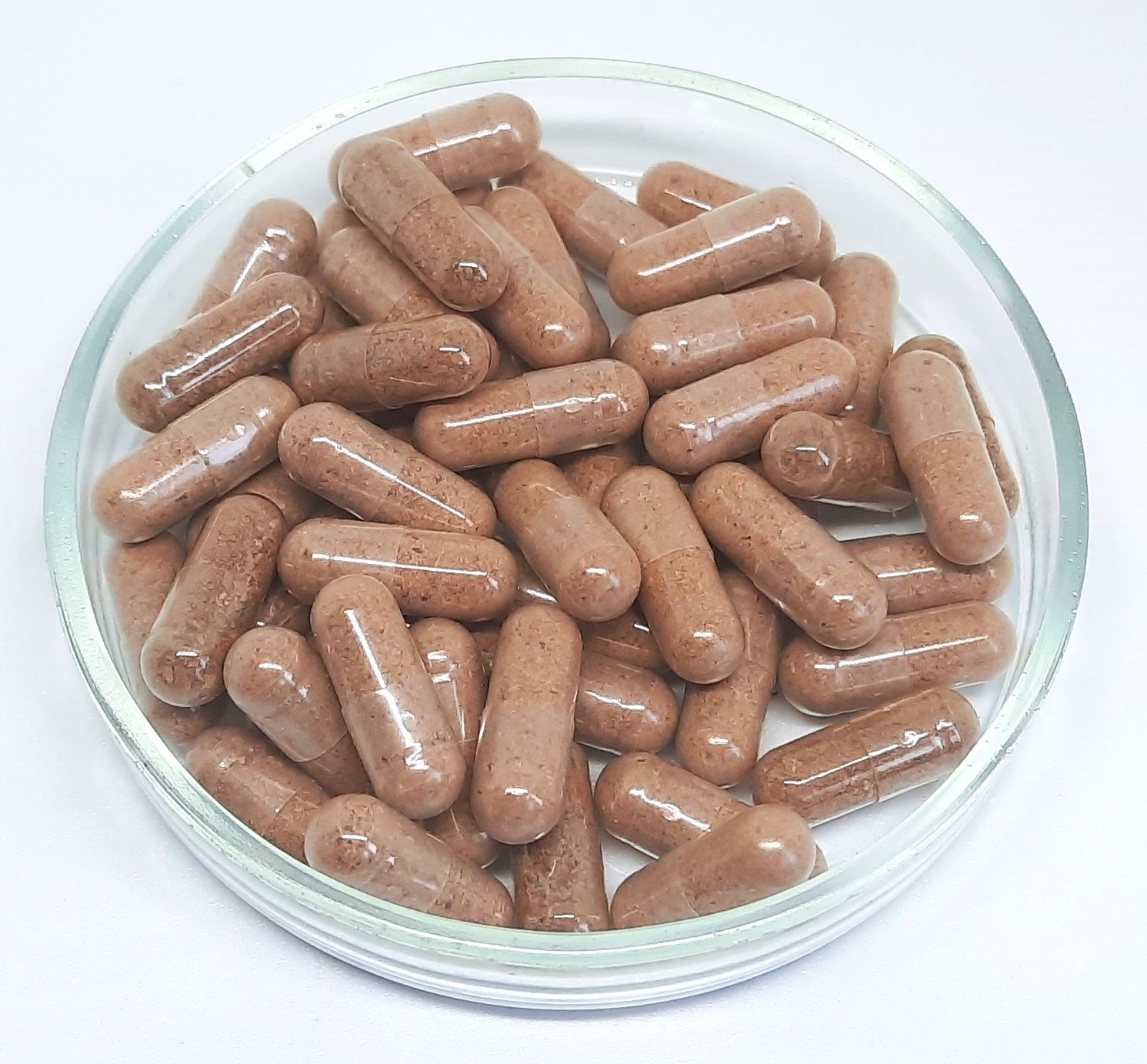
For those seeking a convenient and standardized approach to harness the systemic benefits of rose petals, dietary supplements in capsule or tablet form are available. These supplements typically contain concentrated extracts of rose petals, standardized for specific bioactive compounds. They are designed to deliver targeted benefits such as antioxidant support, mood enhancement, or digestive aid. As with any supplement, it is crucial to choose reputable brands that provide third-party testing and clear labeling of ingredients and dosages to ensure purity and efficacy. This modern application allows for consistent intake of rose petal benefits for long-term wellness goals.

Dosage and Safety Considerations

While rose petals are generally considered safe for most individuals, especially when consumed in culinary amounts or as tea, it is important to be mindful of dosage and potential considerations, particularly with concentrated forms like essential oils or supplements.

  • General Guidelines: For rose tea, 1-2 teaspoons of dried rose petals steeped in hot water, consumed 1-3 times daily, is a common dosage. For rose water, a few drops (food-grade) can be added to drinks or food. Essential oil use should always involve proper dilution (typically 1-2% for topical application) and consultation with an aromatherapist, as it is highly concentrated.

  • Allergies: Though rare, some individuals may experience allergic reactions to roses, manifesting as skin irritation, respiratory issues, or digestive upset. If you have known allergies to other plants in the Rosaceae family, exercise caution.

  • Pregnancy and Breastfeeding: While generally considered safe in food quantities, the concentrated forms of rose petals (like essential oil or high-dose supplements) should be approached with caution during pregnancy and breastfeeding. It is always best to consult a healthcare professional before using any herbal remedies during these sensitive periods.

  • Drug Interactions: There is limited research on potential drug interactions with rose petal extracts. If you are on prescription medications, especially blood thinners or sedatives, it is advisable to consult your doctor before incorporating large amounts of rose petal preparations into your routine.

  • Quality and Sourcing: Always ensure that rose petals and rose products are sourced from reputable suppliers, especially if intended for internal consumption. Look for organic, pesticide-free petals to avoid contaminants. For essential oils, ensure they are 100% pure and therapeutically graded.

ROSE PETALS Natural Herb

Conclusion: The Timeless Allure and Modern Relevance of Rose Petals

The rose petal, a symbol of beauty and love across civilizations, stands today as a testament to nature’s profound healing capabilities. From its rich historical lineage in ancient medicine to its modern scientific validation, the exhaustive health benefits of rose petals are undeniable. Its complex symphony of bioactive compounds – including potent antioxidants, anti-inflammatory agents, essential vitamins, and soothing terpenes – empowers it to support health holistically, addressing everything from cellular protection and digestive wellness to skin vitality and emotional equilibrium.

Whether enjoyed as a comforting tea, a refreshing facial mist, a luxurious bath soak, or a convenient dietary supplement, rose petals offer a gentle yet powerful pathway to enhanced well-being. Their ability to combat oxidative stress, reduce inflammation, soothe digestive discomfort, rejuvenate the skin, and uplift the spirit makes them an invaluable addition to any health-conscious lifestyle. As we continue to rediscover and appreciate the wisdom of traditional remedies, the rose petal shines brightly as a versatile, effective, and deeply enriching botanical ally. Embrace the timeless allure of the rose and unlock its profound benefits for a healthier, more balanced you.

Disclaimer: For informational purposes only. Not medical advice. Consult a qualified healthcare professional before use.
The Ultimate Guide to Psyllium Husk: Health Benefits and Uses

The Definitive Deep Dive into Psyllium Husk: Unlocking Its Profound Health Benefits

In the vast realm of natural health remedies, few substances boast the versatility and robust scientific backing of Psyllium Husk. Derived from the seeds of the *Plantago ovata* plant, this humble dietary fiber supplement has transcended its traditional role as a simple laxative to emerge as a powerhouse ingredient for holistic well-being. From orchestrating optimal digestive function to playing a pivotal role in cardiovascular health, blood sugar regulation, and even weight management, Psyllium Husk offers a compelling array of benefits that warrant a comprehensive exploration. This exhaustive guide delves deep into the mechanisms, historical significance, and practical applications of Psyllium Husk, cementing its status as an indispensable ally in the pursuit of a healthier life.

Botanical Origins and Historical Reverberations

Psyllium Husk originates from the *Plantago ovata* plant, a herbaceous annual native to Western Asia, particularly India and Pakistan, where it has been cultivated for centuries. Commonly referred to as Isabgol in Ayurvedic and Unani medicine systems, its name reflects its origin, with ‘Isabgol’ derived from the Persian words ‘isp’ and ‘gul,’ meaning ‘horse flower,’ referencing the shape of its seeds. The seeds themselves are small, boat-shaped, and covered by a mucilaginous outer layer—the husk—which is the primary source of its therapeutic properties. Historically, ancient civilizations recognized the plant’s efficacy, using its seeds and husks for a range of ailments, predominantly those related to the digestive system. Records suggest its use in traditional Indian and Chinese medicine for relieving constipation, soothing inflammatory bowel conditions, and even treating urinary tract issues. This extensive history underscores not only the longevity of its application but also a foundational understanding of its benefits long before modern science began to unravel its intricate biochemical mechanisms.

Psyllium Husk Botanical Photo

The Bioactive Core: Unpacking Psyllium Husk’s Chemical Composition

At the heart of Psyllium Husk’s therapeutic prowess lies its unique chemical composition, predominantly its exceptional concentration of soluble dietary fiber. Unlike many other fiber sources, Psyllium Husk is distinguished by its high mucilage content, a complex polysaccharide that gives it its characteristic ability to absorb water and form a viscous gel. While it contains some insoluble fiber, it is the soluble fiber, specifically arabinoxylans, that is responsible for the majority of its health benefits. These hydrophilic polysaccharides are not digested in the small intestine but instead pass into the colon, where they undergo fermentation by beneficial gut bacteria. This fermentation process produces short-chain fatty acids (SCFAs) like butyrate, acetate, and propionate, which are vital for colonocyte health, gut barrier integrity, and exert systemic effects on metabolism and immune function. The unique gel-forming capacity of Psyllium allows it to retain water significantly, sometimes up to ten times its weight, which is crucial for its mechanical actions within the digestive tract. This combination of soluble and insoluble fiber, with a strong emphasis on the soluble, sets Psyllium Husk apart from other fiber supplements, offering a broad spectrum of physiological interactions.

Psyllium Husk Plant Profile

Comprehensive Health Benefits of Psyllium Husk

1. Revolutionary Digestive Health Enhancement

Psyllium Husk is perhaps best known for its profound impact on digestive health, serving as a dual-action agent for both constipation and certain forms of diarrhea. As a bulk-forming laxative, its mechanism of action is elegant and effective. Upon ingestion with sufficient water, the soluble fiber components absorb liquid in the gastrointestinal tract, swelling to form a soft, viscous gel. This gel significantly increases the bulk and water content of stool, making it softer and easier to pass, thereby alleviating chronic constipation without the harshness or dependency associated with stimulant laxatives. The increased fecal bulk stimulates peristalsis—the natural muscular contractions of the colon—further promoting regular bowel movements. For individuals suffering from diarrhea, Psyllium Husk acts by absorbing excess water in the stool, helping to solidify it and slow down its transit time through the intestines. This unique amphoteric action makes it valuable for conditions like Irritable Bowel Syndrome (IBS), where patients often experience alternating bouts of constipation and diarrhea. Moreover, the fermentation of Psyllium’s soluble fiber by gut microbiota contributes to a healthier gut environment by acting as a prebiotic. This fosters the growth of beneficial bacteria, such as Bifidobacteria and Lactobacilli, which are crucial for maintaining gut barrier integrity, modulating immune responses, and synthesizing essential vitamins. A healthy gut microbiome is intrinsically linked to reduced inflammation and improved overall gastrointestinal function, making Psyllium Husk a cornerstone for comprehensive gut health.

2. A Pillar of Cardiovascular Wellness: Cholesterol and Blood Pressure Management

Beyond the digestive tract, Psyllium Husk emerges as a formidable ally for cardiovascular health, primarily through its proven ability to lower cholesterol levels. The soluble fiber in psyllium binds to bile acids in the small intestine. Bile acids, which are synthesized from cholesterol in the liver, are essential for fat digestion. By binding these acids, Psyllium Husk prevents their reabsorption into the bloodstream, prompting the liver to draw more cholesterol from the blood to produce new bile acids. This process effectively reduces circulating LDL (“bad”) cholesterol levels, without significantly impacting HDL (“good”) cholesterol. Furthermore, the short-chain fatty acids produced during Psyllium’s fermentation in the colon may also play a role in inhibiting cholesterol synthesis in the liver. Consistent intake of Psyllium Husk has been shown in numerous clinical studies to significantly reduce total and LDL cholesterol, thereby mitigating a major risk factor for atherosclerosis and heart disease. Some research also suggests a potential role in modest blood pressure reduction, likely due to its systemic anti-inflammatory effects and improvement in endothelial function, although this area requires further investigation. The combined effect of cholesterol reduction and potential blood pressure moderation positions Psyllium Husk as an invaluable component of a heart-healthy diet.

3. Stabilizing Blood Sugar for Diabetes Management

For individuals managing diabetes or pre-diabetes, Psyllium Husk offers a critical intervention in glycemic control. When consumed with a meal, the viscous gel formed by Psyllium Husk significantly slows down the digestion and absorption of carbohydrates. This delay translates into a more gradual rise in blood glucose levels after eating, preventing sharp post-meal blood sugar spikes. By attenuating the glycemic response, Psyllium Husk helps improve overall glycemic control, reducing the burden on the pancreas to produce insulin and potentially improving insulin sensitivity over time. Studies have demonstrated that incorporating Psyllium Husk into the diet can lead to lower fasting blood glucose levels and improved HbA1c values, a long-term marker of blood sugar control, in people with type 2 diabetes. This mechanism is particularly beneficial as it addresses one of the core challenges in diabetes management: maintaining stable blood sugar levels. Its ability to create a more consistent metabolic environment can empower individuals to better manage their condition and reduce the risk of long-term diabetic complications.

4. Aiding in Sustainable Weight Management

In the complex landscape of weight management, satiety plays a crucial role, and this is where Psyllium Husk offers a significant advantage. Its high water-absorbing capacity means that when ingested with fluids, it expands considerably in the stomach, creating a sensation of fullness. This increased satiety can lead to a reduced caloric intake by decreasing appetite and curbing overeating, particularly between meals. By promoting a feeling of repletion, individuals are less likely to snack excessively or consume larger portions, thereby facilitating a caloric deficit necessary for weight loss. Moreover, its ability to regulate blood sugar levels also contributes to weight management by preventing the insulin spikes that can lead to fat storage. While Psyllium Husk is not a magic bullet for weight loss, when integrated into a balanced diet and active lifestyle, it serves as an effective tool to support healthy weight management strategies, making dietary adherence easier and more sustainable.

Psyllium Husk Capsules

5. Anti-inflammatory Potential and Immune Modulation

Emerging research points to Psyllium Husk’s potential beyond its fiber-centric actions. The production of short-chain fatty acids (SCFAs) like butyrate, resulting from the fermentation of Psyllium by gut bacteria, is known to have potent anti-inflammatory effects within the colon. Butyrate serves as the primary energy source for colonocytes and plays a critical role in maintaining the integrity of the intestinal barrier, which is essential for preventing the translocation of harmful substances into the bloodstream, a condition known as “leaky gut.” By strengthening the gut barrier and modulating immune responses locally, Psyllium Husk may contribute to reducing systemic inflammation, which is implicated in numerous chronic diseases. While more research is needed to fully elucidate these systemic effects, the observed benefits on gut health strongly suggest a broader positive influence on the body’s inflammatory and immune pathways, providing another layer to its multifaceted health profile.

Practical Integration: Forms and Usage of Psyllium Husk

Psyllium Husk is widely available in several forms, making it convenient for incorporation into daily routines. The most common forms include whole husks, psyllium husk powder, and capsules. Each form offers slight differences in texture, mixability, and absorption rate, but all deliver the core benefits of its rich soluble fiber content.

  • Whole Psyllium Husks: This is the least processed form, consisting of the intact outer layer of the *Plantago ovata* seeds. The whole husks have a coarser texture and expand significantly more than the powder. They are often mixed with water, juice, or incorporated into baked goods, cereals, or yogurts. Due to their bulk, they can provide a more pronounced sense of fullness.

  • Psyllium Husk Powder: This form is created by grinding the whole husks into a fine powder. It is generally easier to mix into liquids, creating a smoother gel. The powder is highly concentrated, meaning a smaller quantity provides the same fiber content as a larger amount of whole husks. It is a popular choice for smoothies, baking (especially gluten-free recipes to improve texture), and as a direct supplement mixed with water.

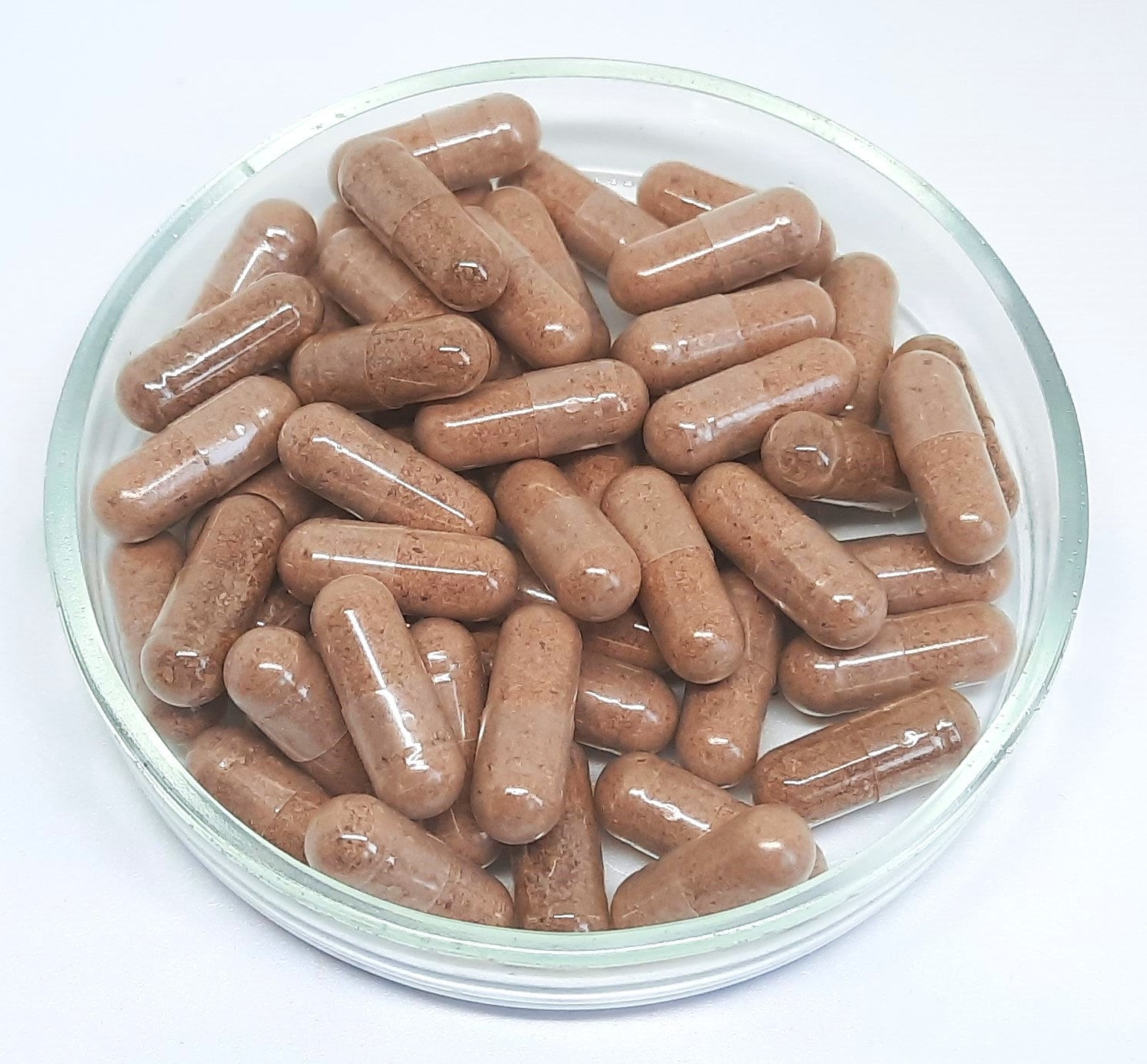
  • Psyllium Husk Capsules: For those who prefer convenience or dislike the texture of psyllium mixed in liquids, capsules offer a pre-measured dose. While convenient, one typically needs to take several capsules to achieve the equivalent fiber dose of a spoonful of powder or whole husks, often requiring multiple servings throughout the day. This form is often favored for consistent, smaller doses to support regular digestive function rather than immediate bulk-forming effects.

Psyllium Husk Dried Herb

When incorporating Psyllium Husk into your diet, it is paramount to consume it with an ample amount of water. This is crucial for its bulk-forming action and to prevent it from swelling prematurely in the esophagus, which could lead to choking. Generally, for every teaspoon of psyllium, at least 8 ounces (240ml) of liquid is recommended, and often more throughout the day.

Recommended Dosage and Administration

The optimal dosage of Psyllium Husk can vary depending on the individual’s needs and the specific health goal. For general digestive health and to promote regularity, a common starting dose is typically 5-10 grams (about 1-2 teaspoons of powder or 1-2 tablespoons of whole husks) mixed with at least 8 ounces of water, taken once or twice daily. This can be gradually increased to 2-3 times a day as tolerated. For cholesterol reduction or blood sugar management, higher doses, often in the range of 10-20 grams per day divided into multiple doses, have been shown to be effective in clinical studies. It is always advisable to start with a lower dose and slowly increase it over several days or weeks to allow the digestive system to adjust, thereby minimizing potential side effects like bloating or gas. Consistency is key, as the benefits of Psyllium Husk accumulate with regular, daily use.

Psyllium Husk Natural Herb

Potential Side Effects and Important Precautions

While Psyllium Husk is generally well-tolerated, particularly when consumed with adequate fluid, some individuals may experience mild side effects, especially during the initial stages of supplementation. These can include:

  • Bloating and Gas: As with any increase in fiber intake, some individuals may experience temporary bloating, gas, or abdominal cramps. This is usually due to the fermentation of fiber by gut bacteria and often subsides as the body adjusts. Starting with a low dose and gradually increasing it can help mitigate these symptoms.
  • Choking Hazard: Due to its strong gelling properties, Psyllium Husk must always be consumed with sufficient liquid. If not mixed properly or taken without enough water, it can swell in the throat and cause choking or blockages. It should never be taken dry.
  • Allergic Reactions: Though rare, allergic reactions to Psyllium Husk can occur, particularly in individuals with occupational exposure (e.g., healthcare workers preparing psyllium-containing laxatives). Symptoms can include skin rash, itching, difficulty breathing, or anaphylaxis.
  • Medication Interactions: Psyllium Husk can slow the absorption of certain medications by binding to them in the digestive tract. It is generally recommended to take medications at least one hour before or two to four hours after consuming Psyllium Husk. Consult a healthcare provider, especially if you are taking medications for diabetes, cholesterol, heart conditions, or any other chronic illness.
  • Underlying Conditions: Individuals with certain medical conditions, such as dysphagia (difficulty swallowing), intestinal obstruction, fecal impaction, or certain types of inflammatory bowel disease (without medical guidance), should consult a healthcare professional before using Psyllium Husk.

Conclusion: Psyllium Husk – A Foundation for Optimal Health

Psyllium Husk stands as a testament to the profound power of natural remedies, offering a spectrum of health benefits that are both scientifically validated and deeply rooted in historical practice. Its exceptional soluble fiber content makes it an indispensable tool for regulating digestive function, from alleviating constipation and certain forms of diarrhea to nurturing a thriving gut microbiome. Beyond the gut, Psyllium’s remarkable ability to lower LDL cholesterol significantly contributes to cardiovascular health, while its role in moderating blood sugar levels provides crucial support for diabetes management. Furthermore, by promoting satiety, it aids in sustainable weight management strategies, and its anti-inflammatory potential hints at broader systemic benefits. When consumed responsibly with adequate fluid intake, Psyllium Husk is a safe, cost-effective, and highly versatile supplement that can profoundly impact overall health and well-being. By integrating this ancient marvel into modern dietary practices, individuals can empower themselves with a simple yet powerful strategy to cultivate a healthier, more balanced existence.

Disclaimer: For informational purposes only. Not medical advice. Consult a qualified healthcare professional before use.

The Ultimate Guide to Rosehips: Health Benefits and Uses

The Remarkable Health Benefits of Rosehips: A Definitive Deep-Dive Guide

Often overlooked in the vast tapestry of medicinal plants, the humble rosehip, the vibrant fruit of the rose plant, stands as a nutritional powerhouse and a cornerstone of traditional medicine for centuries. These small, crimson-to-orange berries, left behind after a rose has bloomed and dropped its petals, are not merely an ornamental byproduct; they are a concentrated source of vitamins, minerals, and potent bioactive compounds that offer an astonishing array of health benefits. From bolstering the immune system and soothing joint pain to revitalizing skin and supporting cardiovascular health, rosehips represent a holistic approach to wellness. This exhaustive guide delves into the botanical wonders, historical significance, intricate chemical composition, and profound health advantages of rosehips, aiming to provide a comprehensive understanding for both the curious individual and the health enthusiast seeking nature’s powerful remedies.

Botanical Overview and Characteristics of Rosehips

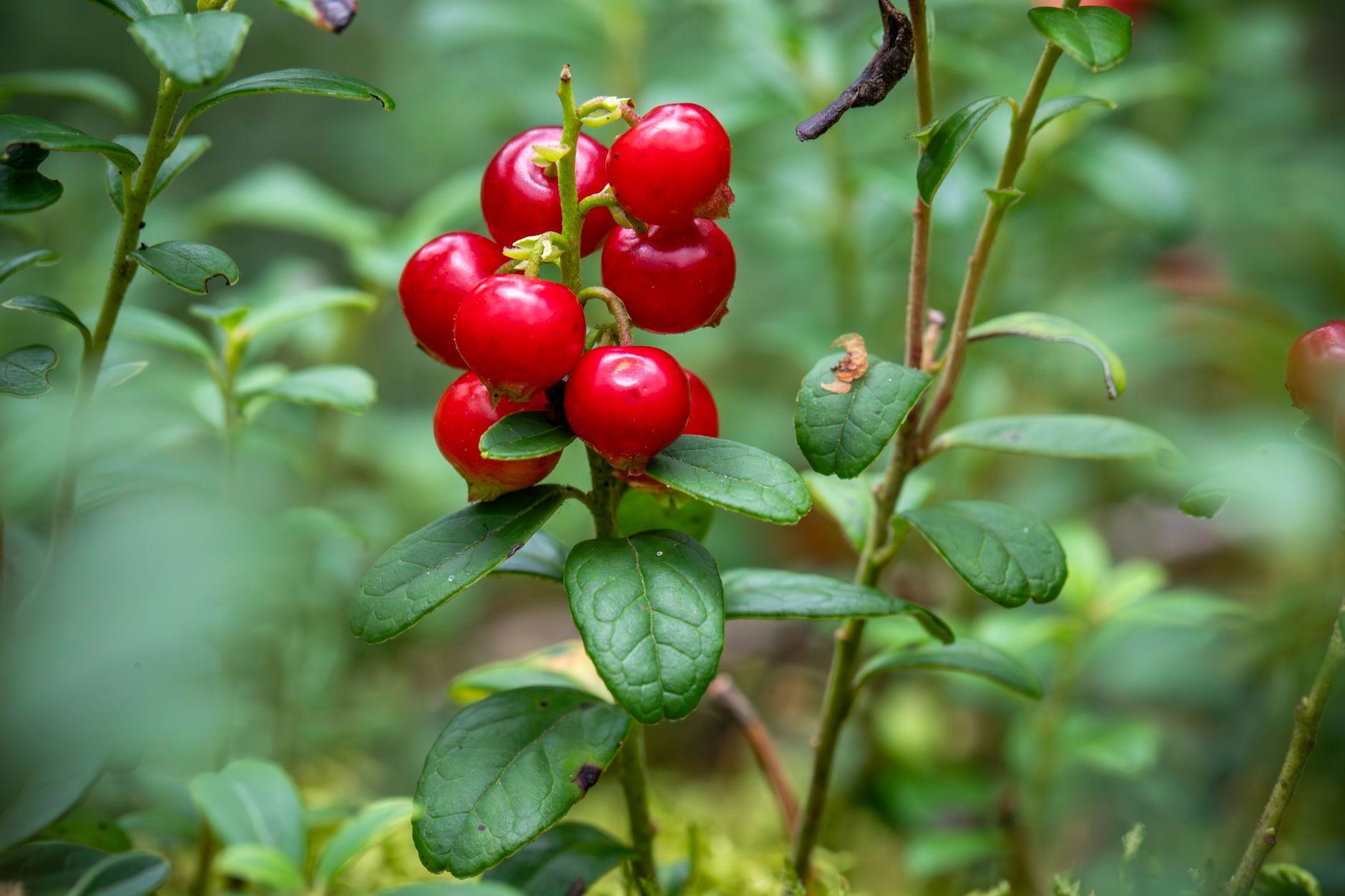
Rosehips are the accessory fruits of various species of the rose plant (genus Rosa), most commonly derived from the wild dog rose (Rosa canina), but also from species like Rosa rugosa and Rosa gallica. After a rose flower has been pollinated, its petals fall away, and the ovules at the base of the flower develop into these distinctive, often round or oval, berry-like structures. They typically mature in late summer and autumn, changing from green to a vivid red or orange hue, indicating their ripeness and peak nutritional content. These fruits contain numerous seeds, surrounded by a fleshy pulp, and are often covered in fine, irritating hairs, which necessitate careful preparation if consumed raw. The hardiness of the rose plant allows it to thrive in diverse climates across the Northern Hemisphere, from temperate zones to more challenging environments, making rosehips a globally accessible and cherished natural resource.

Rosehips Botanical Photo

A Journey Through Time: Historical Context and Traditional Uses

The therapeutic virtues of rosehips have been recognized and utilized across civilizations for millennia. Ancient Egyptians, Romans, and Greeks incorporated rosehips into their herbal pharmacopoeia for various ailments, recognizing their restorative and healing properties. During the Middle Ages in Europe, rosehips were a staple in monasteries and apothecaries, valued for their ability to combat scurvy, a debilitating disease caused by Vitamin C deficiency, particularly during long winters when fresh produce was scarce. Indigenous peoples in North America also traditionally used rosehips for their medicinal qualities, preparing teas for colds, flu, and digestive complaints. The most notable historical use emerged during World War II in Britain, when access to citrus fruits was severely restricted. The British government organized widespread rosehip collection campaigns, particularly by schoolchildren, to harvest the abundant wild rosehips to produce syrup for distribution to children and infants as a vital source of Vitamin C, cementing their reputation as a life-saving nutritional supplement during times of hardship. This rich historical tapestry underscores rosehips’ enduring legacy as a potent natural remedy.

The Potent Chemistry of Rosehips: Bioactive Compounds Explained

The profound health benefits of rosehips stem from their extraordinarily rich and diverse biochemical composition. Far beyond simple vitamins, these fruits boast a complex synergy of compounds that work synergistically to exert their therapeutic effects. Understanding these individual components is key to appreciating the full spectrum of rosehip’s potential.

Rosehips Plant Profile

1. Vitamin C (Ascorbic Acid) – The Immune Maestro

Rosehips are legendary for their exceptionally high Vitamin C content, often cited as one of the richest plant sources. A single serving can provide significantly more Vitamin C than an orange. Ascorbic acid is a water-soluble vitamin that plays a crucial role in numerous physiological processes. It is a powerful antioxidant, protecting cells from oxidative damage caused by free radicals, which are implicated in aging and various chronic diseases. Vitamin C is also indispensable for the synthesis of collagen, a vital protein for healthy skin, bones, cartilage, blood vessels, and teeth. Furthermore, it enhances iron absorption, supports adrenal gland function, and is a critical modulator of the immune system, aiding in the production and function of white blood cells that defend against pathogens.

2. Other Essential Vitamins

  • Vitamin A (Beta-Carotene): Rosehips contain significant levels of beta-carotene, a powerful antioxidant precursor to Vitamin A. This vitamin is essential for vision, immune function, cell growth, and maintaining healthy skin and mucous membranes.
  • Vitamin E: Another potent fat-soluble antioxidant, Vitamin E helps protect cell membranes from damage, supports immune function, and plays a role in skin health.
  • Vitamin K: Important for blood clotting and bone metabolism.
  • B-Complex Vitamins: While present in smaller amounts, rosehips contribute to the intake of B vitamins (B1, B2, B3), which are vital for energy metabolism and nervous system function.

3. Minerals

Rosehips are a source of several important minerals, including potassium, calcium, magnesium, and iron. Potassium is crucial for blood pressure regulation and nerve function. Calcium and magnesium are fundamental for bone health and muscle function. Iron is essential for oxygen transport in the blood and preventing anemia.

4. Antioxidants Beyond Vitamin C

The antioxidant profile of rosehips extends far beyond Vitamin C, contributing to their profound protective effects:

  • Flavonoids: These polyphenolic compounds, including quercetin, rutin, catechin, epicatechin, and proanthocyanidins, are potent antioxidants and possess anti-inflammatory, antiviral, and anti-cancer properties. They help scavenge free radicals, chelate metal ions, and inhibit enzyme activity that promotes inflammation and oxidative stress.
  • Carotenoids: In addition to beta-carotene, rosehips contain lycopene and zeaxanthin. Lycopene is a powerful antioxidant known for its potential role in prostate health and cardiovascular protection. Zeaxanthin is crucial for eye health, helping to filter harmful blue light and protect retinal cells.
  • Phenolic Acids: Compounds like gallic acid and ellagic acid also contribute to the antioxidant and anti-inflammatory capacity of rosehips.

5. Galactolipids (GOPO) – The Anti-Inflammatory Specialist

Perhaps one of the most remarkable and well-researched compounds in rosehips, particularly Rosa canina, is a specific galactolipid known as GOPO (glycoside of mono- and diglycerol). This unique molecule has been identified as a key active ingredient responsible for many of rosehip’s anti-inflammatory and cartilage-protective effects, especially relevant in joint health. GOPO is believed to inhibit the chemotaxis (migration) of white blood cells to inflammatory sites and suppress the production of various pro-inflammatory cytokines and enzymes, thereby reducing inflammation and pain without the side effects often associated with conventional anti-inflammatory drugs.

6. Fatty Acids

The seeds within rosehips are a rich source of essential fatty acids, particularly linoleic acid (Omega-6) and alpha-linolenic acid (Omega-3). These polyunsaturated fatty acids are crucial for maintaining healthy cell membranes, nerve function, and hormone production. Rosehip seed oil, derived from these seeds, is highly prized in skincare for its regenerative and moisturizing properties.

7. Dietary Fiber

Rosehips contain both soluble and insoluble dietary fiber. Fiber is essential for digestive health, promoting regularity, preventing constipation, and supporting a healthy gut microbiome. Soluble fiber can also help regulate blood sugar levels and lower cholesterol.

Comprehensive Health Benefits of Rosehips

The synergistic action of these diverse bioactive compounds translates into a broad spectrum of impressive health advantages.

1. Unwavering Immune System Support

The extraordinarily high Vitamin C content in rosehips makes them an unparalleled natural immune booster. Vitamin C is critical for the proper functioning of various immune cells, including phagocytes and lymphocytes, which are integral to the body’s defense against infections. It supports the production of antibodies, enhances the activity of natural killer cells, and helps reduce the duration and severity of common colds and flu. Beyond Vitamin C, the array of other antioxidants like flavonoids and carotenoids further strengthens the immune response by protecting immune cells from oxidative stress and supporting overall cellular resilience.

2. Potent Anti-inflammatory and Joint Health Properties

Rosehips have gained significant recognition for their remarkable anti-inflammatory capabilities, particularly beneficial for joint health. The star player here is GOPO, the unique galactolipid. Research has shown that GOPO can significantly reduce pain and stiffness in individuals suffering from osteoarthritis and rheumatoid arthritis. Its mechanism involves reducing the migration of inflammatory cells to affected joints and inhibiting the production of enzymes that degrade cartilage, such as matrix metalloproteinases. This leads to a decrease in inflammatory markers, improved joint mobility, and a reduction in the need for conventional pain medication. The flavonoids and other phenolic compounds also contribute to this anti-inflammatory effect by modulating inflammatory pathways.

3. Radiant Skin Health and Anti-Aging Benefits

Rosehips are a darling in the skincare world, primarily due to their high Vitamin C content and rich fatty acid profile. Vitamin C is indispensable for collagen synthesis, the protein that provides structure, elasticity, and firmness to the skin. Adequate collagen production helps reduce the appearance of wrinkles, fine lines, and promotes a more youthful complexion. The powerful antioxidants protect skin cells from environmental damage, UV radiation, and pollution, which are major contributors to premature aging. Furthermore, rosehip seed oil, extracted from the seeds, is rich in essential fatty acids (Omega-3 and Omega-6) and Vitamins A and E. When applied topically, this oil helps regenerate skin cells, improves skin elasticity, reduces hyperpigmentation, and minimizes the appearance of scars, stretch marks, and acne marks, promoting a smoother, more even skin tone.

4. Cardiovascular Wellness and Heart Protection

The comprehensive antioxidant profile of rosehips plays a vital role in protecting cardiovascular health. Antioxidants combat oxidative stress, which is a key factor in the development of atherosclerosis, heart disease, and stroke. Flavonoids, in particular, help improve endothelial function (the lining of blood vessels), reduce LDL (bad) cholesterol oxidation, and may contribute to blood pressure regulation. The fiber content in rosehips also aids in cholesterol management by binding to cholesterol in the digestive tract and facilitating its excretion. Furthermore, the anti-inflammatory effects help mitigate chronic inflammation, a known contributor to cardiovascular disease progression.

5. Enhanced Digestive Health

The significant dietary fiber content in rosehips supports a healthy digestive system. Fiber adds bulk to stool, promoting regular bowel movements and preventing constipation. It also acts as a prebiotic, nourishing beneficial gut bacteria and fostering a balanced gut microbiome, which is crucial for nutrient absorption, immune function, and overall well-being. Additionally, rosehips have been traditionally used to soothe digestive upset and mild stomach complaints.

6. Blood Sugar Management Potential

Emerging research suggests that rosehips may play a role in supporting healthy blood sugar levels. The soluble fiber present can help slow down the absorption of sugar into the bloodstream, preventing rapid spikes and crashes. Some studies indicate that certain compounds in rosehips may improve insulin sensitivity, which is beneficial for individuals at risk of or managing type 2 diabetes. However, more extensive human trials are needed to fully elucidate this benefit.

7. Support for Weight Management

The fiber content in rosehips contributes to a feeling of fullness and satiety, which can help reduce overall calorie intake and support weight management efforts. By stabilizing blood sugar levels and promoting healthy digestion, rosehips can indirectly aid in maintaining a healthy weight as part of a balanced diet and lifestyle.

8. Kidney and Bladder Health

Rosehips possess mild diuretic properties, which can help increase urine output and support kidney function by flushing out toxins. Traditionally, rosehip tea has been used as a natural remedy to help prevent and alleviate symptoms of urinary tract infections (UTIs) by helping to cleanse the urinary system and potentially creating an environment less conducive to bacterial growth.

9. Potential Anti-Cancer Properties

While research is still in its early stages, the potent antioxidant and anti-inflammatory compounds in rosehips show promise in cancer prevention and therapy. Antioxidants help neutralize free radicals that can damage DNA and lead to cancerous mutations. Flavonoids and carotenoids have demonstrated anti-proliferative effects in various cell lines, inhibiting cancer cell growth and inducing apoptosis (programmed cell death). These findings suggest a potential role for rosehips as a complementary therapy, but further robust human studies are required.

Practical Usage and Forms of Rosehips

Rosehips are incredibly versatile and can be incorporated into your diet and wellness routine in numerous ways, offering both culinary delight and therapeutic benefits.

1. Fresh Rosehips

When in season, fresh rosehips can be harvested (with caution due to internal hairs) and used to make delicious and nutritious preserves. They are commonly used for:

  • Jams and Jellies: Offering a tart, tangy flavor profile.
  • Syrups and Cordials: Excellent for adding to drinks or drizzling over desserts, a popular traditional way to extract Vitamin C.
  • Sauces and Chutneys: Can add a unique flavor to savory dishes.

2. Dried Rosehips

Dried rosehips are perhaps the most common form for year-round use and are widely available in health food stores and online.

Rosehips Dried Herb

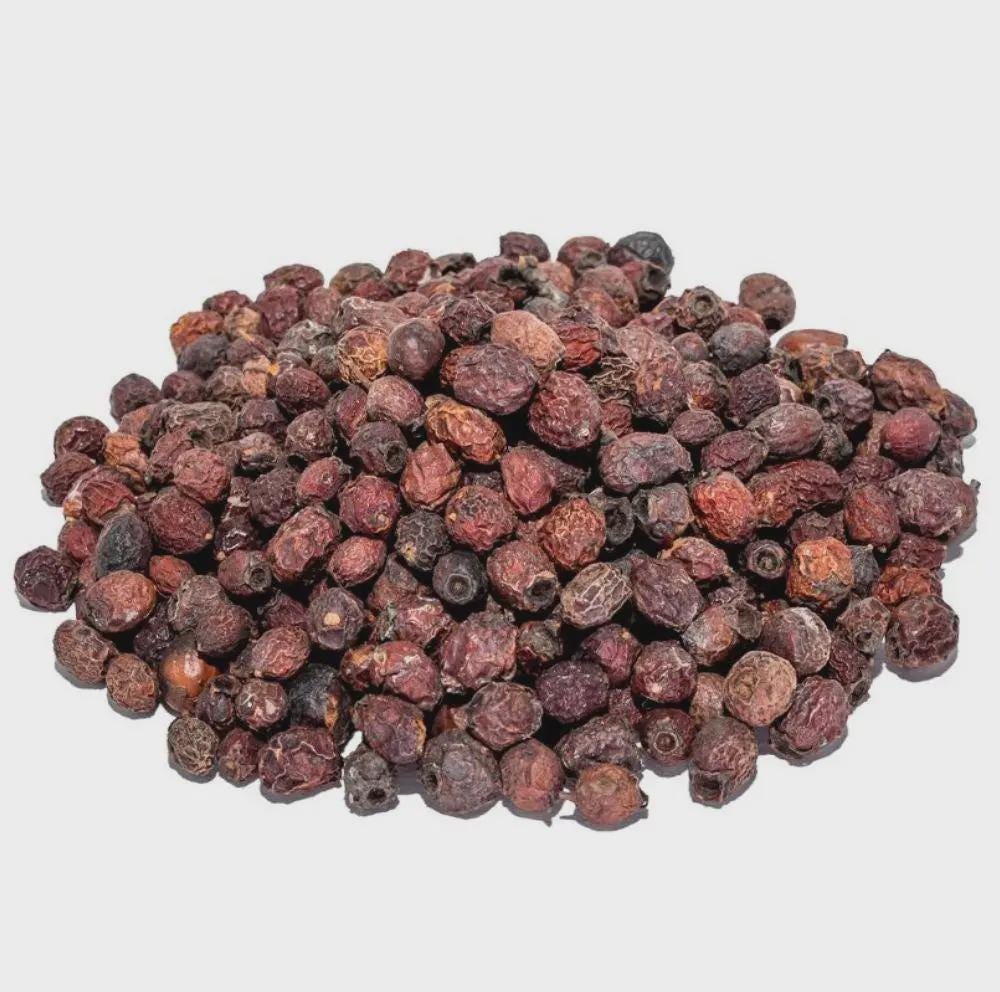
  • Herbal Tea/Infusion: Steep dried whole or cut rosehips in hot water for a refreshing and highly beneficial tea. This is one of the easiest ways to enjoy their immune-boosting and anti-inflammatory properties.
  • Powdered Form: Dried rosehips can be ground into a fine powder, which can then be added to smoothies, yogurts, oatmeal, or even baked goods, providing a concentrated dose of nutrients.

3. Rosehip Oil (Topical Application)

Extracted from the seeds, rosehip seed oil is a prized skincare ingredient. It is a ‘dry oil’ that absorbs quickly without leaving a greasy residue. It can be applied directly to the skin to moisturize, regenerate, reduce scars, even skin tone, and combat signs of aging. It’s often found in serums, creams, and facial oils.

4. Rosehip Supplements

For those seeking a convenient and standardized dose of rosehip benefits, particularly for specific therapeutic purposes like joint pain, supplements are an excellent option.

Rosehips Capsules

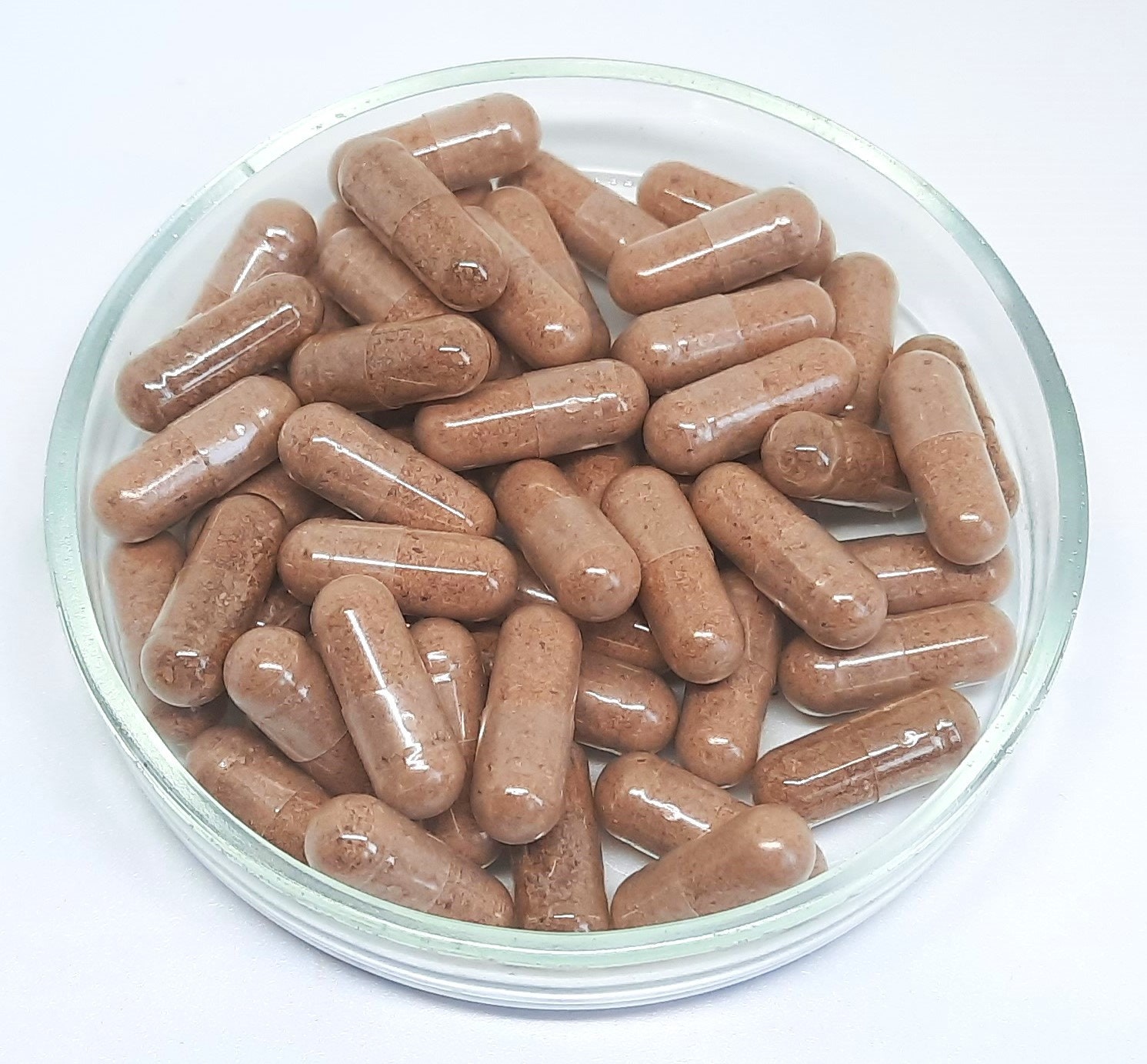
  • Capsules and Tablets: These usually contain concentrated rosehip extract, often standardized to deliver specific amounts of active compounds like Vitamin C or GOPO. They are popular for managing arthritis and boosting overall health.
  • Tinctures and Liquid Extracts: Provide a potent liquid form that can be added to water or other beverages.

Dosage and Preparation Guidelines

The optimal dosage of rosehips can vary significantly depending on the form, concentration of active compounds, and the specific health condition being addressed. For general immune support and antioxidant benefits, consuming rosehip tea regularly or incorporating rosehip powder into your diet is generally safe and beneficial.

  • For Rosehip Tea: Steep 1-2 teaspoons of dried rosehips in a cup of hot water for 10-15 minutes. Drink 2-3 cups daily.
  • For Joint Health (GOPO-rich extracts): Clinical studies on osteoarthritis often use dosages ranging from 2.25g to 5g of specialized rosehip powder (containing GOPO) daily, typically divided into two doses. It’s crucial to follow the manufacturer’s instructions for concentrated supplements.
  • For Rosehip Oil: Apply a few drops directly to clean skin, massaging gently until absorbed, once or twice daily.

It’s always advisable to start with a lower dose and gradually increase it, monitoring your body’s response. For specific therapeutic uses or if you have underlying health conditions, consulting with a healthcare professional or a qualified herbalist is highly recommended to determine the appropriate dosage and form.

Rosehips Natural Herb

Potential Side Effects and Precautions

Rosehips are generally considered safe for most people when consumed in moderate amounts. However, like all natural remedies, there are some considerations:

  • Digestive Upset: High doses, particularly of the powdered form, can occasionally lead to mild digestive issues such as diarrhea, constipation, nausea, or heartburn, primarily due to their fiber content.
  • Allergies: Individuals with known allergies to rose plants or other members of the Rosaceae family should exercise caution.
  • Medication Interactions:
    • Blood Thinners (Anticoagulants): Rosehips contain Vitamin K, which plays a role in blood clotting. Large amounts could potentially interfere with anticoagulant medications like warfarin.
    • Lithium: Due to their mild diuretic effect, rosehips might affect how the body excretes lithium, potentially altering its levels.
    • Iron Absorption: While Vitamin C enhances iron absorption, consuming very high doses of rosehips alongside iron supplements might need monitoring in specific conditions like hemochromatosis.
  • Pregnancy and Breastfeeding: While traditionally used, there is limited scientific research on the safety of concentrated rosehip supplements during pregnancy and breastfeeding. It’s best to consult a doctor before use.
  • Kidney Stones: Individuals prone to kidney stones should be cautious with very high doses of Vitamin C, though the risk from whole rosehips is generally low compared to synthetic ascorbic acid.

Always consult with a healthcare professional before starting any new supplement regimen, especially if you have pre-existing health conditions or are taking other medications.

Conclusion: Embracing the Holistic Power of Rosehips

Rosehips stand as a testament to nature’s profound ability to provide holistic wellness. From their rich historical lineage as a vital source of nutrition during adversity to their scientifically validated role in modern health, these vibrant berries offer a comprehensive spectrum of benefits. Their unparalleled Vitamin C content, coupled with a diverse array of antioxidants, anti-inflammatory galactolipids like GOPO, essential fatty acids, and dietary fiber, positions rosehips as a multifaceted superfood. Whether sought for robust immune support, relief from debilitating joint pain, radiant skin transformation, or overall cardiovascular and digestive health, rosehips offer a natural, potent, and accessible pathway to enhanced well-being. By integrating this remarkable fruit into your daily life, either through culinary preparations, teas, or targeted supplements, you can harness the enduring power of rosehips and embark on a journey toward optimal health, naturally and effectively.

Disclaimer: For informational purposes only. Not medical advice. Consult a qualified healthcare professional before use.
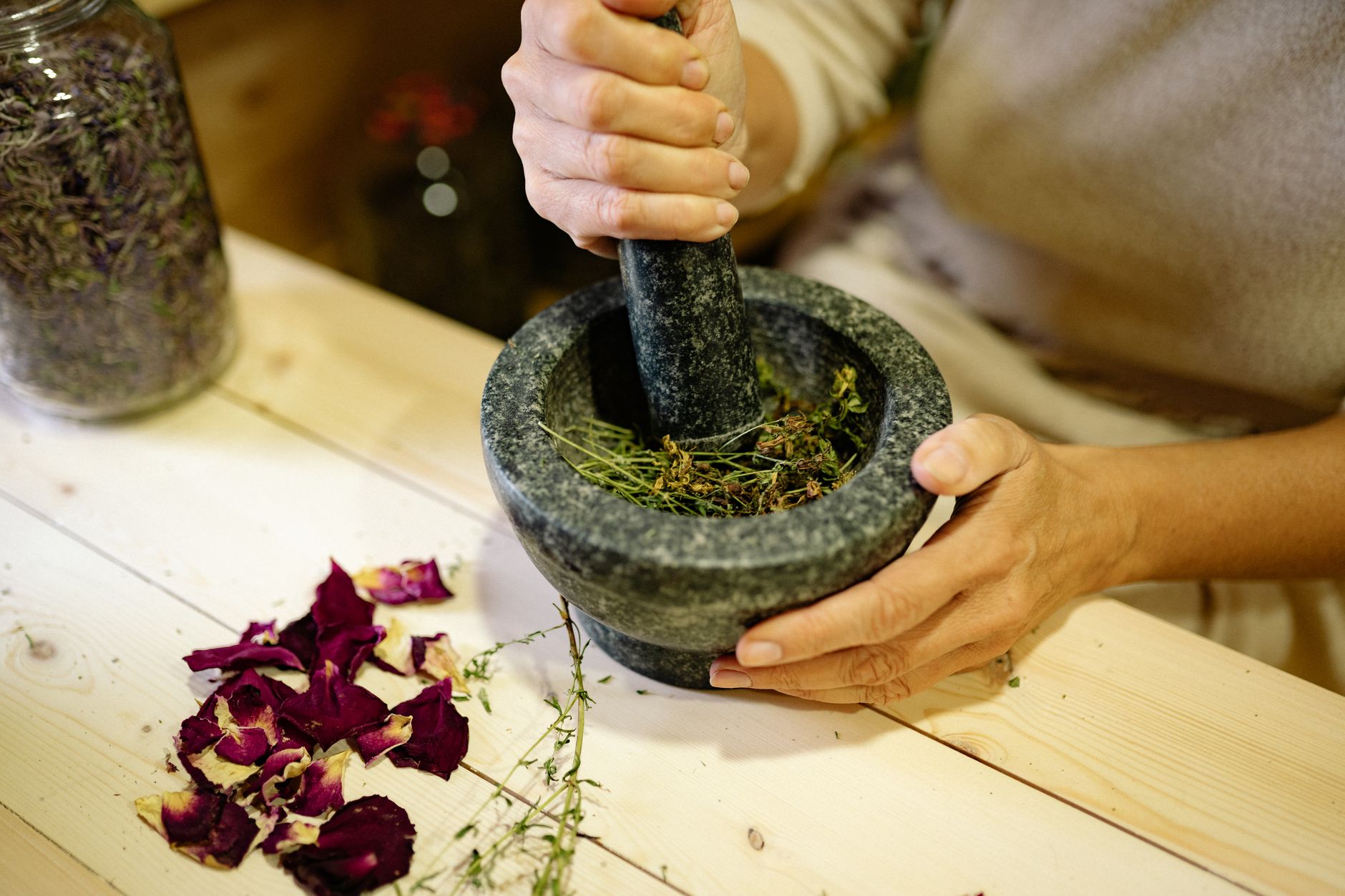
The Ultimate Guide to Schisandra Berries: Health Benefits and Uses

Schisandra Berries: Unveiling the Holistic Health Benefits of the “Five-Flavor Fruit”

In the vast tapestry of botanical medicine, certain plants stand out for their profound and multifaceted therapeutic properties. Among these revered botanicals, Schisandra berries, derived from the woody vine Schisandra chinensis, command immense respect. Often dubbed the “five-flavor fruit” (Wu Wei Zi in Traditional Chinese Medicine, or TCM) due to its unique taste profile encompassing sweet, sour, pungent, bitter, and salty notes, Schisandra has been cherished for centuries as a potent adaptogen and a cornerstone of holistic wellness. This exhaustive guide delves deep into the remarkable health benefits offered by Schisandra berries, exploring their rich historical context, intricate chemical composition, and the scientific mechanisms underpinning their widespread acclaim.

A Journey Through Time: The Historical Roots of Schisandra in Traditional Medicine

The legacy of Schisandra berries stretches back thousands of years, primarily rooted in the ancient pharmacopeia of Traditional Chinese Medicine. Its earliest documented use dates back to the Han Dynasty (206 BC – 220 AD), where it was revered as a superior tonic herb, meaning it was considered safe for long-term use and believed to promote overall health and longevity without specific side effects. TCM practitioners traditionally classified Wu Wei Zi as a herb that enters all five meridians and harmonizes all five elements, signifying its comprehensive impact on the body’s major organ systems.

Historically, Schisandra was prescribed for a myriad of conditions, ranging from promoting physical stamina and mental acuity to enhancing sexual function, improving vision, and protecting the liver. Daoist masters were particularly fond of it, believing it to be a powerful tonic for vitality, mental clarity, and spiritual cultivation, often consumed to “calm the heart and quiet the spirit.” Its adaptogenic qualities, though not termed such until the mid-20th century by Soviet scientists, were intuitively understood and utilized to help the body resist the effects of stress and maintain physiological balance.

Botanical Profile: Understanding Schisandra chinensis

Schisandra chinensis is a deciduous, woody vine belonging to the Schisandraceae family. Native to forests across Northern China, Eastern Russia, and Korea, it thrives in temperate climates. The plant is characterized by its small, vibrant red berries that grow in clusters, often resembling currants. These berries are the primary medicinal part of the plant, rich in bioactive compounds that contribute to their extensive health benefits.

The vine itself can grow quite vigorously, twining around other plants or structures, and produces small, fragrant white or pinkish flowers before the berries mature in late summer to early autumn. The berries are typically harvested when fully ripe, then dried for various medicinal preparations. Understanding the plant’s natural habitat and growth cycle helps appreciate the intricate biochemical processes that develop within these small, powerful fruits.

Schisandra Berries Botanical Photo

The Chemical Symphony: Bioactive Compounds in Schisandra Berries

The remarkable therapeutic properties of Schisandra berries are primarily attributed to their complex phytochemical profile. The most extensively studied and pharmacologically active constituents are a group of lignans, specifically dibenzocyclooctadiene lignans, which include schisandrin, gomisin A, deoxyschisandrin, γ-schisandrin, schisantherin A, and schisandrol A and B. These compounds are largely responsible for Schisandra’s adaptogenic, hepatoprotective, and neuroprotective effects.

Beyond lignans, Schisandra berries also contain a diverse array of other beneficial compounds, including triterpenoids (such as schisandronic acid), essential oils (rich in alpha-pinene, beta-pinene, and myrcene), polysaccharides, flavonoids, vitamins (especially Vitamin C and E), and various minerals. Each of these components, individually and synergistically, contributes to the berry’s profound impact on human health. The unique combination of these compounds creates a holistic synergy that often surpasses the effects of isolated components, a testament to the wisdom of whole-plant medicine.

Schisandra Berries Plant Profile

Comprehensive Health Benefits of Schisandra Berries: A Deep Dive

1. The Apex Adaptogen: Stress Resilience and Adrenal Support

Schisandra is heralded as one of the elite adaptogens, a class of natural compounds that help the body adapt to physical, chemical, and biological stress, normalizing physiological functions. Unlike stimulants, adaptogens enhance the body’s non-specific resistance to stress without causing side effects or depleting energy reserves. Schisandra achieves this by modulating the hypothalamic-pituitary-adrenal (HPA) axis, the central regulator of the body’s stress response. It helps to regulate cortisol levels, reducing both the initial spike and prolonged elevation that often accompanies chronic stress. By supporting adrenal function, Schisandra not only helps the body cope more effectively with stressors but also enhances overall resilience, leading to improved mood, reduced anxiety, and a greater sense of calm and well-being. This adaptogenic action extends to improving work performance, reducing mental fatigue, and increasing efficiency in stressful situations.

2. Guardian of the Liver: Hepatoprotection and Detoxification

One of Schisandra’s most well-documented and celebrated benefits is its remarkable ability to protect and enhance liver function. The lignans, particularly schisandrin and gomisin A, are potent hepatoprotective agents. They work by stimulating the activity of enzymes in the liver that are crucial for detoxification, such as glutathione S-transferase. These enzymes play a vital role in phase I and phase II detoxification pathways, which neutralize and eliminate harmful toxins, drugs, and metabolic byproducts from the body. Schisandra helps regenerate liver cells, prevent liver damage from various toxins (including certain chemicals, alcohol, and even some pharmaceuticals), and reduces inflammation within the liver. Studies have shown its efficacy in improving markers of liver health in individuals with liver enzyme elevations, fatty liver disease, and even viral hepatitis, making it a powerful ally for maintaining optimal hepatic health.

3. Sharpening the Mind: Cognitive Enhancement and Neuroprotection

Schisandra’s traditional use for enhancing mental clarity and focus is strongly supported by modern research. Its lignans readily cross the blood-brain barrier, exerting neuroprotective and cognitive-enhancing effects. Schisandra helps improve memory, learning capacity, and concentration by increasing levels of neurotransmitters like acetylcholine and nitric oxide in the brain. It also protects brain cells from oxidative stress and inflammation, which are significant contributors to neurodegenerative diseases. By enhancing cerebral blood flow and oxygen supply to the brain, Schisandra can reduce mental fatigue and improve cognitive performance, particularly under stressful conditions or during periods of prolonged mental exertion. Its ability to calm the nervous system while simultaneously boosting mental energy makes it unique among nootropics.

4. Boosting Stamina and Physical Endurance

Beyond mental acuity, Schisandra is also renowned for its capacity to improve physical performance and reduce fatigue. Its adaptogenic properties allow the body to manage physical stress more effectively, leading to increased endurance and faster recovery times. It supports cellular energy production, particularly in muscle tissues, and helps regulate blood sugar levels, providing a sustained source of energy. This makes Schisandra a popular supplement among athletes and individuals seeking to enhance their vitality and counteract chronic fatigue. By optimizing energy utilization at a cellular level, it helps delay the onset of muscle fatigue and enhances overall physical work capacity.

5. Immune System Modulation and Resilience

Schisandra plays a crucial role in supporting a robust immune system. While it doesn’t directly stimulate the immune system in an overzealous manner, its adaptogenic and antioxidant properties contribute to immune resilience. It helps the body maintain homeostasis, allowing the immune system to function optimally, especially when under stress. By reducing systemic inflammation and protecting cells from oxidative damage, Schisandra creates an environment conducive to a healthy immune response. It has been shown to enhance the production of immune cells and antibodies, making the body more capable of fending off infections and maintaining overall health.

6. Potent Antioxidant and Anti-inflammatory Properties

The rich array of antioxidants within Schisandra berries, especially lignans and various vitamins, makes it a formidable scavenger of free radicals. Free radicals are unstable molecules that can cause oxidative stress, leading to cellular damage and contributing to chronic diseases, aging, and inflammation. Schisandra effectively neutralizes these harmful compounds, protecting cellular integrity and DNA. Furthermore, its anti-inflammatory effects help mitigate chronic inflammation throughout the body, which is a root cause of many modern ailments. By downregulating inflammatory pathways and cytokine production, Schisandra contributes to systemic health and disease prevention.

7. Enhancing Skin Health and Anti-Aging Effects

The antioxidant and anti-inflammatory prowess of Schisandra extends to the realm of dermatological health and anti-aging. By combatting oxidative stress, Schisandra helps protect skin cells from damage caused by UV radiation and environmental pollutants, which are major contributors to premature aging, wrinkles, and skin discoloration. It supports the synthesis of collagen, a vital protein for skin elasticity and firmness, and aids in cellular regeneration. Traditionally used to enhance beauty and maintain a youthful complexion, modern science now provides mechanisms for these long-held beliefs, suggesting its potential in skincare formulations and supplements aimed at promoting healthy, resilient skin.

8. Supporting Reproductive Health and Hormonal Balance

In TCM, Schisandra was often used as a tonic to support reproductive health for both men and women, attributed to its ability to balance hormones and enhance vitality. While research in this area is less extensive than for its other benefits, emerging studies suggest Schisandra may influence endocrine function, potentially supporting healthy hormone levels. For women, it was traditionally used to alleviate symptoms related to menopause and to support libido. For men, it was believed to enhance sexual endurance and vitality. Its general adaptogenic and stress-reducing properties certainly contribute to an environment conducive to hormonal balance and overall reproductive well-being.

Traditional Uses and Modern Preparations of Schisandra

Schisandra berries have been prepared and consumed in various forms throughout history, and these methods continue today, adapted for modern convenience.

Traditionally, the dried berries were (and still are) used to make medicinal teas, decoctions, or tinctures. A decoction typically involves simmering the dried berries in water for an extended period to extract their active compounds. Tinctures are alcohol-based extracts, offering a more concentrated form.

Schisandra Berries Dried Herb

In contemporary settings, Schisandra is widely available in several convenient forms:

  • Dried Berries: For making teas, infusions, or adding to food.
  • Powder: The dried berries are ground into a fine powder, which can be easily added to smoothies, yogurts, or encapsulated.
  • Extracts: Concentrated liquid extracts or tinctures offer a potent and easily absorbable form.
  • Capsules/Tablets: Standardized extracts or powdered berries are encapsulated for precise dosing and convenience, often favored for their ease of use and portability.

Schisandra Berries Capsules

How to Incorporate Schisandra into Your Routine: Practical Usage and Dosage

Integrating Schisandra into your daily wellness regimen can be a rewarding experience. The ideal dosage can vary significantly based on the form of Schisandra, the concentration of active compounds, and individual health goals. It is always advisable to consult with a healthcare professional or an experienced herbalist before starting any new supplement, especially if you have underlying health conditions or are taking other medications.

General guidelines, however, can provide a starting point:

  • Dried Berries (for tea/decoction): Typically, 3-6 grams of dried berries steeped in hot water for 15-20 minutes, or simmered for a longer period, can be consumed once or twice daily.
  • Powder: 1-3 grams (approximately ½ to 1 teaspoon) of Schisandra powder can be mixed into water, juice, smoothies, or food daily.
  • Tinctures/Liquid Extracts: Follow the product-specific instructions, which often range from 20-60 drops (1-3 mL) taken 1-3 times daily.
  • Capsules/Tablets: Dosages for encapsulated extracts typically range from 500 mg to 1500 mg per day, often divided into two or three doses. Look for standardized extracts to ensure consistent levels of active lignans.

Schisandra is generally well-tolerated, and for adaptogenic benefits, it is often recommended for consistent, long-term use. Some individuals may prefer to take it in the morning to benefit from its energy and cognitive-enhancing effects, while others find its calming adaptogenic properties beneficial in the evening to promote restful sleep and stress reduction.

Potential Side Effects and Precautions

While Schisandra is widely considered safe for most people when consumed in appropriate doses, a few precautions should be noted:

  • Gastrointestinal Mild Discomfort: Some individuals may experience mild digestive upset, such as heartburn, stomach upset, or decreased appetite, especially when starting.
  • Drug Interactions: Schisandra may interact with certain medications, particularly those metabolized by the cytochrome P450 enzyme system in the liver (e.g., some blood thinners, immunosuppressants, or sedatives). It’s crucial to consult a doctor if you are on prescription medications.
  • Pregnancy and Lactation: Due to insufficient research, Schisandra is generally not recommended for pregnant or breastfeeding women.
  • Specific Conditions: Individuals with gastroesophageal reflux disease (GERD), ulcers, or epilepsy should exercise caution or avoid Schisandra due to its potential to exacerbate these conditions in some cases.

Always source Schisandra from reputable suppliers to ensure purity and potency, free from contaminants.

Conclusion: Schisandra – A Quintessential Tonic for Modern Wellness

Schisandra berries stand as a testament to nature’s profound capacity to provide holistic healing and support. From its revered status in ancient Chinese medicine to its modern recognition as a powerful adaptogen, this “five-flavor fruit” offers a comprehensive suite of health benefits. Its unique blend of lignans and other bioactive compounds delivers unparalleled support for stress resilience, liver detoxification, cognitive function, physical endurance, and immune modulation. As the demands of contemporary life continue to escalate, the need for natural solutions that foster balance, vitality, and systemic well-being becomes ever more critical. Schisandra berries emerge as an invaluable asset in this pursuit, offering a bridge between ancient wisdom and modern scientific understanding, truly embodying the essence of a quintessential tonic for overall health and longevity.

Schisandra Berries Natural Herb

Disclaimer: For informational purposes only. Not medical advice. Consult a qualified healthcare professional before use.
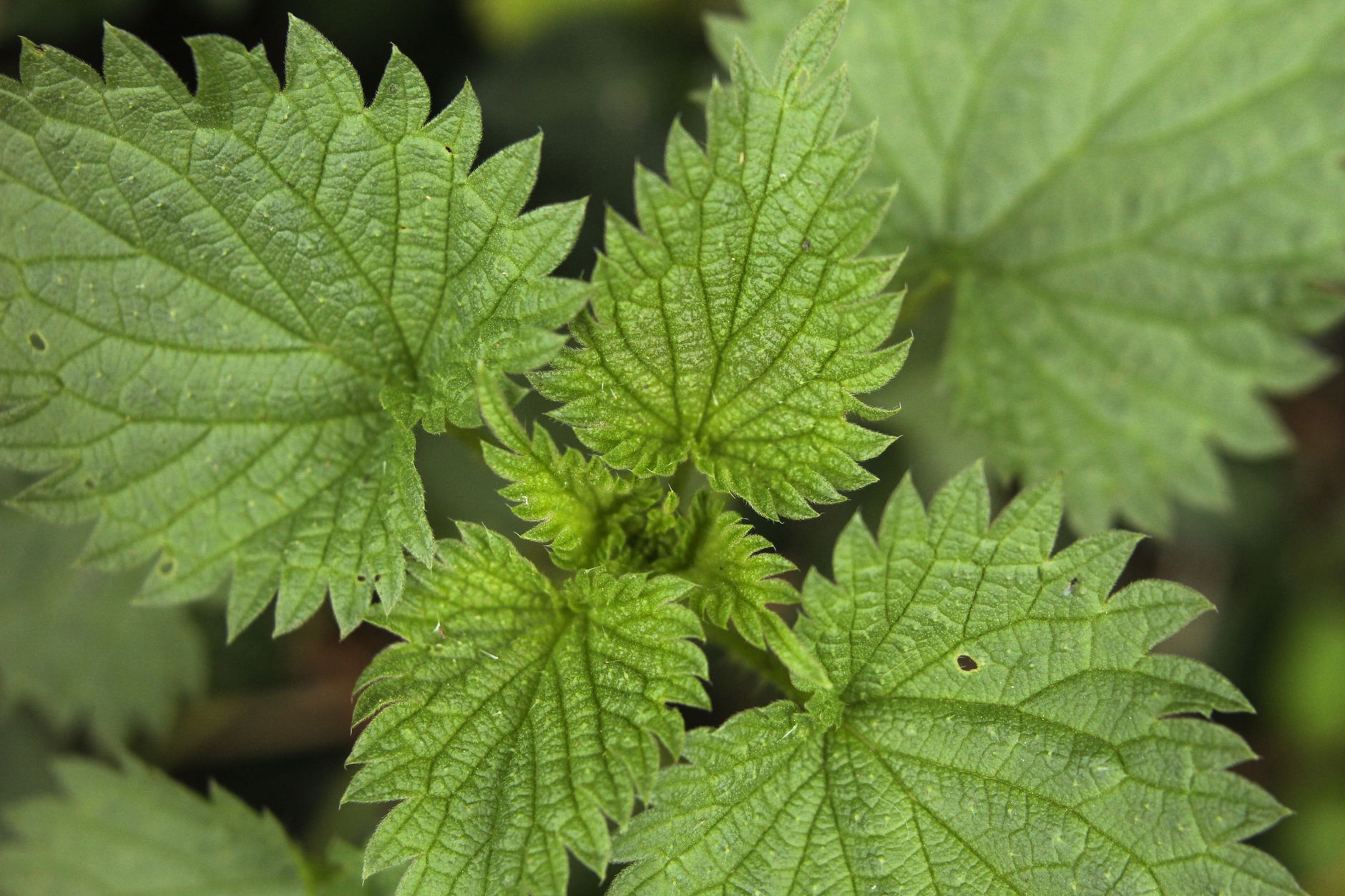
The Ultimate Guide to Marsh Labrador Herb / Ledum Palustre: Health Benefits and Uses

The Profound Health Benefits of Marsh Labrador Herb (*Rhododendron tomentosum*): A Definitive Deep Dive

In the vast tapestry of traditional herbal medicine, certain plants stand out for their enduring legacy and remarkable array of therapeutic properties. Among these is the Marsh Labrador Herb, scientifically known as Rhododendron tomentosum, formerly *Ledum palustre*. This unassuming evergreen shrub, native to the cold, boggy landscapes of the Northern Hemisphere, has been a cornerstone of indigenous healing practices for centuries. Revered by various cultures for its potent medicinal qualities, Marsh Labrador Herb offers a spectrum of health benefits ranging from powerful anti-inflammatory and antioxidant actions to significant respiratory and immune support. This exhaustive guide delves into the botanical nuances, rich historical context, intricate chemical composition, and diverse therapeutic applications of this extraordinary herb, providing a comprehensive resource for enthusiasts, practitioners, and those seeking natural wellness solutions.

Botanical Profile and Historical Roots of Marsh Labrador Herb

Rhododendron tomentosum, often referred to as Marsh Labrador Tea, Wild Rosemary, or Bog Rosemary, is a resilient shrub belonging to the Ericaceae family. It thrives in challenging environments such as peat bogs, marshlands, and damp coniferous forests across northern North America, Europe, and Asia. The plant is characterized by its leathery, dark green leaves, which are typically rolled at the edges and covered with a distinctive reddish-brown woolly pubescence on their undersides. Its small, fragrant white flowers bloom in clusters during late spring to early summer, releasing a pungent, resinous aroma that hints at its potent chemical makeup.

The historical use of Marsh Labrador Herb is deeply embedded in the traditions of numerous indigenous peoples. Native American tribes, particularly in the northern regions, utilized it extensively for a variety of ailments, often brewing its leaves into a medicinal tea to alleviate respiratory complaints, fevers, and aches. The Sami people of Scandinavia, along with various Siberian ethnic groups, similarly prized the herb for its ability to combat colds, soothe sore throats, and provide relief from rheumatic pain. Beyond medicine, its strong aroma made it a valuable insect repellent, and some cultures even used it in brewing alcoholic beverages due to its distinctive flavor profile. This long history of practical application underscores its cultural significance and provides a testament to its efficacy long before modern scientific inquiry began to unravel its chemical secrets.

Marsh Labrador Herb / Ledum Palustre Botanical Photo

The Bioactive Arsenal: Key Chemical Constituents

The therapeutic prowess of Marsh Labrador Herb stems from its complex array of bioactive compounds, predominantly concentrated in its essential oil and flavonoid fractions. Understanding these constituents is crucial for appreciating the herb’s multifaceted health benefits. The synergy among these compounds often results in a more potent effect than any single isolated component could achieve.

Essential Oils: The Aromatic Powerhouses

The essential oil of *Rhododendron tomentosum* is particularly rich and is the primary driver of many of its pharmacological actions. Key components include:

  • Ledol: A sesquiterpene alcohol, Ledol is one of the most characteristic compounds of Marsh Labrador Herb. It contributes significantly to the herb’s anti-inflammatory, analgesic, and antimicrobial properties. However, it is also associated with potential toxicity in high doses, underscoring the need for careful usage.
  • Palustrol: Another prominent sesquiterpene alcohol, Palustrol works in concert with Ledol, enhancing the anti-inflammatory and antiseptic effects. Research suggests its involvement in modulating immune responses.
  • Cymene and Limonene: Monoterpenes known for their pleasant aroma and recognized for their carminative, antiseptic, and anti-inflammatory attributes. Limonene, in particular, has been studied for its potential anxiolytic and anti-cancer properties.
  • Sabinene and Myrcene: Other monoterpenes contributing to the herb’s distinct scent. Sabinene offers antimicrobial and antioxidant benefits, while Myrcene is noted for its analgesic and anti-inflammatory effects.
  • Terpinen-4-ol: This compound is a powerful antimicrobial and anti-inflammatory agent, often found in tea tree oil, indicating a broad spectrum of antiseptic activity in Marsh Labrador Herb.

Flavonoids: Antioxidant and Anti-inflammatory Guardians

Beyond the essential oils, Marsh Labrador Herb is a rich source of flavonoids, plant pigments known for their robust antioxidant and anti-inflammatory capabilities:

  • Quercetin: A widely studied flavonoid with potent antioxidant and anti-inflammatory effects. It helps stabilize mast cells, potentially reducing allergic reactions, and supports cardiovascular health.
  • Rutin: A glycoside of quercetin, Rutin enhances the activity of Vitamin C and exhibits strong antioxidant, anti-inflammatory, and venotonic (vein-strengthening) properties.
  • Kaempferol: Another powerful flavonoid with significant antioxidant and anti-inflammatory actions, also being investigated for potential anti-cancer effects.

These flavonoids work by scavenging free radicals, inhibiting oxidative stress, and modulating inflammatory pathways, thereby contributing to the herb’s overall protective and healing properties.

Other Compounds

The plant also contains tannins, which impart astringent properties useful in wound healing and reducing inflammation, as well as various organic acids and coumarins that may contribute to its complex pharmacological profile.

Marsh Labrador Herb / Ledum Palustre Plant Profile

Comprehensive Health Benefits of Marsh Labrador Herb

The diverse chemical composition of *Rhododendron tomentosum* translates into a wide array of health benefits, validated by both traditional use and an increasing body of scientific research.

1. Potent Anti-inflammatory Action

One of the most celebrated attributes of Marsh Labrador Herb is its profound anti-inflammatory capacity. The essential oils, particularly Ledol and Palustrol, along with the rich flavonoid content (quercetin, rutin), work synergistically to suppress inflammatory responses. These compounds interfere with various inflammatory pathways, including the inhibition of cyclooxygenase (COX) and lipoxygenase (LOX) enzymes, which are crucial in the synthesis of pro-inflammatory mediators like prostaglandins and leukotrienes. Furthermore, they can modulate the production of inflammatory cytokines such as TNF-alpha and interleukins. This comprehensive anti-inflammatory effect makes Marsh Labrador Herb a valuable ally in managing conditions characterized by chronic inflammation, such as arthritis, rheumatism, and inflammatory skin disorders, offering natural relief from pain and swelling without the typical side effects associated with conventional anti-inflammatory drugs.

2. Robust Antioxidant Protection

The plant’s high concentration of flavonoids and other phenolic compounds endows it with exceptional antioxidant properties. Antioxidants are vital for neutralizing free radicals, unstable molecules that cause oxidative stress, leading to cellular damage, accelerated aging, and the development of chronic diseases like cardiovascular disease, neurodegenerative disorders, and certain cancers. By effectively scavenging these free radicals, Marsh Labrador Herb helps protect cellular integrity, supports DNA repair mechanisms, and reinforces the body’s natural defense systems. This cellular protection is fundamental for maintaining overall health and promoting longevity, making it a powerful natural tool in the fight against oxidative damage.

3. Respiratory System Support

Marsh Labrador Herb has a long-standing reputation as a respiratory aid, particularly effective in alleviating symptoms of colds, flu, bronchitis, and asthma. Its essential oil components act as expectorants, helping to thin and expel mucus from the respiratory passages, thereby clearing congestion and facilitating easier breathing. The bronchodilator effects attributed to some of its constituents can help relax the smooth muscles of the airways, making it beneficial for those experiencing bronchospasm. Furthermore, its anti-inflammatory properties can reduce irritation and swelling in the bronchial tubes, soothing persistent coughs and sore throats. Traditional preparations often involved inhaling the vapors or drinking teas made from the leaves to leverage these respiratory benefits.

4. Antimicrobial and Antifungal Efficacy

The essential oil of *Rhododendron tomentosum* exhibits significant antimicrobial and antifungal activity against a range of pathogens. Compounds like terpinen-4-ol, cymene, and sabinene have demonstrated the ability to inhibit the growth of various bacteria and fungi. This makes the herb potentially useful for both internal and topical applications. Traditionally, it was used to treat minor wounds and skin infections, where its antiseptic qualities could prevent infection and promote healing. In modern contexts, its essential oil can be diffused to purify indoor air or incorporated into natural cleaning products, leveraging its broad-spectrum antimicrobial action.

5. Natural Analgesic (Pain Relief) Properties

Beyond its anti-inflammatory effects, Marsh Labrador Herb possesses direct analgesic qualities. While much of its pain-relieving action is secondary to its ability to reduce inflammation, some components may also interact with pain receptors or pathways in the nervous system. This makes it a traditional remedy for muscle aches, joint pain, headaches, and general discomfort. The synergistic action of its various compounds means that the herb can offer a holistic approach to pain management, addressing both the underlying inflammation and the symptomatic pain perception.

6. Diuretic and Detoxifying Benefits

Historically, Marsh Labrador Herb has been used as a diuretic, promoting increased urine production. This action can be beneficial for reducing fluid retention (edema) and assisting the body in expelling toxins through the urinary system. By supporting kidney function and enhancing the elimination of waste products, the herb contributes to the body’s natural detoxification processes, which can lead to improved overall vitality and cellular health. This detoxifying effect, combined with its anti-inflammatory properties, can indirectly support various metabolic functions.

7. Immune System Modulation

Emerging research suggests that Marsh Labrador Herb may also play a role in modulating the immune system. Its antioxidant and anti-inflammatory compounds can help balance immune responses, preventing both overactive and underactive immunity. While not a direct immune stimulant, its ability to reduce systemic inflammation and protect cells from oxidative stress contributes to a more robust and resilient immune system, enhancing the body’s natural ability to ward off infections and maintain health.

8. Topical Applications for Skin Health and Insect Repellency

Applied topically, Marsh Labrador Herb can soothe various skin irritations, thanks to its anti-inflammatory and antiseptic properties. It has been used traditionally in poultices for wounds, burns, insect bites, and eczema. Furthermore, the strong, distinctive aroma of its essential oil, rich in terpenes, makes it an effective natural insect repellent. Indigenous peoples often hung branches of the plant in their dwellings or rubbed leaves on their skin to deter mosquitoes and other biting insects, a practice still relevant in natural pest control today.

Marsh Labrador Herb / Ledum Palustre Dried Herb

Traditional Usage and Modern Preparations

The versatility of Marsh Labrador Herb has led to various methods of preparation and administration throughout history and into modern times. Understanding these applications is key to safely and effectively harnessing its benefits.

Traditional Preparations:

  • Teas and Infusions: The most common traditional method involves steeping dried leaves and twigs in hot water to create a medicinal tea. This was typically consumed for respiratory issues, fevers, and general wellness.
  • Poultices and Compresses: Crushed fresh or rehydrated dried leaves were applied directly to the skin to treat wounds, bruises, and inflammatory conditions like rheumatism.
  • Smokes: Some indigenous groups historically used the dried leaves in ceremonial smokes or inhaled the smoke for respiratory relief, though this practice is less common and carries different risks.

Modern Applications:

  • Herbal Teas: Still a popular method, using properly dried and processed leaves. For an infusion, typically 1-2 teaspoons of dried herb per cup of hot water, steeped for 5-10 minutes. It’s important to start with lower doses and observe reactions due to the herb’s potency.
  • Tinctures: Alcohol-based extracts offer a more concentrated form, allowing for precise dosing. Tinctures are usually taken orally, diluted in water, following recommended dosages on product labels or practitioner advice.
  • Essential Oil: The highly concentrated essential oil is primarily used for external applications like topical rubs (diluted in a carrier oil for pain relief or insect repellency) or diffusion for respiratory benefits and air purification. It is *critically important* to use Marsh Labrador essential oil with extreme caution. Due to the high concentration of Ledol, internal consumption of undiluted essential oil is generally not recommended and can be toxic. Even topical application requires proper dilution.

Marsh Labrador Herb / Ledum Palustre Capsules

  • Capsules and Supplements: For convenience and standardized dosing, Marsh Labrador Herb is available in capsule form. These supplements often contain powdered dried herb or extracts, offering a controlled way to incorporate the herb into a daily regimen. When choosing supplements, look for reputable brands that provide clear information on sourcing, processing, and concentration to ensure quality and safety.

Precautions, Side Effects, and Contraindications

While Marsh Labrador Herb offers significant health benefits, it is crucial to approach its use with respect and caution. The presence of potent compounds like Ledol means that indiscriminate or excessive consumption can lead to adverse effects.

  • Toxicity: High doses of Marsh Labrador Herb, particularly its essential oil, can be toxic. Symptoms of overdose may include nausea, vomiting, dizziness, drowsiness, confusion, and in severe cases, even paralysis or convulsions. Always adhere to recommended dosages and consult with a healthcare professional or experienced herbalist before use.
  • Pregnancy and Breastfeeding: Due to insufficient research on its safety during pregnancy and lactation, Marsh Labrador Herb is generally contraindicated for pregnant and breastfeeding women.
  • Children: Its use in children should be approached with extreme caution and only under professional guidance due to their increased sensitivity to potent compounds.
  • Liver and Kidney Conditions: Individuals with pre-existing liver or kidney diseases should avoid this herb or use it only under strict medical supervision, as these organs are responsible for processing and eliminating herbal constituents.
  • Drug Interactions: Marsh Labrador Herb may interact with certain medications, particularly those affecting the central nervous system, blood thinners, or drugs metabolized by the liver. Always consult a healthcare provider before combining this herb with prescription medications.
  • Allergic Reactions: As with any botanical, allergic reactions are possible, manifesting as skin rashes, itching, or respiratory distress. Discontinue use if such symptoms occur.
  • Sourcing: Given the potential for toxicity and the importance of proper identification, it is vital to source Marsh Labrador Herb from reputable suppliers who can guarantee purity and proper species identification. Wild harvesting should only be done by knowledgeable individuals to avoid mistaken identity with similar-looking but toxic plants.

Marsh Labrador Herb / Ledum Palustre Natural Herb

Conclusion: Marsh Labrador Herb – A Bridge Between Tradition and Modern Wellness

The Marsh Labrador Herb, *Rhododendron tomentosum*, represents a compelling intersection of rich historical reverence and promising modern scientific inquiry. Its potent blend of essential oils and flavonoids provides a formidable array of health benefits, ranging from profound anti-inflammatory and antioxidant activities to comprehensive respiratory support, antimicrobial protection, and natural pain relief. For centuries, it has served as a testament to the healing power of nature in the harshest of environments, cherished by indigenous cultures who understood its profound capabilities.

As we continue to explore the vast potential of botanical medicine, Marsh Labrador Herb stands out as an herb deserving of continued attention and careful study. While its benefits are undeniable, particularly in areas of inflammation, oxidative stress, and respiratory health, its potent nature necessitates respectful and informed usage. Always prioritizing proper dosage, professional guidance, and responsible sourcing is paramount to safely harnessing the remarkable therapeutic qualities of this unique and powerful plant. By doing so, we can ensure that the Marsh Labrador Herb continues to contribute significantly to holistic health and wellness in our contemporary world, bridging ancient wisdom with modern understanding for generations to come.

Disclaimer: For informational purposes only. Not medical advice. Consult a qualified healthcare professional before use.
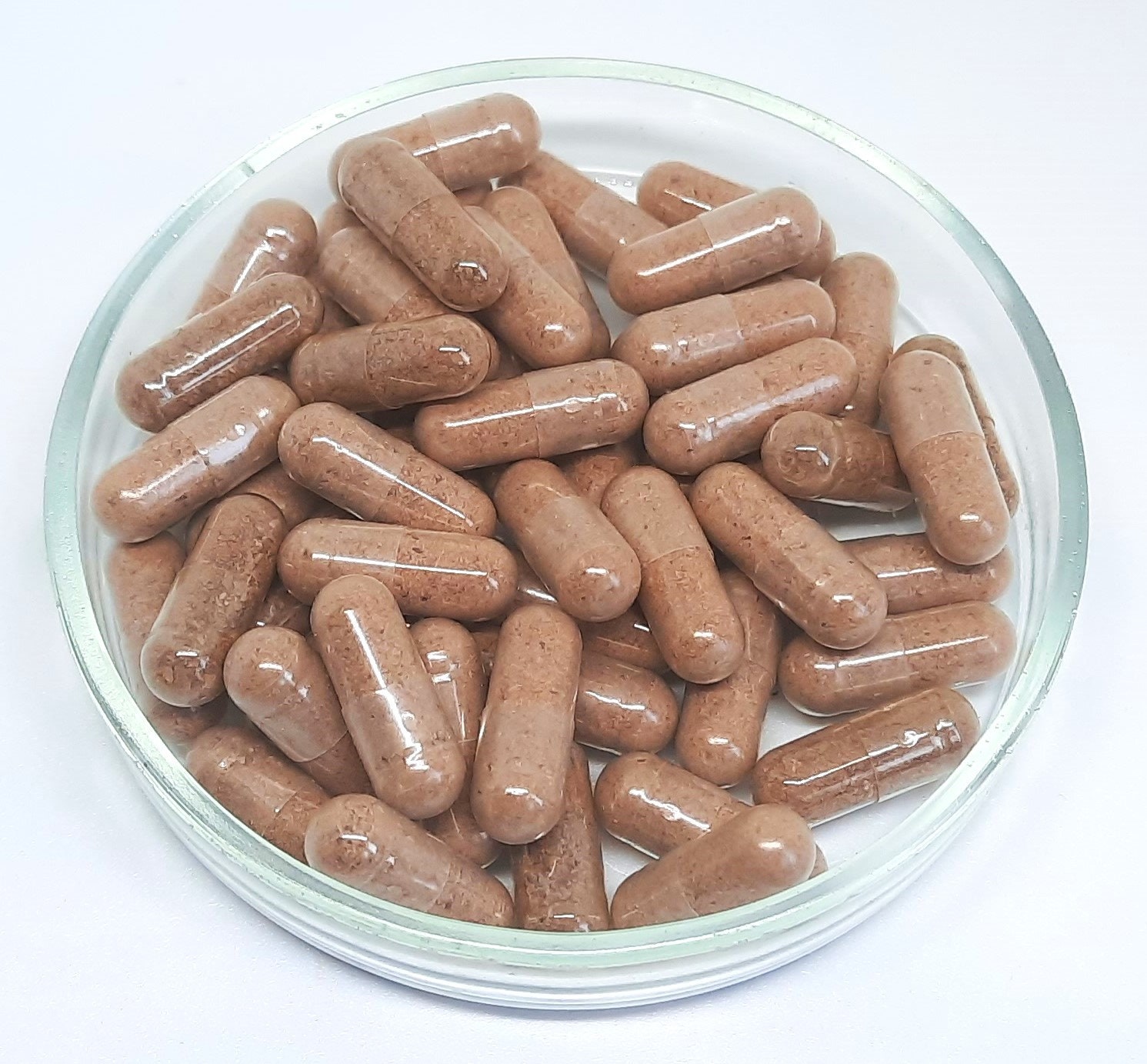
The Ultimate Guide to Sweet Wormwood: Health Benefits and Uses

Unveiling the Ancient Power: A Definitive Deep Dive into the Health Benefits of Sweet Wormwood (Artemisia annua)

In the vast tapestry of botanical medicine, few plants boast a history as profound and a scientific validation as compelling as Sweet Wormwood, scientifically known as *Artemisia annua*. Revered for millennia in traditional healing systems and now a subject of intense modern scientific scrutiny, this unassuming herb holds a rich array of bioactive compounds that offer a spectrum of remarkable health benefits. From its celebrated role as a potent antimalarial agent to its emerging potential in combating various cancers and inflammatory conditions, Sweet Wormwood stands as a testament to nature’s profound pharmacy. This exhaustive guide delves into the intricate world of *Artemisia annua*, exploring its botanical origins, historical significance, complex chemical composition, diverse health applications, and practical considerations for its use.

Botanical Profile and Epochal Historical Significance

*Artemisia annua*, commonly known as Sweet Wormwood, Sweet Annie, or Annual Wormwood, is a member of the Asteraceae family, which also includes daisies and sunflowers. Native to temperate Asia, particularly China, it is an herbaceous annual plant characterized by its fern-like, deeply dissected leaves and small, yellowish flower heads. The plant emits a distinctive, camphoraceous aroma, particularly when its leaves are crushed, which is a key identifying feature and hints at its rich volatile oil content. It typically grows to a height of 30 to 100 cm, though some cultivated varieties can reach over 2 meters, flourishing in sunny, well-drained conditions.

The history of Sweet Wormwood is inextricably linked with Traditional Chinese Medicine (TCM), where it is known as *Qinghao*. Its medicinal properties were first documented over two millennia ago in the “Fifty-two Prescriptions” (Wushi’er Bingfang), a medical text unearthed from the Mawangdui Han tombs, dating back to 168 BCE. Early texts described its use for hemorrhoids and, significantly, for fevers, including those associated with malaria. Ge Hong, a prominent alchemist and physician from the 4th century CE, further detailed its use for intermittent fevers in his work “Zhou Hou Bei Ji Fang” (A Handbook of Prescriptions for Emergencies), noting that a decoction of *Qinghao* provided relief. However, the true efficacy of the herb against malaria was dramatically rediscovered and isolated in the 20th century, leading to one of the most significant breakthroughs in modern pharmacology. This long and distinguished history underscores its enduring value as a therapeutic agent, bridging ancient wisdom with contemporary scientific understanding.

Sweet Wormwood Botanical Photo

The Science Behind the Herb: A Symphony of Bioactive Compounds

The remarkable therapeutic efficacy of Sweet Wormwood stems from its intricate chemical composition, a veritable pharmacopeia of compounds working in concert. While one compound, artemisinin, has garnered global recognition, the plant’s full spectrum of benefits is attributed to a synergistic interplay of various secondary metabolites.

Artemisinin: The Antimalarial Miracle

The most celebrated compound in *Artemisia annua* is artemisinin, a sesquiterpene lactone. Its discovery in the 1970s by Chinese scientist Tu Youyou, who later received the Nobel Prize in Medicine, revolutionized malaria treatment. Artemisinin’s mechanism of action against the malaria parasite, *Plasmodium falciparum*, is unique and highly effective. The parasite, particularly in its blood stages, digests hemoglobin, releasing heme, which contains iron. Artemisinin contains an unusual endoperoxide bridge (a three-oxygen ring). When this bridge comes into contact with ferrous iron (Fe2+), such as that released by the parasite, a chemical reaction occurs, generating highly reactive free radicals. These free radicals then alkylate and damage key parasitic proteins, membranes, and cellular structures, leading to rapid parasite death. This iron-dependent activation makes artemisinin selectively toxic to the parasite, which accumulates high levels of iron, while sparing host cells to a greater extent. Artemisinin-based combination therapies (ACTs) are now the first-line treatment for uncomplicated *P. falciparum* malaria worldwide.

Sweet Wormwood Plant Profile

Beyond Artemisinin: A Rich Phytochemical Profile

While artemisinin is the superstar, Sweet Wormwood contains hundreds of other compounds that contribute to its overall therapeutic profile:

* **Flavonoids:** These polyphenolic compounds, including quercetin, rutin, luteolin, and apigenin, are renowned for their potent antioxidant, anti-inflammatory, and immunomodulatory activities. They can scavenge free radicals, inhibit lipid peroxidation, and modulate cellular signaling pathways involved in inflammation (e.g., NF-κB pathway). In the context of malaria, flavonoids may also enhance the efficacy of artemisinin and inhibit parasite growth through different mechanisms.
* **Coumarins:** Compounds like scopoletin and esculetin possess anti-inflammatory, antimicrobial, and anticoagulant properties. They contribute to the plant’s overall protective effects.
* **Terpenes and Essential Oils:** The plant’s characteristic aroma comes from its volatile essential oil, rich in compounds such as artemisia ketone, camphor, pinene, and cineole. These compounds exhibit antimicrobial, insecticidal, and anti-inflammatory properties, contributing to the plant’s traditional uses and overall therapeutic actions.
* **Phenolic Acids:** Caffeic acid and chlorogenic acid are examples of phenolic acids found in *Artemisia annua*, contributing to its antioxidant and anti-inflammatory capabilities.
* **Other Sesquiterpenes:** Besides artemisinin, other sesquiterpene lactones are present, some of which may also possess mild antiparasitic or anti-inflammatory effects.

The combined action of these diverse phytochemicals creates a holistic therapeutic effect that is often more profound and multifaceted than any single isolated compound, showcasing the power of phytocomplexity.

Key Health Benefits: An In-depth Exploration

The multifaceted chemical composition of Sweet Wormwood translates into an impressive array of health benefits that extend far beyond its antimalarial fame.

1. Unrivaled Antimalarial Efficacy

As previously detailed, artemisinin and its derivatives (artesunate, artemether, dihydroartemisinin) are cornerstones of global malaria treatment. They are characterized by rapid action, quickly reducing parasite load and alleviating symptoms. ACTs are crucial for managing drug-resistant strains of *Plasmodium falciparum*. The synergistic effects of other compounds in the whole plant extract are also being investigated, with some research suggesting that the complete extract may offer benefits beyond isolated artemisinin, potentially reducing the risk of resistance development and providing broader therapeutic action. This makes *Artemisia annua* a critical resource in the ongoing fight against malaria, a disease that still claims hundreds of thousands of lives annually.

2. Promising Anti-Cancer Properties

Emerging research has shed light on Sweet Wormwood’s remarkable potential in the realm of oncology, primarily driven by artemisinin but also enhanced by other compounds. The anti-cancer mechanism of artemisinin is strikingly similar to its antimalarial action, hinging on its iron-dependent activation. Cancer cells, particularly aggressive ones, often exhibit a higher uptake and accumulation of iron compared to healthy cells, a phenomenon known as the “Warburg effect” and driven by their rapid proliferation. This elevated iron content makes cancer cells particularly susceptible to artemisinin.

Upon entering cancer cells, artemisinin reacts with intracellular iron, generating a burst of reactive oxygen species (ROS) and free radicals. This oxidative stress damages mitochondria, DNA, and proteins within the cancer cell, ultimately leading to apoptosis (programmed cell death). Studies have shown artemisinin and its derivatives to be effective against a range of cancer cell lines *in vitro* and *in vivo*, including those of breast, colon, lung, prostate, ovarian, and leukemia. Furthermore, artemisinin has been observed to inhibit angiogenesis (the formation of new blood vessels that feed tumors), block cell cycle progression, and suppress metastasis. While these findings are highly promising, most studies are preclinical, and human clinical trials are still needed to establish safe and effective protocols for cancer treatment.

3. Potent Anti-inflammatory and Immunomodulatory Effects

Chronic inflammation is a root cause of numerous diseases, including autoimmune disorders, cardiovascular disease, and neurodegenerative conditions. Sweet Wormwood possesses significant anti-inflammatory and immunomodulatory properties, largely attributed to its flavonoid content (quercetin, luteolin) and other phenolic compounds. These compounds can:

* **Inhibit pro-inflammatory cytokines:** They can suppress the production of inflammatory mediators such as TNF-α, IL-1β, and IL-6, which are key drivers of inflammation.
* **Modulate NF-κB pathway:** Flavonoids can interfere with the NF-κB signaling pathway, a central regulator of immune responses and inflammation. By inhibiting NF-κB activation, they can reduce the expression of genes involved in inflammatory processes.
* **Scavenge free radicals:** Their antioxidant activity reduces oxidative stress, which is often a precursor and perpetuator of inflammation.
* **Impact autoimmune conditions:** Preliminary research suggests potential benefits in conditions like Crohn’s disease and rheumatoid arthritis, where modulating immune responses and reducing inflammation are crucial. For example, some studies indicate *Artemisia annua* extract can help maintain remission in Crohn’s patients, possibly due to its anti-inflammatory and gut-healing properties.

4. Broad-Spectrum Antimicrobial and Antiparasitic Actions

Beyond malaria, Sweet Wormwood exhibits a wide range of antimicrobial and antiparasitic activities.

* **Other Parasites:** Artemisinin and other compounds in the plant have shown efficacy against various other parasites, including:
* *Leishmania spp.* (causing leishmaniasis)
* *Toxoplasma gondii* (causing toxoplasmosis)
* *Schistosoma spp.* (causing schistosomiasis)
* Certain intestinal worms.
The mechanisms often involve disruption of parasitic metabolism, membrane integrity, or DNA synthesis.
* **Antibacterial Properties:** Extracts of *Artemisia annua* have demonstrated activity against several bacteria, including some multidrug-resistant strains. This is thought to be due to a combination of compounds, including essential oils and flavonoids, which can disrupt bacterial cell walls, inhibit enzyme activity, or interfere with bacterial communication (quorum sensing).
* **Antifungal Activity:** The plant has also shown inhibitory effects against various fungi, including some *Candida* species, suggesting its potential in managing fungal infections.

Sweet Wormwood Dried Herb

5. Digestive Health and Gut Support

Traditional uses of Sweet Wormwood often include digestive support. Its bitter compounds stimulate digestive juices, including bile and gastric acid, which can improve digestion and nutrient absorption. This choleretic effect can be beneficial for those with sluggish digestion or mild liver congestion. Furthermore, its antimicrobial properties may help balance gut microbiota, potentially alleviating symptoms of conditions like Small Intestinal Bacterial Overgrowth (SIBO) or dysbiosis. The anti-inflammatory actions also contribute to a healthier gut lining, offering potential relief for conditions like Irritable Bowel Syndrome (IBS) or inflammatory bowel diseases.

6. Potent Antioxidant Activity

The rich cocktail of flavonoids, phenolic acids, and other phytochemicals within Sweet Wormwood endows it with significant antioxidant capabilities. These compounds actively neutralize free radicals, unstable molecules that can cause oxidative damage to cells, proteins, and DNA, contributing to aging and chronic diseases. By reducing oxidative stress, Sweet Wormwood helps protect cellular integrity and supports overall health, potentially reducing the risk of age-related diseases and supporting detoxification pathways.

Forms of Sweet Wormwood and Practical Usage

Sweet Wormwood is available in various forms, each offering distinct advantages and considerations for use.

Dried Herb for Traditional Preparations

The dried aerial parts of *Artemisia annua* are commonly used to prepare infusions (teas) and decoctions. For a traditional tea, approximately 1-2 teaspoons of dried herb can be steeped in hot water for 5-10 minutes. This method allows for the extraction of water-soluble compounds, including some artemisinin (though its solubility is limited in water) and many of the beneficial flavonoids and phenolic acids. Tinctures, which involve steeping the herb in alcohol, are another traditional method that can extract a broader spectrum of compounds, including more lipophilic (fat-soluble) ones like artemisinin. Traditional uses often involve consuming the tea or tincture for general wellness, digestive aid, or as a support during feverish conditions.

Standardized Extracts and Capsules

For more precise dosing and higher concentrations of active compounds, particularly artemisinin, standardized extracts and capsules are widely available. These supplements typically contain a guaranteed percentage of artemisinin, ranging from 90% to 98% purity. Capsules offer convenience and bypass the bitter taste of the raw herb. They are frequently chosen for targeted therapeutic uses, such as supporting protocols for parasitic infections (including malaria prophylaxis in some contexts, though professional guidance is crucial) or as part of complementary cancer support strategies. When selecting capsules, it is vital to choose reputable brands that provide third-party testing for purity and potency to ensure product quality and efficacy.

Sweet Wormwood Capsules

Essential Oil for Topical Applications (with Caution)

The essential oil of *Artemisia annua* is rich in volatile terpenes and possesses a strong, characteristic aroma. While it exhibits antimicrobial and insecticidal properties, it is generally not recommended for internal consumption due to its potency and potential toxicity. It may be used topically, highly diluted, for insect repellent purposes or in aromatherapy, but extreme caution is advised, and consultation with a qualified aromatherapist is recommended due to potential skin irritation or sensitization.

Dosage, Safety, and Precautions: Navigating Responsible Use

Despite its natural origins, Sweet Wormwood is a potent medicinal herb, and its use should be approached with respect and informed caution.

General Dosage Guidelines

Dosage for Sweet Wormwood varies significantly depending on the form (dried herb, extract, isolated artemisinin), the specific condition being addressed, and individual factors such as age, weight, and overall health.
* **For Dried Herb Tea:** 1-2 teaspoons infused in hot water, 1-3 times daily.
* **For Standardized Extracts/Capsules:** Doses often range from 100 mg to 500 mg of artemisinin per day, usually divided into multiple doses. However, therapeutic doses for specific conditions like malaria or cancer may be significantly higher and *must* be prescribed and monitored by a qualified healthcare professional.
* **For Tinctures:** Follow product-specific instructions, typically a few drops to a dropperful, 1-3 times daily.

It is crucial to emphasize that self-medication, especially for serious conditions like malaria or cancer, is highly discouraged. Always consult with a healthcare professional before starting any Sweet Wormwood regimen.

Potential Side Effects

While generally well-tolerated at recommended doses, some individuals may experience side effects:
* **Gastrointestinal Distress:** Nausea, vomiting, diarrhea, or abdominal discomfort are the most common side effects, especially with higher doses.
* **Dizziness and Vertigo:** Some users report lightheadedness or dizziness.
* **Allergic Reactions:** As with any plant, allergic reactions (skin rash, itching, swelling) are possible.
* **Neurotoxicity:** While rare, high doses of artemisinin have been associated with potential neurotoxicity in animal studies, particularly affecting the brainstem. This is why strict adherence to prescribed dosages is critical.

Contraindications and Interactions

Several conditions and medications warrant caution or contraindicate the use of Sweet Wormwood:
* **Pregnancy and Breastfeeding:** Sweet Wormwood and artemisinin are contraindicated during pregnancy due to potential abortifacient effects and lack of safety data. It should also be avoided during breastfeeding.
* **Liver or Kidney Conditions:** Individuals with pre-existing liver or kidney disease should use Sweet Wormwood with extreme caution, as the body processes and eliminates its compounds through these organs.
* **Iron Deficiency Anemia:** Given artemisinin’s iron-dependent mechanism, individuals with severe iron deficiency should exercise caution and seek medical advice.
* **Medication Interactions:**
* **Anticoagulants/Antiplatelet Drugs:** Sweet Wormwood may have mild anticoagulant properties, potentially increasing the risk of bleeding when taken with blood thinners like warfarin, aspirin, or clopidogrel.
* **Immunosuppressants:** Due to its immunomodulatory effects, it might theoretically interfere with immunosuppressant medications.
* **CYP450 Enzyme Substrates:** Artemisinin can induce or inhibit certain cytochrome P450 enzymes (e.g., CYP3A4, CYP2B6), which are involved in the metabolism of many drugs. This could alter the effectiveness or increase the toxicity of other medications.
* **Antacids:** Some sources suggest antacids might reduce the absorption of artemisinin.
* **Iron Supplements:** Concurrent use of high-dose iron supplements might theoretically enhance artemisinin’s pro-oxidant effects, which could be a double-edged sword depending on the context (e.g., cancer treatment vs. general use).

Always disclose all medications and supplements you are taking to your healthcare provider before incorporating Sweet Wormwood into your regimen.

Future Research and Concluding Thoughts

The journey of Sweet Wormwood from an ancient fever remedy to a globally recognized pharmaceutical source is a remarkable narrative of scientific inquiry meeting traditional wisdom. While artemisinin’s role in combating malaria is firmly established, the plant’s broader therapeutic potential, particularly in anti-cancer and anti-inflammatory applications, is still being extensively explored. Future research will likely focus on:

* **Clinical trials:** Rigorous human clinical trials are essential to validate its efficacy and safety for various non-malarial conditions, especially cancer and autoimmune diseases.
* **Mechanistic studies:** Further elucidating the synergistic interactions between artemisinin and other phytochemicals in the plant extract.
* **Drug resistance:** Investigating strategies to prevent artemisinin resistance in malaria and developing new derivatives.
* **Bioavailability and delivery:** Optimizing formulations for better absorption and targeted delivery of active compounds.

Sweet Wormwood Natural Herb

In conclusion, Sweet Wormwood (*Artemisia annua*) is a profoundly potent herb, a botanical treasure chest of compounds offering a multitude of health benefits. Its storied past and scientifically validated present position it as a critical player in both traditional medicine and modern pharmacology. As research continues to unfold its full spectrum of capabilities, Sweet Wormwood promises to remain at the forefront of natural health solutions, a powerful testament to the intricate healing potential residing within the plant kingdom. However, as with all powerful medicines, its use demands respect, knowledge, and, most importantly, professional guidance to ensure both efficacy and safety.

Disclaimer: For informational purposes only. Not medical advice. Consult a qualified healthcare professional before use.

The Ultimate Guide to Pine Buds: Health Benefits and Uses

The Verdant Elixir: Unveiling the Profound Health Benefits of Pine Buds

Deep within the ancient forests, amidst the majestic evergreen canopy, lies a hidden treasure often overlooked yet brimming with potent medicinal properties: pine buds. These unassuming, sticky tips of the pine branches, typically harvested in early spring, represent the nascent life force of the tree. For centuries, traditional medicine systems across Europe, Asia, and North America have revered pine buds not merely as a symbol of rejuvenation but as a powerful natural remedy. Modern scientific inquiry is now progressively validating the profound health benefits attributed to these delicate botanical powerhouses, revealing a rich tapestry of bioactive compounds capable of supporting human health in a multitude of ways. From bolstering respiratory function to fortifying the immune system and delivering robust antioxidant protection, pine buds offer a comprehensive approach to natural wellness that warrants an exhaustive exploration.

A Botanical Glimpse: Understanding the Pine Bud

Pine buds are the unopened young shoots of various species within the *Pinus* genus, most commonly derived from the Scots Pine (*Pinus sylvestris*), but also from species like Mugo Pine (*Pinus mugo*), Maritime Pine (*Pinus pinaster*), and White Pine (*Pinus strobus*). These small, often reddish-brown or greenish-brown structures are typically encased in resinous scales, which protect the developing needles and new growth from environmental stressors. The resinous nature is key to their medicinal efficacy, as it contains a high concentration of the plant’s protective compounds. Harvesting occurs when the buds are plump and sticky, just before they begin to open, ensuring the maximum concentration of their active ingredients. This brief window in early spring makes them a seasonal delicacy in the world of herbal medicine, capturing the concentrated energy stored for the tree’s vigorous annual growth.

Pine Buds Botanical Photo

A Journey Through Time: Historical Context and Traditional Uses

The therapeutic use of pine buds is deeply etched into the annals of traditional medicine. Ancient civilizations, living in close proximity to vast pine forests, intuitively recognized the healing potential of these evergreens. European folk medicine, in particular, has a rich tradition of utilizing pine buds for respiratory ailments. Grandmothers and village healers prepared soothing syrups and invigorating teas to alleviate coughs, bronchitis, asthma, and sore throats. The aromatic vapors were also inhaled to clear congested sinuses and provide relief from common colds. Beyond Europe, indigenous peoples in North America used various pine species, including their buds, for similar purposes, often incorporating them into poultices for wounds or infusing them into tonics for general vitality.

The distinctive scent of pine, attributed to its volatile essential oils, has long been associated with cleansing and purification, both physically and spiritually. In many cultures, pine branches and their extracts were used in ceremonial practices and as air purifiers, a testament to their perceived antiseptic qualities. The knowledge of their expectorant and anti-inflammatory properties was passed down through generations, forming a cornerstone of natural winter remedies. This enduring legacy underscores not just the empirical success of pine buds in treating various conditions but also a profound respect for the resilience and restorative power of nature.

Pine Buds Dried Herb

The Bioactive Powerhouse: A Deep Dive into Chemical Composition

The remarkable therapeutic effects of pine buds stem from their complex and synergistic chemical composition. These nascent shoots are a veritable treasure trove of diverse bioactive compounds, each contributing to their overall medicinal profile. The primary constituents can be broadly categorized as follows:

  • Volatile Essential Oils (Terpenes): This is perhaps the most significant group, responsible for pine buds’ characteristic aroma and many of their acute therapeutic actions. Key terpenes include alpha-pinene, beta-pinene, limonene, borneol, camphene, and myrcene. Alpha-pinene, in particular, is highly researched for its bronchodilatory, expectorant, and anti-inflammatory effects. These compounds are readily absorbed, making them effective through inhalation and topical application, as well as internal consumption.
  • Resins: The sticky exudates that encapsulate the buds are rich in resin acids and diterpenes. These resins contribute to the buds’ antiseptic, antimicrobial, and protective properties. They also play a role in their expectorant action, helping to loosen and expel mucus.
  • Flavonoids: These plant pigments are powerful antioxidants and anti-inflammatory agents. Quercetin, kaempferol, and other polyphenolic compounds found in pine buds help to scavenge free radicals, protect cellular integrity, and modulate inflammatory responses within the body.
  • Tannins: Known for their astringent properties, tannins contribute to the antimicrobial effects of pine buds and can help to soothe irritated mucous membranes, particularly in the throat and digestive tract.
  • Vitamins and Minerals: While not present in large quantities, pine buds contain trace amounts of vitamin C and various minerals, which further support overall health and immune function.

The intricate interplay between these compounds creates a holistic therapeutic effect that often surpasses the sum of individual components. It is this natural synergy that underscores the efficacy of whole-plant remedies like pine buds.

Pine Buds Plant Profile

Key Health Benefits of Pine Buds: A Detailed Exploration

1. Exceptional Respiratory Support

Perhaps the most celebrated benefit of pine buds lies in their profound capacity to support respiratory health. The rich concentration of volatile compounds, especially alpha-pinene and borneol, acts as a potent expectorant, facilitating the breakdown and expulsion of mucus from the lungs and airways. This is crucial for conditions like bronchitis, coughs, and colds, where thick, stagnant phlegm can obstruct breathing and promote microbial growth. Furthermore, these terpenes exhibit bronchodilatory effects, helping to relax the smooth muscles of the bronchioles, thereby expanding the air passages and making breathing easier. This action is particularly beneficial for individuals suffering from asthma or allergic reactions that constrict the airways. The anti-inflammatory properties of pine buds also reduce swelling and irritation in the respiratory tract, providing symptomatic relief and promoting faster recovery from respiratory infections. The soothing sensation experienced when inhaling pine vapors or consuming pine bud tea is a direct result of these combined mechanisms, offering a natural and effective alternative for maintaining clear and healthy lungs.

2. Potent Anti-inflammatory and Analgesic Properties

Chronic inflammation is a root cause of many modern diseases, ranging from arthritis to cardiovascular conditions. Pine buds offer significant anti-inflammatory benefits, primarily due to their flavonoid content and certain terpenes. Compounds like alpha-pinene have been shown to inhibit pro-inflammatory mediators, such as prostaglandins and leukotrienes, at a cellular level. By modulating these pathways, pine buds can help to reduce swelling, pain, and redness associated with inflammatory conditions. This makes them valuable not only for respiratory inflammation but also for muscular aches, joint pain, and other systemic inflammatory processes. Their mild analgesic (pain-relieving) effect further enhances their utility, offering a gentle yet effective way to manage discomfort without the side effects often associated with conventional pain relievers. Regular consumption in appropriate forms can contribute to a reduction in overall inflammatory load within the body, promoting long-term health and well-being.

3. Robust Antioxidant Defense

In an environment replete with oxidative stressors, the body constantly battles against free radicals that can damage cells and accelerate aging. Pine buds are a rich source of antioxidants, including flavonoids and various phenolic acids, which play a crucial role in neutralizing these harmful free radicals. These compounds donate electrons to unstable free radicals, effectively disarming them and preventing them from causing oxidative damage to DNA, proteins, and lipids. This antioxidant capacity contributes to cellular protection, reduces the risk of chronic diseases, and supports overall cellular repair and regeneration. By safeguarding cellular integrity, pine buds contribute to the prevention of various degenerative conditions and promote a more resilient, youthful physiological state. The cumulative effect of these antioxidants reinforces the body’s natural defense mechanisms, making pine buds a valuable addition to any anti-aging or wellness regimen.

4. Immune System Fortification and Antimicrobial Action

A strong immune system is paramount for warding off infections and maintaining optimal health. Pine buds possess remarkable immune-modulating and direct antimicrobial properties. The essential oils, particularly alpha-pinene and limonene, have demonstrated significant antibacterial, antiviral, and antifungal activities *in vitro* and *in vivo*. These compounds can disrupt the cell membranes of pathogens, inhibiting their growth and proliferation. This makes pine buds effective against a range of common respiratory pathogens and contributes to their traditional use in treating colds, flu, and sore throats. Furthermore, the combination of antioxidants and other immune-supporting compounds helps to bolster the body’s natural defenses, preparing it to more effectively combat invading microorganisms. Regular intake can act as a preventative measure, especially during seasonal changes or periods of increased susceptibility to infections, by strengthening the body’s innate immunity and providing a natural shield against microbial threats.

5. Digestive Health Enhancement

While primarily known for respiratory benefits, pine buds also offer advantages for the digestive system. The astringent tannins present in pine buds can help to tone and soothe inflamed mucous membranes in the gut, potentially offering relief from mild digestive discomforts. Their mild antiseptic qualities may also contribute to a healthier gut microbiome by inhibiting the growth of undesirable bacteria, without necessarily harming beneficial gut flora. Furthermore, the resinous compounds and essential oils can stimulate digestive secretions, aiding in the more efficient breakdown and absorption of nutrients. However, due to their potent nature, moderation is key when using pine buds for digestive issues, and it’s always advisable to start with small doses to assess individual tolerance.

6. Skin Health and Wound Healing

Topically, pine bud extracts and essential oils have been traditionally used for skin conditions. The antiseptic and anti-inflammatory properties make them suitable for application to minor cuts, scrapes, and skin irritations. The resins can form a protective barrier, while the active compounds aid in reducing inflammation and preventing infection. They can also be incorporated into balms and salves to soothe sore muscles and joints due to their analgesic and anti-inflammatory effects. The circulation-enhancing properties of some terpenes might also contribute to improved blood flow to the skin, supporting tissue regeneration and faster healing.

7. Stress Reduction and Mood Enhancement

The distinctive, invigorating aroma of pine essential oils, released from the buds, has a direct impact on the limbic system of the brain, influencing mood and emotions. Inhaling the scent of pine is often associated with feelings of calm, clarity, and invigoration. This effect is largely due to alpha-pinene, which has been studied for its anxiolytic (anxiety-reducing) properties. The act of enjoying a warm pine bud tea can be a meditative experience, helping to alleviate stress, reduce mental fatigue, and promote a sense of well-being. This natural aromatherapy component adds another layer to the holistic health benefits of pine buds, extending their utility beyond physical ailments to encompass mental and emotional balance.

Practical Applications: How to Incorporate Pine Buds into Your Wellness Routine

Pine buds offer versatile ways for consumption and external application, each method optimizing the delivery of their beneficial compounds:

  • Herbal Tea (Infusion): This is the most common and traditional method. Simply steep 1-2 teaspoons of dried pine buds in hot water for 10-15 minutes. The resulting tea is aromatic, slightly bitter, and highly effective for respiratory issues. Honey or lemon can be added to taste.
  • Syrups: Pine bud syrup is an excellent way to harness their benefits, especially for children or those who find the tea too strong. Buds are simmered with water and sugar (or honey) to create a concentrated, sweet medicinal syrup for coughs and colds.
  • Tinctures: An alcoholic or glycerin extract offers a concentrated form that is easy to dose and has a long shelf life. Tinctures are potent and can be taken orally or added to water.
  • Inhalation (Steam): Adding a handful of pine buds or a few drops of pine bud essential oil to a bowl of hot water and inhaling the steam, covered with a towel, provides direct relief for congested sinuses, bronchitis, and sore throats.
  • Baths: A strong pine bud infusion can be added to a warm bath to soothe sore muscles, relieve respiratory congestion, and promote relaxation.
  • Compresses: A cloth soaked in a strong pine bud infusion can be applied topically to soothe localized pain, inflammation, or skin irritations.
  • Essential Oils: Commercially available pine bud essential oil (often derived from *Pinus sylvestris*) can be diffused for aromatherapy or diluted in a carrier oil for topical application (e.g., chest rubs for congestion).

Pine Buds Capsules

For those seeking convenience or a standardized dose, pine bud extracts are also available in capsule or tablet form. These supplements provide a consistent concentration of the active compounds, making it easier to integrate pine buds into a daily wellness routine, especially for ongoing immune support or general health maintenance.

Dosage, Safety, and Precautions

While generally considered safe for most healthy adults when consumed in appropriate doses, it is crucial to approach the use of pine buds with informed caution. For tea, a typical dosage is 1-2 teaspoons of dried buds steeped in 200ml of hot water, consumed 2-3 times daily. Tincture dosages can vary significantly depending on concentration, so always follow product-specific instructions.

Pine Buds Natural Herb

Important considerations include:

  • Pregnancy and Breastfeeding: Due to insufficient research, pine buds are generally not recommended for pregnant or breastfeeding individuals.
  • Allergies: Individuals with known allergies to pine or other conifers should avoid pine bud products. Skin patch tests are advisable for topical applications.
  • Asthma (severe): While beneficial for mild asthma, individuals with severe asthma should consult a healthcare professional before use, as some volatile compounds could potentially trigger reactions in highly sensitive airways.
  • Kidney Issues: Some sources suggest caution for individuals with severe kidney conditions due to the diuretic action of certain compounds.
  • Children: Use with caution and in reduced doses for children. Syrups tend to be the most palatable and safest form for younger individuals.
  • Interactions: There is limited research on interactions with prescription medications. If you are on medication, consult your doctor or a qualified herbalist.
  • Quality and Sourcing: Always ensure you are sourcing pine buds from reputable suppliers to guarantee purity and avoid contamination. If foraging, be absolutely certain of plant identification.

As with any potent herbal remedy, it is always recommended to consult with a healthcare professional, especially a qualified herbalist, before incorporating pine buds into your therapeutic regimen, particularly if you have underlying health conditions or are taking other medications. This ensures safe and effective use tailored to your individual needs.

Conclusion: Embracing the Enduring Wisdom of Pine Buds

Pine buds stand as a testament to the enduring wisdom of traditional herbal medicine and the remarkable healing potential embedded within nature. From their humble beginnings as the nascent growth of towering pines, these tiny botanical marvels encapsulate a powerful array of bioactive compounds that offer multifaceted health benefits. Their proven efficacy in supporting respiratory health, coupled with their anti-inflammatory, antioxidant, immune-boosting, and even mood-enhancing properties, positions pine buds as a truly comprehensive natural remedy. As scientific research continues to unravel the complexities of their pharmacological actions, the integration of pine buds into modern wellness practices is gaining well-deserved recognition. By understanding their historical context, chemical composition, and practical applications, we can thoughtfully and safely harness the verdant elixir of pine buds, fostering robust health and a deeper connection to the natural world.

Disclaimer: For informational purposes only. Not medical advice. Consult a qualified healthcare professional before use.

The Ultimate Guide to lingonberry leaf: Health Benefits and Uses

The Unveiling of Lingonberry Leaf: A Definitive Deep Dive into Its Profound Health Benefits

In the vast tapestry of nature’s pharmacopoeia, certain plants stand out for their understated yet potent health-promoting properties. Among these botanical treasures, the lingonberry (Vaccinium vitis-idaea) is widely celebrated for its tart, ruby-red berries, often enjoyed in jams, sauces, and desserts across Northern Europe and Scandinavia. However, it is the often-overlooked leaves of this resilient evergreen shrub that hold a concentrated arsenal of bioactive compounds, offering a spectrum of health benefits that are increasingly gaining recognition in scientific circles and natural health communities alike. This comprehensive guide delves into the intricate world of lingonberry leaf, exploring its historical significance, chemical composition, and the myriad ways it can contribute to enhanced well-being.

From ancient traditional remedies to modern scientific investigations, the journey of lingonberry leaf reveals a profound connection between indigenous wisdom and contemporary understanding. Its enduring presence in folk medicine for centuries is a testament to its efficacy, paving the way for today’s rigorous research that continues to uncover its impressive therapeutic potential. Far more than just a culinary companion, the lingonberry plant, particularly its leaves, offers a natural pathway to bolster urinary tract health, combat inflammation, provide robust antioxidant protection, and support various other physiological functions, making it a compelling subject for anyone seeking holistic health solutions.

Botanical Profile and Ecological Resilience: Understanding Vaccinium vitis-idaea

The lingonberry, scientifically known as Vaccinium vitis-idaea, is a small, low-growing evergreen shrub belonging to the Ericaceae family, which also includes cranberries, blueberries, and huckleberries. Native to boreal forests and arctic tundras across the Northern Hemisphere, it thrives in harsh, acidic, nutrient-poor soils and cold climates, demonstrating remarkable resilience. The plant typically grows between 10 to 40 centimeters in height, featuring small, oval, glossy green leaves that remain on the plant throughout the year, even under snow cover. These leathery leaves are not only aesthetically pleasing but are also the primary subject of our exploration, housing the concentrated bioactive compounds responsible for the plant’s medicinal properties.

Lingonberry plants produce delicate white or pink bell-shaped flowers in late spring to early summer, which eventually give way to their iconic red berries. The hardiness and adaptability of Vaccinium vitis-idaea are indicators of its sophisticated biochemical defense mechanisms, which have evolved to protect it from environmental stressors. These very mechanisms produce the potent compounds that humans have harnessed for health benefits. The evergreen nature of its leaves ensures a consistent supply of these compounds, regardless of the season, making them a reliable resource for traditional healers and modern herbalists alike.

lingonberry leaf Botanical Photo

A Tapestry of Tradition: Historical and Ethnobotanical Uses

The use of lingonberry leaves for medicinal purposes is deeply rooted in the ethnobotanical traditions of Northern Europe, Scandinavia, Russia, and indigenous communities in North America. For centuries, these communities have recognized the therapeutic value of the entire lingonberry plant, but particularly the leaves, which were often harvested, dried, and prepared as infusions or poultices. Traditional healers utilized lingonberry leaf tea as a diuretic and an astringent, primarily for addressing urinary tract infections, kidney stones, and various bladder conditions. Its anti-inflammatory properties were also recognized, making it a common remedy for general aches, pains, and inflammatory responses.

Beyond its well-documented role in urinary health, lingonberry leaf was also employed for its antiseptic qualities, both internally and externally. Compresses made from the leaves were applied to wounds and skin irritations to promote healing and prevent infection. In some cultures, it was even used to aid digestion and alleviate symptoms of diarrhea, owing to its astringent tannin content. The consistency of these traditional applications across diverse cultures, often without direct contact or shared knowledge, speaks volumes about the observable efficacy of lingonberry leaves, solidifying their status as a time-honored herbal remedy long before modern science began to unravel their biochemical complexities.

The Biochemical Heart of Lingonberry Leaf: Unveiling Its Bioactive Compounds

The remarkable health benefits attributed to lingonberry leaf are not the result of a single compound but rather a synergistic interplay of a rich array of bioactive constituents. Modern phytochemical analysis has identified several key categories of compounds that confer its therapeutic properties. Understanding these individual components provides a deeper insight into the mechanisms behind its traditional and scientifically validated uses.

lingonberry leaf Plant Profile

Arbutin: The Cornerstone for Urinary Tract Health

Perhaps the most prominent and well-researched compound in lingonberry leaf is arbutin, a hydroquinone glycoside. Arbutin itself is relatively inert until it is metabolized in the body. Upon ingestion, arbutin is hydrolyzed in the stomach to hydroquinone, which is then conjugated in the liver. When it reaches the kidneys, especially in an alkaline urine environment, it releases free hydroquinone. This hydroquinone exhibits potent antiseptic and antimicrobial properties, directly targeting bacteria that cause urinary tract infections (UTIs). Its mechanism involves disrupting bacterial cell membranes and inhibiting their growth, effectively sterilizing the urinary tract. This targeted action makes arbutin a primary reason for lingonberry leaf’s historical and contemporary use in preventing and treating UTIs, offering a natural alternative with a specific and powerful mode of action.

Flavonoids: Potent Antioxidants and Anti-Inflammatory Agents

Lingonberry leaves are exceptionally rich in various flavonoids, including quercetin, myricetin, and anthocyanins (though more abundant in the berries, their precursors are present in leaves). Flavonoids are powerful plant pigments renowned for their antioxidant capabilities. They function by scavenging free radicals, which are unstable molecules that can cause oxidative stress and cellular damage, contributing to aging and various chronic diseases. Furthermore, flavonoids exhibit significant anti-inflammatory effects by modulating various inflammatory pathways in the body. They can inhibit the production of pro-inflammatory cytokines and enzymes, thereby reducing inflammation at a cellular level. This dual action of antioxidant and anti-inflammatory support makes flavonoids crucial contributors to the overall health benefits of lingonberry leaf, impacting cardiovascular health, immune function, and cellular longevity.

Proanthocyanidins (PACs): The Anti-Adhesion Specialists

Similar to cranberries, lingonberry leaves contain A-type proanthocyanidins (PACs). These specialized compounds are particularly notable for their ability to prevent certain bacteria, especially Escherichia coli (E. coli), from adhering to the walls of the urinary tract. Unlike antibiotics that kill bacteria, PACs work by inhibiting bacterial adhesion, effectively flushing them out of the system before they can establish an infection. This anti-adhesion mechanism is a crucial preventive measure against UTIs and distinguishes PACs as a unique and valuable component in lingonberry leaf, offering a non-antibiotic approach to managing bacterial infections in the urinary system.

Tannins: Astringent and Protective Compounds

The presence of tannins, particularly ellagitannins and gallotannins, contributes to the astringent properties of lingonberry leaf. Tannins are polyphenolic compounds that can bind to proteins, forming a protective layer on mucous membranes. This action can help to tighten tissues, reduce inflammation, and decrease fluid secretion, which is beneficial in cases of diarrhea or irritated digestive tracts. Additionally, tannins possess antioxidant and antimicrobial properties, further contributing to the leaf’s overall therapeutic profile. Their ability to form complexes with proteins can also create a barrier against pathogens, offering an additional layer of defense.

Phenolic Acids: Diverse Bioactivity

Beyond flavonoids and tannins, lingonberry leaves also contain various phenolic acids, such as chlorogenic acid and caffeic acid derivatives. These compounds are also potent antioxidants and contribute to the plant’s anti-inflammatory properties. Chlorogenic acid, in particular, has been studied for its potential role in metabolic health, including blood sugar regulation and lipid metabolism, suggesting a broader impact on overall systemic health beyond its primary antioxidant function.

Comprehensive Health Benefits: The Therapeutic Scope of Lingonberry Leaf

The synergistic action of these bioactive compounds translates into a wide array of scientifically supported and traditionally recognized health benefits. Lingonberry leaf is not merely a single-purpose herb but a multi-faceted natural remedy.

Pillar of Urinary Tract Health and UTI Prevention

The most celebrated benefit of lingonberry leaf is its remarkable efficacy in promoting urinary tract health and preventing recurrent UTIs. The star compound, arbutin, after being metabolized to hydroquinone, acts as a potent urinary antiseptic, directly combating bacterial growth within the bladder and urethra. Concurrently, the A-type proanthocyanidins (PACs) prevent uropathogenic bacteria, primarily E. coli, from adhering to the epithelial cells lining the urinary tract. This dual-action mechanism—antiseptic and anti-adhesion—offers a comprehensive approach to managing and preventing UTIs, making lingonberry leaf a powerful natural alternative or complementary therapy to conventional treatments, particularly for individuals prone to recurrent infections.

Powerful Antioxidant Protection

The rich concentration of flavonoids, phenolic acids, and other polyphenols renders lingonberry leaf an exceptional antioxidant powerhouse. These compounds actively neutralize harmful free radicals generated by environmental toxins, stress, and metabolic processes, thereby reducing oxidative stress. Oxidative stress is a major contributor to cellular damage, premature aging, and the development of numerous chronic diseases, including cardiovascular disorders, neurodegenerative conditions, and certain cancers. By effectively scavenging these reactive oxygen species, lingonberry leaf helps protect cellular integrity, DNA, and proteins, supporting overall cellular health and longevity.

Potent Anti-inflammatory Effects

Chronic inflammation is a root cause of many modern diseases. Lingonberry leaf’s diverse array of flavonoids and phenolic compounds exhibit significant anti-inflammatory properties. They achieve this by modulating various inflammatory pathways in the body, including the inhibition of pro-inflammatory enzymes like cyclooxygenase (COX) and lipoxygenase (LOX), and by suppressing the production of inflammatory cytokines. This anti-inflammatory action can help alleviate symptoms associated with inflammatory conditions, reduce systemic inflammation, and contribute to the prevention of inflammation-driven diseases, offering relief for conditions ranging from arthritis to inflammatory bowel issues.

Cardiovascular Health Support

Emerging research suggests that lingonberry leaf can contribute to cardiovascular well-being. Its antioxidant properties help protect blood vessels from oxidative damage, maintaining their elasticity and function. Flavonoids and phenolic acids may also play a role in regulating blood pressure by promoting vasodilation and improving endothelial function. Additionally, some studies indicate a potential for lingonberry leaf extracts to influence lipid profiles, helping to manage cholesterol levels. By reducing inflammation and oxidative stress, lingonberry leaf supports a healthy cardiovascular system, potentially lowering the risk of heart disease and stroke.

Metabolic Health and Blood Sugar Regulation

The phenolic compounds, particularly chlorogenic acid, found in lingonberry leaves have shown promise in supporting metabolic health. Research indicates that these compounds may help in modulating glucose metabolism by inhibiting certain enzymes involved in carbohydrate digestion and absorption, potentially leading to a more stable blood sugar response. This effect could be particularly beneficial for individuals managing pre-diabetes or type 2 diabetes, or those looking to maintain healthy blood glucose levels as part of a balanced diet and lifestyle. Furthermore, its anti-inflammatory and antioxidant properties indirectly contribute to better metabolic function by reducing systemic stress that can impair insulin sensitivity.

Skin Health and Anti-Aging Properties

The powerful antioxidant and anti-inflammatory compounds in lingonberry leaf also extend their benefits to skin health. By neutralizing free radicals, they help protect skin cells from environmental damage, such as UV radiation and pollution, which are major culprits in premature skin aging. Reducing inflammation can alleviate skin conditions like redness and irritation, promoting a clearer complexion. When applied topically (in extracts or preparations), its astringent properties can help tone the skin, while its antioxidants contribute to a more youthful and radiant appearance by supporting collagen integrity and reducing oxidative damage. Internally, the systemic antioxidant boost can also reflect in healthier, more resilient skin.

Digestive Wellness

The tannins in lingonberry leaf contribute to its traditional use for digestive complaints. Their astringent action can help to tone the mucous membranes of the digestive tract, potentially reducing inflammation and excessive fluid secretion, which can be beneficial in cases of mild diarrhea. Furthermore, its antimicrobial properties may help balance gut flora, while its anti-inflammatory effects can soothe an irritated digestive system, contributing to overall gut wellness.

Immune System Modulation

While not a primary immune booster in the same vein as echinacea, the comprehensive antioxidant and anti-inflammatory properties of lingonberry leaf contribute significantly to overall immune system health. By reducing oxidative stress and chronic inflammation, it creates a more favorable environment for immune cells to function optimally. A healthy immune system is better equipped to defend against pathogens and respond effectively to challenges, making lingonberry leaf a valuable ally in maintaining robust immunity.

Practical Applications: Incorporating Lingonberry Leaf into Your Wellness Routine

Lingonberry leaf can be consumed in several forms, each offering distinct advantages and traditional applications. The choice of form often depends on individual preference, desired potency, and the specific health goal.

Teas and Infusions: The Traditional Approach

One of the most common and traditional ways to utilize lingonberry leaf is as a tea or infusion. Dried lingonberry leaves can be steeped in hot water, much like any herbal tea. This method allows for a gentle extraction of water-soluble compounds, including arbutin, flavonoids, and some tannins. Lingonberry leaf tea is particularly popular for urinary tract support, as it also provides hydration, which is crucial for flushing out bacteria. Preparing a tea involves steeping 1-2 teaspoons of dried leaves in a cup of hot water for 5-10 minutes. It can be consumed warm, often with a touch of honey or lemon to enhance flavor. Regular consumption of this tea can be a proactive measure for maintaining urinary health and benefiting from its systemic antioxidant effects.

lingonberry leaf Dried Herb

Tinctures: Concentrated Potency

Tinctures are liquid extracts made by macerating dried lingonberry leaves in alcohol (or glycerin for alcohol-free versions). This method extracts a broader spectrum of compounds, including those less soluble in water, resulting in a more concentrated and potent preparation. Tinctures offer convenience and a longer shelf life, and their liquid form allows for quick absorption into the bloodstream. A few drops or a small dose of tincture, typically mixed with water, can provide a powerful dose of lingonberry leaf’s active constituents. This form is often preferred for more acute conditions or when higher potency is desired.

Capsules and Supplements: Modern Convenience

For those seeking a standardized and convenient dose, lingonberry leaf is available in capsule or tablet form. These supplements typically contain powdered dried leaf or concentrated extracts, often standardized to a certain percentage of active compounds like arbutin. Capsules offer precise dosing and are ideal for individuals who may not enjoy the taste of herbal teas or prefer a straightforward method of intake. When choosing a supplement, it is crucial to select products from reputable manufacturers that provide third-party testing and clear labeling of ingredients and standardization. This form ensures consistent delivery of the beneficial compounds, making it a popular choice for regular, long-term supplementation.

lingonberry leaf Capsules

Topical Preparations: Skin and Wound Care

Beyond internal use, lingonberry leaf extracts can be incorporated into topical formulations like creams, lotions, or poultices. Its anti-inflammatory, antioxidant, and astringent properties make it beneficial for skin care, helping to soothe irritations, reduce redness, and protect against environmental damage. Traditionally, crushed fresh or rehydrated dried leaves were used as poultices for minor wounds, cuts, and insect bites due to their antiseptic and healing properties.

Dosage, Administration, and Important Considerations

The appropriate dosage of lingonberry leaf can vary significantly based on the form of preparation (tea, tincture, capsule), the concentration of active compounds, and the individual’s age, health status, and specific health goals. It is always prudent to start with the lowest recommended dose and gradually increase it if needed, while monitoring for effects.

  • For Teas: Typically, 1-2 teaspoons of dried leaves steeped in 1 cup of hot water, consumed 2-3 times daily.
  • For Tinctures: Dosage instructions will vary by manufacturer, but often involve 1-2 ml taken 2-3 times per day.
  • For Capsules/Extracts: Follow the specific instructions on the product label, as standardization levels differ. Doses commonly range from 500 mg to 1500 mg of powdered leaf or extract per day.

It is essential to consult with a qualified healthcare professional, herbalist, or naturopathic doctor before incorporating lingonberry leaf into your health regimen, especially if you have pre-existing medical conditions, are pregnant or breastfeeding, or are taking other medications. They can provide personalized advice and ensure its safe and effective use.

Potential Side Effects and Precautions

Lingonberry leaf is generally considered safe for most people when consumed in appropriate doses. However, certain precautions should be observed:

  • Kidney Issues: Individuals with pre-existing kidney conditions should use lingonberry leaf cautiously and under medical supervision, especially due to the hydroquinone metabolism.
  • Pregnancy and Breastfeeding: Due to insufficient research on its safety in pregnant and lactating women, it is generally advised to avoid its use during these periods.
  • Drug Interactions: While interactions are not extensively documented, the diuretic effect might interact with diuretic medications, and its potential impact on blood sugar could influence diabetes medications. Always discuss with a doctor if you are on prescription drugs.
  • Gastrointestinal Upset: In rare cases, high doses may cause mild gastrointestinal discomfort due to its tannin content.
  • Alkaline Urine: For optimal antiseptic effect of arbutin, an alkaline urine environment is beneficial. This is often achieved naturally, but in some contexts, dietary adjustments might be considered.

Conclusion: The Enduring Promise of Lingonberry Leaf

The humble lingonberry leaf, often overshadowed by its more celebrated berry, emerges as a formidable natural ally for health and well-being. Its rich historical use, coupled with an increasing body of scientific evidence, underscores its profound therapeutic potential. From its well-established role in bolstering urinary tract health through the potent actions of arbutin and proanthocyanidins, to its extensive antioxidant and anti-inflammatory capabilities driven by a symphony of flavonoids and phenolic acids, lingonberry leaf offers a holistic approach to disease prevention and health promotion.

lingonberry leaf Natural Herb

As we navigate an increasingly complex health landscape, the return to natural remedies like lingonberry leaf offers a sustainable and potent path forward. Its ability to support cardiovascular health, aid metabolic regulation, enhance skin vitality, and modulate the immune system positions it as a versatile botanical with far-reaching benefits. Whether incorporated as a comforting tea, a concentrated tincture, or a convenient supplement, lingonberry leaf stands as a testament to nature’s profound capacity to heal and nurture. Embracing this resilient plant and its potent leaves can be a significant step towards a more vibrant and healthy life, bridging the wisdom of ancient traditions with the insights of modern science.

Disclaimer: For informational purposes only. Not medical advice. Consult a qualified healthcare professional before use.

The Ultimate Guide to Birch Buds: Health Benefits and Uses

The Profound Health Benefits of Birch Buds: An Exhaustive Deep-Dive Guide to Nature’s Spring Elixir

For centuries, long before the advent of modern pharmaceuticals, humanity turned to the natural world for healing and sustenance. Among the myriad botanical treasures, the humble birch tree, particularly its burgeoning buds, stands out as a veritable powerhouse of therapeutic compounds. Revered across various cultures, from ancient European folk medicine to traditional Asian remedies, birch buds represent a concentrated source of the tree’s vital energy, gathered precisely at the cusp of spring. This definitive guide delves into the exhaustive health benefits, intricate chemical composition, historical significance, and practical applications of birch buds, offering a comprehensive understanding of why these tiny, unassuming nascent leaves are heralded as a potent natural remedy for a spectrum of ailments.

The birch tree, belonging to the genus Betula, is a resilient and widespread species, thriving in temperate and boreal regions across the Northern Hemisphere. While its bark, leaves, and sap have all been utilized for their medicinal properties, it is the buds that encapsulate the concentrated essence of the tree’s awakening life force. Collected in late winter or early spring, before they unfurl into leaves, birch buds are packed with an astonishing array of bioactive compounds that underpin their extensive reputation in natural health circles. This article aims to unravel the science behind their efficacy, providing a detailed roadmap to understanding and utilizing this remarkable gift from nature.

Botanical Profile and Ancient Roots: Understanding the Birch Bud

Birch buds are the unopened leaf or flower buds of the birch tree, most commonly harvested from species such as Betula pendula (silver birch) and Betula pubescens (downy birch). These small, pointed structures are enveloped in protective scales, safeguarding the delicate nascent tissues within, which are rich in resins, essential oils, and other potent compounds. Their collection in early spring is strategic, as this period represents the peak concentration of these medicinal constituents, a time when the tree is channeling immense energy into growth and regeneration.

Historically, the use of birch and its various parts, including the buds, is deeply embedded in the traditional medicine systems of Northern Europe, Scandinavia, Russia, and even parts of North America. Indigenous peoples and early herbalists recognized the birch tree as a symbol of renewal and purification. Birch bud preparations were traditionally employed as a diuretic to cleanse the body, particularly during seasonal transitions, and were highly valued for their ability to alleviate joint pain, skin conditions, and respiratory issues. Texts dating back to the Middle Ages document their use, solidifying their place in the materia medica of folk healers and apothecaries alike. This rich historical tapestry underscores not just anecdotal wisdom, but centuries of empirical observation of their profound effects.

Birch Buds Botanical Photo

The Bioactive Powerhouse: Deconstructing the Chemical Composition of Birch Buds

The therapeutic efficacy of birch buds is attributed to a complex symphony of naturally occurring bioactive compounds. Unlike simpler herbal remedies, birch buds present a multifaceted chemical profile, with each class of compounds contributing synergistically to their holistic health benefits. Understanding these constituents is key to appreciating their mechanisms of action and broad applicability.

  • Flavonoids: Quercetin, Rutin, and Kaempferol
    Birch buds are exceptionally rich in flavonoids, which are powerful plant pigments with profound antioxidant and anti-inflammatory properties. Quercetin, a prominent flavonoid, is known for its ability to stabilize mast cells, reducing histamine release, and its potent free-radical scavenging capacity. Rutin strengthens capillaries and improves circulation, while kaempferol contributes to the anti-inflammatory cascade. These flavonoids collectively exert protective effects against cellular damage, support cardiovascular health, and modulate immune responses, making them central to the buds’ healing capabilities.
  • Saponins
    These foam-forming glycosides are another significant component of birch buds. Saponins contribute to the diuretic effect, promoting the excretion of excess fluids and toxins from the body. Beyond their diuretic action, some saponins exhibit adaptogenic properties, helping the body cope with stress, and have also been investigated for their potential to lower cholesterol and support immune function.
  • Essential Oils (Betulenol, Betulene, Camphor)
    The distinctive aromatic profile and some of the therapeutic actions of birch buds stem from their essential oil content. These volatile compounds, including betulenol, betulene, and camphor, possess antiseptic, anti-inflammatory, and analgesic properties. They are particularly relevant for topical applications, where they can soothe irritated skin and muscles, and for their expectorant effects when inhaled, aiding respiratory health.
  • Triterpenoids (Betulin, Betulinic Acid, Lupeol)
    Perhaps the most celebrated compounds in birch are its triterpenoids. Betulin and its derivative, betulinic acid, are extensively studied for their remarkable anti-inflammatory, antiviral, and even potential anticancer properties. These compounds are found in high concentrations in the waxy resin of the buds and bark. They contribute significantly to the skin-healing and protective qualities of birch buds, offering profound cellular support and modulating inflammatory pathways.
  • Phenolic Acids (Gallic Acid, Caffeic Acid)
    These organic acids act as strong antioxidants, contributing to the overall free-radical scavenging capacity of birch buds. They also possess antimicrobial and anti-inflammatory properties, further enhancing the therapeutic spectrum of the plant.
  • Tannins
    Known for their astringent properties, tannins help to tighten and tone tissues. In birch buds, they contribute to the anti-inflammatory and antiseptic actions, particularly beneficial for skin conditions and gastrointestinal health, where they can help reduce irritation and promote healing.
  • Vitamins and Minerals
    While not present in exceptionally high quantities compared to other plant sources, birch buds do contain trace amounts of vitamin C and various minerals, which collectively support overall cellular function and metabolic processes, enhancing the body’s natural healing capabilities.

Birch Buds Plant Profile

Unveiling the Spectrum of Health Benefits

The rich biochemical profile of birch buds translates into an impressive array of health benefits, addressing various bodily systems. Their holistic action makes them a versatile natural remedy for both preventative care and the management of existing conditions.

1. Potent Diuretic and Detoxification Agent

One of the most well-documented and historically significant uses of birch buds is their powerful diuretic action. The synergistic effect of saponins, flavonoids, and essential oils stimulates the kidneys, promoting increased urine production and facilitating the elimination of excess fluids, metabolic waste products, and toxins from the body. This ‘flushing’ action is invaluable for supporting kidney health, helping to prevent the formation of kidney stones by reducing the concentration of minerals in urine, and alleviating conditions associated with fluid retention, such as edema. Furthermore, by assisting in detoxification, birch buds help to purify the blood and reduce the burden on the liver, contributing to overall systemic cleansing and vitality.

The mechanism behind this is not merely a simple increase in water excretion but also involves the gentle washing out of uric acid, a common culprit in gout and certain kidney issues. This makes birch buds particularly beneficial for individuals suffering from conditions exacerbated by metabolic waste accumulation. Regular, mild diuresis supported by birch bud preparations can contribute significantly to maintaining optimal fluid balance and supporting the body’s natural detoxification pathways, leading to a feeling of lightness and improved energy.

2. Superior Anti-inflammatory Properties

Chronic inflammation is at the root of many modern diseases, from autoimmune disorders to cardiovascular issues and various forms of pain. Birch buds offer a robust natural solution due to their high concentration of anti-inflammatory compounds, most notably flavonoids like quercetin and the triterpenoids such as betulin and betulinic acid. These compounds work by modulating inflammatory pathways, inhibiting the production of pro-inflammatory cytokines, and reducing the activity of enzymes like cyclooxygenase (COX) that contribute to pain and swelling.

This anti-inflammatory action makes birch buds highly effective in alleviating symptoms associated with arthritis, rheumatism, and other inflammatory joint conditions. They can significantly reduce pain, swelling, and stiffness, improving mobility and quality of life. Moreover, their internal anti-inflammatory effects extend to supporting gut health by soothing irritated digestive linings and potentially mitigating inflammatory responses in the urinary tract, which complements their diuretic actions. For those seeking natural alternatives to manage inflammatory conditions, birch buds present a compelling option with a long history of safe use.

3. Powerful Antioxidant Defense

In an environment laden with pollutants and stressors, our bodies are constantly battling oxidative stress caused by free radicals. Unchecked oxidative stress leads to cellular damage, accelerates aging, and is implicated in the development of chronic diseases. Birch buds are rich in potent antioxidants, including flavonoids, phenolic acids, and vitamin C, which actively scavenge these free radicals.

By neutralizing harmful free radicals, birch buds protect cellular structures, including DNA, proteins, and lipids, from oxidative damage. This cellular protection is fundamental for maintaining overall health, preventing premature aging, and reducing the risk of developing degenerative diseases. The cumulative effect of these antioxidants not only strengthens the body’s internal defense mechanisms but also contributes to enhanced vitality and resilience, making birch buds a valuable addition to any anti-aging or wellness regimen.

4. Dermatological Elixir: Promoting Skin Health

The healing power of birch buds extends significantly to the realm of dermatological health. Their combination of anti-inflammatory, antiseptic, and astringent properties makes them an excellent natural remedy for a variety of skin concerns. The triterpenoids, especially betulinic acid, are known for their profound skin-regenerative and protective qualities, while tannins help to tone and tighten the skin.

Birch bud extracts are traditionally used to soothe irritated skin conditions such as eczema, psoriasis, and dermatitis, reducing redness, itching, and scaling. Their antiseptic nature helps to combat bacterial and fungal infections, making them beneficial for acne-prone skin or minor wounds. Furthermore, by improving microcirculation and promoting detoxification, birch buds can contribute to a clearer, healthier, and more radiant complexion. They are also valued for their ability to support collagen production and protect against environmental damage, fostering youthful and resilient skin.

5. Nurturing Hair Growth and Scalp Health

Beyond skin, birch buds also offer considerable benefits for hair and scalp health. The active compounds, particularly the essential oils and triterpenoids, help to stimulate blood circulation to the scalp, which is crucial for nourishing hair follicles and promoting healthy hair growth. This enhanced circulation ensures that follicles receive an ample supply of nutrients and oxygen, strengthening hair from the root and potentially reducing hair loss.

Moreover, the antiseptic and anti-inflammatory properties of birch buds make them effective in treating common scalp conditions such as dandruff, seborrheic dermatitis, and general scalp irritation. They can help to balance the scalp’s microbiome, reduce flakiness, and alleviate itchiness, creating an optimal environment for healthy hair to thrive. Regular use of birch bud-infused hair rinses or topical preparations can lead to stronger, shinier, and more voluminous hair, along with a healthier scalp.

6. Immune System Support and Antimicrobial Action

While not a primary immune booster in the same vein as echinacea, birch buds contribute to immune system resilience through several mechanisms. Their high antioxidant content protects immune cells from damage, allowing them to function optimally. The presence of vitamin C, even in moderate amounts, is known to support various immune functions. Furthermore, some of the essential oils and triterpenoids in birch buds exhibit direct antimicrobial properties, capable of inhibiting the growth of certain bacteria, viruses, and fungi.

This antimicrobial action is beneficial for combating minor infections, particularly in the urinary tract or on the skin. By helping the body to eliminate pathogens and reduce the inflammatory load, birch buds indirectly support a robust immune response, enabling the body to better defend itself against illness and recover more efficiently.

Forms of Birch Bud Usage and Practical Applications

Birch buds can be incorporated into a wellness routine through various forms, each offering distinct advantages depending on the desired therapeutic effect.

1. Herbal Infusions and Teas

The most traditional and gentle way to utilize birch buds is as an herbal tea or infusion. Dried birch buds are steeped in hot water, allowing their water-soluble compounds to infuse. This method is excellent for their diuretic, detoxifying, and internal anti-inflammatory benefits. A typical preparation involves steeping 1-2 teaspoons of dried buds in 8 ounces of hot water for 10-15 minutes.

Birch Buds Dried Herb

2. Tinctures and Extracts

For a more concentrated and potent form, birch bud tinctures (alcohol extracts) are highly effective. Tinctures capture a broader spectrum of compounds, including those that are less water-soluble, like some triterpenoids. They offer convenience and precise dosing. Tinctures are particularly beneficial for systemic conditions, joint pain, and when a stronger therapeutic effect is desired. They are typically taken orally, diluted in water.

3. Topical Applications: Oils, Creams, and Balms

Birch bud-infused oils, creams, and balms are excellent for localized relief. These preparations leverage the anti-inflammatory, antiseptic, and regenerative properties of the buds for skin conditions, muscle aches, joint pain, and scalp issues. The essential oils and triterpenoids penetrate the skin to deliver targeted therapeutic action, soothing irritation, promoting healing, and nourishing tissues. For instance, an infused oil can be massaged into sore joints or used as a hair treatment mask.

4. Birch Bud Supplements and Capsules

For convenience and standardized dosing, birch bud supplements in capsule form are widely available. These often contain powdered birch bud extract, ensuring a consistent concentration of active compounds. Capsules are ideal for individuals seeking a straightforward way to incorporate birch buds into their daily regimen for general wellness, detoxification, and anti-inflammatory support.

Birch Buds Capsules

Guidelines for Incorporating Birch Buds and Important Precautions

While birch buds are generally considered safe for most people, it is crucial to approach their use with informed awareness. As with any potent natural remedy, understanding dosage, potential side effects, and interactions is paramount to safe and effective integration into a health regimen.

General Dosage Recommendations

  • Tea/Infusion: 1-2 teaspoons of dried buds steeped in 8 oz (240ml) hot water, 2-3 times daily.
  • Tincture: 1-2 ml (20-40 drops) of a 1:5 extract, 2-3 times daily, or as directed by a healthcare professional.
  • Capsules: Follow manufacturer’s instructions, typically 250-500mg, 1-2 times daily.
  • Topical: Apply infused oil or cream to affected areas 2-3 times daily as needed.

It is always advisable to start with a lower dose and gradually increase it, observing your body’s response. Consistency is key for achieving therapeutic benefits over time.

Birch Buds Natural Herb

Potential Side Effects and Contraindications

  • Allergies: Individuals with known allergies to birch pollen may experience cross-reactivity and should use birch buds with caution or avoid them altogether. Symptoms can include skin rash, itching, or respiratory issues.
  • Pregnancy and Lactation: Due to insufficient research on safety, pregnant and breastfeeding women should avoid using birch bud preparations.
  • Kidney Disease: While beneficial for kidney health in general, individuals with severe kidney or heart conditions, especially those prone to fluid retention due to compromised organ function, should consult a doctor before using birch buds, particularly due to their diuretic action. The increased fluid excretion could potentially exacerbate certain conditions if not carefully managed.
  • Drug Interactions: Birch buds may interact with certain medications. Their diuretic effect could potentially amplify the effects of prescription diuretics, leading to electrolyte imbalances. Additionally, their mild blood-thinning properties (due to certain flavonoids) might interact with anticoagulant medications. Always consult a healthcare professional before combining birch bud supplements with prescription drugs.
  • Gastrointestinal Upset: In some sensitive individuals, high doses may cause mild stomach upset.

Conclusion: Embracing the Enduring Legacy of Birch Buds

Birch buds stand as a testament to the profound healing power inherent in the natural world, a small yet mighty botanical marvel offering a wide spectrum of health benefits. From their unparalleled diuretic and detoxification capabilities to their potent anti-inflammatory and antioxidant actions, and their remarkable efficacy in promoting skin and hair health, birch buds embody a holistic approach to wellness. Their rich historical usage, coupled with a complex and scientifically validated chemical composition, firmly establishes them as a valuable ally in maintaining optimal health.

As we navigate an increasingly complex world, the resurgence of interest in traditional remedies like birch buds offers a path towards natural healing and preventative care. By understanding their nuanced properties and incorporating them thoughtfully and responsibly into our lives, we can harness the enduring wisdom of nature to foster greater vitality, resilience, and well-being. Always remember to source high-quality products and, when in doubt, consult with a qualified healthcare provider or herbalist to ensure safe and effective use. Embrace the timeless magic of the birch bud – a true spring elixir for body and soul.

Disclaimer: For informational purposes only. Not medical advice. Consult a qualified healthcare professional before use.

The Ultimate Guide to Calamus: Health Benefits and Uses

Calamus: Unveiling the Ancient Herb’s Profound Health Benefits – An Exhaustive Guide

In the vast tapestry of botanical medicine, certain plants stand out not only for their enduring historical legacy but also for their potent, multifaceted health benefits validated by centuries of traditional use and emerging scientific inquiry. Among these revered botanicals, Calamus, scientifically known as Acorus calamus, occupies a unique and significant position. Often referred to as “sweet flag” due to its aromatic rhizome, Calamus has been a cornerstone of healing systems across continents, from the ancient Ayurvedic texts of India to the traditional practices of Native Americans and the esoteric pharmacopoeias of European herbalists. This comprehensive guide aims to delve deeply into the world of Calamus, exploring its rich history, intricate chemical composition, a wide array of scientifically supported and traditionally acclaimed health benefits, practical applications, and crucial precautions, providing an invaluable resource for anyone seeking to understand this extraordinary herb.

Our journey will uncover how this humble marsh plant, with its sword-like leaves and fragrant root, has profoundly impacted human health and consciousness. From its remarkable capacity to enhance cognitive function and soothe digestive ailments to its potential as an adaptogen and anti-inflammatory agent, Calamus presents a compelling profile that warrants a detailed examination. Prepare to immerse yourself in the definitive exploration of Calamus, an herb whose time-honored wisdom continues to reveal its relevance in modern holistic wellness.

Botanical Overview and Traditional Roots of Acorus Calamus

Acorus calamus, commonly known as Calamus, Sweet Flag, or Vacha (in Ayurveda), is a perennial wetland monocot belonging to the Acoraceae family. It thrives in marshes, bogs, and along the banks of rivers and lakes across temperate and subtropical regions of the Northern Hemisphere, including North America, Europe, and Asia. The plant is characterized by its long, sword-shaped leaves that can grow up to a meter in length, reminiscent of iris or cattails. However, its true treasure lies beneath the water’s surface or within the mucky soil: a creeping, branching rhizome (underground stem) that is highly aromatic and possesses the majority of the plant’s medicinal properties.

The rhizome itself is stout, cylindrical, and reddish-brown externally, with a white, spongy interior. When dried, it retains its distinctive, warm, spicy, and somewhat bitter aroma. This aromatic quality is a key indicator of its rich essential oil content, which underpins many of its therapeutic actions. Historically, indigenous cultures revered Calamus, integrating it into their spiritual rituals, daily health maintenance, and acute medicinal interventions. Its widespread presence and potent effects made it an indispensable part of traditional medicine systems, each discovering and utilizing its diverse properties in unique ways.

Calamus Botanical Photo

A Storied Past: Historical and Cultural Significance Across Civilizations

The history of Calamus is as rich and diverse as the cultures that embraced it. Its journey through human civilization is a testament to its perceived efficacy and profound impact. In ancient India, Calamus, or Vacha, holds a paramount position in Ayurveda, one of the world’s oldest holistic healing systems. It is celebrated as a “medhya rasayana,” a rejuvenator of the mind, revered for its ability to enhance intellect, improve memory, and sharpen speech. Ayurvedic texts describe it as heating, pungent, and bitter, balancing Kapha and Vata doshas while potentially increasing Pitta. It was commonly used to invigorate the nervous system, alleviate digestive distress, clear congestion, and as a powerful brain tonic.

Similarly, Traditional Chinese Medicine (TCM) recognizes Acorus calamus as “Shi Chang Pu” (石菖蒲). Here, it is valued for its ability to open the orifices, clear phlegm, strengthen the spleen, and calm the spirit. It has been historically prescribed for conditions involving cognitive impairment, sensory dullness, digestive sluggishness, and nervous disorders, mirroring many of its Ayurvedic applications. The plant’s aromatic properties were also utilized in ritualistic practices and as an incense.

Across the Atlantic, Native American tribes, particularly in the Great Lakes region, utilized Calamus extensively. The Ojibwa, Potawatomi, and Menominee peoples, among others, chewed the root for its stimulating and endurance-enhancing effects during long journeys or spiritual ceremonies. It was also employed as a remedy for toothaches, colds, coughs, fever, and digestive complaints. The root was often carried as a protective charm or used in sweat lodge rituals for purification and spiritual clarity.

European herbal traditions also incorporated Calamus, albeit sometimes with greater caution. It was used as a carminative, a digestive aid, and a stimulant. During the Middle Ages, it was often part of plague remedies and revered for its antiseptic qualities. Its essential oil found applications in perfumery and as a flavoring agent in liqueurs. This widespread adoption across vastly different geographical and cultural landscapes underscores a universal recognition of Calamus’s remarkable therapeutic potential.

Unlocking Nature’s Pharmacy: Key Bioactive Compounds of Calamus

The profound health benefits attributed to Calamus are largely due to its complex phytochemistry, particularly the diverse array of compounds found in its essential oil extracted from the rhizome. While the exact chemical profile can vary depending on the chemotype, geographical origin, and harvesting conditions, several key bioactive constituents are consistently identified and contribute significantly to its pharmacological activities.

The most prominent and often discussed compounds are the phenylpropanoids, specifically **alpha- and beta-asarone**. Beta-asarone (cis-isoasarone) has received considerable attention due to its recognized pharmacological activity, including sedative, anxiolytic, and neuroprotective effects, but also its historical association with potential toxicity at high doses, particularly in certain polyploid varieties (e.g., the triploid and tetraploid European and Indian species). Diploid varieties, often found in North America, contain significantly lower or undetectable levels of beta-asarone, making them generally considered safer for internal use.

Beyond asarones, Calamus essential oil is rich in a variety of other beneficial compounds:

  • Monoterpenes: Such as alpha-pinene, beta-pinene, camphene, limonene, and camphor. These contribute to its aromatic profile and possess anti-inflammatory, antimicrobial, and expectorant properties.
  • Sesquiterpenes: Including calamene, calamol, calamol acetate, and shyobunone. These compounds are known for their anti-inflammatory, antioxidant, and potentially neuroprotective effects.
  • Phenylpropanoids (other): Methyl eugenol (eugenol methyl ether) is another aromatic component found in varying concentrations, contributing to its fragrance and possibly some antimicrobial activity.
  • Flavonoids and Tannins: These polyphenolic compounds are present in the plant matrix and contribute to its antioxidant, anti-inflammatory, and astringent properties.
  • Mucilage: Providing soothing effects on mucous membranes.

The synergistic interaction of these diverse compounds, rather than the action of a single isolated ingredient, is believed to be responsible for the holistic therapeutic efficacy of Calamus. This complex interplay highlights the inherent wisdom of whole-plant medicine, where the sum is often greater than its individual parts.

Calamus Plant Profile

A Deep Dive into the Comprehensive Health Benefits of Calamus

1. Cognitive Enhancement and Neurological Support: The Nootropic Powerhouse

Calamus has earned its reputation as a premier “brain tonic” across various traditional systems, and modern research begins to elucidate the mechanisms behind these claims. Its nootropic (cognitive-enhancing) effects are primarily attributed to compounds like beta-asarone, which can interact with neurotransmitter systems in the brain. Studies suggest that Calamus can improve memory retention, learning capacity, and overall cognitive performance by modulating acetylcholine levels (a key neurotransmitter for memory and learning) and influencing GABAergic activity, which can reduce anxiety and promote mental clarity. Furthermore, its potential neuroprotective properties may help shield brain cells from oxidative stress and inflammation, contributing to long-term neurological health. The adaptogenic qualities of Calamus also play a role, helping the brain adapt to stress and maintain optimal function under challenging conditions, thereby improving focus and concentration.

2. Digestive Harmony: A Carminative and Digestive Aid

One of the most universally recognized benefits of Calamus is its profound impact on the digestive system. Traditionally, it has been employed as a powerful carminative, effectively alleviating flatulence, bloating, and abdominal discomfort by promoting the expulsion of gas from the intestines. Its bitter principles stimulate the production of digestive enzymes and bile, which are crucial for the efficient breakdown and absorption of nutrients. As an antispasmodic, Calamus can relax the smooth muscles of the gastrointestinal tract, thereby reducing cramps and spasms associated with indigestion, irritable bowel syndrome (IBS), and other digestive disturbances. It also acts as an appetite stimulant, particularly beneficial for individuals experiencing loss of appetite due to illness or stress. The aromatic compounds contribute to its ability to soothe an upset stomach and combat nausea, making it a holistic remedy for various gastrointestinal complaints.

3. Potent Anti-inflammatory and Analgesic Properties

Calamus exhibits significant anti-inflammatory and analgesic (pain-relieving) effects, which are likely due to the presence of various terpenes and sesquiterpenes. These compounds can modulate inflammatory pathways, reducing the production of pro-inflammatory cytokines and mediators in the body. This makes Calamus potentially beneficial for managing a range of inflammatory conditions, from arthritic pain and muscle soreness to gastrointestinal inflammation. By reducing systemic inflammation, Calamus can contribute to overall comfort and facilitate the body’s natural healing processes. Its traditional use for alleviating discomfort in conditions like rheumatism and gout underscores this potent anti-inflammatory action, offering a natural alternative for pain management.

4. Antimicrobial and Antifungal Defense

Throughout history, Calamus has been utilized for its ability to combat various pathogens, and contemporary research supports its antimicrobial and antifungal properties. The essential oil of Calamus, rich in compounds like asarone, pinene, and calamene, has demonstrated inhibitory effects against a broad spectrum of bacteria, including some common foodborne pathogens, and various fungal species, including Candida albicans. This makes Calamus a valuable natural agent for addressing internal and external infections. Traditionally, it was used topically for skin infections, wounds, and mouth sores, and internally for gastrointestinal infections and parasitic infestations, leveraging its ability to create an unfavorable environment for microbial growth.

5. Respiratory Support: An Expectorant and Decongestant

The aromatic and warming qualities of Calamus make it an effective remedy for respiratory ailments. It acts as an expectorant, helping to loosen and expel phlegm and mucus from the respiratory passages, thereby easing congestion and facilitating clearer breathing. This action is particularly beneficial for conditions such as colds, coughs, bronchitis, and asthma, where excessive mucus production can impede respiration. The volatile oils in Calamus can also have a soothing effect on irritated mucous membranes, reducing inflammation in the throat and bronchial tubes. Its ability to clear “dampness” and “phlegm” in TCM resonates with its expectorant properties, highlighting its role in maintaining respiratory health.

6. Stress Reduction and Mood Enhancement: The Adaptogenic Effect

Calamus is considered an adaptogen, meaning it helps the body adapt to various stressors and maintain physiological balance. Its anxiolytic (anxiety-reducing) and mild sedative properties contribute to its ability to calm the nervous system, reduce feelings of stress, and promote mental tranquility. By influencing neurotransmitter activity, particularly GABA, Calamus can help mitigate the physiological responses to stress, fostering a sense of well-being. This can translate into improved mood, reduced irritability, and better sleep quality. Its historical use in spiritual practices for enhancing focus and promoting a meditative state further emphasizes its capacity to positively impact mental and emotional states.

7. Antioxidant Activity: Protecting Cellular Health

Like many medicinal plants, Calamus contains a variety of phenolic compounds, including flavonoids and tannins, which possess significant antioxidant activity. Antioxidants are crucial for neutralizing harmful free radicals in the body, which can cause oxidative stress and damage to cells, leading to chronic diseases and accelerated aging. By scavenging these free radicals, Calamus helps protect cellular integrity, reduce oxidative damage, and support overall cellular health. This protective mechanism contributes to its broad-spectrum health benefits and its potential role in disease prevention.

8. Metabolic Health Considerations

While not its primary claim to fame, some research suggests that Calamus may have a role in supporting metabolic health. Preliminary studies indicate potential effects on blood glucose regulation and lipid profiles. For instance, some constituents may help improve insulin sensitivity or reduce cholesterol levels, although more robust human clinical trials are needed to confirm these effects. Its traditional use in balancing metabolic functions and supporting detoxification processes points towards a broader role in maintaining systemic health, but specific recommendations for metabolic disorders should always come from a qualified healthcare professional.

Practical Applications: Forms of Calamus and Usage Guidelines

Calamus is available in various forms, each offering different methods of administration and therapeutic profiles. The choice of form often depends on the desired effect, traditional practice, and safety considerations.

1. Dried Rhizome (Root): For Teas, Tinctures, and Chewing

The dried and cut or powdered rhizome is the most common form of Calamus. It can be used to prepare decoctions (teas), infusions, or tinctures. Traditionally, small pieces of the dried root were also chewed directly for their stimulating, digestive, and oral hygiene benefits. When preparing a tea, a stronger decoction (simmering the root in water) is often preferred to extract the active compounds effectively. This form is versatile for addressing digestive issues, respiratory complaints, and as a general tonic.

Calamus Dried Herb

2. Tinctures: Concentrated Herbal Extracts

Tinctures are alcohol-based extracts of the Calamus rhizome, offering a concentrated form of the herb’s active constituents. They are convenient for precise dosing and can be easily absorbed by the body. Tinctures are particularly effective for systemic benefits, such as cognitive enhancement, stress reduction, and digestive support. Given the potential variability in asarone content, choosing tinctures made from known diploid species (e.g., American Calamus) is crucial for internal use.

3. Capsules and Supplements: Modern Convenience

For those seeking a convenient and standardized approach, Calamus is also available in capsule form. These usually contain powdered rhizome or an extract. Capsules offer a tasteless and odorless way to consume the herb, making it easier to integrate into a daily wellness routine. When opting for supplements, it is paramount to source from reputable manufacturers who specify the species used and ideally provide third-party testing for purity and composition, especially concerning asarone levels for internal consumption.

Calamus Capsules

4. Essential Oil: For External Use and Aromatherapy (with caution)

Calamus essential oil is potent and highly concentrated. Due to the varying levels of beta-asarone, particularly in essential oils derived from triploid or tetraploid varieties, internal use of the essential oil is generally discouraged and can be highly toxic. It is primarily used topically (diluted in a carrier oil) for its anti-inflammatory and antimicrobial properties, such as for muscle aches or skin conditions, or diffused in aromatherapy for its grounding and calming aroma, with careful consideration of ventilation and exposure. Always perform a patch test when applying topically.

Dosage and Preparation Guidelines: Navigating Safe and Effective Use

Determining the appropriate dosage of Calamus can be complex due to variations in species, preparation methods, and individual sensitivities. It is always advisable to start with the lowest effective dose and consult with a qualified healthcare practitioner, especially when considering internal use.

  • Dried Root (for tea/decoction): A common traditional dosage for a decoction might involve simmering 1-2 grams of dried, chopped rhizome in 1 cup of water for 10-15 minutes. This can be consumed once or twice daily. For chewing, a small piece (0.5-1 gram) of the dried root may be chewed periodically.
  • Tincture: Dosages can range from 1-3 ml, 1-3 times daily, depending on the concentration of the tincture and the specific health concern. It’s crucial to follow the manufacturer’s instructions or a practitioner’s guidance.
  • Capsules/Powder: Typically, capsules contain 250-500 mg of powdered rhizome or extract. Standard recommendations might suggest 1-2 capsules, 1-2 times daily. Always adhere to product labels and professional advice.

It is paramount to source Calamus from reputable suppliers who can verify the botanical species (e.g., Acorus americanus for lower asarone content) and provide analysis of its chemical composition, particularly concerning beta-asarone levels, if available. For sustained internal use, varieties known to be low in beta-asarone are generally recommended.

Calamus Natural Herb

Important Precautions and Potential Side Effects: A Prudent Approach

While Calamus offers numerous health benefits, its use is not without important considerations and potential risks, primarily revolving around the compound beta-asarone. **This section cannot be overstated in its importance.**

  • Beta-Asarone Content and Toxicity: The primary concern with Calamus is the presence of beta-asarone. Certain polyploid varieties (triploid and tetraploid), particularly those found in India and Europe, can contain high levels of beta-asarone. High doses of beta-asarone have shown mutagenic and carcinogenic effects in animal studies, leading regulatory bodies in some countries (e.g., FDA in the US) to advise against the internal use of Calamus varieties high in this compound.
  • Species Differentiation: It is crucial to differentiate between species and chemotypes. Acorus americanus (American Calamus), a diploid variety, naturally contains very low or undetectable levels of beta-asarone and is generally considered safer for internal use in moderate doses. Conversely, Acorus calamus (often referring to Asian or European triploid/tetraploid varieties) can have significantly higher beta-asarone content. Always confirm the specific species when purchasing Calamus for internal consumption.
  • Pregnancy and Lactation: Calamus should be avoided during pregnancy and breastfeeding due to insufficient safety data and the potential for uterine stimulation or other adverse effects.
  • Drug Interactions: Calamus may interact with sedative medications, central nervous system depressants, and potentially blood-thinning drugs. Individuals on any prescription medication should consult their doctor before using Calamus.
  • Gastrointestinal Upset: Some individuals may experience mild gastrointestinal upset, such as nausea or vomiting, especially with higher doses.
  • Neurological Effects: While lower doses may have anxiolytic effects, excessively high doses of beta-asarone-rich varieties could potentially lead to over-sedation, dizziness, or even convulsions.
  • Essential Oil Caution: Calamus essential oil, especially from high beta-asarone varieties, should NEVER be ingested due to its concentrated nature and higher risk of toxicity. It should only be used externally with extreme caution and proper dilution, or in aromatherapy in well-ventilated spaces.

Given these concerns, responsible and informed use of Calamus is paramount. Prioritizing low-asarone varieties (like Acorus americanus), adhering to recommended dosages, and seeking professional guidance are essential steps to safely harness the benefits of this ancient herb.

Sourcing and Quality: Ensuring Efficacy and Safety

The efficacy and safety of Calamus greatly depend on its quality and botanical identity. When sourcing Calamus, look for reputable suppliers who:

  • Clearly label the botanical species (e.g., Acorus americanus vs. Acorus calamus).
  • Provide information on the origin and cultivation practices.
  • Ideally, offer third-party testing results for purity, heavy metals, pesticides, and, most importantly, beta-asarone content for internal use products.
  • Ensure the product is free from contaminants and adulterants.

Investing in high-quality, ethically sourced Calamus not only supports sustainable practices but also ensures that you are receiving a product that is both safe and effective for its intended purpose.

Conclusion: Re-embracing the Wisdom of Calamus with Prudence

Calamus stands as a testament to the enduring power of natural medicine, a botanical marvel whose therapeutic reach spans cognitive enhancement, digestive harmony, anti-inflammatory action, and profound stress reduction. Its historical reverence across diverse cultures underscores a universal appreciation for its ability to invigorate the mind, soothe the body, and calm the spirit. From the ancient Ayurvedic scriptures hymning its nootropic virtues to Native American rituals leveraging its stimulating qualities, Calamus has woven itself into the fabric of human healing traditions for millennia.

However, as with all potent natural remedies, a judicious and informed approach is paramount. The modern understanding of its complex phytochemistry, particularly the nuances of beta-asarone content across different species, empowers us to utilize Calamus with unprecedented safety and efficacy. By prioritizing low-asarone varieties such as Acorus americanus, adhering to sensible dosages, and consulting with healthcare professionals, individuals can confidently explore the profound health benefits this extraordinary herb offers.

As research continues to unravel the intricate mechanisms behind Calamus’s actions, its relevance in an era seeking natural, holistic pathways to wellness only grows. This definitive guide serves as an invitation to re-engage with the ancient wisdom of Calamus, fostering a renewed appreciation for its multifaceted healing potential while navigating its use with the informed prudence that modern science provides. Embrace Calamus not merely as a herb, but as a bridge between ancestral knowledge and contemporary well-being, a powerful ally in the pursuit of optimal health and vitality.

Disclaimer: For informational purposes only. Not medical advice. Consult a qualified healthcare professional before use.
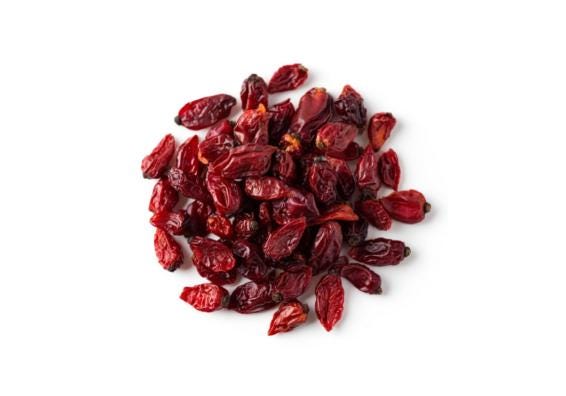
The Ultimate Guide to Mulberry leaves: Health Benefits and Uses

The Comprehensive Guide to Mulberry Leaves: A Botanical Powerhouse for Metabolic and Systemic Health

The mulberry tree, belonging to the genus Morus, has been revered for millennia, not only for its succulent fruits and its essential role in the sericulture industry as the primary food source for silkworms but also as a cornerstone of traditional pharmacopeia. While the berries are often the focal point of culinary interest, the leaves of the mulberry tree—particularly those of the White Mulberry (Morus alba)—harbor a sophisticated profile of bioactive compounds that offer profound therapeutic potential. In contemporary nutritional science, mulberry leaves are emerging as a premier functional food, particularly noted for their ability to modulate glycemic responses and support cardiovascular integrity.

Historically, practitioners of Traditional Chinese Medicine (TCM) have utilized “Sang Ye” (mulberry leaf) to clear lung heat, soothe the liver, and brighten the eyes. However, modern clinical research has shifted the focus toward the leaf’s unique chemical constituents that interact with metabolic pathways. This exhaustive guide explores the botanical nuances, chemical complexity, and multifaceted health benefits of mulberry leaves, providing a definitive resource for those seeking to integrate this ancient botanical into a modern wellness regimen.

Botanical Characteristics and Ecological Context

The Morus genus consists of several species, with Morus alba (white mulberry), Morus nigra (black mulberry), and Morus rubra (red mulberry) being the most prominent. These deciduous trees are incredibly resilient, capable of thriving in diverse climates ranging from the temperate regions of East Asia to the subtropical environments of the Americas. The leaves are characterized by their polymorphic nature; a single tree may produce leaves that are simple and ovate alongside those that are deeply lobed. This morphological plasticity is a fascinating aspect of the tree’s biology.

Mulberry leaves Botanical Photo

The nutritional density of the leaves is influenced by the soil quality, the age of the leaf, and the timing of the harvest. Typically, young leaves harvested in the late spring are believed to contain the highest concentrations of specific alkaloids, while the more mature leaves collected after the first frost in autumn are often preferred in certain traditional preparations for their concentrated mineral content. The leaves are rich in chlorophyll, proteins, and essential amino acids, making them a surprisingly potent source of nutrition even before considering their secondary metabolites.

Phytochemical Composition: The Science of Bioactive Compounds

The therapeutic efficacy of mulberry leaves is attributed to a complex “chemical cocktail” of alkaloids, flavonoids, polyphenols, and steroids. Understanding these components is essential for appreciating how the leaf interacts with human physiology. The most significant of these is 1-deoxynojirimycin (DNJ), a polyhydroxylated alkaloid that functions as a potent alpha-glucosidase inhibitor. DNJ is structurally similar to glucose, allowing it to bind to the enzymes in the small intestine that are responsible for breaking down complex carbohydrates into simple sugars.

Beyond DNJ, mulberry leaves contain a significant array of polyphenols, including rutin, quercetin, and isoquercitrin. These flavonoids are renowned for their antioxidant capacity, neutralizing free radicals and reducing systemic inflammation. Furthermore, the presence of gamma-aminobutyric acid (GABA) contributes to the plant’s neuroprotective and hypotensive properties. The leaves also provide a rich source of chlorogenic acid, the same compound found in green coffee beans, which is linked to improved insulin sensitivity and weight management.

Mulberry leaves Plant Profile

The synergistic effect of these compounds is what distinguishes mulberry leaf from isolated supplements. While DNJ handles the immediate postprandial glucose spike, the flavonoids work on a cellular level to protect the vascular endothelium from the damaging effects of oxidative stress. This dual-action approach makes mulberry leaf a comprehensive tool for metabolic health.

Mastering Blood Sugar Regulation

The primary reason for the surging popularity of mulberry leaf in the health and wellness sector is its unparalleled ability to manage blood glucose levels. When we consume carbohydrates, enzymes like alpha-glucosidase break them down into glucose, which enters the bloodstream. In individuals with insulin resistance or type 2 diabetes, this process can lead to dangerous hyperglycemic spikes. The DNJ found in mulberry leaves effectively “blocks” these enzymes, delaying the absorption of sugar.

Clinical studies have demonstrated that consuming mulberry leaf extract before a carbohydrate-rich meal can significantly reduce the subsequent rise in blood sugar and insulin levels. This is not only beneficial for diabetics but also for healthy individuals looking to avoid “sugar crashes” and maintain stable energy levels throughout the day. By smoothing out the glycemic curve, mulberry leaf helps to reduce the long-term risk of metabolic syndrome and the glycation of proteins, a process linked to premature aging and organ damage.

Cardiovascular Benefits and Lipid Modulation

Mulberry leaves contribute significantly to heart health through several distinct mechanisms. First, the antioxidants within the leaf help prevent the oxidation of Low-Density Lipoprotein (LDL) cholesterol. Oxidized LDL is a primary driver of atherosclerosis, as it contributes to the formation of plaque within the arterial walls. By inhibiting this oxidative process, mulberry leaf extracts help maintain clear and flexible arteries.

Second, research suggests that mulberry leaves can improve the overall lipid profile by lowering total cholesterol and triglycerides while potentially increasing High-Density Lipoprotein (HDL), the “good” cholesterol. This is partly due to the presence of phytosterols, which compete with cholesterol for absorption in the digestive tract. Additionally, the GABA content in the leaves acts as a natural vasodilator, helping to relax blood vessels and support healthy blood pressure levels, further reducing the strain on the cardiovascular system.

Traditional Usage and the Evolution of the Dried Herb

In traditional practices, particularly in China, Japan, and Korea, the use of dried mulberry leaves is a sophisticated art. The leaves were often steamed, dried, and then brewed into a delicate tea. This “Sang-Ye tea” was utilized as a seasonal tonic to guard against “wind-heat” illnesses, such as the common cold, coughs, and sore throats. The cooling properties of the leaf were thought to balance the body’s internal temperature and promote detoxification through the skin and kidneys.

Mulberry leaves Dried Herb

The transition from a traditional remedy to a modern functional herb involved refining the drying process to preserve the heat-sensitive DNJ and volatile oils. Today, high-quality dried mulberry leaves are often sourced from organic farms where the timing of the harvest is strictly controlled to maximize the concentration of active iminosugars. Whether used in loose-leaf form for a therapeutic infusion or ground into a fine powder for inclusion in culinary recipes, the dried herb remains a versatile and potent medium for delivering the plant’s benefits.

Anti-Inflammatory and Neuroprotective Properties

Chronic inflammation is the silent precursor to many modern ailments, including neurodegenerative diseases like Alzheimer’s and Parkinson’s. Mulberry leaves contain a variety of anti-inflammatory agents that inhibit the production of pro-inflammatory cytokines. Research into the neuroprotective effects of mulberry suggests that its antioxidants can cross the blood-brain barrier, providing a shield against oxidative damage to neurons.

Furthermore, some studies indicate that mulberry leaf extract may help inhibit the formation of amyloid-beta plaques in the brain, which are hallmarks of Alzheimer’s disease. While human trials are ongoing, the preliminary data suggests that the regular consumption of mulberry leaf could be a valuable strategy for maintaining cognitive health and longevity. The combination of improved blood flow to the brain and reduced neuro-inflammation creates a supportive environment for mental clarity and memory retention.

Weight Management and Metabolic Efficiency

The quest for effective, natural weight management solutions often leads to mulberry leaf. Its impact on weight is twofold. Firstly, by inhibiting carbohydrate absorption, the body is forced to utilize stored fat for energy rather than relying on a constant influx of dietary glucose. This can lead to a gradual reduction in body fat percentage, particularly visceral fat, which is metabolically active and dangerous to health.

Secondly, certain compounds in mulberry leaves are thought to activate AMPK (adenosine monophosphate-activated protein kinase), an enzyme often referred to as the “metabolic master switch.” Activating AMPK stimulates fat burning and improves mitochondrial function, which increases the body’s overall basal metabolic rate. When combined with a balanced diet and regular physical activity, mulberry leaf extract can act as a powerful catalyst for achieving a healthy body composition.

Modern Applications: Capsules and Concentrated Extracts

For many modern consumers, the convenience of capsules and standardized extracts outweighs the ritual of brewing tea. The supplement industry has responded by creating highly concentrated mulberry leaf extracts, often standardized to contain a specific percentage of DNJ (usually 1% to 5%). This allows for precise dosing, which is particularly important for those using the herb specifically for blood sugar management.

Mulberry leaves Capsules

Capsules provide a method to bypass the slightly bitter, earthy taste of the leaf, which some individuals find unpalatable. Furthermore, encapsulated forms often utilize advanced delivery systems to enhance the bioavailability of the flavonoids and alkaloids. When selecting a mulberry leaf supplement, it is crucial to look for products that specify the species (ideally Morus alba) and provide transparency regarding their testing for purity, heavy metals, and active constituent levels.

Dermatological Benefits: Skin Brightening and Anti-Aging

Mulberry leaf extract is not only beneficial when ingested; it also has a significant presence in the cosmetic industry. The leaves contain arbutin and other compounds that inhibit tyrosinase, the enzyme responsible for melanin production. This makes mulberry leaf extract a natural and effective ingredient for treating hyperpigmentation, age spots, and uneven skin tone. Unlike harsher chemical skin lighteners, mulberry extract provides a gentle way to brighten the complexion.

Additionally, the high concentration of antioxidants helps protect the skin from environmental stressors such as UV radiation and pollution. By neutralizing free radicals, mulberry extract prevents the breakdown of collagen and elastin, the proteins responsible for skin firmness and elasticity. Whether applied topically in a serum or consumed as a tea, the anti-aging benefits of mulberry leaves contribute to a more youthful and radiant appearance from the inside out.

Practical Usage, Dosage, and Safety Considerations

Integrating mulberry leaf into your daily routine requires a thoughtful approach to dosage and timing. For those using the leaf for glycemic control, the most effective strategy is to consume the tea or supplement approximately 15 to 30 minutes before a meal containing carbohydrates. This ensures that the DNJ is present in the small intestine when the food arrives, ready to inhibit the enzymes.

The standard dosage for a concentrated extract (standardized to 1% DNJ) typically ranges from 250mg to 500mg per meal. For those brewing dried leaves, 1 to 2 teaspoons of leaves steeped in hot water for 5-10 minutes, three times a day, is a common traditional recommendation. It is important to start with a lower dose to assess tolerance, as some individuals may experience mild digestive upset or bloating due to the slowed carbohydrate absorption.

Mulberry leaves Natural Herb

While mulberry leaf is generally considered safe for the majority of people, certain precautions are necessary. Pregnant or breastfeeding women should consult with a healthcare provider before use. Most importantly, individuals currently taking medication for diabetes (such as insulin or metformin) must monitor their blood sugar closely and work with their doctor, as mulberry leaf may enhance the effect of these drugs, leading to hypoglycemia (dangerously low blood sugar). Quality sourcing is also paramount to avoid leaves contaminated with pesticides or heavy metals.

Conclusion: The Future of Mulberry Leaf in Holistic Health

The mulberry leaf represents a perfect synthesis of ancient wisdom and modern scientific validation. As we continue to navigate a world where metabolic disorders are increasingly prevalent, the role of natural enzyme inhibitors like DNJ becomes ever more critical. The leaf’s ability to address multiple facets of health—from blood sugar and heart health to neuroprotection and skin vitality—positions it as one of the most versatile botanicals available today.

By understanding the deep biochemical mechanisms at play and respecting the historical context of its use, consumers can effectively harness the power of the mulberry leaf. Whether through the simple act of enjoying a cup of dried herb tea or the targeted use of standardized capsules, the mulberry leaf offers a path toward greater metabolic balance and systemic well-being. As research continues to unfold, it is likely that we have only scratched the surface of what this remarkable “silk-maker’s tree” has to offer the world of medicine and nutrition.

Disclaimer: For informational purposes only. Not medical advice. Consult a qualified healthcare professional before use.

The Ultimate Guide to Tribulus Terrestris: Health Benefits and Uses

The Definitive Guide to Tribulus Terrestris: A Deep Dive into the Science, History, and Health Benefits of the Puncture Vine

In the vast world of botanical pharmacology, few plants have commanded as much attention from both traditional healers and modern sports scientists as Tribulus Terrestris. Known colloquially by a variety of evocative names—including Puncture Vine, Goat’s Head, Gokshura, and Bindii—this hardy, low-growing perennial herb has bridged the gap between ancient Ayurvedic wisdom and contemporary performance-enhancing supplementation. While often marketed primarily as a testosterone booster, the biological reality of Tribulus Terrestris is far more nuanced, involving a complex interplay of steroidal saponins, flavonoids, and alkaloids that influence everything from cardiovascular health to kidney function and neuroprotection.

This comprehensive guide explores the botanical intricacies, historical applications, and the robust scientific landscape surrounding Tribulus Terrestris. We will dissect its chemical composition, evaluate the veracity of its purported health claims, and provide a detailed framework for its practical application in a modern wellness regimen.

Botanical Characteristics and Geographic Distribution

Tribulus Terrestris belongs to the Zygophyllaceae family. It is a prostrate, branching herb that thrives in various climates, particularly in the warm-temperate and tropical regions of the Old World. Its resilience is legendary; the plant is frequently found in arid environments, sandy soils, and even disturbed ground where other vegetation struggles to survive. Structurally, the plant features pinnately compound leaves and small, five-petaled yellow flowers that bloom throughout the warmer months. However, its most distinguishing feature—and the source of its “Puncture Vine” moniker—is its woody fruit. The fruit consists of five nutlets that possess sharp, rigid spines capable of piercing bicycle tires or the hides of livestock.

Tribulus Terrestris Botanical Photo

From an evolutionary perspective, these spines serve as a sophisticated dispersal mechanism, hitchhiking on the feet of animals or the tires of vehicles to spread the seeds across vast distances. Biologically, the plant concentrates its most potent bioactive compounds within its leaves and fruits, which are the primary parts used in the creation of therapeutic extracts. The concentration of these compounds can vary significantly based on the geographic origin of the plant, with Bulgarian, Turkish, and Macedonian varieties often cited in clinical literature as having the highest concentrations of the specific steroidal saponins responsible for its physiological effects.

Historical Context: From Ayurveda to Traditional Chinese Medicine

The therapeutic use of Tribulus Terrestris spans millennia and crosses several continents. In Ayurveda, the traditional medicine of India, the plant is known as “Gokshura.” It is classified as a “Rasayana” or a rejuvenative herb. Practitioners traditionally utilized Gokshura to treat conditions of the urogenital tract, such as urinary tract infections (UTIs), kidney stones, and painful urination. It was also valued for its “Vrushya” (aphrodisiac) properties, believed to enhance vitality and reproductive health in both men and women by balancing the “Vata” and “Pitta” doshas.

Tribulus Terrestris Dried Herb

In Traditional Chinese Medicine (TCM), the herb is referred to as “Bai Ji Li.” Its application in TCM focuses on the “Liver” meridian, where it is used to “calm the liver” and “expel wind.” This translates to the treatment of headaches, dizziness, and certain ocular issues. Additionally, TCM practitioners used it to treat skin conditions like itching and hives, recognizing its anti-inflammatory and anti-allergic potential. The historical convergence of these diverse medical systems highlights a shared recognition of the plant’s systemic influence on human physiology, long before the advent of modern chemical analysis.

The Chemical Blueprint: Bioactive Compounds and Saponins

The efficacy of Tribulus Terrestris is rooted in its incredibly rich profile of secondary metabolites. The most critical group of these compounds are the steroidal saponins, specifically those of the furostanol and spirostanol types. Among these, Protodioscin is widely considered the primary active constituent. Protodioscin is a glycoside that, upon ingestion, may be converted into dehydroepiandrosterone (DHEA) precursors or influence the activity of androgen receptors, although the exact metabolic pathway in humans remains a subject of intense scientific debate.

Tribulus Terrestris Plant Profile

Beyond saponins, Tribulus contains a variety of other health-promoting molecules:

  • Flavonoids: Including quercetin, kaempferol, and rutin, which provide potent antioxidant and anti-inflammatory effects.
  • Alkaloids: Specifically the beta-carboline alkaloids (such as harmane and harmine), which have been studied for their neuroprotective and mild monoamine oxidase (MAO) inhibitory activities.
  • Phytosterols: Such as beta-sitosterol, which contribute to prostate health and the modulation of cholesterol levels.
  • Lignanamides: Unique nitrogen-containing compounds that have shown promise in protecting against oxidative stress in vascular tissues.

The synergy between these compounds creates a “multi-target” effect. Unlike synthetic pharmaceuticals that often target a single receptor, the complex chemistry of Tribulus Terrestris allows it to modulate multiple physiological pathways simultaneously, contributing to its reputation as an adaptogen—a substance that helps the body maintain homeostasis under stress.

Health Benefit 1: Libido and Sexual Function

The most celebrated benefit of Tribulus Terrestris is its impact on sexual health and libido. Numerous clinical trials have demonstrated that standardized extracts of the herb can significantly improve sexual desire and arousal in both men and women. In men, this is often attributed to the herb’s ability to enhance nitric oxide (NO) release from the endothelium and nerve endings. Nitric oxide is a critical vasodilator that relaxes the smooth muscles of the corpus cavernosum, facilitating blood flow and improving erectile function.

In women, particularly those experiencing female sexual dysfunction (FSD) or postmenopausal symptoms, Tribulus has shown remarkable efficacy. Studies have indicated that supplementation leads to higher scores on the Female Sexual Function Index (FSFI), showing improvements in desire, lubrication, and satisfaction. Interestingly, while the herb is often called a “testosterone booster,” many human studies show that it increases libido *without* necessarily raising serum testosterone levels in healthy individuals. This suggests that the mechanism may involve increasing the sensitivity of androgen receptors or influencing neurotransmitters like dopamine that govern sexual drive.

Health Benefit 2: Athletic Performance and Muscle Recovery

The association between Tribulus Terrestris and bodybuilding dates back to the 1970s, when Bulgarian Olympic weightlifters reportedly used the herb to enhance their performance. While modern science has debunked the idea that Tribulus acts like an anabolic steroid, its role in sports nutrition remains relevant. The plant’s high saponin content is believed to aid in muscle recovery by reducing exercise-induced muscle damage and oxidative stress.

Furthermore, because Tribulus supports the health of the endocrine system and may help modulate cortisol (the body’s primary stress hormone), it can prevent the overtraining syndrome that often plagues elite athletes. By maintaining a favorable anabolic-to-catabolic ratio, Tribulus allows for more efficient recovery periods. While it may not directly cause massive hypertrophy in the absence of caloric surplus and training, it serves as an excellent supportive supplement for maintaining stamina and reducing fatigue during high-intensity training cycles.

Health Benefit 3: Cardiovascular and Metabolic Health

Emerging research is increasingly focusing on the cardioprotective effects of Tribulus Terrestris. The saponins and flavonoids within the plant have been shown to exert an anti-hyperlipidemic effect, helping to lower LDL (bad) cholesterol and triglycerides while potentially raising HDL (good) cholesterol. This is crucial for preventing the buildup of arterial plaque (atherosclerosis).

Moreover, Tribulus has demonstrated significant blood-sugar-lowering capabilities. In studies involving patients with Type 2 diabetes, Tribulus extracts were found to reduce fasting blood glucose levels and improve insulin sensitivity. This may be due to the inhibition of enzymes like alpha-glucosidase, which breaks down carbohydrates into glucose. By slowing the absorption of sugar into the bloodstream, Tribulus helps maintain more stable energy levels and reduces the long-term inflammatory damage associated with hyperglycemia.

Health Benefit 4: Diuretic Properties and Kidney Support

Consistent with its traditional use as “Gokshura” in Ayurveda, Tribulus Terrestris serves as a natural diuretic. Unlike synthetic diuretics that can sometimes deplete the body of essential electrolytes, Tribulus promotes the excretion of excess fluids and toxins while appearing to be relatively “potassium-sparing.” This makes it an effective tool for managing mild edema (water retention) and supporting kidney health.

Research suggests that Tribulus can help prevent the formation of calcium oxalate kidney stones. It achieves this by reducing the levels of oxalate in the urine and inhibiting the crystallization process. Additionally, its antimicrobial properties help protect the urinary tract from infections, ensuring the entire renal system operates efficiently.

Modern Supplementation: Capsules and Standardized Extracts

In the modern marketplace, Tribulus Terrestris is most commonly consumed in the form of encapsulated extracts. The primary reason for this is standardization. Raw herb powder can vary wildly in potency, whereas standardized capsules ensure a consistent delivery of the active saponins. When choosing a supplement, it is vital to look for the “saponin percentage.” Most high-quality clinical trials use extracts standardized to contain 40% to 90% total saponins, with a specific focus on the protodioscin content.

Tribulus Terrestris Capsules

Capsules offer a convenient way to integrate the herb into a daily routine, avoiding the bitter and somewhat astringent taste of the raw plant. For athletes and individuals seeking the specific hormonal and libido-enhancing benefits, the concentrated nature of these supplements provides a more targeted therapeutic dose than traditional teas or decoctions could typically offer.

Safety, Dosage, and Practical Usage

Tribulus Terrestris is generally considered safe for most healthy adults when taken in appropriate dosages for limited periods. Most clinical studies have utilized dosages ranging from 250 mg to 1,500 mg per day, often split into two or three doses. It is best taken with meals to minimize the potential for gastrointestinal upset, which is the most commonly reported side effect.

Tribulus Terrestris Natural Herb

However, there are important contraindications to consider:

  • Pregnancy and Breastfeeding: Women who are pregnant or nursing should avoid Tribulus, as animal studies suggest it may interfere with fetal development.
  • Prostate Health: While it can support general prostate health, men with existing conditions like Benign Prostatic Hyperplasia (BPH) or prostate cancer should consult a physician, as the herb may theoretically influence androgen-sensitive tissues.
  • Blood Sugar Medications: Because Tribulus can lower blood sugar, those taking insulin or oral diabetes medications should monitor their levels closely to avoid hypoglycemia.
  • Surgery: Due to its effects on blood sugar and potential blood-thinning properties, it is recommended to stop taking Tribulus at least two weeks before any scheduled surgery.

For optimal results, many practitioners recommend “cycling” Tribulus—taking it for 8 to 12 weeks followed by a 2-week break. This prevents the body from down-regulating its natural response to the bioactive compounds and maintains the supplement’s effectiveness over the long term.

Conclusion: The Multi-Faceted Power of Tribulus

Tribulus Terrestris stands as a testament to the power of ethnobotanical history validated by modern science. While it may not be the “magic pill” for instant muscle growth that early marketing suggested, its reality is arguably more impressive. It is a sophisticated metabolic and endocrine modulator that supports sexual vitality, cardiovascular resilience, and renal health. By understanding the chemical complexity of its saponins and respecting the traditional wisdom of its use, individuals can leverage this remarkable “Puncture Vine” to enhance their overall quality of life and physiological performance. Whether used by an athlete for recovery or by an individual seeking to regain natural vitality, Tribulus Terrestris remains one of the most versatile and researched botanicals in the natural health arsenal.

Disclaimer: For informational purposes only. Not medical advice. Consult a qualified healthcare professional before use.

The Ultimate Guide to Burnet Saxifrage: Health Benefits and Uses

The Comprehensive Guide to Burnet Saxifrage: Nature’s Potent Lithontriptic and Respiratory Ally

Burnet Saxifrage (Pimpinella saxifraga) is a perennial herbaceous plant that belongs to the Apiaceae (Umbelliferae) family. While its delicate, white, umbrella-like flower clusters may appear unassuming to the casual observer, this plant harbors a complex array of bioactive compounds that have been utilized in European traditional medicine for centuries. Often confused with Salad Burnet (Sanguisorba minor), which belongs to the Rosaceae family, Burnet Saxifrage is a distinct species with a unique pharmacological profile. Its name, “saxifraga,” is derived from the Latin words saxum (stone) and frangere (to break), reflecting its historical reputation as a “stone-breaker” capable of addressing renal and gallbladder calculi. In this exhaustive guide, we explore the botanical intricacies, chemical composition, and multifaceted health benefits of Burnet Saxifrage.

Botanical Characteristics and Taxonomy

To understand the therapeutic potential of Burnet Saxifrage, one must first appreciate its botanical foundations. Pimpinella saxifraga is native to Europe and temperate regions of Asia, typically thriving in dry grasslands, meadows, and limestone-rich soils. The plant features a spindle-shaped, woody rhizome that emits a characteristic, slightly acrid aroma when cut. Its stems are cylindrical, finely striated, and can reach heights of 30 to 70 centimeters. The leaves exhibit a fascinating heterophylly; the basal leaves are simply pinnate with ovate, serrated leaflets, while the upper stem leaves are more deeply divided and linear. This morphological diversity is a key identifier in the field.

The inflorescence of Burnet Saxifrage consists of compound umbels, typically lacking both involucre and involucel bracts. The small white or occasionally pinkish flowers bloom from mid-summer to early autumn. From a physiological standpoint, the plant is highly adapted to nutrient-poor environments, which is often where it develops its most concentrated secondary metabolites. The root, specifically harvested in the autumn or early spring, remains the primary source of medicinal extracts due to its high concentration of essential oils and specialized glycosides.

Burnet Saxifrage Botanical Photo

Deep Dive into Chemical Composition

The efficacy of Burnet Saxifrage is rooted in its complex phytochemistry. Analytical studies have identified several classes of bioactive compounds that contribute to its medicinal actions. The most significant of these is the essential oil, which ranges from 0.4% to 0.6% in the roots. This oil is rich in various sesquiterpenes and phenylpropanoids. Notably, the presence of pseudoisoeugenol derivatives, such as 2-methylbutyric acid esters, provides the plant with its unique aromatic and therapeutic properties.

Beyond essential oils, Burnet Saxifrage contains significant levels of coumarins and furanocoumarins, including umbelliferone, pimpinellin, isopimpinellin, and sphondin. These compounds are known for their anti-inflammatory and potentially antimicrobial effects. The plant also synthesizes triterpene saponins, which act as natural surfactants. In the human body, these saponins are responsible for the plant’s expectorant properties, as they mildly irritate the gastric mucosa, triggering a reflex stimulation of the bronchial glands to increase the secretion of thinner, less viscous mucus. Furthermore, the presence of tannins provides an astringent quality, making it useful for topical applications and intestinal health.

Burnet Saxifrage Plant Profile

Therapeutic Benefits for Respiratory Health

One of the primary applications of Burnet Saxifrage in modern herbalism is the treatment of upper respiratory tract infections. Its role as a secretolytic and expectorant is well-documented. When an individual suffers from bronchitis or a persistent dry cough, the bronchial secretions often become thick and difficult to expel. The saponins and essential oils in Pimpinella saxifraga work synergistically to liquefy this mucus. By reducing the surface tension of the phlegm, the herb facilitates the ciliary movement in the respiratory tract, allowing for more efficient clearing of the airways.

In addition to its expectorant action, the herb possesses mild antispasmodic properties. This is particularly beneficial for reducing the frequency and intensity of coughing fits. The furanocoumarins present in the root may also offer a degree of antimicrobial protection, helping the body to combat the underlying viral or bacterial pathogens responsible for the inflammation. It is frequently included in herbal cough syrups and teas alongside other botanicals like Thyme or Primrose root to enhance its respiratory benefits.

Gastrointestinal and Digestive Support

The bitter compounds and essential oils found in Burnet Saxifrage serve as a potent digestive stimulant. In traditional European medicine, the root was often used to treat “dyspepsia,” a broad term covering indigestion, bloating, and flatulence. The mechanism involves the stimulation of the bitter receptors on the tongue, which in turn signals the vagus nerve to increase the production of saliva, gastric acid, and bile. This cephalic phase of digestion ensures that the body is optimally prepared to break down nutrients.

Furthermore, the carminative properties of the essential oils help to relax the smooth muscles of the gastrointestinal tract. This relaxation aids in the expulsion of trapped gas and relieves cramping. For individuals suffering from chronic sluggish digestion or a lack of appetite (anorexia), a tincture or decoction of Burnet Saxifrage root can act as a gentle yet effective tonic. The tannins also contribute a mild anti-diarrheal effect by toning the intestinal lining and reducing excessive fluid secretion into the gut lumen.

Burnet Saxifrage Dried Herb

The “Stone-Breaker” Mechanism: Renal and Urinary Health

Historical texts frequently highlight Burnet Saxifrage as a primary remedy for urolithiasis (kidney stones). While the name “Saxifrage” suggests a literal breaking of stones, the actual pharmacological mechanism is more nuanced. The herb acts as a mild diuretic, increasing the volume of urine produced by the kidneys. This increased flow helps to flush out “gravel” or micro-calculi before they can aggregate into larger, more painful stones. The diuretic effect is attributed to the presence of flavonoids and certain terpenes that influence the osmotic balance within the renal tubules.

Moreover, the anti-inflammatory properties of the coumarins help to soothe the urinary tract’s mucous membranes, which can become irritated or damaged by the passage of mineral deposits. By reducing inflammation in the ureters and bladder, Burnet Saxifrage helps alleviate the burning sensations often associated with urinary tract infections (UTIs) and cystitis. While it should not replace modern medical intervention for acute renal crises, it serves as a valuable supportive therapy for long-term urinary health maintenance and stone prevention.

Historical Context and Folklore

The history of Burnet Saxifrage is as rich as its chemical profile. In the Middle Ages, it was highly regarded as a prophylactic against the plague. Herbalists believed that the aromatic roots could purify the blood and protect the wearer from “miasma.” Hildegard von Bingen, the famed 12th-century mystic and herbalist, mentioned the use of Pimpinella for various ailments, emphasizing its warming and strengthening qualities. In folklore, the plant was sometimes associated with protection against enchantments, but its most enduring legacy remained in the realm of physical healing.

During the 16th and 17th centuries, the “Doctrine of Signatures”—the belief that a plant’s appearance indicates its medicinal use—played a role in the popularity of Burnet Saxifrage. Because the plant often grows in the cracks of rocks, it was logically concluded that it could crack or dissolve stones within the body. While this philosophical approach has been replaced by evidence-based phytotherapy, modern science has largely validated the herb’s efficacy in treating the very conditions for which it was originally prized.

Burnet Saxifrage Capsules

Modern Applications: Extracts and Supplements

Today, Burnet Saxifrage is available in several formats, ranging from traditional dried roots to standardized extracts and capsules. For those seeking targeted support for respiratory or digestive issues, capsules offer a convenient way to ensure a consistent dosage of the plant’s active constituents. These supplements often utilize a concentrated extract of the root, providing a higher density of saponins and coumarins than a simple tea. When choosing a supplement, it is vital to look for products that specify the species Pimpinella saxifraga to avoid confusion with unrelated “Burnet” species.

In addition to oral capsules, liquid extracts and tinctures are popular. Tinctures, usually prepared with a high-proof alcohol base, are particularly effective at extracting the essential oils and resins that are less soluble in water. A few drops of Burnet Saxifrage tincture in water can be used as a gargle for sore throats or as a digestive aid before meals. The versatility of these modern preparations allows for the integration of this ancient herb into contemporary wellness routines with ease and precision.

Topical and External Uses

While primarily used internally, Burnet Saxifrage has a history of topical application. The plant’s astringent and mild antiseptic properties make it a suitable ingredient for skin washes and compresses. Traditionally, a decoction of the root was used to treat minor wounds, skin irritations, and even as a wash to lighten freckles and skin discolorations—a practice common in early European cosmetic herbalism.

In modern dermatological context, the anti-inflammatory nature of the plant’s extracts can be beneficial in soothing inflammatory skin conditions when used in dilute forms. However, caution must be exercised due to the presence of furanocoumarins, which can cause photosensitivity. When applied to the skin and then exposed to sunlight, these compounds can trigger a reaction known as phytophotodermatitis, resulting in redness or blistering. Therefore, topical use should generally be confined to areas not exposed to direct UV light, or used in preparations where these compounds have been moderated.

Dosage, Preparation, and Safety Guidelines

For those preparing Burnet Saxifrage at home, the most common method is a root decoction. This involves simmering 1 to 2 teaspoons of the dried, crushed root in a cup of water for approximately 10 to 15 minutes. This process is necessary to break down the woody structure of the rhizome and release the active saponins and oils. For respiratory support, drinking 2 to 3 cups per day is the standard recommendation. If using a 1:5 tincture, a dosage of 2 to 4 ml three times daily is typically suggested.

Safety is paramount when using any potent botanical. Burnet Saxifrage is generally considered safe when used in appropriate dosages. However, as mentioned, the furanocoumarin content necessitates caution regarding sun exposure. Individuals with known allergies to the Apiaceae family (which includes celery, carrots, and parsley) should avoid this herb. Furthermore, due to its mild emmenagogue properties (the ability to stimulate blood flow in the pelvic area), it is generally advised that pregnant women consult with a healthcare provider before use. As with any diuretic herb, those with severe kidney disease should seek medical advice to ensure that increased fluid output does not strain renal function.

Burnet Saxifrage Natural Herb

Conclusion: The Enduring Value of Pimpinella saxifraga

Burnet Saxifrage stands as a testament to the sophistication of traditional herbal medicine. Far from being a “weed,” it is a specialized biochemical factory capable of addressing a variety of human health concerns. From its ability to clear congested lungs and stimulate sluggish digestion to its historical role in supporting urinary health, Pimpinella saxifraga remains a relevant and powerful tool in the natural pharmacopeia. By understanding its chemical makeup and respecting its physiological effects, modern users can safely harness the “stone-breaking” power of this remarkable plant to enhance their overall well-being.

  • Primary Use: Expectorant for coughs, bronchitis, and sore throats.
  • Digestive Aid: Stimulates appetite and reduces flatulence.
  • Urinary Support: Acts as a mild diuretic and prevents stone formation.
  • Key Compounds: Saponins, essential oils, and furanocoumarins.
  • Precautions: Avoid excessive sun exposure during use; consult professional advice during pregnancy.

Disclaimer: For informational purposes only. Not medical advice. Consult a qualified healthcare professional before use.

The Ultimate Guide to Comfrey: Health Benefits and Uses

The Comprehensive Guide to Comfrey: Healing Power, Phytochemistry, and Therapeutic Applications

Comfrey, scientifically known as Symphytum officinale, stands as one of the most revered and debated plants in the annals of botanical medicine. Often referred to by its evocative folk names such as “Knitbone,” “Boneset,” or “Bruisewort,” this perennial herb has been a staple of traditional European and Asian medicine for over two thousand years. Belonging to the Boraginaceae family, Comfrey is a robust plant characterized by its large, hairy, lance-shaped leaves and drooping clusters of bell-shaped flowers that range in color from creamy white to deep purple. While its reputation as a master healer of skeletal and cutaneous injuries is legendary, modern science has introduced a nuanced perspective on its use, particularly regarding its complex chemical profile and the presence of certain alkaloids. This guide provides an exhaustive exploration of Comfrey’s benefits, its chemical architecture, and the safety protocols essential for modern application.

Botanical Characteristics and Growth Habits

To understand the potency of Comfrey, one must first look at its physical nature. The plant is a “dynamic accumulator,” meaning its incredibly deep taproot—sometimes reaching six to ten feet into the earth—extracts minerals and nutrients from the subsoil that are inaccessible to shallower-rooted plants. These nutrients, including high concentrations of nitrogen, potassium, and calcium, are then concentrated within its leaves. This botanical efficiency not only makes Comfrey an exceptional healing herb but also a premier “green manure” in permaculture, used to enrich garden soils.

Comfrey Botanical Photo

The leaves are broad and covered in stiff, bristly hairs that can cause mild skin irritation upon contact for some individuals—a testament to the plant’s protective mechanisms. The flowers are highly attractive to pollinators, particularly bumblebees, which can reach the nectar inside the tubular corollas. Identifying Comfrey in the wild requires careful observation, as it can occasionally be confused with Foxglove (Digitalis purpurea) before it flowers, which is a dangerous mistake given the latter’s high toxicity. However, Comfrey’s unique leaf attachment—where the leaf base runs down the stem—serves as a primary distinguishing feature for herbalists.

Historical Context: The “Knitbone” Legacy

The history of Comfrey is inextricably linked to the history of trauma medicine. The Greek physician Dioscorides, writing in his seminal work De Materia Medica in the 1st century AD, recommended the herb for healing wounds and mending broken bones. Its name, Symphytum, is derived from the Greek “symphyo,” meaning “to unite,” reflecting its primary therapeutic function. Throughout the Middle Ages, Comfrey was a common sight in monastery gardens across Europe, where monks used it to create poultices for soldiers returning from battle with fractures and deep bruising.

Comfrey Dried Herb

Traditional usage was not limited to external applications. Historical records indicate that Comfrey tea was frequently administered for internal ailments such as stomach ulcers, heavy menstrual bleeding, and respiratory issues like bronchitis. Herbalists believed that the “mucilaginous” or gooey nature of the plant acted as a demulcent, coating inflamed mucous membranes and providing a physical barrier against irritation. While internal consumption is now heavily restricted in many jurisdictions due to safety concerns, the historical success of these treatments remains a subject of great interest in ethnobotanical research.

Bioactive Compounds: The Chemistry of Regeneration

The therapeutic efficacy of Comfrey is not a matter of folklore alone; it is grounded in a sophisticated array of bioactive secondary metabolites. The most significant of these is Allantoin. Allantoin is a cell-proliferant that stimulates leukocytosis (the production of white blood cells) and promotes the rapid growth of new muscle and bone cells. This compound is the primary reason Comfrey is so effective at “knitting” tissues back together. When applied to a wound or a fracture site, allantoin speeds up the mitotic process, significantly reducing recovery time.

Comfrey Plant Profile

In addition to allantoin, Comfrey contains a high concentration of Rosmarinic Acid. This polyphenolic compound is a potent anti-inflammatory and antioxidant. It works by inhibiting the synthesis of prostaglandins—lipids that trigger inflammatory responses in the body. By suppressing inflammation at the site of an injury, Comfrey allows the healing compounds like allantoin to work more efficiently. Furthermore, the plant is rich in tannins, which provide astringent properties, helping to draw tissues together and provide a protective layer over minor skin abrasions. The presence of mucilage, a complex polysaccharide, further enhances its ability to soothe and hydrate damaged tissues.

The Pyrrolizidine Alkaloid Controversy

No exhaustive discussion of Comfrey is complete without addressing Pyrrolizidine Alkaloids (PAs). These are naturally occurring chemicals that the plant produces to deter herbivores. In humans, certain PAs—specifically those found in Comfrey like symphytine and lasiocarpine—can be converted by the liver into toxic metabolites known as pyrroles. These pyrroles can cause Veno-Occlusive Disease (VOD), a condition where the small veins in the liver become blocked, leading to liver damage or failure over long periods of ingestion.

Because of this risk, the medical community and regulatory bodies like the FDA and the European Medicines Agency have largely banned the sale of Comfrey for internal use. Modern herbalism now emphasizes “PA-free” extracts or focuses exclusively on topical applications. It is crucial to note that the concentration of PAs is highest in the roots and youngest leaves of the plant. Furthermore, Russian Comfrey (Symphytum x uplandicum) typically contains higher alkaloid levels than the common Symphytum officinale. Understanding this chemical distinction is vital for anyone looking to incorporate the herb into their wellness regimen safely.

Therapeutic Benefits for Bone and Joint Health

Comfrey’s most celebrated use remains its ability to accelerate the healing of fractures, sprains, and strains. When used as a poultice or a concentrated oil, the active compounds penetrate the skin to reach the underlying musculoskeletal structures. Clinical trials have demonstrated that topical Comfrey preparations can be as effective as pharmaceutical-grade non-steroidal anti-inflammatory drugs (NSAIDs) for treating acute upper and lower back pain and osteoarthritis of the knee.

For bone health, Comfrey stimulates the formation of the “callus”—the bridge of new bone that forms across a fracture. This is particularly useful for small stress fractures or stubborn injuries that are slow to heal. In the case of sprains and ligament damage, the herb’s ability to reduce edema (swelling) and stimulate collagen production helps restore joint stability and mobility. Many athletes and physical therapists utilize Comfrey-infused salves as a natural alternative to help manage the inflammation associated with repetitive strain injuries like tendonitis.

Skin Regeneration and Wound Care

Beyond the skeletal system, Comfrey is a powerhouse for dermatological health. Its regenerative properties make it an excellent treatment for scars, minor burns, and dry, cracked skin. The allantoin content encourages the shedding of dead skin cells while simultaneously promoting the growth of a healthy new epidermal layer. This “keratolytic” effect ensures that skin remains soft and resilient.

However, a critical rule in Comfrey application is that it should never be applied to deep, open, or infected wounds. Because Comfrey heals the skin so rapidly from the outside in, it can potentially “seal” an infection beneath the surface of the skin before the body has had a chance to clear the bacteria. This can lead to the formation of abscesses. Therefore, Comfrey is best reserved for closed wounds, such as bruises, or skin that is in the later stages of healing where the risk of infection has passed.

Practical Usage: Supplements, Capsules, and Topical Forms

For those seeking the benefits of Comfrey in a modern context, several delivery methods are available. While traditionalists might prefer a freshly harvested leaf poultice, manufactured products offer standardized concentrations of active ingredients and, in many cases, reduced alkaloid profiles for increased safety.

Comfrey Capsules

Comfrey capsules are available in some markets, though they are often labeled for specific, limited durations of use or are formulated as PA-free extracts. These are sometimes used by individuals under the guidance of a clinical herbalist to support systemic tissue repair. However, the most common and widely recommended form is the topical salve or ointment. To create a home remedy, dried comfrey leaves are often infused into a carrier oil (like olive or jojoba oil) for several weeks, then thickened with beeswax. This creates a portable and shelf-stable way to apply the herb’s healing properties to joints and muscles.

Another popular method is the “fomentation.” This involves soaking a cloth in a strong Comfrey tea (infusion) and applying the warm cloth directly to the injured area. This allows for deep penetration of the water-soluble allantoin and is particularly soothing for acute injuries like a rolled ankle or a bruised rib.

Safety Guidelines and Dosage Recommendations

Safety is paramount when working with a plant as biochemically active as Comfrey. Professional guidelines suggest that topical application should be limited to no more than 4 to 6 weeks of total use per year to prevent the theoretical accumulation of alkaloids through skin absorption. Pregnant and breastfeeding women, as well as children and individuals with pre-existing liver conditions, should avoid Comfrey entirely.

Comfrey Natural Herb

When purchasing Comfrey products, look for labels that specify the species (Symphytum officinale) and ensure the product is intended for external use. If using internal supplements, ensure they are certified PA-free by a third-party laboratory. For topical use, applying a small amount to a patch of skin first is recommended to check for allergic reactions or sensitivity to the plant’s hairs. When used correctly and with respect for its potency, Comfrey remains one of the most effective tools in the herbalist’s toolkit for physical restoration and structural integrity.

Conclusion: The Future of Comfrey in Modern Wellness

Comfrey occupies a unique space in the bridge between ancient wisdom and modern science. While we must remain vigilant regarding the risks of pyrrolizidine alkaloids, we cannot ignore the profound clinical evidence supporting its regenerative capabilities. As research continues into PA-free cultivation and refined extraction techniques, it is likely that Comfrey will see a resurgence in mainstream sports medicine and geriatric care for its unparalleled ability to support the body’s innate healing mechanisms. Whether grown in a garden for its ecological benefits or kept in a first-aid kit as a potent salve, Comfrey remains a testament to the complex and powerful relationship between humans and the plant kingdom.

Disclaimer: For informational purposes only. Not medical advice. Consult a qualified healthcare professional before use.

The Ultimate Guide to Couch Grass: Health Benefits and Uses

The Underrated Powerhouse: A Deep Dive into the Health Benefits of Couch Grass (Elymus repens)

Often dismissed as a tenacious weed, Couch Grass, scientifically known as Elymus repens (formerly Agropyron repens), stands as a remarkable testament to nature’s overlooked pharmacies. For centuries, across diverse cultures, the humble rhizomes of this resilient plant have been a cornerstone of traditional herbal medicine, revered for their profound therapeutic properties. From soothing urinary tract irritations to promoting systemic detoxification, Couch Grass offers a spectrum of benefits that are increasingly being validated by modern scientific inquiry. This exhaustive guide delves deep into the botanical marvel that is Couch Grass, exploring its rich history, intricate chemical composition, and the myriad ways it can contribute to holistic well-being.

In an era where natural remedies are gaining renewed appreciation, understanding the full potential of plants like Couch Grass is paramount. Beyond its reputation for invasiveness in gardens, its subsurface network of rhizomes harbors a complex array of bioactive compounds that exert powerful effects on the human body. Join us as we uncover the secrets of this green healer, transforming its common perception from a garden nuisance to a revered medicinal herb.

Botanical Profile and Identification: Unmasking Elymus repens

Couch Grass, known by a plethora of common names including Quackgrass, Witchgrass, Dog Grass, and Twitch Grass, is a perennial grass belonging to the Poaceae family. Its pervasive nature stems from its extensive, creeping rhizome system, which allows it to spread rapidly and endure challenging environmental conditions. These underground stems are precisely the part of the plant most valued for medicinal purposes, typically harvested in autumn or early spring when their concentration of active compounds is highest.

Superficially, Couch Grass can be identified by its flat, relatively broad leaves that typically grow to a length of 15-40 cm. The leaves are often rough to the touch on their upper surface and may exhibit small, hairy auricles at the base, clasping the stem. Its flowering stalks emerge in summer, bearing spikelets arranged alternately on a central axis, forming a distinctive, often slender spike. While it thrives in disturbed soils, cultivated fields, and gardens, its ability to adapt to a wide range of climates and soil types has made it a global presence.

Historically, the plant’s reputation as a “weed” has ironically contributed to its widespread availability and ease of access for herbalists. Its tenacity, once a gardener’s bane, is precisely what makes it a robust source of natural medicine, embodying resilience and vitality even in harsh conditions. Understanding its botanical characteristics is the first step in appreciating its profound medicinal value.

Couch Grass Botanical Photo

A Journey Through Time: Historical Context and Ethnobotanical Significance

The medicinal use of Couch Grass dates back millennia, deeply interwoven into the fabric of traditional European and Asian herbal medicine. Ancient Greek physicians, notably Dioscorides, recognized its diuretic properties, recommending it for conditions of the bladder and kidneys. Pliny the Elder, the Roman naturalist, also documented its use, cementing its place in classical antiquity as a valuable urinary remedy.

Throughout the Middle Ages and into the Renaissance, Couch Grass remained a prominent herb in apothecaries and folk remedies across Europe. Herbalists frequently prescribed it for urinary tract infections, kidney stones, and as a general cleansing tonic. Its reputation as a safe and effective diuretic made it a go-to remedy for conditions involving fluid retention and the need to flush toxins from the body. In fact, its common name “Dog Grass” is said to originate from observing sick dogs instinctively chewing on the grass to induce vomiting or cleanse their systems, an anecdotal testament to its ancient perceived benefits.

Beyond Europe, indigenous cultures in various parts of the world where Couch Grass naturalized also discovered its uses. It was employed for similar conditions, highlighting a convergent understanding of its therapeutic potential across disparate healing traditions. The enduring presence of Couch Grass in historical herbals and pharmacopoeias underscores its reliability and the sustained trust placed in its medicinal efficacy by generations of healers.

Couch Grass Dried Herb

Phytochemical Powerhouse: Bioactive Compounds of Couch Grass

The therapeutic prowess of Couch Grass is attributed to a complex synergy of bioactive compounds found primarily in its rhizomes. Modern phytochemistry has begun to unravel the intricate composition that underlies its traditional uses, revealing a rich tapestry of molecules working in concert to exert their health-promoting effects. Understanding these compounds is key to appreciating the herb’s multifaceted benefits.

Triterpenes: The Diuretic and Anti-inflammatory Agents

  • Agropyrene: This distinctive polyacetylene compound is considered one of the primary active constituents responsible for Couch Grass’s powerful diuretic and antimicrobial properties. Agropyrene works by influencing kidney function, promoting the excretion of urine without significantly altering electrolyte balance, a characteristic known as aquaresis. Its antimicrobial action helps combat pathogens in the urinary tract, making it invaluable for preventing and treating infections.
  • Saponins: These complex plant compounds contribute to the herb’s diuretic and expectorant actions. Saponins can irritate the mucous membranes, stimulating the production of thinner, more fluid mucus, which aids in respiratory clearance. In the urinary tract, they enhance the flushing action and may contribute to the breakdown of urinary calculi.

Polysaccharides: Demulcent and Prebiotic Wonders

  • Mucilage: Couch Grass rhizomes are rich in mucilaginous polysaccharides. When consumed, these compounds form a soothing, gel-like substance that coats and protects irritated mucous membranes throughout the digestive and urinary tracts. This demulcent action is crucial for alleviating inflammation, reducing pain, and promoting healing in conditions like cystitis, gastritis, and irritable bowel syndrome.
  • Fructans (e.g., Inulin): These long-chain polysaccharides act as powerful prebiotics, serving as nourishment for beneficial gut bacteria. By fostering a healthy gut microbiome, inulin contributes to improved digestion, enhanced nutrient absorption, bolstered immune function, and potentially even mood regulation. Its presence highlights Couch Grass’s indirect yet significant contribution to overall systemic health.

Volatile Oils and Flavonoids: Antioxidant and Anti-inflammatory Synergists

  • Volatile Oils: Present in smaller quantities, these aromatic compounds contribute to the herb’s subtle flavor and possess mild antiseptic and antispasmodic properties, which can help relax smooth muscles and alleviate cramps.
  • Flavonoids: These ubiquitous plant pigments are potent antioxidants, protecting cells from oxidative damage caused by free radicals. Their anti-inflammatory effects further augment Couch Grass’s ability to reduce swelling and pain, contributing to its efficacy in managing inflammatory conditions.

Other Important Constituents

  • Silicic Acid: Contributes to the structural integrity of connective tissues and may play a role in promoting healthy urinary function.
  • Carbohydrates: Provide energy and contribute to the bulk of the rhizome.
  • Vitamins and Minerals: While not a primary source, Couch Grass contains trace amounts of various vitamins and minerals, adding to its overall nutritional profile.

The intricate interplay of these compounds explains why Couch Grass has been such a versatile and effective herbal remedy for centuries. Each constituent contributes uniquely, but their combined action creates a more potent and holistic therapeutic effect than any single compound alone.

Couch Grass Plant Profile

Comprehensive Health Benefits of Couch Grass: A Deep Dive

The rich biochemical composition of Couch Grass translates into a wide array of health benefits, primarily focused on its unparalleled ability to support the urinary system, promote detoxification, and reduce inflammation. Let’s explore these benefits in detail.

1. Unrivaled Urinary Tract Health and Diuretic Action

Couch Grass is arguably best known for its exceptional benefits to the urinary system. Its primary action is as a gentle yet potent diuretic (aquaretic), meaning it increases urine flow without causing significant electrolyte loss, unlike many pharmaceutical diuretics. This action is primarily attributed to agropyrene and saponins.

  • Flushing Urinary Tract Infections (UTIs): By promoting increased urine production, Couch Grass effectively flushes bacteria and other pathogens from the bladder and urethra. Its inherent antimicrobial properties, particularly from agropyrene, directly combat the growth of infection-causing microorganisms, making it a valuable adjunct for preventing and managing UTIs, particularly those caused by common bacteria like E. coli.
  • Kidney Stone Prevention and Support: The diuretic and demulcent properties of Couch Grass are invaluable for individuals prone to kidney stones (nephrolithiasis) and those experiencing them. By increasing urine volume, it helps to prevent the supersaturation of urine with stone-forming minerals and facilitates the passage of small stones or ‘gravel.’ The soothing mucilage also helps to reduce irritation and pain as stones pass. Some research suggests it may even aid in dissolving certain types of stones.
  • Soothing Bladder Irritation and Cystitis: The demulcent mucilage coats the irritated lining of the bladder and urethra, providing significant relief from discomfort, burning, and inflammation associated with conditions like cystitis, urethritis, and even interstitial cystitis. It helps to calm spasms and reduce the urge to urinate frequently, fostering comfort and healing.
  • Prostate Health: While not a direct treatment for serious prostate conditions, the diuretic action can help alleviate symptoms of benign prostatic hyperplasia (BPH) by promoting easier urination and reducing urinary retention, which can be a common issue with an enlarged prostate.

2. Potent Detoxification and Cleansing Agent

Beyond its urinary benefits, Couch Grass acts as a systemic cleanser, supporting the body’s natural detoxification pathways.

  • Lymphatic System Stimulation: By promoting fluid circulation, Couch Grass may indirectly support the lymphatic system, which is crucial for removing waste products, toxins, and cellular debris from tissues throughout the body. A well-functioning lymphatic system is essential for immune health and overall detoxification.
  • Blood Purification: As a general depurative, Couch Grass is believed to help “purify” the blood by facilitating the excretion of metabolic wastes and toxins through the kidneys. This systemic cleansing effect contributes to improved organ function and a greater sense of vitality.
  • Liver Support: While not a direct liver tonic like milk thistle, its robust diuretic action reduces the burden on the liver by facilitating the elimination of water-soluble toxins once processed by the liver. This indirect support is crucial for maintaining optimal liver function.

3. Significant Anti-inflammatory and Analgesic Properties

The presence of flavonoids, saponins, and other compounds contributes to Couch Grass’s ability to modulate inflammatory responses throughout the body.

  • Relief from Inflammatory Conditions: Couch Grass can be beneficial for conditions characterized by inflammation, such as arthritis, rheumatism, and gout. Its anti-inflammatory action helps to reduce pain, swelling, and stiffness in affected joints. For gout, its diuretic effect also aids in flushing out excess uric acid, a primary contributor to gout flares.
  • Internal and External Soothing: The demulcent properties extend beyond the urinary tract, providing anti-inflammatory effects on the gastrointestinal lining and even topically for skin irritations.

4. Digestive System Support and Gut Health

Couch Grass offers notable benefits for the digestive tract, extending from the stomach to the intestines.

  • Demulcent for Gastric Irritation: The mucilage content creates a protective layer over inflamed mucous membranes in the stomach and esophagus, providing relief from heartburn, gastritis, stomach ulcers, and general indigestion. It can soothe irritation caused by excess stomach acid.
  • Prebiotic Effects: The fructans, including inulin, act as prebiotics, selectively feeding beneficial bacteria in the gut. This promotes a healthy gut microbiome, which is vital for efficient digestion, nutrient absorption, synthesis of certain vitamins, and a strong immune system. A balanced gut flora can also influence mood and overall systemic health.
  • Mild Laxative Effect: The mucilage also contributes to a gentle bulk-forming effect, which can aid in promoting regular bowel movements and alleviating mild constipation without harsh stimulation.

5. Respiratory Health Support

While primarily known for urinary benefits, Couch Grass also has applications in respiratory health.

  • Expectorant Action: The saponins present in Couch Grass can act as mild expectorants, helping to thin and loosen mucus in the respiratory passages. This makes coughs more productive and aids in clearing congestion from conditions like bronchitis, colds, and flu.
  • Soothing for Coughs and Sore Throats: Its demulcent properties can help soothe irritated throat and bronchial tissues, reducing the severity of coughs and providing comfort for sore throats.

6. Potential for Blood Sugar Management

Emerging research suggests that certain compounds in Couch Grass, particularly its fructans, might play a role in blood sugar regulation. While not a direct treatment for diabetes, preliminary studies indicate potential for modulating glycemic response and supporting metabolic health. This area warrants further investigation but adds another dimension to its therapeutic profile.

7. Antimicrobial Activity

As highlighted with UTIs, the presence of agropyrene and other constituents confers broad-spectrum antimicrobial activity against various bacteria, fungi, and even some viruses. This property contributes to its effectiveness not only in urinary infections but also potentially in supporting overall resistance to microbial challenges.

Practical Applications and Usage: Integrating Couch Grass into Your Wellness Routine

Couch Grass is versatile and can be incorporated into a health regimen in several forms, each offering different advantages. The most common medicinal part used is the rhizome, typically dried and cut.

1. Traditional Decoction (Tea)

This is the most traditional and perhaps most effective method for extracting the water-soluble compounds, particularly the mucilage and diuretics.

  • Preparation: Add 1-2 tablespoons of dried, cut Couch Grass rhizome to 500ml (2 cups) of cold water. Bring to a boil and then simmer gently for 10-15 minutes. Strain the liquid, ensuring all plant material is removed.
  • Dosage: Drink 2-3 cups of the decoction per day, ideally between meals. For acute conditions like UTIs, dosage can be increased under professional guidance. It can be consumed warm or cold.
  • Taste: Couch Grass tea has a mild, slightly sweet, earthy, and somewhat grassy flavor, which is generally palatable. You can add a touch of honey or lemon if desired.

2. Tinctures

Tinctures are alcohol-based extracts that offer convenience and a longer shelf life. They are more concentrated than teas.

  • Preparation (Home): While commercially prepared tinctures are readily available, one can make them by soaking dried rhizomes in high-proof alcohol for several weeks.
  • Dosage: Typically, 2-5 ml (40-100 drops) of tincture are taken 2-3 times per day, diluted in a small amount of water. Always follow the specific instructions on the product label as concentrations vary.

Couch Grass Capsules

3. Capsules and Supplements

For those who prefer convenience or dislike the taste of herbal teas, Couch Grass is available in standardized capsule or tablet form. These usually contain powdered rhizome extract.

  • Dosage: Follow the manufacturer’s recommended dosage on the product label. This typically ranges from 500mg to 1500mg per day, often split into multiple doses. Capsules offer a consistent dosage and are easy to integrate into a daily routine.

4. Topical Applications

Though less common than internal use, Couch Grass can be used externally for skin conditions.

  • Poultices/Compresses: A strong decoction can be used as a compress for minor skin irritations, cuts, or inflamed areas due to its anti-inflammatory and soothing properties.

Couch Grass Natural Herb

Safety, Side Effects, and Contraindications

Couch Grass is generally considered safe for most people when used appropriately and in recommended dosages. However, like all potent herbal remedies, certain precautions are necessary.

  • Hydration: Due to its strong diuretic action, it is crucial to maintain adequate fluid intake when consuming Couch Grass to prevent dehydration.
  • Mild Gastrointestinal Upset: In some sensitive individuals, high doses may rarely cause mild stomach upset, nausea, or diarrhea. Starting with a lower dose and gradually increasing can help mitigate this.
  • Interactions with Medications:
    • Diuretics: Couch Grass can potentiate the effects of pharmaceutical diuretics, potentially leading to excessive fluid loss and electrolyte imbalances. Use with caution and under medical supervision.
    • Blood Thinners (Anticoagulants): While not extensively studied, some herbs with diuretic and cleansing properties can theoretically impact blood clotting. If on blood thinners, consult a doctor.
    • Blood Sugar Medications: Given its potential to influence blood sugar, individuals with diabetes on medication should monitor their glucose levels closely and consult a healthcare provider.
    • Lithium: As a diuretic, Couch Grass may increase the concentration of lithium in the body, potentially leading to adverse effects.
  • Pregnancy and Lactation: Due to insufficient research on its effects in these populations, Couch Grass should be avoided during pregnancy and breastfeeding unless specifically recommended and supervised by a qualified healthcare practitioner.
  • Kidney or Heart Disease: Individuals with severe kidney disease, heart failure, or conditions requiring strict fluid management should use Couch Grass only under the guidance of a healthcare professional.
  • Allergies: While rare, individuals with known allergies to plants in the Poaceae family (grasses) should exercise caution.

Always consult with a healthcare professional or a qualified herbalist before starting any new herbal supplement, especially if you have underlying health conditions or are taking other medications. This ensures safe and effective integration into your health regimen.

Conclusion: Embracing the Forgotten Power of Couch Grass

Couch Grass, long overlooked and misunderstood, stands as a formidable ally in the realm of natural medicine. Its rich historical use, coupled with an impressive array of bioactive compounds, solidifies its position as a valuable therapeutic agent, particularly for urinary tract health, systemic detoxification, and inflammation management. From its ancient recognition as a potent diuretic to modern insights into its prebiotic and antimicrobial actions, this humble rhizome embodies the profound healing potential often found in the most unexpected corners of nature.

By understanding its botanical intricacies, historical significance, and detailed mechanisms of action, we can appreciate Couch Grass not as a mere garden intruder, but as a sophisticated herbal powerhouse. As interest in holistic wellness and natural remedies continues to grow, Couch Grass offers a gentle yet effective path towards supporting kidney and bladder function, promoting internal cleansing, and fostering overall vitality. With mindful application and professional guidance, this tenacious grass can indeed become a cherished component of a comprehensive approach to health.

Disclaimer: For informational purposes only. Not medical advice. Consult a qualified healthcare professional before use.

The Ultimate Guide to Hops: Health Benefits and Uses

The Profound Health Benefits of Hops: A Definitive Deep-Dive Guide into Humulus Lupulus

Often celebrated for its pivotal role in brewing the world’s most popular alcoholic beverage, beer, the humble hop plant (Humulus lupulus) is far more than just a bittering agent or a preservative. For centuries, long before its frothy fame, hops have been revered in traditional medicine across diverse cultures for a remarkable array of therapeutic properties. This exhaustive guide delves into the intricate botanical profile, historical lineage, and the cutting-edge scientific understanding of hops, unveiling its profound health benefits that extend far beyond the pint glass. From soothing sleep to hormonal balance and potent anti-inflammatory action, Humulus lupulus emerges as a powerhouse of natural wellness.

The journey into the health benefits of hops requires a comprehensive exploration of its rich phytochemical composition. The plant’s unique bitter acids, essential oils, and an impressive spectrum of flavonoids and chalcones work synergistically to exert their therapeutic effects. As modern research continues to uncover the intricate mechanisms of action behind these compounds, hops are garnering renewed attention as a valuable botanical for addressing a variety of contemporary health concerns, making it a compelling subject for those seeking natural remedies and holistic well-being.

A Glimpse into History: Hops Beyond the Brewery

While hops’ association with brewing dates back to the 9th century in Europe, its medicinal applications predate this by centuries. Ancient Roman and Greek texts hint at the use of hop sprouts as a culinary delicacy, while medieval monastic gardens cultivated hops not just for brewing but for their sedative and digestive properties. Traditional Chinese Medicine (TCM) and Ayurvedic practices also incorporated hops for various ailments, recognizing its calming and anti-inflammatory attributes. In European folk medicine, hops were frequently used to treat nervous tension, indigestion, and even topical skin conditions due to its antiseptic qualities. Women historically used hops for regulating menstrual cycles and alleviating menopausal symptoms, intuiting its estrogenic effects long before modern science could identify phytoestrogens. This rich historical tapestry underscores hops’ enduring reputation as a versatile healing herb.

Botanical Overview: Understanding Humulus Lupulus

Humulus lupulus, commonly known as hops, is a member of the Cannabaceae family, a close relative to cannabis. It is a vigorous, perennial climbing vine that can grow up to 20 feet in a single season, thriving in temperate climates. The part of the plant primarily used for medicinal purposes and brewing are the dried female flowers, often referred to as “cones” or “strobiles.” These cones are characterized by their papery texture and contain small, yellow, resinous glands called lupulin. Lupulin is the primary source of the plant’s most pharmacologically active compounds, including bitter acids and essential oils, which impart the characteristic aroma, flavor, and much of the therapeutic efficacy of hops.

The structure of the hop cone is crucial to its function. Each cone is composed of overlapping bracts and bracteoles, within which the lupulin glands are concentrated. These glands release a complex mixture of chemical compounds when processed, which are then extracted into various preparations like teas, tinctures, and supplements. The meticulous cultivation and harvesting of these cones are essential to ensure the potency and quality of the final product, whether for brewing or for medicinal use, highlighting the importance of understanding the plant’s unique biology.

Hops Botanical Photo

The Chemical Symphony: Bioactive Compounds in Hops

The diverse health benefits of hops are attributable to a complex synergy of its bioactive constituents. These compounds can be broadly categorized into several classes, each contributing unique pharmacological properties:

Bitter Acids (Humulones and Lupulones)

These are the primary bittering compounds in hops and include alpha acids (humulones: humulone, cohumulone, adhumulone) and beta acids (lupulones: lupulone, colupulone, adlupulone). While contributing to beer’s bitterness, in a medicinal context, they possess significant anti-inflammatory and sedative properties. Humulones, in particular, have been studied for their ability to inhibit cyclooxygenase-2 (COX-2) enzymes, a key mediator of inflammation, similar to the action of some NSAIDs, but potentially with fewer side effects. This inhibition reduces the production of pro-inflammatory prostaglandins, thereby mitigating pain and swelling. Moreover, some bitter acids exhibit antibacterial activity, contributing to hops’ historical use as a preservative.

Flavonoids (Xanthohumol, Isoxanthohumol, 8-Prenylnaringenin)

Hops are exceptionally rich in prenylated flavonoids, a unique class of polyphenols with remarkable biological activity. Xanthohumol (XN) is the most abundant and well-studied chalcone in hops, renowned for its potent antioxidant, anti-inflammatory, and anticancer properties. Its derivative, isoxanthohumol (IXN), also contributes to these effects. Perhaps most significantly, 8-prenylnaringenin (8-PN), a potent phytoestrogen, is formed metabolically from IXN. 8-PN is considered one of the most potent phytoestrogens discovered to date, mimicking the action of estrogen in the body and playing a crucial role in hops’ efficacy for menopausal symptom relief. These flavonoids work through various pathways, including modulating enzyme activity, scavenging free radicals, and influencing cellular signaling.

Hops Plant Profile

Essential Oils

The characteristic aroma of hops comes from its complex essential oil fraction, which includes monoterpenes (e.g., myrcene) and sesquiterpenes (e.g., humulene, caryophyllene). These volatile compounds are largely responsible for hops’ sedative and anxiolytic effects. Myrcene, in particular, has been implicated in the tranquilizing properties, interacting with GABA receptors in the brain to promote relaxation and sleep. Humulene and caryophyllene also exhibit anti-inflammatory and potentially analgesic effects, further contributing to the plant’s therapeutic profile.

Other Compounds

Beyond these major categories, hops also contain tannins, resins, and other trace compounds that may contribute to its overall health benefits through synergistic interactions. The holistic effect of the entire plant extract is often more potent and balanced than isolated compounds, a principle common in herbal medicine.

Key Health Benefits of Hops: A Detailed Exploration

The rich biochemical tapestry of hops translates into a broad spectrum of health benefits, supported by both traditional use and contemporary scientific investigation.

1. Promoting Restful Sleep and Reducing Anxiety

Perhaps the most well-known traditional use of hops is its efficacy as a mild sedative and anxiolytic. This benefit is largely attributed to the synergistic action of its bitter acids (especially methylbutenol from lupulin) and essential oils (primarily myrcene and humulene). These compounds appear to interact with the central nervous system by modulating gamma-aminobutyric acid (GABA) activity. GABA is the primary inhibitory neurotransmitter in the brain, responsible for reducing neuronal excitability and promoting relaxation. Hops compounds can increase GABAergic tone, leading to decreased nerve activity, feelings of calmness, and an easier transition into sleep. This mechanism of action makes hops a popular ingredient in natural sleep aids, often combined with valerian root, for synergistic effects.

Beyond GABAergic modulation, some research suggests that hops can influence melatonin levels, the hormone crucial for regulating the sleep-wake cycle. By helping to quiet the racing mind and ease nervous tension, hops can significantly improve sleep quality, reduce sleep latency (the time it takes to fall asleep), and extend the duration of restorative sleep, all without the severe side effects often associated with pharmaceutical sleep aids.

2. Alleviating Menopausal Symptoms

Hops have emerged as a significant natural intervention for women experiencing menopausal symptoms, particularly hot flashes, night sweats, and mood swings. This powerful effect is primarily due to the presence of 8-prenylnaringenin (8-PN), a prenylflavonoid derived from xanthohumol. 8-PN is recognized as the most potent phytoestrogen discovered to date, demonstrating a strong binding affinity for estrogen receptors, particularly ER-alpha, which are implicated in regulating thermoregulation and mood.

By mimicking the action of endogenous estrogen, 8-PN can help to compensate for the decline in natural estrogen levels during menopause. Clinical trials have shown that standardized hop extracts containing 8-PN can significantly reduce the frequency and severity of hot flashes and other climacteric complaints, offering a natural and potentially safer alternative to conventional hormone replacement therapy (HRT) for some women. Its selective estrogen receptor modulator (SERM)-like activity suggests it may exert beneficial effects on bone density and cardiovascular health as well, without necessarily stimulating estrogen-sensitive tissues in undesirable ways.

3. Potent Anti-inflammatory and Analgesic Properties

Chronic inflammation is a root cause of many modern diseases. Hops contain several compounds with robust anti-inflammatory capabilities, particularly the bitter acids (humulones and lupulones) and various flavonoids. These compounds work through multiple pathways to mitigate inflammation. They can inhibit the activity of pro-inflammatory enzymes like cyclooxygenase-2 (COX-2) and lipoxygenase (LOX), which are responsible for producing inflammatory mediators suchpros like prostaglandins and leukotrienes. By blocking these pathways, hops can effectively reduce pain, swelling, and redness associated with inflammatory conditions.

Furthermore, xanthohumol and other hop flavonoids can modulate the expression of inflammatory cytokines and adhesion molecules, further dampening the inflammatory cascade. This broad-spectrum anti-inflammatory action suggests potential therapeutic applications for conditions ranging from arthritis and inflammatory bowel disease to general aches and pains, offering a natural alternative for managing inflammatory responses within the body.

4. Powerful Antioxidant Defense

Oxidative stress, caused by an imbalance between free radicals and antioxidants, contributes to cellular damage and accelerates aging and disease progression. Hops are a rich source of powerful antioxidants, predominantly flavonoids like xanthohumol, isoxanthohumol, and quercetin derivatives. These compounds effectively scavenge harmful free radicals, neutralizing them before they can damage DNA, proteins, and lipids. Xanthohumol, in particular, is noted for its exceptional antioxidant capacity, often surpassing that of other well-known antioxidants.

By bolstering the body’s antioxidant defenses, hops can protect cells from oxidative damage, support cellular health, and potentially reduce the risk of chronic diseases associated with oxidative stress, including cardiovascular diseases, neurodegenerative disorders, and certain types of cancer. This protective effect extends to various tissues and organs, reinforcing hops’ role in overall wellness and longevity.

5. Supporting Digestive Health

Traditionally, hops have been used to aid digestion. The bitter compounds in hops stimulate the production of digestive enzymes and bile, which are essential for breaking down fats and absorbing nutrients. This ‘bitter’ reflex can enhance overall digestive efficiency and alleviate symptoms of indigestion, bloating, and sluggish digestion. Furthermore, hops possess mild antibacterial properties, which may help to balance the gut microbiota and protect against pathogenic bacteria. While more research is needed, the intricate interplay between gut health and overall systemic health suggests that hops’ contribution to a healthy digestive system could have far-reaching positive effects.

6. Promising Anticancer Potential

Emerging research has highlighted the remarkable anticancer potential of specific hop compounds, particularly xanthohumol (XN). Numerous in vitro and in vivo studies have demonstrated that XN can exhibit multi-targeted anticancer activities. It can inhibit cell proliferation, induce apoptosis (programmed cell death) in cancer cells, block angiogenesis (the formation of new blood vessels that feed tumors), and prevent metastasis (the spread of cancer). XN also modulates various signaling pathways involved in cancer development and progression, such as NF-κB, PI3K/Akt, and MAPK pathways.

While these findings are predominantly from preclinical studies, they underscore the significant therapeutic promise of hops-derived compounds in cancer prevention and as adjuncts in cancer therapy. The multifaceted mechanisms through which XN operates make it a particularly intriguing candidate for further development in oncology research, though it is crucial to emphasize that hops are not a cure for cancer and should not replace conventional treatments.

7. Cardiovascular Health Support

The antioxidant and anti-inflammatory properties of hops contribute to its potential benefits for cardiovascular health. By reducing oxidative stress and inflammation within blood vessels, hops can help to maintain endothelial function, which is critical for healthy blood flow and blood pressure regulation. Some studies suggest that certain hop compounds may also help lower cholesterol levels and prevent the oxidation of LDL cholesterol, a key step in the development of atherosclerosis. The mild sedative effect can also indirectly benefit the cardiovascular system by reducing stress and anxiety, which are known risk factors for heart disease.

Practical Applications: Integrating Hops into Your Wellness Routine

Hops can be incorporated into a health regimen in various forms, each offering distinct advantages depending on the desired effect.

Traditional Usage: Dried Hops and Herbal Teas

For centuries, dried hop cones have been used to make soothing herbal teas or infusions. A simple preparation involves steeping 1-2 teaspoons of dried hop flowers in hot water for 5-10 minutes. This tea is traditionally consumed before bedtime to promote relaxation and sleep. The bitter taste can be mellowed with honey or lemon. Dried hops are also famously used in “hop pillows,” where dried cones are placed inside a pillowcase to release their calming essential oils, aiding sleep through aromatherapy. This method provides a gentle, non-ingestive way to experience the tranquilizing effects of hops.

Hops Dried Herb

Standardized Supplements: Capsules and Extracts

For consistent and targeted therapeutic effects, standardized hop extracts in capsule or liquid form are often preferred. These supplements are formulated to contain specific concentrations of key bioactive compounds, such as 8-prenylnaringenin for menopausal relief or a standardized extract of bitter acids for anti-inflammatory purposes. When choosing a supplement, look for products that specify the active compound content, as this indicates a higher quality and more reliable product. Standardized extracts allow for precise dosing and can be particularly beneficial for addressing specific health concerns under professional guidance.

Hops Capsules

Topical Applications

Due to their anti-inflammatory and antiseptic properties, hop extracts can also be found in topical creams and salves. These are traditionally used to soothe irritated skin, reduce inflammation, and promote healing of minor wounds or skin conditions. The antioxidant benefits may also contribute to anti-aging formulations.

Dosage, Safety, and Considerations

While hops are generally considered safe for most healthy adults when consumed in appropriate doses, it is crucial to adhere to recommended guidelines and consult a healthcare professional, especially if you have underlying health conditions or are taking other medications.

General Dosage Guidelines

  • For Sleep and Relaxation: Typically, 0.5 to 1 gram of dried hop strobiles in tea, or 300-500 mg of standardized extract taken 30-60 minutes before bedtime. Often combined with valerian root for enhanced effects.
  • For Menopausal Symptoms: Standardized extracts containing 8-prenylnaringenin are typically dosed at 80-100 mg daily. It’s important to follow product-specific recommendations and consult a physician.
  • For General Well-being: Dosage can vary widely based on the extract concentration. Always follow the manufacturer’s instructions on specific supplement products.

Potential Side Effects and Contraindications

  • Drowsiness: Hops can cause drowsiness, especially when first used or at higher doses. Avoid driving or operating heavy machinery until you know how hops affect you.
  • Allergic Reactions: Rarely, individuals may experience allergic reactions, particularly those sensitive to other members of the Cannabaceae family or daisies.
  • Depression: Due to its sedative properties, hops should be used with caution by individuals with depression, as it may exacerbate symptoms in some cases.
  • Hormone-Sensitive Conditions: Given its phytoestrogenic activity, individuals with hormone-sensitive cancers (e.g., breast, ovarian, uterine cancer) or other estrogen-dependent conditions should avoid hops or use them only under strict medical supervision.
  • Pregnancy and Breastfeeding: Hops are generally not recommended during pregnancy or breastfeeding due to insufficient safety data and its potential hormonal effects.
  • Drug Interactions: Hops may interact with sedative medications (e.g., benzodiazepines, barbiturates), increasing their effects. It may also interact with blood thinners, hormone therapies, and drugs metabolized by the liver. Always discuss hops supplementation with your doctor if you are on any medications.

Always prioritize purchasing high-quality, third-party tested hop products to ensure purity and potency, minimizing exposure to contaminants. Starting with a lower dose and gradually increasing it while monitoring your body’s response is a sensible approach for any new supplement.

Hops Natural Herb

Conclusion: Hops – A Multifaceted Natural Ally for Health

The journey through the world of hops reveals a plant of remarkable versatility and profound health benefits. Far from being solely a brewing ingredient, Humulus lupulus stands as a testament to the power of botanical medicine. Its intricate blend of bitter acids, essential oils, and unique prenylated flavonoids offers a natural path to enhanced sleep, relief from menopausal discomfort, potent anti-inflammatory and antioxidant protection, and even promising anticancer potential. As research continues to unravel the full spectrum of its therapeutic actions, hops solidify its position as a valuable natural ally in the pursuit of holistic health and well-being.

Embracing hops, whether through traditional herbal preparations or modern standardized supplements, presents an opportunity to harness nature’s wisdom for a healthier, more balanced life. However, as with all powerful botanicals, responsible use and consultation with healthcare professionals are paramount to ensure safety and maximize efficacy. The enduring legacy and scientific validation of hops underscore its place not just in history, but as a relevant and potent contributor to contemporary natural health solutions.

Disclaimer: For informational purposes only. Not medical advice. Consult a qualified healthcare professional before use.

The Ultimate Guide to Rhubarb: Health Benefits and Uses

The Unveiling of Rhubarb: A Definitive Deep-Dive into Its Profound Health Benefits

Often mistaken for a fruit due to its culinary applications in sweet pies and crumbles, rhubarb (genus Rheum) is, botanically speaking, a vegetable with a rich and storied past as a potent medicinal herb. Revered for centuries in traditional healing systems, particularly Traditional Chinese Medicine (TCM), this vibrant, tart stalk holds a treasure trove of bioactive compounds that confer an array of impressive health benefits. From its robust impact on digestive health to its potent anti-inflammatory and antioxidant properties, rhubarb is far more than just a seasonal delicacy; it is a nutritional powerhouse warranting a deeper exploration into its scientific underpinnings and therapeutic potential. This comprehensive guide aims to peel back the layers of this fascinating plant, detailing its historical significance, intricate nutritional profile, and the myriad ways it can contribute to holistic well-being.

A Journey Through Time: The Historical Significance and Botanical Roots of Rhubarb

The history of rhubarb as a medicinal agent dates back nearly 5,000 years, primarily in China, where it was known as ‘Da Huang’ and held a prestigious position in the pharmacopeia of Traditional Chinese Medicine. Ancient texts lauded its powerful purgative properties, using it to treat constipation, abdominal pain, and various digestive ailments. Its journey westward was slow and arduous, with its medicinal roots reaching Europe via the Silk Road by the 14th century, initially used by Arab traders and eventually adopted by European apothecaries. It wasn’t until the 18th century that rhubarb began to gain prominence as a culinary ingredient in Western cultures, particularly with the availability of sugar making its tart flavor more palatable in desserts. This long and distinguished history underscores rhubarb’s enduring value, transitioning from a strictly medicinal root to a beloved spring stalk.

Botanically, rhubarb belongs to the Polygonaceae family, which also includes buckwheat and sorrel. While several species exist, Rheum palmatum (often called Chinese rhubarb or ‘Da Huang’) and Rheum rhaponticum (garden rhubarb) are the most commonly recognized for their medicinal and culinary uses, respectively. The plant itself is characterized by large, coarse leaves (which are toxic and should never be consumed due to high oxalic acid content) and thick, succulent stalks that range in color from crimson red to speckled pink and pale green, depending on the variety and growing conditions. It thrives in temperate climates and is one of the first crops to emerge in spring, signaling the arrival of warmer weather. Understanding this botanical distinction is crucial, as the medicinal properties are often more concentrated in the rhizomes (roots) of species like R. palmatum, while the stalks of R. rhaponticum are enjoyed culinarily.

Rhubarb Botanical Photo

The Intricate Chemistry: Unpacking Rhubarb’s Nutritional Profile and Bioactive Compounds

Rhubarb’s impressive health benefits stem from its complex interplay of macro and micronutrients, alongside an extraordinary array of bioactive compounds. While low in calories, rhubarb stalks are a good source of dietary fiber, which is crucial for digestive health and satiety. They also provide essential vitamins and minerals, albeit in moderate amounts, including Vitamin K (vital for blood clotting and bone health), Vitamin C (an antioxidant and immune booster), B vitamins, and minerals like potassium, calcium, and manganese. However, the true medicinal potency of rhubarb lies in its unique phytochemical composition, which includes several classes of compounds, each contributing to its therapeutic effects.

Rhubarb Plant Profile

Key Bioactive Compounds and Their Mechanisms of Action:

  • Anthraquinones: The Digestive Movers
    Rhubarb is particularly rich in anthraquinone derivatives, such as emodin, rhein, aloe-emodin, and chrysophanol. These compounds are largely responsible for rhubarb’s well-known laxative effects. Their mechanism involves irritating the intestinal lining, stimulating peristaltic movement (contractions that move food through the digestive tract), and inhibiting water and electrolyte absorption from the colon, leading to softer stools and increased bowel frequency. Beyond their purgative action, anthraquinones also exhibit antimicrobial properties, potentially contributing to a healthier gut microbiome by inhibiting the growth of certain pathogenic bacteria.
  • Stilbenoids: Anti-inflammatory and Antioxidant Powerhouses
    Compounds like rhaponticin and desoxyrhaponticin are prominent stilbenoids found in rhubarb. These molecules are structurally similar to resveratrol (found in grapes and red wine) and share many of its beneficial properties. Stilbenoids are powerful antioxidants, capable of neutralizing harmful free radicals that contribute to cellular damage and chronic diseases. Furthermore, they demonstrate significant anti-inflammatory activity by modulating various inflammatory pathways, including the inhibition of cyclooxygenase (COX) enzymes and the suppression of pro-inflammatory cytokines, making them valuable in managing inflammatory conditions.
  • Polyphenols (Flavonoids and Tannins): Broad-Spectrum Antioxidants
    Rhubarb contains a diverse range of polyphenolic compounds, including various flavonoids (e.g., catechins, quercetin) and tannins. These compounds are well-regarded for their robust antioxidant capacities, which protect cells from oxidative stress by scavenging free radicals, chelating metal ions, and inhibiting lipid peroxidation. The collective action of these polyphenols contributes to rhubarb’s ability to reduce inflammation, protect cardiovascular health, and potentially offer protective effects against certain chronic diseases.
  • Dietary Fiber: Gut Health and Beyond
    The high fiber content in rhubarb stalks contributes significantly to digestive regularity. Soluble fiber helps to regulate blood sugar and cholesterol levels by forming a gel-like substance in the digestive tract, slowing glucose absorption and binding to cholesterol. Insoluble fiber adds bulk to stool, facilitating its passage and preventing constipation. This dual action supports a healthy digestive system and contributes to overall metabolic health.

The Myriad Health Benefits of Rhubarb: A Deeper Look

The synergistic effects of rhubarb’s diverse compounds translate into a broad spectrum of health benefits, supported by both traditional wisdom and emerging scientific research.

1. Exceptional Digestive Health Support

As previously mentioned, rhubarb’s anthraquinones make it a potent natural laxative, particularly effective for acute and chronic constipation. Unlike some harsh chemical laxatives, rhubarb’s effect, when used appropriately, can be gentle yet effective. By stimulating intestinal motility and increasing water content in the stool, it facilitates easier and more frequent bowel movements. Additionally, the fiber content further aids regularity and supports a healthy gut microbiome, providing nourishment for beneficial gut bacteria, which can positively influence overall digestive function and immune health.

2. Potent Anti-inflammatory Properties

Chronic inflammation is a root cause of many modern diseases, including cardiovascular disease, arthritis, and certain cancers. Rhubarb’s stilbenoids and polyphenols exhibit significant anti-inflammatory effects. They achieve this by modulating key inflammatory pathways in the body, such as inhibiting the production of pro-inflammatory cytokines (e.g., TNF-α, IL-6) and reducing the activity of enzymes like COX-2, which are involved in pain and inflammation. This makes rhubarb a potential natural ally in managing inflammatory conditions and reducing systemic inflammation.

3. A Powerful Antioxidant Shield

The abundance of antioxidants, including stilbenoids, flavonoids, Vitamin C, and other phenolic compounds, makes rhubarb an excellent food for combating oxidative stress. Oxidative stress occurs when there’s an imbalance between free radical production and the body’s ability to neutralize them, leading to cellular damage that can accelerate aging and contribute to chronic diseases. By actively scavenging free radicals, rhubarb’s antioxidants protect cellular integrity, DNA, and essential proteins, thus reducing the risk of various health issues and promoting overall cellular health and vitality.

4. Cardiovascular Wellness

Several components of rhubarb contribute to heart health. Its fiber content can help lower LDL (“bad”) cholesterol levels by binding to cholesterol in the digestive tract and preventing its absorption. Some studies suggest that certain compounds in rhubarb may also contribute to blood pressure regulation and possess anti-atherosclerotic properties, helping to prevent the hardening and narrowing of arteries. The anti-inflammatory and antioxidant actions further protect the cardiovascular system from damage, making rhubarb a valuable addition to a heart-healthy diet.

5. Bone Health and Coagulation

Rhubarb is a notable source of Vitamin K, a fat-soluble vitamin essential for bone metabolism and blood clotting. Vitamin K plays a critical role in activating proteins involved in bone mineralization, thus contributing to maintaining bone density and reducing the risk of fractures. Furthermore, its role in synthesizing clotting factors underscores its importance in proper blood coagulation. While rhubarb contains oxalic acid (which can bind calcium), consuming the stalks in moderation as part of a balanced diet that includes other calcium-rich foods provides the benefits of Vitamin K without significant calcium depletion concerns, especially when cooked.

6. Promising Anticancer Potential

Preliminary research, primarily in vitro and animal studies, has indicated that certain compounds in rhubarb, particularly emodin and other anthraquinones, as well as stilbenoids, may possess anticancer properties. These compounds have been shown to inhibit the proliferation of various cancer cell lines, induce apoptosis (programmed cancer cell death), and suppress tumor growth. While these findings are exciting, more extensive human clinical trials are needed to confirm rhubarb’s efficacy as an anticancer agent in humans. Nevertheless, its potent antioxidant and anti-inflammatory profile suggests a role in cancer prevention.

7. Blood Sugar Regulation

The dietary fiber in rhubarb plays a significant role in moderating blood sugar levels. Fiber slows down the absorption of glucose into the bloodstream, preventing rapid spikes and crashes, which is particularly beneficial for individuals managing diabetes or seeking to maintain stable energy levels. While research is ongoing, some bioactive compounds in rhubarb may also directly impact glucose metabolism, contributing to better glycemic control.

Traditional Uses and Modern Applications: Embracing Rhubarb in Diverse Forms

The versatility of rhubarb extends beyond its culinary appeal. Historically, dried rhubarb roots were the primary form for medicinal applications, ground into powders or decoctions. Today, while culinary use of the stalks remains popular, modern herbal medicine has harnessed rhubarb’s power into various convenient forms.

Rhubarb Dried Herb

Culinary Delights:

In the kitchen, rhubarb stalks are celebrated for their tart flavor, which pairs wonderfully with sweet ingredients. They are commonly used in pies, crumbles, jams, sauces, and compotes. When cooking rhubarb, it’s often combined with sugar to balance its sourness. Roasting or stewing rhubarb can enhance its natural sweetness and soften its fibrous texture. It’s crucial to remember that only the stalks are edible; the leaves contain high levels of oxalic acid and are toxic.

Herbal Extracts and Supplements:

For therapeutic purposes, especially targeting its potent digestive or anti-inflammatory effects, rhubarb is available in various supplemental forms. These often utilize extracts from the root (Rheum palmatum) rather than the stalks of garden rhubarb, as the roots contain higher concentrations of the most active compounds, particularly anthraquinones. Common supplemental forms include capsules, tinctures, and powdered extracts. These standardized preparations allow for precise dosing and targeted effects.

Rhubarb Capsules

Important Precautions, Side Effects, and Contraindications

While rhubarb offers remarkable health benefits, its potency necessitates careful consideration of its potential side effects and contraindications. Responsible consumption and professional guidance are paramount, especially when using concentrated herbal forms.

Oxalic Acid Content:

The most significant concern with rhubarb is its high content of oxalic acid, particularly in the leaves. Ingesting rhubarb leaves can lead to oxalic acid poisoning, characterized by symptoms ranging from nausea and vomiting to kidney damage and, in severe cases, death. Even the stalks contain oxalic acid, but in much lower and generally safe concentrations for most people. However, individuals prone to kidney stones (calcium oxalate stones) should consume rhubarb in moderation, as oxalic acid can bind with calcium to form these stones. Cooking rhubarb can slightly reduce its oxalic acid content by releasing some of it into the cooking water, which should be discarded.

Laxative Effects:

While beneficial for constipation, excessive or prolonged use of rhubarb, especially in medicinal doses, can lead to adverse effects. These include:

  • Dehydration and Electrolyte Imbalance: Due to increased fluid loss through stools.
  • Abdominal Pain and Cramping: Especially with higher doses.
  • Dependency: Long-term use of stimulant laxatives like rhubarb can lead to a dependency, where the bowels become less responsive without the stimulant.
  • Potassium Depletion: Chronic use can lead to low potassium levels, which can affect heart function.

Other Contraindications:

  • Pregnancy and Breastfeeding: Rhubarb should be avoided during pregnancy and breastfeeding due to its stimulant laxative effects and potential to pass compounds into breast milk.
  • Kidney Disease: Due to oxalic acid content, individuals with pre-existing kidney conditions should avoid rhubarb.
  • Inflammatory Bowel Conditions: People with Crohn’s disease, ulcerative colitis, or other inflammatory bowel conditions should consult a healthcare provider before using rhubarb, as its stimulant properties could exacerbate symptoms.
  • Medication Interactions: Rhubarb can interact with certain medications. Its laxative effect can reduce the absorption of oral medications. It may also interact with blood thinners (due to Vitamin K content) and diuretics, potentially enhancing potassium loss.

Dosage and Preparation Guidelines for Safe and Effective Use

When consuming rhubarb for its health benefits, distinguishing between culinary use and medicinal application is critical. For general dietary inclusion, rhubarb stalks are safely enjoyed in moderate quantities, typically cooked. If considering rhubarb for specific therapeutic purposes, especially for conditions like chronic constipation, it is imperative to consult with a qualified healthcare professional or an experienced herbalist. They can provide personalized advice on appropriate dosages, duration of use, and potential interactions with existing health conditions or medications. Self-medicating with potent herbal extracts without professional guidance can lead to unintended consequences. Medicinal preparations often involve specific ratios or standardized extracts of the root, which differ significantly from consuming the fresh stalks.

Rhubarb Natural Herb

Conclusion: Rhubarb – A Legacy of Wellness

Rhubarb stands as a testament to nature’s profound pharmacy, embodying a rich historical legacy as a medicinal powerhouse and a cherished culinary ingredient. Its vibrant stalks and potent roots are packed with an impressive array of bioactive compounds, including anthraquinones, stilbenoids, and a diverse range of polyphenols, each contributing to its remarkable health benefits. From its unparalleled support for digestive health and its robust anti-inflammatory and antioxidant capabilities to its potential roles in cardiovascular wellness, bone health, and even nascent anticancer research, rhubarb offers a compelling profile for enhancing overall well-being. However, its potency demands respect and informed usage. By understanding its chemical composition, acknowledging its historical journey, and adhering to crucial safety guidelines, particularly regarding its toxic leaves and the proper use of medicinal forms, individuals can safely integrate this extraordinary plant into their health regimen. Rhubarb is not merely a tart treat; it is a profound natural healer, a vibrant botanical legacy waiting to be thoughtfully embraced for its holistic advantages.

Disclaimer: For informational purposes only. Not medical advice. Consult a qualified healthcare professional before use.

The Ultimate Guide to Sunflower: Health Benefits and Uses

The Golden Elixir: An Exhaustive Deep Dive into the Profound Health Benefits of Sunflower

From ancient sun-worshipping civilizations to modern nutritional science, the sunflower (Helianthus annuus) has consistently commanded reverence and admiration. More than just a breathtaking emblem of summer, this iconic plant, with its towering stature and radiant golden face, conceals an extraordinary array of health-promoting properties within its various parts, particularly its highly prized seeds. Often lauded for its rich nutritional profile and versatile culinary applications, the sunflower is a veritable powerhouse of vitamins, minerals, healthy fats, and potent bioactive compounds. This comprehensive guide will explore the multifaceted health benefits of sunflower, delving into its historical roots, intricate botanical composition, and the scientific mechanisms behind its remarkable therapeutic potential, aiming to illuminate why this golden plant deserves a prominent place in a health-conscious lifestyle.

A Journey Through Time: The Historical and Cultural Significance of Sunflower

The story of the sunflower begins not in the sun-drenched fields of Europe, as many might assume, but in the heartlands of North America. Indigenous peoples, dating back as far as 3000 BCE, were the first to cultivate this magnificent plant. They recognized its immense value, not merely for its aesthetic appeal but primarily for its nutritional bounty. Native American tribes utilized every part of the sunflower: the seeds were ground into flour for bread and cakes, pressed for oil, and eaten as a snack; the petals and leaves were used to make dyes and teas; and various parts were employed in traditional medicine to treat ailments ranging from respiratory issues to skin conditions. Its robust nature and ability to thrive in diverse climates made it an indispensable crop.

It was Spanish explorers in the 16th century who first introduced the sunflower to Europe, initially as an ornamental curiosity. However, its agricultural potential was quickly realized, particularly in Russia, where it underwent significant development and cultivation, eventually becoming a staple oilseed crop. The sunflower’s journey from a sacred plant in the Americas to a global agricultural commodity underscores its enduring utility and adaptability, cementing its status as one of humanity’s most cherished botanical treasures.

Botanical Profile: Unpacking the Sunflower Plant

Scientifically known as Helianthus annuus, the common sunflower belongs to the Asteraceae family, which also includes daisies, asters, and dandelions. It is an annual plant characterized by a thick, hairy stem, broad leaves, and a large, composite flower head that can range from a few inches to over a foot in diameter. What appears to be a single large flower is, in fact, an inflorescence composed of hundreds or even thousands of tiny individual flowers called florets. The outer ray florets are typically yellow and sterile, serving to attract pollinators, while the inner disc florets are fertile and develop into the iconic sunflower seeds.

While the seeds are undeniably the most consumed and celebrated part of the sunflower, other components like the leaves, petals, and even the roots have historical and potential modern applications. The robust nature of the plant, its deep root system, and its heliotropic (sun-following) tendency in its younger stages are all testaments to its vitality and strength, qualities that are mirrored in the nutritional benefits it offers.

Sunflower Botanical Photo

The Nutritional Powerhouse: Chemical Composition and Bioactive Compounds

The health benefits of sunflower are intrinsically linked to its extraordinary nutritional density. Sunflower seeds, in particular, are a concentrated source of essential macronutrients and a diverse array of micronutrients and phytochemicals, each playing a critical role in human health. This rich biochemical tapestry contributes to their wide spectrum of therapeutic effects.

Macronutrients: Fueling the Body

  • Healthy Fats: Sunflower seeds are renowned for their high content of healthy fats, primarily polyunsaturated fatty acids (PUFAs) and monounsaturated fatty acids (MUFAs). Linoleic acid, an omega-6 PUFA, is particularly abundant. These fats are crucial for energy production, hormone synthesis, nutrient absorption, and maintaining cell membrane integrity. While omega-6 fatty acids are essential, balance with omega-3s is important for optimal health. Sunflower oil also offers varying ratios of oleic (MUFA) and linoleic (PUFA) acids, depending on the cultivar, with high-oleic varieties being particularly stable for cooking.
  • Protein: A substantial source of plant-based protein, sunflower seeds provide essential amino acids necessary for tissue repair, enzyme production, and muscle maintenance. Their protein content makes them an excellent addition to vegetarian and vegan diets.
  • Fiber: Both soluble and insoluble dietary fiber are present in sunflower seeds. Fiber is paramount for digestive health, promoting regularity, supporting a healthy gut microbiome, and contributing to satiety.

Micronutrients: The Essential Cofactors

  • Vitamin E (Alpha-Tocopherol): Sunflower seeds are one of the richest natural sources of vitamin E, a fat-soluble antioxidant. Alpha-tocopherol is the most biologically active form of vitamin E and is crucial for protecting cell membranes from oxidative damage, supporting immune function, and maintaining healthy skin and eyes.
  • B Vitamins: A significant source of several B vitamins, including Thiamine (B1), Niacin (B3), Pantothenic Acid (B5), Pyridoxine (B6), and Folate (B9). These vitamins are indispensable for energy metabolism, converting food into usable energy, supporting nervous system function, and DNA synthesis. Folate is particularly important for cell growth and preventing certain birth defects.
  • Selenium: An often-overlooked but vital trace mineral, selenium acts as a powerful antioxidant, protecting cells from damage, supporting thyroid function, and playing a key role in immune defense.
  • Magnesium: Critical for over 300 biochemical reactions in the body, magnesium supports muscle and nerve function, blood glucose control, blood pressure regulation, and bone health.
  • Copper: Essential for iron metabolism, red blood cell formation, immune function, and maintaining healthy connective tissues.
  • Phosphorus: Works with calcium to build strong bones and teeth, and is involved in energy storage and utilization.
  • Manganese: A co-factor for several enzymes involved in metabolism, bone formation, and antioxidant defense.
  • Zinc: Crucial for immune function, wound healing, cell growth, and the sense of taste and smell.
  • Iron: Essential for oxygen transport in the blood and energy production.

Phytochemicals and Bioactive Compounds: Beyond Basic Nutrition

  • Flavonoids and Phenolic Acids: Sunflower seeds contain various phenolic compounds, including chlorogenic acid and caffeic acid, as well as flavonoids. These compounds are potent antioxidants and possess significant anti-inflammatory properties, contributing to cellular protection and disease prevention.
  • Phytosterols: Particularly beta-sitosterol, these plant compounds have a similar structure to cholesterol and can help block the absorption of dietary cholesterol in the gut, thereby contributing to lower LDL (“bad”) cholesterol levels.
  • Lignans: These plant compounds have antioxidant and phytoestrogenic properties, which may offer protective effects against certain cancers and heart disease.
  • Choline: Important for cell membrane structure, nerve signaling, and fat metabolism.

Sunflower Plant Profile

Comprehensive Health Benefits: A Deep Dive

The synergy of sunflower’s rich nutritional profile translates into a wide array of evidence-backed health benefits.

1. Cardiovascular Health and Cholesterol Management

Sunflower seeds are champions for heart health. Their high content of monounsaturated and polyunsaturated fats, particularly linoleic acid, plays a crucial role in lowering levels of low-density lipoprotein (LDL) cholesterol, often referred to as “bad” cholesterol, while potentially raising high-density lipoprotein (HDL) cholesterol, or “good” cholesterol. This favorable lipid profile is essential for preventing plaque buildup in the arteries, a primary driver of atherosclerosis and heart disease. Furthermore, the presence of phytosterols, such as beta-sitosterol, actively competes with dietary cholesterol for absorption in the gut, further reducing circulating cholesterol levels. Magnesium in sunflower seeds contributes to blood pressure regulation by helping blood vessels relax, and potassium helps counterbalance sodium levels. Vitamin E, as a fat-soluble antioxidant, also protects LDL cholesterol from oxidation, a key step in the development of arterial damage and cardiovascular disease. The fiber content assists in binding and excreting cholesterol, adding another layer of cardiovascular protection. The combined action of these compounds makes sunflower a formidable ally against heart disease.

2. Potent Antioxidant and Anti-inflammatory Properties

Oxidative stress and chronic inflammation are fundamental drivers of numerous chronic diseases, including cancer, heart disease, and neurodegenerative disorders. Sunflower seeds are replete with a diverse arsenal of antioxidants and anti-inflammatory compounds. Vitamin E stands out as a primary defender, neutralizing free radicals that can damage cellular structures, including DNA and cell membranes. Selenium, another powerful antioxidant mineral, works synergistically with vitamin E and is a critical component of glutathione peroxidase enzymes, which are vital for the body’s intrinsic antioxidant defense system. Beyond these, the myriad phenolic compounds and flavonoids present in sunflower seeds exert profound antioxidant effects, scavenging reactive oxygen species (ROS) and reactive nitrogen species (RNS). These phytochemicals also modulate inflammatory pathways, reducing the production of pro-inflammatory cytokines and enzymes. This comprehensive antioxidant and anti-inflammatory action helps protect the body at a cellular level, mitigating the risk of various age-related and lifestyle-induced ailments.

3. Robust Immune System Support

A resilient immune system is paramount for defending the body against infections and diseases. Sunflower seeds contribute significantly to immune health through several key nutrients. Zinc is an indispensable mineral for immune function, critical for the development and proper functioning of immune cells, including T-lymphocytes. Selenium plays a dual role, acting as an antioxidant that protects immune cells from damage and enhancing the body’s immune response, particularly its antiviral capabilities. Vitamin E also bolsters the immune system by enhancing immune cell proliferation and modulating immune signaling. The combination of these essential micronutrients makes sunflower a valuable dietary component for strengthening the body’s natural defenses and improving its ability to ward off pathogens.

4. Skin Health and Radiance

The benefits of sunflower extend to nurturing healthy, radiant skin. Its high vitamin E content is particularly beneficial, acting as a powerful antioxidant that protects skin cells from damage caused by UV radiation and environmental pollutants, which can accelerate skin aging. Furthermore, sunflower oil is rich in linoleic acid, an essential fatty acid that plays a crucial role in maintaining the skin’s natural barrier function. A healthy skin barrier helps to retain moisture, keeping the skin hydrated and supple, and protects against irritants and allergens. Linoleic acid is also known for its anti-inflammatory properties, which can help soothe irritated skin and may be beneficial for conditions like acne and eczema. When applied topically, sunflower oil is generally non-comedogenic (does not clog pores) and readily absorbed, making it an excellent natural moisturizer that leaves the skin feeling soft and smooth.

5. Digestive Wellness and Blood Sugar Management

The fiber content in sunflower seeds is a cornerstone of digestive health. Both soluble and insoluble fibers contribute to bowel regularity, preventing constipation and promoting a healthy gastrointestinal tract. Insoluble fiber adds bulk to stool, facilitating its passage, while soluble fiber forms a gel-like substance that can soften stool and support beneficial gut bacteria. Beyond regularity, fiber is crucial for blood sugar regulation. It slows down the absorption of sugars into the bloodstream, preventing rapid spikes and crashes in blood glucose levels, which is particularly beneficial for individuals managing diabetes or seeking to stabilize energy levels. The protein and healthy fats in sunflower seeds also contribute to satiety, helping to manage appetite and prevent overeating, which can further aid in blood sugar control and weight management.

6. Bone Health and Mineral Density

While often associated with calcium, strong bones rely on a spectrum of minerals, many of which are generously provided by sunflower seeds. Magnesium and phosphorus are integral components of the bone matrix, contributing to bone density and strength. Magnesium is involved in regulating calcium levels and activating vitamin D, both essential for bone health. Copper is crucial for the formation of collagen, a primary structural protein in bones and connective tissues. Manganese is also a cofactor for enzymes involved in bone formation. A regular intake of these minerals from sources like sunflower seeds can contribute to maintaining bone integrity throughout life and may help in preventing conditions like osteoporosis.

7. Energy Production and Nervous System Function

Sunflower seeds are an excellent source of B vitamins, which are indispensable for energy metabolism. Thiamine (B1) is vital for converting carbohydrates into energy. Niacin (B3) and Pantothenic Acid (B5) play key roles in various metabolic pathways that produce energy. Pyridoxine (B6) is essential for neurotransmitter synthesis, which impacts mood, sleep, and cognitive function. Folate (B9) is crucial for DNA synthesis and repair. Magnesium, another abundant mineral in sunflower seeds, is fundamental for nerve signal transmission and muscle contraction, helping to alleviate muscle cramps and supporting overall nervous system health. The synergistic action of these B vitamins and magnesium ensures efficient energy production and optimal neurological function, contributing to sustained vitality and mental clarity.

Traditional and Modern Applications of Sunflower

The versatility of sunflower extends beyond its nutritional benefits, encompassing various practical applications throughout history and into the present day.

Traditional Uses

Native American tribes utilized sunflower extensively in their medicinal practices. Infusions from leaves and flowers were used to treat fever, colds, and coughs. Poultices made from crushed seeds or roots were applied to treat wounds, snake bites, and skin ailments. The oil was also used as an emollient for dry skin and hair. These traditional uses highlight the early recognition of sunflower’s anti-inflammatory, antimicrobial, and healing properties.

Sunflower Dried Herb

Culinary Uses

  • Sunflower Seeds: The most popular form, eaten raw or roasted as a snack, added to salads, cereals, yogurt, baked goods, and trail mixes.
  • Sunflower Oil: A widely used cooking oil, especially high-oleic varieties which are more stable at high temperatures. It’s also popular in salad dressings, marinades, and baking due to its mild flavor.
  • Sunflower Butter: A popular alternative to peanut butter, particularly for those with nut allergies, offering a similar creamy texture and rich flavor.
  • Sunflower Sprouts: Young sunflower plants can be sprouted and added to salads and sandwiches for a fresh, nutrient-dense boost.

Topical Uses

Sunflower oil is a common ingredient in cosmetic and skincare products. Its light texture and rich vitamin E content make it an excellent natural moisturizer for the skin and hair, helping to improve skin barrier function, reduce dryness, and add shine to hair. It is also used in massage oils due to its emollient properties.

Supplements and Extracts

Given its concentrated nutrient profile, sunflower components are also found in various dietary supplements. Sunflower lecithin, derived from sunflower seeds, is a popular emulsifier and a source of phosphatidylcholine, beneficial for brain health and liver function. Vitamin E supplements are often sourced from sunflower oil, providing a natural form of this powerful antioxidant. Extracts from sunflower leaves and petals are also being researched for their potential therapeutic applications, particularly for their antioxidant and anti-inflammatory effects.

Sunflower Capsules

Considerations and Potential Side Effects

While sunflower is overwhelmingly beneficial, a few considerations are worth noting. Sunflower seeds are calorie-dense, so moderation is key for weight management. Some individuals may have allergies to sunflower seeds, which can manifest as skin rashes, asthma, or more severe anaphylactic reactions. The quality of sunflower oil is also important; opting for cold-pressed, unrefined varieties can preserve more nutrients and beneficial compounds compared to highly processed, refined oils. For general health, it is always recommended to consume sunflower products as part of a balanced diet rather than relying solely on supplements.

How to Incorporate Sunflower into Your Daily Routine

Integrating sunflower into your diet is simple and delicious. Sprinkle raw or roasted seeds over salads, stir-fries, or oatmeal. Blend sunflower seeds into smoothies for added protein and healthy fats. Use sunflower oil for cooking, baking, or in homemade salad dressings. Enjoy sunflower butter on toast, with fruit, or as a dip for vegetables. Adding sunflower sprouts to sandwiches or wraps provides a fresh, nutritious crunch. By consciously including various forms of sunflower in your daily meals, you can effortlessly harness its profound health-enhancing properties.

Sunflower Natural Herb

Conclusion

The sunflower, a plant of breathtaking beauty and remarkable resilience, stands as a testament to nature’s profound ability to provide for human health. From its ancient origins as a sacred food and medicine to its modern recognition as a nutritional powerhouse, its journey reflects its enduring value. The seeds, oil, and other parts of the Helianthus annuus plant offer an extraordinary spectrum of vitamins, minerals, healthy fats, and powerful bioactive compounds that collectively contribute to robust cardiovascular health, potent antioxidant and anti-inflammatory defense, immune system fortification, radiant skin, digestive wellness, and stable energy levels. By understanding and embracing the comprehensive benefits of sunflower, we can readily integrate this golden elixir into our daily lives, fostering holistic well-being and a deeper connection to the natural world.

Disclaimer: For informational purposes only. Not medical advice. Consult a qualified healthcare professional before use.

The Ultimate Guide to White Panax Ginseng: Health Benefits and Uses

Unlocking Ancient Wisdom: The Definitive Guide to White Panax Ginseng’s Profound Health Benefits

For millennia, nestled deep within the verdant mountains of East Asia, a revered botanical treasure has quietly sustained human vitality and wellness. Known colloquially as the “King of Herbs” or the “Root of Immortality,” Panax Ginseng, and particularly its meticulously prepared white form, has transcended its traditional origins to become a cornerstone of modern holistic health. White Panax Ginseng, derived from the root of Panax ginseng C.A. Mey, stands as a testament to nature’s profound capacity to support and rejuvenate the human body and mind. This exhaustive guide delves into the rich history, intricate botanical details, potent bioactive compounds, and a comprehensive spectrum of scientifically-backed health benefits that make White Panax Ginseng an unparalleled adaptogen and a powerful ally in the pursuit of optimal health.

A Journey Through Time: The Historical Roots and Cultural Reverence of Ginseng

The story of Panax Ginseng is inextricably woven into the fabric of East Asian medicine, particularly Traditional Chinese Medicine (TCM) and Korean Herbal Medicine. Its use dates back over 2,000 years, with the earliest documented records appearing in the Shennong Ben Cao Jing (The Divine Farmer’s Materia Medica), compiled around the 1st century AD. Ancient texts lauded ginseng for its purported ability to prolong life, enhance wisdom, and improve overall physical prowess. Emperors, scholars, and healers alike prized ginseng for its potent restorative properties, believing it to harmonize the body’s vital energies, or “Qi.” Its rarity and profound reputation made it a symbol of status and an invaluable commodity, often traded along the Silk Road. The distinction between various preparations, such as White and Red Ginseng, emerged over centuries as healers sought to optimize its therapeutic potential through different processing methods, each imparting unique characteristics to the final product.

Botanical Profile: Unveiling the Enigma of Panax Ginseng

Panax ginseng C.A. Mey belongs to the Araliaceae family, a genus renowned for its medicinal plants. Native to the mountainous regions of Korea, Northeast China, and Eastern Siberia, this perennial plant is characterized by its slow growth, often taking four to six years for its fleshy roots to mature sufficiently for harvest. The term “Panax” itself is derived from the Greek words “pan” (all) and “axos” (cure), signifying its historical reputation as a panacea. The plant typically grows to a height of 60-80 cm, featuring palmate leaves arranged in a whorl around the stem, small clusters of greenish-white flowers, and bright red berries. However, it is the subterranean root, with its often human-like shape (hence “ren shen” or “man root” in Chinese), that harbors the plant’s potent therapeutic compounds and is the focus of medicinal use.

White Panax Ginseng Botanical Photo

White Panax Ginseng: The Art of Preservation and Purity

The distinction between White and Red Panax Ginseng lies in their processing methods. White Panax Ginseng is traditionally prepared by simply sun-drying or air-drying the fresh root after harvest and cleaning. This minimal processing ensures the preservation of the root’s natural composition, retaining its original color and delicate, slightly bitter flavor. In contrast, Red Ginseng undergoes a steaming process before drying, which changes its chemical profile, converting some ginsenosides into others, and giving it a reddish hue and a more robust aroma. The gentle processing of White Ginseng is believed by many to maintain a balanced spectrum of its active components, offering a slightly different, yet equally powerful, set of health benefits compared to its red counterpart. This makes White Panax Ginseng a preferred choice for those seeking a more direct representation of the fresh root’s inherent properties.

The Powerhouse Within: Decoding the Bioactive Compounds – Ginsenosides and Beyond

The remarkable therapeutic effects of White Panax Ginseng are primarily attributed to a diverse array of bioactive compounds, chief among them being triterpenoid saponins known as ginsenosides. Over 150 different ginsenosides have been identified, each possessing unique pharmacological activities. These compounds are typically classified into two main groups based on their aglycone structures: the protopanaxadiol (PPD) group (e.g., Rb1, Rb2, Rc, Rd, Rg3, Rh2) and the protopanaxatriol (PPT) group (e.g., Re, Rf, Rg1, Rg2, Rh1). Each ginsenoside interacts with various biological targets, including neurotransmitter receptors, ion channels, and enzyme systems, contributing to ginseng’s wide-ranging effects.

Beyond ginsenosides, White Panax Ginseng contains a symphony of other beneficial constituents that work synergistically. These include potent polysaccharides (which contribute to immune modulation), peptides, polyacetylenes (known for their anti-inflammatory and anti-cancer properties), flavonoids, essential oils, vitamins (such as B vitamins), and minerals (like selenium and manganese). This complex interplay of compounds underscores why whole-plant extracts often demonstrate superior efficacy compared to isolated components, highlighting the holistic nature of herbal medicine. The meticulous balance of these compounds is critical to ginseng’s adaptogenic qualities, allowing it to exert a normalizing influence on the body’s systems rather than simply stimulating or suppressing them.

White Panax Ginseng Plant Profile

Comprehensive Health Benefits of White Panax Ginseng: A Deep Dive

The adaptogenic nature of White Panax Ginseng enables it to influence numerous physiological pathways, offering a broad spectrum of health benefits. Modern scientific research continues to validate many of the traditional uses, shedding light on the intricate mechanisms behind its potent effects.

1. Cognitive Enhancement and Neuroprotection: Sharpening the Mind

White Panax Ginseng is renowned for its capacity to boost cognitive function, earning it the moniker “brain tonic.” Studies indicate it can significantly improve memory, focus, concentration, and overall mental clarity. The ginsenosides, particularly Rg1 and Rb1, appear to play a crucial role by modulating neurotransmitter activity in the brain. For instance, Rg1 can promote acetylcholine release, a neurotransmitter vital for learning and memory, while also stimulating neurite outgrowth. Ginseng’s antioxidant and anti-inflammatory properties further contribute to neuroprotection, shielding brain cells from oxidative damage and inflammation, which are implicated in age-related cognitive decline and neurodegenerative diseases like Alzheimer’s and Parkinson’s. By improving cerebral blood flow and glucose utilization, ginseng ensures the brain receives optimal oxygen and nutrient supply, enhancing its operational efficiency under various conditions, including stress or fatigue.

2. Adaptogenic Support: Boosting Energy and Combating Fatigue

As a true adaptogen, White Panax Ginseng helps the body adapt to and resist physical, chemical, and environmental stressors. It doesn’t act as a stimulant in the way caffeine does; rather, it helps restore physiological balance. Ginseng achieves this by influencing the hypothalamic-pituitary-adrenal (HPA) axis, the body’s central stress response system, helping to normalize cortisol levels during times of stress. Furthermore, ginsenosides have been shown to enhance energy production at a cellular level, improving mitochondrial function and increasing ATP (adenosine triphosphate) synthesis, which is the primary energy currency of the cell. This translates to increased physical stamina, reduced perception of fatigue, and quicker recovery from strenuous activity, making it invaluable for individuals experiencing chronic fatigue or those seeking to enhance athletic performance.

3. Robust Immune System Modulation: Fortifying Defenses

White Panax Ginseng is a powerful immunomodulator, meaning it can help balance and strengthen the immune system, rather than simply boosting it. It achieves this by increasing the activity of various immune cells, including natural killer (NK) cells, macrophages, and T-lymphocytes, which are crucial for identifying and eliminating pathogens and abnormal cells. Ginsenosides can also enhance the production of cytokines, such as interferons and interleukins, which are vital for immune signaling and response. Regular intake can help the body fend off common infections like colds and flu, reduce the severity and duration of illnesses, and even bolster vaccine efficacy. Its anti-inflammatory properties further support immune health by preventing excessive, damaging inflammatory responses.

4. Stress Reduction and Mood Regulation: Cultivating Calm

In our fast-paced world, stress is a ubiquitous challenge. White Panax Ginseng’s adaptogenic qualities extend profoundly to mental and emotional well-being. By modulating the HPA axis and influencing neurotransmitter systems, it helps to mitigate the physiological effects of chronic stress. It can reduce feelings of anxiety, improve mood, and promote a sense of calm and well-being. Some research suggests it may possess antidepressant-like properties by interacting with serotonin and norepinephrine pathways, offering a natural approach to supporting emotional resilience and mental equilibrium without the significant side effects often associated with pharmaceutical interventions.

5. Potent Antioxidant and Anti-inflammatory Properties: Cellular Protection

Oxidative stress and chronic inflammation are underlying causes of numerous chronic diseases, from cardiovascular conditions to certain cancers. White Panax Ginseng is rich in antioxidants that effectively scavenge free radicals, neutralizing their damaging effects on cells and tissues. The ginsenosides, along with other phenolic compounds and flavonoids, protect cellular components like DNA, proteins, and lipids from oxidative damage. Concurrently, ginseng exerts powerful anti-inflammatory effects by modulating key inflammatory pathways, such as NF-κB and COX-2. This dual action of combating oxidative stress and inflammation makes White Panax Ginseng a formidable agent for cellular health and disease prevention, supporting overall systemic integrity.

6. Enhancing Sexual Health and Libido: Reigniting Vitality

Historically, Panax Ginseng has been revered as an aphrodisiac and a tonic for sexual vitality. Modern research supports these traditional claims, particularly concerning male sexual health. Ginseng has been shown to improve erectile dysfunction (ED) by promoting nitric oxide (NO) synthesis in the endothelial cells, which leads to vasodilation and increased blood flow to the penis. It can also enhance sperm quality, motility, and count. For both men and women, ginseng may contribute to increased libido and sexual satisfaction, not necessarily through direct hormonal action, but by improving overall energy, mood, and circulation, which are all crucial for healthy sexual function. Its adaptogenic qualities also help reduce performance anxiety, further contributing to a positive sexual experience.

7. Blood Sugar Regulation: Aiding Metabolic Health

Emerging research highlights White Panax Ginseng’s potential in managing blood glucose levels, making it a subject of interest for individuals with prediabetes or type 2 diabetes. Ginsenosides have been shown to improve insulin sensitivity, enhance glucose uptake by cells, and decrease post-meal blood sugar spikes. Some mechanisms involve influencing pancreatic beta-cell function and inhibiting enzymes involved in carbohydrate digestion. While not a substitute for prescribed diabetes medication, ginseng can be a valuable adjunctive therapy, helping to stabilize blood sugar and reduce the risk of diabetes-related complications. However, individuals on blood-sugar-lowering medications should use ginseng under medical supervision due to the potential for synergistic effects leading to hypoglycemia.

8. Cardiovascular Health: Protecting the Heart

White Panax Ginseng offers several benefits for cardiovascular health. It can help regulate blood pressure, with some studies showing a modest reduction in both systolic and diastolic readings. Ginseng also contributes to lowering harmful LDL cholesterol and triglyceride levels while potentially increasing beneficial HDL cholesterol. Its anti-platelet aggregation effects can help prevent the formation of blood clots, thereby reducing the risk of heart attack and stroke. Furthermore, its ability to improve endothelial function—the health of the inner lining of blood vessels—is crucial for maintaining vascular elasticity and preventing atherosclerosis.

9. Anti-Cancer Potential: Aiding Adjunctive Therapy

While not a cure for cancer, numerous in vitro and animal studies suggest that ginsenosides possess significant anti-cancer properties. They have been shown to inhibit the proliferation of various cancer cell lines, induce apoptosis (programmed cell death) in malignant cells, prevent angiogenesis (the formation of new blood vessels that feed tumors), and suppress metastasis (the spread of cancer). Ginseng may also help reduce the side effects associated with conventional cancer treatments like chemotherapy and radiation, improving the quality of life for cancer patients. It is crucial to emphasize that ginseng should only be used as an adjunctive therapy under the strict guidance of an oncologist and never as a standalone treatment for cancer.

Practical Usage, Forms, and Dosage: Integrating White Panax Ginseng into Your Routine

White Panax Ginseng is available in various forms, offering flexibility in how it can be incorporated into a daily health regimen. The choice of form often depends on personal preference, desired potency, and convenience.

White Panax Ginseng Dried Herb

  • Whole Root or Slices: The dried root can be sliced and brewed as a tea, decocted into a stronger tonic, or even chewed directly. This is the most traditional form, allowing for a direct connection to the raw herb.
  • Powdered Root: Ground into a fine powder, it can be added to smoothies, warm water, or encapsulated.

White Panax Ginseng Capsules

  • Extracts and Capsules: These are the most common and convenient forms for standardized dosing. High-quality extracts will specify the percentage of total ginsenosides (typically 4-7% is considered good for White Ginseng). Dosages generally range from 200 mg to 400 mg of standardized extract, taken once or twice daily.
  • Teas and Tinctures: Pre-made ginseng teas offer a milder dose, while tinctures provide a concentrated liquid extract.

General dosage recommendations vary widely based on the concentration of ginsenosides and the individual’s health goals. For general well-being and adaptogenic support, a daily intake of 1-2 grams of dried root or an equivalent standardized extract (providing 50-100 mg of ginsenosides) is often suggested. It’s common practice to cycle ginseng use, taking it for 2-3 months followed by a 2-4 week break, to maintain responsiveness and prevent potential tolerance. Always start with a lower dose to assess tolerance and gradually increase if needed.

Safety, Side Effects, and Precautions: Navigating with Care

White Panax Ginseng is generally well-tolerated when taken appropriately. However, like any potent herbal supplement, it can cause side effects and interact with medications. Potential mild side effects include insomnia (especially if taken late in the day due to its energizing effects), nervousness, mild headaches, or digestive upset. Rare side effects may include skin rashes or changes in blood pressure.

**Important Precautions and Interactions:**

  • Anticoagulants/Antiplatelet Drugs: Ginseng can have mild anti-platelet effects, potentially increasing the risk of bleeding when combined with blood thinners like warfarin, aspirin, or ibuprofen.
  • Diabetes Medications: Due to its blood sugar-lowering effects, ginseng can potentiate the effects of antidiabetic drugs, leading to hypoglycemia (low blood sugar). Close monitoring of blood glucose levels is essential.
  • Immunosuppressants: As an immunomodulator, ginseng might interfere with the effects of immunosuppressant medications.
  • Stimulants: Combining ginseng with other stimulants like caffeine can amplify effects, potentially leading to increased nervousness or insomnia.
  • Hormone-Sensitive Conditions: Ginseng has mild estrogen-like properties and should be used with caution by individuals with hormone-sensitive conditions such as breast cancer, uterine fibroids, or endometriosis.
  • Pregnancy and Breastfeeding: Ginseng is not recommended for pregnant or nursing women due to insufficient safety data.
  • Children: Its use in children is generally not advised without medical supervision.

Always consult with a healthcare professional before starting any new supplement, especially if you have pre-existing medical conditions, are taking other medications, or are pregnant/breastfeeding. This ensures safe and effective integration of White Panax Ginseng into your health regimen.

Choosing Quality White Panax Ginseng: Ensuring Efficacy

The efficacy of White Panax Ginseng largely depends on its quality. Several factors contribute to a superior product:

  • Origin: Korean ginseng is often considered the gold standard due to its meticulous cultivation practices and rich ginsenoside profile. Chinese Panax Ginseng also offers excellent quality.
  • Age of Root: Ginseng roots typically reach their peak potency after 4-6 years of growth. Six-year-old roots are highly prized.
  • Ginsenoside Content: Look for products that specify the total ginsenoside content on the label, often standardized to a certain percentage (e.g., 4-7%). This ensures consistency in potency.
  • Reputable Brands: Choose products from established brands that adhere to good manufacturing practices (GMP) and conduct third-party testing for purity, potency, and absence of contaminants (heavy metals, pesticides).
  • Processing Method: Ensure it’s explicitly labeled “White Panax Ginseng” to confirm the gentle drying process.

White Panax Ginseng Natural Herb

Conclusion: Embracing the Holistic Power of White Panax Ginseng

White Panax Ginseng, a beacon of ancient herbal wisdom, continues to prove its profound value in the modern pursuit of health and well-being. Its intricate blend of ginsenosides and other bioactive compounds underpins its adaptogenic prowess, enabling it to modulate the body’s responses to stress, enhance cognitive function, fortify the immune system, boost energy, and support a multitude of physiological systems. From its revered status in traditional medicine to its validation through contemporary scientific inquiry, White Panax Ginseng stands as a testament to the enduring power of nature. By understanding its comprehensive benefits, practical applications, and necessary precautions, individuals can responsibly integrate this extraordinary herb into their lifestyle, unlocking a path toward enhanced vitality, resilience, and holistic health. As always, a personalized approach guided by a healthcare professional ensures the safest and most effective journey with this venerable “King of Herbs.”

Disclaimer: For informational purposes only. Not medical advice. Consult a qualified healthcare professional before use.
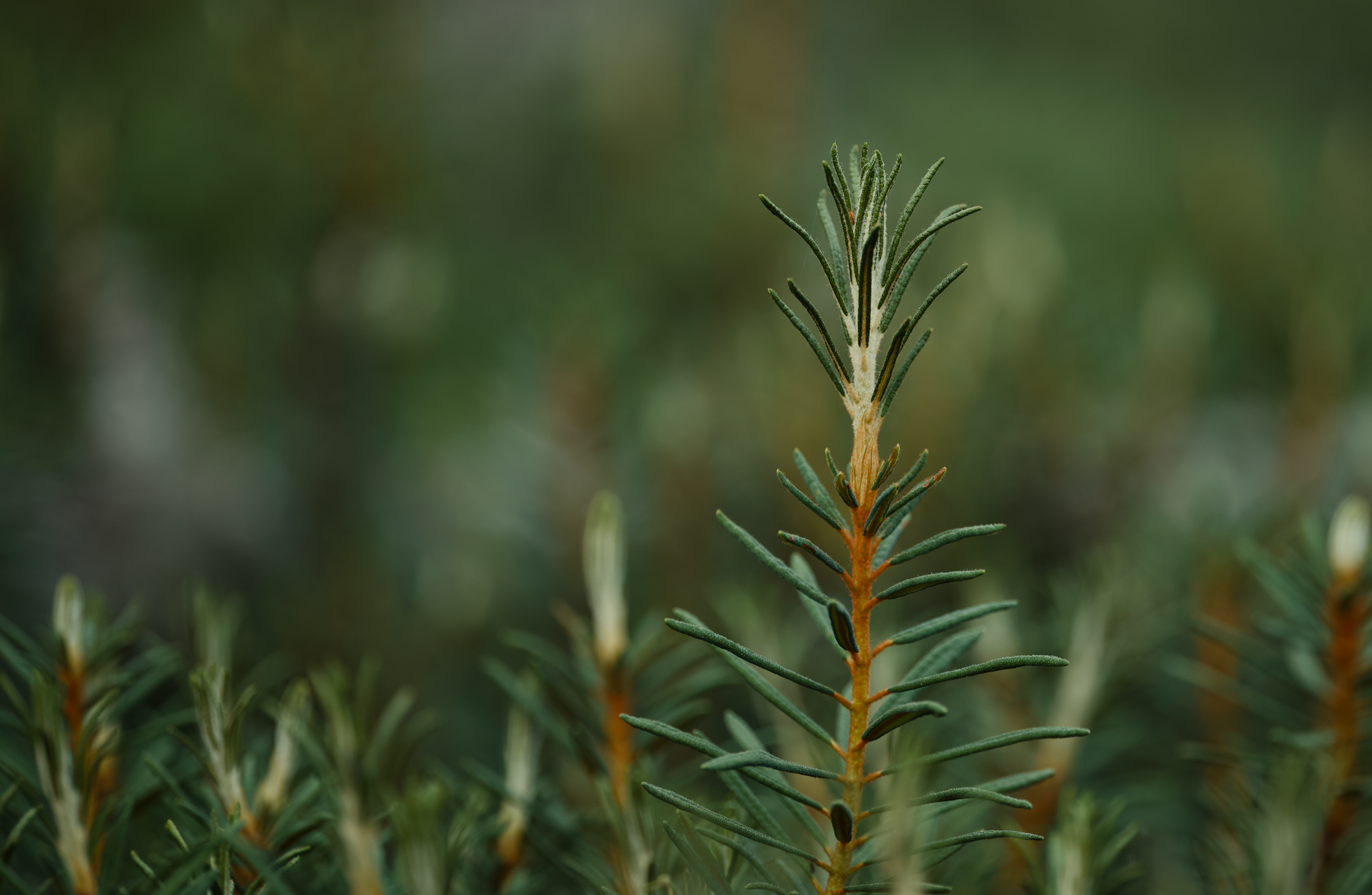
The Ultimate Guide to Madder: Health Benefits and Uses

Unearthing the Ancient Power: A Definitive Guide to the Health Benefits of Madder (Rubia tinctorum)

For millennia, humanity has turned to the natural world for sustenance, comfort, and healing. Among the vast botanical pharmacopoeia, one plant stands out for its vibrant history and profound therapeutic potential: Madder, scientifically known as Rubia tinctorum. Revered for its brilliant red pigments that have colored textiles and art throughout civilizations, Madder is far more than just a dye plant. Beneath its unassuming green exterior lies a treasure trove of bioactive compounds that offer a remarkable array of health benefits, spanning from urinary tract support to anti-inflammatory prowess and beyond. This comprehensive guide delves deep into the science, history, and practical applications of Madder, aiming to uncover why this ancient herb deserves a prominent place in modern wellness discussions.

A Journey Through Time: The Historical Significance of Madder

The story of Madder is interwoven with the very fabric of human history. Evidence of its use dates back over 5,000 years, with madder-dyed textiles found in ancient Egyptian tombs, Roman ruins, and Viking burial sites. The intense, colorfast red pigment, primarily alizarin, extracted from its roots, was highly prized and symbolized royalty, power, and passion. Beyond its aesthetic appeal, ancient civilizations, including those in traditional Persian, Indian, and Chinese medicine, also recognized and harnessed Madder’s medicinal properties. Early Greek physicians like Hippocrates and Dioscorides documented its use for various ailments, particularly kidney and bladder complaints, as well as skin conditions. This dual identity as both a vital industrial resource and a potent healing agent cemented Madder’s status as a botanical powerhouse across diverse cultures and epochs.

Botanical Profile: Understanding Rubia tinctorum

Rubia tinctorum, commonly known as common madder or dyer’s madder, belongs to the Rubiaceae family, which also includes coffee and cinchona (quinine source). It is a perennial herbaceous plant native to a wide region from the Mediterranean to Central Asia. The plant typically grows to a height of 1-1.5 meters, featuring a scrambling or climbing habit with small hooks on its stems and leaves that help it cling to other vegetation. Its leaves are arranged in whorls around the stem, and it produces small, yellowish-green flowers that eventually give way to black berries. However, the true medicinal and dyeing power of Madder resides in its extensive, fleshy roots. These rhizomatous roots are deep red or reddish-brown on the outside and orange-yellow internally, housing the concentrated pigments and other beneficial compounds that have fascinated scientists and healers for centuries.

Madder Botanical Photo

The Chemical Core: Key Bioactive Compounds in Madder

The remarkable health benefits attributed to Madder are primarily due to its complex phytochemical profile, rich in anthraquinone derivatives. These compounds are responsible for both the plant’s vibrant color and its therapeutic actions. The most significant bioactive constituents include:

  • Alizarin: Perhaps the most well-known compound, alizarin is a potent anthraquinone that gives Madder its characteristic red color. In a medicinal context, it has been extensively studied for its anti-inflammatory, antioxidant, and potential anticancer properties. Its ability to chelate calcium is particularly relevant for kidney stone management.
  • Purpurin: Another major anthraquinone, purpurin contributes to the red-orange hue. It shares many properties with alizarin, including anti-inflammatory, antioxidant, and cytotoxic effects against certain cancer cell lines.
  • Ruberythric Acid: This is a glycoside of alizarin, meaning alizarin is bound to a sugar molecule. In the body, ruberythric acid can be hydrolyzed to release free alizarin, contributing to its overall therapeutic effects.
  • Pseudopurpurin: Chemically similar to purpurin, pseudopurpurin also exhibits biological activity, contributing to the plant’s broader medicinal spectrum.
  • Munjistin: A lesser-known anthraquinone, munjistin, particularly prominent in Rubia cordifolia (Indian Madder), also possesses anti-inflammatory, antioxidant, and hepatoprotective properties.
  • Xanthopurpurin (Purpuroxanthin): Another anthraquinone derivative found in Madder, contributing to the plant’s diverse bioactivity.

Beyond these anthraquinones, Madder also contains various iridoid glycosides, triterpenoids, and other phenolic compounds, all of which likely contribute synergistically to its comprehensive health benefits. This intricate blend of phytochemicals underscores the complexity and multi-target action of traditional herbal remedies.

Madder Plant Profile

Deep Dive into the Health Benefits of Madder

The therapeutic applications of Madder are diverse, supported by centuries of traditional use and an increasing body of modern scientific research.

1. Unparalleled Support for Urinary Tract Health and Kidney Stone Management

One of Madder’s most celebrated and well-researched health benefits is its remarkable ability to support urinary tract health, particularly in the prevention and dissolution of kidney stones. Historically, Madder root was a primary remedy for various urinary complaints. Modern research has shed light on the mechanisms behind these effects:

  • Calcium Chelation: The primary mechanism is attributed to alizarin and other anthraquinones. These compounds possess a unique ability to chelate, or bind to, calcium ions. In the context of kidney stones, especially calcium oxalate stones (the most common type), alizarin can interfere with the crystallization process of calcium oxalate, making it less likely for stones to form or grow larger. By binding to calcium, alizarin effectively reduces the free calcium available to combine with oxalate, thereby inhibiting stone formation.
  • Stone Dissolution: Beyond prevention, some studies suggest that Madder may help in the dissolution of existing calcium oxalate stones by altering their physical properties and making them more susceptible to breakdown. It’s thought that the anthraquinones incorporate into the stone matrix, weakening its structure.
  • Diuretic Properties: Madder has mild diuretic effects, promoting increased urine flow. This helps flush out small crystals and prevents their aggregation, further reducing the risk of stone formation and aiding in the passage of smaller stones.
  • Anti-inflammatory Action: Kidney stones often cause inflammation and pain within the urinary tract. Madder’s anti-inflammatory compounds can soothe irritated tissues, reducing discomfort and promoting healing in the bladder and kidneys.
  • Antispasmodic Effects: Some traditional uses suggest antispasmodic effects, which could help relax the smooth muscles of the urinary tract, easing the passage of stones and reducing painful spasms.

It is important to note that while Madder has shown promise in managing specific types of kidney stones (calcium oxalate), its efficacy for other stone types may vary. Consultation with a healthcare professional is crucial for appropriate diagnosis and treatment of kidney stones.

2. Potent Anti-inflammatory and Analgesic Properties

Inflammation is a fundamental biological process, but chronic or excessive inflammation underlies numerous diseases, including arthritis, autoimmune conditions, and cardiovascular issues. Madder’s anthraquinone compounds, particularly alizarin and purpurin, exhibit significant anti-inflammatory and analgesic (pain-relieving) effects.

  • Modulation of Inflammatory Pathways: Research indicates that Madder constituents can modulate key inflammatory pathways. They are believed to inhibit the activity of cyclooxygenase (COX) enzymes, similar to NSAIDs, which are crucial in the production of pro-inflammatory prostaglandins.
  • Cytokine Regulation: Furthermore, these compounds may influence the production and release of pro-inflammatory cytokines such as TNF-alpha, IL-1 beta, and IL-6, thereby dampening the overall inflammatory cascade.
  • Reduction of Oxidative Stress: Inflammation and oxidative stress are often intertwined. By also acting as antioxidants, Madder compounds can break this vicious cycle, further reducing tissue damage and inflammation.

These actions make Madder a promising candidate for managing inflammatory conditions, offering a natural approach to alleviate pain and reduce swelling associated with various ailments.

3. Robust Antioxidant Power

Oxidative stress, caused by an imbalance between free radicals and the body’s antioxidant defenses, is a major contributor to aging and a myriad of chronic diseases. Madder is rich in compounds that act as powerful antioxidants, scavenging harmful free radicals and protecting cells from oxidative damage.

  • Free Radical Scavenging: The anthraquinones, along with other phenolic compounds in Madder, possess structures that allow them to donate electrons to neutralize free radicals, such as reactive oxygen species (ROS). This effectively stabilizes these highly reactive molecules before they can damage cellular components like DNA, proteins, and lipids.
  • Enhancing Endogenous Antioxidant Systems: Some research suggests that Madder extracts may also upregulate the body’s own antioxidant enzymes, such as superoxide dismutase (SOD), catalase, and glutathione peroxidase, providing an additional layer of defense against oxidative stress.

By mitigating oxidative stress, Madder contributes to overall cellular health, supports immune function, and may play a role in preventing chronic diseases linked to oxidative damage.

4. Emerging Evidence for Anticancer Activity

While still primarily in preclinical stages, research into Madder’s potential anticancer properties is gaining momentum. Several anthraquinones isolated from Madder have demonstrated cytotoxic effects against various cancer cell lines in vitro and in some animal models.

  • Induction of Apoptosis: Compounds like alizarin and purpurin have been shown to induce apoptosis (programmed cell death) in cancer cells, a critical mechanism for eliminating cancerous growths without causing widespread inflammation.
  • Inhibition of Cell Proliferation: Madder extracts can inhibit the uncontrolled proliferation of cancer cells, thereby slowing tumor growth.
  • Anti-angiogenesis: Some studies suggest that certain Madder constituents may interfere with angiogenesis, the process by which new blood vessels form to supply tumors with nutrients, effectively starving them.
  • Cell Cycle Arrest: By arresting the cell cycle at specific phases, Madder compounds can prevent cancer cells from dividing and multiplying.

It is crucial to emphasize that these findings are preliminary and primarily from laboratory or animal studies. Madder is not a substitute for conventional cancer treatments, and any use in this context should be strictly under medical supervision.

5. Hepatoprotective Effects (Liver Protection)

The liver, a vital organ for detoxification and metabolism, is constantly exposed to various toxins and stressors. Madder has been traditionally used in some systems of medicine to support liver health, and modern research offers insights into potential mechanisms.

  • Antioxidant and Anti-inflammatory Action in the Liver: By reducing oxidative stress and inflammation, Madder can protect liver cells from damage induced by toxins, drugs, or disease.
  • Enhancing Detoxification Pathways: Some components may modulate liver enzymes involved in detoxification, helping the liver process and eliminate harmful substances more efficiently.

These properties suggest Madder could be beneficial in maintaining liver health and supporting its crucial functions.

6. Skin Health and Dermatological Applications

Given its anti-inflammatory and antimicrobial properties, Madder has also found traditional use in dermatology and skin care. It was often applied topically for various skin conditions.

  • Soothing Inflamed Skin: The anti-inflammatory actions can help reduce redness, swelling, and irritation associated with conditions like eczema, psoriasis, and dermatitis.
  • Antimicrobial Activity: Some Madder compounds exhibit mild antimicrobial effects, which could be beneficial in managing skin infections or conditions like acne, where bacterial overgrowth plays a role.
  • Wound Healing: Traditional remedies sometimes employed Madder for wound healing, likely due to its anti-inflammatory and tissue-regenerating potential, though more robust scientific validation is needed.

7. Potential for Blood Sugar Regulation

Emerging research hints at Madder’s potential role in metabolic health, particularly in influencing blood glucose levels. Preliminary studies suggest that certain Madder extracts may have hypoglycemic effects, meaning they could help lower blood sugar. This effect is thought to involve mechanisms such as improved insulin sensitivity or reduced glucose absorption. While these findings are promising, more extensive research, especially human clinical trials, is required to confirm these effects and understand their clinical relevance in managing conditions like type 2 diabetes.

Traditional Uses and Modern Formulations

The application of Madder has evolved significantly over centuries, from crude root preparations to standardized modern supplements.

Madder Dried Herb

Traditional Preparations:

Historically, Madder root was commonly used as a decoction (boiled root in water) for internal consumption, particularly for urinary issues. Poultices made from crushed fresh or dried roots were applied externally for skin ailments and inflammatory conditions. In Ayurvedic and Unani medicine, it was often combined with other herbs to create synergistic formulations targeting specific health concerns.

Modern Supplements:

Today, Madder is most commonly available as a dietary supplement in various forms:

  • Capsules/Tablets: These contain standardized extracts or powdered dried root, offering a convenient and precise dosage. Extracts are often concentrated to provide a higher potency of active compounds.
  • Tinctures: Liquid extracts made by soaking the root in alcohol or glycerine, allowing for flexible dosing and faster absorption.
  • Powdered Root: Dried and ground root can be mixed into beverages or encapsulated at home, offering a more traditional approach.

The standardization of extracts ensures consistent levels of key bioactive compounds, such as anthraquinones, providing a more reliable therapeutic effect compared to raw dried root, where the concentration of active ingredients can vary.

Madder Capsules

Practical Usage and Dosage Guidelines

While Madder offers a spectrum of benefits, proper usage and dosage are paramount for safety and efficacy. It is always recommended to consult with a qualified healthcare professional or an experienced herbalist before incorporating Madder into your regimen, especially if you have pre-existing health conditions or are taking other medications.

  • Kidney Stone Prevention/Support: For this specific application, Madder is often taken in cycles rather than continuously. A common approach might involve taking a standardized extract for a few weeks, then taking a break, and repeating the cycle. Dosages can vary significantly based on the concentration of the extract. For powdered root, traditional doses might range from 1-2 grams per day, typically divided into multiple doses.
  • Anti-inflammatory Purposes: Similar dosages of powdered root or standardized extracts can be used. Tinctures might be taken at 2-5 ml, 2-3 times daily, depending on the concentration.
  • Starting Dose: It is always prudent to start with a lower dose and gradually increase it, monitoring your body’s response.
  • Preparation: If using dried root, a decoction can be made by simmering 1-2 teaspoons of dried, cut root in 1 cup of water for 10-15 minutes, then straining. This can be consumed 1-3 times a day.

Ensure you purchase Madder from reputable suppliers to guarantee purity and quality, as adulteration or contamination can be a concern with herbal products.

Madder Natural Herb

Safety, Side Effects, and Precautions

While generally considered safe for short-term use at recommended doses, Madder is not without potential considerations:

  • Urine Discoloration: The most common and harmless side effect is the temporary reddish or pinkish discoloration of urine due to the excreted pigments. This is normal and expected.
  • Long-Term Use: Concerns have been raised regarding very long-term, high-dose use of Madder root extracts, particularly regarding genotoxicity (potential DNA damage) and carcinogenicity (potential to cause cancer) in animal studies with specific pure anthraquinones like xanthopurpurin and purpurin. However, the relevance of these findings to human consumption of whole Madder root or standardized extracts at therapeutic doses is debated and requires further research. Most recommendations suggest cyclical or short-term use.
  • Pregnancy and Lactation: Madder is generally contraindicated during pregnancy and breastfeeding due to insufficient safety data and the potential for certain compounds to cross the placental barrier or enter breast milk.
  • Kidney Conditions: While beneficial for calcium oxalate stones, individuals with pre-existing kidney disease, particularly those with conditions other than calcium oxalate stones, should exercise extreme caution and only use Madder under strict medical supervision.
  • Drug Interactions: Madder may interact with certain medications, including blood thinners (due to potential mild anticoagulant effects), diuretics, or drugs metabolized by the liver. Always consult your doctor before combining Madder with prescription medications.
  • Allergies: As with any botanical, allergic reactions are possible, though rare.

Always adhere to recommended dosages and discontinue use if adverse reactions occur. Prioritize quality, organic, and ethically sourced Madder products.

Conclusion: The Enduring Legacy and Future Promise of Madder

From its ancient origins as a prized dye to its esteemed place in traditional medicine, Madder (Rubia tinctorum) stands as a testament to the enduring power of natural remedies. Its rich historical context is now being complemented by modern scientific inquiry, which is gradually unraveling the complex mechanisms behind its diverse health benefits. With its potent anthraquinone compounds, Madder offers significant promise, particularly in the realm of urinary tract health and kidney stone management, alongside its compelling anti-inflammatory, antioxidant, and potential anticancer properties.

As research continues to deepen our understanding of this remarkable plant, Madder reinforces the concept that ancient wisdom often holds clues to future therapeutic breakthroughs. While it is a powerful ally in natural wellness, responsible and informed usage, guided by professional advice, remains paramount to harnessing its full potential safely and effectively. Embracing Madder means connecting with a legacy of healing that spans millennia, offering a natural path towards enhanced well-being in our modern world.

Disclaimer: For informational purposes only. Not medical advice. Consult a qualified healthcare professional before use.
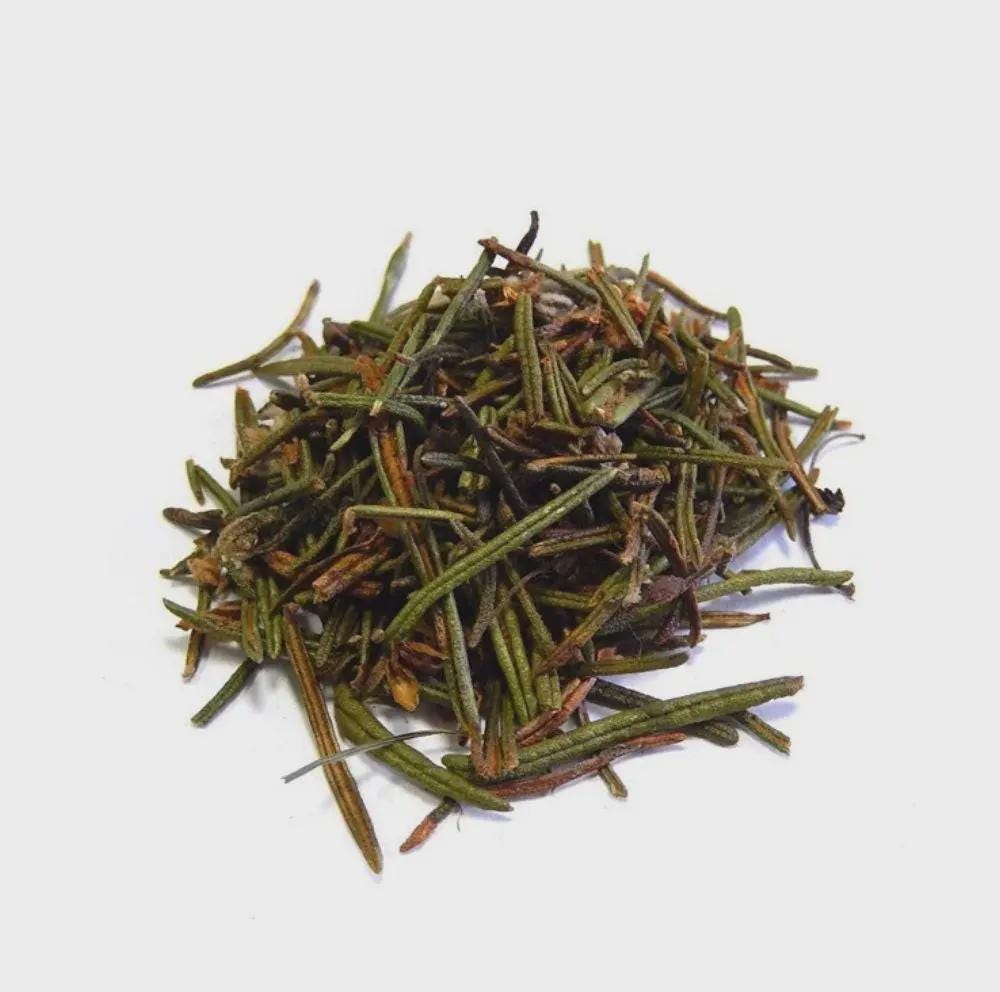
The Ultimate Guide to SIBERIAN GINSENG RООТ: Health Benefits and Uses

The Definitive Guide to Siberian Ginseng Root: Unearthing the Adaptogenic Power of Eleuthero

In the vast, untamed expanses of Siberia and the dense forests of East Asia thrives a remarkable botanical specimen often lauded as a cornerstone of traditional wellness: Siberian Ginseng Root, scientifically known as Eleutherococcus senticosus. Despite its common moniker, it is crucial to clarify from the outset that Siberian Ginseng is not a “true ginseng” belonging to the Panax genus (such as Asian or American Ginseng). Instead, it stands in its own right as a potent adaptogen, a classification bestowed upon herbs that help the body adapt to various stressors, promoting balance and resilience across physiological systems. This exhaustive guide delves deep into the rich history, intricate biochemistry, and myriad health benefits that position Siberian Ginseng Root as an indispensable natural ally for modern well-being.

For centuries, the indigenous populations of its native regions have revered Eleuthero for its profound ability to invigorate, fortify, and protect. From the harsh Siberian winters to the demanding physical labor, the root offered a natural pathway to enhanced endurance, heightened mental acuity, and robust immunity. Its reputation soared in the mid-20th century when Soviet scientists extensively researched its properties, leading to its widespread use among athletes, cosmonauts, and workers exposed to extreme conditions, solidifying its status as a performance-enhancing and stress-protective agent. Today, global interest continues to grow as scientific inquiry increasingly validates the traditional wisdom surrounding this extraordinary herb.

Botanical Profile and Historical Significance of Eleuthero

Eleutherococcus senticosus, commonly referred to as Eleuthero, Devil’s Shrub, or more popularly, Siberian Ginseng, belongs to the Araliaceae family, the same botanical family as true ginseng. However, its active compounds and mechanisms of action are distinct. Native to southeastern Russia, northern China, Korea, and Japan, this thorny shrub can grow up to 6 meters tall, producing small, spherical clusters of flowers that yield black, berry-like fruits. It is the woody root and rhizome of the plant that contain the potent bioactive compounds responsible for its medicinal properties.

The historical reverence for Eleuthero dates back over 2,000 years, documented in ancient Chinese texts that extolled its virtues as a tonic for strengthening the body, prolonging life, and enhancing vitality. In traditional Chinese medicine (TCM), it was used to address issues of fatigue, weakness, rheumatism, and to protect against infections. Its robust presence in Russian folk medicine also speaks to its profound efficacy, where it was traditionally employed to boost stamina, resist illness, and improve overall constitutional strength. The pivotal moment for Siberian Ginseng in modern history arrived during the Cold War era when extensive research by Soviet scientists, particularly Dr. Israel Brekhman, brought its adaptogenic qualities to international attention, demonstrating its capacity to improve physical and mental performance under stress.

SIBERIAN GINSENG RООТ Botanical Photo

The Bioactive Arsenal: Key Compounds in Siberian Ginseng Root

The profound health benefits attributed to Siberian Ginseng Root stem from a complex interplay of various bioactive compounds, collectively known as eleutherosides. Unlike the ginsenosides found in Panax ginseng, eleutherosides are specific to Eleutherococcus senticosus and are the primary markers used for standardization of Siberian Ginseng extracts. The most extensively studied eleutherosides include B, D, E, and I, though many others (A, C, F, G, K, L, M) contribute to the herb’s overall pharmacological profile.

Eleutherosides are a class of triterpenoid saponins and phenylpropanoid glycosides. Eleutheroside B (syringin) and Eleutheroside E (syringaresinol diglucoside) are often considered the most significant for their adaptogenic properties. These compounds are believed to exert their effects by modulating various physiological pathways, particularly those involved in the body’s stress response. They are thought to influence the adrenal glands and the hypothalamic-pituitary-adrenal (HPA) axis, helping the body to better manage and recover from physical, chemical, and environmental stressors. This adaptogenic action is not about stimulating or sedating the body, but rather normalizing its functions, helping to restore homeostasis when it is disrupted.

Beyond eleutherosides, Siberian Ginseng Root also contains a rich array of other beneficial constituents. These include polysaccharides, which are known for their immune-modulating properties; flavonoids, potent antioxidants that help protect cells from oxidative damage; and lignans, which can have hormone-balancing and anti-inflammatory effects. Coumarins, triterpenoid saponins, and various other phenolic compounds further contribute to the herb’s diverse therapeutic actions. This synergistic combination of compounds underpins Eleuthero’s multifaceted approach to supporting overall health and well-being.

SIBERIAN GINSENG RООТ Plant Profile

Comprehensive Health Benefits of Siberian Ginseng Root

1. Unrivaled Adaptogenic Power and Stress Resilience

The cornerstone of Siberian Ginseng Root’s fame lies in its profound adaptogenic capabilities. An adaptogen is defined by its ability to increase the body’s resistance to stress (both physical and mental), reduce the intensity of the stress response, and help the body return to a state of balance (homeostasis). Eleuthero achieves this without causing overstimulation or sedation. Its eleutherosides interact with the HPA axis and adrenal glands, which are central to the body’s stress response. By modulating cortisol levels and supporting adrenal function, Siberian Ginseng helps to prevent adrenal fatigue, a state of chronic stress that can lead to exhaustion, mood disturbances, and impaired immune function. Regular intake can result in a greater capacity to handle daily pressures, improved mental clarity under duress, and a reduction in the overall physiological toll that chronic stress can exact on the body.

2. Robust Immune System Modulation and Support

Siberian Ginseng has been extensively studied for its positive impact on the immune system. Its polysaccharides, in particular, are believed to stimulate the activity of various immune cells, including T-lymphocytes, B-lymphocytes, and natural killer (NK) cells. These cells are vital for identifying and eliminating pathogens, such as viruses and bacteria, as well as abnormal cells. By enhancing non-specific immunity, Eleuthero fortifies the body’s natural defense mechanisms, making it more resilient against common infections like colds, flu, and other respiratory ailments. Research suggests it may also possess direct antiviral properties, further bolstering its role as an immune system ally, especially during periods of seasonal vulnerability or heightened stress, which can suppress immune function.

3. Enhanced Energy, Stamina, and Physical Performance

Historically, Siberian Ginseng was a prized tonic for improving physical endurance and combating fatigue, a tradition well-supported by modern research. The adaptogenic properties of eleutherosides contribute to improved cellular energy production and more efficient utilization of oxygen by muscles. This results in reduced muscle fatigue, increased stamina, and an overall enhancement of physical work capacity. Athletes often turn to Eleuthero to improve their performance, accelerate recovery times, and reduce the physiological stress associated with intense training. For individuals experiencing general fatigue, whether from demanding schedules or chronic conditions, Siberian Ginseng offers a sustained, non-jittery energy boost, helping to improve vitality and overall quality of life without the crash associated with stimulants like caffeine.

4. Cognitive Function and Mental Acuity

Beyond physical endurance, Siberian Ginseng also offers significant benefits for cognitive function. Its adaptogenic effects extend to the brain, helping to improve concentration, memory, and mental alertness, particularly in stressful or fatiguing situations. The herb is thought to enhance cerebral circulation and provide neuroprotective effects, safeguarding brain cells from damage. Users often report improved focus, better problem-solving abilities, and a reduction in mental fog. This makes Eleuthero a valuable supplement for students, professionals, and anyone seeking to maintain optimal brain health and cognitive performance throughout their day.

5. Blood Sugar Regulation Support

Emerging research indicates that Siberian Ginseng Root may play a role in supporting healthy blood sugar levels. Some studies suggest that eleutherosides can help to improve insulin sensitivity and glucose metabolism, potentially leading to lower blood glucose levels. This area of research is particularly promising for individuals looking to manage their blood sugar or prevent the onset of metabolic imbalances. However, it is imperative that individuals with diabetes or those on blood sugar-lowering medications consult their healthcare provider before incorporating Siberian Ginseng into their regimen, as it may potentiate the effects of these medications.

6. Cardiovascular Health Maintenance

Siberian Ginseng has also shown potential in supporting cardiovascular health. Its antioxidant properties help to protect blood vessels from oxidative stress and inflammation, contributing to overall vascular integrity. Some studies suggest it may help to modulate blood pressure, although this effect can be variable and requires more extensive research. By reducing stress and improving circulation, Eleuthero indirectly supports a healthier heart and circulatory system, contributing to long-term cardiovascular well-being.

7. Hormonal Balance and Reproductive Health

While not a direct hormone regulator in the same way some herbs are, Siberian Ginseng’s adaptogenic actions can indirectly support hormonal balance by alleviating stress on the endocrine system, particularly the adrenal glands. Chronic stress can disrupt the delicate balance of hormones, impacting everything from thyroid function to reproductive health. By normalizing the body’s response to stress, Eleuthero helps to create a more stable internal environment, which can positively influence overall hormonal equilibrium. Some traditional uses and anecdotal evidence also suggest it may help with certain menopausal symptoms or generally improve vitality and reproductive health, although more direct scientific evidence in this area is needed.

Forms of Siberian Ginseng Root and Practical Usage

Siberian Ginseng Root is available in various forms, offering flexibility for integration into daily wellness routines. The choice of form often depends on personal preference, desired potency, and convenience.

Dried Herb for Traditional Preparations

Historically, and still commonly used in traditional medicine systems, the dried root of Eleutherococcus senticosus is prepared as teas, decoctions, or added to soups and culinary dishes. This allows for a gentle, sustained intake of its compounds. To prepare a decoction, the dried root pieces are typically simmered in water for an extended period, extracting the water-soluble eleutherosides and polysaccharides. This method offers a connection to ancient practices and can be particularly soothing.

SIBERIAN GINSENG RООT Dried Herb

Capsules and Tablets for Convenience and Standardization

For modern users seeking convenience and precise dosing, Siberian Ginseng is widely available in capsule or tablet form. These products often contain standardized extracts, meaning they are formulated to provide a consistent amount of active eleutherosides per serving. This standardization ensures potency and helps users replicate positive results. When choosing a supplement, look for products that specify the percentage or quantity of eleutherosides to ensure quality and efficacy. Capsules are an excellent choice for consistent daily intake and are easily incorporated into any supplement regimen.

SIBERIAN GINSENG RООT Capsules

Liquid Extracts and Tinctures for Bioavailability

Liquid extracts and tinctures offer another effective way to consume Siberian Ginseng. These forms are often rapidly absorbed by the body, potentially leading to quicker effects. They also allow for flexible dosing, as drops can be easily adjusted. Tinctures are typically alcohol-based, though alcohol-free glycerin extracts are also available. They can be taken directly or added to water or juice. As with capsules, look for high-quality, standardized liquid extracts from reputable manufacturers.

Dosage and Administration Guidelines

The optimal dosage of Siberian Ginseng Root can vary based on the form of the herb, the concentration of active compounds, and individual health goals. Generally, a common daily dose for standardized extracts (containing 0.8-1.5% eleutherosides) ranges from 200 mg to 400 mg, taken once or twice daily. For dried root powder, higher doses, typically 2-3 grams per day, are often recommended, usually infused as a tea. Tincture dosages often fall within 2-4 ml, two to three times daily.

  • Standardized Extracts (Capsules/Tablets): 200-400 mg daily, standardized to 0.8-1.5% eleutherosides.
  • Dried Root Powder: 2-3 grams per day, often prepared as a tea or decoction.
  • Liquid Extracts/Tinctures: 2-4 ml, two to three times daily.

It is generally recommended to start with a lower dose and gradually increase it to assess individual tolerance and response. As an adaptogen, Siberian Ginseng works best when taken consistently over time, rather than as an acute intervention. Some practitioners suggest cycling its use (e.g., taking it for 6-8 weeks, then taking a break for 1-2 weeks) to maintain its efficacy, though continuous use is also common and often well-tolerated. It is best taken in the morning or early afternoon to avoid potential mild stimulant effects that could interfere with sleep in some sensitive individuals.

Potential Side Effects and Precautions

Siberian Ginseng Root is generally considered safe and well-tolerated for most healthy adults when used appropriately. However, like all potent herbs, it can have potential side effects and interactions. Mild side effects, though uncommon, can include:

  • Irritability or mild insomnia (especially if taken late in the day or in very high doses).
  • Headache.
  • Temporary changes in blood pressure (either slight increases or decreases).
  • Stomach upset.

Precautions and Contraindications:

  • High Blood Pressure: Individuals with pre-existing high blood pressure should exercise caution and consult a healthcare professional, as some reports suggest it may transiently affect blood pressure.
  • Autoimmune Diseases: Due to its immune-modulating effects, individuals with autoimmune conditions (e.g., lupus, rheumatoid arthritis, multiple sclerosis) should consult their doctor before use.
  • Medication Interactions: Siberian Ginseng may interact with certain medications, including blood thinners (anticoagulants), diabetes medications, and corticosteroids. Always consult a healthcare provider if you are taking prescription drugs.
  • Pregnancy and Lactation: There is insufficient research on the safety of Siberian Ginseng during pregnancy and breastfeeding. It is best to avoid use during these periods.
  • Children: Use in children is not recommended without professional medical advice.

Always prioritize sourcing Siberian Ginseng Root from reputable suppliers to ensure purity, potency, and freedom from contaminants. Look for third-party tested products.

Distinguishing Siberian Ginseng from True Ginseng (Panax Species)

A common point of confusion arises from the “ginseng” in its name. While Siberian Ginseng shares the adaptogen classification with Panax ginseng (Asian Ginseng) and Panax quinquefolius (American Ginseng), they are distinct plants with different chemical compositions and subtle differences in their pharmacological profiles. Panax species contain ginsenosides, which are distinct from the eleutherosides found in Eleutherococcus senticosus. True ginsenosides tend to have a more pronounced stimulating effect, often associated with a ‘warm’ energy in TCM. Eleuthero, by contrast, is generally considered to offer a more balanced, sustaining, and less stimulating adaptogenic effect, making it suitable for a wider range of individuals, including those who may find Panax ginseng too potent or stimulating.

Conclusion: Embracing the Enduring Power of Siberian Ginseng Root

Siberian Ginseng Root, or Eleuthero, stands as a testament to nature’s profound capacity to support human health and resilience. From its deep historical roots in traditional medicine to its validation by modern scientific inquiry, this remarkable adaptogen offers a comprehensive array of benefits that address the multifaceted challenges of contemporary life. Its ability to bolster stress resilience, enhance immune function, boost physical and mental energy, and support cognitive health makes it an invaluable natural ally for those striving for optimal well-being.

As we navigate an increasingly demanding world, the consistent and judicious integration of Siberian Ginseng Root into a healthy lifestyle can provide the foundational support needed to maintain balance, vitality, and robust health. Its gentle yet powerful adaptogenic actions offer a pathway to improved endurance, sharpened focus, and a fortified defense system, empowering individuals to thrive amidst stressors and unlock their full potential. Always remember to consult with a qualified healthcare professional before beginning any new supplement regimen, especially if you have underlying health conditions or are taking medications, to ensure it is the right choice for your unique health profile.

SIBERIAN GINSENG RООT Natural Herb

Disclaimer: For informational purposes only. Not medical advice. Consult a qualified healthcare professional before use.

The Ultimate Guide to Lily of the Valley: Health Benefits and Uses

The Enigmatic Potency of Lily of the Valley: A Definitive Deep Dive into its Health Benefits and Historical Significance

Nestled within the tranquil shade of woodlands, the delicate, bell-shaped flowers of Lily of the Valley (Convallaria majalis) have captivated humanity for centuries, not merely for their exquisite beauty and enchanting fragrance but also for their profound, albeit potent, medicinal properties. Revered in folklore, embraced by traditional medicine, and scrutinized by modern science, this unassuming perennial stands as a testament to nature’s complex pharmacy. While its charming appearance belies a potent chemical profile, understanding Convallaria majalis requires a deep appreciation for its historical context, its intricate biochemistry, and the careful balance between therapeutic potential and inherent toxicity. This exhaustive guide delves into the multifaceted health benefits attributed to Lily of the Valley, exploring its bioactive compounds, traditional applications, and the critical considerations necessary for its safe and informed engagement.

A Botanical Profile and Its Storied Past: Tracing the Legacy of Convallaria majalis

Convallaria majalis, belonging to the Asparagaceae family (formerly Liliaceae), is a rhizomatous perennial herb native to temperate regions of Europe and Asia. Characterized by its broad, lance-shaped leaves and racemes of tiny, nodding white flowers, each exuding an intense, sweet perfume, it has earned common names such as May Bells, Our Lady’s Tears, and Ladders to Heaven. The plant’s botanical structure is as elegant as it is unassuming, typically reaching a height of 15-30 cm, with its fragrance often signaling its presence before the flowers are even spotted.

The historical reverence for Lily of the Valley is as rich and intricate as its fragrance. Its medicinal use dates back centuries, with early European herbalists and physicians acknowledging its powerful effects on the heart. Nicholas Culpeper, a prominent 17th-century English herbalist, praised it for strengthening the brain, comforting the heart, and aiding memory. Legends intertwine with its perceived therapeutic efficacy; it was believed to mend a broken heart and ward off evil spirits, often associated with purity and humility. In ancient Egyptian medicine, similar cardiac-acting plants were utilized, suggesting a long-standing awareness of this plant family’s potent effects.

Beyond Europe, various cultures incorporated Convallaria majalis into their folk medicine, typically for conditions related to cardiovascular issues, dropsy (edema), and nervous complaints. Its use was often shrouded in mystique, limited to experienced practitioners due to its recognized potency. This historical context underscores a consistent thread: Lily of the Valley has been, for millennia, regarded as a formidable botanical agent, demanding respect and precise application.

Lily of the Valley Botanical Photo

Unveiling the Chemical Tapestry: Bioactive Compounds and Their Mechanisms of Action

The medicinal prowess of Lily of the Valley is primarily attributed to a complex array of cardiac glycosides, compounds renowned for their potent influence on cardiac muscle function. While all parts of the plant contain these substances, their concentrations vary, with the flowers, leaves, and roots being particularly rich sources. The most prominent and extensively studied cardiac glycosides in Convallaria majalis include convallatoxin, convallatoxol, convallarin, convalloside, and convallamaroside.

The mechanism by which these compounds exert their effects is fascinating and profound. Cardiac glycosides operate by inhibiting the sodium-potassium adenosine triphosphatase (Na+/K+-ATPase) pump, an enzyme crucial for maintaining electrolyte gradients across cell membranes, particularly in cardiac myocytes. This inhibition leads to an accumulation of intracellular sodium ions. In turn, the elevated intracellular sodium reduces the efficiency of the sodium-calcium exchanger (NCX), a protein responsible for extruding calcium from the cell. Consequently, more calcium remains within the cardiac muscle cells, primarily sequestered in the sarcoplasmic reticulum.

The increased intracellular calcium availability enhances the force of myocardial contraction (positive inotropic effect). This means the heart muscle contracts more strongly, pumping blood more efficiently with each beat. Simultaneously, cardiac glycosides also exert effects on the autonomic nervous system, indirectly leading to a reduction in heart rate (negative chronotropic effect) and a decrease in the conduction velocity of electrical impulses through the atrioventricular (AV) node (negative dromotropic effect). These combined actions contribute to the cardiotonic effects for which Lily of the Valley is traditionally valued, making it effective in improving cardiac output and regulating certain arrhythmias, albeit with a narrow therapeutic window.

Beyond cardiac glycosides, Lily of the Valley also contains other bioactive constituents that contribute to its holistic effects. These include saponins, which may contribute to its diuretic and expectorant properties; flavonoids, known for their antioxidant and anti-inflammatory activities; and various volatile oils, which impart its characteristic fragrance and may possess mild sedative or nervine qualities. It is the synergistic interaction of these compounds that defines the plant’s overall therapeutic profile, making it a complex botanical with multiple targets of action within the human physiological system.

Lily of the Valley Plant Profile

Profound Health Benefits: A Closer Look at Lily of the Valley’s Therapeutic Potential

Given its rich chemical composition, Lily of the Valley has been historically employed for a range of health concerns, particularly those affecting the cardiovascular system. Its therapeutic applications, when managed with extreme caution and professional oversight, highlight its potential as a powerful herbal ally.

1. Cardiovascular Support: Strengthening the Heart’s Rhythm and Force

The primary and most significant health benefit associated with Lily of the Valley stems from its potent cardiotonic effects. The cardiac glycosides, such as convallatoxin, mimic the actions of digitalis (derived from foxglove) but are often considered to have a faster onset and elimination from the body, potentially leading to less cumulative toxicity. This makes it historically attractive for conditions where rapid, yet transient, cardiac support is needed, though digitalis remains the pharmaceutical standard.

  • Enhanced Myocardial Contractility: By increasing intracellular calcium, Lily of the Valley directly strengthens the force of the heart muscle contractions. This positive inotropic effect is crucial for individuals with congestive heart failure (CHF) or other conditions where the heart’s pumping efficiency is compromised. A stronger contraction means more blood is ejected from the ventric with each beat, improving overall cardiac output and circulation.
  • Regulation of Heart Rate: The negative chronotropic effects contribute to a slower, more deliberate heart rate. This can be beneficial in cases of tachycardia (abnormally fast heart rate), allowing the heart more time to fill with blood between beats, which can further optimize pumping efficiency and reduce the heart’s workload.
  • Improved Conduction: The negative dromotropic effect helps to slow the conduction of electrical impulses through the AV node. This action can be particularly useful in managing certain supraventricular arrhythmias, such as atrial fibrillation with a rapid ventricular response, by preventing too many impulses from reaching the ventricles.

2. Diuretic and Edema Relief: Alleviating Fluid Retention

Another significant traditional application of Lily of the Valley is its potent diuretic action. This property is closely linked to its cardiovascular benefits, as fluid retention (edema or dropsy) is a common symptom of congestive heart failure. The cardiac glycosides not only act directly on the heart but also influence renal function, leading to increased urine production and excretion of excess fluid.

  • Reduced Cardiac Workload: By promoting the excretion of sodium and water, Lily of the Valley helps to reduce the total blood volume. This decrease in circulating fluid lessens the preload on the heart, meaning the heart has less blood to pump with each beat, thereby reducing its overall workload. This indirect effect significantly supports cardiac function and can alleviate symptoms like shortness of breath and peripheral swelling.
  • Alleviation of Swelling: For individuals experiencing edema in the ankles, legs, or lungs due to poor circulation or heart failure, the diuretic effect can lead to a noticeable reduction in swelling and associated discomfort. This is particularly relevant for managing the symptoms of chronic heart conditions.

Lily of the Valley Dried Herb

3. Anti-inflammatory and Antioxidant Properties: Cellular Protection

While often overshadowed by its cardiac effects, Lily of the Valley also contains flavonoids and other phenolic compounds that exhibit anti-inflammatory and antioxidant activities. These properties, though less potent than its cardiac effects, contribute to a broader potential for cellular health.

  • Combating Oxidative Stress: Antioxidants neutralize free radicals, unstable molecules that can cause cellular damage and contribute to chronic diseases, including cardiovascular conditions. By mitigating oxidative stress, Lily of the Valley may offer a protective effect against cellular degradation and support overall tissue health.
  • Reducing Inflammation: Chronic inflammation is implicated in numerous health issues, from autoimmune disorders to cardiovascular disease progression. The anti-inflammatory constituents in Lily of the Valley may help modulate inflammatory pathways, potentially reducing systemic inflammation and its detrimental effects.

4. Traditional Applications for Nervous System and Respiratory Health

Beyond its well-documented cardiovascular actions, traditional herbalism has also employed Lily of the Valley for a variety of other conditions, often at much lower, homeopathic dilutions or specific preparations, demonstrating a nuanced understanding of its wide-ranging effects.

  • Nervine and Sedative Effects: Historically, the plant was sometimes used as a mild nervine to calm frayed nerves, alleviate anxiety, and promote relaxation. Its delicate fragrance was also utilized in aromatherapy for its purported soothing qualities, though internal use for these purposes is extremely rare due to toxicity concerns.
  • Headache and Vertigo Relief: Folk medicine sometimes suggested Lily of the Valley for certain types of headaches, particularly those accompanied by vertigo or a sense of pressure, perhaps due to its circulatory effects or mild analgesic properties.
  • Respiratory Support: Due to the presence of saponins, Lily of the Valley was occasionally used as an expectorant to help clear mucus from the respiratory passages, aiding in conditions like bronchitis or persistent coughs. This application is minor compared to its cardiac uses and almost exclusively relegated to historical texts.

Practical Applications and Forms of Usage: Navigating a Potent Herb

Given the extreme potency and inherent toxicity of Lily of the Valley, its practical application is fundamentally different from that of more benign herbs. It is crucial to emphasize that direct, self-administered herbal preparations from the raw plant are profoundly dangerous and unequivocally not recommended. Historically, and in contemporary regulated settings, Lily of the Valley is used in highly controlled environments or in specific, ultra-diluted forms.

1. Standardized Extracts and Pharmaceutical Preparations

In the past, and to a limited extent in some countries today, Lily of the Valley extracts have been incorporated into pharmaceutical preparations, often alongside other cardiotonic herbs or synthetic compounds. These preparations are meticulously standardized to ensure precise dosing of cardiac glycosides, minimizing the risk of toxicity while maximizing therapeutic effect. Such products are strictly prescription-only and administered under continuous medical supervision due to the narrow therapeutic index of cardiac glycosides.

Lily of the Valley Capsules

2. Homeopathic Remedies

One of the most common and safest ways Lily of the Valley is encountered in complementary medicine is through homeopathic preparations. Homeopathy utilizes highly diluted substances, often to the point where no original molecules remain. In this context, Convallaria majalis is traditionally indicated for conditions such as heart weakness with irregular pulse, symptoms of heart failure with edema, and certain rheumatic heart conditions. Homeopathic remedies are selected based on the principle of “like cures like” and are considered energetically rather than biochemically active, making them safe from the toxic effects of the raw plant. However, their efficacy is a subject of ongoing scientific debate.

3. Traditional Herbal Tinctures (Expert Use Only)

In very specific, professional herbal medicine practices (typically in countries with established traditions for potent herbs), extremely diluted tinctures might be prepared and administered by highly experienced practitioners. This requires profound botanical knowledge, understanding of pharmacology, and careful patient monitoring. Such usage is exceptionally rare in modern Western herbalism due to the availability of safer, more predictable pharmaceutical alternatives for cardiac conditions.

Safety, Dosage, and Critical Considerations: A Call for Caution

The discussion of Lily of the Valley’s health benefits would be critically incomplete and irresponsible without an emphatic warning about its inherent toxicity. **Every part of the Convallaria majalis plant—leaves, stems, flowers, berries, and roots—is poisonous when ingested.** The cardiac glycosides, while therapeutically beneficial in precise microdoses, are potent toxins that can disrupt normal heart function and lead to severe, even fatal, consequences in higher concentrations. This is why self-medication with any part of the raw plant or its unstandardized extracts is unequivocally dangerous and should be avoided at all costs.

Symptoms of Toxicity:

  • Gastrointestinal Distress: Nausea, vomiting, diarrhea, abdominal pain.
  • Cardiac Arrhythmias: Bradycardia (slow heart rate), tachycardia (fast heart rate), irregular heart rhythms, heart block.
  • Neurological Symptoms: Drowsiness, confusion, dizziness, visual disturbances (e.g., blurred vision, yellow-green halos), seizures in severe cases.
  • Electrolyte Imbalances: Hyperkalemia (elevated potassium levels).

Contraindications and Interactions:

  • Pregnancy and Lactation: Absolutely contraindicated due to potential fetal harm and passage into breast milk.
  • Pre-existing Heart Conditions: Individuals with heart disease, especially those with certain arrhythmias or pacemaker implants, should never use Lily of the Valley without strict medical supervision.
  • Kidney Disease: Impaired kidney function can reduce the elimination of cardiac glycosides, increasing the risk of toxicity.
  • Drug Interactions: Lily of the Valley can interact dangerously with other cardiac medications (e.g., digoxin, beta-blockers, calcium channel blockers), diuretics (potentiating electrolyte imbalances), and drugs that affect potassium levels.

Therefore, any consideration of using Lily of the Valley for medicinal purposes must be undertaken exclusively under the direct guidance and supervision of a highly qualified medical professional who understands both conventional pharmacology and the specific nuances of herbal cardiotonics. They would assess the individual’s health status, potential drug interactions, and the precise therapeutic benefits versus risks.

Lily of the Valley Natural Herb

Conclusion: Respecting Nature’s Double-Edged Sword

Lily of the Valley stands as a poignant reminder of nature’s formidable power, embodying both exquisite beauty and potent medicinal potential. Its rich history of use in traditional medicine, particularly for its profound cardiotonic and diuretic effects, is firmly rooted in the science of its cardiac glycosides. These compounds offer legitimate therapeutic benefits for conditions like congestive heart failure and edema by enhancing cardiac contractility, regulating heart rate, and promoting fluid excretion. Furthermore, its ancillary anti-inflammatory and antioxidant properties contribute to a broader spectrum of wellness.

However, the narrative of Convallaria majalis is inextricably linked with a critical caveat: its significant toxicity. The narrow therapeutic window of its active compounds necessitates an extreme level of caution, making self-medication not only unwise but dangerous. While its role in mainstream pharmacology has largely been superseded by more predictable synthetic drugs, its legacy endures in herbal traditions and homeopathic practices, where its potential is accessed through highly controlled or diluted forms. As with all potent botanicals, a deep respect for Lily of the Valley’s dual nature – its capacity to heal and to harm – is paramount. Future research may yet unveil novel applications or safer methods of extracting its benefits, but for now, its engagement demands unwavering professional guidance and a profound appreciation for its powerful chemistry.

Disclaimer: For informational purposes only. Not medical advice. Consult a qualified healthcare professional before use.

The Ultimate Guide to Galangal: Health Benefits and Uses

The Unveiling of Galangal: A Comprehensive Deep Dive into Its Profound Health Benefits

In the vast and intricate tapestry of natural remedies, certain botanicals stand out for their profound historical significance and remarkable therapeutic potential. Among these revered plants, Galangal, specifically Alpinia galanga and its close cousin Alpinia officinarum (often referred to as Lesser Galangal), emerges as a true powerhouse. Originating from Southeast Asia, this aromatic rhizome, often mistaken for or compared to ginger, possesses a distinct peppery, citrusy, and slightly piney flavor profile that has graced countless culinary dishes across Thailand, Indonesia, Malaysia, and Vietnam for centuries. Beyond its gastronomic appeal, Galangal has been a cornerstone in traditional medicine systems worldwide, cherished for its multifaceted health-promoting properties. This exhaustive guide aims to unravel the mysteries of Galangal, exploring its rich history, intricate chemical composition, and the myriad of evidence-backed health benefits that make it an invaluable addition to a holistic wellness regimen.

A Journey Through Time: Botanical Overview and Historical Roots

Galangal, a member of the ginger family (Zingiberaceae), is a perennial herb characterized by its robust, subterranean rhizome – the part most commonly used for both culinary and medicinal purposes. The plant itself can grow up to 6 feet tall, adorned with long, spear-shaped leaves and clusters of pale green flowers. While Greater Galangal (Alpinia galanga) is more prevalent in culinary applications, Lesser Galangal (Alpinia officinarum) often features more prominently in traditional medicinal formulations due to its concentrated active compounds. Native to Southeast Asia, particularly Indonesia, its cultivation spread throughout the region and eventually to other parts of Asia, the Middle East, and even Europe through ancient trade routes.

Galangal Botanical Photo

The historical reverence for Galangal is deeply embedded in various ancient healing traditions. In Ayurvedic medicine, it was utilized for its warming properties, believed to aid digestion, alleviate respiratory issues, and purify the blood. Traditional Chinese Medicine (TCM) recognizes Galangal as a potent herb for dispelling cold, warming the spleen and stomach, and treating conditions like abdominal pain, vomiting, and diarrhea. Arabic physicians, notably Avicenna, introduced Galangal to Europe in the Middle Ages, where it gained popularity as a spice and a remedy for digestive complaints, fevers, and even as an aphrodisiac. Its widespread adoption across diverse cultures underscores its efficacy and versatility, cementing its status as a time-honored herbal ally.

The Bioactive Symphony: Unpacking Galangal’s Key Compounds and Their Mechanisms

The remarkable therapeutic properties of Galangal are not attributable to a single compound but rather to a synergistic interplay of its diverse phytochemical constituents. Modern scientific research has meticulously isolated and identified these bioactive components, shedding light on the molecular mechanisms underpinning Galangal’s health benefits. The primary classes of compounds responsible for its medicinal actions include diarylheptanoids, flavonoids, volatile oils, and phenolic compounds.

Galangal Plant Profile

1. Diarylheptanoids: The Core Anti-Inflammatory Agents

Perhaps the most characteristic and potent compounds in Galangal are its diarylheptanoids, particularly galangals (e.g., 1′-acetoxychavicol acetate, 1′-acetoxygalangol acetate) and the flavonoid galangin. These compounds are extensively studied for their significant anti-inflammatory and antioxidant activities. They exert their effects by modulating key inflammatory pathways in the body. For instance, galangals have been shown to inhibit the production of pro-inflammatory mediators such as prostaglandins (by suppressing cyclooxygenase-2, COX-2 enzyme activity) and leukotrienes. They can also downregulate the expression of various cytokines, including TNF-alpha and interleukins, which are central to the inflammatory cascade. This direct intervention in inflammatory signaling makes diarylheptanoids crucial contributors to Galangal’s pain-relieving and swelling-reducing capabilities.

2. Flavonoids: Potent Antioxidants and Beyond

Galangal is rich in various flavonoids, with kaempferol and quercetin being prominent examples, in addition to galangin itself, which is a flavanol. Flavonoids are renowned for their powerful antioxidant properties, acting as free radical scavengers that protect cells from oxidative damage. Oxidative stress is a fundamental contributor to aging and a myriad of chronic diseases, including cardiovascular disorders, neurodegenerative conditions, and cancer. Beyond their antioxidant prowess, flavonoids also exhibit anti-inflammatory, antiviral, and even some anti-cancer activities, further enhancing Galangal’s therapeutic spectrum. They can modulate enzyme activities, inhibit platelet aggregation, and improve vascular health, contributing to a broad range of protective effects.

3. Volatile Oils: Aromatic Power and Antimicrobial Action

The characteristic pungent aroma and flavor of Galangal are due to its essential oils, a complex mixture of volatile compounds. Key constituents include cineol (eucalyptol), pinene, limonene, eugenol, and various sesquiterpenes. These volatile oils contribute significantly to Galangal’s carminative (gas-relieving), anti-nausea, and antimicrobial properties. Cineol, for example, is known for its expectorant and anti-inflammatory effects, while eugenol possesses strong antiseptic and analgesic qualities. The synergistic action of these volatile compounds provides broad-spectrum protection against various pathogens and aids in soothing digestive discomfort.

4. Phenolic Compounds: Diverse Protective Roles

Beyond the categories mentioned, Galangal also contains other beneficial phenolic compounds. These compounds, similar to flavonoids, contribute to the herb’s overall antioxidant capacity. They can help protect DNA from damage, support cellular health, and may play a role in modulating cellular proliferation, thereby contributing to potential anti-cancer effects. The presence of a wide array of phenolics ensures a comprehensive defense against oxidative stress and inflammation.

Comprehensive Health Benefits: A Deep Dive into Galangal’s Therapeutic Actions

The rich chemical profile of Galangal translates into an impressive array of health benefits, validated by traditional wisdom and increasingly supported by modern scientific investigation.

1. Potent Anti-Inflammatory Properties

One of Galangal’s most celebrated attributes is its powerful anti-inflammatory capacity. The diarylheptanoids, such as 1′-acetoxychavicol acetate, and flavonoids like galangin, act as potent inhibitors of inflammatory pathways. They effectively suppress the production of pro-inflammatory cytokines (e.g., TNF-α, IL-1β, IL-6) and enzymes like COX-2, which are critical drivers of inflammation and pain. This makes Galangal a promising natural remedy for inflammatory conditions such such as arthritis, inflammatory bowel disease, and muscle soreness. Unlike some conventional anti-inflammatory drugs that come with significant side effects, Galangal offers a natural alternative that targets inflammation at multiple molecular levels, potentially reducing swelling, redness, and discomfort without adverse reactions.

2. Robust Antioxidant Defense

Oxidative stress, caused by an imbalance between free radicals and the body’s antioxidant defenses, is a key factor in the pathogenesis of numerous chronic diseases and accelerates the aging process. Galangal is exceptionally rich in antioxidants, including flavonoids and phenolic compounds, which effectively neutralize free radicals and mitigate oxidative damage. These compounds scavenge reactive oxygen species (ROS), protect lipids from peroxidation, and enhance the activity of endogenous antioxidant enzymes such as superoxide dismutase (SOD) and glutathione reductase. By fortifying the body’s antioxidant defenses, Galangal helps protect cellular integrity, reduces the risk of chronic diseases, and supports overall cellular health and longevity.

3. Digestive Aid and Nausea Relief

Galangal has a long history of use as a digestive stimulant and carminative. Its pungent flavor and volatile oils help stimulate digestive enzymes, promoting efficient breakdown and absorption of food. It is particularly effective in alleviating symptoms of indigestion, bloating, and flatulence by relaxing the smooth muscles of the gastrointestinal tract and reducing gas formation. Furthermore, Galangal exhibits strong anti-emetic properties, making it a traditional and effective remedy for nausea and vomiting. Studies suggest it can help calm the stomach and alleviate motion sickness, morning sickness, and chemotherapy-induced nausea, often performing comparably to pharmaceutical anti-emetics in some contexts by influencing serotonin receptors in the gut.

4. Immune System Support and Antimicrobial Action

The diverse bioactive compounds in Galangal contribute to its significant immune-modulating and antimicrobial properties. Its essential oils, particularly cineol and pinene, possess potent antibacterial, antiviral, and antifungal activities, helping the body combat a wide range of pathogens. Traditional medicine systems have long utilized Galangal to treat respiratory infections, sore throats, and digestive infections. Beyond direct antimicrobial action, its anti-inflammatory and antioxidant effects also support overall immune function, helping the immune system operate optimally and reduce systemic inflammation that can suppress immune responses. This makes Galangal a valuable ally in bolstering natural defenses against common illnesses.

5. Potential Anti-Cancer Properties

Emerging research has highlighted Galangal’s impressive potential in cancer prevention and treatment, primarily through its diarylheptanoids and flavonoids. In vitro and in vivo studies have demonstrated that compounds like 1′-acetoxychavicol acetate and galangin can induce apoptosis (programmed cell death) in various cancer cell lines, including those of breast, colon, gastric, lung, and liver cancers. These compounds also exhibit anti-proliferative effects, inhibiting the uncontrolled growth of cancer cells, and can suppress angiogenesis (the formation of new blood vessels that feed tumors). While these findings are promising, it is crucial to emphasize that Galangal is not a substitute for conventional cancer treatment, but rather an area of exciting ongoing research for its potential as an adjunctive therapy or preventative agent.

6. Pain Relief (Analgesic Effects)

Linked intrinsically to its anti-inflammatory mechanisms, Galangal also offers significant analgesic properties. By reducing inflammation and modulating pain pathways, it can help alleviate various types of pain, including musculoskeletal pain, headaches, and menstrual cramps. Its ability to inhibit COX-2 enzymes means it can effectively block the synthesis of pain-inducing prostaglandins, offering a natural alternative for pain management without the potential gastrointestinal side effects associated with NSAIDs. This makes it a valuable herb for those seeking natural relief from chronic or acute pain.

7. Cognitive and Brain Health Support

The antioxidant and anti-inflammatory effects of Galangal extend to neuroprotection. Oxidative stress and chronic inflammation are significant contributors to neurodegenerative diseases like Alzheimer’s and Parkinson’s. By neutralizing free radicals and reducing neuroinflammation, Galangal’s active compounds may help protect brain cells from damage, preserve cognitive function, and potentially slow down age-related cognitive decline. Some studies also suggest it may improve memory and learning capabilities by enhancing brain antioxidant status and reducing neuronal damage.

8. Cardiovascular Health Benefits

Preliminary research suggests that Galangal may offer benefits for cardiovascular health. Its antioxidant properties help protect the cardiovascular system from oxidative damage, which is a major factor in the development of atherosclerosis and heart disease. Furthermore, some studies indicate its potential to help regulate cholesterol levels and support healthy blood pressure, although more extensive human clinical trials are needed to fully substantiate these claims. Its anti-inflammatory actions also reduce systemic inflammation, a known risk factor for cardiovascular events.

Traditional Applications and Modern Practical Usage

Galangal’s versatility extends from the kitchen to the medicine cabinet, offering numerous ways to incorporate its benefits into daily life.

Culinary Uses: The Flavor of Southeast Asia

In Southeast Asian cuisine, fresh Galangal rhizome is an indispensable ingredient. Its distinctive flavor elevates dishes like Thai Tom Yum and Tom Kha Gai soups, Indonesian rendangs, and various Malaysian and Vietnamese curries and stir-fries. It can be sliced, pounded into pastes, or infused into broths. Dried Galangal, often found sliced or powdered, offers a more concentrated flavor and is suitable for longer cooking times or for use in spice blends. Its unique taste adds depth and complexity, distinguishing these cuisines from those primarily using ginger.

Galangal Dried Herb

Herbal Remedies: Teas, Tinctures, and Poultices

For medicinal purposes, Galangal can be consumed as a tea, prepared by simmering fresh or dried slices in hot water. This infusion is excellent for digestive issues, nausea, and as a warming tonic. Tinctures, which are concentrated alcoholic extracts, offer a convenient way to harness its compounds. Topically, crushed fresh Galangal can be made into a poultice and applied to the skin to alleviate muscle pain, joint inflammation, or certain skin conditions, leveraging its anti-inflammatory and antiseptic properties.

Supplements: Capsules and Extracts for Targeted Support

For those seeking targeted therapeutic doses or convenience, Galangal is available in supplement form, typically as capsules containing powdered rhizome or standardized extracts. These supplements provide a consistent dosage of active compounds, making it easier to integrate Galangal into a daily wellness routine for specific health concerns like chronic inflammation, digestive support, or immune boosting.

Galangal Capsules

Dosage, Preparation, and Considerations

While Galangal is generally considered safe for consumption, especially in culinary amounts, understanding appropriate dosages and potential considerations is important for therapeutic use.

  • Fresh Galangal: Typically, 1-2 inches of fresh rhizome can be used in cooking or steeped for tea.
  • Dried Galangal: 1-2 grams of dried slices or powder steeped in hot water 2-3 times daily for tea.
  • Powdered Galangal: 0.5-1 gram of powdered rhizome can be taken daily, often mixed with water or food.
  • Extracts/Supplements: Follow the manufacturer’s recommended dosage, as concentrations vary widely. Standardized extracts are generally preferred for therapeutic consistency.

Potential Side Effects and Interactions: Galangal is well-tolerated by most individuals. However, in very high doses, it may cause mild gastrointestinal upset, heartburn, or skin irritation if applied topically to sensitive skin. Pregnant and breastfeeding women should consult a healthcare professional before using Galangal in medicinal quantities due to insufficient research on its safety in these populations. Individuals on blood-thinning medications or those with gallstones should also exercise caution and seek medical advice, as Galangal may have anticoagulant properties and stimulate bile flow.

Galangal Natural Herb

Future Research and Concluding Thoughts

The journey into Galangal’s health benefits reveals a fascinating synergy between ancient wisdom and modern science. While traditional uses have long underscored its value, contemporary research is now meticulously dissecting its biochemical pathways and validating its efficacy against a spectrum of ailments. The evidence for its anti-inflammatory, antioxidant, digestive, antimicrobial, and potential anti-cancer properties is robust and continues to grow. However, like many herbal remedies, more comprehensive human clinical trials are needed to establish optimal dosages, long-term safety, and precise mechanisms of action for specific health conditions.

As we continue to explore the vast potential of natural medicine, Galangal stands as a shining example of a botanical treasure offering multifaceted health benefits. Whether enjoyed for its unique culinary flavor or embraced for its therapeutic qualities, this powerful rhizome serves as a testament to the profound healing capabilities inherent in nature. Integrating Galangal into a balanced diet and wellness routine can contribute significantly to a healthier, more vibrant life, embodying the holistic approach to well-being that has been cherished across civilizations for millennia.

Disclaimer: For informational purposes only. Not medical advice. Consult a qualified healthcare professional before use.

The Ultimate Guide to Hawthorn Berry: Health Benefits and Uses


Hawthorn Berry: An Exhaustive Guide to Its Profound Health Benefits for Heart and Beyond


Hawthorn Berry: An Exhaustive Guide to Its Profound Health Benefits for Heart and Beyond

In the vast pantheon of natural remedies, few herbs command as much reverence and scientific attention as the Hawthorn Berry. Revered for centuries across diverse cultures, this humble fruit of the Crataegus species has earned its reputation as the ultimate “heart herb.” From ancient folk medicine to modern clinical trials, Hawthorn’s capacity to nurture and strengthen the cardiovascular system stands as its most celebrated attribute, yet its benefits extend far beyond the confines of cardiac support. This comprehensive guide will embark on a definitive deep-dive into the multifaceted health advantages of Hawthorn Berry, meticulously exploring its rich historical context, its complex array of bioactive compounds, the intricate mechanisms through which it exerts its therapeutic effects, and practical strategies for incorporating this powerful botanical into a holistic wellness regimen.

The Enduring Legacy of Hawthorn: Botanical Profile and Historical Roots

Hawthorn refers to a genus of shrubs and small trees belonging to the Rosaceae family, scientifically known as Crataegus. With hundreds of species found predominantly in temperate regions of North America, Europe, and Asia, the most commonly used medicinal varieties include Crataegus monogyna (common hawthorn) and Crataegus laevigata (midland hawthorn), though other species like Crataegus pinnatifida are also widely recognized, especially in traditional Chinese medicine. These resilient plants are characterized by their thorny branches, lobed leaves, white or pink blossoms that appear in spring, and the distinctive small, reddish-orange berries (haws) that ripen in late summer and autumn.

The historical reverence for Hawthorn is truly global and spans millennia. In Traditional Chinese Medicine (TCM), the berries, known as “Shan Zha,” have been utilized for digestive disorders, particularly those related to meat consumption, as well as for invigorating blood circulation and dispelling blood stasis, which aligns with modern understanding of its cardiovascular effects. European folk medicine, stretching back to the Roman Empire, championed Hawthorn as a remedy for heart ailments, digestive complaints, and even as a mild sedative. Medieval herbalists like Culpeper noted its benefits for the heart and circulation. Indigenous cultures in North America also incorporated Hawthorn into their medicinal practices, using various parts of the plant for heart conditions, digestive issues, and as a food source. Beyond medicine, Hawthorn trees hold significant cultural symbolism, often associated with protection, fertility, and enchantment in Celtic and other European mythologies, further cementing its deep roots in human history.

Hawthorn Berry Botanical Photo

Unlocking Hawthorn’s Bioactive Powerhouse: Key Phytochemicals and Their Mechanisms

The therapeutic efficacy of Hawthorn Berry is not attributable to a single compound but rather to a complex synergy of diverse phytochemicals, predominantly concentrated in its leaves, flowers, and berries. Understanding these active constituents provides crucial insight into the herb’s profound physiological effects.

Flavonoids and Proanthocyanidins: The Cardiovascular Guardians

  • Oligomeric Proanthocyanidins (OPCs): These powerful antioxidants are perhaps the most significant class of compounds in Hawthorn. OPCs, including epicatechin, procyanidins, and their oligomers, are potent free radical scavengers. Their mechanism involves directly neutralizing reactive oxygen species, thereby reducing oxidative stress on vascular tissues. This protection is critical for maintaining endothelial integrity, which is the inner lining of blood vessels, essential for proper vasodilation and preventing the initiation of atherosclerosis. OPCs also contribute to the anti-inflammatory effects of Hawthorn, modulating inflammatory pathways that can damage the cardiovascular system.

  • Flavonoids (e.g., Vitexin, Rutin, Quercetin, Hyperoside): These are another prominent group of polyphenolic compounds. Flavonoids in Hawthorn contribute significantly to its antioxidant and anti-inflammatory profile. They work by inhibiting enzymes involved in inflammatory cascades and by directly scavenging free radicals. More specifically for cardiovascular health, flavonoids can help relax blood vessels by increasing the bioavailability of nitric oxide (NO), a crucial vasodilator. Vitexin, in particular, has been studied for its ability to improve coronary blood flow and strengthen heart muscle contractions (positive inotropic effect) without significantly increasing heart rate, making it beneficial for conditions like mild congestive heart failure. Rutin and quercetin further enhance capillary strength and reduce permeability, improving microcirculation and reducing edema.

Triterpenes: Anti-inflammatory and Cardioprotective

  • Ursolic Acid and Oleanolic Acid: These triterpenoid compounds are found in various medicinal plants and contribute to Hawthorn’s therapeutic spectrum. They possess significant anti-inflammatory properties by inhibiting key enzymes like cyclooxygenase (COX) and lipoxygenase (LOX), which are involved in prostaglandin and leukotriene synthesis, respectively. In the context of cardiovascular health, their anti-inflammatory action helps to mitigate chronic inflammation within the arterial walls, a known precursor to atherosclerosis. Some research also suggests triterpenes may exert mild hypotensive effects and offer protection against myocardial damage, though their role is often synergistic with the more dominant flavonoids.

Phenolic Acids: Complementary Antioxidant Support

  • Caffeic Acid and Chlorogenic Acid: These phenolic acids are additional contributors to Hawthorn’s impressive antioxidant capacity. Similar to flavonoids, they help protect cells from oxidative damage, which is fundamental to preventing age-related decline and chronic diseases, including cardiovascular conditions. Chlorogenic acid, in particular, has been investigated for its potential to modulate glucose and lipid metabolism, offering complementary support for metabolic health, which is intrinsically linked to cardiovascular well-being.

The combined action of these diverse compounds underscores Hawthorn’s holistic approach to cardiovascular health. They work in concert to protect the heart and blood vessels from oxidative stress, reduce inflammation, improve circulation, and enhance cardiac contractility, making it a truly remarkable botanical ally.

Hawthorn Berry Plant Profile

The Comprehensive Health Benefits of Hawthorn Berry

Hawthorn Berry’s therapeutic impact is predominantly centered on the cardiovascular system, but its rich phytochemical profile also confers benefits to other bodily systems.

I. Cardiovascular Health – The Unrivaled Heart Tonic

Hawthorn’s reputation as a premier heart tonic is firmly supported by extensive research and centuries of traditional use. Its multifaceted action targets several key aspects of cardiovascular function.
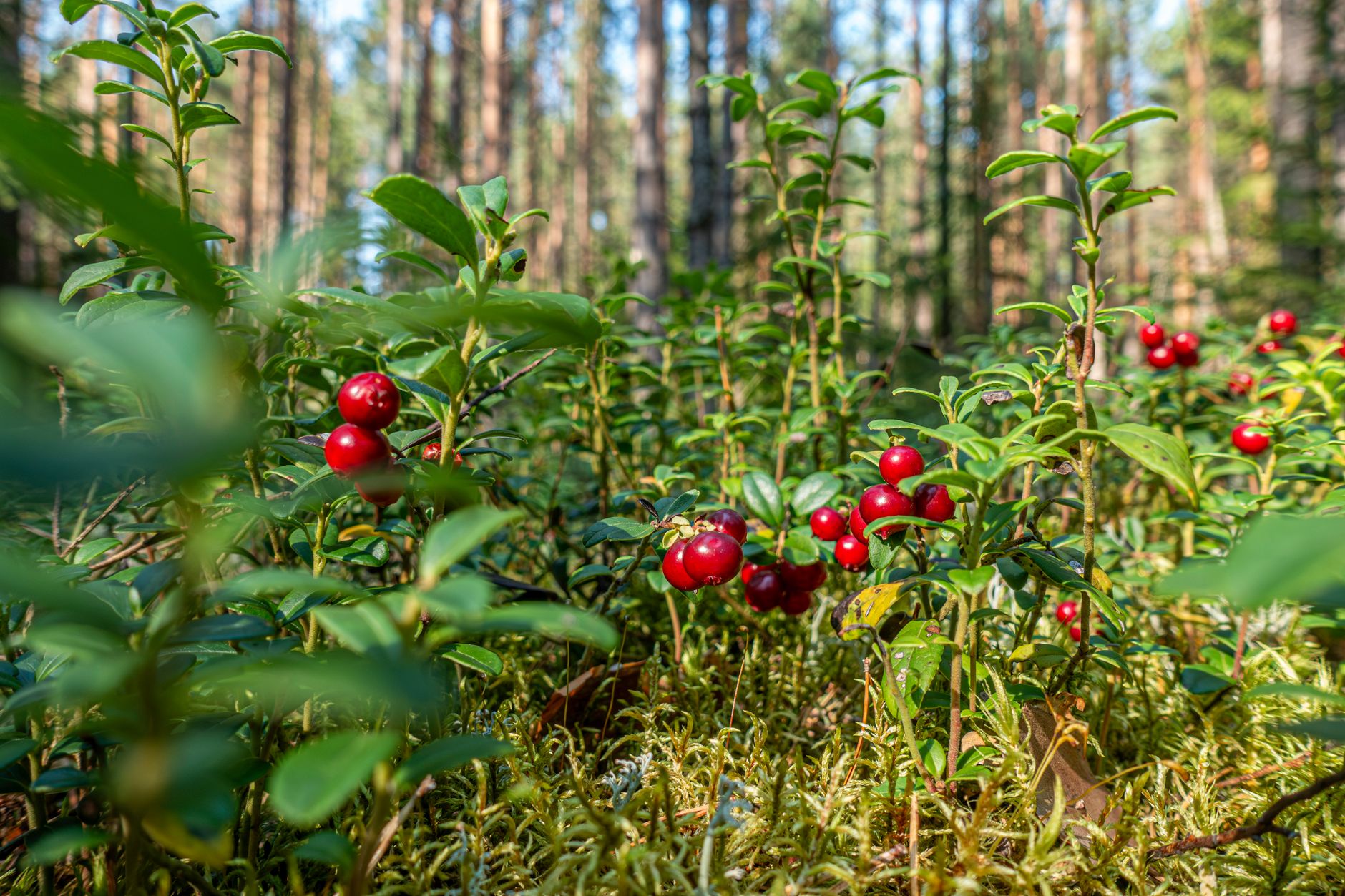
A. Supporting Healthy Blood Pressure Regulation

One of Hawthorn’s most celebrated benefits is its ability to contribute to the maintenance of healthy blood pressure levels. This effect is achieved through several intricate mechanisms. Firstly, Hawthorn promotes vasodilation, the widening of blood vessels, primarily by enhancing the production and bioavailability of nitric oxide (NO) within endothelial cells. Nitric oxide is a critical signaling molecule that signals smooth muscle cells in arterial walls to relax, leading to reduced peripheral vascular resistance and, consequently, lower blood pressure. Secondly, some studies suggest that Hawthorn may exert a mild angiotensin-converting enzyme (ACE) inhibitory effect. ACE inhibitors are a class of pharmaceutical drugs that prevent the conversion of angiotensin I to angiotensin II, a potent vasoconstrictor, thus relaxing blood vessels and lowering blood pressure. While not as potent as pharmaceutical ACE inhibitors, this mild action contributes to Hawthorn’s overall hypotensive properties. Additionally, certain compounds in Hawthorn may possess a mild diuretic effect, helping the body excrete excess sodium and water, which can further contribute to blood pressure reduction, particularly in individuals sensitive to fluid retention.
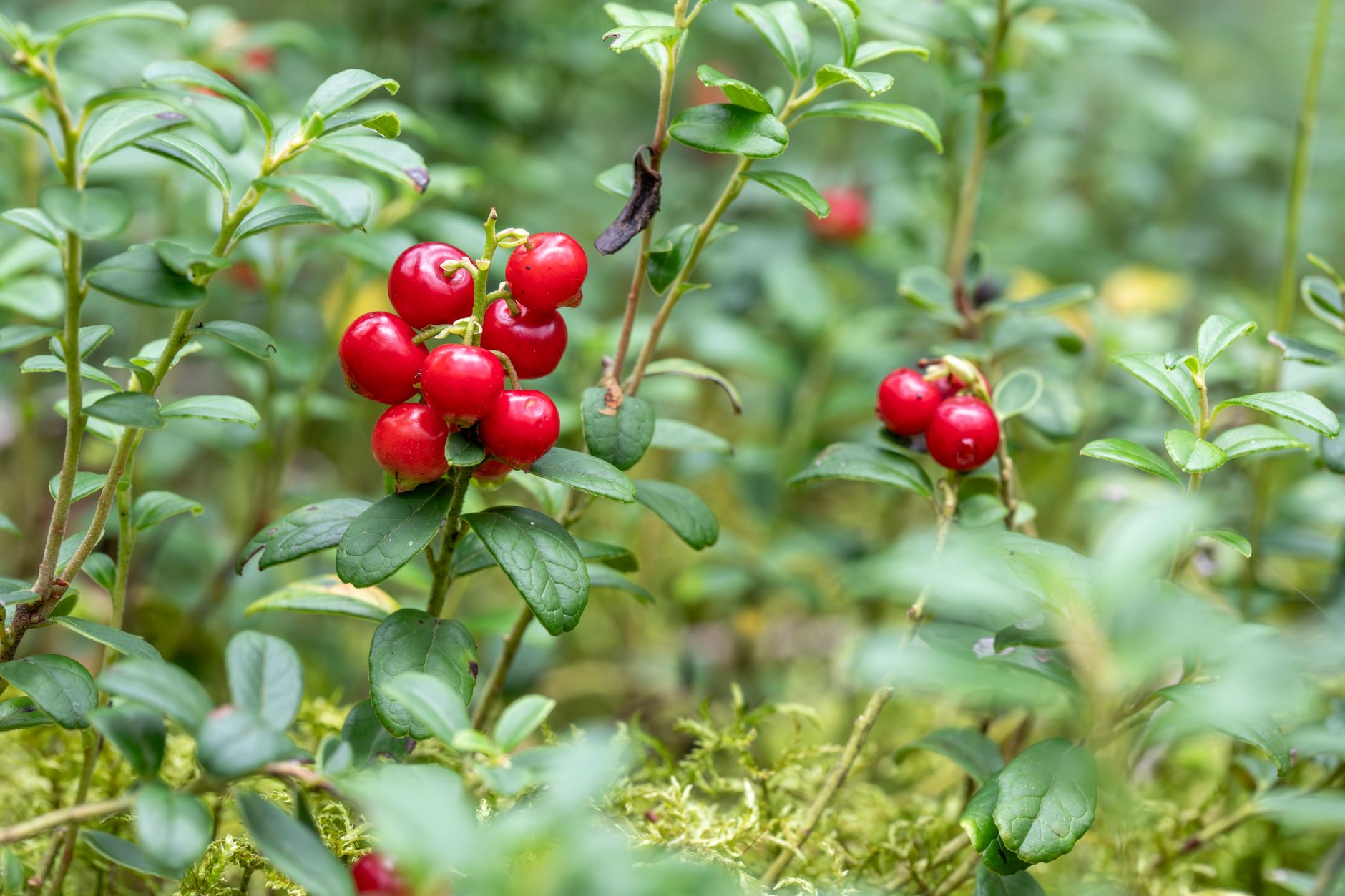
B. Enhancing Cardiac Function and Circulation

Hawthorn is renowned for its positive inotropic effects, meaning it can strengthen the force of heart muscle contractions without significantly increasing heart rate or oxygen demand, which is a critical distinction from some conventional cardiac medications. This enhanced contractility improves the heart’s pumping efficiency, leading to better circulation throughout the body. Furthermore, Hawthorn improves coronary blood flow, ensuring that the heart muscle itself receives an adequate supply of oxygen and nutrients. This improved myocardial perfusion is vital for cardiac health and can be particularly beneficial for individuals experiencing symptoms of mild angina or those with compromised coronary circulation. Clinical trials have shown Hawthorn extracts to be effective in improving symptoms and exercise tolerance in patients with early-stage congestive heart failure (CHF), reducing fatigue, shortness of breath, and palpitations by supporting the heart’s overall function and mitigating associated symptoms.

C. Regulating Cholesterol and Lipid Levels

Beyond its direct impact on blood pressure and heart function, Hawthorn also offers benefits for lipid metabolism, contributing to healthier cholesterol profiles. The potent antioxidant compounds, particularly flavonoids and proanthocyanidins, play a crucial role here by protecting low-density lipoprotein (LDL) cholesterol from oxidation. Oxidized LDL is a highly atherogenic particle, meaning it contributes significantly to the formation of plaque in arteries. By preventing LDL oxidation, Hawthorn helps to reduce the risk of atherosclerosis and subsequent cardiovascular events. Moreover, some animal and preliminary human studies indicate that Hawthorn may influence lipid synthesis and excretion, potentially leading to reductions in total cholesterol, LDL cholesterol, and triglycerides, while supporting healthy high-density lipoprotein (HDL) cholesterol levels. This comprehensive approach to lipid management underscores Hawthorn’s utility in a preventative cardiovascular strategy.

D. Potent Antioxidant & Anti-Inflammatory Properties for Vascular Health

The cardiovascular benefits of Hawthorn are intricately linked to its superior antioxidant and anti-inflammatory capabilities. Oxidative stress, characterized by an imbalance between free radicals and the body’s ability to detoxify them, is a major contributor to endothelial dysfunction, arterial stiffness, and the development of atherosclerosis. Hawthorn’s rich array of flavonoids, OPCs, and phenolic acids efficiently scavenges these harmful free radicals, protecting cellular structures, particularly the delicate endothelial lining of blood vessels, from damage. Simultaneously, chronic low-grade inflammation within arterial walls is a key driver of cardiovascular disease progression. Hawthorn’s anti-inflammatory compounds help to modulate inflammatory pathways, reducing the inflammatory burden on the vascular system. By mitigating both oxidative stress and inflammation, Hawthorn helps to preserve the structural integrity and functional elasticity of blood vessels, ensuring optimal blood flow and reducing the risk of plaque formation and other vascular pathologies.

II. Digestive System Support

While often overshadowed by its cardiac applications, Hawthorn has a long history of use in traditional medicine for digestive ailments. In TCM, “Shan Zha” is a renowned digestive aid, particularly for breaking down fatty and protein-rich foods and alleviating indigestion, bloating, and abdominal distension. The berries contain dietary fiber, which supports healthy bowel movements and microbiota diversity. The flavonoids and other polyphenols may also exert a beneficial influence on the gut microbiome, promoting a healthy balance of bacteria crucial for optimal digestion and nutrient absorption. Hawthorn’s mild bitter compounds can stimulate digestive enzymes and bile flow, further assisting the breakdown of food and easing digestive discomfort after meals.

III. Anxiety and Stress Reduction

Beyond its physical effects, Hawthorn has also been traditionally employed as a nervine, an herb that calms the nervous system. While not a potent sedative, it is believed to exert mild anxiolytic (anxiety-reducing) effects. This may be partly due to its general ability to improve cardiovascular function, as a healthier heart can contribute to a greater sense of calm and well-being. Additionally, some research suggests that certain compounds in Hawthorn may interact with neurotransmitter systems, such as GABA (gamma-aminobutyric acid), which is involved in regulating nerve excitability and promoting relaxation. For individuals experiencing mild anxiety, nervous tension, or stress-related palpitations, Hawthorn may offer a gentle and supportive calming effect without the strong sedative properties of some other herbal remedies.

IV. Broad-Spectrum Anti-inflammatory and Antioxidant Effects

The powerful antioxidant and anti-inflammatory properties of Hawthorn are not exclusive to the cardiovascular system; they contribute to overall health and disease prevention throughout the body. By reducing systemic oxidative stress, Hawthorn helps protect cells and tissues from damage that underlies numerous chronic diseases, including certain neurodegenerative conditions, metabolic disorders, and even the aging process itself. Its anti-inflammatory compounds can help to alleviate inflammatory responses in various tissues, potentially benefiting conditions characterized by chronic inflammation. This broad-spectrum protective action underscores Hawthorn’s role as a general tonic for maintaining cellular health and resilience.

V. Skin Health Support

The antioxidant capabilities of Hawthorn Berry also extend to skin health. By neutralizing free radicals generated by environmental stressors like UV radiation and pollution, Hawthorn compounds can help protect skin cells from oxidative damage, which is a primary factor in premature skin aging, including the formation of wrinkles and age spots. Its anti-inflammatory properties can also help soothe irritated skin and reduce redness. Furthermore, improved microcirculation, a benefit of Hawthorn, ensures better delivery of nutrients and oxygen to skin cells, promoting a healthier complexion and supporting the skin’s natural regeneration processes. Some cosmetic formulations have begun to incorporate Hawthorn extracts for these protective and rejuvenating properties.

Practical Applications and Forms of Hawthorn Berry

Hawthorn Berry is versatile and can be incorporated into a wellness routine in several forms, each offering distinct advantages.

A. Dried Berries and Herbs for Teas and Tinctures

One of the most traditional ways to consume Hawthorn is in its dried form. The dried berries, leaves, and flowers can be brewed into a healthful tea. A strong infusion, typically made by steeping 1-2 teaspoons of dried herb per cup of hot water for 10-15 minutes, can be consumed 2-3 times daily. Teas offer a gentle and traditional way to receive the herb’s benefits, allowing for the slow extraction of water-soluble compounds. For a more concentrated form, a tincture can be prepared by macerating the dried herb in alcohol, extracting a broader spectrum of compounds, including those less soluble in water. Tinctures are potent and convenient, typically taken in drops or small doses mixed with water.

Hawthorn Berry Dried Herb

B. Standardized Extracts and Supplements

For therapeutic consistency and convenience, standardized Hawthorn extracts are widely available in capsule or tablet form. These extracts are often standardized to contain a specific percentage of active compounds, such as 1.5-2.2% flavonoids or 18-20% oligomeric proanthocyanidins (OPCs). Standardization ensures that each dose delivers a consistent amount of the key beneficial compounds, which is particularly important for managing chronic conditions like mild congestive heart failure where precise dosing has been studied. These supplements offer a practical way to ensure a consistent intake of Hawthorn’s active ingredients, making them a preferred choice for many seeking targeted cardiovascular support.

Hawthorn Berry Capsules

C. Culinary Uses

Beyond medicinal applications, Hawthorn berries are also edible and can be enjoyed in various culinary preparations. Their tart and tangy flavor makes them suitable for jams, jellies, preserves, sauces, and even fruit leathers. In some cultures, Hawthorn berries are used to make wines, liqueurs, or fermented beverages. While culinary uses may not deliver the same concentrated therapeutic doses as standardized extracts, they offer a delicious way to enjoy the general health benefits and unique flavor of this remarkable fruit.

Dosage, Safety, and Potential Considerations

While Hawthorn is generally considered safe for most people when taken appropriately, it is crucial to approach its usage with awareness and, ideally, under the guidance of a healthcare professional, especially for those with existing medical conditions or those taking other medications.

General Dosage Recommendations:

  • Standardized Extracts: Common dosages range from 160-900 mg per day, divided into 2-3 doses. Extracts are often standardized to contain 1.5-2.2% flavonoids or 18-20% OPCs. For mild to moderate congestive heart failure, studies have often used doses around 300 mg three times daily of an extract standardized to 1.8% vitexin.
  • Dried Berries/Leaves/Flowers (Tea): 1-2 teaspoons per cup, steeped for 10-15 minutes, 2-3 times daily.
  • Tincture: Typically 1-4 ml, 2-3 times daily, depending on concentration.

It’s important to note that the effects of Hawthorn often take time to become apparent, usually several weeks to a few months, due to its gentle and cumulative action. Consistency is key.

Potential Side Effects:

Hawthorn is generally well-tolerated. Mild side effects, though infrequent, can include:

  • Dizziness or lightheadedness (especially with blood pressure drops).
  • Nausea or mild stomach upset.
  • Fatigue.
  • Headache.

Drug Interactions:

This is the most critical area for caution, as Hawthorn’s cardiovascular effects can interact with pharmaceutical medications. Consult your doctor or pharmacist if you are taking any of the following:

  • Blood Pressure Medications: Hawthorn can augment the effects of antihypertensive drugs, potentially leading to excessive drops in blood pressure (hypotension). This includes ACE inhibitors, beta-blockers, calcium channel blockers, and diuretics.
  • Heart Medications:
    • Digoxin: Hawthorn may enhance the effects of digoxin, a medication used for heart failure and irregular heartbeats, potentially leading to digoxin toxicity.
    • Beta-blockers: Hawthorn can add to the bradycardia (slowed heart rate) and hypotensive effects of beta-blockers.
    • Calcium Channel Blockers: Similar to beta-blockers, Hawthorn may enhance their effects.
  • Anticoagulants and Antiplatelet Drugs: While not a strong blood thinner itself, some theoretical concern exists that Hawthorn might mildly increase the risk of bleeding in individuals taking blood thinners like warfarin (Coumadin) or antiplatelet drugs like aspirin or clopidogrel.
  • Nitrates: Hawthorn may enhance the vasodilatory effects of nitrates.

Contraindications and Warnings:

  • Pregnancy and Breastfeeding: Due to a lack of sufficient safety data, Hawthorn is generally not recommended for pregnant or breastfeeding women.
  • Surgery: Discontinue Hawthorn at least two weeks before any scheduled surgery due to potential interactions with anesthesia and a theoretical risk of increased bleeding.
  • Children: Its use in children is not well-studied and should be avoided without professional medical advice.
  • Self-Diagnosis: Hawthorn should not be used as a substitute for prescribed medication for serious heart conditions, nor should it delay seeking professional medical attention for cardiac symptoms.

Always “start low and go slow” with new supplements, especially if you have pre-existing health conditions or are on medication. Monitoring blood pressure and heart rate when combining Hawthorn with conventional medications is advisable.

Hawthorn Berry Natural Herb

Conclusion: Hawthorn Berry – A Natural Cornerstone for Holistic Wellness

The Hawthorn Berry stands as an extraordinary testament to the power of botanical medicine, a true gem in the realm of natural health. Its profound and extensively researched benefits for cardiovascular health – encompassing blood pressure regulation, enhanced cardiac function, improved circulation, and robust antioxidant and anti-inflammatory protection – firmly establish it as a cornerstone for maintaining a healthy heart. Beyond its celebrated cardiac applications, Hawthorn offers valuable support for digestive health, provides a gentle calming effect for anxiety, and contributes to overall cellular vitality through its broad-spectrum phytochemical actions. From ancient remedies to modern scientific inquiry, the evidence consistently points to Hawthorn as a safe and effective ally for well-being.

However, as with all potent natural remedies, respectful and informed usage is paramount. While Hawthorn’s historical safety profile is excellent, its significant physiological effects necessitate careful consideration, particularly when integrated with conventional medications. Embracing Hawthorn Berry as part of a holistic health strategy, alongside a balanced diet, regular exercise, and stress management, offers a powerful pathway to optimizing vitality. Always engage in a thoughtful dialogue with your healthcare provider to ensure that Hawthorn aligns safely and effectively with your individual health needs and goals, unlocking the full potential of this remarkable “heart herb.”


Disclaimer: For informational purposes only. Not medical advice. Consult a qualified healthcare professional before use.