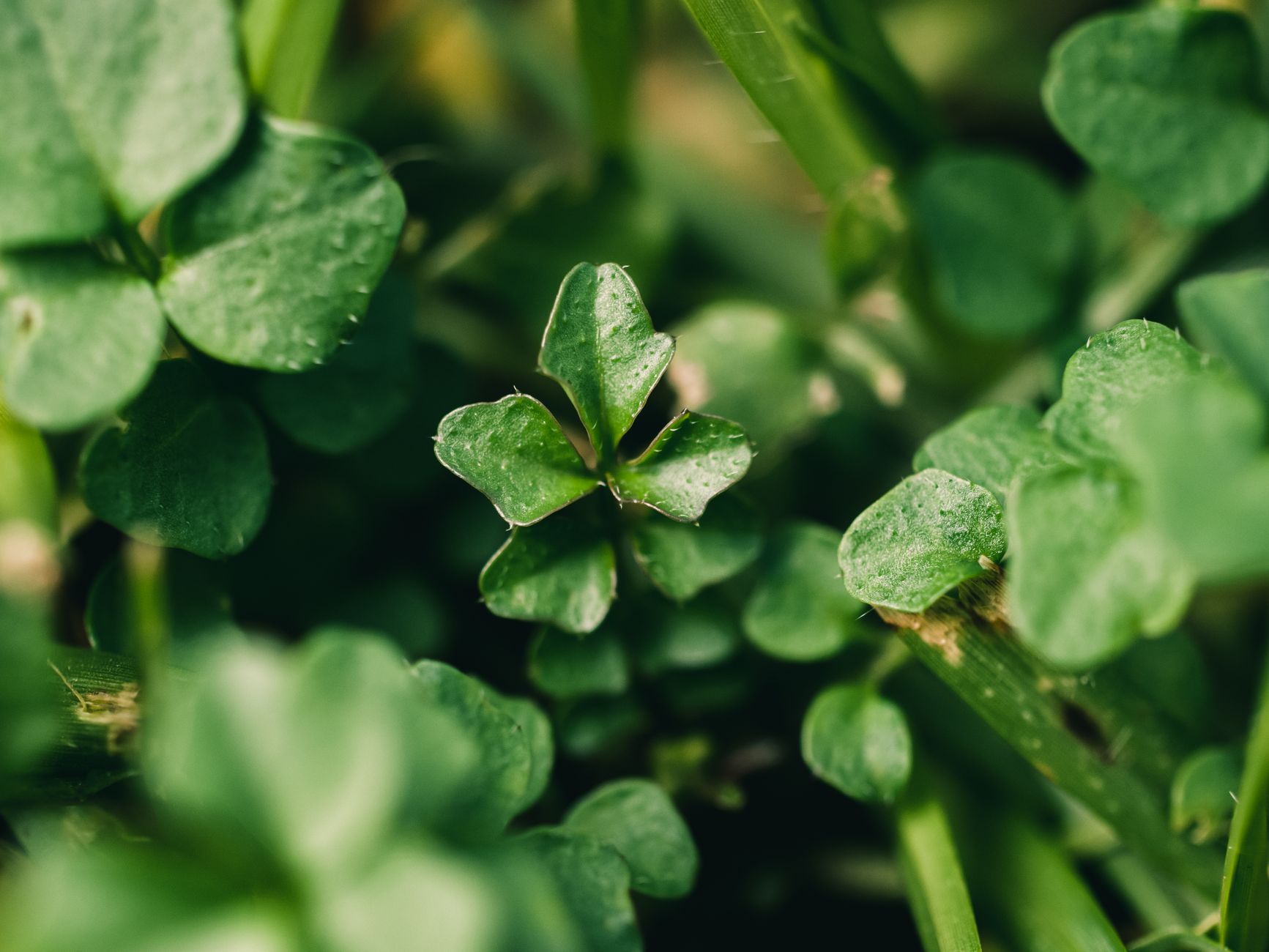
The Ultimate Guide to Parsley: Health Benefits and Uses

Unveiling the Power of Parsley: An Exhaustive Deep-Dive into Its Remarkable Health Benefits

Often relegated to a mere garnish, the vibrant green sprig of parsley (Petroselinum crispum) is far more than just a decorative element on a plate. This humble herb, with its distinctive peppery yet fresh flavor, is a nutritional powerhouse and a repository of potent bioactive compounds that offer an astonishing array of health benefits. From ancient medicinal applications to modern scientific validation, parsley stands as a testament to nature’s profound capacity for healing and nourishment. This comprehensive guide aims to peel back the layers of this culinary staple, exploring its rich history, intricate nutritional profile, specific mechanisms of action, and the multifaceted ways it contributes to human health, cementing its status as a veritable superfood.

A Journey Through Time: The Historical and Cultural Significance of Parsley

The story of parsley begins millennia ago, not as a culinary adornment but as a plant steeped in myth, medicine, and symbolism. Originating in the Mediterranean region, particularly Sardinia and Algeria, its name is derived from the Greek “petroselinon,” meaning “rock celery,” a nod to its tendency to grow in rocky areas. Ancient Greeks revered parsley, weaving it into garlands for athletes and adorning tombs, associating it with victory and remembrance. It wasn’t until the Middle Ages that its culinary potential began to be widely recognized in Europe, thanks to figures like Charlemagne, who reportedly cultivated it extensively in his gardens.

Beyond its symbolic use, early civilizations utilized parsley for its perceived medicinal properties. Roman physicians prescribed it for various ailments, including digestive issues and as a breath freshener after lavish feasts. Medieval herbalists championed its diuretic qualities and its purported ability to treat kidney stones and menstrual problems. Over centuries, these traditional applications have laid the groundwork for modern scientific inquiry, which continues to uncover the profound biochemical basis behind parsley’s long-standing reputation as a therapeutic herb.

Botanical Overview and Distinct Varieties

Parsley belongs to the Apiaceae family, alongside other well-known herbs like celery, carrots, and dill. It is typically a biennial plant, meaning it completes its life cycle over two years, though it is often cultivated as an annual in cooler climates. The plant forms a rosette of leaves in its first year, focusing on foliage production, and then sends up a flower stalk in its second year to produce seeds.

While often seen as a single entity, parsley comes in several distinct varieties, each with its own nuances in flavor and texture. The most common types include:

  • Curly-Leaf Parsley (Petroselinum crispum): Recognized by its tightly curled, ruffled leaves, this variety is often used as a garnish due to its attractive appearance. It has a slightly milder flavor compared to its flat-leaf counterpart.
  • Flat-Leaf Parsley (Italian Parsley – Petroselinum crispum var. neapolitanum): Featuring broad, flat leaves that resemble cilantro, this variety boasts a more robust, peppery, and intense flavor profile. It is favored by chefs for its superior taste and ease of chopping.
  • Root Parsley (Petroselinum crispum var. tuberosum): Less common in many parts of the world, this variety is cultivated for its parsnip-like root, which offers a unique earthy flavor suitable for stews and roasts, while its leaves can also be used culinarily.

Regardless of the variety, the potent health benefits are largely consistent across the species, stemming from the rich concentration of vitamins, minerals, and specialized phytochemicals found predominantly in its vibrant green leaves.

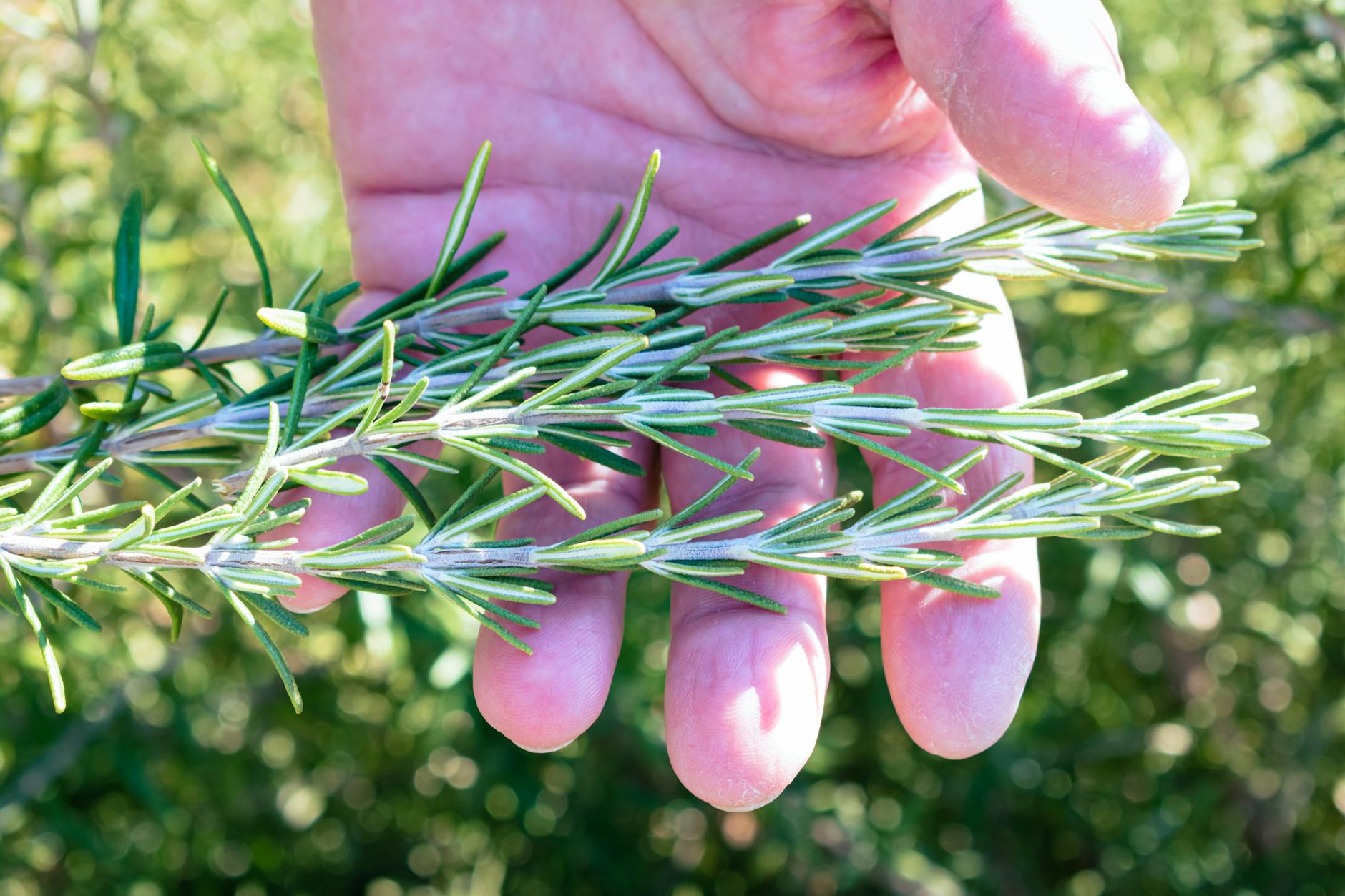
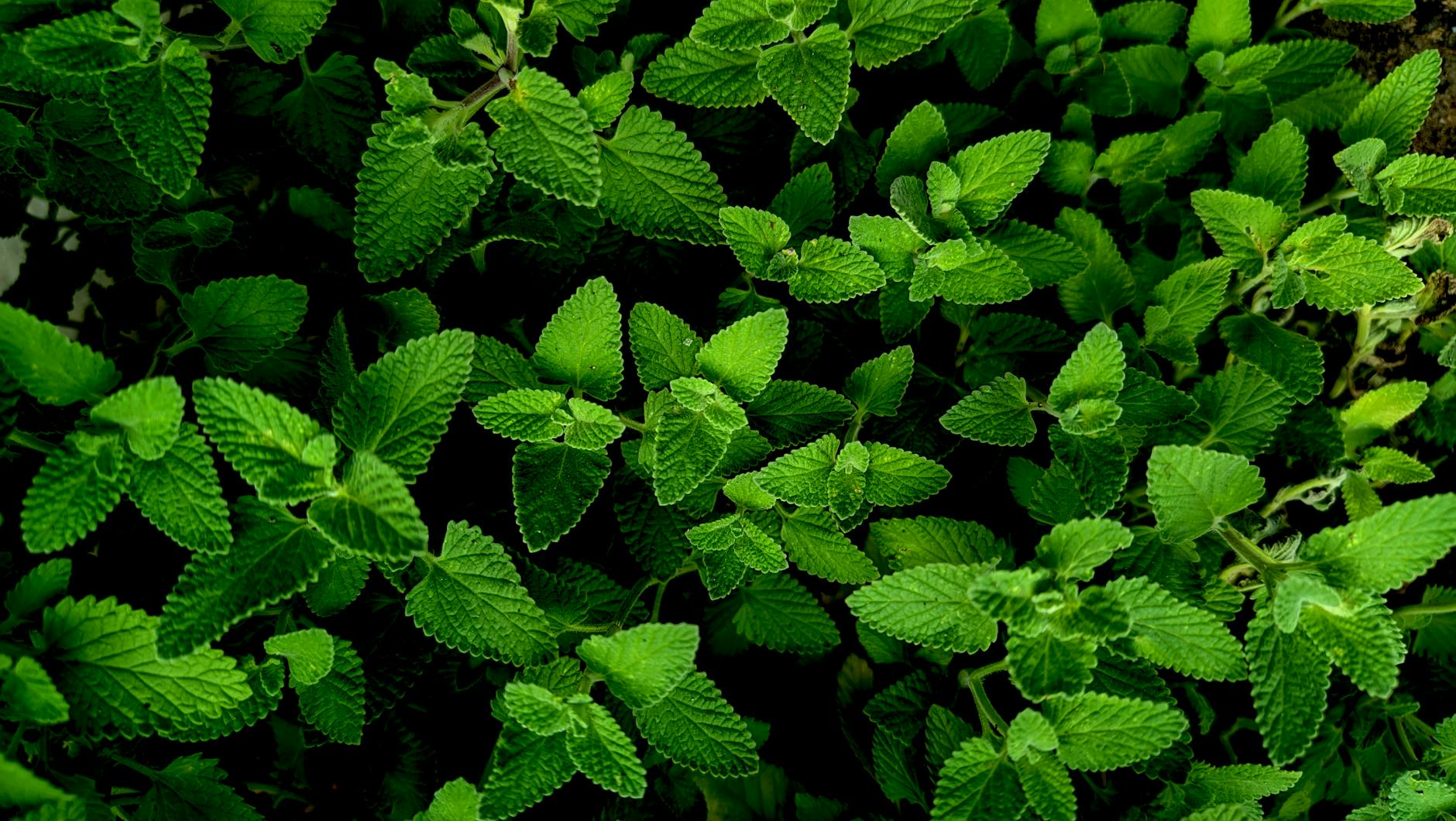
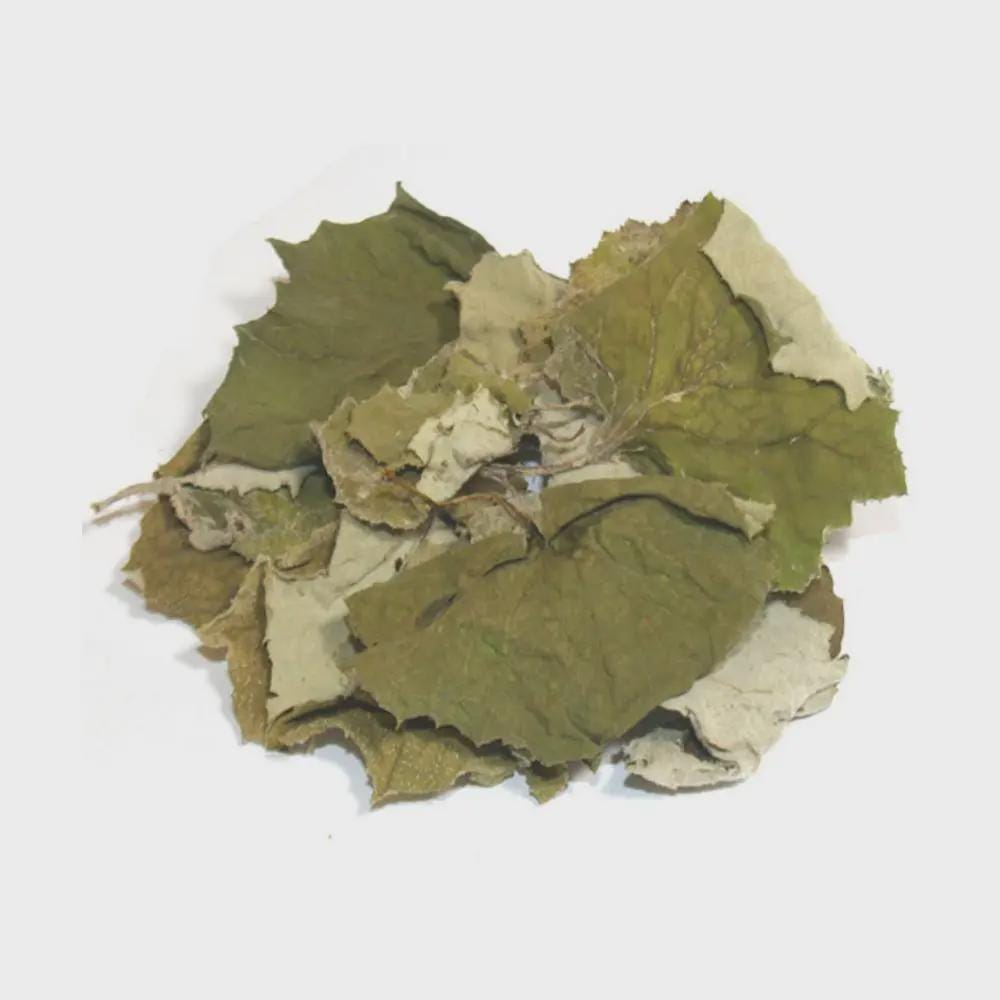
Parsley Botanical Photo

The Nutritional Profile: A Macroscopic View of Parsley’s Core Components

Beyond its aromatic qualities, parsley is a micronutrient marvel. Even in small serving sizes, it delivers a significant punch of essential vitamins and minerals crucial for optimal bodily function. It is particularly renowned for its exceptional vitamin content:

  • Vitamin K: Parsley is an extraordinary source of Vitamin K, providing well over 100% of the daily recommended intake in just a small handful. This fat-soluble vitamin is indispensable for blood clotting and plays a pivotal role in maintaining bone health.
  • Vitamin C: A potent water-soluble antioxidant, Vitamin C is abundant in parsley, contributing significantly to immune function, collagen synthesis, and cellular protection.
  • Vitamin A (from carotenoids): Parsley contains pro-vitamin A carotenoids like beta-carotene, which the body converts into Vitamin A. This vitamin is vital for vision, immune response, and skin health.

In addition to these vitamins, parsley also supplies a valuable spectrum of minerals:

  • Iron: Essential for oxygen transport in the blood and preventing anemia.
  • Potassium: Critical for maintaining fluid balance, nerve signals, and healthy blood pressure.
  • Calcium: Fundamental for strong bones and teeth, nerve transmission, and muscle function.
  • Magnesium: Involved in over 300 biochemical reactions in the body, including energy production and muscle and nerve function.

Furthermore, parsley contributes dietary fiber, aiding in digestive health and promoting satiety, and is exceptionally low in calories, making it a nutrient-dense addition to any diet.

Delving Deeper: Bioactive Compounds and Their Intricate Mechanisms of Action

The true magic of parsley, and the source of its extensive health benefits, lies in its complex array of bioactive phytochemicals. These plant compounds work synergistically to exert powerful therapeutic effects within the body.

Flavonoids: Potent Antioxidants and Anti-inflammatories

Parsley is particularly rich in flavonoids, a class of plant metabolites known for their strong antioxidant and anti-inflammatory properties. The most prominent flavonoids in parsley include:

  • Apigenin: This powerful flavonoid is perhaps the most extensively studied compound in parsley. Apigenin exhibits remarkable anti-inflammatory effects by inhibiting various pro-inflammatory cytokines and enzymes, such as cyclooxygenase-2 (COX-2) and inducible nitric oxide synthase (iNOS). Its antioxidant capacity helps scavenge free radicals, protecting cells from oxidative damage. Moreover, apigenin has garnered significant attention for its potential anticancer properties, demonstrated in various studies to induce apoptosis (programmed cell death) in cancer cells, inhibit cell proliferation, and suppress angiogenesis (the formation of new blood vessels that feed tumors).
  • Luteolin: Another significant flavonoid, luteolin, works in conjunction with apigenin to reduce inflammation and oxidative stress. It has been shown to modulate immune responses and possess neuroprotective qualities, potentially guarding against age-related cognitive decline.
  • Myricetin: While present in smaller amounts, myricetin also contributes to parsley’s antioxidant and anti-inflammatory profile, and some research suggests its potential role in managing blood sugar levels.

Volatile Oils (Essential Oils): Digestive Aids and Diuretics

The characteristic aroma and many therapeutic effects of parsley are attributed to its volatile oils, particularly those found in its essential oil. Key components include:

  • Myristicin: This compound is responsible for much of parsley’s diuretic action, promoting increased urine flow and aiding in the elimination of toxins and excess water from the body. It also possesses chemoprotective properties, particularly against certain carcinogens, by activating phase II detoxification enzymes in the liver. However, in very high concentrations (e.g., from excessive essential oil consumption), myristicin can have neurotoxic effects, highlighting the importance of moderation, especially with concentrated forms.
  • Apiol: Similar to myristicin, apiol contributes to parsley’s diuretic and emmenagogic (promoting menstrual flow) effects. Historically, both myristicin and apiol were used in traditional medicine for their uterine stimulant properties, which is why pregnant women are often advised to limit large quantities of parsley.
  • Limonene and Eugenol: These compounds contribute to parsley’s fresh scent and possess antimicrobial and antioxidant properties, further enhancing the herb’s overall health benefits.

Coumarins: Understated Bioactivity

Parsley also contains coumarins, a group of phytochemicals with diverse biological activities, including anti-inflammatory, antioxidant, and anticoagulant properties. While not as dominant as flavonoids or volatile oils, they contribute to the herb’s overall therapeutic spectrum.

Parsley Plant Profile

Comprehensive Health Benefits: The Therapeutic Spectrum of Parsley

The synergistic action of parsley’s rich nutrient profile and its potent bioactive compounds translates into an extensive list of health advantages.

1. Antioxidant Powerhouse: Battling Oxidative Stress

Oxidative stress, caused by an imbalance between free radicals and antioxidants, is a major contributor to chronic diseases like heart disease, cancer, and neurodegenerative disorders. Parsley is an exceptional source of antioxidants, including flavonoids (apigenin, luteolin), vitamin C, and carotenoids. These compounds work by neutralizing harmful free radicals, protecting cellular components from damage, and reducing the burden of oxidative stress on the body. This protective action is fundamental to preventing cellular aging and maintaining overall health.

2. Anti-inflammatory Properties: Soothing the System

Chronic inflammation is a silent driver behind many modern diseases, from arthritis to metabolic syndrome. The flavonoids in parsley, especially apigenin and luteolin, exhibit significant anti-inflammatory effects. They achieve this by inhibiting key inflammatory pathways and enzymes, such as COX-2 and various pro-inflammatory cytokines (e.g., TNF-α, IL-6). By modulating the inflammatory response, parsley can help alleviate symptoms associated with inflammatory conditions and contribute to long-term disease prevention.

3. Robust Bone Health: A Pillar of Strength

Parsley is one of the richest plant sources of Vitamin K, a critical nutrient often overlooked in bone health discussions. Vitamin K plays an essential role in the carboxylation of osteocalcin, a protein necessary for binding calcium to the bone matrix. Adequate Vitamin K intake ensures strong, dense bones and reduces the risk of fractures and osteoporosis. The presence of calcium and magnesium further complements parsley’s bone-building capabilities.

4. Immune System Fortification: Your Body’s Defense

A strong immune system is paramount for fighting off infections and maintaining health. Parsley’s high content of Vitamin C is a primary driver of its immune-boosting effects. Vitamin C stimulates the production and function of white blood cells, which are the body’s primary defense against pathogens. Additionally, the pro-vitamin A carotenoids support immune cell development and function, while the various antioxidants protect immune cells from damage, ensuring they can perform optimally.

5. Digestive Health and Gut Support: A Happy Tummy

Parsley contributes to digestive wellness in several ways. Its dietary fiber content promotes regular bowel movements, preventing constipation and supporting a healthy gut microbiome. The volatile oils, particularly myristicin, have carminative properties, which can help alleviate indigestion, bloating, and gas by relaxing digestive tract muscles. Historically, parsley tea was used to soothe stomach upset and stimulate appetite.

6. Natural Diuretic and Kidney Support: Gentle Detoxification

The compounds apiol and myristicin in parsley are renowned for their natural diuretic effects. They promote increased urine production and excretion, which helps flush out excess sodium and water from the body. This can be beneficial for individuals experiencing fluid retention or mild edema. While often traditionally used for kidney stones, it’s important to note that individuals with existing kidney conditions should consult a healthcare professional before using parsley as a therapeutic agent due to its oxalate content, which could exacerbate stone formation in susceptible individuals.

7. Cardiovascular Health: Protecting Your Heart

Parsley offers multiple benefits for heart health. Its rich potassium content helps to counteract the effects of sodium, contributing to healthy blood pressure regulation. The antioxidants, particularly flavonoids and Vitamin C, protect blood vessels from oxidative damage and reduce inflammation, both of which are critical for preventing atherosclerosis (hardening of the arteries). Furthermore, parsley contains folate (Vitamin B9), which helps reduce homocysteine levels, an amino acid linked to an increased risk of heart disease.

8. Anticancer Potential: A Shield Against Disease

Emerging research has highlighted parsley’s significant anticancer potential, primarily attributed to its flavonoid content, especially apigenin and myristicin. Studies suggest that these compounds can inhibit tumor growth, induce apoptosis in various cancer cell lines (including breast, colon, and prostate), and prevent the formation of new blood vessels that feed tumors (angiogenesis). Myristicin also acts as a chemoprotectant by activating enzymes that detoxify carcinogens.

9. Eye Health: Protecting Your Vision

As a source of pro-vitamin A carotenoids like beta-carotene, lutein, and zeaxanthin, parsley plays a role in maintaining healthy vision. Lutein and zeaxanthin are particularly important for eye health, accumulating in the retina and acting as natural sunscreens, protecting the eyes from harmful blue light and reducing the risk of age-related macular degeneration (AMD) and cataracts.

10. Skin Health and Radiance: Glow from Within

The high Vitamin C content in parsley is crucial for collagen synthesis, the structural protein that gives skin its elasticity and firmness. By promoting collagen production, parsley can contribute to healthier, more youthful-looking skin. Its antioxidant properties also protect skin cells from damage caused by UV radiation and environmental pollutants, further supporting skin health and radiance.

11. Natural Breath Freshener: A Simple Solution

Parsley contains chlorophyll, a natural deodorizer. Chewing fresh parsley can help neutralize bad breath, particularly after consuming pungent foods like garlic or onions, by masking and absorbing odors. This traditional remedy is still effective and widely used today.

Practical Ways to Incorporate Parsley into Your Diet and Lifestyle

Integrating parsley into your daily routine is both easy and delicious, offering a simple way to boost your nutritional intake and harness its therapeutic benefits.

  • Fresh Culinary Uses: This is arguably the best way to consume parsley. Chop fresh flat-leaf parsley and add it generously to salads, tabouleh, pesto, chimichurri, salsas, and dressings. Stir it into soups, stews, pasta sauces, and grain dishes just before serving to preserve its flavor and nutrient content. It makes an excellent garnish for virtually any savory dish.
  • Smoothies and Juices: For a concentrated dose of nutrients, blend a handful of fresh parsley into your morning smoothie or green juice. Its fresh flavor pairs well with fruits and other leafy greens.
  • Teas and Infusions: A simple parsley tea can be made by steeping fresh or dried parsley leaves in hot water. This infusion can be particularly beneficial for digestive aid or as a mild diuretic.
  • Herb Butters and Oils: Infuse butter or olive oil with finely chopped parsley for a flavorful spread or cooking oil that adds a fresh herbaceous note to dishes.
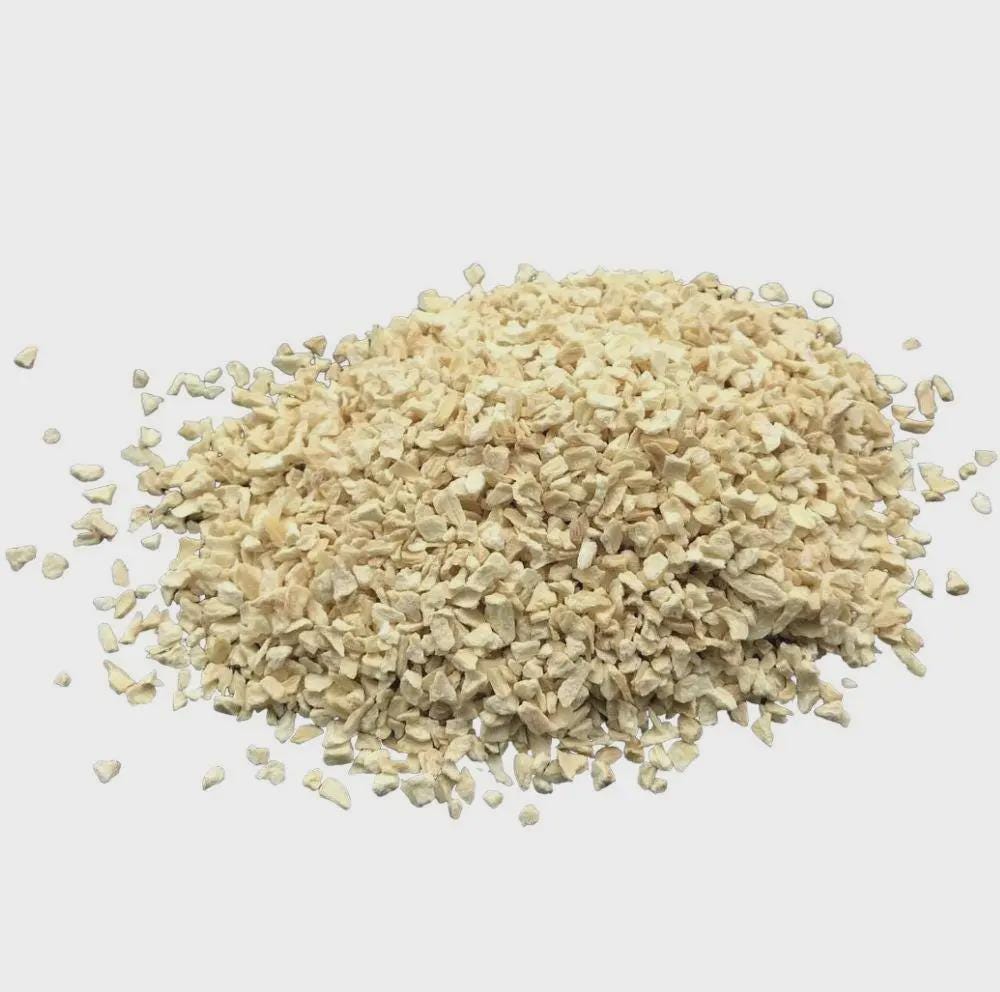
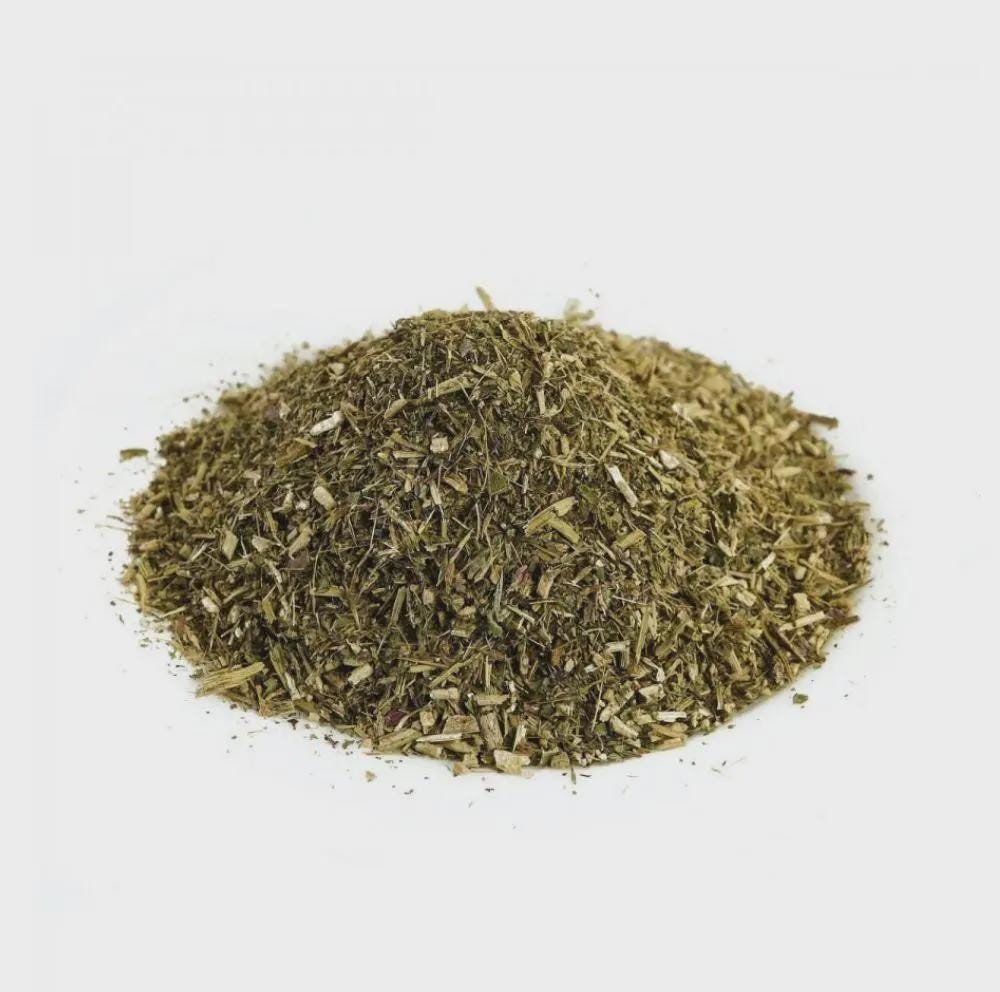
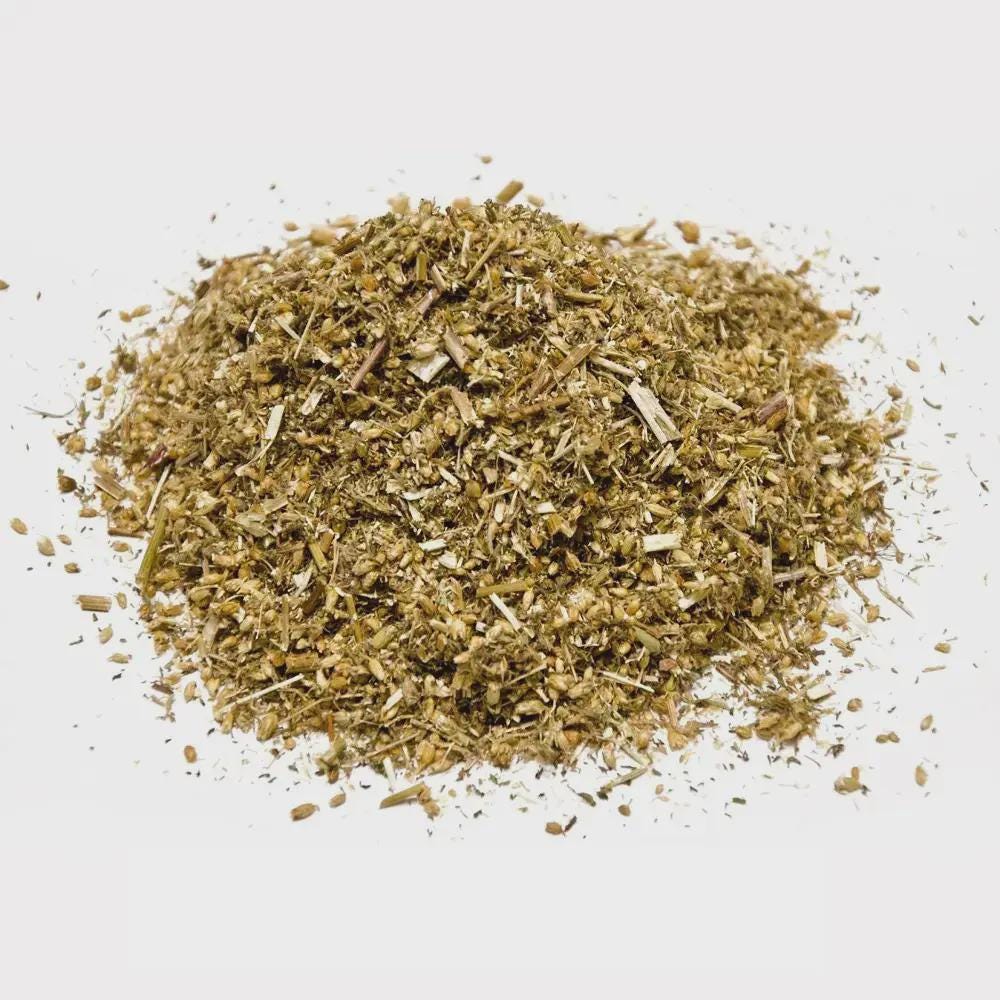
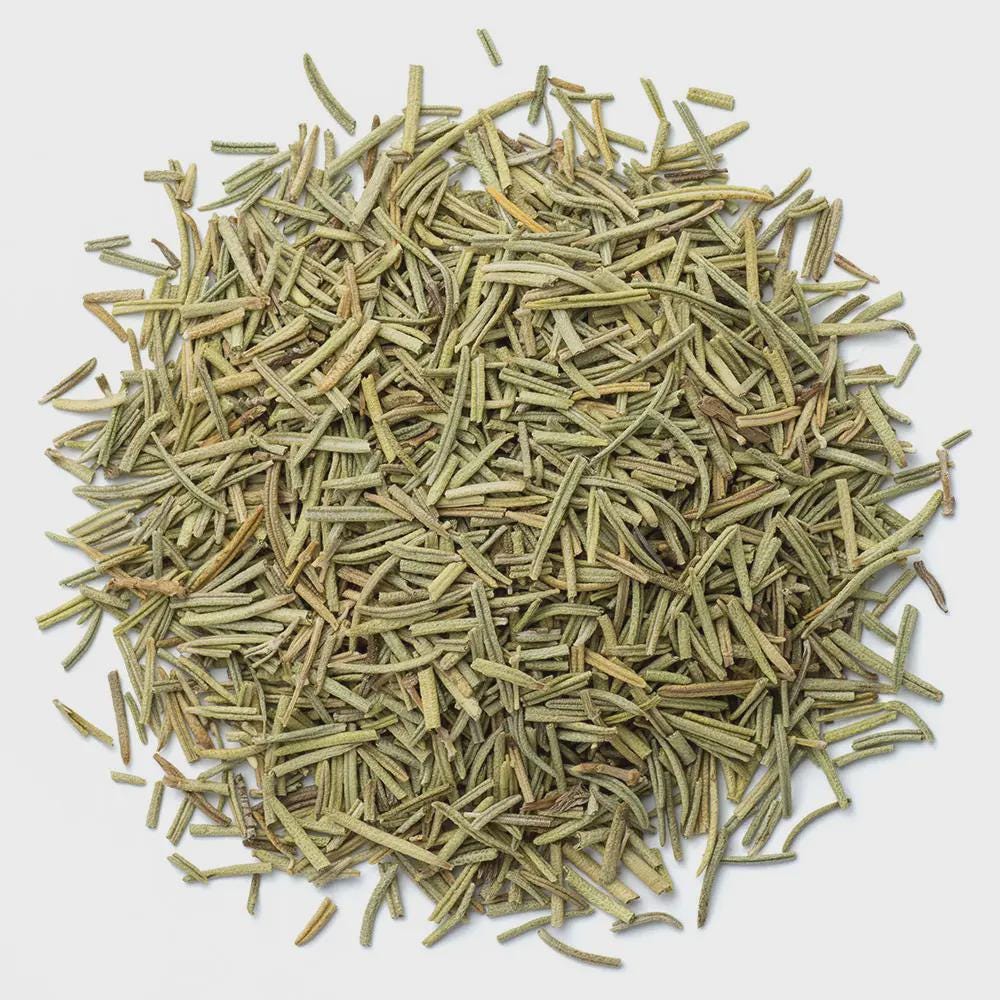
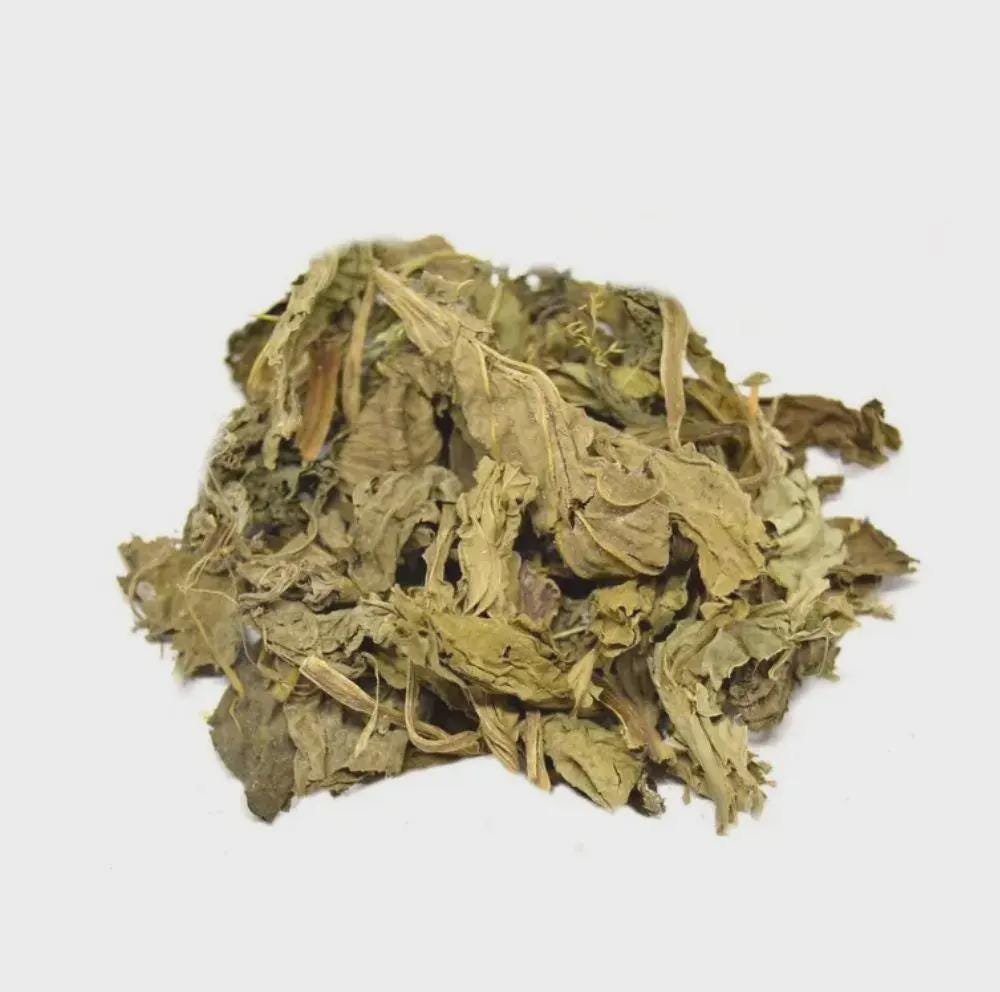
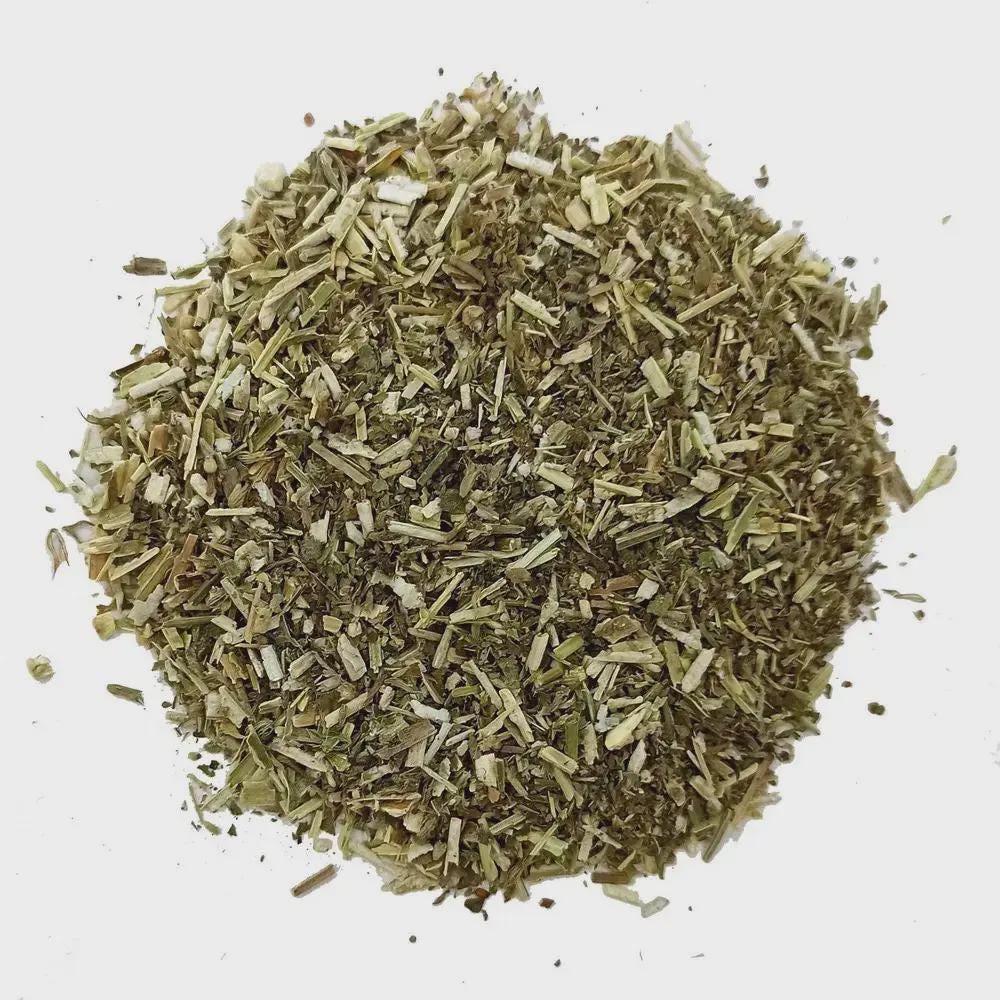
Parsley Dried Herb

Parsley Supplements and Extracts: Concentrated Benefits

For those looking for a more concentrated form of parsley’s health benefits, or when fresh parsley isn’t readily available, supplements and extracts offer an alternative. These can include:

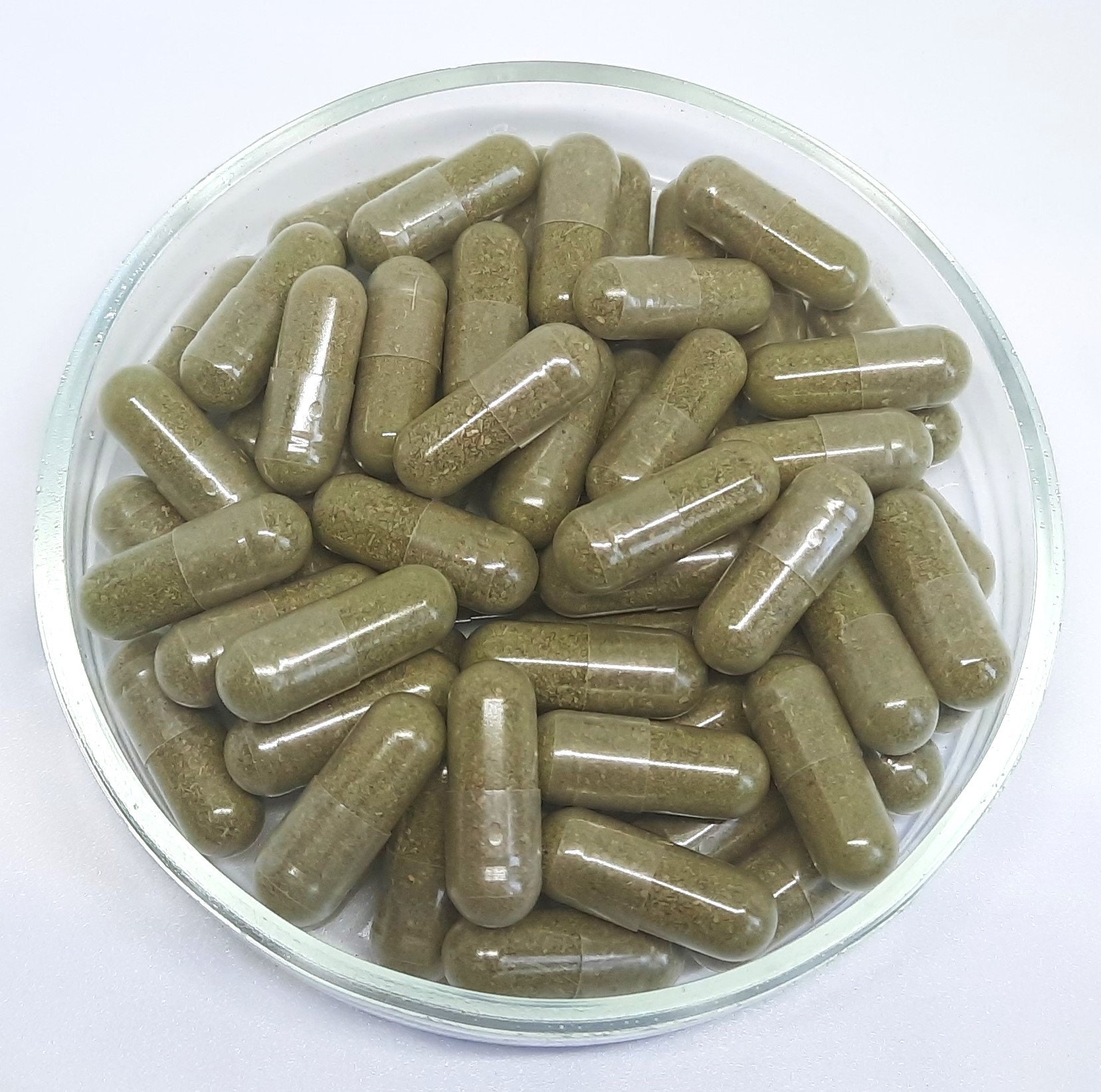
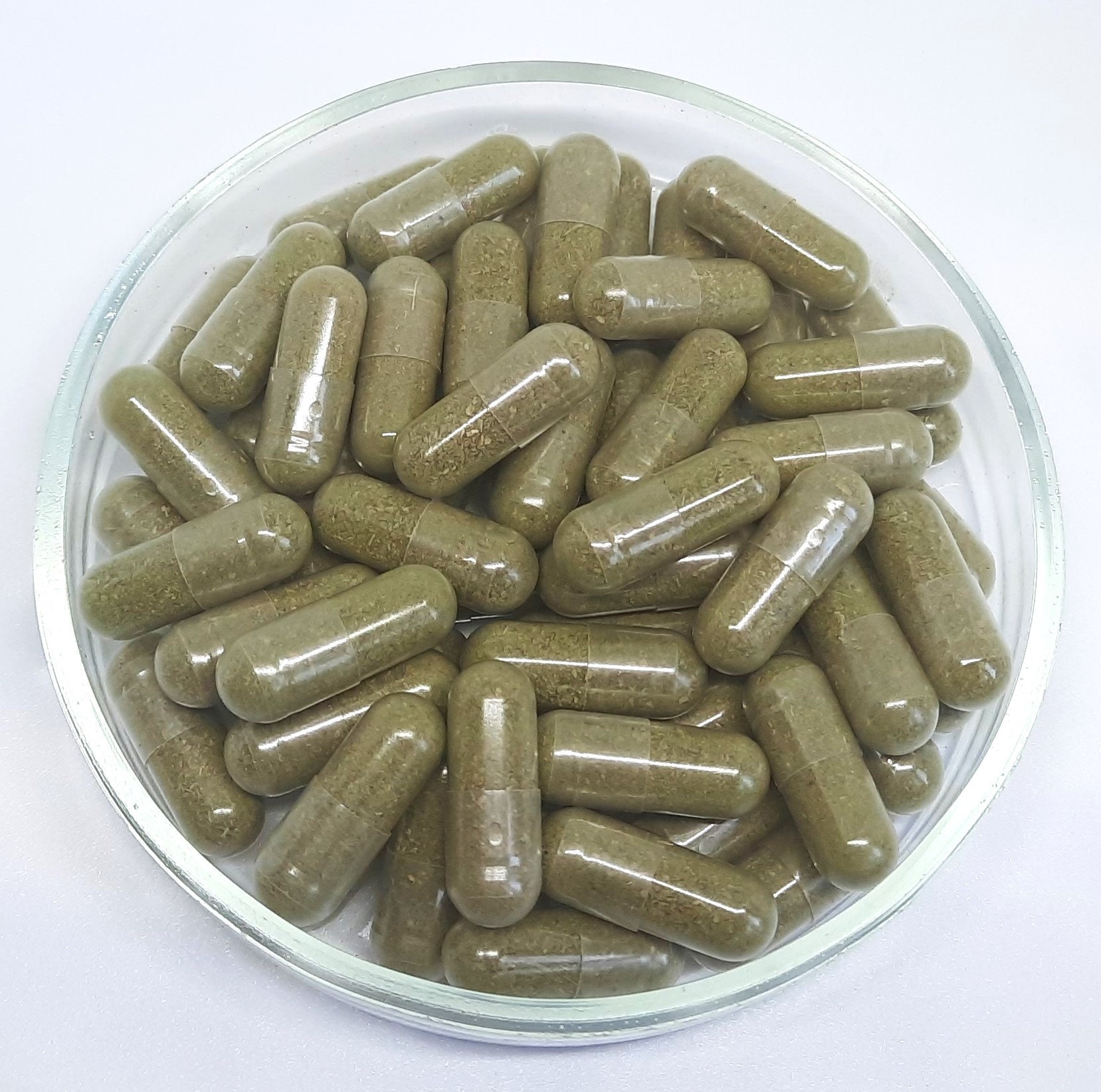
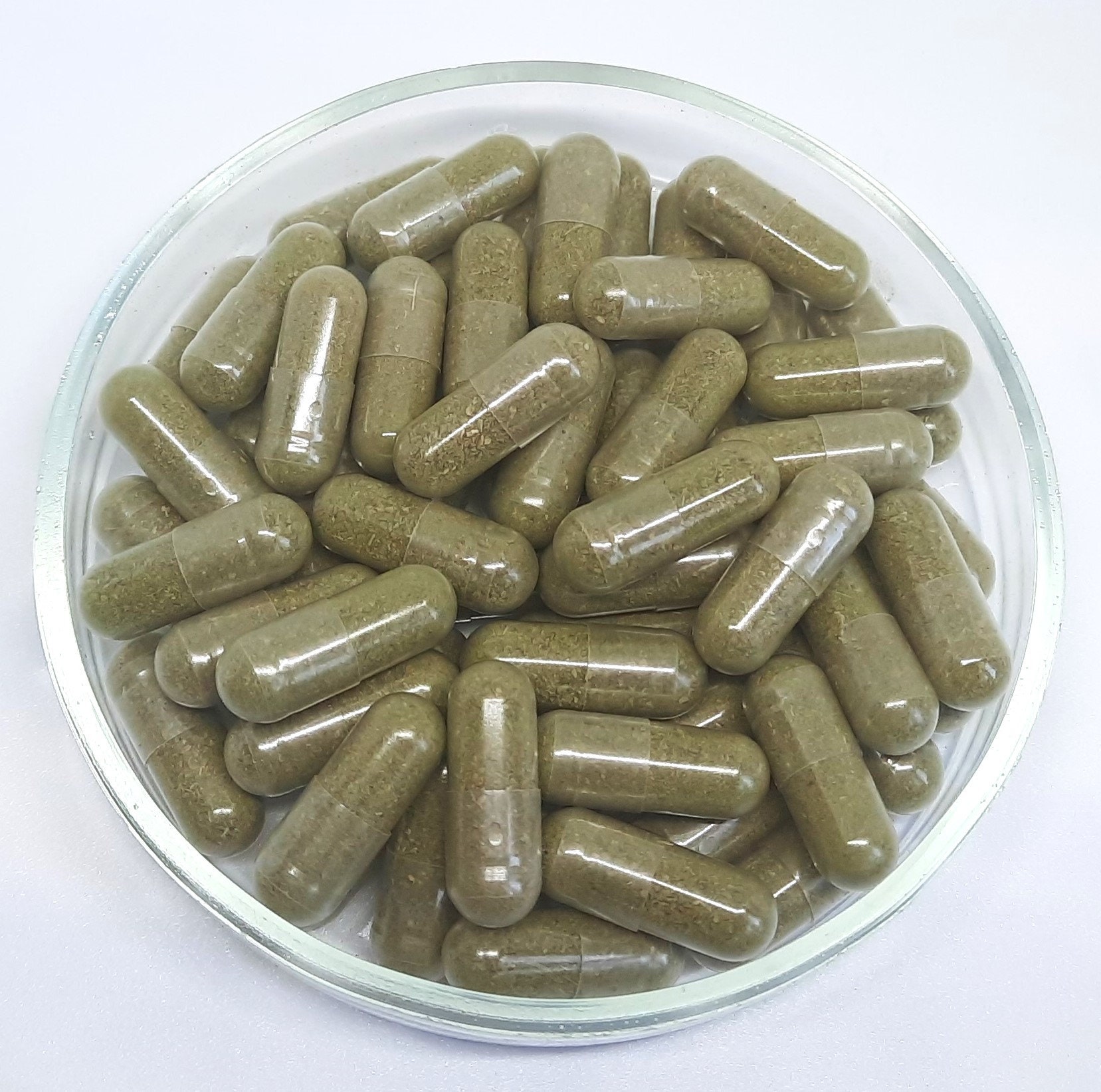
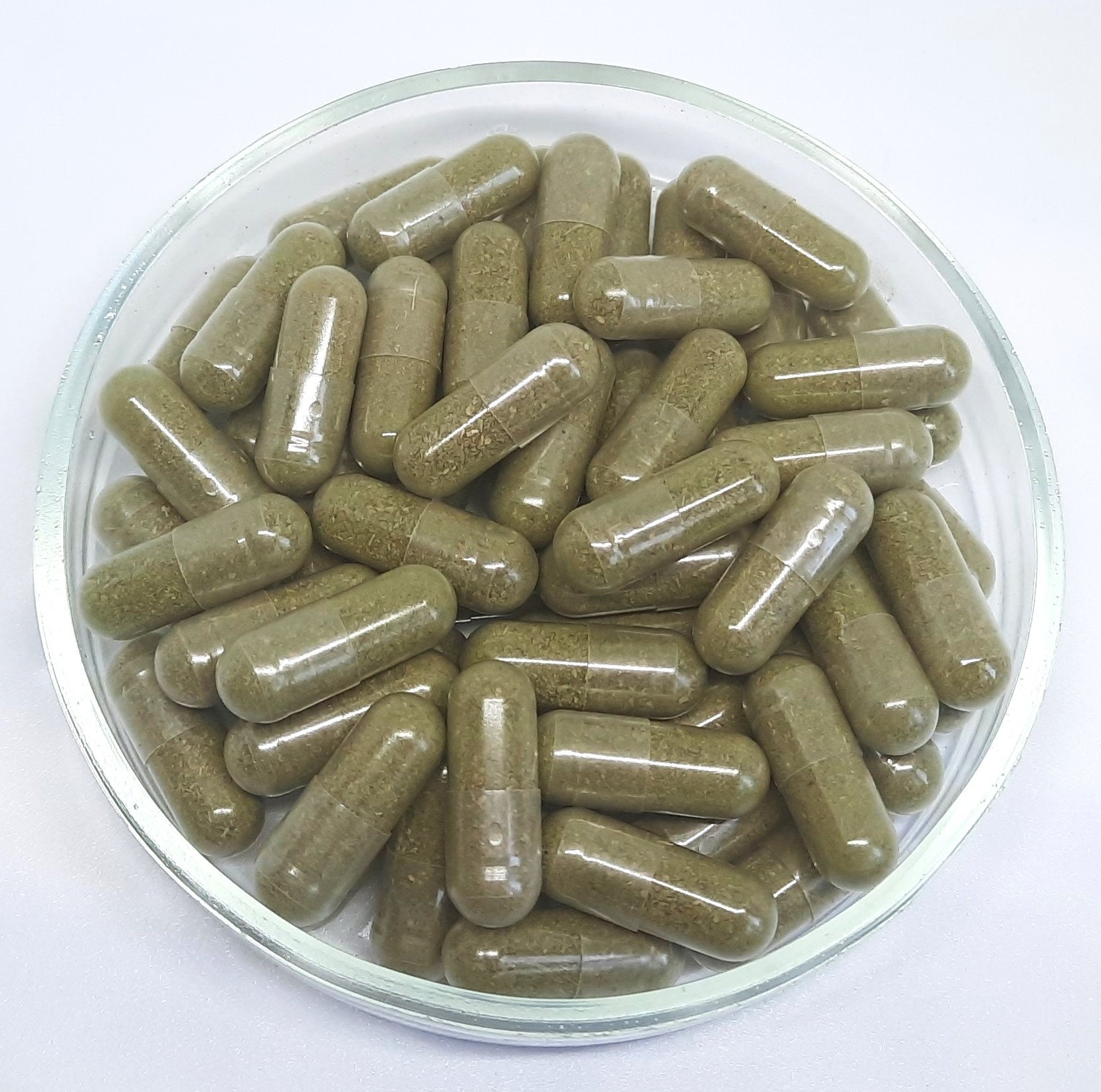
  • Parsley Capsules: Available as dried herb powder or concentrated extracts, these capsules provide a convenient way to consume specific dosages of parsley’s beneficial compounds. They are often used for general wellness, as a diuretic, or for digestive support.
  • Liquid Extracts/Tinctures: These are alcohol or glycerin-based preparations that extract the soluble compounds from parsley. Tinctures offer quick absorption and can be easily added to water or juice.
  • Parsley Essential Oil: While extremely potent and generally not recommended for internal use without expert guidance, parsley essential oil contains highly concentrated volatile compounds and is sometimes used topically (diluted) or aromatically for certain therapeutic purposes. Due to the high concentration of compounds like myristicin and apiol, internal use of essential oil can be toxic and should be avoided or undertaken only under strict professional supervision.

When considering parsley supplements, it is crucial to consult with a healthcare professional, especially if you have underlying health conditions, are pregnant, or are taking other medications, to determine appropriate dosage and ensure safety.
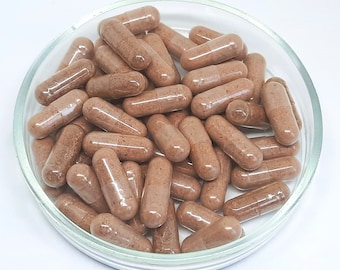
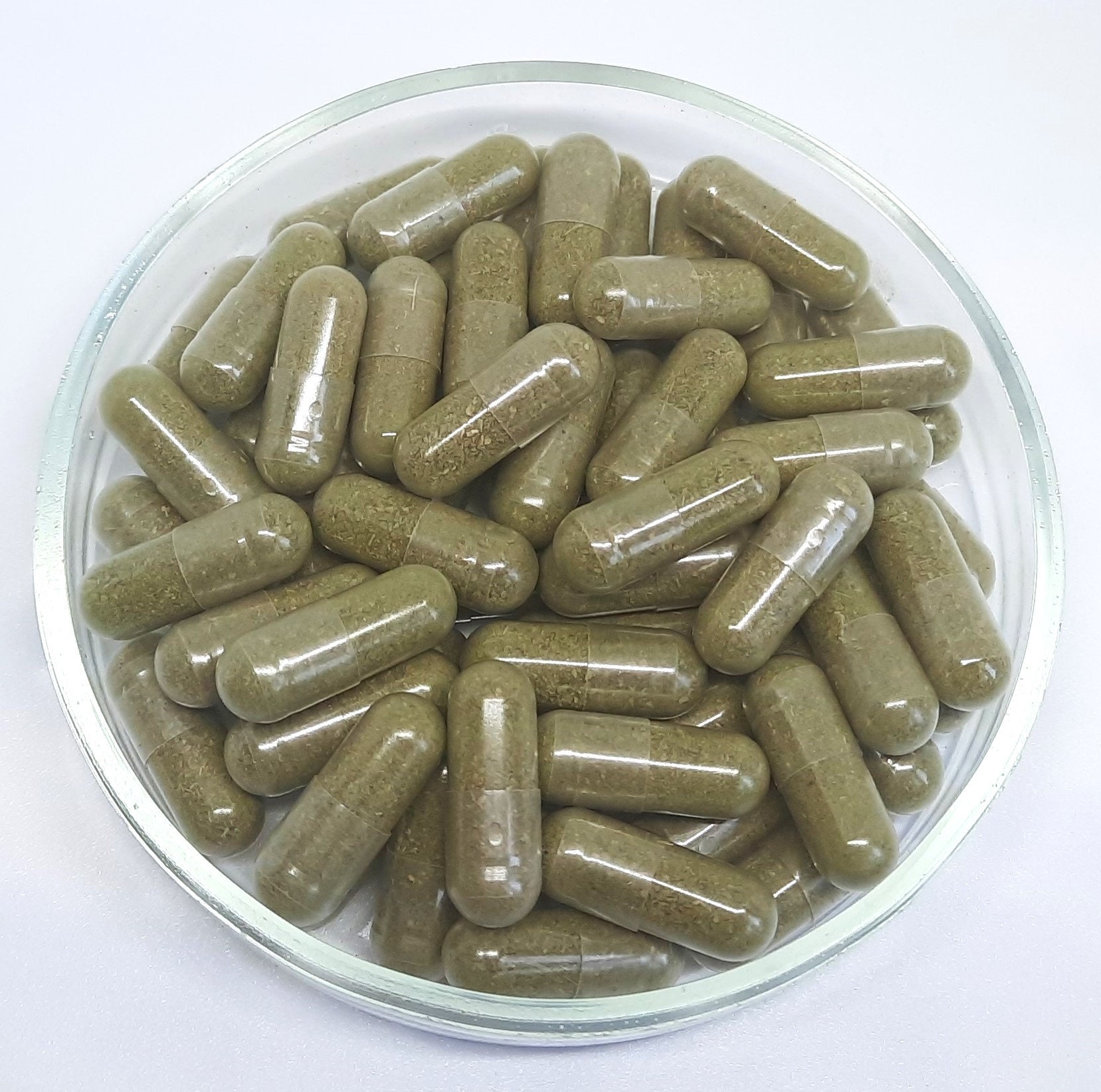
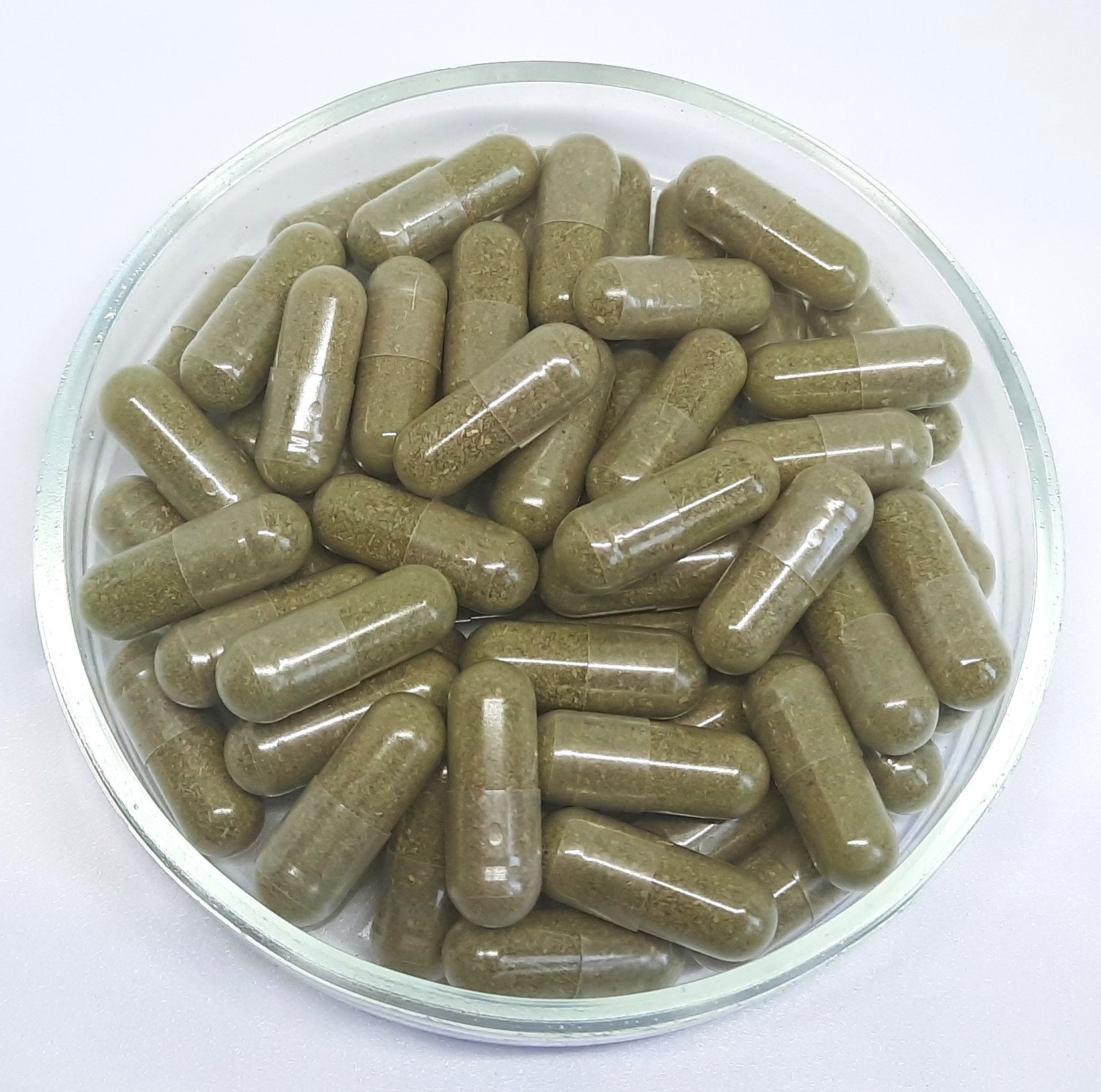
Parsley Capsules

Potential Side Effects and Precautions

While generally safe for most people in culinary amounts, certain precautions should be considered when consuming parsley in larger, medicinal quantities:

  • Pregnancy: High concentrations of parsley, particularly from essential oils or large quantities of root parsley, contain apiol and myristicin, which can stimulate uterine contractions. Pregnant women should avoid consuming parsley in medicinal amounts.
  • Blood Thinners (Anticoagulants): Due to its extremely high Vitamin K content, individuals taking blood-thinning medications like warfarin should consume parsley in consistent, moderate amounts and consult their doctor. Sudden large changes in Vitamin K intake can interfere with medication efficacy.
  • Kidney Conditions: While traditionally used as a diuretic, individuals with existing kidney disease or a history of oxalate kidney stones should exercise caution. Parsley contains oxalates, which can contribute to stone formation in susceptible individuals.
  • Photosensitivity: In rare cases, especially with extensive topical use of parsley juice or very high internal consumption, furocoumarins in parsley can increase skin sensitivity to sunlight, leading to phytophotodermatitis in highly sensitive individuals.
  • Allergies: Though uncommon, individuals with allergies to other members of the Apiaceae family (e.g., celery, carrot, dill) may experience cross-reactivity to parsley.

Conclusion: Parsley – A Verdant Elixir for Wellness

Parsley, far from being a mere decorative afterthought, emerges as a genuine superfood with a profound impact on human health. Its rich historical legacy, coupled with an impressive modern scientific understanding of its bioactive compounds, underscores its multifaceted therapeutic potential. From its powerful antioxidant and anti-inflammatory properties to its vital roles in bone health, immune function, digestion, and even its potential anticancer effects, parsley offers a verdant elixir for holistic wellness.

By thoughtfully incorporating fresh or dried parsley into your culinary creations, you not only enhance the flavor and aroma of your meals but also imbue your body with a concentrated dose of essential vitamins, minerals, and phytochemicals. As a testament to nature’s profound pharmacy, parsley reminds us that some of the most potent medicines and nourishing foods are found in the simplest, most accessible ingredients. Embrace the power of parsley, and let this humble herb elevate your health and culinary experience to new heights.

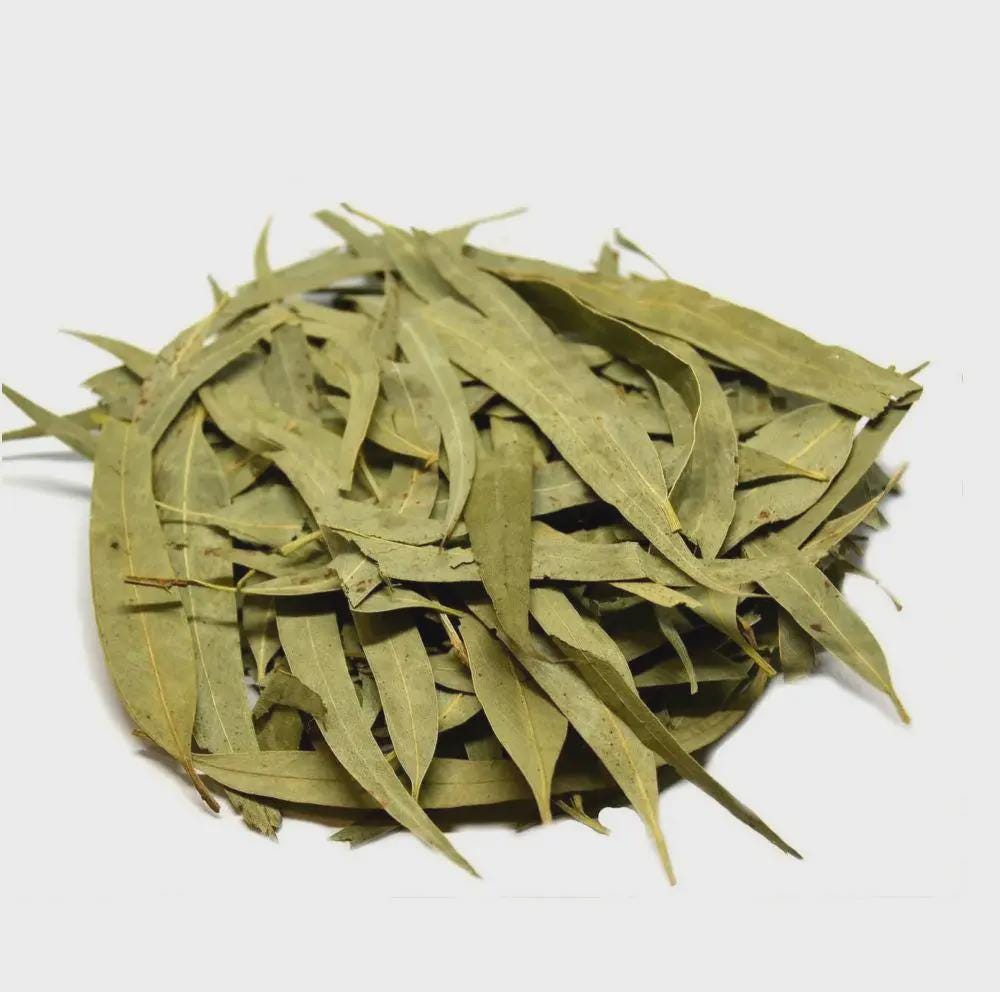
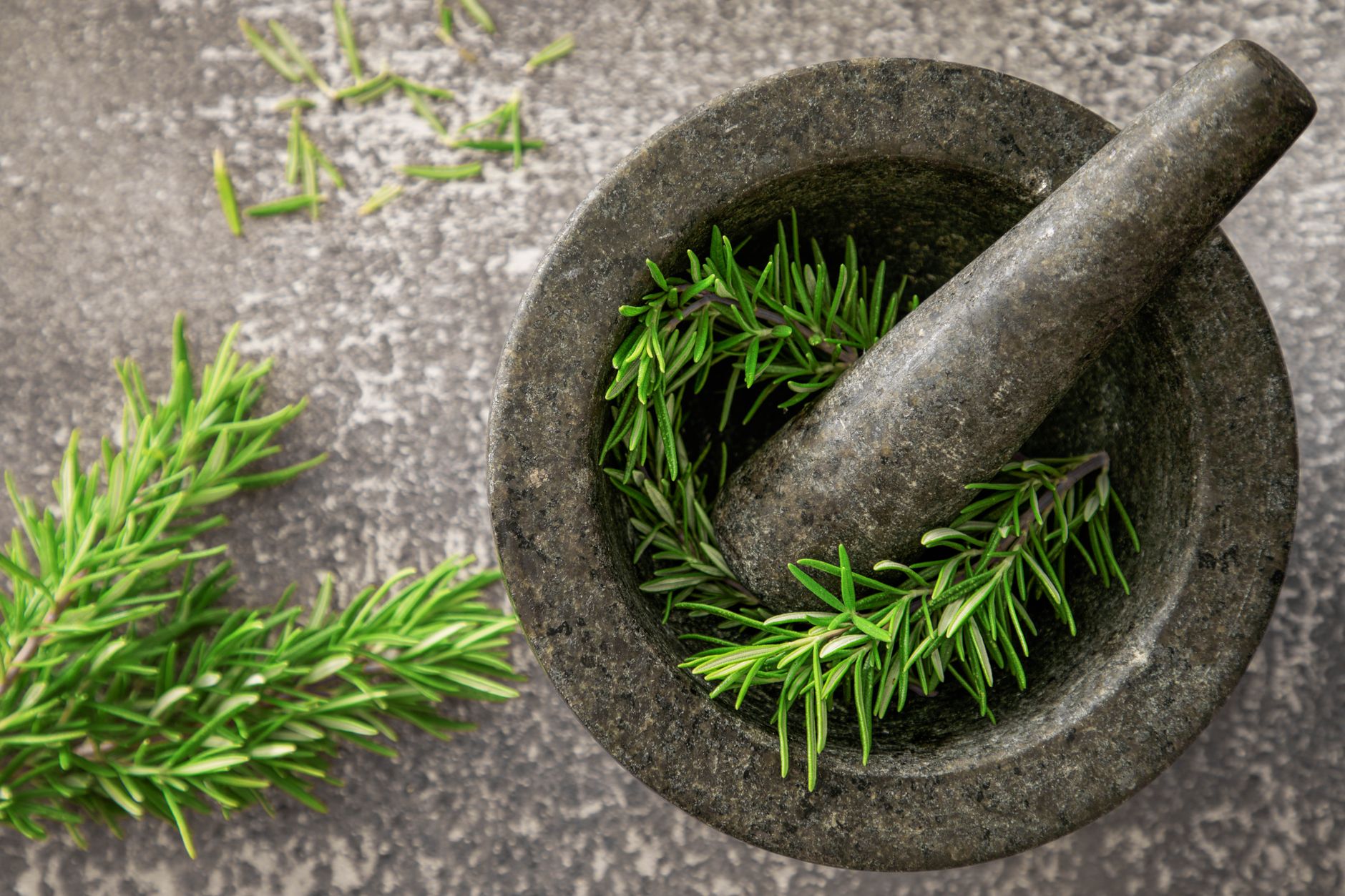
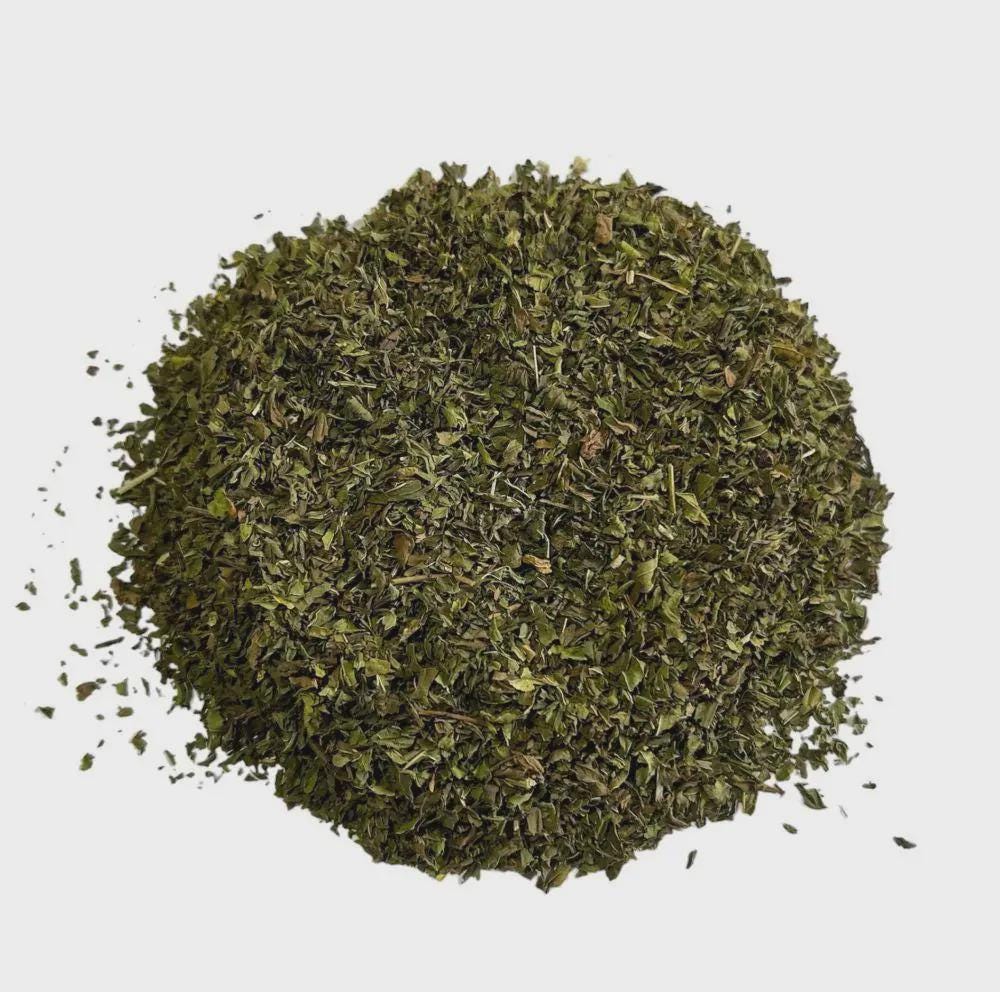
Parsley Natural Herb

Disclaimer: For informational purposes only. Not medical advice. Consult a qualified healthcare professional before use.

The Ultimate Guide to YELLOW GENTIAN: Health Benefits and Uses

Unearthing Nature’s Potent Bitter: The Definitive Guide to Yellow Gentian’s Profound Health Benefits

In the vast and intricate tapestry of botanical medicine, few plants hold as revered a position as Yellow Gentian (*Gentiana lutea*). This magnificent perennial herb, native to the mountainous regions of Europe, has been celebrated for centuries, not merely for its striking golden blossoms but for the remarkable array of health benefits encapsulated within its root. Often hailed as the “king of bitters,” Yellow Gentian is a powerhouse of potent compounds, offering a holistic approach to wellness, particularly renowned for its profound impact on the digestive system. This exhaustive guide delves deep into the historical legacy, botanical marvels, complex biochemistry, and the far-reaching therapeutic applications of Yellow Gentian, providing an unparalleled resource for those seeking to understand and harness its natural prowess.

From ancient apothecaries to modern supplement shelves, the journey of Yellow Gentian is one of enduring efficacy and evolving scientific understanding. Our exploration will unravel the layers of traditional wisdom, substantiated by contemporary research, to present a comprehensive picture of how this humble root can contribute to a healthier, more balanced life. Prepare to discover the intricate mechanisms by which Yellow Gentian supports vital bodily functions, combats common ailments, and stands as a testament to the enduring power of nature’s pharmacy.

Botanical Majesty: A Closer Look at *Gentiana lutea*

Yellow Gentian, scientifically known as *Gentiana lutea*, is an imposing and aesthetically pleasing member of the Gentianaceae family. It is typically found thriving in the subalpine meadows and pastures of central and southern Europe, flourishing at altitudes ranging from 800 to 2,500 meters. The plant is easily recognizable by its robust stature, often reaching heights of 1 to 2 meters, making it one of the tallest gentian species. Its sturdy, hollow stem is adorned with large, ovate to elliptical leaves that are sessile, ribbed, and have a distinctive bluish-green hue, arranged in opposite pairs along the stem. The plant’s most captivating feature, however, is its inflorescence: dense clusters of vibrant yellow, star-shaped flowers that emerge from the upper leaf axils during the summer months, creating a striking visual against the verdant alpine landscape. These flowers give the plant its characteristic name and serve as a beacon for pollinators.

While the flowers are beautiful, it is the root of *Gentiana lutea* that holds the true medicinal treasure. This taproot is thick, fleshy, and highly branched, growing deep into the soil. It is typically brownish on the outside and yellowish on the inside, possessing an intensely bitter taste that is immediately apparent upon consumption. The development of this root is a slow process; Yellow Gentian can take many years, sometimes up to a decade, to reach maturity before its root is deemed potent enough for harvest. This slow growth cycle contributes to the plant’s value and emphasizes the patience required to cultivate and utilize its full therapeutic potential. The habitat and unique botanical characteristics of Yellow Gentian are intrinsically linked to the development of its remarkable biochemical profile, which we will explore in detail.

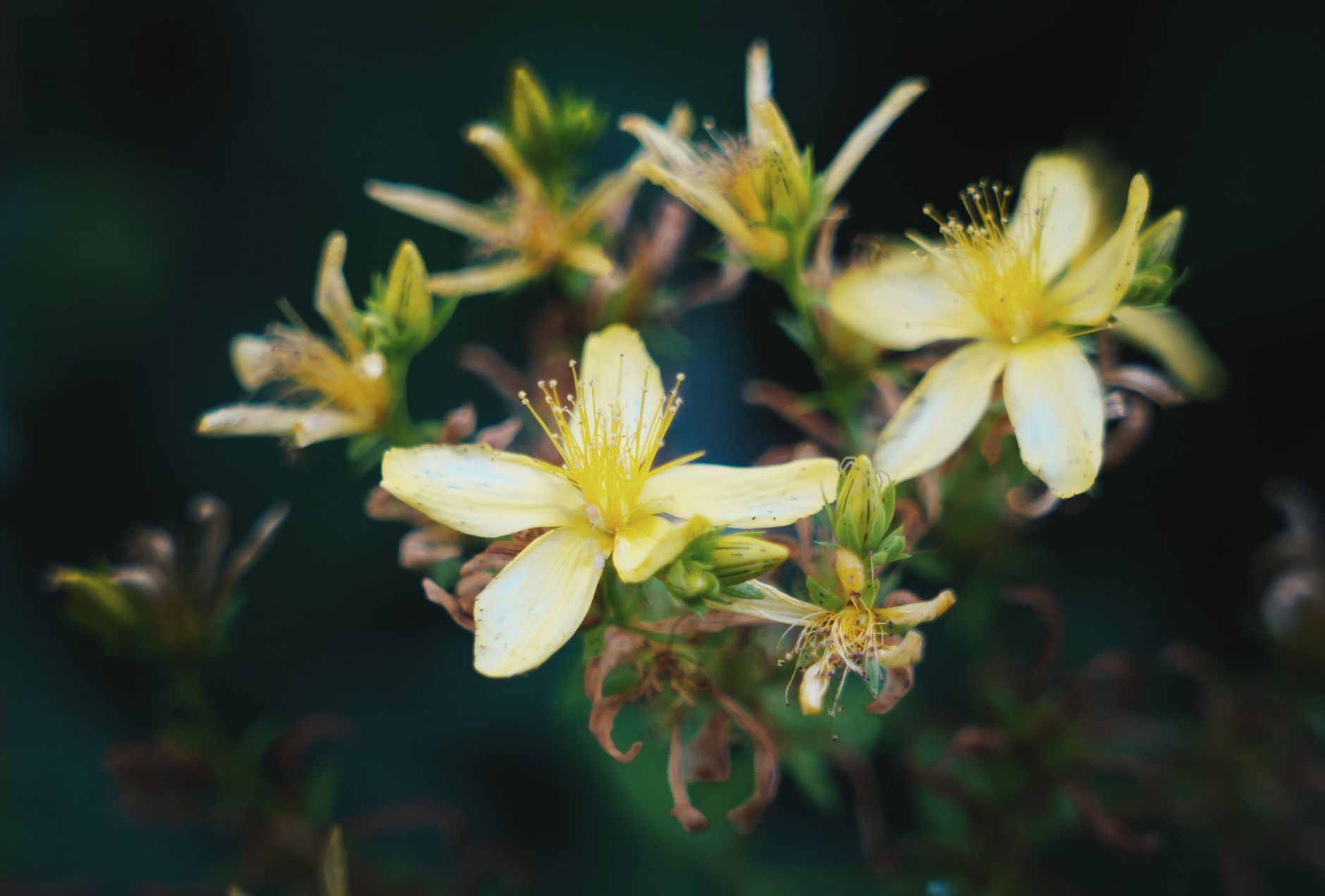
YELLOW GENTIAN Botanical Photo

A Rich Tapestry of History: Yellow Gentian Through the Ages

The historical reverence for Yellow Gentian is deeply embedded in ancient and traditional medical practices, extending back over two millennia. Its medicinal use is often attributed to King Gentius of Illyria, who, in the 2nd century BCE, is said to have discovered its healing properties, particularly for stimulating appetite and aiding digestion, hence the genus name *Gentiana*. However, the herb’s use likely predates this attribution, rooted in the folk medicine of various European cultures.

Throughout the Middle Ages, Yellow Gentian became a staple in European herbalism, documented in influential texts and pharmacopoeias. Physicians and herbalists like Hildegard von Bingen and Paracelsus lauded its ability to “open” the stomach, suggesting its role in digestive health. It was widely employed to treat a spectrum of ailments, including fevers, stomach complaints, intestinal worms, and even as an antidote to certain poisons. Its intense bitterness was not merely tolerated but seen as a direct indicator of its therapeutic strength, a concept central to traditional humoral theory where bitter tastes were believed to “cleanse” and “purify” the body.

The plant’s popularity continued into the Renaissance and beyond, becoming an essential ingredient in various elixirs, tonics, and digestives. Its reputation as a potent bitter meant it was frequently used to stimulate appetite in convalescents and to alleviate dyspepsia. The tradition of incorporating gentian into alcoholic bitters, such as amari and vermouth, also emerged, testament to its profound impact on flavor and digestion. Even in more recent history, during times of scarcity, gentian root was occasionally used as a substitute for hops in brewing, highlighting its enduring versatility. This rich historical narrative underscores Yellow Gentian’s long-standing credibility as a fundamental botanical ally, cementing its place in the enduring legacy of natural medicine.

The Science Beneath the Soil: Bioactive Compounds of Yellow Gentian

The remarkable therapeutic properties of Yellow Gentian are directly attributable to its complex chemical composition, a symphony of bioactive compounds working in concert. The most significant of these are secoiridoid glycosides, which are primarily responsible for the root’s characteristic intense bitterness and many of its health benefits. However, Yellow Gentian also boasts a diverse profile of xanthones, alkaloids, and other beneficial constituents, each contributing to its overall pharmacological action.

Secoiridoid Glycosides: The Essence of Bitterness and Digestive Power

  • Gentiopicroside (Gentiopicrin): This is the most abundant secoiridoid glycoside found in Yellow Gentian root, contributing significantly to its bitter taste. Gentiopicroside is crucial for initiating the “bitter reflex” in the body, stimulating the secretion of digestive juices throughout the gastrointestinal tract, from saliva in the mouth to gastric acid, bile, and pancreatic enzymes. This enhanced digestive activity is fundamental to its ability to improve appetite, reduce indigestion, and facilitate nutrient absorption.
  • Amarogentin: While present in smaller quantities than gentiopicroside, amarogentin holds the distinction of being one of the bitterest substances known to humankind. Its extreme bitterness plays a pivotal role in the potent digestive stimulus provided by Yellow Gentian. Even at incredibly low concentrations, amarogentin can trigger robust physiological responses, underscoring its efficacy in promoting digestive function and appetite.
  • Swertiamarin: Another significant secoiridoid glycoside, swertiamarin, contributes to the overall bitter profile and therapeutic actions of Yellow Gentian. Like its counterparts, swertiamarin supports digestive health by promoting the flow of digestive secretions and has been investigated for potential anti-inflammatory and hepatoprotective properties.

Xanthones: Antioxidant and Anti-Inflammatory Guardians

Yellow Gentian is also rich in xanthones, a class of polyphenolic compounds known for their wide range of biological activities. The primary xanthones identified in *Gentiana lutea* include gentisin, isogentisin, and gentisein.

  • Antioxidant Activity: Xanthones are powerful antioxidants, meaning they can neutralize harmful free radicals in the body. This protective action helps to reduce oxidative stress, which is implicated in cellular damage, aging, and the development of numerous chronic diseases. By mitigating oxidative damage, gentian’s xanthones contribute to overall cellular health and resilience.
  • Anti-inflammatory Effects: Research suggests that gentian xanthones possess significant anti-inflammatory properties. They can modulate inflammatory pathways, potentially by inhibiting the production of pro-inflammatory mediators. This anti-inflammatory action could be beneficial in managing conditions characterized by chronic inflammation, further extending the therapeutic reach of Yellow Gentian beyond its primary digestive benefits.

Alkaloids and Other Constituents

While secoiridoids and xanthones dominate the pharmacological profile, Yellow Gentian also contains other important compounds:

  • Alkaloids (e.g., Gentianine): Alkaloids are nitrogen-containing compounds often known for potent pharmacological effects. Gentianine, an alkaloid found in gentian, has been investigated for various potential actions, though its contribution to the primary bitter and digestive effects is less prominent than that of the secoiridoids.
  • Flavonoids, Triterpenes, and Phenolic Acids: These additional compounds further enrich Yellow Gentian’s biochemical profile, contributing to its overall antioxidant, anti-inflammatory, and potentially other synergistic health benefits. Flavonoids, for instance, are well-known for their protective vascular effects and ability to enhance antioxidant defense systems.

The intricate interplay between these diverse bioactive compounds establishes Yellow Gentian as a multi-faceted therapeutic agent, capable of exerting a broad spectrum of physiological effects. It is this complex synergy that underlies its enduring reputation as a cornerstone of traditional herbal medicine and its continued relevance in contemporary natural health. The profound bitterness, often a deterrent for some, is precisely the key to its powerful and comprehensive action, making it a truly unique botanical.

YELLOW GENTIAN Plant Profile

Unlocking Nature’s Pharmacy: Comprehensive Health Benefits of Yellow Gentian

The health benefits of Yellow Gentian are extensive, stemming primarily from its remarkable ability to stimulate the digestive system, but also extending to its potent antioxidant and anti-inflammatory properties. Its long history of use is now increasingly supported by scientific inquiry, illuminating the mechanisms behind its profound therapeutic effects.

1. Digestive Powerhouse: The Bitter Reflex Explained

Yellow Gentian’s most celebrated attribute is its unparalleled ability to act as a digestive tonic. This action is primarily driven by its intense bitterness, which triggers the “bitter reflex” when the bitter compounds, especially amarogentin and gentiopicroside, bind to bitter taste receptors on the tongue and in the gastrointestinal tract. This reflex initiates a cascade of physiological responses designed to optimize digestion:

  • Stimulation of Salivary Glands: The mere taste of bitterness in the mouth prompts an increase in saliva production, which contains enzymes like amylase that begin the breakdown of carbohydrates. This prepares the digestive system for the incoming food.
  • Enhanced Gastric Acid Secretion: As the bitter compounds reach the stomach, they signal the stomach lining to produce more hydrochloric acid and pepsin, critical for breaking down proteins and killing harmful bacteria ingested with food. Adequate stomach acid is fundamental for preventing indigestion, bloating, and nutrient malabsorption.
  • Promotion of Bile Flow: Yellow Gentian stimulates the gallbladder to release bile and the liver to produce more bile. Bile is essential for emulsifying fats, allowing for their proper digestion and absorption, as well as for carrying away metabolic waste products. Improved bile flow also prevents gallstone formation and supports overall liver health.
  • Increased Pancreatic Enzyme Output: The bitter compounds also stimulate the pancreas to release a broader spectrum and greater quantity of digestive enzymes, including lipases, proteases, and amylases. These enzymes are vital for breaking down fats, proteins, and carbohydrates into smaller molecules that can be absorbed by the intestines.
  • Appetite Stimulation: For individuals suffering from anorexia, loss of appetite due to illness, or convalescence, Yellow Gentian acts as a potent orexigenic agent. By preparing the digestive system so thoroughly, it primes the body for food intake, making the process of eating more appealing and efficient.
  • Relief from Indigestion, Bloating, and Gas: By optimizing all phases of digestion, Yellow Gentian effectively alleviates common dyspeptic symptoms such as indigestion, heartburn, bloating, and excessive gas. When food is properly broken down and assimilated, it reduces the likelihood of fermentation and putrefaction in the gut, which are common causes of these uncomfortable symptoms.
  • Support for Liver and Gallbladder Function: Beyond bile flow, the hepatoprotective qualities of Yellow Gentian are noteworthy. By reducing the workload on the liver through improved digestion and potentially offering direct antioxidant protection from its xanthones, it supports the liver’s detoxification processes and overall metabolic health.
  • Gut Motility and Microbiome Modulation: While not its primary action, enhanced digestive secretions and a more efficient digestive process can indirectly support healthy gut motility and potentially foster a more balanced gut microbiome by ensuring that food is thoroughly processed, leaving less fermentable substrate for undesirable bacteria.

2. Anti-Inflammatory and Antioxidant Properties

Beyond its digestive prowess, Yellow Gentian exhibits significant anti-inflammatory and antioxidant activities, predominantly attributed to its xanthone content (gentisin, isogentisin, gentisein) and other phenolic compounds.

  • Combating Oxidative Stress: The xanthones in Yellow Gentian are potent free radical scavengers. They donate electrons to unstable free radicals, neutralizing them before they can cause oxidative damage to cells, DNA, and lipids. This protection is crucial in preventing chronic diseases like cardiovascular disease, neurodegenerative disorders, and certain cancers, which are often exacerbated by oxidative stress.
  • Modulating Inflammatory Pathways: Studies suggest that Yellow Gentian compounds can modulate various inflammatory pathways in the body. They may inhibit the release of pro-inflammatory cytokines and enzymes, thereby helping to dampen inflammatory responses. This makes Yellow Gentian a potential adjunct in managing inflammatory conditions, both acute and chronic, offering a natural approach to reducing discomfort and promoting healing at a cellular level.

3. Immune System Support

While not a direct immune stimulant in the same vein as echinacea or astragalus, Yellow Gentian supports immune function through several indirect mechanisms:

  • Optimized Nutrient Absorption: A healthy immune system is heavily dependent on a steady supply of vitamins, minerals, and other micronutrients. By improving digestion and nutrient absorption, Yellow Gentian ensures the body receives the necessary building blocks to produce immune cells and antibodies, thus enhancing overall immune competence.
  • Gut-Immune Axis: The gut is intrinsically linked to the immune system, with a significant portion of immune cells residing there. By promoting a healthy digestive environment and potentially aiding in gut barrier integrity, Yellow Gentian can indirectly support a robust immune response and reduce systemic inflammation that can compromise immunity.

4. Antiparasitic and Antimicrobial Potential

Historically, Yellow Gentian was employed in traditional medicine to expel intestinal worms and combat various infections. Modern research is beginning to explore these claims:

  • Antiparasitic Effects: Some traditional uses point to its efficacy against intestinal parasites. While more definitive human studies are needed, the bitter compounds may create an unfavorable environment for certain parasites in the gut.
  • Antimicrobial Activity: Preliminary studies have indicated that certain compounds within Yellow Gentian may possess antimicrobial properties against a range of bacteria and fungi. This could contribute to its traditional use in managing infections, although further research is required to fully elucidate these effects and their clinical relevance.

5. Fever Reduction (Febrifuge)

In traditional European herbal medicine, Yellow Gentian was often administered as a febrifuge, particularly for intermittent fevers. While the exact mechanisms are not fully understood, its ability to stimulate detoxification pathways, potentially through enhanced liver function and general systemic cleansing, may contribute to its fever-reducing effects. By supporting the body’s natural healing processes and reducing systemic burden, it can aid in the resolution of fever.

The multifaceted benefits of Yellow Gentian underscore its significant value as a medicinal herb. Its profound impact on digestion, coupled with its antioxidant and anti-inflammatory attributes, positions it as a powerful natural remedy for a variety of health concerns, emphasizing the wisdom of traditional practices and the ongoing discoveries of modern phytotherapy.

Traditional Applications and Modern Usage

The journey of Yellow Gentian from an ancient folk remedy to a respected botanical supplement illustrates its enduring versatility and efficacy. Its preparation and application have evolved over time, yet the core principles of its use remain centered on harnessing its bitter potency.

Traditional Preparations: Embracing the Bitter

Historically, Yellow Gentian was most commonly prepared as a decoction, tincture, or maceration. A decoction involved simmering the dried, chopped root in water for an extended period, extracting its water-soluble compounds and producing a highly bitter tea. This was often consumed before meals to stimulate digestion. Tinctures, alcohol-based extracts, were also popular, allowing for a concentrated and shelf-stable form of the herb. Small doses of tinctures were typically diluted in water and taken similarly. Macerations involved steeping the root in cold water for several hours, extracting compounds without heat. The herb was also a key ingredient in traditional European bitters, often combined with other digestive herbs and spices to create aperitifs and digestifs.

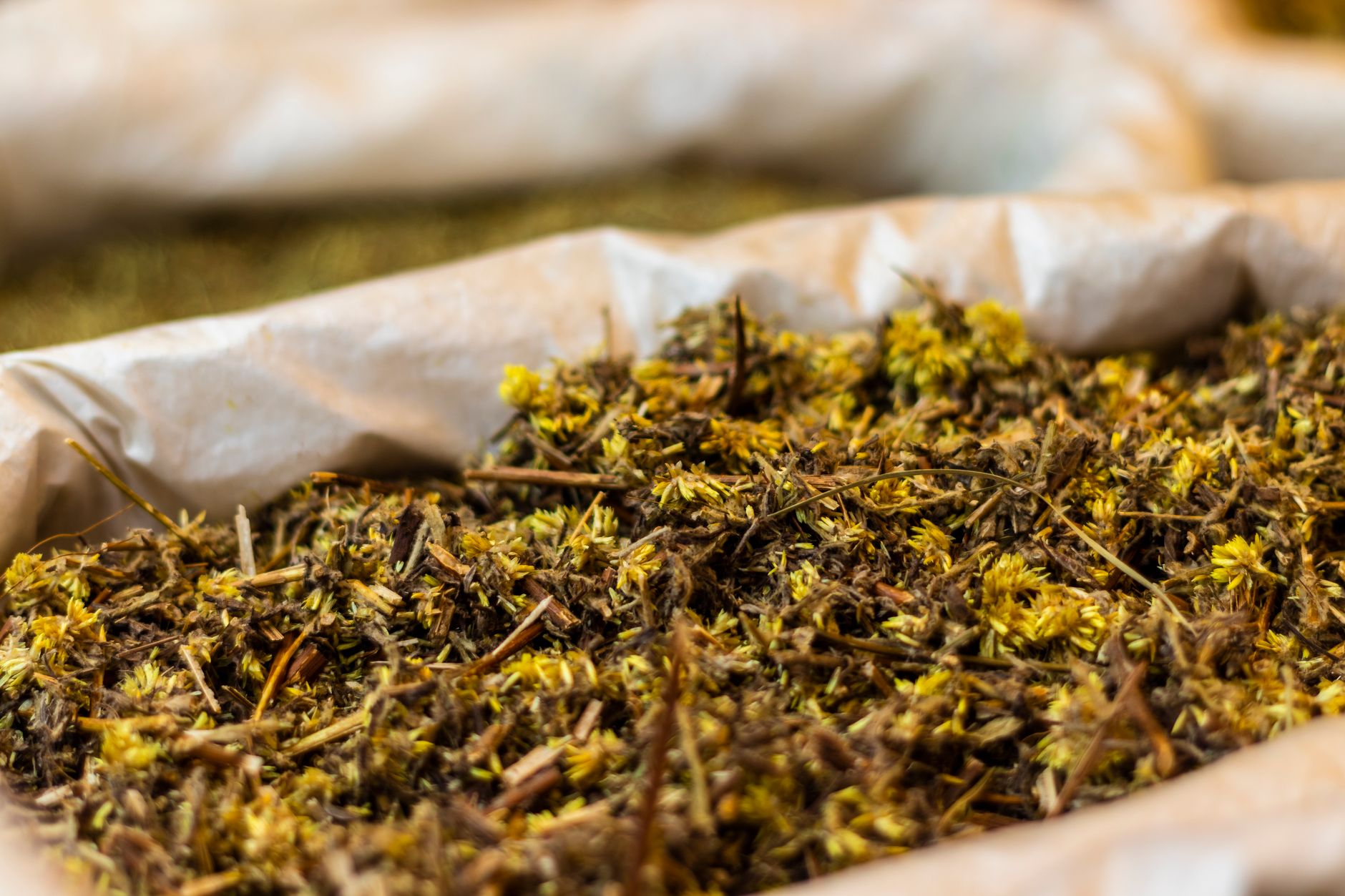
YELLOW GENTIAN Dried Herb

Modern Formulations: Convenience and Precision

Today, Yellow Gentian is widely available in various forms, making it more accessible and convenient for contemporary use:

  • Dried Herb (Loose Root): Still available for those who prefer to prepare their own teas, decoctions, or custom tinctures. This allows for direct control over the strength and freshness of the preparation.
  • Liquid Extracts and Tinctures: These remain popular due to their rapid absorption and ease of dosage. Liquid extracts offer a potent way to experience the bitter reflex immediately.
  • Capsules and Tablets: For individuals who find the intense bitterness unpalatable, capsules or tablets provide a convenient way to ingest Yellow Gentian without directly tasting it. While the immediate bitter reflex in the mouth is bypassed, the compounds still activate bitter receptors in the stomach, promoting digestive benefits. These are often standardized to contain a certain amount of active compounds, ensuring consistency.
  • Digestive Bitters Formulations: Yellow Gentian is a primary ingredient in many commercial digestive bitter blends, often combined with other herbs like dandelion, ginger, and artichoke, to create synergistic effects for comprehensive digestive support.

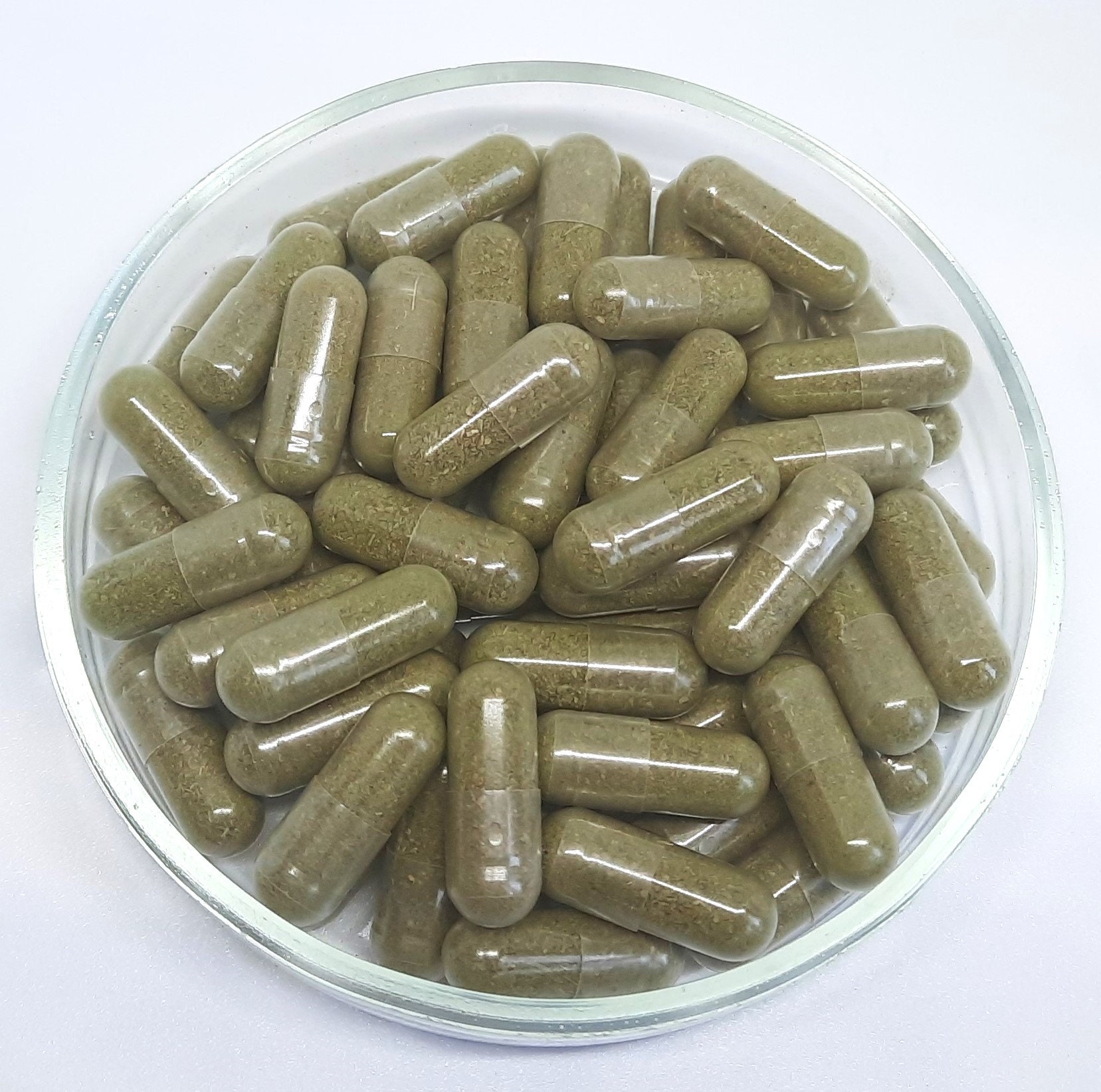
YELLOW GENTIAN Capsules

When selecting a Yellow Gentian product, it is paramount to choose high-quality sources, ideally organic and from reputable manufacturers. This ensures the product is free from contaminants and contains the optimal concentration of active compounds necessary for therapeutic efficacy. Understanding the different forms allows individuals to choose the most suitable option based on their preferences and specific health goals, whether it’s for immediate digestive stimulation or sustained support.

Practical Guide to Yellow Gentian: Dosage, Forms, and Administration

To effectively utilize Yellow Gentian for its health benefits, understanding proper dosage and administration is crucial. The goal is often to stimulate the bitter reflex, which means even small amounts can be highly effective. However, individual responses can vary, and it’s always recommended to start with a lower dose and gradually increase if needed.

General Dosage Guidelines (Consult a Healthcare Professional)

  • Dried Root (for tea/decoction): Typically, 1/4 to 1/2 teaspoon (approximately 0.5-1 gram) of dried, cut root is simmered in 1 cup of water for 5-10 minutes. This decoction is strained and consumed 15-30 minutes before meals. The intensely bitter taste is a key indicator of its potency.
  • Tincture (1:5 extract, 60% alcohol): A common dose is 1-2 ml (20-40 drops) diluted in a small amount of water, taken 15-30 minutes before meals. This allows the bitter compounds to activate taste receptors quickly.
  • Powdered Root (Capsules/Tablets): Doses can range from 250 mg to 1000 mg per day, often divided into two or three doses. While the bitterness is bypassed, the compounds will still interact with receptors in the gut. These are generally taken with or just before meals.
  • Fluid Extract (1:1 extract): A potent form, typically 0.5-1 ml diluted in water, taken before meals.

Best Time for Administration

For optimal digestive benefits, Yellow Gentian is most effective when taken 15-30 minutes before meals. This timing allows the bitter reflex to fully engage, stimulating the production of digestive juices in anticipation of food, thereby preparing the gastrointestinal tract for efficient digestion and nutrient assimilation. When used for general tonic purposes or other non-digestive benefits, timing might be less critical, but before meals is still a common and often beneficial approach due to its overall systemic effects.

Important Considerations for Usage

  • Taste Acclimation: For those new to bitter herbs, the taste of Yellow Gentian can be quite challenging. Persistence is often rewarded as the palate can become more accustomed over time. Diluting tinctures or decoctions in a larger amount of water can help, but it’s important not to dilute so much that the bitter sensation is completely lost, as this is crucial for the bitter reflex.
  • Quality Sourcing: Always prioritize purchasing Yellow Gentian from reputable herbal suppliers who can ensure the purity, potency, and sustainable harvesting of the root. Organic certification can also be a good indicator of quality.
  • Consistency: Like many herbal remedies, the full benefits of Yellow Gentian often become apparent with consistent use over a period of time. It is not always a quick-fix solution but rather a supportive aid for long-term digestive health.

By adhering to these guidelines and recognizing Yellow Gentian as a powerful natural tool, individuals can effectively integrate this venerable herb into their wellness routine to support digestive vitality and overall health. As always, consulting with a qualified healthcare practitioner is advisable before starting any new supplement regimen, especially if you have underlying health conditions or are taking other medications.

YELLOW GENTIAN Natural Herb

Safety Profile, Potential Side Effects, and Contraindications

While Yellow Gentian is widely considered safe for most healthy adults when used appropriately, its potent nature means certain precautions and contraindications must be observed. Understanding these aspects is essential for safe and effective use.

Potential Side Effects

Most side effects associated with Yellow Gentian are mild and usually related to its strong digestive stimulating properties:

  • Gastric Upset: In sensitive individuals or when taken in excessive doses, Yellow Gentian can cause stomach discomfort, nausea, or indigestion. This is often due to an overstimulation of stomach acid.
  • Headaches: Rarely, some individuals may experience headaches.
  • Dizziness: Very infrequently reported.

These side effects are generally mitigated by starting with low doses and taking the herb with or just before food, rather than on an empty stomach if sensitivity is an issue.

Contraindications and Warnings

Yellow Gentian is not suitable for everyone, and several conditions warrant caution or avoidance:

  • Pregnancy and Breastfeeding: Due to a lack of sufficient safety data, Yellow Gentian should be avoided by pregnant and breastfeeding women.
  • Stomach or Duodenal Ulcers: Individuals with active stomach or duodenal ulcers should avoid Yellow Gentian. Its ability to significantly increase gastric acid secretion could exacerbate these conditions and cause pain or further damage.
  • Acid Reflux (GERD) / Hiatal Hernia: While bitters can sometimes help with mild acid reflux by improving sphincter tone, in cases of severe or chronic acid reflux, or hiatal hernia, the increased stomach acid production stimulated by gentian could worsen symptoms. Consultation with a doctor is essential.
  • High Blood Pressure: Though not a common contraindication, some sources suggest caution in individuals with very high blood pressure, especially with prolonged use, due to potential adrenergic effects, although this is not strongly established.
  • Allergies: As with any botanical product, individuals with known allergies to plants in the Gentianaceae family should avoid Yellow Gentian.

Drug Interactions

Yellow Gentian may interact with certain medications:

  • Antacids and Acid-Reducing Medications (PPIs, H2 blockers): Since Yellow Gentian increases stomach acid production, it can counteract the effects of medications designed to reduce stomach acid. It is generally advisable to avoid concurrent use or consult a doctor for guidance on timing.
  • Blood Thinners (Anticoagulants/Antiplatelets): Although evidence is limited, some bitter herbs can theoretically impact blood clotting. Individuals on blood-thinning medications like warfarin or aspirin should exercise caution and consult their physician.
  • Diabetic Medications: Given its potential, albeit indirect, influence on metabolism through improved digestion, individuals with diabetes on medication should monitor blood sugar levels closely and consult their doctor.

The golden rule for incorporating any potent herbal remedy like Yellow Gentian into a health regimen is to consult with a qualified healthcare professional, especially if you have pre-existing medical conditions, are taking prescription medications, or are unsure about its suitability for your specific health profile. This ensures a safe, informed, and personalized approach to harnessing the benefits of this remarkable plant.

Conclusion: Yellow Gentian – A Timeless Elixir for Modern Wellness

Yellow Gentian, *Gentiana lutea*, stands as a monumental figure in the pantheon of medicinal herbs, its legacy woven through centuries of traditional healing and increasingly illuminated by modern scientific discovery. From the alpine meadows of Europe, this majestic plant offers a potent reminder of nature’s profound ability to support human health, particularly through its unparalleled capacity to invigorate the digestive system.

Our deep dive has revealed the intricate dance of its bioactive compounds, primarily the intensely bitter secoiridoid glycosides like gentiopicroside and amarogentin, which orchestrate a symphony of digestive secretions, priming the body for optimal nutrient absorption and alleviating a spectrum of gastrointestinal discomforts. Beyond its renowned digestive prowess, Yellow Gentian’s rich profile of xanthones bestows powerful antioxidant and anti-inflammatory properties, offering cellular protection and systemic well-being that extends far beyond the gut. Its historical applications, ranging from appetite stimulant and fever reducer to antiparasitic agent, speak volumes about its versatile therapeutic scope.

In an age where digestive health is recognized as a cornerstone of overall vitality and immune function, Yellow Gentian emerges as an invaluable natural ally. Whether embraced in traditional decoctions, modern tinctures, or convenient capsules, its essence remains the same: a profound bitter taste that signals profound healing. As we continue to seek holistic and natural pathways to wellness, Yellow Gentian offers a timeless, evidence-backed solution, inviting us to reconnect with the enduring wisdom of the plant kingdom. By respecting its potency, understanding its mechanisms, and heeding necessary precautions, Yellow Gentian can undoubtedly enrich and empower your journey toward optimal health, standing as a testament to nature’s enduring power to heal and restore.

Disclaimer: For informational purposes only. Not medical advice. Consult a qualified healthcare professional before use.
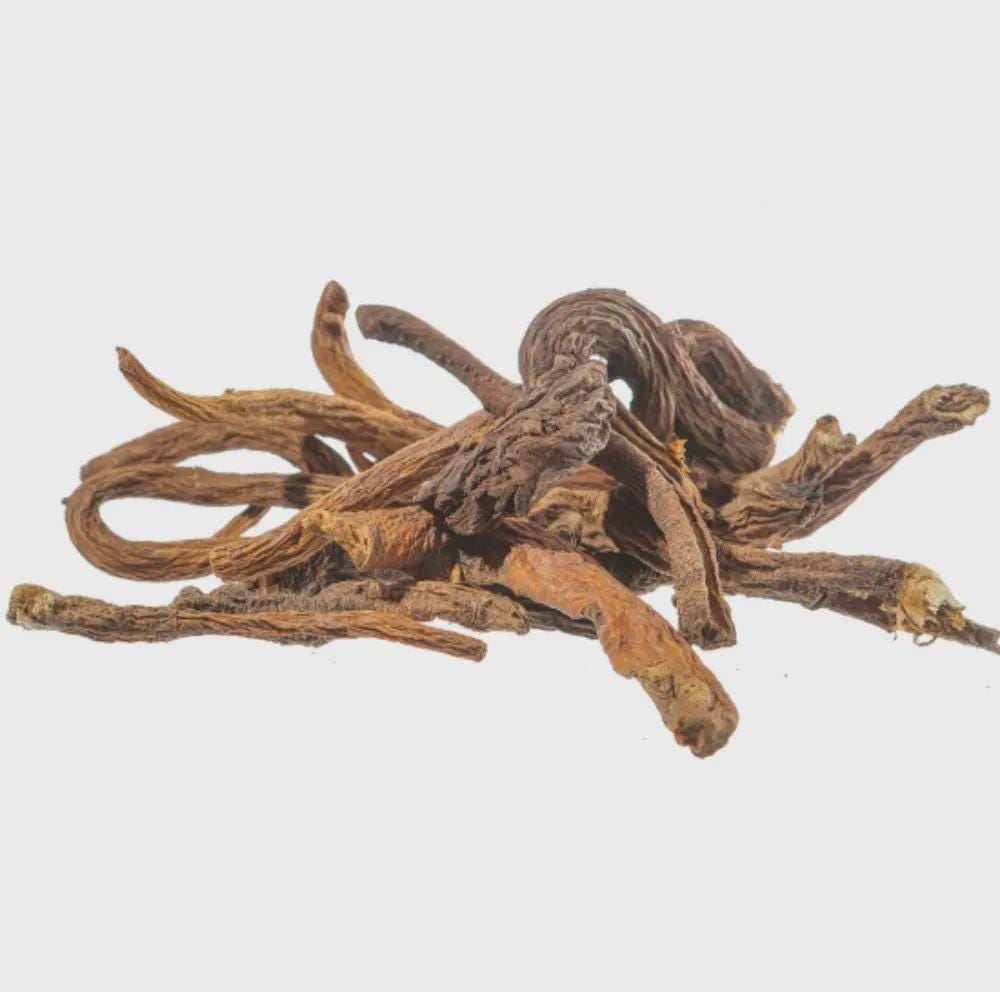
The Ultimate Guide to Chicory: Health Benefits and Uses

The Profound Health Benefits of Chicory: A Definitive Deep-Dive Guide

In the vast tapestry of natural remedies and nutritional powerhouses, Chicory (*Cichorium intybus*) stands as a remarkably resilient and beneficial plant, often overlooked yet brimming with therapeutic potential. From its ancient origins as a revered herb in various cultures to its modern-day recognition as a potent source of prebiotics and antioxidants, chicory has earned its place as a cornerstone of holistic health. This exhaustive guide delves into the intricate mechanisms behind chicory’s health benefits, exploring its rich history, diverse bioactive compounds, and practical applications, making a compelling case for its integration into a health-conscious lifestyle.

A Journey Through Time: Chicory’s Historical and Cultural Significance

The story of chicory is deeply interwoven with human history, spanning millennia and continents. Ancient Egyptians cultivated chicory, not merely for its culinary versatility, but primarily for its medicinal properties, believing it to be a powerful liver tonic and digestive aid. Records indicate its use as an antidote to poisons and a remedy for various ailments. Similarly, the ancient Greeks and Romans valued chicory for its bitter leaves, which were incorporated into salads and stews, and its roots, recognized for their purported ability to purify the blood and support detoxification.

During the Middle Ages, chicory spread across Europe, becoming a common garden plant. Monks cultivated it in monastery gardens, further solidifying its reputation in herbal medicine. Its use as a coffee substitute gained significant traction during periods of scarcity and conflict, such as the Napoleonic Wars and the American Civil War, when coffee imports were restricted or expensive. This practice continued through the World Wars, cementing chicory’s role as an economic and accessible alternative, appreciated for its robust flavor and perceived digestive advantages over traditional coffee. Today, many cultures, particularly in Louisiana and parts of Europe, still blend chicory with coffee for its unique taste and purported health benefits, demonstrating its enduring cultural legacy.

Botanical Profile: Unveiling the Chicory Plant

Chicory, scientifically known as *Cichorium intybus*, belongs to the Asteraceae family, which also includes sunflowers, daisies, and dandelions. This hardy perennial plant is characterized by its striking blue or lavender flowers, which typically bloom from mid-summer to early autumn, adding a touch of vibrant color to fields and roadsides. The plant typically grows between 3 to 5 feet tall, developing a deep, strong taproot that can extend several feet into the soil, allowing it to thrive in diverse conditions.

Its leaves, often referred to as chicory greens, vary in appearance depending on the cultivar. Wild chicory leaves are typically elongated and somewhat bitter, while cultivated varieties like radicchio, endive, and sugarloaf chicory boast a range of colors and textures, from crisp, pale green to deep red. It is the root, however, that holds the highest concentration of many of chicory’s most beneficial compounds, particularly inulin. This robust root, when roasted and ground, gives rise to the familiar chicory coffee additive or substitute, while its leaves are prized in culinary dishes for their distinctive, slightly bitter flavor.

Chicory Botanical Photo

The Chemical Arsenal: Key Bioactive Compounds and Nutritional Powerhouse

The extensive health benefits of chicory are primarily attributed to its complex array of bioactive compounds, each playing a crucial role in its therapeutic actions. Understanding these constituents is key to appreciating chicory’s profound impact on human health.

Inulin: The Prebiotic Superstar

Perhaps the most celebrated compound in chicory, especially its root, is inulin. Inulin is a type of fructan, a naturally occurring polysaccharide, and a soluble dietary fiber. It is classified as a prebiotic, meaning it serves as a non-digestible food source for beneficial bacteria in the gut, primarily *Bifidobacteria* and *Lactobacilli*. Unlike most carbohydrates, inulin bypasses digestion in the upper gastrointestinal tract, reaching the colon intact where it undergoes fermentation by the gut microbiota. This fermentation process yields short-chain fatty acids (SCFAs) such as butyrate, acetate, and propionate, which are vital for gut health and systemic well-being.

Sesquiterpene Lactones: The Bitter Warriors

Chicory’s characteristic bitter taste comes from a group of compounds known as sesquiterpene lactones, with lactucin and lactucopicrin being the most prominent. These compounds are not merely flavor agents; they possess significant biological activities. Research indicates that sesquiterpene lactones exhibit anti-inflammatory, antioxidant, and even antimalarial properties. They are believed to stimulate bile production in the liver, contributing to chicory’s traditional use as a liver tonic and digestive aid.

Phenolic Compounds: Antioxidant Defenders

Chicory is rich in various phenolic compounds, including chicoric acid, chlorogenic acid, and caffeic acid. These potent antioxidants play a critical role in neutralizing free radicals, unstable molecules that can cause oxidative stress and cellular damage. Oxidative stress is implicated in the development of numerous chronic diseases, including cardiovascular disease, cancer, and neurodegenerative disorders. The presence of these phenolics underscores chicory’s capacity to protect the body at a cellular level.

Vitamins and Minerals: Essential Micronutrients

Beyond its specialized bioactive compounds, chicory also provides a spectrum of essential vitamins and minerals. It is a good source of Vitamin K, crucial for blood clotting and bone health, and Vitamin A, vital for vision and immune function. It also contains modest amounts of Vitamin C, several B-vitamins (folate, B6), and essential minerals such as potassium (important for blood pressure regulation), manganese, iron, and calcium.

Chicory Plant Profile

Unpacking the Exhaustive Health Benefits of Chicory

The synergy of chicory’s diverse compounds translates into a wide array of scientifically supported health benefits, impacting multiple physiological systems.

1. Superior Digestive Health and Gut Microbiome Support

Chicory’s most acclaimed benefit lies in its profound impact on digestive health, primarily due to its high inulin content. As a powerful prebiotic, inulin selectively feeds beneficial gut bacteria like *Bifidobacteria* and *Lactobacilli*, promoting their growth while inhibiting the proliferation of pathogenic microorganisms. This shift towards a healthier gut microbiota, often referred to as gut dysbiosis correction, has far-reaching implications for overall health.

The fermentation of inulin by these beneficial bacteria produces short-chain fatty acids (SCFAs), notably butyrate. Butyrate is the primary energy source for colonocytes (cells lining the colon) and plays a critical role in maintaining gut barrier integrity, reducing inflammation, and potentially protecting against colorectal cancer. Furthermore, the bulking effect of inulin and other fibers in chicory helps to normalize bowel movements, effectively alleviating constipation and improving stool consistency. Regular consumption of chicory can lead to a more balanced and efficient digestive system, reducing symptoms associated with irritable bowel syndrome (IBS) and other gastrointestinal discomforts.

2. Potent Blood Sugar Regulation and Diabetes Management

Chicory offers significant advantages for individuals managing blood sugar levels or at risk of developing type 2 diabetes. The soluble fiber, particularly inulin, plays a crucial role by slowing down the absorption of glucose from the small intestine into the bloodstream. This delayed absorption prevents rapid spikes in blood sugar levels after meals, leading to a more stable glycemic response. Moreover, studies suggest that chicory extract can improve insulin sensitivity, meaning the body’s cells become more responsive to insulin, allowing for more efficient glucose uptake and utilization. By mitigating post-prandial hyperglycemia and enhancing insulin function, chicory can be a valuable dietary component in the prevention and complementary management of diabetes.

3. Comprehensive Liver Health and Detoxification

Historically, chicory has been revered as a natural liver tonic, and modern science is beginning to unravel the mechanisms behind this traditional wisdom. The sesquiterpene lactones in chicory are believed to stimulate bile production and flow (a choleretic and cholagogue effect), which is essential for digesting fats and eliminating waste products and toxins from the liver. Increased bile flow aids in the detoxification process, facilitating the excretion of metabolic byproducts and harmful substances. Additionally, the antioxidant compounds, such as chicoric acid and chlorogenic acid, protect liver cells from oxidative damage caused by toxins and free radicals. By supporting bile production and providing antioxidant defense, chicory contributes to optimal liver function and its vital role in detoxification.

4. Robust Anti-inflammatory and Antioxidant Properties

Chronic inflammation and oxidative stress are underlying factors in many degenerative diseases. Chicory is a treasure trove of compounds that actively combat these detrimental processes. Its rich content of phenolic acids, flavonoids, and sesquiterpene lactones confers powerful antioxidant capabilities. These compounds scavenge free radicals, preventing cellular damage and reducing the burden of oxidative stress on the body. Furthermore, emerging research indicates that sesquiterpene lactones, particularly lactucin and lactucopicrin, possess significant anti-inflammatory properties. They are thought to modulate inflammatory pathways, such as the NF-κB pathway, thereby reducing the production of pro-inflammatory cytokines. This dual action of fighting oxidative stress and quelling inflammation makes chicory a powerful agent in promoting overall cellular health and potentially reducing the risk of chronic inflammatory conditions.

5. Support for Weight Management and Satiety

For those striving for healthy weight management, chicory can be a valuable ally. Its high fiber content, particularly inulin, contributes significantly to feelings of satiety and fullness. When consumed, inulin absorbs water and expands in the stomach, which can help reduce overall calorie intake by signaling to the brain that the stomach is full. This increased satiety can curb appetite and prevent overeating. Moreover, the fermentation of inulin in the gut can influence the release of appetite-regulating hormones, such as GLP-1 (glucagon-like peptide-1) and peptide YY, which further contribute to feelings of fullness and reduced food intake. By promoting satiety and potentially impacting hormonal regulation of appetite, chicory offers a natural approach to support weight management efforts.

6. Enhanced Bone Health

Beyond its well-known gut benefits, inulin in chicory also plays a role in enhancing bone mineral density. Studies have shown that inulin can significantly improve the absorption of essential minerals like calcium and magnesium in the gut. By creating a more acidic environment in the colon through SCFA production, inulin makes these minerals more soluble and therefore more readily absorbed into the bloodstream. Given that chicory itself contains these vital bone-building minerals, its consumption can contribute to stronger bones and potentially reduce the risk of osteoporosis, especially when part of a mineral-rich diet.

7. Cardiovascular Health Protection

Chicory’s multifaceted composition also extends its benefits to cardiovascular health. The soluble fiber, including inulin, can help lower LDL (“bad”) cholesterol levels by binding to bile acids in the gut and promoting their excretion. This forces the liver to use more cholesterol to produce new bile acids, thereby reducing circulating cholesterol. The potent antioxidants, such as chlorogenic and caffeic acids, protect against the oxidation of LDL cholesterol, a critical step in the development of atherosclerosis and heart disease. Furthermore, the potassium content in chicory contributes to healthy blood pressure regulation by counteracting the effects of sodium, helping to maintain fluid balance and reduce strain on the cardiovascular system.

Practical Usage and Culinary Applications

Chicory’s versatility extends beyond its health benefits into the culinary realm, offering various ways to incorporate this potent plant into your diet.

Chicory Root Coffee

The most popular application of chicory root is as a coffee substitute or additive. Roasted and ground chicory root has a rich, earthy, slightly bitter, and subtly sweet flavor profile that mimics coffee. It is naturally caffeine-free, making it an excellent choice for those seeking to reduce caffeine intake without sacrificing the ritual and robust taste of a warm beverage. It can be brewed on its own or blended with regular coffee to enhance flavor and reduce caffeine content.

Chicory Leaves (Greens)

Chicory greens, encompassing varieties like radicchio, endive, and curly endive, are a staple in European cuisine. Their distinctive bitter notes add complexity to salads, providing a refreshing contrast to sweeter ingredients. They can also be braised, grilled, or sautéed, which mellows their bitterness and brings out a subtle sweetness. These greens are packed with vitamins, minerals, and antioxidants, offering a nutritious addition to any meal.

Dried Chicory Root and Herbal Teas

Dried chicory root pieces can be steeped to make an herbal tea, offering a milder, caffeine-free beverage that still delivers the health benefits of its compounds. This form is particularly popular for those looking to support digestion or liver function. The dried herb can also be incorporated into herbal blends.

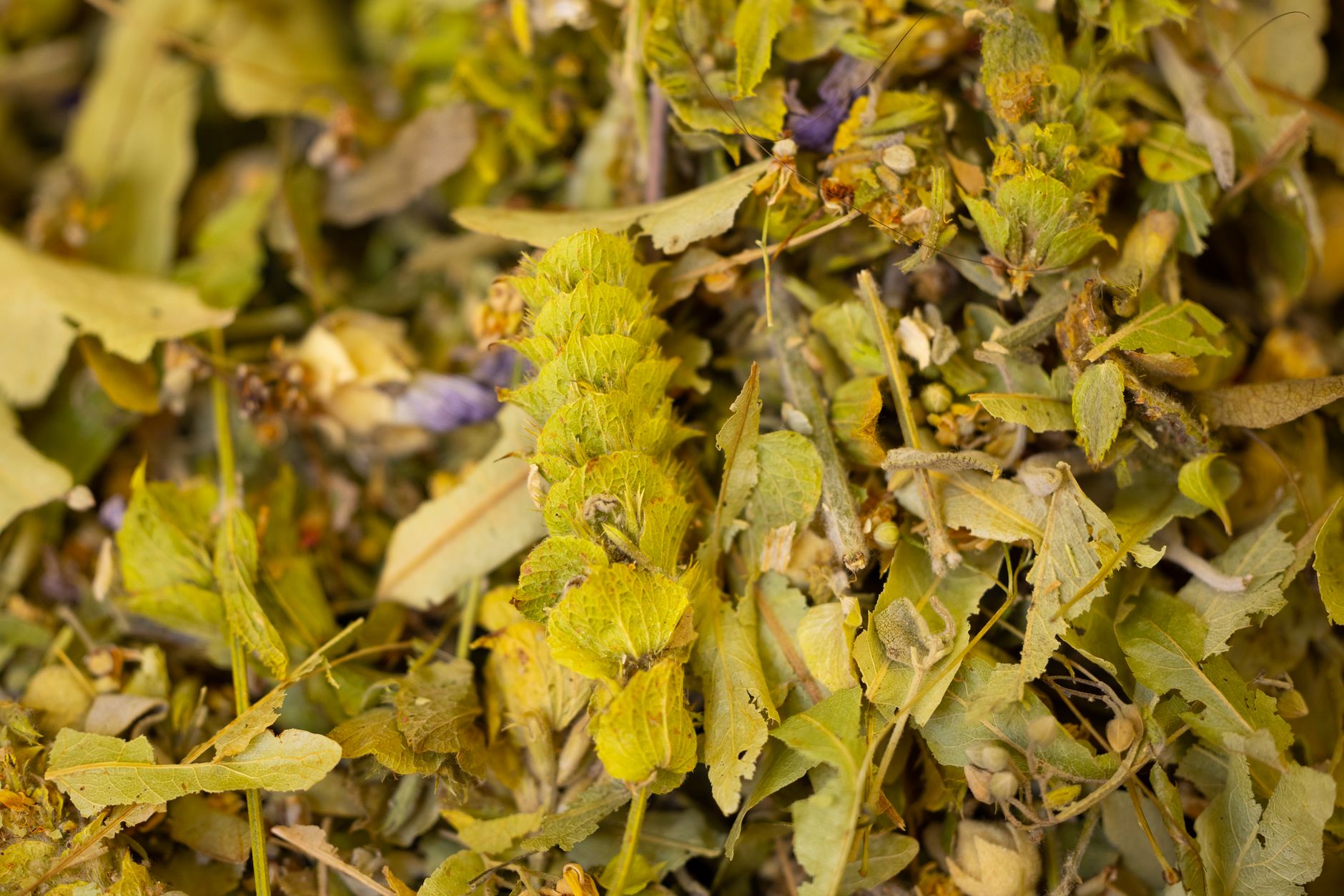
Chicory Dried Herb

Inulin Powder and Extracts

Chicory-derived inulin is widely available as a dietary supplement in powdered form. It can be easily added to smoothies, yogurts, cereals, or baked goods to boost fiber content and prebiotic intake. Liquid extracts and tinctures of chicory root are also available, offering a concentrated form of its beneficial compounds for those seeking specific therapeutic effects.

Chicory Supplements: Capsules, Tinctures, and Dosages

For those who prefer a more targeted and convenient approach, chicory supplements are readily available in various forms, including capsules, tablets, and tinctures. These supplements often concentrate the beneficial compounds, particularly inulin, allowing for precise dosing.

Capsules and Tablets

Chicory root extract capsules are a popular choice for their convenience and standardized dosages. Many supplements specify the inulin content, which is crucial for achieving prebiotic benefits. Typical dosages for inulin range from 5 to 10 grams per day for digestive health, though individual tolerance and desired effects may vary. It is often recommended to start with a lower dose and gradually increase to avoid potential digestive discomfort.

Liquid Extracts and Tinctures

Liquid extracts and tinctures offer a bioavailable form of chicory’s compounds, which can be easily absorbed. These are often preferred for their ease of use and flexibility in dosing. Dosages can vary significantly based on the concentration of the extract, so it is imperative to follow the manufacturer’s instructions or consult with a qualified herbalist.

Considerations for Supplementation

When selecting a chicory supplement, look for products from reputable manufacturers that provide third-party testing for purity and potency. Pay attention to the inulin content if your primary goal is prebiotic support. Discussing supplementation with a healthcare professional is always recommended, especially if you have underlying health conditions or are taking other medications.

Chicory Capsules

Potential Side Effects and Precautions

While chicory is generally considered safe for most people when consumed in moderation, there are a few considerations and potential side effects to be aware of.

Digestive Upset

Due to its high fiber and inulin content, consuming large quantities of chicory, especially in supplement form, can lead to digestive discomfort such as gas, bloating, stomach cramps, and diarrhea. This is particularly true for individuals not accustomed to high-fiber diets. It is advisable to start with small doses and gradually increase them to allow the gut microbiome to adapt.

Allergic Reactions

Individuals with allergies to plants in the Asteraceae family (e.g., ragweed, daisies, marigolds, chrysanthemums) may experience allergic reactions to chicory, including skin rashes, itching, or respiratory symptoms. If you have known allergies to this plant family, exercise caution or avoid chicory.

Pregnancy and Breastfeeding

There is insufficient research on the safety of chicory in medicinal amounts during pregnancy and breastfeeding. While culinary amounts are likely safe, pregnant or breastfeeding individuals should consult their doctor before using chicory supplements.

Drug Interactions

Chicory may interact with certain medications. For instance, its potential to lower blood sugar levels could enhance the effects of diabetes medications, leading to hypoglycemia. Additionally, its high Vitamin K content might interfere with blood-thinning medications like warfarin. Always discuss chicory consumption with a healthcare provider if you are on medication.

Conclusion: Chicory as a Pillar of Natural Wellness

Chicory, a plant steeped in history and validated by modern scientific inquiry, stands as a testament to nature’s profound capacity to support human health. From its ancient origins as a revered medicinal herb to its contemporary role as a prebiotic powerhouse and a delicious coffee alternative, chicory offers a remarkable spectrum of benefits. Its rich composition of inulin, sesquiterpene lactones, and phenolic compounds synergistically contributes to superior digestive health, effective blood sugar regulation, robust liver support, powerful anti-inflammatory and antioxidant actions, and even aids in weight management and bone health. As we navigate an increasingly health-conscious world, embracing natural, holistic solutions becomes paramount. Integrating chicory into your daily routine, whether through culinary delights, a comforting beverage, or targeted supplementation, provides a simple yet profound pathway to enhancing overall well-being. Its enduring legacy and scientifically backed advantages firmly establish chicory as a true pillar of natural wellness, awaiting wider recognition and appreciation.

Chicory Natural Herb

Disclaimer: For informational purposes only. Not medical advice. Consult a qualified healthcare professional before use.

The Ultimate Guide to Aronia Berry: Health Benefits and Uses

The Aronia Berry: Unveiling the Potent Health Benefits of Nature’s Dark Jewel

In the vast tapestry of nature’s botanical treasures, certain fruits stand out not just for their vibrant colors and distinctive flavors, but for their unparalleled density of health-promoting compounds. Among these, the Aronia berry, often heralded as the “chokeberry,” reigns supreme. This remarkable superfruit, a small, dark, and intensely flavored berry, has garnered significant attention from the scientific community and wellness enthusiasts alike due to its extraordinary nutritional profile and an array of documented health benefits. Far from being just another berry, Aronia offers a powerful arsenal of antioxidants, vitamins, and minerals, making it a cornerstone for those seeking to bolster their health naturally. This exhaustive guide delves deep into the Aronia berry, exploring its botanical origins, its rich history, its complex biochemistry, and the profound ways it can enhance human well-being, providing a definitive resource for understanding this powerful fruit.

A Botanical Profile and a Rich History: From Wild Plains to Wellness Staples

The Aronia berry, scientifically known primarily as Aronia melanocarpa (black chokeberry), though species like Aronia arbutifolia (red chokeberry) and Aronia prunifolia (purple chokeberry) also exist, is a deciduous shrub native to eastern North America. Its common name, “chokeberry,” is often attributed to the berry’s astringent taste, a characteristic testament to its high concentration of tannins and polyphenols. Historically, Aronia shrubs thrived in wetlands and moist woodlands across the continent, forming an integral part of the natural ecosystem. Indigenous peoples of North America recognized the berry’s value long before modern science confirmed its properties. They utilized Aronia not only as a food source, drying them for winter provisions or mixing them into pemmican, but also for its perceived medicinal qualities, employing it to treat various ailments, particularly colds and digestive issues. Its robust nature and ability to withstand harsh climates made it a reliable resource.

The journey of Aronia from North American wildlands to a global health phenomenon is fascinating. In the late 19th and early 20th centuries, it was introduced to Eastern Europe, particularly Russia, by the renowned botanist Ivan Michurin. Recognizing its hardiness and nutritional potential, Michurin initiated extensive cultivation programs, leading to its widespread adoption and breeding in countries like Poland, Ukraine, and Bulgaria. These regions quickly became primary producers, valuing Aronia for its resilience and high yield, transforming it from a wild shrub into a cultivated crop. Today, while it remains a cherished component of traditional diets in Eastern Europe, its incredible health benefits are increasingly recognized worldwide, sparking a resurgence of interest in its cultivation and consumption across Western Europe and back in North America. This global appreciation underscores its enduring appeal and potent capabilities.

Aronia Berry Botanical Photo

The Nutritional Powerhouse: Bioactive Compounds of Aronia Berry

The true marvel of the Aronia berry lies within its intricate biochemical composition. It is not merely rich in vitamins and minerals, but it boasts an unparalleled concentration of polyphenols, making it one of the most antioxidant-dense fruits known to science. The synergistic action of these diverse compounds is what confers Aronia its profound health-promoting capabilities, working together to combat oxidative stress, inflammation, and cellular damage. Understanding these key bioactive components is crucial to appreciating the berry’s therapeutic potential.

Anthocyanins: The Pigmented Protectors

Aronia berries are perhaps most famous for their incredibly high anthocyanin content, which is responsible for their deep, dark purple to almost black coloration. These powerful water-soluble pigments are a class of flavonoids and are found in staggering concentrations in Aronia, often significantly surpassing levels found in other well-known berries like blueberries and blackberries. The predominant anthocyanins in Aronia include cyanidin-3-galactoside, cyanidin-3-glucoside, cyanidin-3-arabinoside, and cyanidin-3-xyloside. These specific anthocyanins are particularly potent free radical scavengers, meaning they neutralize harmful free radicals that contribute to cellular aging and disease. Their mechanism involves donating electrons to unstable free radicals, thereby stabilizing them and preventing them from damaging cellular components such as DNA, proteins, and lipids. Beyond their direct antioxidant action, anthocyanins also exhibit strong anti-inflammatory properties by modulating various signaling pathways involved in the inflammatory response, such as inhibiting cyclooxygenase-2 (COX-2) and nuclear factor-kappa B (NF-κB).

Proanthocyanidins (PACs): The Unsung Heroes

While anthocyanins give Aronia its color, proanthocyanidins, also known as condensed tannins, contribute significantly to its astringency and, more importantly, its health benefits. These complex polyphenols are polymers of flavan-3-ols and are present in very high amounts in Aronia, particularly in the skin and seeds. Research suggests that Aronia’s proanthocyanidins, especially oligomeric proanthocyanidins (OPCs), possess even greater antioxidant activity than many anthocyanins. They are exceptional at binding to and neutralizing reactive oxygen species (ROS) and reactive nitrogen species (RNS), offering enhanced protection against oxidative damage. Furthermore, PACs are known for their ability to inhibit bacterial adhesion, particularly in the urinary tract, and play a crucial role in maintaining cardiovascular health by improving vascular integrity and elasticity. Their presence contributes to a broader spectrum of protective effects, reinforcing Aronia’s status as a top-tier functional food.

Aronia Berry Plant Profile

Phenolic Acids and Flavonoids: The Supporting Cast

Beyond anthocyanins and proanthocyanidins, Aronia berries contain a rich assortment of other phenolic compounds, including various phenolic acids and flavonoids. Key phenolic acids like chlorogenic acid and caffeic acid are present, known for their antioxidant and anti-inflammatory effects. Chlorogenic acid, for instance, is well-studied for its potential role in glucose metabolism and blood pressure regulation. Flavonoids such as quercetin, rutin, and epicatechin further bolster Aronia’s health-promoting properties. Quercetin is a powerful antioxidant and antihistamine, while rutin is known to strengthen capillaries and improve blood circulation. These compounds work synergistically, creating a comprehensive defense system against various health challenges, illustrating the holistic power of whole foods over isolated nutrients.

Vitamins and Minerals: Essential Micronutrients

While celebrated for its polyphenols, Aronia also provides a valuable array of essential vitamins and minerals. It is a good source of Vitamin C, a crucial antioxidant and immune booster that plays a role in collagen synthesis and iron absorption. Vitamin K, vital for blood clotting and bone health, is also present. The berry contains important B vitamins, including folate, which is essential for cell division and DNA synthesis. In terms of minerals, Aronia provides manganese, an essential cofactor for numerous enzymes involved in metabolism and antioxidant defense, and good amounts of potassium, which is important for maintaining fluid balance and blood pressure.

Comprehensive Health Benefits of Aronia Berry: A Deep Dive

The extraordinary blend of bioactive compounds in Aronia translates into a wide spectrum of health benefits that impact nearly every system in the human body. Research continues to uncover new applications and deepen our understanding of its therapeutic mechanisms.

Potent Antioxidant Activity and Oxidative Stress Reduction

One of the most well-established benefits of Aronia is its exceptional antioxidant capacity. Oxidative stress, a state where there’s an imbalance between free radical production and the body’s ability to neutralize them, is a key contributor to aging and the development of numerous chronic diseases, including cardiovascular disease, cancer, and neurodegenerative disorders. The high levels of anthocyanins, proanthocyanidins, and other polyphenols in Aronia act as powerful free radical scavengers. They directly neutralize reactive oxygen species, thereby preventing cellular damage. Furthermore, Aronia compounds can upregulate the body’s endogenous antioxidant enzymes, such as superoxide dismutase (SOD) and glutathione reductase, providing a dual layer of protection. This robust antioxidant defense mechanism is fundamental to many of Aronia’s other health benefits.

Cardiovascular Health Support

Aronia berry has shown significant promise in promoting cardiovascular well-being, addressing several key risk factors for heart disease. Its compounds contribute to:

  • Blood Pressure Regulation: Studies suggest Aronia extracts can help reduce elevated blood pressure. This effect is attributed to several mechanisms, including improving endothelial function by increasing nitric oxide bioavailability (which helps blood vessels relax and widen) and potentially inhibiting the angiotensin-converting enzyme (ACE), similar to ACE inhibitor medications.
  • Cholesterol Management: Aronia has been shown to favorably influence lipid profiles. It can help reduce levels of low-density lipoprotein (LDL) cholesterol, often referred to as “bad” cholesterol, and prevent its oxidation, a critical step in the development of atherosclerosis. Some research also indicates a potential to increase high-density lipoprotein (HDL) cholesterol, the “good” cholesterol.
  • Improved Endothelial Function: The endothelium, the inner lining of blood vessels, plays a crucial role in vascular health. Aronia’s antioxidants protect endothelial cells from damage and improve their function, leading to better blood flow and reduced risk of plaque formation.
  • Anti-platelet Aggregation: Certain compounds in Aronia may inhibit platelet aggregation, reducing the risk of blood clot formation that can lead to heart attacks and strokes.

Immune System Enhancement

The immune-modulating properties of Aronia are gaining recognition. Its high Vitamin C content is a well-known immune booster, supporting the function of various immune cells. Moreover, anthocyanins and other polyphenols contribute to immune health by directly stimulating immune responses and exhibiting antimicrobial properties. Aronia extracts have demonstrated antiviral activity against certain viruses, including influenza, by inhibiting viral replication and preventing viral entry into cells. They also possess antibacterial effects, particularly against common pathogens, suggesting a role in strengthening the body’s defenses against infections.

Anti-inflammatory Properties

Chronic inflammation is a silent driver of many diseases, from arthritis to metabolic syndrome and even cancer. Aronia’s rich polyphenol content, particularly anthocyanins and proanthocyanidins, makes it a potent anti-inflammatory agent. These compounds work by modulating key inflammatory pathways and reducing the production of pro-inflammatory mediators. They can inhibit the activation of NF-κB, a protein complex that controls DNA transcription and cytokine production, and downregulate cyclooxygenase-2 (COX-2) enzymes, which are involved in pain and inflammation. This reduction in systemic inflammation can alleviate symptoms of inflammatory conditions and protect against inflammation-driven chronic diseases.

Blood Sugar Regulation and Diabetes Management

For individuals concerned with blood sugar levels and diabetes, Aronia offers promising therapeutic potential. Research indicates that Aronia can help improve insulin sensitivity, allowing cells to more effectively take up glucose from the bloodstream. It may also inhibit alpha-glucosidase, an enzyme responsible for breaking down complex carbohydrates into glucose, thereby slowing down glucose absorption and preventing post-meal blood sugar spikes. Furthermore, the antioxidants in Aronia can protect pancreatic beta-cells (which produce insulin) from oxidative damage and reduce the risk of diabetes-related complications, such as retinopathy and nephropathy, which are often exacerbated by oxidative stress and inflammation.

Digestive Health and Gut Microbiome Support

A healthy gut is foundational to overall health, and Aronia contributes positively to digestive wellness. Its fiber content aids in regularity and bowel function. More significantly, its polyphenols act as prebiotics, meaning they are not fully digested in the upper gastrointestinal tract but instead reach the colon, where they are fermented by beneficial gut bacteria. This process encourages the growth of advantageous microorganisms, such as Bifidobacteria and Lactobacilli, while inhibiting the growth of harmful bacteria. A balanced gut microbiome is essential for nutrient absorption, immune function, and even mood regulation. The anti-inflammatory properties of Aronia also help soothe and protect the gut lining, potentially reducing symptoms of inflammatory bowel conditions.

Neuroprotective Benefits and Cognitive Function

The brain is particularly vulnerable to oxidative stress and inflammation, which are implicated in cognitive decline and neurodegenerative diseases like Alzheimer’s and Parkinson’s. Aronia’s powerful antioxidants can cross the blood-brain barrier, providing direct protection to neuronal cells. They scavenge free radicals within brain tissue, reduce neuroinflammation, and improve cerebral blood flow, all of which are critical for optimal cognitive function. Regular consumption of Aronia may help preserve memory, enhance learning capabilities, and protect against age-related cognitive impairment.

Liver Health and Detoxification Support

The liver is the body’s primary detoxification organ, constantly exposed to toxins and free radicals. Aronia berry has demonstrated hepatoprotective effects, helping to shield the liver from damage caused by toxins, alcohol, and certain medications. Its antioxidants neutralize harmful compounds and reduce lipid peroxidation in liver cells. Some studies suggest Aronia can also support the liver’s detoxification pathways and reduce markers of liver damage, making it a valuable adjunct for maintaining liver health.

Eye Health

The delicate tissues of the eyes are susceptible to oxidative damage, which can contribute to conditions like macular degeneration and cataracts. Aronia’s anthocyanins, particularly cyanidin-3-galactoside, are known to support eye health. They help protect the retina from oxidative stress, improve microcirculation in the ocular tissues, and enhance visual acuity, especially in low light conditions (night vision). The potent antioxidant shield Aronia provides can be a proactive step in preserving long-term eye health.

Anti-Cancer Potential (Emerging Research)

While still in the early stages of research, numerous in vitro and in vivo studies have explored Aronia’s potential anti-cancer properties. The high concentration of anthocyanins and proanthocyanidins appears to exhibit antiproliferative effects against various cancer cell lines, including those of the colon, breast, liver, and lung. Mechanisms proposed include inducing apoptosis (programmed cell death) in cancer cells, inhibiting angiogenesis (the formation of new blood vessels that feed tumors), suppressing cancer cell proliferation, and reducing metastasis. It is crucial to emphasize that this research is largely preclinical, and Aronia should not be considered a substitute for conventional cancer treatments, but its potential as a complementary agent is a promising area of study.

Traditional and Modern Uses of Aronia Berry

Aronia’s versatility extends beyond its health benefits to its various applications in both traditional practices and modern culinary and supplemental forms.

Traditional and Culinary Uses

As mentioned, Native Americans used Aronia berries in dried forms, often combined with meat to create nutrient-dense pemmican, or brewed into teas for medicinal purposes. In Eastern Europe, its tartness led to its use in a wide range of food products, including concentrated juices, jams, jellies, marmalades, and wines. The juice is particularly popular, often blended with sweeter fruits to balance its astringency. Dried Aronia berries are used in cereals, baked goods, and trail mixes, offering a chewy, antioxidant-rich addition. Aronia powder, made from dried and ground berries, is another convenient way to incorporate its benefits into smoothies or yogurt.

Aronia Berry Dried Herb

Modern Supplemental Forms

Given its powerful health benefits, Aronia has naturally transitioned into the supplement market. It is widely available as:

  • Aronia Berry Juice: A concentrated source of its beneficial compounds, often consumed pure or diluted.
  • Aronia Berry Powder: Made from freeze-dried or air-dried berries, ideal for mixing into drinks, foods, or making DIY capsules.
  • Aronia Berry Extracts: Standardized to contain specific concentrations of anthocyanins or polyphenols, offering a potent dose in a smaller format.
  • Aronia Berry Capsules: A convenient and precise way to consume Aronia, especially for those who dislike the tart taste of the fresh berry or juice. Capsules provide a measured dose of concentrated Aronia extract or dried berry powder.

Aronia Berry Capsules

How to Incorporate Aronia Berry into Your Diet

Embracing the benefits of Aronia is easier than one might think, with numerous delicious and practical ways to include it in your daily routine:

  • Fresh or Frozen: If you can find fresh Aronia berries, they are excellent in smoothies, mixed with other fruits, or used in baking. Frozen berries are a convenient year-round option and retain most of their nutritional value.
  • Juice: Aronia juice can be quite tart, so it’s often blended with sweeter juices like apple or grape, or diluted with water. Start with a small amount and gradually increase.
  • Powder: Aronia berry powder is incredibly versatile. Add a teaspoon or two to your morning oatmeal, yogurt, smoothie, or even sprinkle it over salads for an antioxidant boost.
  • Jams, Jellies, and Syrups: These offer a sweet way to enjoy Aronia, perfect for spreading on toast, pancakes, or as a topping for desserts.
  • Teas: Dried Aronia berries can be steeped to make a nourishing herbal tea.
  • Supplements: For consistent and potent intake, Aronia capsules or extracts are an excellent choice, providing concentrated benefits without the tart taste.

Dosage and Safety Considerations

While Aronia is generally considered safe for most people, it’s important to approach supplementation with awareness and consult a healthcare professional, especially if you have underlying health conditions or are taking medications.

  • Typical Dosages:
    • Fresh/Frozen Berries: 10-30 grams daily.
    • Juice: 30-150 ml (1-5 ounces) daily, often diluted.
    • Powder: 1-3 teaspoons (3-10 grams) daily.
    • Extracts/Capsules: Follow product-specific instructions, as concentrations vary widely. Dosages often range from 300 mg to 1000 mg of extract daily, standardized for anthocyanin content.
  • Potential Side Effects: Aronia is well-tolerated, but its astringency can cause mild digestive upset in sensitive individuals, especially if consumed in large quantities on an empty stomach. Starting with smaller doses and gradually increasing is advisable.
  • Interactions: Due to its potential effects on blood clotting and blood sugar, individuals on blood-thinning medications (anticoagulants), diabetes medications, or blood pressure medication should consult their doctor before incorporating high doses of Aronia.
  • Pregnancy and Lactation: There is limited research on Aronia’s safety during pregnancy and breastfeeding. It is best to err on the side of caution and consult a healthcare provider.
  • Children: While generally safe in moderate food amounts, consult a pediatrician before giving children concentrated Aronia supplements.

Conclusion: Aronia Berry – A Testament to Nature’s Healing Power

The Aronia berry stands as a powerful testament to the intricate and profound healing capabilities inherent in nature. From its humble origins in North American wetlands to its widespread cultivation and scientific recognition, this dark jewel has emerged as a true superfruit. Its unparalleled concentration of anthocyanins, proanthocyanidins, and other potent polyphenols provides a robust defense against oxidative stress and inflammation, the root causes of many modern chronic diseases. By supporting cardiovascular health, bolstering the immune system, aiding in blood sugar regulation, promoting gut and liver health, and even offering neuroprotective and anti-cancer potential, Aronia provides a holistic approach to wellness.

Incorporating Aronia into your daily life, whether through fresh berries, juices, powders, or convenient supplements, is a proactive step towards enhancing your vitality and protecting your long-term health. As research continues to unveil new facets of its incredible benefits, the Aronia berry solidifies its place as an indispensable ally in the pursuit of optimal well-being. Embrace the power of this remarkable fruit and unlock a richer, healthier future.

Aronia Berry Natural Herb

Disclaimer: For informational purposes only. Not medical advice. Consult a qualified healthcare professional before use.

The Ultimate Guide to Elder Flower: Health Benefits and Uses

The Golden Bloom of Wellness: An Exhaustive Guide to the Health Benefits of Elder Flower

For centuries, nestled within the lush landscapes of Europe, North America, and parts of Asia, the Elder tree (*Sambucus nigra*) has been revered not just for its striking beauty but for the profound medicinal properties encapsulated within its delicate white blossoms. Elder Flower, with its characteristic musky-sweet aroma and subtle flavor, has transitioned from being a cherished ingredient in traditional folk remedies and culinary delights to a subject of rigorous scientific scrutiny, revealing a fascinating array of health benefits. This comprehensive guide delves deep into the multifaceted wellness potential of Elder Flower, exploring its rich historical tapestry, its intricate chemical composition, and the myriad ways it can contribute to a vibrant, healthier life.

Unveiling *Sambucus nigra*: A Botanical Profile of the Elder Tree

The Elder tree, most commonly *Sambucus nigra* (also known as Black Elder), is a deciduous shrub or small tree belonging to the Adoxaceae family. It typically thrives in hedgerows, woodlands, and neglected areas, reaching heights of up to 10 meters. Its most distinctive feature, particularly in late spring and early summer, is the profusion of creamy-white, flat-topped flower clusters, known as cymes, which can measure up to 20 cm in diameter. Each tiny flower possesses five petals and a sweet, heady fragrance that fills the air. These flowers eventually give way to small, dark purple-black berries in late summer and autumn, which are equally prized for their medicinal value but must be cooked before consumption due to mild toxicity when raw. The identification of Elder Flower is crucial for safe and effective use, ensuring only the correct species is harvested.

Elder Flower Botanical Photo

A Tapestry of Time: Elder Flower’s Historical and Traditional Significance

The reverence for Elder Flower is not a modern phenomenon; its roots run deep into ancient history and diverse cultures. From the time of Hippocrates, who considered the elder tree his “medicine chest,” to the pages of medieval herbals, its healing prowess has been extensively documented. Ancient Egyptians and Romans utilized elder preparations for cosmetic purposes and to treat various ailments. In European folklore, the elder tree was often associated with protective magic and was believed to ward off evil spirits, while its flowers were used for healing. Traditional healers throughout Britain, Scandinavia, and Germany commonly prescribed Elder Flower for fevers, colds, coughs, and as a diaphoretic (to induce sweating) to break fevers. It was also employed topically for skin inflammations, wounds, and burns, highlighting its versatile application across different healing traditions. The enduring presence of elderflower cordial and champagne in traditional European cuisine further cements its cultural and practical significance, showcasing a history steeped in both wellness and enjoyment.

Elder Flower Dried Herb

The Chemical Symphony: Bioactive Compounds in Elder Flower

The remarkable health benefits attributed to Elder Flower are largely due to its complex and rich phytochemical profile. Far from being a simple plant, *Sambucus nigra* flowers are a botanical pharmacy, brimming with a synergistic blend of bioactive compounds, each contributing to its therapeutic effects. Understanding these components is key to appreciating the plant’s medicinal power:

  • Flavonoids: These powerful polyphenolic compounds are perhaps the most significant contributors to Elder Flower’s therapeutic value. Key flavonoids include quercetin, kaempferol, rutin, and isoquercitrin. Flavonoids are renowned for their potent antioxidant activity, ability to scavenge free radicals, and their anti-inflammatory and immune-modulating effects. They help stabilize mast cells, which are crucial in allergic reactions, and may inhibit the release of histamine.
  • Phenolic Acids: Compounds like chlorogenic acid and caffeic acid are also present in significant amounts. These phenolic acids are strong antioxidants and contribute to the anti-inflammatory and antiviral properties of the flower. Chlorogenic acid, in particular, has been studied for its potential roles in glucose metabolism and cardiovascular health.
  • Triterpenes: Ursolic acid and oleanolic acid are examples of triterpenes found in Elder Flower. These compounds are widely recognized for their anti-inflammatory, hepatoprotective (liver-protective), and even some anticancer properties, contributing to the flower’s broad spectrum of action.
  • Volatile Oils: The characteristic fragrance of Elder Flower comes from its volatile oils, which contain compounds such as alpha- and beta-ionone, and monoterpenes. While present in smaller quantities, these oils can possess antimicrobial and decongestant properties, further enhancing the flower’s utility, especially in respiratory ailments.
  • Mucilages: These complex carbohydrates, when mixed with water, form a gelatinous substance. Mucilages provide a soothing effect on irritated mucous membranes, making Elder Flower particularly beneficial for sore throats, coughs, and digestive discomfort.
  • Tannins: Present in moderate amounts, tannins are astringent compounds that can help tighten and tone tissues. This property contributes to Elder Flower’s traditional use in addressing skin irritations and minor cuts, as well as its potential to alleviate mild diarrhea by reducing intestinal inflammation and secretion.

This intricate blend of compounds works synergistically, meaning their combined effect is greater than the sum of their individual parts, leading to the comprehensive health benefits observed with Elder Flower.

Elder Flower Plant Profile

Deep Dive into Health Benefits: The Therapeutic Power of Elder Flower

Potent Immune System Support and Antiviral Action

One of the most celebrated attributes of Elder Flower is its profound ability to bolster the immune system and combat viral infections. The high concentration of flavonoids, particularly quercetin, plays a pivotal role in this. These compounds have been shown to directly inhibit viral replication at various stages, including early attachment and entry into host cells, as well as later stages of replication. Beyond direct antiviral action, Elder Flower enhances the body’s natural defense mechanisms. It modulates the immune response, helping the body effectively respond to pathogens without overreacting. This makes it particularly effective against common respiratory viruses like those responsible for the common cold and influenza. By reducing the duration and severity of symptoms, such as fever, congestion, and malaise, Elder Flower supports a quicker recovery and helps prevent secondary infections.

Powerful Anti-inflammatory Properties

Chronic inflammation is at the root of many modern diseases. Elder Flower offers significant relief through its powerful anti-inflammatory compounds, predominantly flavonoids and triterpenes. These active constituents work by modulating several key inflammatory pathways in the body. They can inhibit the production of pro-inflammatory mediators, such as cyclooxygenase-2 (COX-2) enzymes and lipoxygenases (LOX), which are targets for many conventional anti-inflammatory drugs. Furthermore, Elder Flower may help reduce the release of inflammatory cytokines, which are signaling molecules that escalate the inflammatory response. This broad anti-inflammatory action makes Elder Flower beneficial for conditions ranging from mild aches and pains to more persistent inflammatory states, contributing to overall cellular health and reducing systemic stress.

Respiratory Health and Allergy Relief

For centuries, Elder Flower has been a go-to remedy for respiratory ailments, and modern science corroborates this traditional wisdom. Its mucilages provide a soothing demulcent effect on irritated mucous membranes, alleviating sore throats and dry coughs. The volatile oils and flavonoids contribute to its expectorant and decongestant properties, helping to thin mucus and clear congested airways in conditions like bronchitis, sinusitis, and the common cold. Moreover, Elder Flower is a valuable ally for allergy sufferers. The flavonoids, especially quercetin, act as natural antihistamines, stabilizing mast cells and preventing the excessive release of histamine, the compound responsible for allergic symptoms like runny nose, watery eyes, and sneezing. This makes Elder Flower an excellent natural option for managing seasonal allergies, such as hay fever, by reducing the body’s overreaction to allergens.

Antioxidant Powerhouse for Cellular Protection

Oxidative stress, caused by an imbalance between free radical production and the body’s ability to detoxify them, is a major contributor to aging and numerous chronic diseases. Elder Flower is an exceptional source of antioxidants, primarily flavonoids and phenolic acids. These compounds tirelessly scavenge harmful free radicals, neutralizing them before they can inflict cellular damage. By mitigating oxidative stress, Elder Flower helps protect cells, tissues, and DNA from damage, potentially reducing the risk of chronic conditions such like cardiovascular disease, neurodegenerative disorders, and certain cancers. This cellular protection also contributes to maintaining overall vitality and slowing down the aging process.

Skin Health and Radiance

The benefits of Elder Flower extend to external applications, particularly for skin health. Its potent antioxidant and anti-inflammatory properties make it an excellent ingredient for soothing irritated or inflamed skin. Applied topically as a compress or wash, Elder Flower infusions can help calm skin conditions like eczema, minor rashes, and sunburn. The mild astringent effect of tannins can help tone the skin and reduce excess oiliness, while its antioxidant content contributes to protecting the skin from environmental damage and promoting a more radiant, youthful complexion. Traditional uses also included elderflower water as a natural skin tonic and cleanser.

Diuretic Effects and Detoxification

Elder Flower possesses natural diuretic properties, meaning it can promote the excretion of urine. This gentle diuretic action aids in flushing out excess fluids and waste products from the body, supporting the kidneys in their vital role of detoxification. By encouraging increased urine flow, Elder Flower can help reduce mild edema (fluid retention) and cleanse the urinary system. This supportive role in detoxification contributes to overall systemic health and can be beneficial for individuals looking to support their body’s natural cleansing processes in a gentle manner.

Cardiovascular System Support

While not a primary cardiovascular treatment, Elder Flower contributes to heart health through its antioxidant and anti-inflammatory mechanisms. By reducing oxidative stress and inflammation, it helps protect blood vessels from damage, which is a key factor in the development of atherosclerosis and other cardiovascular diseases. Some research suggests that certain flavonoids, like quercetin, can also positively influence blood pressure and cholesterol levels, further adding to the flower’s indirect benefits for the cardiovascular system. Its diuretic action may also help manage fluid balance, which can be supportive for cardiovascular function.

Digestive Comfort and Regulation

Elder Flower can also offer gentle support for the digestive system. The mucilages provide a soothing effect on the gastrointestinal lining, which can alleviate irritation and discomfort, particularly in cases of mild indigestion or gastritis. In traditional herbalism, it was sometimes used as a mild laxative to promote bowel regularity, though this effect is generally milder compared to other herbal laxatives. Its anti-inflammatory properties can also help reduce inflammation within the digestive tract, contributing to overall gut comfort.

Practical Applications: Integrating Elder Flower into Your Wellness Routine

The versatility of Elder Flower allows for various forms of consumption and application, making it easy to integrate into daily wellness practices:

  • Teas and Infusions: This is perhaps the most common and simplest method. A hot infusion of dried Elder Flowers is excellent for colds, flu, fevers, and allergies. The steam from the tea can also help clear nasal passages.
  • Syrups and Cordials: Elderflower syrup is a delightful and traditional way to preserve the flower’s essence. It can be added to drinks, desserts, or taken by the spoonful for sore throats and coughs, offering a pleasant and effective remedy.
  • Tinctures: A concentrated alcoholic extract of Elder Flower offers a convenient way to consume its beneficial compounds. Tinctures are potent and allow for precise dosing.
  • Topical Applications: Infusions can be used as washes, compresses, or added to bathwater to soothe skin irritations, reduce inflammation, and promote skin health.
  • Culinary Uses: Beyond medicine, Elder Flower is a cherished culinary ingredient, used to flavor drinks, jellies, desserts, and even savory dishes, adding a unique floral note.

Understanding Elder Flower Supplements: Capsules and Extracts

For those seeking a convenient and standardized approach to incorporating Elder Flower into their health regimen, supplements in capsule or extract form are readily available. These products typically contain concentrated extracts of the flower, ensuring a consistent dose of active compounds. Quality supplements will often specify the concentration of key flavonoids or phenolic acids, allowing users to choose products based on their specific needs. Elder Flower capsules offer a practical way to receive the benefits without the need for preparation, making them ideal for busy lifestyles or for consistent, long-term support, especially during cold and flu season or allergy periods. When selecting a supplement, it’s advisable to choose reputable brands that prioritize purity, potency, and transparent sourcing.

Elder Flower Capsules

Dosage, Preparation, and Safety Considerations

While Elder Flower is generally considered safe for most people, particularly when consumed in traditional forms like teas or cooked preparations, understanding proper dosage and potential precautions is essential:

  • Dosage: For dried flowers, a common recommendation for tea is 1-2 teaspoons steeped in hot water for 5-10 minutes, consumed 2-3 times daily. Tincture dosages typically range from 2-5 ml, 2-3 times daily, but always follow the specific instructions on the product label. For capsules, adhere to the manufacturer’s recommended dosage.
  • Pregnancy and Breastfeeding: Due to a lack of extensive research, pregnant and breastfeeding women should exercise caution and consult a healthcare professional before using Elder Flower.
  • Medication Interactions: Elder Flower’s diuretic properties might interact with diuretic medications, potentially increasing their effect. Its immune-modulating effects could also theoretically interact with immunosuppressant drugs. Individuals on any prescription medications should consult their doctor before using Elder Flower supplements.
  • Allergies: While rare, some individuals may be allergic to Elder Flower, especially those with allergies to other members of the Adoxaceae family.
  • Raw Berries and Other Parts: It is crucial to remember that raw Elder berries, leaves, stems, and bark contain cyanogenic glycosides, which can be toxic if consumed raw. Only cooked berries, processed flowers, and commercially prepared extracts should be used. The flowers themselves are generally considered safe.

Always prioritize sourcing Elder Flower from reputable suppliers to ensure quality and prevent contamination. When wild-harvesting, ensure accurate identification to avoid poisonous look-alikes. Consulting a qualified herbalist or healthcare practitioner is always recommended, especially if you have underlying health conditions or are taking other medications.

Elder Flower Natural Herb

Conclusion: The Enduring Legacy of Elder Flower

The humble Elder Flower stands as a testament to nature’s profound healing capabilities, a golden bloom of wellness woven into the fabric of history and increasingly validated by modern scientific inquiry. From its ancient roots in folk medicine to its contemporary role as a powerful herbal ally, its extensive array of bioactive compounds offers comprehensive support for immune function, respiratory health, inflammation reduction, and antioxidant defense. Whether enjoyed as a comforting tea, a delicious cordial, or a convenient supplement, Elder Flower continues to offer a gentle yet potent path towards holistic health. As research continues to unravel its full therapeutic potential, the Elder Flower’s legacy as a cornerstone of natural wellness is destined to flourish for generations to come, reminding us of the timeless wisdom embedded in the plant kingdom.

Disclaimer: For informational purposes only. Not medical advice. Consult a qualified healthcare professional before use.

The Ultimate Guide to Cherry Leaf: Health Benefits and Uses

Unveiling the Hidden Power of Cherry Leaf: A Definitive Guide to Its Extraordinary Health Benefits

For centuries, the vibrant red fruit of the cherry tree has been celebrated globally for its delectable taste and impressive nutritional profile. Yet, often overlooked and underestimated, the humble leaves of this prolific tree, particularly those from species like Prunus cerasus (sour cherry) and Prunus avium (sweet cherry), harbor a treasure trove of medicinal properties. Far beyond being mere botanical remnants, cherry leaves are emerging as a significant contender in the world of natural health, lauded for their potent bioactive compounds and a spectrum of health-promoting effects. This exhaustive guide delves deep into the science, history, and practical applications of cherry leaf, aiming to illuminate its extraordinary potential as a natural therapeutic agent and establish it as a cornerstone of holistic wellness.

From ancient folk remedies to contemporary scientific inquiry, the journey of cherry leaf from obscurity to prominence is fascinating. Traditional medicine systems across various cultures have long recognized its efficacy in treating an array of ailments, often brewed into teas or prepared as poultices. Modern research, employing sophisticated analytical techniques, is now meticulously dissecting the intricate biochemical composition of cherry leaves, validating these age-old wisdoms and uncovering new avenues for its application. This article serves as your ultimate resource, providing an in-depth exploration of the botanical essence, historical reverence, detailed chemical constituents, and comprehensive health benefits that make cherry leaf an unparalleled botanical ally.

Botanical Roots and a Storied Past: The Heritage of Cherry Leaf

The genus Prunus, a member of the Rosaceae family, encompasses a vast array of species, including peaches, plums, apricots, and almonds, alongside the diverse varieties of cherries. While the fruits of Prunus cerasus (sour cherry) and Prunus avium (sweet cherry) are the most commercially recognized, it is their leaves that have garnered increasing attention in ethnobotany and phytotherapy. These trees, native to parts of Europe and Western Asia, have adapted to various climates, their leaves typically appearing vibrant green in spring and summer, providing shade and sustenance before their autumnal transformation.

Historically, the use of cherry leaves extends back through centuries, woven into the fabric of traditional European and Asian folk medicine. In parts of Eastern Europe, particularly in regions like Hungary, Poland, and Romania, cherry leaf tea has been a household staple, revered for its purported diuretic and anti-inflammatory properties. It was commonly consumed to alleviate symptoms of urinary tract infections, kidney stones, and even as a general tonic for detoxification. Similarly, in some Asian cultures, cherry leaves were applied topically to soothe skin irritations and promote wound healing, reflecting a holistic understanding of the plant’s diverse therapeutic capabilities. This long-standing tradition underscores a deep-rooted belief in the leaves’ medicinal efficacy, passed down through generations before modern science began to unravel their complex chemistry.

Cherry Leaf Botanical Photo

The Bioactive Arsenal: Unpacking the Chemical Compounds in Cherry Leaf

The profound health benefits attributed to cherry leaf are not accidental; they are meticulously orchestrated by a rich symphony of bioactive compounds working in concert. Unlike the fruit, which is rich in anthocyanins, the leaves boast a unique phytochemical profile dominated by flavonoids, phenolic acids, tannins, and a host of other beneficial constituents. Understanding these compounds is key to appreciating the mechanistic basis of cherry leaf’s therapeutic actions.

Cherry Leaf Plant Profile

Flavonoids: The Antioxidant & Anti-inflammatory Vanguard

Flavonoids, a diverse group of plant pigments, are among the most prominent and impactful compounds in cherry leaves. Key examples include quercetin, kaempferol, and their various glycosides. These molecules are renowned for their potent antioxidant activity, effectively scavenging harmful free radicals that contribute to oxidative stress and cellular damage. Beyond their antioxidant prowess, flavonoids exhibit significant anti-inflammatory properties by modulating various signaling pathways involved in inflammation, such as inhibiting cyclooxygenase (COX) enzymes and suppressing the production of pro-inflammatory cytokines. This dual action makes them crucial for combating chronic diseases linked to inflammation and oxidative damage.

Phenolic Acids: Guardians of Cellular Health

Cherry leaves are also replete with various phenolic acids, including chlorogenic acid and caffeic acid. These compounds contribute substantially to the overall antioxidant capacity of the leaves. Chlorogenic acid, in particular, is widely studied for its ability to reduce oxidative stress, exhibit anti-inflammatory effects, and potentially play a role in glucose metabolism. Its presence underscores the multifaceted protective mechanisms exerted by cherry leaf constituents, contributing to cellular resilience and overall physiological balance.

Tannins: The Astringent & Protective Agents

Tannins, complex polyphenolic compounds, contribute to the characteristic slightly bitter or astringent taste of cherry leaves. Their primary therapeutic roles include astringent effects, which can help tighten tissues and reduce secretions, making them beneficial for digestive issues like mild diarrhea. Furthermore, tannins possess antioxidant, antimicrobial, and anti-inflammatory properties, adding another layer of defense against pathogens and cellular damage. Their presence in cherry leaves provides a broad spectrum of protective actions.

Coumarins: Potential for Microcirculation and Beyond

Certain coumarins, naturally occurring benzopyrone compounds, are also found in cherry leaves. Some coumarins are known for their potential to support healthy blood circulation and exhibit anti-inflammatory effects. While specific coumarins in cherry leaf require more targeted research, their general presence contributes to the overall therapeutic potential, hinting at benefits for cardiovascular health and beyond.

Vitamins and Minerals: Essential Micronutrient Support

Beyond the primary phytochemicals, cherry leaves contain essential micronutrients, including vitamin C, a powerful antioxidant and immune booster, and vitamin A precursors. They also provide various minerals like potassium, magnesium, and calcium, which are vital for maintaining electrolyte balance, nerve function, muscle contraction, and bone health. While not present in quantities that would replace dietary sources, their contribution adds to the overall nutritive value of cherry leaf preparations.

Important Note on Cyanogenic Glycosides: Safety First

It is crucial to acknowledge the presence of cyanogenic glycosides, such as prunasin, in cherry leaves. These compounds can release hydrogen cyanide upon enzymatic hydrolysis, particularly in fresh or improperly prepared leaves. However, drying and proper preparation methods, such as boiling for tea, significantly reduce the concentration of these potentially harmful compounds, making prepared cherry leaf products generally safe for consumption in recommended amounts. This underscores the importance of using commercially prepared dried leaves or following traditional preparation methods which account for detoxification.

The Comprehensive Health Benefits of Cherry Leaf: A Deep Dive

The intricate blend of bioactive compounds in cherry leaves translates into a wide array of compelling health benefits, spanning multiple physiological systems. From robust antioxidant protection to targeted anti-inflammatory actions, cherry leaf is a holistic powerhouse.

1. Potent Antioxidant Protection: Combating Oxidative Stress

The high concentration of flavonoids and phenolic acids positions cherry leaf as an exceptional antioxidant. Oxidative stress, caused by an imbalance between free radicals and the body’s antioxidant defenses, is a fundamental driver of aging and numerous chronic diseases, including cardiovascular disease, neurodegenerative disorders, and certain cancers. By effectively scavenging reactive oxygen species (ROS) and inhibiting lipid peroxidation, the compounds in cherry leaf help protect cellular structures, DNA, and proteins from damage. This sustained cellular protection contributes to overall health, supports graceful aging, and bolsters the body’s resilience against environmental stressors. Regular consumption can significantly enhance the body’s internal antioxidant capacity, providing a shield against insidious cellular degradation.

2. Superior Anti-inflammatory Effects: Alleviating Pain and Swelling

Chronic inflammation is a silent epidemic, underlying conditions ranging from arthritis and gout to metabolic syndrome and autoimmune diseases. Cherry leaf exhibits remarkable anti-inflammatory properties, primarily through the actions of its flavonoid and phenolic acid constituents. These compounds have been shown to modulate key inflammatory pathways, including the inhibition of cyclooxygenase-2 (COX-2) enzymes, which are responsible for producing pro-inflammatory prostaglandins. Furthermore, they can suppress the production of inflammatory cytokines like TNF-α and IL-6. This multi-pronged attack on inflammation makes cherry leaf a promising natural remedy for conditions characterized by pain and swelling, offering potential relief for sufferers of osteoarthritis, rheumatoid arthritis, and muscle soreness post-exercise. Its ability to dampen inflammatory responses without the side effects often associated with synthetic drugs positions it as a valuable adjunct therapy.

3. Supporting Urinary Tract Health and Diuretic Action

One of the most historically recognized uses of cherry leaf is its support for urinary tract health. Its mild diuretic properties promote increased urine production, which helps flush out toxins, waste products, and potentially harmful bacteria from the urinary system. This “washing out” effect can be beneficial in preventing and alleviating symptoms of urinary tract infections (UTIs) and kidney stone formation. The compounds in cherry leaf may also possess mild antimicrobial properties that further contribute to a healthy urinary environment. By encouraging the natural flow and elimination processes of the kidneys, cherry leaf helps maintain renal function and reduces fluid retention (edema), making it a popular choice for those seeking gentle detoxification and relief from swelling.

Cherry Leaf Dried Herb

4. Promoting Digestive Wellness: Soothing the Gut

The tannins present in cherry leaves contribute to their beneficial effects on the digestive system. Tannins are natural astringents, meaning they can help tighten and tone mucous membranes, which can be particularly useful in managing mild cases of diarrhea or digestive upset. By reducing inflammation in the gut lining and forming a protective layer, cherry leaf preparations can help soothe an irritated digestive tract. While not a laxative, its overall effect can contribute to a more balanced and comfortable digestive process, potentially aiding in the absorption of nutrients and promoting a healthy gut environment.

5. Potential Cardioprotective Effects: Supporting Heart Health

The antioxidant and anti-inflammatory properties of cherry leaf extend their benefits to cardiovascular health. By reducing oxidative stress on blood vessels and mitigating systemic inflammation, cherry leaf compounds can help protect the integrity of the cardiovascular system. Preliminary research suggests that these compounds may contribute to maintaining healthy blood pressure levels and supporting cholesterol regulation, although more extensive human studies are needed to confirm these effects definitively. Nevertheless, its comprehensive protective actions underscore its potential as a supportive herb for overall heart and circulatory well-being.

6. Skin Health and Topical Applications: A Natural Soother

Beyond internal consumption, cherry leaf has a history of topical application for skin ailments. Its anti-inflammatory and antioxidant compounds can help soothe irritated skin, reduce redness, and accelerate the healing process of minor cuts, abrasions, and insect bites. When prepared as a poultice or infused oil, cherry leaf can provide a calming effect, promote healthy cell regeneration, and protect the skin from environmental damage. Its natural astringent qualities can also help refine pores and improve overall skin tone, making it a valuable ingredient in natural skincare formulations.

7. Immune System Modulation: Bolstering Defenses

A well-functioning immune system is paramount for warding off infections and maintaining robust health. Cherry leaf, through its rich content of vitamin C, flavonoids, and other antioxidants, plays a supportive role in modulating immune responses. By reducing oxidative stress, which can impair immune cell function, and providing essential micronutrients, it helps strengthen the body’s natural defenses. While not a direct immune stimulant, its comprehensive cellular protection contributes to an optimized immune system, enabling the body to respond more effectively to challenges.

8. Emerging Research: Support for Blood Sugar Management

While still in the early stages of research, some studies indicate that certain compounds in cherry leaves may have a positive influence on blood glucose metabolism. The presence of phenolic compounds like chlorogenic acid has been explored for its potential to improve insulin sensitivity and help regulate blood sugar levels. This area of research is particularly promising, suggesting that cherry leaf could potentially offer complementary support for individuals managing blood sugar imbalances, though it should never replace conventional medical treatments for diabetes.

Practical Applications: Integrating Cherry Leaf into Your Wellness Routine

Cherry leaf can be incorporated into a wellness regimen through various forms, each offering distinct advantages. The choice of preparation often depends on the desired therapeutic effect and personal preference.

Cherry Leaf Teas and Infusions: The Traditional Method

The most popular and traditional way to consume cherry leaf is as a tea or infusion. Dried cherry leaves (available from reputable herbal suppliers) are typically steeped in hot water. For a potent infusion, use 1-2 teaspoons of dried cherry leaves per cup of boiling water. Let it steep for 10-15 minutes, then strain and enjoy. The tea has a mild, slightly herbaceous, and subtly sweet flavor. It is commonly consumed 1-3 times daily for its diuretic, anti-inflammatory, and antioxidant benefits. Fresh leaves can also be used, but it’s essential to boil them thoroughly and discard the water from the first boil to minimize cyanogenic glycosides, and then steep them again for consumption.

Cherry Leaf Capsules

Cherry Leaf Capsules and Supplements: Convenience and Standardization

For those seeking convenience and standardized dosing, cherry leaf extract capsules are an excellent option. These supplements typically contain concentrated forms of the beneficial compounds, providing a consistent dose with each serving. When choosing a supplement, look for products from reputable manufacturers that provide third-party testing for purity and potency. This form is particularly suitable for addressing systemic issues where a consistent intake of active compounds is desired, such as chronic inflammation or generalized antioxidant support. Always adhere to the dosage instructions provided on the product label.

Tinctures: Concentrated Liquid Extracts

Tinctures are alcohol-based extracts of cherry leaf, offering a highly concentrated form of its active compounds. They are absorbed quickly by the body and can be easily incorporated into daily routines by adding a few drops to water or juice. Tinctures are often preferred for their potency and extended shelf life. Dosage should always follow manufacturer recommendations or the advice of a qualified herbalist.

Topical Preparations: Compresses and Infused Oils

For skin-related benefits, cherry leaf can be used topically. A strong tea infusion can be cooled and used as a compress for irritated skin, minor wounds, or insect bites. Alternatively, dried cherry leaves can be infused into carrier oils (like olive or almond oil) over several weeks, creating a medicinal oil that can be massaged into sore muscles, joints, or applied to dry, inflamed skin. These topical applications harness the anti-inflammatory and antioxidant properties directly where they are needed.

Safety, Dosage, and Important Considerations

While cherry leaf offers numerous health benefits, it is imperative to approach its usage with informed caution. Like all potent botanicals, understanding proper dosage, potential side effects, and contraindications is crucial for safe and effective integration into your health regimen.

Dosage Guidelines

  • Tea/Infusion: Typically, 1-2 teaspoons of dried cherry leaves per cup of boiling water, steeped for 10-15 minutes, consumed 1-3 times daily.
  • Capsules/Extracts: Follow the manufacturer’s instructions on the product label, as concentrations can vary significantly between brands.
  • Tinctures: Dosage will depend on the extract ratio; consult the product label or a healthcare professional.

Crucial Safety Note: Cyanogenic Glycosides

As mentioned, fresh cherry leaves contain cyanogenic glycosides (e.g., prunasin), which can release hydrogen cyanide. While this is a concern with raw leaves, drying and boiling significantly reduce these compounds. Always use properly dried cherry leaves from reputable sources for teas and other preparations. If harvesting fresh, ensure thorough boiling and discard the initial water before consuming the subsequent infusion to minimize risk. Never consume large quantities of raw cherry leaves.

Potential Side Effects

Cherry leaf is generally well-tolerated when used appropriately. However, some individuals might experience mild gastrointestinal upset, such as nausea or stomach discomfort, especially with high doses. Allergic reactions, though rare, can occur, manifesting as skin rashes or itching. If any adverse reactions occur, discontinue use and consult a healthcare professional.

Contraindications and Interactions

  • Pregnancy and Breastfeeding: Due to insufficient research on safety, cherry leaf is not recommended for pregnant or breastfeeding women.
  • Kidney Conditions: While traditionally used for kidney support, individuals with pre-existing severe kidney disease should exercise caution and consult a doctor, as diuretic effects can sometimes exacerbate certain conditions.
  • Medication Interactions: Cherry leaf may interact with certain medications, particularly diuretics (potentially enhancing their effect) or blood thinners (due to coumarin content, though this is usually minor with common preparations). Always consult your doctor or pharmacist if you are taking prescription medications.
  • Children: The use of cherry leaf in children should be under strict medical supervision due to limited safety data.

Cherry Leaf Natural Herb

Conclusion: Embracing the Holistic Promise of Cherry Leaf

The cherry leaf, often overshadowed by its illustrious fruit, stands as a testament to the untapped potential within the botanical world. Its rich tapestry of flavonoids, phenolic acids, tannins, and essential micronutrients orchestrates a remarkable symphony of health benefits, ranging from powerful antioxidant and anti-inflammatory actions to comprehensive support for urinary, digestive, and cardiovascular health. From its revered place in ancient folk remedies to its growing validation in modern scientific discourse, cherry leaf is carving out a significant niche as a versatile and potent natural therapeutic.

As we continue to seek holistic and sustainable approaches to health and wellness, the integration of traditional wisdom with contemporary scientific understanding becomes ever more critical. Cherry leaf offers a compelling example of such synergy, providing a natural, accessible, and multifaceted tool for enhancing well-being. By understanding its botanical origins, chemical complexities, diverse benefits, and crucial safety considerations, individuals can thoughtfully incorporate this extraordinary herb into their daily lives, unlocking a forgotten source of vitality and resilience. The journey with cherry leaf is one of discovery – a potent reminder that sometimes, the most profound healing lies in the most unassuming corners of nature.

Disclaimer: For informational purposes only. Not medical advice. Consult a qualified healthcare professional before use.

The Ultimate Guide to Acacia: Health Benefits and Uses

Unlocking Nature’s Ancient Secret: The Exhaustive Health Benefits of Acacia

For millennia, various species within the vast and diverse *Acacia* genus have silently contributed to human health and well-being across different cultures and continents. Revered in ancient civilizations and continuously explored by modern science, Acacia, particularly its gummy exudates known as Gum Arabic, stands as a testament to nature’s profound healing capabilities. This comprehensive guide delves into the intricate world of Acacia, unveiling its rich historical tapestry, potent bioactive compounds, and the myriad of evidence-backed health benefits it offers. From revolutionizing digestive health to aiding in metabolic balance and bolstering immune defenses, Acacia is far more than just a botanical curiosity; it is a powerful, multifaceted natural remedy poised to enhance holistic wellness.

A Botanical Journey Through the Acacia Genus: History and Characteristics

The *Acacia* genus, belonging to the family Fabaceae (legumes), is incredibly expansive, encompassing over 1,300 species of trees and shrubs primarily found in tropical and subtropical regions worldwide, with a significant concentration in Australia and Africa. While many species exist, those most recognized for their health benefits and commercial value include *Acacia senegal* and *Acacia seyal*, both primary sources of Gum Arabic, also known as acacia gum or acacia fiber. These thorny, drought-resistant trees have adapted to harsh environments, producing a resinous exudate when their bark is injured—a natural defense mechanism that humans have long harvested for various purposes.

Historically, Acacia holds a place of honor in traditional medicine systems. Ancient Egyptians utilized Gum Arabic extensively, not only as an adhesive and pigment binder in hieroglyphics and cosmetics but also for medicinal applications, including soothing sore throats, treating coughs, and aiding in wound healing. Indigenous communities in Africa and Australia have traditionally relied on various parts of Acacia trees—including leaves, bark, and gum—for their astringent, antiseptic, and anti-inflammatory properties. This rich historical context underscores Acacia’s enduring legacy as a valuable natural resource, a legacy that modern scientific inquiry continues to illuminate and validate.

Acacia Botanical Photo

The Intricate Chemical Profile: Bioactive Compounds Driving Acacia’s Benefits

The profound health benefits attributed to Acacia are rooted deeply in its complex and diverse chemical composition. The most renowned constituent, Gum Arabic, is primarily a highly branched, complex polysaccharide that is soluble in water and resistant to digestion in the human upper gastrointestinal tract. However, the plant also harbors an array of other potent bioactive compounds, each contributing to its therapeutic effects. Understanding these compounds is key to appreciating the holistic impact of Acacia.

  • Polysaccharides (Gum Arabic): This is the cornerstone of Acacia’s health benefits. Comprising arabinogalactan proteins and a network of sugars like arabinose, galactose, rhamnose, and glucuronic acid, these polysaccharides act as soluble dietary fiber. They are not broken down by human enzymes but are fermented by beneficial bacteria in the colon, making them powerful prebiotics. This fermentation process yields short-chain fatty acids (SCFAs) like butyrate, propionate, and acetate, which are crucial for gut health and systemic well-being.
  • Flavonoids: These are a diverse group of plant pigments and potent antioxidants. Acacia species are rich in various flavonoids, including quercetin, kaempferol, and catechin derivatives. These compounds are known for their strong free-radical scavenging abilities, protecting cells from oxidative damage, and contributing to anti-inflammatory effects.
  • Tannins: Found in the bark and leaves of many Acacia species, tannins are astringent polyphenols. They possess antiseptic, anti-inflammatory, and antioxidant properties. Tannins can help in wound healing, reduce inflammation, and may exert antimicrobial effects against various pathogens.
  • Alkaloids: Some Acacia species contain alkaloids, nitrogen-containing compounds known for their pharmacological activities. While the specific alkaloids vary by species, they can contribute to various effects, including analgesic and antispasmodic properties. However, it’s important to note that the presence and concentration of alkaloids can vary significantly, and some species may contain psychoactive alkaloids, which are distinct from the widely consumed Gum Arabic.
  • Saponins: These are natural foaming compounds found in many plants, including Acacia. Saponins have demonstrated cholesterol-lowowering effects, immune-modulating properties, and potential anticancer activities in various studies.
  • Triterpenes: These organic compounds are structurally diverse and exhibit a range of biological activities, including anti-inflammatory, antimicrobial, and adaptogenic properties.

The synergy among these diverse compounds is what makes Acacia such a potent and versatile botanical. The soluble fiber provides the foundation for gut health, while the polyphenols and other secondary metabolites amplify its antioxidant, anti-inflammatory, and protective capabilities, creating a holistic profile of health benefits.

Acacia Plant Profile

Profound Digestive Health and Prebiotic Powerhouse

One of the most extensively studied and celebrated benefits of Acacia, particularly Gum Arabic, is its profound impact on digestive health. As a non-digestible soluble fiber, Acacia acts as an exceptional prebiotic, nourishing the beneficial bacteria residing in the gut microbiome. When ingested, the complex polysaccharides of Gum Arabic travel undigested through the stomach and small intestine, reaching the colon where they are fermented by commensal bacteria like Bifidobacteria and Lactobacilli.

This fermentation process is not merely a breakdown of fiber; it is a vital biochemical reaction that yields short-chain fatty acids (SCFAs), primarily butyrate, propionate, and acetate. Butyrate, in particular, serves as the primary energy source for colonocytes (cells lining the colon) and plays a critical role in maintaining gut barrier integrity, reducing inflammation, and potentially protecting against colorectal cancer. Propionate and acetate also contribute to overall metabolic health by influencing glucose and lipid metabolism.

By promoting the growth of beneficial gut flora, Acacia can help to:

  • Alleviate Symptoms of Irritable Bowel Syndrome (IBS): Studies suggest that Acacia fiber can help regulate bowel movements, reducing both constipation and diarrhea in IBS sufferers, likely due to its stool-normalizing effect and anti-inflammatory properties.
  • Relieve Constipation: Its bulking properties add mass to stool, while the fermentation byproducts soften it, facilitating easier passage and promoting regularity.
  • Reduce Gut Inflammation: The SCFAs, especially butyrate, exert potent anti-inflammatory effects within the gut lining, which can be beneficial for conditions like inflammatory bowel disease (IBD) and leaky gut syndrome.
  • Enhance Nutrient Absorption: A healthy gut microbiome is more efficient at extracting and synthesizing nutrients, indirectly improving overall nutritional status.

Effective Blood Sugar Management and Diabetes Support

Acacia fiber offers significant promise in the realm of blood sugar regulation, making it a valuable dietary adjunct for individuals managing diabetes or seeking to prevent its onset. Its mechanism of action is primarily linked to its soluble fiber content, which influences glucose absorption and insulin sensitivity.

When consumed with meals, Acacia fiber forms a gel-like substance in the digestive tract. This viscous layer can slow down the emptying of the stomach and the absorption of glucose from the small intestine into the bloodstream. This slower absorption rate leads to a more gradual rise in blood sugar levels after meals, avoiding sharp spikes and subsequent crashes. Furthermore, improved gut health mediated by Acacia’s prebiotic effects can positively influence overall metabolic function, including insulin sensitivity. A healthier microbiome is associated with better glucose homeostasis and reduced systemic inflammation, both of which are critical factors in managing and preventing type 2 diabetes. Some research also suggests that certain compounds in Acacia may directly enhance insulin signaling pathways, though more extensive research is needed in this area.

Promoting Cardiovascular Health and Cholesterol Reduction

The protective effects of Acacia extend to cardiovascular health, primarily through its ability to modulate cholesterol levels and reduce other risk factors for heart disease. The soluble fiber in Acacia plays a direct role in this process.

Upon reaching the digestive tract, Acacia fiber binds to bile acids, which are cholesterol-derived compounds essential for fat digestion. By binding these bile acids, Acacia prevents their reabsorption in the intestines and facilitates their excretion from the body. To compensate for this loss, the liver must draw upon existing cholesterol stores to synthesize new bile acids, thereby reducing circulating levels of LDL (low-density lipoprotein) cholesterol, often referred to as “bad” cholesterol. Additionally, the SCFAs produced during the fermentation of Acacia fiber in the gut can also have systemic effects on lipid metabolism, further contributing to a favorable cholesterol profile. Beyond cholesterol, the anti-inflammatory and antioxidant compounds in Acacia, such as flavonoids, help protect blood vessels from oxidative damage and inflammation, which are key contributors to atherosclerosis and other cardiovascular diseases.

Supporting Weight Management and Satiety

For those striving for healthy weight management, Acacia offers a natural and effective supportive role. Its high soluble fiber content contributes to increased feelings of satiety and fullness, which can naturally lead to reduced calorie intake and successful weight loss or maintenance.

When consumed, Acacia fiber absorbs water and expands in the stomach, creating a sense of repletion. This physical bulking effect signals to the brain that the stomach is full, diminishing appetite and curbing cravings. Moreover, the slow gastric emptying promoted by soluble fiber keeps individuals feeling fuller for longer, reducing the likelihood of snacking between meals. Some studies have also indicated that Acacia supplementation can influence hormones related to appetite regulation, such as ghrelin (the hunger hormone) and leptin (the satiety hormone), further contributing to its weight-management potential. By fostering a healthier gut microbiome, Acacia can also indirectly support a more efficient metabolism and reduced systemic inflammation, both of which are beneficial for weight control.

Potent Anti-inflammatory and Antioxidant Properties

Beyond its fiber content, the rich array of non-polysaccharide bioactive compounds in Acacia bestows significant anti-inflammatory and antioxidant capabilities. Flavonoids, tannins, and other phenolic compounds present in various Acacia species are powerful free-radical scavengers.

Oxidative stress, caused by an imbalance between free radicals and antioxidants in the body, is a major contributor to chronic inflammation and a plethora of diseases, including cardiovascular disease, neurodegenerative disorders, and certain cancers. Acacia’s antioxidants neutralize these harmful free radicals, protecting cellular structures and DNA from damage. Furthermore, these compounds can modulate inflammatory pathways, such as the NF-kB pathway, which plays a central role in regulating the immune response and inflammation. By dampening inflammatory signals, Acacia can help to mitigate chronic low-grade inflammation, a silent driver of many modern ailments. This dual action—scavenging free radicals and modulating inflammatory responses—positions Acacia as a valuable agent in the body’s defense against cellular damage and chronic disease.

Enhancing Immune System Function

The immune-boosting properties of Acacia are multifaceted, stemming from both its direct immunomodulatory compounds and its profound influence on gut health, which is intricately linked to immune function.

As a powerful prebiotic, Acacia fiber fosters a healthy and diverse gut microbiome. The gut is often referred to as the “second brain” and is a major hub of immune activity, housing a significant portion of the body’s immune cells. A balanced and thriving gut microbiota is essential for training and modulating the immune system, helping it to distinguish between harmful pathogens and benign substances, and mounting appropriate responses. The SCFAs produced during fiber fermentation also play a role in immune regulation, influencing the development and function of immune cells. Beyond gut health, certain polysaccharides and other compounds within Acacia may have direct immunomodulatory effects, enhancing the activity of immune cells and supporting the body’s natural defenses against infections and illnesses. This comprehensive support helps the immune system function optimally, reducing susceptibility to pathogens and maintaining overall resilience.

Traditional Applications: Skin Health and Oral Hygiene

The utility of Acacia extends beyond internal health, with a long history of traditional external and oral applications. The astringent and antiseptic properties derived from tannins and other compounds in Acacia make it valuable for skin health and wound care.

Traditionally, Acacia bark extracts or powdered gum have been used in poultices and washes to clean wounds, staunch bleeding, reduce inflammation, and promote healing. Its astringent nature helps to tighten tissues and form a protective barrier, while its antiseptic qualities may prevent bacterial infections. For oral health, Acacia has been used in various forms to address issues like gum inflammation and bad breath. Its antimicrobial properties can help inhibit the growth of oral bacteria that contribute to plaque formation, gingivitis, and cavities. Some traditional toothpastes and chewing sticks have incorporated Acacia components for their cleansing and protective effects on teeth and gums. This traditional wisdom is increasingly being explored for modern dermatological and oral hygiene product development.

Acacia Dried Herb

Practical Applications: Integrating Acacia into Your Wellness Routine

Incorporating Acacia into your daily routine is relatively straightforward, given its versatility in form and application. The most common and well-researched form for internal health benefits is Gum Arabic, available as a fine, soluble powder.

Acacia Gum Powder

This is the purest and most common form for dietary supplementation. It dissolves easily in liquids without changing their taste or texture significantly.

  • How to Use: Mix 1-2 tablespoons (approx. 5-15 grams) into water, juice, smoothies, or even sprinkle over yogurt or oatmeal. It can also be used as a thickener or emulsifier in cooking and baking.
  • Dosage: Start with a smaller dose (e.g., 5 grams daily) and gradually increase to avoid potential digestive discomfort, such as bloating or gas, as your gut adapts to the increased fiber. Many studies use doses ranging from 10-30 grams per day. Always follow product-specific recommendations.
  • Benefits: Ideal for digestive health, prebiotic support, blood sugar management, and cholesterol reduction.

Acacia Supplements (Capsules)

For those who prefer a convenient, pre-measured dosage or are sensitive to the texture of powders, Acacia is also available in capsule form.

  • How to Use: Take capsules with water, usually before meals, according to the manufacturer’s instructions.
  • Dosage: Varies significantly by brand and concentration. Typically, doses range from 500 mg to 2000 mg per serving. Always adhere to the dosage instructions on the supplement label.
  • Benefits: Offers the same comprehensive benefits as the powder but in a more convenient, portable format.

Acacia Capsules

Dried Acacia Bark/Leaves (Traditional Uses)

While less common for modern dietary supplementation, dried bark or leaves of certain Acacia species are still used in traditional herbal medicine.

  • How to Use: Can be prepared as a decoction (boiled in water) for teas or gargles, or pounded into a paste for topical application as poultices.
  • Dosage: Varies greatly and should only be undertaken with guidance from a qualified herbalist or healthcare practitioner, due to variations in species and potency.
  • Benefits: Primarily used for astringent, anti-inflammatory, and antiseptic purposes, such as soothing sore throats, promoting wound healing, and supporting oral hygiene.

Potential Side Effects and Precautions

Acacia gum is generally considered safe for most people when consumed in moderate amounts. However, like any dietary supplement, it can have potential side effects and precautions:

  • Digestive Discomfort: Due to its high fiber content, rapid introduction or excessive amounts of Acacia can lead to mild digestive issues such as bloating, gas, stomach cramps, or loose stools. It’s advisable to start with a low dose and gradually increase it.
  • Allergic Reactions: Although rare, some individuals may experience allergic reactions, especially those with existing sensitivities to other legumes or pollens. Symptoms can include skin rashes, itching, or respiratory issues.
  • Medication Interactions: Acacia fiber can potentially interfere with the absorption of certain medications by slowing down their transit through the digestive system. It’s generally recommended to take Acacia supplements at least an hour before or two hours after taking other medications. Always consult a healthcare professional if you are on medication.
  • Pregnancy and Breastfeeding: While no significant adverse effects have been reported, pregnant or breastfeeding women should consult their doctor before using Acacia supplements due to limited research in these populations.

Always source Acacia products from reputable suppliers to ensure purity and quality. If you have underlying health conditions or are uncertain about incorporating Acacia into your regimen, seeking professional medical advice is paramount.

Acacia Natural Herb

Conclusion: Acacia – A Timeless Ally for Modern Wellness

The journey through the health benefits of Acacia reveals a botanical marvel that seamlessly bridges ancient wisdom with contemporary scientific understanding. From its humble origins as a thorny tree in arid lands, Acacia has emerged as a powerhouse of natural compounds, particularly its renowned Gum Arabic, offering an impressive spectrum of health advantages. Its unparalleled ability to foster a robust gut microbiome, regulate blood sugar and cholesterol, support weight management, and exert potent anti-inflammatory and antioxidant effects makes it an indispensable ally in the pursuit of holistic wellness.

As we navigate an era increasingly focused on natural, preventive health strategies, Acacia stands out as a testament to the enduring power of botanical medicine. Its gentle yet profound impact on core physiological systems underscores its potential to address many of the health challenges prevalent in modern society. While its historical uses provide a rich foundation, ongoing scientific research continues to unravel new facets of its therapeutic potential, cementing Acacia’s role not just as a traditional remedy but as a vital component of a well-rounded, health-conscious lifestyle. Embracing Acacia means embracing a timeless gift from nature, a versatile and potent botanical ready to enrich and balance your journey to optimal health.

Disclaimer: For informational purposes only. Not medical advice. Consult a qualified healthcare professional before use.
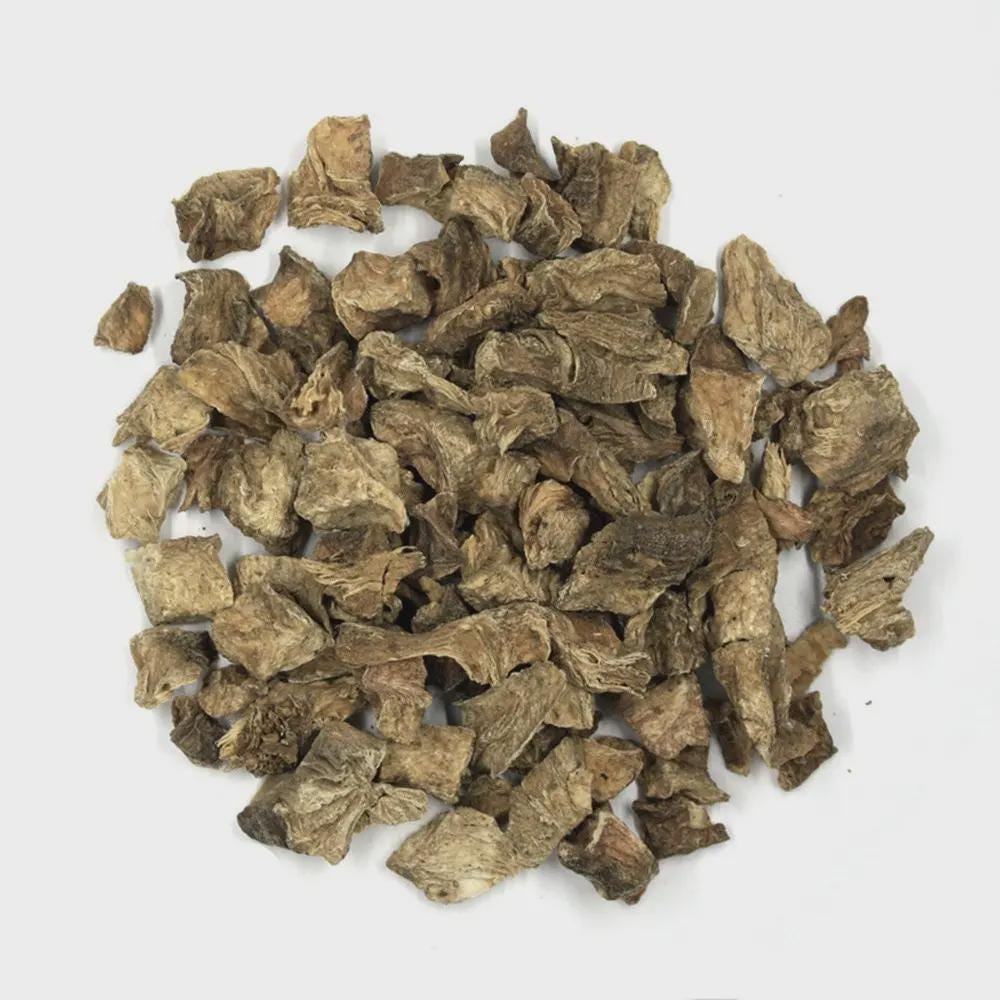
The Ultimate Guide to St. John’s Wort: Health Benefits and Uses

The Definitive Guide to St. John’s Wort: Unveiling Its Profound Health Benefits and Mechanisms

St. John’s Wort (Hypericum perforatum) stands as one of the most extensively studied and widely recognized medicinal herbs in the modern pharmacopeia. For centuries, this vibrant yellow-flowered plant has been revered for its potent therapeutic properties, particularly in the realm of mental health. Far from being a mere folk remedy, contemporary scientific research has begun to unravel the complex biochemical pathways through which St. John’s Wort exerts its remarkable effects, solidifying its position as a significant natural alternative and complementary therapy. This comprehensive guide delves into the rich history, intricate botanical profile, key bioactive compounds, and substantiated health benefits of St. John’s Wort, offering a deep-dive into its mechanisms of action and practical applications.

A Journey Through Time: Historical Context and Botanical Origins

The history of St. John’s Wort as a medicinal plant stretches back into antiquity, with its therapeutic use documented by ancient Greek physicians like Hippocrates and Dioscorides. Its name, “St. John’s Wort,” is thought to be derived from its traditional blooming period around St. John the Baptist’s Day (June 24th), coinciding with the summer solstice. The “wort” suffix, an old English word for plant, further signifies its long-standing recognition as a valuable herb. Throughout the Middle Ages and Renaissance, it was employed across Europe for a wide array of ailments, from nervous disorders and melancholy to wound healing and even as an amulet against evil spirits. Its striking red sap, released when the flowers are crushed, was believed by some cultures to symbolize the blood of St. John, imbuing it with mystical and healing properties.

Botanically, Hypericum perforatum belongs to the family Hypericaceae. It is a perennial plant native to Europe and Asia but has since naturalized in many temperate regions worldwide. Characterized by its small, five-petaled yellow flowers and oval leaves dotted with translucent glands that resemble perforations (hence “perforatum”), the plant typically grows to a height of 1 to 3 feet. These translucent dots are, in fact, oil glands containing the very compounds responsible for its medicinal power, while the black dots on the petal margins contain hypericin, a key active constituent. Understanding the plant’s natural habitat and growth cycle offers crucial insight into why certain preparations, particularly those made from the flowering tops, are most potent.

St. John's Wort Botanical Photo

The Bioactive Arsenal: Key Compounds and Their Mechanisms of Action

The therapeutic efficacy of St. John’s Wort is not attributable to a single compound but rather to a synergistic interplay of several classes of phytochemicals. The most extensively studied and recognized active constituents include hypericin, hyperforin, and various flavonoids. The complex interactions of these compounds contribute to the herb’s multifaceted pharmacological profile.

Hypericin: The Ancient Antidepressant

Historically, hypericin was considered the primary active ingredient responsible for St. John’s Wort’s antidepressant effects. This naphthodianthrone derivative imparts the characteristic red color to extracts. While initial research focused heavily on hypericin, later studies revealed its role to be more nuanced. Hypericin is thought to inhibit monoamine oxidase (MAO-A and MAO-B), an enzyme responsible for breaking down neurotransmitters like serotonin, norepinephrine, and dopamine in the brain. By reducing MAO activity, hypericin can lead to increased levels of these mood-regulating neurotransmitters, thereby contributing to antidepressant effects. However, its MAO-inhibitory potency is now understood to be relatively weak in therapeutic doses compared to synthetic MAO inhibitors, suggesting other mechanisms are at play.

Hyperforin: A Potent Neurotransmitter Reuptake Inhibitor

More recent research has highlighted hyperforin, a phloroglucinol derivative, as a key player in the antidepressant action of St. John’s Wort. Hyperforin acts as a reuptake inhibitor for several neurotransmitters, including serotonin, norepinephrine, dopamine, GABA (gamma-aminobutyric acid), and glutamate. This broad-spectrum reuptake inhibition means that hyperforin helps maintain higher concentrations of these crucial chemical messengers in the synaptic clefts, enhancing neuronal communication and improving mood. Unlike selective serotonin reuptake inhibitors (SSRIs), which target only serotonin, hyperforin’s polyvalent action on multiple neurotransmitter systems offers a distinct mechanism that may contribute to its efficacy in various forms of depression.

Flavonoids: Antioxidant and Neuroprotective Powerhouses

St. John’s Wort is rich in flavonoids such as quercetin, kaempferol, and rutin. These compounds are well-known for their potent antioxidant and anti-inflammatory properties. In the context of mental health, flavonoids contribute to neuroprotection by scavenging free radicals and reducing oxidative stress, which has been implicated in the pathophysiology of depression and other neurological disorders. They can also influence enzyme activities and neurotransmitter receptor binding, further augmenting the herb’s overall therapeutic effects. Some flavonoids, like apigenin, have demonstrated anxiolytic (anxiety-reducing) properties through their interaction with GABA receptors.

Other Constituents

Beyond these primary compounds, St. John’s Wort also contains essential oils, tannins, and other phenolic acids, which contribute to its overall pharmacological spectrum. For instance, tannins possess astringent properties, historically used for wound healing and gastrointestinal issues, while essential oils may have mild antiseptic qualities. The synergistic effect of these diverse compounds, rather than the isolated action of a single constituent, is crucial to the herb’s broad therapeutic potential, making standardized extracts that reflect the full phytocomplex generally more effective than isolated components.

St. John's Wort Plant Profile

Profound Health Benefits: A Detailed Exploration

The vast body of research on St. John’s Wort highlights its utility in several key areas of health, with particular emphasis on mood disorders.

1. Mood Enhancement and Alleviation of Depression

The most celebrated and scientifically validated benefit of St. John’s Wort is its efficacy in treating mild to moderate depression. Numerous meta-analyses and systematic reviews have concluded that St. John’s Wort extracts are as effective as standard antidepressant medications (SSRIs) for mild to moderate depression, often with fewer and milder side effects. Its mechanism involves not just the reuptake inhibition of monoamines (serotonin, norepinephrine, dopamine) by hyperforin and the MAO inhibition by hypericin, but also potential modulation of GABA and glutamate receptors. This multi-target action helps to restore neurochemical balance, leading to improvements in mood, interest, pleasure, and overall well-being. Patients often report reduced feelings of sadness, anhedonia (inability to feel pleasure), lethargy, and sleep disturbances, contributing to a more stable emotional state. It’s crucial to note that while effective for mild to moderate forms, St. John’s Wort is not recommended for severe depression, which requires professional medical intervention.

2. Reduction of Anxiety and Stress

Beyond its antidepressant effects, St. John’s Wort demonstrates significant anxiolytic properties, making it beneficial for individuals struggling with anxiety, nervousness, and general stress. The modulation of GABAergic transmission, a primary inhibitory neurotransmitter system, by compounds like hyperforin and certain flavonoids, contributes to its calming effects. By enhancing GABA activity, St. John’s Wort can help to reduce neuronal excitability, leading to decreased feelings of apprehension, tension, and restlessness. This comprehensive action on both mood and anxiety symptoms makes it a valuable tool for those experiencing co-occurring depressive and anxious states, promoting a sense of calm and mental clarity without the significant sedation often associated with some pharmaceutical anxiolytics.

3. Management of Menopausal Symptoms

For women experiencing the challenging symptoms of menopause, St. John’s Wort offers a natural avenue for relief. Studies have indicated its ability to ameliorate common menopausal complaints, particularly mood swings, irritability, sleep disturbances, and anxiety. While it does not directly influence hormone levels in the same way hormone replacement therapy does, its mood-stabilizing effects can significantly improve the quality of life for women navigating this transitional period. The reduction in depressive and anxious symptoms, which are often exacerbated during menopause, contributes to an overall sense of well-being and emotional balance.

4. Anti-inflammatory and Pain-Relieving Properties

St. John’s Wort also possesses anti-inflammatory and analgesic (pain-relieving) properties, attributed to its diverse array of compounds, including flavonoids and phloroglucinols. These compounds can inhibit inflammatory mediators and pathways, thus reducing inflammation and alleviating associated pain. This makes it potentially useful for conditions involving nerve pain (neuropathic pain), sciatica, and even muscle soreness. Topical applications of St. John’s Wort oil have long been used in traditional medicine for bruises, sprains, and minor aches, highlighting its local anti-inflammatory and soothing effects. The ability to modulate pain perception indirectly through its effects on neurotransmitters further underscores its potential in chronic pain management, particularly when intertwined with mood disorders.

5. Antiviral Activity

Intriguing research has explored the antiviral potential of St. John’s Wort, particularly hypericin. In vitro and some animal studies have shown hypericin to exhibit activity against enveloped viruses, including some strains of influenza, herpes simplex virus (HSV), and even HIV (though clinical applicability for HIV is limited due to dosage and delivery challenges). While its use as a primary antiviral treatment in humans is not currently established or recommended, this area of research continues to uncover novel aspects of the herb’s phytochemical capabilities, suggesting a broader biological impact beyond neurochemical modulation.

6. Wound Healing and Topical Applications

Traditionally, St. John’s Wort oil has been a staple in herbal medicine for treating wounds, burns, contusions, and skin irritations. Its wound-healing properties are attributed to its anti-inflammatory, antiseptic, and astringent compounds. Flavonoids and tannins can help reduce swelling, prevent infection, and promote tissue regeneration. The oil, often recognized by its deep red color, is believed to soothe irritated skin, reduce redness, and aid in the repair of damaged skin cells. It has been successfully used for minor cuts, scrapes, sunburns, and even post-operative wound care in some traditional practices, demonstrating its versatility beyond internal consumption.

Forms of St. John’s Wort and Practical Usage

St. John’s Wort is available in various forms, each with its own traditional use and modern application. The choice of form often depends on the desired effect and individual preference.

Standardized Extracts and Capsules

For therapeutic purposes, particularly for mood disorders, standardized extracts in capsule or tablet form are most commonly recommended. These products are formulated to contain a consistent amount of the active compounds, usually hypericin (0.2-0.3%) or hyperforin (3-5%). Standardization ensures that each dose delivers a predictable level of therapeutic constituents, which is critical for consistent efficacy and reliable dosing. These extracts are typically taken orally with water and are the preferred method for internal systemic effects.

St. John's Wort Capsules

Dried Herb, Teas, and Tinctures

The dried flowering tops of St. John’s Wort can be used to make herbal teas or infusions. While teas offer a gentler approach and can be calming, their concentration of active compounds can be variable and generally lower than standardized extracts, making them less suitable for treating clinical depression. Tinctures, which are alcoholic extracts of the herb, provide a more concentrated form than teas and can be a good option for those who prefer liquid supplements or wish to avoid capsules. They allow for flexible dosing and are absorbed relatively quickly. Traditionally, the dried herb was also infused in oil to create topical preparations.

St. John's Wort Dried Herb

Topical Preparations: Oils and Salves

As mentioned, St. John’s Wort oil is a popular topical application. It is made by infusing the fresh or dried flowering tops in a carrier oil (like olive oil or sunflower oil) for several weeks, allowing the active compounds to leach into the oil, often turning it a distinctive red color. This oil can then be used directly on the skin or incorporated into salves and balms for localized pain relief, wound healing, and soothing skin irritations. Its external application avoids many of the systemic drug interactions associated with oral use, although photosensitivity can still be a concern if applied to skin exposed to strong sunlight.

Dosage and Administration Guidelines

For internal use, particularly for mild to moderate depression, the typical recommended daily dose of standardized St. John’s Wort extract is often based on hypericin or hyperforin content. Common recommendations for depression range from 300 mg three times a day, standardized to 0.3% hypericin, or 300 mg once or twice a day, standardized to 3-5% hyperforin. However, specific dosages can vary widely depending on the extract’s standardization and the condition being treated. It is crucial to follow the dosage instructions on the product label and, more importantly, to consult with a healthcare professional before starting any St. John’s Wort regimen, especially given its potential for drug interactions.

Consistency is key when using St. John’s Wort for mood disorders; its effects are not immediate and may take 2-4 weeks to become noticeable. It should not be used on an “as needed” basis for depression but rather taken consistently over time. For topical applications, the oil or salve can be applied directly to the affected area of the skin 2-3 times daily, as needed. Always perform a patch test when using new topical products to check for skin sensitivity.

St. John's Wort Natural Herb

Important Considerations, Side Effects, and Drug Interactions

While St. John’s Wort offers significant health benefits, it is not without important considerations, particularly regarding drug interactions. It is imperative to approach its use with caution and informed awareness.

Drug Interactions: A Critical Concern

The most significant concern with St. John’s Wort is its potent induction of certain liver enzymes, primarily cytochrome P450 3A4 (CYP3A4), and the drug efflux pump P-glycoprotein. This induction leads to accelerated metabolism and reduced effectiveness of many prescription and over-the-counter medications. Key drug classes affected include:

  • Antidepressants (SSRIs, SNRIs, MAOIs): Concomitant use can lead to serotonin syndrome, a potentially life-threatening condition characterized by confusion, agitation, rapid heart rate, muscle rigidity, and fever.
  • Oral Contraceptives: St. John’s Wort can reduce the efficacy of birth control pills, leading to unplanned pregnancies.
  • Anticoagulants (e.g., Warfarin): It can decrease the blood-thinning effect, increasing the risk of blood clots.
  • Immunosuppressants (e.g., Cyclosporine, Tacrolimus): It can significantly reduce their blood levels, leading to organ transplant rejection.
  • Antiretrovirals (e.g., for HIV/AIDS): Reduces the effectiveness of certain HIV medications.
  • Digoxin: Can decrease its therapeutic effects.
  • Anticancer drugs (e.g., Irinotecan): Affects the metabolism of certain chemotherapy agents.
  • Migraine medications (Triptans): Increased risk of serotonin syndrome.

Due to these extensive interactions, it is absolutely essential to consult with a healthcare provider before combining St. John’s Wort with any other medications or if you have any underlying health conditions.

Side Effects

When used appropriately, St. John’s Wort is generally well-tolerated. Common side effects, which are usually mild, include:

  • Gastrointestinal upset (nausea, stomach discomfort)
  • Fatigue or restlessness
  • Dizziness
  • Dry mouth
  • Photosensitivity (increased sensitivity to sunlight, potentially leading to severe sunburns, especially in fair-skinned individuals or with high doses. It’s advisable to use sunscreen and protective clothing when outdoors.)

Rarely, more severe reactions can occur. Discontinue use and consult a doctor if experiencing unusual or severe symptoms.

Contraindications and Special Populations

St. John’s Wort is not recommended for pregnant or breastfeeding women, children, or individuals with severe depression, bipolar disorder, schizophrenia, or those undergoing surgery. Individuals allergic to plants in the Hypericaceae family should also avoid it.

Conclusion: St. John’s Wort – A Potent Botanical Ally

St. John’s Wort has solidified its reputation as a powerful natural remedy, particularly for mild to moderate depression and anxiety. Its intricate blend of bioactive compounds, including hypericin, hyperforin, and flavonoids, work synergistically to modulate neurotransmitter systems, reduce inflammation, offer neuroprotection, and even exhibit antiviral properties. From its ancient origins as a revered folk medicine to its current standing as a scientifically validated herbal supplement, Hypericum perforatum offers a compelling alternative for those seeking natural pathways to improved mental and physical well-being. However, its significant potential for drug interactions underscores the critical importance of informed usage and professional medical guidance. When used judiciously and under the supervision of a healthcare professional, St. John’s Wort can be a profound botanical ally in enhancing mood, alleviating stress, and contributing to overall health, unlocking the full spectrum of benefits this remarkable herb has to offer.

Disclaimer: For informational purposes only. Not medical advice. Consult a qualified healthcare professional before use.

The Ultimate Guide to Buckthorn Bark . Frangula alnus: Health Benefits and Uses

The Profound Health Benefits of Buckthorn Bark (Frangula alnus): A Definitive Deep Dive

In the vast and intricate tapestry of natural medicine, certain botanical allies stand out for their profound and time-tested efficacy. Among these venerable plants, Buckthorn Bark, scientifically known as Frangula alnus (and historically as Rhamnus frangula), emerges as a cornerstone, particularly revered for its powerful impact on digestive health. Often overshadowed by more widely publicized herbs, the bark of this unassuming shrub holds a rich history and a complex biochemistry that merits a comprehensive exploration. This article aims to unravel the multifaceted health benefits of Buckthorn Bark, delving into its botanical characteristics, historical applications, intricate chemical composition, and practical considerations for its safe and effective use. Our journey will illuminate why Frangula alnus has remained a trusted natural remedy for centuries, offering a definitive guide to understanding its significant role in supporting human well-being.

Botanical Profile and Identification of Frangula alnus

Frangula alnus, commonly known as Alder Buckthorn or Breaking Buckthorn, belongs to the Rhamnaceae family, a group of plants noted for their medicinal properties. This deciduous shrub or small tree typically grows to a height of 3-6 meters, though it can occasionally reach up to 10 meters. It is characterized by its smooth, dark brown bark, which is the primary medicinal part of the plant, often dotted with prominent lenticels (small, corky pores). The branches are thornless, a key distinguishing feature from other buckthorn species such as Common Buckthorn (Rhamnus cathartica), which possesses thorns. Its leaves are alternate, oval, and entire, with distinct parallel veins that curve towards the leaf tip. Small, greenish-white flowers bloom in late spring, giving way to berries that mature from green to red, and finally to a deep purplish-black in late summer and autumn. These berries, while attractive, are cathartic and should not be consumed due to their potent laxative effects, which are considerably stronger and harsher than the bark. Frangula alnus thrives in damp, often acidic soils, and is commonly found in woodlands, fens, hedges, and heathlands across Europe, North Africa, and parts of Asia, showcasing its adaptability and widespread natural presence.

Buckthorn Bark  . Frangula alnus Botanical Photo

A Glimpse into History: Traditional Uses and Cultural Significance

The medicinal utility of Buckthorn Bark is far from a modern discovery; its use stretches back through centuries of European folk medicine. Ancient herbalists and traditional healers recognized its potent purgative qualities, making it a go-to remedy for chronic constipation and sluggish digestion. Historical texts and pharmacopeias frequently mention Frangula alnus (or its former name, Rhamnus frangula) as a reliable and effective laxative. Its common name, “Breaking Buckthorn,” alludes to its perceived ability to “break open” or clear blockages within the digestive system. Beyond its primary application for constipation, traditional practitioners also employed the bark for a broader range of ailments believed to stem from internal stagnation or impurities, including jaundice, liver complaints, and even certain skin conditions, albeit with less empirical evidence supporting these secondary uses. The careful preparation of the bark, specifically its aging or heat treatment, was a crucial piece of traditional knowledge, understood to mitigate the harsh, emetic effects of fresh bark and harness its gentle, yet effective, laxative properties. This historical wisdom underscores a sophisticated understanding of herbal pharmacology long before the advent of modern chemistry, emphasizing the importance of respecting the plant’s unique characteristics for therapeutic application.

Buckthorn Bark  . Frangula alnus Dried Herb

Phytochemical Composition: Unlocking the Science Behind the Benefits

The remarkable therapeutic effects of Buckthorn Bark are primarily attributed to its rich array of bioactive compounds, chief among them being the anthraquinone glycosides. These compounds include frangulins A and B, and glucofrangulins A and B, which are the pharmacological workhorses of Frangula alnus. When ingested, these inactive glycosides travel through the upper digestive tract largely unaltered. Upon reaching the large intestine, they encounter the resident gut microbiota, which hydrolyze the glycosides, cleaving off the sugar molecules and converting them into their active forms: anthrones and anthranols. These active metabolites exert their laxative effect through a dual mechanism. Firstly, they stimulate the nerve endings in the colon wall, increasing peristalsis – the rhythmic muscular contractions that propel fecal matter through the intestines. Secondly, they influence water and electrolyte transport in the colon. By inhibiting water and electrolyte absorption from the colon lumen and promoting their secretion into it, they increase the volume and softness of the stool, making it easier to pass. This intricate process ensures a potent yet generally gentle action, provided the bark has been properly prepared. Beyond anthraquinone glycosides, Buckthorn Bark also contains other important phytochemicals, including various flavonoids (such as quercetin and kaempferol derivatives), tannins, and bitter principles. While these compounds may not directly contribute to the laxative effect, they can offer synergistic benefits, such as antioxidant and anti-inflammatory properties, which may support overall digestive health and modulate the body’s response to the primary active compounds.

Buckthorn Bark  . Frangula alnus Plant Profile

The Primary Health Benefits of Buckthorn Bark

1. Powerful Laxative Action and Effective Constipation Relief

The most celebrated and scientifically substantiated benefit of Buckthorn Bark is its profound efficacy as a stimulant laxative. This mechanism, as detailed above, relies on the transformation of anthraquinone glycosides into active anthrones and anthranols by gut bacteria. These active compounds directly irritate the colonic mucosa, leading to increased intestinal motility and propulsion. Simultaneously, they alter fluid and electrolyte balance within the colon, drawing water into the lumen and preventing its reabsorption, which softens the stool and increases its volume. This dual action facilitates easier and more frequent bowel movements, offering significant relief for individuals suffering from chronic or occasional constipation. Unlike bulk-forming laxatives that work by increasing stool mass, or osmotic laxatives that draw water into the bowel, Buckthorn Bark directly stimulates the bowel muscles, making it particularly useful for cases where sluggish peristalsis is a primary factor. Its effectiveness is well-documented in clinical practice, establishing it as a reliable option for short-term management of constipation, especially when other milder approaches have proven insufficient. The key to its safe application, however, lies in understanding the critical importance of using only properly aged or heat-treated bark, which minimizes the presence of highly irritating, unoxidized compounds present in fresh bark.

2. Support for Broader Digestive Health

Beyond its direct laxative effect, Buckthorn Bark indirectly contributes to overall digestive health by promoting regularity and preventing the build-up of waste products. Regular bowel movements are crucial for maintaining a healthy gut microbiome and preventing the reabsorption of toxins. By ensuring efficient elimination, Frangula alnus helps to prevent discomforts associated with constipation, such as bloating, gas, and abdominal pain. Some traditional uses also hint at a cholagogue effect, meaning it might stimulate bile flow from the liver and gallbladder. Increased bile flow can aid in fat digestion and absorption, further supporting digestive processes. While the primary focus remains on its laxative properties, its ability to restore a natural rhythm to bowel function has a cascading positive effect on the entire gastrointestinal system, potentially reducing strain on the colon and fostering a healthier internal environment. This broader impact on gut motility and waste elimination contributes to a general sense of digestive well-being and regularity, which is fundamental to systemic health.

3. Potential Anti-Parasitic Properties

Historical accounts and some traditional medicinal practices suggest that Buckthorn Bark may possess mild anti-parasitic or anthelmintic properties, particularly against intestinal worms. While modern scientific research specifically validating this aspect is less extensive compared to its laxative effects, the strong irritant nature of its active compounds on the intestinal lining, coupled with increased peristalsis, could theoretically create an unfavorable environment for certain gut parasites, aiding in their expulsion. The enhanced bowel motility might physically help to clear parasites from the digestive tract, preventing them from adhering or multiplying effectively. This traditional application, though requiring more robust contemporary clinical validation, points to a broader historical understanding of the bark’s impact on gut ecology beyond simple constipation relief, suggesting its potential as a complementary agent in holistic parasite management strategies when used under professional guidance.

Practical Usage and Preparations of Buckthorn Bark

Buckthorn Bark is available in various forms, catering to different preferences and needs, but proper preparation is paramount to its safety and efficacy. The most common forms include dried bark pieces for decoctions, powdered bark, tinctures, and standardized capsules or tablets. For traditional use, the dried bark is typically prepared as a decoction. This involves simmering the bark in water for a period, then straining and consuming the liquid. This method ensures the extraction of the active compounds while also facilitating the conversion of the harsher precursor compounds into their milder, effective forms through heat. However, it is absolutely critical to emphasize that only bark that has been aged for at least one year or heat-treated (e.g., kiln-dried at specific temperatures) should ever be used. Fresh bark contains specific volatile compounds that can cause severe nausea and vomiting due to their strong irritant action on the upper digestive tract. The aging process or heat treatment allows these compounds to degrade or convert, making the bark safe and effective for consumption. For convenience and precise dosing, encapsulated powdered bark or standardized extracts in capsule or tablet form are increasingly popular. These products are generally processed to ensure the bark is properly aged or treated, providing a consistent and safer dosage of the active anthraquinone glycosides. Tinctures, which are alcohol-based extracts, offer another means of delivery, allowing for rapid absorption and flexible dosing.

Buckthorn Bark  . Frangula alnus Capsules

When considering dosage, it is crucial to start with the lowest effective amount and gradually increase if necessary, always adhering to product instructions or professional medical advice. For a decoction, a typical recommendation might involve simmering 0.5-1 gram of aged, dried bark in 150 ml of water for 5-10 minutes, allowing it to cool, and then straining before consumption, usually once daily in the evening. For capsules or tinctures, dosages will vary based on the concentration of the extract, so always refer to the manufacturer’s guidelines. Due to its potent nature, Buckthorn Bark is generally recommended for short-term use, typically not exceeding 7-10 days, to avoid potential dependency or electrolyte imbalances. Consulting a qualified healthcare professional or an experienced herbalist before initiating any new herbal regimen, especially one involving a potent herb like Buckthorn Bark, is always advisable to ensure safety, efficacy, and to address any individual health considerations or potential interactions with other medications.

Important Considerations, Side Effects, and Warnings

Despite its significant health benefits, Buckthorn Bark is a potent medicinal herb that demands careful consideration and responsible use. The most critical warning, as reiterated, concerns the use of fresh bark. Fresh *Frangula alnus* bark contains unoxidized anthrone glycosides and other compounds that are extremely harsh and can induce severe vomiting, cramping, and diarrhea. It is imperative to use only bark that has been aged for at least one year, or that has been properly heat-treated (e.g., kiln-dried), which converts these compounds into their milder, therapeutically active forms. Consumers should always source Buckthorn Bark from reputable suppliers who guarantee proper processing.

Buckthorn Bark is contraindicated in several conditions. It should not be used by pregnant or breastfeeding women, as its effects on the fetus or infant are not well-studied and there is a theoretical risk of transferring active compounds. Individuals with inflammatory bowel diseases (such as Crohn’s disease or ulcerative colitis), appendicitis, intestinal obstruction, or any unexplained abdominal pain should strictly avoid its use, as it can exacerbate these conditions. Children under the age of 12 should also not be given Buckthorn Bark.

Potential side effects associated with Buckthorn Bark, especially with overuse or prolonged use, include abdominal cramps, nausea, and diarrhea. Chronic use can lead to a “lazy bowel” syndrome, where the colon becomes dependent on stimulant laxatives and loses its natural tone and function. More seriously, prolonged use can result in electrolyte imbalances, particularly hypokalemia (low potassium), which can be dangerous, especially for individuals on certain medications or with pre-existing cardiac conditions. It may also interfere with the absorption of other medications and nutrients if taken concurrently.

Drug interactions are another significant concern. Buckthorn Bark can interact with diuretics, potentially increasing the risk of potassium depletion. Similarly, it can interact with corticosteroids and cardiac glycosides (like digoxin), enhancing their effects or increasing the risk of adverse reactions due to electrolyte disturbances. Therefore, anyone on prescription medication should consult their doctor or pharmacist before using Buckthorn Bark.

The duration of use is generally recommended to be short-term, typically no more than 7-10 days. If constipation persists beyond this period, medical advice should be sought to investigate the underlying cause rather than continuing with stimulant laxatives. Adhering to these warnings and guidelines is crucial for safely harnessing the therapeutic power of Buckthorn Bark while minimizing potential risks.

Modern Research and Future Perspectives

While the primary use of Buckthorn Bark as a laxative is well-established and supported by centuries of traditional use and pharmacological understanding of its anthraquinone content, modern research continues to explore other potential avenues. Studies are ongoing to better understand the nuances of its mechanism of action, particularly how different gut microbiota compositions might influence the efficacy and side effects of its active compounds. Furthermore, the non-anthraquinone components, such as flavonoids and tannins, are being investigated for their potential antioxidant, anti-inflammatory, and antimicrobial properties. While these are not the primary drivers of the bark’s traditional use, they might contribute to synergistic health benefits or offer new therapeutic applications. The standardization of Buckthorn Bark extracts is also a focus, aiming to ensure consistent potency and safety across different products, which is vital for clinical applications and reliable dosing. Future research may also delve into more specific indications for its use, perhaps identifying subgroups of patients who might benefit most from its properties, or exploring novel methods of preparation that enhance its benefits while mitigating risks. As scientific understanding evolves, the full therapeutic potential of this remarkable herb continues to unfold, building upon its rich historical legacy.

Conclusion

Buckthorn Bark (Frangula alnus) stands as a testament to the enduring power of nature’s pharmacy, offering a robust and time-honored solution for digestive issues, particularly constipation. Its efficacy is rooted in a unique phytochemical profile dominated by anthraquinone glycosides, which, when properly processed, gently yet effectively stimulate bowel motility and promote healthy elimination. From its humble origins as a widely recognized remedy in European folk medicine to its continued relevance in contemporary natural health practices, Frangula alnus has consistently proven its worth. However, its potent nature mandates a deep understanding of its proper preparation—specifically, the critical importance of using only aged or heat-treated bark—and adherence to strict guidelines regarding dosage, duration of use, and contraindications. When employed judiciously and with informed respect for its powerful properties, Buckthorn Bark serves as an invaluable natural ally, offering relief and contributing significantly to overall digestive wellness. As we continue to seek holistic approaches to health, the venerable Buckthorn Bark reaffirms its place as a powerful, scientifically fascinating, and responsibly utilized herbal remedy.

Buckthorn Bark  . Frangula alnus Natural Herb

Disclaimer: For informational purposes only. Not medical advice. Consult a qualified healthcare professional before use.

The Ultimate Guide to Marshmallow: Health Benefits and Uses

The Ultimate Guide to Marshmallow Root (Althaea officinalis): Health Benefits, Science, and Traditional Uses

For millennia, natural medicine has relied on the rich healing properties of the plant kingdom to soothe ailments, mend tissues, and restore physiological balance. Among the most venerable and scientifically validated of these botanical treasures is Althaea officinalis, commonly known as the Marshmallow plant. While the modern consumer might associate the word “marshmallow” with the fluffy, sugar-laden confections toasted over campfires, the true origin of this name lies in a resilient perennial herb that grows in the damp, saline soils of marshes and coastal areas.

This comprehensive, clinical-grade guide explores the botanical profile, historical lineage, complex biochemistry, therapeutic benefits, and practical applications of Marshmallow. By examining both classical herbal wisdom and cutting-edge pharmacological studies, we will uncover why this mucilaginous powerhouse remains a cornerstone of modern herbalism and clinical phytotherapy.

Botanical Profile and Taxonomy of Althaea officinalis

To truly understand the therapeutic efficacy of Marshmallow, one must first examine its botanical structure and ecological characteristics. Belonging to the Malvaceae (mallow) family, Althaea officinalis is closely related to other structurally soothing plants like hibiscus, okra, and hollyhock. The genus name Althaea is derived from the Greek word “altho,” which translates directly to “to heal” or “to cure,” a linguistic testament to the plant’s long-standing status in ancient medicine.

The Marshmallow plant is a hardy, upright perennial that typically reaches heights of three to four feet. It features soft, velvety, hand-shaped leaves covered in fine, stellate (star-shaped) hairs, which help the plant retain moisture and defend itself against environmental stressors. During the mid-to-late summer, it produces delicate, five-petaled flowers ranging in color from pale white to soft pinkish-purple. Beneath the soil lies the primary therapeutic engine of the plant: a thick, fibrous, fleshy taproot that is highly enriched with dense, water-soluble gel-forming polysaccharides known as mucilage.

Marshmallow Botanical Photo

Ecologically, Marshmallow is native to Europe, Western Asia, and North Africa, although it has acclimated well to temperate zones in North America. Its evolutionary adaptation to damp, marshy, saline environments necessitated the development of its signature mucilaginous compounds. These thick, gel-like substances allow the plant to retain water in salty, moisture-fluctuating environments, a biochemical adaptation that human biology utilizes for cellular hydration and mucosal tissue protection.

Historical Context and Traditional Ethnobotany

The historical utilization of Marshmallow spans virtually every major civilization of antiquity. Records dating back over 3,000 years to Ancient Egypt reveal that the roots were boiled with honey to create a sweet, soothing paste reserved exclusively for royalty, priests, and the wealthy. This mixture was not merely a confection but a potent remedy for soothing sore throats, healing persistent dry coughs, and easing digestive irritation.

In Classical Greece, the renowned physician Hippocrates, widely regarded as the father of modern medicine, prescribed decoctions of Marshmallow root to treat bruises, blood loss, and local tissue inflammation. Later, during the Roman Empire, Dioscorides documented the herb in his landmark pharmacopeia De Materia Medica, recommending it for its highly effective softening, drawing, and soothing properties on internal and external wounds. Throughout the Middle Ages, Charlemagne declared that Marshmallow must be cultivated in all imperial gardens to guarantee an abundant supply of its life-saving roots for his soldiers and subjects.

Marshmallow Dried Herb

Traditional Chinese Medicine (TCM) and Ayurvedic systems of India have similarly utilized species within the Malvaceae family to address patterns of “heat” and “dryness.” In these energetic paradigms, Marshmallow is classified as a cool, moist, and nourishing herb capable of soothing hyperactive, inflamed tissue, dispersing stagnant fluids, and supporting the body’s natural moisture barriers. This cross-cultural consensus across millennia underscores the reliable, universal efficacy of this botanical remedy.

Phytochemical Blueprint: The Active Compounds of Marshmallow

The therapeutic virtues of Marshmallow are directly attributable to its highly complex, synergistic chemical composition. The most prominent and clinically significant active constituent is its high-molecular-weight mucilage. In the dried root, water-soluble mucilage makes up anywhere from 10% to 35% of the total biomass, while the leaves contain roughly 5% to 10% of this gel-forming substance.

This botanical mucilage is composed of intricate polysaccharide chains, predominantly containing L-rhamnose, D-galactose, D-galacturonic acid, and D-glucuronic acid. When these long-chain sugars come into contact with water, they do not dissolve in a traditional sense; instead, they swell immensely and form a slick, viscous, cohesive colloidal gel. This physical gel acts as a biocompatible barrier when applied to inflamed or irritated mucosal surfaces within the human body.

Marshmallow Plant Profile

Beyond mucilage, the phytochemical architecture of Althaea officinalis includes a wide array of supporting secondary metabolites that work in synergy with the polysaccharides:

  • Flavonoids: Including kaempferol, quercetin, tiliroside, and hypolaetin-8-glucoside, which possess highly potent antioxidant and anti-inflammatory properties that mitigate oxidative stress at the cellular level.
  • Phenolic Acids: Such as caffeic, p-coumaric, and ferulic acids, which contribute to the systemic antimicrobial and tissue-regenerating properties of the herb.
  • Asparagine: A vital amino acid that aids in cellular repair, nervous system maintenance, and local tissue reconstruction.
  • Pectin and Starches: Which provide nutritional support, stabilize the mucilaginous gel matrix, and support beneficial gut bacteria.
  • Tannins: Found in small, balanced quantities, which offer a mild astringent action to tighten and tone compromised tissues once the mucilage has successfully cooled and hydrated them.

Comprehensive Health Benefits of Marshmallow Root

1. Gastrointestinal Restoration: Healing GERD, Gastritis, and Leaky Gut

One of the most clinically established applications of Marshmallow root is in the treatment of digestive disorders. The modern gut is frequently subjected to inflammatory insults from ultra-processed foods, environmental toxins, chronic stress, and the overuse of non-steroidal anti-inflammatory drugs (NSAIDs). These factors can compromise the delicate mucosal lining of the esophagus, stomach, and intestines, leading to conditions like Gastroesophageal Reflux Disease (GERD), gastritis, stomach ulcers, and increased intestinal permeability (Leaky Gut Syndrome).

When ingested, the reconstituted mucilage of Marshmallow root forms a thick, physical, soothing plaster over the entire length of the upper gastrointestinal tract. In cases of GERD or acid reflux, this bioadhesive gel coats the esophageal lining, shielding it from the burning effects of hydrochloric acid and pepsin. Unlike conventional proton-pump inhibitors (PPIs) that suppress vital stomach acid production and impair digestion, Marshmallow root protects the tissue mechanically without disrupting the digestive pH necessary for nutrient absorption.

In the lower gastrointestinal tract, Marshmallow provides rich prebiotic fiber that feeds beneficial strains of the microbiome, such as Bifidobacterium and Lactobacillus. As these bacteria ferment the fibers, they produce short-chain fatty acids (SCFAs) like butyrate, which serve as the primary fuel source for colonocytes, thereby sealing tight junctions, reducing systemic inflammation, and soothing the hyper-reactive bowel symptoms associated with Irritable Bowel Syndrome (IBS) and Crohn’s disease.

2. Respiratory Support: Quieting Coughs and Soothing Irritated Airways

The demulcent (soothing) properties of Marshmallow root extend seamlessly to the respiratory system. In phytotherapy, Marshmallow is categorized as a prime remedy for dry, non-productive, spasmodic coughs, as well as acute pharyngitis, laryngitis, and bronchitis.

The mechanism behind this respiratory relief is twofold. First, the act of swallowing Marshmallow mucilage physically coats the pharyngeal mucosa, instantly reducing the mechanical friction that triggers the cough reflex. Second, Marshmallow works through a neurological pathway known as the glossopharyngeal nerve reflex. When the sensory nerve endings in the throat are coated and calmed by the demulcent gel, a signal is sent via the vagal pathway to the cough center in the brain, reducing the systemic urge to cough.

Furthermore, clinical studies have shown that Marshmallow root polysaccharides stimulate the local immune cells in the throat, accelerating the clearance of pathogens while protecting the delicate epithelial cells from secondary viral or bacterial infections. It hydrates dried-out airways, thins out stubborn, stuck mucus, and facilitates effortless expectoration without causing the drowsiness associated with synthetic cough suppressants.

3. Dermatological Healing: Eczema, Psoriasis, and Wound Recovery

When applied topically, Marshmallow root acts as an exceptionally effective emollient and vulnerary (wound-healing agent). Skin conditions characterized by dryness, scaling, itching, and inflammation—such as eczema, psoriasis, contact dermatitis, and sunburns—benefit dramatically from its soothing properties.

The mucilage serves as a natural humectant, drawing moisture into the stratum corneum (the outermost layer of the skin) and locking it in place to restore a compromised skin barrier. This hydration minimizes trans-epidermal water loss (TEWL), which is the primary driver of the itching and flaring cycle in eczema patients.

Moreover, the flavonoids and water-soluble polysaccharides in Marshmallow root accelerate cell regeneration. They stimulate fibroblasts to produce collagen and promote the migration of keratinocytes, which are crucial steps in wound closure and tissue remodeling. Whether utilized as a wet poultice for minor cuts, burns, and insect bites, or formulated into dermatological creams, Marshmallow soothes pain, reduces localized redness, and minimizes scar tissue formation.

4. Urinary Tract Soothing and Kidney Health

The urinary system is highly sensitive to acidity, bacterial colonization, and inflammatory damage. Conditions like interstitial cystitis (painful bladder syndrome), urinary tract infections (UTIs), and kidney stones can cause agonizing burning, urgency, and localized pain.

While Marshmallow does not travel directly through the urinary tract in its gelled form, its systemic anti-inflammatory and demulcent effects are reflexively felt throughout the renal system. When we consume demulcent herbs, the body’s mucous membranes throughout the entire pelvic region receive secondary soothing signals, a phenomenon known as the embryological tissue reflex. This action helps to relax spasm-prone smooth muscles in the ureters and bladder, allowing for easier, less painful urination.

Additionally, Marshmallow root acts as a mild, non-irritating, potassium-sparing diuretic. By gently increasing urine output, it assists the body in flushing out pathogenic bacteria, metabolic wastes, and micro-crystals before they can coalesce into painful kidney stones, all while keeping the delicate mucosal lining of the bladder highly hydrated and resilient.

Modern Administration Forms: Capsules, Extracts, and Teas

To maximize the clinical efficacy of Marshmallow root, one must understand how different extraction methods affect the delivery of its active compounds. Because its primary therapeutic agent is water-soluble mucilage, traditional extraction methods require specific techniques.

While hot water extractions (such as boiling water for standard herbal teas) are common, they are actually sub-optimal for Marshmallow root. High heat can break down the complex polysaccharide chains and extract excessive starches and bitter tannins, resulting in a less viscous and less effective brew. The gold standard for extracting Marshmallow’s mucilage is a cold water infusion.

To prepare a cold infusion, place one to two tablespoons of dried Marshmallow root in a clean glass jar, fill it with cold or room-temperature filtered water, seal the lid, and let it steep on the counter or in the refrigerator for 4 to 12 hours. Over time, the water will transform into a thick, slippery, amber-colored liquid. This viscous infusion can be sipped throughout the day to coat the esophagus, soothe the stomach, and hydrate the respiratory tract.

Marshmallow Capsules

For individuals seeking convenience, Marshmallow root is widely available in capsules, tablets, and concentrated liquid extracts. Capsules are highly beneficial for lower gastrointestinal issues, such as inflammatory bowel conditions, as they bypass the throat and dissolve directly in the stomach, releasing the concentrated powder to hydrate and coat the intestinal walls. When taking Marshmallow root in capsule form, it is absolutely imperative to consume it with a full eight-ounce glass of water to ensure the powder has sufficient fluid to expand and form its healing gel matrix.

Scientific Safety, Contraindications, and Dosage

Marshmallow root is universally recognized by global regulatory bodies, including the European Medicines Agency (EMA) and the FDA, as a exceptionally safe herb with an outstanding safety profile. It is classified as GRAS (Generally Recognized as Safe) and exhibits virtually no known toxicity, even when consumed in relatively high doses over extended periods.

However, due to its physical mechanism of action, there is one critical pharmacodynamic interaction that consumers and clinicians must keep in mind: absorption delay. Because Marshmallow root mucilage coats the mucosal lining of the stomach and small intestine, it can create a temporary physical barrier that slows down or reduces the absorption of orally administered prescription medications, vitamins, and minerals.

Marshmallow Natural Herb

To prevent this interaction, simply separate the administration of Marshmallow root from any oral medications or nutritional supplements by at least one to two hours. This allows the medications to pass through the stomach and reach the duodenum unhindered before the demulcent gel coats the gastrointestinal tract.

Standard Dosage Guidelines:

  • Cold Infusion: 1-2 tablespoons of dried root steeped in 8-10 ounces of cold water for 4-12 hours. Drink 2 to 3 cups daily.
  • Powdered Root Capsules: 1,000 mg to 3,000 mg daily, divided into two or three doses, always taken with a large glass of water.
  • Liquid Extract (Tincture): 2 to 5 mL, taken three times daily in a small amount of water. (Note: Glycerite extractions are often preferred over alcohol-based tinctures for Marshmallow, as alcohol can precipitate the beneficial mucilage out of solution).
  • Topical Application: Apply a cool cold-infusion wash directly to irritated skin, or utilize cream/ointment formulations containing 5% to 10% Marshmallow root extract three times daily.

Conclusion: Integrating Marshmallow into Modern Wellness

In our fast-paced world, where stress, pollution, and dietary triggers constantly irritate our digestive, respiratory, and dermatological systems, Althaea officinalis stands out as a soothing botanical ally. Its unique chemistry offers a dual-action approach: physically coating and protecting delicate mucosal tissues while delivering potent antioxidant, anti-inflammatory, and immune-supportive compounds to promote deep, cellular healing.

By understanding how to properly prepare and utilize this ancient herb—whether through a refreshing cold infusion, a convenient capsule, or a soothing topical salve—you can harness its natural demulcent properties to restore balance, soothe inflammation, and support your body’s innate healing mechanisms. Marshmallow root is more than just a historical footnote; it is a highly effective, scientifically validated botanical remedy that deserves a permanent place in every modern natural wellness cabinet.

Disclaimer: For informational purposes only. Not medical advice. Consult a qualified healthcare professional before use.

The Ultimate Guide to Blackberry Leaf: Health Benefits and Uses

Blackberry Leaf (Rubus fruticosus): The Ultimate Deep-Dive Guide to Botanical Profile, Phytochemical Compounds, and Therapeutic Benefits

While the juicy, dark berries of the blackberry bush (Rubus fruticosus) are celebrated globally for their culinary versatility and antioxidant content, the leaves of this resilient perennial plant possess a rich medicinal history and a robust pharmacological profile that often surpasses the fruit itself. Used for millennia in traditional European medicine, blackberry leaves are a powerhouse of bioactive compounds, particularly astringent tannins, flavonoids, and phenolic acids. Modern science is increasingly validating these ancient applications, establishing blackberry leaf as a premier botanical for gastrointestinal health, oral hygiene, metabolic support, and cellular protection.

This comprehensive, science-backed guide explores the botanical properties, historical applications, intricate chemical composition, clinical health benefits, and practical preparations of blackberry leaf. Whether you are an herbalist, a health enthusiast, or someone searching for natural therapeutic options, this article provides an exhaustive analysis of this extraordinary botanical asset.

Botanical Profile and Ecological Characteristics

The common blackberry, belonging to the Rosaceae (Rose) family, is a highly polymorphic species with hundreds of micro-species grouped under the aggregate name Rubus fruticosus. Characterized by its arching, thorny canes, palmately compound leaves, and delicate five-petaled white-to-pale-pink flowers, the plant is native to Europe, Asia, and North Africa, but has naturalized extensively across North America and other temperate regions of the globe.

Blackberry Leaf Botanical Photo

The leaves of Rubus fruticosus are typically dark green on the upper surface with a lighter, downy, or pubescent underside, often bearing tiny, sharp prickles along the midrib and petioles. Each leaf is compound, usually consisting of three to five ovate, sharply serrated leaflets. From a harvesting perspective, the therapeutic potency of the leaves peaks just before and during the flowering phase in late spring and early summer. During this vegetative stage, the concentration of secondary metabolites—such as tannins and flavonoids—reaches its maximum, offering optimal therapeutic efficacy when harvested and dried correctly.

Historical and Traditional Use Across Cultures

The medicinal use of blackberry leaves dates back to antiquity. Ancient Greek physicians, including Hippocrates and Dioscorides, recommended various preparations of the leaves, roots, and unripe berries to address inflammatory conditions, joint discomfort, and digestive distress. Dioscorides’ seminal work, De Materia Medica, highlighted the leaf’s potent astringent properties, advising its use as a poultice for skin afflictions, a gargle for throat infections, and an internal remedy for systemic weakness.

Blackberry Leaf Dried Herb

Throughout the Middle Ages and into the Renaissance, European herbalists regarded blackberry leaf tea as a staple household remedy. It was primarily utilized to curb chronic diarrhea, soothe dysentery, and ease bleeding gums. In traditional Native American medicine, local Rubus species were utilized in a similar fashion; infusions of the leaves and roots were administered to treat bowel complaints, reduce fevers, and wash wounds to prevent infection. This cross-cultural consensus on the herb’s efficacy stems from its intense astringency, a physiological action that modern biochemistry can readily explain.

The Phytochemical Blueprint: Bioactive Compounds in Blackberry Leaf

To understand how blackberry leaf exerts its therapeutic effects, one must examine its complex phytochemical matrix. The physiological activity of the leaf is primarily driven by its high concentration of polyphenolic compounds, organic acids, and essential minerals.

Blackberry Leaf Plant Profile

The primary chemical constituents identified in Rubus fruticosus leaves include:

  • Hydrolyzable Tannins: Blackberry leaves are exceptionally rich in tannins, particularly ellagitannins (such as pedunculagin and sanguiin H-6) and gallotannins. These compounds are responsible for the leaf’s pronounced astringent taste and its ability to cross-link proteins on mucosal membranes, creating a protective barrier.
  • Flavonoids: The leaves contain a diverse array of flavonoids, including quercetin, kaempferol, rutin, and hyperoside. These compounds act as potent antioxidants, mitigating oxidative stress and modulating inflammatory pathways within the body.
  • Phenolic Acids: Notable concentrations of chlorogenic acid, caffeic acid, gallic acid, and p-coumaric acid have been isolated. These acids contribute to the plant’s systemic antimicrobial, anti-inflammatory, and free-radical scavenging capabilities.
  • Triterpenes: Compounds such as ursolic acid and oleanolic acid are present in the leaf cuticles, offering hepatoprotective, anti-inflammatory, and potential anti-proliferative activities.
  • Organic Acids and Nutrients: Blackberry leaves feature substantial amounts of citric, malic, and isocitric acids, along with high levels of Vitamin C (ascorbic acid), calcium, potassium, magnesium, and trace minerals.

The Primary Health Benefits of Blackberry Leaf

1. Superior Gastrointestinal Support and Anti-Diarrheal Action

The most widely recognized therapeutic application of blackberry leaf is in the management of acute, non-specific diarrhea and general gastrointestinal inflammation. This effect is directly mediated by the plant’s dense tannin content. When consumed as an infusion, the tannins interact with the mucosal proteins of the intestinal wall, causing them to precipitate. This process, known as astringency, tightens and tones the relaxed mucosal lining of the intestines, reducing permeability, limiting fluid loss, and neutralizing local irritants.

Additionally, blackberry leaf exhibits significant anti-spasmodic activity on the smooth muscles of the digestive tract. By modulating calcium channels and reducing hypermotility, it helps alleviate abdominal cramping and spasms associated with irritable bowel syndrome (IBS) and mild foodborne illnesses.

2. Powerful Oral Health and Anti-Inflammatory Properties

Due to its localized anti-inflammatory and antimicrobial properties, blackberry leaf tea serves as an exceptional natural mouthwash and gargle. The astringent tannins form a protective coating over swollen or bleeding gums, helping to mitigate the symptoms of gingivitis, periodontitis, and canker sores.

The polyphenols in the leaf also inhibit the growth of common oral pathogens, such as Streptococcus mutans, which is primarily responsible for dental plaque formation and caries. Furthermore, gargling with a warm, concentrated blackberry leaf infusion helps soothe the mucous membranes of the pharynx, making it an excellent remedy for sore throats, tonsillitis, and laryngitis.

3. Cellular Defense and Antioxidant Capacity

Oxidative stress, caused by an imbalance between free radicals and antioxidants in the body, is a primary driver of chronic diseases, including cardiovascular pathology, neurodegenerative disorders, and premature aging. The high concentration of flavonoids, phenolic acids, and Vitamin C in blackberry leaves makes them a highly efficient scavenger of reactive oxygen species (ROS).

Research indicates that the antioxidant capacity of blackberry leaf extract is comparable to, and in some cases exceeds, that of well-known antioxidant herbs like green tea. By neutralizing free radicals, these compounds protect cellular DNA, lipid membranes, and structural proteins from oxidative damage, thereby supporting overall systemic health and longevity.

4. Regulation of Blood Sugar and Metabolic Support

Emerging pharmacological studies suggest that blackberry leaf extract may play a beneficial role in metabolic health, particularly in managing blood glucose levels. Active compounds within the leaves, such as specific ellagitannins and flavonoids, have been shown to inhibit alpha-glucosidase—an enzyme responsible for breaking down complex carbohydrates into simple sugars in the small intestine.

By slowing down carbohydrate absorption, blackberry leaf helps prevent postprandial glucose spikes, making it a promising supportive therapy for individuals with insulin resistance, metabolic syndrome, or Type 2 diabetes. Additionally, the triterpenic acids found in the leaves support healthy lipid metabolism and cardiovascular function.

5. Wound Healing and Topical Applications

When applied topically as a poultice, wash, or ointment, blackberry leaf accelerates the healing of minor wounds, burns, and skin abrasions. The tannins exert a mild hemostatic effect, helping to constrict localized blood vessels and stop minor bleeding. Simultaneously, they form a protective, antiseptic seal over the broken skin, preventing bacterial colonization.

The anti-inflammatory action of the flavonoids and organic acids reduces redness, swelling, and localized pain, while the stimulation of collagen synthesis promotes faster tissue regeneration and minimizes scarring.

Commercial Forms: Capsules, Tinctures, and Standardized Extracts

As consumer demand for natural, evidence-based wellness products grows, blackberry leaf has transitioned from a traditional garden remedy to a sought-after ingredient in dietary supplements. While brewing loose dried leaves remains highly popular, standardized commercial preparations offer convenience, consistency, and concentrated active compounds.

Blackberry Leaf Capsules

For those seeking targeted therapeutic outcomes, such as blood sugar regulation or systemic antioxidant defense, standardized capsules and liquid extracts (tinctures) provide a measured dose of key active markers, such as total polyphenols or specific ellagitannin fractions. Capsules containing finely milled or freeze-dried blackberry leaf powder preserve the plant’s fiber and mineral content, while liquid extracts utilizing a water-and-alcohol menstruum excel at drawing out both water-soluble tannins and alcohol-soluble flavonoids, offering rapid systemic absorption.

How to Use Blackberry Leaf: Preparation, Dosage, and Safety

Incorporating blackberry leaf into your daily wellness regimen is straightforward and highly versatile. Depending on your health goals, the herb can be consumed internally as an herbal tea, taken as a dietary supplement, or used externally for skin and oral care.

Blackberry Leaf Natural Herb

How to Brew Blackberry Leaf Tea

To prepare a classic herbal infusion for digestive comfort, general wellness, or as an oral gargle, follow these simple guidelines:

  • Ingredients: 1 to 2 teaspoons of dried, crushed blackberry leaves (or 2 tablespoons of fresh, bruised leaves) and 8 ounces of freshly boiled water.
  • Steeping Time: Pour the boiling water over the leaves, cover the vessel to prevent the escape of volatile compounds, and allow it to steep for 10 to 15 minutes. For a more astringent, tannin-rich brew (ideal for managing diarrhea or using as a mouthwash), extend the steeping time to 20 minutes.
  • Frequency: Drink 2 to 3 cups daily between meals, or use the cooled infusion as a mouth rinse several times a day.

Recommended Dosages for Commercial Preparations

When using commercial blackberry leaf products, always adhere to the manufacturer’s labeling instructions. General therapeutic guidelines typically include:

  • Standardized Extract Capsules: 350 mg to 500 mg, taken 1 to 2 times daily with meals.
  • Liquid Extract (1:5 Tincture): 2 to 4 mL (approximately 40 to 80 drops), diluted in a small amount of water, up to three times daily.

Safety, Side Effects, and Contraindications

Blackberry leaf is classified as extremely safe with a long history of traditional use and minimal reported adverse effects. However, due to its exceptionally high tannin content, certain precautions should be observed:

  • Gastrointestinal Sensitivity: Individuals with highly sensitive stomachs or chronic constipation may experience mild nausea or increased constipation if consuming large quantities of tannin-heavy tea on an empty stomach. If this occurs, reduce the steeping time or consume the tea with food.
  • Medication Interactions: Tannins can bind to dietary iron and certain alkaline medications, reducing their absorption. To avoid potential interactions, consume blackberry leaf preparations at least two hours before or after taking pharmaceutical drugs or iron supplements.
  • Pregnancy and Lactation: While historically used as a general tonic, pregnant and breastfeeding women should consult their healthcare provider before using concentrated blackberry leaf extracts therapeutically, as rigorous safety studies in these specific populations are currently limited.

Conclusion

Blackberry leaf (Rubus fruticosus) stands as a testament to the profound therapeutic potential of everyday botanicals. Often overlooked in favor of its sweet fruit, the leaf offers an elegant, multi-targeted approach to human health. From soothing acute gastrointestinal distress and reinforcing oral hygiene to defending cells against oxidative damage and supporting metabolic equilibrium, its deep pool of tannins, flavonoids, and organic acids delivers reliable, measurable benefits. By understanding its scientific mechanisms, chemical profile, and proper preparation methods, you can safely integrate this time-tested botanical into your modern wellness toolkit to foster vitality and systemic balance.

Disclaimer: For informational purposes only. Not medical advice. Consult a qualified healthcare professional before use.

The Ultimate Guide to Cornflower: Health Benefits and Uses

The Ultimate Guide to Cornflower (Centaurea cyanus): History, Phytochemistry, and Therapeutic Benefits

For centuries, the vibrant blue petals of the cornflower (Centaurea cyanus) have graced wild meadows, agricultural fields, and traditional apothecaries alike. Often dismissed by modern industrial agriculture as a mere weed, this resilient member of the Asteraceae family is actually a powerhouse of bioactive compounds. Known historically in French folklore as “casse-lunettes” (spectacle-breaker) due to its legendary ability to soothe tired and irritated eyes, cornflower has transitioned from an ancient folk remedy into a highly valued ingredient in modern phytotherapy, clinical dermatology, and nutritional science. This comprehensive guide explores the deep-seated history, botanical intricacies, complex phytochemical blueprint, and clinically backed health benefits of this remarkable plant.

Botanical Overview and Morphological Characteristics

To understand the therapeutic potential of Centaurea cyanus, we must first examine its physical structure and biological profile. The cornflower is an annual herbaceous plant native to Europe, though it has naturalized across North America, Asia, and parts of Australia. Characterized by its slender, branched stems that can reach up to one meter in height, the plant features narrow, grayish-green leaves covered in fine, downy hairs. These hairs serve an evolutionary purpose, helping the plant retain moisture and withstand environmental stressors.

The defining feature of the cornflower is its striking, intense blue inflorescence. The flower heads (capitula) are composed of outer, sterile ray florets that are large, trumpet-shaped, and intensely blue, surrounding smaller, fertile disc florets situated at the center which display a deep purple hue. While the classic wild variant is famous for this deep Prussian blue, cultivated varieties can also display shades of pink, white, and deep purple. Botanically, the outer florets are engineered to attract pollinators, while the inner florets facilitate reproduction.

Cornflower Botanical Photo

The plant thrives in well-drained, slightly acidic to neutral soils and requires ample sunlight. Historically, it was a ubiquitous companion to cereal crops, particularly rye and wheat, which earned it the common name “cornflower” in Europe (where “corn” historically referred to any grain crop). Due to the intensive use of selective herbicides in modern agriculture, wild populations experienced a drastic decline in the 20th century. Today, deliberate cultivation in organic farms and herbal preserves has revitalized the availability of high-quality, pesticide-free cornflower crops for medicinal and cosmetic applications.

Historical and Traditional Uses Across Civilizations

The medical history of cornflower is rich and varied, spanning several millennia and diverse cultures. In ancient Egyptian mythology, the cornflower was highly symbolic, representing life and resurrection. Garlands of cornflowers were discovered in the tomb of Tutankhamun, demonstrating that the flower’s vivid blue hue was preserved and revered as a symbol of eternal youth. In classical antiquity, Greek physicians recognized the healing properties of the genus Centaurea. According to Greek myth, the centaur Chiron—renowned for his vast knowledge of medicine and botany—used the juices of the cornflower to heal a wound inflicted by an arrow poisoned with the blood of the Lernaean Hydra. This mythological association gave rise to the scientific name Centaurea.

During the Middle Ages and the Renaissance, European herbalists formalized the use of cornflower in traditional treatises. The “Doctrine of Signatures”—a historical philosophy suggesting that a plant’s physical characteristics reveal its therapeutic uses—played a massive role in cornflower’s integration into medicine. Because the intense blue color of the flower resembled a clear, healthy human eye, medieval healers reasoned that the plant was destined to treat ocular diseases. This application proved incredibly successful, surviving centuries of scientific scrutiny to remain one of the flower’s most validated modern uses.

Cornflower Dried Herb

Beyond ophthalmic remedies, traditional European folk medicine employed dried cornflower petals as a bitter tonic to stimulate appetite, improve sluggish digestion, and alleviate fever. The dried petals were also brewed into a mild diuretic tea to flush toxins from the urinary tract and assist in the treatment of dropsy (edema). In rural regions, poultices made from bruised cornflower leaves and flowers were applied directly to open wounds, ulcers, and insect bites to arrest minor bleeding, ward off infections, and accelerate tissue regeneration.

The Chemical Blueprint: Bioactive Compounds in Centaurea cyanus

The therapeutic efficacy of cornflower is not a product of folklore; rather, it is the direct result of a complex and highly synergistic array of secondary metabolites. Modern analytical chemistry has isolated several classes of bioactive compounds within the petals and leaves of Centaurea cyanus, including pigments, flavonoids, sesquiterpene lactones, and specialized polysaccharides.

At the center of cornflower’s phytochemical profile are its unique anthocyanins. The intense blue pigment is primarily attributed to a complex metalloanthocyanin known as protocyanin. This remarkable supramolecular pigment is a self-assembled complex composed of six molecules of succinylcyanin (an anthocyanin), six molecules of malonylflavone (a flavone), and coordinated metal ions of iron, magnesium, and calcium. Protocyanin is a highly efficient antioxidant, capable of neutralizing reactive oxygen species (ROS) and protecting delicate biological membranes from lipid peroxidation.

Cornflower Plant Profile

In addition to protocyanin, cornflower contains several other critical chemical classes:

  • Flavonoids: Rich in apigenin, luteolin, and quercetin glycosides. These compounds are renowned for their potent anti-inflammatory, anti-allergic, and capillary-stabilizing activities. They work by inhibiting key pro-inflammatory enzymes, such as cyclooxygenase (COX) and lipoxygenase (LOX).
  • Sesquiterpene Lactones: Including compounds such as cnicin. These bitter principles act as digestive stimulants by interacting with bitter taste receptors in the oral cavity, triggering a cascade that increases the secretion of saliva, gastric juices, and bile.
  • Polysaccharides: Specifically water-soluble glucuronoarabinoxylans. These long-chain carbohydrates exhibit remarkable immunomodulatory properties and form a soothing, protective mucilaginous barrier over inflamed mucous membranes.
  • Coumarins: Compounds such as cichoriin, which possess mild anticoagulant and anti-edematous properties, helping to improve localized microcirculation and reduce fluid retention.

In-Depth Therapeutic Benefits and Scientific Mechanisms

1. Advanced Ophthalmic Protection and Relief

Cornflower’s most celebrated application is its ability to soothe, refresh, and heal the eyes. Modern pharmacological research confirms that aqueous extracts of Centaurea cyanus exhibit exceptional anti-inflammatory and astringent properties particularly suited to the delicate tissues of the eye. When applied as an eyewash or compress, the anthocyanins and flavonoids in cornflower work to strengthen the microcapillaries of the conjunctiva. By reducing capillary permeability and fragility, these compounds alleviate redness, swelling, and vascular congestion.

Furthermore, the mucilaginous polysaccharides in cornflower form a thin, protective film over the ocular surface. This film locks in moisture, making cornflower exceptionally effective at treating dry eye syndrome, ocular fatigue caused by prolonged screen exposure, and irritation resulting from environmental pollutants, smoke, or chlorine. Its mild antiseptic qualities also make it a valuable complementary therapy for blepharitis and seasonal allergic conjunctivitis.

2. Potent Anti-Inflammatory and Antioxidant Action

Oxidative stress and chronic inflammation are the root causes of numerous degenerative diseases and localized tissue damage. The anthocyanins and phenolic acids in cornflower serve as highly efficient radical scavengers, donating hydrogen atoms to stabilize free radicals before they can damage cellular DNA and lipids. On an intracellular level, cornflower extracts have been shown to downregulate the expression of pro-inflammatory cytokines, including tumor necrosis factor-alpha (TNF-α), interleukin-6 (IL-6), and inducible nitric oxide synthase (iNOS). This systemic anti-inflammatory profile makes cornflower an excellent supportive herb for managing systemic inflammatory conditions and reducing oxidative load.

3. Dermatological Healing and Anti-Aging Benefits

In modern cosmetic formulations, cornflower extract is a prized ingredient for sensitive, irritated, or aging skin. The astringent properties of the herb, driven by its tannin and flavonoid content, help to minimize the appearance of pores, regulate excess sebum production, and tone the skin’s surface. Its profound anti-inflammatory properties soothe conditions like eczema, psoriasis, rosacea, and sunburns.

Furthermore, the antioxidant compounds protect the skin’s extracellular matrix from breakdown. By inhibiting elastase and collagenase—the enzymes responsible for degrading elastin and collagen—cornflower helps maintain skin elasticity and prevent the premature formation of fine lines and wrinkles. Its ability to improve lymphatic drainage and localized blood flow also makes it a premier natural remedy for reducing under-eye puffiness and dark circles.

4. Gastrointestinal and Hepatoprotective Support

When consumed internally as a tea or concentrated extract, cornflower acts as a gentle yet effective digestive aid. The sesquiterpene lactones present in the plant provide a bitter taste profile that stimulates the vagus nerve, prompting the stomach to secrete hydrochloric acid and the liver to optimize bile production. This action enhances the emulsification and absorption of dietary fats, accelerates gastric emptying, and prevents symptoms of dyspepsia, such as bloating, flatulence, and abdominal cramping.

Moreover, preliminary pharmacological studies suggest that the rich array of antioxidants in cornflower exerts a hepatoprotective effect, helping to shield hepatocytes (liver cells) from chemical-induced toxicity and metabolic stress. The mild diuretic action of the herb further assists the kidneys in processing and excreting metabolic waste products, functioning as a natural detoxifying agent.

Modern Delivery Systems: Supplements, Capsules, and Standardized Extracts

While traditional herbalists relied exclusively on simple infusions and decoctions, modern phytotherapy has developed advanced delivery systems to maximize the bioavailability and therapeutic consistency of cornflower’s active ingredients. Standardized dietary supplements, particularly in capsule form, have become increasingly popular among consumers seeking targeted therapeutic results. Capsules containing standardized dry extracts of Centaurea cyanus ensure that a precise dose of active anthocyanins and flavonoids is delivered in every serving, bypassing the variability that can occur with loose herbal teas.

Cornflower Capsules

When selecting cornflower supplements, it is essential to look for products that utilize standardized extraction processes, often concentrating the active phenolic compounds to guarantee potency. These encapsulated forms are highly favored for systemic antioxidant support, vascular health, and chronic inflammatory relief. In addition to single-herb capsules, cornflower is frequently combined with other botanicals—such as bilberry (for synergistic ocular support) or milk thistle (for enhanced digestive and hepatic care)—to create comprehensive wellness formulas.

Practical Usage, Preparations, and Dosage Guidelines

Integrating cornflower into your wellness routine can be achieved through various traditional and modern preparations. Depending on the health goal—whether topical, ophthalmic, or systemic—the method of preparation and administration will vary.

Traditional Cornflower Infusion (Tea)

To prepare a therapeutic herbal tea, steep 1 to 2 teaspoons of dried cornflower petals in 250 ml of boiling water. Cover the vessel and allow it to infuse for 10 to 15 minutes. This ensures that the water-soluble polysaccharides, flavonoids, and anthocyanins are thoroughly extracted. Strain the liquid and consume up to three times daily to support digestion, encourage mild diuresis, and supply the body with systemic antioxidants.

Ophthalmic Compress (Eyewash)

For eye fatigue, redness, or dryness, prepare the infusion as described above, ensuring the utmost cleanliness of all utensils. Allow the tea to cool completely to room temperature, then strain it through a sterile paper coffee filter or fine muslin cloth to remove any minute petal fragments that could irritate the eye. Soak sterile cotton pads in the cooled liquid, lightly squeeze out the excess, and place them over closed eyes for 10 to 15 minutes. Alternatively, the cooled liquid can be used in a sterile eye bath.

Topical Skin Toner and Poultice

To soothe irritated skin or reduce under-eye puffiness, the cooled infusion can be applied directly to the face as a natural toner. For localized skin inflammation, wounds, or minor burns, a warm poultice can be made by mixing dried cornflower petals with a small amount of hot water to form a paste, wrapping it in sterile gauze, and applying it directly to the affected area.

Cornflower Natural Herb

Safety, Side Effects, and Contraindications

Cornflower is generally recognized as safe (GRAS) with a highly favorable safety profile and low toxicity. However, standard botanical precautions apply:

  • Asteraceae Allergy: Individuals with known allergies to plants in the Asteraceae (daisy) family—such as chamomile, ragweed, marigolds, or echinacea—should exercise caution, as cross-reactivity is possible. A localized skin patch test is recommended before extensive topical use.
  • Pregnancy and Lactation: Due to a lack of comprehensive safety data regarding internal consumption during pregnancy and breastfeeding, it is advisable for pregnant and lactating women to consult their healthcare provider before using cornflower internally.
  • Surgical Interventions: Because of the presence of trace coumarins which may influence blood clotting, it is recommended to discontinue internal use of high-dose cornflower supplements at least two weeks prior to scheduled surgical procedures.

Conclusion

The cornflower (Centaurea cyanus) stands as a testament to the enduring power of traditional herbal medicine, validated and elevated by modern scientific discovery. From its ancient origins as a sacred Egyptian bloom and a Greek mythological healer to its contemporary roles in advanced ophthalmology, dermatological care, and systemic antioxidant supplementation, this brilliant blue flower offers a safe and highly effective therapeutic profile. By harnessing its rich array of anthocyanins, flavonoids, and active polysaccharides, we can access a natural, holistic approach to combatting oxidative stress, soothing inflammation, and protecting our most delicate bodily systems.

Disclaimer: For informational purposes only. Not medical advice. Consult a qualified healthcare professional before use.
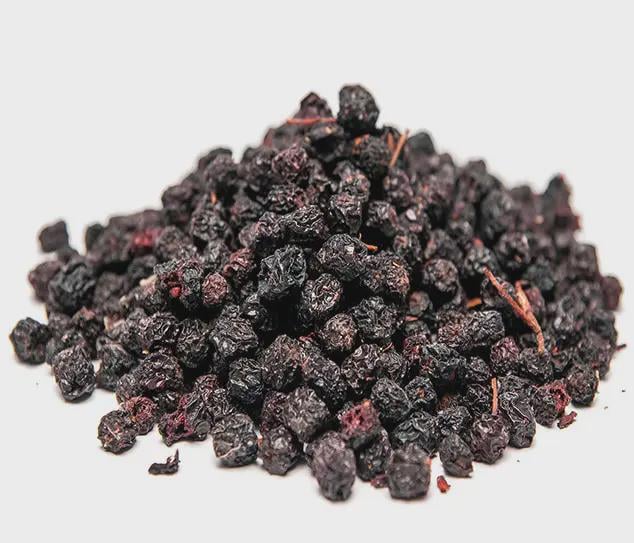
The Ultimate Guide to GINKGO BILOBA LEAF: Health Benefits and Uses

Introduction to Ginkgo Biloba: The Living Fossil of Pharmacognosy

Ginkgo biloba, often referred to simply as Ginkgo or the Maidenhair tree, represents one of the most remarkable anomalies in the botanical world. As the sole surviving member of the division Ginkgophyta, which flourished over 270 million years ago, this botanical marvel is frequently classified as a “living fossil.” While its prehistoric relatives succumbed to evolutionary pressures and climatic shifts, Ginkgo biloba survived, preserved in Chinese temple gardens for centuries before capturing the attention of modern global pharmacology. Today, Ginkgo biloba leaf extract ranks among the most widely researched and commercially successful herbal supplements in the world, valued for its profound cognitive, cardiovascular, and antioxidant properties.

The therapeutic legacy of the Ginkgo biloba leaf is grounded in a complex synergy of bioactive compounds. Unlike modern pharmaceuticals that rely on isolated synthetic agents, Ginkgo’s physiological efficacy stems from its multi-targeted, systemic action. By modulating cerebral blood flow, neutralizing destructive free radicals, regulating neurotransmitter pathways, and exerting anti-inflammatory effects, Ginkgo biloba addresses several underlying mechanisms of age-related cognitive decline, vascular insufficiency, and cellular degeneration. This comprehensive guide explores the botanical profile, historical use, biochemical composition, clinical benefits, and safe application of this extraordinary ancient leaf.

Botanical Profile and Evolutionary History

To appreciate the unique therapeutic profile of Ginkgo biloba, one must first understand its extraordinary biology. The tree is dioecious, meaning individual trees are either strictly male or female. Possessing an unmatched resilience, Ginkgo trees can live for well over a thousand years, growing up to 40 meters in height with deep, anchoring root systems. This resilience is attributed to an advanced endogenous defense system; the tree produces a potent array of secondary metabolites that protect it against fungal pathogens, bacterial infections, insect infestations, and even ionizing radiation. Notably, several Ginkgo trees survived the atomic blast in Hiroshima in 1945, standing near the epicenter and continuing to leaf out shortly after—a testament to their unparalleled cellular repair mechanisms.

The leaves of the Ginkgo tree are easily recognized by their distinct fan shape, characterized by dichotomous venation where the veins radiate out from the petiole without anastomosing (joining together). These leaves are harvested primarily in late summer and autumn when their concentration of active phytochemicals—specifically flavonoids and terpenoids—reaches its peak. It is from these green and golden fan-shaped leaves that the therapeutic standardized extracts used in modern clinical practice are meticulously prepared.

GINKGO BILOBA LEAF Botanical Photo

Historical Foundations in Traditional Chinese Medicine

The utilization of Ginkgo biloba for health promotion spans millennia, with its primary roots firmly established in Traditional Chinese Medicine (TCM). Interestingly, while modern Western medicine focuses almost exclusively on standardized extracts derived from the green leaves, historical TCM practices utilized both the seeds (referred to as “Bai Guo”) and the leaves for distinct therapeutic purposes. In ancient texts, such as the Shennong Bencao Jing (The Divine Farmer’s Herb Basic Classic), Ginkgo was recognized for its ability to tonify the lungs, resolve dampness, and promote longevity.

Traditional practitioners prescribed Ginkgo leaf decoctions to treat respiratory ailments, including chronic asthma, bronchitis, and persistent coughs, by encouraging the downward flow of lung Qi. It was also utilized to invigorate the blood and dispel stasis, a concept that correlates closely with the modern scientific understanding of Ginkgo’s ability to improve peripheral and microvascular circulation. The evolution of Ginkgo from a localized traditional remedy to a global pharmaceutical standard reflects the successful bridge built between empirical ancient wisdom and rigorous clinical science.

GINKGO BILOBA LEAF Dried Herb

The Phytochemical Composition of Ginkgo Biloba

The pharmacological activity of Ginkgo biloba leaf is not dictated by a single magic-bullet molecule, but rather by a complex, synergistic network of secondary metabolites. Standardized Ginkgo biloba extracts, most notably the gold-standard clinical extract known as EGb 761, are engineered to contain a precise concentration of these bioactive components. The two primary therapeutic classes of compounds found within the leaf are ginkgo flavone glycosides and terpene lactones.

1. Ginkgo Flavone Glycosides

Flavonoids constitute approximately 24% of standardized Ginkgo extracts. These compounds are primarily represented by glycosidic derivatives of quercetin, kaempferol, and isorhamnetin. Within the human body, these flavonoids act as incredibly potent antioxidants. They aggressively scavenge reactive oxygen species (ROS), including hydroxyl and superoxide radicals, which are known to drive lipid peroxidation, cellular aging, and DNA damage. By preserving the integrity of cellular membranes, especially within the highly vulnerable lipid-rich structures of the central nervous system, these flavonoids provide robust cytoprotective benefits.

2. Terpene Lactones

Accounting for roughly 6% of standardized extracts, terpene lactones are unique to the Ginkgo genus. They are classified into two major groups:

  • Ginkgolides (A, B, C, J, and M): These diterpenic lactones are highly specific, potent antagonists of Platelet-Activating Factor (PAF). By binding to PAF receptors on platelets and inflammatory cells, ginkgolides suppress platelet aggregation, reduce blood viscosity, limit thrombosis risk, and attenuate inflammatory cascades within vascular endothelial cells.
  • Bilobalide: This sesquiterpene lactone is renowned for its neuroprotective properties. Research indicates that bilobalide preserves mitochondrial structural integrity, prevents hypoxia-induced ATP depletion, reduces cerebral edema, and dampens excitotoxic glutamate pathways within the brain.

3. Ginkgolic Acids and Safety Concerns

While Ginkgo leaves contain beneficial compounds, they also naturally synthesize ginkgolic acids. These alkylphenols are known to possess allergenic, cytotoxic, and mutagenic properties in high concentrations. Consequently, modern pharmaceutical processing and extraction technologies are specifically designed to eliminate these components, reducing ginkgolic acid levels to less than 5 parts per million (ppm) in standardized preparations to ensure absolute consumer safety.

GINKGO BILOBA LEAF Plant Profile

Mechanisms of Action: How Ginkgo Influences Human Physiology

The therapeutic efficacy of Ginkgo biloba is achieved through several interconnected pharmacological pathways, which can be broadly divided into vascular, neurological, and mitochondrial mechanisms.

Enhancement of Micro and Macrovascular Circulation

Ginkgo biloba is a premier natural vasoregulator. It exhibits a dual mechanism of action on blood vessels: it stimulates the synthesis and release of nitric oxide (NO), a powerful endogenous vasodilator that relaxes vascular smooth muscle, while simultaneously inhibiting the degradation of prostacyclin. This action leads to a significant reduction in peripheral vascular resistance, enhancing blood flow through cerebral microcapillaries, coronary arteries, and peripheral limbs. Additionally, by acting as a competitive PAF antagonist, Ginkgo reduces blood viscosity, preventing micro-clots and facilitating smoother passage of erythrocytes through narrow capillary beds.

Neuroprotection and Neurotransmitter Regulation

At the neuronal level, Ginkgo biloba preserves synaptic plasticity and enhances cognitive performance by modulating neurotransmitter systems. It has been shown to increase the density of muscarinic cholinergic receptors in the hippocampus, thereby enhancing acetylcholine activity—the primary neurotransmitter responsible for memory formation, retrieval, and consolidation. Furthermore, Ginkgo inhibits the activity of Monoamine Oxidase A and B (MAO-A and MAO-B), which prevents the excessive breakdown of catecholamines like dopamine, norepinephrine, and serotonin, contributing to improved mood and mental clarity.

Preservation of Mitochondrial Function

Mitochondria are the powerhouses of our cells, but they are also the primary site of intracellular free radical generation. Ginkgo biloba, particularly the constituent bilobalide, acts directly on the mitochondrial respiratory chain. It preserves the activity of complexes I and III, maintains the mitochondrial membrane potential, and prevents the opening of the mitochondrial permeability transition pore (mPTP), which is a key early step in programmed cell death (apoptosis). By sustaining ATP synthesis even under conditions of localized ischemia or hypoxia, Ginkgo safeguards neurons and cardiovascular cells from degenerative damage.

Clinical and Scientifically Proven Health Benefits

1. Amelioration of Cognitive Decline, Dementia, and Alzheimer’s Disease

One of the most extensively researched applications of Ginkgo biloba is its role in managing cognitive decline and age-related dementias. Dozens of double-blind, placebo-controlled clinical trials have evaluated the effects of standardized Ginkgo extracts on patients with mild cognitive impairment (MCI), vascular dementia, and early-stage Alzheimer’s disease. Results consistently indicate that a daily dose of 240 mg of standardized extract can stabilize or slow down cognitive deterioration, improve daily functioning, and reduce behavioral symptoms such as anxiety, apathy, and irritability. The extract’s combined ability to boost cerebral perfusion, mitigate oxidative amyloid-beta toxicity, and support cholinergic transmission explains its multi-faceted efficacy in managing these complex neurodegenerative conditions.

2. Management of Peripheral Artery Disease (PAD) and Claudication

Peripheral Artery Disease, characterized by restricted blood flow to the limbs due to arterial plaque buildup, often results in a painful condition known as intermittent claudication. Patients experience severe cramping and pain in their calves during walking. Clinical studies demonstrate that regular supplementation with Ginkgo biloba leaf extract can significantly increase pain-free walking distance. By reducing blood viscosity, promoting lower limb vasodilation, and limiting ischemic tissue injury, Ginkgo offers a valuable, non-invasive therapeutic adjunctive treatment for individuals seeking to regain mobility and improve their vascular health.

3. Alleviation of Tinnitus and Vestibular Disorders

Tinnitus—the perception of persistent ringing, buzzing, or hissing in the ears—is a notoriously difficult condition to treat. It is often linked to vascular insufficiency within the inner ear or microvascular damage in the cochlea. Ginkgo biloba’s ability to optimize microcirculation makes it a prominent natural therapy for tinnitus and associated vestibular disorders such as vertigo. By improving blood supply to the delicate sensory hair cells of the cochlea and vestibular apparatus, Ginkgo helps reduce the intensity of subjective tinnitus and enhances the body’s natural adaptation to balance-related challenges.

4. Support for Vision and Retinal Health

The human retina is highly metabolic and exceptionally rich in lipids, making it uniquely vulnerable to oxidative damage and ischemic stress. Ginkgo biloba supports ocular health on multiple fronts. In patients with normal-tension glaucoma, studies have shown that Ginkgo can improve visual field damage by enhancing ocular blood flow and protecting retinal ganglion cells from apoptosis. Furthermore, its powerful antioxidant actions help slow down the progression of age-related macular degeneration (AMD) by preventing lipid peroxidation within the retinal pigment epithelium.

5. Mitigation of Anxiety and Improvement of Stress Resilience

Beyond cognitive enhancement, Ginkgo biloba exhibits subtle yet clinically significant anxiolytic and adaptogenic properties. In randomized trials involving younger and elderly adults diagnosed with generalized anxiety disorder (GAD), Ginkgo administration led to a substantial reduction in anxiety scores compared to placebo. This effect is believed to be mediated by the regulation of the Hypothalamic-Pituitary-Adrenal (HPA) axis, resulting in lower systemic levels of the stress hormone cortisol, alongside the positive modulation of GABA receptors in the brain.

Forms of Administration and Modern Formulations

To experience the full therapeutic potential of Ginkgo biloba, it is essential to understand the difference between crude herb preparations and standardized extracts. Raw Ginkgo leaves, while historically consumed as teas or basic powders, contain highly variable levels of active ingredients and unpredictable concentrations of undesirable ginkgolic acids.

Modern clinical science is based almost exclusively on standardized extracts, such as EGb 761. These extracts undergo a sophisticated multi-step purification process that concentrates the active components while eliminating toxic elements. A standard premium formulation ensures a specific concentration profile: 24% ginkgo flavone glycosides, 6% terpene lactones (including ginkgolides and bilobalide), and less than 5 ppm of ginkgolic acids. These extracts are widely available in the form of tablets, capsules, and concentrated liquid tinctures, providing precise dosing for targeted clinical outcomes.

GINKGO BILOBA LEAF Capsules

Dosage Guidelines, Safety, and Drug Interactions

When incorporating Ginkgo biloba into a wellness or clinical therapeutic regimen, adherence to proper dosing guidelines and awareness of potential contraindications are paramount to ensuring a safe and effective experience.

Recommended Dosage Ranges

The standard, clinically validated dose of standardized Ginkgo biloba extract (24:6 ratio) for cognitive support, dementia prevention, and vascular health ranges from 120 mg to 240 mg per day. This daily dosage is typically split into two or three equal administrations (e.g., 60 mg to 120 mg taken twice daily with meals) to maintain stable plasma concentrations of the active constituents.

Contraindications and Side Effects

Ginkgo biloba is generally exceptionally well-tolerated by the vast majority of individuals. Occasional mild side effects may include temporary headaches, mild gastrointestinal upset, dizziness, or localized allergic skin reactions. However, because Ginkgo is a potent inhibitor of Platelet-Activating Factor (PAF) and possess mild antiplatelet activity, several critical precautions must be observed:

  • Bleeding Disorders and Anticoagulant Interactions: Individuals diagnosed with bleeding disorders or those currently taking prescription anticoagulant and antiplatelet medications—such as warfarin, aspirin, clopidogrel (Plavix), or novel oral anticoagulants (NOACs)—must consult a qualified healthcare provider before using Ginkgo, as concurrent use may increase the risk of bleeding.
  • Surgical Considerations: Due to its blood-thinning properties, it is standard medical practice to discontinue the use of Ginkgo biloba supplements at least two weeks prior to any scheduled surgical or dental procedures.
  • Pregnancy and Lactation: In the absence of definitive safety data, Ginkgo biloba is not recommended for use by pregnant or nursing mothers.

GINKGO BILOBA LEAF Natural Herb

Conclusion: The Synergy of Ancient Wisdom and Modern Science

Ginkgo biloba stands as a profound testament to the power of nature and the validation of ancient herbal wisdom through modern clinical science. From its origins as an evolutionary survivor to its current status as a cornerstone of natural neuroprotective medicine, this remarkable leaf offers a comprehensive approach to cognitive preservation, vascular optimization, and cellular defense. By understanding its intricate phytochemical makeup, honoring its traditional roots, and utilizing high-quality standardized extracts under proper clinical guidance, individuals can successfully harness the vitality of this living fossil to support lifelong mental clarity, physical resilience, and systemic longevity.

Disclaimer: For informational purposes only. Not medical advice. Consult a qualified healthcare professional before use.
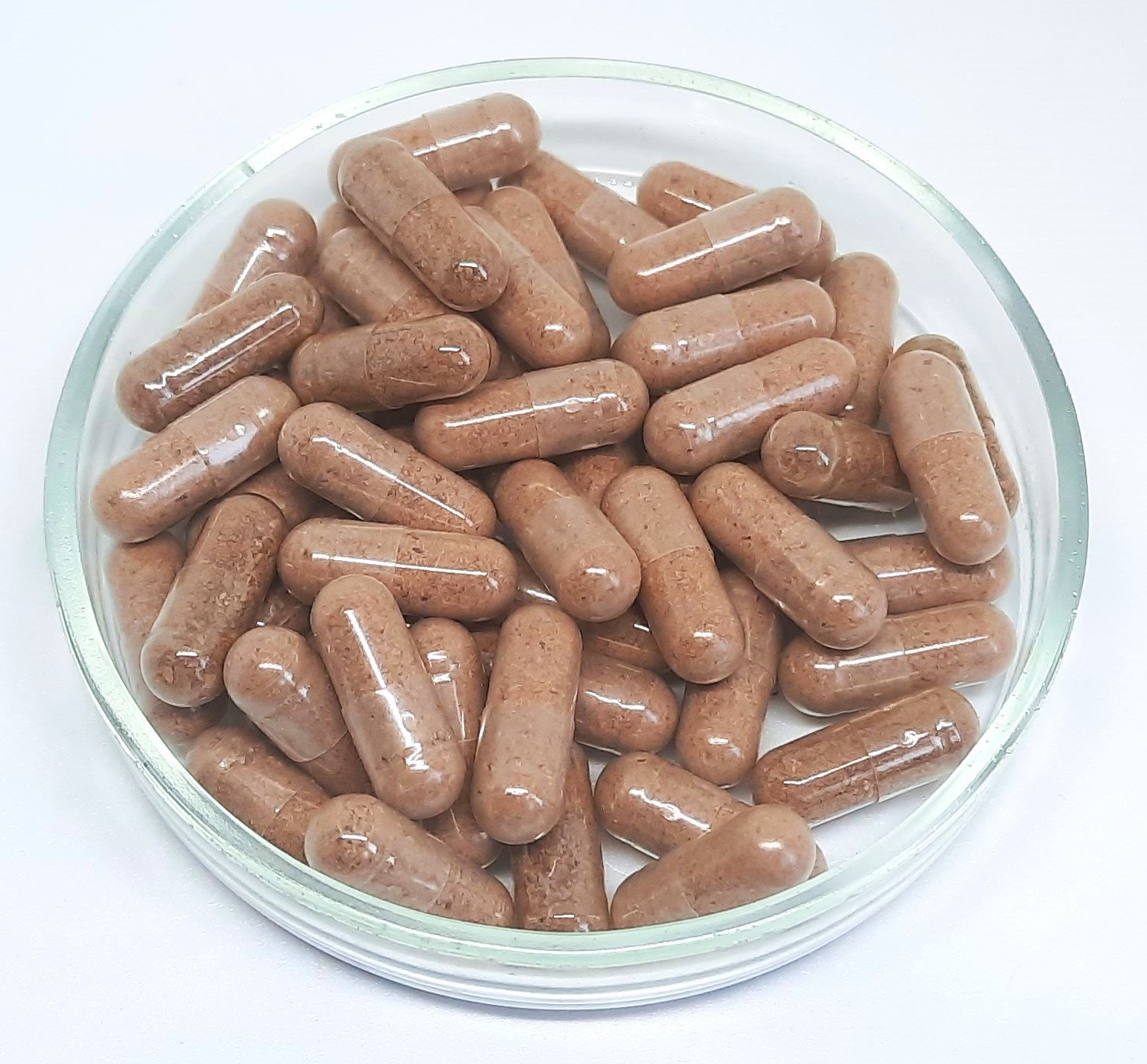
The Ultimate Guide to Sweet Clover Melilot: Health Benefits and Uses

Introduction to Sweet Clover (Melilotus officinalis)

Sweet Clover, scientifically designated as Melilotus officinalis and commonly known as yellow sweet clover, yellow melilot, or ribbed melilot, is a biennial herb belonging to the Fabaceae (legume) family. Native to Europe and Asia, and subsequently naturalized in North America and other temperate regions worldwide, this resilient plant has transitioned from a traditional pastoral forage crop and honey-producer to a highly regarded therapeutic agent in phytotherapy. For centuries, folk healers valued the plant for its soothing aroma—reminiscent of freshly mown hay—and its remarkable ability to reduce localized swelling, heal stubborn wounds, and alleviate heavy, aching limbs.

In modern pharmacology, Sweet Clover is no longer treated merely as a rustic remedy. Instead, it is recognized as a rich source of highly bioavailable phytochemicals, most notably coumarin derivatives, which exert profound physiological effects on the cardiovascular, lymphatic, and inflammatory systems. By facilitating lymphatic drainage, increasing venous return, and stabilizing capillary permeability, Melilotus officinalis serves as a foundational natural treatment for chronic venous insufficiency (CVI), lymphedema, and deep vein thrombosis support. This exhaustive guide explores the botanical intricacies, chemical constitution, therapeutic mechanisms, clinical applications, and safety profile of this remarkable botanical asset.

Botanical Overview and Morphological Characteristics

Understanding the botanical identity of Melilotus officinalis is critical to distinguishing it from related species, such as white sweet clover (Melilotus albus), and avoiding adulteration. Sweet Clover is a tall, erect biennial or short-lived perennial that can reach heights of 0.5 to 2.5 meters. The plant is characterized by its trifoliate leaves, which feature oblong-lanceolate leaflets with finely serrated margins. During its blooming period, which typically spans from late spring to early autumn, the plant produces elongated, slender racemes adorned with numerous small, bright yellow, pea-like flowers. These blossoms emit a sweet, coumaric scent that is highly attractive to bees and other pollinators.

The plant thrives in disturbed soils, roadsides, waste ground, and calcareous soils, demonstrating an exceptional tolerance to drought and poor nutrient conditions. Its deep taproot system not only anchors the plant but also hosts nitrogen-fixing symbiotic bacteria, enriching the surrounding soil. For therapeutic purposes, the aerial parts (herba meliloti)—consisting of the leaves, stems, and flowers—are harvested during the peak flowering stage. This is when the concentration of active secondary metabolites reaches its physiological peak. Proper drying and curing processes are absolutely essential to preserve these constituents and prevent the formation of toxic degradation products.

Sweet Clover Melilot Botanical Photo

Deep Chemical Composition and Phytochemical Profile

The therapeutic efficacy of Sweet Clover Melilot is directly linked to its complex, synergistic array of phytochemicals. The primary active marker compound of Melilotus officinalis is coumarin (1,2-benzopyrone). In the living, undamaged plant, coumarin is largely present in a bound, non-volatile glycosidic form known as melilotoside (o-coumaric acid glucoside). When the plant tissue is crushed, dried, or damaged, endogenous enzymes cleave the sugar moiety, releasing free coumarin, which generates the plant’s signature vanilla-like fragrance.

In addition to free coumarin, the phytochemical matrix of Sweet Clover includes a diverse suite of bioactive compounds:

  • Flavonoids: Including quercetin, kaempferol, and robinin, which provide potent antioxidant, anti-inflammatory, and capillary-stabilizing benefits.
  • Saponins: Triterpenoid saponins that enhance the structural integrity of cell membranes and support metabolic signaling.
  • Phenolic Acids: Such as caffeic acid, chlorogenic acid, and p-coumaric acid, which neutralize free radicals and suppress inflammatory cascades.
  • Tannins: Astingent compounds that promote tissue contraction, aid in wound healing, and exhibit mild antimicrobial properties.
  • Allantoin: A well-known cell-proliferant compound that accelerates epithelialization and skin regeneration when applied topically.

It is important to emphasize a critical toxicological distinction: while pure, undamaged, and properly dried Sweet Clover contains coumarin, it does not naturally contain dicoumarol, a powerful anticoagulant. Dicoumarol is only formed when sweet clover undergoes spoilage, fermentation, or mold infestation by specific fungi (such as Penicillium or Aspergillus species). These molds metabolize the plant’s natural coumarins into dicoumarol, which can cause severe, potentially fatal hemorrhaging in livestock—a phenomenon historically known as “Sweet Clover Disease.” In controlled medicinal preparations derived from high-quality, mold-free raw materials, dicoumarol is absent, ensuring that the vascular benefits of the herb can be utilized safely without inducing uncontrolled systemic anticoagulation.

Sweet Clover Melilot Plant Profile

Primary Health Benefits and Pharmacological Mechanisms

1. Alleviation of Chronic Venous Insufficiency (CVI) and Varicose Veins

Chronic Venous Insufficiency (CVI) is a progressive pathological state in which the venous valves in the lower extremities fail to function efficiently, leading to blood pooling, venous hypertension, edema, skin changes, and ulceration. Sweet Clover acts as a potent venotonic agent. The active coumarins in the herb stimulate the smooth muscle fibers in the walls of the veins, increasing venous tone, reducing venous diameter, and improving overall blood flow back toward the heart.

Furthermore, Sweet Clover significantly reduces capillary permeability and fragility (often referred to as its “anti-exudative” effect). By strengthening the endothelial lining of microvessels, it prevents the abnormal leakage of plasma, water, and proteins into the surrounding interstitial tissues. This directly mitigates the sensations of heaviness, tension, itching, nocturnal cramping, and pain commonly experienced by individuals suffering from varicose veins and deep vein congestion.

2. Activation of the Lymphatic System and Lymphedema Reduction

The lymphatic system is responsible for draining excess interstitial fluid, proteins, and cellular debris back into the circulatory system. When lymphatic drainage is compromised—due to surgery, radiation therapy, trauma, or congenital insufficiency—lymphedema develops, resulting in painful and disfiguring swelling. Sweet Clover is one of the very few botanical agents that directly stimulates lymphatic function.

The pharmacological mechanisms behind this lymphatic support include:

  • Stimulation of Lymphatic Vessels: Coumarins increase the frequency and amplitude of contractions of the lymphangions (the functional contractile units of lymphatic vessels), accelerating the transport of lymph fluid.
  • Macrophage Activation and Proteolysis: Sweet Clover stimulates circulating macrophages to migrate to the site of edema. Once there, these immune cells release proteolytic enzymes that break down the accumulated, stagnating interstitial proteins into smaller fragments. This allows the lymphatic capillaries to easily reabsorb and clear the fluid, resolving chronic, high-protein edemas that are otherwise resistant to standard diuretics.

3. Anti-Inflammatory, Antiedematous, and Tissue-Protective Actions

Chronic edema and venous stasis trigger a localized inflammatory response, characterized by leukocyte adhesion to the vascular endothelium, the release of inflammatory cytokines (such as TNF-alpha and interleukins), and the generation of reactive oxygen species (ROS). The flavonoids and phenolic acids in Sweet Clover act as powerful antioxidants that scavenge these free radicals, preventing lipid peroxidation and preserving cellular integrity.

Additionally, Sweet Clover inhibits the synthesis of inflammatory mediators by downregulating cyclooxygenase (COX) and lipoxygenase (LOX) pathways. By preventing the accumulation of neutrophils and reducing the release of lysosomal enzymes, the herb protects the delicate microvascular bed from inflammatory degradation. This multi-layered approach makes it highly effective in treating post-operative and post-traumatic edemas, sports injuries, sprains, and contusions.

4. Topical Wound Healing, Ulcer Recovery, and Tissue Regeneration

When formulated into topical preparations such as ointments, poultices, or compresses, Sweet Clover accelerates the healing of external wounds, hemorrhoids, superficial thrombophlebitis, and venous stasis ulcers. The inclusion of allantoin and localized vascular stimulants in the plant promotes cell proliferation, encourages granulation tissue formation, and accelerates re-epithelialization of damaged skin.

The astringent tannins present in the herb form a protective, thin proteinaceous layer over damaged skin, reducing fluid loss and creating a barrier against opportunistic pathogens. At the same time, improved microcirculation ensures that oxygen and essential nutrients are efficiently delivered to the healing tissues, while metabolic waste products are promptly cleared away.

Traditional Applications, Infusions, and Dried Herb Uses

Historically, Sweet Clover was a staple of European monastic medicine and traditional folk herbalism. It was dried and stored in breathable linen bags to preserve its active constituents. Practitioners utilized the dried herb in a variety of ways: as a soothing, aromatic tea to ease digestive spasms and promote restful sleep; as a warm infusion for eye baths to relieve conjunctivitis; and as a poultice applied directly to swollen joints, boils, and areas affected by superficial phlebitis.

The traditional method of preparing a Sweet Clover infusion involves steeping the high-quality dried aerial parts in hot water. This extraction method effectively co-extracts the water-soluble flavonoids, mucilages, and glycosidic coumarins. Regular consumption of this traditional tea was historically favored to “thin the humors,” promote healthy urination, and alleviate systemic fluid retention. In topical applications, cooled compresses soaked in this herbal infusion were wrapped around the lower calves to soothe the burning pain associated with varicose veins.

Sweet Clover Melilot Dried Herb

Modern Standardization, Extracts, and Supplementation

While traditional teas and crude preparations remain popular among herbal purists, modern clinical phytotherapy relies heavily on standardized, concentrated extracts. Standardizing the extract ensures a consistent, predictable, and therapeutic dose of the key active marker, coumarin. This is critical because the natural concentration of coumarins in wild-harvested plants can vary widely based on soil quality, weather conditions, and harvesting times.

In contemporary clinical settings, standardized Sweet Clover capsules and liquid extracts are widely prescribed across Europe—often under registered pharmaceutical brand names—either as monotherapy or in combination with other venotonic herbs like Horse Chestnut (Aesculus hippocastanum), Gotu Kola (Centella asiatica), or Butcher’s Broom (Ruscus aculeatus). These refined formulations guarantee that patients receive a precise daily dose of active coumarins, maximizing therapeutic success while minimizing any potential risks of under-dosing or over-dosing.

Sweet Clover Melilot Capsules

Safety, Side Effects, and Contraindications

While Sweet Clover is exceptionally therapeutic when used correctly, its potent pharmacology demands strict adherence to safety guidelines and a thorough understanding of potential contraindications. When consuming high-quality, standardized preparations under professional guidance, side effects are rare and typically mild, occasionally including transient headaches, mild gastrointestinal upset, or dizziness.

The following critical safety considerations must be strictly observed:

  • Liver Health: Very high, isolated, or synthetic doses of coumarin can be hepatotoxic in a small percentage of highly sensitive individuals. Consequently, individuals with pre-existing liver disease, hepatitis, or elevated liver enzymes should avoid systemic Sweet Clover supplements. Regular monitoring of liver enzymes is recommended during prolonged or high-dose therapy.
  • Anticoagulation and Bleeding Risks: Although pure coumarin from properly dried Sweet Clover does not act as a direct anticoagulant, it can still interact with prescription blood-thinning medications. Anyone taking warfarin (Coumadin), novel oral anticoagulants (NOACs/DOACs), aspirin, or antiplatelet drugs must consult a qualified physician before using Sweet Clover, as the herb may theoretically enhance the effects of these medications and increase bleeding risks.
  • Surgery: Due to potential vascular effects, patients should discontinue all oral Sweet Clover supplements at least two weeks before any scheduled surgical or dental procedures.
  • Pregnancy and Lactation: Because of a lack of comprehensive safety data regarding embryonic development and the potential for systemic absorption, Sweet Clover should not be used by pregnant or breastfeeding women.
  • Quality Control and Spoilage: Never consume Sweet Clover that has been improperly harvested, dried in humid conditions, or shows any signs of mold, mustiness, or decay. The presence of mold can facilitate the chemical conversion of safe coumarins into toxic, anticoagulant dicoumarol, posing a severe risk of internal hemorrhage. Always source Sweet Clover from highly reputable, certified herbal suppliers.

Practical Guidance, Dosage, and Preparation Protocols

To safely maximize the therapeutic health benefits of Sweet Clover, it is essential to follow established dosage guidelines. Depending on the health goal and the formulation selected, the following standard protocols apply:

Standardized Oral Supplements (Capsules and Tablets)

For systemic issues like Chronic Venous Insufficiency (CVI) or lymphedema, standardized solid extracts are the preferred choice. Look for supplements standardized to contain a specific concentration of coumarin.

  • Standard Dosage: A typical therapeutic daily dose ranges between 15 mg and 30 mg of pure, standardized coumarin per day, usually split into two separate doses taken with meals.
  • Duration of Use: Clinical improvements in venous stasis and edema are typically noticeable within 2 to 4 weeks of consistent daily use. For chronic conditions, cyclical administration (e.g., 6 to 8 weeks of continuous use, followed by a 2-week break) is often recommended under professional supervision.

Traditional Herbal Infusion (Tea)

For mild venous congestion, mild fluid retention, or to prepare a liquid compress for skin conditions:

  • Preparation: Place 1 to 2 teaspoons (approximately 2 to 4 grams) of high-quality, mold-free dried Sweet Clover herb into a ceramic or glass teapot. Pour 150 ml (about 5 ounces) of boiling water over the herb. Cover tightly to prevent the escape of volatile aromatic compounds.
  • Steeping Time: Allow the tea to steep for 10 to 15 minutes, then strain thoroughly.
  • Administration: Drink 1 to 2 cups daily between meals. For topical use, let the infusion cool completely to room temperature, or chill it in the refrigerator, before soaking a clean linen cloth in the liquid to apply as a compress.

Liquid Extracts and Tinctures

Liquid extracts offer rapid absorption and can easily be titrated to individual needs.

  • Standard Dosage: Take 1 to 2 ml of a 1:5 liquid extract (in 45% ethanol) up to three times daily, dissolved in a small glass of water.

Sweet Clover Melilot Natural Herb

Conclusion: The Place of Sweet Clover in Modern Wellness

Sweet Clover (Melilotus officinalis) stands as a stellar example of how traditional herbal wisdom can be successfully validated by modern scientific inquiry. From its historical roots as a comforting folk compress and pastoral forage crop, it has emerged as a clinically proven, potent therapy for microvascular, venous, and lymphatic disorders. By actively enhancing venous return, initiating lymphatic clearance, reducing high-protein edema, and exerting anti-inflammatory control, Sweet Clover addresses the root pathophysiological mechanisms of chronic vascular stagnation.

When utilized with proper respect for quality control, appropriate dosing, and awareness of potential drug interactions, Sweet Clover is a safe, reliable, and highly effective natural tool. Whether integrated into a daily wellness routine as a standardized capsule to relieve tired, heavy legs, or applied topically as a soothing, traditional botanical compress, this versatile herb remains a premier botanical asset for preserving vascular health and enhancing overall systemic vitality.

Disclaimer: For informational purposes only. Not medical advice. Consult a qualified healthcare professional before use.

The Ultimate Guide to Turkish sage: Health Benefits and Uses

The Ultimate Guide to Turkish Sage (Salvia fruticosa): Health Benefits, Phytochemical Profile, and Traditional Uses

For millennia, the rugged landscapes of the Mediterranean basin have fostered some of the most resilient and therapeutically potent botanical species known to humanity. Among these, Turkish sage (primarily classified as Salvia fruticosa, and historically recognized as Salvia triloba) stands as a monumental pillar of traditional herbal medicine and modern pharmacognosy. Locally known in Turkey as “Adaçayı” (which translates literally to “Island Tea”), this remarkable evergreen shrub is highly prized not only for its distinct, pungent aroma but also for an extraordinary array of bioactive compounds that support human health. Unlike common garden sage (Salvia officinalis), Turkish sage possesses a unique chemical fingerprint characterized by high concentrations of eucalyptol (1,8-cineole) and a significantly lower, safer concentration of thujone, making it an exceptional candidate for daily therapeutic use.

In this comprehensive, evidence-based guide, we will delve deep into the botanical characteristics of Turkish sage, analyze its sophisticated chemical composition, explore its vast spectrum of health benefits backed by scientific research, and outline safe, practical methods for integrating this ancient botanical into your modern wellness regimen.

Botanical Overview and Ecological Profile

Turkish sage is a woody perennial shrub belonging to the Lamiaceae (mint) family. It is native to the eastern Mediterranean region, thriving on sunny, rocky hillsides, limestone cliffs, and coastal garrigues across Turkey, Greece, southern Italy, and parts of the Levant. The plant typically grows to a height of 50 to 100 centimeters, characterized by its highly branched, woolly stems and grayish-green, velvety leaves. A key identifying feature of Salvia fruticosa is its leaf structure: the leaves are frequently three-lobed (trilobed), featuring two small lateral leaflets at the base of the main leaf blade, which distinguishes it visually from the simple-leaved Salvia officinalis.

During the spring and early summer months, Turkish sage produces elegant, verticillate inflorescences bearing flowers that range in color from pale lavender and pinkish-purple to near-white. These flowers are highly attractive to pollinators, particularly bees, and contribute to the production of premium-quality, medicinal sage honey. The harsh, semi-arid Mediterranean environment forces the plant to synthesize a high concentration of secondary metabolites—essential oils, polyphenols, and diterpenes—as a defense mechanism against drought, intense solar radiation, and herbivore grazing. It is precisely this evolutionary adaptation that endows Turkish sage with its rich concentration of health-promoting active compounds.

Turkish sage Botanical Photo

Historical and Cultural Context

The therapeutic legacy of Turkish sage stretches back to antiquity. Ancient Greek physicians and naturalists, including Dioscorides and Hippocrates, documented the use of Mediterranean sage species for treating wounds, calming respiratory ailments, stanching blood flow, and improving cognitive acuity. The Romans revered the plant, designating it as “herba sacra” (sacred herb) and incorporating it into complex botanical preparations for overall longevity and cognitive preservation.

In modern Turkey, the cultural integration of Salvia fruticosa remains incredibly vibrant. Unlike Western countries where sage is used primarily as a culinary spice for heavy meats, in Turkey, Adaçayı is consumed extensively as a therapeutic herbal infusion. Sold in loose-leaf form in bustling traditional herbal markets (known as Aktars) from Istanbul to Izmir, it is the beverage of choice during the cold autumn and winter months. It is traditionally prepared by steeping the whole dried leaves, often still attached to their woody stems, and serving the golden-amber liquor with a slice of fresh lemon and a spoonful of local pine honey. It serves as a household remedy for sore throats, digestive upset, mental fatigue, and general physical debility.

Turkish sage Dried Herb

The Chemical Fingerprint: Bioactive Compounds of Turkish Sage

The profound physiological effects of Turkish sage are directly attributable to its complex, synergistic phytochemistry. The plant contains a highly concentrated volatile essential oil fraction alongside a robust matrix of non-volatile polyphenols, flavonoids, and diterpenes. Understanding these specific chemical constituents allows us to appreciate how Turkish sage interacts with various biological pathways within the human body.

The volatile essential oil of Salvia fruticosa is typically extracted via steam distillation and is dominated by three primary terpenoid compounds:

  • 1,8-Cineole (Eucalyptol): Comprising up to 40% to 60% of the essential oil, this compound is responsible for the fresh, camphoraceous, medicinal aroma of Turkish sage. 1,8-cineole is highly regarded for its powerful mucolytic, anti-inflammatory, and bronchodilatory properties, as well as its ability to enhance cerebral blood flow and cognitive performance.
  • Camphor: Present in moderate quantities, camphor contributes to the antimicrobial, analgesic, and circulatory-stimulating properties of the herb when applied topically or inhaled.
  • Thujone (Alpha and Beta): Significantly, Turkish sage contains much lower concentrations of thujone compared to common sage (Salvia officinalis). Thujone is a ketone with potential neurotoxic properties when consumed in excessive amounts over extended periods. The low-thujone profile of Salvia fruticosa renders it highly desirable for long-term therapeutic consumption, offering a significantly wider margin of safety.

Beyond the essential oils, the non-volatile polyphenolic matrix of Turkish sage is exceptionally rich in antioxidants. Chief among these is rosmarinic acid, a powerful ester of caffeic acid that exhibits profound anti-inflammatory, antiviral, and neuroprotective activities. Additionally, the plant contains substantial levels of carnosic acid and carnosol, lipid-soluble diterpenes that possess formidable free-radical scavenging capabilities and are widely studied for their potential chemopreventive and cellular protective properties. Flavonoids such as luteolin, apigenin, and scutellarein are also present, contributing to the herb’s spasmolytic, antihistamine, and vascular-protective actions.

Turkish sage Plant Profile

Comprehensive Health Benefits of Turkish Sage

1. Cognitive Enhancement and Neuroprotection

One of the most exciting areas of modern scientific investigation into Turkish sage is its impact on cognitive health, memory retention, and overall brain function. Historically utilized to “sharpen the senses” and preserve memory in aging individuals, contemporary clinical studies have validated these traditional claims. The mechanism of action is primarily driven by the inhibition of acetylcholinesterase (AChE), an enzyme responsible for breaking down acetylcholine—a critical neurotransmitter associated with learning, memory, and cognitive focus.

Both the essential oil (specifically 1,8-cineole) and the polyphenols (like rosmarinic acid) in Turkish sage act as natural acetylcholinesterase inhibitors. By preserving acetylcholine levels in the synaptic cleft, Turkish sage improves cognitive clarity, enhances working memory capacity, and heightens attention span. Furthermore, the robust antioxidant properties of carnosic acid and rosmarinic acid protect neurons from oxidative stress, mitigate neuroinflammation, and help prevent the accumulation of beta-amyloid plaques, which are hallmark pathological indicators of neurodegenerative diseases such as Alzheimer’s.

2. Superior Antioxidant and Anti-Inflammatory Properties

Oxidative stress and chronic, low-grade systemic inflammation are recognized as fundamental drivers of most modern chronic diseases, including cardiovascular disease, metabolic syndrome, and autoimmune conditions. Turkish sage acts as a highly effective exogenous source of antioxidants. The high concentrations of rosmarinic acid, carnosic acid, and luteolin work synergistically to scavenge reactive oxygen species (ROS), chelate transition metal ions, and inhibit lipid peroxidation.

At the molecular level, these compounds downregulate the activation of Nuclear Factor-kappa B (NF-kB), a primary transcription factor that orchestrates the inflammatory response. By inhibiting NF-kB, Turkish sage reduces the production of pro-inflammatory cytokines such as Tumor Necrosis Factor-alpha (TNF-α), Interleukin-6 (IL-6), and Interleukin-1 beta (IL-1β), as well as inflammatory enzymes like cyclooxygenase-2 (COX-2) and inducible nitric oxide synthase (iNOS). Consequently, consuming Turkish sage tea or standardized extracts can help mitigate inflammatory processes throughout the body, providing systemic relief and cellular protection.

3. Gastrointestinal and Spasmolytic Support

Traditional Turkish medicine has long relied on Adaçayı to soothe digestive disturbances, including flatulence, bloating, abdominal cramps, and dyspepsia. The essential oil components, particularly 1,8-cineole and borneol, exert a direct spasmolytic effect on the smooth muscle tissues of the gastrointestinal tract. By modulating calcium channel activity and reducing muscular spasms in the gut, Turkish sage helps alleviate painful cramping and promotes normal peristalsis.

Additionally, the bitter principles and phenolic compounds within Turkish sage stimulate the secretion of digestive enzymes, bile, and gastric juices, thereby facilitating the efficient breakdown and absorption of nutrients. Its mild carminative action helps disperse accumulated gas in the digestive tract, offering rapid relief from abdominal distension and discomfort. The herb also exhibits mucosal protective qualities, helping to preserve the integrity of the stomach lining against irritating substances like excess gastric acid, alcohol, or non-steroidal anti-inflammatory drugs (NSAIDs).

4. Potent Antimicrobial, Antiviral, and Antifungal Activity

The essential oil of Salvia fruticosa possesses broad-spectrum antimicrobial properties, making it an excellent natural defense against a wide array of pathogens. The synergistic combination of 1,8-cineole, camphor, and various sesquiterpenes disrupts the lipid membrane integrity of bacteria, leading to cellular lysis. Studies have demonstrated its efficacy against common bacterial strains, including Staphylococcus aureus, Escherichia coli, Pseudomonas aeruginosa, and Klebsiella pneumoniae.

Furthermore, Turkish sage has shown significant antiviral activity, particularly against enveloped viruses. Rosmarinic acid prevents viral attachment and entry into host cells, while other active fractions inhibit viral replication. This makes Turkish sage tea an invaluable remedy for acute upper respiratory tract infections, common colds, and influenza. Historically, the warm tea has been utilized as an antiseptic gargle or mouthwash to treat aphthous ulcers (canker sores), gingivitis, pharyngitis, and tonsillitis, physically cleansing the oral cavity while calming inflamed tissues. Additionally, its antifungal properties are highly effective against Candida albicans, supporting both oral and systemic microbiological balance.

5. Glycemic Regulation and Metabolic Health

Emerging research indicates that Turkish sage may play a beneficial role in managing metabolic syndrome and type 2 diabetes. Several bioactive compounds in the plant, notably carnosic acid and various diterpenes, act as natural insulin sensitizers. They help activate Adenosine Monophosphate-Activated Protein Kinase (AMPK), a master regulator of energy homeostasis in the body. AMPK activation stimulates glucose uptake in skeletal muscle cells and inhibits gluconeogenesis (glucose production) in the liver, leading to improved glycemic control.

Moreover, Turkish sage extracts have been shown to inhibit alpha-glucosidase and alpha-amylase—enzymes responsible for breaking down dietary carbohydrates into simple sugars within the digestive tract. By slowing down carbohydrate digestion, the herb helps prevent rapid postprandial spikes in blood glucose levels. Regular consumption of Turkish sage tea may also support healthy lipid profiles by reducing low-density lipoprotein (LDL) cholesterol and triglycerides while maintaining high-density lipoprotein (HDL) cholesterol levels, thereby offering cardiovascular protection alongside glycemic regulation.

6. Respiratory System Relief and Decongestion

For individuals suffering from acute or chronic respiratory conditions such as bronchitis, asthma, or seasonal allergies, Turkish sage provides significant symptomatic relief. The exceptionally high levels of 1,8-cineole (eucalyptol) act as a powerful natural expectorant and mucolytic agent. It works by thinning viscous mucus secretions in the bronchial passages, making it easier to expel phlegm and clear the airways.

Additionally, 1,8-cineole exhibits direct bronchodilatory properties, helping to relax the smooth muscles of the lungs and alleviate bronchial spasms or wheezing. When inhaled via steam therapy or consumed as a hot infusion, the volatile compounds of Turkish sage directly contact the upper respiratory mucosa, reducing localized inflammation, soothing irritated tissues, and easing the constant urge to cough.

Modern Formulations: Standardized Extracts and Capsules

While drinking traditional loose-leaf Turkish sage tea is a delightful and health-promoting practice, modern herbal medicine has developed standardized extracts and capsule formulations to deliver precise, concentrated therapeutic doses of the herb’s active components. Standardized capsules are particularly beneficial for individuals seeking targeted, clinical outcomes—such as measurable cognitive enhancement, metabolic support, or chronic inflammatory management—where consistency of dosage is paramount.

Standardized extracts are manufactured to guarantee specific percentages of key active markers, typically rosmarinic acid, ursolic acid, or total flavonoids. This scientific standardization ensures that each capsule delivers a uniform therapeutic potency, free from the natural variations caused by soil quality, weather conditions, or harvest times. Furthermore, capsules offer a convenient, taste-neutral alternative for those who may find the intense, highly aromatic flavor of brewed Turkish sage tea too strong for daily consumption. When selecting a supplement, it is crucial to choose high-quality products from reputable manufacturers that utilize clean, solvent-free extraction methods and provide transparent third-party laboratory verification.

Turkish sage Capsules

How to Brew the Perfect Cup of Adaçayı

To extract the maximum therapeutic benefit from loose-leaf Turkish sage without releasing bitter, astringent tannins, proper brewing technique is essential. Follow this traditional, scientifically optimized method to prepare a restorative cup of Adaçayı:

  1. Gather Your Ingredients: Use 1 to 2 teaspoons of high-quality, dried whole leaves of Turkish sage (or approximately 2 to 3 whole sprigs) for every 8 ounces (240 ml) of water.
  2. Heat the Water: Bring fresh, filtered water to a boil. Once boiled, remove the water from the heat source and let it sit for approximately 30 to 45 seconds to cool slightly to about 90°C to 95°C (194°F to 203°F). Pouring boiling water directly onto the delicate leaves can volatilize and destroy some of the highly beneficial essential oils.
  3. Steep: Place the sage leaves in a teapot or infuser cup. Pour the hot water over the leaves and immediately cover the vessel with a tight-fitting lid or saucer. Covering the tea is a critical step; it prevents the volatile, medicinally active essential oils (such as 1,8-cineole) from escaping in the steam.
  4. Duration: Allow the tea to steep for 5 to 7 minutes. Steeping for less than 5 minutes may not fully extract the therapeutic polyphenols, while steeping for longer than 10 minutes can result in an excessively strong, bitter, and overly camphoraceous brew.
  5. Strain and Serve: Strain the tea into a cup. Traditionally, Turkish sage tea is enjoyed with a squeeze of fresh lemon juice, which not only complements the herbal flavor profile but also increases the bioavailability of the plant’s antioxidant flavonoids. You may also add a small spoonful of raw, organic honey to sweeten.

Dosage, Guidelines, and Safety Precautions

When incorporating Turkish sage into your wellness routine, adhering to established dosage guidelines ensures both safety and therapeutic efficacy. As a general wellness beverage, drinking 1 to 3 cups of freshly brewed Turkish sage tea daily is considered highly safe for the vast majority of individuals. For standardized capsules or dry extract supplements, typical daily dosages range from 300 mg to 600 mg, taken once or twice daily, or as directed by a qualified healthcare professional.

Despite its excellent safety profile—particularly due to its naturally low thujone content—certain precautions must be observed. Due to the presence of mild phytoestrogenic compounds and its traditional use as an emmenagogue (a substance that stimulates menstrual flow), Turkish sage should be avoided in therapeutic doses during pregnancy and lactation. Individuals with hormone-sensitive conditions should also exercise caution.

Furthermore, because of its potential to lower blood glucose levels, individuals taking oral hypoglycemic medications or insulin for diabetes should monitor their blood sugar levels closely when initiating regular sage supplementation, as dosage adjustments may be required. Finally, individuals taking anticonvulsant medications should consult their physician before consuming concentrated sage extracts, as certain volatile constituents can theoretically interact with seizure-control pathways in the central nervous system.

Turkish sage Natural Herb

Conclusion: Embracing the Wisdom of Turkish Sage

Turkish sage (Salvia fruticosa) represents a beautiful intersection where ancient, time-tested botanical wisdom meets rigorous modern scientific validation. From its roots in classical Mediterranean medicine to its modern-day stature as a research-validated neuroprotectant, metabolic stabilizer, and respiratory ally, this exceptional herb offers an elegant, multi-faceted approach to holistic health. Whether enjoyed as a comforting, aromatic cup of traditional Adaçayı on a cold afternoon or taken as a standardized capsule for targeted cellular support, Turkish sage remains one of nature’s most potent, safe, and versatile therapeutic treasures. By integrating this remarkable botanical into your daily lifestyle, you can harness the protective, restorative vitality of the Mediterranean sun and soil to elevate your physical and cognitive well-being.

Disclaimer: For informational purposes only. Not medical advice. Consult a qualified healthcare professional before use.

The Ultimate Guide to Echinacea Leaf: Health Benefits and Uses

The Definitive Guide to Echinacea Leaf: Health Benefits, Phytochemistry, and Clinical Applications

For centuries, the genus Echinacea has stood as a cornerstone of traditional herbal medicine in North America. While modern consumers are frequently directed toward the root extracts of this famous wildflower, contemporary botanical science is increasingly highlighting the profound therapeutic value of the aerial portions of the plant, specifically the Echinacea leaf. Rich in immunomodulating polysaccharides, highly bioavailable alkylamides, and powerful phenolic antioxidants like chicoric acid, the leaf offers a distinct and highly effective pharmacological profile. This exhaustive, science-backed guide explores the historical context, botanical characteristics, chemical composition, health benefits, and practical applications of Echinacea leaf.

Botanical Overview and Species Differentiation

Echinacea, commonly known as the purple coneflower, is a genus of herbaceous flowering plants in the daisy family, Asteraceae. Native to eastern and central North America, these resilient perennials thrive in moist-to-dry prairies, open woodlands, and savanna margins. While there are nine recognized species of Echinacea, only three are primarily utilized in herbal medicine: Echinacea purpurea, Echinacea angustifolia, and Echinacea pallida. Among these, Echinacea purpurea is the species most widely cultivated and studied for its leaf and aerial development.

The morphological structure of the Echinacea leaf varies depending on the species and its position on the stem. Lower basal leaves are typically ovate to lanceolate, rough-textured with fine stiff hairs, and can grow up to 30 centimeters in length. As the leaves ascend the rigid, hairy stem toward the prominent daisy-like flower head, they become smaller, alternate, and sessile (lacking a petiole). Understanding the botanical differences between these leaves and their root counterparts is essential, as the phytochemical distribution varies dramatically across different parts of the plant. While the roots contain higher concentrations of certain lipophilic alkylamides, the leaves are particularly rich in water-soluble polysaccharides, glycoproteins, and specific caffeic acid derivatives that provide a balanced, highly bioavailable therapeutic effect.

Echinacea Leaf Botanical Photo

Historical Context and Traditional Uses

Before the arrival of European settlers, Native American tribes across the Great Plains held Echinacea in the highest regard. It was arguably the most widely used medicinal plant among tribes such as the Lakota, Omaha, Kiowa, and Pawnee. These indigenous healers utilized the whole plant, making decoctions and poultices from both the leaves and roots to treat a diverse array of ailments, including snakebites, insect stings, toothaches, chronic coughs, sore throats, and septic wounds. They recognized that the fresh leaves possessed a numbing and soothing quality when chewed, which we now know is caused by the local anesthetic properties of active alkylamides.

During the late 19th and early 20th centuries, the Eclectic medical movement—a popular school of American medicine that prioritized botanical remedies—adopted Echinacea into its official pharmacopeia. Eclectic doctors popularized the herb as a premier “blood purifier” and anti-infective agent, prescribing it for systemic infections, diphtheria, typhoid, and influenza. When the cultivation of Echinacea purpurea expanded to Europe in the 1930s, particularly in Germany, scientific research shifted focus toward the fresh-pressed juice of the aerial parts (leaves, stems, and flowers). This European clinical tradition solidified Echinacea leaf as an elite natural immunomodulator, paving the way for the sophisticated clinical trials and standardized extracts we rely on today.

Echinacea Leaf Dried Herb

Phytochemical Composition: The Synergy of Bioactive Compounds

The therapeutic efficacy of Echinacea leaf is not the result of a single “active ingredient.” Instead, it stems from a complex matrix of synergistic secondary metabolites. These compounds work in tandem to stimulate the immune system, neutralize oxidative stress, and modulate inflammatory pathways. The primary phytochemical groups identified in high-quality Echinacea leaf extracts include:

1. Caffeic Acid Derivatives (Phenolic Compounds)

Phenolic compounds are responsible for much of the antioxidant and antiviral activity of Echinacea leaf. The most prominent of these is chicoric acid, which is found in exceptionally high concentrations in the leaves and flowers of Echinacea purpurea compared to its roots. Chicoric acid is a potent antioxidant, recognized for its ability to inhibit singlet oxygen and protect cellular structures from oxidative damage. Other key caffeic acid derivatives present in the leaf include caftaric acid and chlorogenic acid, both of which contribute to the herb’s anti-inflammatory and tissue-protective properties.

2. Alkylamides (Isobutylamides)

Alkylamides are highly lipophilic molecules that are rapidly absorbed through the buccal mucosa (the lining of the mouth) and the gastrointestinal tract. Although historically associated with Echinacea roots, substantial amounts of specific alkylamides are present in the fresh leaf. These compounds are responsible for the characteristic tingling, tongue-numbing sensation experienced when consuming high-quality Echinacea preparations. Pharmacologically, alkylamides bind to cannabinoid type 2 (CB2) receptors on immune cells, acting as immunomodulators and reducing systemic inflammatory responses.

3. High-Molecular-Weight Polysaccharides and Glycoproteins

The leaves of Echinacea are rich in immunostimulatory polysaccharides, specifically arabinogalactans and fucogalactoxyloglucans, as well as complex glycoproteins. These large molecules are key drivers of the non-specific, innate immune response. When they come into contact with immune cells in the gut-associated lymphoid tissue (GALT) or systemic circulation, they trigger the activation of macrophages, natural killer (NK) cells, and phagocytes, initiating a cascade of defensive biological responses.

4. Essential Oils and Flavonoids

Echinacea leaf also contains volatile essential oils (primarily sesquiterpenes) and a range of antioxidant flavonoids, such as quercetin, kaempferol, and apigenin. These constituents protect plant tissues from environmental stressors and provide mild antimicrobial, antispasmodic, and vascular-protective actions when consumed by humans.

Echinacea Leaf Plant Profile

The Health Benefits of Echinacea Leaf: Mechanisms of Action

1. Advanced Immunomodulation and Pathogen Defense

Unlike conventional immune-boosting substances that simply push the immune system into overdrive, Echinacea leaf acts as a true immunomodulator. It helps balance and direct the body’s natural defenses based on current physiological needs. The primary mechanism of action involves the activation of the innate immune system. Polysaccharides and glycoproteins in the leaf bind to specific receptors (such as Toll-like receptors) on the surface of macrophages and dendritic cells.

This binding process stimulates phagocytosis—the ability of immune cells to engulf and destroy invading pathogens like bacteria and viruses. Furthermore, Echinacea leaf promotes the release of key signaling proteins known as cytokines, including tumor necrosis factor-alpha (TNF-alpha), interferon-gamma, and interleukins (IL-1, IL-6, and IL-10). By regulating this cytokine network, Echinacea leaf helps coordinate a swift, organized defense against infection without triggering a destructive, hyper-inflammatory state.

2. Prevention and Management of Upper Respiratory Infections (URIs)

The most common clinical application of Echinacea leaf is the prevention and treatment of the common cold, influenza, and related upper respiratory tract infections. Numerous double-blind, placebo-controlled clinical trials have evaluated the efficacy of aerial Echinacea preparations. Meta-analyses suggest that when high-quality Echinacea leaf is administered at the very first sign of respiratory symptoms, it can significantly reduce both the severity and duration of the illness.

The mechanisms underlying this benefit are two-fold: direct antiviral activity and mucosal defense. Chicoric acid and other phenolics in the leaf have been shown to directly inhibit viral replication and prevent viruses from binding to host cell receptors. Simultaneously, the anti-hyaluronidase activity of Echinacea prevents pathogens from breaking down the extracellular matrix of mucosal tissues. This limits the spread of the virus through the nasal and bronchial passages, keeping the infection localized and manageable.

3. Cellular Protection and Systemic Anti-Inflammatory Support

Chronic low-grade inflammation is a major driver of many modern degenerative health conditions. Echinacea leaf offers significant anti-inflammatory benefits, primarily modulated through its alkylamide content. As mentioned previously, alkylamides act as weak agonists of the CB2 receptors of the endocannabinoid system. This pathway plays a crucial role in regulating immune responses and suppressing inflammatory signaling.

By interacting with these receptors, Echinacea leaf suppresses the activity of cyclooxygenase-2 (COX-2) and 5-lipoxygenase (5-LOX) enzymes. This action reduces the production of pro-inflammatory eicosanoids, such as prostaglandins and leukotrienes. Additionally, the high concentration of chicoric acid and flavonoids neutralizes reactive oxygen species (ROS), protecting cellular membranes, DNA, and proteins from oxidative degradation.

4. Support for Skin Health and Wound Regeneration

The traditional use of Echinacea leaf as a wound-healing agent is well-supported by modern dermatology. When applied topically or consumed orally, Echinacea leaf extracts promote tissue regeneration and soothe compromised skin. This is largely due to its ability to protect collagen and hyaluronic acid—the fundamental structural components of healthy skin—from enzymatic breakdown by collagenase and hyaluronidase.

Furthermore, the antibacterial and anti-inflammatory properties of the leaf make it an excellent natural intervention for inflammatory skin conditions such as acne vulgaris, eczema (atopic dermatitis), and mild burns. By reducing local inflammation and inhibiting the growth of common skin pathogens (like Propionibacterium acnes), Echinacea leaf helps restore the skin barrier and accelerates the natural healing cycle.

Modern Delivery Methods and Formulations

To experience the full therapeutic benefits of Echinacea leaf, selecting the appropriate delivery format is key. The phytochemical profile of the final product depends heavily on how the herb is harvested, processed, and extracted. The most common commercial forms include:

Standardized Leaf Extracts and Capsules

For individuals seeking targeted therapeutic support, standardized dry extracts of Echinacea leaf offer a highly reliable and convenient option. These preparations are typically standardized to guarantee a specific percentage of active constituents, such as chicoric acid (often standardized to 2% to 4%) or total phenols. Encapsulated dried leaf powder or concentrated extracts ensure a consistent dose of immunomodulating compounds, making them ideal for travel, daily wellness regimens, or intensive short-term use during cold and flu season.

Echinacea Leaf Capsules

Liquid Extracts and Alcohol-Based Tinctures

Tinctures represent one of the most traditional and bioavailable ways to consume Echinacea leaf. Alcohol-water solvent mixtures are exceptionally efficient at extracting both the water-soluble polysaccharides and the alcohol-soluble alkylamides. When a liquid extract is held in the mouth before swallowing, the alkylamides are absorbed directly through the oral mucosa, providing rapid systemic effects. This direct contact also stimulates local immune tissue in the tonsils and throat, offering immediate relief for tickly or sore throats.

Herbal Infusions (Teas)

An infusion of high-quality dried Echinacea leaf is a comforting and effective way to access the herb’s water-soluble immunomodulators. Because polysaccharides and caffeic acid derivatives are highly water-soluble, hot water extraction yields a therapeutic beverage rich in antioxidants. To optimize the extraction of these compounds, the tea should be steeped in a covered vessel for 10 to 15 minutes, preserving the delicate volatile oils and preventing them from evaporating with the steam.

Practical Usage, Dosage, and Safety

To maximize the clinical efficacy of Echinacea leaf while maintaining safety, users should adhere to established dosing guidelines and understand the herb’s pharmacological profile.

Recommended Dosage Guidelines

Dosage varies widely based on the formulation, the quality of the raw material, and the health goal. The following are standard clinical recommendations:

  • Standardized Dried Leaf Extract: 300 mg to 500 mg, taken two to three times daily.
  • Dried Leaf Infusion (Tea): 1 to 2 teaspoons of dried leaf per cup of boiling water, steeped for 10–15 minutes, consumed 3 times daily.
  • Liquid Extract (1:5 Tincture): 2 mL to 4 mL, taken three times daily in a small amount of water or directly under the tongue.
  • Acute Intervention: At the very first sign of an infection, the dosage may be taken more frequently (e.g., every 3 to 4 hours) for the first 48 hours, before transitioning back to the standard daily maintenance dose.

Echinacea Leaf Natural Herb

The Debate: Continuous vs. Cyclical Use

A common question in botanical medicine is whether Echinacea leaf can be taken continuously. Historically, clinicians advised against long-term, uninterrupted use of Echinacea, believing that the immune system might adapt or become overstimulated. Modern research suggests that Echinacea does not lose its immunizing capacity over extended periods; however, a cyclical approach remains the standard recommendation for optimal response. For general immune maintenance during winter, taking Echinacea leaf for 6 to 8 weeks, followed by a 2-week break, is highly effective. Alternatively, it can be kept on hand as an acute-use botanical, reserved strictly for the first 7 to 10 days of physical stress, travel, or seasonal exposure.

Contraindications and Safety Profile

Echinacea leaf is exceptionally safe and well-tolerated by the vast majority of individuals. However, several important precautions should be observed:

  • Allergies to Asteraceae: Individuals who are highly allergic to other members of the Asteraceae family (such as ragweed, chamomile, marigolds, and daisies) should use Echinacea leaf with caution, as cross-reactivity is possible, though rare.
  • Autoimmune Conditions: Due to its stimulating effects on the immune system, individuals with progressive systemic or autoimmune disorders—such as multiple sclerosis, lupus, rheumatoid arthritis, or tuberculosis—should consult their healthcare provider before using Echinacea.
  • Drug Interactions: Echinacea leaf can mildy inhibit certain cytochrome P450 enzymes (specifically CYP1A2 and CYP3A4). While rarely clinically significant, those taking medications metabolized by these pathways, or individuals on immunosuppressive therapy, should consult a qualified healthcare professional before beginning use.

Conclusion: The Future of Echinacea Leaf in Integrative Health

As we continue to navigate a complex modern landscape of emerging viral pathogens, antibiotic resistance, and environmental stressors, the demand for reliable, scientifically validated natural immunomodulators has never been higher. Echinacea leaf offers a safe, accessible, and highly effective therapeutic option that bridges the gap between ancient indigenous wisdom and modern clinical science.

By harnessing the synergistic power of its diverse chemical profile—from the immunostimulating polysaccharides to the anti-inflammatory alkylamides and antioxidant phenolics—Echinacea leaf stands as a vital ally for respiratory defense, cellular protection, and overall vitality. When sourced responsibly, prepared properly, and used mindfully, this remarkable botanical will undoubtedly remain at the forefront of natural medicine and integrative healthcare for generations to come.

Disclaimer: For informational purposes only. Not medical advice. Consult a qualified healthcare professional before use.

The Ultimate Guide to Eucalyptus Leaf: Health Benefits and Uses

The Comprehensive Guide to Eucalyptus Leaf: Botanical Profiles, Bioactive Compounds, and Therapeutic Health Benefits

For centuries, the eucalyptus tree has stood as a symbol of natural vitality and therapeutic potency. Renowned globally for its piercing, refreshing aroma and its ubiquitous presence in respiratory remedies, the eucalyptus leaf is far more than a simple sensory stimulant. It is a highly complex biochemical powerhouse containing hundreds of bioactive compounds that interface with human physiology in profound ways. This definitive, research-backed guide explores the botanical characteristics, chemical composition, historical applications, scientific health benefits, and safe modern practices for utilizing the extraordinary eucalyptus leaf.

Botanical Profile and Ecological Origins

The term “eucalyptus” refers to a diverse genus of over 700 species of flowering trees and shrubs within the myrtle family, Myrtaceae. Primarily native to Australia, these evergreen giants dominate the continent’s landscapes and have adapted to thrive in varied ecosystems. While several species possess medicinal qualities, Eucalyptus globulus, commonly known as the Blue Gum tree, remains the primary botanical source for medicinal leaf preparations and essential oil extraction.

From a botanical standpoint, eucalyptus is celebrated for its dimorphic leaf structure. Juvenile leaves are opposite, sessile, ovate-to-cordate, and covered with a glaucous, bluish-white waxy bloom. As the tree matures, the foliage undergoes a dramatic transformation. Adult leaves are alternate, petiolate, lanceolate or falcate (sickle-shaped), measuring anywhere from 15 to 30 centimeters in length. These mature leaves are thick, leathery, and dark green, characterized by highly visible, translucent oil glands that dot their entire surface. These secretory cavities are the synthesizers and reservoirs of the volatile terpenes that define the plant’s medicinal profile.

Eucalyptus Leaf Botanical Photo

The physiological adaptations of the eucalyptus leaf allow it to survive intense sunlight and periods of drought. The thick waxy cuticle limits transpiration, while the vertical hanging posture of mature leaves minimizes direct solar radiation during the hottest hours of the day. This survival mechanism ensures that the plant preserves its vital water and rich secondary metabolites, concentrating the bioactive agents that humans have harvested for generations.

The Complex Phytochemistry of Eucalyptus Leaf

To understand the clinical value of the eucalyptus leaf, one must delve into its intricate chemical landscape. The therapeutic efficacy of the plant is not the result of a single compound, but rather a synergistic matrix of volatile monoterpenes, sesquiterpenes, polyphenols, flavonoids, and specialized triterpenoids.

The primary and most widely researched constituent of eucalyptus leaf oil is 1,8-cineole, commonly known as eucalyptol. In premium-grade Eucalyptus globulus leaf extract or essential oil, 1,8-cineole accounts for 70% to 90% of the total chemical volume. Eucalyptol is a monoterpene cyclic ether characterized by its distinct camphoraceous odor and its powerful ability to cross biological membranes, making it highly bioavailable and effective at targeting systemic tissues, particularly within the pulmonary system.

Eucalyptus Leaf Plant Profile

Beyond eucalyptol, the leaf contains a supporting cast of organic compounds that enhance its therapeutic index and modulate its effects:

  • Alpha-pinene and Beta-pinene: Monoterpenes with proven anti-inflammatory and broad-spectrum antimicrobial activities. They also act as bronchodilators by interacting with pulmonary receptors.
  • Limonene: A common terpene that contributes a subtle citrus note and possesses robust antioxidant, anti-anxiety, and immunomodulatory properties.
  • Macrocarpals (A through I): Unique, non-volatile phloroglucinol-sesquiterpene dialdehyde adducts found specifically in eucalyptus leaves. These compounds are highly celebrated in dental research for their unmatched ability to inhibit oral pathogens and prevent the formation of bacterial biofilms.
  • Flavonoids (Quercetin, Hyperoside, Rutin): Polyphenolic antioxidants that scavenge free radicals, protect cellular structures from oxidative stress, and assist in modulating the body’s inflammatory responses.
  • Tannins: Astingent polyphenols that help bind and shrink inflamed mucous membranes, providing a soothing, protective barrier over irritated tissues.

Historical Context and Traditional Medicine Systems

Long before modern laboratory analyses verified the therapeutic qualities of eucalyptus, Indigenous Australians recognized the profound healing properties of the “fever tree.” For thousands of years, Aboriginal communities utilized eucalyptus leaves as a cornerstone of their traditional pharmacopeia. They crushed the fresh leaves to release the volatile oils, inhaling the vapors to alleviate sinus congestion, chest tightness, and headaches. For physical wounds, skin infections, and joint pain, they prepared poultices by boiling the leaves or applying masticated leaves directly to the affected areas, utilizing the plant’s natural antiseptic and analgesic properties.

Eucalyptus Leaf Dried Herb

With the arrival of European settlers in the late 18th century, the medical utility of eucalyptus quickly gained international attention. Early colonial surgeons, observing the efficacy of Indigenous treatments, began distilling the oil to treat respiratory illness and sterilize surgical equipment. By the mid-19th century, eucalyptus oil was being commercially distilled and exported worldwide. It found a prominent place in the British Pharmacopoeia and the United States Dispensatory, valued as an expectorant, antiseptic, and stimulant. During the global influenza pandemic of 1918, eucalyptus oil was widely deployed as a primary atmospheric disinfectant and respiratory decongestant, solidifying its reputation as a premier botanical remedy.

Scientific Health Benefits of Eucalyptus Leaf

Modern clinical research and pharmacological trials have shed light on the exact mechanisms of action behind the traditional uses of eucalyptus leaf. Today, its therapeutic benefits span across multiple areas of human health.

1. Exceptional Respiratory Support and Mucolytic Action

The most celebrated health benefit of eucalyptus leaf is its unmatched ability to support respiratory function. For individuals suffering from acute bronchitis, chronic obstructive pulmonary disease (COPD), asthma, sinusitis, or the common cold, eucalyptus offers profound symptomatic relief and functional healing.

This efficacy is driven primarily by eucalyptol (1,8-cineole). Eucalyptol acts as a powerful mucolytic agent, meaning it chemically disrupts the structure of thick, tenacious mucus within the bronchial airways. It cleaves the disulfide bonds of mucoproteins, reducing the viscosity and elasticity of mucus. Simultaneously, eucalyptol stimulates the ciliated epithelial cells lining the respiratory tract, increasing ciliary beat frequency. This dual action facilitates rapid mucociliary clearance, allowing the body to expel excess phlegm easily. Furthermore, research demonstrates that eucalyptol exerts a direct bronchodilating effect by blocking voltage-gated calcium channels, thereby relaxing the smooth muscle tissues of the trachea and bronchi, reducing coughing fits and wheezing.

2. Potent Anti-Inflammatory and Immunomodulatory Effects

Chronic inflammation is at the root of many debilitating health conditions. Eucalyptus leaf compounds, particularly eucalyptol and various flavonoids, are potent anti-inflammatory agents. In vitro and in vivo studies have revealed that eucalyptol suppresses the production of key pro-inflammatory cytokines, including tumor necrosis factor-alpha (TNF-α), interleukin-1 beta (IL-1β), and interleukin-6 (IL-6).

Additionally, eucalyptus leaf extract inhibits the arachidonic acid metabolism pathway by downregulating the cyclooxygenase (COX-2) enzyme and lipoxygenase (LOX) pathway. By suppressing these inflammatory cascades, eucalyptus helps reduce mucosal swelling in the nasal passages, relieves joint stiffness and pain in osteoarthritic conditions, and alleviates systemic inflammatory strain. At the same time, it modulates the immune response, enhancing the phagocytic activity of macrophages—the immune cells responsible for engulfing and destroying invading pathogens—thereby supporting a swift and balanced immune response.

3. Broad-Spectrum Antimicrobial and Antiviral Defenses

The rise of antibiotic-resistant pathogens has renewed scientific interest in botanical antimicrobials, and eucalyptus leaf stands out as a formidable candidate. The volatile compounds within the leaf possess powerful antibacterial, antifungal, and antiviral properties.

Eucalyptus extracts are highly effective against prominent Gram-positive and Gram-negative bacteria, including Staphylococcus aureus, Streptococcus pyogenes, Escherichia coli, and Klebsiella pneumoniae. The lipophilic nature of eucalyptus terpenes allows them to partition into the lipid bilayer of bacterial cell membranes. This disrupts membrane permeability, leads to the leakage of intracellular contents, and ultimately causes cell death. In terms of antiviral defense, studies indicate that eucalyptus vapor can inhibit the replication of enveloped viruses, such as the influenza virus and herpes simplex virus (HSV), by interfering with viral envelope proteins and preventing host-cell attachment.

4. Dental and Oral Health Optimization

While eucalyptus is highly regarded for systemic health, it also offers localized benefits for oral hygiene. The accumulation of dental plaque, driven primarily by the bacterium Streptococcus mutans, leads to cavities, gingivitis, and periodontal disease.

Eucalyptus leaf extract, specifically rich in macrocarpals, exhibits intense anti-plaque and anti-cariogenic properties. Macrocarpals target and inhibit the enzymes responsible for bacterial adhesion and biofilm formation in the oral cavity. Clinical trials have demonstrated that chewing gum or using mouth rinses formulated with eucalyptus leaf extract significantly reduces plaque accumulation, decreases gingival inflammation, and neutralizes the volatile sulfur compounds responsible for halitosis (bad breath), without disrupting the beneficial oral microbiome.

5. Skin Healing, Antiseptic, and Analgesic Properties

Applied topically (always properly diluted), eucalyptus leaf preparations promote skin healing and alleviate localized discomfort. The leaves’ natural antiseptic qualities make them an excellent choice for treating minor cuts, abrasions, insect bites, and localized fungal infections, such as tinea or athlete’s foot.

When applied to the skin, eucalyptus stimulates sensory nerve endings, producing a mild warming and cooling sensation that acts as a counter-irritant. This process desensitizes local pain receptors (nociceptors) and increases local microcirculation. This makes eucalyptus leaf preparations highly effective in topical rubs for relieving muscular aches, tension headaches, sprains, and neuralgic pain.

Forms of Administration and Herbal Preparations

Eucalyptus leaf can be utilized in several diverse preparation styles, depending on the therapeutic objective. Selecting the appropriate medium ensures maximum efficacy and safety.

Herbal Infusions (Teas): Prepared by steeping dried, cut eucalyptus leaves in hot water. This traditional method extracts the water-soluble flavonoids, tannins, and a controlled portion of the volatile essential oils. It is an ideal, gentle option for soothing sore throats, clearing mild congestion, and enjoying a relaxing, antioxidant-rich beverage.

Essential Oil and Inhalation: Highly concentrated steam-distilled eucalyptus oil is used for inhalation therapy. Placing a few drops in a bowl of steaming water, a facial steamer, or a room diffuser allows the volatile eucalyptol to enter the respiratory passages directly, providing instant decongestion and sinus relief.

Topical Salves and Liniments: Eucalyptus leaf extracts are frequently infused into carrier oils, beeswax, or creams. These preparations are designed to be massaged into the chest and back for respiratory comfort, or directly onto joints and muscles to alleviate stiffness and localized pain.

Eucalyptus Leaf Capsules

Dietary Capsules and Standardized Supplements: For systemic, internal therapeutic support, standardized eucalyptus leaf capsules are available. These supplements deliver a precise, measured dosage of active eucalyptol or leaf extract, encased in a protective capsule to bypass stomach irritation and target systemic inflammatory and respiratory conditions under standardized parameters.

Practical Usage, Dosage, and Safety Guidelines

While the health benefits of the eucalyptus leaf are vast, this botanical must be treated with respect. Because of the high potency of its active volatile compounds, adhering to safe preparation and dosage guidelines is critical.

Eucalyptus Leaf Natural Herb

To safely navigate the therapeutic use of eucalyptus, review the following practical recommendations:

Recommended Dosages and Applications

  • Eucalyptus Leaf Tea: Use 1 to 2 grams of dried eucalyptus leaf per cup of boiling water. Cover and steep for 10 to 15 minutes to prevent the therapeutic volatile oils from escaping in the steam. Consume 2 to 3 times daily during periods of respiratory congestion.
  • Steam Inhalation: Add 2 to 4 drops of pure, organic eucalyptus essential oil to a large bowl of hot, steaming water. Drape a towel over your head and the bowl, close your eyes, and inhale the steam deeply through your nose for 5 to 10 minutes.
  • Topical Application: Never apply pure, undiluted eucalyptus essential oil directly to the skin. Always dilute it in a quality carrier oil (such as jojoba, sweet almond, or fractionated coconut oil). A safe dilution ratio for adults is 2% to 3%, which equates to approximately 12 to 18 drops of essential oil per 30ml (1 ounce) of carrier oil.
  • Standardized Capsules: When consuming standardized oral supplements, strictly follow the manufacturer’s directions or the guidance of a healthcare practitioner. Typical adult dosages of standardized eucalyptol capsules range from 100 to 200 mg, taken 2 to 3 times per day.

Critical Safety Precautions and Contraindications

  • Toxicity Profile: Pure eucalyptus essential oil is highly concentrated and can be toxic if ingested in its undiluted state. Even small amounts (less than one teaspoon) of pure oil can cause severe neurological and physiological distress in adults, and can be fatal to young children. Store all essential oils out of reach of children and pets.
  • Pediatric Guidelines: Do not apply eucalyptus-containing rubs or oil preparations to the face, chest, or nose of infants and young children under the age of six. Strong inhalation of eucalyptol can trigger laryngospasm, bronchospasm, or respiratory depression in young respiratory tracts. Opt for gentler botanicals like chamomile or lavender for young children.
  • Pregnancy and Lactation: Due to a lack of comprehensive safety data regarding developing fetuses and infants, pregnant or nursing individuals should avoid systemic, internal use of eucalyptus leaf supplements, sticking to moderate, passive aromatherapy diffusion if cleared by their physician.
  • Drug Interactions: Eucalyptus contains compounds that can induce certain liver enzymes, specifically Cytochrome P450 enzymes (such as CYP1A2, CYP2C19, and CYP3A4). This may accelerate the metabolism of medications processed by the liver, potentially reducing their therapeutic efficacy. Consult your doctor before using eucalyptus supplements if you take prescription medications.

Conclusion

The eucalyptus leaf stands as a shining testament to the power of botanical medicine. Its unique, evolutionary chemistry—dominated by the therapeutic powerhouse eucalyptol—provides a remarkable spectrum of benefits that address modern health challenges. From clearing congested airways and combating resistant bacteria to easing chronic inflammation and protecting oral health, this resilient leaf bridges the gap between ancient indigenous wisdom and modern clinical validation.

By integrating eucalyptus leaf into your wellness routine through mindful tea preparation, therapeutic aromatherapy, or targeted topical formulations, you can harness its revitalizing properties safely and effectively. Embrace this gift of nature with the proper knowledge and care, and let its refreshing, invigorating power support your journey toward optimal health.

Disclaimer: For informational purposes only. Not medical advice. Consult a qualified healthcare professional before use.

The Ultimate Guide to Bean Pods: Health Benefits and Uses

The Ultimate Guide to Bean Pods: History, Bioactive Compounds, and Therapeutic Health Benefits

For centuries, humanity has looked to the plant kingdom to address metabolic imbalances, support renal function, and promote overall vitality. While the seeds of the common bean (Phaseolus vulgaris) are globally celebrated as a dietary staple rich in protein and complex carbohydrates, its outer protective envelope—the bean pod—holds a prestigious yet frequently overlooked position in traditional and modern pharmacognosy. Often referred to in herbal medicine as Phaseoli pericarpium (bean pods stripped of their seeds), this botanical resource represents a complex matrix of bioactive proteins, trace minerals, and secondary metabolites that work synergistically to support human physiology.

In this exhaustive guide, we will explore the deep historical usage of bean pods, their precise botanical features, their intricate chemical composition, and the scientific mechanisms of action that validate their traditional applications. From blood sugar modulation and weight management to renal support and cellular protection, this article serves as the definitive deep-dive guide to the health benefits of bean pods.

1. Historical Context and Ethnobotanical Legacy

The common bean (Phaseolus vulgaris) is native to the Americas, with distinct domestications occurring thousands of years ago in Mesoamerica and the Andean region. While indigenous populations primarily cultivated the plant for its highly nutritious seeds, the therapeutic value of the dried pod shells (pericarps) was rapidly integrated into traditional medicine systems worldwide following the Columbian Exchange in the late 15th and 16th centuries.

In European monastic medicine and traditional folk herbology, bean pod tea became a celebrated remedy for “dropsy” (edema), gout, and various urinary tract disorders. Herbalists recognized that decoctions made from the empty pods stimulated urine production and helped relieve painful joint conditions associated with the accumulation of uric acid. By the 19th and early 20th centuries, as European phytotherapy began to merge with early pharmacological science, clinical practitioners noted the ability of bean pod extracts to assist in managing “sugar urine”—a classic symptom of what is now diagnosed as Type 2 diabetes mellitus.

Bean Pods Dried Herb

Across diverse cultures, from Traditional Chinese Medicine (where specific bean pericarps are utilized to clear heat and resolve dampness) to traditional Germanic phytotherapy, the dried herb has been prepared as a decoction, infusion, or concentrated extract. The longevity of its clinical use in traditional systems laid the foundation for modern biochemical research, which seeks to map individual active compounds to these historic therapeutic claims.

2. Botanical Overview and Plant Characteristics

To appreciate the therapeutic efficacy of bean pods, one must understand the botanical nature of the host plant. Phaseolus vulgaris is an herbaceous annual plant belonging to the Fabaceae (legume) family. Depending on the cultivar, the plant exhibits either an erect bush habit or a climbing vine-like structure supported by twining stems. The leaves are trifoliate, and the flowers, which range from white and yellow to pink or violet, give rise to the elongated, cylindrical, or slightly compressed seed pods.

Bean Pods Botanical Photo

The pericarp, or the pod shell, consists of three distinct anatomical layers: the exocarp (the outer protective skin), the mesocarp (the fleshy middle layer), and the endocarp (the fibrous inner lining that encloses the seeds). For medicinal purposes, the pods are harvested when the seeds have fully matured but before the pod itself decays on the vine. Once harvested, the seeds are removed, and the remaining green or straw-colored pericarps are dried under controlled conditions to preserve their volatile and non-volatile bioactive components. The resulting dried herb is tough, fibrous, and possesses a mild, slightly sweet, and herbaceous taste profile.

3. Phytochemical Profile and Active Bioactive Compounds

The therapeutic versatility of bean pods is directly attributed to its unique and complex chemical composition. Unlike the seeds, which are highly caloric and dense in starches and proteins, the empty pericarps concentrate a variety of secondary metabolites, minerals, and specialized glycoproteins designed to protect the developing seed from environmental stressors.

Bean Pods Plant Profile

Analytical phytochemistry has identified several key classes of bioactive constituents within the dried pod shell:

  • Phaseolamin: A specialized glycoprotein that acts as a potent, natural inhibitor of the enzyme alpha-amylase. This compound is the primary driver behind the pod’s carbohydrate-blocking and glycemic-regulating properties.
  • Flavonoids and Polyphenols: Including kaempferol, quercetin, rutin, and myricetin. These compounds exhibit powerful antioxidant, anti-inflammatory, and vaso-protective actions.
  • Mineral Salts and Trace Elements: Notably high concentrations of potassium, silica, chromium, magnesium, and calcium. Chromium plays an essential role as a cofactor for insulin function, while silica and potassium support renal filtration and tissue integrity.
  • Amino Acids: High levels of free amino acids, particularly arginine, asparagine, and tyrosine, which support urea cycle dynamics and metabolic regulation.
  • Saponins: Complex glycosides that assist in lipid metabolism, immune system modulation, and the emulsification of fats within the gastrointestinal tract.
  • Soluble and Insoluble Dietary Fibers: Hemicellulose, pectin, and cellulose, which optimize gut transit times, nourish the microflora, and slow down systemic glucose absorption.

4. Key Health Benefits and Scientific Mechanisms of Action

Modern clinical research and pharmacological studies have begun to unravel how these individual components act upon human biochemistry. The resulting health benefits of bean pods are vast, spanning metabolic, cardiovascular, renal, and digestive systems.

A. Blood Glucose Regulation and Alpha-Amylase Inhibition

One of the most clinically validated applications of bean pod extract is its role in supporting healthy blood sugar levels and improving insulin sensitivity. When we consume complex carbohydrates (such as starches from bread, pasta, or potatoes), our salivary and pancreatic glands secrete the enzyme alpha-amylase to break these large molecules down into simple sugars for absorption in the small intestine.

The glycoprotein phaseolamin, highly concentrated in bean pods, acts as a competitive inhibitor of alpha-amylase. By temporarily binding to the active sites of this enzyme, phaseolamin prevents it from breaking down dietary starches. As a result, a portion of the ingested carbohydrates passes through the digestive tract unabsorbed, significantly blunting postprandial (post-meal) blood glucose spikes and reducing the subsequent demand on pancreatic insulin secretion. Over time, this mechanism assists in reducing systemic insulin resistance, protecting pancreatic beta-cells from burnout, and managing the long-term markers of Type 2 diabetes, such as HbA1c.

B. Natural Diuretic Action and Renal Support

In traditional European medicine, bean pods are classified as a premier aquaretic—a substance that promotes water excretion without depleting critical electrolytes. The high concentration of potassium salts, silica, and specific amino acids (like asparagine) works on the renal tubules to stimulate urine production. This action helps flush the kidneys and urinary bladder, reducing the risk of urinary tract infections (UTIs) by physically preventing bacterial colonization on the urothelium.

Furthermore, the increased urinary volume facilitates the elimination of nitrogenous waste products, particularly uric acid and urea. By enhancing the excretion of uric acid, bean pod decoctions help lower systemic levels, providing relief for individuals suffering from gout—a painful condition characterized by the crystallization of uric acid in the joints. This gentle, non-stimulating diuretic action also aids in reducing mild fluid retention (edema) and supporting overall blood pressure regulation by reducing fluid volume overload in the vascular system.

C. Weight Management and Metabolic Health

The dual action of starch blockage and metabolic modulation makes bean pod extracts a popular ingredient in natural weight management formulations. By inhibiting alpha-amylase, phaseolamin effectively lowers the caloric density of carbohydrate-rich meals. Fewer absorbed carbohydrates translate to a reduction in the circulating glucose pool that would otherwise be converted into triglycerides and stored as adipose (fat) tissue.

Additionally, the undigested starches that pass into the colon act as resistant starches, serving as prebiotics for the beneficial bacteria in the gut microbiome. The fermentation of these starches by gut bacteria produces short-chain fatty acids (SCFAs) like butyrate, which are known to improve metabolic health, enhance satiety signaling, and reduce systemic low-grade inflammation. This gut-centric mechanism promotes a healthy metabolic rate and helps control appetite cravings throughout the day.

D. Cellular Protection and Anti-Inflammatory Effects

Oxidative stress, driven by an excess of free radicals, is a fundamental contributor to chronic degenerative diseases, including cardiovascular disease, cognitive decline, and cellular mutations. The rich array of flavonoids (such as quercetin and kaempferol) found in bean pods serves as an exceptional defense mechanism against this oxidative damage.

These polyphenolic compounds directly scavenge reactive oxygen species (ROS), chelate transition metal ions that promote oxidation, and upregulate the body’s endogenous antioxidant enzymes, such as superoxide dismutase (SOD) and glutathione peroxidase. Simultaneously, bean pod extract has been shown to downregulate pro-inflammatory cytokines, reducing chronic, subclinical vascular inflammation and supporting overall endothelial health.

5. Modern Pharmaceutical Applications, Capsules, and Supplements

As consumer demand for clinically backed, natural weight-loss and blood-sugar-management aids has grown, the nutraceutical industry has developed highly concentrated, standardized bean pod extracts. These are commonly marketed under patented names or simply as “White Kidney Bean Extract” or “Phaseolus Vulgaris Pod Powder.” Standardizing these extracts ensures a consistent concentration of phaseolamin, giving consumers predictable metabolic support.

Bean Pods Capsules

These supplements are widely available in capsule, tablet, and powder formats. For individuals who find the taste of traditional herbal teas unappealing or who require a precise, therapeutic dose to manage their post-meal glycemic response, capsules offer a convenient, highly bioavailable alternative. Standardized capsules are typically designed to be taken 10 to 15 minutes before consuming carbohydrate-dense meals, ensuring that the active glycoproteins are present in the digestive tract to intercept salivary and pancreatic enzymes as soon as digestion begins.

6. Practical Preparation, Dosage, and Administration

For those interested in exploring the health benefits of bean pods, several traditional and modern preparation methods are available. The ideal choice depends on individual health goals, lifestyle preferences, and access to raw or processed herbal materials.

Bean Pods Natural Herb

A. Traditional Herbal Tea (Decoction)

Because bean pods are naturally fibrous and tough, a simple infusion (steeping in hot water) is often insufficient to extract the full spectrum of mineral salts and water-soluble polyphenols. A decoction is the preferred method for preparing the dried herb:

  • Ingredients: 2 to 3 tablespoons of cut, dried bean pods (approximately 10–15 grams) and 3 cups of cold water.
  • Preparation: Combine the dried pods and water in a small saucepan. Bring the mixture to a boil, then reduce the heat, cover, and let it simmer gently for 15 to 20 minutes. Cover during simmering to prevent volatile compounds from escaping.
  • Administration: Strain the liquid and drink 1 cup, two to three times daily, preferably between meals to maximize its diuretic and renal flushing benefits.

B. Standardized Extracts and Capsules

When utilizing commercial dietary supplements, it is vital to read the manufacturer’s label carefully, as concentrations can vary. Standard protocols typically recommend:

  • Dosage: 500 mg to 1500 mg of standardized bean pod extract (standardized to contain a high concentration of amylase-inhibiting units) twice daily.
  • Timing: To maximize the starch-blocking mechanism, consume the capsule approximately 10 to 15 minutes before your largest starch-containing meals, accompanied by a full glass of water.

7. Contraindications, Side Effects, and Safety Profiles

Bean pods are widely regarded as safe, gentle, and well-tolerated by the vast majority of individuals. However, as with any potent botanical intervention, certain precautions, safety considerations, and contraindications must be understood to prevent adverse reactions.

A. Gastrointestinal Adaptation

Because phaseolamin inhibits the breakdown of starches, more undigested carbohydrates reach the large intestine. When the resident gut flora ferment these complex starches, they produce gases as natural byproducts. Consequently, some individuals may experience mild gastrointestinal side effects during the first few days of use, including bloating, flatulence, abdominal rumbling, or mild loose stools. These symptoms are typically transient, self-limiting, and resolve as the gut microbiome adapts to the increased presence of prebiotic fibers.

B. Hypoglycemia Risks and Drug Interactions

Individuals currently diagnosed with Type 1 or Type 2 diabetes who are taking prescription glucose-lowering medications (such as insulin, metformin, sulfonylureas, or DPP-4 inhibitors) must exercise caution. Because bean pod extracts actively lower blood sugar levels and improve insulin sensitivity, combining them with pharmaceutical agents may enhance the medication’s effect, potentially leading to hypoglycemia (dangerously low blood sugar). It is essential to consult with a primary healthcare provider or endocrinologist before incorporating bean pod supplements into a diabetic treatment plan to ensure proper monitoring and potential medication adjustments.

C. Phytohemagglutinin Toxicity (Raw Pod Warning)

Raw, unprocessed beans and, to a lesser extent, raw green bean pods contain a toxic lectin glycoprotein known as phytohemagglutinin (PHA). If consumed in significant quantities without adequate heating, PHA can cause severe gastrointestinal distress, including nausea, vomiting, and diarrhea. Fortunately, PHA is highly heat-sensitive. The commercial drying and extraction processes, as well as the prolonged boiling required to make herbal decoctions, completely denature and deactivate this lectin, rendering the resulting herbal tea or standardized supplement completely safe for human consumption.

D. Pregnancy, Lactation, and Surgery

Due to a lack of comprehensive safety data regarding the use of concentrated bean pod extracts during pregnancy and lactation, it is recommended that pregnant and breastfeeding women avoid therapeutic supplementation. Additionally, because of its dynamic effects on blood glucose control, individuals scheduled for elective surgery should discontinue the use of bean pod supplements at least two weeks prior to the procedure to prevent intraoperative glycemic fluctuations.

8. Conclusion

The humble bean pod stands as a remarkable bridge between ancient ethnobotanical wisdom and contemporary, evidence-based nutritional science. Far from being a mere agricultural byproduct, the dry pericarp of Phaseolus vulgaris offers a natural, multi-faceted approach to some of today’s most pressing metabolic challenges.

Through the precise enzymatic inhibition of phaseolamin, the rich cellular protection of its diverse flavonoids, and the gentle renal-flushing properties of its mineral salts, bean pods deserve a prominent place in the modern wellness toolkit. Whether enjoyed as a comforting, traditional warm decoction to support kidney health or taken as a standardized capsule to optimize metabolic function and manage healthy weight, this botanical treasure remains a safe, effective, and deeply valued gift from the natural world.

Disclaimer: For informational purposes only. Not medical advice. Consult a qualified healthcare professional before use.

The Ultimate Guide to White Yarrow Herb: Health Benefits and Uses

The Ultimate Guide to White Yarrow Herb: History, Phytochemistry, and Comprehensive Health Benefits

For millennia, natural medicine has relied on the wild flora of the temperate world to heal wounds, soothe digestive distress, and restore systemic balance. Among these botanical treasures, few herbs carry a more illustrious pedigree or a more versatile therapeutic profile than White Yarrow (Achillea millefolium). Renowned by ancient warriors, respected by medieval apothecaries, and increasingly validated by modern pharmacological research, this resilient perennial is a cornerstone of holistic herbalism.

In this definitive guide, we will embark on an exhaustive exploration of White Yarrow Herb. We will dissect its botanical characteristics, uncover its complex phytochemical makeup, delve into its historical applications, and analyze its diverse health benefits. Finally, we will provide practical guidance on how to safely integrate this potent botanical into your contemporary wellness regimen.

Botanical Profile and Ecological Characteristics

White Yarrow belongs to the Asteraceae (daisy) family, representing a highly adaptable species native to Europe, Asia, and North America. Characterized by its finely dissected, feathery foliage—which earned it the Latin specific epithet millefolium, meaning “thousand leaves”—yarrow is as visually distinctive as it is hardy. It thrives in neglected pastures, sandy coastal soils, alpine meadows, and roadside ditches, showcasing an evolutionary resilience that mirrors its robust medicinal properties.

The plant produces flat-topped, dense clusters (corymbs) of tiny, composite flowers. While horticultural varieties exhibit shades of pink, yellow, and deep red, the wild-type White Yarrow remains the gold standard for therapeutic applications. The intense aroma emitted when the leaves are crushed is an immediate indicator of its rich concentration of volatile essential oils, which serve as the plant’s natural defense mechanism against herbivores and pathogens.

White Yarrow Herb Botanical Photo

From a botanical standpoint, yarrow’s intricate structure allows it to accumulate a diverse range of secondary metabolites from its environment. The feathery leaves maximize photosynthetic efficiency, while its extensive, creeping rhizomatous root system allows the plant to access deep-tier minerals and survive prolonged periods of drought. Understanding these physiological adaptations provides a deeper appreciation of the herb’s concentrated healing properties.

The Phytochemical Masterclass: What Makes Yarrow Heal?

The therapeutic efficacy of White Yarrow cannot be attributed to a single “magic bullet” compound. Instead, its medicinal power lies in a synergistic matrix of bio-active constituents. When we consume yarrow tea, apply a poultice, or take a standardized extract, we are introducing a sophisticated array of phytochemicals into our biological systems.

White Yarrow Herb Plant Profile

Scientific assays of Achillea millefolium have identified several primary classes of active compounds that drive its pharmacological actions:

  • Sesquiterpene Lactones: Compounds such as achillicin, achillin, and millifin contribute to the herb’s characteristic bitter taste. These molecules possess profound anti-inflammatory properties, operating at a cellular level to inhibit pro-inflammatory pathways (such as the NF-kB pathway) and soothe irritated mucosal membranes.
  • Volatile Essential Oils: Steam distillation of yarrow flowers and leaves yields an essential oil rich in chamazulene, linalool, camphor, and cineole. Chamazulene, which is synthesized from proazulenes during the heating process, gives the distilled oil a striking deep blue color. It is highly valued for its antioxidant, anti-allergic, and tissue-regenerative qualities.
  • Flavonoids: Yarrow is exceptionally rich in flavonoids like apigenin, luteolin, and rutin. These antioxidants strengthen capillary walls, modulate immune responses, neutralize free radicals, and provide spasmolytic (muscle-relaxing) effects throughout the gastrointestinal tract and cardiovascular system.
  • Alkaloids: The principal alkaloid in yarrow, named achilleine, is primary responsible for the herb’s celebrated styptic (blood-clotting) capabilities. Achilleine interacts with the coagulation cascade, helping to arrest external and internal bleeding efficiently.
  • Tannins: These astringent compounds bind to proteins in skin and mucosal tissues, causing them to constrict. This action creates a protective barrier over wounds, reduces secretions, and tones lax tissue, making yarrow highly effective for skin issues and digestive inflammation.
  • Salicylic Acid Derivatives: As natural precursors to aspirin, these compounds provide mild analgesic (pain-relieving) and antipyretic (fever-reducing) actions without the severe gastric irritation often associated with synthetic pharmaceuticals.

Historical Context: From the Battlefields of Troy to Modern Herbalism

The history of White Yarrow is deeply intertwined with human warfare and classical mythology. The genus name, Achillea, pays homage to the Greek hero Achilles. According to Homer’s Iliad, the centaur Chiron—the master of herbal lore—instructed Achilles in the use of yarrow to staunch the bleeding and prevent infection in the wounds of his Myrmidon soldiers on the battlefields of Troy. Consequently, the herb earned historical folk names such as “militaris,” “soldier’s woundwort,” and “knight’s milfoil.”

White Yarrow Herb Dried Herb

Beyond the battlefields of Europe, yarrow held sacred status in various ancient cultures. In China, the dried stalks of the yarrow plant were traditionally used to cast the hexagrams of the I-Ching (the Book of Changes), as the plant was believed to possess spiritual energy that bridged the gap between heaven and earth. Native American tribes, including the Cherokee, Navajo, and Miwok, utilized yarrow as a multi-purpose remedy. They brewed it into hot infusions to break fevers, applied chewed leaves to soothe insect bites, and used it as an analgesic wash for localized pain.

Deep-Dive into the Health Benefits of White Yarrow

1. Exceptional Wound Healing and Hemostasis

Perhaps the most famous attribute of White Yarrow is its ability to manage blood flow. It exhibits what herbalists refer to as amphoteric action on the circulatory system: it can stop active bleeding while simultaneously stimulating blood circulation to prevent stagnation. When applied topically to a minor cut or abrasion, the tannins and the alkaloid achilleine work in tandem to constrict blood vessels and accelerate the coagulation cascade, quickly halting hemorrhage.

Furthermore, its antimicrobial volatile oils protect open wounds from opportunistic bacterial infections, while its sesquiterpene lactones reduce localized swelling and pain. This dual actions makes it an indispensable component of emergency herbal salves, poultices, and historical “wound powders.”

2. Gastrointestinal Support and Spasmolytic Relief

If you suffer from chronic digestive complaints such as bloating, cramping, gas, or sluggish digestion, White Yarrow may offer profound relief. As a bitter tonic, yarrow stimulates the bitter receptors on the tongue, which triggers a digestive cascade. This includes increased saliva production and the stimulation of gastric juices, bile, and pancreatic enzymes, all of which are essential for the efficient breakdown and absorption of nutrients.

Moreover, the flavonoid apigenin and various sesquiterpenes exert a powerful spasmolytic effect on the smooth muscles of the digestive tract. By blocking calcium channels in smooth muscle cells, yarrow helps relax intestinal spasms, making it a valuable therapeutic ally for individuals managing Irritable Bowel Syndrome (IBS), spastic colitis, and painful digestive cramping.

3. Cardiovascular Regulation and Circulatory Health

Yarrow is a supreme remedy for the vascular system. Its active compounds dilate peripheral blood vessels, which helps lower blood pressure by reducing the workload on the heart. It also contains flavonoids that strengthen the structural integrity of veins and capillaries, preventing them from becoming fragile or leaky.

This vascular-toning action makes yarrow highly beneficial for conditions related to venous congestion, such as varicose veins, hemorrhoids, and poor circulation to the extremities (which often manifests as cold hands and feet). By improving peripheral blood flow, yarrow ensures that oxygen and essential nutrients are efficiently delivered to deep tissues throughout the body.

4. Fever Management and Diaphoretic Action

In traditional European medicine, yarrow is a key ingredient in the classic “diaphoretic triad” (alongside Elderflower and Peppermint) used to manage fevers associated with colds, flus, and respiratory infections. Rather than suppressing a fever—which is the body’s natural defense mechanism to kill pathogens—yarrow assists the process.

As a hot infusion, yarrow acts as a stimulating diaphoretic. It opens up peripheral capillaries and stimulates the sweat glands, encouraging the body to sweat. This helps release excess heat through evaporative cooling, gently bringing down a dangerously high temperature while supporting the immune system’s natural defense mechanisms.

5. Gynecological Support and Menstrual Regulation

Yarrow has long been classified as an emmenagogue—an herb that stimulates and normalizes menstrual flow. For women experiencing delayed, scanty, or absent periods (amenorrhea) due to pelvic congestion or hormonal imbalances, yarrow can help stimulate healthy circulation to the pelvic region and encourage the onset of menstruation.

Conversely, due to its astringent tannins and hemostatic properties, yarrow is equally effective at curbing excessively heavy menstrual bleeding (menorrhagia). Its antispasmodic compounds also help relax uterine smooth muscle, providing significant relief from painful menstrual cramps (dysmenorrhea).

Modern Delivery Methods: Standardized Extracts and Supplements

While drinking traditional loose-leaf teas and using raw herbal poultices remain highly effective, modern clinical nutrition often utilizes standardized extracts to ensure consistent therapeutic dosing. Standardizing the extract guarantees a specific percentage of active markers, such as flavonoids or bitter principles, in every single dose.

White Yarrow Herb Capsules

Standardized capsules are highly convenient for individuals who find the intense, natural bitterness of yarrow tea unpalatable. Capsules bypass the taste buds, releasing the active constituents directly into the stomach and small intestine, where they are systematically absorbed. This method is particularly suited for managing systemic inflammation, supporting cardiovascular health, or regulating long-term menstrual patterns.

When choosing a yarrow supplement, look for reputable manufacturers that use certified organic raw materials and provide a transparent label detailing the extraction ratio (e.g., 4:1 or 10:1) or standardization metrics. This ensures you are getting a clean, potent product free from heavy metals, pesticides, and synthetic fillers.

Practical Usage, Dosages, and Preparation Guide

Depending on your health goals, White Yarrow can be prepared and administered in several different ways. Below is a practical guide to the most common preparation methods:

Yarrow Herbal Infusion (Tea)

Ideal for digestive sluggishness, cold and flu symptoms, or systemic inflammation. To prepare, place 1 to 2 teaspoons of dried White Yarrow herb into a mug. Pour 8 ounces of freshly boiled water over the herb, cover tightly (to prevent the volatile essential oils from escaping with the steam), and steep for 10 to 15 minutes. Strain and drink. Note: The longer you steep yarrow, the more bitter compounds are extracted, making it more effective as a digestive aid.

Yarrow Tincture (Liquid Extract)

A convenient way to carry yarrow with you for acute digestive spasms, anxiety, or circulatory support. A standard dose for a 1:5 extract (made with 40% alcohol) is 2 to 4 mL, taken up to three times daily in a small amount of water.

Topical Poultice and Skin Wash

For minor cuts, bruises, or insect bites. To make a simple poultice, moisten dried or fresh yarrow leaves with a small amount of hot water to form a paste. Apply this paste directly to the affected area and secure it with a clean bandage. Alternatively, a strong, cooled yarrow tea can be used as a skin wash to cleanse minor wounds or soothe inflammatory skin conditions like eczema.

White Yarrow Herb Natural Herb

Safety, Side Effects, and Contraindications

Despite its extensive history of safe use, White Yarrow is a potent botanical medicine and must be used with respect. The following safety considerations should be observed:

  • Pregnancy and Lactation: Yarrow is strictly contraindicated during pregnancy. Its emmenagogue properties can stimulate uterine contractions and pelvic blood flow, which may pose a risk of miscarriage. It is also advised to avoid yarrow while breastfeeding due to a lack of safety data regarding its active compounds passing into breast milk.
  • Allergies to the Asteraceae Family: Because yarrow belongs to the Asteraceae family, individuals who are allergic to ragweed, daisies, marigolds, or chrysanthemums may experience allergic reactions to yarrow. This can manifest as contact dermatitis when handling the fresh plant or systemic allergic reactions when ingested.
  • Bleeding Disorders and Surgery: Because yarrow can influence blood clotting and systemic circulation, individuals with bleeding disorders or those scheduled for surgery should avoid using yarrow for at least two weeks before and after their procedure.
  • Drug Interactions: Yarrow may interact with certain medications. For example, because it has mild hypotensive properties, it may enhance the effects of prescription blood pressure medications. It may also interact with blood thinners (anticoagulants) or sedatives due to its mild muscle-relaxing effects.

Conclusion: Integrating White Yarrow into Your Wellness Journey

White Yarrow stands as a brilliant testament to the profound complexity and efficacy of traditional plant medicine. Whether utilized as a fast-acting styptic on a hiking trail, enjoyed as a hot, steaming infusion to break a fever, or taken daily in a standardized capsule to support cardiovascular and digestive health, this humble wayside herb remains an invaluable addition to your home apothecary.

By combining ancient wisdom with modern scientific validation, we can safely and effectively harness the power of White Yarrow to promote systemic balance, vitality, and resilience in our modern lives.

Disclaimer: For informational purposes only. Not medical advice. Consult a qualified healthcare professional before use.

The Ultimate Guide to chamomile flower: Health Benefits and Uses

The Definitive Guide to Chamomile Flower: History, Science, and Therapeutic Benefits

For millennia, humanity has looked to the plant kingdom for healing, comfort, and restoration. Among the vast botanical pharmacopoeia, few herbs have achieved the enduring global renown of the chamomile flower. Known scientifically as Matricaria chamomilla (German Chamomile) and Chamaemelum nobile (Roman Chamomile), this delicate, daisy-like flower is far more than a soothing bedtime brew. It is a complex biochemical powerhouse whose therapeutic potential has been validated by modern pharmacology, clinical trials, and centuries of traditional medicine.

In this comprehensive guide, we will explore the deep-seated history, botanical characteristics, complex phytochemical profile, and clinically verified health benefits of chamomile. Whether you consume it as a soothing infusion, standard capsules, or topical extracts, understanding the science behind chamomile will empower you to integrate this versatile herb into your daily wellness regimen.

Historical Significance and Traditional Medicine

The relationship between humanity and chamomile spans across civilizations, continents, and eras. In ancient Egypt, chamomile was highly revered; it was dedicated to Ra, the sun god, due to its radiant, golden center, and was used both as a fever cure and an essential ingredient in embalming fluids. The Ebers Papyrus, dating back to 1550 BCE, documents its widespread application for systemic pain, digestive issues, and skin irritation.

In ancient Greece and Rome, physicians such as Dioscorides, Galen, and Pliny the Elder prescribed chamomile to alleviate headaches, reduce kidney disorders, and accelerate wound healing. The term “chamomile” itself is derived from the Greek words chamaimelon, meaning “earth apple,” a direct nod to the fresh, apple-like aroma released when the plant’s delicate leaves and flowers are crushed.

chamomile flower Dried Herb

During the Middle Ages, German chamomile became a cornerstone of European monastic medicine. Monks cultivated it in cloister gardens to address digestive spasms, colic in infants, and inflammatory skin diseases. It was recognized as one of the “Nine Sacred Herbs” of the Anglo-Saxons, celebrated for its ability to ward off infection and harmonize bodily humors. In traditional Western herbalism, it is classified as a gentle nervine, a mild bitter, and an exceptional carminative, reflecting its dual affinity for the nervous and digestive systems.

Botanical Profile and Species Differentiation

While the term “chamomile” is used broadly, herbalists and pharmacognosists primarily distinguish between two distinct species belonging to the Asteraceae (daisy) family: German Chamomile (Matricaria chamomilla, also known as Matricaria recutita) and Roman Chamomile (Chamaemelum nobile).

German Chamomile is an erect, self-seeding annual herb that grows up to 60 centimeters in height. It features finely divided, feathery green leaves and hollow, smooth-sided yellow flower heads ringed by white ray florets. It is the most commercially significant species, cultivated extensively in Europe, North America, and Western Asia for its high yield of essential oils. Roman Chamomile, conversely, is a low-growing, spreading perennial that acts as a fragrant ground cover. Its flower heads are solid rather than hollow and are noticeably bitterer than their German counterpart.

chamomile flower Botanical Photo

Both species thrive in well-drained, sandy loam soils with ample sunlight. The optimal harvesting window occurs in the mid-to-late morning on sunny days, just as the dew evaporates and the flower heads are fully open. This precise timing ensures that the delicate secretory glands located on the flower heads contain their peak concentration of volatile oils and active secondary metabolites.

The Phytochemical Blueprint: Why Chamomile Heals

The therapeutic efficacy of chamomile flower is not due to a single compound, but rather a synergistic cocktail of active secondary metabolites. Researchers have isolated over 120 chemical constituents from chamomile flowers, categorizing them primarily into volatile essential oils and water-soluble polyphenols. This dual chemical nature means that while a simple hot water extract (tea) captures the plant’s abundant flavonoids, steam distillation or alcohol extraction is required to isolate its therapeutic lipophilic terpenoids.

The essential oil of German chamomile is distinctively blue. This vivid coloration is caused by chamazulene, a sesquiterpene hydrocarbon that does not exist naturally in the fresh flower. Instead, it is formed during steam distillation from the thermal degradation of matricin, a proazulene sesquiterpene lactone. Chamazulene is celebrated for its profound anti-inflammatory, antipyretic, and antioxidant properties.

chamomile flower Plant Profile

In addition to chamazulene, the essential oil contains alpha-bisabolol and bisabolol oxides A and B. Alpha-bisabolol has been shown to accelerate mucosal healing, reduce muscle spasms, and exert strong antibacterial and antifungal actions. On the hydrophilic side, chamomile contains high concentrations of flavonoids, notably apigenin, luteolin, and quercetin, along with their respective glycosides. Apigenin, in particular, is central to chamomile’s ability to quiet the nervous system and protect cellular structures from oxidative stress.

Scientific Health Benefits of Chamomile Flower

1. Restoring Sleep and Relieving Insomnia

Perhaps the most famous application of chamomile is its use as a natural sedative and sleep aid. Unlike pharmaceutical sleep agents, which can disrupt sleep architecture and cause morning grogginess, chamomile gently coaxes the body into a state of deep, restorative rest.

This sedative mechanism is driven primarily by the flavonoid apigenin. Apigenin binds selectively and competitively to the central benzodiazepine receptors in the brain. This binding enhances the activity of gamma-aminobutyric acid (GABA), the primary inhibitory neurotransmitter in the central nervous system. By facilitating GABAergic transmission, chamomile reduces neuronal excitability, dampens the stress response, and shortens sleep latency (the time it takes to fall asleep). Clinical studies show that regular consumption of chamomile extract significantly improves sleep quality in elderly individuals, postpartum women, and those suffering from chronic insomnia.

2. Alleviating Anxiety and Managing Stress

In our modern, high-stress world, chronic anxiety can wreak havoc on physiological systems. Chamomile behaves as an elegant adaptogen and mild anxiolytic, helping the body regulate its response to stress. It modulates the hypothalamic-pituitary-adrenal (HPA) axis, which is responsible for cortisol production.

In a double-blind, placebo-controlled clinical trial published in the Journal of Clinical Psychopharmacology, patients diagnosed with mild to moderate Generalized Anxiety Disorder (GAD) who received standardized chamomile extract over several weeks showed a significant reduction in anxiety scores compared to the placebo group. The therapeutic effects are cumulative; over time, chamomile helps stabilize mood swings, reduces physical symptoms of anxiety (such as palpitations and muscle tension), and fosters a resilient state of calm without causing cognitive impairment.

3. Optimizing Gastrointestinal Function and Digestives

Traditionally termed the “mother of the gut,” chamomile has an extraordinary affinity for the gastrointestinal tract. It addresses an array of digestive issues, including indigestion (dyspepsia), flatulence, bloating, acid reflux, and irritable bowel syndrome (IBS).

The antispasmodic properties of chamomile’s flavonoids and bisabolol help relax the smooth muscle tissues of the stomach and intestines. This relaxation prevents spasms, cramping, and painful contractions. Furthermore, chamomile contains bitter compounds that stimulate the secretion of digestive enzymes, bile, and stomach acid, facilitating smoother digestion. Its profound anti-inflammatory actions also protect the delicate mucosal lining of the gut, making it highly beneficial for individuals suffering from gastritis, peptic ulcers, and inflammatory bowel conditions.

4. Combating Chronic Inflammation and Oxidative Stress

Systemic, low-grade inflammation is the root cause of many modern chronic diseases, including cardiovascular disease, rheumatoid arthritis, and metabolic syndrome. Chamomile acts as a potent anti-inflammatory agent by inhibiting the pathways that produce inflammatory mediators.

Specifically, chamazulene, alpha-bisabolol, and apigenin have been shown to downregulate the activity of cyclooxygenase-2 (COX-2) and inducible nitric oxide synthase (iNOS) enzymes. By preventing the synthesis of inflammatory prostaglandins and leukotrienes, chamomile helps reduce swelling, joint pain, and tissue damage. Simultaneously, its abundant antioxidants scavenge harmful free radicals, preventing lipid peroxidation and protecting cellular DNA from oxidative damage.

5. Supporting Metabolic Health and Blood Sugar Control

Emerging research has highlighted chamomile’s role in managing blood glucose levels and protecting against the complications of type 2 diabetes. Daily consumption of chamomile tea has been shown to lower serum glucose levels, increase hepatic glycogen storage, and protect pancreatic beta-cells from oxidative stress caused by hyperglycemia.

Chamomile compounds inhibit aldose reductase, an enzyme active in the polyol pathway. In diabetic conditions, increased activity of this enzyme leads to the accumulation of sorbitol, which contributes to diabetic complications such as neuropathy, cataracts, and retinopathy. By inhibiting this pathway and suppressing inflammatory markers, chamomile serves as an excellent adjunctive therapy for metabolic health.

Modern Delivery Systems: Capsules and Supplements

While drinking chamomile tea remains a beloved ritual, modern phytotherapy frequently utilizes standardized capsules, tablets, and liquid extracts. These delivery systems offer a convenient, highly concentrated, and predictable therapeutic dosage that is difficult to achieve through brewing alone.

chamomile flower Capsules

Standardized chamomile capsules are typically manufactured using dry extracts of the flower heads, calibrated to guarantee a specific percentage of key active ingredients, such as 1% to 1.2% apigenin. This standardization ensures that each dose delivers a consistent clinical effect, whether you are managing chronic anxiety, optimizing sleep, or treating inflammatory bowel conditions. Furthermore, capsules are ideal for individuals who find the naturally bitter, herbaceous taste of concentrated chamomile tea unpalatable.

Dosing, Practical Preparation, and Safety

To maximize the therapeutic potential of chamomile, proper preparation and dosing are essential. Depending on your health goals, chamomile can be integrated into your lifestyle in several ways:

  • Standard Herbal Infusion: Place 2 to 3 tablespoons (approximately 3 to 5 grams) of high-quality dried chamomile flowers into a mug. Pour 8 ounces of boiling water (212°F / 100°C) over the flowers. Crucially, cover the mug with a lid or saucer while steeping. This traps the steam, preventing the volatile essential oils (containing chamazulene and bisabolol) from evaporating. Steep for 10 to 15 minutes, strain, and drink warm.
  • Standardized Oral Capsules: For therapeutic support in cases of anxiety or metabolic issues, doses of 220 mg to 500 mg of standardized extract, taken 1 to 3 times daily, are commonly used in clinical trials. Always look for brands specifying their apigenin content.
  • Liquid Extracts (Tinctures): A 1:5 or 1:2 hydroethanolic extract is highly effective. The typical dosage is 2 to 4 mL, taken up to three times daily in a small amount of water.
  • Topical Application: Chamomile ointments, creams, or cooled infusions can be applied directly to minor cuts, burns, eczema, or hemorrhoids to soothe irritation and accelerate tissue regeneration.

chamomile flower Natural Herb

Chamomile has a remarkably favorable safety profile and is classified as “Generally Recognized as Safe” (GRAS) by the FDA. However, certain precautions should be observed. Because it belongs to the Asteraceae family, individuals with known severe allergies to ragweed, marigolds, daisies, or chrysanthemums should use chamomile with caution, as cross-reactivity can occur.

Additionally, due to the presence of trace natural coumarins, individuals taking prescription blood thinners (such as warfarin) should consult their healthcare provider before using high-dose chamomile supplements. Pregnant and nursing mothers should also seek professional guidance before consuming therapeutic amounts of chamomile extracts, though moderate culinary use as a tea is generally considered safe.

Conclusion

The chamomile flower is a timeless testament to the power of botanical medicine. Bridging the gap between ancient folklore and modern scientific validation, its therapeutic compounds target multiple physiological pathways simultaneously. From quieting an overactive nervous system and healing a stressed digestive tract to fighting systemic inflammation, chamomile offers a gentle, natural solution to many of today’s chronic health challenges.

By incorporating high-quality chamomile tea, liquid extracts, or standardized capsules into your daily routine, you invite a legacy of healing and calm into your life. Embrace this gentle, golden flower, and let the wisdom of nature restore balance to your body and mind.

Disclaimer: For informational purposes only. Not medical advice. Consult a qualified healthcare professional before use.
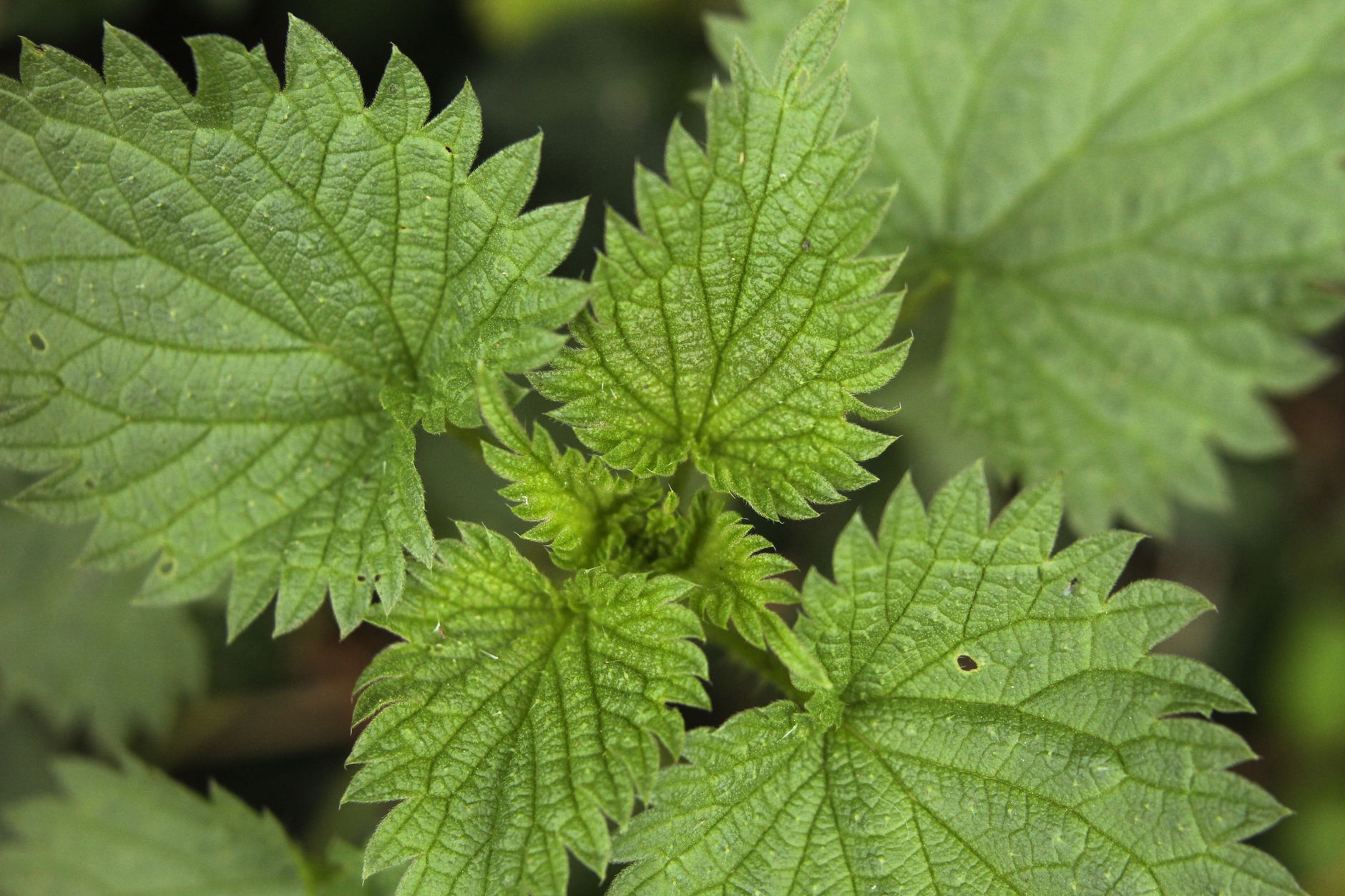
The Ultimate Guide to Rosemary Leaf: Health Benefits and Uses

The Ultimate Guide to Rosemary Leaf: Botanical Profile, Bioactive Compounds, and Therapeutic Benefits

For thousands of years, the aromatic herb rosemary (Salvia rosmarinus, formerly known as Rosmarinus officinalis) has held a position of profound reverence in both culinary traditions and natural medicine. Emerging from the rocky, sun-drenched coastlines of the Mediterranean basin, this woody, perennial herb is far more than a fragrant kitchen staple. Modern pharmacology is increasingly validating what ancient healers intuited: rosemary leaf is a dense reservoir of highly potent bioactive compounds capable of modulating complex physiological pathways within the human body.

This comprehensive guide offers an exhaustive, scientifically rigorous exploration of the rosemary leaf. We will analyze its botanical characteristics, historical context, intricate phytochemical profile, and wide-ranging clinical health benefits. From cognitive enhancement and cellular defense to metabolic regulation and dermatological vitality, this article serves as the definitive deep-dive into the therapeutic science of rosemary.

1. Botanical Overview and Taxonmical Profile

Rosemary is a member of the Lamiaceae (mint) family, sharing its lineage with other notable therapeutic herbs such as sage, oregano, thyme, and lavender. Botanically classified for centuries as Rosmarinus officinalis, recent phylogenetic and genetic analyses conducted in 2017 led to its reclassification into the genus Salvia. It is now scientifically recognized as Salvia rosmarinus, though the common name “rosemary” remains universal.

The plant is a hardy evergreen shrub characterized by its needle-like leaves, which feature a distinct revolute margin (curled downward) to conserve moisture in arid climates. The upper surface of the leaf is typically a deep, lustrous green, while the underside is covered in a dense, white-felted layer of stellate trichomes. These glandular trichomes are the primary synthesis and storage sites for the volatile essential oils that give rosemary its characteristic camphorous, woody aroma. The plant produces delicate flowers ranging in hue from pale blue and lavender to white, blooming primarily in spring and summer.

Adapted to dry, sandy soils and harsh marine winds, rosemary thrives in Mediterranean-type climates. Its resilience in the face of environmental stressors—such as intense ultraviolet radiation and drought—is directly linked to its high concentration of secondary metabolites. These compounds, synthesized by the plant as defensive agents against oxidative damage and pests, are the very molecules responsible for the herb’s profound medicinal properties in humans.

Rosemary Leaf Botanical Photo

2. Historical Context and Traditional Ethnobotany

The historical tapestry of rosemary is rich with cultural symbolism and empirical medical usage. The generic name Rosmarinus derives from the Latin words ros (dew) and marinus (sea), translating poetically to “dew of the sea”—a reference to its ability to thrive along coastal cliffs where ocean mists provide sustaining moisture.

In Ancient Greece and Rome, rosemary was deeply intertwined with memory, focus, and mental clarity. Greek scholars frequently wore garlands of rosemary around their brows during examinations to sharpen their recall. It was also considered a sacred symbol of fidelity, remembrance, and protection. During the Middle Ages, the herb was burned in sick chambers to purify the air and ward off pestilence—an early, intuitive application of its potent antimicrobial and airborne antiseptic properties.

Traditional Chinese Medicine (TCM) historically utilized rosemary to stimulate the flow of Qi (vital energy) and blood, particularly to the brain, to address headaches, mental fatigue, and digestive stagnation. Similarly, European herbalism valued rosemary as a warming carminative to soothe stomach distress, an emmenagogue to regulate menstrual flow, and a topical rubefacient to ease joint pain and muscle stiffness. These varied traditional applications paved the way for modern researchers to isolate, identify, and clinically evaluate the specific chemical constituents driving these physiological effects.

Rosemary Leaf Dried Herb

3. Phytochemical Composition and Bioactive Compounds

The therapeutic efficacy of rosemary leaf is not attributable to a single molecule, but rather to a complex, synergistic matrix of secondary metabolites. These compounds can be broadly categorized into polyphenols (including phenolic diterpenes and flavonoids) and volatile monoterpenes. Understanding these active fractions is essential to grasping how rosemary interacts with human biochemistry.

Phenolic Diterpenes: Carnosic Acid and Carnosol

Carnosic acid and its hydrolytic degradation product, carnosol, are the primary lipophilic antioxidants found in rosemary leaves, accounting for up to 90% of its antioxidant activity. These compounds are remarkable due to their “cascade antioxidant” mechanism. Unlike typical antioxidants that are rendered useless once oxidized, carnosic acid undergoes a series of conformational changes when neutralizing free radicals, transforming into carnosol and other active derivatives. This means a single molecule of carnosic acid can continually quench reactive oxygen species (ROS) across multiple successive chemical reactions, providing exceptionally long-lasting cellular protection.

Phenolic Acids: Rosmarinic Acid

Rosmarinic acid is a water-soluble ester of caffeic acid and 3,4-dihydroxyphenyllactic acid. It is rapidly absorbed through the gastrointestinal tract and skin. Rosmarinic acid is a highly potent anti-inflammatory agent that works by suppressing the synthesis of pro-inflammatory eicosanoids, inhibiting the complement cascade, and downregulating the expression of inflammatory enzymes like cyclooxygenase-2 (COX-2) and 12-lipoxygenase (12-LOX).

Triterpenes: Ursolic and Oleanolic Acids

Located primarily in the cuticular wax of the rosemary leaf, ursolic acid and oleanolic acid are pentacyclic triterpenes. These molecules possess significant hepatoprotective, anti-tumor, and anti-inflammatory properties. They work by modulating apoptotic pathways in damaged cells, inhibiting angiogenesis (the growth of blood vessels that feed tumors), and strengthening the structural integrity of cellular membranes.

Volatile Monoterpenes (Essential Oil Fraction)

When rosemary leaves are steam distilled, they yield an essential oil rich in volatile organic compounds. The primary constituents of this fraction include:

  • 1,8-Cineole (Eucalyptol): Renowned for its mucolytic, bronchodilating, and cognitive-enhancing effects.
  • Camphor: A local anesthetic, rubefacient, and respiratory stimulant.
  • Alpha-Pinene: A bicyclic monoterpene that acts as a natural acetylcholinesterase inhibitor and bronchodilator.
  • Camphene and Borneol: Compounds associated with antimicrobial defense and cardiovascular modulation.

Rosemary Leaf Plant Profile

4. Comprehensive Health Benefits of Rosemary Leaf

Given its diverse array of phytochemicals, rosemary leaf acts as a multi-target therapeutic agent. Below, we examine the primary, clinically validated health benefits of this extraordinary botanical.

A. Cognitive Enhancement and Neuroprotection

The ancient association between rosemary and memory is now firmly grounded in neurochemical science. One of the primary mechanisms through which rosemary improves cognitive performance is the inhibition of acetylcholinesterase (AChE). Acetylcholine is a critical neurotransmitter responsible for learning, memory, and executive function. By inhibiting the AChE enzyme—which breaks down acetylcholine in the synaptic cleft—compounds in rosemary (specifically 1,8-cineole and alpha-pinene) help maintain higher levels of this vital neurotransmitter.

Furthermore, carnosic acid has been shown to cross the blood-brain barrier. Once in the central nervous system, it stimulates the synthesis of Nerve Growth Factor (NGF) and Brain-Derived Neurotrophic Factor (BDNF). These proteins are crucial for neurogenesis, synaptic plasticity, and the survival of existing neurons. Clinical studies also indicate that the mere inhalation of rosemary essential oil can improve cognitive speed, accuracy, and mood state in adults by modulating electroencephalographic (EEG) activity.

B. Advanced Antioxidant and Anti-Inflammatory Pathways

Chronic low-grade inflammation and systemic oxidative stress are the twin drivers of almost all chronic diseases, including cardiovascular disease, diabetes, and neurodegeneration. Rosemary leaf extracts mitigate this damage primarily through the activation of the Nrf2 (Nuclear Factor Erythroid 2-Related Factor 2) pathway. Nrf2 is the master regulator of the body’s internal antioxidant response. When activated by carnosic acid, Nrf2 translocates to the cell nucleus and triggers the transcription of vital antioxidant enzymes, including glutathione peroxidase, superoxide dismutase (SOD), and catalase.

Simultaneously, rosemary suppresses the NF-kB (Nuclear Factor Kappa B) pathway, which is the master switch for inflammatory gene expression. By preventing NF-kB from entering the nucleus, rosemary leaf limits the production of inflammatory cytokines such as Tumor Necrosis Factor-alpha (TNF-α), Interleukin-6 (IL-6), and Interleukin-1 beta (IL-1β), offering systemic anti-inflammatory protection.

C. Metabolic Support and Glycemic Regulation

Rosemary leaf shows significant promise in managing metabolic disorders, such as type 2 diabetes and insulin resistance. Bioactive compounds in the leaf inhibit alpha-glucosidase and alpha-amylase, two key digestive enzymes responsible for breaking down dietary carbohydrates into glucose. By slowing this enzymatic activity, rosemary helps blunt postprandial blood glucose spikes.

Moreover, rosemary activates AMPK (Adenosine Monophosphate-Activated Protein Kinase), often referred to as the metabolic master switch. AMPK activation increases glucose uptake in skeletal muscle cells and enhances insulin sensitivity, mimicking the positive cellular effects of exercise and caloric restriction.

D. Cardiovascular Health and Microcirculation

Rosemary contributes to cardiovascular health by protecting low-density lipoproteins (LDL) from oxidation. Oxidized LDL is a key instigator of plaque formation in the arteries (atherosclerosis). The polyphenols in rosemary neutralize the free radicals that oxidize these lipid particles, helping to maintain clean, elastic arteries.

Additionally, rosemary supports healthy endothelial function by promoting the synthesis of nitric oxide (NO), a natural vasodilator that relaxes blood vessels, improves microcirculation, and helps maintain healthy blood pressure levels. Its mild diuretic properties also support fluid balance, easing the workload on the heart.

E. Dermatological Vitality and Hair Growth

Topically, rosemary leaf extracts and oils are highly regarded in dermatological science. Its strong antimicrobial profile makes it highly effective against Cutibacterium acnes, the bacteria primarily responsible for acne vulgaris. By calming inflammation and controlling sebum production, rosemary promotes a clear, balanced complexion.

In trichology (the study of hair and scalp health), rosemary is a celebrated natural intervention for hair loss. Clinical trials have compared rosemary leaf extract/oil directly to minoxidil (a standard over-the-counter hair regrowth treatment). Results demonstrated that rosemary oil was highly effective at combating androgenetic alopecia (pattern baldness) over a six-month period. It achieves this by inhibiting the activity of 5-alpha-reductase—the enzyme responsible for converting testosterone into dihydrotestosterone (DHT), which shrinks hair follicles. Additionally, it dramatically improves microcirculation around the hair follicles, delivering vital oxygen and nutrients to promote healthy hair growth.

5. Modern Administration and Supplementation Formats

To harness the therapeutic power of rosemary leaf, several delivery methods are available, each suited to specific health objectives:

  • Standardized Aqueous/Ethanolic Extracts (Capsules): Ideal for systemic, therapeutic dosing. Standardization typically targets specific percentages of carnosic acid, rosmarinic acid, or ursolic acid. This format ensures consistent delivery of the active compounds for metabolic, cognitive, and antioxidant support.
  • Dried Whole Leaf: Commonly used for brewing herbal infusions (teas) or as a culinary spice. While lower in concentrated bioactive compounds than extracts, regular consumption of rosemary tea provides gentle, daily digestive, cognitive, and antioxidant benefits.
  • Liquid Tinctures: Hydroethanolic extractions that offer rapid absorption in the oral cavity and digestive tract, allowing for easy dose adjustments.
  • Essential Oil: Highly concentrated volatile fractions used primarily for aromatherapy, inhalation, and topical formulations (always diluted in a carrier oil). *Note: Pure essential oils should never be ingested without professional clinical supervision.*

Rosemary Leaf Capsules

6. Dosage Guidelines, Safety, and Contraindications

While rosemary is globally classified as GRAS (Generally Recognized as Safe) when consumed in culinary quantities, therapeutic supplementation requires careful consideration of dosages, potential side effects, and drug interactions.

Recommended Dosages

For therapeutic purposes, general dosing guidelines under professional guidance include:

  • Standardized Dried Extract Capsules: 300 mg to 600 mg daily, standardized to contain at least 10% to 20% active phenolic diterpenes or rosmarinic acid.
  • Herbal Infusion (Tea): 1 to 2 teaspoons of dried rosemary leaves steeped in 8 ounces of hot water for 10–15 minutes, consumed up to three times daily.
  • Liquid Extract (1:5 Tincture): 2 to 4 mL taken three times daily in water.

Contraindications and Side Effects

Rosemary leaf is remarkably safe for the vast majority of people; however, certain populations should exercise caution:

Pregnancy and Lactation: While culinary amounts are perfectly safe, therapeutic doses of rosemary supplements or extracts should be avoided during pregnancy. Rosemary can act as a uterine stimulant (emmenagogue), which may increase the risk of miscarriage.

Bleeding Disorders: Rosemary contains compounds that may slightly inhibit platelet aggregation. Individuals with bleeding disorders or those scheduled for major surgery should discontinue high-dose rosemary supplementation at least two weeks prior to surgery.

Drug Interactions: Due to its physiological activity, rosemary may interact with certain medications:

  • Anticoagulants (Blood Thinners): May enhance the effects of drugs like warfarin or aspirin, increasing the risk of bruising or bleeding.
  • ACE Inhibitors (Blood Pressure Medications): May potentiate the blood-pressure-lowering effects of these drugs.
  • Diuretics: Rosemary’s mild diuretic effect may compound the actions of prescribed water pills, potentially leading to dehydration or electrolyte imbalances.
  • Lithium: Due to its diuretic properties, rosemary can alter lithium excretion rates, leading to unsafe accumulations of lithium in the bloodstream.

Rosemary Leaf Natural Herb

7. Conclusion: The Enduring Legacy of Rosemary Leaf

Rosemary leaf represents a beautiful intersection where ancient empirical wisdom meets cutting-edge biochemical science. Far from being a simple culinary enhancement, its dense matrix of carnosic acid, rosmarinic acid, and essential monoterpenes provides a robust, multi-faceted defense shield for the human body. By neutralizing systemic oxidative stress, mitigating chronic inflammatory pathways, sharpening cognitive performance, protecting cardiovascular function, and fostering metabolic balance, rosemary truly earns its status as a premier therapeutic botanical.

Whether integrated daily as a refreshing herbal tea, utilized topically for scalp vitality, or consumed as a standardized capsule for specific physiological support, incorporating rosemary leaf into your wellness routine offers an array of scientifically validated health benefits. As research continues to unfold, this resilient Mediterranean treasure remains a cornerstone of preventative, nature-based medicine.

Disclaimer: For informational purposes only. Not medical advice. Consult a qualified healthcare professional before use.
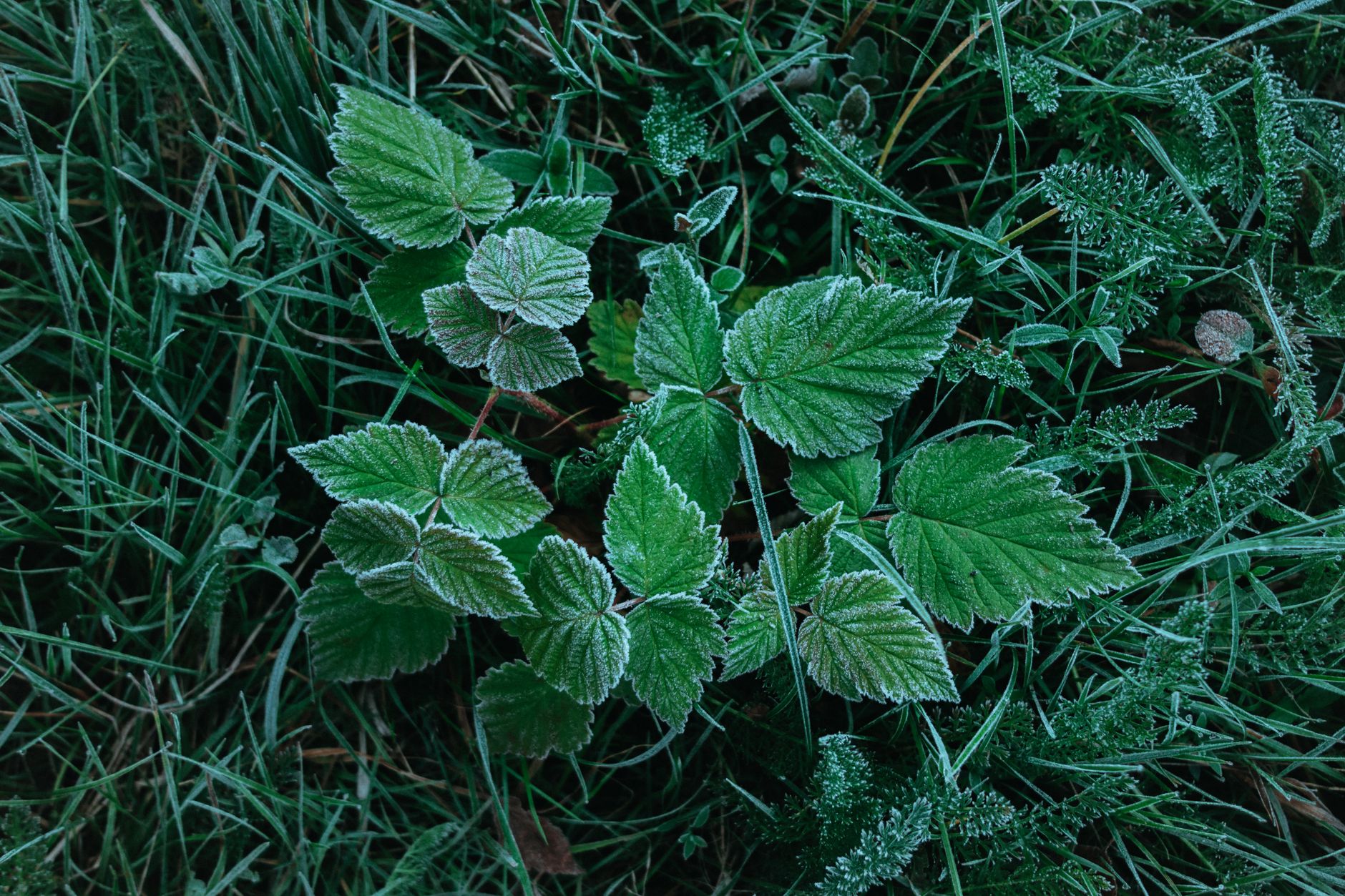
The Ultimate Guide to Plantain Leaf: Health Benefits and Uses

The Ultimate Guide to Plantain Leaf: Nature’s Resilient Healing Herb

For centuries, humanity has sought remedies for common ailments in the flora that carpets the earth. Among these botanical treasures, few are as ubiquitous, resilient, and profoundly therapeutic as the plantain leaf. Known scientifically as Plantago major (broadleaf plantain) and Plantago lanceolata (narrowleaf or ribwort plantain), this remarkable perennial herb is often misunderstood as a common lawn weed. However, in the realm of clinical herbalism and ethnobotany, plantain leaf is revered as a premier vulnerary, demulcent, and anti-inflammatory agent.

Unlike the tropical cooking plantain (a member of the banana family, Musa paradisiaca), the medicinal plantain belongs to the Plantaginaceae family. It thrives in disturbed soils, pathways, and meadows across the globe. This comprehensive guide provides an exhaustive analysis of the botanical properties, historical lineage, complex phytochemistry, and scientifically validated health benefits of plantain leaf, offering a definitive resource for health practitioners and herbal enthusiasts alike.

Botanical Classification and Morphological Characteristics

To fully appreciate the therapeutic potential of plantain, one must first understand its physical and botanical identity. Plantago major is characterized by its low-growing rosette of broad, oval, and slightly ribbed leaves. These leaves feature prominent, parallel veins that run from the petiole to the leaf tip—a distinct morphological feature that distinguishes it from other common weeds. The leaves are tough and fibrous, designed to withstand foot traffic and environmental stress, which accounts for its historical nickname “waybread.”

During its reproductive cycle, Plantago major produces long, narrow, green-to-brown spikes covered in tiny, wind-pollinated flowers. These spikes eventually bear thousands of minuscule seeds, which are rich in mucilage and have been utilized in traditional medicine similarly to psyllium (a close relative within the Plantago genus). On the other hand, Plantago lanceolata features narrow, lance-shaped leaves with deep, parallel ribbing and shorter, globe-like flower heads on long, slender stalks. Both species share highly overlapping chemical profiles and are used interchangeably in modern herbal therapeutics.

Plantain Leaf Botanical Photo

The adaptability of the plantain plant is extraordinary. It grows in almost any soil type, from highly compacted gravel paths to nutrient-rich forest floors. This resilience is mirrored in its medicinal qualities: the plant’s structural toughness translates into highly concentrated bioactive compounds that protect the human body from external pathogens, accelerate cellular repair, and soothe irritated tissues.

The Rich History and Ethnobotanical Legacy of Plantago

The historical footprint of plantain leaf spans multiple continents and civilizations. In ancient Anglo-Saxon lore, plantain was hailed as one of the “Nine Sacred Herbs” in the 10th-century Lacnunga text, celebrated for its ability to counteract venoms, infections, and inflammatory diseases. The Anglo-Saxons called it “waybread” due to its frequent presence along roadsides, providing nourishment and healing to weary travelers.

During the European colonization of North America, indigenous populations observed that plantain rapidly sprouted in the footprints of European settlers. Consequently, Native Americans referred to it as “White Man’s Foot.” Rather than rejecting the plant, indigenous healers quickly integrated plantain into their sophisticated systems of medicine, utilizing it as a powerful poultice to extract drawing toxins from venomous snakebites, insect stings, and infected wounds.

Plantain Leaf Dried Herb

In traditional Chinese medicine (TCM), related species of Plantago are utilized to clear damp-heat, promote urination, and resolve phlegm-heat in the respiratory tract. Similarly, classical European herbalists like Dioscorides and Pliny the Elder documented plantain’s exceptional cooling and astringent properties, recommending it for chronic diarrhea, external hemorrhaging, and inflammatory skin conditions. This global consensus across distinct historical eras highlights the plant’s undeniable therapeutic value.

Phytochemical Composition: The Science Behind the Synergy

The therapeutic efficacy of plantain leaf is not the result of a single “active ingredient,” but rather a complex, synergistic matrix of secondary metabolites. Modern analytical chemistry has identified several key classes of bioactive compounds within the leaves of Plantago major and Plantago lanceolata. These include iridoid glycosides, phenylethanoid glycosides, flavonoids, polysaccharides, tannins, and organic minerals.

Plantain Leaf Plant Profile

Understanding these chemical constituents is crucial for comprehending how plantain interacts with human physiology:

  • Iridoid Glycosides (Aucubin and Catalpol): These compounds serve as the plant’s defense mechanism against herbivores and pathogens. In human pharmacology, aucubin undergoes enzymatic hydrolysis in the digestive tract to form aucubigenin, a potent antimicrobial and anti-inflammatory agent. Catalpol exhibits profound neuroprotective, anti-apoptotic, and systemic anti-inflammatory properties, helping to mitigate oxidative stress at a cellular level.
  • Phenylethanoid Glycosides (Acteoside/Verbascoside): Acteoside is a highly bioavailable polyphenol with exceptional antioxidant capabilities. Research indicates that it inhibits the production of pro-inflammatory cytokines, such as tumor necrosis factor-alpha (TNF-α) and interleukin-6 (IL-6), while protecting cells from free-radical-induced lipid peroxidation.
  • Polysaccharides (Mucilage): Plantain leaves contain high-molecular-weight polysaccharides that form a thick, gelatinous substance when combined with water. This mucilage coats inflamed mucosal membranes—such as those in the respiratory tract and gastrointestinal tract—creating a protective physical barrier that accelerates localized healing and dampens sensory nerve irritation.
  • Allantoin: This naturally occurring nitrogenous compound is a potent cell proliferant. Allantoin stimulates epithelial cell growth, enhances the regeneration of damaged tissues, and accelerates the synthesis of the extracellular matrix, making plantain one of the premier dermatological healing agents in nature.
  • Tannins: The mild astringency of plantain is attributed to its tannin content. Tannins precipitate proteins on damaged tissue surfaces, effectively tightening and toning loose or bleeding membranes. This action helps to check minor bleeding, seal wounds against external bacteria, and dry up excess catarrhal secretions.

Clinical Health Benefits of Plantain Leaf

1. Accelerated Wound Healing and Dermatological Recovery

The most celebrated application of plantain leaf is its ability to heal skin tissue. This vulnerary action is driven by the synergistic relationship between allantoin, mucilage, and tannins. When applied topically to a wound, incision, or abrasion, allantoin stimulates mitosis (cell division) in the basal layer of the epidermis, rapidly replacing damaged cells with healthy new tissue. Concurrently, the mucilage content acts as a soothing emollient, keeping the wound bed moist, which is a critical factor for minimizing scar tissue formation.

Furthermore, plantain is historically renowned as a “drawing” herb. Applied as a fresh poultice, it exerts a gentle osmotic pull on tissues, making it highly effective for drawing out splinters, bee stings, wasp venom, and deeply embedded infections (such as boils or abscesses). The astringent tannins help constrict localized blood vessels, reducing edema, redness, and micro-hemorrhages, while the antimicrobial iridoid glycosides prevent secondary infections in vulnerable tissue.

2. Respiratory Support and Antitussive Action

For respiratory conditions characterized by dry, spasmodic, or irritated coughs, plantain leaf is an invaluable ally. The respiratory mucosa is highly sensitive to environmental irritants, pathogens, and cold air. Plantain’s abundant mucilage acts as a demulcent, coating the pharynx and larynx to soothe irritated sensory receptors and quiet the cough reflex. This makes it particularly effective in formulas designed to alleviate the dry, hacking cough associated with bronchitis, laryngitis, and recovery from viral respiratory infections.

In addition to its soothing demulcent properties, plantain leaf acts as a mild spasmolytic. Scientific evaluations have demonstrated that extracts of Plantago lanceolata can relax smooth muscle tissues in the trachea and bronchi. This bronchodilatory effect, coupled with its broad-spectrum antimicrobial action against common respiratory pathogens, helps to ease breathing, improve lung capacity, and clear excess, stubborn mucus without drying out the respiratory tree.

3. Gastrointestinal Integrity and Digestive Comfort

The protective, anti-inflammatory mechanisms that plantain exerts on the skin are equally effective when applied internally to the gastrointestinal tract. The modern diet, chronic stress, and overuse of medications can compromise the delicate mucosal lining of the stomach and intestines, leading to conditions such as gastritis, peptic ulcers, and “leaky gut” syndrome (increased intestinal permeability).

When ingested as a warm infusion or standardized capsule, plantain leaf delivers its mucilaginous compounds directly to the gastrointestinal lining. This mucilage forms a temporary, protective barrier over micro-ulcerations and inflamed patches of enterocytes, shielding them from the corrosive effects of gastric acid and digestive enzymes. The anti-inflammatory action of acteoside targets the localized inflammatory cascade in the gut, reducing the synthesis of inflammatory prostaglandins. Additionally, the mild astringency of plantain’s tannins helps to tone lax intestinal walls, making it a reliable remedy for mild, acute diarrhea and irritable bowel symptoms.

4. Systemic Anti-Inflammatory and Antioxidant Protection

Chronic, low-grade systemic inflammation is increasingly recognized as a foundational driver of modern metabolic and degenerative diseases. The rich array of flavonoids (such as luteolin and apigenin) and phenylethanoid glycosides in plantain leaf provides powerful systemic antioxidant defense. These compounds act as scavengers of reactive oxygen species (ROS), neutralizing free radicals before they can cause oxidative damage to cellular lipids, proteins, and DNA.

By modulating key inflammatory pathways, including the nuclear factor-kappa B (NF-κB) pathway, plantain leaf helps downregulate the body’s systemic inflammatory response. This makes it a useful supportive herb for systemic inflammatory conditions, such as mild osteoarthritis, skin flare-ups (like eczema and psoriasis), and general metabolic stress. By protecting vascular endothelium and supporting hepatic detoxification pathways, plantain contributes to long-term systemic vitality.

Modern Supplements and Therapeutic Preparations

In the contemporary wellness market, plantain leaf has transitioned from a wild-foraged remedy to a highly sophisticated clinical supplement. Consumers can choose from various delivery formats, each tailored to specific therapeutic goals. Standardized capsules, liquid extracts, loose dried herbs, and topical salves offer diverse ways to harness the plant’s therapeutic potential.

Plantain Leaf Capsules

For systemic health, gastrointestinal support, and daily cellular protection, standardized capsules containing dried, finely milled plantain leaf or concentrated extracts are highly recommended. Capsules ensure a consistent dose of key active compounds, such as aucubin and flavonoids, while bypassing the earthy, slightly bitter taste of the whole herb. They are highly convenient for individuals seeking to manage chronic mucosal inflammation, support lower digestive tract health, or maintain steady systemic antioxidant levels over time.

In addition to oral capsules, liquid tinctures (hydro-ethanolic extracts) provide rapid absorption and are highly versatile for respiratory and immune support. For localized applications, such as sore throats, tinctures can be diluted in warm water and used as a soothing gargle. For external skincare, infused oils and beeswax-based salves capture the fat-soluble compounds of plantain (such as carotenoids and chlorophyll), creating highly effective topical barriers for cuts, insect bites, and minor burns.

Practical Guide: Preparation, Dosage, and Administration

Utilizing plantain leaf effectively requires an understanding of proper preparation techniques and dosage guidelines. Because different active constituents require different solvents for optimal extraction, matching your preparation method to your therapeutic goal is vital.

For example, the demulcent mucilage is highly water-soluble, making water-based infusions (teas) the ideal choice for respiratory and digestive applications. Conversely, the antimicrobial iridoids and antioxidant phenylethanoids are highly soluble in hydro-ethanolic solutions, making tinctures the preferred form for targeting systemic infections and chronic inflammation.

Plantain Leaf Natural Herb

Below is a summary of standard preparation methods and therapeutic dosages:

  • Herbal Infusion (Tea): Add 1 to 2 teaspoons of high-quality dried plantain leaf to 8 ounces of freshly boiled water. Cover and steep for 10 to 15 minutes to allow the mucilage and water-soluble flavonoids to fully extract. Drink 2 to 3 times daily for respiratory soothing or gastrointestinal support.
  • Standardized Capsules: Take 400 mg to 500 mg of standardized plantain leaf extract 1 to 2 times daily with meals, or as directed by a healthcare professional. Ensure the product is sourced from organic cultivation to avoid heavy metal contamination.
  • Liquid Extract (Tincture 1:5 ratio): Take 2 to 4 mL of plantain tincture in a small amount of water or juice up to three times daily. This form is ideal for rapid absorption during acute respiratory flare-ups.
  • Topical Poultice (Fresh Herb): Crush clean, fresh plantain leaves between your fingers or bruise them gently with a mortar and pestle to release their juices. Apply the bruised leaves directly to insect bites, stings, splinters, or minor wounds. Secure with a clean bandage and replace every 2 to 3 hours as needed.

Safety Profile, Contraindications, and Considerations

Plantain leaf possesses an exceptional safety profile and is classified as a Class 1 herb (safe when used appropriately) by the American Herbal Products Association (AHPA). It has no known severe drug interactions or toxic cumulative effects. However, as with all bioactive botanical agents, certain precautions should be observed to ensure a safe and effective healing journey.

First, individuals with known hypersensitivities or allergies to plants in the Plantaginaceae family should exercise caution. A simple skin patch test with a diluted infusion or salve is recommended before widespread topical application. Second, because of its mild astringent and drying properties, extremely high doses of plantain tea may occasionally lead to mild constipation in highly sensitive individuals; this is easily mitigated by maintaining adequate daily hydration.

Additionally, if you are foraging for wild plantain to make fresh poultices or home remedies, ensure that you harvest from pristine areas. Plantain readily absorbs heavy metals and environmental toxins from compacted roadside soils and agricultural runoff. Always select leaves from areas known to be free of chemical pesticides, herbicides, and vehicle exhaust. For commercial supplements, choose reputable brands that perform rigorous third-party testing for heavy metals, microbial contaminants, and pesticide residues.

Conclusion: Integrating Plantain into Modern Wellness

In an era dominated by synthetic pharmaceuticals and complex, multi-step skincare routines, plantain leaf stands as a grounding reminder of the simple, profound efficacy of traditional herbal medicine. Far from being a mere weed, this resilient botanical offers a rich, scientifically validated portfolio of health benefits—from accelerating wound healing and soothing inflamed respiratory tissues to protecting the gastrointestinal lining and providing systemic antioxidant defense.

Whether utilized as a fresh poultice gathered from a pristine meadow, brewed into a comforting warm tea, or taken as a highly standardized capsule for daily systemic support, plantain leaf remains one of the most versatile, reliable, and accessible remedies in nature’s pharmacy. By integrating this time-honored botanical into your modern wellness regimen, you harness the cellular intelligence of a plant that has co-evolved alongside humanity for millennia, offering gentle, effective, and holistic support for the body’s innate healing processes.

Disclaimer: For informational purposes only. Not medical advice. Consult a qualified healthcare professional before use.

The Ultimate Guide to Peppermint Leaf: Health Benefits and Uses

The Definitive Guide to Peppermint Leaf: Botanical Science, Phytochemical Architecture, and Clinical Therapeutic Benefits

For millennia, Mentha x piperita, commonly known as peppermint, has occupied a central role in both traditional herbal medicine and modern pharmacology. Characterized by its sharp, cooling aroma and invigorating taste, this perennial herb is far more than a simple flavoring agent. It is a complex biochemical powerhouse capable of modulating various physiological pathways within the human body. This comprehensive guide explores the botanical origin, historical context, chemical constituents, and scientifically backed therapeutic benefits of peppermint leaf, offering an exhaustive resource for clinicians, herbalists, and health-conscious consumers alike.

Botanical Profile and Taxonomical Characteristics

Peppermint is not a naturally occurring primary species; rather, it is a sterile hybrid cross between watermint (Mentha aquatica) and spearmint (Mentha spicata). Belonging to the Lamiaceae (mint) family, this plant is characterized by its square stems, dark green leaves with serrated margins, and a creeping rhizome system that allows it to spread rapidly in damp, temperate climates. The plant typically reaches a height of 30 to 90 centimeters, producing small, purple-to-pink flowers arranged in terminal spikes during the late summer months.

Because it is a hybrid, peppermint cannot reproduce by seed. Instead, it propagates vegetatively through underground stolons or runners. This genetic homogeneity ensures that wild and cultivated peppermint strains maintain a relatively consistent profile of volatile oils, provided they are grown under comparable environmental conditions. Sunlight exposure, soil composition, and moisture levels play critical roles in the concentration of bioactive secondary metabolites within the leaves, with optimal oil yields occurring just as the plant begins its flowering cycle.

Peppermint Leaf Botanical Photo

Historical Context and Traditional Ethnobotanical Applications

The therapeutic utilization of peppermint leaf spans centuries and cultures. Archaeological evidence suggests that peppermint was cultivated and utilized in Ancient Egypt; dried peppermint leaves were discovered in the inner chambers of the pyramids, dating back to 1000 BCE. The Ebers Papyrus, one of the oldest preserved medical documents, lists mint as an essential remedy for digestive ailments and localized pain relief.

In classical Greco-Roman culture, peppermint was celebrated not only for its medicinal attributes but also for its culinary and ritualistic significance. Pliny the Elder wrote of its ability to re-excite the appetite and calm the stomach, while Greek physicians Dioscorides and Galen documented its use as an analgesic, carminative, and diuretic. Traditional Chinese Medicine (TCM) utilizes related species of the Mentha genus (known as Bo He) to clear “wind-heat,” soothe the throat, and resolve liver qi stagnation, while Ayurvedic medicine incorporates the herb to balance the three doshas, particularly cooling excess Pitta.

Peppermint Leaf Dried Herb

The Phytochemical Architecture of Peppermint Leaf

The health-promoting efficacy of peppermint leaf lies in its complex matrix of secondary metabolites. These can be broadly divided into two major classes: volatile essential oils and non-volatile polyphenolic compounds. Understanding these chemical constituents is critical to understanding how peppermint interacts with human physiology.

Volatile Essential Oils

The primary therapeutic agent in peppermint leaf is its volatile oil, which constitutes 1% to 3% of the dry weight of the leaf. The essential oil is composed primarily of monoterpenes and sesquiterpenes, including:

  • L-Menthol (30% to 55%): The most abundant and biologically active component. Menthol is a monoterpene alcohol responsible for the characteristic cooling sensation, local anesthetic properties, and smooth muscle-relaxing effects.
  • Menthone (14% to 32%): A structurally related monoterpene ketone that serves as a biosynthetic precursor to menthol. It contributes to the sharp, penetrating aroma of the plant.
  • Isomenthone (2% to 10%): An isomer of menthone that plays a supporting role in the overall sensory and therapeutic profile.
  • Menthyl Acetate (3% to 10%): This ester is responsible for the sweet, herbal undertones of the aroma and exhibits mild sedative properties.
  • 1,8-Cineole (Eucalyptol) (3% to 6%): A monoterpene ether known for its mucolytic, anti-inflammatory, and bronchodilating activities.

Non-Volatile Polyphenols

While the volatile oils receive the majority of scientific attention, the aqueous extract of peppermint leaf contains a rich array of water-soluble polyphenols that exhibit potent systemic health benefits:

  • Rosmarinic Acid: A powerful caffeic acid ester with robust antioxidant, anti-inflammatory, and neuroprotective properties. Rosmarinic acid has been shown to inhibit lipid peroxidation and suppress inflammatory pathways by modulating cyclooxygenase (COX) activity.
  • Flavonoids (Eriocitrin, Luteolin, and Hesperidin): These compounds act as free radical scavengers, helping to neutralize reactive oxygen species (ROS) and support cardiovascular and immunological health. Eriocitrin, in particular, is highly concentrated in peppermint compared to other herbs of the Lamiaceae family.

Peppermint Leaf Plant Profile

Comprehensive Health Benefits and Pharmacological Mechanisms

Modern clinical trial methodologies have increasingly validated many of the traditional uses of peppermint leaf. The pharmacological activity of the herb extends across multiple physiological systems, demonstrating efficacy as a gastrointestinal therapeutic, a respiratory aid, a cognitive enhancer, and a natural analgesic.

1. Gastrointestinal Health and Irritable Bowel Syndrome (IBS) Support

Peppermint leaf is perhaps best known for its profound impact on gastrointestinal health. Clinical studies consistently support its use in relieving symptoms associated with Irritable Bowel Syndrome (IBS), including abdominal pain, bloating, flatulence, and altered bowel habits.

The primary mechanism of action driving this benefit is peppermint’s ability to act as a natural, localized calcium channel blocker. Menthol inhibits the influx of extracellular calcium ions through L-type calcium channels in the smooth muscle cells of the gastrointestinal tract. By preventing calcium entry, menthol inhibits the muscle contractions that lead to spasms, cramping, and hypermotility. This smooth-muscle-relaxant effect helps restore normal peristalsis, providing rapid relief from painful colonic spasms.

Additionally, peppermint leaf exerts a carminative action by reducing the surface tension of gas bubbles within the digestive tract, allowing them to coalesce and be passed more easily. It also modulates visceral hypersensitivity by interacting with nociceptive pathways in the gut wall, effectively desensitizing pain receptors to reduce the sensation of bloating and discomfort.

2. Respiratory Health and Mucolytic Action

Peppermint leaf has long been utilized to alleviate respiratory congestion associated with the common cold, bronchitis, and seasonal allergies. The volatile components of the leaf, particularly menthol and 1,8-cineole, exert a multi-faceted influence on the upper respiratory tract.

When inhaled or ingested, menthol acts as a sensory decongestant. It does not physically clear nasal passages of mucus; instead, it stimulates the TRPM8 (Transient Receptor Potential Melastatin member 8) receptors located on the sensory nerve endings of the nasal mucosa. This stimulation tricks the brain into perceiving a cool, unrestricted airflow, which significantly reduces the subjective feeling of breathlessness and nasal congestion. Furthermore, the 1,8-cineole component acts as a natural mucolytic and expectorant, thinning viscous mucus secretions and facilitating their clearance from the bronchial tree.

3. Cognitive Enhancement, Focus, and Stress Reduction

Emerging research in neuropsychology highlights the capacity of peppermint to modulate cognitive performance and mood. Inhalation of peppermint essential oil or consumption of peppermint leaf extracts has been shown to increase alertness, enhance memory retrieval, and reduce mental fatigue during prolonged cognitive tasks.

The neurological mechanism behind this effect involves the modulation of central neurotransmitter systems. Preclinical studies suggest that peppermint compounds can act as mild acetylcholinesterase inhibitors. By preventing the breakdown of acetylcholine—a neurotransmitter critical for memory, attention, and executive function—peppermint helps optimize cognitive processing. Furthermore, the invigorating scent of menthol activates the reticular activating system (RAS) in the brainstem, promoting wakefulness and reducing subjective feelings of stress and anxiety by regulating cortisol levels.

4. Analgesic and Topical Pain Relief

The analgesic properties of peppermint leaf are widely utilized for the treatment of tension headaches, muscular aches, and localized neuropathic pain. When applied topically or absorbed systemically, menthol interacts directly with peripheral sensory nerves.

By activating the cold-sensitive TRPM8 receptors in the skin and subcutaneous tissues, menthol induces a cooling sensation that effectively “gates” or overrides pain signals traveling to the central nervous system (a phenomenon described by the Gate Control Theory of Pain). This activation also triggers localized vasodilation, improving blood flow to fatigued or inflamed muscles, which promotes tissue healing and accelerates the clearance of metabolic waste products like lactic acid.

5. Antimicrobial, Antiviral, and Antioxidant Defenses

Peppermint leaf possesses robust antimicrobial activity against a broad spectrum of pathogenic bacteria, viruses, and fungi. The essential oil components, particularly menthol and menthone, disrupt the lipid bilayer membranes of microorganisms, altering cell permeability and leading to lysis.

Studies have shown that peppermint extracts are highly effective against common foodborne pathogens such as Escherichia coli, Salmonella enterica, and Staphylococcus aureus. In the realm of virology, aqueous extracts of peppermint leaf have demonstrated significant inhibitory activity against enveloped viruses, including Herpes Simplex Virus (HSV-1 and HSV-2) and certain strains of influenza. Concurrently, the high concentrations of rosmarinic acid and other flavonoids provide a strong antioxidant shield, neutralizing free radicals and mitigating systemic oxidative stress, which is a foundational driver of chronic inflammatory diseases.

Clinical Formulations, Supplements, and Delivery Systems

Depending on the therapeutic goal, peppermint leaf can be administered in several distinct formulations. Selecting the correct delivery system is vital to achieving the desired clinical outcomes.

Peppermint Leaf Capsules

For individuals suffering from lower gastrointestinal conditions such as IBS, oral administration of standard peppermint leaf tea or raw powder may be sub-optimal. This is because the volatile oils are released in the stomach, which can relax the lower esophageal sphincter and cause gastroesophageal reflux (heartburn). To bypass this, enteric-coated peppermint leaf capsules are utilized. The specialized coating resists gastric acid degradation, ensuring that the active monoterpenes are delivered directly to the small and large intestines, where they can exert their localized antispasmodic effects without triggering reflux.

Conversely, for upper digestive issues, headaches, or mild respiratory congestion, traditional infusions (teas) prepared from high-quality dried peppermint leaves are highly effective. The hot water extracts the water-soluble polyphenols (like rosmarinic acid) while simultaneously volatilizing a portion of the essential oils, allowing the patient to benefit from both oral ingestion and aromatherapy.

Dosage Guidelines and Practical Administration

To maximize therapeutic benefits while minimizing potential side effects, the following standardized dosage guidelines are recommended:

  • Peppermint Leaf Infusion (Tea): Steeping 1 to 2 grams (approximately 1 to 2 teaspoons) of high-quality dried peppermint leaf in boiling water for 10 to 15 minutes, covered. This can be consumed 3 to 4 times daily between meals to support digestion.
  • Enteric-Coated Capsules: 0.2 mL to 0.4 mL of standardized peppermint oil per capsule (often equivalent to approximately 180-360 mg), taken 2 to 3 times daily, 30 to 60 minutes before meals with a full glass of water.
  • Topical Application: Standardized creams, ointments, or diluted essential carrier oils containing 5% to 10% peppermint oil, applied directly to the forehead and temples for tension headaches, or to affected muscles and joints.

Peppermint Leaf Natural Herb

Contraindications, Drug Interactions, and Safety Profiles

While peppermint leaf is classified as Generally Recognized as Safe (GRAS) by the FDA, specific physiological conditions require caution or absolute avoidance:

Gastroesophageal Reflux Disease (GERD) and Hiatal Hernia

Because peppermint relaxes smooth muscle tissues, it can reduce the tone of the lower esophageal sphincter (LES). For individuals suffering from GERD or a hiatal hernia, this relaxation allows acidic stomach contents to flow back into the esophagus, exacerbating symptoms of heartburn, regurgitation, and acid indigestion. For these populations, non-enteric oral peppermint formulations should be avoided.

Gallstones and Biliary Disorders

Peppermint stimulates bile production and gallbladder contraction (choleretic and cholagogue activities). In individuals with pre-existing gallstones or acute biliary tract obstruction, this increased contractile activity can trigger a painful gallbladder attack (biliary colic) or lead to duct obstruction. Anyone with a history of cholelithiasis should consult a physician prior to consuming concentrated peppermint supplements.

Drug Interactions and Enzyme Inhibition

Peppermint oil is metabolized by the liver, specifically interacting with the Cytochrome P450 enzyme superfamily. In vitro and in vivo studies indicate that menthol can inhibit the activities of CYP3A4 and CYP2C19. Consequently, concurrent use of high-dose peppermint supplements may slow the clearance and increase the systemic concentrations of medications metabolized by these pathways, such as certain calcium channel blockers, statins, benzodiazepines, and immunosuppressants. Patients on complex medication regimens should have their supplement profiles screened for potential interactions.

Conclusion: The Sustained Relevance of Peppermint Leaf in Modern Medicine

The evolution of peppermint leaf from an ancient Egyptian remedy to a clinically validated gastrointestinal and analgesic therapeutic is a testament to the power of nature’s biochemical library. Through the synergistic action of volatile monoterpenes like L-menthol and robust polyphenols like rosmarinic acid, peppermint leaf continues to offer a safe, natural, and highly effective intervention for a wide array of modern health challenges. By understanding its physiological mechanisms, chemical complexity, and proper clinical delivery methods, healthcare practitioners and consumers can harness the full healing potential of this remarkable herb.

Disclaimer: For informational purposes only. Not medical advice. Consult a qualified healthcare professional before use.

The Ultimate Guide to Lemon Balm Leaf: Health Benefits and Uses

The Ultimate Guide to Lemon Balm Leaf (Melissa officinalis): Health Benefits, Science, History, and Usage

For thousands of years, herbalists, physicians, and natural healers have turned to a modest, lemon-scented member of the mint family to soothe frayed nerves, heal physical ailments, and restore balance to the mind and body. This remarkable plant is Melissa officinalis, more commonly known as Lemon Balm. Renowned for its aromatic complexity and therapeutic versatility, lemon balm leaf has transitioned seamlessly from ancient monasteries and classical pharmacies into modern, peer-reviewed clinical studies. Today, it stands as one of the most thoroughly researched and highly regarded botanicals for cognitive health, stress reduction, digestive harmony, and antiviral defense.

In this exhaustive guide, we will unpack the comprehensive profile of lemon balm leaf. We will explore its fascinating historical context, analyze its intricate botanical features, break down its complex chemical architecture, and detail its wide-ranging, clinically supported health benefits. Whether you are looking to optimize your sleep quality, mitigate chronic anxiety, support your gastrointestinal system, or understand the best ways to incorporate this botanical into your daily routine, this guide serves as your definitive resource.

Historical Context and Ethnobotanical Heritage

The history of lemon balm leaf is rich with lore and clinical observation. The generic name Melissa is derived from the Greek word for “honeybee,” a testament to the plant’s extraordinary capacity to attract bees with its abundant nectar and fragrant essential oils. Ancient Greek and Roman scholars were among the first to document its properties. Pliny the Elder wrote of its ability to staunch bleeding, while Dioscorides, the famed Greek physician and author of De Materia Medica, recommended applications of lemon balm for insect bites, skin eruptions, and emotional distress.

During the Middle Ages, lemon balm was cultivated extensively in monastic gardens throughout Europe. It became a primary ingredient in “Carmelite Water” (Eau de Carmes), an alcoholic beverage formulated by Carmelite nuns in the 14th century, which was utilized across Europe as a remedy for headaches, nervous tension, and digestive upset. The famous Swiss physician and alchemist Paracelsus declared lemon balm to be an “elixir of life,” believing it possessed the power to completely rejuvenate the human body and strengthen a weak spirit.

In traditional European herbalism, lemon balm leaf was classified as a “nervine”—an herb that specifically targets, nourishes, and calms the nervous system. It was also utilized as a carminative to dispel intestinal gas and alleviate abdominal cramping. Its reputation as an uplifter of mood was widely celebrated; seventeenth-century English herbalist John Gerard remarked that lemon balm “maketh the heart merry and joyful, and strengtheneth the vitals.” Modern science has now validated many of these historical claims, revealing the molecular mechanisms that explain why this gentle herb has such profound physiological effects.

Botanical Profile and Morphological Characteristics

Melissa officinalis is a perennial herb native to south-central Europe, the Mediterranean basin, North Africa, and Central Asia, though it has naturalized in temperate regions worldwide. As a member of the Lamiaceae (mint) family, it exhibits the characteristic square stems and opposite leaf arrangements typical of this botanical family. The plant typically grows to a height of one to three feet, producing ovate, wrinkled leaves with deeply serrated margins.

Lemon Balm Leaf Botanical Photo

When crushed, the bright green leaves of lemon balm release an intense, citrusy aroma with sweet, herbaceous undertones. This unique scent profile is a result of the plant’s volatile essential oils, which are concentrated in microscopic glandular trichomes on the surface of the leaves. During the late summer months, lemon balm produces small, inconspicuous white or pale-yellow flowers in clusters at the leaf axils. The plant thrives in moist, well-drained soil and prefers partial shade to full sun. Its hardiness and ease of cultivation make it a favorite among home gardeners and commercial agriculturalists alike, ensuring a steady supply of high-quality leaf material for therapeutic preparations.

The Phytochemical Architecture of Melissa officinalis

The therapeutic efficacy of lemon balm leaf is not attributable to a single compound, but rather to a complex, synergistic matrix of bioactive secondary metabolites. Understanding the chemical composition of Melissa officinalis helps illuminate how the herb exerts its diverse pharmacological effects on the human body. The primary classes of active compounds found in lemon balm leaf include:

  • Hydroxycinnamic Acids and Polyphenols: The most abundant and highly studied active compound in lemon balm is rosmarinic acid. This powerful polyphenol exhibits potent antioxidant, anti-inflammatory, and neuroprotective activities. Other related phenolic compounds include caffeic acid, protocatechuic acid, and chlorogenic acid.
  • Volatile Essential Oils (Terpenoids): The essential oil fraction of lemon balm leaf, though relatively small (ranging from 0.02% to 0.3% of dry weight), is highly potent. It is primarily composed of monoterpenes and sesquiterpenes, including geranial and neral (which collectively form citral, responsible for the distinct lemon scent), citronellal, caryophyllene, linalool, and geraniol.
  • Flavonoids: Lemon balm contains a variety of glycosylated flavonoids, such as luteolin, apigenin, quercitrin, and rhamnocitrin. These molecules contribute significantly to the herb’s anti-inflammatory, anti-spasmodic, and free-radical scavenging capabilities.
  • Tannins and Triterpenes: Condensed tannins provide astringent properties, while triterpenes like ursolic acid and oleanolic acid offer additional structural cellular support, anti-pathogenic activity, and tissue-healing properties.

Lemon Balm Leaf Plant Profile

The synthesis and concentration of these phytochemicals can vary significantly depending on geographical origin, soil conditions, harvest time, and processing methods. For instance, leaves harvested just prior to the flowering stage typically contain the highest concentration of volatile oils and rosmarinic acid, making this the optimal time for harvesting high-potency medicinal crops.

Detailed Health Benefits of Lemon Balm Leaf

1. Anxiety Mitigation and Stress Reduction

One of the most clinically validated applications of lemon balm leaf is its ability to reduce psychological stress, ease anxiety, and promote a state of calm alertness. Unlike synthetic pharmaceutical anxiolytics, which can cause severe drowsiness, motor impairment, and dependency, lemon balm works gently with the body’s natural biochemical pathways to restore emotional equilibrium.

The primary mechanism behind lemon balm’s anxiolytic effect lies in its ability to modulate neurotransmitter activity within the central nervous system. Specifically, research has shown that active compounds in lemon balm, particularly rosmarinic acid, inhibit the enzyme GABA transaminase (GABA-T). GABA (gamma-aminobutyric acid) is the brain’s primary inhibitory neurotransmitter, responsible for dampening overexcited neurons and inducing a sense of relaxation. GABA-T is the enzyme tasked with breaking down GABA in the synaptic cleft. By inhibiting this enzyme, lemon balm effectively increases the availability of GABA in the brain, leading to reduced neural hyper-excitability, lessened anxiety, and a profound sense of tranquility.

In addition to its effects on GABA, lemon balm also modulates the hypothalamic-pituitary-adrenal (HPA) axis, reducing the secretion of stress hormones like cortisol. Clinical trials have demonstrated that acute administration of standardized lemon balm extract significantly improves self-reported calmness, reduces laboratory-induced stress, and improves scores on mood assessment indexes without causing sluggishness or impairing reaction times.

2. Cognitive Enhancement, Focus, and Memory

While lemon balm is highly prized for its calming effects, it possesses the unique dual ability to simultaneously enhance cognitive performance, alertness, and memory. This makes it an invaluable “nootropic”—a substance that improves cognitive function—particularly for individuals navigating high-stress academic or professional environments.

This cognitive enhancement is primarily mediated through lemon balm’s interaction with the cholinergic system. Melissa officinalis extracts have been shown to bind directly to both nicotinic and muscarinic acetylcholine receptors in the brain. Acetylcholine is a critical neurotransmitter involved in memory formation, learning capacity, and sustained attention. Furthermore, lemon balm exhibits mild acetylcholinesterase (AChE) inhibitory activity. By slowing down the enzymatic breakdown of acetylcholine, lemon balm helps maintain optimal levels of this vital neurotransmitter, thereby facilitating faster information processing, sharper focus, and improved short-term and long-term memory retrieval.

3. Sleep Quality and Insomnia Relief

In our fast-paced, screen-dominated society, sleep disorders have become a widespread epidemic. Chronic sleep deprivation is linked to a host of systemic health issues, including cardiovascular strain, metabolic dysfunction, and compromised immunity. Lemon balm leaf serves as a premier natural sleep aid, helping individuals fall asleep faster and achieve deeper, more restorative stages of sleep.

Due to its ability to elevate GABA levels, lemon balm helps quiet the racing thoughts and physical restlessness that often prevent the onset of sleep. It is particularly effective when combined with other synergistic nervine herbs, such as valerian root (Valeriana officinalis), hops (Humulus lupulus), and chamomile (Matricaria chamomilla). Clinical studies focusing on pediatric and adult populations suffering from insomnia have found that regular use of a lemon balm-valerian combination significantly improves sleep quality, reduces night-time awakenings, and helps synchronize the body’s natural circadian rhythms, allowing users to wake up feeling refreshed rather than groggy.

4. Gastrointestinal Calm and Digestive Support

The gut and the brain are intrinsically linked via the vagus nerve and the enteric nervous system—a relationship commonly referred to as the gut-brain axis. Consequently, emotional stress and anxiety frequently manifest as physical digestive distress, leading to symptoms such as bloating, abdominal cramping, indigestion, and irritable bowel syndrome (IBS). As a classic carminative and antispasmodic herb, lemon balm leaf provides profound relief for the digestive tract.

The volatile oils and flavonoids in lemon balm exert a direct, spasmolytic (muscle-relaxing) effect on the smooth muscles of the gastrointestinal tract. By reducing smooth muscle contractions, lemon balm alleviates painful cramps and colic. It also stimulates the production and flow of bile, which aids in the breakdown and assimilation of dietary fats, thereby reducing the incidence of post-meal bloating and flatulence. Furthermore, its mild antimicrobial properties help maintain a balanced gut microbiome by discouraging the overgrowth of pathogenic bacteria while preserving beneficial microflora.

5. Potent Antiviral and Antimicrobial Action

Beyond its neurological and digestive benefits, lemon balm leaf is a highly effective antimicrobial agent. It has a long history of topical use for treating localized skin infections, particularly those caused by the Herpes Simplex Virus (HSV-1 and HSV-2), which are responsible for cold sores and genital lesions.

The antiviral efficacy of lemon balm is attributed to its high concentration of polyphenols, particularly rosmarinic acid, caffeic acid, and tannins. These compounds physically bind to viral proteins, preventing the virus from attaching to and penetrating healthy host cells. By disrupting the viral replication cycle early on, topical applications of lemon balm cream or highly concentrated extracts have been clinically shown to significantly reduce the healing time of cold sores, alleviate associated burning, itching, and swelling, and prolong the intervals between recurrent outbreaks.

6. Cardioprotection and Metabolic Regulation

Emerging research has begun to shed light on lemon balm’s potential role in cardiovascular and metabolic health. Chronic systemic inflammation and oxidative stress are major drivers of arterial plaque accumulation, hypertension, and insulin resistance. Thanks to its exceptionally high antioxidant capacity, lemon balm helps neutralize free radicals, protecting blood vessels from oxidative damage.

Animal and preliminary human studies indicate that lemon balm extract may help regulate lipid profiles by lowering low-density lipoprotein (LDL) cholesterol and triglycerides while raising high-density lipoprotein (HDL) cholesterol. Additionally, some studies show that lemon balm can help modulate blood glucose levels by improving insulin sensitivity in peripheral tissues, making it a promising supportive herb for those managing metabolic syndrome or type 2 diabetes.

Modern Supplemental Forms: Capsules, Tinctures, and Standardized Extracts

As the scientific community has continued to validate the therapeutic potential of lemon balm leaf, the natural health market has developed several convenient and highly standardized delivery systems. While traditional preparations like teas remain highly valued, concentrated supplemental forms offer a practical way to achieve consistent, therapeutic dosages of the herb’s primary active constituents.

Lemon Balm Leaf Capsules

Among the most popular commercial preparations are standardized capsules. These supplements typically contain dried, finely pulverized lemon balm leaf or, more commonly, a concentrated powder extract standardized to contain a specific, guaranteed percentage of rosmarinic acid (often between 2% and 5%). This standardization ensures that users receive a highly potent, reproducible dose of the herb’s key therapeutic compound. Standardized capsules are particularly favored by those using lemon balm for chronic cognitive support, daily stress management, or cardiovascular maintenance, as they allow for precise, mess-free dosing that can easily be incorporated into a daily supplement regimen.

Other popular supplemental forms include liquid phyto-capsules, alcohol-based or glycerin-based liquid tinctures, and standardized herbal tablets. Tinctures provide the benefit of rapid absorption, as the active constituents are already dissolved in a liquid medium and can be absorbed directly through the mucosal linings of the mouth and stomach. For individuals seeking acute relief from sudden spikes of anxiety or panic, a liquid tincture added to a small glass of water can offer faster onset of action compared to traditional solid-dose capsules, which must undergo physical digestion before the active compounds are released into circulation.

Traditional Ethnobotanical Uses and Dried Herb Applications

Despite the convenience of modern encapsulated extracts, many herbalists and natural health enthusiasts prefer to work with the whole, dried lemon balm leaf in its raw, unadulterated state. Using the dried herb fosters a deeper connection to the plant’s sensory properties—its vibrant aroma, delicate flavor, and natural texture—while offering exceptional versatility in preparation methods.

Lemon Balm Leaf Dried Herb

The dried herb is most commonly utilized to prepare standard hot infusions (herbal teas). Because the volatile oils of lemon balm are highly delicate and prone to evaporation, a specific brewing technique must be employed to preserve the herb’s therapeutic integrity. When preparing a lemon balm infusion, it is crucial to steep the dried leaves in hot water (just off the boil) inside a tightly covered vessel, such as a teapot with a lid or a mug covered with a saucer. This traps the evaporating essential oils within the chamber, forcing them to condense and drip back down into the liquid, ensuring a rich, aromatic, and highly therapeutic brew.

Beyond simple teas, dried lemon balm leaf can be utilized in several other creative and highly effective ways:

  • Herbal Steam Inhalations: Steeping a handful of dried leaves in a large bowl of boiling water and inhaling the steam under a towel can help clear nasal passages, ease tension headaches, and soothe the nervous system.
  • Therapeutic Bath Infusions: Adding a strong strain of lemon balm tea or a muslin bag filled with dried leaves directly to a warm bath creates a deeply relaxing, skin-soothing, and stress-relieving hydrotherapy experience.
  • Homemade Salves and Poultices: Infusing dried lemon balm leaves into a carrier oil (such as olive or jojoba oil) over several weeks yields a potent base for homemade topical balms, which can be applied to insect bites, minor skin irritations, and localized viral sores.
  • Culinary Applications: Dried lemon balm leaf can be ground and incorporated into culinary spice blends, used to flavor summer marinades for poultry and fish, or infused into vinegars and syrups to create refreshing, health-supportive beverages.

Therapeutic Dosage, Administration, and Practical Recipes

To achieve the desired therapeutic outcomes, it is essential to administer lemon balm leaf in appropriate dosages suited to the specific health concern being addressed. Below is a comprehensive breakdown of standard, clinically supported dosage guidelines for various preparations:

Form of Preparation Standard Therapeutic Dosage Frequency & Key Indications
Standardized Dried Leaf Extract 300 mg to 600 mg (standardized to 2-5% rosmarinic acid) 1 to 3 times daily for chronic anxiety, cognitive support, or metabolic regulation.
Liquid Tincture (1:5 ratio) 2 mL to 4 mL (approx. 40 to 80 drops) Taken in water up to 3 times daily for acute stress, muscle spasms, or digestive distress.
Traditional Hot Infusion (Tea) 1 to 2 tablespoons of dried herb per 8 oz of hot water Steep covered for 10-15 minutes; drink 2 to 4 cups daily for general wellness or sleep support.
Topical Cream/Ointment Standardized extract cream (approx. 1% concentration) Apply directly to active herpes lesions 3 to 5 times daily at the very first sign of tingling.

Lemon Balm Leaf Natural Herb

How to Prepare the Perfect Sleep-Supportive Lemon Balm Infusion

For those looking to optimize their sleep hygiene naturally, preparing a strong, warm cup of lemon balm tea about 45 minutes before bedtime is an excellent ritual. To enhance the sleep-inducing properties of this herb, try this simple, synergistic bedtime recipe:

  1. Place 1.5 tablespoons of dried lemon balm leaf and 1 teaspoon of dried chamomile flowers into a large mug or glass tea press.
  2. Pour 8 to 10 ounces of freshly boiled water over the herbs.
  3. Immediately cover the vessel tightly with a lid, saucer, or foil.
  4. Allow the herbs to steep uninterrupted for 12 to 15 minutes to ensure full extraction of the volatile oils and polyphenols.
  5. Strain the tea, stir in a small spoonful of raw honey if desired, and sip slowly while avoiding electronic screens.

Safety Profile, Side Effects, and Drug Interactions

Lemon balm leaf is categorized as a “Class 1” herb by the American Herbal Products Association (AHPA), meaning it is highly safe, well-tolerated, and suitable for long-term use for the vast majority of individuals. However, as with any pharmacologically active substance, there are specific safety considerations, potential side effects, and drug interactions that must be understood before initiating therapy.

Potential Side Effects

When consumed in standard culinary or recommended therapeutic dosages, side effects are exceedingly rare. In some instances of exceptionally high doses, individuals may experience mild gastrointestinal upset, transient nausea, dizziness, or a paradoxical increase in anxiety. If these symptoms occur, lowering the dosage or taking the herb with a small meal usually resolves the issue.

Thyroid Interactions

The most important clinical precaution regarding lemon balm relates to its effects on thyroid function. Laboratory studies indicate that lemon balm extracts can inhibit the binding of Thyroid-Stimulating Hormone (TSH) to its receptors on thyroid cells, and also interfere with the peripheral conversion of thyroxine (T4) to triiodothyronine (T3). While this makes lemon balm highly beneficial for individuals suffering from mild hyperthyroidism (such as Graves’ disease), it presents a significant risk for individuals with hypothyroidism (underactive thyroid) or those taking thyroid hormone replacement medications like levothyroxine. Individuals with compromised thyroid function should consult their endocrinologist or primary healthcare provider before using lemon balm systematically.

Drug Interactions

Due to its GABA-modulating effects, lemon balm may potentiate the actions of central nervous system (CNS) depressants. If you are taking prescription sedatives, barbiturates, benzodiazepines, or over-the-counter sleep aids, combining them with therapeutic doses of lemon balm could lead to excessive drowsiness or motor impairment. Additionally, because of its potential to lower blood glucose levels, individuals on anti-diabetic medications should monitor their blood sugar levels closely when introducing lemon balm to avoid unexpected hypoglycemia.

Pregnancy and Lactation

While lemon balm is commonly enjoyed as a mild culinary tea during pregnancy to soothe morning sickness or mild anxiety, high-dose therapeutic extracts or essential oils have not been thoroughly evaluated for safety during pregnancy and lactation. Pregnant or nursing mothers should stick to weak, dietary infusions and consult their healthcare provider before using concentrated capsules or tinctures.

Conclusion: Integrating Lemon Balm into a Modern Wellness Regimen

Lemon Balm Leaf (Melissa officinalis) stands as a shining example of how traditional herbal wisdom and modern, evidence-based science can harmonize to offer safe, effective, and elegant solutions for contemporary health challenges. In an era marked by chronic stress, cognitive overload, sleep deprivation, and metabolic instability, this humble botanical offers a multidimensional pathway back to systemic balance.

By elevating GABA levels to soothe an overactive nervous system, enhancing acetylcholine activity to sharpen cognitive performance, calming gastrointestinal spasms through the gut-brain axis, and offering robust defense against viral pathogens, lemon balm proves itself to be a true “panacea” of the natural world. Whether you choose the targeted potency of standardized capsules, the rapid delivery of liquid tinctures, or the sensory richness of traditional dried leaf infusions, incorporating lemon balm into your daily self-care routine can yield profound, life-enhancing benefits for both mind and body.

Disclaimer: For informational purposes only. Not medical advice. Consult a qualified healthcare professional before use.

The Ultimate Guide to Coltsfoot: Health Benefits and Uses

The Ultimate Guide to Coltsfoot (Tussilago farfara): Health Benefits, Phytochemistry, History, and Safety Protocols

For thousands of years, herbalists and traditional healers have looked to the natural world to find remedies for respiratory ailments. Among the most historically revered yet modernly debated botanicals is Coltsfoot (Tussilago farfara). Known for its distinctive hoof-shaped leaves and bright yellow, dandelion-like flowers that emerge in early spring, Coltsfoot has earned an indelible place in both Western herbalism and Traditional Chinese Medicine (TCM). Its botanical name, Tussilago, directly translates from Latin as “cough dispeller,” highlighting the herb’s primary historical application.

This comprehensive, scientifically backed guide explores the rich botanical profile of Coltsfoot, its intricate phytochemical makeup, historical and modern applications, and the vital safety standards required to utilize this powerful plant responsibly in the modern era.

1. Botanical Profile and Ecological Characteristics

Coltsfoot is a perennial herbaceous plant belonging to the Asteraceae (daisy) family. Native to the damp, clay-rich soils of Europe, North Asia, and parts of North Africa, it has also become naturalized in North America. The plant exhibits a unique growth cycle that often mystified early botanists: its yellow flowers bloom in early spring, long before any leaves appear. This unusual sequence led to its ancient English folk name, Filius ante patrem, which translates to “the son before the father.”

The flowers resemble dandelions but are characterized by scaled, reddish-green stems. Once the flowers fade and turn to seed, the plant’s characteristic leaves begin to emerge from the creeping rhizomes. These leaves are thick, cordate (heart-shaped), and slightly lobed, possessing a distinct resemblance to the hoof of a colt. The upper surface of the leaf is smooth and bright green, while the underside is covered in dense, white, felt-like hairs that give it a silver appearance when rustled by the wind. These leaves and the unopened flower buds are the primary parts utilized in herbal medicine.
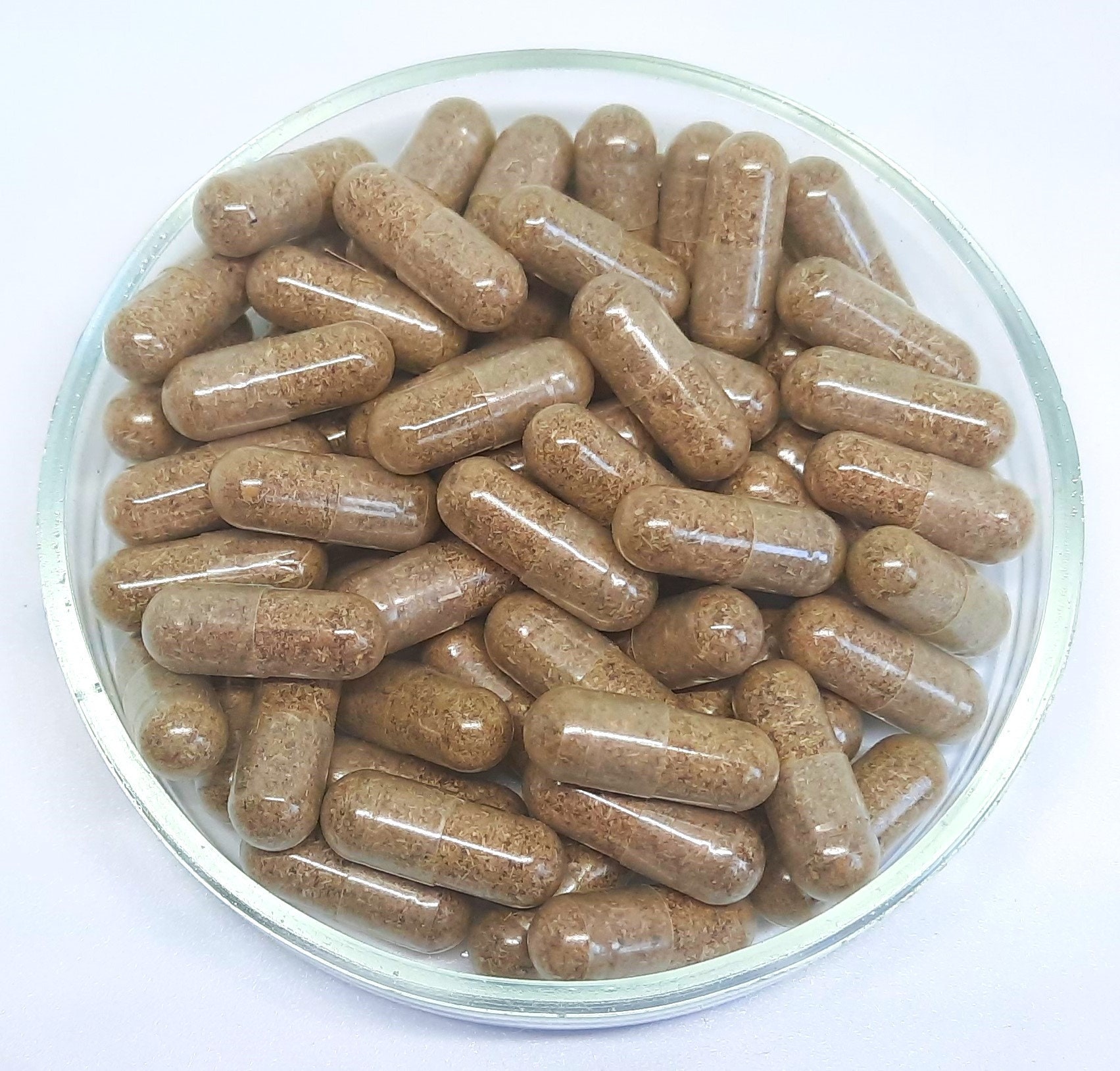
Coltsfoot Botanical Photo

In its natural habitat, Coltsfoot thrives in disturbed soils, waste ground, road verges, and along riverbanks. It is an opportunistic pioneer species, meaning it excels at colonizing bare soil and helping to stabilize eroding landscapes with its extensive, spreading rhizomatous root system. This robust physical nature translates directly into its hardy chemical composition, enabling the plant to synthesize a wide array of secondary metabolites designed to protect it from environmental stressors and pathogens.
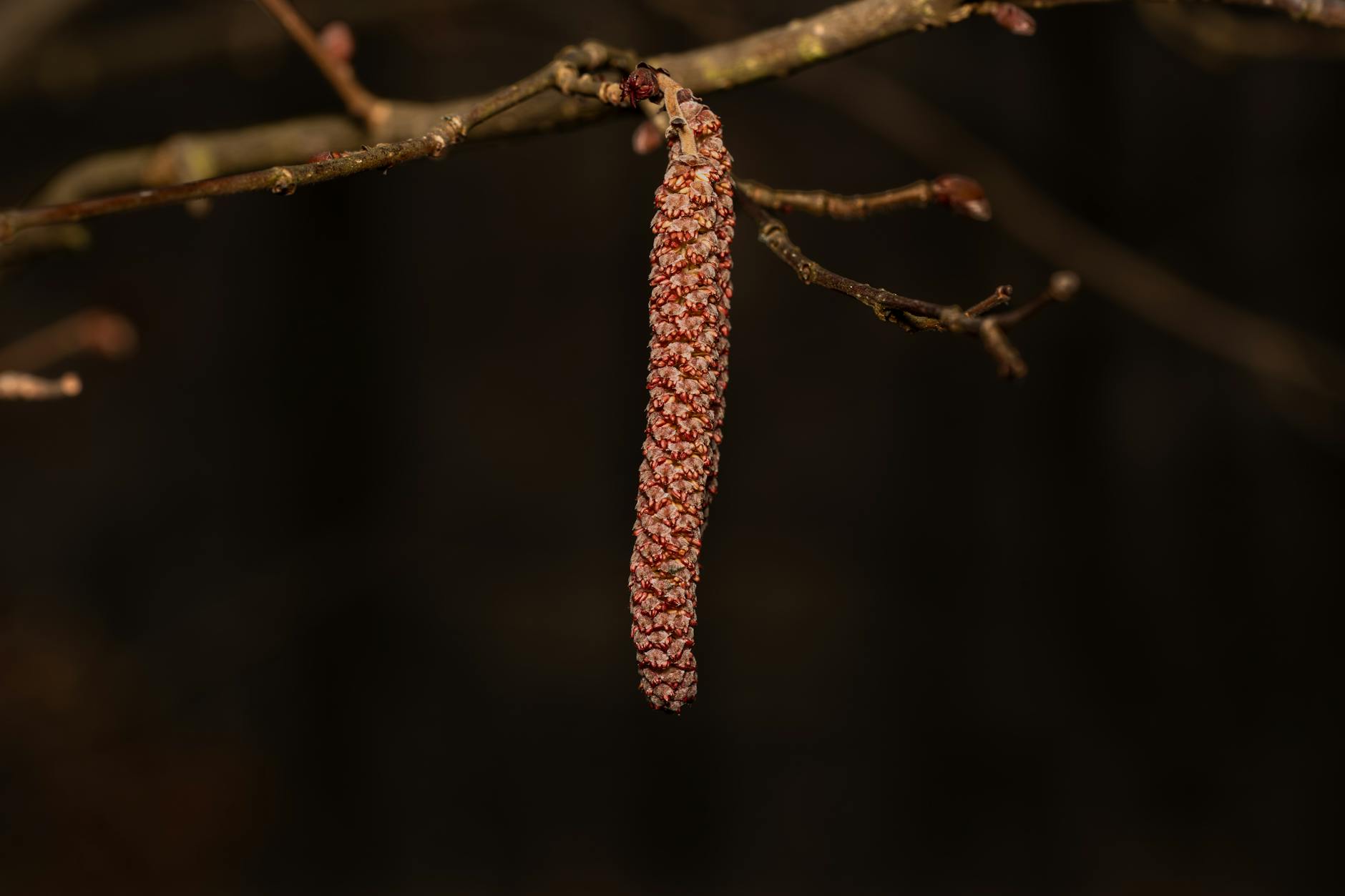
2. Phytochemical Composition: The Active Compounds

The therapeutic efficacy of Coltsfoot is not the result of a single compound, but rather a complex synergy of multiple bioactive constituents. Understanding these chemical pathways is essential for appreciating how the plant interacts with human physiology.

Mucilages and Polysaccharides

Coltsfoot leaves contain a high concentration of water-soluble polysaccharides, commonly referred to as mucilage (up to 10% of the plant’s dry weight). When these polysaccharides come into contact with water, they swell to form a viscous, gelatinous substance. This mucilage is highly resistant to digestion, allowing it to coat the mucosal linings of the mouth, pharynx, and gastrointestinal tract. By forming a physical, protective barrier, it soothes inflamed nerve endings, dampens the cough reflex, and shields tissues from mechanical and chemical irritants.

Flavonoids and Phenolic Acids

The plant is rich in antioxidant flavonoids, including rutin, hyperoside, isoquercitrin, and various derivatives of caffeic acid (such as chlorogenic acid). These compounds act as potent free-radical scavengers, reducing oxidative stress and systemic inflammation within pulmonary tissues. Phenolic acids also exhibit mild antimicrobial properties, supporting the immune system during active respiratory infections.

Sesquiterpenes (Tussilagone)

Perhaps the most pharmacologically significant compound isolated from the flower buds of Tussilago farfara is tussilagone, a sesquiterpene ester. Research indicates that tussilagone acts as a potent respiratory stimulant and anti-inflammatory agent. It has been shown to inhibit the production of inflammatory mediators, such as nitric oxide (NO) and prostaglandin E2 (PGE2), thereby reducing airway hyperresponsiveness and easing bronchospasms.

Coltsfoot Plant Profile

Pyrrolizidine Alkaloids (PAs)

A crucial aspect of Coltsfoot’s chemistry is the presence of pyrrolizidine alkaloids, specifically senecionine and senkirkine. These compounds are synthesized by the plant as a natural defense mechanism against herbivores. However, in humans, certain PAs are metabolized by the liver into highly reactive pyrroles that can cause hepatotoxicity and veno-occlusive disease (VOD). The presence of these alkaloids has led to strict modern regulatory guidelines and the development of specialized processing methods to eliminate or significantly reduce PA content in commercial preparations, which we will discuss in detail below.

3. Comprehensive Health Benefits and Therapeutic Actions

The historical reputation of Coltsfoot as a premier respiratory remedy is supported by contemporary pharmacology, which continues to investigate its specific mechanisms of action.

1. Demulcent and Antitussive Action

The high mucilage content of Coltsfoot makes it an exceptional demulcent—an agent that forms a soothing, protective film over irritated mucous membranes. In cases of dry, hacking, non-productive coughs, the mucosal lining of the throat is often raw and hypersensitive. Every breath of dry air can trigger an involuntary spasm. The mucilaginous compounds in Coltsfoot coat these irritated receptor sites, drastically reducing the physical tickle that induces coughing, while simultaneously providing deep, hydrating relief to the sensitive tissues of the larynx and trachea.

2. Expectorant and Mucolytic Properties

While Coltsfoot calms unproductive coughing, it also possesses secretolytic and expectorant actions that make it highly effective for wet, congested coughs. Active constituents, including saponins, stimulate the vagal receptors in the stomach lining. This reflexively triggers the bronchial glands to secrete a thinner, more watery fluid, effectively diluting stubborn, thick mucus trapped in the bronchial tubes. This thinning of the mucus makes it significantly easier for the ciliary escalator of the respiratory tract to sweep pathogens and waste material up and out of the lungs.

3. Bronchodilation and Spasmolytic Activity

For individuals suffering from respiratory conditions characterized by constriction—such as asthma, chronic bronchitis, or emphysema—breathing can become labored due to involuntary smooth muscle spasms in the airways. Pharmacological studies on tussilagone and other sesquiterpenes in Coltsfoot demonstrate their ability to act as natural calcium channel blockers and smooth muscle relaxants. By preventing the rapid influx of calcium ions into bronchial muscle cells, Coltsfoot helps prevent and relieve spasms, promoting easier, deeper respiration.

4. Topical Wound Healing and Anti-Inflammatory Use

Though primarily celebrated for internal respiratory support, Coltsfoot has a long history of topical application. The leaves contain astringent tannins alongside soothing mucilage, making a poultice or infusion of the leaf highly effective for localized skin irritations, minor burns, insect bites, and eczema. The tannins help to constrict blood vessels and reduce swelling, while the mucilage keeps the wound bed hydrated, facilitating faster cellular regeneration and preventing scarring.

4. Historical Context and Traditional Use

To fully appreciate Coltsfoot, one must look to its rich historical legacy across various cultures. In ancient Greece, the renowned physician Hippocrates recommended the herb as a hot steam inhalation for dry respiratory blockages. Dioscorides, the author of De Materia Medica, and Pliny the Elder both documented the practice of smoking the dried leaves of the plant through a reed or pipe to draw the soothing vapors directly into the lungs to relieve severe asthma and persistent coughs.

Coltsfoot Dried Herb

In traditional European herbalism, Coltsfoot was considered an indispensable remedy for the cold season. It was routinely combined with other respiratory herbs like Horehound, Marshmallow root, and Mullein to create nourishing syrups and decoctions. During the Industrial Revolution, when coal smoke and factory dust led to widespread chronic lung disease among workers, Coltsfoot teas and smoking mixtures were widely distributed as accessible relief for occupational lung congestion.

In Traditional Chinese Medicine, the unopened flower buds of Coltsfoot are known as Kuan Dong Hua. Classified as a warm herb that enters the Lung meridian, it is traditionally prepared by stir-frying the buds with honey (a preparation method known as Mi Zhi). This processing enhances the herb’s natural moistening properties, making it highly valued for resolving phlegm, directing descending Lung Qi, and treating chronic, deficient coughs accompanied by blood-streaked sputum.

5. Modern Formulations and the Pyrrolizidine Alkaloid (PA) Safety Debate

In modern phytotherapy, Coltsfoot is approached with a blend of respect for its historic efficacy and strict adherence to toxicological safety. The primary safety concern revolves around hepatotoxic pyrrolizidine alkaloids (PAs). When consumed in large quantities or over extended periods, these compounds can undergo metabolic activation in the liver, leading to damage to the sinusoidal endothelial cells and potentially resulting in hepatic veno-occlusive disease (VOD).

To address this, modern herbal medicine has evolved. Today, reputable manufacturers utilize specialized extraction processes to produce **PA-free Coltsfoot extracts**. These products undergo rigorous testing via high-performance liquid chromatography (HPLC) to ensure that the toxic alkaloids are completely absent or fall well below international safety thresholds (typically less than 1 microgram of PAs per day).

Coltsfoot Capsules

Additionally, agricultural scientists have successfully cultivated specific varieties of Coltsfoot, such as the registered cultivar ‘Wien’, which have been selectively bred to be naturally free of or extremely low in pyrrolizidine alkaloids. When purchasing Coltsfoot supplements, capsules, or loose dried herbs, consumers should look for certifications verifying that the product is PA-free to ensure a safe therapeutic experience.

6. Practical Usage, Preparations, and Dosage

When using safe, high-quality, PA-free Coltsfoot, several traditional and modern preparation methods can be utilized depending on the specific health objective:

  • Standard Herbal Infusion (Tea): For mild respiratory congestion and throat irritation, a tea can be prepared by pouring 1 cup (240 ml) of boiling water over 1 to 2 teaspoons of dried PA-free Coltsfoot leaves. Cover and steep for 10 to 15 minutes to allow the mucilage to fully extract. Strain and drink up to three times daily. Adding a spoonful of raw honey can synergistically enhance the demulcent effect.
  • Standardized Capsules and Tablets: For convenience and precise dosing, standardized capsules containing PA-free dry extracts are widely preferred. A typical therapeutic dosage ranges from 300 mg to 500 mg, taken one to two times daily, or as directed by a healthcare professional. Always follow the manufacturer’s instructions printed on the product label.
  • Liquid Tinctures and Glycerites: Alcohol-based tinctures (typically a 1:5 ratio in 40% ethanol) or alcohol-free glycerites are excellent for rapid absorption. A standard dosage is 2 to 4 ml, taken in a small amount of water up to three times per day.
  • Herbal Steam Inhalation: To clear congested nasal passages and bronchial tubes, place a handful of dried leaves in a large bowl of boiling water. Drape a towel over your head to form a tent, lean over the bowl, and inhale the steam deeply through your nose and mouth for 5 to 10 minutes. This method delivers the volatile oils and humidifying moisture directly to the respiratory mucosa without passing through the digestive tract or liver.

Coltsfoot Natural Herb

7. Contraindications and Critical Safety Guidelines

While Coltsfoot is a powerful ally for respiratory wellness, safety guidelines must be strictly observed to prevent adverse reactions:

  • Pregnancy and Lactation: Coltsfoot must absolutely be avoided during pregnancy and breastfeeding. Even in PA-free forms, the historical risk of uterine stimulation and potential fetal exposure to trace compounds makes it unsafe.
  • Pediatric Use: Due to their developing liver enzymes, children should not be given standard Coltsfoot preparations unless under the direct supervision of a qualified pediatric herbalist using highly verified PA-free formulations.
  • Duration of Use: If using raw, non-certified loose herbs, traditional guidelines advise limiting use to a maximum of 4 to 6 weeks per calendar year to avoid any potential cumulative alkaloid exposure.
  • Pre-existing Liver Disease: Individuals with a history of hepatitis, cirrhosis, fatty liver disease, or those taking hepatotoxic prescription medications should avoid Coltsfoot entirely.

8. Conclusion: Harmonizing Ancient Wisdom with Modern Science

Coltsfoot stands as a testament to the depth of traditional botanical medicine. Its dual action as a soothing demulcent and an active expectorant makes it uniquely suited for treating the complex, multifaceted nature of respiratory infections. By combining the historical insights of Greek, Roman, and Chinese scholars with modern pharmaceutical purification techniques, today’s health-conscious consumers can safely harness the remarkable healing benefits of this ancient “cough dispeller.” When sourced responsibly and used with proper safety protocols, Coltsfoot remains a premier botanical for restorative lung health.

Disclaimer: For informational purposes only. Not medical advice. Consult a qualified healthcare professional before use.