The Ultimate Guide to St. John’s Wort: Health Benefits and Uses

The Definitive Guide to St. John’s Wort: History, Science, and Clinical Benefits

St. John’s Wort (Hypericum perforatum) stands as one of the most thoroughly researched and widely utilized botanical therapies in the world. For centuries, this perennial, yellow-flowering herb has been integrated into traditional European, Asian, and North American healing systems. In the modern era, it has transitioned from a folkloric remedy into a major focus of psychopharmacological research, particularly for its clinically validated efficacy in managing mild-to-moderate depressive disorders. This comprehensive guide explores the botanical properties, historical foundations, intricate chemical profiles, physiological mechanisms, clinical benefits, and critical safety parameters of this powerful medicinal plant.

Historical Context and Traditional Applications

The therapeutic legacy of St. John’s Wort stretches back to antiquity. The genus name, Hypericum, is derived from the Greek words “hyper” (above) and “eikon” (picture or icon), referencing the ancient practice of hanging the plant above religious icons and doorways to ward off evil spirits, demons, and negative influences. The species name, perforatum, points directly to the physical appearance of the plant’s leaves, which appear to have tiny, translucent perforations when held up to the light. These “perforations” are actually microscopic, translucent glandular pockets containing the herb’s highly concentrated essential oils and bioactive compounds.

Historically, prominent physicians of ancient Greece and Rome—including Hippocrates, Galen, and Dioscorides—praised Hypericum perforatum as a premier wound-healing agent, diuretic, and treatment for “melancholia.” During the Middle Ages, the plant acquired its common English name, St. John’s Wort, because it typically blooms around late June, coinciding with the Feast of St. John the Baptist (June 24th). “Wort” is an Old English word meaning plant or herb. Traditional European herbalists harvested the yellow flowers at midsummer, soaking them in olive oil or lard to create a deep red infused oil. This topical preparation was widely used to treat burns, superficial wounds, neuralgic pain, bruises, and muscular strains.

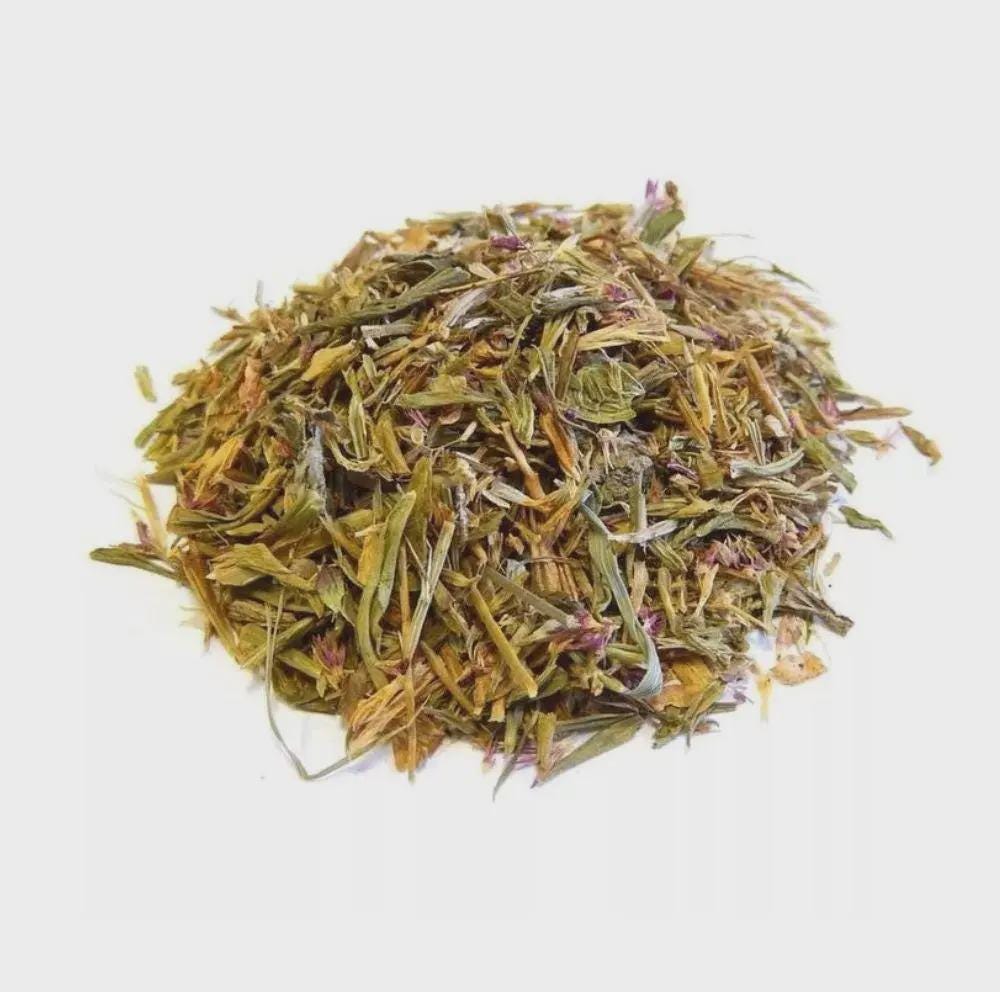
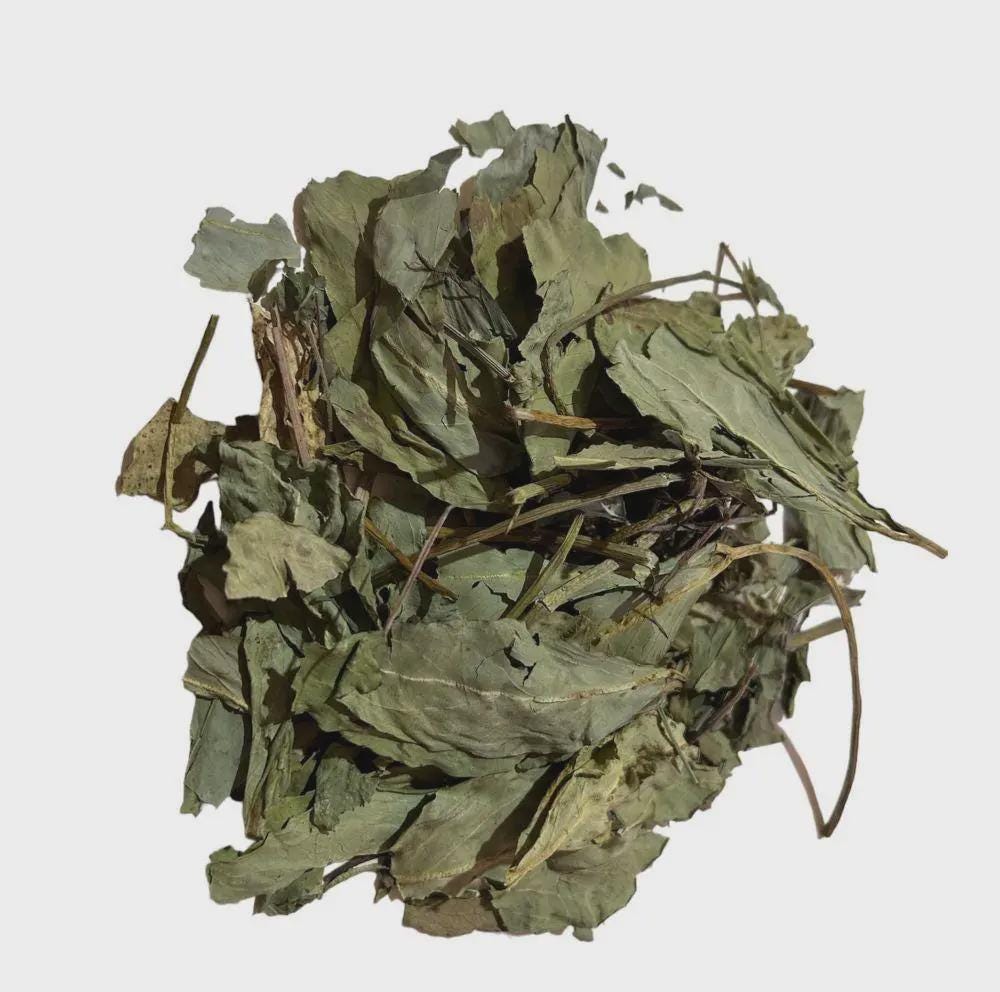
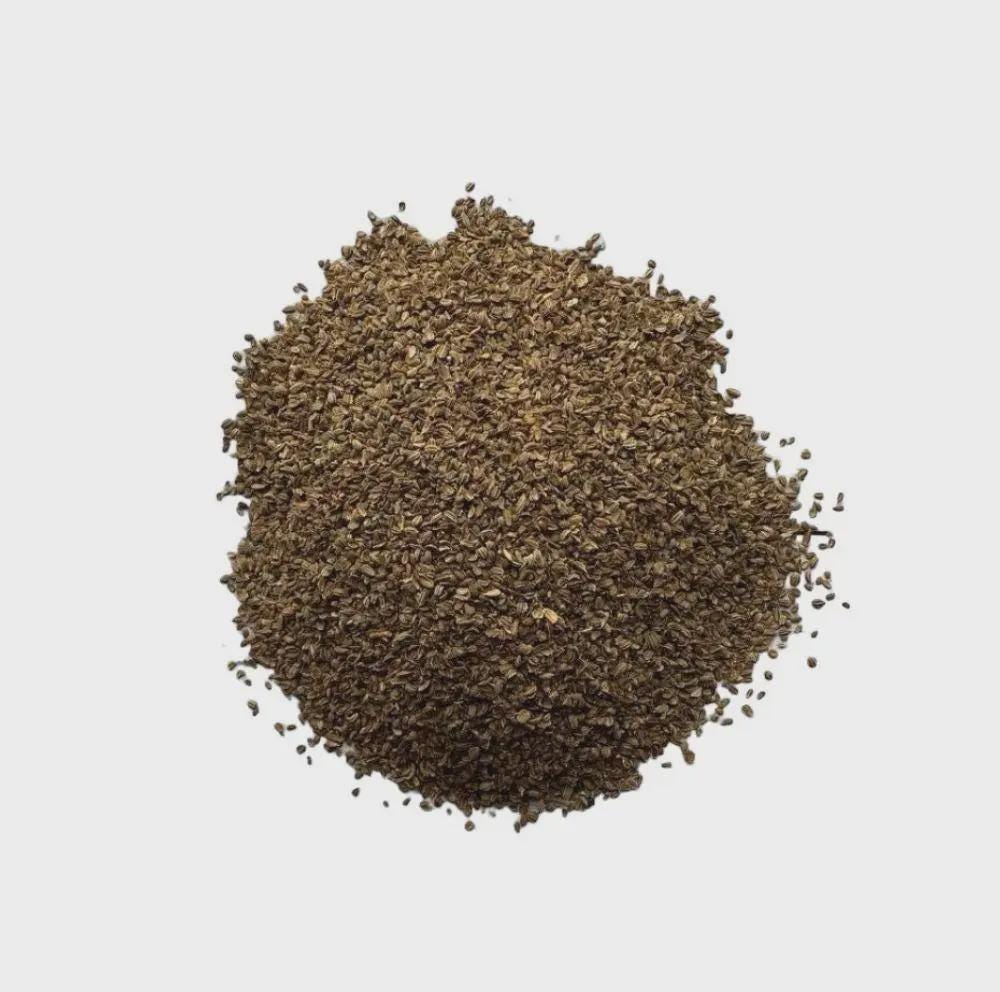
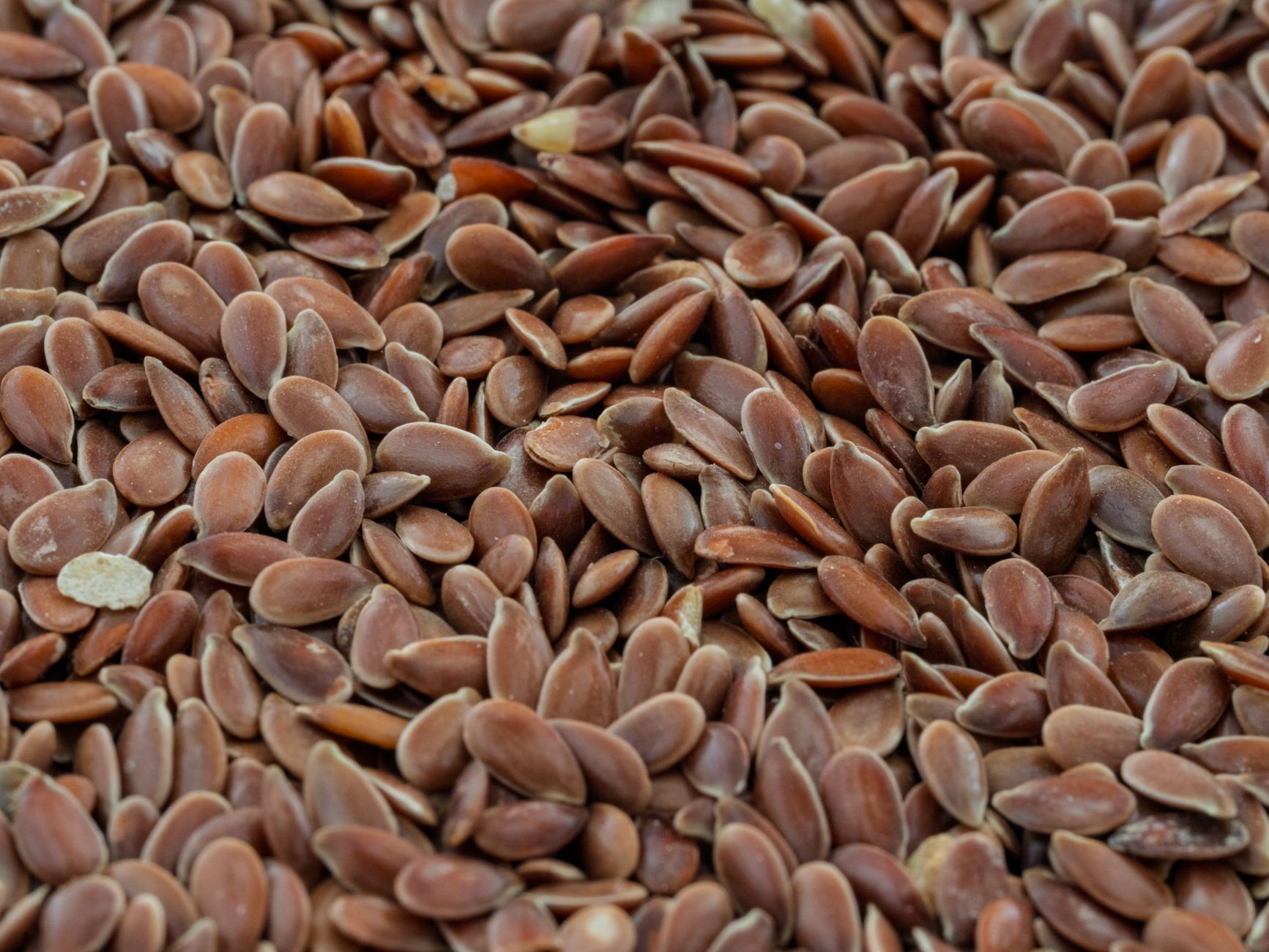
St. John's Wort Dried Herb

In traditional folk medicine, St. John’s Wort was also administered internally as a tea or tincture to treat broad-spectrum gastrointestinal distress, urinary tract issues, and chronic respiratory ailments. However, its most profound traditional application was as a nervine—a restorative tonic for a depleted, over-stressed nervous system. It was frequently recommended for individuals experiencing nervous exhaustion, chronic anxiety, sleep disturbances, and deep emotional distress, laying the foundation for modern research into its antidepressant properties.

Botanical Characteristics and Identification

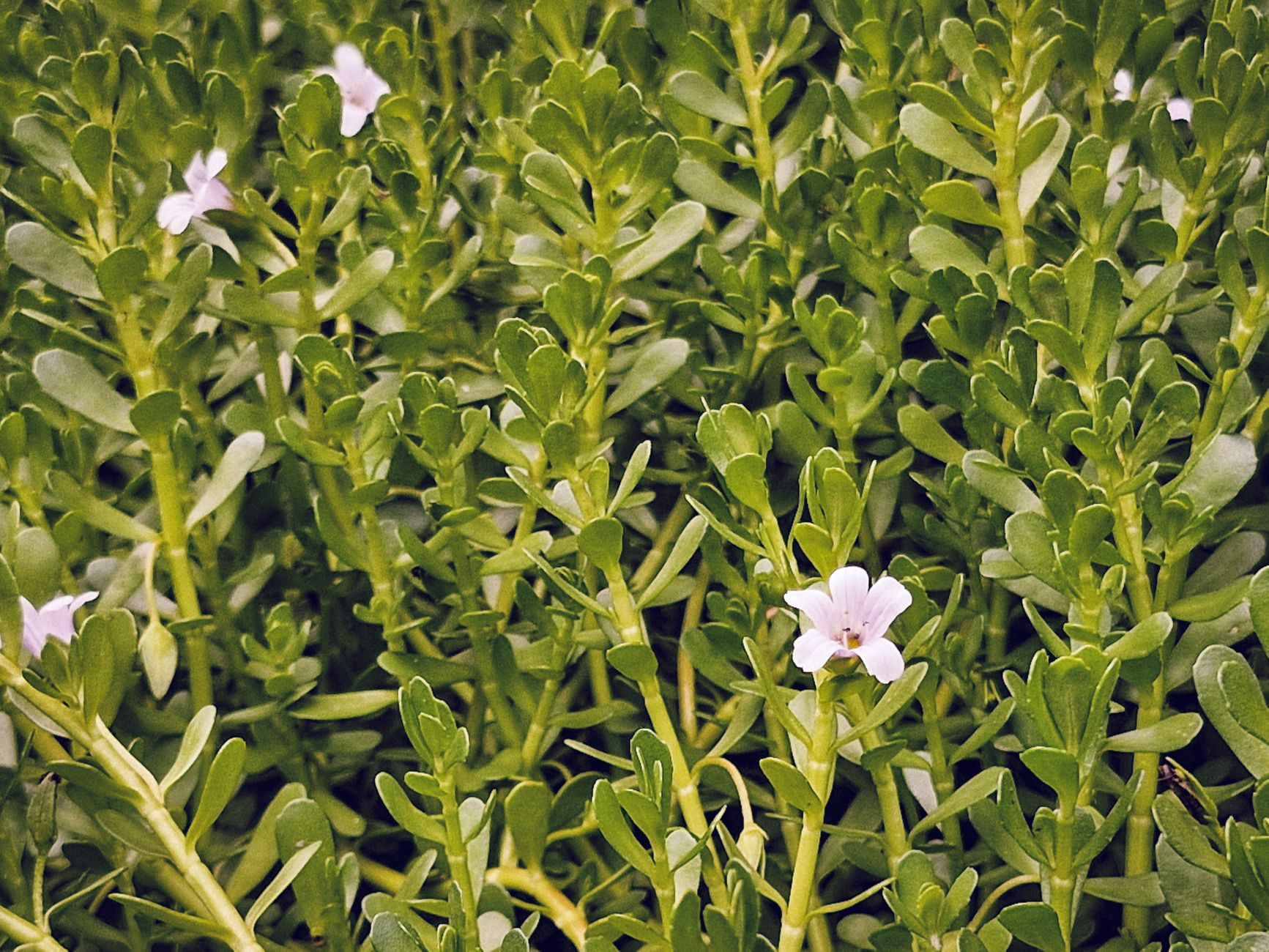
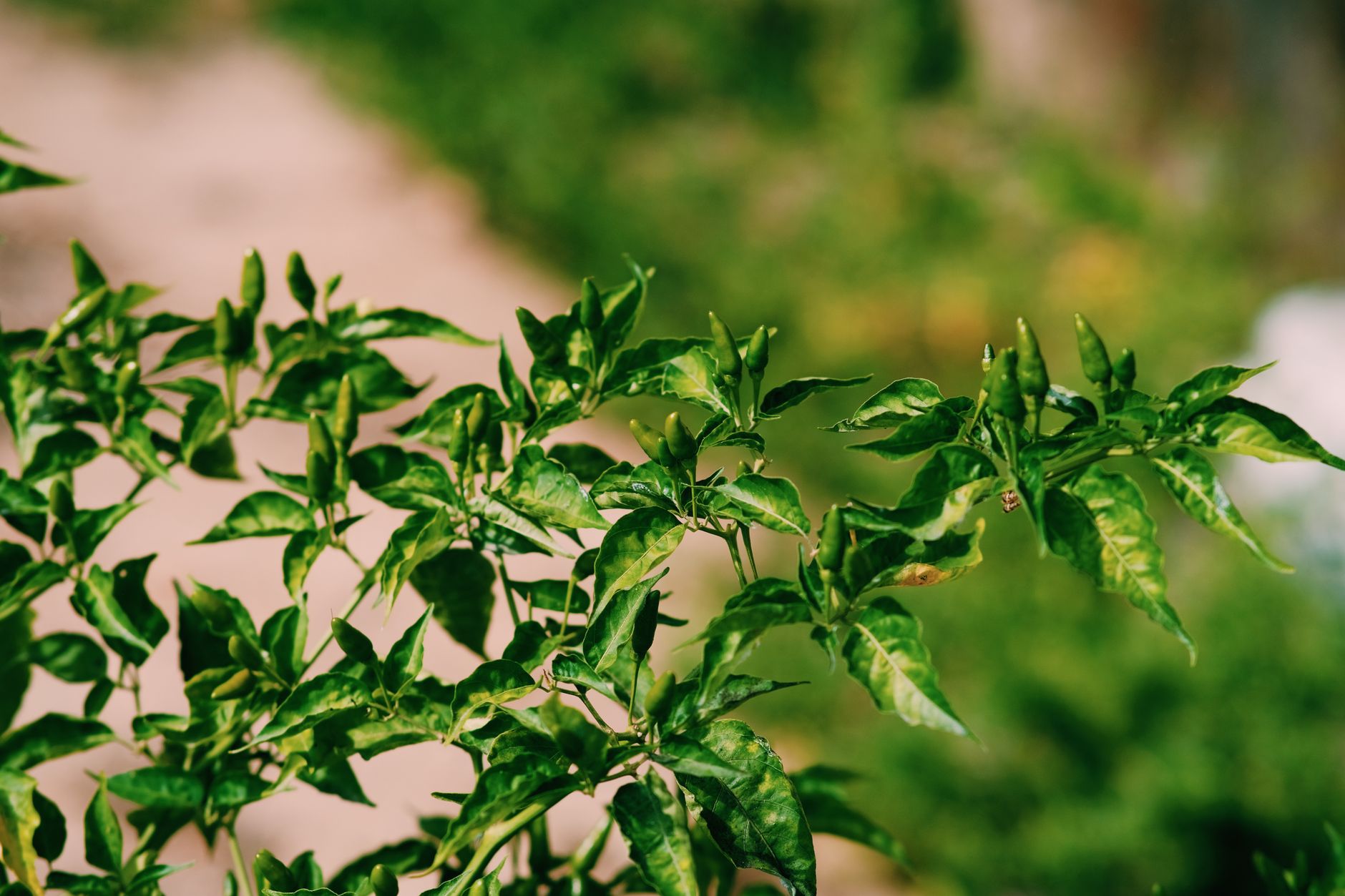
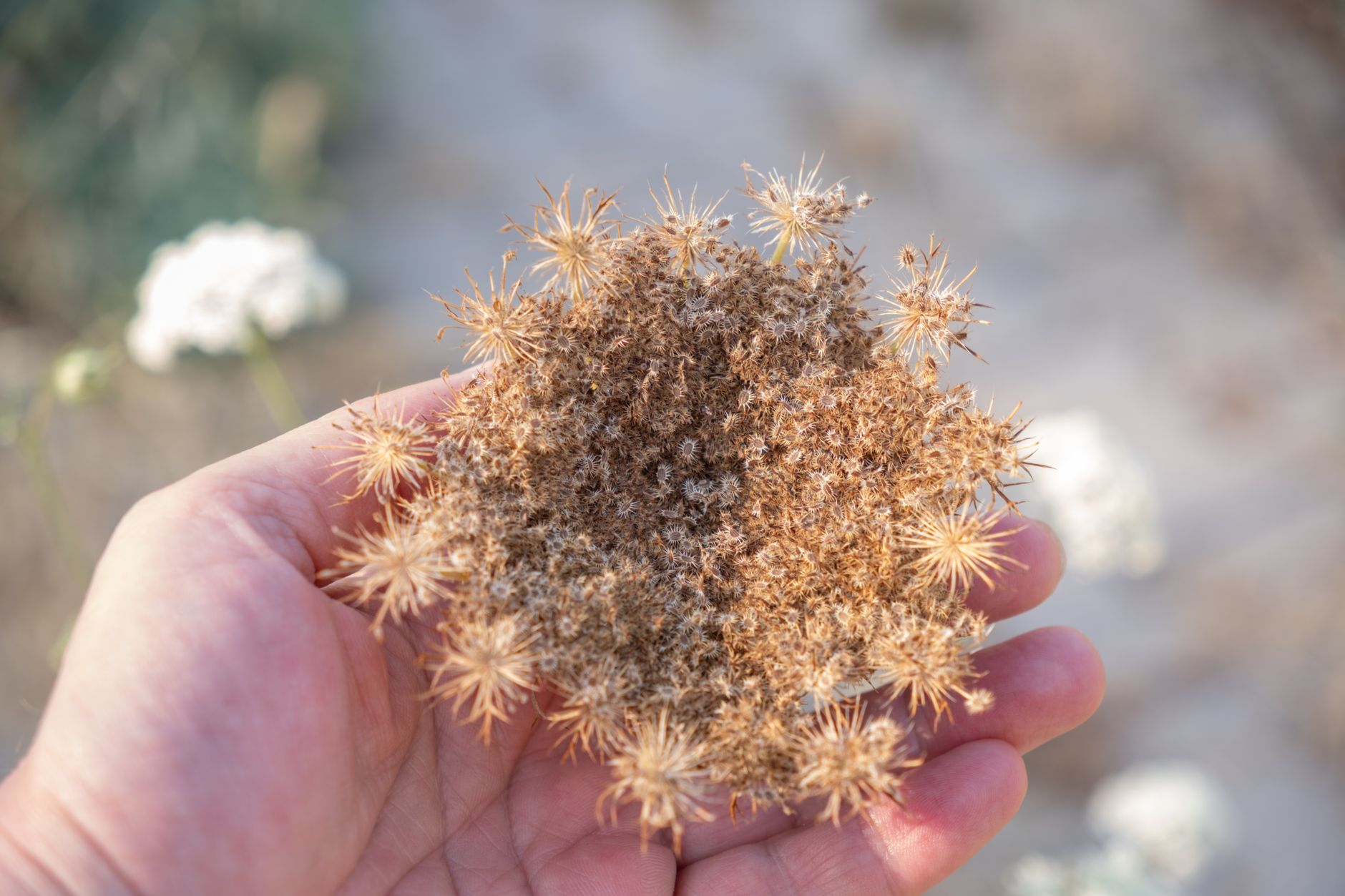
Hypericum perforatum is a herbaceous, upright perennial plant native to Europe, western Asia, and North Africa, though it has naturalized throughout North and South America, Australia, and South Africa. It thrives in sunny, well-drained pastures, roadsides, and meadows. The plant typically grows to a height of one to three feet, featuring a woody, branched root system and a pair of opposite, oblong, stalkless leaves. The stems are distinctive, showing two prominent raised ridges running along their length.

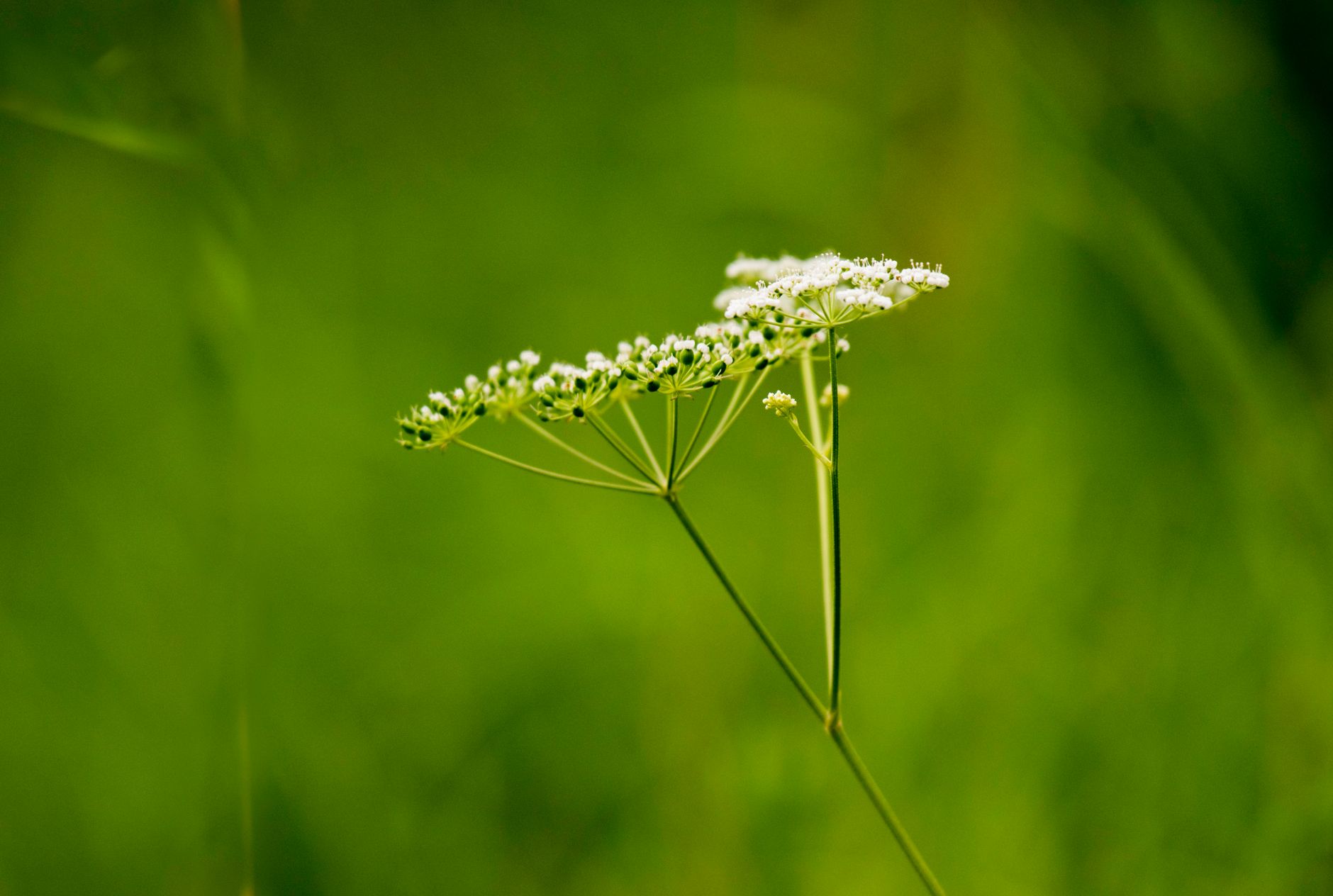
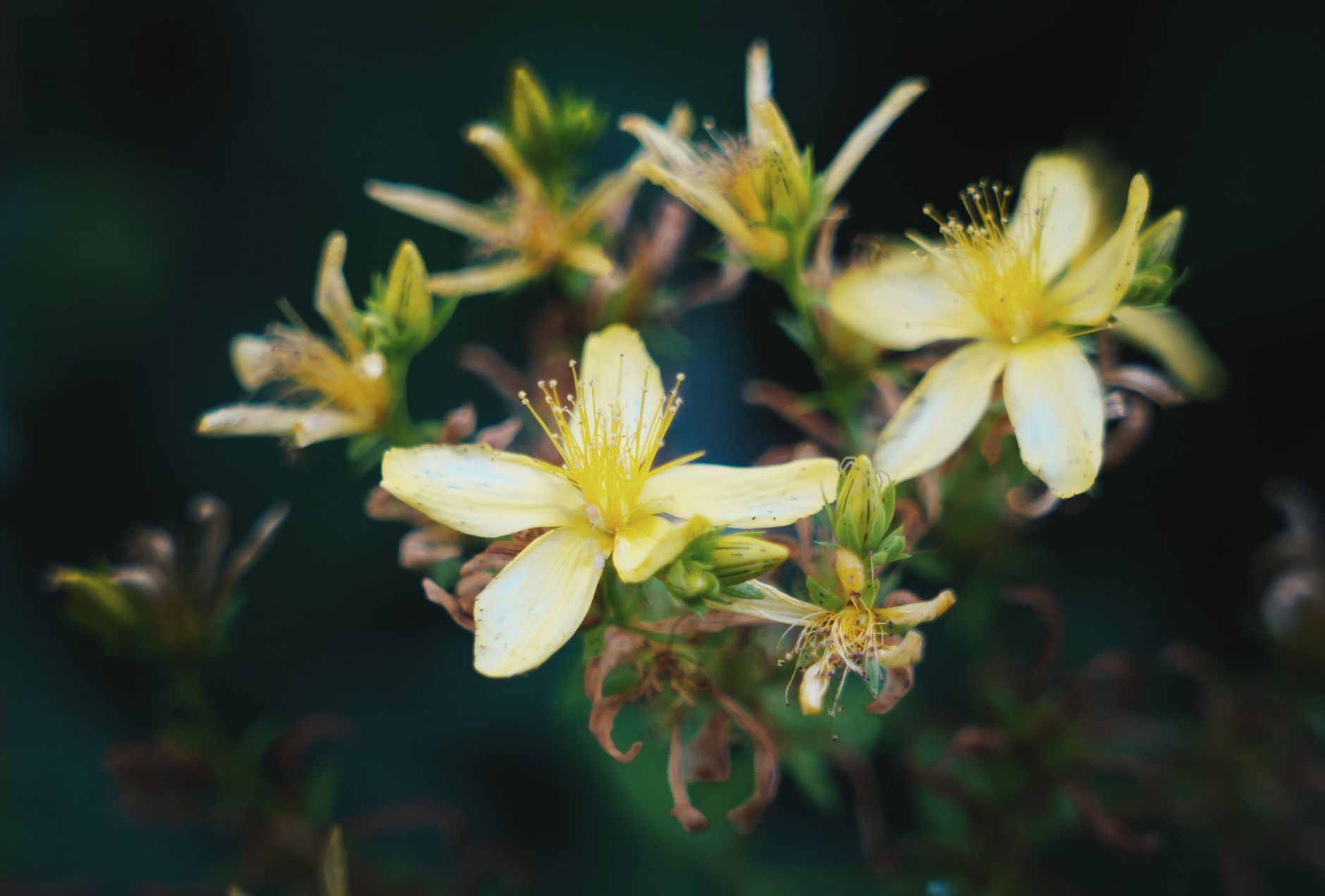
St. John's Wort Botanical Photo

The flowers of St. John’s Wort are bright yellow, five-petaled, and measure about one inch across. They feature numerous conspicuous, long stamens that project outward, giving the blossoms a fuzzy, starburst-like appearance. A key diagnostic feature of Hypericum perforatum is the presence of tiny black dots along the margins of the yellow petals. When these petals are crushed between the fingers, they release a deep, dark-red juice that stains the skin. This red fluid is rich in hypericin, one of the primary therapeutic markers of the plant. Understanding these precise morphological features is essential for wild harvesting and distinguishing the medicinal species from non-medicinal look-alikes.

The Phytochemical Blueprint: Bioactive Compounds

The therapeutic activity of St. John’s Wort cannot be attributed to a single “active ingredient.” Instead, its clinical efficacy is the result of a complex, synergistic matrix of secondary plant metabolites. The pharmacological profile of the plant is primarily driven by three distinct chemical classes: naphthodiandrones, phloroglucinols, and flavonoids.

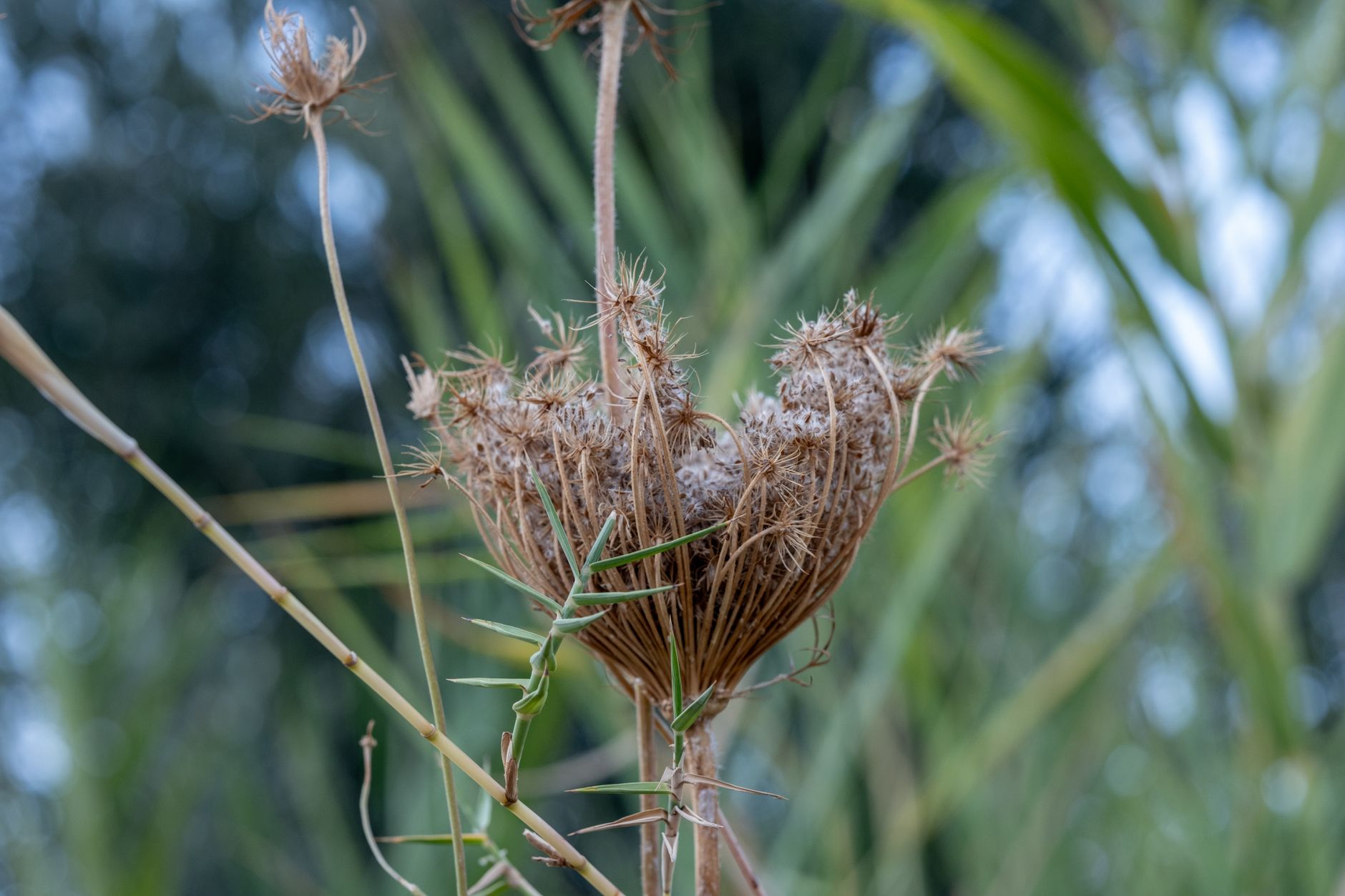
St. John's Wort Plant Profile

The most famous of these compounds are the naphthodiandrones, primarily hypericin and pseudohypericin. These are dark-red pigments located in the black glands of the flowers and leaves. For decades, hypericin was believed to be the sole antidepressant compound in the plant, and to this day, most commercial extracts are standardized to contain a specific concentration of it (typically 0.3%). Hypericin is a potent photosensitizer, meaning it can absorb light and generate reactive oxygen species. This property is utilized in photodynamic therapies and contributes to both its antiviral potential and its side effect profile regarding UV sensitivity.

The second major class consists of acylphloroglucinol derivatives, dominant among which is hyperforin, along with its analog, adhyperforin. Discovered to be highly unstable when exposed to heat, light, and oxygen, hyperforin is a powerful lipophilic molecule concentrated primarily in the unripe seed pods and pistils of the plant. Modern clinical pharmacology has revealed that hyperforin is one of the primary drivers of the herb’s central nervous system effects, acting as a broad-spectrum neurotransmitter reuptake inhibitor. Additionally, hyperforin exhibits strong antibacterial properties, particularly against Gram-positive bacteria like Staphylococcus aureus.

The third vital class comprises a diverse array of flavonoids, including quercetin, isoquercitrin, rutin, hyperoside, and biapigenin. These compounds are highly regarded for their potent antioxidant and anti-inflammatory activities. Flavonoids contribute to the overall efficacy of the plant by improving the bioavailability of other active compounds, protecting neural cells from oxidative stress, and exerting mild monoamine oxidase (MAO) inhibiting activity in vitro. The synergy between these various chemical constituents explains why whole-plant or broad-spectrum extracts often outperform isolated compounds in clinical environments.

Mechanisms of Action in the Central Nervous System

Modern psychopharmacology has extensively studied how St. John’s Wort interacts with the human brain. Unlike conventional pharmaceutical antidepressants, which typically target a single neurotransmitter pathway (such as Selective Serotonin Reuptake Inhibitors, or SSRIs), St. John’s Wort exerts a multi-faceted, balanced regulatory effect on several key neurotransmitter systems simultaneously.

The primary mechanism, largely driven by hyperforin, is the non-selective inhibition of the reuptake of key monoamine neurotransmitters: serotonin (5-HT), dopamine (DA), norepinephrine (NE), gamma-aminobutyric acid (GABA), and L-glutamate. In a healthy brain, these neurotransmitters are released into the synaptic cleft to transmit signals between neurons, and are subsequently reabsorbed by the releasing neuron to terminate the signal. By inhibiting this reuptake process, St. John’s Wort allows these crucial neurotransmitters to remain in the synaptic cleft longer, thereby increasing their concentration, activity, and availability. This comprehensive reuptake inhibition is unique; pharmaceutical SSRIs primarily affect serotonin, while SNRIs target serotonin and norepinephrine.

Furthermore, research indicates that hyperforin achieves this broad reuptake inhibition by altering intracellular sodium concentrations. Rather than binding directly to specific transporter proteins as pharmaceutical drugs do, hyperforin facilitates an influx of sodium ions into the presynaptic neuron. This subtle shift in the electrical potential of the cell membrane downregulates the sodium-dependent transporters responsible for clearing neurotransmitters from the synaptic space. This elegant, indirect mechanism of action reduces the likelihood of receptor desensitization and contributes to a more balanced physiological response.

Beyond reuptake inhibition, long-term administration of St. John’s Wort has been shown to cause a gradual downregulation of beta-adrenergic receptors and an upregulation of 5-HT2 serotonin receptors in the frontal cortex. It also plays a role in modulating the Hypothalamic-Pituitary-Adrenal (HPA) axis, which regulates the body’s response to chronic stress. Elevated cortisol levels, a hallmark of chronic stress and depressive disorders, can damage sensitive brain structures like the hippocampus. St. John’s Wort helps downregulate the hyperactive HPA axis, reducing cortisol secretion and protecting neural tissues from stress-induced degradation.

Key Health Benefits of St. John’s Wort

1. Management of Mild-to-Moderate Depression

The most extensively documented and validated benefit of St. John’s Wort is its ability to alleviate symptoms of mild-to-moderate depression. Numerous large-scale clinical trials, systematic reviews, and meta-analyses—most notably those conducted by the prestigious Cochrane Collaboration—have analyzed the efficacy of standardized St. John’s Wort extracts. The consensus among these scientific reviews is clear: high-quality extracts of Hypericum perforatum are significantly more effective than placebos, and are therapeutically equivalent to standard prescription antidepressants (such as tricyclic antidepressants and SSRIs) for mild-to-moderate depression.

Crucially, clinical trials have repeatedly demonstrated that patients taking St. John’s Wort report significantly fewer and milder side effects compared to those taking synthetic pharmaceutical options. Common side effects of prescription SSRIs, such as severe sexual dysfunction, rapid weight gain, gastrointestinal upset, and emotional blunting, are remarkably rare in patients using St. John’s Wort. This favorable tolerability profile makes it an attractive alternative for individuals seeking effective mood support without the debilitating side effects of traditional medications.

2. Relief from Anxiety and Somatoform Disorders

Anxiety and depression frequently coexist, forming a complex clinical picture. St. John’s Wort’s broad-spectrum impact on neurotransmitters like GABA—the primary inhibitory neurotransmitter responsible for calming neural activity—makes it highly effective for managing generalized anxiety and stress-related disorders. By supporting GABAergic pathway activity, the herb helps quiet an overactive nervous system, reducing symptoms of physical tension, irritability, and racing thoughts. Additionally, clinical research indicates that St. John’s Wort is beneficial in treating somatoform disorders, wherein psychological distress manifests as chronic physical symptoms, such as unexplained pain, chronic fatigue, or digestive issues.

3. Alleviation of Premenstrual Syndrome (PMS) and Menopausal Symptoms

Fluctuating hormone levels during the menstrual cycle and the menopausal transition can profoundly affect neurotransmitter levels, leading to severe mood swings, anxiety, depression, sleep disturbances, and physical discomfort. St. John’s Wort has shown significant promise in clinical studies for reducing both the psychological and physical symptoms of Premenstrual Syndrome (PMS) and Premenstrual Dysphoric Disorder (PMDD). Furthermore, when combined with other hormone-modulating herbs like Black Cohosh (Actaea racemosa), St. John’s Wort has been shown to dramatically reduce the frequency and severity of hot flashes, night sweats, and emotional instability in menopausal and perimenopausal women.

4. Wound Healing and Topical Skin Care

While its internal psychotropic effects receive the most attention today, the topical benefits of St. John’s Wort remain highly valued in traditional dermatological care. Infused oils of the herb, often called “Red Oil,” are rich in hyperforin, hypericin, and a variety of skin-supportive flavonoids. Hyperforin possesses powerful antibacterial properties, making it highly effective against wound-contaminating pathogens. Simultaneously, the herb’s anti-inflammatory and tissue-regenerative compounds stimulate collagen synthesis and promote rapid epithelialization. This makes topical preparations of St. John’s Wort exceptionally useful for treating minor burns, sunburns, surgical scars, insect bites, neuralgic pain (such as sciatica and shingles), and localized inflammatory skin conditions like eczema and psoriasis.

Modern Delivery Systems: Capsules, Tinctures, and Standardized Extracts

To achieve therapeutic results, utilizing the correct delivery system is essential. St. John’s Wort is commercially available in a variety of forms, including standardized dry extracts in capsules, liquid tinctures, teas, and oil-based topical infusions. Each delivery method offers distinct advantages depending on the user’s specific health goals.
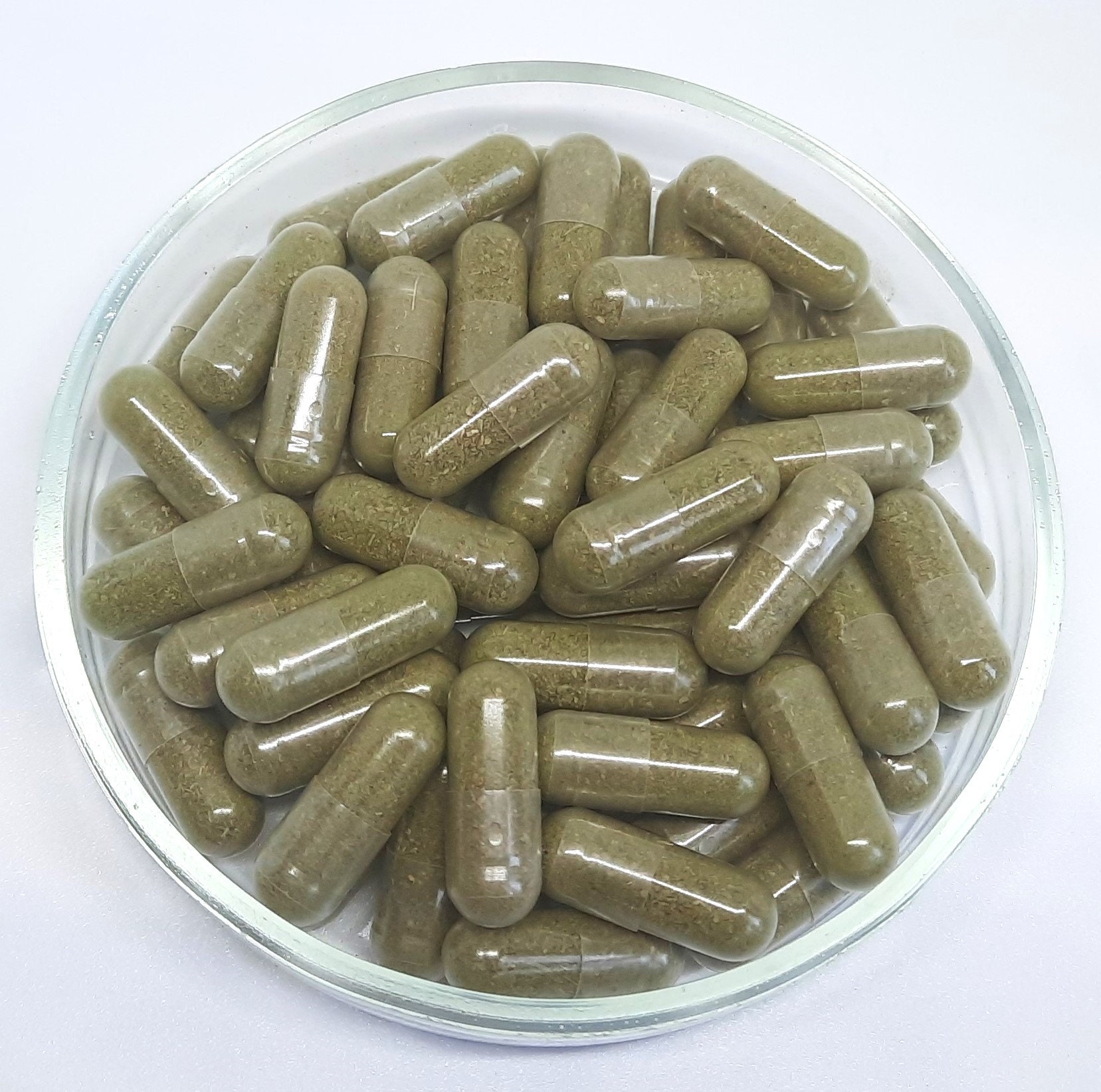
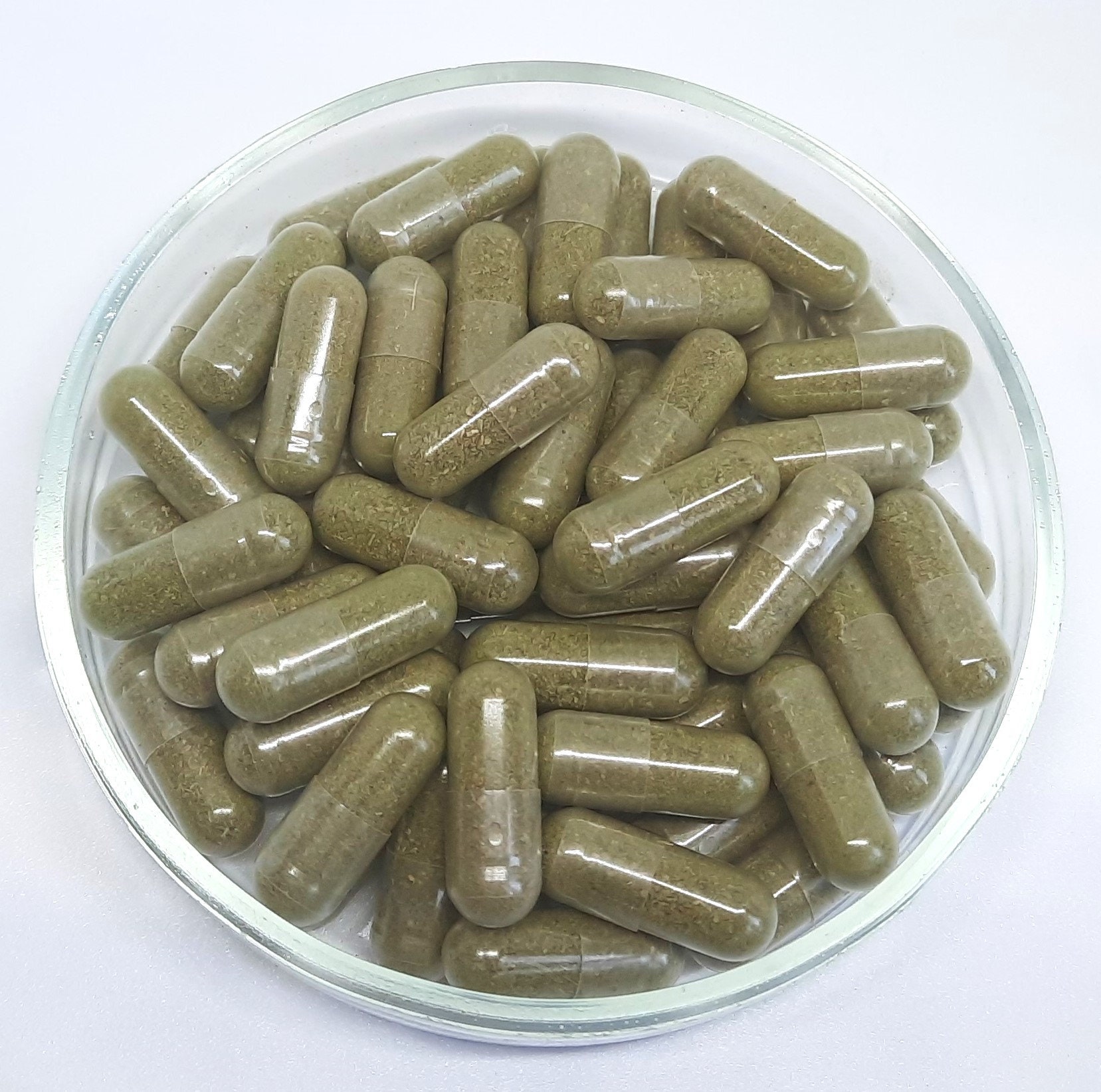
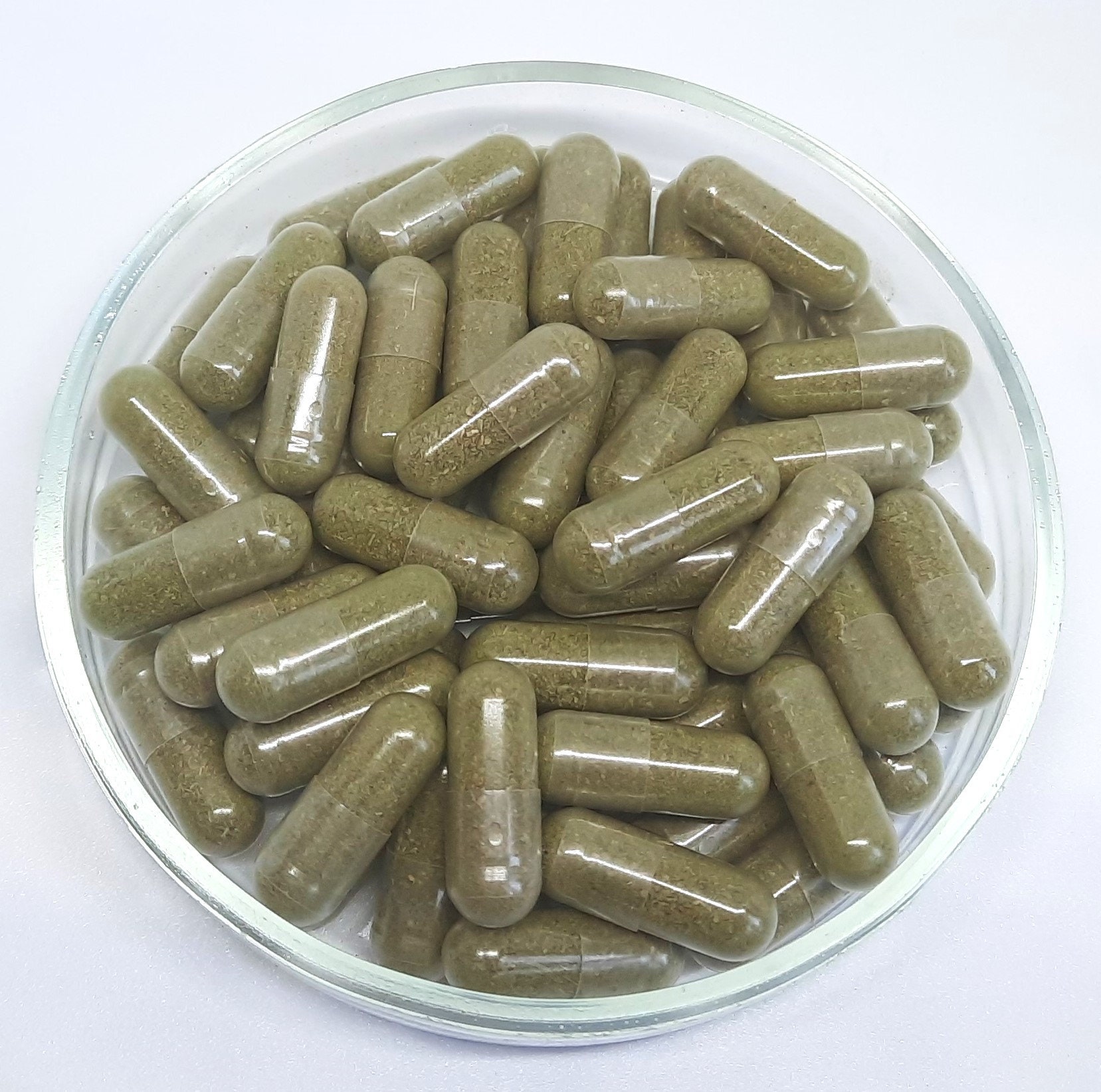
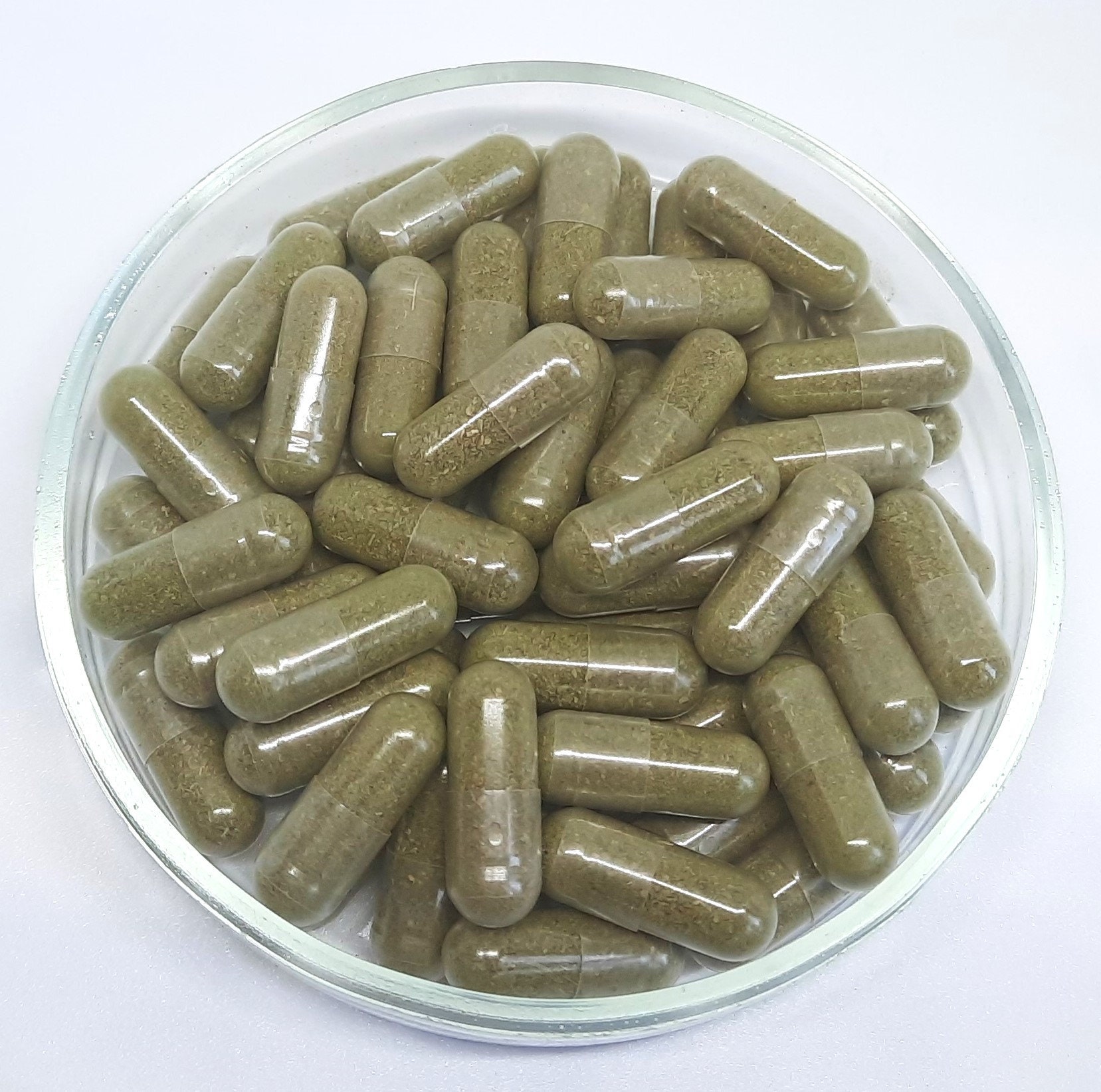
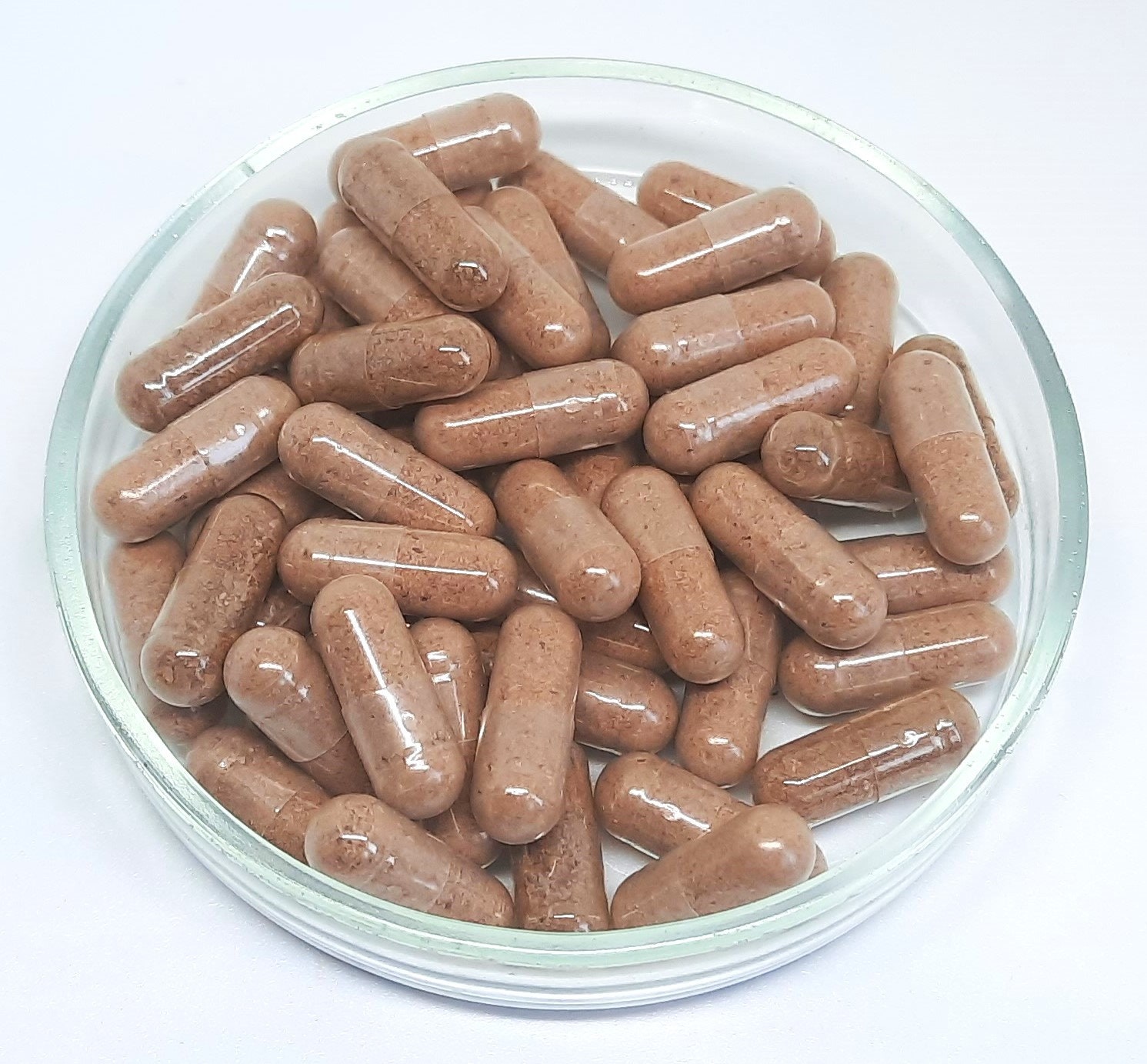
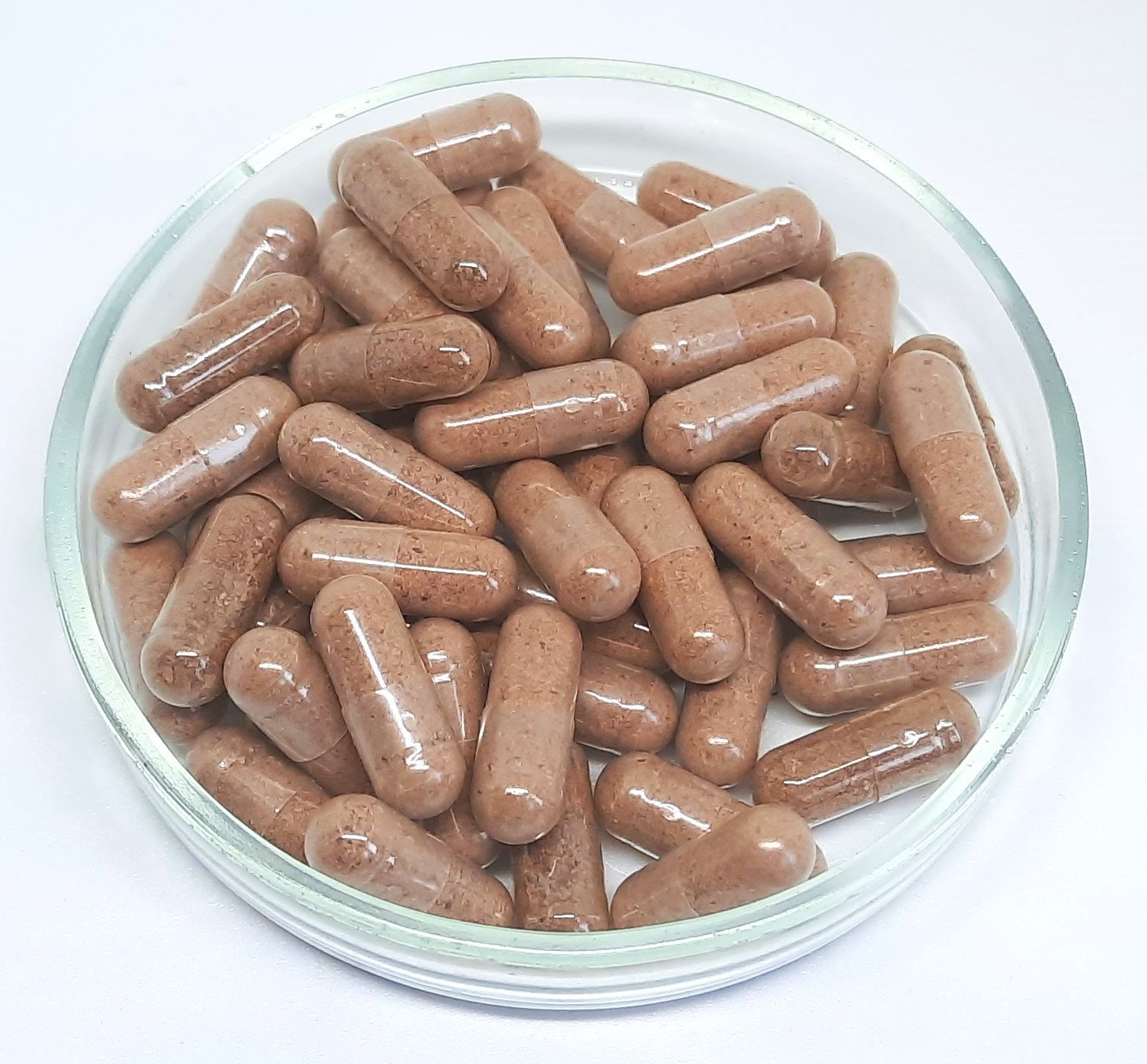
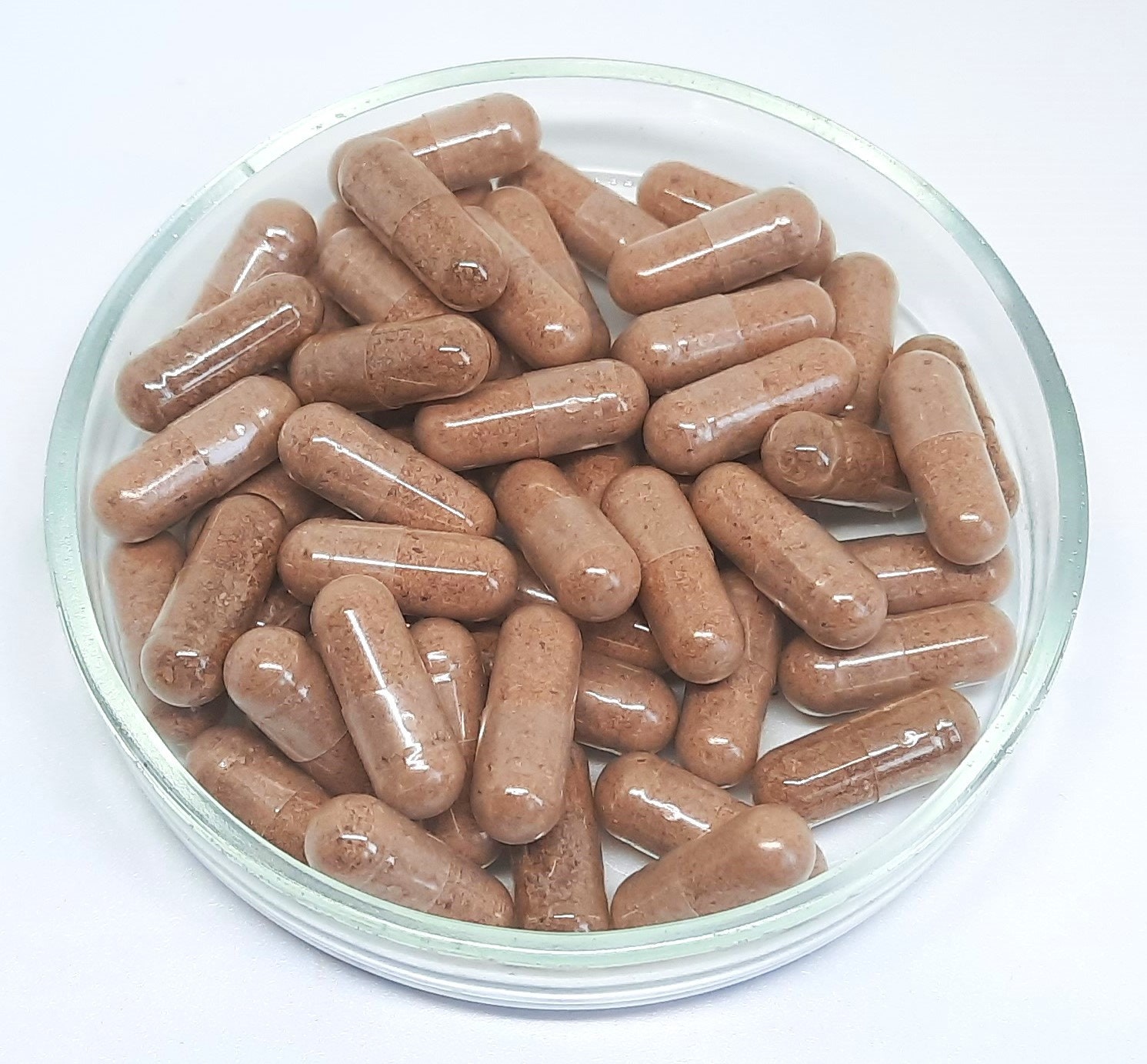
St. John's Wort Capsules

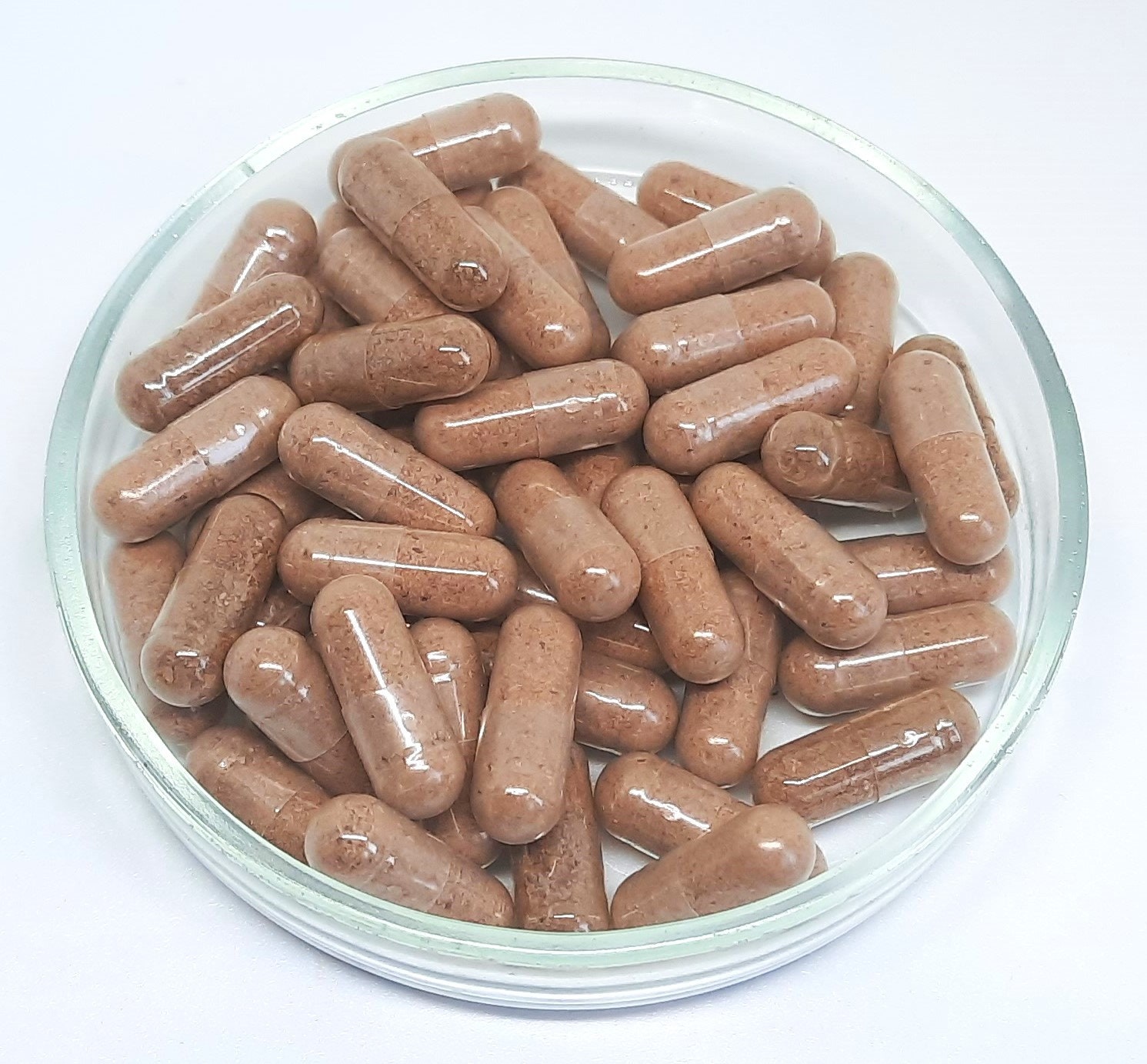
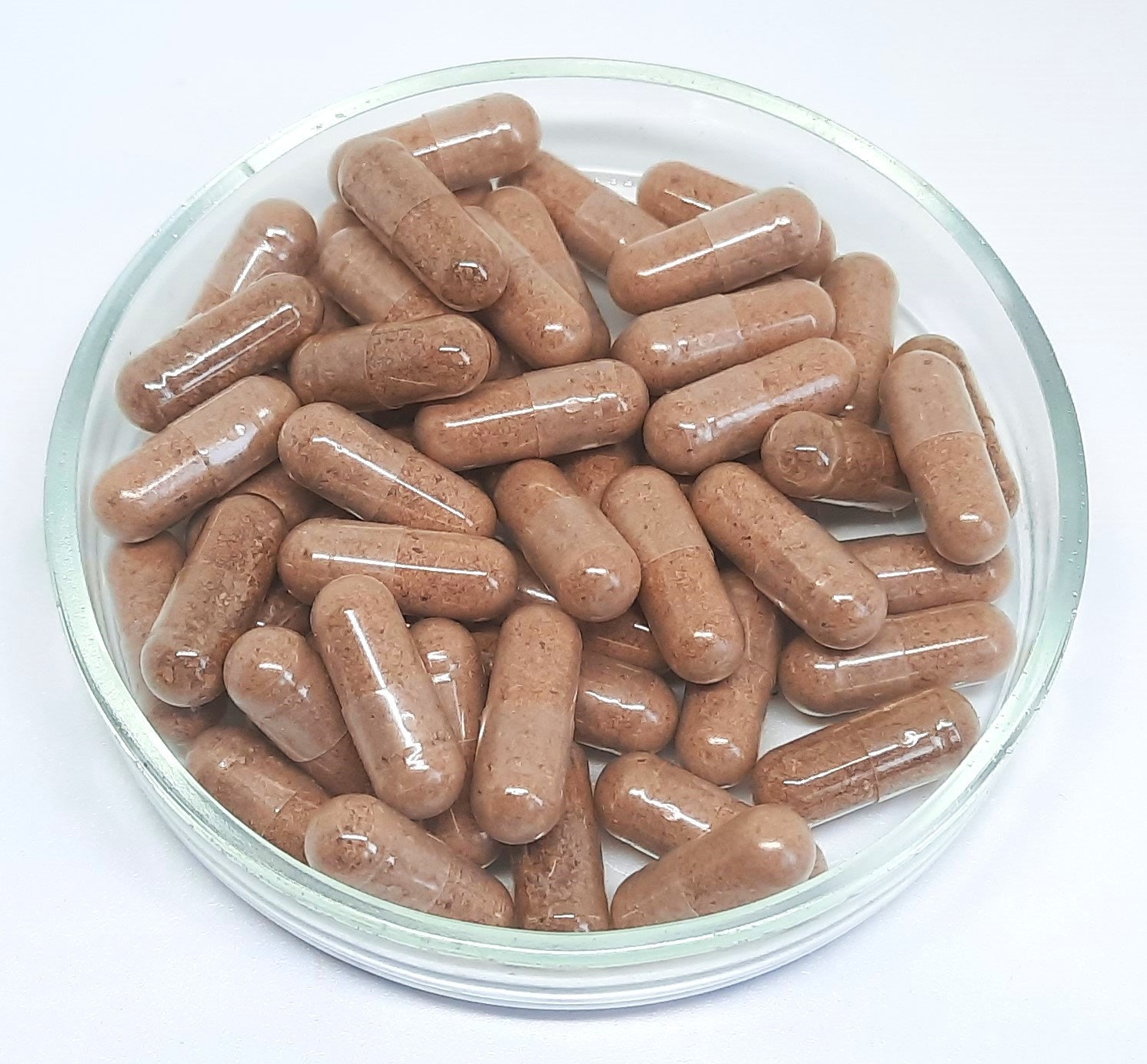
For systemic mood support, standardized dry extract capsules are widely considered the gold standard. Most clinical trials have been conducted using specific standardized extracts, such as the WS 5570 or ZE 117 formulas. Standardization ensures that each dose contains a reliable, uniform concentration of active compounds, typically 0.3% hypericin and/or 3% to 5% hyperforin. This level of precision is critical for managing chronic conditions like mild-to-moderate depression, where consistent blood levels of the herb’s active metabolites are necessary to maintain therapeutic benefits over time.

Liquid alcohol extracts (tinctures) provide a highly bioavailable alternative for those who prefer not to swallow capsules. Tinctures are rapidly absorbed through the mucous membranes of the mouth and stomach, making them particularly useful for acute situations, such as sudden waves of mild anxiety or digestive tension. Traditional herbal teas made from the dried leaves and flowers of the plant are less concentrated and highly variable in their active constituent profile. However, they remain a gentle, comforting option for mild stress relief, digestive support, and general nervous system maintenance.

Crucial Safety Profile, Side Effects, and Drug Interactions

Despite its natural origins and exceptional safety profile when used in isolation, St. John’s Wort is one of the most pharmacologically interactive herbs known to modern medicine. Understanding these interactions is vital for anyone considering integrating this herb into their wellness regimen.

The Cytochrome P450 Pathway and P-glycoprotein

The primary safety concern with St. John’s Wort involves its profound effect on liver metabolism. Hyperforin is a potent inducer of the Pregnane X Receptor (PXR), which in turn upregulates the production of the Cytochrome P450 3A4 (CYP3A4) enzyme system in the liver and intestines. This specific enzyme pathway is responsible for metabolizing approximately 50% of all modern pharmaceutical medications. Additionally, St. John’s Wort induces the activity of P-glycoprotein (P-gp), an active drug transporter pump located in cell membranes that helps flush foreign compounds out of cells.

By dramatically speeding up the activity of these metabolic pathways, St. John’s Wort causes the body to process and clear many medications much faster than normal. This rapid elimination significantly lowers the concentration of these drugs in the bloodstream, rendering them partially or completely ineffective. Critical medications affected by this interaction include:

  • Oral Contraceptives: Concurrent use can drastically reduce hormone levels, leading to breakthrough bleeding and unplanned pregnancies.
  • Anticoagulants (e.g., Warfarin): Accelerated clearance can thin the blood less effectively, increasing the risk of life-threatening blood clots or strokes.
  • Immunosuppressants (e.g., Cyclosporine): Reduced levels can lead to organ transplant rejection.
  • HIV Medications (e.g., Protease Inhibitors): Can result in treatment failure and the development of drug-resistant viral strains.
  • Chemotherapy Drugs: Can severely compromise the efficacy of cancer treatments.

Serotonin Syndrome Risk

Because St. John’s Wort inhibits the reuptake of serotonin, it must never be combined with prescription antidepressants that affect the same pathway, such as SSRIs (e.g., fluoxetine, sertraline), SNRIs (e.g., venlafaxine), or Monoamine Oxidase Inhibitors (MAOIs). Combining these substances can result in an excessive, toxic accumulation of serotonin in the brain, a dangerous and potentially fatal medical condition known as Serotonin Syndrome. Symptoms of Serotonin Syndrome include extreme agitation, confusion, rapid heart rate, high blood pressure, dilated pupils, muscle rigidity, heavy sweating, and tremors.

Phototoxicity and Other Side Effects

When taken in exceptionally high doses, the hypericin in St. John’s Wort can cause phototoxicity (photosensitivity), making the skin and eyes highly sensitive to ultraviolet (UV) light. Individuals with fair skin should take extra precautions, such as wearing sunscreen, protective clothing, and sunglasses, when spending extended periods in direct sunlight. Other mild, infrequent side effects may include mild gastrointestinal discomfort, dry mouth, headache, fatigue, and occasional vivid dreams.

Dosage, Selection Guidelines, and Best Practices

When selecting a St. John’s Wort supplement, quality and standardization are paramount. To replicate the positive results observed in clinical trials, seek out products from reputable manufacturers that explicitly state their standardization profiles. Look for labels indicating a standardization to 0.3% hypericin and/or 3% to 5% hyperforin.
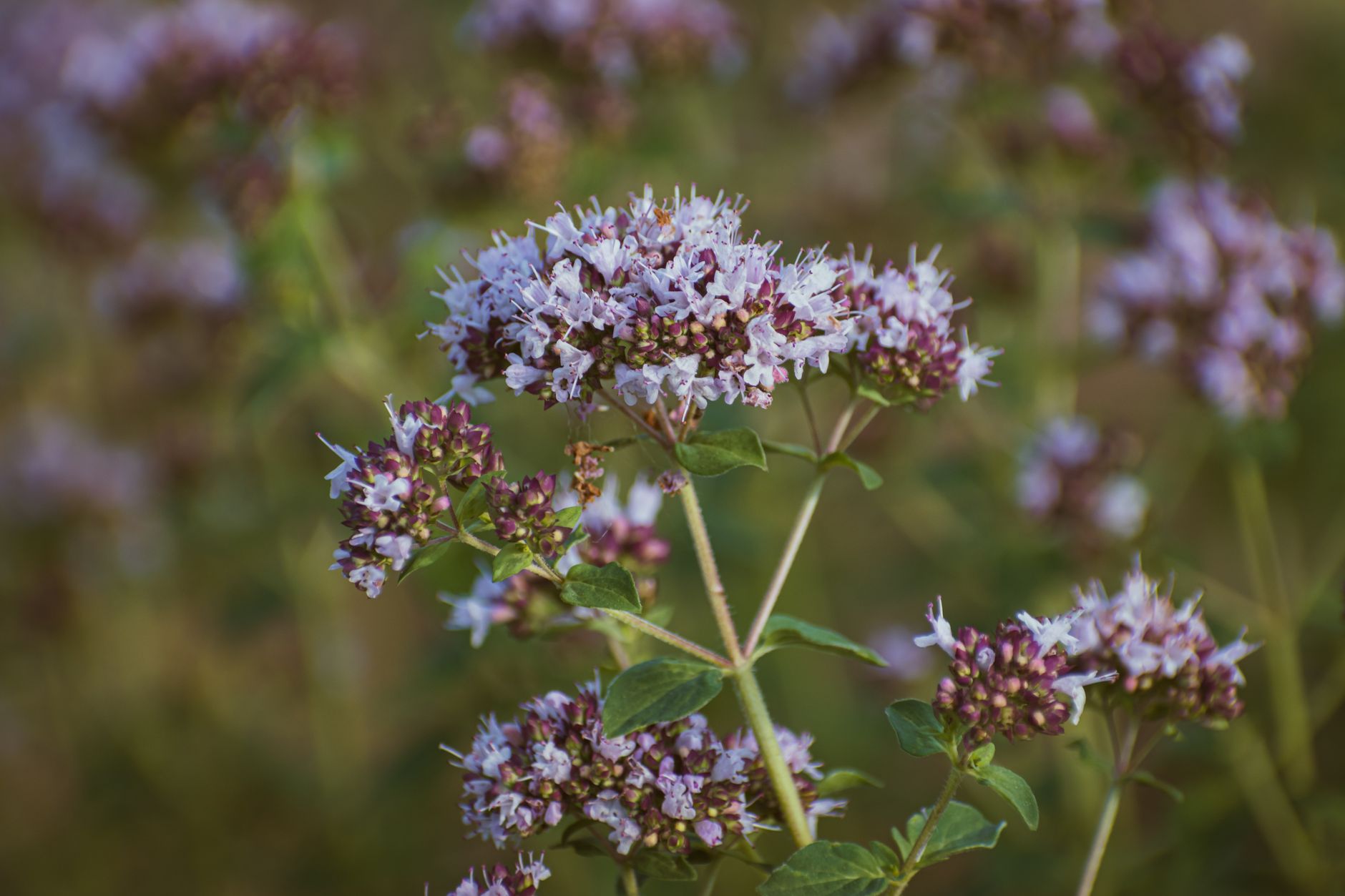
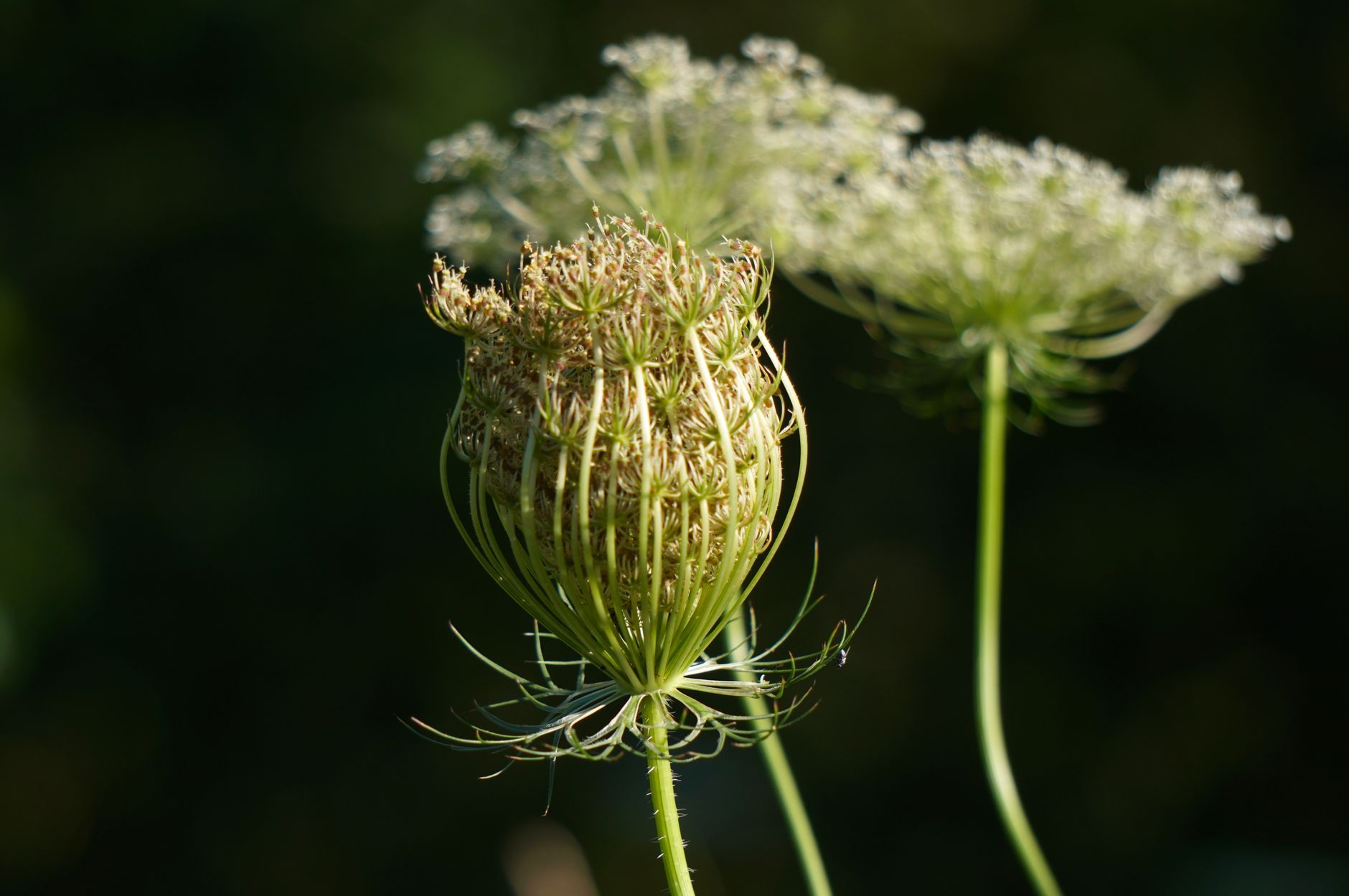
St. John's Wort Natural Herb

For mild-to-moderate depression and anxiety in adults, the standard, clinically validated therapeutic dosage is 300 mg of standardized dry extract taken three times daily (for a total of 900 mg per day) with meals. Some clinical trials have also demonstrated success with a single daily dose of 900 mg or a twice-daily dose of 450 mg, depending on individual tolerance and preference. It is important to note that, like pharmaceutical antidepressants, the mood-supportive benefits of St. John’s Wort are cumulative. It typically requires two to four weeks of consistent, daily use to notice a significant improvement in symptoms.

If you are planning to discontinue the use of St. John’s Wort after long-term therapeutic application, it is highly recommended to gradually taper the dose over a period of one to two weeks rather than stopping abruptly. This gentle reduction helps prevent rebound symptoms and allows the central nervous system to adapt smoothly.

Conclusion

St. John’s Wort represents a true bridge between the rich heritage of traditional herbalism and the rigorous, evidence-based demands of modern medicine. Its profound therapeutic value for mild-to-moderate depression, anxiety, PMS, and wound healing is supported by an extensive body of scientific research and clinical experience. By understanding its intricate biochemical mechanisms, choosing standardized delivery systems, and respecting its powerful drug interaction profile, individuals can safely harness the therapeutic potential of this remarkable plant. As always, consulting with a qualified healthcare professional is an essential step before introducing St. John’s Wort into any existing healthcare or medication regimen.

Disclaimer: For informational purposes only. Not medical advice. Consult a qualified healthcare professional before use.

The Ultimate Guide to Buckthorn Bark . Frangula alnus: Health Benefits and Uses

The Definitive Guide to Buckthorn Bark (Frangula alnus): Botanical Profiling, Bioactive Compounds, and Therapeutic Health Benefits

Buckthorn bark, botanically known as Frangula alnus (and formerly classified as Rhamnus frangula), is a cornerstone of traditional European herbalism. Frequently recognized by common names such as alder buckthorn, glossy buckthorn, or arrowwood, this deciduous shrub is native to Europe, Western Asia, and North Africa. Historically and clinically appreciated for its profound effect on human gastrointestinal physiology, Frangula alnus has stood the test of time as one of the most reliable and effective natural solutions for acute constipation and sluggish bowel motility.

The therapeutic legacy of buckthorn bark is built upon a sophisticated matrix of chemical constituents, primarily anthranoid derivatives, which interact directly with the human colonic microflora to stimulate peristalsis. Unlike many synthetic purgatives, the action of Frangula alnus is highly targeted, acting locally in the large intestine. Understanding the complex pharmacology, botanical characteristics, proper processing requirements, and clinical application of this botanical is essential for modern herbalists, healthcare practitioners, and consumers seeking natural digestive wellness.

Botanical Overview and Morphological Identification of Frangula alnus

Frangula alnus is a slow-growing, multi-stemmed deciduous shrub or small tree that typically reaches heights of 3 to 6 meters. It thrives in damp, acidic soils, often colonizing woodlands, marshlands, wet meadows, and bogs. Unlike its relative, common buckthorn (Rhamnus cathartica), glossy buckthorn does not possess thorns at the tips of its twigs, and its leaves are characterized by entire (smooth) margins rather than serrated ones. This botanical distinction is critical for wildcrafters and botanical suppliers to ensure species authenticity and purity.

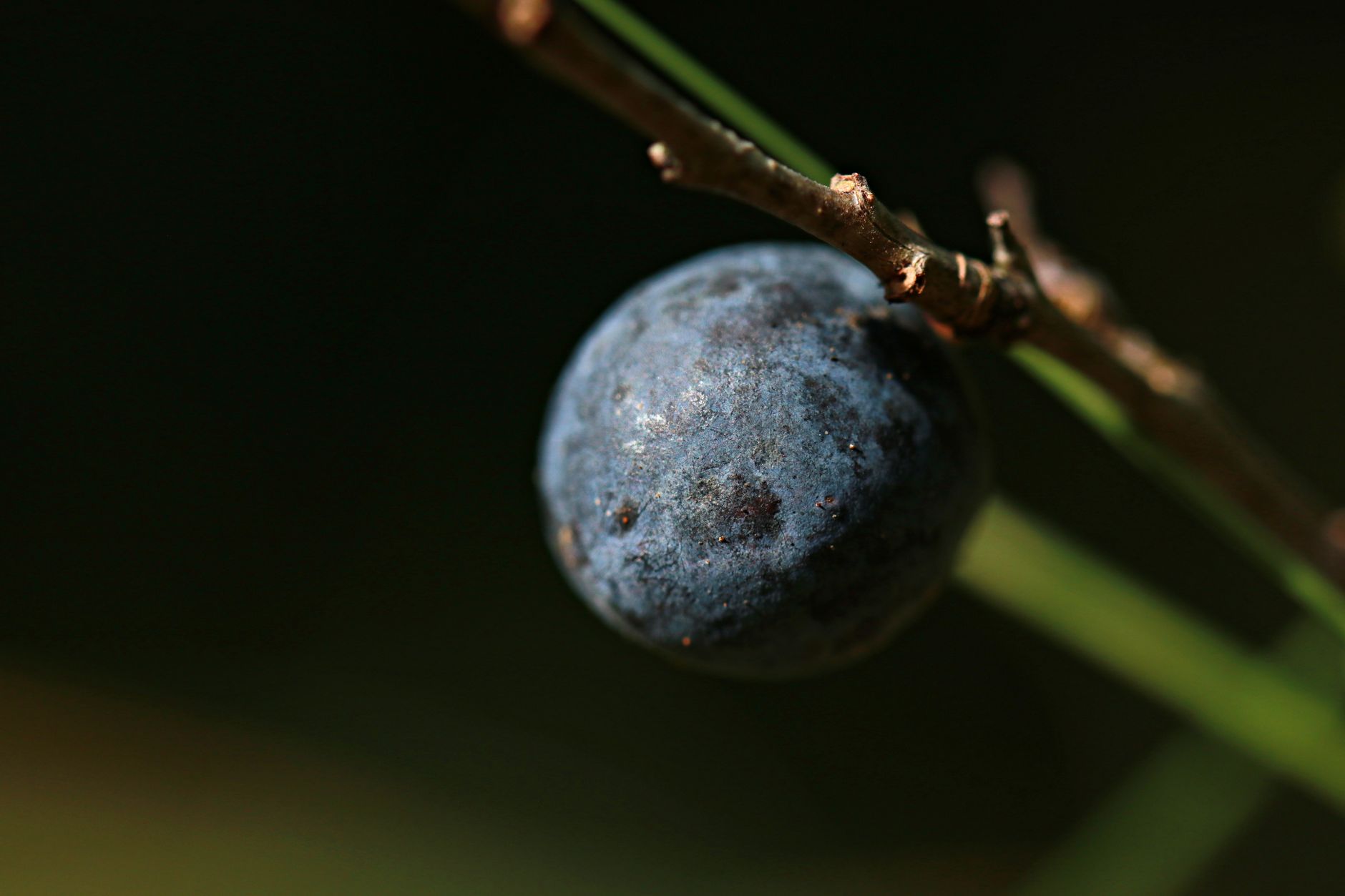
The leaves of Frangula alnus are arranged alternately along the stems, displaying an obovate or broadly elliptic shape with prominent, parallel veins (typically 5 to 9 pairs) that curve gently toward the leaf margin. The bark of young branches is smooth, dark grayish-brown, and dotted with conspicuous, horizontally elongated white lenticels (pores). As the plant matures, the bark darkens and becomes slightly fissured. The flowers are small, inconspicuous, greenish-white, and hermaphroditic, blooming in late spring to early summer. These flowers eventually give rise to small, globose drupes (berries) that transition from green to red, and finally to a deep, glossy purplish-black upon ripening.

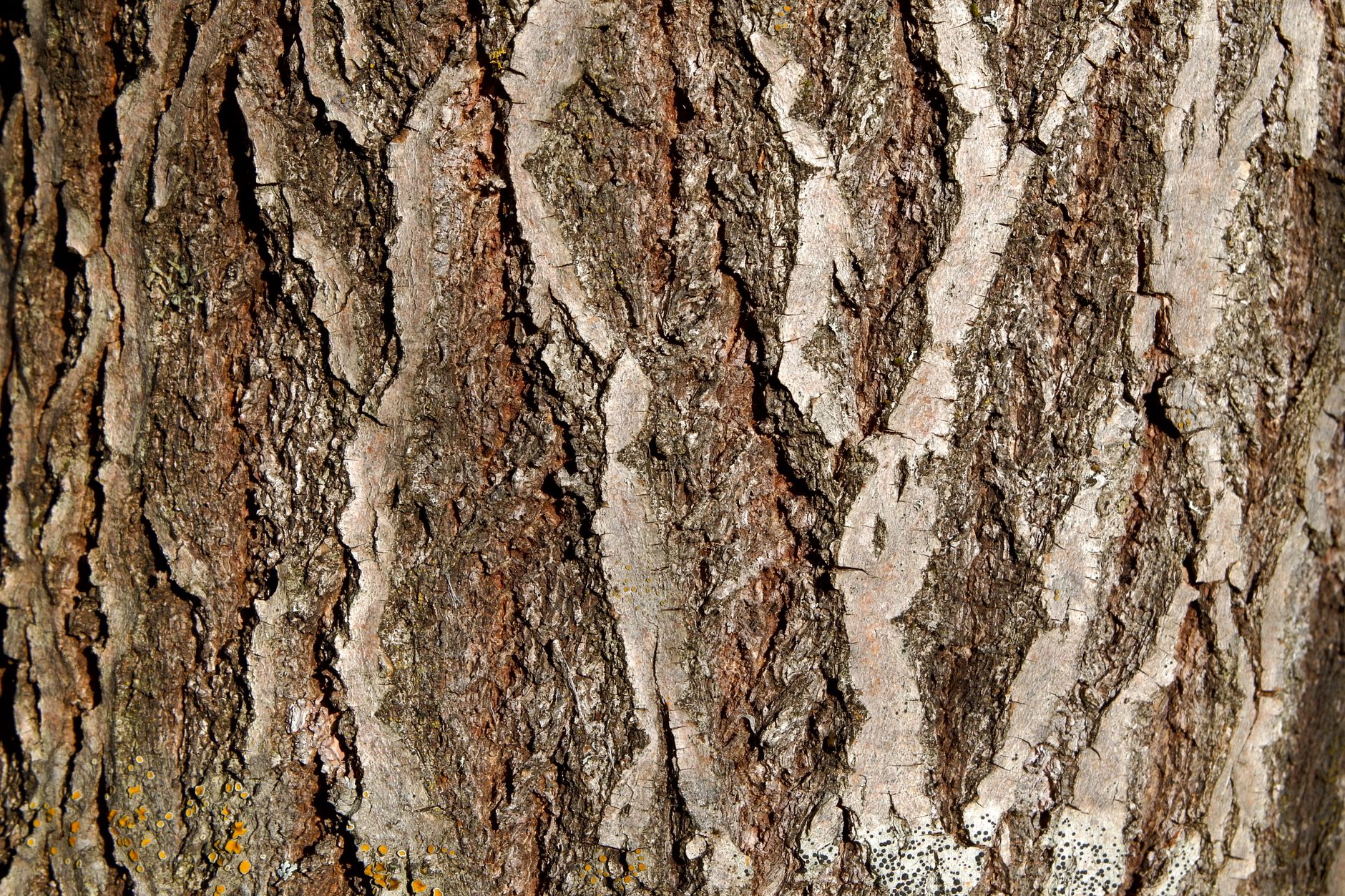
Buckthorn Bark  . Frangula alnus Botanical Photo

From a pharmacological standpoint, the wood and leaves of the plant contain minimal active compounds; it is the inner bark (cortex) of the stems and branches that serves as the primary medicinal reservoir. Harvesting typically occurs in the spring from medium-sized branches. Crucially, the freshly harvested bark cannot be used immediately for therapeutic preparations. Fresh buckthorn bark contains high concentrations of free anthrones and anthranols, which are highly irritating to the gastric mucosa and can cause severe vomiting, violent stomach cramps, and gastrointestinal distress. To render the bark safe and pharmacologically stable, it must undergo an aging process of at least one year, or be subjected to controlled thermal oxidation (heating at 100°C for several hours) to convert these harsh, reduced compounds into stable anthraquinone glycosides.

Historical Context and Traditional Medicine Systems

The use of Frangula alnus spans centuries across various regional European traditional medicine systems. Unlike other native European purgatives that were considered excessively violent in their actions, buckthorn bark was historically classified as a mild yet highly effective laxative (often referred to as a “laxative of choice” in medieval herbals). Medieval practitioners, including the famous German mystic and herbalist Hildegard von Bingen, recognized the bark’s capability to purge the body of “excess humors” and clear obstructions within the lower digestive tract and hepatobiliary system.

By the 16th and 17th centuries, buckthorn bark was formally integrated into official pharmacopoeias throughout England, Germany, and France. It was frequently formulated into decoctions, syrups, and electuaries to treat chronic constipation, hemorrhoids, and abdominal congestion. Beyond digestive complaints, traditional healers utilized the bark to treat spleen disorders, jaundice, and chronic skin conditions such as eczema and scabies, operating under the ancient medical philosophy that purifying the colon was the primary pathway to cleansing the blood and resolving systemic inflammatory states.

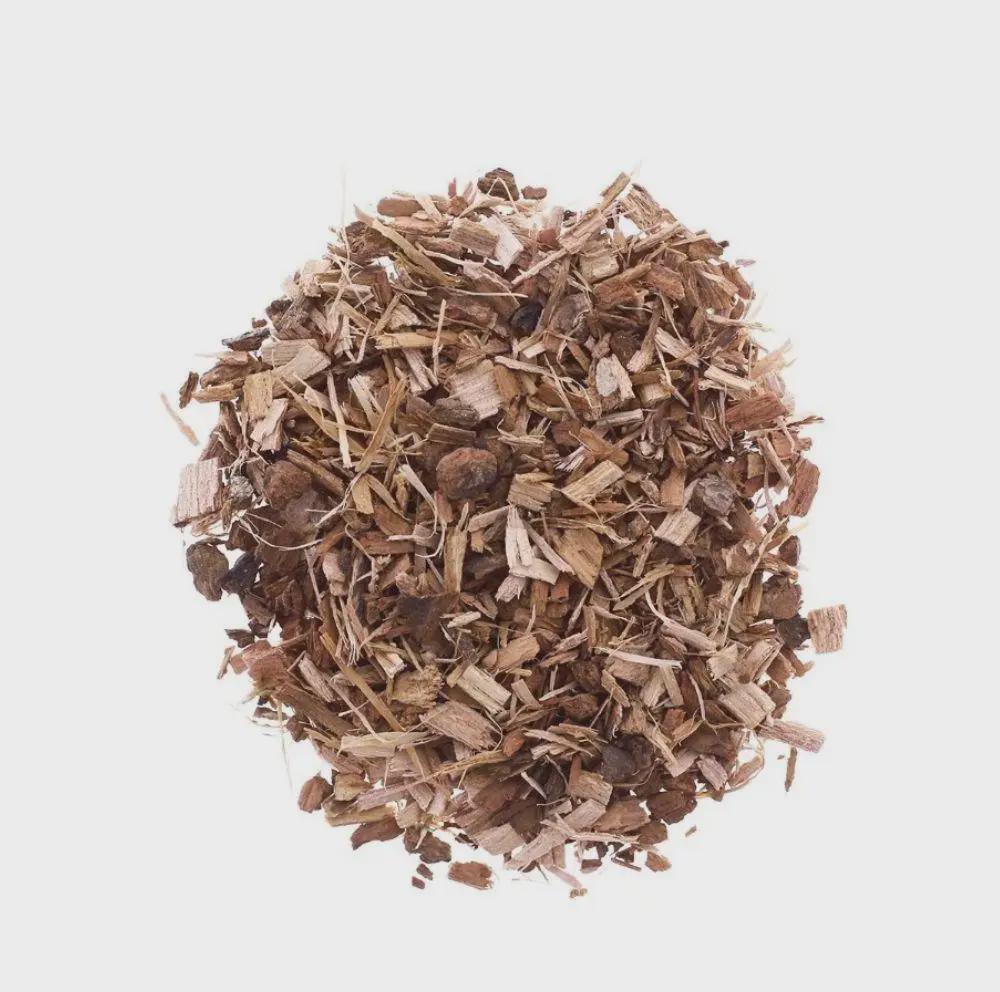
Buckthorn Bark  . Frangula alnus Dried Herb

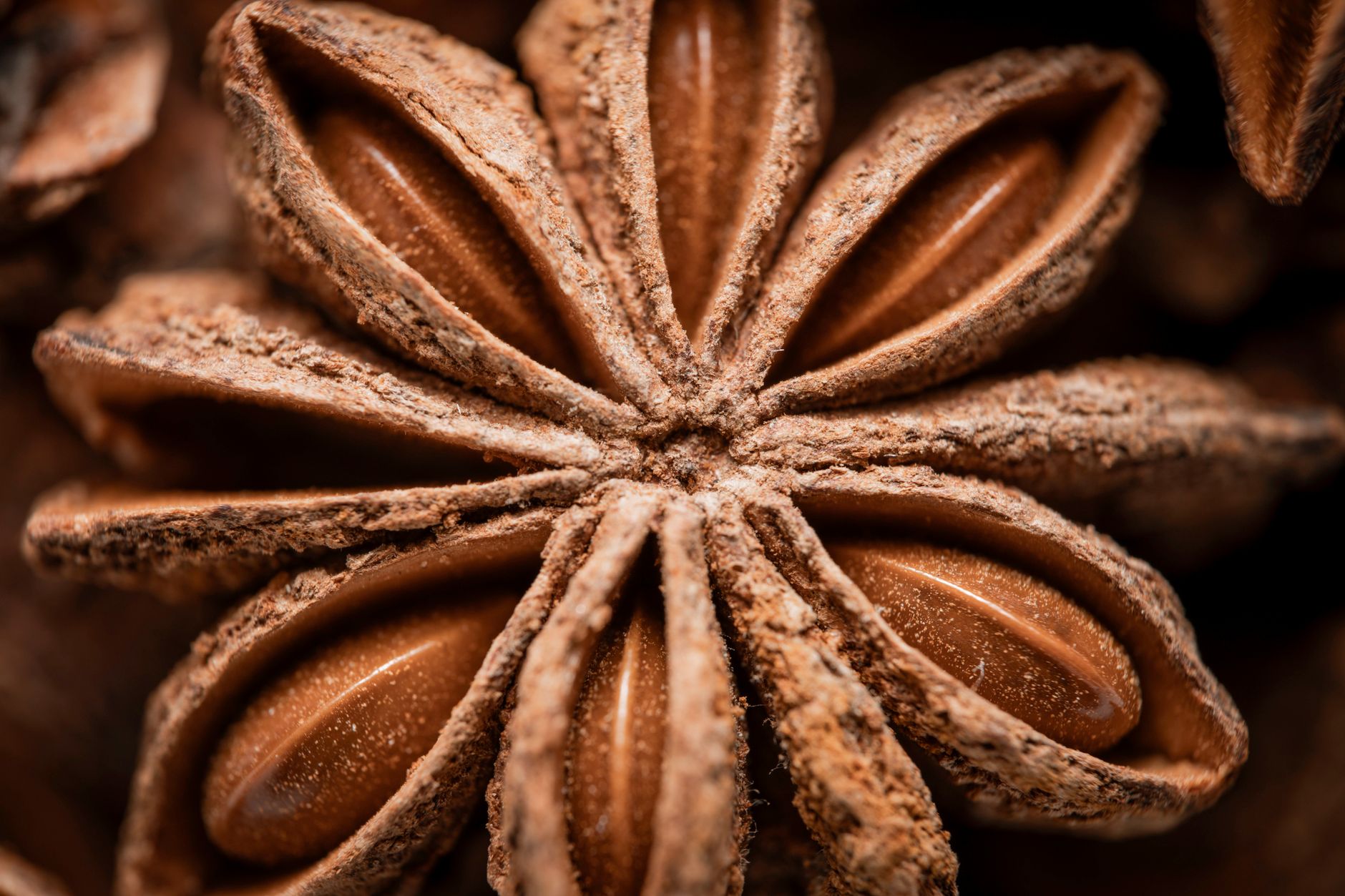
As European settlers migrated to North America, they sought local equivalents to Frangula alnus, eventually discovering Cascara Sagrada (Frangula purshiana). Despite the geographical distance and taxonomic variance, both plants share virtually identical chemical profiles dominated by anthranoid compounds. Today, modern Western herbalism views aged buckthorn bark as a highly reliable, pharmacologically standardized therapeutic agent that acts gently but decisively to restore healthy colonic elimination profiles.

The Chemistry of Frangula alnus: Bioactive Compounds

The therapeutic efficacy of buckthorn bark is directly attributed to its unique and highly concentrated array of secondary metabolites. The primary active constituents are anthraquinone glycosides, specifically known as glucofrangulins and frangulins. These compounds exist in a glycosidic form, meaning they are bound to sugar molecules (glucose or rhamnose), which shields them from premature enzymatic degradation as they pass through the stomach and small intestine.

The core bioactive compounds present in the aged bark include:

  • Glucofrangulin A and B: These are the primary, water-soluble bis-glucosides. Glucofrangulin A is hydrolyzed to yield frangulin A and glucose, while Glucofrangulin B yields frangulin B and glucose. These compounds represent the major active prodrugs responsible for the plant’s laxative action.
  • Frangulin A and B: Monoglucosides formed during the enzymatic hydrolysis or aging process of the bark. Frangulin A contains a rhamnose moiety, whereas Frangulin B contains an apiose moiety. They undergo further cleavage in the distal colon to release the active aglycone.
  • Frangula-Emodin (Emodin): The primary free anthraquinone aglycone. Emodin is the highly lipophilic active molecule that directly stimulates the mucosal lining of the colon.
  • Physcion and Chrysophanol: Secondary anthraquinone derivatives present in smaller concentrations, contributing synergistic anti-inflammatory, antimicrobial, and cathartic effects.
  • Tannins (Condensed Tannins): Buckthorn bark contains a modest amount of tannins. While tannins generally possess astringent and anti-diarrheal properties, in Frangula alnus they act as a physiological buffer, preventing excessively watery stools and helping to tone the intestinal walls post-elimination.
  • Peptide Alkaloids (Frangulanine): Found in trace amounts, these unique nitrogenous compounds possess mild sedative and antimicrobial properties, though their systemic clinical significance in standard bark preparations remains a subject of ongoing study.

Buckthorn Bark  . Frangula alnus Plant Profile

The physical transformation that occurs during the aging of buckthorn bark is chemically profound. Fresh bark contains reduced anthraquinone derivatives, primarily anthrone and dianthrone glycosides. These molecules are highly unstable and undergo rapid hydrolysis in the acidic environment of the stomach, releasing free anthrones. Free anthrones violently irritate the gastric mucosa, causing nausea, hyperemesis (severe vomiting), and intense, spastic cramping of the small intestine. During the aging process of 12 months (or controlled oxidation), these reduced anthrones are slowly oxidized into their corresponding glycosides (glucofrangulins). The resulting glycosides are highly stable, resisting gastric acid and pancreatic enzymes, ensuring they pass safely into the large intestine where their therapeutic action is desired.

Pharmacological Mechanisms of Action

The pharmacology of aged buckthorn bark is a masterclass in targeted, localized drug delivery. Because the active anthraquinone glycosides (glucofrangulins and frangulins) are hydrophilic and bound to sugar molecules, they cannot be absorbed in the upper gastrointestinal tract. They bypass the stomach and small intestine completely unaffected by digestive enzymes. Upon entering the cecum and colon, these glycosides encounter the dense, resident bacterial flora.

Colonic bacteria (specifically species expressing beta-glucosidase enzymes) hydrolyze the glycosidic bonds, cleaving the sugar moieties (glucose, rhamnose, and apiose) away from the anthraquinone core. This enzymatic cleavage releases the active aglycone: frangula-emodin. The localized release of emodin triggers two distinct, synergistic physiological pathways in the colon:

1. Stimulation of Active Colonic Motility (Peristalsis)

Emodin directly irritates and stimulates the mucosal cells of the colon, which in turn activates the intramural nerve plexuses (specifically the myenteric or Auerbach’s plexus). This neural stimulation accelerates the propagation of high-amplitude propagating contractions (HAPCs)—the strong muscular waves responsible for moving fecal matter through the colon. By shortening the transit time of stool, the colon has significantly less time to reabsorb water, resulting in a softer, more easily passable bolus.

2. Modulation of Fluid and Electrolyte Transport

Emodin alters the permeability of the tight junctions in the colonic epithelium and inhibits the activity of the basolateral sodium-potassium pump ($Na^+/K^+-ATPase$). This inhibition prevents the active reabsorption of sodium ions, chloride ions, and water from the intestinal lumen back into the bloodstream. Concurrently, emodin stimulates the active secretion of chloride, sodium, and potassium ions into the lumen of the colon. This shifts the osmotic balance, drawing a substantial volume of water into the bowel lumen. The increased volume stretches the intestinal walls, triggering mechanical baroreceptors that further amplify the peristaltic reflex.

The combined result of these twin mechanisms—increased luminal fluid volume and accelerated muscular contractions—is a predictable, comfortable, and complete evacuation of the bowel, typically occurring 6 to 12 hours after oral administration. Because of this lag time, buckthorn bark is traditionally administered at bedtime to facilitate a natural bowel movement upon waking.

Comprehensive Health Benefits of Buckthorn Bark

1. Highly Effective Relief for Acute Constipation

The primary clinical indication for Frangula alnus is the short-term treatment of acute, occasional constipation. Unlike bulk-forming laxatives (such as psyllium husk) which require several days to show efficacy, or osmotic laxatives (such as lactulose), buckthorn bark provides rapid, overnight relief. It is particularly beneficial for individuals suffering from temporary bowel sluggishness induced by travel, dietary shifts, or acute stress. By restoring immediate motility, it prevents the development of fecal impaction.

2. Supportive Therapy for Hemorrhoids and Anal Fissures

For individuals suffering from painful anorectal conditions such as hemorrhoids, anal fissures, or rectal prolapse, straining during defecation can cause severe pain, bleeding, and exacerbation of mucosal tearing. By increasing the water content of the stool and stimulating smooth muscle contractions, buckthorn bark ensures the passage of soft, well-lubricated stools that require minimal physical strain. This promotes rapid healing of inflamed rectal tissues and prevents the venous engorgement associated with pushing.

3. Post-Surgical Bowel Rehabilitation

Following abdominal, pelvic, or anorectal surgeries, patients often experience temporary paralysis of the bowel (postoperative ileus) or severe constipation secondary to opioid analgesic use. Under professional medical supervision, standardized preparations of buckthorn bark can be utilized to gently re-establish healthy peristaltic rhythm without placing undue physical stress on surgical sutures or abdominal wounds.

4. Hepatobiliary and Gallbladder Support

In traditional European herbal medicine, buckthorn bark is classified as a mild cholagogue—an agent that stimulates the contraction of the gallbladder and promotes the flow of bile into the duodenum. Bile is the body’s natural endogenous laxative, emulsifying fats and naturally stimulating intestinal peristalsis. By enhancing bile flow, Frangula alnus supports liver detoxification pathways, aids in lipid digestion, and helps prevent gallbladder sluggishness (biliary sludge).

5. Anti-inflammatory and Antioxidant Properties

While primarily utilized for its laxative action, modern in vitro and in vivo studies have revealed that the isolated anthraquinones in buckthorn bark, particularly frangula-emodin, possess systemic anti-inflammatory and antioxidant activities. Emodin has been shown to downregulate nuclear factor-kappa B (NF-kB), a primary transcription factor responsible for the expression of pro-inflammatory cytokines such as tumor necrosis factor-alpha ($TNF-\alpha$) and interleukin-6 ($IL-6$). This cellular action suggests that low-dose, standardized preparations of buckthorn may exert protective anti-inflammatory effects on the colonic mucosa, provided it is not overused.

Modern Delivery Formats: Capsules, Extracts, and Teas

Due to the potency of its active anthraquinones, the administration of buckthorn bark must be highly controlled, utilizing properly aged and standardized preparations. Today, consumers and clinicians have access to several primary delivery formats, each offering distinct therapeutic advantages.

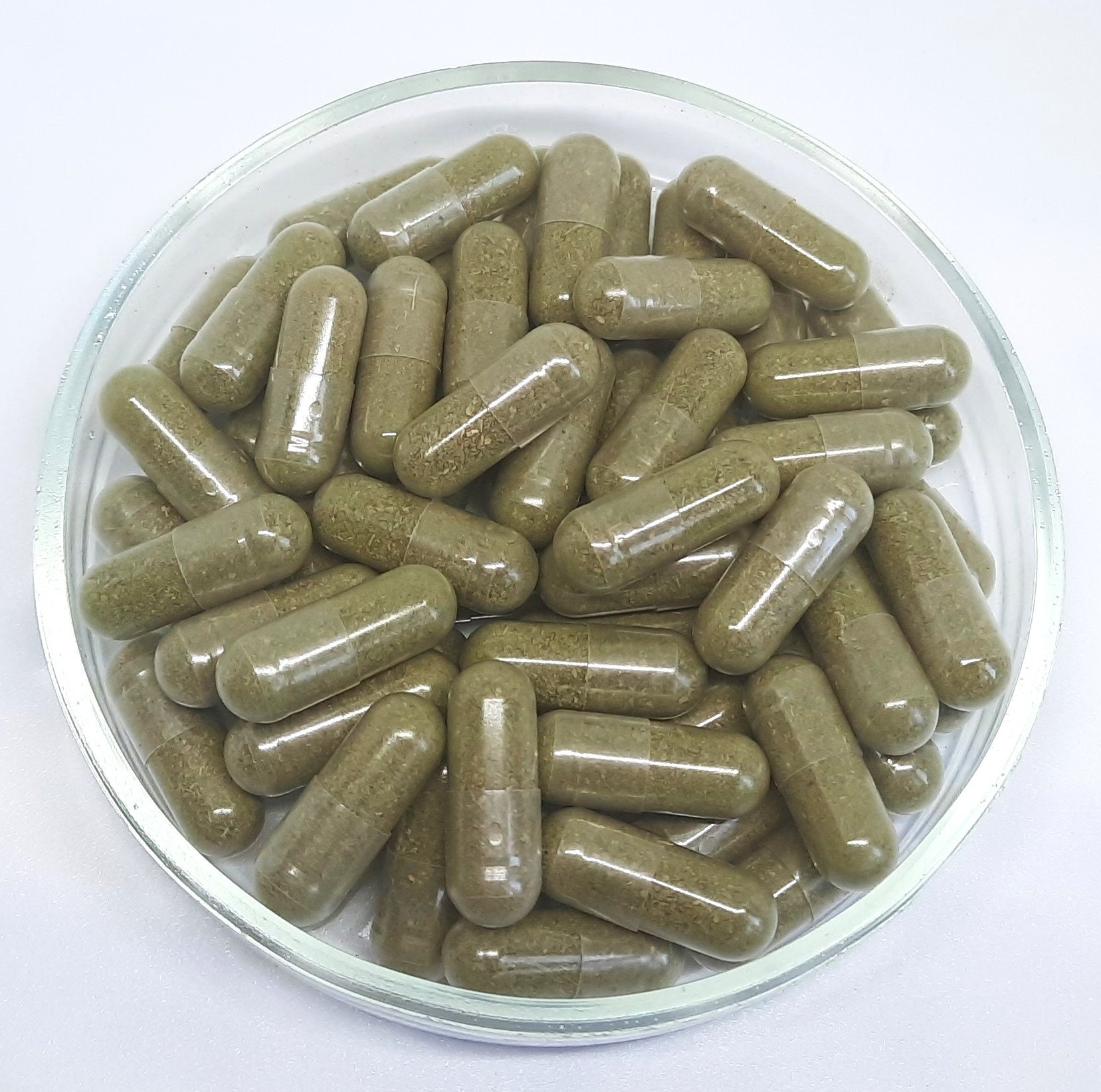
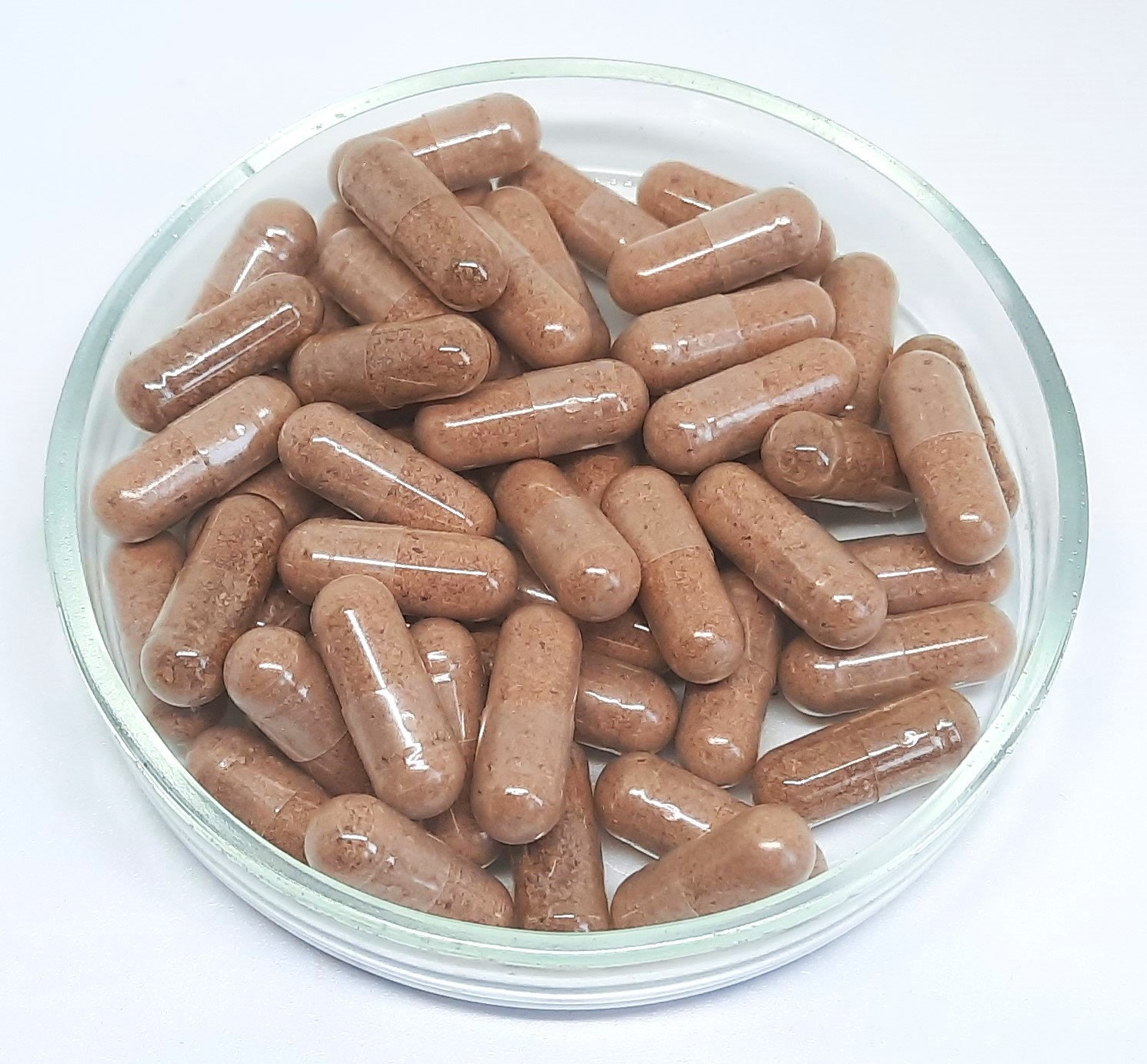
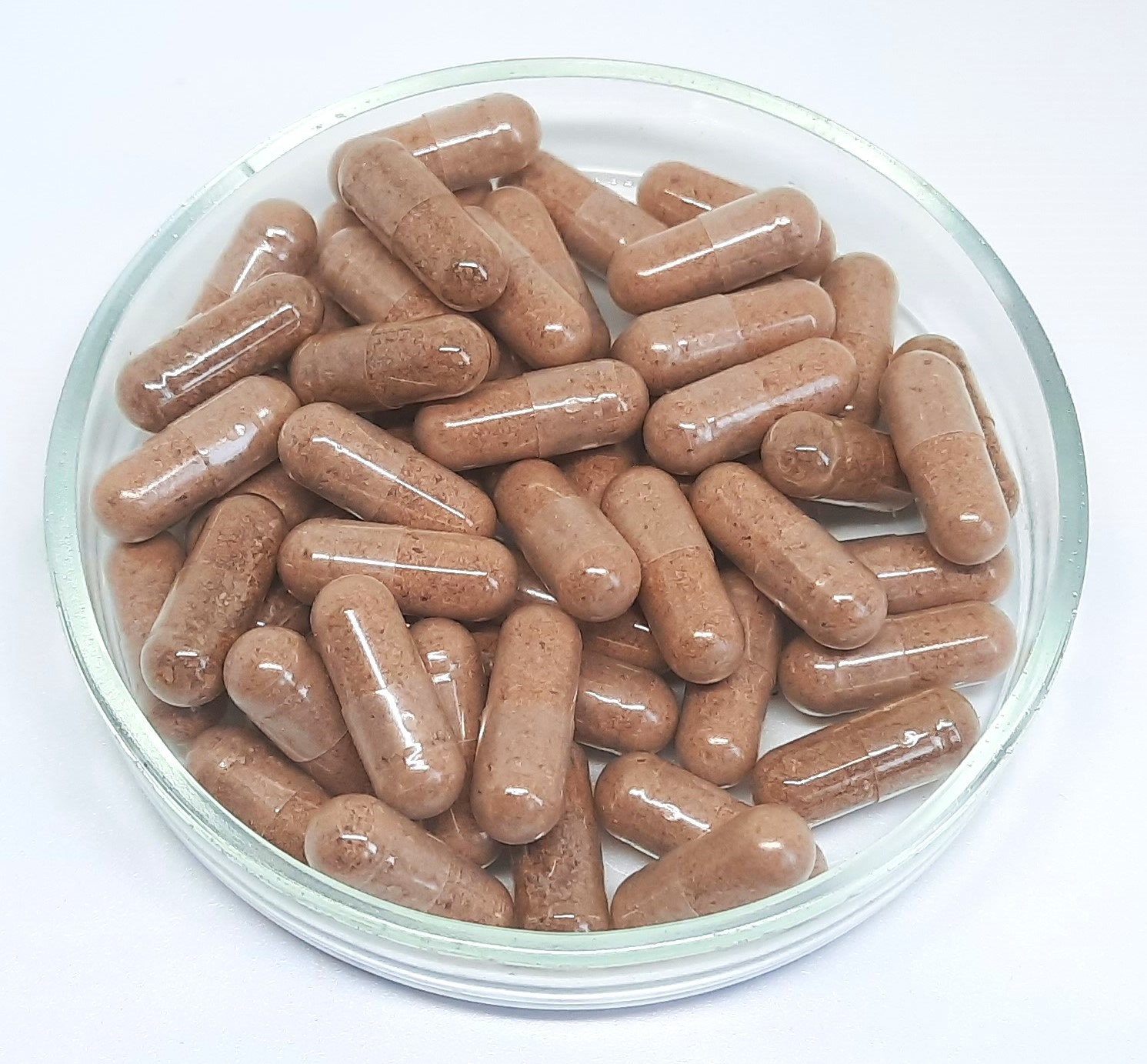
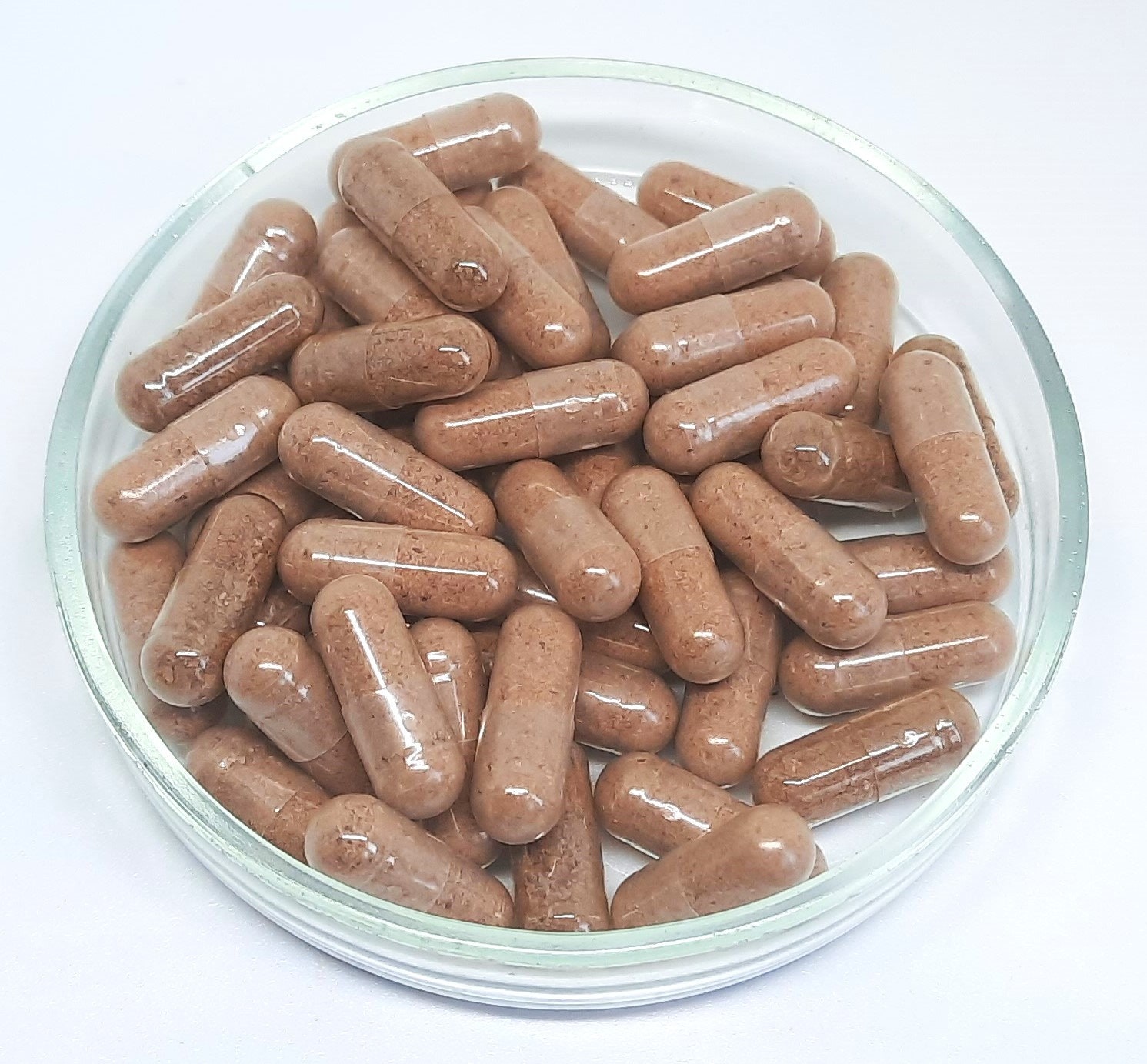
Buckthorn Bark  . Frangula alnus Capsules

The most common delivery formats include:

  • Standardized Herbal Capsules: For precise dosing, capsules containing standardized dry extracts of aged buckthorn bark are highly recommended. These products are typically standardized to a specific percentage of glucofrangulins (e.g., 15% to 20% glucofrangulin A). Capsules bypass the bitter taste of the herb and ensure a uniform, predictable therapeutic response, minimizing the risk of accidental overdosing or underdosing.
  • Herbal Decoctions (Teas): Traditionalists often prefer using the whole, aged, dried cut bark to prepare a decoction. Because the active glycosides are highly water-soluble, boiling the bark in water for 10 to 15 minutes successfully extracts the active glucofrangulins. The resulting tea has a distinctly bitter, earthy flavor and is often blended with carminative herbs such as fennel, anise, or peppermint to soothe the digestive tract and prevent mild intestinal cramping.
  • Liquid Extracts and Tinctures: Hydroethanolic extracts (tinctures) provide a highly concentrated, bioavailable liquid format. These extracts are easily absorbed and allow for precise, drop-by-drop dose adjustment, making them highly versatile for customized herbal formulations targeting hepatic, biliary, or digestive sluggishness.

Dosage Protocols, Safety Guidelines, and Contraindications

To ensure patient safety and avoid adverse events, the administration of buckthorn bark must adhere strictly to established clinical guidelines. The European Medicines Agency (EMA) and the German Commission E have established clear parameters for the safe use of anthranoid-containing laxatives.

Recommended Dosage Protocols

The fundamental clinical rule for dosing buckthorn bark is to utilize the smallest dose required to achieve a soft, formed stool. The average daily dose of active anthraquinones should range between 10 mg to 30 mg, calculated as glucofrangulin A. This typically equates to:

  • Decoction: 0.5 to 2.0 grams of aged, dried bark boiled in 150 ml of water for 10-15 minutes, taken once daily at bedtime.
  • Standardized Extract: Formulations equivalent to 20-30 mg of hydroxyanthracene derivatives per day, taken in a single dose before sleep.

Buckthorn Bark  . Frangula alnus Natural Herb

Duration of Use and the Risk of Laxative Dependency

Buckthorn bark is strictly indicated for short-term use only. It should not be taken continuously for more than 1 to 2 weeks without direct medical supervision. Chronic, long-term use of anthranoid laxatives can lead to several serious physiological complications:

  • Electrolyte Imbalance (Hypokalemia): Prolonged diarrhea and fluid loss can deplete vital systemic potassium levels. Hypokalemia can cause muscle weakness, cardiac arrhythmias, and renal dysfunction.
  • “Lazy Bowel” Syndrome (Laxative Dependence): Over time, the colon’s smooth muscles and intrinsic nervous system (myenteric plexus) can become desensitized to natural physiological stimuli. The bowel loses its tone (atony) and becomes incapable of initiating peristalsis without the chemical irritation of anthraquinones, creating a dangerous cycle of dependency.
  • Pseudomelanosis Coli: This is a benign condition characterized by the dark, brownish-black pigmentation of the colonic mucosa, caused by the accumulation of pigment-laden macrophages. While reversible upon discontinuation of the herb, it serves as a highly visible diagnostic marker of chronic anthranoid overuse.

Contraindications and Drug Interactions

Buckthorn bark is absolutely contraindicated in individuals experiencing any of the following clinical conditions:

  • Inflammatory bowel diseases (IBD) such as Crohn’s disease or ulcerative colitis.
  • Acute appendicitis, intestinal obstruction, stenosis, or undiagnosed abdominal pain.
  • Severe dehydration, electrolyte depletion, or chronic renal failure.
  • Pregnancy and Lactation: Anthraquinones can stimulate uterine contractions, potentially inducing miscarriage or premature labor. Additionally, active metabolites can pass into breast milk, causing colic and severe diarrhea in nursing infants.
  • Pediatric Population: Not recommended for children under the age of 12 without specialist medical guidance.

Furthermore, because of its direct action on colonic transit time and electrolyte balance, buckthorn bark exhibits significant drug interactions. It should not be taken concurrently with cardiac glycosides (such as digoxin), as potassium depletion increases the toxicity of these drugs. It should also be used with extreme caution alongside thiazide diuretics, corticosteroids, or licorice root (Glycyrrhiza glabra), as these agents can further exacerbate potassium loss.

Conclusion: The Place of Frangula alnus in Modern Therapeutics

Buckthorn bark (Frangula alnus) remains a highly valuable, scientifically validated botanical tool for the resolution of acute bowel sluggishness. Its precise, localized, microflora-dependent mechanism of action makes it a superior option to many synthetic alternatives when used with respect, caution, and proper clinical understanding. By acknowledging the critical requirement of aged bark, respecting dosage and duration limits, and integrating it into a comprehensive lifestyle approach that emphasizes fiber, hydration, and physical activity, individuals can safely harness the profound digestive benefits of this remarkable plant.

Disclaimer: For informational purposes only. Not medical advice. Consult a qualified healthcare professional before use.

The Ultimate Guide to Raspberry Leaf: Health Benefits and Uses

The Definitive Guide to Raspberry Leaf: Unveiling Its Profound Health Benefits

For centuries, women and herbalists alike have revered Raspberry Leaf, scientifically known as Rubus idaeus, as a potent botanical ally, particularly celebrated for its remarkable benefits related to women’s reproductive health. Beyond its famed reputation as a “pregnancy herb,” this unassuming leaf from the common red raspberry plant offers a kaleidoscope of nutritional and therapeutic properties that extend far beyond the birthing room. From its rich historical tapestry woven through traditional medicine to its intricate chemical composition now being elucidated by modern science, Raspberry Leaf stands out as a true super herb. This exhaustive guide delves deep into the multifaceted health advantages of Raspberry Leaf, exploring its bioactive compounds, historical usage, and practical applications, providing a definitive resource for anyone seeking to understand and harness its profound power.

A Journey Through Time: Historical Context and Botanical Heritage

The story of Raspberry Leaf is as old as herbal medicine itself. Indigenous cultures across North America, Europe, and Asia have long utilized the leaves of the red raspberry plant for a myriad of medicinal purposes, passing down knowledge through generations. Native American tribes, for instance, used Raspberry Leaf tea not only to ease childbirth but also to alleviate menstrual discomfort and treat various ailments. European folk medicine similarly recognized its value as a uterine tonic and general health fortifier. The botanical name, Rubus idaeus, is derived from Mount Ida in Greece, where legend says raspberries were first discovered. The plant itself is a member of the Rosaceae family, known for its thorny stems and delicate white flowers that eventually yield the familiar succulent red berries. While the berries are prized for their flavor and antioxidant content, it is the leaves that harbor a unique profile of compounds responsible for its most significant therapeutic effects. These leaves are typically harvested when mature, often just before or during the plant’s fruiting stage, to maximize their concentration of beneficial constituents.

Raspberry Leaf Botanical Photo

The traditional uses were not merely anecdotal; they were rooted in careful observation of the herb’s effects on the human body. Healers understood that Raspberry Leaf had a unique capacity to interact with the smooth muscles of the uterus, an insight that modern research is now beginning to unpack. This enduring legacy underscores the plant’s robustness as a therapeutic agent, cementing its place in the pantheon of revered medicinal herbs. Its gentle yet effective nature has made it a cornerstone in natural health practices, particularly for women throughout their reproductive lives.

Unveiling the Chemical Tapestry: Bioactive Compounds and Nutritional Profile

The extensive health benefits of Raspberry Leaf are attributed to its complex and rich phytochemical profile. Far from being a simple herb, it is a powerhouse of vitamins, minerals, and potent bioactive compounds that work synergistically to exert their therapeutic effects. Understanding these components is key to appreciating the herb’s holistic impact on health.

Raspberry Leaf Plant Profile

Key Bioactive Compounds:

  • Fragarine: This alkaloid is arguably the most famous compound in Raspberry Leaf, specifically credited with its uterine-tonic properties. Fragarine is believed to strengthen and tone the uterine muscles, making contractions more efficient and coordinated rather than more intense. This toning action can contribute to a shorter and less complicated labor, as well as reduced uterine cramping.
  • Tannins: Raspberry Leaf is abundant in tannins, which are naturally occurring astringent compounds. These tannins contribute to the herb’s ability to tone tissues, reduce inflammation, and provide antioxidant protection. Their astringent action is particularly beneficial for managing diarrhea, soothing irritated mucous membranes in the digestive tract, and tightening tissues in the uterus.
  • Flavonoids: A diverse group of phytonutrients, including quercetin, kaempferol, and anthocyanins (though more prominent in the berries, they are also present in the leaves), contribute significantly to the antioxidant and anti-inflammatory properties of Raspberry Leaf. Flavonoids help protect cells from oxidative damage caused by free radicals, support cardiovascular health, and modulate immune responses.
  • Ellagic Acid: Also found in high concentrations in raspberry berries, ellagic acid is a potent antioxidant that has garnered significant attention for its potential anti-cancer properties. In Raspberry Leaf, it contributes to the overall antioxidant capacity, protecting against cellular damage and supporting detoxification pathways.
  • Vitamins: The leaves are a surprisingly good source of essential vitamins, including Vitamin C, an immune booster and antioxidant; Vitamin E, another powerful fat-soluble antioxidant; and B-complex vitamins, crucial for energy metabolism and nervous system health.
  • Minerals: Raspberry Leaf is exceptionally rich in vital minerals such as magnesium, which is critical for muscle function, nerve transmission, and energy production; potassium, essential for fluid balance and blood pressure regulation; calcium, vital for bone health and muscle contraction; and iron, necessary for oxygen transport and preventing anemia. This rich mineral profile makes it a nourishing tonic, especially during pregnancy when mineral requirements increase significantly.

The synergy of these compounds is what makes Raspberry Leaf so effective. For example, the combination of fragarine, tannins, and minerals like calcium and magnesium work together to support uterine health, enhancing muscle tone and function. The high antioxidant content provided by flavonoids, ellagic acid, and vitamins combats systemic inflammation and oxidative stress, offering broad protective effects throughout the body.

The Myriad Health Benefits of Raspberry Leaf

While often spotlighted for its role in pregnancy, Raspberry Leaf offers a spectrum of benefits that cater to various aspects of health, extending its utility to all individuals seeking natural wellness solutions.

1. Unparalleled Support for Women’s Reproductive Health

This is where Raspberry Leaf truly shines, earning its moniker as “the woman’s herb.” Its profound effects on the female reproductive system are widely recognized and extensively utilized.

  • Uterine Toning and Labor Preparation: The most celebrated benefit of Raspberry Leaf is its ability to act as a uterine tonic. The alkaloid fragarine, in conjunction with its rich mineral profile (especially calcium and magnesium), helps to strengthen the uterine muscles and improve their contractile efficiency. Unlike oxytocin, which induces contractions, fragarine is believed to make existing contractions more effective and coordinated, potentially leading to a shorter, less painful, and more efficient labor. Many midwives and doulas recommend starting Raspberry Leaf tea in the second or third trimester to help prepare the uterus for birth, strengthening the pelvic muscles and reducing the likelihood of intervention. It does not induce labor, but rather conditions the uterus for it.
  • Alleviating Menstrual Discomfort and PMS: For those who suffer from dysmenorrhea (painful periods) or premenstrual syndrome (PMS), Raspberry Leaf can be a significant source of relief. Its uterine toning properties can help reduce the severity of uterine cramps by promoting more efficient contractions and relaxation of the uterine muscles. The astringent tannins can also help regulate heavy menstrual bleeding (menorrhagia). Furthermore, its rich mineral content, particularly magnesium, can soothe muscle spasms and ease some of the systemic symptoms associated with PMS, such as irritability and bloating. Regular consumption throughout the menstrual cycle can lead to noticeable improvements in comfort and cycle regularity.
  • Postpartum Recovery: After childbirth, Raspberry Leaf continues to be a valuable ally. It aids in uterine involution, the process by which the uterus returns to its pre-pregnancy size and position. By supporting efficient uterine contractions, it can help expel remaining placental fragments, reduce postpartum bleeding, and promote faster healing. Its nutrient density also provides a gentle boost of essential vitamins and minerals, supporting the mother’s recovery and energy levels during the demanding postpartum period.
  • Fertility Support: While not a direct fertility treatment, Raspberry Leaf can support fertility indirectly by promoting a healthy uterine environment. By toning the uterus and balancing reproductive hormones (through its nutritive support), it may create a more conducive environment for conception. Some traditional practices recommend its use to strengthen the uterine lining and improve overall reproductive vitality.
  • Addressing Endometriosis and Fibroids: Although not a cure, the anti-inflammatory and uterine-toning properties of Raspberry Leaf may offer symptomatic relief for conditions like endometriosis and uterine fibroids. By reducing inflammation and promoting healthy uterine function, it can potentially lessen pain and discomfort associated with these conditions, complementing conventional treatments.

2. Potent Antioxidant Powerhouse

The high concentration of flavonoids, ellagic acid, and vitamins C and E makes Raspberry Leaf an exceptional source of antioxidants. These compounds are crucial for combating oxidative stress, a process caused by an imbalance between free radicals and the body’s ability to neutralize them. Oxidative stress is implicated in aging and the development of numerous chronic diseases, including heart disease, cancer, and neurodegenerative disorders. By scavenging free radicals, Raspberry Leaf helps protect cellular integrity, reduces DNA damage, and supports overall cellular health, contributing to long-term well-being and disease prevention.

3. Anti-inflammatory Effects

Chronic inflammation is a root cause of many health problems. The flavonoids and other polyphenols in Raspberry Leaf possess significant anti-inflammatory properties. These compounds work by modulating inflammatory pathways in the body, reducing the production of pro-inflammatory mediators. This makes Raspberry Leaf beneficial for conditions characterized by inflammation, such as arthritis, digestive tract inflammation (e.g., irritable bowel syndrome symptoms), and even general muscle soreness. Its anti-inflammatory action can help soothe irritated tissues and promote healing.

4. Digestive Health Aid

Raspberry Leaf’s astringent qualities, primarily due to its tannin content, make it an effective remedy for certain digestive issues. It can help tighten and tone the mucous membranes of the digestive tract, making it useful in treating mild cases of diarrhea. By reducing excess fluid secretion and inflammation in the gut lining, it can help restore normal bowel function. Additionally, its soothing properties can help calm an upset stomach and alleviate nausea.

5. Immune System Support

With its impressive profile of vitamins and minerals, including a notable amount of Vitamin C, Raspberry Leaf contributes to a robust immune system. Vitamin C is a critical nutrient for immune cell function, helping to bolster the body’s defenses against infections. The overall nourishing effect of the herb, coupled with its antioxidant protection, supports general vitality and resilience, enabling the body to better ward off illness.

6. Skin Health Benefits

Topically, Raspberry Leaf can also be used to benefit the skin. Its astringent properties make it useful as a facial toner for oily or acne-prone skin, helping to tighten pores and reduce inflammation. Applied as a poultice or compress, it can help soothe skin irritations, minor cuts, burns, and rashes, leveraging its anti-inflammatory and healing compounds.

Forms of Raspberry Leaf: Practical Usage and Preparation

Raspberry Leaf is available in several forms, catering to different preferences and needs. The method of preparation can influence the concentration and bioavailability of its active compounds.

1. Herbal Tea or Infusion: The Traditional Method

This is the most common and traditional way to consume Raspberry Leaf. A strong infusion is prepared by steeping dried leaves in hot water. This method allows for the extraction of water-soluble compounds like fragarine, vitamins, and some minerals.

Preparation: Add 1-2 teaspoons of dried Raspberry Leaf to 8 ounces of boiling water. Cover and steep for 10-15 minutes (or longer for a stronger infusion). Strain and drink. For therapeutic benefits, many recommend drinking 1-3 cups per day, particularly in the later stages of pregnancy or during menstruation.

Raspberry Leaf Dried Herb

The act of brewing and sipping the tea can also be a calming ritual, contributing to overall well-being. The taste is often described as mild, slightly earthy, and reminiscent of black tea, making it palatable for most. For those seeking stronger medicinal effects, a “nutritive infusion” can be made by steeping a larger quantity of herbs (e.g., 1 ounce of herb per quart of water) overnight or for several hours, allowing for maximum extraction of minerals.

2. Tinctures: Concentrated Potency

Tinctures are concentrated liquid extracts of herbs, typically made by soaking the herb in alcohol or a mixture of alcohol and water. They offer a convenient and potent way to consume Raspberry Leaf, as they are quickly absorbed into the bloodstream.

Usage: Tinctures are taken in drops, usually 1-2 droppers full (approx. 30-60 drops), mixed in a small amount of water or juice, 1-3 times daily. Dosages vary by concentration, so always follow the product’s instructions. Tinctures are particularly useful for those who dislike the taste of tea or require a more precise and potent dose.

3. Capsules and Tablets: Convenience and Standardization

For those seeking convenience or who are sensitive to the taste of herbal teas, Raspberry Leaf is widely available in capsule or tablet form. These supplements often contain standardized extracts, providing a consistent dose of active compounds.

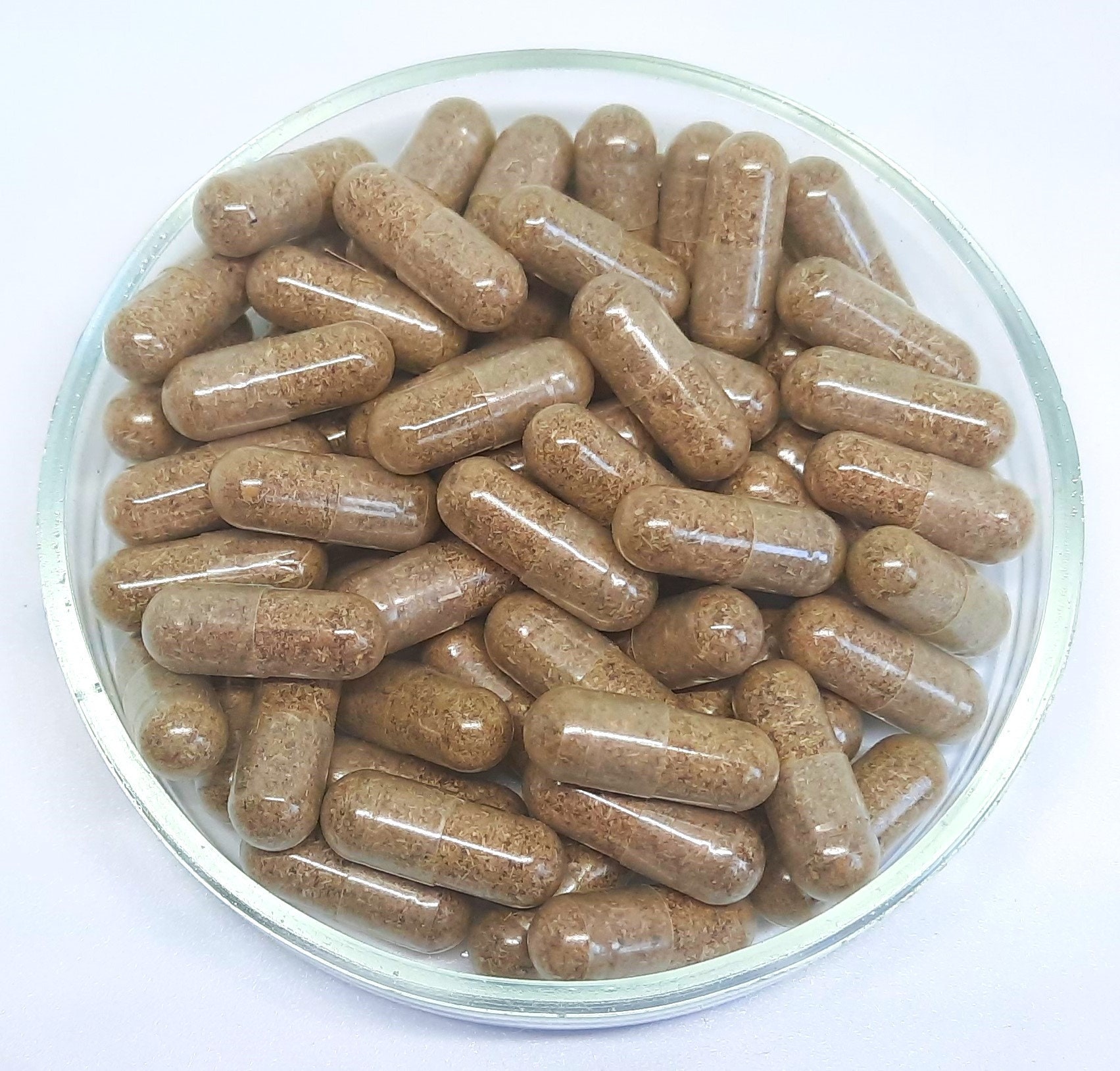
Usage: Dosages typically range from 500 mg to 1000 mg per capsule, taken 1-3 times daily. Always check the label for specific dosage recommendations from the manufacturer. Capsules are an excellent option for integrating Raspberry Leaf into a daily supplement regimen, especially during busy periods.

Raspberry Leaf Capsules

When choosing capsules, look for reputable brands that provide information about sourcing and third-party testing to ensure purity and potency. The effectiveness of capsules relies on the quality of the dried leaf used in their production, so investing in a high-quality supplement is paramount.

Safety, Contraindications, and Precautions

Raspberry Leaf is generally considered safe for most people when consumed in appropriate doses. However, like all powerful herbs, it is important to be aware of potential contraindications and to exercise caution in certain situations.

  • Pregnancy: While widely used during pregnancy, particularly in the second and third trimesters, there are differing opinions on when to start. Some practitioners recommend waiting until the third trimester (around 32-34 weeks) to begin regular use, as its uterine toning properties could theoretically stimulate contractions too early if started too soon in a sensitive individual. It is generally advised to avoid large, concentrated doses in the first trimester. Always consult with a healthcare provider, midwife, or obstetrician before incorporating Raspberry Leaf into a pregnancy regimen, especially if you have a history of premature labor or other pregnancy complications.
  • Breastfeeding: Raspberry Leaf is considered safe during breastfeeding and may even aid in uterine recovery, though some sources suggest it might have mild astringent properties that could theoretically affect milk supply in very rare cases. This is not a common issue, and most mothers experience no adverse effects.
  • Drug Interactions: Raspberry Leaf is rich in tannins, which can sometimes interfere with the absorption of certain medications, particularly iron supplements. If taking iron supplements, it’s advisable to consume Raspberry Leaf tea a few hours apart.
  • Blood Pressure: Some traditional uses suggest Raspberry Leaf may have a mild hypotensive (blood pressure lowering) effect, although this is not well-established scientifically for typical tea doses. Individuals with very low blood pressure should monitor their responses.
  • Allergies: While rare, individuals with allergies to plants in the Rosaceae family (which includes apples, peaches, and strawberries) might experience an allergic reaction to Raspberry Leaf. Discontinue use if any adverse reactions occur.
  • Digestive Upset: In rare cases, some individuals may experience mild digestive upset, such as nausea or loose stools, especially when starting with high doses. It’s best to begin with a low dose and gradually increase to assess tolerance.

Dosage and Recommendations

The optimal dosage of Raspberry Leaf can vary based on the form of the herb, individual needs, and specific health goals. It is always recommended to start with a lower dose and gradually increase it, monitoring your body’s response.

Raspberry Leaf Natural Herb

  • For Tea/Infusion:

    • General Wellness & Menstrual Support: 1-2 teaspoons of dried leaf steeped in 8 ounces of hot water, 1-3 times daily.
    • Pregnancy (Third Trimester): Many midwives suggest starting with 1 cup per day around 32 weeks, gradually increasing to 2-3 cups per day as labor approaches. Some may even recommend up to 4 cups daily under professional guidance.
  • For Tinctures:

    • Follow the manufacturer’s specific dosage instructions, typically 1-2 droppers full (30-60 drops) 1-3 times daily, mixed in water.
  • For Capsules:

    • Typically 500-1000 mg per capsule, 1-3 times daily, depending on the concentration and desired effect. Always adhere to the product label.

It is crucial to remember that these are general guidelines. Individual responses to herbal remedies can vary significantly. Consulting with a qualified healthcare practitioner, especially an herbalist or a naturopathic doctor, is highly recommended to determine the most appropriate dosage and regimen for your unique health situation, particularly during pregnancy or if you have underlying health conditions.

Conclusion: Embracing the Enduring Legacy of Raspberry Leaf

Raspberry Leaf stands as a testament to the profound healing power of nature, a true gem in the realm of herbal medicine. Its rich history of traditional use, now supported by modern understanding of its complex bioactive compounds, solidifies its status as an invaluable botanical. While its reputation as a supreme uterine tonic for women’s reproductive health is well-deserved, its benefits extend far beyond, encompassing robust antioxidant, anti-inflammatory, and digestive support. Whether brewed as a comforting tea, taken as a convenient capsule, or utilized in a potent tincture, Raspberry Leaf offers a holistic approach to wellness, nourishing the body with vital nutrients and powerful phytochemicals. By understanding and respecting its profound capabilities, individuals can confidently incorporate Raspberry Leaf into their health regimen, embracing an age-old remedy for contemporary well-being. Always remember to approach herbal remedies with mindfulness and consult with healthcare professionals to ensure safe and effective use, unlocking the full potential of this extraordinary herb.

Disclaimer: For informational purposes only. Not medical advice. Consult a qualified healthcare professional before use.
The Ultimate Guide to Lovage leaf: Health Benefits and Uses

The Undeniable Power of Nature’s Celery: A Deep Dive into the Health Benefits of Lovage Leaf

In the vast tapestry of medicinal plants, some herbs quietly hold immense therapeutic potential, often overshadowed by their more famous counterparts. Lovage, scientifically known as Levisticum officinale, is one such botanical treasure. A fragrant member of the Apiaceae family – a close relative to celery, parsley, and carrots – Lovage boasts a rich history steeped in traditional medicine and a compelling profile of bioactive compounds that underpin its profound health benefits. From ancient Roman kitchens to medieval monasteries, its distinctive aroma and potent properties have been cherished for centuries. This exhaustive guide delves into the intricate world of Lovage leaf, exploring its historical significance, botanical characteristics, complex phytochemical composition, and the myriad ways it can contribute to holistic well-being.

Often recognized by its tall stature, glossy green leaves, and robust, celery-like flavor with notes of yeast extract and parsley, Lovage is far more than just a culinary herb. Its leaves, roots, and seeds have all been utilized, but it is the vibrant, verdant leaves that hold a particular concentration of beneficial compounds, making them a focal point for natural health enthusiasts and herbalists alike. Our journey will uncover how this remarkable herb acts as a digestive aid, a potent diuretic, an anti-inflammatory agent, and much more, providing a definitive resource for understanding the true value of Lovage leaf.

A Journey Through Time: Historical Context and Traditional Uses of Lovage

The story of Lovage is intertwined with human civilization, tracing its origins back to the mountainous regions of southern Europe and southwest Asia. Its name, thought to derive from “love-ache” or a corruption of “ligusticum” (referring to the Liguria region of Italy), hints at its ancient reverence. The Greeks and Romans were among the first to recognize its versatile properties, employing it not only as a flavoring agent in their sophisticated cuisines but also as a powerful medicinal herb. Dioscorides, the celebrated Greek physician, chronicled its uses as a diuretic and digestive aid in his seminal work, *De Materia Medica*, which remained a primary pharmacological text for over 1500 years.

During the medieval era, Lovage became an indispensable plant in European monastery gardens, cultivated for its wide array of therapeutic applications. Monks and herbalists prescribed it for a multitude of ailments, ranging from digestive discomforts like bloating and indigestion to respiratory issues such as coughs and sore throats. It was also highly valued for its ability to promote menstruation, cleanse the blood, and alleviate pain. Folk medicine traditions across Europe consistently referenced Lovage for its carminative, expectorant, and diuretic actions, solidifying its reputation as a household remedy. Its pervasive presence in historical herbal texts underscores a long-standing trust in its efficacy, a trust that modern scientific inquiry is increasingly validating.

Botanical Profile: Unveiling the Characteristics of Levisticum officinale

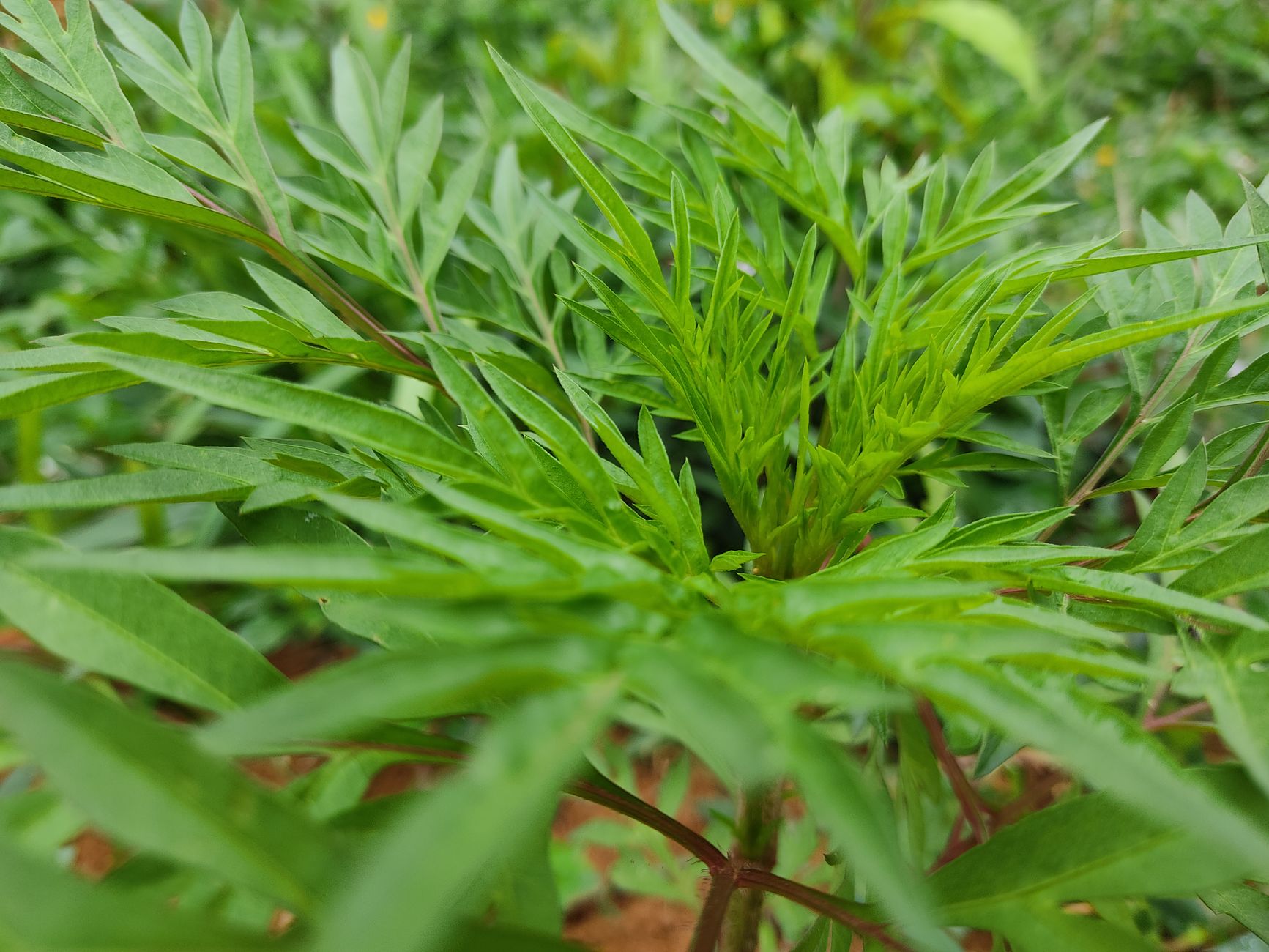
Levisticum officinale, commonly known as Lovage, is a robust, perennial herb belonging to the Apiaceae family. It is distinguished by its imposing presence in the garden, often growing to heights of 4 to 7 feet (1.2 to 2.1 meters) with a sturdy, hollow stem. The leaves are its most striking feature: large, dark green, and deeply cut, resembling a more robust version of celery or flat-leaf parsley. These compound leaves are bipinnate or tripinnate, with broad, wedge-shaped leaflets that possess a glossy sheen. When crushed, the leaves release a powerful, distinctive aroma – a complex blend of celery, anise, and a slightly earthy, savory undertone that is instantly recognizable and contributes significantly to its culinary and medicinal appeal.

The plant produces umbrella-like clusters of greenish-yellow flowers (umbels) in mid to late summer, which later develop into small, ribbed, oval seeds. Both the seeds and the fleshy, aromatic roots also contain valuable compounds and have been used in traditional medicine, but the leaves, readily harvested throughout the growing season, are particularly rich in the volatile oils and other constituents responsible for many of its health benefits. Lovage thrives in rich, moist, well-drained soil and prefers full sun to partial shade, making it a relatively easy plant to cultivate in many temperate climates. Its resilience and generous foliage yield ensure a continuous supply for both culinary and medicinal applications, cementing its place as a practical and potent herbal ally.

Lovage leaf Botanical Photo

Phytochemical Powerhouse: The Bioactive Compounds of Lovage Leaf

The remarkable health benefits of Lovage leaf are attributed to its complex and diverse phytochemical profile. This herb is a veritable treasury of bioactive compounds, each contributing synergistically to its therapeutic effects. Understanding these constituents is key to appreciating the depth of Lovage’s medicinal value. The primary components responsible for its characteristic aroma and many pharmacological actions are its essential oils, but it also contains a significant array of other beneficial compounds.

  • Essential Oils: The Aromatic Architects of Health

    The volatile essential oils of Lovage leaf are dominated by a unique class of compounds known as phthalides. Key among these are ligustilide, butylphthalide, and neocnidilide. These phthalides are largely responsible for the herb’s distinctive celery-like scent and are potent bioactive molecules. Ligustilide, in particular, has been extensively studied for its antispasmodic, anti-inflammatory, and neuroprotective properties. It contributes to the relaxation of smooth muscles, explaining Lovage’s efficacy in alleviating digestive cramps and menstrual pain. Beyond phthalides, the essential oil also contains various monoterpenes and sesquiterpenes such as alpha- and beta-pinene, limonene, sabinene, and beta-phellandrene. These compounds exhibit a range of activities, including antimicrobial, antioxidant, and anti-inflammatory effects, contributing to the overall protective and therapeutic profile of the herb.

  • Coumarins: Nature’s Protective Agents

    Lovage leaf is also a source of various coumarins, including both simple coumarins and furanocoumarins like bergapten and psoralen. Coumarins are naturally occurring organic compounds known for their diverse pharmacological activities, including anti-inflammatory, anticoagulant, and antioxidant properties. While some furanocoumarins can induce photosensitivity (making skin more susceptible to sunburn), their presence in Lovage also contributes to its overall therapeutic effects, with research exploring their potential anticarcinogenic and antimicrobial actions. It is this delicate balance of compounds that defines the complexity of herbal medicine.

  • Flavonoids and Phenolic Acids: Antioxidant Sentinels

    Like many green leafy vegetables and herbs, Lovage leaf is rich in flavonoids and phenolic acids. Flavonoids such as quercetin and kaempferol are powerful antioxidants, capable of neutralizing harmful free radicals in the body, thereby reducing oxidative stress and inflammation. Phenolic acids, including caffeic acid and ferulic acid, further enhance this antioxidant capacity. These compounds play a crucial role in cellular protection, supporting overall health and potentially reducing the risk of chronic diseases linked to oxidative damage.

  • Other Constituents

    Beyond these primary categories, Lovage leaf also contains alkaloids, polysaccharides, and a variety of vitamins and minerals, including B vitamins, vitamin C, iron, and potassium. These contribute to its nutritional value and augment its overall health-promoting properties, demonstrating that the benefits of whole herbs often extend beyond just a few isolated active compounds, instead relying on the synergistic action of its entire phytochemical orchestra.

Lovage leaf Plant Profile

The Multifaceted Health Benefits of Lovage Leaf: A Deep Dive

Armed with an understanding of its rich chemical composition, we can now explore the extensive array of health benefits that Lovage leaf offers, each underpinned by specific mechanisms of action and traditional evidence.

1. A Digestive Dynamo: Soothing and Optimizing the Gut

Lovage leaf is perhaps most celebrated for its profound impact on digestive health. Its carminative properties are highly effective in alleviating flatulence, bloating, and indigestion. The phthalides in its essential oil act as potent antispasmodics, relaxing the smooth muscles of the gastrointestinal tract. This relaxation helps to reduce painful cramps and spasms associated with conditions like irritable bowel syndrome (IBS), allowing trapped gas to be expelled more easily. Furthermore, Lovage stimulates the production of digestive enzymes and bile, which are crucial for the efficient breakdown of fats and absorption of nutrients. By enhancing overall digestive processes, Lovage can prevent the discomfort of a sluggish digestive system, making meals more enjoyable and nutrient assimilation more effective. Its mild bitter notes also signal the stomach to prepare for digestion, contributing to a healthy digestive cascade.

2. Potent Diuretic and Kidney Support: Cleansing from Within

One of Lovage’s most well-documented traditional uses, strongly supported by modern research, is its powerful diuretic action. Lovage leaf significantly increases urine output, making it an excellent natural remedy for flushing out excess fluid, toxins, and metabolic waste products from the body. This mechanism is thought to involve the stimulation of renal blood flow and a mild irritant effect on the renal tubules, which encourages the kidneys to filter more fluid. This diuretic effect is invaluable in managing conditions like edema (fluid retention) and can also play a preventative role against the formation of kidney stones and gravel by continuously flushing the urinary tract. For those prone to urinary tract infections (UTIs), Lovage acts as both a flushing agent and, thanks to its antimicrobial compounds, potentially helps to inhibit bacterial growth, thus providing a dual defense mechanism for urinary system health. It is crucial, however, to ensure adequate hydration when using Lovage as a diuretic to prevent dehydration.

3. Anti-inflammatory & Pain Relief: Taming the Fire Within

The potent anti-inflammatory properties of Lovage leaf make it a valuable ally in managing various pain and inflammatory conditions. The phthalides and coumarins present in the herb are believed to modulate inflammatory pathways, potentially inhibiting the production of pro-inflammatory mediators such such as prostaglandins and leukotrienes. This makes Lovage beneficial for alleviating symptoms of inflammatory conditions like arthritis, gout, and general muscle aches. Its antispasmodic effects also extend to easing menstrual cramps, providing natural relief from discomfort. By reducing systemic inflammation, Lovage contributes to overall cellular health and can mitigate the chronic low-grade inflammation often associated with a range of modern diseases.

4. Respiratory Health & Expectorant Properties: Breathing Easier

For centuries, Lovage has been a staple in remedies for respiratory ailments, and for good reason. Its expectorant qualities help to loosen and expel phlegm and mucus from the respiratory passages, making it easier to breathe. The volatile compounds in Lovage can irritate the bronchial mucosa, stimulating the production of thinner, more fluid mucus that is easier to cough up. This action is particularly helpful for individuals suffering from conditions like bronchitis, persistent coughs, asthma, and the common cold. Furthermore, its antispasmodic properties can help soothe irritating coughs by relaxing the smooth muscles of the bronchi, thus reducing the intensity and frequency of coughing spasms. Its warming and aromatic qualities also provide comforting relief for sore throats and congested nasal passages.

5. Antimicrobial and Antifungal Action: Natural Defense

Emerging research points to Lovage leaf’s impressive antimicrobial and antifungal capabilities. The essential oils, particularly the phthalides and terpenes, have demonstrated efficacy against a range of bacteria and fungi. This makes Lovage a potential natural agent for combating certain infections, both internally and externally. Its application in traditional medicine for urinary tract infections is partly supported by this antimicrobial action, alongside its flushing diuretic effect. While not a replacement for conventional antibiotics, incorporating Lovage into one’s diet or herbal regimen can support the body’s natural defense mechanisms against various pathogens, contributing to a robust immune response.

6. Antioxidant Powerhouse: Battling Oxidative Stress

The rich concentration of flavonoids, phenolic acids, and other antioxidant compounds in Lovage leaf provides a formidable defense against oxidative stress. Oxidative stress, caused by an imbalance between free radicals and the body’s ability to neutralize them, is a major contributor to cellular damage, premature aging, and the development of numerous chronic diseases, including cardiovascular disease, neurodegenerative disorders, and certain cancers. By scavenging these harmful free radicals, Lovage helps to protect cells and tissues from damage, supports cellular regeneration, and promotes long-term health and vitality. This protective action underscores its value as a daily health tonic.

7. Cardiovascular Benefits: Supporting Heart Health

While research is ongoing, preliminary studies suggest that Lovage may offer certain cardiovascular benefits. Its diuretic properties can help manage blood pressure by reducing excess fluid volume, a factor in hypertension. Some components may also have a mild vasodilatory effect, helping to relax blood vessels and improve circulation. Additionally, its antioxidant and anti-inflammatory actions indirectly support heart health by protecting against arterial damage and reducing systemic inflammation, which are key risk factors for cardiovascular disease. Further clinical research is needed to fully elucidate these potential benefits, but the existing evidence is promising.

Lovage leaf Dried Herb

Practical Applications and Forms of Lovage Leaf

Lovage leaf is a remarkably versatile herb, readily incorporated into daily life through various forms. Its distinct flavor and potent medicinal properties can be harnessed in both culinary and therapeutic applications.

  • Culinary Uses: Flavor and Function

    Fresh Lovage leaves are a gourmet delight, offering an intense, savory flavor profile reminiscent of celery, parsley, and a hint of anise. They can be finely chopped and added to salads, soups (especially broths and clear soups), stews, and stocks to impart a deep umami character. Lovage pairs exceptionally well with potatoes, root vegetables, poultry, and fish. It can also be used to flavor vinegars, oils, and herb butters. Due to its strong flavor, it should be used sparingly, as a little goes a long way. Beyond taste, its inclusion in meals aids digestion, making hearty dishes easier to process.

  • Herbal Teas and Infusions: A Soothing Elixir

    One of the simplest and most traditional ways to enjoy the benefits of Lovage leaf is as an herbal tea. A hot infusion made from fresh or dried leaves is excellent for digestive issues, as a diuretic, or to help soothe respiratory complaints. To prepare, steep 1-2 teaspoons of dried Lovage leaf (or a small handful of fresh leaves) in a cup of hot water for 5-10 minutes, then strain. Consuming this tea a few times a day can offer significant relief and support for the aforementioned conditions. It provides a gentle yet effective way to introduce the herb’s compounds into the system.

  • Tinctures and Extracts: Concentrated Potency

    For a more concentrated dose, Lovage leaf tinctures and liquid extracts are available. These preparations involve extracting the active compounds into alcohol or another solvent, resulting in a potent liquid that allows for precise dosing. Tinctures are particularly useful for targeted therapeutic effects, such as strong diuretic action or intensive digestive support, and are often preferred by herbalists for their bioavailability and extended shelf life. It is advisable to follow the dosage instructions provided by the manufacturer or a qualified herbal practitioner when using concentrated extracts.

  • Dried Herb: A Pantry Essential

    Dried Lovage leaf retains much of its flavor and medicinal properties and can be stored for extended periods. It can be used in cooking, much like dried parsley or celery flakes, to flavor slow-cooked dishes, roasts, or homemade spice blends. For herbal remedies, dried leaves are perfect for making infusions or can be encapsulated if one prefers to avoid the strong taste. When purchasing dried Lovage, ensure it is from a reputable source to guarantee quality and purity, preserving its efficacy for various applications.

  • Supplements (Capsules, Tablets): Convenience and Precision

    For those who prefer a convenient and taste-neutral option, Lovage leaf supplements in capsule or tablet form are increasingly available. These often contain standardized extracts, ensuring a consistent dose of active compounds. Supplements are an excellent choice for individuals seeking to regularly incorporate Lovage into their health regimen without culinary preparation. When choosing a supplement, look for products from reputable brands that clearly state the concentration of active ingredients and have undergone third-party testing for purity and potency. Always adhere to the recommended dosage on the product label or consult with a healthcare professional.

Lovage leaf Capsules

Dosage, Safety, and Potential Side Effects

While Lovage leaf is generally considered safe for most people when consumed in moderate culinary amounts or in recommended herbal doses, it is a potent herb, and certain precautions and considerations are necessary. Understanding appropriate usage is crucial for maximizing benefits while minimizing risks.

General Dosage Guidelines:

  • Herbal Tea/Infusion: 1-2 teaspoons of dried leaf (or a small handful of fresh) steeped in 1 cup of hot water, 2-3 times daily.
  • Tincture: Typically 1-3 ml, 2-3 times daily, though this can vary significantly based on concentration. Always follow product-specific instructions.
  • Capsules/Supplements: Follow the manufacturer’s recommended dosage, which usually ranges from 500 mg to 1000 mg of extract, 1-2 times daily.

Important Precautions and Potential Side Effects:

  • Pregnancy and Breastfeeding: Lovage is traditionally considered an emmenagogue, meaning it can stimulate menstrual flow and uterine contractions. Therefore, it is strongly advised that pregnant women avoid Lovage in medicinal quantities. Due to insufficient research, breastfeeding mothers should also exercise caution and consult a healthcare provider.
  • Kidney Conditions: While Lovage is an excellent diuretic for healthy kidneys, individuals with pre-existing severe kidney disease or kidney failure should use it with extreme caution and only under medical supervision. Its powerful diuretic action could potentially exacerbate certain kidney conditions.
  • Photosensitivity: The furanocoumarins present in Lovage (like bergapten and psoralen) can increase skin sensitivity to sunlight, leading to phytophotodermatitis (a type of sunburn or rash) in some individuals, particularly after consuming large quantities. It is advisable to limit sun exposure, especially after consuming significant amounts of Lovage, or to apply sunscreen.
  • Drug Interactions:
    • Diuretics: Because Lovage is a natural diuretic, combining it with pharmaceutical diuretics could lead to excessive fluid loss and electrolyte imbalance.
    • Blood Thinners: Some coumarins can have mild anticoagulant effects. While not as potent as pharmaceutical blood thinners, individuals on anticoagulant medication (e.g., Warfarin) should consult their doctor before using Lovage in medicinal doses due to the potential for increased bleeding risk.
    • Lithium: As a diuretic, Lovage can affect how the body excretes lithium, potentially altering its levels.
  • Allergies: Individuals allergic to other plants in the Apiaceae family (e.g., celery, parsley, carrot, dill, caraway) may experience allergic reactions to Lovage. Symptoms can include skin rashes, itching, or respiratory distress.
  • Gastrointestinal Upset: In rare cases, high doses of Lovage may cause mild stomach upset or nausea.

As with any potent herbal remedy, it is always recommended to consult with a qualified healthcare professional, especially if you have underlying health conditions, are taking other medications, or are pregnant or breastfeeding, before incorporating Lovage leaf into your therapeutic regimen. Starting with a lower dose and monitoring your body’s response is a sensible approach.

The Future of Lovage Research: Unlocking Further Potential

Despite its long and illustrious history in traditional medicine, scientific research into the full spectrum of Lovage leaf’s health benefits is still evolving. Modern pharmacological studies continue to isolate and characterize its bioactive compounds, aiming to validate traditional uses and uncover new therapeutic applications. Areas of particular interest include its potential as a natural antispasmodic for various smooth muscle conditions, its comprehensive impact on kidney health beyond simple diuresis, and its role as an anti-inflammatory and antioxidant agent in preventing chronic diseases. As standardized extracts become more prevalent and rigorous clinical trials are conducted, our understanding of Lovage’s efficacy, optimal dosing, and safety profile will undoubtedly deepen, paving the way for its broader integration into evidence-based natural health practices. The future promises to further illuminate the profound capabilities of this unassuming yet powerful herb.

Lovage leaf Natural Herb

Conclusion: Embracing the Enduring Wisdom of Lovage Leaf

In conclusion, Lovage leaf stands as a testament to the enduring power and complexity of natural medicine. From its historical reverence by ancient civilizations to its current validation by scientific inquiry, this remarkable herb offers a profound array of health benefits. Its rich tapestry of essential oils, coumarins, flavonoids, and phenolic acids orchestrates a powerful symphony of therapeutic actions, supporting digestion, promoting kidney health, combating inflammation, easing respiratory complaints, and defending against oxidative stress.

Whether incorporated into gourmet meals, brewed as a soothing tea, or taken as a concentrated supplement, Lovage leaf provides a holistic approach to wellness. Its versatility and potency make it an invaluable addition to any natural health regimen. As we continue to rediscover and appreciate the wisdom embedded in nature, Lovage serves as a shining example of how traditional knowledge, when illuminated by modern science, can offer profound and sustainable pathways to enhanced health and vitality. Embracing Lovage leaf is not just about utilizing an herb; it is about connecting with a time-honored tradition of natural healing and empowering ourselves with one of nature’s most effective and understated gifts.

Disclaimer: For informational purposes only. Not medical advice. Consult a qualified healthcare professional before use.
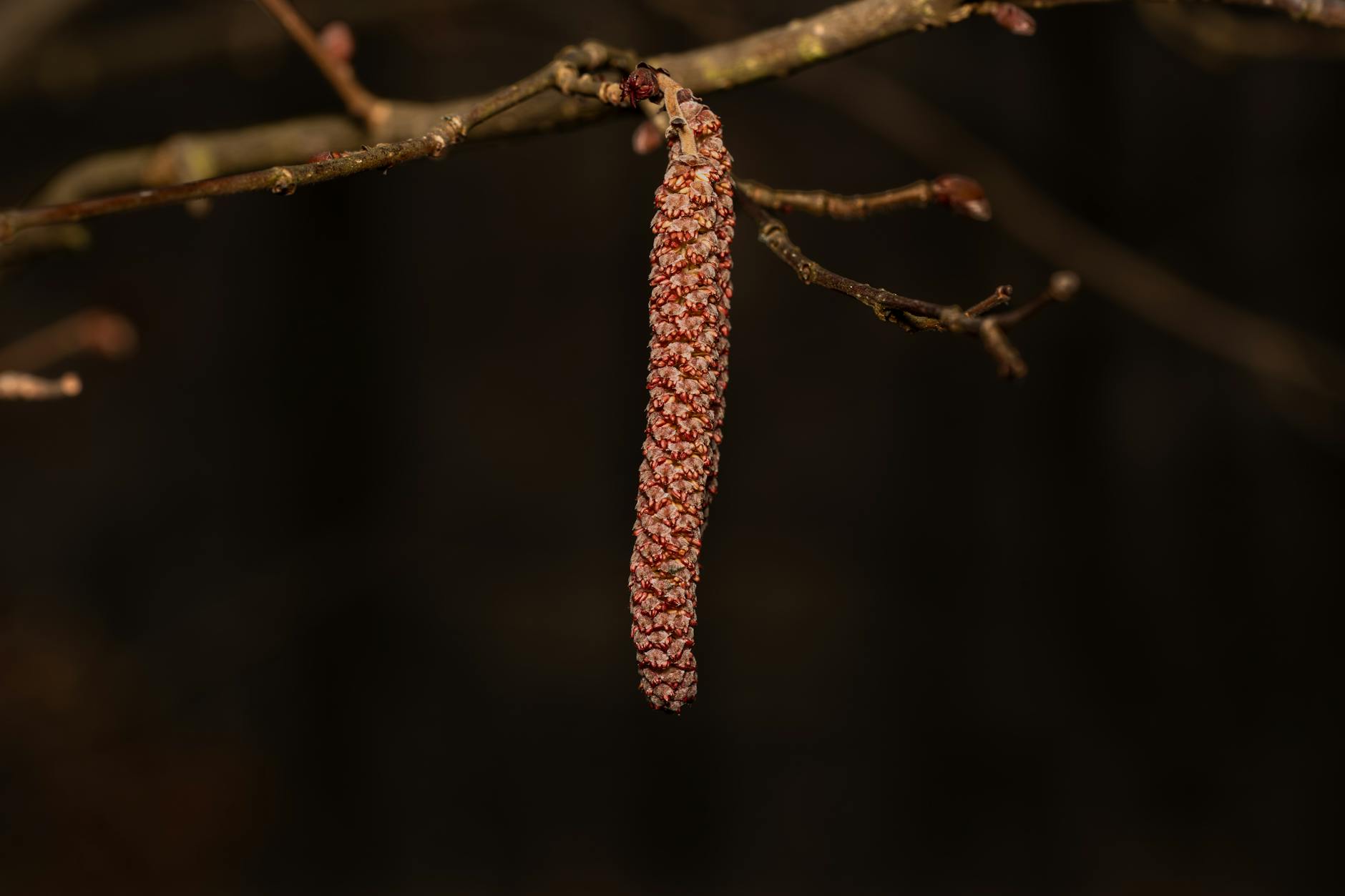
The Ultimate Guide to Cranberry Leaf: Health Benefits and Uses

Unveiling the Unsung Hero: A Deep Dive into the Profound Health Benefits of Cranberry Leaf

For centuries, the vibrant red berry of the cranberry plant (*Vaccinium macrocarpon*) has been lauded for its distinct tartness and remarkable health-promoting properties, particularly its renowned role in supporting urinary tract health. However, an often-overlooked yet equally potent component of this resilient plant is its leaf. Far from being merely a supporting structure, the cranberry leaf harbors a rich tapestry of bioactive compounds that offer a spectrum of therapeutic benefits, making it a powerful contender in the realm of traditional herbal medicine and a subject of growing scientific interest. This comprehensive guide will meticulously explore the historical roots, intricate biochemistry, and myriad health advantages associated with the humble, yet extraordinary, cranberry leaf, aiming to provide a definitive resource for those seeking to understand its full potential.

Botanical Pedigree and Historical Resonance of the Cranberry Leaf

The common cranberry, *Vaccinium macrocarpon*, is a low-growing, evergreen shrub native to North America, thriving in bogs and wetlands. While its fruit has long been a staple in indigenous diets and traditional medicine, the leaves, too, held significant importance. Native American tribes, recognizing the plant’s holistic value, utilized cranberry leaves in various preparations, including teas and poultices, for conditions ranging from urinary issues to minor wounds and general tonic support. They understood that the plant’s efficacy extended beyond its famous berries, leveraging the leaf’s astringent and potentially antiseptic qualities. European settlers subsequently adopted many of these practices, integrating cranberry leaf into their own evolving herbal pharmacopoeias.

Beyond *Vaccinium macrocarpon*, other closely related species within the *Vaccinium* genus, such as *Vaccinium vitis-idaea* (Lingonberry or Cowberry), share similar phytochemical profiles in their leaves and have been historically used in Northern European and Scandinavian folk medicine for comparable purposes, particularly for urinary complaints and as a general detoxifier. This cross-cultural recognition underscores the inherent therapeutic value embedded within the evergreen foliage of these hardy plants.

Cranberry Leaf Botanical Photo

The Phytochemical Powerhouse: Decoding Bioactive Compounds in Cranberry Leaf

The remarkable health benefits attributed to cranberry leaf are intrinsically linked to its complex and diverse phytochemical composition. Unlike the fruit, which is primarily known for its high concentration of Type A proanthocyanidins (PACs), the leaves possess a broader spectrum of compounds, many of which are present in significant quantities and contribute synergistically to its therapeutic actions. Understanding these individual components is crucial for appreciating the leaf’s multifaceted potential.

Flavonoids: Potent Antioxidants and Anti-inflammatories

Cranberry leaves are exceptionally rich in various flavonoids, including quercetin, myricetin, and kaempferol. These polyphenolic compounds are celebrated for their powerful antioxidant capabilities. They function by scavenging free radicals, which are unstable molecules that can cause oxidative stress and cellular damage, leading to chronic diseases and premature aging. Furthermore, flavonoids exhibit robust anti-inflammatory properties by modulating various inflammatory pathways, such as inhibiting cyclooxygenase (COX) enzymes and reducing the production of pro-inflammatory cytokines. This dual action of combating oxidative stress and inflammation forms the bedrock of many of the leaf’s health benefits.

Proanthocyanidins (PACs): Beyond the Fruit

While the fruit is the primary source of Type A PACs known for anti-adhesion effects against bacteria, cranberry leaves also contain significant amounts of proanthocyanidins, including Type A PACs, though often in differing concentrations and polymer structures compared to the fruit. These unique PACs are oligomeric flavonoids that possess exceptional antioxidant capacity and contribute to the leaf’s astringent properties. Crucially, their anti-adhesion mechanism is not limited to the urinary tract; they can also inhibit the attachment of certain bacteria to other mucosal surfaces, suggesting broader antimicrobial and protective roles within the body.

Phenolic Acids: Diverse Protective Roles

Phenolic acids like chlorogenic acid and caffeic acid are abundant in cranberry leaves. Chlorogenic acid, in particular, is a potent antioxidant and has been studied for its potential roles in blood sugar regulation, cardiovascular health, and anti-inflammatory effects. These acids contribute to the overall antioxidant defense system of the plant and, when consumed, impart similar benefits to human health, complementing the actions of flavonoids and PACs.

Tannins: Astringency and Antimicrobial Action

Both hydrolyzable and condensed tannins are present in cranberry leaves. Tannins are polyphenolic compounds known for their astringent properties, meaning they can cause tissues to contract. This effect is beneficial in traditional applications for soothing inflamed mucous membranes and arresting minor bleeding. Beyond astringency, tannins also possess significant antimicrobial activity, helping to inhibit the growth of various bacteria, fungi, and viruses, thus contributing to the leaf’s historical use in fighting infections.

Triterpenoids and Other Compounds

Cranberry leaves also contain various triterpenoids, which are a class of organic compounds with diverse biological activities, including anti-inflammatory, antimicrobial, and potentially anticancer properties. These, along with other minor compounds, contribute to the complex symphony of biochemical interactions that define the cranberry leaf’s therapeutic profile.

Cranberry Leaf Plant Profile

In-Depth Exploration of Cranberry Leaf Health Benefits

Armed with this rich array of phytochemicals, cranberry leaf offers a comprehensive suite of health advantages that extend far beyond its well-known berry counterpart.

Superior Urinary Tract Health Support

While cranberry fruit is famous for its UTI-preventative qualities, the leaves offer a unique and potentially superior contribution. The PACs in cranberry leaves, similar to those in the fruit, prevent pathogenic bacteria, particularly *Escherichia coli* (E. coli), from adhering to the walls of the urinary tract. This anti-adhesion mechanism is crucial because it physically stops bacteria from colonizing and forming biofilms, which are the primary cause of UTIs. The tannins and other phenolic compounds in the leaves further provide antiseptic properties, creating an unfavorable environment for bacterial proliferation. Additionally, cranberry leaf acts as a mild diuretic, promoting increased urine flow, which helps to flush out any lingering bacteria from the urinary system. The combination of anti-adhesion, antiseptic, and diuretic effects makes cranberry leaf a formidable ally in maintaining urinary tract integrity and preventing recurrent infections.

Potent Antioxidant and Anti-inflammatory Actions

The high concentration of flavonoids, phenolic acids, and PACs makes cranberry leaf an exceptional source of antioxidants. These compounds actively neutralize free radicals, mitigating oxidative stress throughout the body. Chronic oxidative stress is a major contributor to cellular damage, inflammation, and the development of numerous degenerative diseases, including cardiovascular disease, neurodegenerative disorders, and certain cancers. By consistently reducing this oxidative burden, cranberry leaf helps protect cells and tissues from damage. Furthermore, its anti-inflammatory compounds can help to calm systemic inflammation, a root cause of many chronic health conditions. This makes cranberry leaf a valuable supplement for overall cellular health and disease prevention.

Promoting Cardiovascular Wellness

The antioxidant and anti-inflammatory prowess of cranberry leaf translates directly into significant benefits for cardiovascular health. Oxidative stress is a key factor in the oxidation of low-density lipoprotein (LDL) cholesterol, a process that initiates atherosclerosis and plaque formation in arteries. By inhibiting LDL oxidation, the leaf’s compounds help protect arterial walls. The flavonoids and phenolic acids may also contribute to improved endothelial function, the health of the inner lining of blood vessels, which is critical for blood pressure regulation and overall circulatory health. Some research suggests a potential for cranberry leaf extracts to favorably impact lipid profiles and help maintain healthy blood pressure levels, offering a holistic approach to cardiovascular protection.

Supporting Digestive Harmony

The astringent properties of tannins in cranberry leaves can be beneficial for digestive health, particularly in cases of mild diarrhea or inflammation of the gastrointestinal lining. Tannins can help to tighten and protect mucous membranes, reducing irritation and fluid loss. Moreover, the antimicrobial compounds within the leaf may help to balance gut flora by inhibiting the growth of certain pathogenic bacteria, contributing to a healthier gut microbiome. While not a primary probiotic, its ability to create a more favorable environment indirectly supports digestive well-being.

Cranberry Leaf Dried Herb

Potential for Blood Sugar Regulation

Emerging research hints at the potential of cranberry leaf in supporting healthy blood sugar metabolism. Compounds like chlorogenic acid have been studied for their ability to inhibit carbohydrate-digesting enzymes, such as alpha-glucosidase, which can slow down the absorption of glucose into the bloodstream after meals. Quercetin, another prominent flavonoid, has also been implicated in improving insulin sensitivity and glucose uptake in cells. While more extensive human trials are needed, these initial findings suggest that cranberry leaf could be a valuable addition to dietary strategies aimed at managing blood sugar levels and potentially preventing type 2 diabetes.

Enhancing Immune System Function

The synergistic action of antioxidants, anti-inflammatory compounds, and direct antimicrobial agents in cranberry leaf contributes to a strengthened immune system. By reducing oxidative stress and inflammation, the leaf helps to preserve the integrity and function of immune cells. Its inherent antimicrobial properties also provide a direct line of defense against various pathogens, potentially reducing the frequency and severity of common infections. Regular consumption may help the body maintain a robust immune response, particularly during periods of stress or seasonal vulnerability.

Skin Health and Topical Applications

Given its powerful antioxidant and anti-inflammatory properties, cranberry leaf shows promise for skin health, both internally and topically. Internally, its compounds can help protect skin cells from oxidative damage caused by environmental factors like UV radiation and pollution, which contribute to premature aging. Topically, the astringent and antimicrobial qualities of the tannins make cranberry leaf extracts or poultices beneficial for minor skin irritations, cuts, and abrasions, helping to cleanse wounds and promote healing. Its anti-inflammatory components can also soothe redness and irritation, contributing to a healthier complexion.

Traditional and Modern Applications: Harnessing the Leaf’s Power

Throughout history, the primary method of utilizing cranberry leaf has been through infusions, or teas, which efficiently extract its water-soluble beneficial compounds. Modern herbalism has expanded these traditional applications, offering a variety of convenient forms for integration into daily wellness routines.

Cranberry Leaf Capsules

Today, dried cranberry leaves are readily available for brewing soothing and medicinal teas. Tinctures, which are concentrated alcoholic extracts, provide a potent and readily absorbed form of the herb. For those who prefer a more standardized and convenient option, cranberry leaf capsules and powdered extracts are also produced, allowing for precise dosage and easy integration into a supplement regimen. These modern preparations ensure that the comprehensive benefits of cranberry leaf are accessible to a wider audience, facilitating its re-emergence as a valued botanical.

Practical Usage, Dosage, and Important Safety Considerations

Integrating cranberry leaf into your health routine requires careful consideration of preparation, dosage, and potential interactions.

Preparing Cranberry Leaf Tea

For a traditional infusion, steep 1-2 teaspoons of dried cranberry leaf in 8 ounces of hot (but not boiling) water for 10-15 minutes. Strain and enjoy. This tea can be consumed 1-3 times daily, depending on the desired therapeutic effect. The flavor is mildly astringent and slightly earthy, which can be mellowed with a touch of honey or lemon.

Dosage Guidelines for Extracts and Capsules

Dosages for tinctures and capsules vary significantly based on the concentration of the extract. It is imperative to follow the specific instructions provided by the manufacturer on product labels. As a general guideline, tinctures might be taken in doses of 1-2 ml, 2-3 times daily, while capsules typically range from 250-500 mg, taken once or twice a day. Always start with the lowest recommended dose and adjust as needed, while monitoring your body’s response.

Potential Side Effects and Contraindications

Cranberry leaf is generally considered safe for most healthy individuals when consumed in recommended doses. However, due to its diuretic properties, excessive consumption might lead to increased urination and potential electrolyte imbalance, especially if combined with other diuretics. Individuals with pre-existing kidney conditions should exercise caution and consult a healthcare professional before use. While cranberry fruit has known interactions with blood-thinning medications like warfarin due to its vitamin K content, the amount of vitamin K in the leaves is typically much lower and less likely to pose a significant risk, but caution is still advised for those on anticoagulants.

Pregnant and breastfeeding women should consult their doctor before using cranberry leaf preparations, as extensive research on its safety during these periods is limited. Individuals with known allergies to plants in the *Vaccinium* family should also avoid cranberry leaf. Always prioritize sourcing cranberry leaf from reputable suppliers to ensure purity, potency, and freedom from contaminants.

Cranberry Leaf Natural Herb

Conclusion: The Cranberry Leaf – A Holistic Herbal Treasure

The cranberry leaf, long overshadowed by its famous fruit, stands as a testament to nature’s profound pharmacy. Its rich historical use, coupled with a compelling array of scientifically validated bioactive compounds, firmly establishes it as a powerful botanical with a diverse range of health benefits. From its robust support for urinary tract health and potent antioxidant and anti-inflammatory actions to its promising roles in cardiovascular wellness, digestive support, and blood sugar regulation, cranberry leaf offers a holistic approach to enhancing well-being.

As research continues to unveil the intricate mechanisms behind its therapeutic effects, the cranberry leaf is poised to gain even greater recognition in the world of natural health. For those seeking to harness the comprehensive power of traditional herbal medicine, integrating cranberry leaf into a mindful wellness regimen, with appropriate guidance from healthcare professionals, could unlock a wealth of revitalizing benefits, proving that sometimes, the most potent remedies are found in the most unexpected places.

Disclaimer: For informational purposes only. Not medical advice. Consult a qualified healthcare professional before use.
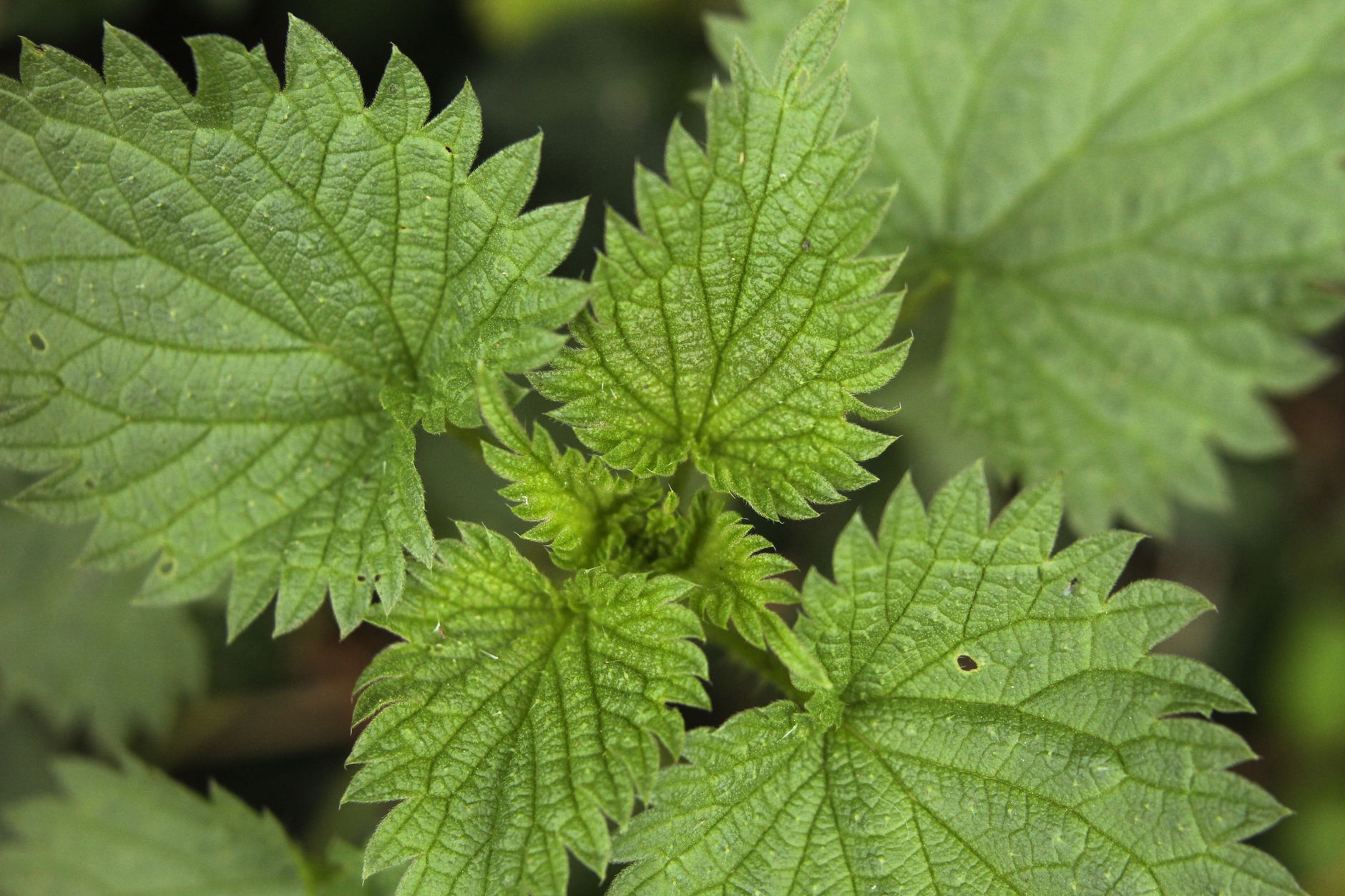
The Ultimate Guide to Hyssop Herb: Health Benefits and Uses

The Profound Health Benefits of Hyssop Herb: A Definitive Deep-Dive Guide

Hyssop (Hyssopus officinalis) is far more than just a garden ornament with beautiful blue flowers; it is a venerable herb steeped in centuries of history and celebrated for its remarkable array of medicinal properties. From ancient spiritual purification rituals to modern scientific investigations, Hyssop has consistently demonstrated its profound capacity to support human health across multiple physiological systems. This exhaustive guide delves into the botanical nuances, historical significance, intricate chemical composition, and multifaceted health benefits of this extraordinary plant, providing a comprehensive understanding for anyone seeking to harness its therapeutic potential.

A Botanical Glimpse and Revered Historical Journey

Hyssopus officinalis, a proud member of the Lamiaceae (mint) family, is a small, bushy perennial subshrub typically growing to about 2 feet in height. Its slender, woody stems are adorned with narrow, linear leaves and beautiful spikes of fragrant, usually blue-violet flowers, though pink and white varieties also exist. Native to Southern Europe, the Middle East, and the Caucasus region, Hyssop thrives in dry, sunny environments and rocky soils, conditions that contribute to the potency of its aromatic compounds. Its distinctive, slightly bitter, camphoraceous aroma and taste are tell-tale signs of its rich essential oil content.

The name “Hyssop” itself carries echoes of antiquity, believed to be derived from the Hebrew word “ezob” or the Arabic “azaf,” both referring to a holy herb used for cleansing. Its historical footprint is deeply etched in various cultures and religious texts. In biblical times, Hyssop was employed in purification ceremonies, notably in the Old Testament for ritual cleansing from leprosy and sin, symbolizing spiritual purification and renewal. The ancient Greeks and Romans recognized its medicinal value, using it to treat respiratory ailments, coughs, and throat infections, and as a digestive aid. Hippocrates, the father of medicine, and Dioscorides, the Roman military physician, both documented Hyssop’s therapeutic applications. During the Middle Ages, Hyssop found a prominent place in monastic gardens and apothecaries, valued for its antiseptic, expectorant, and digestive properties. Its use continued to flourish in traditional European herbalism, where it was often incorporated into liqueurs like Chartreuse for its digestive and invigorating qualities.

Hyssop Herb Botanical Photo

Unveiling the Bioactive Arsenal: Key Chemical Compounds of Hyssop

The diverse health benefits attributed to Hyssop are intrinsically linked to its complex phytochemical profile, a synergistic blend of volatile essential oils, potent flavonoids, tannins, and phenolic acids. Understanding these active constituents is paramount to appreciating the herb’s therapeutic mechanisms.

Essential Oils: The Aromatic Powerhouses

The distinctive aroma and much of Hyssop’s medicinal efficacy stem from its essential oil, which is particularly rich in monoterpenes and monoterpenones. Key components include:

  • Pinocamphone and Isopinocamphone: These bicyclic monoterpenones are highly characteristic of Hyssop essential oil. They are largely responsible for the herb’s potent antimicrobial, antiviral, and expectorant properties. While highly effective, their concentration is also a critical factor in safety, as high doses can be neurotoxic, akin to thujone in absinthe.
  • Beta-pinene and Alpha-pinene: Common terpenes found in many conifers and herbs, these contribute to Hyssop’s anti-inflammatory, bronchodilatory, and antimicrobial activities. They also impart a fresh, pine-like scent.
  • Camphene: Another monoterpene with notable antioxidant and anti-inflammatory effects, contributing to the overall protective actions of the herb.
  • 1,8-Cineole (Eucalyptol): A powerful expectorant and mucolytic agent, this compound helps thin mucus and clear airways, making it invaluable for respiratory conditions. It also possesses strong antimicrobial properties.
  • Linalool and Geraniol: These are aromatic alcohols that contribute to Hyssop’s pleasant fragrance and possess mild sedative, antimicrobial, and anti-inflammatory properties.

Flavonoids: Potent Antioxidants and Anti-Inflammatory Agents

Hyssop is a good source of various flavonoids, plant pigments known for their powerful antioxidant and anti-inflammatory capabilities. Key flavonoids include:

  • Diosmin and Hesperidin: These are particularly notable, especially diosmin, which is often extracted and used in pharmaceutical preparations for venous insufficiency and hemorrhoids. They exert vasoprotective effects, strengthening capillary walls and improving venous tone. Their antioxidant nature helps combat oxidative stress.
  • Rutin: Known for its ability to strengthen capillaries, reduce inflammation, and provide antioxidant protection.
  • Quercetin: A widely studied flavonoid with significant anti-inflammatory, antioxidant, and antihistamine properties.

Phenolic Acids: Radical Scavengers

These compounds, including rosmarinic acid and caffeic acid, are strong antioxidants that protect cells from damage caused by free radicals. They also exhibit anti-inflammatory and potentially neuroprotective effects.

Tannins: Astringent and Protective

Tannins contribute to Hyssop’s astringent properties, making it useful for tightening tissues and reducing secretions, which can be beneficial for irritated mucous membranes or minor wounds.

Hyssop Herb Plant Profile

Comprehensive Health Benefits of Hyssop Herb

The intricate synergy of Hyssop’s bioactive compounds confers a wide spectrum of health benefits, addressing various bodily systems with remarkable efficacy.

1. Exceptional Respiratory Support and Expectorant Action

One of Hyssop’s most celebrated traditional uses, and one well-supported by its chemical profile, is its profound benefit for respiratory health. The essential oils, particularly pinocamphone, isopinocamphone, and 1,8-cineole, act as potent expectorants and mucolytics. They stimulate the activity of ciliated epithelial cells in the respiratory tract, promoting the upward movement of mucus and trapped particles. Concurrently, they help to thin viscous phlegm, making it easier to cough up and expel. This dual action effectively clears congested airways, providing significant relief from coughs, colds, bronchitis, and even asthma. The anti-inflammatory properties of Hyssop also soothe irritated mucous membranes, reducing swelling and discomfort associated with respiratory infections.

2. Potent Antimicrobial, Antiviral, and Antifungal Properties

Hyssop stands out as a formidable natural antimicrobial agent. Research has consistently demonstrated the essential oil’s ability to inhibit the growth of a wide range of pathogenic microorganisms. Pinocamphone and isopinocamphone are particularly effective at disrupting bacterial cell membranes, leading to cellular leakage and death. Studies have shown activity against common bacterial culprits such as *Staphylococcus aureus* (including some antibiotic-resistant strains), *Escherichia coli*, and *Pseudomonas aeruginosa*. Furthermore, Hyssop exhibits significant antiviral capabilities, with some studies suggesting its efficacy against viruses like Herpes Simplex Virus (HSV). Its antifungal action also makes it useful against certain fungal infections, contributing to its broad-spectrum protective effects against various pathogens.

3. Anti-inflammatory and Antioxidant Powerhouse

Chronic inflammation and oxidative stress are underlying factors in many degenerative diseases. Hyssop’s rich content of flavonoids (diosmin, hesperidin, rutin, quercetin) and phenolic acids (rosmarinic acid, caffeic acid) positions it as a powerful antioxidant and anti-inflammatory herb. These compounds actively scavenge free radicals, neutralizing their damaging effects on cellular structures and DNA. Moreover, they modulate inflammatory pathways, inhibiting the production of pro-inflammatory cytokines and enzymes like COX-2 and LOX. This systemic reduction in inflammation and oxidative damage can protect various organs, support cellular longevity, and potentially mitigate the risk of chronic diseases such as cardiovascular disorders, neurodegenerative conditions, and certain cancers.

4. Digestive Aid and Carminative Benefits

Hyssop has long been revered for its ability to support digestive health. As a carminative, it helps to alleviate flatulence, bloating, and abdominal discomfort by relaxing the smooth muscles of the gastrointestinal tract and facilitating the expulsion of gas. Its bitter compounds also stimulate the production of digestive enzymes and bile, which are crucial for the efficient breakdown and absorption of nutrients. This choleretic action can aid in digestion, reduce feelings of fullness after meals, and even contribute to better fat metabolism. Traditionally, it has been used to address sluggish digestion and promote appetite.

5. Immune System Modulator and Support

Beyond its direct antimicrobial effects, Hyssop plays a role in enhancing overall immune function. Its antioxidant compounds protect immune cells from oxidative damage, ensuring their optimal performance. The ability to fight off infections directly, coupled with systemic anti-inflammatory actions, contributes to a more robust immune response. Regular consumption of Hyssop may help the body better defend itself against seasonal ailments and recover more quickly from illnesses by bolstering the natural defense mechanisms.

6. Potential Neuroprotective and Mood-Enhancing Effects

While less extensively studied than its respiratory or antimicrobial actions, traditional uses suggest Hyssop may exert mild nervine properties. It has been used to alleviate anxiety, nervousness, and promote a sense of calm. The presence of certain terpenes and essential oil components might contribute to these effects, potentially through interaction with neurotransmitter systems or by reducing oxidative stress in the brain. Some phenolic acids like rosmarinic acid are also recognized for their potential neuroprotective benefits.

7. Topical Applications for Skin Health

Due to its antiseptic, anti-inflammatory, and astringent properties, Hyssop can also be beneficial for topical applications. Infusions or diluted essential oil can be used as compresses or washes for minor cuts, scrapes, bruises, and skin irritations. It can help cleanse wounds, reduce inflammation, and promote healing. Its astringent nature may also be useful for tightening pores or soothing irritated skin conditions.

Hyssop Herb Dried Herb

Practical Usage and Forms of Hyssop Herb

Hyssop can be incorporated into a health regimen in several forms, each offering distinct advantages. The choice of form often depends on the desired effect and individual preference.

1. Herbal Infusion (Tea)

This is one of the most common and gentlest ways to consume Hyssop. A tea made from the dried leaves and flowers is excellent for respiratory complaints, digestive issues, and general immune support. To prepare, steep 1-2 teaspoons of dried Hyssop herb in 8 ounces of hot water for 5-10 minutes. Strain and drink 2-3 times a day. The warm vapor from the tea also provides immediate relief for congested sinuses.

2. Tinctures

Hyssop tinctures are concentrated liquid extracts made by steeping the herb in alcohol. They offer a more potent and convenient method of delivery. Tinctures are particularly effective for chronic conditions or when a more robust therapeutic effect is desired. Typical dosage ranges from 20-60 drops (1-3 ml), 2-3 times daily, diluted in water. Tinctures are readily absorbed and offer a longer shelf life.

3. Essential Oil

Hyssop essential oil is highly concentrated and should be used with extreme caution. It is rich in pinocamphone and isopinocamphone, which can be neurotoxic in high doses. It should NEVER be ingested orally unless under the direct supervision of a qualified healthcare professional with expertise in essential oil therapy. For aromatherapy, a few drops can be diffused to clear respiratory passages or uplift mood. For topical application, it must be heavily diluted (1-2 drops per tablespoon of carrier oil like jojoba or almond oil) and applied to the chest for respiratory relief or to pulse points for a calming effect. Always perform a patch test first.

Hyssop Herb Capsules

4. Capsules and Supplements

For those seeking convenience and precise dosing, Hyssop is available in capsule form, often containing powdered dried herb or standardized extracts. These supplements are an excellent option for consistent, long-term support for respiratory, digestive, or immune health. It is crucial to choose reputable brands that provide clear dosage instructions and ingredient transparency. Always adhere to the recommended dosage on the product label unless otherwise advised by a healthcare provider.

5. Syrups and Lozenges

Historically, Hyssop was often prepared as a medicinal syrup, particularly for coughs and sore throats, sometimes combined with honey and other soothing herbs. These forms can be especially palatable and effective for children (with appropriate reduced dosage and professional guidance).

6. Topical Compresses or Washes

An infusion of Hyssop can be cooled and used as a topical wash or compress for minor skin irritations, cuts, or bruises. The astringent and antiseptic properties can help cleanse and soothe the affected area.

Dosage, Safety, and Contraindications

While Hyssop offers numerous benefits, it is crucial to approach its use with awareness of potential side effects and contraindications, especially given the potency of its essential oil components.

General Dosage Guidelines (for adults):

  • Tea: 1-2 teaspoons of dried herb steeped in 8 oz hot water, 2-3 times daily.
  • Tincture (1:5, 40% alcohol): 1-3 ml (20-60 drops), 2-3 times daily.
  • Capsules/Powdered Herb: Typically 500-1000 mg, 1-2 times daily, depending on concentration. Always follow product-specific instructions.

Crucial Safety Considerations and Contraindications:

  • Essential Oil: Hyssop essential oil, due to its high concentration of pinocamphone and isopinocamphone, can be neurotoxic and potentially cause convulsions, especially in high doses or with prolonged use. It is strictly contraindicated for internal use without expert medical supervision and should be used externally only in highly diluted forms. Avoid entirely for individuals prone to seizures or epilepsy.
  • Pregnancy and Breastfeeding: Hyssop is traditionally considered an emmenagogue (stimulates menstrual flow) and abortifacient in large doses. Therefore, it is strongly contraindicated during pregnancy. Due to lack of sufficient safety data, it should also be avoided during breastfeeding.
  • Epilepsy and Seizure Disorders: Individuals with epilepsy or a history of seizure disorders should avoid Hyssop, particularly its essential oil, due to the potential neurotoxic effects of its ketone constituents.
  • Children: Hyssop use in young children should be approached with extreme caution and only under the guidance of a pediatric herbalist or healthcare provider, given its potency.
  • Drug Interactions:
    • Anticoagulants/Antiplatelet Drugs: Hyssop, particularly its flavonoid diosmin, may potentially have mild blood-thinning effects. Use with caution if taking blood thinners like warfarin or aspirin.
    • Blood Pressure Medications: Diosmin and hesperidin might have an impact on blood pressure. Individuals on antihypertensive drugs should monitor their blood pressure closely.
    • Diabetes Medications: Some preliminary studies suggest Hyssop might influence blood glucose levels. Diabetics should consult their doctor and monitor blood sugar carefully.
  • Allergic Reactions: As with any herb, allergic reactions are possible, although rare. Discontinue use if adverse reactions occur.

Conclusion: Hyssop – An Ancient Healer for Modern Wellness

Hyssop (Hyssopus officinalis) stands as a testament to the enduring power of natural medicine, offering a rich tapestry of therapeutic benefits woven through millennia of human experience and increasingly validated by contemporary scientific inquiry. From its ancient roots in purification rituals to its modern applications as a potent respiratory aid, antimicrobial agent, and anti-inflammatory powerhouse, Hyssop’s multifaceted gifts are undeniable. Its unique chemical composition, featuring an intricate balance of essential oils, flavonoids, and phenolic acids, provides a comprehensive approach to health, supporting everything from immune resilience to digestive harmony.

As we navigate the complexities of modern health challenges, returning to the wisdom of herbs like Hyssop offers a compelling path toward holistic well-being. However, responsible and informed usage is paramount. By understanding its botanical characteristics, the specific actions of its bioactive compounds, and adhering to appropriate dosages and safety precautions, individuals can safely and effectively integrate this venerable herb into their wellness journey, unlocking the profound potential of Hyssop to cleanse, heal, and invigorate. Always consult with a qualified healthcare professional or an experienced herbalist before beginning any new herbal regimen, especially if you have underlying health conditions or are taking other medications.

Hyssop Herb Natural Herb

Disclaimer: For informational purposes only. Not medical advice. Consult a qualified healthcare professional before use.
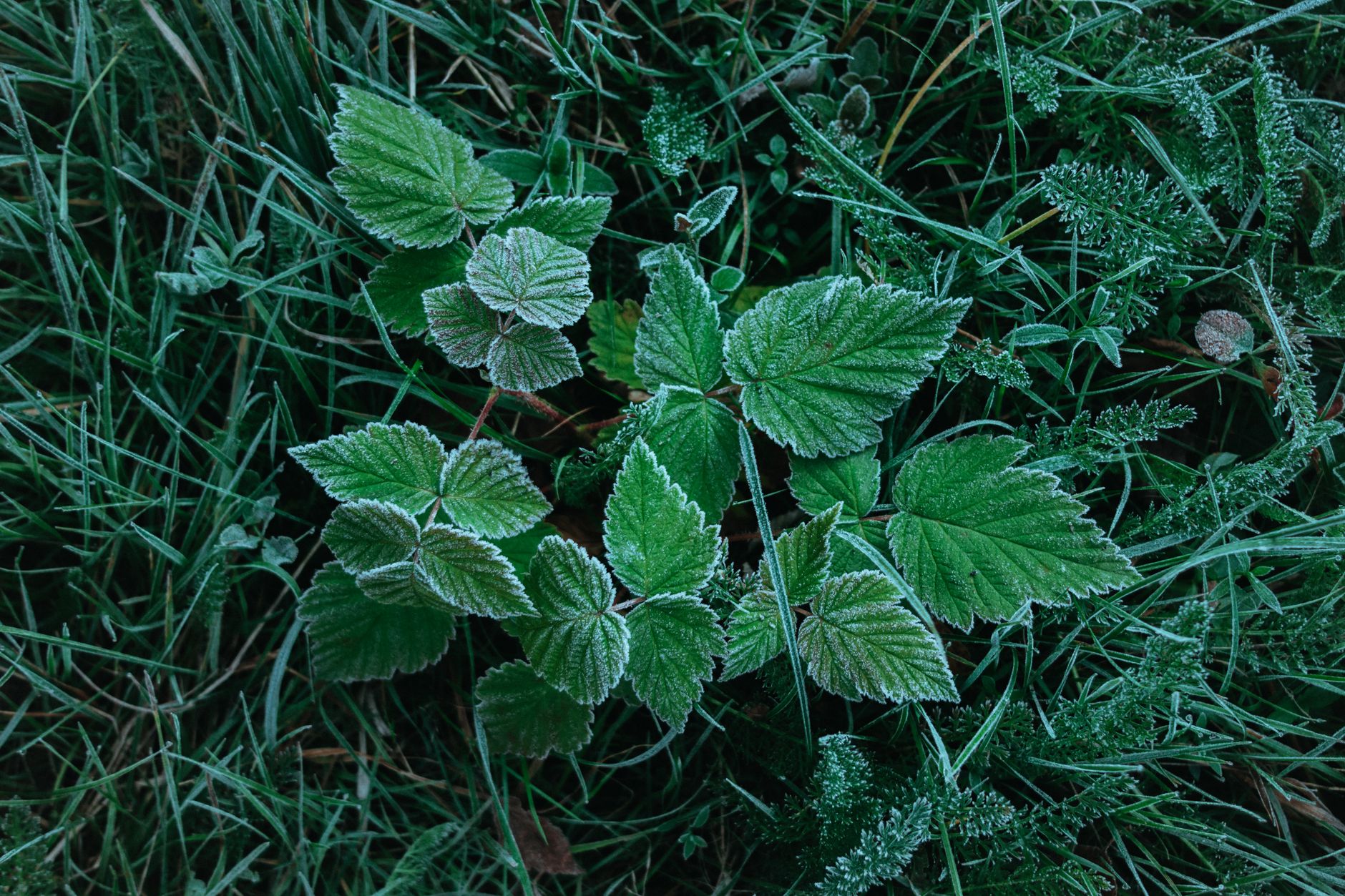
The Ultimate Guide to Sweetgrass: Health Benefits and Uses

The Profound Health Benefits of Sweetgrass: A Definitive Deep-Dive Guide to Hierochloe odorata

Sweetgrass, scientifically known as Hierochloe odorata (meaning “holy grass” in Greek), is far more than just a fragrant plant; it is a revered botanical with a rich tapestry of historical significance, spiritual reverence, and compelling health benefits. From the sun-drenched plains of North America to the expansive tundras of Eurasia, this sacred herb has been cherished by Indigenous cultures for millennia, its sweet, vanilla-like aroma symbolizing peace, healing, and connection to the earth. In an era increasingly turning towards holistic wellness and natural remedies, Sweetgrass emerges as a profound subject of study, revealing a complex array of bioactive compounds that contribute to its celebrated therapeutic properties. This exhaustive guide delves deep into the multifaceted benefits of Sweetgrass, exploring its botanical intricacies, cultural legacy, chemical composition, and practical applications for modern well-being, aiming to uncover why this sacred plant continues to hold such a vital place in human health and spirituality.

Botanical Overview and Characteristics of Sweetgrass

Hierochloe odorata, commonly known as Sweetgrass, Vanilla Grass, or Holy Grass, belongs to the Poaceae (grass) family, a vast and economically significant group of flowering plants. It is a perennial, cool-season grass that typically grows in moist meadows, open woodlands, and coastal areas across its wide circumboreal distribution, encompassing North America (particularly the northern United States and Canada), northern Europe, and Asia. Characterized by its delicate, bright green blades that can reach heights of up to two feet, Sweetgrass is most distinctive for its unique, sweet fragrance, which intensifies when dried or bruised. This captivating aroma is often described as a complex blend of vanilla, coumarin, and subtle hints of almond or new-mown hay, a scent profile that has historically made it a prized botanical for perfumery, traditional ceremonies, and natural air freshening.

The plant reproduces primarily through rhizomes, allowing it to spread and form dense patches. Its inconspicuous flowers, typically appearing in late spring to early summer, are yellowish-green spikelets that mature into seeds. However, it is the leaves, especially when harvested at their peak vibrancy and carefully dried, that concentrate the plant’s aromatic compounds and medicinal efficacy. Identifying Sweetgrass in the wild requires careful observation, as it can be confused with other grasses, but its broad, shiny, hairless leaves and distinct reddish-purple tinge at the base of the stems, coupled with its unmistakable scent, are key indicators for foragers and botanists alike. The resilient nature of Sweetgrass, thriving in diverse climates, underscores its adaptability and persistent presence as a botanical ally.

Sweetgrass Botanical Photo

Historical and Cultural Significance: A Legacy of Sacred Healing

The historical and cultural roots of Sweetgrass run deep, especially within Indigenous North American communities, where it holds a place of profound reverence and spiritual importance. For countless generations, Sweetgrass has been one of the “Four Sacred Medicines,” alongside tobacco, cedar, and sage, each playing a crucial role in healing, purification, and ceremony. Its sweet aroma is believed to attract benevolent spirits and positive energies, making it indispensable in smudging rituals. During these ceremonies, dried Sweetgrass braids are lit, and the smoke is fanned over individuals, objects, or spaces to cleanse, purify, and bless, creating a sacred atmosphere conducive to prayer, meditation, and healing. This practice is not merely symbolic; it is an active engagement with the plant’s perceived spiritual essence, fostering mental clarity, emotional release, and a deeper connection to the natural world.

Beyond its ceremonial use, Sweetgrass has been a staple in traditional Indigenous medicine for a wide array of ailments. Medicinally, infusions and decoctions were prepared for internal use to address coughs, colds, sore throats, and digestive complaints. Topically, crushed or infused Sweetgrass was applied to wounds, minor burns, and irritated skin for its purported antiseptic and soothing properties. Women often used Sweetgrass during childbirth to facilitate delivery and ease pain, highlighting its historical role as a potent analgesic and relaxant. Its calming scent was also woven into everyday life, incorporated into baskets, mats, and clothing, not just for its pleasant fragrance but also for its ability to deter insects and provide a sense of comfort and protection. The act of gathering Sweetgrass was itself a spiritual practice, often accompanied by prayers and offerings, demonstrating a profound respect for the plant and its gifts. This deeply embedded cultural context provides crucial insight into the holistic health benefits that Sweetgrass offers, encompassing physical, mental, and spiritual well-being.

Bioactive Compounds and Chemical Composition: Unveiling Sweetgrass’s Therapeutic Power

The therapeutic efficacy and captivating aroma of Sweetgrass are attributable to its complex array of bioactive compounds, a rich phytochemical profile that has garnered increasing scientific interest. At the forefront of these compounds is **coumarin**, a naturally occurring organic chemical substance renowned for its sweet, vanilla-like fragrance, which is particularly prominent when the plant is dried. Coumarin and its derivatives, such as dihydrocoumarin, are responsible for the characteristic scent that has made Sweetgrass so prized for centuries. Beyond its aromatic qualities, coumarin possesses notable pharmacological properties, including anti-inflammatory, anticoagulant, and mild sedative effects. While synthetic coumarin can be toxic in high doses, the coumarin naturally present in Sweetgrass exists in a balanced matrix with other compounds, and its bioavailability and metabolic pathways differ from isolated synthetic forms, making it safe when used traditionally.

In addition to coumarin, Sweetgrass contains a diverse blend of **volatile organic compounds** that contribute to its overall therapeutic profile. Essential oil analyses have identified compounds such as **phytol**, a diterpene alcohol known for its antioxidant and anti-inflammatory properties; **eugenol**, a phenolic compound also found in cloves, recognized for its antiseptic and analgesic actions; and various **sesquiterpenes and monoterpenes**. These terpenes, including compounds like alpha-pinene, limonene, and beta-caryophyllene, are often associated with anti-inflammatory, antimicrobial, and anxiolytic effects, contributing to the holistic benefits observed with Sweetgrass use. The plant also contains **flavonoids** and other **phenolic compounds**, which are powerful antioxidants that help combat oxidative stress and cellular damage in the body. The synergistic interaction of these various phytochemicals creates an ‘entourage effect,’ where the combined action of multiple compounds is greater than the sum of their individual parts, enhancing Sweetgrass’s overall healing potential. This intricate chemical composition underpins its traditional uses and provides a scientific basis for its diverse health benefits.

Sweetgrass Plant Profile

Unpacking the Health Benefits of Sweetgrass

The convergence of traditional wisdom and emerging scientific understanding highlights a compelling range of health benefits attributed to Sweetgrass. Each benefit stems from its unique phytochemical blend, offering a holistic approach to well-being.

1. Potent Anti-inflammatory Properties

Sweetgrass has long been utilized in traditional medicine for its ability to soothe inflammation, a foundational process underlying many chronic diseases. The primary contributors to this anti-inflammatory effect are believed to be coumarin, phytol, and various terpenes and flavonoids present in the plant. Coumarin, for instance, has been shown in some studies to modulate inflammatory pathways by inhibiting the production of pro-inflammatory cytokines such as TNF-α and IL-6, and by reducing the activity of enzymes like cyclooxygenase-2 (COX-2), which are central to the inflammatory cascade. Phytol, a component of chlorophyll, also exhibits significant anti-inflammatory actions by interfering with various immune responses. When Sweetgrass is used topically, such as in balms or poultices, these compounds can penetrate the skin to reduce localized swelling, redness, and pain associated with conditions like arthritis, muscle aches, or insect bites. Internally, infusions may help alleviate systemic inflammation, supporting the body’s natural healing processes and potentially mitigating symptoms of inflammatory conditions.

2. Powerful Antioxidant Defense

Oxidative stress, caused by an imbalance between free radicals and antioxidants, is a major contributor to cellular damage, aging, and a multitude of chronic diseases. Sweetgrass offers a robust defense against this damage due to its rich content of antioxidant compounds, particularly flavonoids and phenolic acids. These compounds act as free radical scavengers, neutralizing harmful free radicals before they can inflict damage on DNA, proteins, and lipids. By mitigating oxidative stress, Sweetgrass can help protect cells from premature aging, support cellular regeneration, and reduce the risk of oxidative-stress-related disorders. The synergistic action of coumarin, phytol, and various terpenes also contributes to this antioxidant capacity, creating a comprehensive protective shield against environmental stressors and internal metabolic byproducts. Regular exposure to these antioxidants, whether through inhalation of its smoke or ingestion of its extracts, contributes to overall cellular health and resilience.

3. Anxiolytic and Calming Effects for Mental Well-being

Perhaps one of the most celebrated benefits of Sweetgrass, deeply embedded in its ceremonial use, is its profound ability to induce a sense of calm, reduce anxiety, and promote mental clarity. The sweet, comforting aroma of Sweetgrass, primarily due to coumarin, plays a significant role in its anxiolytic properties. Aromatherapy studies have shown that inhaling certain natural scents can directly influence the limbic system of the brain, which is responsible for emotions and memory. Coumarin, in particular, has been linked to mild sedative effects, promoting relaxation without causing drowsiness. When used in smudging rituals, the gentle smoke not only purifies the environment but also provides a sensory experience that grounds individuals, alleviates stress, and fosters a meditative state. This effect can lead to a reduction in cortisol levels (the stress hormone), improve mood, and potentially aid in sleep quality by calming an overactive mind. For individuals grappling with daily stressors, anxiety, or emotional turmoil, Sweetgrass offers a gentle yet powerful natural intervention for restoring inner peace and emotional balance.

4. Antimicrobial and Antiseptic Potential

Historically, Sweetgrass has been used as a natural antiseptic and disinfectant for wounds and to ward off infections. Modern phytochemical analysis supports these traditional applications, identifying compounds within Sweetgrass that possess antimicrobial properties. Eugenol, found in Sweetgrass essential oil, is well-known for its broad-spectrum antimicrobial activity against bacteria, fungi, and even some viruses. Various terpenes and other volatile compounds also contribute to this effect, disrupting microbial cell membranes and inhibiting their growth. When applied topically, such as in infused oils or poultices, Sweetgrass can help cleanse minor cuts, scrapes, and skin irritations, reducing the risk of infection and promoting faster healing. The smoke from smudging may also contribute to purifying the air, potentially reducing airborne pathogens, aligning with the ancient practice of using aromatic smoke for environmental hygiene and spiritual cleansing.

Sweetgrass Dried Herb

5. Respiratory Support and Expectorant Qualities

For generations, Indigenous peoples have turned to Sweetgrass to alleviate symptoms of respiratory ailments such as colds, coughs, and congestion. The aromatic vapors released from Sweetgrass, particularly when infused as a tea or inhaled directly from smoldering braids, can act as a natural expectorant. These vapors help to loosen mucus in the respiratory passages, making it easier to clear the airways and relieve congestion. The anti-inflammatory compounds also contribute by reducing inflammation in the bronchial tubes, which can ease breathing difficulties associated with conditions like bronchitis or asthma. Inhaling the warm, moist steam from a Sweetgrass infusion can provide immediate relief for stuffy noses and irritated throats, demonstrating its efficacy as a gentle yet effective respiratory aid. This traditional application underscores its holistic utility, offering comfort and support during seasonal health challenges.

6. Digestive Aid and Stomach Soother

Traditional uses of Sweetgrass also extend to the digestive system, where it was employed to alleviate stomach upset, indigestion, and nausea. The calming and anti-inflammatory properties of Sweetgrass, particularly the soothing effects of coumarin and various terpenes, can help relax the smooth muscles of the gastrointestinal tract. This relaxation can reduce spasms and discomfort, making it beneficial for conditions like mild indigestion, bloating, or nervous stomach. Infusions of Sweetgrass, consumed in small quantities, were believed to harmonize digestive processes and provide a gentle carminative effect, aiding in the expulsion of gas. While not a primary digestive remedy, its traditional use suggests a supportive role in maintaining gut comfort and promoting overall digestive well-being, especially when digestive issues are exacerbated by stress or anxiety.

Practical Usage of Sweetgrass in Modern Wellness

Sweetgrass can be incorporated into modern wellness routines in several forms, each offering a unique way to experience its benefits, though it’s important to approach its use with respect for its sacred origins and proper understanding of its properties.

Traditional Smudging and Aromatic Use

The most iconic use of Sweetgrass is in smudging rituals. Braided and dried, Sweetgrass is gently lit, allowed to smolder, and the fragrant smoke is fanned to purify spaces, objects, or individuals. This practice is primarily spiritual and energetic, but the inhaled aroma provides significant psychological benefits, promoting relaxation, reducing stress, and fostering a sense of peace and grounding. For aromatic purposes, small pieces can also be placed in sachets in drawers or wardrobes to naturally freshen spaces with its sweet scent, deterring moths and enhancing the atmosphere.

Herbal Infusions and Teas

While less common than smudging, Sweetgrass can be brewed into a mild herbal infusion. To prepare, steep a small amount of dried Sweetgrass (a few blades) in hot water for 5-10 minutes. This tea can be consumed to harness its internal benefits, particularly for soothing digestive complaints, easing respiratory discomfort, or promoting a general sense of calm. Due to the presence of coumarin, which can be hepatotoxic in very high doses, it is crucial to use Sweetgrass in moderation for internal consumption, typically a weak infusion and not on a daily basis without professional guidance. Always opt for ethically harvested or cultivated Sweetgrass for teas.

Topical Applications

Sweetgrass-infused oils, salves, or poultices can be prepared for topical use. These applications are beneficial for localized relief from inflammation, minor skin irritations, insect bites, and muscle soreness. To make an infused oil, gently heat dried Sweetgrass in a carrier oil like olive or almond oil for several hours, then strain. This infused oil can then be applied directly to the skin or incorporated into balms and lotions, allowing the anti-inflammatory and antiseptic compounds to provide targeted relief. The soothing aroma also enhances the topical experience, contributing to overall relaxation.

Sweetgrass Capsules

Sweetgrass Essential Oil and Extracts

Sweetgrass essential oil, though rare and often expensive due to the difficulty of extraction, offers a concentrated form of its volatile compounds. It can be diffused for aromatic benefits, diluted in carrier oils for topical application, or used in aromatherapy blends. Extracts, such as tinctures, are also available from specialized herbal suppliers and provide a convenient way to integrate Sweetgrass into internal wellness routines, again, with careful consideration of dosage and potential interactions. When purchasing essential oils or extracts, ensure they are from reputable sources to guarantee purity and safety.

Safety, Dosage, and Ethical Considerations

While Sweetgrass is generally considered safe for traditional and aromatic use, a mindful approach is paramount, especially concerning internal consumption. The primary concern is the presence of coumarin. While the natural levels in Sweetgrass are typically low and the risk of toxicity from traditional, moderate use (e.g., smudging or occasional weak tea) is minimal, concentrated extracts or excessive internal intake could theoretically pose a risk of liver damage, particularly for individuals with pre-existing liver conditions or those on anticoagulant medications. Therefore:

  • **Internal Use:** Always exercise caution. Consult with a qualified healthcare professional or an experienced herbalist before using Sweetgrass internally, especially if you are pregnant, nursing, have a medical condition, or are taking any medications. Stick to very weak infusions and infrequent use.
  • **Topical Use:** Sweetgrass-infused oils or balms are generally safe for topical application. However, perform a patch test on a small area of skin first to check for any allergic reactions.
  • **Aromatic Use (Smudging/Diffusion):** This is the safest and most common method of use. Ensure adequate ventilation when smudging. Individuals with respiratory sensitivities or asthma should use caution or avoid direct inhalation of dense smoke.
  • **Ethical Sourcing:** Sweetgrass holds deep cultural significance for Indigenous peoples. When sourcing Sweetgrass, prioritize vendors who practice sustainable harvesting and ideally support Indigenous communities directly. Wild harvesting should only be done with permission and knowledge of local ecology to prevent over-harvesting and respect traditional territories.

Understanding these considerations ensures that the powerful benefits of Sweetgrass can be harnessed responsibly and respectfully, honoring both personal health and cultural heritage.

Sweetgrass Natural Herb

Conclusion: Sweetgrass – A Bridge to Holistic Wellness

Sweetgrass, Hierochloe odorata, stands as a testament to the profound wisdom embedded in traditional botanical knowledge, offering a captivating blend of spiritual significance and tangible health benefits. From its signature anxiolytic aroma that calms the mind and spirit, to its potent anti-inflammatory and antioxidant properties that support physical well-being, Sweetgrass serves as a powerful natural ally in the pursuit of holistic health. Its rich chemical composition, featuring coumarin, phytol, eugenol, and a symphony of terpenes and flavonoids, provides a scientific foundation for its revered status in Indigenous healing traditions.

As we navigate an increasingly complex world, the gentle yet profound influence of Sweetgrass offers a vital connection to nature and an ancestral pathway to balance. Whether experienced through the sacred smoke of a smudging ceremony, a comforting herbal infusion, or a topical balm, Sweetgrass invites us to embrace a multi-dimensional approach to wellness—one that nourishes not only the body but also the mind and spirit. By understanding and respecting its deep cultural roots and medicinal properties, we can responsibly integrate this cherished plant into modern life, allowing its sweet essence to guide us towards greater peace, healing, and harmony.

Disclaimer: For informational purposes only. Not medical advice. Consult a qualified healthcare professional before use.
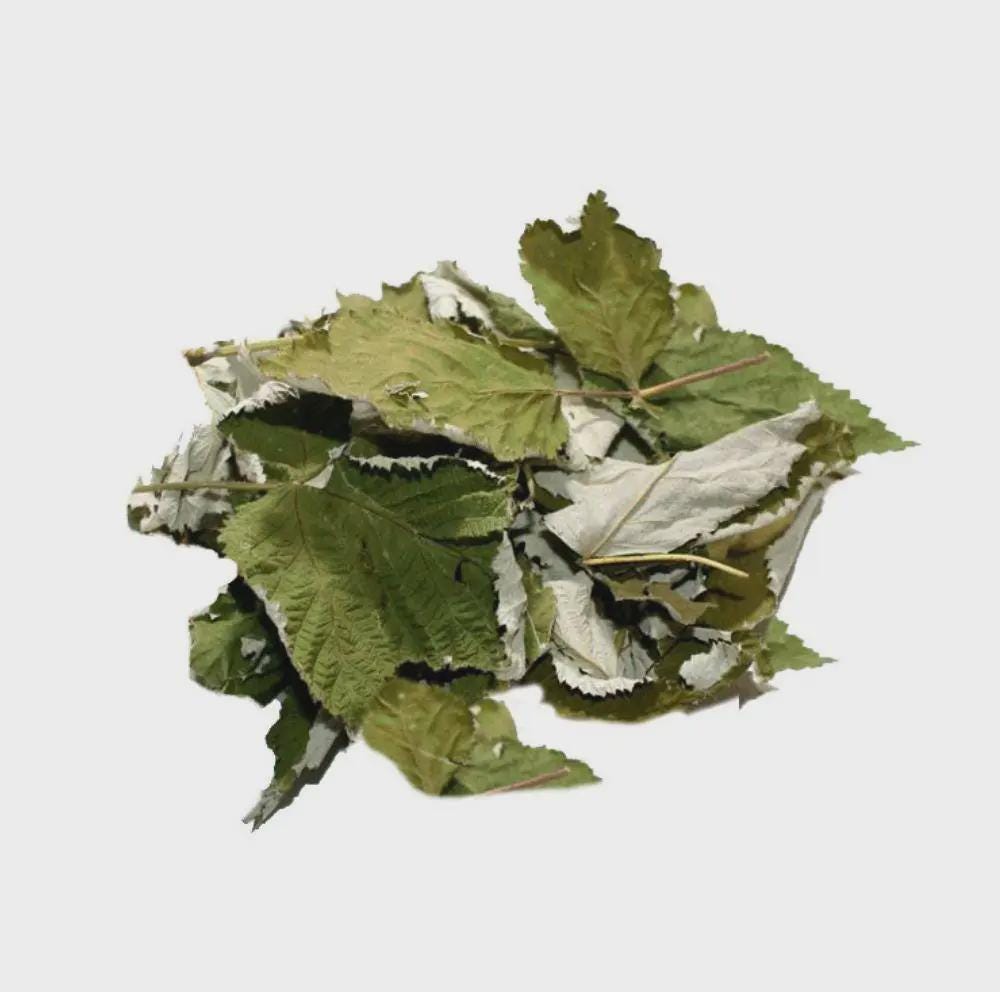
The Ultimate Guide to Centaury Herb: Health Benefits and Uses

The Definitive Guide to Centaury Herb: Unlocking its Profound Health Benefits

In the vast tapestry of botanical medicine, certain herbs stand out for their enduring legacy and scientifically validated efficacy. Among these revered botanicals is Centaury, a modest yet mighty plant known scientifically as Centaurium erythraea. For centuries, Centaury has been a cornerstone of traditional healing systems across Europe, Asia, and North Africa, celebrated primarily for its remarkable digestive properties. However, its therapeutic repertoire extends far beyond gastric comfort, encompassing a broad spectrum of health benefits ranging from liver support and blood sugar regulation to potent antioxidant and anti-inflammatory actions. This exhaustive guide delves into the intricate world of Centaury herb, exploring its rich history, unique chemical composition, and the myriad ways it can contribute to holistic well-being, cementing its status as a true natural wonder.

A Glimpse into Centaury’s Botanical Profile and Ancient Pedigree

Centaury, often referred to as Common Centaury, European Centaury, or Bitter Herb, is an annual or biennial plant belonging to the Gentianaceae family. It typically grows to a height of 10 to 50 centimeters, characterized by its slender, erect stem, opposite leaves forming a basal rosette, and delicate, star-shaped pink to crimson flowers that bloom in clusters during the summer months. The plant thrives in meadows, dry grasslands, and woodland edges, preferring calcified soils and ample sunlight. Its botanical name, Centaurium erythraea, is steeped in ancient lore, often linked to the mythical Chiron the Centaur, who was said to have used the herb to heal wounds, thus underscoring its historical significance as a medicinal plant.

Centaury Herb Botanical Photo

The historical reverence for Centaury is deeply rooted in various ancient medical texts and folk traditions. The Egyptians, Greeks, and Romans utilized Centaury for its purported ability to purify the blood, stimulate appetite, and treat fevers. Greek physician Dioscorides, in his monumental work “De Materia Medica,” described Centaury’s use for digestive ailments and wound healing. Medieval European herbalists extensively incorporated Centaury into their pharmacopoeia, often preparing it as a bitter tonic to aid digestion and alleviate liver complaints. Its reputation as a potent bitter continues to this day, a testament to its consistent application throughout millennia of herbal practice.

The Potent Chemistry of Centaury: Unveiling Bioactive Compounds

The remarkable therapeutic actions of Centaury herb are attributed to its complex phytochemical profile, which is dominated by a class of compounds known as secoiridoid glycosides. These bitter principles are the cornerstone of Centaury’s medicinal efficacy, particularly in the realm of digestive health. However, the herb also contains a rich assortment of other bioactive constituents that contribute synergistically to its overall health-promoting properties.

Centaury Herb Plant Profile

Secoiridoid Glycosides: The Bitter Powerhouse

  • Gentiopicrin (Gentiopicroside): This is one of the most abundant and perhaps the most significant secoiridoid glycoside in Centaury. Gentiopicrin is primarily responsible for the herb’s intense bitter taste, which triggers a cascade of physiological responses in the digestive system. Upon contact with taste receptors on the tongue, it initiates a reflex stimulation of salivary, gastric, and pancreatic secretions, leading to enhanced appetite, improved digestion, and more efficient nutrient absorption.
  • Amarogentin: While present in smaller quantities than gentiopicrin, amarogentin is recognized as one of the most intensely bitter compounds found in nature, even more so than quinine. Its presence further amplifies Centaury’s digestive stimulant effects, contributing to bile flow and enzyme production.
  • Swertiamarin and Sweroside: These secoiridoids also contribute to the bitter profile and are believed to exert hepatoprotective (liver-protective) and anti-inflammatory effects, playing a role in the herb’s broader systemic actions.

Flavonoids: Antioxidant and Anti-inflammatory Guardians

Centaury is also a rich source of various flavonoids, including apigenin, luteolin, and their glycosides. Flavonoids are well-known plant pigments celebrated for their potent antioxidant capabilities. They help neutralize free radicals, thereby protecting cells from oxidative stress and reducing the risk of chronic diseases. Furthermore, many flavonoids exhibit anti-inflammatory properties by inhibiting pro-inflammatory enzymes and pathways, contributing to Centaury’s overall anti-inflammatory effects.

Phenolic Acids: Multifaceted Protective Agents

Hydroxycinnamic acids, such as caffeic acid, chlorogenic acid, and ferulic acid, are present in Centaury. These phenolic compounds are powerful antioxidants and also possess anti-inflammatory, antimicrobial, and anticarcinogenic properties. They contribute to the herb’s ability to protect the liver, support cardiovascular health, and potentially inhibit bacterial growth.

Other Constituents

The herb also contains triterpenes, xanthones, and alkaloids, though in lesser concentrations compared to secoiridoids and flavonoids. These compounds may contribute to the herb’s adaptogenic, diuretic, and antipyretic properties, adding to the complexity and breadth of Centaury’s therapeutic actions.

Comprehensive Health Benefits of Centaury Herb

1. Unparalleled Digestive Tonic and Appetite Stimulant

The most celebrated benefit of Centaury is its profound impact on the digestive system. The secoiridoid glycosides, particularly gentiopicrin and amarogentin, stimulate the bitter taste receptors on the tongue. This stimulation triggers a vagal reflex that increases the secretion of saliva, gastric juices (hydrochloric acid and pepsin), pancreatic enzymes, and bile from the gallbladder. This comprehensive increase in digestive secretions prepares the gut for efficient food breakdown, enhances appetite in cases of anorexia or debility, and improves the overall digestive process. It can be particularly beneficial for individuals experiencing dyspepsia, bloating, flatulence, and a sluggish digestive system, ensuring a more thorough extraction of nutrients from food.

2. Robust Liver Support and Bile Flow Enhancement (Cholagogue/Choleretic)

Centaury acts as a significant hepatoprotective agent and supports liver function through its ability to stimulate bile production (choleretic effect) and promote bile flow from the liver to the small intestine (cholagogue effect). Enhanced bile flow aids in the digestion and absorption of fats and fat-soluble vitamins, facilitates the elimination of metabolic waste products, toxins, and excess cholesterol from the body. This action helps to reduce the burden on the liver, supports its detoxification pathways, and can be beneficial in managing conditions associated with sluggish liver function, such as mild jaundice or liver congestion. The flavonoid and phenolic acid content further contributes to liver protection by mitigating oxidative stress.

3. Potent Antioxidant Protection

The rich array of flavonoids and phenolic acids in Centaury endows it with considerable antioxidant capacities. These compounds actively scavenge harmful free radicals, which are unstable molecules that can cause oxidative damage to cells, proteins, and DNA, leading to chronic diseases, inflammation, and accelerated aging. By neutralizing these free radicals, Centaury helps to protect cellular integrity, reduce oxidative stress throughout the body, and bolster the body’s natural defense mechanisms against environmental pollutants and metabolic byproducts.

4. Natural Anti-inflammatory Actions

Emerging research and traditional applications suggest Centaury possesses significant anti-inflammatory properties. The flavonoids and secoiridoid glycosides work synergistically to modulate inflammatory pathways. They may inhibit the production of pro-inflammatory cytokines and enzymes, thereby reducing pain and swelling associated with various inflammatory conditions. This makes Centaury a potential adjunct in managing mild inflammatory states, both internally and topically.

5. Blood Sugar Regulation and Anti-Diabetic Potential

Traditional medicine has long employed Centaury for its purported effects on blood sugar levels. Modern scientific inquiry is beginning to corroborate these claims, suggesting that certain compounds within Centaury may help in glucose metabolism. Studies indicate that Centaury extracts can help lower blood glucose levels, potentially by improving insulin sensitivity or by affecting glucose absorption. While not a substitute for conventional diabetes treatment, Centaury holds promise as a supportive herb for metabolic health and glycemic control, particularly in individuals with pre-diabetes or type 2 diabetes, always under professional guidance.

6. Antimicrobial and Antiparasitic Properties

Centaury has been traditionally used to combat various infections, and scientific studies support its antimicrobial activity. Extracts of Centaury have demonstrated efficacy against certain bacteria, fungi, and even some parasites. This broad-spectrum action can be attributed to several of its bioactive compounds, which may disrupt microbial cell membranes or inhibit their growth and replication. This makes Centaury a valuable component in herbal protocols aimed at supporting the body’s defenses against internal and external pathogens.

7. Diuretic and Urinary Tract Support

Acting as a mild diuretic, Centaury promotes increased urine production and excretion. This action helps to flush out toxins from the kidneys and urinary tract, potentially aiding in the prevention of urinary tract infections (UTIs) and kidney stones. Its antiseptic properties further contribute to urinary tract health by inhibiting bacterial growth within the bladder and urethra, making it a useful traditional remedy for urinary discomfort and maintaining renal function.

8. Wound Healing and Skin Health

Topical applications of Centaury, often in the form of compresses or washes, have been historically used to promote wound healing and alleviate skin irritations. Its anti-inflammatory, antiseptic, and antioxidant compounds can help cleanse wounds, reduce inflammation, protect against infection, and support tissue regeneration, leading to faster healing and improved skin health. This traditional use highlights its versatility beyond internal administration.

Centaury Herb Dried Herb

9. Antipyretic (Fever Reducer) and General Tonic

In traditional medicine, Centaury was often employed as an antipyretic to help reduce fevers. While the exact mechanism is not fully elucidated, its general bitter tonic action, which supports metabolic processes and detoxification, may contribute to the body’s ability to regulate temperature. As a general tonic, Centaury is believed to invigorate the body, restore vitality, and aid in recovery from illness or periods of debility, largely due to its broad-ranging effects on digestion, liver function, and systemic cleansing.

Practical Usage and Forms of Centaury Herb

Centaury can be incorporated into a wellness regimen in several forms, each offering distinct advantages based on the desired therapeutic effect and individual preference. The key to its efficacy often lies in its bitter taste, so preparations that preserve this characteristic are generally preferred for digestive benefits.

1. Herbal Tea (Infusion)

The most common and traditional way to consume Centaury is as an herbal tea. An infusion is prepared by steeping dried Centaury herb in hot water. This method effectively extracts the water-soluble bitter compounds, making it an excellent choice for stimulating digestion and appetite. It is typically consumed 15-30 minutes before meals to optimize its digestive-priming effects.

2. Tinctures

Centaury tinctures are concentrated liquid extracts made by macerating the herb in alcohol and water. Tinctures offer a convenient and potent way to consume Centaury, allowing for precise dosing. They are particularly favored for their rapid absorption and long shelf life, making them suitable for consistent daily use to support digestive health, liver function, and other systemic benefits.

Centaury Herb Capsules

3. Capsules and Powders

For individuals who find the intense bitter taste of Centaury unpalatable, encapsulated forms or powdered Centaury can be an alternative. While capsules bypass the bitter taste receptors on the tongue, potentially reducing the immediate reflex stimulation of digestive juices, they still deliver the systemic benefits of Centaury’s bioactive compounds once digested. Powders can be mixed into smoothies or juices, though the bitterness will still be present.

4. Topical Preparations

For skin conditions, minor wounds, or inflammatory skin issues, Centaury can be prepared as a poultice, compress, or incorporated into salves and balms. This allows the anti-inflammatory, antiseptic, and antioxidant properties to act directly on the affected area.

Dosage and Preparation Guidelines

General dosage recommendations for Centaury herb vary based on the form and desired effect. However, it is crucial to consult with a healthcare professional or a qualified herbalist before initiating any new herbal regimen, especially if you have pre-existing medical conditions or are taking other medications. The following are general guidelines:

  • For Tea (Infusion): Steep 1-2 teaspoons of dried Centaury herb in 1 cup (240ml) of hot water for 5-10 minutes. Strain and drink 15-30 minutes before meals, up to three times daily. Due to its bitterness, it’s often consumed unsweetened or with a minimal amount of honey.
  • For Tincture: Typically, 1-2 ml (20-40 drops) of tincture diluted in a small amount of water, taken 2-3 times daily before meals. Always follow the product-specific instructions.
  • For Capsules: Dosage can range from 200-500 mg, 1-3 times daily, usually before meals. Refer to the manufacturer’s recommendations.

Centaury Herb Natural Herb

Potential Side Effects and Contraindications

Centaury is generally considered safe when used appropriately. However, like all potent herbs, it comes with certain considerations:

  • Pregnancy and Breastfeeding: Due to a lack of sufficient research, Centaury is not recommended for pregnant or breastfeeding women.
  • Gastric Ulcers or Hyperacidity: Individuals with active gastric or duodenal ulcers, or those suffering from hyperacidity (excess stomach acid), should use Centaury with caution or avoid it, as its gastric acid-stimulating properties could exacerbate these conditions.
  • Gallstones: While Centaury stimulates bile flow, individuals with gallstones should exercise caution and consult a healthcare provider, as increased bile flow could potentially trigger symptoms or complications.
  • Drug Interactions: Centaury may interact with certain medications, particularly those for blood sugar regulation or digestive issues. Always inform your doctor or pharmacist about any herbal supplements you are taking.
  • Allergic Reactions: Although rare, allergic reactions can occur. Discontinue use if you experience any adverse effects.

Conclusion: Centaury – A Timeless Herbal Ally for Modern Health

Centaury herb, with its unassuming appearance and profoundly bitter taste, stands as a testament to the enduring wisdom of traditional herbal medicine, now increasingly supported by contemporary scientific investigation. From its historical reverence in ancient civilizations to its current application as a potent digestive aid, liver tonic, and multifaceted health promoter, Centaury continues to offer a wealth of benefits. Its rich array of secoiridoid glycosides, flavonoids, and phenolic acids orchestrate a symphony of therapeutic actions, supporting optimal digestion, protecting cellular health, modulating inflammation, and even showing promise in metabolic regulation. As we navigate the complexities of modern health, Centaury serves as a powerful reminder of nature’s capacity to provide potent remedies, encouraging us to look to the plant kingdom for holistic well-being. By understanding its botanical legacy, chemical constituents, and comprehensive health advantages, individuals can harness the profound power of Centaury herb, thoughtfully integrating this ancient ally into a contemporary lifestyle for enhanced vitality and sustained health.

Disclaimer: For informational purposes only. Not medical advice. Consult a qualified healthcare professional before use.
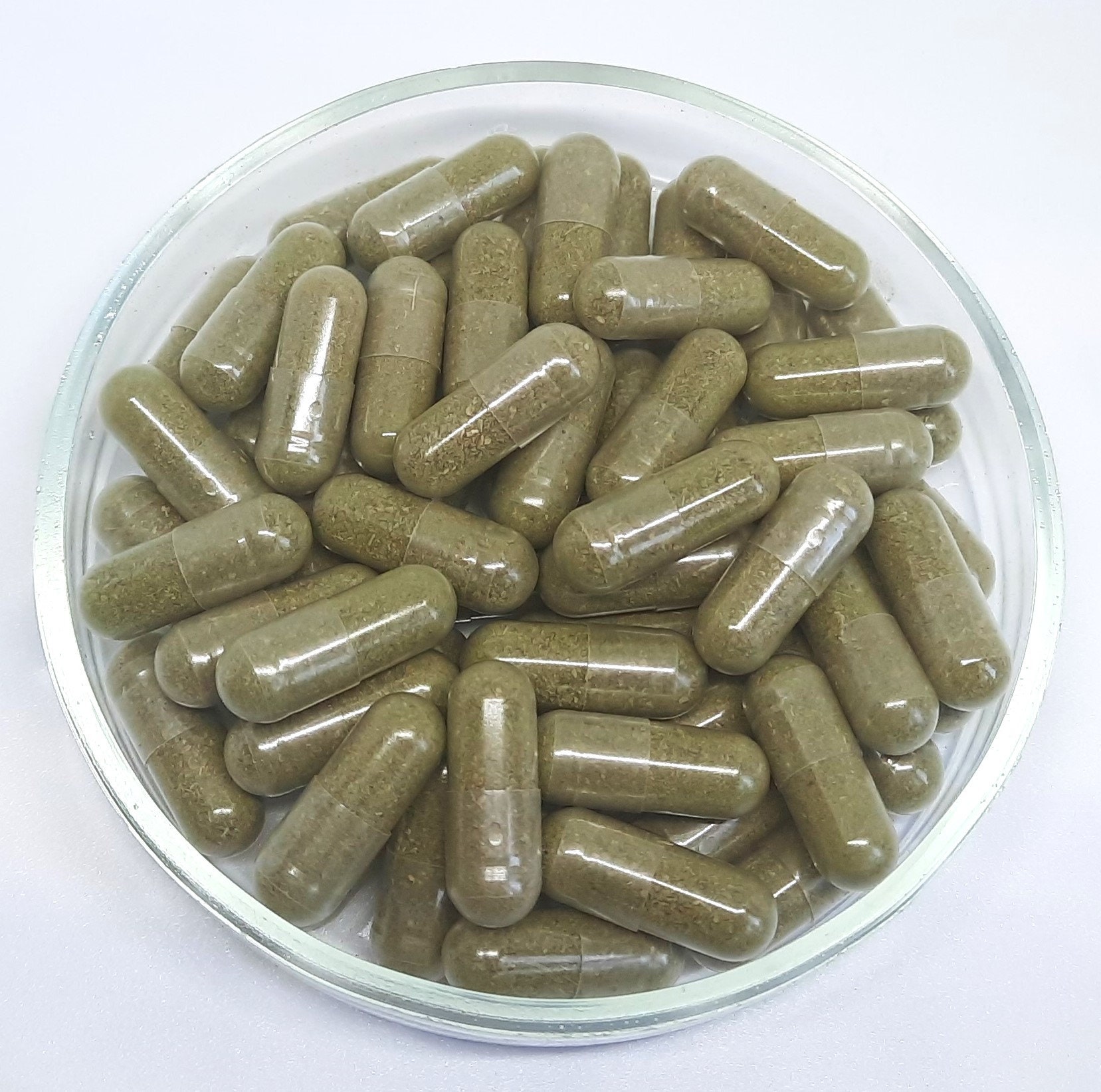
The Ultimate Guide to St. John’s Wort: Health Benefits and Uses

The Definitive Guide to St. John’s Wort: Unveiling Its Profound Health Benefits and Scientific Backing

For centuries, humanity has turned to the natural world for healing and solace. Among the pantheon of revered medicinal herbs, St. John’s Wort (*Hypericum perforatum*) stands out as a botanical powerhouse, particularly celebrated for its remarkable impact on mental well-being. Far more than a simple wildflower, this bright yellow bloom has captivated herbalists, scientists, and individuals seeking natural pathways to health, evolving from an ancient folk remedy to a subject of rigorous modern scientific inquiry. This exhaustive guide delves deep into the multifaceted health benefits of St. John’s Wort, exploring its rich history, intricate botanical profile, potent bioactive compounds, and the scientific mechanisms underpinning its therapeutic prowess, while also providing practical usage insights and crucial considerations.

A Journey Through Time: The Historical Significance of St. John’s Wort

The story of St. John’s Wort is as ancient as it is compelling, tracing its roots back to classical antiquity. The plant’s association with healing was well-documented by influential figures like Hippocrates and Dioscorides, who prescribed it for a range of ailments including nervous disorders, melancholy, and wound healing. Its very name, “St. John’s Wort,” is steeped in folklore and religious tradition, believed to derive from its propensity to bloom around the feast day of St. John the Baptist, June 24th. The “wort” suffix, an Old English term for plant, signifies its long-standing recognition as a valuable herb. Historically, it was also used as a protective charm against evil spirits and to ward off misfortune, often hung in doorways or burned in bonfires. This rich tapestry of historical use underscores its enduring presence in both traditional medicine and cultural beliefs across various civilizations, long before modern science began to unravel its chemical complexities.

Botanical Profile: Understanding *Hypericum perforatum*

St. John’s Wort, scientifically known as *Hypericum perforatum*, is a perennial herbaceous plant belonging to the Clusiaceae family (though sometimes classified under Hypericaceae). Native to Europe and Asia, it has since naturalized in many parts of the world, including North and South America. It typically grows to a height of 1 to 3 feet, characterized by numerous woody stems and bright green, oval-shaped leaves. The plant’s most distinctive feature, and the origin of its species name “perforatum,” lies in these leaves. When held up to the light, they appear to be perforated with tiny translucent dots, which are actually glands containing the active chemical compounds that give the plant its medicinal properties. The plant bursts into bloom during the summer months, producing clusters of striking yellow flowers, each adorned with five petals and prominent stamens. These vibrant blossoms are not merely ornamental; they are the primary source of the potent bioactive constituents that contribute to its profound health benefits.

St. John's Wort Botanical Photo

The Chemical Arsenal: Unpacking St. John’s Wort’s Bioactive Compounds

The therapeutic efficacy of St. John’s Wort is not attributable to a single compound, but rather to a synergistic interplay of various bioactive constituents. This complex phytochemical profile is what distinguishes it from many pharmaceutical interventions and contributes to its broad spectrum of action. The primary compounds of interest include hypericin, hyperforin, and a diverse array of flavonoids, each playing a critical role in its medicinal effects.

St. John's Wort Plant Profile

  • Hypericin: This naphthodianthrone is perhaps the most famous compound associated with St. John’s Wort, largely responsible for the herb’s antidepressant effects. Historically, it was believed to be the sole active ingredient, though subsequent research has broadened our understanding. Hypericin is thought to inhibit monoamine oxidase (MAO), an enzyme that breaks down neurotransmitters like serotonin, norepinephrine, and dopamine, thereby increasing their availability in the brain. It also exhibits potent antiviral properties and contributes to its photosensitizing effects.
  • Hyperforin: Emerging as a key player, hyperforin is a phloroglucinol derivative that has garnered significant scientific attention. Its primary mechanism of action involves the inhibition of the reuptake of several neurotransmitters, including serotonin, norepinephrine, dopamine, GABA, and L-glutamate. By preventing these crucial brain chemicals from being reabsorbed too quickly, hyperforin effectively increases their concentrations in the synaptic cleft, leading to improved mood and reduced anxiety. This multifaceted action on various neurotransmitter systems provides a comprehensive approach to mental well-being, distinguishing it from selective serotonin reuptake inhibitors (SSRIs) which target only serotonin.
  • Flavonoids: St. John’s Wort is rich in various flavonoids such as quercetin, rutin, and hyperoside. These compounds are powerful antioxidants, combating oxidative stress by neutralizing free radicals that can damage cells and contribute to chronic diseases. Beyond their antioxidant capabilities, flavonoids also possess anti-inflammatory properties, contribute to neuroprotection, and may modulate various cellular pathways, further enhancing the herb’s therapeutic spectrum.
  • Xanthones and Procyanidins: Other compounds like xanthones and procyanidins also contribute to the herb’s overall pharmacological profile, offering additional antioxidant, anti-inflammatory, and neuroprotective benefits, demonstrating the holistic nature of botanical medicine.
  • Essential Oils: The essential oil components, while less central to its antidepressant effects, contribute to its antiseptic and anti-inflammatory actions, particularly in topical applications.

The Cornerstone Benefit: Enhancing Mood and Mental Well-being

The most widely recognized and extensively researched benefit of St. John’s Wort is its efficacy in improving mood and alleviating symptoms of mild to moderate depression. Numerous clinical studies, including extensive meta-analyses, have demonstrated its comparable effectiveness to conventional antidepressant medications, often with a more favorable side effect profile.

Mechanism of Action in Depression and Anxiety

The antidepressant action of St. John’s Wort is attributed to the synergistic effects of its primary active compounds, particularly hypericin and hyperforin, acting on multiple neurochemical pathways:

  • Neurotransmitter Reuptake Inhibition: Hyperforin is a potent inhibitor of the reuptake of monoamines (serotonin, norepinephrine, dopamine) as well as GABA and glutamate. By preventing these vital neurotransmitters from being rapidly reabsorbed into nerve cells, it increases their availability in the synaptic cleft, thereby enhancing their signaling and promoting a more balanced neurochemical environment in the brain. This broad-spectrum reuptake inhibition provides a comprehensive approach to mood regulation.
  • Monoamine Oxidase (MAO) Inhibition: Hypericin and other constituents are believed to exert a mild MAO inhibitory effect. MAO enzymes break down monoamine neurotransmitters, and by inhibiting this process, St. John’s Wort further contributes to increased levels of serotonin, norepinephrine, and dopamine, which are critical for mood regulation.
  • Modulation of Neuroreceptor Activity: Research suggests that St. John’s Wort may also influence the density and sensitivity of various neuroreceptors, including serotonin (5-HT) receptors and GABA receptors, further refining the brain’s ability to respond to and process mood-related signals.
  • Regulation of Stress Hormones: Some studies indicate that St. John’s Wort may help modulate the hypothalamic-pituitary-adrenal (HPA) axis, the body’s central stress response system. By influencing the release of stress hormones like cortisol, it may contribute to an overall reduction in stress and anxiety.
  • Neuroinflammation Reduction: Chronic inflammation within the brain (neuroinflammation) is increasingly recognized as a contributing factor to depression. The anti-inflammatory properties of flavonoids and other compounds in St. John’s Wort may help mitigate neuroinflammation, thereby supporting brain health and mood stability.

Beyond its antidepressant effects, St. John’s Wort also exhibits anxiolytic (anxiety-reducing) properties. Its ability to balance neurotransmitter levels and modulate the stress response helps to calm the nervous system, reducing symptoms of generalized anxiety, restlessness, and nervous tension. This dual action on both depression and anxiety makes it a valuable botanical ally for individuals navigating complex emotional landscapes.

Beyond Mood: Exploring Additional Health Benefits

While its impact on mental health is paramount, St. John’s Wort offers a spectrum of other potential health benefits, stemming from its rich phytochemical composition:

  • Anti-inflammatory Properties: The flavonoids and other phenolic compounds present in St. John’s Wort exert significant anti-inflammatory effects. By inhibiting pro-inflammatory enzymes and pathways, it can help reduce systemic inflammation, which is implicated in numerous chronic diseases. This benefit extends to conditions characterized by inflammation, potentially offering relief and protective effects.
  • Antiviral Activity: Hypericin, in particular, has demonstrated potent antiviral activity against various enveloped viruses, including some strains of influenza, herpes simplex virus (HSV), and even certain retroviruses. Its mechanism involves interfering with the viral envelope, thereby inhibiting viral replication and assembly. While promising, further research is needed to fully understand its clinical applications as an antiviral agent.
  • Wound Healing and Skin Health: Traditionally, St. John’s Wort oil was a popular folk remedy for wounds, burns, and skin irritations. Modern research supports these historical uses, showing that topical applications can accelerate wound healing, reduce inflammation, and alleviate pain. Its antiseptic properties help prevent infection, while its anti-inflammatory compounds soothe damaged skin. It is often used for minor cuts, scrapes, first-degree burns, and even nerve pain like sciatica or neuralgia when applied topically.
  • Antioxidant Protection: The high concentration of flavonoids and other phenolic compounds bestows strong antioxidant capabilities upon St. John’s Wort. These antioxidants scavenge harmful free radicals, protecting cells from oxidative damage. This cellular protection is vital for preventing chronic diseases, supporting healthy aging, and maintaining overall cellular integrity.
  • Pain Relief: St. John’s Wort has been traditionally used for various forms of pain, particularly nerve-related pain such as neuralgia, sciatica, and fibromyalgia. Its anti-inflammatory and neuromodulatory effects are believed to contribute to its analgesic properties, potentially by reducing nerve irritation and modulating pain perception.
  • Menopausal and PMS Symptoms: Some women find St. John’s Wort helpful in alleviating mood swings, irritability, and anxiety associated with premenstrual syndrome (PMS) and menopause. Its mood-stabilizing effects can provide welcome relief during these hormonal fluctuations.

Practical Usage: Forms and Administration of St. John’s Wort

St. John’s Wort is available in various forms, catering to different needs and preferences. The efficacy often depends on the standardization of active compounds.

St. John's Wort Capsules

1. Standardized Extracts (Capsules/Tablets):

These are the most common and scientifically studied forms for internal use. They are typically standardized to a specific percentage of hypericin (e.g., 0.3%) or hyperforin (e.g., 2-5%), ensuring consistent potency. For mood enhancement, dosages generally range from 300 mg three times daily to 900 mg once daily, depending on the concentration and the specific formulation. It’s crucial to follow product instructions or a healthcare professional’s advice. Consistency is key, as therapeutic effects usually become noticeable after 2-4 weeks of continuous use.

St. John's Wort Dried Herb

2. Dried Herb / Tea:

Traditionally, St. John’s Wort was consumed as a tea. While beneficial for general wellness and milder mood support, the concentration of active compounds can vary significantly, making it less predictable for treating conditions like depression compared to standardized extracts. To prepare a tea, steep 1-2 teaspoons of dried herb in hot water for 10-15 minutes, three times daily. The dried herb can also be used in poultices for topical application.

3. Tinctures:

Tinctures are concentrated liquid extracts made by steeping the herb in alcohol. They offer a convenient way to consume the herb and are often absorbed quickly. Dosages vary widely based on the concentration of the tincture, so always adhere to the manufacturer’s recommendations or a qualified herbalist’s guidance.

4. Topical Oils and Ointments:

St. John’s Wort oil, often identifiable by its distinctive reddish hue (due to hypericin), is prepared by infusing the fresh flowers in a carrier oil like olive oil. This oil is highly effective for external applications, such as treating minor burns, wounds, bruises, nerve pain, and skin irritations. It can be massaged directly onto the affected area several times a day.

St. John's Wort Natural Herb

Important Considerations: Side Effects and Drug Interactions

While St. John’s Wort is generally well-tolerated, it is a potent herb with significant physiological effects, and as such, it comes with crucial considerations regarding side effects and, most importantly, drug interactions. It is imperative to approach its use with caution and informed awareness.

Potential Side Effects:

  • Photosensitivity: One of the most notable side effects is increased sensitivity to sunlight, particularly with higher doses. Hypericin can absorb UV light and cause phototoxic reactions, leading to sunburn, rashes, or skin irritation upon sun exposure. Individuals using St. John’s Wort should exercise caution in direct sunlight, use sunscreen, and wear protective clothing.
  • Digestive Issues: Some users may experience mild gastrointestinal upset, such as nausea, dry mouth, or constipation.
  • Neurological Effects: Headaches, dizziness, and restlessness have been reported in some individuals.
  • Allergic Reactions: As with any botanical product, allergic reactions are possible, though rare.

Critical Drug Interactions:

This is arguably the most critical aspect of St. John’s Wort usage. Its ability to induce cytochrome P450 enzymes (particularly CYP3A4) and activate P-glycoprotein, both involved in drug metabolism and transport, means it can significantly alter the effectiveness of many prescription medications. This can lead to either reduced efficacy of medications (if it speeds up their breakdown) or increased toxicity (if it slows down their breakdown or removal). It is crucial to consult a healthcare professional before combining St. John’s Wort with any prescription medication. Key interactions include:

  • Antidepressants (SSRIs, SNRIs, TCAs): Combining St. John’s Wort with other antidepressants can lead to a potentially dangerous condition called Serotonin Syndrome, characterized by agitation, confusion, rapid heart rate, high blood pressure, dilated pupils, muscle rigidity, and in severe cases, fever and seizures.
  • Oral Contraceptives: St. John’s Wort can significantly reduce the effectiveness of birth control pills, leading to unplanned pregnancies.
  • Anticoagulants (Blood Thinners): It can decrease the efficacy of drugs like warfarin, increasing the risk of blood clots.
  • Immunosuppressants: Particularly problematic for organ transplant recipients, as it can reduce the levels of drugs like cyclosporine, leading to organ rejection.
  • Antiretrovirals: It can decrease the effectiveness of medications used to treat HIV/AIDS.
  • Digoxin: Can reduce the effectiveness of this heart medication.
  • Chemotherapy Drugs: Interactions can vary, potentially affecting the efficacy or toxicity of cancer treatments.
  • Migraine Medications (Triptans): Risk of Serotonin Syndrome.
  • Seizure Medications: Can reduce the effectiveness of antiepileptic drugs.

Furthermore, St. John’s Wort is generally contraindicated for individuals with bipolar disorder (as it can trigger manic episodes) or schizophrenia, and it should be avoided during pregnancy and breastfeeding due to insufficient safety data.

Quality and Standardization

Given the variability in active compounds, choosing a high-quality, standardized extract is crucial for therapeutic efficacy and safety. Look for products that specify the concentration of hypericin (e.g., 0.3%) and/or hyperforin, and purchase from reputable manufacturers known for their quality control and third-party testing.

Conclusion: A Powerful Botanical Ally, Used Wisely

St. John’s Wort stands as a testament to the profound healing potential embedded within the natural world. Its extensive history of use, coupled with a growing body of scientific evidence, firmly establishes its role as a valuable botanical for enhancing mood, alleviating symptoms of mild to moderate depression and anxiety, and offering a range of other benefits from anti-inflammation to wound healing. The intricate synergy of its bioactive compounds, particularly hypericin and hyperforin, provides a sophisticated mechanism of action that addresses multiple pathways implicated in mental well-being.

However, its potency demands respect and responsible usage. While a powerful ally, St. John’s Wort is not without its considerations, particularly its significant potential for drug interactions. For those considering St. John’s Wort, especially if currently on medication or dealing with underlying health conditions, a thorough consultation with a qualified healthcare professional is not merely advisable but essential. When used judiciously and under expert guidance, St. John’s Wort can indeed be a cornerstone of a holistic approach to health, offering a natural path to profound well-being.

Disclaimer: For informational purposes only. Not medical advice. Consult a qualified healthcare professional before use.

The Ultimate Guide to Water Pepper: Health Benefits and Uses

The Undiscovered Power of Water Pepper: A Definitive Guide to Its Remarkable Health Benefits

In the vast tapestry of nature’s pharmacopeia, certain plants stand out not only for their distinctive characteristics but also for a wealth of hidden therapeutic potential. Among these is Water Pepper, scientifically known as Persicaria hydropiper, a vibrant herb often overlooked yet brimming with profound health benefits. This comprehensive guide delves deep into the essence of Water Pepper, exploring its rich history, intricate chemical composition, and the myriad ways it can contribute to human well-being. From ancient culinary uses to cutting-edge scientific investigations, we uncover why this pungent plant deserves a prominent place in discussions about natural health remedies.

Water Pepper, also known as smartweed or knotgrass, is more than just a roadside weed with a fiery kick. Its peppery taste hints at a powerful biochemical profile, a complex symphony of compounds working in concert to exert remarkable effects on the body. This article aims to be the definitive resource for understanding Persicaria hydropiper, offering an exhaustive exploration of its traditional applications, the scientific evidence backing its benefits, and practical insights for incorporating it into a holistic health regimen. Prepare to embark on a journey that unveils the extraordinary healing capabilities of this humble yet potent botanical ally.

Botanical Overview: Unveiling Persicaria hydropiper

Persicaria hydropiper, a member of the Polygonaceae family, is an annual herb native to temperate regions across the Northern Hemisphere, particularly prevalent in Europe and Asia. It thrives in moist, disturbed soils, often found along stream banks, ditches, and wetlands, hence its common name “Water Pepper.” The plant typically grows 30 to 90 centimeters tall, featuring lance-shaped leaves that are often dotted with dark spots, and small, greenish-pink flowers arranged in slender, drooping spikes. Its most distinguishing feature, however, is the intensely acrid and peppery taste of its leaves when crushed or chewed, a characteristic that has earned it numerous colloquial names such as ‘bite-tongue’ or ‘smartweed’.

Botanically, Water Pepper is often confused with other species within the Persicaria genus due to similar appearances, but its unique pungent flavor readily sets it apart. The plant’s ability to thrive in a variety of challenging environments speaks to its resilience and adaptive nature, qualities that often correlate with the robust phytochemical defenses and benefits it offers. Understanding its botanical identity is the first step towards appreciating the intricate mechanisms behind its therapeutic actions, as environmental factors and genetic predispositions significantly influence the concentration and diversity of its bioactive compounds.

Water Pepper Botanical Photo

A Journey Through Time: Historical and Cultural Significance

The story of Water Pepper is deeply intertwined with human history, especially in traditional medicine and culinary practices across various cultures. In Asia, particularly in Japan, Korea, and China, Persicaria hydropiper has been a staple for centuries. Known as “Yanagi tade” in Japan, it is famously used in traditional Japanese cuisine, most notably as an accompaniment to sashimi and tempura, where its pungent flavor is believed to cut through richness and enhance digestion. The young leaves and sprouts are prized for their sharp, peppery kick, often incorporated into salads, sauces, and garnishes.

Beyond its culinary appeal, Water Pepper has held significant esteem in traditional Asian medicine. In Chinese herbalism, it has been employed for its warming and drying properties, often prescribed to treat various ailments, including digestive disturbances, parasitic infections, and inflammatory conditions. Similarly, European folk medicine utilized Water Pepper for its diuretic, antiseptic, and astringent qualities. It was commonly applied topically as a poultice for wounds and ulcers, and internally for issues ranging from kidney stones to menstrual problems. This long history of diverse applications underscores a profound intuitive understanding of the plant’s potent pharmacological effects long before modern science could elucidate its mechanisms of action.

Unlocking the Potency: Key Bioactive Compounds of Water Pepper

The remarkable health benefits of Water Pepper stem from its rich and complex phytochemical profile. This plant is a veritable treasure trove of bioactive compounds, each contributing to its therapeutic efficacy. The most prominent and extensively studied compound responsible for its characteristic pungency and many of its medicinal properties is **polygodial**.

Water Pepper Plant Profile

Polygodial: The Heart of Water Pepper’s Power

Polygodial is a sesquiterpene dialdehyde that imparts the distinct peppery taste to Persicaria hydropiper. Its presence is central to many of the plant’s health benefits, acting as a potent anti-inflammatory, antimicrobial, and even an anticancer agent. Research indicates that polygodial exerts its anti-inflammatory effects by modulating various signaling pathways, including the inhibition of nuclear factor-kappa B (NF-κB) activation, a crucial regulator of immune responses and inflammation. It can also suppress the production of pro-inflammatory cytokines such as TNF-α and IL-6, and inhibit cyclooxygenase (COX) enzymes, similar to NSAIDs, thereby reducing pain and inflammation.

Flavonoids: Antioxidant and Anti-inflammatory Guardians

Water Pepper is abundant in various flavonoids, including quercetin, kaempferol, isorhamnetin, and luteolin. These polyphenolic compounds are renowned for their powerful antioxidant capabilities, scavenging free radicals and protecting cells from oxidative stress. Flavonoids also contribute significantly to the plant’s anti-inflammatory actions by inhibiting enzyme activities involved in inflammation and modulating immune cell function. For instance, quercetin is well-known for its antihistamine properties and ability to stabilize mast cells, which can be beneficial in managing allergic responses and inflammation.

Tannins: Astringent and Protective Agents

The presence of tannins contributes to Water Pepper’s astringent properties, making it useful in traditional applications for wound healing and digestive complaints. Tannins exert their effects by precipitating proteins, which can form a protective layer on mucous membranes, reducing irritation and inflammation. This action is particularly valuable for soothing gastrointestinal upset and contributing to its antimicrobial properties by binding to microbial proteins and inhibiting their growth.

Essential Oils: Aromatic and Antimicrobial Contributions

Water Pepper contains a complex blend of essential oils, though in smaller quantities compared to polygodial and flavonoids. These volatile compounds, which include monoterpenes and sesquiterpenes, contribute to the plant’s characteristic aroma and may offer additional antimicrobial and insecticidal properties. While often less studied than polygodial, the synergistic effect of these essential oils with other compounds likely enhances the overall therapeutic profile of the plant.

Comprehensive Health Benefits of Water Pepper

The synergistic interaction of these bioactive compounds bestows Water Pepper with an impressive array of health benefits, ranging from potent anti-inflammatory effects to promising anticancer potential. Each benefit is rooted in the complex mechanisms through which these natural chemicals interact with biological systems.

Potent Anti-inflammatory Properties

One of the most well-documented benefits of Water Pepper is its remarkable anti-inflammatory activity, largely attributed to polygodial. Inflammation is a natural immune response, but chronic inflammation underlies many modern diseases, including arthritis, cardiovascular disease, and metabolic disorders. Polygodial has been shown to effectively inhibit inflammatory pathways by suppressing the activation of NF-κB, a master regulator of inflammatory gene expression. This suppression leads to a reduction in the production of pro-inflammatory cytokines such as interleukin-1 beta (IL-1β), interleukin-6 (IL-6), and tumor necrosis factor-alpha (TNF-α), which are key mediators of the inflammatory cascade. Furthermore, polygodial can inhibit cyclooxygenase-2 (COX-2) activity, an enzyme responsible for producing prostaglandins that mediate pain and inflammation, offering a mechanism similar to conventional anti-inflammatory drugs but potentially with fewer side effects. This multi-faceted approach to inflammation makes Water Pepper a promising natural alternative for managing various inflammatory conditions.

Powerful Antioxidant Defense

The rich flavonoid content in Water Pepper, including quercetin and kaempferol, endows it with significant antioxidant capabilities. Antioxidants play a crucial role in protecting the body from oxidative stress, a state where there is an imbalance between free radical production and the body’s ability to neutralize them. Oxidative stress can damage cells, DNA, and proteins, contributing to aging and the development of numerous chronic diseases, including cancer, neurodegenerative disorders, and heart disease. Water Pepper’s flavonoids act as free radical scavengers, neutralizing reactive oxygen species (ROS) and reactive nitrogen species (RNS) before they can inflict damage. They also enhance the activity of endogenous antioxidant enzymes, such as superoxide dismutase (SOD) and catalase, further bolstering the body’s natural defense mechanisms against oxidative damage. This comprehensive antioxidant protection supports overall cellular health and can significantly reduce the risk of oxidative stress-related pathologies.

Robust Antimicrobial and Antiparasitic Effects

For centuries, Water Pepper has been utilized in traditional medicine to combat various infections and parasitic infestations, a use now supported by modern scientific inquiry. Polygodial has demonstrated broad-spectrum antimicrobial activity against a range of bacteria, including both Gram-positive and Gram-negative strains, as well as certain fungi. Its mechanism of action is thought to involve disrupting microbial cell membranes, leading to leakage of intracellular contents and ultimately cell death. This direct action on microbial integrity makes it particularly effective. Beyond bacteria and fungi, studies have also highlighted Water Pepper’s antiparasitic properties, especially against intestinal parasites. In some traditional cultures, it was administered to expel worms, and contemporary research is exploring its efficacy against protozoan parasites. This dual antimicrobial and antiparasitic potential underscores its value as a natural agent in managing infectious diseases and supporting gut health.

Water Pepper Dried Herb

Digestive Health Support and Gastric Protection

The traditional use of Water Pepper as a digestive aid is well-founded. Its pungent taste and active compounds, particularly polygodial, can stimulate digestive enzymes and bile flow, promoting more efficient breakdown and absorption of nutrients. It has been historically used to alleviate indigestion, bloating, and stomach discomfort. Furthermore, research suggests that Water Pepper may offer gastroprotective effects. Polygodial has been shown to protect gastric mucosa from damage induced by various irritants, potentially by enhancing mucus production and improving microcirculation in the stomach lining. This protective action could be beneficial in preventing and managing gastric ulcers and other forms of dyspepsia, making it a valuable herb for maintaining overall digestive harmony.

Natural Analgesic (Pain Relief) Properties

The anti-inflammatory effects of Water Pepper directly translate into significant pain relief, particularly for inflammatory pain. By inhibiting COX enzymes and reducing pro-inflammatory cytokines, polygodial effectively dampens the pain signals associated with inflammation. This makes Water Pepper a promising natural remedy for conditions such as arthritis, muscle aches, and menstrual cramps. Its analgesic properties are not just a byproduct of its anti-inflammatory action; some studies suggest that polygodial may also have a direct effect on pain receptors, contributing to its pain-reducing capabilities. This provides a natural alternative for managing chronic and acute pain without the potential side effects associated with synthetic painkillers.

Emerging Anticancer Potential

While still in preliminary stages, research into the anticancer properties of Water Pepper, specifically polygodial, has shown significant promise. Studies have indicated that polygodial can induce apoptosis (programmed cell death) in various cancer cell lines, inhibit tumor cell proliferation, and suppress metastasis. The mechanisms involved are diverse and complex, including the modulation of cell signaling pathways critical for cancer cell survival and growth, such as NF-κB, and the induction of reactive oxygen species within cancer cells leading to their demise. While these findings are largely from in vitro and animal studies, they highlight Water Pepper’s potential as a complementary agent in cancer therapy, warranting further extensive human clinical trials.

Blood Sugar Regulation and Metabolic Health

Recent studies have begun to explore the potential of Water Pepper in managing blood sugar levels. Some compounds within Persicaria hydropiper may improve insulin sensitivity and help regulate glucose metabolism, offering a new avenue for supporting individuals with metabolic syndrome or type 2 diabetes. While this area of research is less developed compared to its anti-inflammatory and antimicrobial properties, the initial findings suggest that Water Pepper could play a role in maintaining metabolic balance and contributing to overall cardiovascular health by indirectly impacting factors like lipid metabolism and blood pressure.

Practical Applications: How to Harness Water Pepper’s Benefits

Incorporating Water Pepper into your health regimen can be done in various ways, depending on your intended use and preference. Its versatility allows for both culinary and medicinal applications.

Culinary Uses: A Spicy and Healthy Addition

Fresh Water Pepper leaves can be used in the kitchen to add a pungent, peppery kick to dishes. They are excellent in salads, stir-fries, and as a garnish for sushi or grilled fish. The leaves can also be infused into oils or vinegars to create flavorful condiments. When cooking with Water Pepper, remember its intensity; a little goes a long way, especially for those sensitive to spicy flavors. Its traditional use in Japanese cuisine with fatty fish highlights its potential to aid digestion of rich foods, making it a functional food beyond just its flavor.

Traditional Herbal Preparations

  • Teas and Infusions: Dried Water Pepper can be brewed into a tea. Steep a teaspoon of dried leaves in hot water for 5-10 minutes. This preparation is traditionally used for digestive issues, colds, or as a general tonic.
  • Tinctures: A concentrated liquid extract made by soaking fresh or dried Water Pepper in alcohol. Tinctures offer a potent and convenient way to consume the herb, allowing for precise dosing and long shelf life.
  • Poultices and Compresses: For topical applications, crushed fresh leaves or a strong tea infusion can be applied directly to the skin to aid in wound healing, reduce inflammation, or alleviate pain from conditions like arthritis.

Modern Supplements and Extracts

For those seeking concentrated benefits, Water Pepper is increasingly available in supplement form. These typically come as capsules containing dried powdered herb, or standardized extracts that concentrate the active compounds like polygodial. These forms ensure consistent dosing and are often preferred for targeted therapeutic uses where the strong taste of the fresh herb might be a deterrent. When choosing a supplement, always opt for reputable brands that provide transparency about their sourcing, extraction methods, and standardization of active ingredients to ensure purity and potency.

Water Pepper Capsules

Dosage and Important Considerations

While Water Pepper offers a spectrum of benefits, proper dosage and an understanding of potential side effects are crucial. There is no universally established scientific dosage for Water Pepper due to variations in plant potency, preparation methods, and individual health conditions. However, traditional uses and preliminary studies can offer some guidance.

  • Dried Herb: For teas, 1-2 teaspoons of dried herb steeped in 200ml of hot water, 1-3 times daily.
  • Tincture: Typically 1-5ml (20-100 drops) of a 1:5 or 1:10 tincture, 2-3 times daily, or as directed by a healthcare professional.
  • Capsules/Extracts: Follow the manufacturer’s instructions, as potency varies widely. Standardized extracts focusing on polygodial may have specific dosage recommendations.

Crucial Disclaimer: Always consult with a qualified healthcare professional, naturopath, or herbalist before incorporating Water Pepper into your health regimen, especially if you have pre-existing medical conditions, are pregnant or breastfeeding, or are taking other medications. Self-medication can be risky.

Water Pepper Natural Herb

Potential Side Effects and Contraindications

Despite its many benefits, Water Pepper is not without potential considerations:

  • Gastrointestinal Upset: Due to its pungent nature, consuming large quantities of Water Pepper, especially the raw herb, might cause stomach upset, nausea, or diarrhea in sensitive individuals.
  • Skin Irritation: Direct contact with fresh Water Pepper can sometimes cause skin irritation or contact dermatitis in susceptible people.
  • Blood Thinning: Some compounds in Water Pepper may have mild anticoagulant properties. Individuals on blood-thinning medications (e.g., warfarin, aspirin) should exercise caution and consult their doctor.
  • Pregnancy and Breastfeeding: There is insufficient scientific evidence regarding the safety of Water Pepper during pregnancy and breastfeeding. It is best to avoid its use during these periods.
  • Drug Interactions: As with many potent herbs, Water Pepper could potentially interact with certain medications. Always discuss its use with a healthcare provider to avoid adverse interactions.

Conclusion: Embracing the Potential of Water Pepper

Water Pepper (Persicaria hydropiper) stands as a testament to nature’s profound ability to provide potent therapeutic agents. From its historical significance as a culinary spice and traditional medicine in diverse cultures to its recognition today for its complex phytochemical profile, particularly polygodial, this unassuming herb is a powerhouse of health benefits. Its anti-inflammatory, antioxidant, antimicrobial, and gastroprotective properties offer a holistic approach to wellness, addressing a wide array of health concerns from chronic pain and digestive issues to infectious diseases and even exhibiting preliminary anticancer potential.

As scientific research continues to unravel the intricate mechanisms behind Water Pepper’s actions, its role in modern natural health paradigms is poised to expand. While traditional knowledge has long valued its therapeutic prowess, contemporary studies are providing the evidence needed to solidify its position as a valuable botanical ally. However, as with all powerful natural remedies, informed and cautious use is paramount. By understanding its benefits, potential side effects, and consulting with healthcare professionals, individuals can safely explore the profound and versatile healing capabilities of Water Pepper, truly embracing this remarkable plant in their journey towards optimal health.

Disclaimer: For informational purposes only. Not medical advice. Consult a qualified healthcare professional before use.
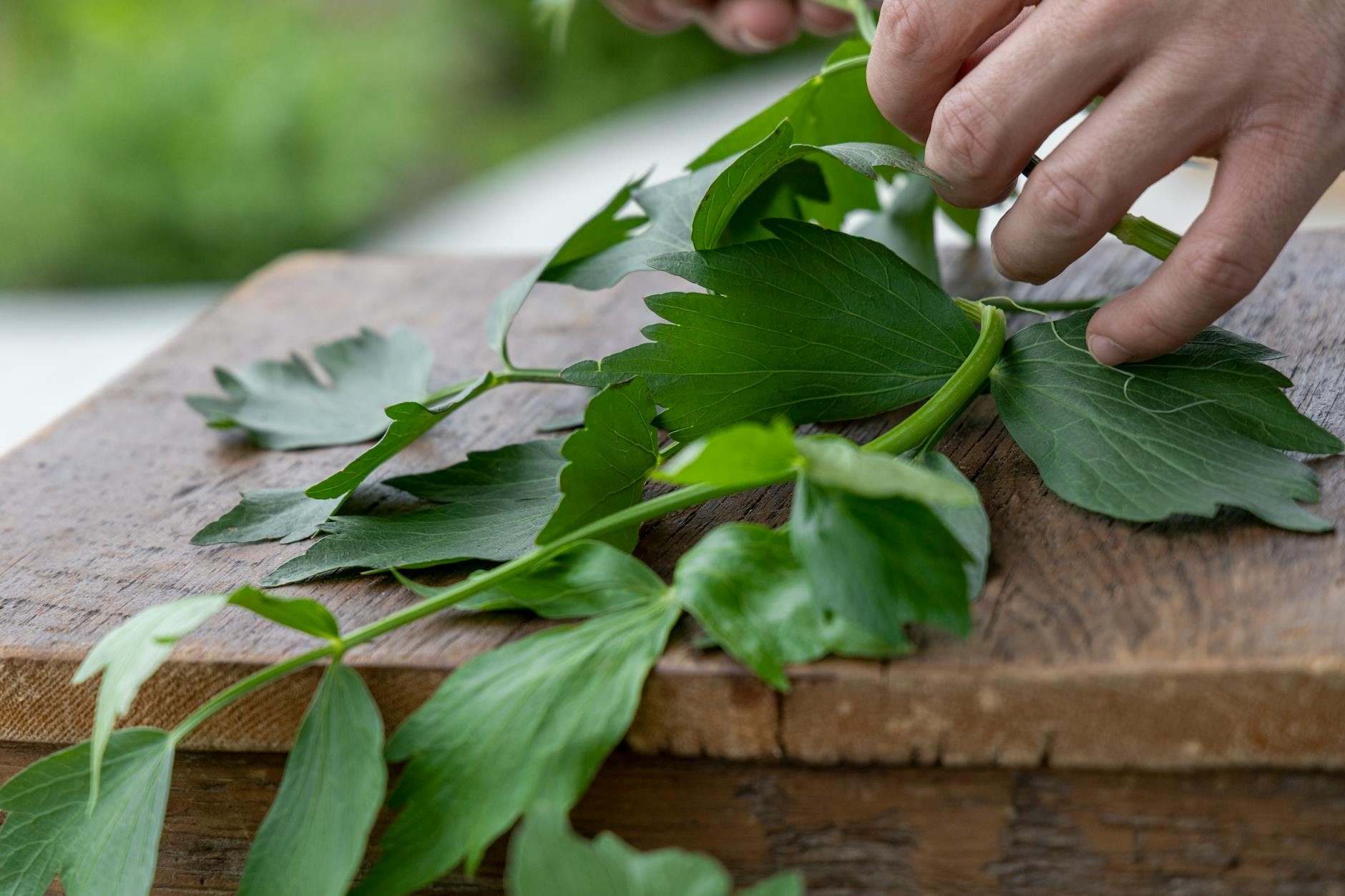
The Ultimate Guide to Marshmallow Leaf: Health Benefits and Uses

The Definitive Guide to Marshmallow Leaf: Unveiling Its Profound Health Benefits

In the vast tapestry of botanical medicine, certain plants stand out for their enduring legacy and remarkable therapeutic properties. Among these venerated herbs, Marshmallow Leaf, derived from the plant Althaea officinalis, holds a distinguished position. Revered for centuries across diverse cultures, this unassuming perennial has garnered significant attention for its potent mucilaginous compounds, offering a natural balm for a myriad of health concerns. From soothing irritated membranes to bolstering digestive integrity, Marshmallow Leaf presents a holistic approach to wellness, making it a cornerstone in both traditional remedies and modern herbal pharmacopoeia.

This comprehensive guide delves deep into the multifaceted health benefits of Marshmallow Leaf, meticulously exploring its historical significance, intricate chemical composition, and the precise mechanisms through which it exerts its healing effects. Our aim is to provide an exhaustive, evidence-informed resource for anyone seeking to understand and harness the power of this extraordinary plant, solidifying its status as an indispensable ally in natural health.

A Journey Through Time: The Ancient Roots of Marshmallow Leaf

The story of Marshmallow Leaf (Althaea officinalis) is deeply interwoven with the history of human civilization and the evolution of medicinal practices. Its name, “Althaea,” is derived from the Greek word “althainein,” meaning “to heal,” a testament to its long-recognized therapeutic prowess. Records of its use stretch back thousands of years, with ancient Egyptians, Greeks, Romans, and Arabs all incorporating this versatile plant into their medicinal repertoires.

In ancient Egypt, Marshmallow was not only used for its medicinal properties but also cultivated for culinary purposes, providing a nutritious and palatable food source. The Greeks, including Hippocrates and Theophrastus, documented its efficacy in treating various ailments, particularly digestive and respiratory complaints. Roman physicians, such as Pliny the Elder, lauded its demulcent qualities, recommending it for soothing inflamed throats and gastrointestinal disturbances. During the Middle Ages, European monasteries meticulously cultivated Marshmallow, and it became a fundamental component of herbal medicine, prescribed for everything from coughs and colds to skin irritations and urinary tract infections. Its widespread adoption across diverse healing traditions underscores its consistent efficacy and safety profile, establishing a robust historical precedent for its continued use today.

Botanical Profile: Understanding Althaea officinalis

Althaea officinalis, commonly known as Marshmallow, is a hardy perennial herb belonging to the Malvaceae family, which also includes cotton and hibiscus. Native to Europe, North Africa, and Western Asia, it thrives in moist, marshy environments, often found in ditches, salt marshes, and riverbanks, hence its common name. The plant typically grows to a height of 3 to 6 feet, characterized by its stout, erect stems and velvety leaves.

The leaves are broad, ovate to reniform (kidney-shaped), with three to five shallow lobes and serrated margins. Both the leaves and stems are covered in fine, star-shaped hairs, giving them a soft, downy texture. During the summer months, Marshmallow produces delicate, pale pink to white flowers, which are typically five-petaled and grow in clusters in the leaf axils. While the root is perhaps the most well-known medicinal part of the plant, the leaves also contain significant concentrations of beneficial compounds, making them highly valuable for therapeutic applications. The botanical characteristics of Marshmallow reflect its resilience and natural adaptiveness, qualities that subtly mirror its profound healing capabilities for the human body.

Marshmallow Leaf Botanical Photo

The Chemical Symphony: Bioactive Compounds in Marshmallow Leaf

The therapeutic efficacy of Marshmallow Leaf is primarily attributed to its rich array of bioactive compounds, each contributing synergistically to its remarkable health benefits. The most prominent of these are the mucilage polysaccharides, but the leaf also contains an assortment of flavonoids, phenolic acids, tannins, and coumarins, all playing crucial roles in its medicinal actions.

Mucilage: The Healing Demulcent

At the heart of Marshmallow Leaf’s healing power lies its high concentration of mucilage, a complex mixture of polysaccharides that become gelatinous and slippery when exposed to water. The mucilage in Marshmallow Leaf primarily consists of glucuronic acid, galacturonic acid, rhamnose, galactose, glucose, and arabinose. When ingested, this mucilage forms a protective, gel-like layer over mucous membranes, particularly those lining the respiratory, gastrointestinal, and urinary tracts. This demulcent action provides immediate soothing relief by coating irritated tissues, reducing friction, and protecting against further damage from irritants, acids, or enzymes. This physical barrier not only alleviates discomfort but also promotes the natural healing process by creating an optimal environment for tissue repair and regeneration. The ability of mucilage to absorb water and swell also contributes to its mild laxative effect and its capacity to help eliminate toxins.

Flavonoids: Antioxidant and Anti-inflammatory Powerhouses

Marshmallow Leaf is also rich in various flavonoids, including kaempferol and quercetin, which are potent plant pigments with significant antioxidant and anti-inflammatory properties. Flavonoids combat oxidative stress by scavenging free radicals, thereby protecting cells from damage and reducing the risk of chronic diseases. Their anti-inflammatory action is multifaceted, involving the inhibition of inflammatory enzymes (like COX-2) and the modulation of cytokine production, which are signaling molecules involved in immune responses. This dual action makes flavonoids invaluable for reducing systemic inflammation and supporting overall cellular health.

Phenolic Acids: Antimicrobial and Antioxidant Properties

Beyond flavonoids, Marshmallow Leaf contains a spectrum of phenolic acids, such as caffeic acid and ferulic acid. These compounds contribute further to the leaf’s antioxidant capacity and exhibit notable antimicrobial activity. Phenolic acids can inhibit the growth of various bacteria, fungi, and viruses, thereby offering a natural defense against infections. Their presence enhances the overall protective and healing profile of the leaf, particularly in situations where microbial irritation might be a compounding factor.

Tannins: Astringent and Protective Effects

While present in smaller amounts compared to mucilage, tannins in Marshmallow Leaf contribute to its mild astringent properties. Tannins are polyphenolic compounds that can bind to proteins, forming a protective layer on mucous membranes. This action helps to reduce inflammation, constrict tissues, and decrease secretions, providing an additional layer of defense against irritants and promoting the healing of minor lesions or wounds. This astringency also complements the demulcent effect, creating a robust barrier against external aggressors.

Marshmallow Leaf Plant Profile

Profound Health Benefits of Marshmallow Leaf: A Deep Dive

The synergistic action of these bioactive compounds endows Marshmallow Leaf with a broad spectrum of therapeutic applications. Its primary benefits revolve around its demulcent, anti-inflammatory, antioxidant, and mild antimicrobial properties.

1. Exceptional Support for Respiratory Health

Marshmallow Leaf is perhaps best known for its unparalleled ability to soothe and heal the respiratory tract. Its high mucilage content forms a protective film over the irritated mucous membranes of the throat, larynx, and bronchi. This demulcent action significantly reduces irritation, calms persistent coughs (both dry and productive), and alleviates symptoms associated with sore throats, tonsillitis, pharyngitis, and laryngitis. By coating the inflamed tissues, it decreases the urge to cough, reduces hoarseness, and provides immediate comfort. Furthermore, the mucilage can help to thin and loosen tenacious mucus, facilitating its expulsion and making breathing easier for individuals suffering from bronchitis, asthma, or common colds. The anti-inflammatory properties of its flavonoids also contribute to reducing swelling in the airways, enhancing overall respiratory function.

2. Comprehensive Relief for Digestive Ailments

The digestive system is another area where Marshmallow Leaf truly shines. Its mucilaginous compounds provide an unparalleled protective lining to the entire gastrointestinal tract, making it an invaluable remedy for a variety of conditions. It is highly effective in soothing the irritation and inflammation associated with acid reflux, heartburn, gastritis, peptic ulcers, and ulcerative colitis. By creating a physical barrier, the mucilage shields the delicate lining of the esophagus and stomach from corrosive stomach acids and digestive enzymes, allowing damaged tissues to heal. For individuals struggling with Irritable Bowel Syndrome (IBS), Crohn’s disease, or leaky gut syndrome, Marshmallow Leaf can help reduce inflammation, calm spasms, and promote gut barrier integrity. Additionally, its mild bulk-forming laxative effect can gently relieve constipation by softening stool and promoting regular bowel movements without harsh irritation, thanks to the mucilage’s ability to absorb water and add volume to waste.

3. Promoting Urinary Tract Wellness

Marshmallow Leaf also offers significant benefits for the urinary system. Its demulcent properties extend to the urinary tract, providing soothing relief for irritation and inflammation in the bladder and urethra. It can be particularly beneficial for alleviating discomfort associated with urinary tract infections (UTIs) by coating the inflamed lining, reducing burning sensations, and protecting against further irritation. While not a direct antimicrobial for UTIs, its ability to soothe and encourage increased urine flow (mild diuretic action) can help flush out bacteria more effectively. For those suffering from interstitial cystitis or kidney stones, Marshmallow Leaf can help to reduce pain and inflammation, providing a natural palliative effect and supporting the body’s natural healing processes.

4. Topical Applications for Skin Health

Beyond internal use, Marshmallow Leaf has a long history of external application for various skin conditions. Its anti-inflammatory and demulcent properties make it an excellent choice for soothing irritated, inflamed, or damaged skin. Applied as a poultice, compress, or in creams, it can help alleviate symptoms of eczema, psoriasis, dermatitis, and dry skin conditions by moisturizing and forming a protective barrier that reduces itching and redness. Its ability to promote tissue regeneration and reduce inflammation also makes it valuable for minor wounds, cuts, scrapes, insect bites, and burns, accelerating healing and minimizing scarring. The soothing mucilage provides immediate relief, while flavonoids and phenolic acids contribute to its protective and reparative actions.

5. General Anti-inflammatory and Immune Support

The rich blend of flavonoids and phenolic acids within Marshmallow Leaf contributes significantly to its systemic anti-inflammatory and antioxidant capabilities. These compounds work to reduce inflammation throughout the body, addressing a root cause of many chronic diseases. By combating oxidative stress and modulating inflammatory pathways, Marshmallow Leaf can support overall cellular health and reduce the burden on the immune system. While not a direct immune stimulant, its ability to protect mucous membranes from pathogens and irritants, coupled with its general anti-inflammatory effects, contributes to a more robust and resilient immune response, making the body less susceptible to infections and environmental stressors.

Traditional Preparations and Modern Supplementation

Throughout its extensive history, Marshmallow Leaf has been utilized in various forms, tailored to address specific ailments. Traditional approaches often involved simple, yet effective, preparations that harnessed the plant’s natural healing compounds.

Traditional Uses: Teas and Poultices

One of the most common and effective traditional methods of consuming Marshmallow Leaf is as a herbal tea. Dried Marshmallow leaves are steeped in hot water, allowing the mucilage to dissolve and create a soothing, slightly viscous infusion. This tea is particularly beneficial for respiratory and digestive issues, delivering the demulcent compounds directly to the mucous membranes. For skin conditions, a poultice made from crushed fresh or rehydrated dried leaves was traditionally applied directly to the affected area. This allowed for targeted delivery of the soothing and anti-inflammatory compounds, providing relief for burns, wounds, and skin irritations. Tinctures, which are alcoholic extracts, were also prepared to preserve and concentrate the beneficial constituents, allowing for easier dosage and longer shelf life.

Marshmallow Leaf Dried Herb

Modern Applications: Capsules and Extracts

In contemporary herbal medicine, Marshmallow Leaf is readily available in a variety of modern forms, offering convenience and standardized dosing. Encapsulated dried leaf powder is a popular option, providing a concentrated dose that is easy to consume. These capsules are ideal for those who prefer not to brew teas or find the taste unappealing, ensuring consistent intake of the active compounds for systemic benefits, particularly for digestive and urinary tract support. Liquid extracts and tinctures are also common, offering rapid absorption and flexible dosing. Some topical creams and ointments incorporate Marshmallow Leaf extract for targeted skin therapy, leveraging its demulcent and anti-inflammatory properties for localized relief. The advent of standardized extracts ensures a consistent level of bioactive compounds, allowing for more precise therapeutic applications and greater reliability in treatment outcomes.

Marshmallow Leaf Capsules

Practical Usage Guidelines: How to Incorporate Marshmallow Leaf into Your Routine

To effectively harness the benefits of Marshmallow Leaf, understanding proper preparation and dosage is crucial. Always consult with a healthcare professional or qualified herbalist before starting any new supplement regimen, especially if you have underlying health conditions or are taking other medications.

Preparing Marshmallow Leaf Tea (Cold Infusion Recommended)

  • For Mucilage Extraction: While hot water can be used, a cold infusion is often recommended for maximum mucilage extraction and to preserve heat-sensitive compounds.
  • Method: Add 1-2 teaspoons of dried Marshmallow Leaf to 1 cup (240ml) of cold water. Let it steep for at least 2-4 hours, or preferably overnight, in the refrigerator. Strain the liquid, and you will notice a slightly viscous consistency.
  • Dosage: Drink 1-3 cups per day, as needed, for respiratory, digestive, or urinary tract soothing.

Using Marshmallow Leaf Capsules

  • Dosage: Follow the dosage instructions provided by the manufacturer on the product label. Typical doses range from 500 mg to 1000 mg, taken 1-3 times daily, often with water.
  • Important Note: Due to its mucilaginous content, Marshmallow Leaf can slow the absorption of other medications. It is advisable to take Marshmallow Leaf supplements at least one hour before or several hours after other medications to prevent potential interactions and ensure optimal absorption of all compounds.

Topical Applications

  • Poultice: Mix dried Marshmallow Leaf powder with a small amount of warm water to form a thick paste. Apply this paste directly to the affected skin area (e.g., minor burns, cuts, insect bites, eczema patches) and cover with a clean cloth or bandage. Leave on for 30 minutes to a few hours, then rinse gently.
  • Compress: Prepare a strong cold infusion of Marshmallow Leaf tea. Soak a clean cloth in the tea and apply it to the skin. This is particularly good for soothing inflamed or irritated skin conditions.

Potential Side Effects and Precautions

Marshmallow Leaf is generally considered safe for most people when used appropriately. However, a few considerations should be kept in mind:

  • Drug Interactions: As mentioned, the mucilage can form a protective barrier in the digestive tract, potentially reducing the absorption of orally administered medications, including prescription drugs and other supplements. To avoid this, take Marshmallow Leaf at least one hour before or several hours after other medications.
  • Allergic Reactions: While rare, some individuals may experience allergic reactions, such as skin rash or itching. Discontinue use if any adverse reactions occur.
  • Pregnancy and Lactation: There is limited scientific research on the safety of Marshmallow Leaf during pregnancy and breastfeeding. It is always best to consult with a healthcare provider before using any herbal remedies during these periods.
  • Diabetes: Some preliminary research suggests that Marshmallow root might have a minor impact on blood sugar levels. Individuals with diabetes should monitor their blood glucose closely and consult their doctor if using Marshmallow Leaf regularly.

Marshmallow Leaf Natural Herb

Conclusion: Marshmallow Leaf – A Timeless Herbal Ally

Marshmallow Leaf, with its rich historical tapestry and impressive phytochemical profile, stands as a testament to the enduring power of natural medicine. Its profound demulcent, anti-inflammatory, and antioxidant properties offer a gentle yet potent solution for a wide array of health concerns, particularly excelling in the realms of respiratory, digestive, and urinary tract health, as well as providing soothing relief for the skin. From ancient civilizations to modern research laboratories, the consistent recognition of Althaea officinalis as a healing agent underscores its efficacy and safety.

As we navigate an increasingly complex world of health challenges, embracing time-tested natural remedies like Marshmallow Leaf offers a valuable pathway to holistic well-being. Whether prepared as a comforting cold infusion, taken in convenient capsule form, or applied topically, this remarkable herb continues to serve as a versatile and indispensable ally in supporting the body’s natural healing processes. By understanding its mechanisms of action and integrating it thoughtfully into a health regimen, individuals can unlock the full spectrum of benefits offered by this extraordinary botanical treasure.

Disclaimer: For informational purposes only. Not medical advice. Consult a qualified healthcare professional before use.
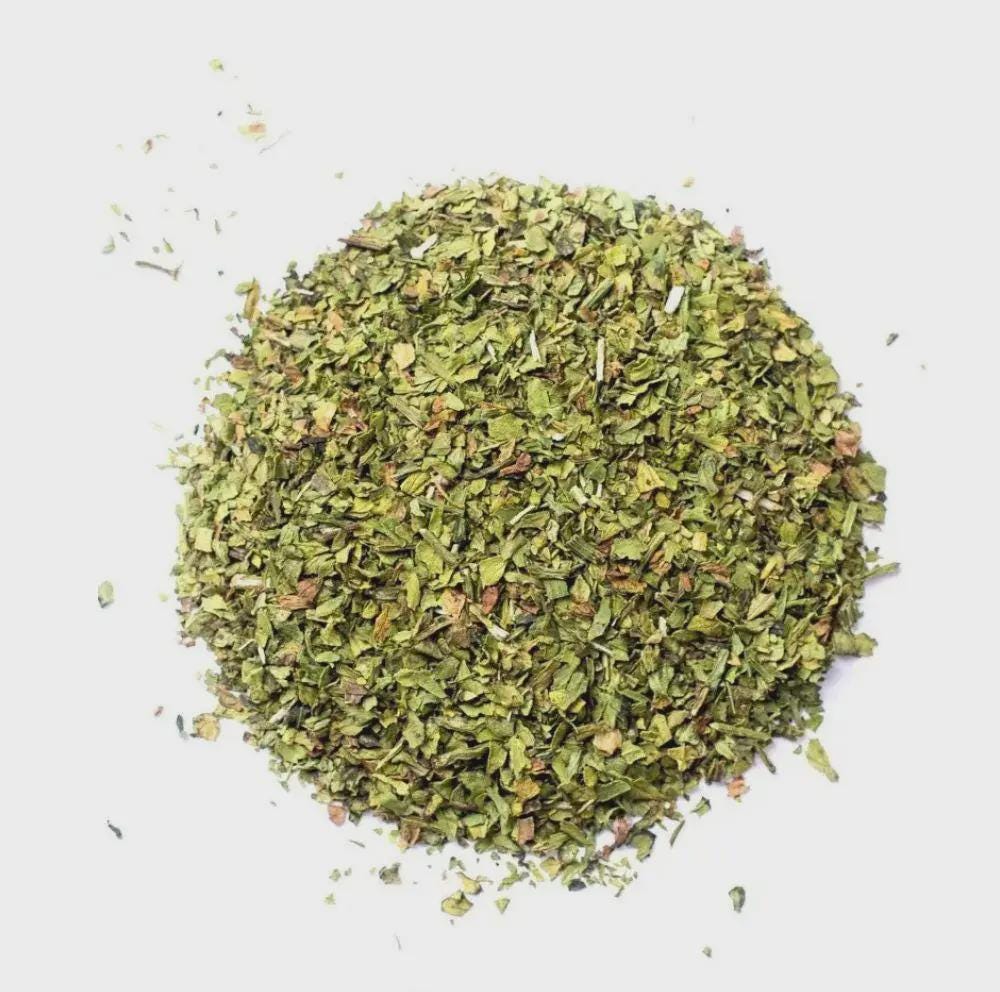
The Ultimate Guide to Oak bark: Health Benefits and Uses

Unveiling the Ancient Power: A Definitive Guide to the Health Benefits of Oak Bark

In the vast tapestry of traditional medicine, where nature’s pharmacy often holds profound secrets, the majestic oak tree stands as a towering symbol of strength, longevity, and healing. While its timber has built empires and its acorns fed generations, it is the humble bark of this venerable tree that has quietly served humanity for millennia as a potent natural remedy. Rich in powerful bioactive compounds, oak bark offers a spectrum of health benefits that are deeply rooted in historical practice and increasingly supported by modern scientific understanding. This comprehensive guide delves into the multifaceted advantages of oak bark, exploring its ancient legacy, chemical composition, and diverse applications as a natural therapeutic agent.

A Journey Through Time: The Historical Significance of Oak Bark

The use of oak bark in traditional healing spans continents and civilizations, testifying to its enduring efficacy. Ancient Greeks, Romans, Celts, and various indigenous cultures revered the oak tree not only for its imposing presence but also for its medicinal properties. The very word “oak” is often associated with durability and resilience, qualities intrinsically linked to its therapeutic bark. Historically, physicians like Dioscorides documented its use as an astringent, particularly for treating gastrointestinal issues such as diarrhea and dysentery. Native American tribes utilized oak bark for a wide array of ailments, from skin conditions and wounds to fevers and infections, often preparing it as a strong decoction for internal consumption or topical washes. European folk medicine traditions consistently employed oak bark for its anti-inflammatory and antiseptic qualities, making it a staple for oral health, skin complaints, and even hemorrhoids. This rich historical tapestry underscores oak bark’s profound and persistent role in human well-being, serving as a testament to its time-honored effectiveness.

Botanical Profile: Understanding the Source of Healing

The medicinal bark is primarily harvested from species within the *Quercus* genus, most commonly from the European Pedunculate Oak (*Quercus robur*), White Oak (*Quercus alba*) native to North America, and Sessile Oak (*Quercus petraea*). These deciduous trees are characterized by their deeply furrowed, often gray-brown bark, which is the prized material for therapeutic use. The younger bark, specifically from branches or thinner trunks, is generally preferred as it contains a higher concentration of the desired active compounds. Sustainable harvesting practices are paramount to ensure the longevity of these magnificent trees, typically involving careful stripping of bark from branches rather than the main trunk, or collecting bark from felled trees. The process involves drying the bark to preserve its integrity and concentrate its medicinal constituents, making it ready for various preparations.

Oak bark Botanical Photo

The Chemical Arsenal: Bioactive Compounds in Oak Bark

The remarkable therapeutic properties of oak bark are attributed to its complex chemical composition, dominated by a diverse array of bioactive compounds. Understanding these constituents provides a scientific foundation for its traditional uses.

Oak bark Plant Profile

Tannins: The Primary Therapeutic Powerhouses

The most prominent and therapeutically significant compounds in oak bark are tannins, making up a substantial percentage of its dry weight, often ranging from 10% to 20%. These polyphenolic compounds are responsible for oak bark’s characteristic astringency and many of its medicinal actions. Tannins are broadly categorized into two main types:

  • Hydrolyzable Tannins: These include gallic acid, ellagic acid, castalagin, and vescalagin. When exposed to water, acids, or enzymes, they hydrolyze into simpler phenolic acids and a sugar molecule. Their mechanism of action primarily involves precipitating proteins, which leads to the formation of a protective layer on mucous membranes or skin. This action reduces permeability, constricts tissues, and reduces fluid secretion, explaining their efficacy in treating diarrhea and weeping wounds. Ellagic acid, in particular, is noted for its potent antioxidant and potential anti-carcinogenic properties.
  • Condensed Tannins (Proanthocyanidins): These are polymers of flavan-3-ols and do not hydrolyze. They also exhibit astringent properties by binding to proteins, but their structure offers additional benefits such as strong antioxidant activity, contributing to cellular protection against oxidative stress.

The astringent action of tannins is central to oak bark’s effectiveness. By coagulating proteins on the surface of irritated tissues, they form a protective barrier that reduces inflammation, decreases sensitivity, and provides a physical shield against pathogens and irritants. This effect is crucial for its use in digestive issues, skin conditions, and oral health.

Flavonoids: Antioxidant and Anti-inflammatory Support

Oak bark also contains various flavonoids, such as quercetin, kaempferol, and their glycosides. These compounds are well-known for their potent antioxidant capabilities, scavenging free radicals and reducing oxidative damage to cells. Beyond their antioxidant role, flavonoids contribute significantly to oak bark’s anti-inflammatory profile by modulating various inflammatory pathways and inhibiting the release of pro-inflammatory mediators. They work synergistically with tannins to enhance the overall therapeutic effect.

Triterpenoids: Additional Anti-inflammatory Contributions

Minor amounts of triterpenoids, including ursolic acid, are also present in oak bark. Ursolic acid, in particular, has been studied for its significant anti-inflammatory, antioxidant, and even potential anticancer activities. While not as abundant as tannins, these compounds add to the complex pharmacological profile of oak bark.

Minerals and Other Constituents

The bark also provides essential minerals like calcium, potassium, and magnesium, along with resins and phlobaphenes, which contribute to the overall therapeutic synergy and protective qualities of the herb.

Comprehensive Health Benefits of Oak Bark: A Deep Dive

The rich array of bioactive compounds in oak bark translates into a multitude of profound health benefits, addressing a wide spectrum of ailments internally and externally.

1. Exceptional Relief for Digestive Disorders, Especially Diarrhea

One of the most historically recognized and scientifically validated uses of oak bark is its profound efficacy in treating diarrhea and other digestive complaints. The high concentration of tannins is the primary driver of this benefit. When ingested, tannins interact with the proteins in the mucosal lining of the gastrointestinal tract. This interaction leads to the coagulation of these proteins, forming a thin, protective layer over the inflamed or irritated intestinal walls. This protective barrier works in several critical ways:

  • Reduced Fluid Secretion: By tightening the intestinal tissues and forming a less permeable barrier, the tannins effectively reduce the excessive secretion of fluids into the intestines, which is a hallmark of diarrhea. This helps to firm up stool consistency.
  • Decreased Intestinal Motility: While not a direct muscle relaxant, the astringent effect can subtly reduce overactive peristalsis, allowing for more time for water absorption.
  • Antimicrobial Action: Many tannins exhibit broad-spectrum antimicrobial properties, helping to inhibit the growth of pathogenic bacteria and viruses that often cause infectious diarrhea. They can disrupt microbial cell walls and interfere with enzymatic activities essential for bacterial survival, thus addressing the root cause in some cases.
  • Anti-inflammatory Effect: The tannins and flavonoids in oak bark reduce inflammation within the gut lining, soothing irritation and promoting faster recovery from conditions like gastroenteritis.

For acute, non-specific diarrhea, a decoction of oak bark acts rapidly to alleviate symptoms, making it a valuable natural alternative. However, its use should be short-term to avoid potential constipation from prolonged astringent action.

2. Potent Skin Healing and Dermatological Support

Applied externally, oak bark excels as a natural remedy for a myriad of skin conditions, wounds, and irritations. Its powerful astringent, antiseptic, and anti-inflammatory properties make it exceptionally versatile:

  • Wound Healing: For minor cuts, abrasions, and superficial burns, oak bark decoctions act as an excellent wash or compress. The tannins form a protective protein layer that not only physically shields the wound from infection but also helps to dry weeping lesions, reduce exudate, and promote the formation of new tissue. The antiseptic action prevents bacterial proliferation, a common complication of open wounds.
  • Eczema and Dermatitis: For inflammatory skin conditions like eczema or contact dermatitis, oak bark compresses can significantly reduce redness, itching, and swelling. The anti-inflammatory flavonoids calm the skin, while the astringency helps to dry out oozing lesions, which are often characteristic of these conditions.
  • Hemorrhoids and Varicose Veins: The vasoconstrictive and astringent properties are particularly beneficial for external hemorrhoids and mild varicose veins. Sitz baths or compresses soaked in oak bark decoction can constrict engorged blood vessels, reduce swelling, alleviate pain, and prevent further irritation, providing significant relief.
  • Fungal and Bacterial Skin Infections: Its antimicrobial and antifungal actions make it useful against conditions like athlete’s foot, ringworm, or minor bacterial skin infections, helping to eliminate pathogens and soothe inflamed areas.

3. Enhancing Oral Hygiene and Gum Health

The astringent and antiseptic qualities of oak bark make it an excellent natural ingredient for oral care. As a gargle or mouthwash, it offers several benefits:

  • Gingivitis and Periodontal Disease: Oak bark effectively tightens and strengthens gum tissue, reducing bleeding and inflammation associated with gingivitis (gum inflammation) and early periodontal disease. The tannins help to constrict capillaries in the gums, decreasing swelling and making them less prone to bleeding during brushing or flossing.
  • Sore Throats and Stomatitis: For sore throats, tonsillitis, and stomatitis (inflammation of the mouth lining), gargling with oak bark decoction provides symptomatic relief. It forms a protective coating over irritated mucous membranes, reducing pain and discomfort, while its antiseptic properties help combat oral pathogens that can exacerbate these conditions.
  • Canker Sores and Mouth Ulcers: The astringent action helps to dry out canker sores and oral ulcers, promoting faster healing and reducing pain by creating a barrier against further irritation.

4. Powerful Anti-inflammatory and Antioxidant Properties

Beyond its topical and gut-specific actions, oak bark exhibits systemic anti-inflammatory and antioxidant effects attributed to its rich content of tannins and flavonoids. These compounds:

  • Modulate Inflammatory Pathways: They can interfere with various biochemical pathways involved in inflammation, inhibiting the production of pro-inflammatory mediators and cytokines, thereby reducing pain and swelling.
  • Combat Oxidative Stress: As potent antioxidants, tannins and flavonoids scavenge harmful free radicals, protecting cells from oxidative damage. This cellular protection is crucial in preventing chronic diseases and supporting overall cellular health. This benefit contributes to the potential long-term health advantages of oak bark, although internal use is generally limited to acute issues.

5. Antimicrobial and Antifungal Activity

The broad-spectrum antimicrobial properties of oak bark are a significant aspect of its healing power. Tannins, in particular, can:

  • Inhibit Microbial Growth: They achieve this by binding to microbial proteins, disrupting cell wall integrity, inhibiting enzyme activity, and chelating essential metal ions required for microbial growth. This makes oak bark effective against a range of bacteria (e.g., *Staphylococcus aureus*, *Escherichia coli*) and fungi (e.g., *Candida albicans*), which contributes to its traditional use in preventing and treating various infections, both internally and externally.

Practical Applications and Forms of Oak Bark

Oak bark is available in various forms, allowing for flexible application depending on the specific health concern.

Oak bark Dried Herb

1. Dried Herb (Bark Pieces or Powder)

This is the most traditional form, used to prepare decoctions:

  • Decoctions for Internal Use: Ideal for diarrhea. Typically, 1-2 teaspoons (2-5g) of dried, crushed bark are simmered in 250ml (1 cup) of water for 10-15 minutes, then strained. This can be consumed 2-3 times a day for short periods.
  • Decoctions for External Use: For washes, compresses, gargles, or sitz baths, a stronger decoction is often preferred. Up to 10-20g of bark per liter of water can be simmered for 20-30 minutes. Let it cool before applying.

2. Tinctures

Alcoholic extracts that offer a concentrated form for convenient dosing. Tinctures can be taken orally (diluted in water) or applied topically, following product-specific dosage instructions. They are often used for their systemic effects or when precise dosing is required.

3. Ointments and Creams

For localized skin conditions like eczema, minor wounds, or hemorrhoids, oak bark is incorporated into ointments or creams, providing direct therapeutic contact and sustained action.

4. Mouthwashes and Gargles

Specifically formulated or home-prepared decoctions are used for oral hygiene, gingivitis, and sore throats. These are not swallowed but rinsed in the mouth and then spat out.

Oak bark Capsules

5. Supplements (Capsules or Tablets)

Standardized oak bark extracts are available in capsule or tablet form, offering a convenient way to consume precise doses for internal benefits, primarily for digestive health. Always adhere to the manufacturer’s recommended dosage.

Dosage, Preparation, and Safety Considerations

While oak bark is a powerful natural remedy, responsible and informed usage is paramount. Consulting with a healthcare professional or a qualified herbalist before starting any new herbal regimen is always recommended, especially if you have underlying health conditions or are taking other medications.

Oak bark Natural Herb

General Dosage Guidelines:

  • Internal Decoction (for diarrhea): Steep 1-2 grams of dried bark in 150-250 ml of boiling water for 10-15 minutes, then strain. Drink 2-3 times daily for no more than 3-4 days.
  • External Decoction (for washes, compresses, gargles): Use 5-10 grams of dried bark per 250 ml of water, simmer for 15-20 minutes, then strain and let cool. Apply as needed.
  • Sitz Baths: Use 50-100 grams of bark per 1-2 liters of water, simmer for 20-30 minutes, then add the strained decoction to bathwater. Soak for 15-20 minutes.
  • Commercial Products: Follow the dosage instructions provided on the product label for tinctures, capsules, or topical preparations.

Potential Side Effects:

  • Constipation: Due to its strong astringent properties, prolonged internal use of oak bark can lead to constipation. It is not recommended for long-term daily use internally.
  • Stomach Upset: In sensitive individuals, high doses of internal oak bark may cause mild stomach irritation, nausea, or vomiting.
  • Skin Irritation: While rare, some individuals may experience skin irritation or allergic reactions when applying oak bark topically. It’s advisable to perform a patch test first.

Contraindications and Precautions:

  • Pregnancy and Breastfeeding: There is insufficient scientific data regarding the safety of oak bark during pregnancy and lactation. Therefore, its use should be avoided in these periods.
  • Severe Heart or Kidney Conditions: Individuals with severe heart failure or kidney insufficiency should avoid large-area external application (e.g., full-body baths) due to the theoretical risk of fluid retention or electrolyte imbalance, although this is less of a concern for localized applications or typical oral doses.
  • Gastrointestinal Obstruction: Do not use internally if you have a bowel obstruction.
  • Drug Interactions: Tannins can bind to certain medications, potentially reducing their absorption. If taking prescription drugs, particularly iron supplements, antibiotics, or other oral medications, separate the intake of oak bark by at least 2-3 hours.
  • Duration of Use: For internal consumption, particularly for diarrhea, limit use to a maximum of 3-4 days. If symptoms persist, seek medical advice. External applications can generally be used for longer periods, but discontinue if irritation occurs.

Conclusion: Embracing the Enduring Legacy of Oak Bark

From the ancient forests revered by our ancestors to the modern herbal apothecary, oak bark stands as a powerful testament to the healing wisdom of nature. Its rich concentration of tannins, flavonoids, and other bioactive compounds provides a scientific explanation for its time-honored efficacy in addressing a range of health concerns, particularly related to digestive health, skin conditions, and oral hygiene. As a potent astringent, anti-inflammatory, and antimicrobial agent, oak bark offers a compelling natural alternative or complementary therapy. However, like all potent remedies, responsible usage, adherence to recommended dosages, and awareness of potential interactions and contraindications are paramount. By respecting its power and understanding its mechanisms, we can continue to harness the enduring legacy of oak bark, integrating this magnificent tree’s profound benefits into our journey towards holistic well-being.

Disclaimer: For informational purposes only. Not medical advice. Consult a qualified healthcare professional before use.
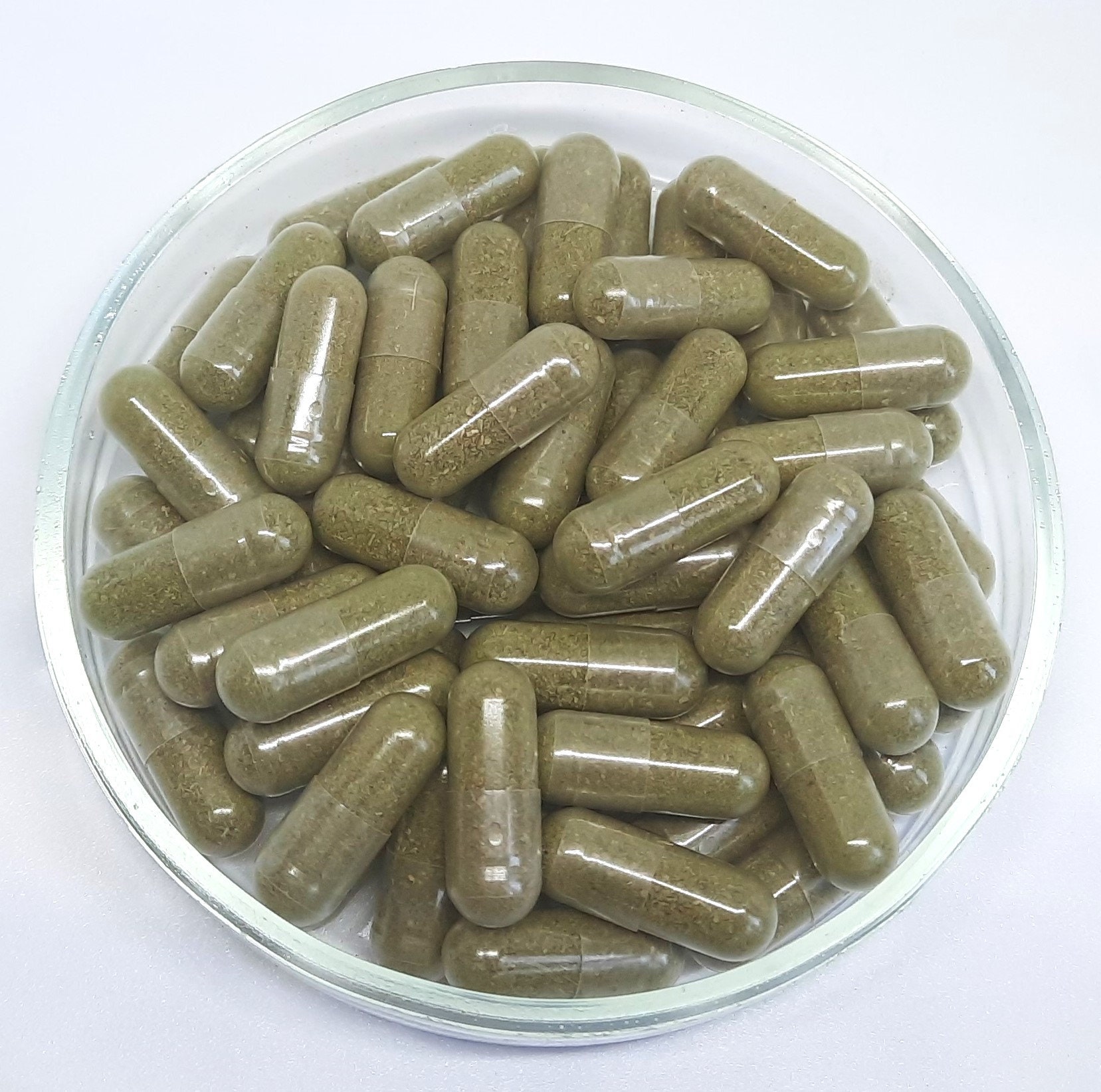
The Ultimate Guide to Three: Health Benefits and Uses

The Profound Health Benefits of Three: An Exhaustive Guide to Nature’s Multifaceted Elixir

In the vast tapestry of botanical medicine, certain herbs emerge as true powerhouses, revered for their comprehensive impact on human health and well-being. Among these distinguished botanicals, the enigmatic yet profoundly effective herb known simply as “Three” (botanically identified as Trinitas Herbacea) stands out. Long cherished in various traditional healing systems, Three is not just an herb; it is a symphony of synergistic compounds meticulously crafted by nature, offering an unparalleled spectrum of health benefits. This definitive guide delves deep into the essence of Three, exploring its rich history, intricate phytochemistry, and the myriad ways it can revolutionize your health, making it a cornerstone of holistic wellness.

Historical Roots and Traditional Reverence of Three

The journey of Three through human history is as rich and complex as its biochemical profile. Evidence of its use stretches back millennia, with indigenous cultures across continents incorporating Trinitas Herbacea into their spiritual rituals, daily sustenance, and medicinal practices. Ancient scrolls and oral traditions speak of Three as a “Herb of Three Virtues,” a celestial gift bestowing vitality, clarity, and protection. Shamans and traditional healers utilized Three for its remarkable ability to adapt the body to stress, enhance endurance, and foster a robust immune response, particularly during seasonal transitions or periods of heightened vulnerability.

In some traditions, Three was consumed as a ceremonial beverage before important endeavors, believed to sharpen the mind and fortify the spirit. Its dried leaves were often burned as incense to purify spaces and promote tranquility. The meticulous preparation of Three, whether as a decoction, infusion, or powdered form, was an art passed down through generations, underscoring its immense value and sacred status. This deep-seated historical reverence is not merely anecdotal; it provides a powerful testament to the enduring efficacy and broad-spectrum utility of Three, setting the stage for modern scientific inquiry into its therapeutic potential.

Three Dried Herb

Botanical Overview and Unique Characteristics of Trinitas Herbacea

Trinitas Herbacea, or Three, is a resilient perennial herb that thrives in diverse ecosystems, from sun-drenched plateaus to temperate forest understories. Characterized by its distinctive triple-lobed leaves (hence its common name), vibrant purple flowers, and robust root system, Three is a marvel of botanical adaptation. The plant typically reaches a height of 1 to 2 feet, presenting a bushy appearance with strong, fibrous stems. Its leaves emit a subtle, earthy aroma when crushed, a hint of the complex phytochemical activity contained within.

The resilience of Three extends beyond its physical structure; it is also reflected in its ability to accumulate a potent array of bioactive compounds. The optimal harvest time for Three is typically in late summer, when its leaves and roots reach their peak concentration of therapeutic compounds. Sustainable cultivation practices are crucial for preserving this precious botanical, ensuring that future generations can continue to benefit from its profound healing properties. Understanding its botanical profile is the first step in appreciating the intricate mechanisms behind its health benefits.

Three Botanical Photo

The Powerhouse Phytochemistry of Three: Unveiling Its Bioactive Compounds

The profound health benefits of Three are directly attributable to its extraordinarily rich and diverse phytochemical composition. Scientists have identified several classes of bioactive compounds working synergistically to exert Three’s therapeutic effects. These include novel triterpenoid saponins, a unique spectrum of flavonoids, complex polysaccharides, and a blend of essential oils and minerals. Understanding these components is key to grasping the herb’s multifaceted action.

  • Trinitas Saponins: The Adaptogenic Core: At the heart of Three’s adaptogenic prowess are its signature triterpenoid saponins, aptly named “trinitasaponins.” These compounds interact with the body’s hypothalamic-pituitary-adrenal (HPA) axis, modulating the stress response system. Trinitasaponins help normalize cortisol levels, enhance resistance to physical and mental stressors, and promote overall homeostasis. They achieve this by influencing neurotransmitter activity and supporting cellular energy production, thereby improving resilience against fatigue and improving recovery.
  • Flavonoids: Antioxidant and Anti-inflammatory Guardians: Three is abundant in a distinctive profile of flavonoids, including the highly potent “trinitrin” and its glycosides. These powerful polyphenolic compounds are renowned for their robust antioxidant capabilities, effectively scavenging free radicals and mitigating oxidative stress at a cellular level. Furthermore, trinitrin and other flavonoids in Three exert significant anti-inflammatory effects by inhibiting key inflammatory enzymes (like COX-2 and LOX) and pathways, such as NF-κB, thereby reducing systemic inflammation and protecting tissues from damage.
  • Complex Polysaccharides: Immune System Orchestrators: The cell walls of Three are rich in unique beta-glucan polysaccharides, often referred to as “trinitaglucans.” These complex carbohydrates play a critical role in immunomodulation. They act as biological response modifiers, stimulating the activity of macrophages, natural killer cells, and T-lymphocytes, enhancing both innate and adaptive immune responses. This leads to improved pathogen defense, balanced immune function, and a reduced susceptibility to infections.
  • Alkaloids and Terpenes: Neurological and Circulatory Support: While present in smaller quantities, specific alkaloids and volatile terpenes in Three contribute to its neuroprotective and circulatory benefits. These compounds may cross the blood-brain barrier to influence neurotransmitter balance, supporting cognitive function and mood. The terpenes also contribute to the herb’s anti-inflammatory properties and may aid in cardiovascular health by promoting vasodilation.

Three Plant Profile

Comprehensive Health Benefits of Three

The synergistic action of Three’s diverse compounds translates into an extensive range of scientifically supported health benefits, making it a truly holistic therapeutic agent.

1. Superior Adaptogenic Stress Support

Three is celebrated as a premier adaptogen, an elite class of herbs that helps the body adapt to various physical, chemical, and biological stressors without causing overstimulation or depletion. The trinitasaponins modulate the HPA axis, optimizing the release and regulation of stress hormones like cortisol. This prevents the chronic elevation of cortisol, which can lead to adrenal fatigue, impaired immune function, and metabolic disturbances. By enhancing cellular resilience and energy metabolism, Three enables the body to maintain homeostasis, promoting calm focus during stressful periods and supporting restorative sleep afterward.

2. Robust Immune System Fortification

The trinitaglucans and other polysaccharides in Three are potent immune modulators. They activate key immune cells, significantly boosting the body’s natural defense mechanisms. This enhanced immune surveillance improves the body’s ability to identify and neutralize pathogens, reducing the frequency and severity of infections. Furthermore, Three’s anti-inflammatory properties help temper an overactive immune response, preventing chronic inflammation while still ensuring effective pathogen clearance. This balanced approach to immune support is critical for long-term health and resilience.

3. Potent Antioxidant and Anti-inflammatory Action

Oxidative stress and chronic inflammation are fundamental drivers of aging and most chronic diseases. Three’s rich flavonoid profile, particularly trinitrin, provides exceptional antioxidant protection by neutralizing reactive oxygen species (ROS) and preventing cellular damage. Concurrently, these flavonoids and certain terpenes actively suppress pro-inflammatory cytokines and enzymes, reducing systemic inflammation. This dual action shields cells, tissues, and organs from cumulative damage, supporting longevity and mitigating the risk of inflammatory conditions.

4. Cognitive Enhancement and Neuroprotection

Emerging research indicates Three’s capacity to bolster brain health and cognitive function. Its adaptogenic qualities help mitigate stress-induced cognitive impairment, allowing for improved focus, memory, and mental clarity. The antioxidant compounds protect neuronal cells from oxidative damage, a key factor in neurodegenerative diseases. Additionally, certain compounds in Three may modulate neurotransmitter systems, such as acetylcholine and serotonin, fostering optimal brain communication and supporting a balanced mood. Regular intake may contribute to enhanced learning capabilities and a reduced risk of age-related cognitive decline.

5. Cardiovascular Wellness

Three offers significant benefits for cardiovascular health through multiple mechanisms. Its antioxidant properties protect the delicate endothelial lining of blood vessels from oxidative damage, promoting healthy vascular function. The anti-inflammatory effects help reduce plaque formation and arterial stiffness. Furthermore, certain compounds in Three have been shown to help regulate blood pressure and cholesterol levels, particularly LDL cholesterol. By supporting overall circulatory integrity, Three contributes to a healthier heart and reduced risk of cardiovascular events.

6. Digestive Health and Gut Microbiome Support

A healthy gut is foundational to overall well-being, and Three plays a supportive role here as well. Its anti-inflammatory compounds can soothe inflammation in the gastrointestinal tract, alleviating symptoms of digestive discomfort. Some of its polysaccharides may act as prebiotics, nourishing beneficial gut bacteria and promoting a balanced gut microbiome. A thriving gut flora is crucial for nutrient absorption, immune function, and even mood regulation, making Three a valuable ally for digestive harmony.

7. Metabolic Balance and Blood Sugar Regulation

Three has shown promise in supporting metabolic health. Its adaptogenic properties can indirectly influence glucose metabolism by modulating stress hormones that impact blood sugar levels. Furthermore, specific compounds may enhance insulin sensitivity, allowing cells to utilize glucose more efficiently. This can contribute to stable blood sugar levels and may offer a supportive role for individuals managing metabolic challenges.

8. Skin Health and Anti-Aging Properties

The powerful antioxidant and anti-inflammatory compounds in Three extend their benefits to skin health. By combatting oxidative stress, Three helps protect skin cells from environmental damage, reducing the appearance of premature aging, such as fine lines and wrinkles. Its anti-inflammatory action can soothe irritated skin and promote a clear, healthy complexion. Some components may even support collagen synthesis and skin elasticity, contributing to a youthful and radiant glow.

Practical Usage and Forms of Three

The versatility of Three allows for various methods of incorporation into a wellness routine, catering to different preferences and desired effects. Regardless of the form, sourcing high-quality, sustainably harvested Trinitas Herbacea is paramount to ensure potency and purity.

  • Dried Herb (Teas, Infusions, Decoctions): For centuries, the dried leaves and roots of Three have been used to prepare therapeutic teas and decoctions. An infusion, made by steeping the leaves in hot water, offers a gentle way to extract water-soluble compounds, ideal for daily immune support and stress reduction. Decoctions, which involve simmering the roots, are more potent for extracting deeper root compounds and are often used for chronic conditions or stronger adaptogenic effects. The earthy, slightly sweet flavor of Three makes it a pleasant addition to herbal tea blends.

Tinctures, prepared by soaking the herb in alcohol, offer a highly concentrated and bioavailable form, allowing for precise dosing and rapid absorption of a broad spectrum of compounds.

Three Capsules

  • Capsules and Supplements: For convenience and consistent dosing, Three is widely available in encapsulated powder or standardized extract forms. Standardized extracts ensure a consistent concentration of key bioactive compounds, such as trinitasaponins or trinitrin, making them ideal for targeted therapeutic applications. These supplements offer an easy way to integrate Three into a busy lifestyle without the need for preparation. When choosing a supplement, look for third-party tested products that guarantee purity and potency.
  • Topical Applications: Due to its anti-inflammatory and antioxidant properties, Three is also finding its way into skincare formulations. Extracts can be incorporated into creams, balms, and serums to soothe irritated skin, reduce redness, and protect against environmental damage, contributing to a healthier complexion.

Dosage, Safety, and Considerations

While Three is generally well-tolerated, adhering to recommended dosages and consulting with a healthcare professional is always advised, especially for individuals with underlying health conditions, those taking medication, or pregnant/nursing women. Typical dosages vary depending on the form and concentration of the product, ranging from 500 mg to 2000 mg of dried herb equivalent per day, often divided into two doses. Start with a lower dose to assess individual response.

Potential interactions with certain medications, such as immunosuppressants or blood thinners, should be discussed with a doctor. Side effects are rare but may include mild digestive upset in sensitive individuals. As with any potent botanical, quality matters; always opt for reputable brands that provide transparency regarding sourcing and manufacturing processes. Listen to your body and adjust as needed, and remember that herbal remedies work best as part of a comprehensive healthy lifestyle.

Three Natural Herb

Conclusion: Embrace the Holistic Power of Three

The herb Three (Trinitas Herbacea) is far more than a simple botanical; it is a profound testament to nature’s capacity to heal and restore. From its ancient origins as a sacred herb to its modern recognition as a powerhouse adaptogen and immune modulator, Three consistently demonstrates its remarkable ability to support holistic well-being. Its intricate blend of trinitasaponins, trinitrin flavonoids, and trinitaglucan polysaccharides works in concert to provide unparalleled stress resilience, immune fortification, cognitive enhancement, cardiovascular protection, and anti-aging benefits.

By integrating this extraordinary botanical into your wellness regimen, whether through traditional teas or convenient supplements, you embark on a journey towards enhanced vitality, balanced health, and a deeper connection to nature’s healing wisdom. Embrace the multifaceted power of Three and unlock a new dimension of well-being.

Disclaimer: For informational purposes only. Not medical advice. Consult a qualified healthcare professional before use.
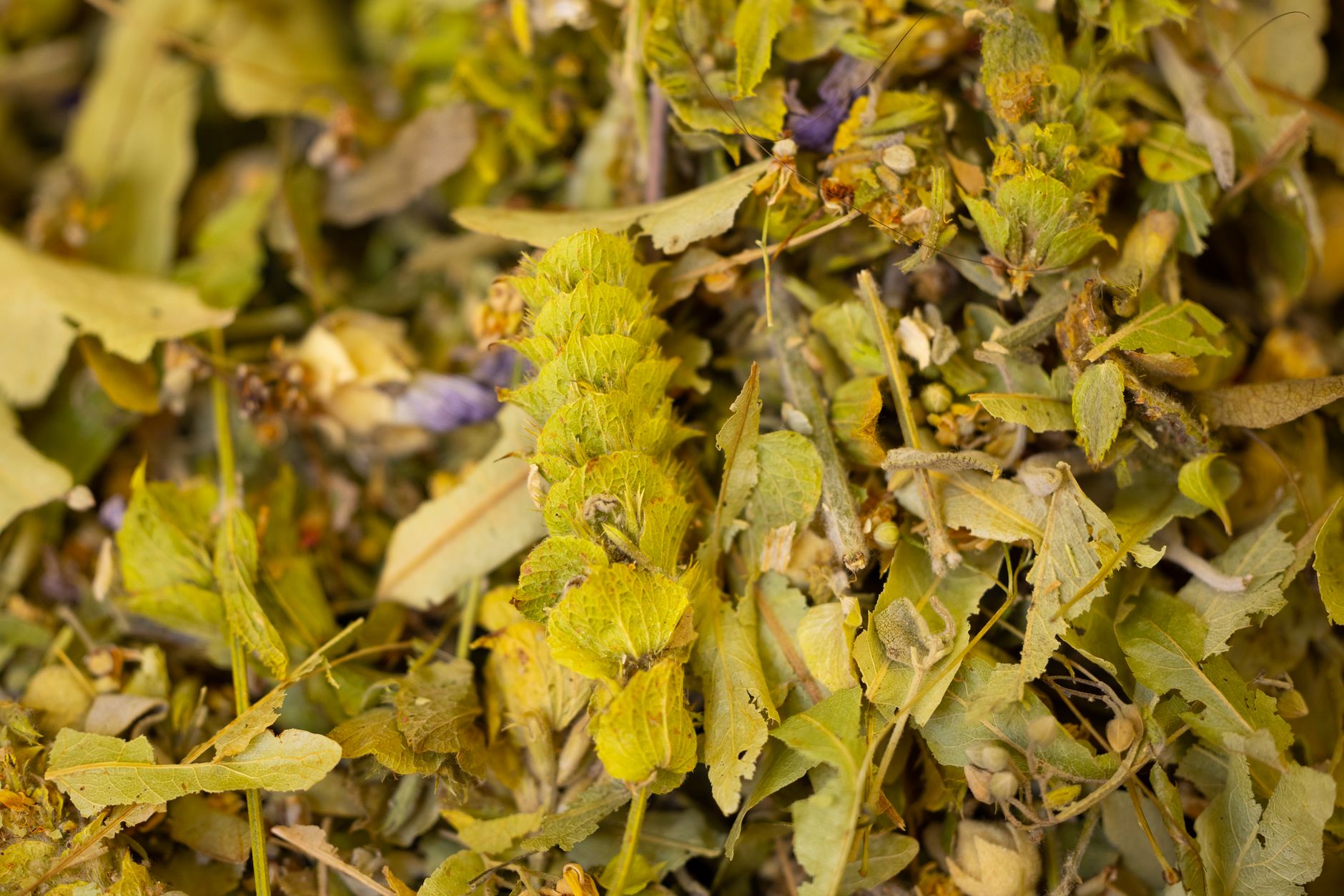
The Ultimate Guide to Bogbean Leaf: Health Benefits and Uses

Unveiling the Ancient Wisdom: An Exhaustive Guide to the Remarkable Health Benefits of Bogbean Leaf (Menyanthes trifoliata)

Deep within the tranquil, often overlooked, landscapes of bogs and marshlands across the Northern Hemisphere thrives a botanical marvel known as Bogbean. Scientifically classified as Menyanthes trifoliata, this resilient aquatic perennial has been revered for centuries in traditional European herbal medicine. Far from being just another wetland plant, Bogbean Leaf stands out as a potent bitter tonic, a multifaceted remedy whose applications span from invigorating sluggish digestion to calming inflammatory conditions.

In an age where natural remedies are gaining renewed appreciation, understanding the profound capabilities of herbs like Bogbean becomes paramount. This exhaustive guide aims to delve deep into the world of Menyanthes trifoliata, exploring its unique botanical profile, tracing its rich historical tapestry, dissecting the complex interplay of its bioactive compounds, and meticulously outlining its comprehensive health benefits. Prepare for a definitive journey into the ancient wisdom and modern relevance of Bogbean Leaf, offering insights for both the curious novice and the seasoned herbal enthusiast.

1. Botanical Profile: A Glimpse into Menyanthes trifoliata

Menyanthes trifoliata, commonly known as Bogbean, Buckbean, Marsh Trefoil, or Water Trefoil, belongs to the Menyanthaceae family. This distinctive plant is a perennial, characterized by its robust, creeping rhizomes that allow it to colonize wet, marshy areas effectively. Its natural habitat includes cold, acidic bogs, fens, shallow ponds, and slow-moving streams across the cooler regions of Europe, Asia, and North America.

The most striking feature of Bogbean is its bright green, trifoliate leaves, which emerge from the water on long petioles, bearing a striking resemblance to a broad-bean leaf – hence one of its common names. Each leaf comprises three elliptical leaflets, often with slightly wavy margins. However, it is during its blooming season, typically from late spring to early summer, that Bogbean truly captivates. It produces upright racemes of exquisitely fringed flowers, ranging in color from pure white to delicate pinkish-purple, adorned with a delicate beard of hairs on their inner surface, giving them a distinctly ethereal appearance. These unique botanical characteristics are not merely aesthetic; they are part of a resilient survival strategy in its challenging wetland environment, and historically, these features also aided in its identification and collection by herbalists.

Bogbean Leaf Botanical Photo

2. A Journey Through Time: Historical and Traditional Uses of Bogbean Leaf

The historical significance of Bogbean Leaf in traditional medicine is extensive, particularly within European folk herbalism. For centuries, this humble marsh plant was a cornerstone of natural remedies, earning a revered status among healers and laypeople alike. Its reputation was built upon a diverse array of applications, primarily stemming from its pronounced bitter taste, which was long understood to be indicative of its therapeutic properties.

One of its foremost traditional uses was as a potent digestive tonic. Herbalists prescribed Bogbean to stimulate appetite in individuals suffering from convalescence, anorexia, or general debility. It was also widely employed to alleviate various forms of dyspepsia, including indigestion, bloating, and gas, by enhancing the body’s natural digestive processes. Beyond digestion, Bogbean gained fame as a febrifuge, utilized to reduce fevers, particularly intermittent types, and to support the body during periods of illness and recovery. Its anti-inflammatory capabilities were recognized, leading to its application in treating rheumatic conditions, arthritis, and gout, where it was believed to reduce pain and swelling in the joints. Furthermore, Bogbean was valued for its diuretic properties, aiding in the expulsion of excess fluids from the body and supporting kidney function. Across various European cultures, its inclusion in household remedies and formal pharmacopoeias underscored its importance as a general tonic, aimed at invigorating the body and restoring vitality. These traditional uses, passed down through generations, laid the foundation for modern scientific inquiry into its medicinal efficacy.

3. The Science Beneath the Surface: Bioactive Compounds in Bogbean Leaf

The profound therapeutic effects attributed to Bogbean Leaf are not merely anecdotal but are underpinned by a rich and complex array of bioactive compounds. The efficacy of this herb lies in the synergistic action of its various phytochemicals, each contributing to its overall medicinal profile. Understanding these compounds is key to appreciating the science behind Bogbean’s historical and contemporary uses.

3.1. Secoiridoid Glycosides: The Bitter Principles

The most characteristic and pharmacologically significant compounds in Bogbean are its secoiridoid glycosides, which are responsible for its intensely bitter taste. Key examples include meniatin, meliatin, loganin, and mentiafolin. These compounds are potent stimulators of the digestive system. Upon ingestion, these bitter principles interact with specialized bitter taste receptors (T2Rs) located not only on the tongue but also throughout the gastrointestinal tract. This interaction triggers a reflex cascade: it immediately stimulates the salivary glands, increasing saliva production. As the compounds reach the stomach, they provoke a substantial increase in the secretion of gastric juices, including hydrochloric acid and pepsin, which are vital for breaking down proteins. Further down, they promote the release of bile from the liver and gallbladder (acting as a choleretic and cholagogue, respectively) and stimulate the pancreas to secrete its full spectrum of digestive enzymes. This comprehensive pre-digestive preparation optimizes the entire digestive process, ensuring more efficient food breakdown and nutrient absorption, thus alleviating symptoms of sluggish digestion and malabsorption.

3.2. Flavonoids: Antioxidant and Anti-inflammatory Powerhouses

Bogbean Leaf is also rich in various flavonoids, including well-known compounds such as quercetin, rutin, and kaempferol. These polyphenolic compounds are celebrated for their powerful antioxidant and anti-inflammatory properties. As antioxidants, flavonoids efficiently scavenge free radicals, which are unstable molecules that can cause oxidative stress and cellular damage, contributing to aging and chronic diseases. Their anti-inflammatory action is multifaceted: they modulate immune pathways, inhibiting the production of pro-inflammatory mediators such as prostaglandins and leukotrienes, and can also reduce the activity of enzymes like cyclooxygenase-2 (COX-2) and lipoxygenase. This dual action makes them crucial contributors to Bogbean’s traditional use in conditions like rheumatism and general inflammatory states, while also supporting overall cellular health and vascular integrity.

3.3. Tannins: Astringent and Protective Agents

Present in smaller but significant quantities, tannins in Bogbean impart astringent properties. Tannins are polyphenolic compounds that can bind to proteins, causing them to precipitate. In the context of the gastrointestinal tract, this action can help to tighten and tone mucosal tissues, reducing inflammation and secretion. This astringency can be beneficial in cases of mild diarrhea, mucosal irritation, or when there is a need to reduce fluid loss. Additionally, tannins can exert mild antiseptic effects, contributing to the overall protective role of the herb within the digestive system.

3.4. Other Components

Beyond these primary active constituents, Bogbean contains trace amounts of coumarins, which may offer additional anti-inflammatory and vascular benefits. It also contains small quantities of essential oils, polysaccharides, and a spectrum of essential minerals (such as potassium and calcium) and vitamins. While not the primary drivers of its potent actions, these components contribute to the herb’s holistic effect, supporting its role as a general tonic and providing a broad nutritional foundation that complements its more targeted therapeutic actions.

Bogbean Leaf Plant Profile

4. Comprehensive Health Benefits of Bogbean Leaf: A Deep Dive

The array of bioactive compounds in Bogbean Leaf collectively bestows upon it a remarkable spectrum of health benefits, many of which align perfectly with its long-standing traditional uses. These benefits extend beyond simple symptom relief, aiming to restore balance and enhance the body’s intrinsic healing capabilities.

4.1. Unparalleled Digestive Support and Appetite Stimulation

Bogbean’s reputation as a supreme digestive aid is perhaps its most celebrated attribute. The intense bitterness from its secoiridoid glycosides is the catalyst for a profound digestive revitalization. When consumed, these bitter compounds initiate a “cephalic phase” response, where the mere taste signals the brain to prepare the entire gastrointestinal tract for digestion. This translates into several key benefits:

  • Appetite Enhancement: For individuals experiencing suppressed appetite due to illness, stress, or convalescence, Bogbean can effectively rekindle hunger. By stimulating the sensory receptors and subsequent digestive secretions, it primes the body to receive and process food, making it invaluable for restoring nutritional intake.
  • Optimized Gastric Secretion: The bitter principles directly stimulate the production and release of hydrochloric acid (HCl) and pepsin in the stomach. HCl is crucial for initiating protein denaturation and activating pepsin, the primary enzyme for protein breakdown. Adequate stomach acid is also vital for sterilizing ingested food and absorbing certain minerals (like iron and B12), thus Bogbean can indirectly support these functions.
  • Enhanced Bile Flow and Liver Support: Bogbean acts as both a choleretic (increasing bile production by the liver) and a cholagogue (promoting bile release from the gallbladder). Bile is essential for emulsifying fats in the small intestine, facilitating their digestion and the absorption of fat-soluble vitamins (A, D, E, K). By optimizing bile flow, Bogbean supports liver detoxification pathways and can alleviate symptoms associated with sluggish liver or gallbladder function, such as indigestion of fatty foods.
  • Pancreatic Enzyme Activity: The stimulation of the digestive system extends to the pancreas, indirectly enhancing the secretion of pancreatic enzymes (amylase, lipase, proteases). These enzymes are responsible for the further breakdown of carbohydrates, fats, and proteins in the small intestine, ensuring comprehensive nutrient extraction from food.
  • Alleviating Dyspepsia: By improving the overall efficiency of digestion, Bogbean is highly effective in mitigating common symptoms of dyspepsia, including bloating, excessive gas, feelings of fullness, and abdominal discomfort after meals. It helps prevent food from sitting undigested, reducing fermentation and associated discomfort.

4.2. Potent Anti-inflammatory and Analgesic Actions

Beyond its digestive prowess, Bogbean Leaf harbors significant anti-inflammatory and mild analgesic properties, explaining its long-standing traditional use in conditions affecting the musculoskeletal system.

  • Relief from Rheumatic Conditions: Bogbean has been a go-to remedy for chronic inflammatory conditions such as rheumatism, arthritis, and gout. Its rich flavonoid content, particularly quercetin and rutin, contributes significantly to these effects. These compounds work by interfering with the inflammatory cascade, inhibiting key enzymes (like COX-2 and lipoxygenase) and signaling molecules that drive pain and swelling in affected joints.
  • Gout Management: While directly impacting inflammation, Bogbean’s diuretic properties can also indirectly aid in gout management. By promoting increased urine output, it may assist the kidneys in excreting excess uric acid, the crystalline accumulation of which is the primary cause of gout attacks. Reducing uric acid levels can help prevent future flare-ups and alleviate current symptoms.

4.3. Natural Diuretic and Detoxifying Agent

Bogbean’s ability to promote fluid excretion contributes to its detoxifying potential and makes it valuable in managing conditions characterized by fluid retention.

  • Fluid Balance Regulation: As a natural diuretic, Bogbean gently encourages increased urine production and excretion. This can be beneficial for individuals experiencing mild edema or water retention, helping to restore healthy fluid balance in the body.
  • Kidney Support and Detoxification: By facilitating urination, Bogbean assists the kidneys in their vital role of filtering waste products and toxins from the blood. This enhanced excretion helps to flush out metabolic byproducts and undesirable substances, contributing to the body’s overall detoxification processes and supporting renal health.

4.4. Immune Modulation and General Tonic Effects

The holistic actions of Bogbean extend to supporting the immune system and acting as a general fortifying tonic.

  • Aid in Convalescence: Historically, Bogbean was given to individuals recovering from illness or periods of debility to help regain strength and vitality. Its ability to stimulate appetite and improve nutrient absorption plays a crucial role here, ensuring the body has the necessary building blocks for repair and recovery.
  • Antioxidant Protection: The high concentration of flavonoids provides significant antioxidant support, protecting cells from oxidative damage caused by free radicals. This cellular protection is fundamental to maintaining a robust immune system and reducing the risk of chronic diseases.
  • Febrifuge Properties: Traditional texts often mention Bogbean’s use as a febrifuge, suggesting an ability to help normalize body temperature during fevers. While modern medicine would prioritize investigating the cause of fever, this historical application points to its systemic effects on the body’s homeostatic mechanisms.

4.5. Potential for Skin Health and Topical Applications (Less Common but Noteworthy)

While predominantly used internally, some traditional practices alluded to external applications of Bogbean.

  • Astringent for Skin Irritations: Given its tannin content, a strong decoction might have been traditionally applied as a poultice or wash for minor skin irritations, slow-healing wounds, or certain inflammatory skin conditions. The astringent properties could help tighten tissues, reduce exudation, and offer mild antiseptic effects. However, scientific validation for topical use is limited, and internal benefits remain its primary focus.

5. Practical Applications: How to Incorporate Bogbean Leaf into Your Wellness Routine

Bogbean Leaf, owing to its potent nature, can be incorporated into a wellness routine through various traditional and modern forms. The choice of preparation often depends on individual preference, desired potency, and convenience.

5.1. Dried Herb: Traditional Preparations

The most traditional and widely practiced method of consuming Bogbean is as an herbal infusion or tea. Using the dried leaves allows for a direct experience of its therapeutic bitterness and a gentler absorption into the system.

  • Infusion (Tea): This is the simplest and most common method. To prepare, steep 1-2 teaspoons (approximately 1-2 grams) of dried Bogbean leaves in a cup (250 ml) of hot (but not boiling) water. Cover and let it infuse for 10-15 minutes. Due to its intense bitterness, it’s often recommended to take this tea in small sips, about 15-30 minutes before meals. This timing allows the bitter principles to fully stimulate digestive secretions before food intake. Typically, 1 cup can be consumed 2-3 times daily.
  • Decoction: While infusions are common for leaves, for a stronger extraction, especially if rhizomes were traditionally included (though leaves are primary in modern use), a decoction might be considered. This involves simmering the herb in water for a longer period. However, for Bogbean leaves, infusion is generally sufficient to extract the key bitter principles.

Bogbean Leaf Dried Herb

5.2. Tinctures: Concentrated Potency

Herbal tinctures offer a concentrated liquid extract, typically made with alcohol, which preserves the active compounds and provides a longer shelf life. They are an excellent option for those who prefer a more potent and convenient form of administration.

  • Preparation and Dosage: Tinctures are usually prepared by soaking dried Bogbean leaves in an alcohol-water solution over several weeks. Standardized tinctures (e.g., 1:5 ratio, 25% alcohol) are readily available from reputable herbal suppliers. The typical dosage is 1-2 ml, taken 2-3 times daily, diluted in a small amount of water. As with tea, it is best consumed 15-30 minutes before meals to maximize its digestive stimulant effects. Starting with a lower dose is advisable to assess individual tolerance, as tinctures are more concentrated.

5.3. Capsules and Supplements: Modern Convenience

For individuals who find the intense bitterness of Bogbean unpalatable or seek a highly convenient and precisely dosed option, capsules and other standardized supplements offer an excellent alternative.

  • Standardization and Ease of Use: Many commercially available Bogbean supplements are standardized to contain a specific amount of active compounds, ensuring consistent potency. Capsules bypass the bitter taste entirely, making them a preferred choice for many.
  • Dosage: Always follow the manufacturer’s specific instructions, as concentrations can vary between brands. General recommendations often range from 200-500mg of powdered Bogbean Leaf, taken 1-3 times daily, preferably before meals. This format allows for easy integration into busy lifestyles while still delivering the therapeutic benefits.

Bogbean Leaf Capsules

6. Dosage Guidelines and Important Considerations

Given Bogbean’s potent nature, adhering to recommended dosage guidelines and being mindful of potential interactions is crucial for safe and effective use. While it is a natural remedy, “natural” does not equate to “without effect or side effects.”

6.1. General Dosage Guidelines (Adults)

  • Dried Herb Infusion: For a standard tea, use 1-2 grams of dried Bogbean leaf steeped in 250 ml of hot water for 10-15 minutes. Consume 15-30 minutes before meals, 2-3 times daily.
  • Tincture (1:5, 25% alcohol): Typically, 1-2 ml (20-40 drops) taken 2-3 times daily, diluted in a small amount of water, 15-30 minutes before meals.
  • Powdered Leaf (Capsules): Common dosages range from 200-500 mg of powdered Bogbean leaf, taken 1-3 times daily, before meals.

It is always recommended to start with the lowest effective dose and gradually increase if needed, while monitoring your body’s response. Consistency in timing (before meals) is key for its digestive benefits.

6.2. Duration of Use

Bogbean is generally used for acute or short-term digestive support or for specific conditions. For chronic conditions or extended periods of use (beyond 4-6 weeks), it is highly advisable to consult with a qualified herbalist or healthcare practitioner. They can help assess the need for continuous use, adjust dosage, or suggest breaks to maintain efficacy and prevent potential accumulation effects.

6.3. Sourcing and Quality

The efficacy and safety of any herbal remedy are profoundly influenced by its quality. Always source Bogbean Leaf from reputable suppliers who can guarantee purity, potency, and sustainable harvesting practices. Look for organic certification to ensure the absence of pesticides and herbicides. When wild-crafting, ensure correct identification and adherence to sustainable harvesting guidelines, as wetland plants can be sensitive to over-collection.

7. Potential Side Effects, Contraindications, and Precautions

While Bogbean Leaf offers numerous health benefits, it is a powerful herb that is not suitable for everyone. Awareness of its potential side effects, contraindications, and necessary precautions is paramount for safe use.

7.1. Potential Side Effects

  • Gastrointestinal Upset: The most common side effects, particularly at high doses, include nausea, vomiting, abdominal discomfort, and diarrhea. This is largely due to its intense bitterness and strong stimulation of digestive secretions. Starting with a low dose and gradually increasing can help mitigate these effects.
  • Hypersensitivity/Allergies: As with any botanical, allergic reactions are possible, though rare. Discontinue use if you experience any signs of an allergic reaction (e.g., rash, itching, swelling).

7.2. Contraindications (When Bogbean Should Not Be Used)

  • Pregnancy and Breastfeeding: There is insufficient scientific data regarding the safety of Bogbean Leaf during pregnancy and lactation. Due to its potent effects, it is strongly advised to avoid use during these periods to prevent any potential risks to the mother or child.
  • Gastric or Duodenal Ulcers, Hyperacidity, Gastritis: Bogbean significantly stimulates gastric acid secretion. In individuals with existing ulcers, acid reflux, hyperacidity, or inflammation of the stomach lining (gastritis), this increased acid production could exacerbate symptoms and potentially worsen the condition. Therefore, it is strictly contraindicated in these cases.
  • Gallstones or Biliary Obstruction: While Bogbean stimulates bile flow, if there is a pre-existing blockage in the bile ducts due to gallstones or other conditions, increasing bile production could lead to severe pain (biliary colic) or other complications. Individuals with known gallstones or suspected biliary obstruction should avoid Bogbean or use it only under strict medical supervision.
  • Severe Liver Disease: Although it supports liver function, in cases of severe liver impairment, the potent stimulation might be inappropriate. Consult a specialist.

7.3. Drug Interactions and Precautions

  • Antacids and Acid-Reducing Medications: Bogbean’s primary action is to increase stomach acid. Therefore, it can counteract the effects of antacids, H2 blockers (e.g., ranitidine, cimetidine), and proton pump inhibitors (e.g., omeprazole, lansoprazole) used to reduce stomach acid. Do not take Bogbean concurrently with these medications.
  • Diabetes Medications: Some bitter herbs can influence blood sugar levels. Individuals with diabetes who are on medication should use Bogbean with caution and monitor their blood glucose levels closely, as it might potentiate the effects of anti-diabetic drugs.
  • Blood Thinners (Anticoagulants/Antiplatelets): Although not extensively studied for Bogbean specifically, some bitter principles and coumarins found in other plants can affect blood clotting. Individuals on anticoagulant or antiplatelet medications (e.g., warfarin, aspirin) should exercise caution and consult their healthcare provider before using Bogbean to avoid potential interactions.
  • Other Medications: Always inform your healthcare professional about all herbs and supplements you are taking, especially if you are on prescription medications for chronic conditions. Bogbean’s digestive stimulating effects could theoretically alter the absorption rate of certain drugs.

In summary, while Bogbean Leaf is a powerful natural remedy, it is imperative to approach its use with respect and caution. Always prioritize consulting with a qualified healthcare practitioner, especially if you have pre-existing health conditions, are pregnant or breastfeeding, or are taking other medications. Self-medication without professional guidance can lead to adverse outcomes.

Conclusion

Bogbean Leaf, or Menyanthes trifoliata, stands as a testament to the enduring power and efficacy of traditional herbal medicine. From its striking presence in the bogs of the Northern Hemisphere to its profound impact on human health, this multifaceted herb has offered relief and vitality for centuries. Its rich tapestry of bioactive compounds, particularly the potent secoiridoid glycosides and versatile flavonoids, underpins its reputation as an unparalleled digestive stimulant, a valuable anti-inflammatory agent, a gentle diuretic, and a supportive general tonic.

By delving into its botanical intricacies, historical applications, and the scientific mechanisms of its therapeutic actions, we gain a deeper appreciation for Bogbean’s role in a holistic approach to wellness. It effectively addresses sluggish digestion, alleviates rheumatic discomfort, aids in detoxification, and supports overall bodily resilience. However, its potency demands informed and responsible usage. As with any powerful natural remedy, understanding appropriate dosages, potential side effects, and contraindications is crucial.

In conclusion, Bogbean Leaf represents a compelling natural resource for enhancing digestive health and addressing a range of inflammatory conditions. For those seeking to integrate this remarkable herb into their wellness journey, diligent research and, most importantly, consultation with a qualified healthcare practitioner are highly recommended. Embracing the ancient wisdom of Bogbean, with modern prudence, can unlock its profound health-promoting potential, contributing to a vibrant and balanced life.

Bogbean Leaf Natural Herb

Disclaimer: For informational purposes only. Not medical advice. Consult a qualified healthcare professional before use.
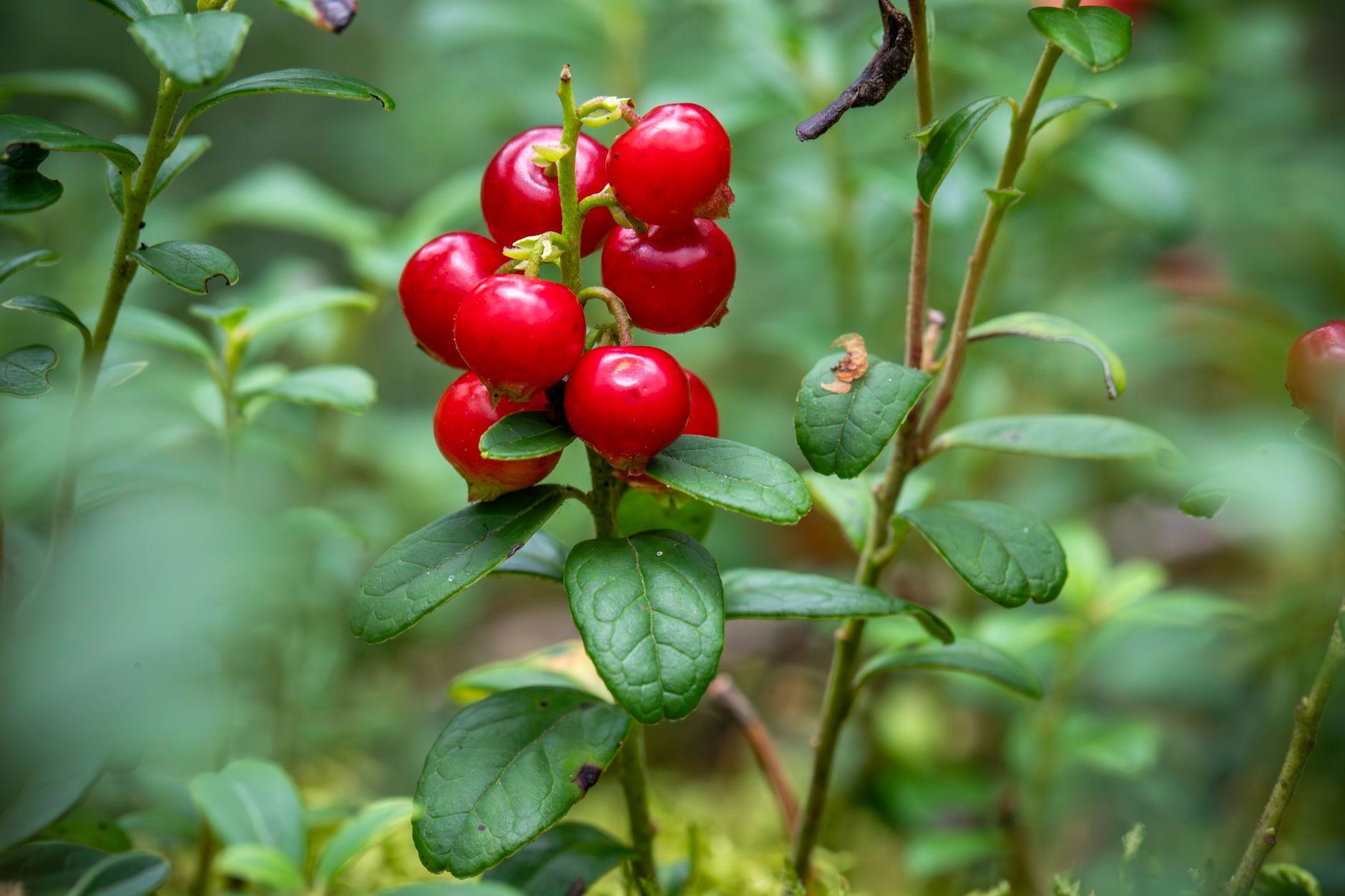
The Ultimate Guide to Wood Betony: Health Benefits and Uses

The Definitive Guide to Wood Betony: Unveiling Its Profound Health Benefits and Traditional Uses

In the vast tapestry of botanical medicine, certain herbs stand out not only for their enduring historical reputation but also for their impressive array of scientifically supported health benefits. Among these venerable plants is Wood Betony, scientifically known as Stachys officinalis (formerly Betonica officinalis). Revered across centuries and cultures, this unassuming perennial has garnered acclaim as a powerful nervine tonic, digestive aid, and overall wellness enhancer. This exhaustive guide delves deep into the multifaceted benefits of Wood Betony, exploring its rich history, intricate chemical composition, and practical applications, offering a comprehensive resource for anyone seeking to understand the profound therapeutic potential of this remarkable herb.

A Storied Past: Wood Betony Through the Ages

The history of Wood Betony is as rich and intricate as the plant itself, with its roots firmly planted in ancient European herbal traditions. Its reputation as a panacea was well-established even in classical antiquity. The Roman physician Antonius Musa, physician to Emperor Augustus, famously declared it to be effective against 47 different diseases. Pliny the Elder, the esteemed Roman naturalist, described Wood Betony as an herb of immense prophylactic and therapeutic value, extensively documenting its uses for a wide range of ailments from headaches and nervous disorders to snake bites and digestive complaints.

During the Middle Ages, Wood Betony ascended to legendary status. Monasteries across Europe cultivated it, and it became a cornerstone of Anglo-Saxon herbal medicine, frequently appearing in their medical texts and charms. It was often planted around homes and graves, believed to ward off evil spirits and protect against witchcraft, signifying its perceived power over both physical and spiritual maladies. Nicholas Culpeper, the celebrated 17th-century English herbalist, held Wood Betony in high esteem, writing that “it is a very precious herb, appropriated to the liver and spleen.” This long-standing veneration underscores its consistent recognition as a vital therapeutic agent, transitioning from folklore to documented herbal practice across millennia.

Botanical Overview: Understanding Stachys officinalis

Wood Betony, a member of the Lamiaceae (mint) family, is a herbaceous perennial native to Europe, North Africa, and Western Asia. It typically grows to a height of 1 to 2 feet (30-60 cm), characterized by its square stems, dark green, somewhat hairy, oblong-to-heart-shaped leaves that are arranged oppositely along the stem. The leaves are deeply serrated or crenated, contributing to its distinctive appearance. From late spring to early autumn, Wood Betony produces beautiful, dense spikes of purplish-pink (occasionally white) flowers, which are tubular and two-lipped, attracting a variety of pollinators, including bees and butterflies. It thrives in grasslands, woodlands, and heaths, preferring well-drained soil and partial shade.

The plant’s common names, such as “Bishopswort” and “Lousewort,” hint at its historical uses and perceived properties. “Bishopswort” possibly refers to its high esteem, likened to a bishop’s dignity, while “Lousewort” might stem from its historical use as a vermifuge for livestock. Despite these varied names, its core identity as Wood Betony (or Hedge Betony) has remained consistent, a testament to its singular importance in the herbal pharmacopoeia.

Wood Betony Botanical Photo

The Science Within: Bioactive Compounds of Wood Betony

The therapeutic efficacy of Wood Betony is attributed to its rich and complex chemical composition. Modern scientific investigations have begun to unravel the synergistic actions of its diverse array of bioactive compounds, which include phenolic compounds, tannins, iridoids, alkaloids, and trace amounts of volatile oils. These constituents work in concert to produce the observed pharmacological effects, underscoring the holistic nature of herbal medicine.

  • Phenolic Compounds: This broad category includes flavonoids (e.g., apigenin, luteolin, cosmosiin) and phenolic acids (e.g., rosmarinic acid, caffeic acid, chlorogenic acid). These compounds are renowned for their potent antioxidant and anti-inflammatory properties. Rosmarinic acid, in particular, is a powerful antioxidant that can neutralize free radicals and inhibit pro-inflammatory enzymes, contributing significantly to the herb’s neuroprotective and anti-inflammatory actions.
  • Tannins: Wood Betony is rich in tannins, particularly hydrolyzable tannins. These compounds are responsible for the herb’s astringent properties, meaning they can contract tissues and reduce secretions. This effect is crucial for its traditional use in wound healing, reducing inflammation, and alleviating diarrhea. Tannins also exhibit antiseptic qualities, helping to prevent infection.
  • Iridoids: Compounds like harpagide and aucubin are present in Wood Betony. Iridoids are often associated with anti-inflammatory, analgesic, and bitter tonic properties. Harpagide, for example, is also found in Devil’s Claw (Harpagophytum procumbens), a well-known anti-inflammatory herb, suggesting a shared mechanism for pain relief.
  • Verbascoside (Acteoside): This phenylpropanoid glycoside is a potent antioxidant and anti-inflammatory compound found in many Lamiaceae family members. Verbascoside can modulate immune responses, inhibit nitric oxide synthase, and protect cells from oxidative damage, making it a significant contributor to Wood Betony’s overall therapeutic profile.
  • Alkaloids: While present in smaller quantities, alkaloids can contribute to the herb’s neurological effects.
  • Betaine: This compound, also found in beets, is known for its role in methylation processes and liver support, further adding to Wood Betony’s internal cleansing and tonic properties.

Wood Betony Plant Profile

Unpacking the Health Benefits: A Deep Dive into Wood Betony’s Therapeutic Actions

The intricate blend of phytochemicals in Wood Betony confers a wide range of health benefits, many of which align perfectly with its historical applications. Let’s explore these in detail:

1. Exceptional Nervine and Stress Reliever

Wood Betony is perhaps best known for its profound effects on the nervous system. Classified as a nervine tonic, it helps to soothe and strengthen the nervous system, making it an excellent herb for managing stress, anxiety, and nervous tension. Its action is not overtly sedating, but rather a restorative and grounding one. The flavonoids and phenolic acids, particularly rosmarinic acid and verbascoside, contribute to this effect by exerting antioxidant protection on neural tissues and potentially modulating neurotransmitter activity, such as GABA receptors, which are crucial for calming the brain.

This calming effect can be particularly beneficial for individuals experiencing mild insomnia caused by an overactive mind, nervous exhaustion, or general irritability. By gently easing nervous agitation, Wood Betony promotes a sense of tranquility and mental clarity without inducing drowsiness, making it suitable for daytime use to enhance focus and reduce mental fatigue.

2. Natural Headache and Migraine Relief

One of Wood Betony’s most celebrated traditional uses is for the relief of headaches, including tension headaches and migraines. Its ability to act as a mild analgesic and anti-inflammatory agent, combined with its nervine properties, makes it highly effective. The iridoids (like harpagide) and phenolic compounds work to reduce inflammation in the vascular system and muscles that can contribute to head pain. Furthermore, its ability to relax nervous tension can alleviate headaches triggered by stress or anxiety. By promoting overall relaxation and reducing cranial tension, Wood Betony offers a holistic approach to managing various forms of cephalalgia.

3. Potent Anti-inflammatory and Antioxidant Properties

The rich concentration of phenolic compounds, especially flavonoids and verbascoside, provides Wood Betony with formidable anti-inflammatory and antioxidant capabilities. These compounds actively scavenge free radicals, which are unstable molecules that can cause oxidative stress and cellular damage, leading to chronic diseases and premature aging. By reducing oxidative stress, Wood Betony protects cells and tissues throughout the body, including vital organs like the brain, liver, and digestive tract.

Moreover, its anti-inflammatory effects are mediated by inhibiting key enzymes in inflammatory pathways, such as cyclooxygenases (COX) and lipoxygenases (LOX), and by modulating the production of pro-inflammatory cytokines. This makes Wood Betony a valuable adjunctive therapy for conditions characterized by chronic inflammation, ranging from arthritic pain to inflammatory bowel conditions, contributing to overall systemic health and reducing disease risk.

4. Digestive System Support and Gastrointestinal Comfort

Wood Betony has a long history of use as a digestive tonic. Its mildly bitter taste stimulates the secretion of digestive juices, including saliva, stomach acid, and bile. This enhanced digestive enzyme activity aids in the breakdown and absorption of nutrients, reducing symptoms of indigestion, bloating, and gas. The tannins present in Wood Betony also exert an astringent effect on the mucous membranes of the gastrointestinal tract, which can be beneficial in cases of mild diarrhea, helping to tone and tighten the intestinal lining.

Furthermore, its anti-inflammatory actions extend to the gut, potentially soothing irritation and inflammation associated with conditions like gastritis or irritable bowel syndrome (IBS). By supporting healthy digestive function and reducing gastrointestinal discomfort, Wood Betony promotes a more balanced and efficient digestive system.

5. Respiratory Health and Cough Relief

Traditionally, Wood Betony has been employed to support respiratory health, particularly for coughs and mild bronchial conditions. While not a primary expectorant, its mucilage content can provide a soothing effect on irritated mucous membranes in the throat and lungs. Its antispasmodic properties may also help to ease spasmodic coughs and promote relaxation of the bronchial passages, offering relief from congestion and irritation associated with common colds and upper respiratory tract infections. The anti-inflammatory action further aids in reducing inflammation in the airways, contributing to easier breathing.

6. Cognitive Function and Mental Clarity

Beyond its role as a nervine, Wood Betony has been historically considered a “brain tonic” or a “cephalic” herb, believed to improve cognitive function and mental clarity. By reducing nervous tension and improving blood flow to the brain (an indirect effect of systemic relaxation and anti-inflammatory actions), it may help to alleviate brain fog and enhance focus. The antioxidant compounds also offer neuroprotective benefits, safeguarding brain cells from oxidative damage and supporting optimal neurological health over time. This makes it a potential ally for students, professionals, or anyone seeking to maintain sharp cognitive function.

7. Wound Healing and Topical Applications

The astringent and antiseptic properties of Wood Betony, primarily due to its high tannin content, make it an excellent herb for topical applications. Historically, it was used as a poultice or wash for cuts, scrapes, bruises, and skin irritations. The tannins help to constrict blood vessels, reduce bleeding, and promote the formation of a protective scab, thereby accelerating the wound healing process. Its antiseptic qualities also aid in preventing bacterial infections in minor skin abrasions. Compresses made from Wood Betony infusions can also be used to soothe inflamed skin, insect bites, and minor burns.

Wood Betony Dried Herb

Practical Usage: Incorporating Wood Betony into Your Wellness Routine

Wood Betony can be utilized in several forms, each offering distinct advantages depending on the desired effect and convenience.

1. Herbal Teas (Infusions)

One of the most common and traditional ways to consume Wood Betony is as an herbal tea. An infusion is prepared by steeping dried aerial parts of the herb (leaves and flowers) in hot water. This method is ideal for general tonic effects, nervous system support, and digestive aid.

  • Preparation: Add 1-2 teaspoons of dried Wood Betony herb to a cup of boiling water. Cover and let steep for 10-15 minutes. Strain and drink.
  • Dosage: Typically, 1-3 cups per day, as needed.

2. Tinctures

Tinctures are concentrated liquid extracts made by soaking the herb in alcohol, which efficiently extracts a broad spectrum of its bioactive compounds. Tinctures offer convenience and a longer shelf life.

  • Preparation: While DIY tinctures are possible, commercially prepared tinctures are readily available from reputable herbal suppliers.
  • Dosage: Follow the manufacturer’s instructions, typically 2-5 mL (40-100 drops) up to three times a day. It is often taken diluted in a small amount of water.

3. Capsules and Supplements

For those who prefer a standardized and convenient form, Wood Betony is available in capsule form. These often contain powdered dried herb or concentrated extracts.

  • Dosage: Dosage varies significantly based on the concentration and specific formulation of the supplement. Always adhere strictly to the dosage instructions provided on the product label. It is crucial to choose products from reputable brands that provide third-party testing for purity and potency.

Wood Betony Capsules

4. Topical Applications (Compresses, Poultices, Salves)

For external benefits, Wood Betony can be applied directly to the skin.

  • Compress: Prepare a strong infusion (as for tea, but with more herb), allow it to cool, and then soak a clean cloth in the liquid. Apply the soaked cloth to affected areas like bruises, minor cuts, or inflamed skin.
  • Poultice: Mix powdered dried herb with a small amount of warm water to create a paste. Apply the paste directly to wounds or skin irritations and cover with a bandage.
  • Salves: Wood Betony infused oil can be incorporated into salves for chronic skin conditions or muscle aches.

Dosage Recommendations and Safety Considerations

While Wood Betony is generally considered safe for most people when used appropriately, it is always prudent to observe recommended dosages and be aware of potential contraindications or side effects.

General Dosage Guidelines:

  • Dried Herb (Tea): 1-2 grams of dried herb steeped in 200-250 mL of hot water, 1-3 times daily.
  • Tincture (1:5 ratio, 25% alcohol): 2-5 mL, 2-3 times daily.
  • Capsules: Follow product-specific instructions, as concentrations vary.

Safety and Contraindications:

  • Pregnancy and Breastfeeding: Due to a lack of sufficient research, Wood Betony is generally advised against during pregnancy and lactation.
  • Gastric Irritation: In some sensitive individuals, particularly with very high doses or on an empty stomach, Wood Betony’s tannins might cause mild stomach upset or nausea. Starting with lower doses and taking it with food can mitigate this.
  • Drug Interactions: While no severe drug interactions are widely reported, individuals on sedative medications, blood thinners, or medications for blood pressure should exercise caution and consult a healthcare provider. Its mild astringent properties could theoretically interfere with the absorption of some oral medications if taken concurrently.
  • Allergies: As with any botanical, individuals with known allergies to plants in the Lamiaceae family should use Wood Betony with caution.

It is always recommended to consult with a qualified healthcare professional or a seasoned herbalist before incorporating Wood Betony or any new herbal remedy into your health regimen, especially if you have underlying health conditions, are taking other medications, or are pregnant or breastfeeding. They can provide personalized advice and ensure its safe and effective use for your specific needs.

Wood Betony Natural Herb

Conclusion: Wood Betony – A Timeless Herbal Ally

Wood Betony, Stachys officinalis, stands as a testament to the enduring power of traditional herbal medicine, seamlessly bridging ancient wisdom with modern scientific understanding. From its revered status in Roman antiquity and medieval Europe to its contemporary recognition as a multifaceted therapeutic agent, its journey through time underscores its consistent efficacy. With its impressive array of bioactive compounds, Wood Betony offers a holistic approach to wellness, providing profound benefits for the nervous system, digestive health, inflammatory responses, and overall vitality.

Whether sought for its calming nervine properties to alleviate stress and headaches, its digestive support, or its potent antioxidant and anti-inflammatory actions, Wood Betony remains a valuable and versatile ally in the pursuit of natural health. By understanding its historical context, botanical characteristics, and the intricate science behind its benefits, we can appreciate Wood Betony not just as a plant, but as a sophisticated natural remedy waiting to be fully embraced for its profound contributions to human well-being.

Disclaimer: For informational purposes only. Not medical advice. Consult a qualified healthcare professional before use.

The Ultimate Guide to Buckthorn Bark . Frangula alnus: Health Benefits and Uses

Unveiling the Ancient Wisdom: The Exhaustive Health Benefits of Buckthorn Bark (Frangula alnus)

The world of ethnobotany is a treasure trove of natural remedies, and among its most historically significant entries is Buckthorn Bark, scientifically known as *Frangula alnus*. Far from being a mere shrub, this unassuming plant has been revered for centuries across various cultures for its profound medicinal properties, particularly its powerful influence on digestive health. Often overshadowed by more mainstream herbs, *Frangula alnus* offers a compelling narrative of natural healing, supported by a rich tapestry of traditional use and an evolving understanding of its complex phytochemistry. This exhaustive guide delves into every facet of Buckthorn Bark, exploring its botanical identity, historical significance, intricate bioactive compounds, and a detailed breakdown of its health benefits, offering a definitive resource for those seeking a deeper understanding of this remarkable botanical.

Botanical Profile and Identification: A Closer Look at *Frangula alnus*

*Frangula alnus*, commonly known as Alder Buckthorn, Glossy Buckthorn, or Black Dogwood, is a deciduous shrub or small tree belonging to the Rhamnaceae family. Native to Europe, North Africa, and parts of Asia, it thrives in moist woodlands, heathlands, fens, and hedgerows, often preferring acidic soils. The plant typically grows to heights of 3 to 6 meters, characterized by its smooth, dark brown bark, which is dotted with prominent lenticels (small, corky pores). Its leaves are simple, alternate, oval-shaped with entire margins, and possess distinct parallel veins that curve towards the leaf tip, giving them a glossy appearance. Small, greenish-white flowers bloom in late spring to early summer, eventually giving way to clusters of berries that ripen from green to red, and finally to a deep black in autumn. These berries, while superficially attractive, are purgative and should not be consumed, as the bark is the primary medicinal part of the plant. The distinguishing feature for medicinal use is the inner bark, which is yellowish and, upon exposure to air, changes to a reddish-brown hue.

Buckthorn Bark  . Frangula alnus Botanical Photo

A Journey Through Time: Historical Context and Traditional Uses of Buckthorn Bark

The medicinal application of Buckthorn Bark dates back many centuries, with its use prominently documented in European traditional medicine. Its earliest recorded uses can be traced to medieval herbalists who recognized its potent cathartic properties. By the 14th century, it was widely acknowledged as a powerful purgative and was included in various pharmacopoeias and herbal texts across Europe. The renowned herbalist John Gerard mentioned it in his “Herball” of 1597, describing its efficacy for bowel complaints.

Historically, *Frangula alnus* was a staple in household remedies, particularly for alleviating severe constipation. Its strong action led to its reputation as a “drainer” or “cleanser” of the bowels, used in purification rituals and for addressing conditions believed to stem from internal stagnation. It was also employed, albeit less frequently, for liver complaints and as a component in complex formulations aimed at general detoxification. A crucial aspect of its traditional preparation, deeply ingrained in historical practice, was the necessity of aging the bark for at least a year after harvesting, or heat-treating it. This was a critical safety measure, as fresh bark contains compounds that induce severe nausea and vomiting, a fact well-understood by ancient practitioners who passed down this vital knowledge through generations. This historical wisdom underscores the careful observation and empirical testing that underpinned ancient herbal medicine.

The Chemical Symphony: Unpacking the Bioactive Compounds of *Frangula alnus*

The profound medicinal effects of Buckthorn Bark are primarily attributed to its rich array of anthraquinone glycosides, a class of naturally occurring compounds renowned for their laxative properties. The most significant of these include frangulins A and B, glucofrangulins A and B, and emodin. These compounds are present in the bark in an inactive, glycosidic form, meaning they are bound to a sugar molecule.

Buckthorn Bark  . Frangula alnus Plant Profile

Upon ingestion, these inactive glycosides journey through the upper digestive tract largely unchanged. It is only when they reach the colon that they encounter the resident gut microbiota. The beneficial bacteria in the large intestine possess enzymes capable of hydrolyzing (breaking down) the sugar component from the anthraquinone glycosides. This enzymatic cleavage converts the inactive glucofrangulins and frangulins into their active forms, primarily emodin and related anthrones. These liberated active compounds are then able to exert their pharmacological effects directly on the colonic mucosa. Beyond anthraquinones, the bark also contains tannins, flavonoids, and various resins, which may contribute to its overall therapeutic profile, though the anthraquinones remain the primary drivers of its well-known laxative action.

The Core Benefit: A Deep Dive into Buckthorn Bark’s Potent Laxative Action

The principal and most thoroughly investigated health benefit of Buckthorn Bark is its efficacy as a stimulant laxative, primarily used for the short-term relief of occasional constipation. This action is mediated by the aforementioned anthraquinones, specifically emodin and its derivatives. The mechanism involves a dual approach to promoting bowel movements:

1. Stimulation of Colonic Motility:

Once activated in the colon, the anthraquinones directly interact with the nerve endings in the colonic wall. They stimulate the Auerbach’s (myenteric) plexus, which is a key component of the enteric nervous system responsible for regulating gastrointestinal motility. This stimulation leads to an increase in the rhythmic contractions (peristalsis) of the smooth muscles lining the colon. Enhanced peristalsis propels the fecal matter more quickly through the large intestine, reducing the time available for water reabsorption and thereby accelerating bowel emptying. This direct motor stimulation is a hallmark of stimulant laxatives.

2. Modulation of Water and Electrolyte Secretion:

In addition to stimulating motility, the active anthraquinones influence the transport of water and electrolytes across the colonic epithelium. They inhibit the absorption of water and electrolytes (such as sodium and chloride ions) from the colon back into the bloodstream. Concurrently, they promote the active secretion of water and electrolytes into the colonic lumen. This results in an increased volume of fluid within the colon, softening the stool and expanding its bulk. The combined effect of softer, bulkier stool and heightened peristaltic contractions significantly facilitates defecation, providing effective relief from constipation. The onset of action for Buckthorn Bark is typically between 6 to 12 hours after ingestion, allowing for overnight relief. Due to its potent action, it is generally recommended for acute episodes of constipation and not for long-term chronic use, which could lead to dependence or electrolyte imbalances.

Beyond Laxation: Exploring Other Potential Health Applications (with due caution)

While its laxative effect is paramount, traditional uses and emerging research suggest other potential applications for Buckthorn Bark, though these are less substantiated and require significantly more scientific validation.

Potential Anti-inflammatory Properties:

Some preliminary studies and traditional uses hint at possible anti-inflammatory effects. Certain anthraquinones, including emodin, have been investigated for their anti-inflammatory potential in various *in vitro* and *in vivo* models. These compounds may modulate inflammatory pathways by influencing cytokine production or enzyme activities. However, it is critical to emphasize that these studies are often conducted in highly controlled laboratory settings and are not directly translatable to human therapeutic use of Buckthorn Bark for inflammatory conditions. Any such application would be secondary to its primary laxative role and should be approached with extreme caution and professional guidance.

Antimicrobial Activity:

Extracts from *Frangula alnus* have occasionally shown some antimicrobial activity against certain bacteria and fungi in laboratory experiments. This is likely due to the presence of various phytochemicals, including some anthraquinones and tannins. While interesting from a scientific perspective, this does not indicate that Buckthorn Bark should be used as an antimicrobial agent in humans, particularly given its potent laxative effects and the risks associated with its unsupervised use. Its traditional use might have obliquely touched upon general “cleansing,” which could have been interpreted as removing pathogens, but this is largely speculative in modern scientific terms.

Liver Support (Historical Context):

Historically, Buckthorn Bark was sometimes included in formulas aimed at supporting liver function or “cleansing the liver.” This traditional belief likely stems from the understanding that improved bowel regularity can reduce the burden on the liver by facilitating the elimination of waste products. However, there is no direct scientific evidence to support Buckthorn Bark as a specific hepatoprotective agent or liver detoxifier in its own right. Its role in liver support, if any, would be indirect through its impact on the digestive system.

Practical Usage and Modern Preparations of Buckthorn Bark

Buckthorn Bark is available in several forms, catering to different preferences and needs, always with the understanding that the bark must be properly prepared (aged or heat-treated) to neutralize the emetic compounds.

Buckthorn Bark  . Frangula alnus Dried Herb

Dried Bark for Decoctions:

The most traditional method of consumption involves preparing a decoction from the dried, aged bark. This involves simmering the bark in water for a period, typically 5-10 minutes, to extract the active compounds. A standard preparation might involve 1-2 grams of dried bark per cup of water. This allows for a measured dose and the full spectrum of the bark’s compounds to be delivered. The resulting liquid is then strained and consumed, usually before bedtime due to the delayed onset of action.

Tinctures and Liquid Extracts:

For those who prefer a more convenient form, Buckthorn Bark is also available as a liquid extract or tincture. These are typically alcohol-based preparations that concentrate the active compounds. Tinctures offer ease of dosing with a dropper, and their liquid form can allow for quicker absorption, although the overall onset of action for the laxative effect remains dependent on colonic bacterial activation.

Capsules and Tablets:

Modern herbal medicine often presents Buckthorn Bark in standardized capsule or tablet form. These supplements offer precise dosing and convenience, masking the somewhat bitter taste of the bark. Many commercial products use extracts standardized to contain a certain percentage of anthraquinone glycosides, ensuring consistent potency. When choosing capsules, it is vital to ensure they are from reputable manufacturers who guarantee the bark has been properly aged or processed to remove the emetic principles.

Buckthorn Bark  . Frangula alnus Capsules

Dosage and Administration: A Guide to Safe and Effective Use

The effective dosage of Buckthorn Bark can vary depending on the form and the individual’s sensitivity. For dried bark preparations, a common recommendation is to use 1-2 grams of aged bark steeped as a decoction. For standardized extracts, dosages are typically based on the anthraquinone content, often ranging from 20-30 mg of active anthraquinones (calculated as glucofrangulins) per dose. It is crucial to start with the lowest effective dose to assess individual response and avoid excessive purgation.

The ideal time for administration is typically in the evening, before bedtime, as the laxative effect usually manifests 6-12 hours later. It should always be taken with a sufficient amount of water to aid in hydration and facilitate its action.

Crucial Considerations, Precautions, and Contraindications

Despite its effectiveness, Buckthorn Bark, like all potent herbal remedies, comes with a host of important considerations and precautions that must be observed for safe usage.

The Aging Requirement:

This cannot be stressed enough: **fresh Buckthorn Bark is emetic and should never be consumed.** It contains free anthranols, which are highly irritating to the gastrointestinal lining and cause severe nausea and vomiting. The bark must be aged for at least one year or heat-treated (e.g., kiln-dried at specific temperatures) to convert these irritating compounds into the less harsh, therapeutically active glycosides. Always ensure that any Buckthorn Bark product purchased specifies that it has been properly aged or processed.

Short-Term Use Only:

Buckthorn Bark is intended for short-term use (typically no more than 1-2 weeks) for occasional constipation. Prolonged or chronic use can lead to several adverse effects, including:

  • **Electrolyte Imbalance:** Excessive loss of potassium can occur, potentially leading to cardiac arrhythmias and muscle weakness.
  • **Laxative Dependence:** The colon can become dependent on external stimulation, leading to a “lazy bowel” syndrome where natural peristalsis is diminished.
  • **Melanosis Coli:** A harmless but notable pigmentation of the colon lining, reversible upon discontinuation.
  • **Abdominal Cramping and Discomfort:** While some cramping can be expected, severe discomfort indicates too high a dose.

Contraindications:

Buckthorn Bark is contraindicated in several conditions:

  • **Pregnancy and Breastfeeding:** Due to insufficient safety data and the potential for active compounds to pass into breast milk or affect fetal development.
  • **Acute Inflammatory Bowel Conditions:** Such as Crohn’s disease, ulcerative colitis, appendicitis, and irritable bowel syndrome (IBS), as it can exacerbate inflammation and symptoms.
  • **Intestinal Obstruction or Undiagnosed Abdominal Pain:** Using a stimulant laxative in these conditions can be dangerous.
  • **Children Under 12 Years:** Due to the potency and risk of electrolyte disturbances.

Drug Interactions:

Buckthorn Bark can interact with certain medications:

  • **Diuretics, Corticosteroids, and Licorice Root:** Concomitant use can increase the risk of potassium depletion.
  • **Cardiac Glycosides (e.g., Digoxin):** Potassium depletion can potentiate the effects of cardiac glycosides, leading to toxicity.
  • **Anticoagulants:** Some traditional claims suggest a blood-thinning effect, but this is poorly substantiated. Caution is advised.

Consultation with a Healthcare Professional:

Given its potent action and potential side effects, it is strongly advised to consult with a healthcare professional or a qualified herbalist before using Buckthorn Bark, especially if you have pre-existing health conditions or are taking other medications. They can provide personalized advice on dosage, duration of use, and potential risks.

Buckthorn Bark  . Frangula alnus Natural Herb

Conclusion: Harnessing the Power of *Frangula alnus* Responsibly

Buckthorn Bark (*Frangula alnus*) stands as a testament to the enduring power of natural remedies, offering a historically proven and scientifically validated solution for occasional constipation. Its efficacy lies in its unique array of anthraquinone glycosides, which, upon activation in the colon, orchestrate a powerful laxative effect by stimulating peristalsis and enhancing colonic fluid secretion. From medieval apothecaries to modern supplement aisles, its journey through time underscores its significance in herbal medicine.

However, the journey with Buckthorn Bark must be undertaken with profound respect for its potency. The critical requirement for proper aging or processing, the imperative of short-term use, and strict adherence to contraindications and dosage guidelines are non-negotiable for ensuring safety and efficacy. When utilized responsibly and under professional guidance, *Frangula alnus* remains a valuable tool in the herbal pharmacopoeia, offering effective relief and contributing to digestive well-being for those who understand and respect its ancient wisdom. As with all powerful botanicals, knowledge, caution, and informed consent are the cornerstones of truly beneficial use.

Disclaimer: For informational purposes only. Not medical advice. Consult a qualified healthcare professional before use.
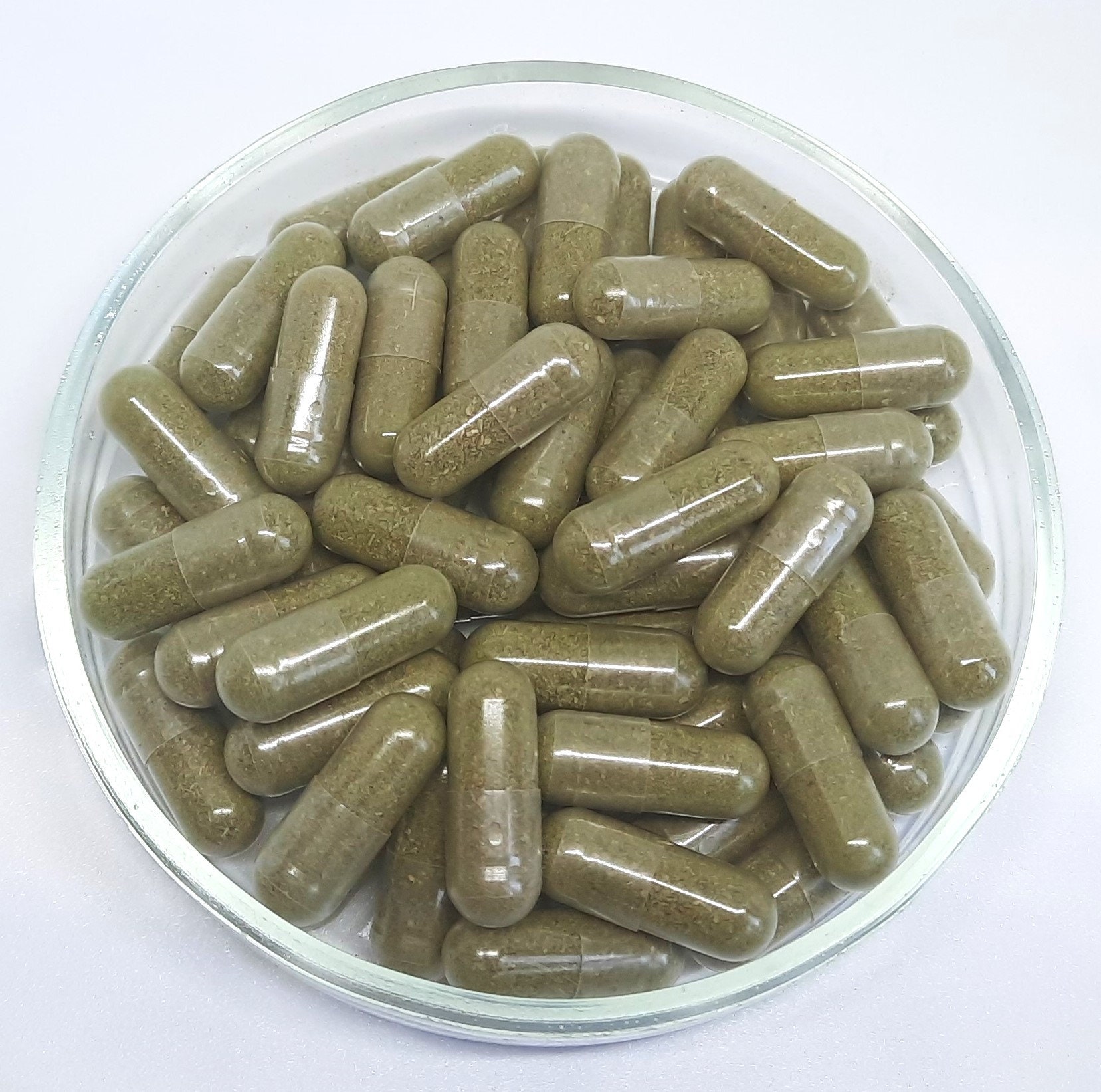
The Ultimate Guide to Aerva Herb: Health Benefits and Uses

The Complete Guide to Aerva Lanata: Nature’s Premier Lithotriptic and Renal Support Herb

In the vast kingdom of botanical medicine, few plants hold as esteemed a position in renal health as Aerva lanata. Commonly known as Mountain Knotgrass, Gorakshaganja in Sanskrit, and Polpala in Sri Lankan traditional medicine, this perennial herbaceous wild plant belongs to the Amaranthaceae family. For centuries, traditional healers across Asia, Africa, and Australia have revered Aerva for its profound ability to dissolve kidney stones, clear urinary tract infections, and restore systemic fluid equilibrium. Today, modern pharmacology is rapidly validating these historical uses, uncovering a complex matrix of bioactive compounds that support renal filtration, combat oxidative stress, and protect vital metabolic pathways.

This comprehensive, science-backed guide explores the botanical characteristics, chemical profile, therapeutic health benefits, historical context, and practical applications of Aerva Herb, serving as the definitive resource for clinicians, herbalists, and wellness seekers alike.

Botanical Profile and Geographical Distribution

Aerva lanata is a prostrate or erect, many-branched woody herb that typically grows as a weed in plains, waste spaces, and on dry stony hillsides. It thrives in warm, tropical climates and is widely distributed throughout the warmer parts of India, Sri Lanka, tropical Africa, Saudi Arabia, and Java. The plant is characterized by its distinct, woolly-white appearance, which is primarily due to the dense, felted, stellate hairs covering its stems and leaves.

The leaves of the Aerva herb are alternate, obovate or orbicular, and covered with white cottony pubescence on the under-surface. The flowers are small, sessile, bisexual, and crowded in axillary, dense, cylindrical spikes that present as creamy white or greenish-white clusters. This woolly floral morphology is what gives the plant its common name, Mountain Knotgrass. The root system is robust, fibrous, and possesses a slightly camphor-like aroma when freshly harvested, serving as a primary storage site for many of the plant’s therapeutic secondary metabolites.

Aerva Herb Botanical Photo

Ecologically, Aerva is a highly resilient plant. It is capable of growing in nutrient-poor soils, arid environments, and high-salinity zones. This adaptability is driven by its internal biochemical defense systems, which synthesize a rich array of protective phytochemicals. These same defensive molecules translate directly into human therapeutic benefits when the herb is prepared and consumed.

Phytochemical Composition: The Molecular Architecture of Aerva

The therapeutic efficacy of Aerva lanata is not the result of a single isolated compound, but rather a synergistic interplay of diverse phytochemical classes. Scientific extraction and chromatographic profiling have revealed that the entire plant—roots, stems, leaves, and flowers—is rich in bioactive compounds. Understanding these molecules provides a clear picture of how the herb exerts its medicinal effects on human physiology.

Alkaloids

Aerva contains several unique beta-carboline alkaloids, most notably aervine, methylaervine, aervoside, and aervolanine. Beta-carboline alkaloids are known for their profound pharmacological activities, including interactions with the central nervous system, antimicrobial properties, and significant anti-inflammatory activities. These alkaloids contribute heavily to the herb’s pain-relieving capabilities, particularly in the urinary tract.

Flavonoids and Phenolic Compounds

The antioxidant, anti-inflammatory, and tissue-protective properties of Aerva are largely attributed to its dense concentration of flavonoids. Key flavonoids isolated from the herb include kaempferol, quercetin, isorhamnetin, and their glycosidic derivatives (such as tiliroside). These compounds act as potent free-radical scavengers, neutralizing reactive oxygen species (ROS) that damage cellular membranes and drive chronic inflammation.

Aerva Herb Plant Profile

Triterpenoids and Phytosterols

The herb synthesizes notable levels of beta-sitosterol, daucosterol, betulin, and lupeol. Beta-sitosterol is widely recognized for its ability to modulate immune responses, support prostate health, and reduce circulating cholesterol levels. Lupeol and betulin are highly valued for their anti-inflammatory, anti-urolithiatic, and chemopreventive properties, acting as key drivers in protecting renal tissue from metabolic insults.

Saponins, Tannins, and Minerals

Aerva is highly rich in soluble tannins and saponins, which exhibit astringent and antimicrobial actions. Furthermore, the plant contains substantial levels of essential minerals, including potassium, calcium, magnesium, and silica. The high potassium content is of critical therapeutic importance, as it plays a central role in the herb’s potassium-sparing diuretic action, preventing the electrolyte imbalances commonly associated with synthetic pharmaceutical diuretics.

Key Health Benefits of Aerva Herb

1. Potent Lithotriptic Action (Dissolving Kidney Stones)

Historically, Aerva lanata has been designated as “Pashanabheda” in ancient Sanskrit texts, a term that literally translates to “stone-breaker.” Modern urological research has heavily investigated this claim, confirming that Aerva possesses potent anti-urolithiatic properties. It targets kidney stones—specifically those composed of calcium oxalate, which make up over 80% of all diagnosed calculi—through multiple chemical and physiological pathways.

  • Inhibition of Crystal Nucleation and Growth: The active compounds in Aerva, particularly the flavonoids and saponins, prevent the crystallization of calcium oxalate monohydrate (COM). By interfering with the binding sites on crystal surfaces, the herb stops micro-crystals from aggregating into larger, painful stones.
  • Disruption of Mucoprotein Binders: Kidney stones are held together by an organic matrix of mucoproteins. The enzymatic and chemical actions of Aerva’s phytochemicals help degrade this organic matrix, softening existing stones and allowing them to break down into micro-particles that can be passed painlessly through the urine.
  • Calcium Oxalate Solubilization: Aerva promotes the excretion of citrate, a natural urinary inhibitor of crystallization. Citrate binds with calcium in the urine, reducing the amount of free calcium available to bond with oxalate, thereby decreasing the supersaturation of calcium oxalate in the renal tubules.

2. Natural Potassium-Sparing Diuretic

Diuretics are substances that promote the production of urine, helping the body eliminate excess fluid and sodium. While synthetic diuretics can cause dangerous depletions of potassium (leading to cardiac arrhythmias, muscle cramps, and fatigue), Aerva acts as a safe, natural, potassium-sparing diuretic. It increases the glomerular filtration rate (GFR) and enhances the excretion of excess water, sodium, and chloride ions while preserving vital potassium levels, thanks to its high intrinsic potassium content and regulatory actions on renal transport channels.

3. Nephroprotective and Renal Tissue Restoration

The kidneys are constantly exposed to toxins, pharmaceuticals, heavy metals, and metabolic waste products that can cause acute kidney injury (AKI) or accelerate chronic kidney disease (CKD). Studies have demonstrated that Aerva extract exerts a powerful nephroprotective effect against classic nephrotoxins, such as cisplatin, gentamicin, and heavy metals. By suppressing lipid peroxidation, restoring levels of glutathione (GSH), and boosting the activity of endogenous antioxidant enzymes like superoxide dismutase (SOD) and catalase (CAT), Aerva preserves the structural integrity of renal tubules and glomeruli.

4. Comprehensive Urinary Tract Infection (UTI) Support

Urinary tract infections are incredibly common, often recurring due to bacterial resistance to antibiotics. Aerva herb provides multi-faceted support against UTIs:

  • Antimicrobial Action: The alkaloid and tannin content in Aerva demonstrates direct antibacterial activity against common uropathogens, including Escherichia coli, Klebsiella pneumoniae, and Pseudomonas aeruginosa.
  • Anti-Adhesion Effects: Active compounds in the herb prevent bacteria from adhering to the urothelial lining of the bladder and urethra, making it easier for the body to flush out pathogens through increased urination.
  • Anti-Inflammatory and Demulcent Relief: The mucilaginous and anti-inflammatory components soothe the irritated, inflamed mucous membranes of the urinary tract, rapidly reducing the burning sensation and urinary urgency associated with infections.

5. Blood Sugar Regulation and Antidiabetic Potential

Beyond its renal benefits, research indicates that Aerva lanata possesses significant hypoglycemic properties. The alcoholic and aqueous extracts of the herb have been shown to inhibit key carbohydrate-hydrolyzing enzymes, such as alpha-glucosidase and alpha-amylase, which slows down the digestion and absorption of glucose in the gastrointestinal tract. Furthermore, Aerva stimulates insulin secretion from the beta-cells of the pancreas and enhances peripheral glucose utilization, making it an excellent supportive herb for managing Type 2 diabetes and preventing diabetic nephropathy (kidney damage caused by chronic high blood sugar).

6. Anti-inflammatory, Analgesic, and Hepatoprotective Properties

Chronic systemic inflammation is the driver of most modern degenerative diseases. The high concentration of flavonoids like kaempferol and tiliroside in Aerva inhibits the expression of pro-inflammatory cytokines (such as TNF-alpha, IL-1beta, and IL-6) and suppresses the activity of cyclooxygenase-2 (COX-2) and inducible nitric oxide synthase (iNOS). This explains its traditional use in relieving joint pain, rheumatic disorders, and systemic swelling. Additionally, Aerva protects the liver parenchyma from oxidative damage, helping to normalize liver enzymes (AST, ALT) and assist in systemic detoxification processes.

Ethnobotanical History and Traditional Uses

Historically, Aerva lanata has played a pivotal role in various traditional systems of medicine. In Ayurveda, it is recognized as a vital component of formulations aimed at clearing “mutravaha srotas” (the urinary channels). Ayurvedic physicians historically utilized the root decoction of Gorakshaganja to treat “asmari” (urinary calculi), “mutrakrichra” (dysuria/painful urination), and “svathu” (anasarca or generalized edema).

Aerva Herb Dried Herb

In the traditional Sidha and Sri Lankan indigenous medicine systems, the dried herb is famously known as Polpala. In Sri Lanka, Polpala tea is a ubiquitous daily beverage consumed for general wellness, detoxification, and to counteract the intense tropical heat which can lead to dehydration and concentrated urine (a major risk factor for kidney stones). The leaves were also traditionally cooked as a green vegetable (mallum) or added to herbal broths (kola kenda) to restore vitality in postpartum women, the elderly, and those recovering from long illnesses.

In African traditional medicine, particularly in regions of Nigeria and Kenya, the root decoction of Aerva is utilized not only for renal ailments but also as an anthelmintic to expel intestinal worms, as a wash for soothing skin eruptions, and as an oral rinse to alleviate severe toothaches and gum inflammation.

Modern Adaptations, Supplements, and Formulations

As interest in natural urological support continues to expand globally, Aerva has made a successful transition from traditional wild-harvested tea to standardized modern dietary supplements. Today, consumers can access the therapeutic benefits of Aerva in several convenient formats, depending on their health goals and preferences.

Aerva Herb Capsules

Standardized Extract Capsules: For targeted therapeutic interventions—such as actively managing kidney stones or supporting chronic renal function—standardized capsules are highly favored. These capsules contain concentrated extracts of Aerva lanata, typically standardized to specific flavonoid or alkaloid profiles. This ensures a consistent, high-potency dose of active ingredients in every serving, free from the variability associated with raw plant material.

Herbal Teas and Infusions: The traditional preparation method remains highly popular. Dried Aerva herb is packaged as loose-leaf herbal tea or pre-portioned tea bags. Drinking Aerva tea is highly effective because the water-soluble compounds (including the mineral salts, potassium, flavonoids, and saponins) are easily extracted during the brewing process. Furthermore, the act of drinking tea naturally increases daily fluid intake, which is itself a critical component of preventing kidney stones and flushing out urinary infections.

Liquid Extracts and Tinctures: Liquid formulations offer rapid absorption and easy dosage adjustment. Tinctures prepared with a water-alcohol solvent capture both the water-soluble and alcohol-soluble bioactive compounds of the herb, providing a well-rounded and fast-acting therapeutic option.

Practical Usage, Dosage, and Preparation Methods

To safely maximize the therapeutic health benefits of Aerva, it is important to understand how to prepare and dose the herb correctly.

Traditional Decoction (Water Extract)

To prepare a classic Aerva decoction at home using dried herb:

  1. Take approximately 10 to 15 grams of dried Aerva lanata (stems, leaves, and flowers).
  2. Place the herb in a pot and add 4 cups of filtered water.
  3. Bring the mixture to a boil, then reduce the heat and let it simmer gently until the liquid is reduced to about 1 to 2 cups.
  4. Strain the decoction through a fine mesh sieve.
  5. Allow it to cool to a warm, drinkable temperature. Drink this liquid in divided doses throughout the day.

Standard Dosage Guidelines

  • Standardized Capsule Extract: Typically, 300 mg to 500 mg of a standardized extract, taken 1 to 2 times daily with meals, or as directed by a healthcare professional.
  • Dried Herb Infusion (Tea): 1 to 2 cups of brewed Aerva tea daily for general renal maintenance and detoxification. During active kidney stone passage or a mild UTI, this may be increased to 3 cups daily under guidance.
  • Liquid Tincture (1:5 extraction): 2 to 4 mL, taken in a small glass of water 2 to 3 times per day.

Aerva Herb Natural Herb

Safety, Side Effects, and Contraindications

While Aerva lanata is generally considered safe and highly tolerated by most individuals, certain precautions should be observed:

  • Pregnancy and Lactation: Due to a lack of comprehensive safety data regarding developing fetuses, pregnant and nursing women should avoid using Aerva supplements unless specifically advised by their obstetrician.
  • Medication Interactions: Because of its natural diuretic properties, Aerva may interact with pharmaceutical diuretics (such as furosemide or hydrochlorothiazide), potentially compounding the diuretic effect and altering electrolyte balance. Consult a physician if you are taking blood pressure or heart medications.
  • Hypoglycemia Risk: Because Aerva can lower blood glucose levels, individuals diagnosed with diabetes who are taking glucose-lowering medications should monitor their blood sugar levels closely to avoid hypoglycemia.
  • Kidney Function Monitoring: Individuals with advanced kidney disease (such as stage 4 or 5 CKD, where potassium excretion is severely compromised) should exercise extreme caution and consult their nephrologist before consuming potassium-rich herbal preparations like Aerva.

Conclusion: The Future of Renal Wellness

Aerva lanata stands as a shining example of how traditional ethnobotanical wisdom and modern pharmacological science can converge to offer powerful, natural health solutions. Its proven ability to act as a potassium-sparing diuretic, dissolve kidney stones, protect renal tissue from oxidative stress, and fight urinary infections makes it an invaluable ally in maintaining long-term kidney and urinary tract health.

As clinical research continues to delve deeper into its unique phytochemical profile, Aerva’s role in integrative medicine is set to expand. Whether consumed as a comforting cup of traditional Polpala tea or taken as a standardized extract capsule, this remarkable “stone-breaker” herb remains one of nature’s most effective remedies for protecting, cleansing, and revitalizing the human filtration system.

Disclaimer: For informational purposes only. Not medical advice. Consult a qualified healthcare professional before use.
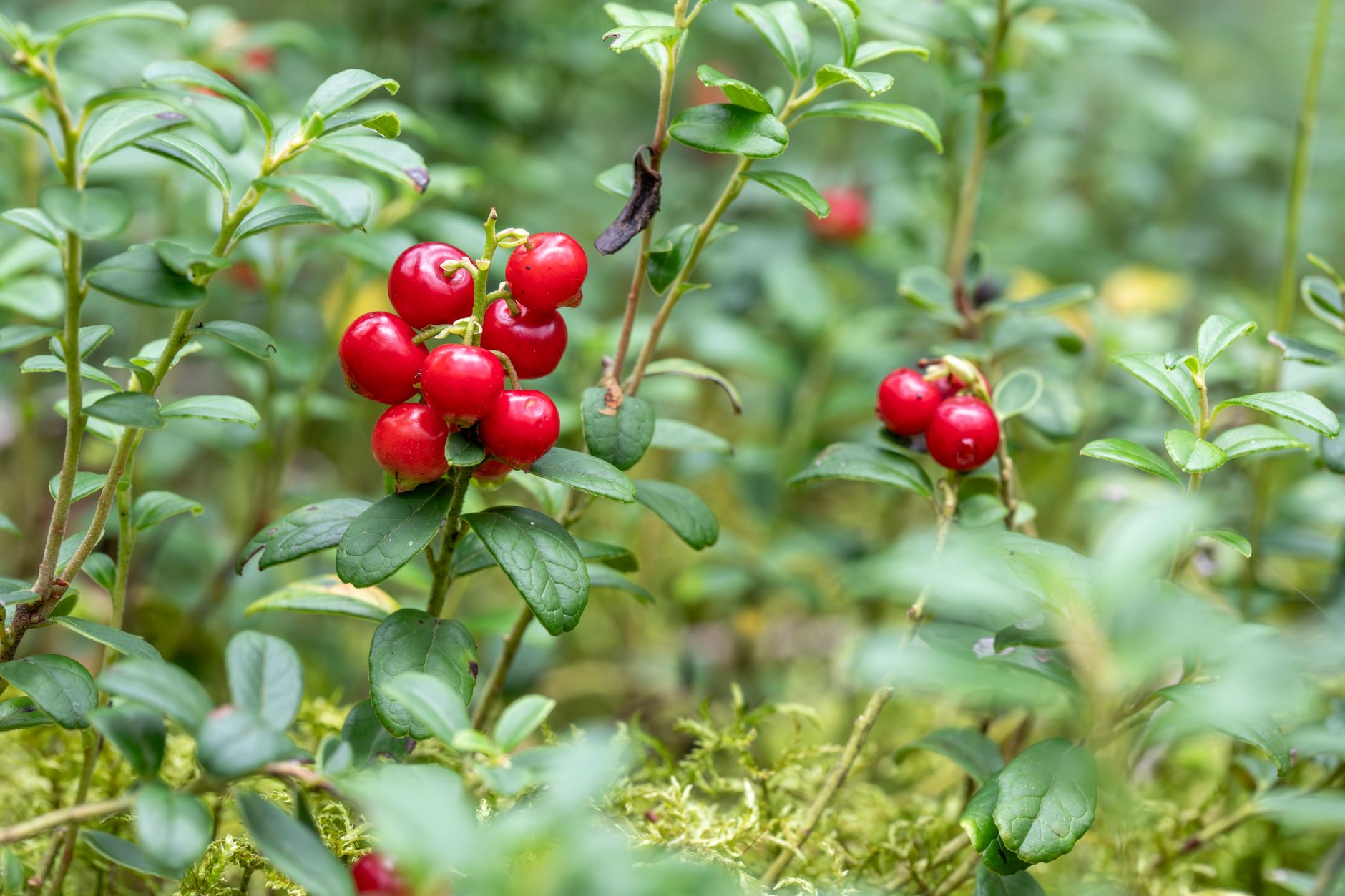
The Ultimate Guide to Blackthorn Berries: Health Benefits and Uses

The Comprehensive Guide to Blackthorn Berries (Prunus spinosa): Bioactive Profile, Historical Context, and Therapeutic Benefits

Blackthorn (Prunus spinosa), most commonly known for producing the small, dark-blue drupes called sloe berries, is a thorny deciduous shrub native to Europe, western Asia, and parts of North Africa. For centuries, this resilient plant has held a revered position in European folklore, traditional herbalism, and agricultural hedgerows. Beyond its cultural associations with protection and its classic culinary role in crafting Sloe Gin, modern scientific inquiry is increasingly validating what traditional healers have long known: blackthorn berries are an exceptional source of bioactive compounds with profound health-promoting properties.

This comprehensive deep-dive explores the botanical characteristics, historical practices, phytochemistry, and therapeutic potentials of blackthorn berries. By examining the mechanisms of action underlying their antioxidant, anti-inflammatory, cardiovascular, and antimicrobial properties, we reveal why this wild-crafted botanical is reclaiming its status as a premier natural therapeutic agent.

Botanical Characteristics and Ecological Resilience

Belonging to the Rosaceae (rose) family, Prunus spinosa is a slow-growing, dense shrub that typically reaches heights of two to four meters. It is characterized by its dark, almost black bark—from which its common name is derived—and its formidable, sharp-pointed thorns. In early spring, before its leaves emerge, the blackthorn bush bursts into a dramatic display of small, five-petaled white flowers. These blossoms provide an early and critical nectar source for bees and other pollinators waking from winter hibernation.

As spring transitions to summer, the fertilized blossoms develop into globose, single-seeded drupes. By autumn, these berries ripen into a deep, dusky blue or purple color, covered with a characteristic waxy bloom. Raw blackthorn berries are notoriously astringent and sour, an evolutionary adaptation that deters herbivores until the seeds are fully mature. Traditionally, foragers wait until the first hard winter frost to harvest the fruit. The freezing temperatures trigger a process of hydrolysis, breaking down complex starches into simple sugars and softening the harsh tannins, resulting in a significantly sweeter and more palatable berry.

Blackthorn Berries Botanical Photo

Historical Context and Traditional Medicine

Historically, virtually every part of the blackthorn plant was utilized in European folk medicine. The bark, leaves, flowers, and fruits served distinct therapeutic roles in rural households where access to professional medical care was limited. In traditional British, Celtic, and Germanic folklore, the blackthorn was associated with both dark magic and powerful spiritual protection, often planted around boundaries to ward off malevolent forces.

From a practical medicinal standpoint, the flowers of Prunus spinosa were historically brewed into a mild, depurative tea used as a gentle laxative, diuretic, and blood purifier. The bark was decocted to treat fevers (due to its febrifuge properties) and applied topically to soothe skin inflammations. However, it was the astringent berries that found the widest application. Traditional healers formulated sloe syrups, wines, and decoctions to treat inflammatory conditions of the mouth and throat, gastrointestinal disorders such as dysentery and chronic diarrhea, and to staunch internal and external hemorrhages.

Blackthorn Berries Dried Herb

The Phytochemical Blueprint: Bioactive Compounds

The therapeutic efficacy of blackthorn berries is directly attributed to their dense, diverse phytochemical matrix. Analytical chemistry has identified a vast array of secondary metabolites within the pulp, skin, and seeds of the fruit. Understanding these constituents is essential to appreciating how blackthorn berries interact with human physiology on a cellular level.

Phenolic Acids and Flavonoids

Blackthorn berries are particularly rich in phenolic compounds, which serve as the plant’s defense mechanism against ultraviolet radiation and environmental pathogens. Among these, hydroxycinnamic acids—such as neochlorogenic acid and chlorogenic acid—are highly abundant. These molecules are powerful antioxidants that modulate glucose metabolism and support cellular integrity.

The flavonoid profile of Prunus spinosa is equally impressive, featuring high concentrations of quercetin, rutin, kaempferol, and myricetin. These flavonols are widely recognized for their ability to stabilize cell membranes, reduce capillary permeability, and inhibit key inflammatory enzymes in the human body.

Anthocyanins: The Pigments of Health

The deep-blue, almost black hue of the sloe berry is indicative of its rich anthocyanin content. Anthocyanins are water-soluble pigments belonging to the flavonoid family. The primary anthocyanins identified in blackthorn include cyanidin-3-rutinoside, cyanidin-3-glucoside, and peonidin-3-rutinoside. These compounds are renowned for their exceptional free-radical scavenging capacity, their ability to cross the blood-brain barrier, and their positive influence on cardiovascular dynamics.

Tannins and Organic Acids

The profound astringency of raw blackthorn berries is due to a high concentration of condensed tannins (proanthocyanidins). Tannins bind to and precipitate proteins, creating a protective, numbing barrier on mucous membranes. This action explains their historical success in treating sore throats and diarrhea. Additionally, the berries contain significant amounts of organic acids, including malic acid and citric acid, which contribute to their tart flavor and support metabolic detoxification processes.

Blackthorn Berries Plant Profile

Deep-Dive into the Health Benefits of Blackthorn Berries

1. Unmatched Antioxidant Protection and Cellular Defense

Oxidative stress, caused by an imbalance between reactive oxygen species (ROS) and the body’s antioxidant defenses, is a primary driver of chronic diseases, including cardiovascular disease, neurodegeneration, and premature aging. The dense concentration of anthocyanins and phenolic acids in blackthorn berries makes them an outstanding natural shield against oxidative damage.

Studies evaluating the oxygen radical absorbance capacity (ORAC) of wild berries consistently place blackthorn near the top of the spectrum. The bioactive compounds in the berries donate hydrogen atoms to unstable free radicals, neutralizing them before they can initiate lipid peroxidation—a destructive process that damages cell membranes and compromises cellular function. Furthermore, research suggests that blackthorn extracts can upregulate the body’s endogenous antioxidant systems, boosting the production of crucial protective enzymes such as superoxide dismutase (SOD), catalase, and glutathione peroxidase.

2. Potent Anti-Inflammatory Mechanisms

Chronic, low-grade inflammation is now recognized as the root cause of many modern systemic illnesses. Blackthorn berries exert powerful anti-inflammatory effects by modulating cellular signaling pathways. Specifically, the flavonols and anthocyanins in the berries have been shown to inhibit the expression of cyclooxygenase-2 (COX-2) and inducible nitric oxide synthase (iNOS)—two key enzymes responsible for producing inflammatory mediators in response to injury or infection.

On a transcriptional level, compounds within Prunus spinosa help suppress the activation of Nuclear Factor-kappa B (NF-κB), a master genetic switch that controls the release of pro-inflammatory cytokines such as tumor necrosis factor-alpha (TNF-α), interleukin-1 beta (IL-1β), and interleukin-6 (IL-6). By downregulating this pathway, blackthorn berry preparations can help mitigate inflammatory conditions affecting the joints, gastrointestinal tract, and vascular walls.

3. Cardiovascular and Endothelial Support

The cardiovascular benefits of blackthorn berries are multifaceted, primarily centering on the protection and optimization of the vascular endothelium (the inner lining of blood vessels). Healthy endothelial function is essential for regulating blood pressure, preventing blood clots, and maintaining vascular elasticity.

The anthocyanins in blackthorn berries help prevent the oxidation of low-density lipoprotein (LDL) cholesterol. Oxidized LDL is a primary initiator of atherosclerosis, as it penetrates the arterial wall and triggers plaque formation. By inhibiting LDL oxidation, blackthorn reduces the risk of arterial stiffening. Furthermore, these berries promote the synthesis of endothelial nitric oxide (NO), a vital signaling molecule that induces vasodilation (the widening of blood vessels), thereby helping to maintain healthy blood pressure levels and improving peripheral circulation.

4. Gastrointestinal Integrity and Digestive Support

In traditional European medicine, blackthorn berry preparations were the go-to remedy for digestive disturbances. Modern gastroenterology sheds light on why these applications were so effective. The high concentration of tannins in the berries exerts an astringent effect on the mucosal lining of the gut. When consumed, these tannins react with the proteins of inflamed intestinal walls, forming a temporary, thin protective layer. This action reduces fluid secretion, calms hyper-motility, and helps alleviate acute, non-specific diarrhea.

Simultaneously, the polyphenols in blackthorn act as prebiotics. They escape digestion in the upper gastrointestinal tract and travel to the colon, where they serve as a selective food source for beneficial gut bacteria, such as Bifidobacteria and Lactobacilli. A balanced microbiome, supported by these polyphenols, strengthens the gut barrier, enhances nutrient absorption, and modulates the mucosal immune system.

5. Immune System Regulation and Antimicrobial Activity

Blackthorn berries are a rich source of Vitamin C (ascorbic acid), an essential micronutrient that plays a fundamental role in immune defense. Vitamin C stimulates the production and function of white blood cells, particularly neutrophils and lymphocytes, which are responsible for identifying and neutralizing foreign pathogens.

Beyond nutritional support, in vitro studies have demonstrated that blackthorn extracts possess direct antimicrobial, antiviral, and antifungal properties. The phenolic compounds in the fruit disrupt the cellular membranes of various pathogenic bacteria, inhibiting their growth and replication. This makes blackthorn berry extracts particularly useful in formulations designed to combat respiratory tract infections, sore throats, and common cold symptoms.

Modern Formulations and Delivery Methods

As interest in wild-crafted botanicals grows, blackthorn berries have transitioned from traditional rural pantries into sophisticated natural health products. Depending on the desired therapeutic outcome, consumers can choose from several distinct preparation methods, each offering unique benefits.

  • Standardized Dried Herb: Ideal for creating traditional infusions, decoctions, or adding to loose-leaf herbal tea blends. Drying preserves the delicate polyphenols while dramatically extending shelf life.
  • Concentrated Liquid Extracts and Syrups: Often formulated to soothe sore throats, support respiratory health, or serve as a general vitality tonic for children and recovering patients.
  • Sloe Berry Tinctures: Hydro-ethanolic extractions draw out both the water-soluble anthocyanins and the alcohol-soluble flavonoids, offering a highly concentrated, bioavailable liquid dose.
  • Standardized Capsules and Tablets: For targeted therapeutic protocols, standardized capsules ensure a consistent, measurable dose of active anthocyanins and polyphenols without the tart taste.

Blackthorn Berries Capsules

Practical Usage, Dosages, and Critical Safety Considerations

To safely maximize the therapeutic potential of blackthorn berries, it is essential to understand proper preparation techniques and potential contraindications. Because the berries are naturally astringent, culinary preparations typically require sweetening or blending with other fruits to make them palatable.

How to Prepare Blackthorn Berry Tea

To prepare a comforting, astringent tea to support digestive comfort or soothe a scratchy throat, add one to two teaspoons of dried blackthorn berries to a cup of cold water. Bring the mixture to a boil, then reduce the heat and let it simmer gently for 10 to 15 minutes. Simmering helps extract the dense tannins and minerals from the tough skin of the dried fruit. Strain the decoction and drink up to three times daily. A touch of raw honey can be added to balance the natural tartness.

A Vital Safety Warning Regarding Blackthorn Seeds

While the pulp and skin of the blackthorn berry are highly nutritious and safe, a critical safety warning must be issued regarding the seeds (pits). Like many plants in the Rosaceae family (such as cherries, apricots, and apples), the kernels inside blackthorn pits contain a compound called amygdalin, which is a cyanogenic glycoside. When crushed and digested, enzymes in the human gut break amygdalin down into hydrogen cyanide, a highly toxic substance.

Rule of Thumb: Never crush, chew, or swallow the hard inner seeds of blackthorn berries. Traditional recipes for sloe gin, syrups, and jams involve steeping or cooking the whole berries with the pits intact, which is generally safe as long as the hard outer shell of the seed remains unbroken and is strained out before final consumption.

Blackthorn Berries Natural Herb

Contraindications and Drug Interactions

Due to their high tannin content, excessive consumption of blackthorn berry preparations can occasionally cause mild stomach irritation, especially in individuals with sensitive digestive linings. Pregnant and breastfeeding women should consult with a healthcare professional before consuming therapeutic doses of blackthorn supplements, as comprehensive safety data for these specific populations is currently limited.

Additionally, because of the berries’ natural mild diuretic and blood pressure-lowering properties, individuals taking prescription antihypertensive medications or diuretic drugs should exercise caution and monitor their levels closely when introducing blackthorn extracts into their wellness routines.

Conclusion

Blackthorn berries (Prunus spinosa) represent a perfect marriage of historical folk wisdom and modern scientific validation. From their deep-rooted history in European hedgerows to their rich phytochemical composition, these resilient wild fruits offer an extraordinary range of health benefits. Packed with anthocyanins, flavonols, tannins, and vital organic acids, they provide robust support for the cardiovascular system, combat systemic inflammation, protect cells from oxidative degradation, and nurture the gastrointestinal tract.

By understanding their biochemistry, respecting their safety guidelines, and incorporating them thoughtfully into modern wellness practices—whether through traditional dried herbal teas, artisanal syrups, or standardized supplements—we can fully harness the protective, restorative power of this ancient European botanical ally.

Disclaimer: For informational purposes only. Not medical advice. Consult a qualified healthcare professional before use.
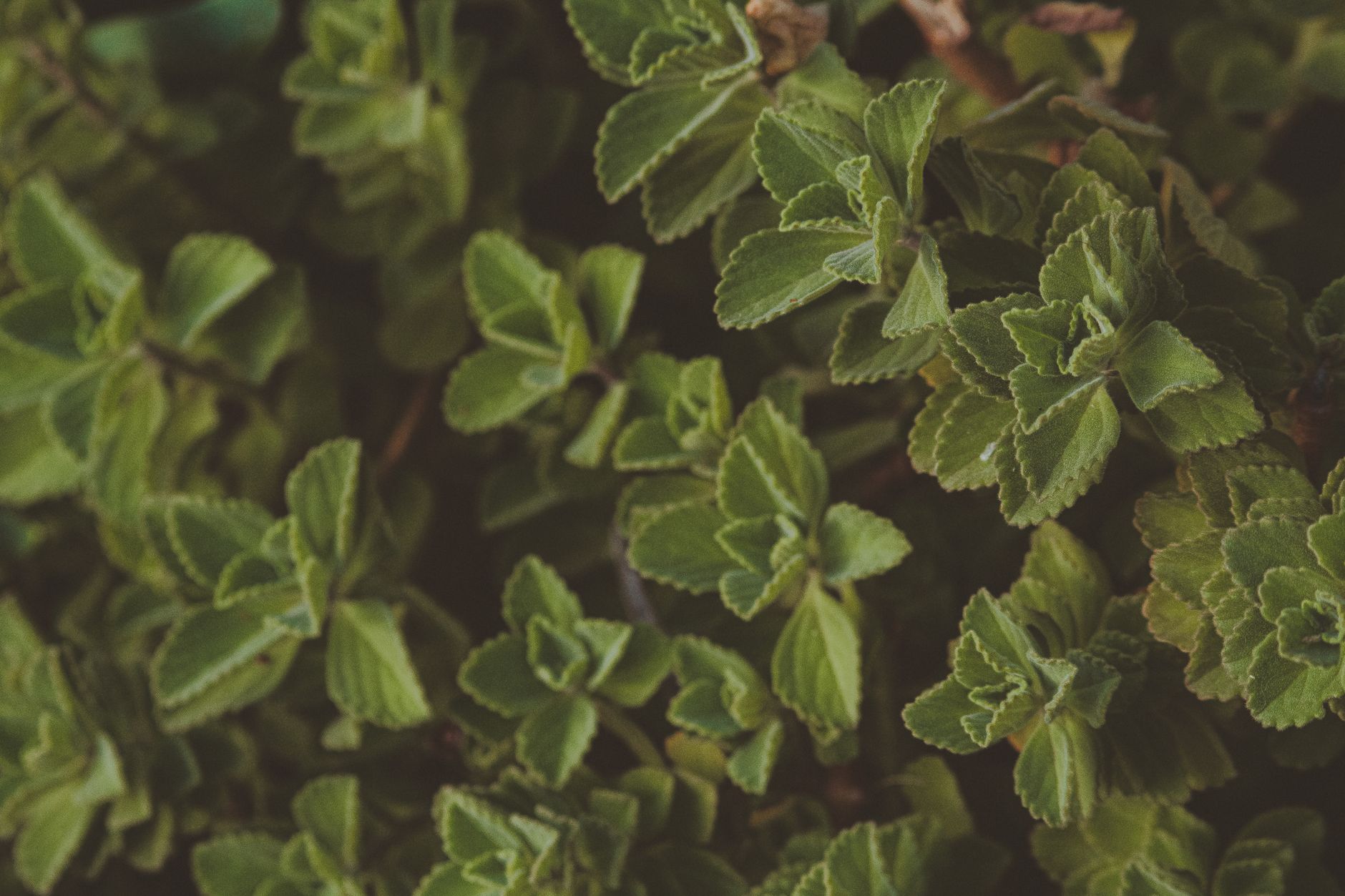
The Ultimate Guide to Viburnum Berries: Health Benefits and Uses

The Ultimate Deep-Dive Guide to the Health Benefits of Viburnum Berries

Viburnum berries, historically revered across various continents, have recaptured the attention of modern phytochemistry and clinical nutrition. Belonging to a large genus of flowering shrubs, these vibrant red or dark blue-black drupes have transitioned from traditional folklore remedies to highly valued subjects of pharmacological research. Known colloquially by various names such as the Guelder Rose, Highbush Cranberry, or Kalina, Viburnum berries represent a powerhouse of bioactive compounds. This comprehensive guide explores the botanical intricacies, historical context, chemical profile, proven health benefits, and safe modern applications of these potent berries.

Botanical Profile and Species Characteristics

The genus Viburnum comprises approximately 150 species of deciduous and evergreen shrubs and small trees belonging to the Adoxaceae (formerly Caprifoliaceae) family. While many species are cultivated primarily for their ornamental value, several are highly prized for their therapeutic berries and bark. The most pharmacologically significant species include Viburnum opulus (commonly known as Guelder Rose or European Cranberrybush), Viburnum trilobum (American Highbush Cranberry), and Viburnum prunifolium (Black Haw).

Viburnum opulus is particularly dominant in European and Asian herbalism. This deciduous shrub can grow up to five meters tall, producing flat-topped cymes of white flowers that eventually transform into clusters of globose, glossy red drupes containing a single, flat seed. These berries thrive in moist, fertile soils, often lining forest edges, riverbanks, and marshy meadows. They have developed robust survival mechanisms, allowing them to withstand severe winter frosts—a environmental stress factor that actually enhances their biochemical complexity and reduces their natural astringency.

Viburnum Berries Botanical Photo

The distinctive characteristics of the Viburnum species lie not only in their botanical resilience but also in their secondary metabolites. The plants possess an extraordinary capacity to synthesize diverse defense chemicals, which serve to protect them from UV radiation, pathogens, and herbivores. It is these exact evolutionary survival molecules—including heavy accumulations of polyphenols, iridoids, and organic acids—that deliver profound therapeutic value to human physiology when consumed in appropriate preparations.

Traditional Medicine and Historical Significance

Historically, Viburnum berries and bark have held deep cultural and medicinal importance, particularly in Slavic, Native American, and European traditions. In Eastern European folklore, the berry, known as “Kalina,” is a national symbol of beauty, love, and resilience. Symbolism aside, the practical applications of Kalina in traditional Slavic medicine were extensive. It was the premier remedy for treating respiratory tract infections, high blood pressure, and digestive disorders, and was routinely prepared as a fermented juice or honey-preserved paste to sustain immune function through harsh winter months.

In North America, Native American tribes recognized the profound antispasmodic properties of local Viburnum species. The bark of Viburnum prunifolium and Viburnum opulus was widely utilized to alleviate menstrual cramps, prevent miscarriage, and soothe uterine tension following childbirth. This led to the common English name “Cramp Bark.” The berries themselves were gathered as a vital source of vitamin C, consumed both fresh after the first frost or dried and stored as a winter food staple that prevented scurvy and kept systemic inflammation at bay.

Viburnum Berries Dried Herb

Traditional herbalists understood that raw Viburnum berries possessed a harsh, bitter taste and could cause mild stomach upset if consumed in abundance without processing. Consequently, they developed sophisticated methods of preparation. Berries were typically harvested after the first hard freeze, which naturally hydrolyzes the bitter, emetic compounds through enzyme activation. They were then simmered into decoctions, brewed with wild honey, or slow-dried to stabilize their volatile active components. These historical protocols paved the way for modern, standardized extraction techniques.

The Phytochemical and Bioactive Composition Profile

Modern analytical chemistry has validated what ancient herbalists discovered through empirical observation. Viburnum berries possess an incredibly dense phytochemical footprint. The pharmacological activities of the berry are not attributed to a single compound, but rather to the synergistic interplay of several chemical classes. Below is a detailed breakdown of the primary bioactive constituents found within Viburnum berries:

  • Phenolic Acids: The berries are exceptionally rich in chlorogenic, neochlorogenic, caffeic, and gallic acids. Chlorogenic acid, in particular, is a potent antioxidant that plays a critical role in modulating glucose metabolism and supporting cardiovascular health.
  • Anthocyanins and Flavonoids: The deep crimson hue of Viburnum opulus is driven by high concentrations of anthocyanins, primarily cyanidin-3-glucoside and cyanidin-3-sambubioside. These compounds are renowned for their free-radical scavenging capabilities and their ability to protect vascular endothelial walls. Flavonoids such as quercetin, rutin, and astragalin further amplify these vascular-protective and anti-inflammatory pathways.
  • Iridoid Glycosides: Unique to the Viburnum genus are specific iridoids like opulus iridoid I, II, III, and IV. Iridoids are structurally complex molecules that demonstrate significant anti-inflammatory, antimicrobial, and neuroprotective properties. They also contribute to the characteristically bitter taste profile of the raw fruit.
  • Organic and Fatty Acids: Viburnum berries contain substantial concentrations of L-ascorbic acid (Vitamin C), citric acid, malic acid, and valeric/isovaleric acids. Valeric acid is of major pharmacological interest, as it directly influences the central nervous system to induce muscle relaxation and reduce anxiety.

Viburnum Berries Plant Profile

Furthermore, the seeds of Viburnum berries are rich in polyunsaturated fatty acids, notably linoleic and oleic acids, alongside tocopherols (Vitamin E). When the entire berry is utilized or extracted comprehensively, these lipid-soluble compounds act synergistically with the water-soluble antioxidants, protecting cell membranes throughout the body from lipid peroxidation and oxidative decay.

Comprehensive Health Benefits of Viburnum Berries

The vast array of chemical compounds within Viburnum translates into diverse physiological benefits. Research continues to reveal how these berries interact with human metabolic, cardiovascular, and immunological systems.

1. Cardiovascular Support and Blood Pressure Regulation

One of the most prominent uses of Viburnum berries in modern phytotherapy is for supporting cardiovascular homeostasis. The rich concentration of anthocyanins and chlorogenic acid helps protect blood vessels from oxidative stress, which is a major driver of atherosclerosis. These compounds promote the synthesis of nitric oxide (NO) within the vascular endothelium. Nitric oxide acts as a natural vasodilator, signaling the smooth muscles surrounding blood vessels to relax, which subsequently lowers systemic blood pressure.

Additionally, Viburnum extracts exhibit mild diuretic properties. By promoting the gentle elimination of excess sodium and water through the kidneys, Viburnum helps reduce overall blood volume, further easing the workload on the heart and helping maintain healthy blood pressure levels within a normal range.

2. Potent Antispasmodic and Smooth Muscle Relaxant

While Cramp Bark is most famous for its antispasmodic action, the berries themselves share this therapeutic quality. This is due to the presence of valeric and isovaleric acids, as well as specific coumarins like scopoletin. These compounds modulate calcium channel activity within smooth muscle tissue. By regulating the influx of calcium ions into muscle cells, Viburnum effectively prevents the involuntary, hyper-reactive contractions that characterize cramps.

This biological mechanism makes Viburnum highly effective for easing uterine cramps associated with menstruation, reducing intestinal spasms in functional gastrointestinal disorders like Irritable Bowel Syndrome (IBS), and alleviating bronchial constriction during respiratory infections.

3. Anti-Inflammatory and Antioxidant Mechanisms

Chronic inflammation is the root cause of many metabolic and degenerative diseases. Viburnum berries contain an abundance of natural free-radical scavengers. Studies show that the anthocyanins and phenolic compounds in Viburnum can neutralize reactive oxygen species (ROS) and reactive nitrogen species (RNS), thereby preventing oxidative damage to cellular DNA, proteins, and lipids.

On a molecular level, Viburnum extracts have been shown to inhibit key pro-inflammatory pathways. Specifically, they suppress the activation of Nuclear Factor-kappa B (NF-kB), a primary transcription factor that triggers the production of inflammatory cytokines such as Tumor Necrosis Factor-alpha (TNF-a) and Interleukin-6 (IL-6). By downregulating this inflammatory cascade, Viburnum helps protect joint cartilage, gut linings, and vascular systems from chronic inflammatory damage.

4. Urogenital and Renal Health Support

Viburnum berries have long been utilized as a natural supportive therapy for urinary tract health. Their high organic acid content helps acidify the urine, creating an inhospitable environment for pathogenic bacteria such as Escherichia coli. Moreover, the polyphenols in Viburnum exhibit anti-adhesion properties, preventing bacteria from anchoring themselves to the urothelium—the lining of the urinary tract. This action assists the body in naturally flushing out pathogens and reduces the recurrence rate of urinary tract infections (UTIs).

Furthermore, emerging studies suggest that Viburnum opulus may play a supportive role in preventing the formation of kidney stones. The extract has been observed to inhibit the crystallization of calcium oxalate, the primary component of most renal calculi, while its mild diuretic action helps keep the urinary tract clear and well-flushed.

Modern Phytotherapy, Supplements, and Extracts

With the rise of natural medicine, Viburnum has successfully transitioned into standardized dietary supplements. Consumers can find Viburnum berries in various formats, including liquid tinctures, freeze-dried powders, and concentrated capsules. Standardized extracts are particularly valuable, as they guarantee a consistent dosage of active marker compounds, such as total polyphenols or chlorogenic acid, ensuring predictable therapeutic outcomes.

Viburnum Berries Capsules

When selecting Viburnum supplements, it is crucial to look for clean-label, high-quality products. Ethanol-water extraction is the preferred method for high-quality tinctures, as it successfully extracts both the polar (water-soluble) polyphenols and non-polar (lipid-soluble) active constituents like valeric acid. Capsules containing standardized dry extracts offer a convenient, taste-neutral alternative for individuals seeking targeted cardiovascular or spasmolytic support without the distinct bitter taste of the liquid herb.

Practical Usage, Culinary Applications, and Dosage Guidelines

For those interested in incorporating Viburnum berries into their daily wellness routine, there are several practical methods of preparation. In culinary settings, due to their natural tartness and astringency, Viburnum berries are rarely eaten raw. Instead, they are commonly processed into nutritious jams, jellies, and syrups. When gently heated with a natural sweetener, the bitter glucosides break down, leaving a vibrant, tangy glaze rich in heat-stable antioxidants.

For therapeutic purposes, Viburnum is most commonly prepared as a herbal tea (decoction) or taken as a liquid extract. To prepare a traditional Viburnum berry tea, use one to two teaspoons of dried berries per cup of water. Simmer the berries gently for 10 to 15 minutes to fully extract the dense polyphenols and organic acids, then strain and drink up to three times daily. If using a professional, standardized liquid tincture (typically a 1:5 or 1:3 extract), a standard dose is 2 to 4 mL taken in a small amount of water up to three times per day, or as directed by a healthcare practitioner.

Viburnum Berries Natural Herb

While Viburnum berries have an excellent safety profile, certain precautions should be observed. Raw, unprocessed berries contain high concentrations of viburnin, which can cause mild nausea or indigestion if consumed in large quantities. Therefore, cooking, drying, or using professional extracts is always recommended. Additionally, because of Viburnum’s natural ability to lower blood pressure and blood glucose, individuals currently taking prescribed antihypertensive or antidiabetic medications should consult their physician before starting a regular Viburnum regimen to avoid potential additive effects. Pregnant and nursing women should also seek professional guidance prior to use, as the plant’s active compounds can influence uterine muscle tone.

Conclusion

Viburnum berries represent an outstanding bridge between historical folklore and modern botanical science. From their deep roots in traditional European and Native American medicine to their validated role in modern cardiovascular, spasmolytic, and antioxidant therapy, these berries offer a versatile and powerful natural solution for systemic health. Whether consumed as a traditional warm winter tea, integrated into culinary preserves, or taken as a standardized extract capsule, Viburnum deserves a prominent place in the modern natural health cabinet. By respecting traditional preparation methods and utilizing high-quality modern supplements, we can safely unlock the deep therapeutic potential of this remarkable botanical treasure.

Disclaimer: For informational purposes only. Not medical advice. Consult a qualified healthcare professional before use.

The Ultimate Guide to Caraway Seeds: Health Benefits and Uses

The Ultimate Deep-Dive Guide to Caraway Seeds: Botany, Phytochemistry, and Evidence-Based Health Benefits

The global shift toward functional foods and natural therapeutics has renewed interest in ancient herbal remedies. Among the most historically significant and chemically potent of these botanicals is Carum carvi, universally known as the caraway plant. Often mistaken for cumin or fennel due to structural similarities, caraway seeds possess a distinct phytochemical fingerprint and therapeutic profile that have made them a cornerstone of traditional healing systems for millennia. From the ancient civilizations of Egypt and Rome to the rigorous clinical trials of contemporary gastroenterology, caraway has consistently demonstrated its value as a powerful physiological modulator.

This comprehensive guide explores the multidimensional world of caraway seeds. We will examine their botanical characteristics, dissect their complex chemical composition, analyze their historically documented traditional uses, and detail their clinically validated health benefits. Whether you are a culinary enthusiast looking to understand the functional benefits of your spice cabinet or a health practitioner seeking evidence-based insights into botanical supplements, this definitive deep dive provides the exhaustive analysis you need.

Botanical Profile and Plant Characteristics

To fully appreciate the therapeutic capacity of caraway, one must first understand the plant from which these seeds are harvested. Carum carvi is a biennial herb belonging to the Apiaceae family, a taxonomic group renowned for producing aromatic, bioactive plants including celery, carrots, parsley, anise, dill, and coriander. Native to a vast geographical band spanning western Asia, Europe, and North Africa, caraway thrives in temperate zones, preferring well-drained, sun-drenched soils.

During its first year of growth, the caraway plant establishes a robust, carrot-like taproot and a rosette of finely divided, feathery green leaves that closely resemble carrot tops. In its second year, the plant bolts, producing slender, branched stems that reach heights of 40 to 60 centimeters. These stems terminate in beautiful, compound umbels—umbrella-like clusters of tiny white or pale pink flowers. Once pollinated, these flowers give way to the small, oblong, crescent-shaped fruits that are universally referred to as caraway seeds. Botanically, these “seeds” are actually split fruits known as schizocarps, which break apart into individual segments called mericarps upon drying.

Visually, caraway mericarps are dark brown, slightly curved, and feature five distinct, pale-colored longitudinal ridges. They possess a sharp, distinct aroma that is simultaneously sweet, earthy, and slightly medicinal, immediately setting them apart from the warm, musky scent of cumin or the highly sweet, licorice-like aroma of fennel. Understanding these subtle botanical and sensory differences is crucial for correct plant identification and therapeutic standardization.

Caraway Seeds Botanical Photo

The Phytochemical Matrix: Active Bioactive Compounds

The pharmacological efficacy of Carum carvi is a direct consequence of its complex chemical composition. The most therapeutic portion of the plant is its essential oil, which typically constitutes 1.5% to 7% of the dried seed’s total mass. This volatile oil is dominated by two primary monoterpenes that account for up to 95% of its entire volume: d-carvone and d-limonene. The precise ratio of these two compounds dictates both the sensory profile and the medicinal potency of the herb.

D-carvone is a ketone monoterpene responsible for the characteristic, pungent aroma of caraway. Mechanistically, carvone exhibits significant antispasmodic, antimicrobial, and central nervous system-soothing properties. D-limonene, on the other hand, is a highly regarded monocyclic terpene found extensively in citrus peels as well. Limonene acts as a powerful antioxidant, anti-inflammatory agent, and penetration enhancer, facilitating the systemic absorption of other synergistic compounds. Together, these two primary molecules create a highly effective physiological duo.

Beyond carvone and limonene, caraway seeds contain a dense network of minor volatile compounds, including carveol, dihydrocarvone, pinene, sabinene, and myrcene. Additionally, the non-volatile fraction of the seed is rich in fixed oils (primarily oleic, petroselinic, and linoleic acids), dietary fiber, proteins, and essential minerals such as calcium, iron, magnesium, and potassium. The seeds are also packed with polyphenolic antioxidants, specifically flavonoids like quercetin and kaempferol, alongside phenolic acids like caffeic and ferulic acids, which defend the body against systemic oxidative stress.

Caraway Seeds Plant Profile

Ethnobotanical History and Traditional Medicine

The historical footprint of caraway seeds is exceptionally deep. Archaeological excavations in Europe have recovered caraway seeds from Mesolithic and Neolithic lake dwellings, suggesting that humans have interacted with this plant for over five thousand years. Written records of its medicinal use date back to the ancient Ebers Papyrus of Egypt (circa 1550 BCE), where it was documented as a remedy for digestive ailments and respiratory congestion.

In the classical Greco-Roman world, the renowned physician Dioscorides recommended caraway oil for pale, sickly complexions and noted its warming, digestive-stimulating properties. By the Middle Ages, caraway had integrated deeply into European folklore and medical practices. It was widely believed to possess protective properties; folklore suggested that placing caraway seeds in a lover’s pocket would prevent infidelity, and placing them beneath a child’s crib would ward off malevolent spirits. More practically, it was recognized as a primary carminative—an agent designed to relieve flatulence, abdominal bloating, and colic.

In traditional medical systems such as Ayurveda and Traditional Chinese Medicine (TCM), caraway is classified as a warming, dry herb. Ayurvedic practitioners utilize it to balance the Vata and Kapha doshas, particularly when digestive fire (Agni) is weak or sluggish. In TCM, caraway is believed to circulate Qi (vital energy) in the spleen and stomach channels, effectively dispelling cold and dampness to resolve modern ailments like dyspepsia and abdominal pain.

Caraway Seeds Dried Herb

Comprehensive Health Benefits of Caraway Seeds

1. Superior Gastrointestinal Support and Antispasmodic Efficacy

The most thoroughly documented clinical application of caraway seeds is in the treatment of gastrointestinal disorders, particularly Irritable Bowel Syndrome (IBS) and functional dyspepsia. The primary active component, d-carvone, acts as a potent smooth muscle relaxant. Mechanistically, carvone blocks voltage-dependent calcium channels in the smooth muscle cells of the intestinal wall. By preventing the influx of calcium ions, it inhibits the hyper-contraction of the gut tissue, effectively mitigating painful cramps, spasms, and colic.

Furthermore, caraway seeds stimulate the secretion of gastric juices, bile, and digestive enzymes, accelerating the breakdown of complex macronutrients and preventing the fermentation of undigested food in the colon—a primary driver of excess gas and bloating. Clinical trials have shown that when enteric-coated caraway oil is combined with peppermint oil, patients experience dramatic reductions in abdominal pain, postprandial fullness, and overall dyspeptic symptoms, rivaling the efficacy of synthetic prokinetic drugs without the associated side effects.

2. Metabolic Regulation and Weight Management Support

Obesity and metabolic syndrome represent a growing global health crisis. Recent research indicates that caraway seeds may serve as a valuable natural adjunct in weight management and metabolic regulation. A randomized, triple-blind, placebo-controlled clinical trial published in a major phytotherapy journal investigated the effects of caraway extract on overweight and obese women. The results were highly encouraging: participants consuming the caraway extract showed significant reductions in body weight, body mass index (BMI), waist circumference, and body fat percentage without altering their caloric intake or physical activity levels.

Researchers hypothesize that the bioactive components in caraway suppress appetite by modulating gut-derived satiety hormones like ghrelin and neuropeptide Y. Additionally, caraway compounds have been shown to down-regulate the expression of genes involved in adipogenesis (the formation of fat cells) and lipid accumulation, while simultaneously enhancing insulin sensitivity and glucose uptake at the cellular level. This dual action makes it a promising dietary intervention for individuals managing metabolic dysfunction.

3. Cellular Defense: Anti-inflammatory and Antioxidant Properties

Chronic low-grade inflammation and oxidative stress are the underlying drivers of nearly all modern chronic diseases, including cardiovascular disease, neurodegenerative conditions, and cancer. Caraway seeds contain a dense array of free-radical scavenging molecules, including flavonoids, phenolic acids, d-limonene, and d-carvone. These compounds donate electrons to unstable reactive oxygen species (ROS), neutralizing them before they can initiate lipid peroxidation and cause damage to cellular membranes, DNA, and proteins.

Simultaneously, caraway extract exerts a powerful anti-inflammatory effect by suppressing the production of pro-inflammatory cytokines such as tumor necrosis factor-alpha (TNF-alpha), interleukin-6 (IL-6), and interleukin-1 beta (IL-1b). It also inhibits the activation of nuclear factor-kappa B (NF-kB), a master transcription factor that controls the expression of inflammatory genes. By modulating these critical pathways, caraway helps maintain systemic inflammatory balance, protecting vital organs and vascular systems from long-term inflammatory damage.

4. Broad-Spectrum Antimicrobial and Antifungal Action

In an era of rising antibiotic resistance, the antimicrobial properties of essential oils have become a key area of scientific research. Caraway essential oil has demonstrated exceptional inhibitory activity against a wide range of pathogenic bacteria and fungi. Studies have confirmed its effectiveness against common foodborne pathogens, including Escherichia coli, Salmonella typhimurium, Listeria monocytogenes, and Staphylococcus aureus.

The mechanism behind this antimicrobial action lies in the lipophilic nature of carvone and limonene. These compounds easily penetrate the lipid bilayer of microbial cell membranes, disrupting their structural integrity, increasing permeability, and causing the leakage of critical intracellular contents. This ultimately leads to cell death. Furthermore, caraway oil exhibits potent antifungal activity against Candida albicans and various dermatophytes, making it highly useful in both internal gut microbiome optimization and topical dermatological formulations.

5. Respiratory Health and Bronchospasm Relief

Traditionally, caraway seed tea and essential oil inhalations have been used to manage respiratory ailments such as bronchitis, asthma, and persistent coughs. This application is supported by the plant’s dual action as an expectorant and bronchodilator. The volatile compounds in caraway help thin and loosen mucus accumulated in the bronchial tracts, facilitating its clearance from the respiratory system.

Additionally, the same calcium-channel-blocking mechanism that relaxes intestinal smooth muscle also applies to the smooth muscles surrounding the bronchioles. By preventing bronchospasms, caraway helps dilate the airways, making breathing easier for individuals suffering from acute or chronic respiratory constriction. Its natural antimicrobial properties also help the immune system fight off underlying viral or bacterial infections within the respiratory tract.

Caraway Seed Supplements and Modern Formulations

While incorporating whole caraway seeds into your daily diet is an excellent wellness practice, modern phytotherapy often utilizes standardized supplements to deliver consistent, therapeutic doses of the herb’s active compounds. These supplements are particularly beneficial for addressing acute therapeutic concerns, such as severe digestive distress, metabolic imbalance, or microbial overgrowth.

The most common supplemental forms of caraway include:

  • Enteric-Coated Capsules: These are specifically designed to survive the acidic environment of the stomach, allowing the caraway oil (often combined with peppermint oil) to release directly into the small intestine. This targeted delivery maximizes its antispasmodic and carminative actions while minimizing the risk of acid reflux or heartburn.
  • Standardized Essential Oil Drops: Highly concentrated extracts that must be diluted in a carrier oil or water before use. These are typically used for acute digestive relief, oral health, or therapeutic aromatherapy.
  • Liquid Phytochemical Extracts: Alcohol- or glycerin-based tinctures that provide a broad-spectrum representation of both the volatile and water-soluble compounds found in the seed. These are easily absorbed and allow for precise, individualized dosing.
  • Powdered Seed Capsules: Convenient capsules containing finely ground, high-quality dried caraway seeds, ideal for overall metabolic support and digestive maintenance.

Caraway Seeds Capsules

Practical Usage, Dosage, and Culinary Integration

Integrating caraway seeds into your daily lifestyle is highly rewarding and straightforward. For general wellness support and mild digestive assistance, culinary integration is the most natural approach. Caraway is famously used in European baking—most notably in traditional rye bread—where its distinctive flavor cuts through dense grains. It is also an essential ingredient in fermentations like sauerkraut and kimchi, as well as hearty, potentially gas-producing dishes featuring cabbage, brassica vegetables, and legumes. Adding caraway to these foods is a functional culinary tradition, as the herb directly mitigates the flatulence often caused by high-fiber foods.

For therapeutic purposes, brewing a medicinal caraway tea is highly effective. To prepare, gently crush one to two teaspoons of whole caraway seeds in a mortar and pestle to break open the outer walls and release the volatile essential oils. Place the crushed seeds in a cup, pour 250 milliliters of boiling water over them, cover the cup to prevent the therapeutic volatile oils from escaping with the steam, and steep for 10 to 15 minutes. Strain and drink up to three times daily, ideally before or after meals.

When using commercial supplements, it is critical to adhere to standardized dosing guidelines based on clinical studies:

  • Crude Seed Powder: 1 to 3 grams daily, divided into multiple doses.
  • Caraway Essential Oil: 2 to 3 drops diluted in a carrier oil or taken in enteric-coated capsules, up to three times daily.
  • Combined Formulations: Follow the manufacturer’s specific instructions, which typically involve taking one capsule containing 50mg of caraway oil and 90mg of peppermint oil twice daily.

Caraway Seeds Natural Herb

Safety Profile, Side Effects, and Contraindications

Caraway seeds have a long history of safe use and are classified as “Generally Recognized as Safe” (GRAS) by major food and health authorities worldwide when consumed in typical culinary amounts. However, as with any highly bioactive botanical, certain precautions must be observed when using concentrated therapeutic doses.

Because caraway is highly effective at stimulating digestion and bile secretion, individuals with active gallbladder disease, gallstones, or severe biliary tract obstruction should consult their healthcare provider before using high-dose caraway supplements. Additionally, because caraway has demonstrated blood-glucose-lowering properties in scientific studies, diabetic individuals taking insulin or oral hypoglycemic medications should monitor their blood sugar levels closely to avoid potential hypoglycemia.

During pregnancy, culinary use of caraway is entirely safe; however, high therapeutic doses (particularly of the essential oil) should be avoided because caraway has historically been used as an emmenagogue (an agent that stimulates menstrual flow) and could potentially induce uterine contractions. Lastly, because the essential oil is metabolized by the liver, individuals with pre-existing hepatic impairment should avoid long-term, high-dose ingestion of concentrated caraway oil to prevent unnecessary hepatic stress.

Conclusion: Integrating Caraway into Your Wellness Regimen

Caraway seeds represent a perfect harmony of traditional botanical wisdom and modern scientific validation. Far more than a simple culinary spice, *Carum carvi* is a highly sophisticated physiological modulator capable of soothing the gastrointestinal tract, supporting metabolic health, combating harmful pathogens, and reducing systemic oxidative stress and inflammation.

Whether you choose to enjoy its warm, complex flavor in a comforting cup of freshly brewed tea, incorporate it into your favorite fermented dishes, or utilize standardized enteric-coated capsules for targeted digestive support, caraway is a highly versatile and incredibly effective botanical ally. By understanding its phytochemistry, respecting its therapeutic dosing guidelines, and appreciating its rich historical legacy, you can fully harness the extensive health benefits of this remarkable ancient seed.

Disclaimer: For informational purposes only. Not medical advice. Consult a qualified healthcare professional before use.
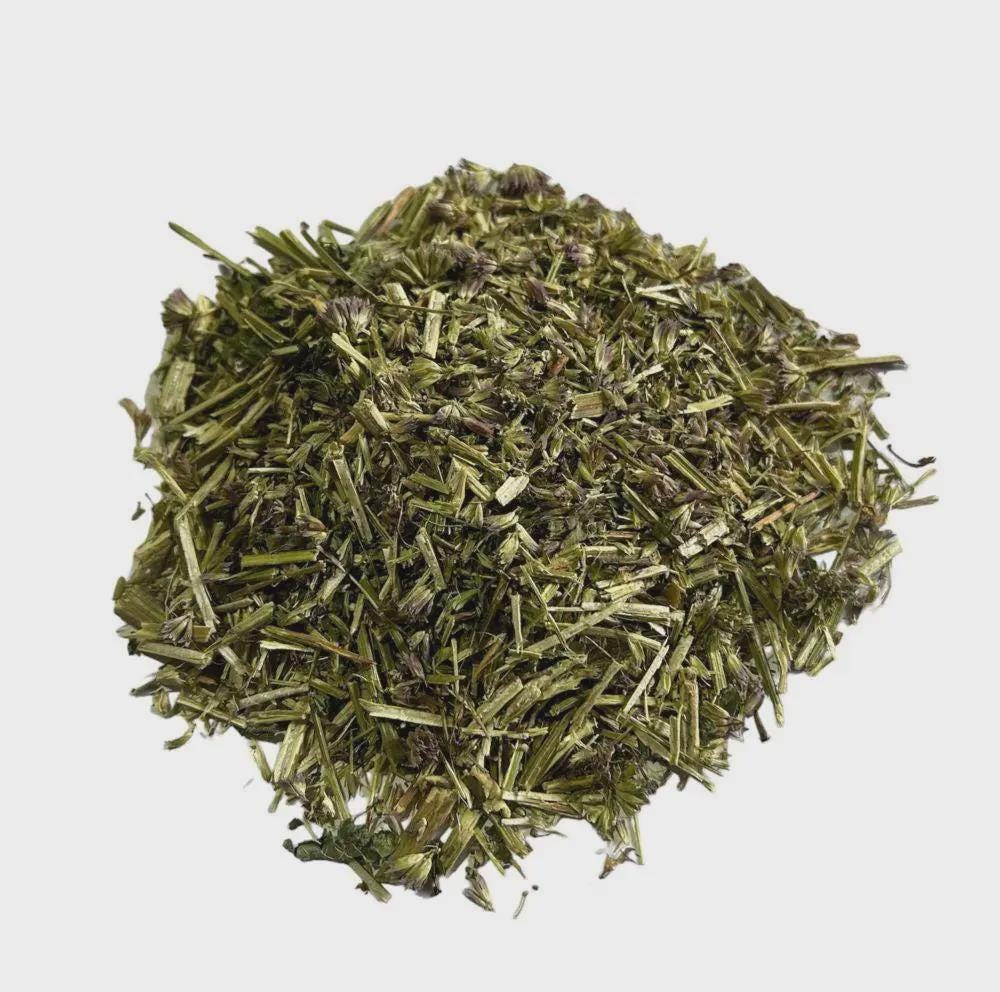
The Ultimate Guide to Wild Carrot Seed: Health Benefits and Uses

The Definitive Guide to Wild Carrot Seed: Scientific Benefits, Bioactive Profiles, and Botanical Applications

Wild Carrot (Daucus carota), commonly known as Queen Anne’s Lace, is a flowering plant in the family Apiaceae that has captured the attention of ethnobotanists, herbalists, and modern pharmacologists alike. While the cultivated carrot we consume today is a direct descendant of this resilient wild wildflower, the therapeutic profile of Wild Carrot, particularly its seeds, is remarkably unique. Unlike the sweet, taproot-focused domestic variety, the wild ancestor concentrates its chemical defenses and medicinal properties within its tiny, spiny seeds.

For centuries, traditional cultures have utilized wild carrot seeds to address a diverse spectrum of health concerns, ranging from digestive distress and renal stones to fertility management and skin rejuvenation. Today, advanced chromatography and pharmacological studies are beginning to validate these historical applications, revealing a complex matrix of essential oils, sesquiterpenes, and phenolic compounds. This comprehensive guide provides an exhaustive, evidence-based exploration of wild carrot seed, analyzing its botanical characteristics, historical context, chemical composition, therapeutic benefits, and practical applications.

1. Botanical Profile and Characteristics of Daucus carota

To fully appreciate the therapeutic capacity of wild carrot seed, one must first understand the plant’s biological structure and life cycle. Daucus carota is a biennial herb native to temperate regions of Europe and Southwest Asia, though it has naturalized extensively across North America and Australia. In its first year, the plant produces a rosette of finely divided, fern-like leaves and a small, woody white taproot with a distinct carrot scent. In its second year, it sends up a hairy, erect stem that can reach up to one meter in height, topped by flat, lace-like compound umbels of tiny white flowers.

A defining botanical feature of the wild carrot umbel is the presence of a single, dark red or purple flower at its exact center. According to folklore, this dark droplet represents a drop of blood spilled when Queen Anne of England pricked her finger while tatting lace. Biologically, this dark spot is believed to attract insect pollinators by mimicking the presence of an insect already on the flower head. As the seeds mature, the entire umbel curls inward, forming a tight, concave structure reminiscent of a bird’s nest. This adaptation protects the ripening seeds until they are dispersed by the wind or by clinging to passing animals using the microscopic hook-like spines that coat their outer surfaces.

Distinguishing Daucus carota from its botanical relatives is a critical skill for wildcrafters and herbalists. The Apiaceae family contains several highly toxic species, most notably Poison Hemlock (Conium maculatum) and Water Hemlock (Cicuta douglasii). While wild carrot features hairy stems, a distinct carrot aroma, and tri-pinnate leaves, poison hemlock features completely hairless, purple-splotched stems and a foul, musty odor. Precise identification is paramount to avoid lethal poisoning.

Wild Carrot Seed Botanical Photo

2. Historical Context and Traditional Uses

The history of wild carrot seed as a therapeutic agent spans millennia. In ancient Greece and Rome, renowned physicians such as Dioscorides and Pliny the Elder documented the use of wild carrot seeds as a powerful emmenagogue (a substance that stimulates menstrual flow) and abortifacient. It was classified as a “hot” and “dry” herb, properties traditionally associated with dispersing stagnation, warming the pelvis, and stimulating uterine contractions. In traditional European folk medicine, the seeds were also used as a preventative agent for conception, with women consuming a specific quantity of the seeds immediately following intercourse.

In addition to reproductive applications, historical herbalists valued wild carrot seed for its profound affinity for the urinary and digestive systems. It was commonly prepared as a hot infusion to soothe colic, expel intestinal gas (carminative action), and promote diuresis. The seeds were recognized for their ability to help clear gravel and stones from the kidneys and bladder, easing the pain of urinary tract infections and reducing systemic fluid retention. In the Appalachian folk medicine of North America, early settlers integrated the wild plant into their pharmacopeia, using seed extracts as a general tonic to support liver health and clear chronic skin conditions.

Wild Carrot Seed Dried Herb

3. Chemical Composition and Active Bioactive Compounds

The therapeutic efficacy of wild carrot seed is directly linked to its dense concentration of secondary metabolites. The seeds yield a volatile essential oil when steam distilled, alongside a rich spectrum of fixed oils, flavonoids, and coumarins. Understanding these chemical constituents on a molecular level explains how the herb exerts its physiological effects on the human body.

The Essential Oil Profile

The essential oil of Daucus carota seed is highly complex, containing over 80 identified volatile compounds. The dominant bioactive compounds include:

  • Carotol: A sesquiterpene alcohol that typically constitutes 30% to 70% of the essential oil, depending on the plant’s geographical origin and harvest timing. Carotol is the primary driver of the oil’s antifungal, antibacterial, and hepatoprotective properties. It is also highly valued in dermatological formulations for its skin-regenerative and nourishing qualities.
  • Daucol: Another major sesquiterpene alcohol present in significant quantities. Daucol works synergistically with carotol, contributing to the oil’s anti-inflammatory, soothing, and tissue-reconstructive actions.
  • Alpha-Pinene and Beta-Pinene: These monoterpenes are known for their bronchodilatory, anti-inflammatory, and broad-spectrum antimicrobial activities. They also aid in the rapid absorption of other active compounds through the skin and cellular membranes.
  • Geranyl Acetate: An ester that imparts a pleasant, sweet, herbaceous aroma to the oil. Geranyl acetate exhibits spasmolytic (muscle-relaxing) and mild sedative properties, helping to calm smooth muscle spasms in both the gastrointestinal and reproductive tracts.
  • Sabinenes and Myrcene: Hydrocarbons that contribute potent antioxidant and anti-inflammatory activity, helping to neutralize free radicals and reduce cellular oxidative stress.

Flavonoids, Phenolic Acids, and Coumarins

Beyond the volatile oil, wild carrot seeds contain water-soluble and fat-soluble antioxidants. Flavonoids such as luteolin and apigenin are abundant. These compounds are potent anti-inflammatory agents that inhibit the production of pro-inflammatory cytokines and enzymes (such as COX-2). Phenolic acids, including chlorogenic acid and caffeic acid, provide systemic antioxidant protection, shielding vascular walls and hepatic tissues from lipid peroxidation. Furanocoumarins and coumarins are also present in trace amounts; while these contribute to the herb’s spasmolytic and vascular-tonifying actions, they also demand caution due to their potential to induce photosensitivity when applied topically in high concentrations.

Wild Carrot Seed Plant Profile

4. Therapeutic Health Benefits of Wild Carrot Seed

Modern scientific research has begun to systematically isolate and evaluate the pharmacological properties of wild carrot seed extracts. The findings confirm that this ancient botanical possesses a wide range of therapeutic applications.

1. Exceptional Hepatoprotective and Liver-Detoxifying Support

One of the most biologically significant attributes of wild carrot seed is its ability to protect and regenerate liver cells (hepatocytes). In animal models of chemical-induced hepatotoxicity, administration of wild carrot seed oil significantly lowered elevated liver enzymes (AST, ALT, and ALP) and reduced histopathological damage to hepatic tissue. This hepatoprotective effect is largely attributed to the high concentration of carotol and phenolic antioxidants.

These compounds work by enhancing the liver’s natural antioxidant defense systems, particularly superoxide dismutase (SOD), catalase, and glutathione peroxidase. By neutralizing free radicals and preventing lipid peroxidation of the cell membranes, wild carrot seed preserves cellular integrity and facilitates the liver’s natural Phase I and Phase II detoxification pathways. This makes it an invaluable herb for individuals recovering from toxic exposures, chronic medication use, or metabolic congestion.

2. Potent Antimicrobial, Antifungal, and Antibacterial Activity

With the rise of antibiotic-resistant pathogens, natural antimicrobial agents are receiving intense scientific scrutiny. Wild carrot seed essential oil has demonstrated remarkable efficacy against a broad spectrum of pathogenic microorganisms. Studies indicate that the oil disruptively alters the cell membrane permeability of bacteria and fungi, leading to leakage of intracellular contents and cell death.

Specifically, wild carrot seed oil exhibits strong inhibitory action against clinical strains of Staphylococcus aureus, Escherichia coli, Salmonella enterica, and Listeria monocytogenes. Furthermore, its antifungal activity against dermatophytes and opportunistic yeasts, such as Candida albicans and Aspergillus niger, is exceptionally potent. This broad-spectrum activity supports its use in treating systemic dysbiosis, localized fungal infections, and contaminated wounds.

3. Cardioprotective, Vasodilatory, and Lipid-Lowering Potential

Wild carrot seed contains bioactive compounds that positively influence cardiovascular health. Research suggests that the aqueous and methanolic extracts of the seed exert a mild vasodilatory effect, helping to relax blood vessel walls and reduce peripheral vascular resistance. This action is mediated in part by the inhibition of calcium influx into vascular smooth muscle cells, a mechanism similar to pharmaceutical calcium channel blockers.

Additionally, studies have shown that regular administration of wild carrot seed extract can improve lipid profiles. It helps lower total cholesterol, low-density lipoprotein (LDL) cholesterol, and triglycerides, while simultaneously raising high-density lipoprotein (HDL) cholesterol. These lipid-modifying and antioxidant properties collectively prevent the oxidation of LDL cholesterol, a critical early step in the development of atherosclerosis and arterial plaque.

4. Renal Support and Diuretic Activity

As a traditional kidney tonic, wild carrot seed stimulates renal blood flow and increases the glomerular filtration rate, thereby acting as a natural, non-irritating diuretic. Unlike synthetic diuretics that deplete potassium and other essential electrolytes, wild carrot seed facilitates the excretion of excess water and sodium while maintaining electrolyte balance. This diuretic action is highly beneficial for managing mild edema, reducing blood pressure, and flushing metabolic waste from the body.

Furthermore, its antispasmodic and anti-inflammatory effects help soothe the smooth muscle lining of the ureters and bladder. This provides significant relief during the passage of kidney stones (calculi) and assists in flushing out microscopic crystals before they can coalesce into larger, painful obstructions.

5. Advanced Skin Regeneration and Anti-Aging Benefits

In the cosmetic and dermatological industries, wild carrot seed essential oil (often labeled as carrot seed oil) is celebrated as a premium anti-aging ingredient. The synergistic combination of carotol, daucol, and tocopherols (Vitamin E) provides intense nourishment to mature, dry, or damaged skin. The oil acts as a potent cicatrizant, stimulating cellular turnover and promoting the growth of healthy new epithelial tissue.

By protecting the skin’s structural proteins—collagen and elastin—from oxidative degradation caused by UV radiation and environmental pollutants, wild carrot seed oil helps maintain skin elasticity and reduces the appearance of fine lines and wrinkles. Its anti-inflammatory and antimicrobial properties also make it highly effective in soothing inflammatory skin conditions such as eczema, psoriasis, and dermatitis, while balancing sebum production in acne-prone skin.

6. Endocrine Regulation and Reproductive Health

The traditional reputation of wild carrot seed as an emergency contraceptive and emmenagogue has led researchers to investigate its effects on the endocrine system. Studies in animal models suggest that crude extracts of the seed can interfere with the implantation of fertilized ova, likely due to its anti-progestogenic and estrogen-modulating properties. The active compounds appear to block progesterone synthesis or compete for progesterone receptor sites in the uterus, thereby preventing the endometrial lining from sustaining a newly fertilized egg.

While this mechanism explains its historical use in birth control, it also highlights the need for extreme caution. The same properties make wild carrot seed a valuable tool for herbalists addressing menstrual irregularities, amenorrhea (absent periods), and pelvic stagnation, as it helps initiate and regulate a healthy menstrual cycle.

5. Wild Carrot Seed Supplements and Formulations

When incorporating wild carrot seed into a wellness regimen, it is crucial to understand the different forms available, as their chemical profiles and therapeutic indications vary significantly.

  • Wild Carrot Seed Essential Oil: Produced via steam distillation of the dried seeds. This is a highly concentrated, volatile oil rich in carotol and other sesquiterpenes. It must never be consumed internally without professional guidance. Topically, it must always be diluted in a gentle carrier oil (such as jojoba, rosehip, or argan oil) at a concentration of 1% to 3%. It is ideal for targeted dermatological applications, wound healing, and aromatherapy.
  • CO2 Extracts: Obtained through supercritical carbon dioxide extraction. This method preserves both the volatile essential oil components and the heavier, lipophilic fixed oils and fat-soluble vitamins. CO2 extracts offer an exceptionally rich, shelf-stable, and structurally complete representation of the seed’s lipid-soluble compounds, making them highly prized for luxury skincare formulations.
  • Standardized Capsules and Powders: Encapsulated wild carrot seed powder or standardized dry extracts are the preferred choice for systemic, internal applications. These formulations are designed to deliver a consistent dose of water-soluble flavonoids, phenolic acids, and trace active oils to support liver detoxification, renal health, and cardiovascular wellness.
  • Tinctures (Liquid Extracts): Prepared by macerating the crushed seeds in an alcohol-and-water solvent. Tinctures are highly effective at capturing both the polar and non-polar constituents of the seed. This liquid form allows for rapid absorption and easy dose titration, making it ideal for acute digestive issues, menstrual regulation, and systemic antioxidant support.

Wild Carrot Seed Capsules

6. Practical Usage, Dosages, and Modern Integration

Integrating wild carrot seed into your daily routine should be done systematically, respecting the potency of its bioactive compounds. Below are standard guidelines for preparing and dosing various forms of the herb safely and effectively.

Herbal Infusion (Tea)

To support digestive comfort, promote gentle diuresis, or encourage menstrual regularity, a traditional seed infusion can be prepared. Lightly crush one teaspoon of dried, organic wild carrot seeds to break open the protective outer husks. Pour 8 ounces of freshly boiled water over the seeds, cover the vessel tightly to prevent the volatile oils from escaping in the steam, and steep for 10 to 15 minutes. Strain and drink up to three times daily. This warm tea is excellent for releasing gas, settling an upset stomach, and warming the pelvic region.

Liquid Tincture Administration

For systemic support, a 1:5 strength tincture made with 50% to 60% alcohol is highly effective. The typical dosage ranges from 2 to 4 milliliters (approximately 40 to 80 drops), taken in a small amount of water two to three times per day. For menstrual regulation, herbalists often recommend taking the tincture during the second half of the menstrual cycle (luteal phase) or in the days leading up to the expected menstruation.

Topical Application for Skin Health

To create a deeply nourishing facial serum, blend 3 to 5 drops of pure wild carrot seed essential oil with 1 ounce (30 ml) of a high-quality carrier oil, such as pomegranate seed oil or jojoba oil. Apply a few drops of this mixture to clean, damp skin every evening. This formulation encourages cellular regeneration, protects against environmental oxidative stress, and calms redness and irritation.

Wild Carrot Seed Natural Herb

7. Safety, Side Effects, and Contraindications

While wild carrot seed is an exceptionally therapeutic botanical, its profound physiological activity means it is not suitable for everyone. Strict adherence to safety guidelines is required to prevent adverse reactions.

Contraindications in Pregnancy and Lactation

Due to its historical and scientifically demonstrated emmenagogue, anti-implantation, and uterine-stimulating properties, **wild carrot seed must be strictly avoided in all forms during pregnancy**. Consuming the seeds or using the essential oil internally could potentially disrupt a pregnancy or induce premature labor. Furthermore, because of the lack of safety data regarding its active metabolites in breast milk, its use is contraindicated during lactation.

Hormonal Interactions

Because wild carrot seed extracts can interact with progesterone and estrogen receptors, individuals with hormone-sensitive conditions (such as uterine fibroids, endometriosis, ovarian cysts, or breast, ovarian, and uterine cancers) should exercise extreme caution. Consulting with a qualified healthcare practitioner or clinical herbalist is essential before introducing this herb into your regimen.

Phototoxicity and Dermatological Sensitivity

Like many members of the Apiaceae family, wild carrot seed contains trace amounts of furanocoumarins, which can increase the skin’s sensitivity to ultraviolet (UV) light. If applying wild carrot seed essential oil topically at concentrations higher than recommended, avoid direct sunlight or tanning beds for at least 12 to 24 hours to prevent phototoxic reactions, which can present as severe sunburn, blistering, or hyperpigmentation.

The Danger of Toxic Look-Alikes

As emphasized in the botanical profile, wildcrafting wild carrot seeds carries a high level of risk due to the plant’s strong resemblance to lethal species like Poison Hemlock (Conium maculatum) and Water Hemlock (Cicuta douglasii). Poison hemlock contains toxic alkaloids that cause rapid respiratory failure and death. Unless you are an expert botanist or are harvesting under the direct supervision of one, it is highly recommended to purchase wild carrot seed and its derived products from certified organic, reputable commercial suppliers who perform rigorous botanical verification and third-party laboratory testing.

Conclusion

Wild Carrot Seed (Daucus carota) stands as a testament to the profound complexity and clinical potential of botanical medicine. Far from being a mere roadside weed, this remarkable plant synthesizes a treasure trove of bioactive compounds, including carotol, daucol, and high-performance flavonoids, which offer tangible, scientifically validated health benefits.

From protecting vital hepatic structures and neutralizing systemic free radicals to supporting cardiovascular health, improving skin vitality, and aiding renal function, wild carrot seed provides a holistic approach to wellness. By understanding its deep historical roots, respecting its precise chemical mechanisms, selecting high-quality formulations, and adhering to critical safety protocols, you can safely integrate this potent botanical ally into your modern health and wellness journey.

Disclaimer: For informational purposes only. Not medical advice. Consult a qualified healthcare professional before use.

The Ultimate Guide to Flax Seed: Health Benefits and Uses

The Definitive Guide to Flax Seed: Botanical Properties, Bioactive Compounds, and Therapeutic Benefits

Flax seed, botanically classified as Linum usitatissimum, represents one of the oldest and most nutritionally dense cultivated crops in human history. The Latin name itself, translating literally to “most useful,” highlights the historical and practical value of this remarkable plant. Historically cultivated for both its exceptionally strong fibers and its nutrient-dense seeds, flax has transitioned from an ancient agricultural staple to a modern functional food. Today, rigorous clinical trials and biochemical analyses have validated many of its traditional applications, revealing a complex matrix of bioactive compounds that support cardiovascular health, optimize gastrointestinal function, modulate hormonal pathways, and mitigate chronic systemic inflammation. This comprehensive guide explores the botanical origin, chemical architecture, systemic therapeutic properties, and practical clinical applications of flax seed.

Botanical Overview and Morphological Characteristics

The flax plant, Linum usitatissimum, belongs to the family Linaceae. It is an herbaceous annual that thrives in temperate and subtropical regions across the globe, particularly in the northern plains of North America, parts of Europe, and Western Asia. The plant features slender, erect stems that typically reach a height of 80 to 120 centimeters. Its leaves are alternate, linear-lanceolate, and grayish-green, while its flowers are notoriously striking, exhibiting a delicate, pale-blue to sky-blue color with five petals. These flowers open at dawn and typically shed their petals by midday, giving way to the development of a small, globular, five-chambered capsule containing the seeds.

The seeds themselves are small, flat, and oval-shaped with a smooth, glossy exterior. They feature a pointed apex and range in color from golden-yellow to deep reddish-brown, depending on the specific cultivar. Biochemically, the differences between golden and brown flax seeds are minimal; both varieties contain comparable profiles of essential fatty acids, dietary fiber, and polyphenolic compounds. The seed coat, or testa, is highly mucilaginous, containing a specialized layer of cells that swell significantly when exposed to moisture. This unique physical property plays a key role in the plant’s ecological survival and contributes substantially to its therapeutic applications in human digestive health.

Flax Seed Botanical Photo

Understanding the botanical structure of the seed is essential for maximizing its nutritional availability. The outer hull of the flax seed is exceptionally tough and highly resistant to enzymatic breakdown within the human digestive tract. Consequently, consuming whole, unground flax seeds often results in them passing through the alimentary canal completely intact, preventing the absorption of their internal lipid-soluble nutrients and bioactive phytochemicals. To unlock the dense concentrations of omega-3 fatty acids, proteins, and lignans housed within the endosperm and cotyledons, the mechanical disruption of this outer hull via grinding is clinically necessary.

Historical Context and Traditional Ethnobotanical Uses

The ethnobotanical history of Linum usitatissimum spans thousands of years, tracing back to the dawn of organized human agriculture. Archaeological evidence indicates that flax was cultivated in the Fertile Crescent as early as 7,000 BCE. Ancient Egyptian civilizations prized the plant not only for its oil but also for its fibers, which were spun into fine linen used to wrap mummies—a testament to its durability and natural antimicrobial properties. In the classic Greco-Roman era, prominent medical figures such as Hippocrates and Galen documented the therapeutic applications of flax seed, prescribing it as an effective remedy for relieving mucosal inflammation, soothing irritated gastrointestinal tracts, and treating respiratory congestions.

In traditional Indian Ayurvedic medicine, flax seed, known as Alsi, has long been regarded as an important therapeutic agent. Ayurvedic practitioners utilize its warming, demulcent properties to balance internal humors, support bowel regularity, and alleviate dry skin conditions. Similarly, in traditional European herbalism, cold-macerated flax seed preparations were frequently applied as poultices to treat localized skin infections, abscesses, and minor wounds, capitalizing on the mucilage’s ability to draw out impurities and reduce local inflammation.

Flax Seed Dried Herb

As industrial agricultural practices advanced through the 19th and 20th centuries, flax oil found extensive industrial use in paints, varnishes, and linoleum production due to its rapid drying properties (a result of high unsaturated fatty acid content). However, the late 20th century witnessed a major scientific renaissance regarding the seed’s nutritional profile. Clinical research pivoted away from its industrial applications to investigate its potential in preventing chronic degenerative diseases. Today, flax seed is globally recognized as a cornerstone functional food, bridging the gap between ancient preventative botanical traditions and modern evidence-based nutritional science.

Chemical Composition and Bioactive Compounds

The remarkable health benefits of flax seed are directly attributable to its highly complex and synergistic chemical matrix. Unlike many other grains and oilseeds, flax seed possesses an exceptionally high concentration of three primary bioactive components: alpha-linolenic acid (ALA), phytoestrogenic lignans, and soluble mucilaginous fiber. A detailed analysis of these components reveals the molecular mechanisms through which flax seed exerts its physiological effects.

Alpha-Linolenic Acid (ALA) and Lipid Profile

Flax seed is one of the richest plant-based sources of alpha-linolenic acid (ALA), an essential eighteen-carbon omega-3 polyunsaturated fatty acid. Lipids make up approximately 35% to 45% of the total seed weight, and of this lipid fraction, ALA typically constitutes 50% to 60%. Upon consumption, dietary ALA serves as a precursor for the endogenous synthesis of longer-chain omega-3 fatty acids, namely eicosapentaenoic acid (EPA) and docosahexaenoic acid (DHA), via a cascade of desaturase and elongase enzymes.

Although the rate of conversion of ALA to EPA and DHA in humans is relatively low—typically estimated at 5% to 15% for EPA and less than 5% for DHA—ALA itself exerts distinct, independent cardioprotective and anti-inflammatory activities. It incorporates directly into cell membranes, altering membrane fluidity, modulating ion channel activities, and competing with arachidonic acid (an omega-6 fatty acid) as a substrate for the cyclooxygenase (COX) and lipoxygenase (LOX) pathways. This metabolic competition results in a reduced production of pro-inflammatory eicosanoids and an increased synthesis of less inflammatory, protective signaling molecules.

Phytoestrogenic Lignans (Secoisolariciresinol Diglucoside)

Lignans are a diverse group of diphenolic compounds structurally similar to human 17beta-estradiol. Flax seed is the richest known dietary source of lignans, containing up to 800 times more than other plant foods. The primary lignan precursor found in flax seed is secoisolariciresinol diglucoside (SDG). Upon ingestion, intestinal microflora in the colon hydrolyze and metabolize SDG into the mammalian lignans enterodiol and enterolactone.

Flax Seed Plant Profile

These enterolignans act as selective estrogen receptor modulators (SERMs), meaning they can exhibit both weak estrogenic and anti-estrogenic activities depending on the level of endogenous circulating estrogens. In states of high estrogen (such as premenopausal women), enterolignans competitively bind to estrogen receptors, dampening excessive estrogenic signaling. Conversely, in low-estrogen states (such as postmenopausal women), they exert a mild estrogenic effect, helping to alleviate symptoms of estrogen deficiency. Furthermore, SDG and its metabolites act as potent free radical scavengers, demonstrating significant antioxidant capacity that helps protect cellular membranes and DNA from oxidative stress.

Dietary Fiber Architecture: Soluble and Insoluble Fractions

Dietary fiber accounts for approximately 25% to 30% of the total mass of the flax seed, maintaining an optimal ratio of roughly one-third soluble fiber to two-thirds insoluble fiber. The soluble fiber fraction is primarily comprised of mucilage, a complex, high-molecular-weight polysaccharide made up of arabinoxylans and rhamnogalacturonans. When exposed to water, this mucilage forms a highly viscous, cohesive gel. This gel slows gastric emptying, delays intestinal transit time, and interferes with the micellar absorption of dietary cholesterol and bile acids in the small intestine.

The insoluble fiber fraction, comprised mainly of cellulose, hemicellulose, and lignin, provides structural bulking to the fecal mass. By absorbing water within the large intestine, insoluble fiber increases stool volume and stimulates peristalsis, promoting efficient and regular bowel movements. Together, these fiber fractions play a vital role in optimizing metabolic markers, stabilizing postprandial glucose excursions, and supporting a diverse, balanced gut microbiome.

Comprehensive Clinical and Therapeutic Health Benefits

Decades of clinical research have validated the therapeutic potential of flax seed in managing and preventing various chronic, non-communicable diseases. Its multifaceted mechanism of action touches several physiological systems.

Cardiovascular Protection and Lipid Regulation

Cardiovascular disease remains a leading cause of global mortality, and dietary interventions using flax seed have shown remarkable efficacy in mitigating key cardiovascular risk factors. Clinical trials consistently demonstrate that regular consumption of ground flax seed can significantly lower serum total cholesterol and low-density lipoprotein (LDL) cholesterol levels. The primary mechanism driving this lipid-lowering effect is the soluble mucilage fiber. By binding to bile acids in the intestinal lumen, the mucilage prevents their reabsorption and forces their excretion in the feces. To compensate for this loss of bile acids, the liver must upregulate the conversion of endogenous cholesterol into new bile acids, thereby increasing LDL receptor expression on hepatocytes and clearing circulating LDL cholesterol from the bloodstream.

Furthermore, flax seed consumption has been linked to clinically significant reductions in both systolic and diastolic blood pressure. This antihypertensive effect is partially mediated by the high ALA content, which promotes the synthesis of vasodilatory nitric oxide and downregulates the activity of the renin-angiotensin-aldosterone system. Additionally, the anti-inflammatory properties of ALA and SDG reduce the systemic expression of adhesion molecules, such as vascular cell adhesion molecule-1 (VCAM-1) and intercellular adhesion molecule-1 (ICAM-1), thereby preventing leukocyte adhesion to the vascular endothelium and inhibiting the progression of atherosclerotic plaques.

Gastrointestinal Health and Microbiome Modulation

The unique structural characteristics of flax seed fiber make it a premier dietary tool for supporting gastrointestinal wellness. For individuals suffering from chronic constipation, the combination of soluble mucilage and insoluble structural fiber acts as a highly effective, non-habit-forming laxative. The mucilage lubricates the intestinal wall, facilitating the smooth passage of stool, while the insoluble fiber adds bulk, reducing colonic transit time. This dual-action mechanism is equally beneficial for managing symptoms of irritable bowel syndrome (IBS), where it helps normalize stool consistency and soothe inflamed mucosal linings.

Moreover, flax seed serves as an excellent prebiotic substrate. The complex polysaccharides in flax fiber are resistant to upper digestive enzymes and reach the colon intact. Here, they undergo anaerobic fermentation by beneficial commensal bacteria, such as Bifidobacterium and Lactobacillus species. This fermentation process produces short-chain fatty acids (SCFAs), specifically acetate, propionate, and butyrate. SCFAs serve as the primary energy source for colonocytes, reinforce the integrity of the intestinal mucosal barrier, maintain an acidic colonic pH that discourages pathogenic colonization, and exert systemic immunomodulatory and anti-inflammatory activities throughout the body.

Endocrine Support, Glycemic Control, and Metabolic Health

Flax seed plays a valuable role in supporting glycemic control and metabolic homeostasis. The viscous gel formed by the soluble fiber slows down the enzymatic digestion of starches and delays the absorption of glucose across the brush border membrane of the enterocytes. This mechanical slowing results in a more gradual rise in blood glucose levels postprandially, reducing the demand on pancreatic beta-cells to secrete insulin and improving overall insulin sensitivity over time.

Additionally, clinical studies suggest that the antioxidant and anti-inflammatory properties of flax lignans contribute to the reduction of systemic oxidative stress, which is a major driver of insulin resistance and metabolic syndrome. By reducing systemic inflammation markers, such as C-reactive protein (CRP) and tumor necrosis factor-alpha (TNF-alpha), flax seed helps break the pathological cycle of metabolic dysfunction, offering protective benefits for individuals with prediabetes and type 2 diabetes mellitus.

Hormonal Balance and Oncology Research

The high concentration of phytoestrogenic lignans in flax seed has generated significant clinical interest in the field of endocrinology and oncology. Because enterolactone and enterodiol can competitively bind to estrogen receptors, they act as natural modulators of hormone activity. In postmenopausal women, ground flax seed has been shown to reduce the severity and frequency of hot flashes and other vasomotor symptoms associated with ovarian senescence, providing a safe, natural alternative to hormone replacement therapy (HRT).

Furthermore, epidemiological and clinical studies suggest that high dietary intake of flax seed lignans is associated with a reduced risk of hormone-sensitive cancers, particularly breast and prostate cancers. In breast cancer research, enterolignans have been observed to downregulate the expression of estrogen-responsive genes, inhibit tumor cell proliferation, and stimulate the hepatic synthesis of sex hormone-binding globulin (SHBG), which binds free circulating estrogens and lowers their biological availability. In men, flax seed consumption has been associated with decreased prostate-specific antigen (PSA) levels and reduced rates of tumor cell proliferation in localized prostate cancer, showcasing its potential as a supportive dietary intervention in oncological care.

Flax Seed Formats: Whole, Ground, Oil, and Capsules

When incorporating flax seed into a therapeutic regimen, choosing the appropriate format is essential, as the bioavailability and chemical stability of the bioactive compounds vary significantly across different preparations.

Flax Seed Capsules

As discussed, whole flax seeds are highly resistant to digestion; while they provide excellent insoluble roughage, their internal nutrients remain largely unabsorbed. Ground flax seed, also referred to as flax meal, is widely considered the gold standard for comprehensive nutritional support. Grinding breaks open the tough outer hull, making the omega-3 fatty acids, protein, lignans, and soluble fibers fully accessible for digestion and absorption. However, ground flax seed is highly susceptible to lipid peroxidation due to the exposure of its unsaturated fatty acids to light, oxygen, and heat. To preserve its nutritional integrity, ground flax seed must be stored in airtight, opaque containers within a refrigerator or freezer.

Flax seed oil is obtained by cold-pressing the seeds to extract the lipid fraction. This concentrated oil offers an exceptionally high dose of ALA per serving, making it an excellent anti-inflammatory supplement. However, flax seed oil contains absolutely no dietary fiber and virtually no lignans, as these compounds remain bound within the solid cake of the seed coat during the pressing process. For individuals specifically seeking targeted omega-3 supplementation without the added fiber, flax seed oil capsules provide a convenient, highly bioavailable, and oxidation-protected alternative. These gelatin or vegetarian capsules protect the sensitive oil from atmospheric oxygen, ensuring a shelf-stable and precise daily dose of essential fatty acids.

Dosage, Selection, Preparation, and Safety Considerations

To safely maximize the therapeutic benefits of flax seed, close attention must be paid to preparation techniques, daily dosages, and potential contraindications. The following table provides a comprehensive overview of recommended daily intakes based on therapeutic goals:

  • General Nutritional Maintenance: 1 to 2 tablespoons (approx. 10 to 20 grams) of ground flax seed daily.
  • Cardiovascular and Lipid Management: 2 to 4 tablespoons (approx. 20 to 40 grams) of ground flax seed daily, divided into two doses.
  • Gastrointestinal Regularity: 1 to 2 tablespoons of ground flax seed consumed with at least 8 ounces of water, twice daily.
  • Targeted Omega-3 Supplementation: 1,000 to 2,000 mg of cold-pressed flax seed oil in capsule form daily.

When initiating flax seed therapy, it is clinically advisable to begin with a low dose (e.g., half a tablespoon daily) and gradually increase the amount over several weeks. This allows the gastrointestinal tract and microbiome to adapt to the increased fiber load, minimizing temporary side effects such as abdominal bloating, flatulence, and mild cramping.

Flax Seed Natural Herb

Proper hydration is absolutely critical when consuming ground flax seed. Because the soluble mucilage fiber is highly hydrophilic, it draws significant volumes of water from the digestive tract to form its viscous gel. If ground flax seed is consumed with insufficient fluids, it can expand prematurely in the esophagus or intestines, potentially leading to dehydration, exacerbated constipation, or, in rare cases, physical bowel obstruction. Consuming at least 8 to 10 ounces of water alongside every tablespoon of ground flax seed is a fundamental safety requirement.

Additionally, flax seed contains small, trace amounts of naturally occurring antinutrients, such as phytic acid and cyanogenic glycosides. Phytic acid can bind to essential minerals like iron, zinc, and calcium, slightly reducing their absorption. Cyanogenic glycosides, when metabolized, can release trace amounts of hydrogen cyanide. However, extensive clinical research has demonstrated that the human body can safely detoxify the trace levels of cyanide produced by standard culinary intakes of up to 50 grams of raw flax seed daily. Furthermore, cooking or baking with ground flax seed denatures the enzymes responsible for releasing cyanide, rendering the compounds completely harmless. To optimize mineral absorption, individuals can also soak or sprout the seeds prior to consumption, which significantly degrades phytic acid levels.

Certain patient populations should exercise caution when incorporating therapeutic doses of flax seed. Due to its mild phytoestrogenic properties, pregnant or lactating women should consult their obstetrician before consuming large, supplemental quantities of flax seed or concentrated flax lignan extracts. Furthermore, because of the high viscous fiber content, ground flax seed can potentially delay or reduce the absorption of oral medications. To prevent drug-nutrient interactions, it is highly recommended to administer oral prescription medications at least one hour before or two hours after consuming significant quantities of ground flax seed.

Conclusion: Integrating Flax Seed into a Modern Wellness Regimen

In conclusion, Linum usitatissimum stands as a premier functional food that seamlessly bridges ancient herbal wisdom with contemporary, evidence-based nutritional science. Its unique chemical triad of alpha-linolenic acid, phytoestrogenic lignans, and complex soluble and insoluble fibers enables it to deliver systemic, multi-organ health benefits. From reducing cardiovascular disease markers and modulating hormonal balance to optimizing gut microbiome diversity and promoting metabolic health, the therapeutic versatility of flax seed is virtually unmatched in the plant kingdom.

Whether utilized as ground meal stirred into morning oatmeal, taken as encapsulated cold-pressed oil for targeted inflammatory control, or integrated into baked goods, flax seed represents an exceptionally cost-effective, accessible, and scientifically validated tool for proactive health management. By adhering to proper preparation, storage, and hydration practices, individuals can safely harness the full healing potential of this ancient, “most useful” botanical treasure.

Disclaimer: For informational purposes only. Not medical advice. Consult a qualified healthcare professional before use.

The Ultimate Guide to Coriander Seed: Health Benefits and Uses

The Comprehensive Guide to Coriander Seed: Botanical Profile, Phytochemistry, and Evidence-Based Therapeutic Benefits

Coriander seed, derived from the annual herb Coriandrum sativum, represents one of the oldest and most versatile botanical agents known to humanity. Respected both as a fundamental culinary spice and a cornerstone of traditional pharmacopeias across the globe, these small, spherical fruits contain a complex matrix of bioactive volatile oils, essential fatty acids, and potent polyphenolic compounds. In the modern era of evidence-based phytotherapy, research is systematically validating what ancient healers observed: coriander seeds exert profound pharmacological activities, including hypoglycemic, hypolipidemic, antimicrobial, carminative, and neuroprotective effects. This definitive guide explores the botanical architecture, rich historical lineage, biochemical composition, and clinical applications of coriander seed, providing a comprehensive, scientifically rigorous overview of its systemic health benefits.

1. Botanical Profile and Taxonomic Classification

Belonging to the Apiaceae (formerly Umbelliferae) family—a prestigious botanical group that also includes carrots, celery, parsley, fennel, and cumin—Coriandrum sativum is a delicate, glabrous annual plant. While the fresh leaves are popularly referred to as cilantro or Chinese parsley, the dried schizocarps (the anatomical term for the seed-like fruits) are universally designated as coriander seeds. The plant typically reaches a height of 30 to 70 centimeters, featuring highly segmented, thread-like upper leaves and broader, incised lower leaves. During its flowering phase, it produces compound umbels bearing small white or pale pink flowers that attract a diverse array of pollinators.

The fruit itself is a globular schizocarp, measuring approximately 3 to 5 millimeters in diameter. When mature, it transitions from a vibrant green to a light golden-brown color, presenting a ribbed surface that contains two single-seeded half-fruits called mericarps. These mericarps are rich in oil ducts (vittae), which synthesize and store the volatile compounds responsible for the spice’s distinctive warm, sweet, citrusy, and slightly woody aroma. The plant thrives in temperate and subtropical climates, preferring well-drained, loamy soils and ample sunlight, which directly influences the concentration and yield of its therapeutic essential oils.

Coriander Seed Botanical Photo

2. Historical Context and Traditional Medicine Systems

The historical footprint of coriander seed spans millennia, weaving through the foundations of human civilization. Archeological excavations have recovered coriander seeds from Pre-Pottery Neolithic B sites in the Nahal Hemar cave in Israel, dating back over 8,000 years, as well as from the ancient Egyptian tomb of Tutankhamun. The Ebers Papyrus, an Egyptian medical treatise dating to roughly 1550 BCE, details the use of coriander for easing digestive complaints and alleviating localized inflammatory pain. In ancient Greece, the physician Hippocrates, along with his successor Dioscorides, documented coriander seeds for their carminative, sedative, and restorative properties, recommending them as a digestive aid and a circulatory stimulant.

Within Traditional Chinese Medicine (TCM), coriander seed—known as Hu Sui—is classified as an herb that releases the exterior, warms the middle jiao (the digestive center), and stimulates the movement of Qi. It was historically administered to treat indigestion, abdominal bloating, and to help drive out pathogens during the early stages of eruptive skin conditions. Similarly, in the Ayurvedic medical system of India, coriander is referred to as Dhanyaka. Ayurveda values coriander seed for its unique ability to pacify all three doshas (Vata, Pitta, and Kapha), a rare attribute among spices. Because it is viewed as inherently cooling despite its digestive-stimulating nature (Deepana and Pachana), Ayurvedic practitioners regularly prescribe coriander infusions to soothe hot, inflammatory digestive conditions, support renal function, and alleviate urinary tract irritations.

Coriander Seed Dried Herb

3. Chemical Composition and Active Phytochemicals

The therapeutic efficacy of coriander seed is directly attributable to its highly complex phytochemical profile. This profile consists primarily of a volatile essential oil fraction, a fixed fatty acid fraction, and a diverse range of non-volatile phenolic compounds. The essential oil yield typically ranges from 0.3% to 1.5% of the seed’s dry weight, depending heavily on the geographical origin, cultivation practices, and harvesting timeline of the plant.

The primary bioactive compound within the essential oil is linalool, a monoterpene alcohol that frequently accounts for 60% to 75% of the total volatile profile. Linalool is renowned for its potent spasmolytic, antimicrobial, anti-inflammatory, and anxiolytic properties. Accompanying linalool are several secondary monoterpenes and hydrocarbons that act synergistically, including:

  • alpha-Pinene and beta-Pinene: Terpenes with notable anti-inflammatory, bronchodilatory, and broad-spectrum antimicrobial properties.
  • gamma-Terpinene and p-Cymene: Hydrocarbons that contribute to the antioxidant pool and exhibit strong food-preservative characteristics.
  • Camphor and Geraniol: Compounds that support localized circulation, provide mild analgesic effects, and act as powerful pest repellents.
  • Limonene: A citrus-scented terpene that enhances gastric motility, protects mucosal linings, and aids detoxification pathways in the liver.

Beyond its volatile oils, coriander seed contains a significant fixed oil fraction (ranging from 15% to 25%), which is exceptionally rich in petroselinic acid. This unique 18-carbon monounsaturated fatty acid constitutes up to 70% of the total fatty acid content. Petroselinic acid is highly valued for its anti-inflammatory, anti-aging, and skin-barrier-protecting properties. Additionally, the seeds are packed with dietary fiber, water-soluble vitamins (such as Vitamin C and B-complex), fat-soluble vitamins (Vitamin A and K), and essential minerals including iron, copper, calcium, potassium, magnesium, and manganese. Phenolic acids—such as caffeic, chlorogenic, gallic, and ferulic acids—alongside flavonoids like quercetin and rutin, form a powerful antioxidant shield that scavenges free radicals throughout the human body.

Coriander Seed Plant Profile

4. Evidence-Based Health Benefits of Coriander Seed

Optimizing Gastrointestinal Function and Easing Digestive Distress

One of the most established and scientifically validated applications of coriander seed is its role in supporting the digestive system. For centuries, coriander has been used as a carminative agent—an herb that prevents the formation of gas in the gastrointestinal tract and facilitates its expulsion. The primary mechanism underlying this effect is the action of linalool on the smooth muscle tissues of the gut. Linalool acts as a natural spasmolytic, modulating calcium channel activity to inhibit the involuntary muscle spasms that cause abdominal cramping, bloating, and flatulence.

Furthermore, bioactive components within coriander seeds stimulate the gastric mucosa, promoting the secretion of digestive enzymes, bile, and gastric juices. This enzymatic up-regulation accelerates the breakdown of macronutrients, improving overall nutrient absorption and preventing the fermentation of undigested food in the colon. Clinical research indicates that coriander seed extracts can provide significant relief to individuals suffering from Irritable Bowel Syndrome (IBS). A randomized, double-blind, placebo-controlled study demonstrated that patients receiving a standardized coriander-containing preparation experienced a marked reduction in both the frequency and severity of abdominal pain and bloating compared to the placebo group.

Glycemic Regulation and Insulin-Sensitizing Activity

Coriander seed is often referred to in traditional circles as an “anti-diabetic” plant, a reputation that modern endocrinology continues to validate. The hypoglycemic effects of coriander seed are mediated through several distinct physiological mechanisms. In vivo studies demonstrate that aqueous and ethanolic extracts of coriander seeds stimulate the pancreatic beta-cells to increase the synthesis and release of insulin, thereby enhancing systemic glucose clearance.

At the cellular level, active compounds in coriander seeds enhance glucose uptake in peripheral tissues—specifically skeletal muscle and adipose tissue—by up-regulating the expression of glucose transporter-4 (GLUT-4) receptors. Additionally, coriander has been shown to inhibit key enzymes involved in carbohydrate digestion, specifically alpha-glucosidase and alpha-amylase. By slowing down the enzymatic degradation of complex carbohydrates into simple sugars within the small intestine, coriander seed effectively prevents postprandial glucose spikes, making it an invaluable dietary and therapeutic ally for individuals managing Type 2 diabetes or metabolic syndrome.

Cardiovascular Protection and Lipid Management

Cardiovascular disease remains a leading cause of global mortality, with dyslipidemia and oxidative stress serving as major driving factors. Coriander seed offers a multi-targeted pharmacological approach to cardiovascular health. Research shows that coriander seed powder and extracts can significantly lower serum levels of low-density lipoprotein (LDL) cholesterol, very low-density lipoprotein (VLDL) cholesterol, and triglycerides, while simultaneously increasing high-density lipoprotein (HDL) cholesterol—the protective carrier.

The lipid-lowering mechanism of coriander is driven by its ability to modulate hepatic lipid metabolism. It increases the activity of the enzyme lecithin-cholesterol acyltransferase (LCAT), which plays a key role in esterifying free cholesterol and facilitating its transport back to the liver for excretion. Concurrently, coriander compounds enhance the degradation of cholesterol into bile acids, promoting their elimination via the biliary pathway. Additionally, coriander seeds exhibit natural vasodilation properties; by modulating calcium influx in vascular smooth muscles, they help lower peripheral vascular resistance, thereby supporting healthy blood pressure levels.

Systemic Anti-Inflammatory and Analgesic Pathways

Chronic inflammation is the biological driver behind many modern degenerative diseases, including rheumatoid arthritis, cardiovascular decline, and neurodegenerative disorders. The rich array of flavonoids, phenolic acids, and monoterpenes in coriander seed exhibits profound anti-inflammatory activity. These compounds work by inhibiting the nuclear factor-kappa B (NF-kB) signaling pathway, which is responsible for initiating the transcription of pro-inflammatory cytokines such as tumor necrosis factor-alpha (TNF-alpha), interleukin-1 beta (IL-1b), and interleukin-6 (IL-6).

Moreover, coriander seed extracts selectively down-regulate the cyclooxygenase-2 (COX-2) and lipoxygenase (LOX) enzymes. This action suppresses the synthesis of inflammatory prostaglandins and leukotrienes, mimicking the mechanism of action seen in non-steroidal anti-inflammatory drugs (NSAIDs) without the associated gastrointestinal side effects. Localized application of coriander seed essential oil or concentrated extracts has been shown to reduce joint swelling and alleviate pain in arthritic models, demonstrating its potential as a complementary therapy for chronic musculoskeletal inflammatory conditions.

Broad-Spectrum Antimicrobial and Antifungal Activity

With the global rise of antibiotic-resistant pathogens, researchers are increasingly looking to botanical essential oils as viable antimicrobial agents. Coriander seed essential oil has demonstrated exceptional efficacy against a wide range of pathogenic bacteria and fungi. The primary driver of this activity is linalool, which possesses a hydrophobic nature that allows it to easily penetrate and disrupt the lipid bilayer of bacterial cell membranes.

This membrane disruption increases cellular permeability, causing the leakage of critical intracellular components (such as ions and proteins) and ultimately leading to the collapse of the pathogen’s membrane potential and cell death. Studies have confirmed that coriander seed oil is highly effective against foodborne pathogens including Salmonella enterica, Escherichia coli, Listeria monocytogenes, and Staphylococcus aureus. Furthermore, coriander exhibits strong antifungal activity against Candida albicans and various dermatophytes, making it a valuable agent for both food preservation and the topical management of superficial fungal infections.

Anxiolytic, Sedative, and Neuroprotective Properties

In traditional Iranian medicine, coriander seed has long been utilized to calm the nervous system, alleviate insomnia, and manage convulsive disorders. Modern neurological studies support these traditional applications, demonstrating that coriander seed extract possesses significant anxiolytic (anxiety-reducing) and sedative properties. This neuro-active effect is primarily attributed to the interaction of linalool with the central nervous system’s GABAergic pathways.

Linalool binds to and modulates GABA-A receptors, reinforcing the inhibitory actions of gamma-aminobutyric acid (GABA), the brain’s primary calming neurotransmitter. This action produces a relaxing, tranquilizing effect similar to clinical anxiolytics, but with a significantly lower risk of physical dependency or motor impairment. Additionally, the rich antioxidant profile of coriander protects delicate brain tissues from oxidative stress, a primary contributor to cognitive decline, Alzheimer’s disease, and Parkinson’s disease. By scavenging free radicals and suppressing neuro-inflammation, coriander seed helps preserve cognitive function, memory retention, and overall neurological longevity.

5. Modern Supplementation and Pharmacological Forms

To capture the concentrated therapeutic benefits of coriander seed, the natural health industry has developed several distinct supplement formats. While culinary use provides excellent long-term health maintenance, therapeutic protocols often require standardized concentrations of coriander’s active constituents. These modern delivery methods ensure precise dosing, consistent active compound profiles, and targeted absorption pathways.

Standardized coriander seed extracts are commonly packaged into convenient capsule formulations. These supplements are designed to deliver a concentrated dose of the active polyphenols and monoterpenes without the necessity of consuming large quantities of the raw seed. For those seeking targeted glycemic, cardiovascular, or digestive support, capsules offer a reliable, highly bioavailable option that can easily fit into a daily supplement regimen.

Coriander Seed Capsules

When selecting a coriander seed supplement, consumers should look for products that specify their standardization parameters—such as the percentage of linalool or total polyphenols present. This level of quality control ensures that the supplement contains the precise therapeutic compounds validated in clinical trials, guaranteeing both safety and efficacy.

6. Practical Applications, Culinary Integration, and Dosage

Incorporating coriander seed into your daily routine is simple, rewarding, and highly versatile. Whether utilized as a aromatic culinary spice, brewed into a therapeutic herbal infusion, or taken as a concentrated supplement, coriander can easily adapt to a variety of wellness strategies:

  • Culinary Integration: To maximize both the flavor and therapeutic value of coriander seeds, purchase them whole. Lightly toast the dry seeds in a pan over low heat until they release their signature warm, citrusy aroma. This process gently heats the volatile oils, mobilizing the active terpenes. Freshly grind the toasted seeds using a mortar and pestle or a dedicated spice grinder, and add them generously to curries, stews, roasted root vegetables, soups, and marinades.
  • Therapeutic Coriander Tea (Infusion): To soothe digestive discomfort or promote systemic antioxidant status, crush one teaspoon of high-quality organic coriander seeds. Place the crushed seeds in a cup, pour 250 ml of freshly boiled water over them, cover the cup to prevent the therapeutic volatile oils from escaping with the steam, and allow it to steep for 10 to 15 minutes. Strain the warm infusion and drink it up to three times daily, preferably 20 minutes before meals.
  • Cold Infusion (Ayurvedic Dhanyak Hima): For individuals experiencing internal heat, acid reflux, or inflammatory digestive symptoms, Ayurveda recommends a cold infusion. Soak one tablespoon of crushed coriander seeds in a cup of room-temperature water overnight. In the morning, strain the liquid, add a small touch of natural sweetener if desired, and drink it on an empty stomach for a cooling, soothing effect on the gastrointestinal tract.

Coriander Seed Natural Herb

7. Safety, Potential Side Effects, and Contraindications

Coriander seed has a long history of safe use and is generally recognized as safe (GRAS) by global food and drug safety authorities when consumed in typical dietary amounts. However, because of its concentrated pharmacological activities, certain precautions should be observed when using it in therapeutic or supplemental doses:

  • Hypoglycemia Risk: Due to its potent ability to lower blood glucose levels, individuals diagnosed with Type 2 diabetes who are currently taking oral hypoglycemic medications (such as metformin or sulfonylureas) or using insulin should closely monitor their blood sugar levels when introducing therapeutic doses of coriander. The combination may trigger an additive effect, potentially leading to hypoglycemia (dangerously low blood sugar).
  • Hypotension Risk: Because coriander seed can lower peripheral vascular resistance and promote vasodilation, individuals taking prescription antihypertensive medications should use caution. Combining large, therapeutic doses of coriander with blood pressure-lowering drugs may lead to mild dizziness or hypotension.
  • Allergic Sensitivities: While rare, individuals who have known allergies to other members of the Apiaceae botanical family (such as celery, fennel, cumin, caraway, or anise) may exhibit cross-sensitivity to coriander. If you experience signs of an allergic reaction—such as localized skin rashes, itching, or respiratory irritation—discontinue use immediately.
  • Pregnancy and Surgery: While standard culinary amounts of coriander are completely safe during pregnancy and lactation, concentrated therapeutic extracts and essential oils should be avoided due to a lack of safety data regarding high-dose exposure on fetal development. Additionally, because coriander may influence blood glucose levels and blood clotting dynamics, it is recommended to discontinue therapeutic coriander supplementation at least two weeks prior to any scheduled surgical procedures.

Conclusion

Coriander seed stands as a remarkable bridge between ancient healing wisdom and modern clinical validation. From its roots in ancient Egyptian tombs and Ayurvedic healing systems to contemporary research laboratories, this humble spice has proven itself to be a powerful, multi-targeted therapeutic agent. Its rich chemical profile—anchored by the versatile monoterpene linalool and the unique petroselinic acid—enables it to support digestive function, assist in glycemic regulation, protect cardiovascular pathways, reduce systemic inflammation, and soothe the nervous system.

By thoughtfully integrating coriander seed into your daily diet, enjoying it as a soothing herbal tea, or incorporating standardized capsules into your supplement routine, you can harness its extensive therapeutic benefits. As with any potent botanical agent, individuals with pre-existing medical conditions or those taking prescription medications should consult with a qualified healthcare provider to ensure coriander seed is integrated safely and effectively into their personalized wellness plan.

Disclaimer: For informational purposes only. Not medical advice. Consult a qualified healthcare professional before use.
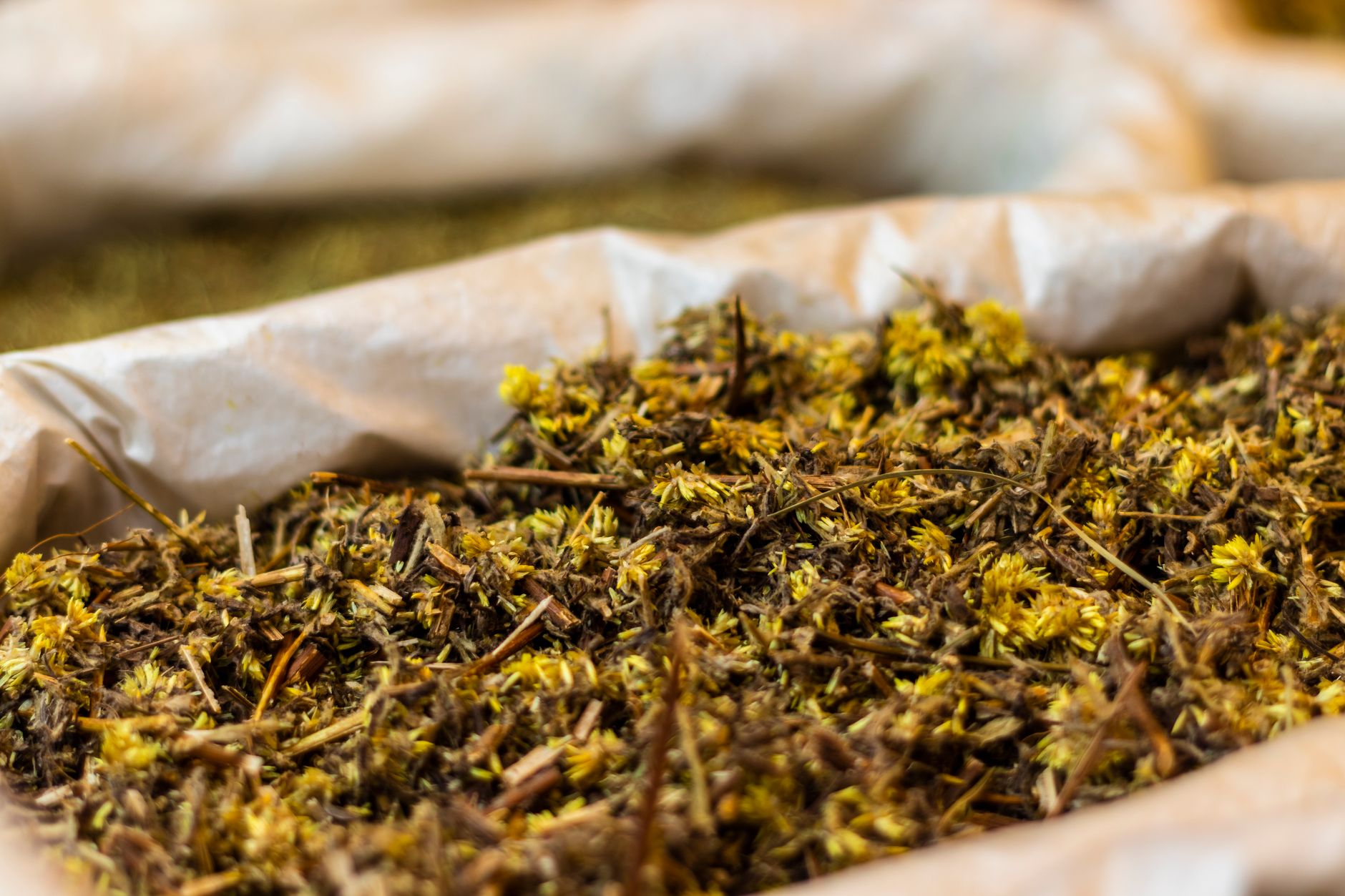
The Ultimate Guide to Anise Seeds: Health Benefits and Uses

The Ultimate Guide to Anise Seeds: History, Phytochemistry, and Evidence-Based Health Benefits

Anise seeds, botanically classified as Pimpinella anisum, represent one of the oldest and most revered therapeutic herbs in human history. Belonging to the Apiaceae family—which also includes celery, carrots, fennel, and parsley—anise is a delicate, annual herbaceous plant native to the eastern Mediterranean region and Southwest Asia. Known for its distinct sweet, licorice-like flavor profile, this botanical powerhouse has transcended its traditional culinary applications to become a focal point of modern pharmacological research. In this exhaustive, evidence-based guide, we examine the structural characteristics, historical applications, intricate phytochemical matrix, and comprehensive clinical health benefits of anise seeds.

Botanical Characteristics and Taxonomy

To fully understand the therapeutic potential of anise seeds, it is essential to first examine the plant from a botanical perspective. Pimpinella anisum grows to an average height of 60 to 90 centimeters. It features intermediate, bright green, feather-like pinnate leaves and terminal compound umbels that bear small, yellowish-white flowers. The medicinal portion of the plant, commonly referred to as the seed, is scientifically classified as a schizocarp. This small, oblong, crescent-shaped dry fruit measures approximately 3 to 5 millimeters in length and features prominent longitudinal ridges. It is often confused with Star Anise (Illicium verum) due to a shared aromatic profile, and Fennel (Foeniculum vulgare) because of physical and chemical similarities. However, these plants belong to entirely different botanical families and exhibit distinct phytochemical configurations. True anise seeds possess a unique concentration of essential volatile oils, nested within specialized secretory ducts called vittae, which are responsible for the herb’s signature aroma and biological activity.

Anise Seeds Botanical Photo

Historical Legacy and Traditional Uses

The historical record of Pimpinella anisum spans millennia, establishing it as a foundational botanical agent across multiple ancient civilizations. Archaeological evidence suggests that the ancient Egyptians cultivated anise as early as 1500 BCE, utilizing it as a digestive aid, a carminative agent, and an essential component in the complex mummification process. The Ebers Papyrus, an ancient Egyptian medical document, highlights the seed’s efficacy in addressing oral hygiene and gastrointestinal disturbances.

In classical antiquity, Greek and Roman physicians further documented the therapeutic versatility of anise. Hippocrates, the father of modern medicine, recommended it for clearing the respiratory tract and relieving persistent coughs. Pliny the Elder and Dioscorides noted its capacity to stimulate appetite, alleviate intestinal gas, ease pain, and promote lactation in nursing mothers. In the Roman Empire, anise was so highly valued for its digestive properties that it was a key ingredient in “mustaceus,” a spiced cake traditionally served at the end of lavish feasts to prevent dyspepsia. In Ayurvedic medicine, anise seeds have been used for centuries to balance the digestive fire (Agni) and alleviate imbalances in the Vata and Kapha doshas. This rich ethnobotanical history has laid the groundwork for modern scientific investigations into the biochemical pathways of this remarkable plant.

Anise Seeds Dried Herb

Phytochemical Profile: The Science of Active Compounds

The therapeutic efficacy of Pimpinella anisum is directly attributed to its complex phytochemical composition. The seeds contain approximately 1.5% to 5% volatile essential oil, which serves as the primary reservoir for its bioactive compounds. Additionally, the seeds are rich in fixed oils (8% to 16%), proteins (18%), sugars, starch, and crude fiber.

Analytical chromatography has revealed that the principal active constituent of anise essential oil is trans-anethole, which accounts for 80% to 90% of the total oil volume. Trans-anethole is an organic phenylpropene derivative responsible for both the characteristic sweet, licorice-like flavor and the vast majority of the herb’s physiological actions, including its estrogenic, expectorant, spasmolytic, and antimicrobial properties. Other critical bioactive constituents identified within the volatile profile include:

  • Methyl chavicol (estragole): An isomer of anethole that contributes to the unique sweet undertones and possesses mild sedative and spasmolytic properties.
  • Anise aldehyde: Formed through the oxidation of anethole, this compound exhibits significant antimicrobial activity against various bacterial and fungal strains.
  • Pseudoisoeugenol: A rare phenylpropanoid derivative that contributes to the herb’s anti-inflammatory and vascular-modulating capabilities.
  • Coumarins: Naturally occurring compounds such as umbelliferone and scopolin, which demonstrate potent antioxidant, anti-inflammatory, and anticoagulant activities.
  • Flavonoids: Including quercetin, luteolin, apigenin, and rutin, which act as powerful free radical scavengers, protecting cellular structures from oxidative degradation.
  • Phenolic acids: Such as caffeic acid, chlorogenic acid, and p-hydroxybenzoic acid, which further enhance the total antioxidant capacity of the seed.

Anise Seeds Plant Profile

Evidence-Based Health Benefits of Anise Seeds

1. Optimization of Gastrointestinal Health

The most widely celebrated and scientifically validated application of anise seeds lies in their profound impact on the gastrointestinal tract. Chronic dyspepsia, flatulence, abdominal bloating, and irritable bowel syndrome (IBS) are highly prevalent conditions that respond exceptionally well to Pimpinella anisum therapies.

The primary mechanism behind these digestive benefits is the spasmolytic (antispasmodic) effect of trans-anethole. Research indicates that trans-anethole acts as a natural calcium channel blocker within the smooth muscle cells of the gastrointestinal tract. By inhibiting the influx of extracellular calcium ions, anise prevents the involuntary contractions and spasms of the intestinal wall that manifest as cramping, colic, and pain. Furthermore, anise seeds act as a potent carminative. They reduce the surface tension of gas bubbles trapped within the digestive tract, facilitating their coalescence and subsequent elimination, which rapidly relieves bloating and abdominal distension.

Additionally, clinical studies suggest that anise extracts exhibit significant gastroprotective properties. In animal models of gastric ulceration, anise administration demonstrated a protective effect on the gastric mucosa. It significantly reduced gastric acid secretion while simultaneously increasing the secretion of gastric mucus and non-protein sulfhydryls. This dual action shields the delicate lining of the stomach from the corrosive effects of hydrochloric acid and inflammatory cytokines, making anise a potential natural adjunct therapy for individuals suffering from gastritis or peptic ulcer disease.

2. Relief from Menopausal Symptoms and Hormonal Regulation

For women transitioning through perimenopause and menopause, anise seeds offer a powerful, non-hormonal therapeutic alternative for managing systemic symptoms. Hot flashes, night sweats, vaginal dryness, and mood fluctuations are primarily driven by the progressive decline in endogenous estrogen production.

Phytochemical analysis has revealed that trans-anethole possesses structural similarities to 17β-estradiol, allowing it to interact dynamically with human estrogen receptors. Polymers of anethole, such as dianethole and photoanethole, exhibit even stronger estrogenic activity than the monomer itself. These compounds bind to estrogen receptors (specifically ER-alpha and ER-beta), exerting mild estrogenic agonist activity that helps stabilize the hypothalamic-pituitary-ovarian axis.

In a double-blind, placebo-controlled clinical trial involving menopausal women, the daily administration of anise seed extract resulted in a statistically significant reduction in both the frequency and severity of hot flashes over a multi-week period. Unlike synthetic hormone replacement therapy (HRT), which carries potential risks for cardiovascular disease and hormone-sensitive malignancies, the phytoestrogens found in anise seeds offer a gentler profile. They help modulate hormonal receptors safely, presenting a highly valuable botanical tool for managing menopausal discomfort.

3. Management of Menstrual Pain (Dysmenorrhea)

Primary dysmenorrhea, characterized by painful uterine cramping during menstruation, affects millions of women worldwide. This condition is driven by the overproduction of uterine prostaglandins, which leads to intense, spasmodic contractions of the uterine smooth muscle and localized ischemia.

The potent antispasmodic and anti-inflammatory activities of anise seeds make them exceptionally effective in mitigating menstrual pain. By blocking calcium channels and inhibiting the cyclooxygenase (COX) enzymatic pathway, anise limits the synthesis of pro-inflammatory prostaglandins (specifically PGE2 and PGF2-alpha). A comparative clinical study demonstrated that a combination of anise, saffron, and celery seed extracts was highly effective in reducing the severity and duration of menstrual pain, outperforming standard over-the-counter NSAIDs like ibuprofen without causing gastrointestinal side effects.

4. Expectorant and Respiratory System Support

The traditional use of Pimpinella anisum for respiratory ailments has been thoroughly validated by contemporary pharmacological research. Anise seeds are highly regarded for their secretolytic, secretomotoric, and spasmolytic activities within the respiratory tree.

When consumed, the active volatile compounds—primarily trans-anethole and anise aldehyde—are partially excreted via the bronchial mucosa. As these compounds pass through the respiratory tract, they stimulate the bronchial glands to secrete a thinner, more watery mucus. This secretolytic action reduces the viscosity of stubborn, deep-seated phlegm. Concurrently, anise stimulates the ciliary activity of the epithelial cells lining the trachea and bronchi. This secretomotoric effect accelerates the upward transport of mucus, making coughs more productive and facilitating the rapid clearance of the respiratory passages. Furthermore, its smooth muscle-relaxing properties help dilate the bronchioles, providing relief from bronchospasms associated with asthma, bronchitis, and chronic obstructive pulmonary disease (COPD).

5. Antimicrobial, Antifungal, and Antiparasitic Efficacy

With the rise of antibiotic-resistant pathogens, researchers have turned their attention to natural antimicrobial agents. Pimpinella anisum essential oil has demonstrated exceptional inhibitory activity against a broad spectrum of bacteria, fungi, and yeasts.

The antimicrobial mechanism of anise essential oil lies in its ability to penetrate the lipophilic cell membranes of pathogenic microorganisms. Trans-anethole alters the permeability of the cell membrane, leading to the leakage of essential intracellular components, the depletion of ATP (adenosine triphosphate), and the eventual lysis of the cell. Studies have shown that anise oil is highly effective against common bacterial strains such as Escherichia coli, Staphylococcus aureus, Pseudomonas aeruginosa, and Salmonella typhimurium.

Moreover, anise essential oil exhibits exceptional antifungal activity, particularly against Candida albicans and various dermatophytes responsible for skin infections. It interferes with the synthesis of ergosterol—a vital component of the fungal cell membrane—thereby halting fungal replication and colonization. This potent antifungal action makes standardized anise preparations highly effective for addressing systemic overgrowth, oral thrush, and localized cutaneous fungal infections.

6. Neurological Support, Anxiety Reduction, and Sleep Quality

Emerging research in neuropsychology indicates that anise seeds exert a stabilizing effect on the central nervous system. In traditional systems of medicine, anise was frequently prescribed to ease nervous tension, alleviate mild depression, and promote restful sleep.

The neuroprotective and anxiolytic effects of anise are believed to be mediated through its interaction with the GABAergic neurotransmitter system. Gamma-aminobutyric acid (GABA) is the primary inhibitory neurotransmitter in the human brain, responsible for dampening neuronal excitability and promoting relaxation. Compounds within anise seeds are thought to enhance GABA receptor sensitivity, mimicking the calming effects of mild sedatives. Clinical trials evaluating the efficacy of anise oil in patients with mild-to-moderate depression and generalized anxiety disorder (GAD) have demonstrated significant improvements in clinical scores, pointing to its potential as a natural, non-habit-forming support for psychological well-being.

7. Glycemic Control and Metabolic Regulation

As metabolic disorders such as type 2 diabetes and insulin resistance continue to escalate globally, finding natural ways to manage blood glucose levels is increasingly important. Recent pharmacological investigations suggest that anise seeds can play a supportive role in regulating glucose metabolism.

Experimental studies indicate that anise extracts can stimulate the activity of key enzymes involved in carbohydrate digestion and absorption. By moderately inhibiting alpha-glucosidase and alpha-amylase in the small intestine, anise delays the breakdown of complex carbohydrates into glucose, thereby preventing rapid postprandial blood sugar spikes. Additionally, active constituents in anise seeds have been shown to enhance the uptake of glucose by peripheral muscle tissues and improve insulin sensitivity. This multi-faceted mechanism helps stabilize long-term blood glucose markers, making anise a valuable addition to a balanced metabolic health strategy.

Therapeutic Formulations and Modern Supplements

To access the diverse health benefits of Pimpinella anisum, several high-quality formulations are available, ranging from traditional crude herb preparations to advanced standardized extracts.

Anise Seeds Capsules

For individuals seeking targeted, therapeutic-strength doses of anise, modern standardized capsules offer an exceptional solution. These supplements typically contain concentrated powdered extracts of Pimpinella anisum, standardized to guarantee a precise percentage of active trans-anethole. This ensures consistent therapeutic potency with every dose, making capsules highly convenient for managing systemic issues such as chronic dyspepsia, IBS, and menopausal hot flashes.

Other popular delivery methods include:

  • Anise Seed Infusion (Tea): Prepared by steeping 1 to 2 grams of gently crushed anise seeds in freshly boiled water for 10 to 15 minutes. This traditional preparation is ideal for acute digestive issues, mild coughs, and relaxation.
  • Anise Essential Oil: A highly concentrated steam-distilled oil that must be diluted in a carrier oil for topical application, or carefully administered under the guidance of a qualified practitioner for internal use.
  • Liquid Extracts and Tinctures: Hydroalcoholic solutions that offer rapid absorption and easy dosage adjustment, frequently used by herbalists to customize therapeutic formulas.

Dosage Guidelines and Practical Usage

To maximize the therapeutic benefits of anise seeds while ensuring safety, it is essential to follow established clinical dosage guidelines. The appropriate dosage depends significantly on the form of the herb being administered.

Anise Seeds Natural Herb

For general wellness, digestive support, and mild respiratory relief, the following daily parameters are clinically recommended:

  • Crushed Seeds (Infusion): 1 to 3 grams of dried anise seeds brewed as a tea, taken up to three times daily after meals.
  • Standardized Powdered Extract (Capsules): 300 mg to 500 mg, taken one to three times daily, depending on the concentration of active trans-anethole.
  • Fluid Extract (1:1 in 25% ethanol): 1.0 to 3.0 ml, administered three times daily.
  • Anise Essential Oil (Internal): 0.05 to 0.2 ml (approximately 1 to 3 drops) diluted in a carrier oil, warm water, or honey, used with caution.

When using anise seeds for culinary purposes, they can be added whole or ground to baked goods, soups, stews, and herbal infusions. While culinary quantities provide excellent digestive support, therapeutic-grade outcomes for specific clinical conditions typically require the consistent use of concentrated extracts or standardized capsules.

Safety, Side Effects, and Contraindications

While Pimpinella anisum is classified as “Generally Recognized as Safe” (GRAS) by major international regulatory bodies when consumed in dietary amounts, certain precautions must be observed when using therapeutic doses.

Due to the potent estrogenic activity of trans-anethole and its polymers, individuals with hormone-sensitive conditions should exercise caution. This includes individuals diagnosed with, or carrying a high risk for, breast cancer, uterine cancer, ovarian cancer, endometriosis, or uterine fibroids. In these cases, the phytoestrogenic compounds in anise could potentially interfere with hormonal therapies or exacerbate hormone-driven pathologies.

Allergic reactions, though rare, can occur in individuals with known hypersensitivities to other members of the Apiaceae family, such as fennel, cumin, celery, coriander, or dill. Symptoms typically manifest as mild contact dermatitis, localized swelling, or mild gastrointestinal discomfort. Additionally, the internal use of concentrated pure anise essential oil is contraindicated during pregnancy, as high doses may stimulate uterine contractions. It is always recommended to consult with a qualified healthcare professional before incorporating high-dose anise supplements into your daily wellness routine, especially if you are currently taking prescription medications or managing chronic health conditions.

Conclusion

Pimpinella anisum, or the anise seed, is a remarkable example of traditional botanical wisdom fully validated by modern scientific research. From its ancient origins as a prized digestive aid to its contemporary role as a clinically studied phytotherapeutic agent, anise continues to demonstrate exceptional versatility. Its unique concentration of bioactive compounds—led by the powerful phenylpropanoid trans-anethole—provides deep-seated support for the digestive, respiratory, endocrine, and nervous systems. By understanding its phytochemical mechanisms, respecting dosage guidelines, and choosing high-quality delivery methods, you can safely integrate this time-honored botanical into your routine to support long-term health and vitality.

Disclaimer: For informational purposes only. Not medical advice. Consult a qualified healthcare professional before use.

The Ultimate Guide to white water lily: Health Benefits and Uses

The Health Benefits of White Water Lily: A Comprehensive Scientific and Historical Guide

For millennia, the serene surfaces of slow-moving rivers, tranquil ponds, and freshwater lakes across Europe, North Africa, and parts of Asia have been graced by the pristine blooms of the white water lily (Nymphaea alba). Beyond its undeniable botanical beauty, this aquatic perennial holds a venerable place in the annals of global ethnobotany and traditional medicine. Often revered as a symbol of purity, peace, and spiritual rebirth, the white water lily is also a powerhouse of complex bioactive compounds. Modern phytochemistry is increasingly validating what ancient healers instinctively understood: that the roots, leaves, and petals of Nymphaea alba possess profound therapeutic properties capable of supporting nervous system equilibrium, alleviating inflammatory conditions, nurturing the skin, and optimizing overall systemic wellness.

This comprehensive, science-backed guide explores the rich history, intricate botanical characteristics, complex phytochemical profile, and clinically relevant health benefits of the white water lily. Whether you are an experienced herbalist, a functional medicine practitioner, or a health conscious consumer looking to expand your natural pharmacy, this deep-dive exploration will illuminate the multi-faceted therapeutic potential of this extraordinary aquatic botanical.

Historical Significance and Cultural Legacy

The cultural and medical history of the white water lily is deeply intertwined with the development of early human civilizations. In ancient Egypt, water lilies (including Nymphaea alba and its relative Nymphaea caerulea) were central to religious iconography and spiritual practices. They were associated with the sun god Ra and the cycle of creation, as the flowers close their petals at night and submerge, only to rise and bloom again with the morning sun. Egyptian priests and healers utilized preparations of the plant in sacred rituals and as a therapeutic draft to induce states of calm, spiritual receptivity, and physical relaxation.

In Classical Greece, the renowned physician Dioscorides documented the use of Nymphaea alba in his seminal pharmacological text, De Materia Medica. Dioscorides and his contemporaries prescribed the roots and seeds of the water lily to treat gastrointestinal distress, calm hyperactive states of mind, and manage excessive libido. This latter application earned the plant a reputation as a powerful anaphrodisiac—a property that would be heavily utilized during the medieval period in Europe. Monks and nuns in Christian monasteries frequently consumed preparations of white water lily root to assist in maintaining vows of celibacy, earning the plant common folk names like “herbe au prêtre” (priest’s herb) and “nun’s discipline.”

Across traditional European folk medicine, the white water lily was also employed as a cooling remedy. It was formulated into soothing poultices to treat sunburns, inflammatory skin diseases, and localized physical trauma, as well as brewed into decoctions to resolve chronic diarrhea, bronchial irritation, and internal hemorrhages. The persistence of its use across diverse cultures and centuries underscores the profound physiological effects this plant exerts on the human body.

Botanical Profile and Ecological Characteristics

Belonging to the family Nymphaeaceae, Nymphaea alba is a hardy, aquatic perennial herb characterized by its deeply submerged, thick, fleshy rhizomes that anchor firmly into the muddy substrates of freshwater bodies. From these nutrient-dense rhizomes, long, flexible, air-filled petioles extend upward, terminating in large, floating, orbicular leaves. These leaves, commonly referred to as lily pads, feature a smooth, leathery surface with a waxy, water-repellent cuticle on top, and a deep reddish-purple underside equipped with specialized stomata to facilitate gas exchange in an aquatic environment.

white water lily Botanical Photo

The flowers of Nymphaea alba are solitary, hermaphroditic, and visually striking, measuring up to 20 centimeters in diameter. They consist of numerous spirally arranged, pure white petals that transition gradually into bright yellow, pollen-rich stamens at the center. The plant’s blooming period spans from late spring to early autumn. This species exhibits nyctinasty, meaning the flowers open during the daylight hours to attract pollinators like beetles and bees, and close tightly at dusk. Ecological preservation is vital for this species; because water lilies act as natural water purifiers by absorbing heavy metals and providing critical shelter and oxygenation for aquatic life, harvesting must always be conducted sustainably and from pristine, unpolluted ecosystems.

Phytochemical Composition: The Biochemical Engine of Nymphaea alba

The therapeutic efficacy of the white water lily is a direct consequence of its complex secondary metabolites. Unlike synthetic pharmaceuticals that isolate a single active molecule, the medicinal action of Nymphaea alba arises from the synergistic interaction of several distinct phytochemical classes found throughout its rhizomes, leaves, and blossoms.

white water lily Plant Profile

The primary bioactive constituents discovered through modern phytochemical analysis include:

  • Alkaloids: The most pharmacologically active compounds in Nymphaea alba are unique sesquiterpene alkaloids, primary among which are nupharine, nymphaeine, and beta-nupharidine. These nitrogenous compounds interact directly with the central nervous system, exhibiting mild sedative, spasmolytic, and neuroprotective properties.
  • Flavonoids: The flowers and leaves are rich in antioxidant flavonoids, including quercetin, kaempferol, myricetin, and their glycosidic derivatives (such as hyperoside and rutin). These molecules neutralize harmful reactive oxygen species (ROS), protect cellular integrity, and modulate inflammatory pathways.
  • Tannins: High concentrations of gallotannins and ellagitannins are concentrated in the rhizomes. These polyphenolic compounds exert a powerful astringent effect, precipitating proteins to form a protective barrier over mucous membranes and wounded skin, which aids in healing and controls minor bleeding.
  • Cardiac Glycosides and Cardenolides: Found in trace, safe amounts when properly prepared, these compounds can exert mild cardiotonic activities, influencing myocardial contraction and cardiovascular tone under expert supervision.
  • Mucilage and Plant Sterols: Mucilage provides highly soothing, demulcent properties that coat and protect irritated epithelial tissues. Concurrently, phytosterols like beta-sitosterol work to modulate systemic inflammatory cascades and support lipid metabolism.

Deep-Dive into the Health Benefits of White Water Lily

1. Advanced Stress Reduction, Anxiolysis, and Sleep Support

In our modern, high-stress society, chronic activation of the sympathetic nervous system (the “fight-or-flight” response) is a leading driver of physical and mental illness. White water lily acts as a potent nervine and adaptogenic agent, helping to restore balance to an overtaxed nervous system. The primary mechanism driving this benefit is the interaction of its specific alkaloids, nupharine and nymphaeine, with neurotransmitter receptors in the brain.

Research suggests that these active alkaloids exhibit a calming effect on the central nervous system by modulating gamma-aminobutyric acid (GABA) pathways. GABA is the primary inhibitory neurotransmitter in the human brain, responsible for slowing down neuronal firing and promoting feelings of tranquility, safety, and physical relaxation. By supporting GABAergic activity and gently reducing excitotoxicity caused by excess glutamate, white water lily helps to quieten the racing thoughts associated with generalized anxiety disorder, panic states, and chronic mental fatigue.

Furthermore, because of its ability to transition the body into a parasympathetic state (the “rest-and-digest” mode), Nymphaea alba serves as an exceptional natural sleep aid. Unlike synthetic sedative-hypnotics, which disrupt natural sleep architecture and can lead to dependency or next-day cognitive fog, white water lily promotes a natural, restorative sleep cycle. It reduces the latency to sleep onset and enhances the deeper, regenerative stages of slow-wave sleep, allowing individuals to wake up feeling genuinely restored.

2. Anti-Inflammatory Action and Systemic Pain Management

Chronic, low-grade inflammation is the underlying driver of most degenerative diseases, including osteoarthritis, cardiovascular disease, and metabolic disorders. The rich flavonoid and phenolic acid profile of the white water lily offers profound anti-inflammatory and analgesic benefits by intervening directly in the body’s inflammatory signaling cascades.

Scientific investigations indicate that extracts of Nymphaea alba effectively inhibit the activity of key pro-inflammatory enzymes, namely cyclooxygenase-2 (COX-2) and 5-lipoxygenase (5-LOX). These enzymes are responsible for converting arachidonic acid into pro-inflammatory mediators like prostaglandins and leukotrienes, which trigger localized pain, swelling, and tissue destruction. By blocking these pathways, white water lily acts as a natural, plant-based alternative to non-steroidal anti-inflammatory drugs (NSAIDs), helping to alleviate chronic joint pain, muscular aches, and tension headaches without the associated gastrointestinal or renal side effects.

Additionally, the high concentration of systemic antioxidants within the plant neutralizes free radicals that cause oxidative stress. Oxidative stress and chronic inflammation exist in a destructive feedback loop; by scavenging reactive oxygen species (ROS), the phytochemicals in white water lily break this cycle, protecting tissues from premature aging, preserving joint mobility, and supporting arterial health.

3. Dermatological Transformation and Anti-Aging Benefits

The cosmetic and dermatological industries have recently rediscovered Nymphaea alba as a premier active ingredient for advanced skincare formulations. The unique combination of mucilage, tannins, and specialized flavonoids within the plant makes it exceptionally suited for addressing both sensitive skin conditions and the biological signs of aging.

For individuals struggling with inflammatory skin conditions such as eczema, psoriasis, rosacea, or acute sunburn, the white water lily provides immediate, soothing relief. Its high mucilage content acts as a natural humectant, drawing moisture into the stratum corneum (the outermost layer of the skin) and creating a breathable, protective barrier that seals in hydration and accelerates cellular repair. The astringent tannins present in the rhizome extract help to tighten dilated pores, reduce excess sebum production, and soothe the redness and irritation associated with inflammatory acne.

From an anti-aging perspective, white water lily extract targets the primary structural proteins of the skin: collagen and elastin. As we age, enzymes known as collagenase and elastase break down these essential proteins, leading to fine lines, wrinkles, and loss of skin elasticity. Active compounds in Nymphaea alba have been shown to inhibit these destructive enzymes, thereby preserving the structural integrity of the dermal matrix. Furthermore, the extract helps inhibit melanogenesis (the overproduction of melanin triggered by UV exposure and inflammation), making it a highly effective natural agent for fading hyperpigmentation, age spots, and achieving a bright, even skin tone.

4. Modulation of Libido and Reproductive Health

While many botanical adaptogens are celebrated for their ability to boost libido, the historical reputation of the white water lily as an anaphrodisiac remains one of its most unique and valuable therapeutic attributes. In specific clinical scenarios—such as managing hypersexuality, supporting individuals undergoing spiritual celibacy, or calming excessive physical tension and obsessive mental states associated with high libido—Nymphaea alba serves as an invaluable therapeutic tool.

The physiological mechanism behind this effect is believed to reside in the plant’s alkaloid-driven sedation of the central nervous system and its mild antispasmodic action on the smooth muscles of the genitourinary tract. By reducing central nervous system excitability and lowering circulating levels of excessive sympathetic drive, white water lily helps to calm both the physical and psychological impulses of intense sexual drive. Importantly, when used in appropriate, therapeutic doses, it does not cause reproductive toxicity or long-term hormonal disruption; rather, it temporarily pacifies overactive neural pathways to restore psychological and physical equilibrium.

Conversely, in traditional women’s healthcare, the root of the white water lily has been utilized to manage uterine congestion, pelvic inflammatory conditions, and painful menstruation (dysmenorrhea). Its spasmolytic and muscular-relaxant properties help to alleviate acute uterine cramping, while its astringent nature helps to regulate menorrhagia (abnormally heavy or prolonged menstrual bleeding).

Traditional Uses and Ethnobotanical Preparations

Throughout history, different parts of the white water lily were meticulously prepared depending on the specific health condition being targeted. The root (rhizome), which is highly concentrated in tannins and starch, was typically harvested in the autumn, thoroughly cleaned, sliced, and dried for future use.
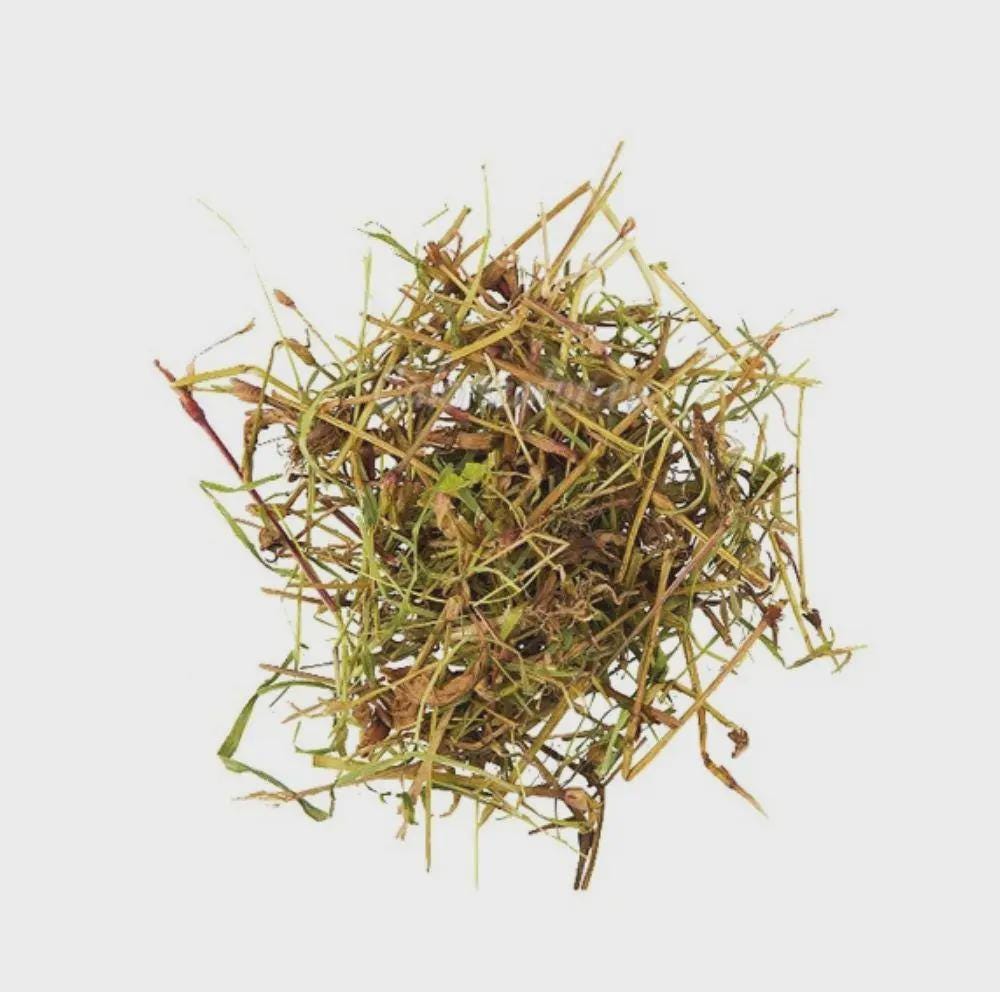
white water lily Dried Herb

Traditional preparations of the dried herb include:

  • Decoctions: Because the rhizome is tough and woody, it requires prolonged boiling to extract its therapeutic compounds. A traditional decoction is prepared by simmering 1 to 2 teaspoons of the dried, cut root in 8 ounces of water for 15 to 20 minutes. This preparation is highly astringent and was historically consumed to soothe digestive tract inflammation, chronic diarrhea, and internal mucosal irritation, or used cool as a gargle for sore throats and mouth ulcers.
  • Infusions: The delicate white flowers and leaves are better suited for light infusions. Pouring freshly boiled water over dried petals and steeping for 10 to 15 minutes yields a fragrant, calming tea that targets insomnia, mild anxiety, and nervous restlessness.
  • Poultices and Fomentations: For external applications, the fresh root was grated and applied directly to boils, inflamed joints, and slow-healing wounds. Alternatively, cloth pads soaked in a strong decoction of the root or flowers were applied to the skin to soothe burns, reduce localized swelling, and calm dermatological eruptions.

Modern Herbal Formulations and Supplement Science

In modern clinical herbalism, the therapeutic application of Nymphaea alba has transitioned from rustic traditional teas to standardized, highly bioavailable modern delivery systems. These contemporary formulations ensure consistent dosing of the plant’s active alkaloids and flavonoids, offering reliable therapeutic outcomes for consumers and healthcare practitioners alike.

white water lily Capsules

Today, consumers can access the benefits of white water lily through several primary delivery methods:

  • Standardized Herbal Capsules: Encapsulated dried powder or concentrated dry extracts offer a convenient, taste-free, and precise method of ingestion. Standardized capsules ensure that a specific concentration of active alkaloids (such as nupharine) is delivered in every dose, making them ideal for managing chronic conditions like daily anxiety, sleep disorders, or systemic inflammatory pain.
  • Liquid Tinctures and Glycerites: Liquid extracts utilize a mixture of water and alcohol (or vegetable glycerin for alcohol-free options) to pull both water-soluble and alcohol-soluble compounds from the plant material. Tinctures bypass the digestive tract more rapidly than capsules, allowing for quicker absorption and rapid relief during acute states of panic, physical tension, or acute insomnia.
  • Topical Creams and Serums: High-end, clean beauty brands incorporate concentrated white water lily extracts into anti-aging serums, soothing moisturizers, and under-eye creams to combat cellular aging, calm redness, and deeply hydrate the skin.

Recommended Dosage, Preparation, and Practical Applications

Determining the correct dosage of white water lily depends heavily on the form of the supplement being used, the individual’s constitution, and the specific health goal. Because of the pharmacological potency of its alkaloids, it is always recommended to start with the lowest effective dose and gradually increase under the guidance of a qualified healthcare provider.

white water lily Natural Herb

The following parameters serve as a general clinical guideline for adult administration:

  • Standardized Dry Extract Capsules: A typical starting dose ranges from 250 mg to 500 mg, taken once or twice daily. For sleep support, the dose is best consumed approximately 30 to 60 minutes before bedtime.
  • Liquid Tincture (1:5 ratio in 40% alcohol): 1 to 2 mL (approximately 30 to 60 drops), taken 2 to 3 times daily in a small amount of water or juice.
  • Traditional Dried Root Decoction: 3 to 5 grams of dried root simmered in 250 mL of water, taken up to twice daily. Use with caution to avoid gastrointestinal irritation from excess tannins.
  • Topical Application: Apply standardized skin creams or oil infusions containing 2% to 5% water lily extract to affected areas of clean skin morning and evening.

Safety, Side Effects, and Critical Contraindications

While the white water lily is a highly therapeutic botanical with a long history of safe use, its profound biological activity necessitates caution. Understanding potential side effects and contraindications is essential for integrating this herb safely into your wellness routine.

Because of its potent sedative and GABA-modulating properties, white water lily should not be combined with prescription central nervous system (CNS) depressants, including benzodiazepines, barbiturates, sleep medications, or alcohol. Combining these substances can lead to additive sedative effects, resulting in excessive drowsiness, slowed reflexes, or respiratory depression. For the same reason, individuals should avoid operating heavy machinery or driving after consuming internal doses of this herb.

In high doses, the alkaloids present in the plant (specifically nupharine) can cause mild toxicity, manifesting as nausea, gastrointestinal cramps, dizziness, or a slowed heart rate (bradycardia). Always adhere strictly to recommended serving sizes. Due to a lack of comprehensive safety data regarding developing fetuses and infants, the use of Nymphaea alba is strictly contraindicated for pregnant and breastfeeding women.

Finally, individuals with pre-existing cardiovascular conditions, particularly bradycardia or hypotension (low blood pressure), should exercise extreme caution and consult their cardiologist before using white water lily, as the plant’s mild cardiotonic and vasodilatory properties can alter heart rate and blood pressure dynamics.

Conclusion: Embodying the Quiet Wisdom of the Water Lily

The white water lily (Nymphaea alba) is far more than an ornamental jewel gracing wild wetlands; it is a profound botanical ally capable of bringing deep peace, healing, and biological restoration to the human body. From its roots anchored in the dark mud to its pristine white blossoms reaching for the sunlight, the water lily embodies the concept of physical and emotional equilibrium. By combining ancient historical wisdom with the rigorous validation of modern science, we can safely and effectively harness this plant’s remarkable power to calm anxious minds, restore restorative sleep, soothe painful inflammation, and cultivate vibrant, youthful skin.

As you integrate this elegant herb into your natural wellness regimen—whether through a soothing evening tea, a highly concentrated capsule, or a rejuvenating facial serum—remember to respect its potency and seek out sustainably sourced, high-quality preparations. In doing so, you connect with a legacy of natural healing that spans millennia, finding balance and serenity through the quiet medicine of the water lily.

Disclaimer: For informational purposes only. Not medical advice. Consult a qualified healthcare professional before use.